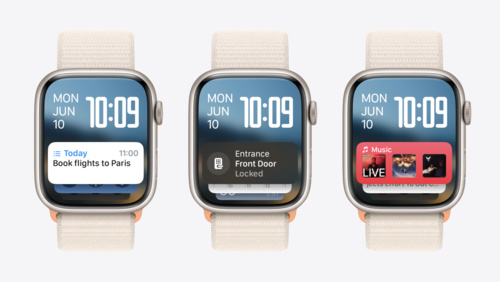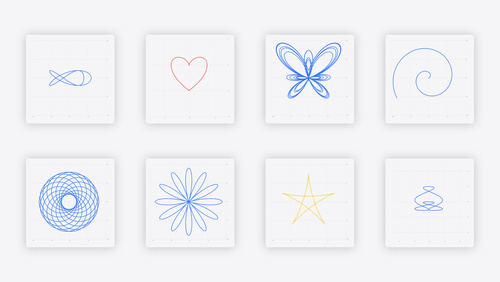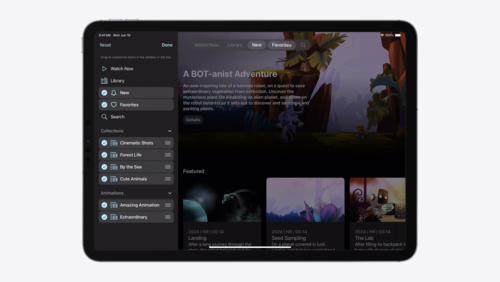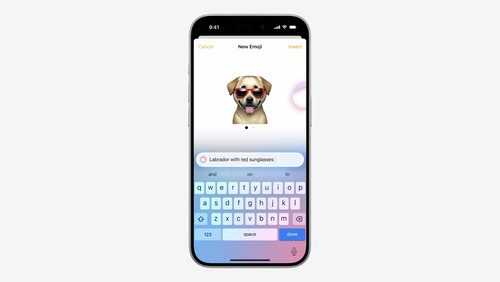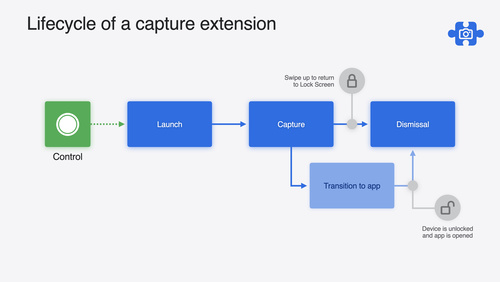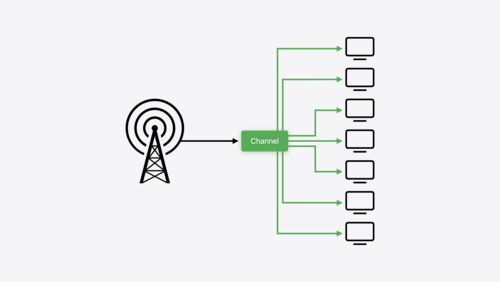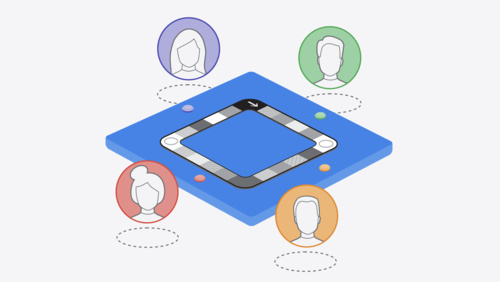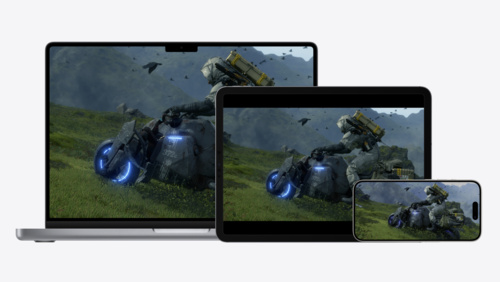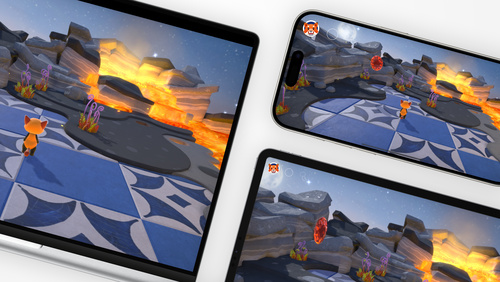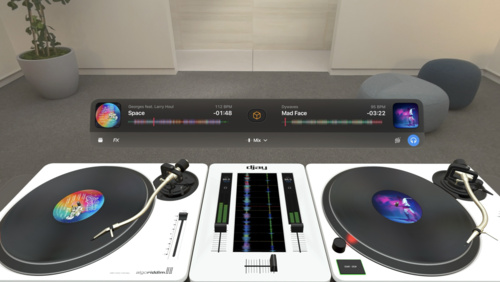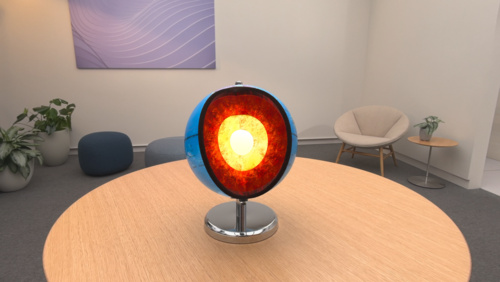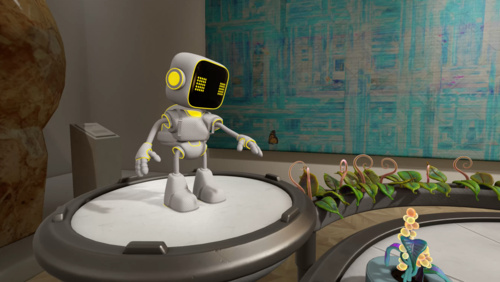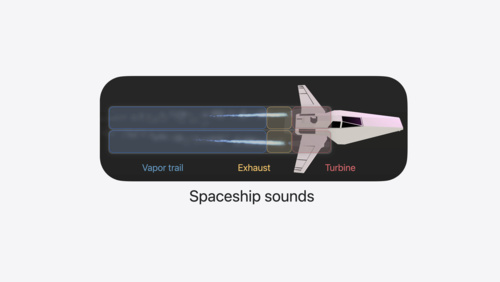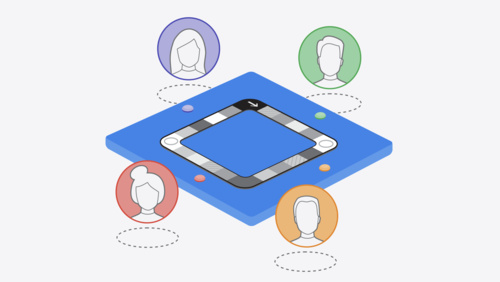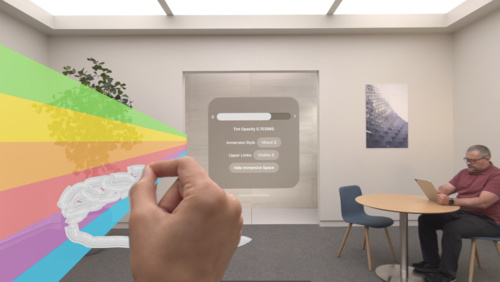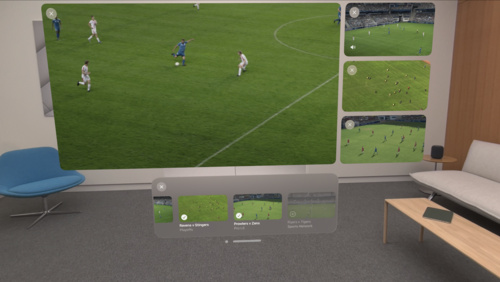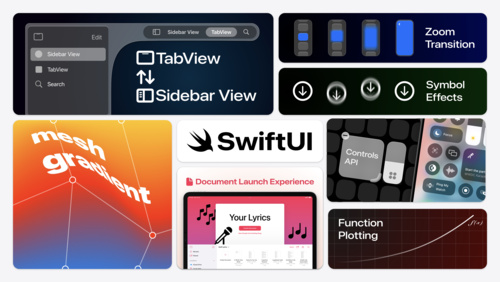

Join us around the world to learn about growing your business, elevating your app design, and preparing for the App Review process. Here’s a sample of our new activities — and you can always browse the full schedule to find more.
Apple Developer News and Updates feed provided by Apple, Inc.


Join us around the world to learn about growing your business, elevating your app design, and preparing for the App Review process. Here’s a sample of our new activities — and you can always browse the full schedule to find more.


Web Distribution lets authorized developers distribute their iOS apps to users in the European Union (EU) directly from a website owned by the developer. Apple will provide developers access to APIs that facilitate the distribution of their apps from the web, integrate with system functionality, and back up and restore users’ apps, once they meet certain requirements designed to help protect users and platform integrity. For details, visit Getting started with Web Distribution in the EU.

The team behind Plex has a brilliant strategy for dealing with bugs and addressing potential issues: Find them first.
“We’ve got a pretty good process in place,” says Steve Barnegren, Plex senior software engineer on Apple platforms, “and when that’s the case, things don’t go wrong.”
Launched in 2009, Plex is designed to serve as a “global community for streaming content,” says engineering manager Alex Stevenson-Price, who’s been with Plex for more than seven years. A combination streaming service and media server, Plex aims to cover the full range of the streaming experience — everything from discovery to content management to organizing watchlists.
This allows us more time to investigate the right solutions.
Ami Bakhai, Plex product manager for platforms and partners
To make it all run smoothly, the Plex team operates on a six-week sprint, offering regular opportunities to think in blocks, define stop points in their workflow, and assess what’s next. “I’ve noticed that it provides more momentum when it comes to finalizing features or moving something forward,” says Ami Bakhai, product manager for platforms and partners. “Every team has their own commitments. This allows us more time to investigate the right solutions.”
The Plex team iterates, distributes, and releases quickly — so testing features and catching issues can be a tall order. (Plex releases regular updates during their sprints for its tvOS flagship, iOS, iPadOS, and macOS apps.)
Though Plex boasts a massive reach across all the platforms, it’s not powered by a massive number of people. The fully remote team relies on a well-honed mix of developer tools (like Xcode Cloud and TestFlight), clever internal organization, Slack integration, and a thriving community of loyal beta testers that stretches back more than a decade. “We’re relatively small,” says Danni Hemberger, Plex director of product marketing, “but we’re mighty.”
Over the summer, the Plex team made a major change to their QA process: Rather than bringing in their QA teams right before the release, they shifted QA to a continuous process that unfolds over every pull request. “The QA team would find something right at the end, which is when they’d start trying to break everything,” laughs Barnegren. “Now we can say, ‘OK, ten features have gone in, and all of them have had QA eyes on them, so we’re ready to press the button.’”
Now we can say, ‘OK, ten features have gone in, and all of them have had QA eyes on them, so we’re ready to press the button.’
Steve Barnegren, Plex senior software engineer on Apple platforms
The continuous QA process is a convenient mirror to the continuous delivery process. Previously, Plex tested before a new build was released to the public. Now, through Xcode Cloud, Plex sends nightly builds to all their employees, ensuring that everyone has access to the latest version of the app.
Once the release has been hammered out internally, it moves on to Plex’s beta testing community, which might be more accurately described as a beta testing city. It numbers about 8,000 people, some of whom date back to Plex’s earliest days. “That constant feedback loop is super valuable, especially when you have power users that understand your core product,” says Stevenson-Price.
All this feedback and communication is powered by TestFlight and Plex’s customer forums. “This is especially key because we have users supplying personal media for parts of the application, and that can be in all kinds of rare or esoteric formats,” says Barnegren.
(CI) is a safety net. Whenever you push code, your app is being tested and built in a consistent way. That’s so valuable, especially for a multi-platform app like ours.
Alex Stevenson-Price, Plex engineering manager
To top it all off, this entire process is automated with every new feature and every new bug fix. Without any extra work or manual delivery, the Plex team can jump right on the latest version — an especially handy feature for a company that’s dispersed all over the globe. “It’s a great reminder of ‘Hey, this is what’s going out,’ and allows my marketing team to stay in the loop,” says Hemberger.
It’s also a great use of a continuous integration system (CI). “I’m biased from my time spent as an indie dev, but I think all indie devs should try a CI like Xcode Cloud,” says Stevenson-Price. “I think some indies don’t always see the benefit on paper, and they’ll say, ‘Well, I build the app myself, so why do I need a CI to build it for me?’ But it’s a safety net. Whenever you push code, your app is being tested and built in a consistent way. That’s so valuable, especially for a multi-platform app like ours. And there are so many tools at your disposal. Once you get used to that, you can’t go back.”


Steffan Glynn’s Automatoys is a mix between a Rube Goldberg machine and a boardwalk arcade game — and there’s a very good reason why.
In 2018, the Cardiff-based developer visited the Musée Mécanique, a vintage San Francisco arcade packed with old-timey games, pinball machines, fortune tellers, and assorted gizmos. On that same trip, he stopped by an exhibit of Rube Goldberg sketches that showcased page after page of wildly intricate machines. “It was all about the delight of the pointless and captivating,” Glynn says. “There was a lot of crazy inspiration on that trip.”

That inspiration turned into Automatoys, an Apple Design Award finalist for Interaction in games. Automatoys is a single-touch puzzler in which players roll their marble from point A to point B by navigating a maze of ramps, elevators, catapults, switches, and more. True to its roots, the game is incredibly tactile; every switch and button feels lifelike, and players even insert a virtual coin to launch each level. And it unfolds to a relaxing and jazzy lo-fi soundtrack. “My brief to the sound designer was, ‘Please make this game less annoying,’” Glynn laughs.
While Automatoys’ machines may be intricate, its controls are anything but. Every button, claw, and catapult is controlled by a single tap. “And it doesn’t matter where you tap — the whole machine moves at once,” Glynn says. The mechanic doesn’t just make the game remarkably simple to learn; it also creates a sense of discovery. “I like that moment when the player is left thinking, ‘OK, well, I guess I’ll just start tapping and find out what happens.’”

To design each of the game’s 12 levels, Glynn first sketched his convoluted contraptions in Procreate. The ideas came fast and furious, but he found that building what he’d envisioned in his sketches proved elusive — so he changed his strategy. “I started playing with shapes directly in 3D space,” he says. “Once a level had a satisfying form, I’d then try to imagine what sort of obstacle each part could be. One cylinder would become a ferris wheel, another would become a spinning helix for the ball to climb, a square panel would become a maze, and so on.”

The game was a four-year passion project for Glynn, a seasoned designer who in 2018 left his gig with State of Play (where he contributed to such titles as Lumino City and Apple Design Award winner INKS.) to focus on creating “short, bespoke” games. There was just one catch: Though he had years of design experience, he’d never written a single line of code. To get up to speed, he threw himself into video tutorials and hands-on practice.

In short order, Glynn was creating Unity prototypes of what would become Automatoys. “As a designer, being able to prototype and test ideas is incredibly liberating. When you have those tools, you can quickly try things out and see for yourself what works.”
Download Automatoys from the App Store
Behind the Design is a series that explores design practices and philosophies from each of the winners and finalists of the Apple Design Awards. In each story, we go behind the screens with the developers and designers of these award-winning apps and games to discover how they brought their remarkable creations to life.


Join us around the world for a variety of sessions, consultations, labs, and more — tailored for you.
Apple developer activities are for everyone, no matter where you are on your development journey. Activities take place all year long, both online and in person around the world. Whether you’re looking to enhance your existing app or game, refine your design, or launch a new project, there’s something for you.


Offering your app or game for pre-order is a great way to build awareness and excitement for your upcoming releases on the App Store. And now you can offer pre-orders on a regional basis. People can pre-order your app in a set of regions that you choose, even while it’s available for download in other regions at the same time. With this new flexibility, you can expand your app to new regions by offering it for pre-order and set different release dates for each region.


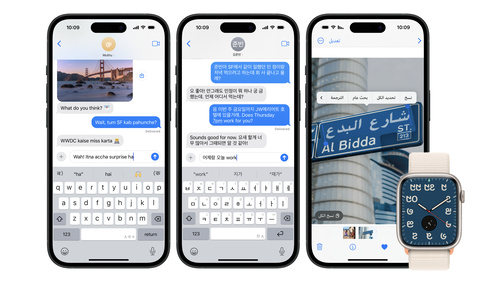
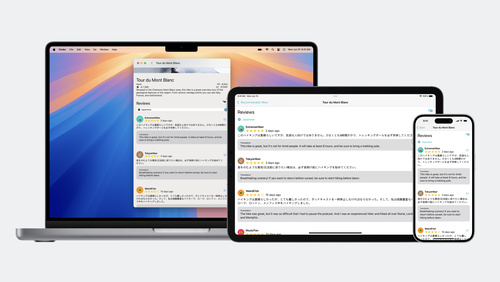
iOS 17, iPadOS 17, macOS Sonoma, tvOS 17, and watchOS 10 will soon be available to customers worldwide. Build your apps and games using the Xcode 15 Release Candidate and latest SDKs, test them using TestFlight, and submit them for review to the App Store. You can now start deploying seamlessly to TestFlight and the App Store from Xcode Cloud. With exciting new capabilities, as well as major enhancements across languages, frameworks, tools, and services, you can deliver even more unique experiences on Apple platforms.
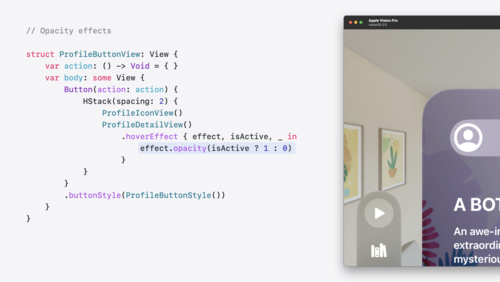
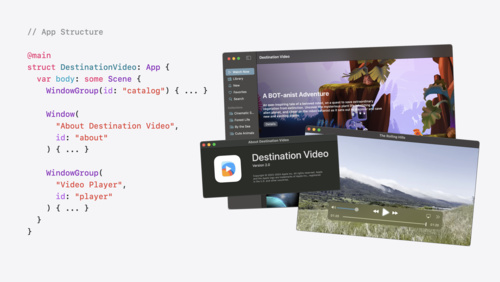
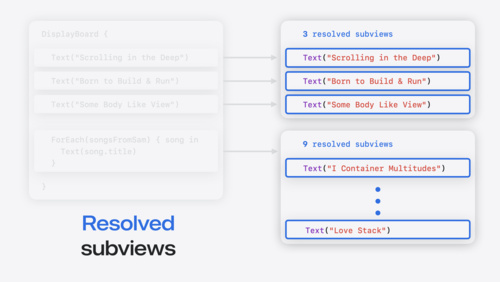
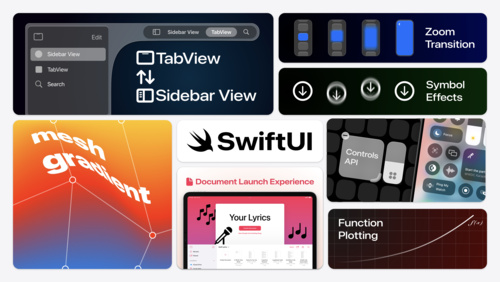
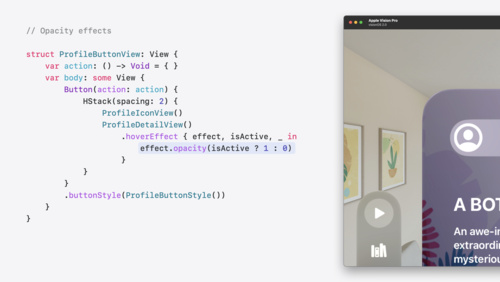
Xcode and Swift. Xcode 15 enables you to code and design your apps faster with enhanced code completion, interactive previews, and live animations. Swift unlocks new kinds of expressive and intuitive APIs by introducing macros. The new SwiftData framework makes it easy to persist data using declarative code. And SwiftUI brings support for creating more sophisticated animations with phases and keyframes, and simplified data flows using the new Observation framework.
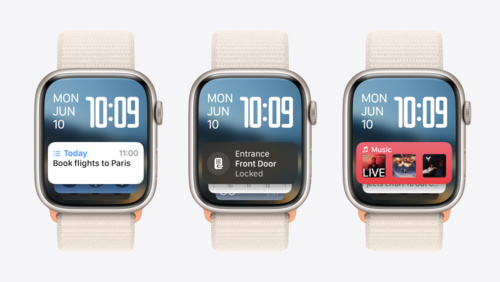
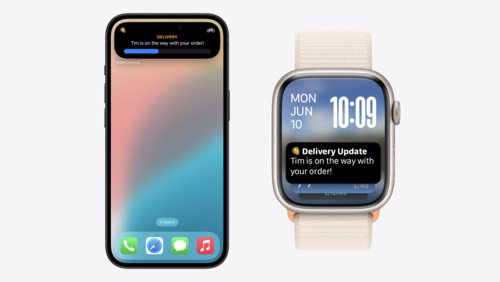
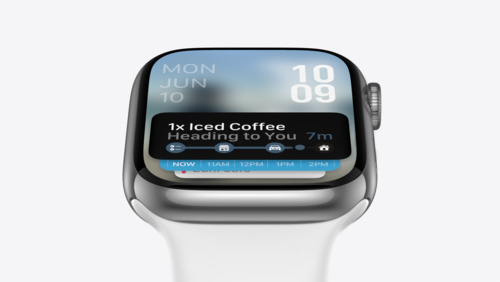
Widgets and Live Activities. Widgets are now interactive and run in new places, like StandBy on iPhone, the Lock Screen on iPad, the desktop on Mac, and the Smart Stack on Apple Watch. With SwiftUI, the system adapts your widget’s color and spacing based on context, extending its usefulness across platforms. Live Activities built with WidgetKit and ActivityKit are now available on iPad to help people stay on top of what’s happening live in your app.
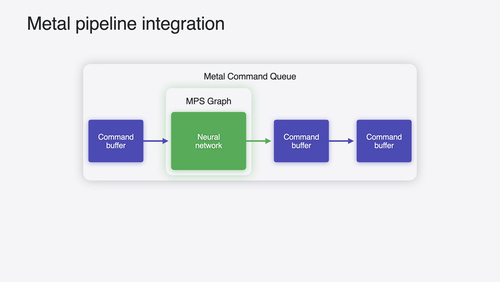
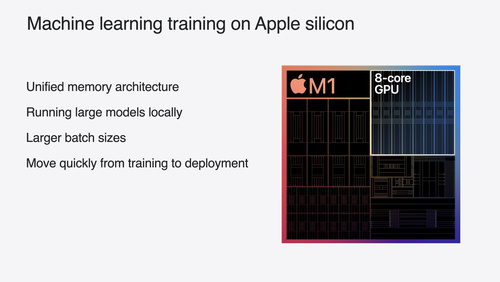
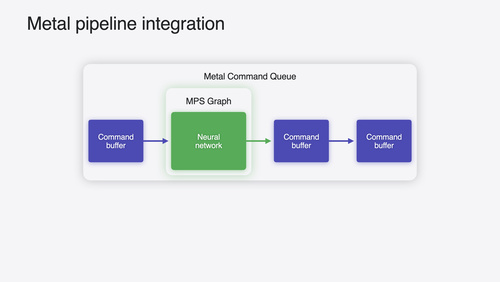
Metal. The new game porting toolkit makes it easier than ever to bring games to Mac and the Metal shader converter dramatically simplifies the process of converting your game’s shaders and graphics code. Scale your games and production renderers to create even more realistic and detailed scenes with the latest updates to ray tracing. And take advantage of many other enhancements that make it even simpler to deliver fantastic games and pro apps on Apple silicon.
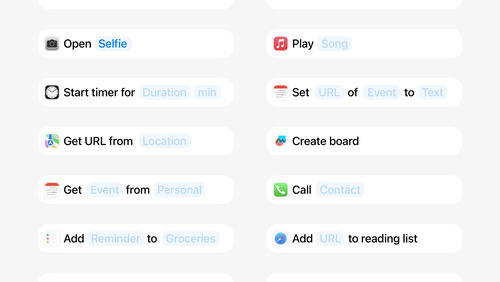
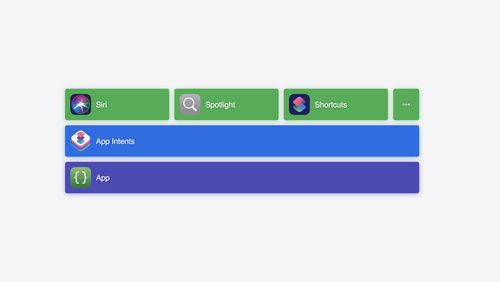
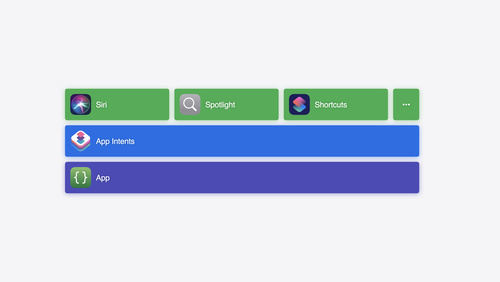
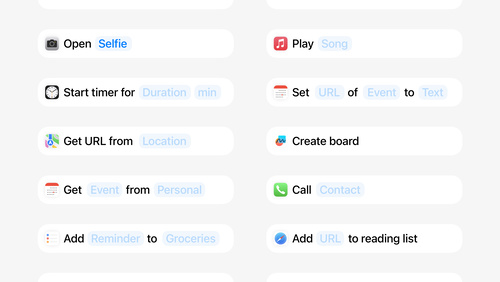
App Shortcuts. When you adopt App Shortcuts, your app’s key features are now automatically surfaced in Spotlight, letting people quickly access the most important views and actions in your app. A new design makes running your app’s shortcuts even simpler and new natural language capabilities let people execute your shortcuts with their voice with more flexibility.
App Store. It’s now even simpler to merchandise your in-app purchases and subscriptions across all platforms with new SwiftUI views in StoreKit. You can also test more of your product offerings using the latest enhancements to StoreKit testing in Xcode, the Apple sandbox environment, and TestFlight. With pre-orders by region, you can build customer excitement by offering your app in new regions with different release dates. And with the most dynamic and personalized app discovery experience yet, the App Store helps people find more apps through tailored recommendations based on their interests and preferences.
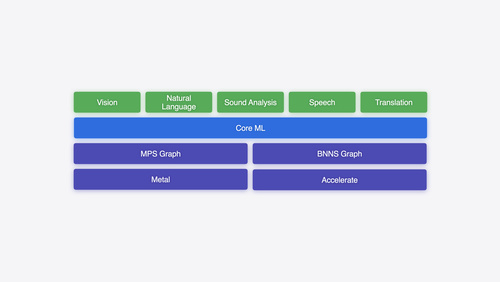
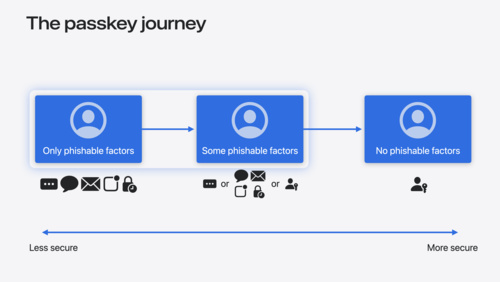
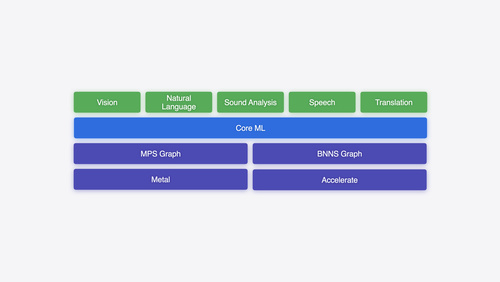
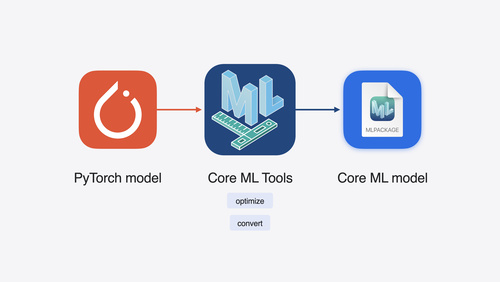
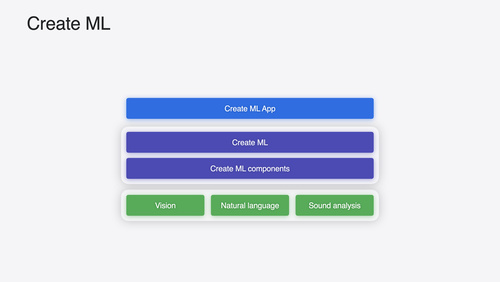
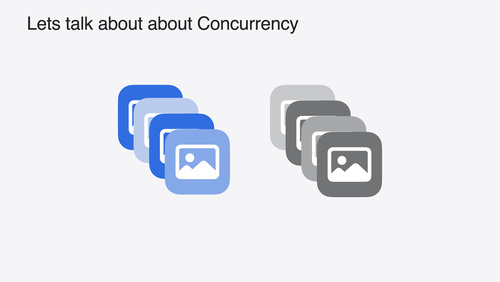
And more. Learn about advancements in machine learning, Object Capture, Maps, Passkeys, SharePlay, and so much more.
Starting in April 2024, apps submitted to the App Store must be built with Xcode 15 and the iOS 17 SDK, tvOS 17 SDK, or watchOS 10 SDK (or later).


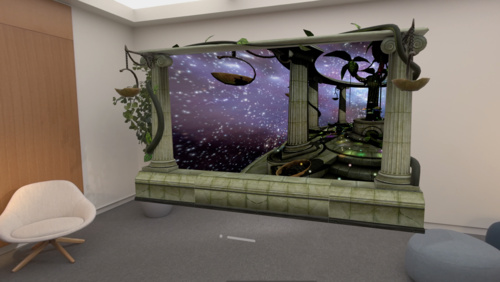
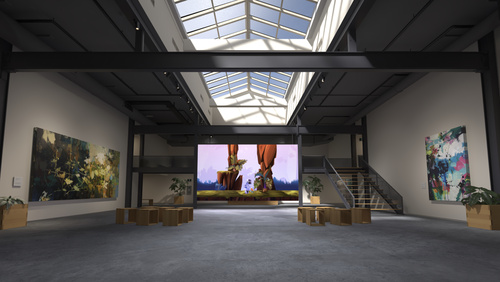
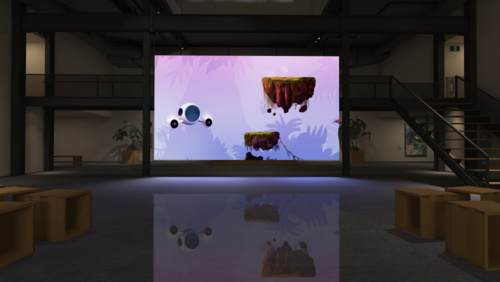
A brand‑new App Store will launch with Apple Vision Pro, featuring apps and games built for visionOS, as well as hundreds of thousands of iPad and iPhone apps that run great on visionOS too. Users can access their favorite iPad and iPhone apps side by side with new visionOS apps on the infinite canvas of Apple Vision Pro, enabling them to be more connected, productive, and entertained than ever before. And since most iPad and iPhone apps run on visionOS as is, your app experiences can easily extend to Apple Vision Pro from day one — with no additional work required.
Timing. Starting this fall, an upcoming developer beta release of visionOS will include the App Store. By default, your iPad and/or iPhone apps will be published automatically on the App Store on Apple Vision Pro. Most frameworks available in iPadOS and iOS are also included in visionOS, which means nearly all iPad and iPhone apps can run on visionOS, unmodified. Customers will be able to use your apps on visionOS early next year when Apple Vision Pro becomes available.
Making updates, if needed. In the case that your app requires a capability that is unavailable on Apple Vision Pro, App Store Connect will indicate that your app isn’t compatible and it won’t be made available. To make your app available, you can provide alternative functionality, or update its UIRequireDeviceCapabilities. If you need to edit your existing app’s availability, you can do so at any time in App Store Connect.
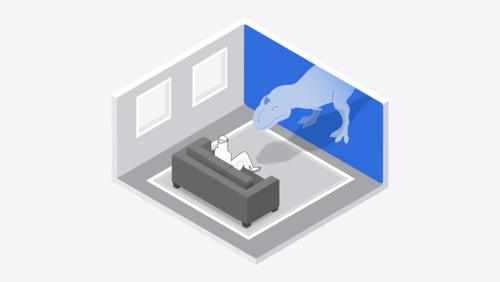
To see your app in action, use the visionOS simulator in Xcode 15 beta. The simulator lets you interact with and easily test most of your app’s core functionality. To run and test your app on an Apple Vision Pro device, you can submit your app for a compatibility evaluation or sign up for a developer lab.
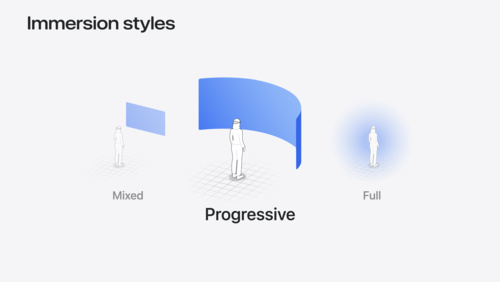
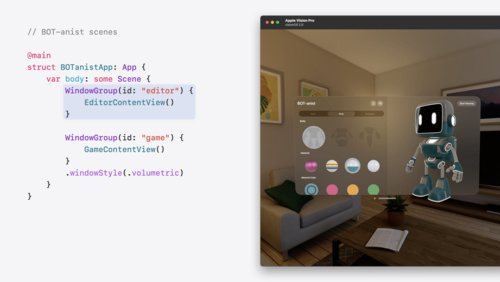
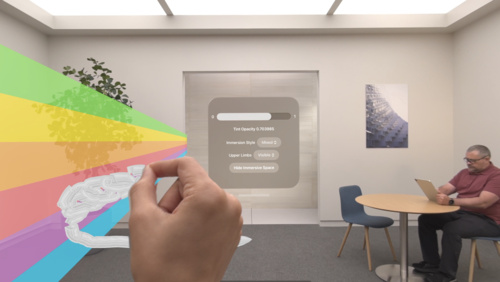
Beyond compatibility. If you want to take your app to the next level, you can make your app experience feel more natural on visionOS by building your app with the visionOS SDK. Your app will adopt the standard visionOS system appearance and you can add elements, such as 3D content tuned for eyes and hands input. To learn how to build an entirely new app or game that takes advantage of the unique and immersive capabilities of visionOS, view our design and development resources.


The Apple Developer Program License Agreement have been revised to support updated policies and upcoming features, and to provide clarification. The revisions include:
Definitions, Section 3.3.39: Specified requirements for use of the Journaling Suggestions API.
Schedule 1 Section 6.3 and Schedules 2 and 3 Section 7.3: Added clarifying language that the content moderation process is subject to human and systematic review and action pursuant to notices of illegal and harmful content.
Schedule 1 Exhibit D Section 3 and Schedules 2 and 3 Exhibit E Section 3: Added language about the Digital Services Act (DSA) redress options available to developers based in the European Union.


As CEO of Flexibits, the team behind successful apps like Fantastical and Cardhop, Michael Simmons has spent more than a decade minding every last facet of his team’s work. But when he brought Fantastical to the Apple Vision Pro labs in Cupertino this summer and experienced it for the first time on the device, he felt something he wasn’t expecting.
“It was like seeing Fantastical for the first time,” he says. “It felt like I was part of the app.”
That sentiment has been echoed by developers around the world. Since debuting in early August, the Apple Vision Pro labs have hosted developers and designers like Simmons in London, Munich, Shanghai, Singapore, Tokyo, and Cupertino. During the day-long lab appointment, people can test their apps, get hands-on experience, and work with Apple experts to get their questions answered. Developers can apply to attend if they have a visionOS app in active development or an existing iPadOS or iOS app they’d like to test on Apple Vision Pro.
Learn more about Apple Vision Pro developer labs
For his part, Simmons saw Fantastical work right out of the box. He describes the labs as “a proving ground” for future explorations and a chance to push software beyond its current bounds. “A bordered screen can be limiting. Sure, you can scroll, or have multiple monitors, but generally speaking, you’re limited to the edges,” he says. “Experiencing spatial computing not only validated the designs we’d been thinking about — it helped us start thinking not just about left to right or up and down, but beyond borders at all.”
And as not just CEO but the lead product designer (and the guy who “still comes up with all these crazy ideas”), he came away from the labs with a fresh batch of spatial thoughts. “Can people look at a whole week spatially? Can people compare their current day to the following week? If a day is less busy, can people make that day wider? And then, what if like you have the whole week wrap around you in 360 degrees?” he says. “I could probably — not kidding — talk for two hours about this.”
David Smith is a prolific developer, prominent podcaster, and self-described planner. Shortly before his inaugural visit to the Apple Vision Pro developer labs in London, Smith prepared all the necessary items for his day: a MacBook, Xcode project, and checklist (on paper!) of what he hoped to accomplish.
All that planning paid off. During his time with Apple Vision Pro, “I checked everything off my list,” Smith says. “From there, I just pretended I was at home developing the next feature.”
I just pretended I was at home developing the next feature.
David Smith, developer and podcaster
Smith began working on a version of his app Widgetsmith for spatial computing almost immediately after the release of the visionOS SDK. Though the visionOS simulator provides a solid foundation to help developers test an experience, the labs offer a unique opportunity for a full day of hands-on time with Apple Vision Pro before its public release. “I’d been staring at this thing in the simulator for weeks and getting a general sense of how it works, but that was in a box,” Smith says. “The first time you see your own app running for real, that’s when you get the audible gasp.”
Smith wanted to start working on the device as soon as possible, so he could get “the full experience” and begin refining his app. “I could say, ‘Oh, that didn’t work? Why didn’t it work?’ Those are questions you can only truly answer on-device.” Now, he has plenty more plans to make — as evidenced by his paper checklist, which he holds up and flips over, laughing. “It’s on this side now.”
When it came to testing Pixite’s video creator and editor Spool, chief experience officer Ben Guerrette made exploring interactions a priority. “What’s different about our editor is that you’re tapping videos to the beat,” he says. “Spool is great on touchscreens because you have the instrument in front of you, but with Apple Vision Pro you’re looking at the UI you’re selecting — and in our case, that means watching the video while tapping the UI.”
The team spent time in the lab exploring different interaction patterns to address this core challenge. “At first, we didn’t know if it would work in our app,” Guerrette says. “But now we understand where to go. That kind of learning experience is incredibly valuable: It gives us the chance to say, ‘OK, now we understand what we’re working with, what the interaction is, and how we can make a stronger connection.’”
Chris Delbuck, principal design technologist at Slack, had intended to test the company’s iPadOS version of their app on Apple Vision Pro. As he spent time with the device, however, “it instantly got me thinking about how 3D offerings and visuals could come forward in our experiences,” he says. “I wouldn’t have been able to do that without having the device in hand.”
As lab participants like Smith continue their development at home, they’ve brought back lessons and learnings from their time with Apple Vision Pro. “It’s not necessarily that I solved all the problems — but I solved enough to have a sense of the kinds of solutions I’d likely need,” Smith says. “Now there’s a step change in my ability to develop in the simulator, write quality code, and design good user experiences.”
I’ve truly seen how to start building for the boundless canvas.
Michael Simmons, Flexibits CEO
Simmons says that the labs offered not just a playground, but a way to shape and streamline his team’s thinking about what a spatial experience could truly be. “With Apple Vision Pro and spatial computing, I’ve truly seen how to start building for the boundless canvas — how to stop thinking about what fits on a screen,” he says. “And that will help us make better apps.”