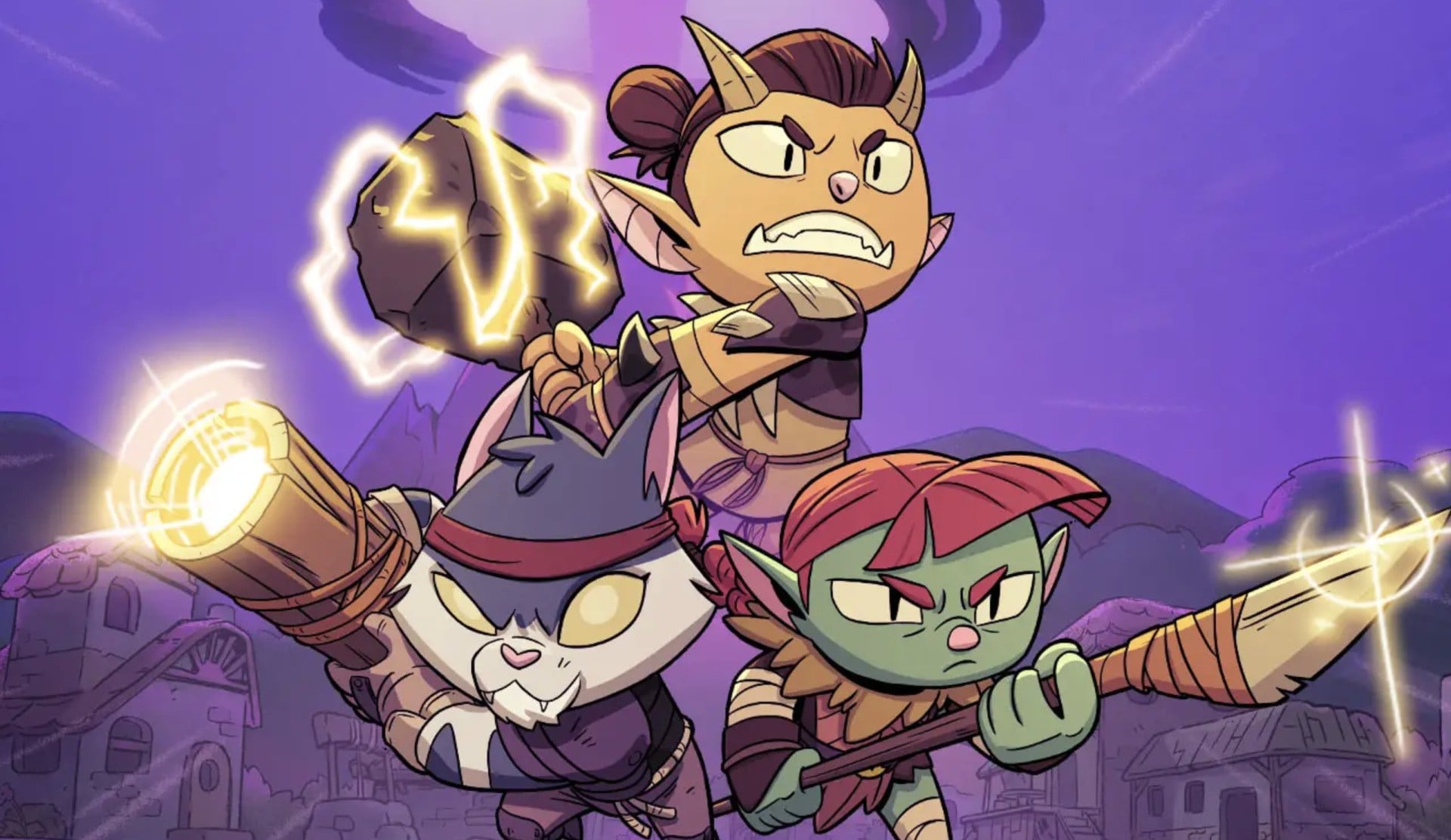
Developer and publisher Klei Entertainment has announced released its new game on the Switch 2 as part of Nintendo’s Indie World presentation.
Yes, Rotwood is a gorgeous roguelike action brawler with more than a few nods to 2025’s Absolum (and that can only be a good thing!). With support for up to three additional players either via local or online connection, you’ll face off against an onslaught of vicious foes across seven unique locations.
With a keen focus on learning combos, button mashing won’t do the trick here, so like any good side-scrolling beat ’em up, you’ll need to spend some time learning the ropes and finding the most efficient way to deal with your enemies.
Klei Entertainment is, of course, well known for its work on the survival title Don’t Starve, and also released the well-received Griftlands for the Switch back in 2021. During the same year, it agreed to be acquired by Chinese company Tencent, though the studio stresses that it retains control over its games.
Are you keen to try out Rotwood on the Switch 2? What do you make of the trailer? Let us know with a comment.
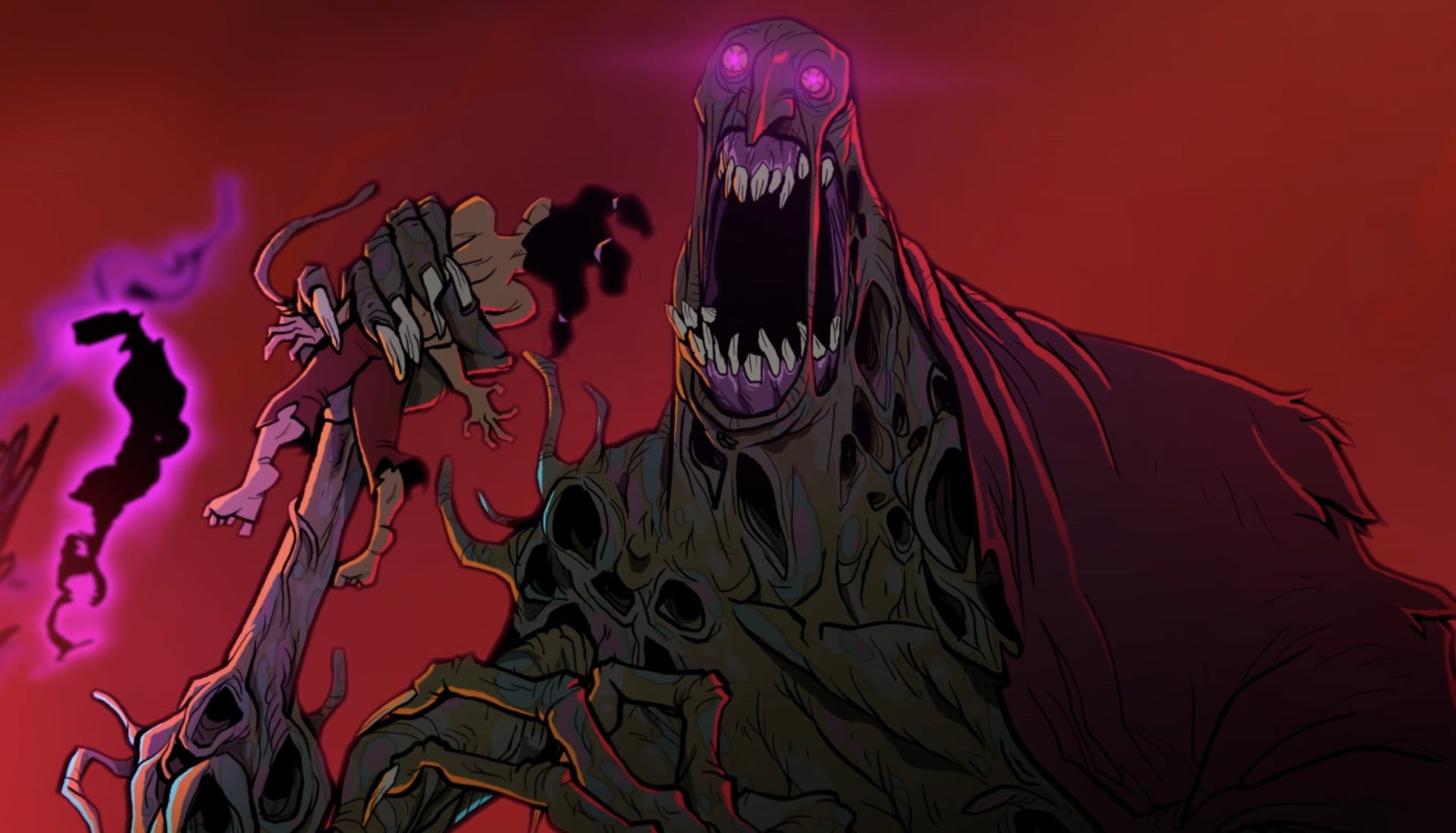
Drinkbox Studios, the celebrated developer behind the likes of Guacamelee!, Severed, and Nobody Saves The World, has announced that its upcoming title Blighted will be heading to the Switch 2.
Currently scheduled to launch in Autumn, Blighted is a Hades-inspired action game with an isometric viewpoint and lots of vicious enemies to pummel into the ground. As a lone-survivor, you’ll travel the deadly land and gain ‘Blight’ as you kill more and more creatures. The more you accumulate, the harder the combat will become, making each encounter more satisfying and rewarding.
Drinkbox is well known for its exceptional art style, and Blighted looks no different. The environments in particular are seriously impressive; full of colour and personality. We can only hope that the gameplay matches up.
Now, let’s check out the key features:
Intense combat: combat in Blighted is nuanced and deadly. Carefully time your attacks to weave through enemies, chain together combos, and perform powerful finishers.
Harness your Blight: the player’s Blight serves as a dynamic difficulty system that constantly changes the enemies, the player, and the world around them.
Consume memories: absorb the brains of defeated bosses to gain their memories and become more powerful.
Unlock mysteries: pay careful attention while exploring to unlock the many deep secrets of Blighted’s world.
Surreal world: explore vibrant, psychedelic landscapes and meet bizarre creatures and characters on your journey.
Co-op multiplayer: optionally team up with a friend in fully playable local or online co-op.
Haunting original score: Blighted features new music by Jim Guthrie, the acclaimed composer of Superbrothers: Sword & Sworcery EP, Below, and Nobody Saves the World.
What do you make of this one? Will you be picking up Blighted when it launches later this year? Let us know with a comment.
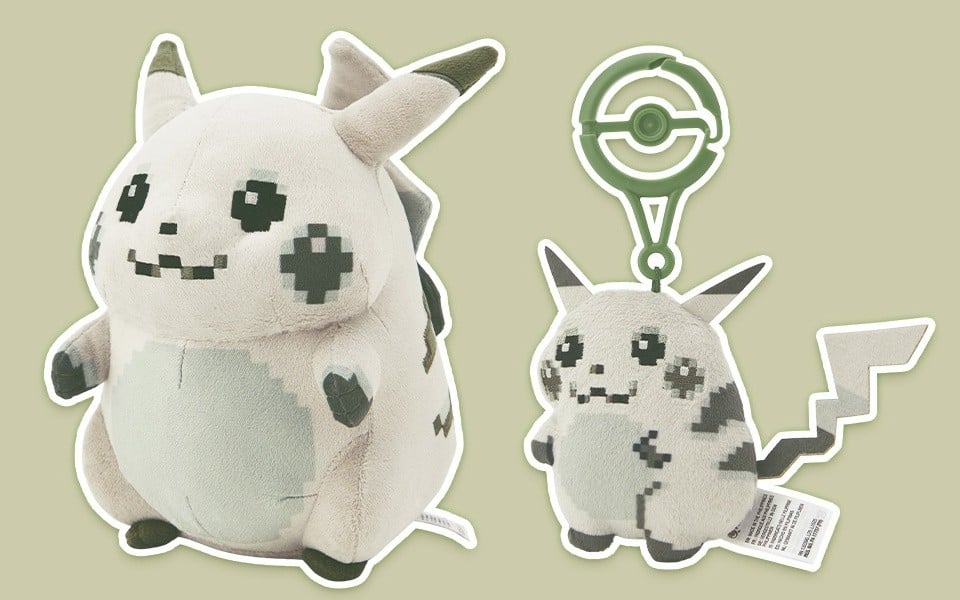
Pokémon is celebrating its 30th anniversary in all sorts of ways, and one of the most in-demand products is the “Beginning Pikachu” plush, available at the Pokémon Center.
At the moment, this retro Pikachu inspired the Pokémon’s pixel design and look from the Game Boy generation, is exclusive to Japan, but it’s already sold out. Scalpers haven’t helped the situation, but thankfully, this anniversary item is returning.
As highlighted by VGC, The Pokémon Company has confirmed it will be restocking this item as a pre-order purchase, so in other words, Pokémon fans won’t be forced to pay extreme resale prices and can instead wait for an official Pokémon Center restock to come through.
The key chain, which is based on the same retro Pikachu design, will also be getting restocked in-store and on the website.
Select 30th anniversary merchandise has been made available on the Pokémon Center locally, but at the moment, there’s no sign of this retro-inspired Pikachu plush. So, if it is released here, based on this update, it seems there could be a chance of restocks.
Would you be interested in this Pikachu plush? Let us know in the comments.
Following last week’s reveal of the next major Pokémon game Pokémon Winds & Waves (and a release window for the battle title Pokémon Champions), The Pokémon Company has officially announced it will be winding down Pokémon Scarlet & Violet‘s seasonal Ranked Battle content.
The final season for the Switch game “Season 41” will officially kick off on 1st April 2026. After this goes live, Ranked Battles will no longer receive updates. This season will run until the game’s servers are taken offline, and there will be no monthly rankings or rewards for rankings.
Image: The Pokémon Company
This announcement follows the recent conclusion of Season 39 and the start of Season 40. Trainers can now collect rewards for Season 39. As for Season 40, it runs from now until 31st March 2026. You can see the full ruleset for this season on Serebii.net.
If you haven’t already tried out Pokémon Scarlet & Violet on the Switch 2, these titles received a free upgrade last June.
Did you participate in Scarlet & Violet’s Ranked Battles? How do you feel about Season 41 being the final season. Let us know in the comments.
Nintendo revived the Game Boy Advance titles Pokémon FireRed & LeafGreen on the Switch last week, and while they offer the same classic experience, there are some notable changes.
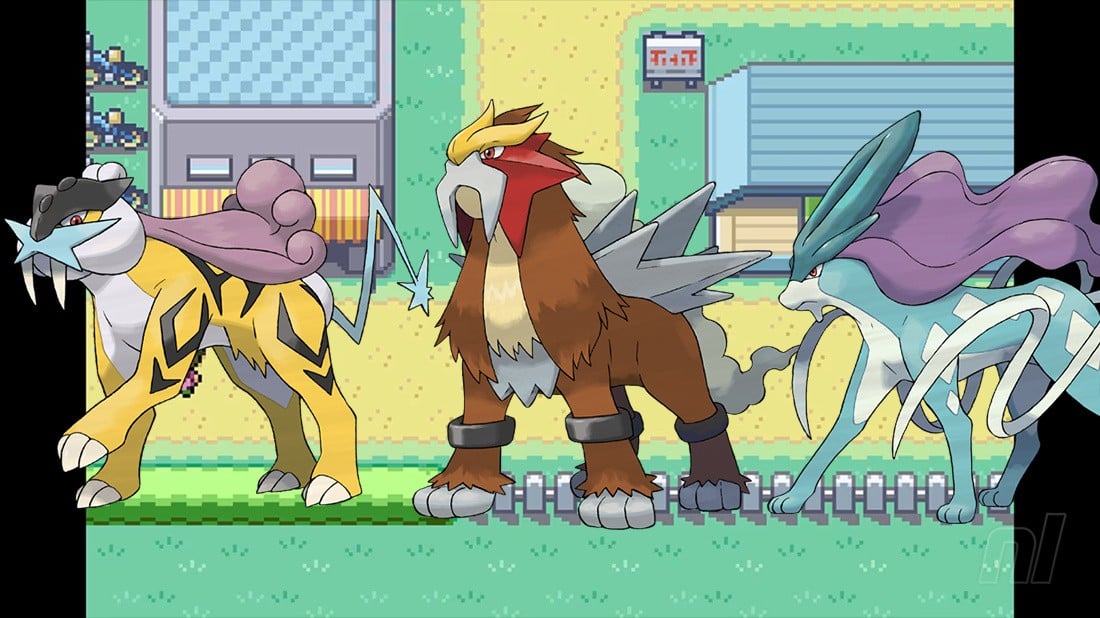
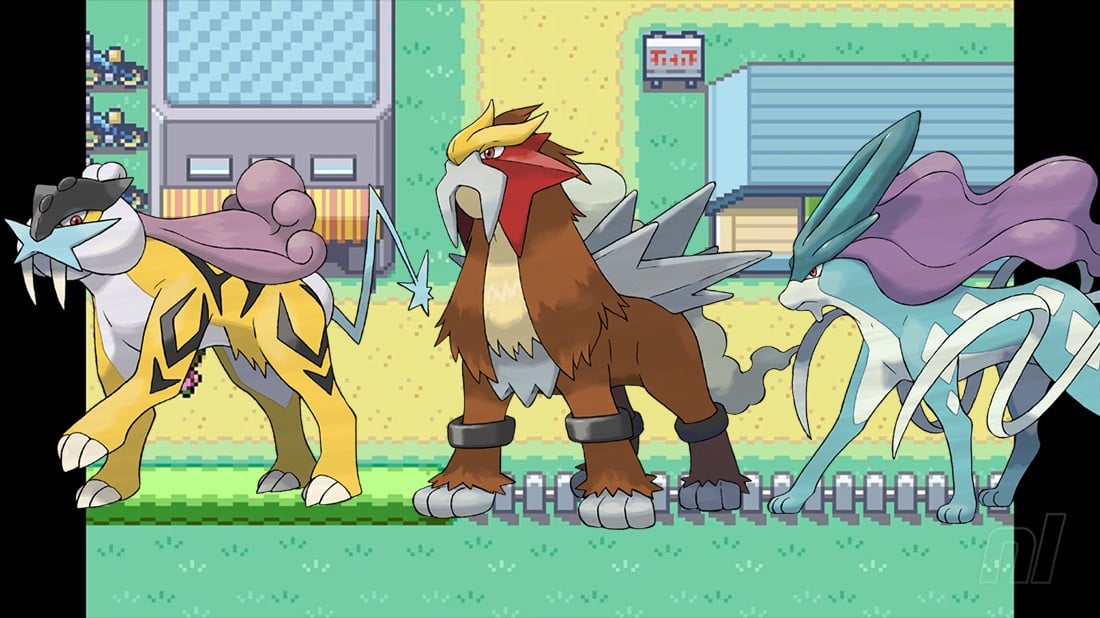
If you’re planning to catch one of the Gold and Silver legendary beasts on your adventure, it seems you’ll no longer have to worry about the infamous roar glitch. According to multiple player reports and information via datamines, this glitch is not present in the Switch eShop versions.
As mentioned on Serebii.net, in the original GBA releases, Entei and Raikou (but not Suicune) will sometimes use the move “Roar” if trapped, and it results in the Pokémon never being encountered again in the same playthrough.
So, catching one of these legendaries in the Switch versions hopefully just got a little bit easier. As a reminder, the legendary that appears in the playthrough is based on the starter pick. So Raikou for Squirtle, Entei for Bulbasaur and Suicune for Charmander.
One other notable change in the Switch eShop releases is the confirmation that you’ll now get the Mystic Ticket and Aurora Ticket after entering the Hall of Fame. These tickets were previously available via Mystery Gift distributions at in-person events.
Are you revisiting these games now that they’re available on the Switch? Have you caught one of these legendaries yet? Let us know in the comments.
Nintendo has already got an Indie World showcase taking place this week, and now Capcom has announced it will be holding a special ‘Spotlight’ broadcast later this week on 5th March 2026.
Thursday, March 5, 2026 Streaming from 2:00 p.m. (PST) (Thursday, March 5, 2026 at 10:00 p.m. (UTC))
“The Capcom Spotlight is a digital event that brings you the latest news from Capcom! Tune in for the latest information about Capcom’s upcoming releases. This broadcast will have subtitles available in 13 languages.”
Capcom Spotlight – March 2026
North America: 2pm PST / 3pm MST / 4pm CST / 5pm EST
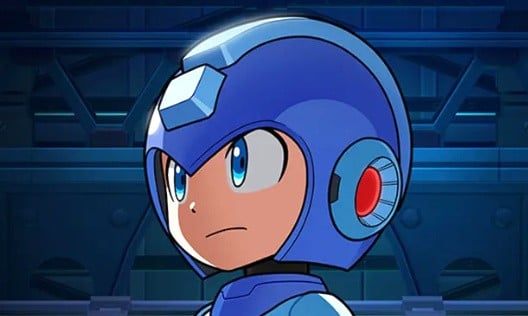
Capcom hasn’t shared any additional information about what to expect. Monster Hunter Stories 3 and Mega Man Star Force arrive next month alongside the Alex DLC for Street Fighter 6. Pragmata will then follow these titles on in April, and at some point next year the new Mega Man game is making its way to the Switch and Switch 2.
This spotlight follows Capcom’s release of Resident Evil Requiem and two Gold Editions on the Switch 2 last week.
As usual, we’ll be sure to share all the Switch and Switch 2-related news from this event. What game are you most looking forward to hearing more about in this upcoming broadcast? Tell us in the comments.
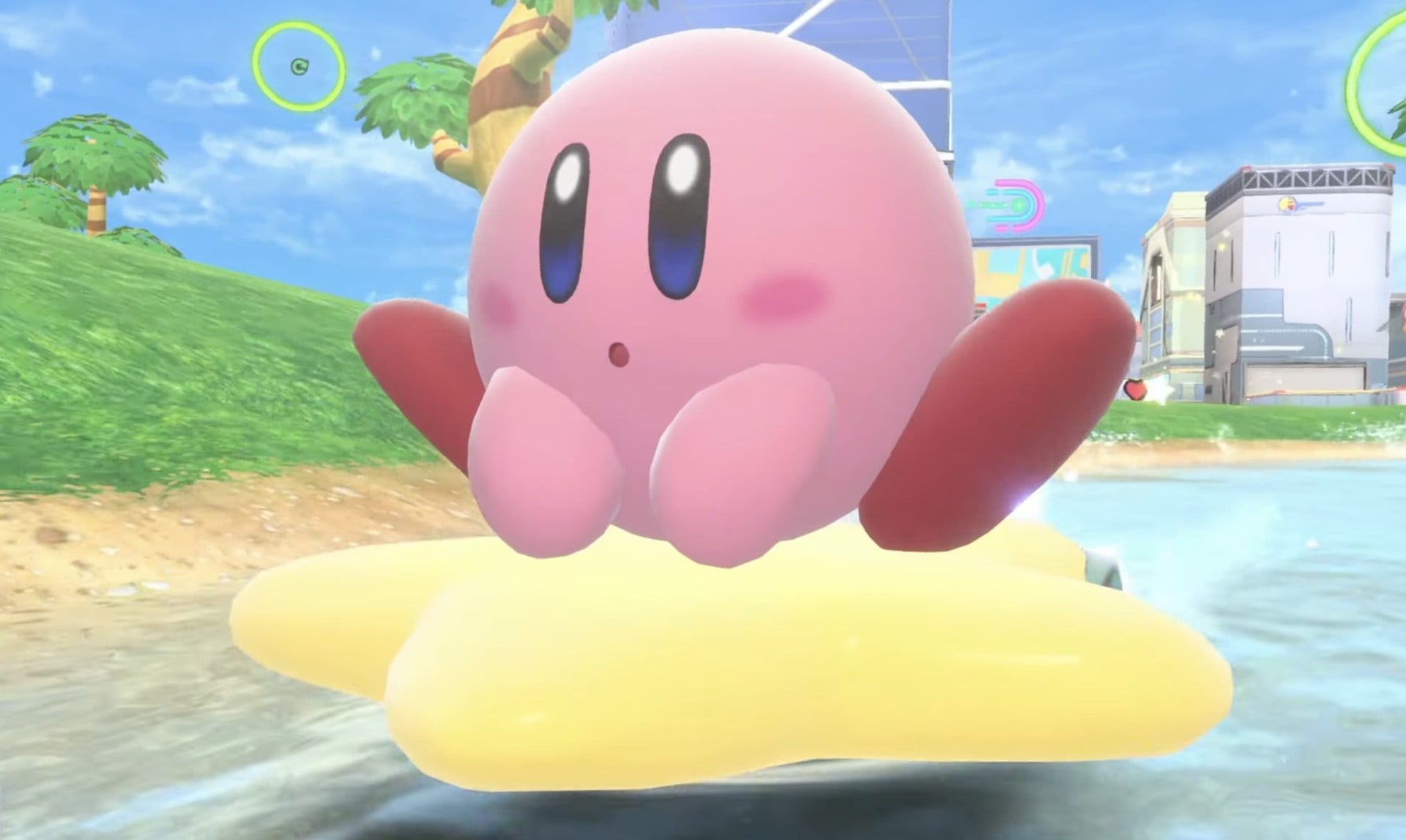
Nintendo previously released a sample of the Kirby Air Riders soundtrack on Nintendo Music last year, and in a new update today, it’s now made the entire album available.
This is the first proper Switch 2 soundtrack release on the mobile app and comes loaded with 114 tracks and has a runtime of three hours. This includes tracks such as Starlit Journey, Floria Fields and much more.
The main composers of the album are Noriyuki Iwadare (known for series such as Grandia, Lunar, Super Smash Bros.) and Shogo Sakai (Mother 3, Smash Bros), with support from Akira Miyagawa and multiple Bandai Namco musicians. Timed in with this album drop today, Nintendo has released an interview featuring Iwadare and Sakai, if you want to know more about how the soundtrack was composed for Kirby Air Riders.
To listen to this album on the Nintendo Music app, you’ll need to have an active Switch Online membership. Kirby Air Riders also got an update last week bumping it up to Version 1.3.1. It added support for new amiibo and also included balance adjustments and bug fixes.
What do you think of the latest soundtrack to join Nintendo Music? Let us know in the comments.
After last week’s 3DS 15th anniversary, we knew it was only a matter of time before another big hardware birthday sent us spiralling; we just didn’t expect it to come this quickly.
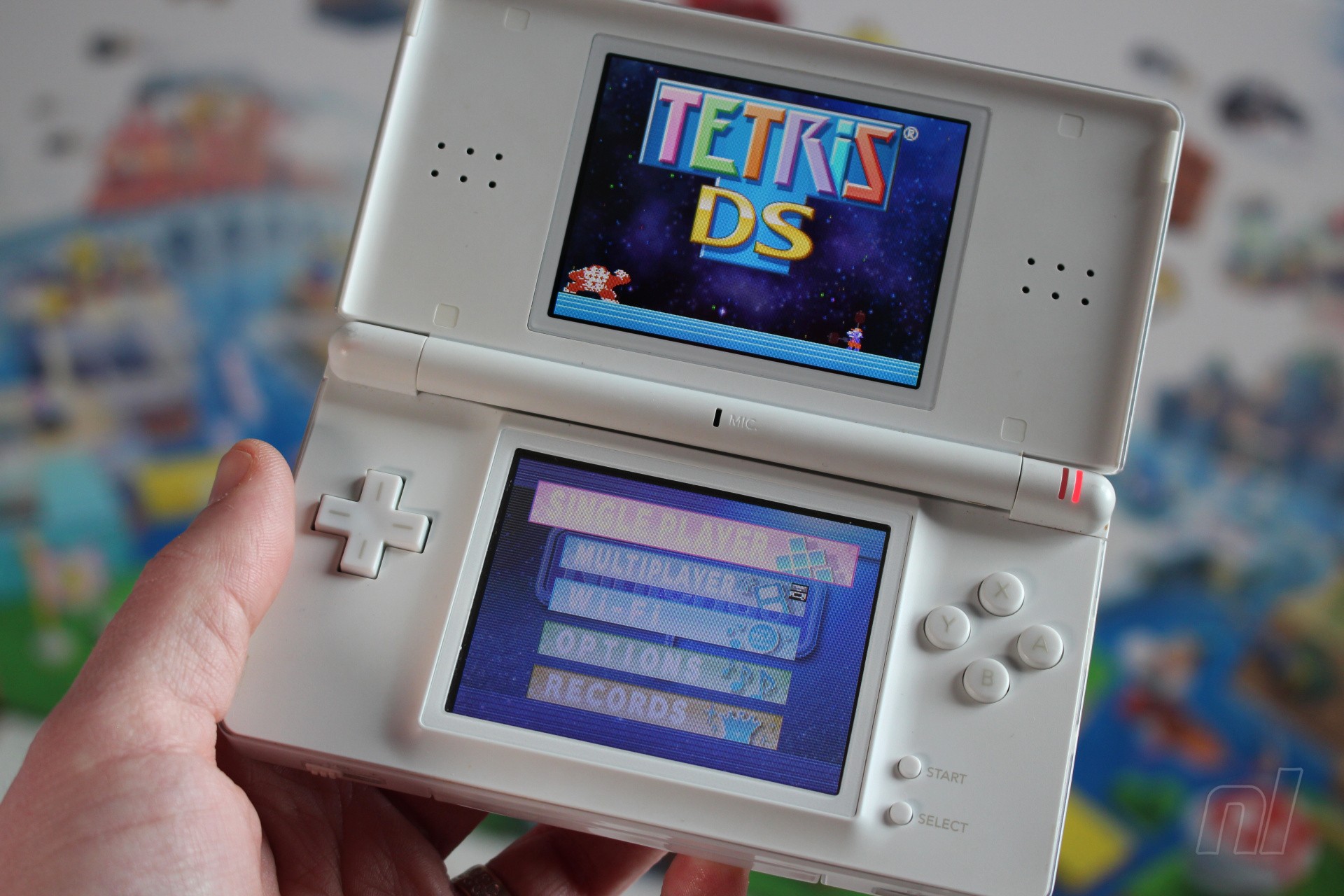
Today marks 20 years since the launch of the DS Lite in Japan — a fact that we are totally comfortable and okay with. Yes, on 2nd March 2006, Nintendo launched the slimmer, glossier, more colourful counterpart to the OG phat DS, and it was a beauty.
This younger model boasted all of the same key features as its predecessor, only… better. Aside from the far sleeker shell, the DS Lite packed in brighter (if marginally smaller) screens, a sliding power switch rather than a button, a notably lighter weight, and substantially improved battery life.
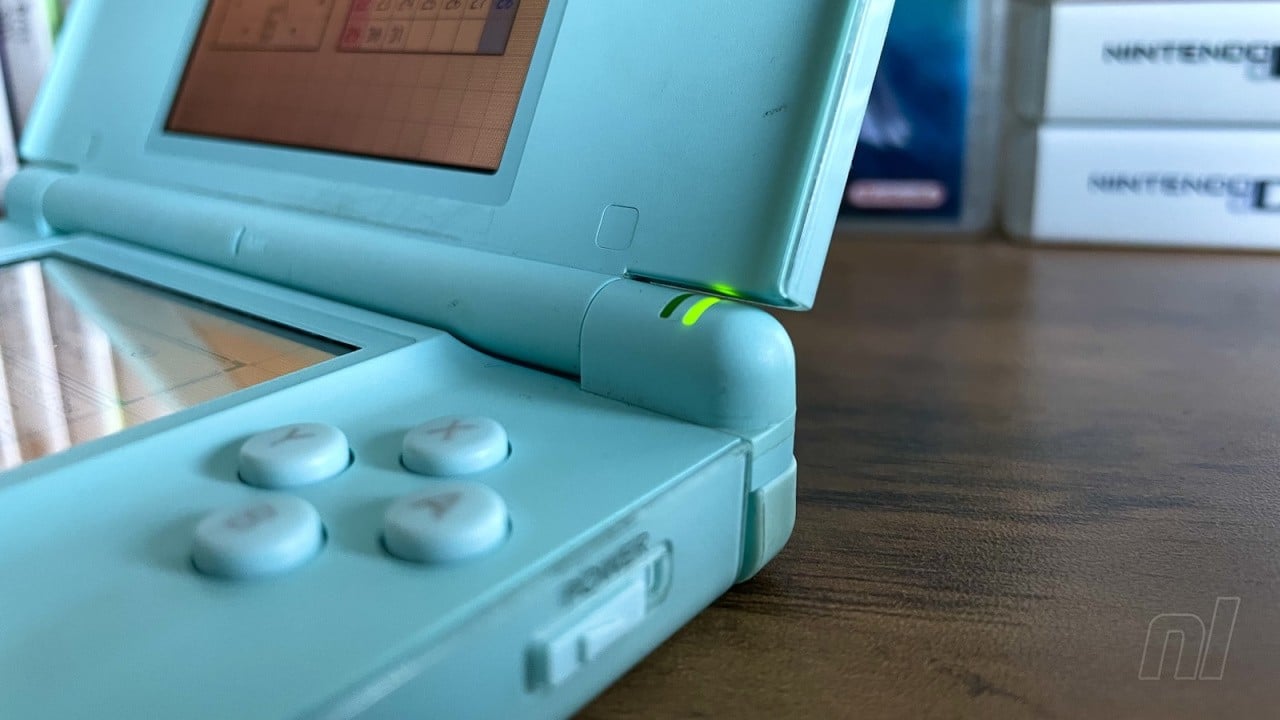
It’s that last feature that grabbed our attention for today’s anniversary, as, you see, when this writer returned to his Ice Blue Lite a few weeks back for a spot of Pokémon Diamond ahead of the series’ 30th anniversary, he was surprised to be greeted by a solid green power light, despite not having touched the damn thing in years.
It’s something that we have seen time and again with old tech — flip open your old Nokia phone, and we bet it’ll still come back to life — but it was surprising from a handheld that felt so futuristic at the time.
According to Nintendo, the DS Lite battery should last 15-19 hours on the lowest brightness setting, and 5-8 hours on the highest (depending on game activity), with the green power light only changing to red when the battery drops below 30%. While this’ll no doubt degrade over time, our systems still seem to be going strong.
Hang in there, old timer — Image: Damien McFerran / Nintendo Life
We did a quick whip round Nintendo Life Towers, and all those of us with a DS Lite or DSi (which had a similar battery life) still to hand found that the beloved little clamshells still turned on, with a green power light to show for it. The exception is editor Gavin, whose brand-new red Lite has remained uncharged and in the box since he bought it. Tut. [I saw it five years ago and couldn’t say no to a cheap, never-opened Lite! RIP my original black one, which went to the great trade-in in the sky many moons ago. – Ed.]
Naturally, we’re not suggesting that any of our systems have remained fully charged for the last two decades — most of us have plugged them in a few years ago, at least — but the lifespan on these things is notoriously impressive, nonetheless.
So, we want to extend the anniversary experiment to you… for science. If you still have a DS Lite kicking around, try flicking it on and see if it still comes to life. You can let us know the results in the following poll, then take to the comments to share your memories of this delightful little DS upgrade.
Does your DS Lite still have charge? (1,370 votes)
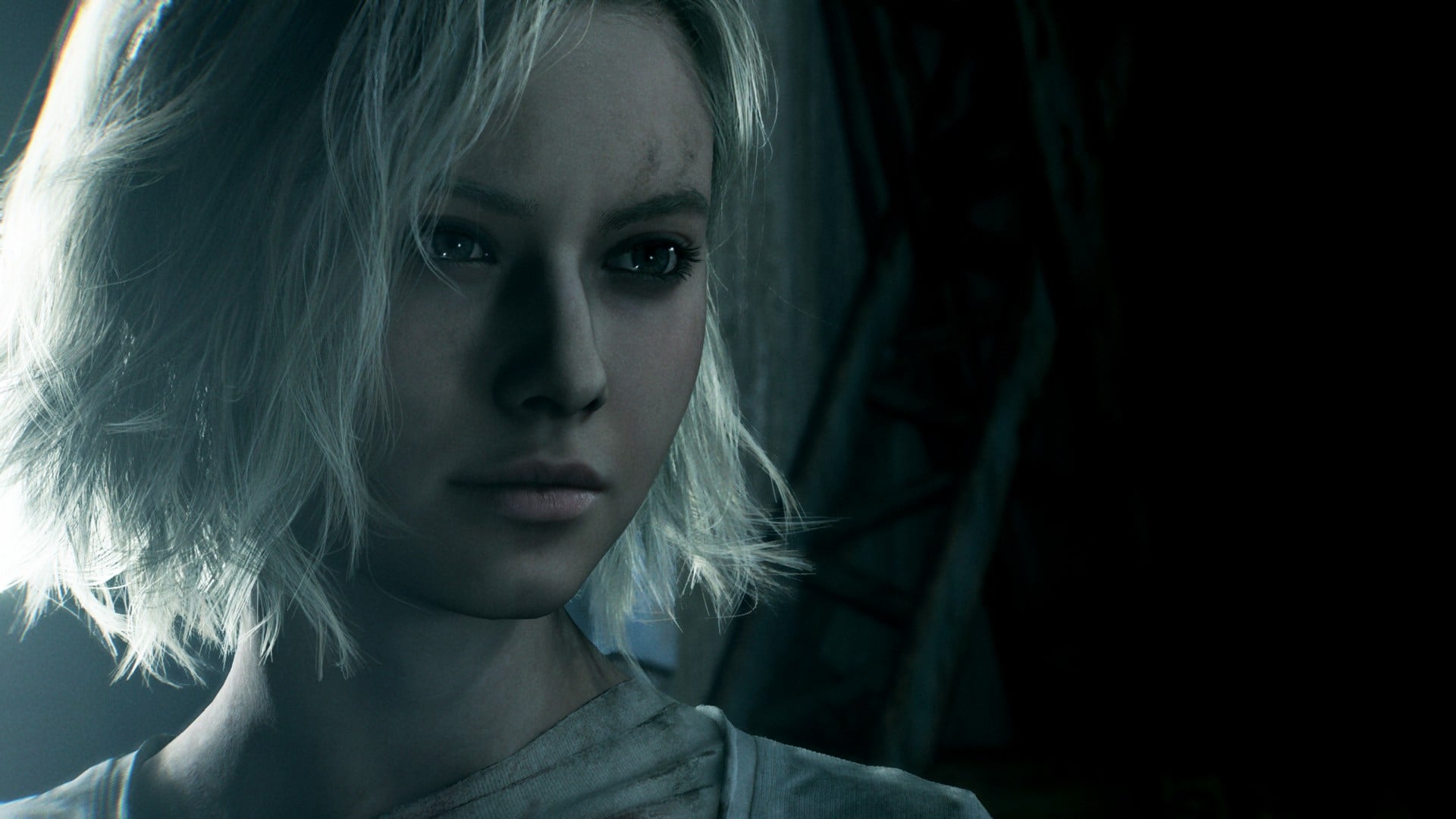
Capcom has come out guns blazing with its latest Switch 2 release: a full-fat survival horror experience in the form of Resident Evil Requiem. Launching on the same day as other platforms, this is really the first time this has happened in…. well, bloomin’ ages.
It’s a belter, too. In our review, we said that it “sets a new benchmark for a series that has been pretty consistently great for the last decade or so”, praising its dual protagonist setup and lore-heavy narrative. Indeed, we reckon it’s one of the best entries in the series for a long time, easily on par with the excellent Resident Evil 7: Biohazard.
But now, we want to know what you think. If you’ve completed your journey through the Rhodes Hill Care Center and Raccoon City, then feel free to deliver your verdict on the experience by voting in the poll below. And don’t worry if you haven’t finished it just yet; you can always come back at a later date if you need more time.
What score would you give Resident Evil Requiem (Switch 2)? (193 ratings)
10 – Outstanding45%
9 – Excellent44%
8 – Great8%
7 – Good2%
6 – Not Bad1%
5 – Average1%
4 – Poor1%
3 – Bad0%
2 – Terrible0%
1 – Abysmal1%
Of course, we couldn’t just leave it at that. Resident Evil 7 and Resident Evil Village also launched on the Switch 2 on the same day (crikey!), so we need to give those titles some love too. So if you feel ready to provide your verdict on these too, then feel free in the below polls.
What score would you give Resident Evil 7: Biohazard Gold Edition (Switch 2)? (115 ratings)
10 – Outstanding24%
9 – Excellent36%
8 – Great20%
7 – Good15%
6 – Not Bad3%
5 – Average1%
4 – Poor0%
3 – Bad0%
2 – Terrible1%
1 – Abysmal0%
What score would you give Resident Evil Village Gold Edition (Switch 2)? (111 ratings)
10 – Outstanding22%
9 – Excellent34%
8 – Great31%
7 – Good10%
6 – Not Bad1%
5 – Average2%
4 – Poor0%
3 – Bad0%
2 – Terrible1%
1 – Abysmal0%
Have any further thoughts on your experience with Requiem so far? Leave a comment in the usual place and make it known.
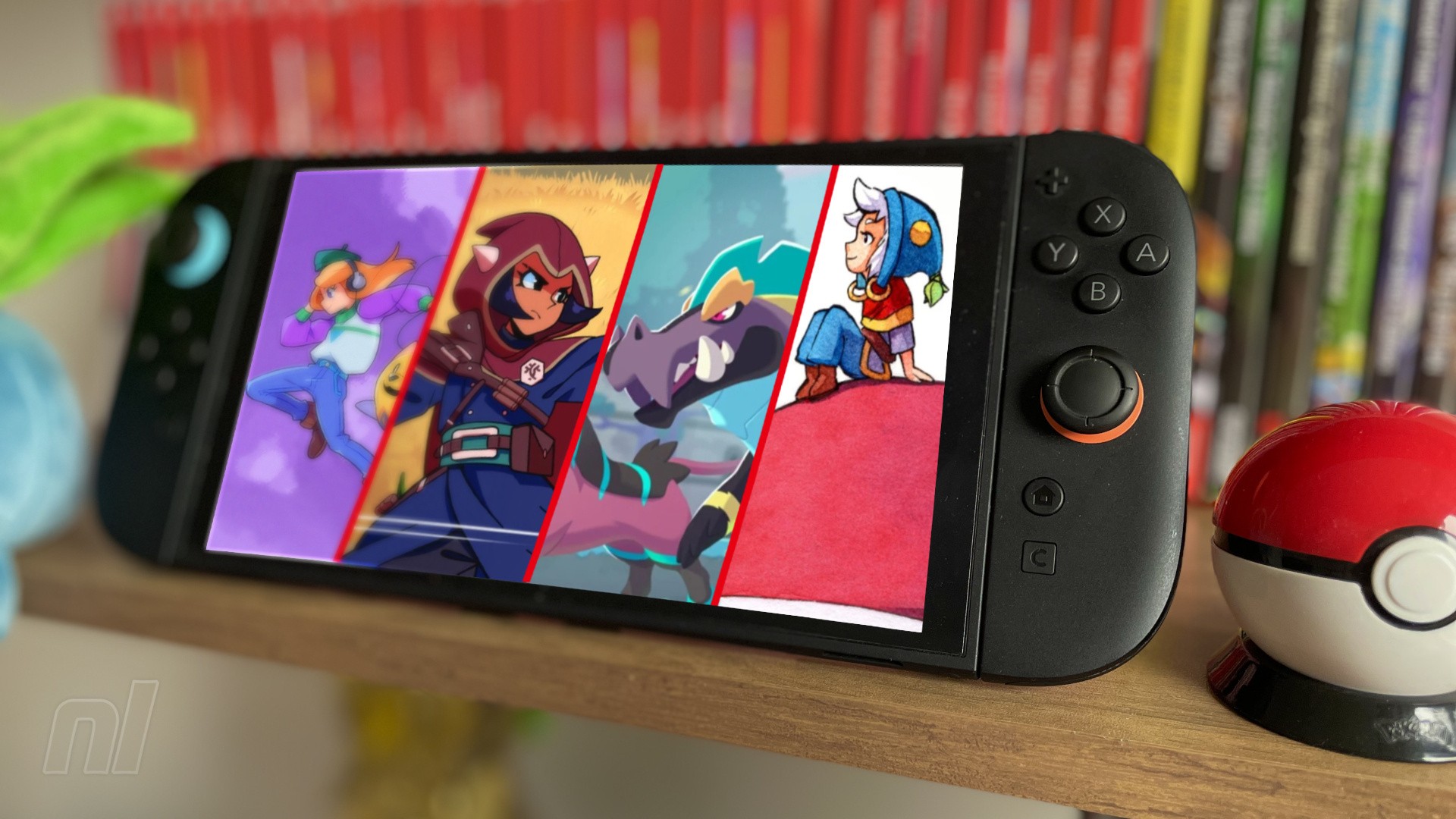
An awful lot has happened for Pokémon in the last 30 years. It’s spawned nine mainline generations spanning seven different consoles, countless spinoffs, a trading card game that’s more popular than ever, movies, TV shows, merch, a flipping theme park… need I go on?
It is the biggest entertainment franchise in the world with a global recognition that even the House of Mouse would envy. In short, 30 years on, I can’t imagine life without it.
I’m sure that a bunch of you lovely lot would say that same, but I’d wager that the series hasn’t had quite as much sway over your life as it has for the developers behind the ever-growing sub-genre of Pokémon-likes.
Creature catching and battling, it seems, is such a solid format that it inspires a new wave of studios every year. We see Game Freak DNA cropping up in everything from battle-focused roguelikes to cosy farm sims, and what shines through in the very best of them is a genuine passion for the source material. A desire not to rip off what’s come before, but take what they love about it and work it into something new.
With the series’ 30th birthday celebrations in full swing, I decided to reach out to a handful of these studios to find out what Pokémon means to them. Unsurprisingly, it means an awful lot.
Humble Beginnings
Image: Zion Grassl / Nintendo Life
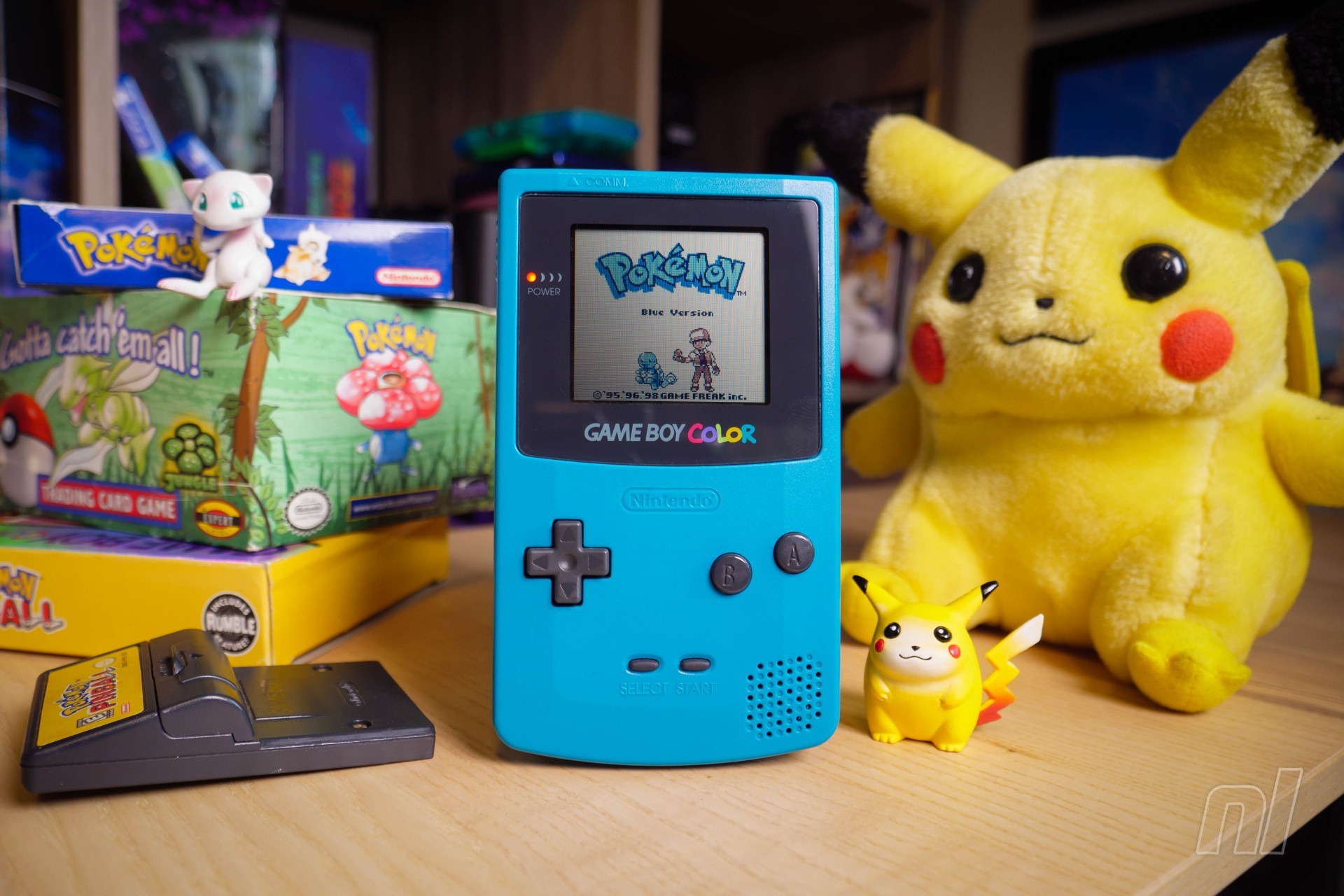
“I got an atomic purple Game Boy Color and Pokémon Blue for my sixth birthday, and that gift set me on a path that I’m still walking along today,” said Sandy Spink, the lead dev of Supersoft’s creature-catching adventure Moonstone Island. “I remember feeling like Pokémon was made for me, and since I was a child in the 90s, it sort of was.”
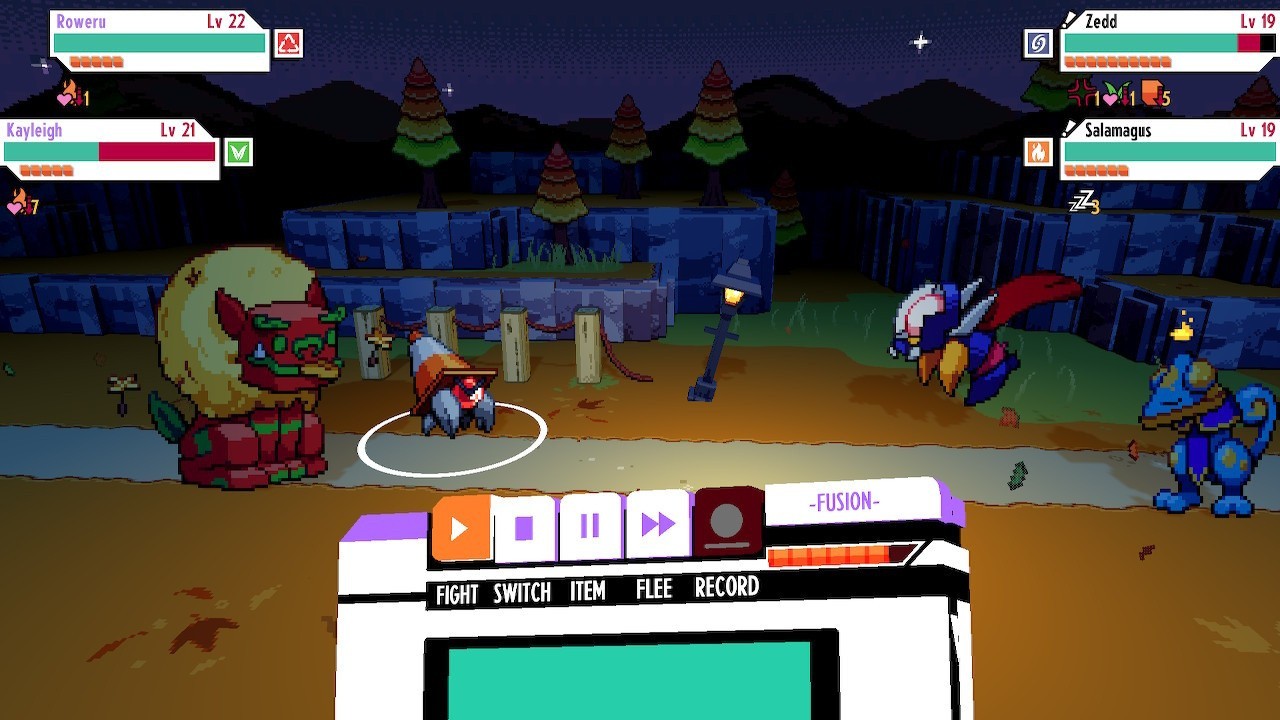
I heard stories of these childhood inciting incidents — a “canon event”, as Cassette Beasts‘ Jay Baylis describes it — time and again. Alex Pratt, Crema Games’ Marketing Director on Temtem, describes picking his first starter (Bulbasaur) as “a split-second choice that would quietly shape years of my life,” while Baylis recalls the anime’s creature-catching focus as a feature “laser-targeted to fry my six-year-old brain with brand appeal.”
It was Jochem Pouwels, who worked with TRAGsoft on Coromon, however, that took the biscuit, as he recalled his earliest memory of the series: playing through Pokémon Red in the wrong language.
“I had absolutely no idea what the NPCs were saying,” he says, “but even then, the gameplay was engaging, so I just brute-forced my way through the game by trial and error.”
And there’s the keyword I was looking for from these devs: ‘gameplay’. We all know the mechanics of a mainline Pokémon like the back of our hand at this point — even Legends: Z-A‘s real-time battle shakeup wasn’t enough to wholly push the series’ tried-and-tested formula off its axis — but what do they feel like in the hands of a game developer? Why are they so gosh darn appealing?
The Power That’s Inside
Image: Raw Fury
Regardless of which studio I spoke to, two main features kept popping up: the creatures and the micro-rewards. I’ll begin with that first camp because, frankly, the ‘mon themselves have always been the reason that I’ve kept coming back to the series for more.
“I honestly think the loop of collecting monsters as pets to battle with, which lets you progress and discover more monsters, is the single best game concept ever,” Baylis says, “People want to see cool creatures, and decide which ones match their own personalities. They want to compare and contrast those choices with their friends. It’s brilliant.”
there are parallels to be drawn with the modern gacha experiences
It’s not just the playground chatter of ‘who-found-what’, either. LEAP Game Studios, the team behind monster-training roguelike Dicefolk, points out how well the games constantly tease you with new Pokémon via the battle system.
“The fact that Pokémon can be both allies and opponents is key,” studio co-founder Luis Wong tells me, “It creates a natural incentive to explore and experiment during battles. Every encounter becomes an opportunity to fall in love with a new Pokémon.”
Cute creatures aside, it was the recurring mentions of the game’s subtle rewards system that interested me the most because it’s something that I have never really considered. Unsurprisingly, a game developer’s eye will pick up on things that a more casual player might not.
These rewards come in several different shapes and sizes. Most obvious is the team level and XP, each providing its own little dopamine hit with every battle and wild encounter. “Pokémon employs the classic ‘number go up’ mechanic that makes most RPGs so satisfying,” Spink says, “You can feel your team getting stronger and see it visually as you evolve your Pokémon from these shrimpy little cuties into these war-tank beasts.”
But there’s the near-constant reward possibility that comes with the simple act of walking through tall grass, too. The games show you the ‘mon you’ll want to add to your team via battles, then present the opportunity to bump into them during exploration.
“The very short action of moving from one spot of grass to another, or transitioning map sections, awarded the player with a likely new Pokémon appearance,” Nexomon lead developer JVemon says. “I think, in that sense, there are parallels to be drawn with the modern gacha experiences: quick, controllable successions of positive feedback – except it was free.”
we wanted to create almost a 1:1 homage to Pokémon
Pouwels used a similar ‘luck-of-the-draw’ comparison in his description of the series’ iconic tall grass, “a little slot machine of possibility”. This “incredibly satisfying rhythm of constant micro-rewards” means that no two players will ever experience the game in the exact same way, he argues, which he sees as the Holy Grail of development.
“As a developer, that combination of accessibility and hidden depth is endlessly inspiring.”
You Teach Me And I’ll Teach You
It’s a system that we all know and love, so I was keen to find out how these developers pick and choose which mechanics will make the cut in their ‘-like’ games, and how you go about tweaking some of the most iconic features in gaming.
“I’ve never felt like Pokémon was the only thing a monster-collecting RPG could be,” Bytten Studio’s Tom Coxon tells me, “even with all the indie monster-collectors coming out recently, there are still so many unexplored avenues in the design space. The genre is wide open and bursting full of potential.”
For the Cassette Beasts team, that differentiation came in the act of transforming into different creatures for battle, rather than the more standard approach of collecting them, “an intentional choice to say ‘hey, people are making assumptions about what this genre is,'” according to Coxon.
For Spink and Moonstone Island, it was a case of dropping the battle system completely. “I kept the cute guys and left the battle system behind because, to me, the battle system always felt quite repetitive. By using cards for attacks and dealing you a random set each round, every hand becomes a little puzzle to solve.”
Image: Humble Games
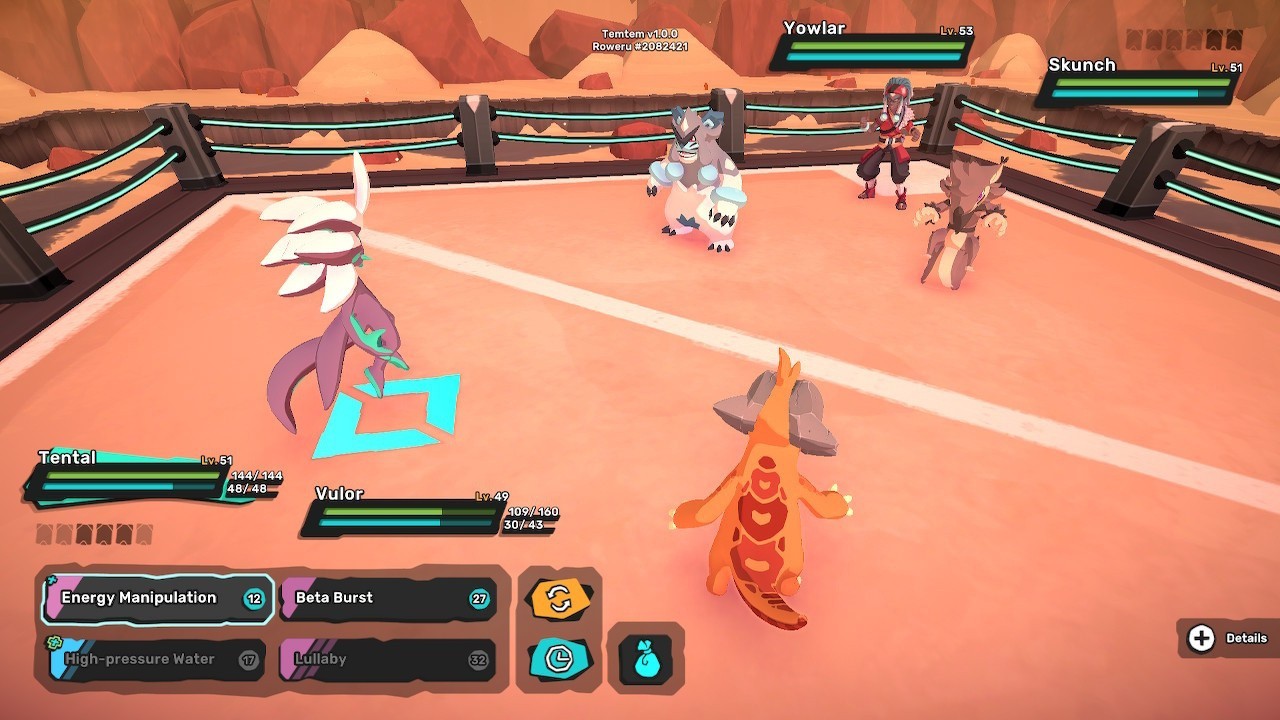
Others took a more straightforward approach. “In the early days of developing Temtem, we wanted to create almost a 1:1 homage to Pokémon,” says Crema Co-Founder & Game Director Guillermo Andrades, though the team quickly realised that Pokémon’s gameplay consistency was something of a double-edged sword. It forms an immediate link between generations, but “limits how much you can innovate without disorienting your fans.” Free from these expectations, Crema realised it had more room for experimentation: “since we had a totally new audience, we had more leverage on carrying out different approaches and unique twists.”
Pokémon works best as an entry point into the RPG game world for young aspiring players
But it’s a balancing act, of course. Tweaking Game Freak’s tried-and-tested formula is essential to stand out from the crowd — and avoid a knock at the door — but change things too much and you risk losing that charm.
“Strong inspirations needed to be drawn if we were to tap into the same player base,” JVemon tells me of Nexomon’s early days, “This led to creative constraints from fears of alienating an established market.” The solution, in VEWO Interactive’s case, was to shift focus to “improving seemingly unrelated aspects of the game,” like breaking Pokémon’s classic linear exploration and implementing a slightly more mature storyline.
While Game Freak has undoubtedly stuck to its guns in the gameplay department over the last three decades, there has been innovation in the series. We’ve seen battles expand with two or even three Pokémon fighting on your side at once. Each generation from VI onwards has introduced a new tweak to the Mega Evolution formula. And despite Scarlet and Violet‘s pitfalls, I struggle to imagine the mainline games turning away from an open world any time soon.
What? Pokémon Is Evolving!
All of the devs I spoke to drew inspiration from the classics, opting for Gens I, II, or III when I asked for their favourite games in the series, and you can see that throwback charm in many of them — be that Moonstone Island, Coromon, and Cassette Beasts’ pixel art, or Dicefolk’s three-creature rotating battles (a feature actually introduced in Black & White, but even they are almost 15 years old now, so you take my point).
Nonetheless, before wrapping up, I wanted to hear their hopes for Pokémon’s future. Most of them still described themselves as fans, but would their nostalgia for the early games influence where they would take things next?
The short answer is ‘no’, not entirely. “I would love it if Game Freak were given the time to make something amazing instead of having to turn the games out so quickly,” says Spink. “I hope that one day we get the Breath of the Wild equivalent of a Pokémon game.”
Likewise, the Dicefolk team hope to see things grow even bigger in future entries: “We enjoyed the open world of Scarlet & Violet because it made our journey feel even more unique, which is what we want for the future of Pokémon.”
But I couldn’t help notice the devs’ desire for Game Freak to return to its roots, too. “What I’d love to see someday is a real passion project for Pokémon, something like what Sonic Mania was for the Sonic series,” Pouwels tells me. “A love letter to what made the franchise special, made by people who grew up with it and truly care about the craft.”
On a similarly nostalgic note, Coxon would love to see the series “claw back some of that mystique and even mild horror that the first few games had,” while Baylis believes “Pokémon works best as an entry point into the RPG game world for young aspiring players – I hope that going forward they don’t abandon that!”
Image: Gemma Smith / Nintendo Life
It feels like Game Freak is at something of a crossroads as we head into Gen X and beyond. Scarlet & Violet posed the biggest gameplay leap that we’ve seen for the series in years, and the potential for innovation feels bigger now than ever before, but performance issues and a lack of polish in those titles have some fans (including me) hankering for some old-school simplicity.
Whatever way the series goes, it’ll be intriguing to see what the next generation of game developers take from it — every Pokémon game is someone’s first Pokémon game, and all that. Pikachu and co. aren’t going anywhere, so you can bet that Pokémon-likes won’t be disappearing back into the long grass, either.
And based on how all the devs I spoke to are already demonstrating ways that Game Freak could improve and push the series forward, the promise of more is something that we should all be excited about.
Our thanks to the Crema team, Jay Baylis, Jochem Pouwels, JVemon, Luis Wong, Sandy Spink, and Tom Coxon for taking the time to talk to us.
Let us know your favourite Pokémon-like games in the comments – and if there’s an innovation you’d like to see inspire the series itself.