Posted on Leave a comment

Round Up: The Reviews Are In For Pokémon Pokopia

Pokopia
Image: Nintendo

Just in case the reveal of Gen 10 for the Nintendo Switch 2 wasn’t enough, Pokémon Pokopia is also gracing us with its presence when it launches later this week on 5th March 2026.

We’ve reviewed it, of course, and came away feeling really good about the cosy life-sim spin-off, awarding it a score of 8/10 and calling it “the freshest Pokémon experience in a long time”. Indeed, if the idea of Dragon Quest Builders-inspired gameplay mixed with Viva Piñata mechanics sounds good, then you’re in for a treat.

Pokopia is currently sitting at 89 on Metacritic with a running total of 49 critic reviews, so we thought we’d take just a small handful of those and see what folks are saying about the latest Pokémon adventure. Spoilers: it’s mostly overwhelmingly positive – yay!

So let’s dive in first with Gaming Bible‘s 10/10 review, where they hint at the title’s GOTY potential for 2026:

There’s no one reason why Pokémon Pokopia is so special; this game is a sum of its parts, without a single weak link in the chain. It’s a title that offers a unique spin on the cosy formula, made all the more magical by the familiarity of this wonderful franchise. Pokémon Pokopia is a true adventure that boasts a refreshing sense of freedom. Totally devoid of grind, this experience rewards the curious with heaps of content on offer. You’ll be hard pressed to put it down, and it’s certainly a title that we’ll all be discussing when this year’s GOTY discussion rolls around.

Next up is Tech Radar Gaming with its 5/5 review, where it calls Pokopia a “breath of fresh air”:

Every aspect of Pokopia feels like a warm hug; the graphics are super cute, the interfaces are clean, the music is bright and comforting, and it’s full of life. It’s a breath of fresh air to have a spin-off that adds so much to the already-teeming world of Pokémon, and I, for one, am incredibly excited to see how players design their own cities and islands.

VGC is similarly positive, awarding the game a 5/5 score and highlighting the sense of discovery:

Pokémon Pokopia is an excellent life simulation game that takes the best bits from the champions of the genre and evolves into something that Pokémon fans, and cozy game fans will love. Late-game grinding doesn’t dull an adventure that’s as full of discovery at 100 hours as it was at 1.

IGN provided a generous 9/10 score, highlighting the mixture of freedom and curation:

Pokémon Pokopia is a real treat: an enjoyable building and town simulator that capitalizes on the charming personalities of its monsters in a way that appeals to both the creative and collector alike. It’s packed with fun things to do and worthy rewards for doing them, and strikes a healthy balance between freedom and suggestion in its building mechanics (despite a few precision nitpicks). All of this is housed in an adorable adventure through an interesting and surprisingly deep setting that presses all the nostalgia buttons for longtime fans. And it all shines especially bright in its lovable protagonist’s blobby pink hands.

Eurogamer was similarly positive with its 4/5 score and is optimistic about the future of the spin-off:

Altogether it makes Pokopia a great game for Pokémon to celebrate its 30th anniversary with, letting the Pokémon themselves take the stage, with selected ‘mons from across all nine generations making an appearance. The central theme of breathing life back into the Kanto wilderness is rewarding, while offering a look at the region through a new lens so, while it does harken back to the past, Pokopia is likewise able to stand outside the legacy of the Gen 1 games on its own. If this is where Pokémon is looking to go, into the future, then I truly hope it keeps going. But for now I’m just content to return to building my own Pokémon utopia. For I am Ditto.

Finally, The Gamer is a little more critical with its 6/10 score, stating that its building quests can often be quite repetitive:

There is a fun time to be had here, but ultimately Pokemon Pokopia doesn’t explore the Pokemon side of its world and offers building quests that are mostly rigid and repetitive. As ever with Pokemon, there is enough charm to see it through, and the mechanics aren’t shallow, even if they’re used in aid of the same few tasks over and over again. It’s Pokemon’s take on a bunch of other villager games it’s not quite as good at, but if you persevere there is a game waiting for you here. You just have to get the actual game over with first.

Even with the odd outlier here and there, it seems that most are fully onboard with what Pokémon Pokopia is trying to do.

If you want to see for yourself, then you can check the game out when it launches on 5th March 2026. We’ll also have plenty more Pokémon content on the way to celebrate the series’ 30th anniversary, so be sure to keep an eye out for that.

Are you eager to play Pokémon Pokopia later this week? What are your thoughts on the reception so far? Let us know with a comment.

Posted on Leave a comment

Nintendo Indie World Showcase Announced For Tomorrow, 3rd March 2026

Indie World Switch
Image: Gemma Smith / Nintendo Life

Clearly not content with its barrage of presentations recently, Nintendo has announced that it will be airing an Indie World showcase tomorrow, 3rd March.

As revealed on Nintendo Today!, the showcase will kick off at 2pm GMT, and promises 15 minutes of info on all the indie goodness coming to Switch systems in the coming months. Notably, the Japanese Indie World presentation will be around 25 minutes long.

Here’s the precise time that the event will get underway in your region:

  • North America: 6am PST / 7am MST / 8am CST / 9am EST
  • UK/Ire: 2pm GMT
  • Europe: 3pm CET / 4pm EET
  • Asia/Oceania: 11pm JST / 10pm AWST / 1am (Wed) AEDT

The next few months are already looking particularly stacked for us Switch fans, so let’s get ready to add even more to our wishlists — the backlog grows every day…

Will you be tuning in for tomorrow’s Indie World? Let us know in the comments.

Posted on Leave a comment

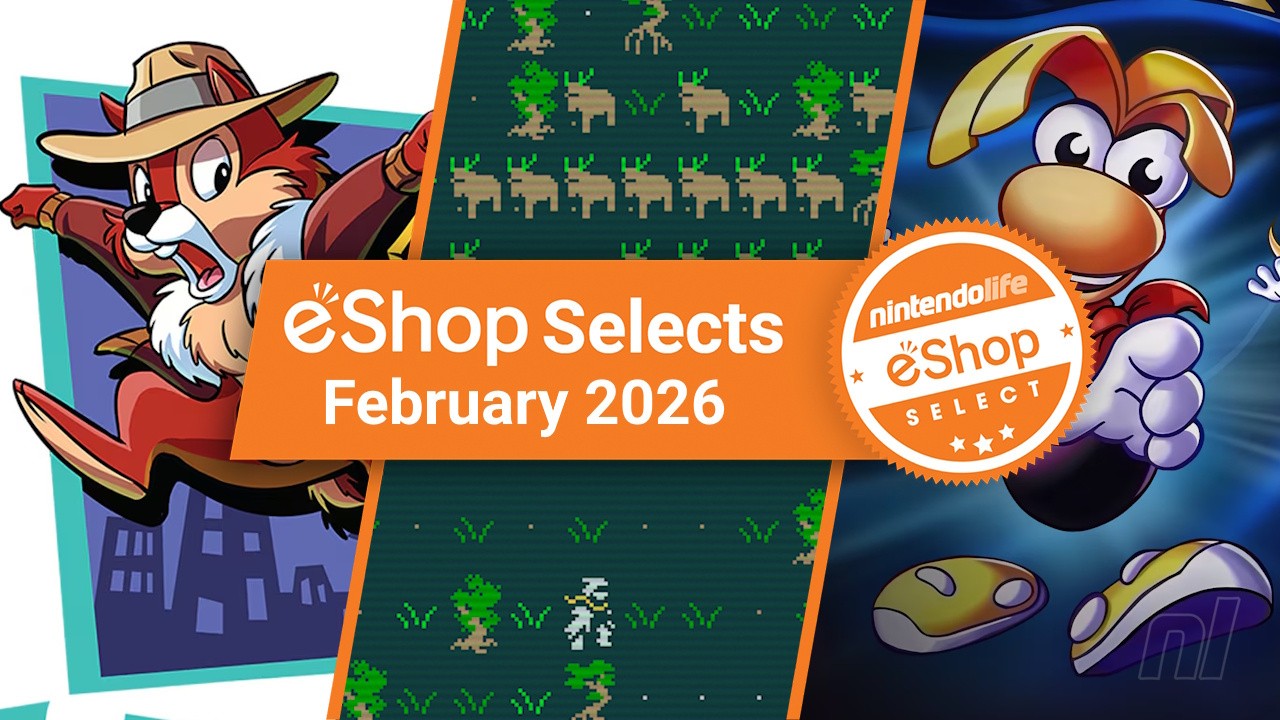
Feature: Nintendo Life eShop Selects (February 2026)

eShop Selects February 2026
Image: Nintendo Life

February 2026, hey? It’s been a busy one with a Nintendo Direct, a Pokémon Presents, and a couple of shadow drops and Switch 2 surprises. That means it’s time for a lovely edition of eShop Selects.

So yeah, a big month for what is the shortest one of the year. Spring is approaching, but that doesn’t mean we want to start stepping outside and enjoying the crisp, early sunshine. There’s a lot of games on the eShop right now, so let’s look at the best of them.

So, the rules: our writers and contributors vote for their top three eShop games from February 2026 from titles we’ve reviewed, and the three games with the highest scores will make the podium.

Honourable Mentions

This past month gave us eight games to fight over for the top three positions, all scoring at least a 7/10 from us. A couple of them are getting physical releases later in the year, but as with previous iterations of this regular feature, they’re eligible for the votes here.

Obviously Switch 2 Edition shadow drops graced us this month, but given that we haven’t officially reviewed them, we’ve opted to exclude them from the vote this time around — sorry Hollow Knight and Xenoblade Chronicles X.

In terms of other game releases, Pokémon FireRed & LeafGreen just sneaked in at the end of the month, but we didn’t have access to them before release so we’re working on our review. And we also want to give a shout-out to Resident Evil 7: Biohazard and Resident Evil Village, which are technically available physically via the Resident Evil Generation Pack on Switch 2.

So, let’s give it up for the smaller releases that just missed out on the podium.

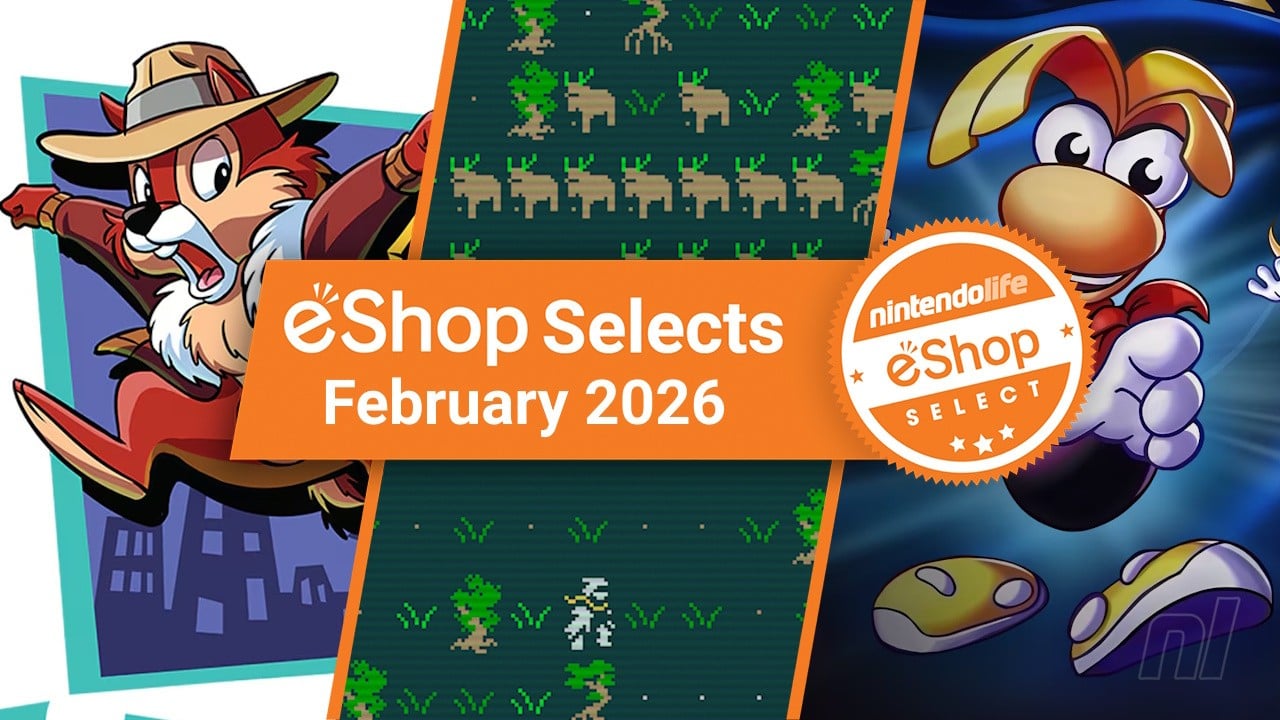
After months of rumours, was anyone surprised to see Digital Eclipse’s Rayman: 30th Anniversary Edition pop up during Sony’s State of Play in February? The most shocking part of the reveal was that it was also out within 24 hours of its announcement.

And yes, the collection does have a handful of issues in the form of music and a lack of variety in content, but as always with Digital Eclipse, the magic of the museum, the documentary-style clips, and the added bonuses make this a worthy celebration for an Ubisoft icon.

We hope those issues are fixed by the time the physical release rolls out, because the original Rayman deserves the best, hence its placement in the top three. For now, it gets a 7/10 from us.

Wait, what’s this? Another Digital Eclipse job? And this one goes even further back. We’ve been clamouring for The Disney Afternoon Collection on Switch, and we’ve been rewarded for our patience: with the addition of Goof Troop and Bonkers, we now have eight retro classics to dig into on both Switch 1 and Switch 2.

Really, Goof Troop is the star here, but we think most of the games in the compilation are great. If you grew up with any of these NES and SNES titles, then you’ll also know that some of these games are darn tough. Thank goodness for rewind and some other QoL features then.

It really is a retro fan’s dream, and a good reminder of some excellent classic Disney titles. We awarded the collection an 8/10 in our review for those reasons and more.

Please note that some external links on this page are affiliate links, which means if you click them and make a purchase we may receive a small percentage of the sale. Please read our FTC Disclosure for more information.

But Rayman and Disney are no match for 17 years of game development and one of the most-ambitious and rich roguelikes ever. After being in Early Access for a long time and releasing on Steam back in 2024, Caves of Qud made its console debut on Switch in February 2026 with very little compromised for the hybrid system.

Is it dense? Yes. Is it complex? Very. And is there a little too much squeezed onto the little screen at once? Maybe. But what Caves of Qud delivers is an incredibly rewarding experience for those who love good systems and good stories. It’s tense, it’s tough, but it’s deeply satisfying.

We gave Caves of Qud an 8/10, and it sits at the top of the podium for February’s eShop Selects. Congrats to Freehold Games for this monumental achievement!

< Nintendo eShop Selects – January 2026

Do you agree with our ranking? Tell us about your favourite eShop releases of last month by voting in our poll and sharing your thoughts in the comments.

How we decide our eShop Selects top three: As we reach the end of every month, the Nintendo Life staff vote on their favourite titles from a list of games selected by the editorial team. To qualify for this list, these games must have been released as a digital-only Nintendo Switch eShop title in that particular month, and must have been reviewed on Nintendo Life; we select the qualifying games based on their review scores.

Staff are then asked to vote for three games that they think deserve to sit right at the very top of that list; first choice gets three points, second choice gets two points, and third choice gets one point. These votes are then tallied to create a top-three list, with the overall winner taking that month’s top prize.

Posted on Leave a comment

Feature: 30 Pokémon You Probably Forgot That Deserve A Second Chance

Given Pokémon’s roaring popularity for three decades straight, it’s a sheer numbers game to figure that each of its titular beasts is someone’s favourite. It’s also true that over 1,000 Pokémon can’t all share the limelight, meaning some are bound to fade into obscurity.

While the most popular Pokémon take centre stage for the franchise’s 30th anniversary, I figured space should be made to honour the PokéMisfits that didn’t stand the test of time. These include oddities that only the staunchest Poké Maniacs will recall, others of minor notoriety that deserve more love, and phased-out mascots. While they may be easily written off as sideshows, these Pokémon still played roles (in some cases, infamously) in keeping the franchise on top for all these years.

Before jumping in, a quick note: I left out Gen 9 ‘newcomers’ as their legacies are still being written. I also had regional variants, mega evolutions, and their ilk take a seat to keep the proceedings simpler.

This category covers Pokémon that many straight-up forgot about. They’re sure to have their fans — that’s true of any Pokémon — but by and large, they never caught on, or only enjoyed fleeting relevancy…

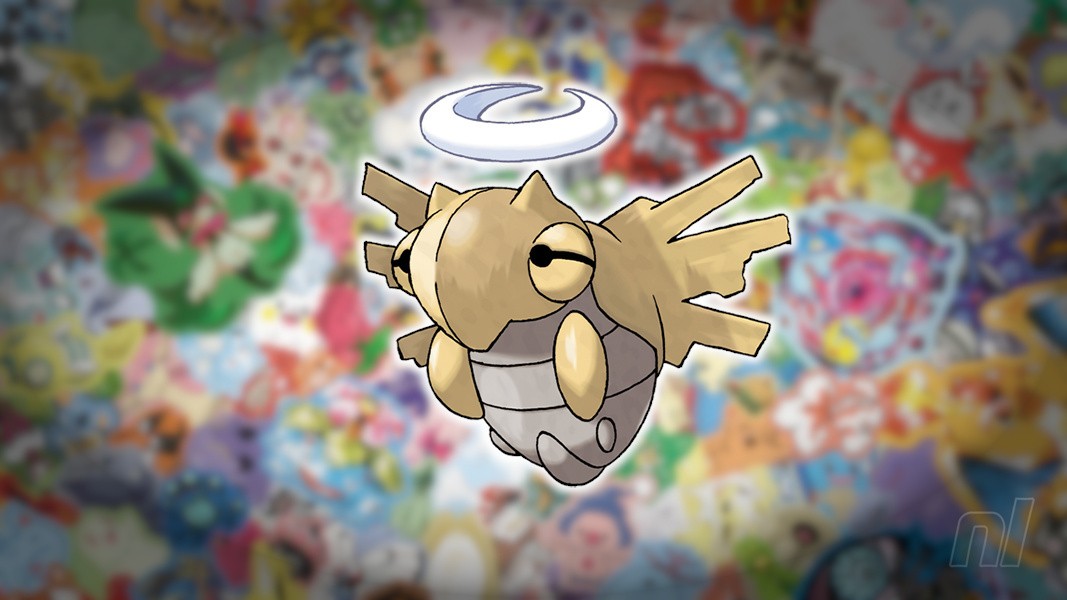
Shedinja (#292)

Shedinja #292
Image: The Pokémon Company

If there’s one element of the Pokémon fandom that I’ll forever miss, it’s the schoolyard tall tales that kids told each other when we didn’t have easy internet access. By Gen 3, scepticism had set in, making me disbelieve Shedinja’s existence.

I have to keep a spot in my party empty and have a spare Poké Ball to obtain it? Sounded about as likely as finding Mew under a truck!

Of course, it does work… and that’s about the most I can say. Schoolyard chatter quickly moved on to new leaks and lies. Shedinja’s allure became its undoing as myths were far more compelling than truths. It’s now notable as a historical footnote and its unique Bug/Ghost dual-typing. That’s more than can be said for a lot of the entries in this category, but nonetheless disappointing for such a conceptually cool Pokémon.

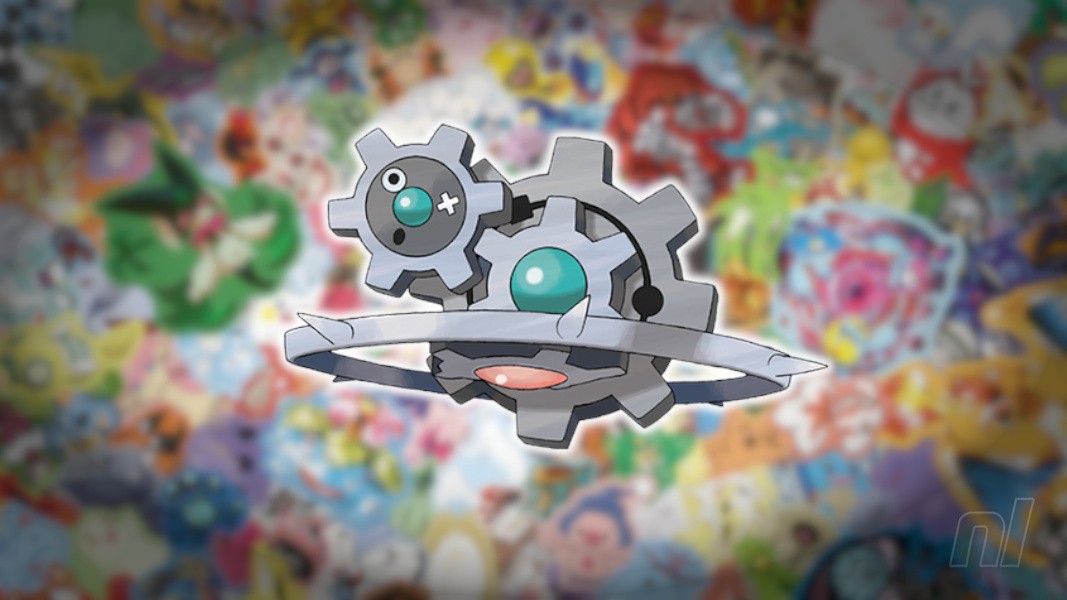
Klinklang #601

Klinklang #601
Image: The Pokémon Company

There’s not a lot working in Klinklang’s favour. Its design is simultaneously basic, even among Gen 5’s wave of inanimate object Pokémon, and also derivative of Magneton. It’s therefore not too surprising that this gearhead wouldn’t leave much of an impact.

However, I do believe it has the potential to earn a renewed residency in the minds of fans by having it utilise its utilitarian design to help keep the Pokémon world running. For example, imagine a city running on Klinglang-powered machinery, or gadgets that could be brought alive by a Klinglang in your party.

That sort of worldbuilding is what Klinglang is destined for.

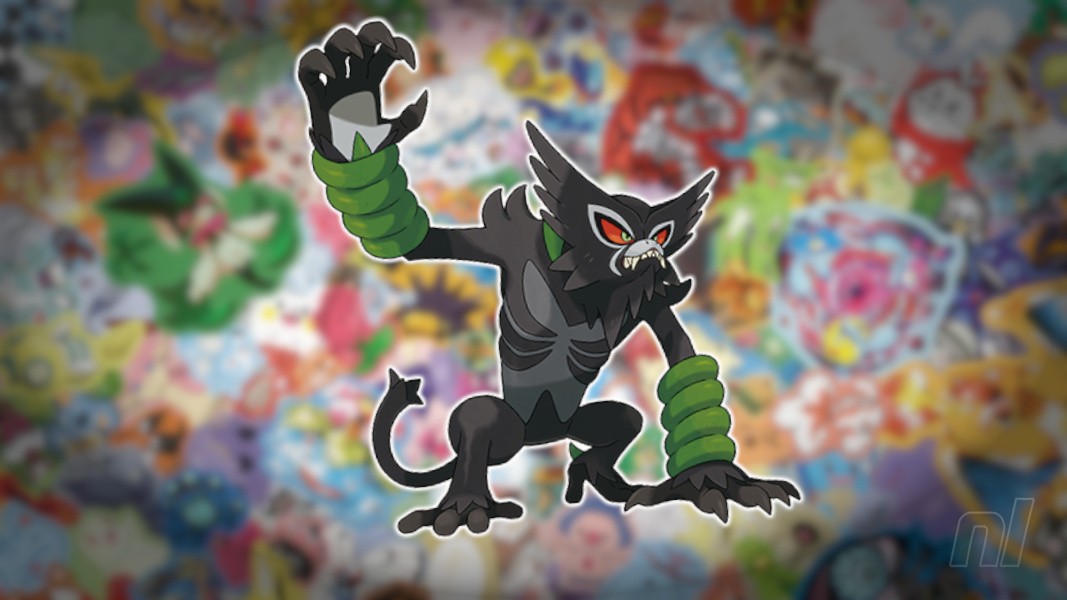
Zarude #893

Zarude #893
Image: The Pokémon Company

This mythical primate was never made available beyond a few online distribution events that occurred a year or more after the release of Sword and Shield (let alone after both its expansion packs were available). It’s highly possible that most Sword and Shield players never even learned of Zarude’s existence because of its late addition. Many who did still had a hard time finding love in their heart for this monkey due to a lack of an in-game event to give it the context it desperately needed.

Zarude could see a renaissance if The Pokémon Company decides to reintroduce it with expanded prominence, but for now, it’s a bit of a non-entity.

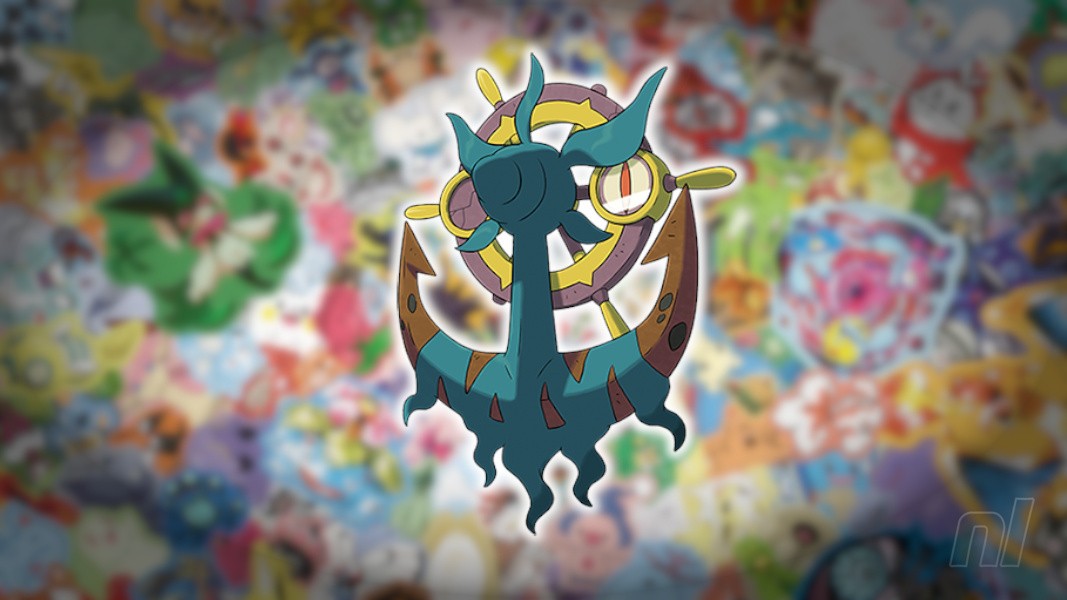
Dhelmise #781

Dhelmise #781
Image: The Pokémon Company

The concept behind Dhelmise is cool enough: a rusty, seaweed-strapped anchor that can supposedly knock out Wailord in one attack (Pokémon battles don’t back up this claim). The reality is that it’s ultimately just a possessed anchor, something that wasn’t particularly novel by the time of its Gen 7 introduction.

It’s well themed for the tropical Alolan archipelago, but then again, so are many of that region’s newcomers. Still, I give props to Game Freak for giving wacky ideas like this a shot, even if they don’t always catch on. For better or worse, they can’t all be Garbodor.

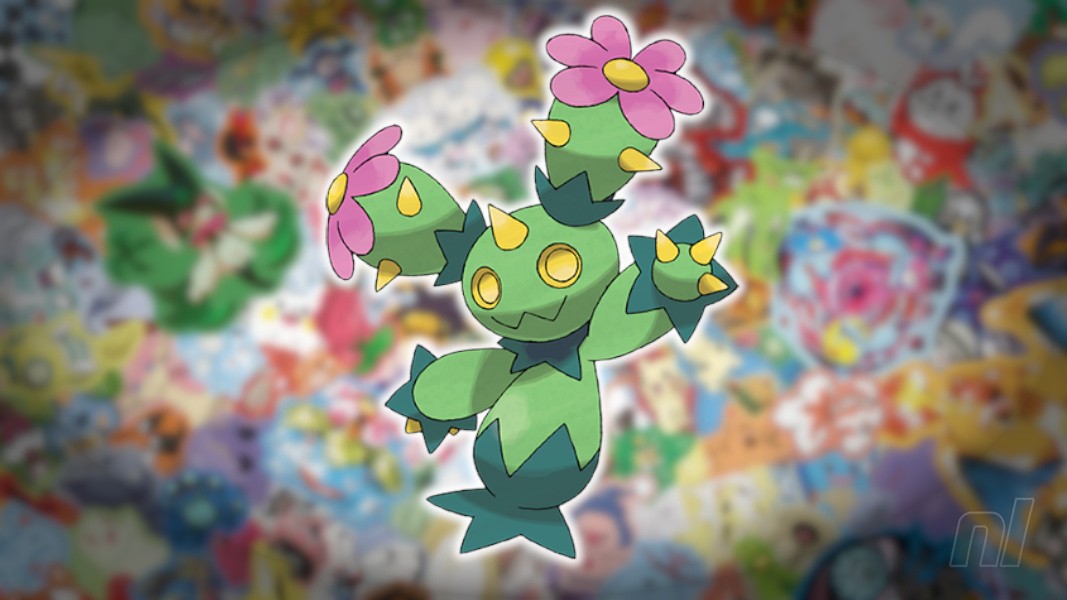
Maractus #556

Maractus #556
Image: The Pokémon Company

As the second Cactus Pokémon to lay its roots in the franchise, Maractus needed a bit more going for it to stand out. Namely, it’s a type of single-evolution Pokémon that feels like it shouldn’t be standalone. The design concept of maracas growing out of its head is the perfect setup for an evolution to run with.

Without one, it felt like borderline Gen. 5 filler added so that generation wouldn’t include any old monsters until its post-game. I hoped that Legends Z-A might’ve given it a plus-up in the form of a mega evolution, but with that opportunity gone, who knows if Maractus will ever get the treatment it deserves.

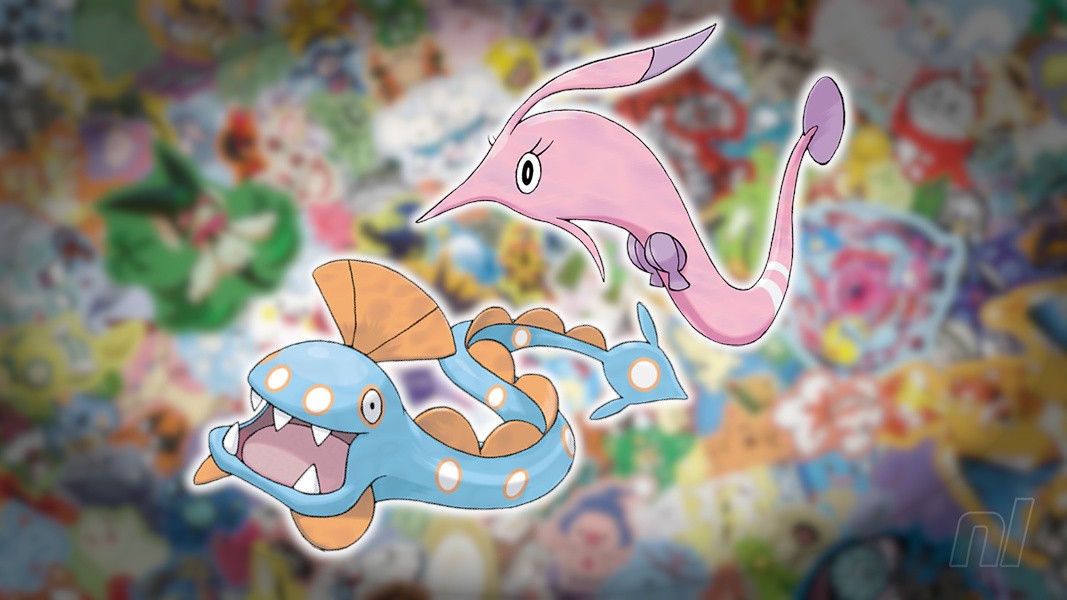
Huntail #367 and Gorebyss #368

Huntail #367 and Gorebyss #368
Image: The Pokémon Company

These two share an evolutionary base Pokémon in the adorable Clamperl, yet neither share in its fandom. In fact, it wasn’t until researching for this article that I remembered Clamperl even had evolutions at all!

Perhaps that’s because both require trading, which has always been a somewhat frustrating (even if understandably flavourful) barrier to using certain Pokémon, especially if you’re a solo player like me. I have to imagine that’s also true for many others whose only encounters with Huntail and Gorebyss came through trainer battles or rare in-the-wild scenarios.

It’s a shame because these groovy, psychedelic eels have been waiting over two decades for their moment in the sun. Or perhaps they just prefer the deep ocean, in which case, live your best lives, sea misfits.

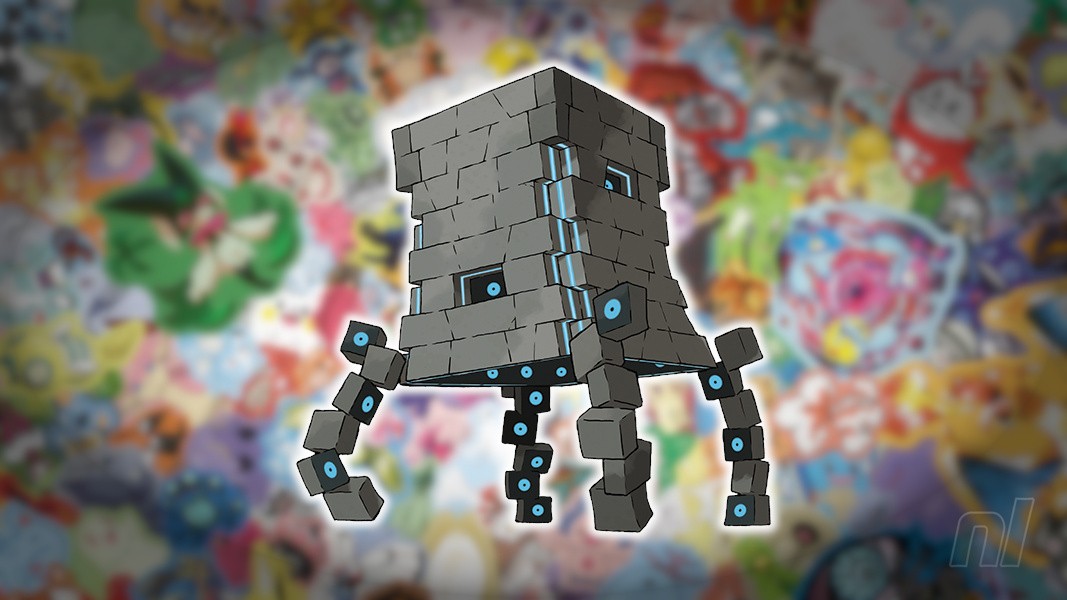
Stakataka #805

Stakataka #805
Image: The Pokémon Company

The alien nature of Ultra Beasts makes them all inherent misfits of the Pokémon universe, but that’s also why some have been fondly remembered. Stakataka isn’t usually part of those conversations, though. Its stone colossus design isn’t particularly original or memorable, especially when you consider that The Legend of Zelda: Breath of the Wild introduced the strikingly similar Guardians months prior.

Plus, appearing exclusively in 3DS games that launched after the Switch rocked the world was a surefire way to not rock the world. Still, if Ultra Beasts ever come back, Stakataka might find its footing.

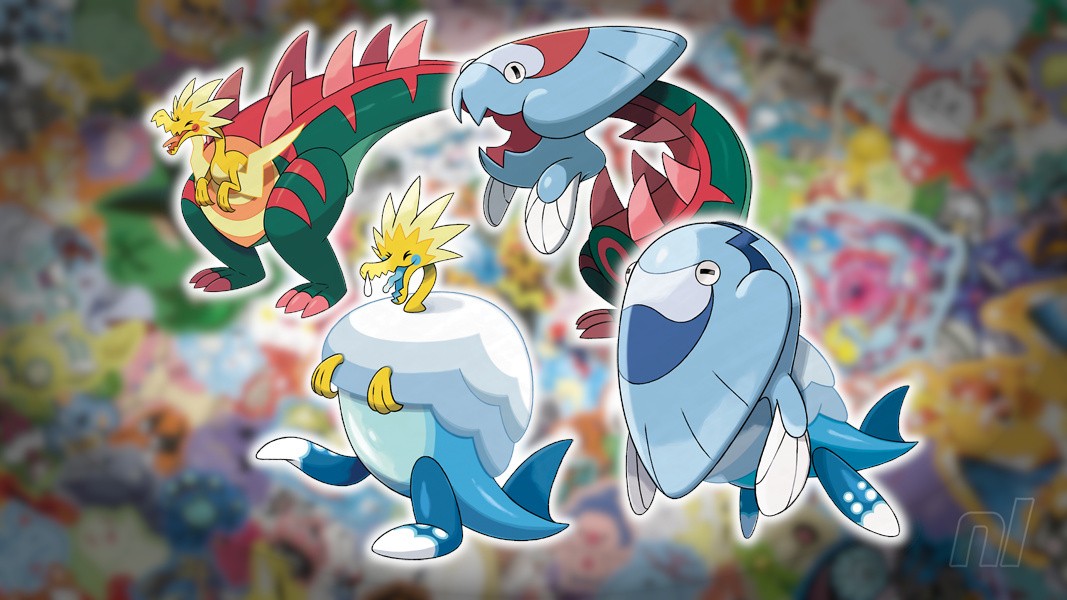
The Gen. 8 Fossil Quartet (Dracozolt #880, Arctozolt #881, Dracovish #882, and Arctovish #883)

Dracozolt #880, Arctozolt #881, Dracovish #882, and Arctovish #883
Image: The Pokémon Company

Uhhhhhhh, so yeah.

First, for those keeping count at home, this is one of two scenarios where I’m lumping all four of these… Pokémon?… into one listing since they’re all cut from the same cloth of combining two fossils to create genetic monstrosities.

The Frankenstein creations that this resulted in might be more believable as something found in Silent Hill. In fact, their mere existence is that level of unsettling, which I suppose will be the feature for many players. For others, we’d rather forget.

That said, I’m open-minded. Game Freak, game on. The ball’s in your court to make me love these patchwork Pokémon.


Next up, The Under-Appreciated Misfits.

The Pokémon in this category have a steady presence in the franchise but don’t get the love they deserve. Whether they live in infamy or are overshadowed by their immediate peers, let’s give these beasties a second look on the second page…

Posted on Leave a comment

Guide: Upcoming Nintendo Switch 2 Games & Accessories For March & April 2026

Pokopia
Image: Nintendo

As we head into the third month of 2026, there’s plenty to be looking forward to once you’ve dragged yourselves away from the shambling hordes of Raccoon City and the two other Resident Evils that dropped on Switch 2 last week.

There’s a new Pokémon spin-off, for starters, followed by the return of Fatal Frame, the third Monster Hunter Stories game, and Nintendo’s capping off the month with a trip for Mario and co. to Bellabel Park. And that’s before we even get to April, which kicks off with The Super Mario Galaxy Movie in the cinemas.

Below, we’ve highlighted the most exciting Switch 2 (and 1) games coming in the next two months. You’ll find more great games beneath our top picks, as well as a bunch of Switch (2) accessories.

Please note that some external links on this page are affiliate links, which means if you click them and make a purchase we may receive a small percentage of the sale. Please read our FTC Disclosure for more information.

New Switch 1 & 2 Games for March & April 2026

Pokémon Pokopia – 5th March (Switch 2, Game-Key Card)

Bringing life-sim, Animal Crossing-style elements to the world of Pokémon, you might say that we should have been playing a game like this years ago. Better late than never, though.

As noted above, the physical edition of this is a Game-Key Card – to date, a lone outlier in Nintendo-published Switch 2 games.

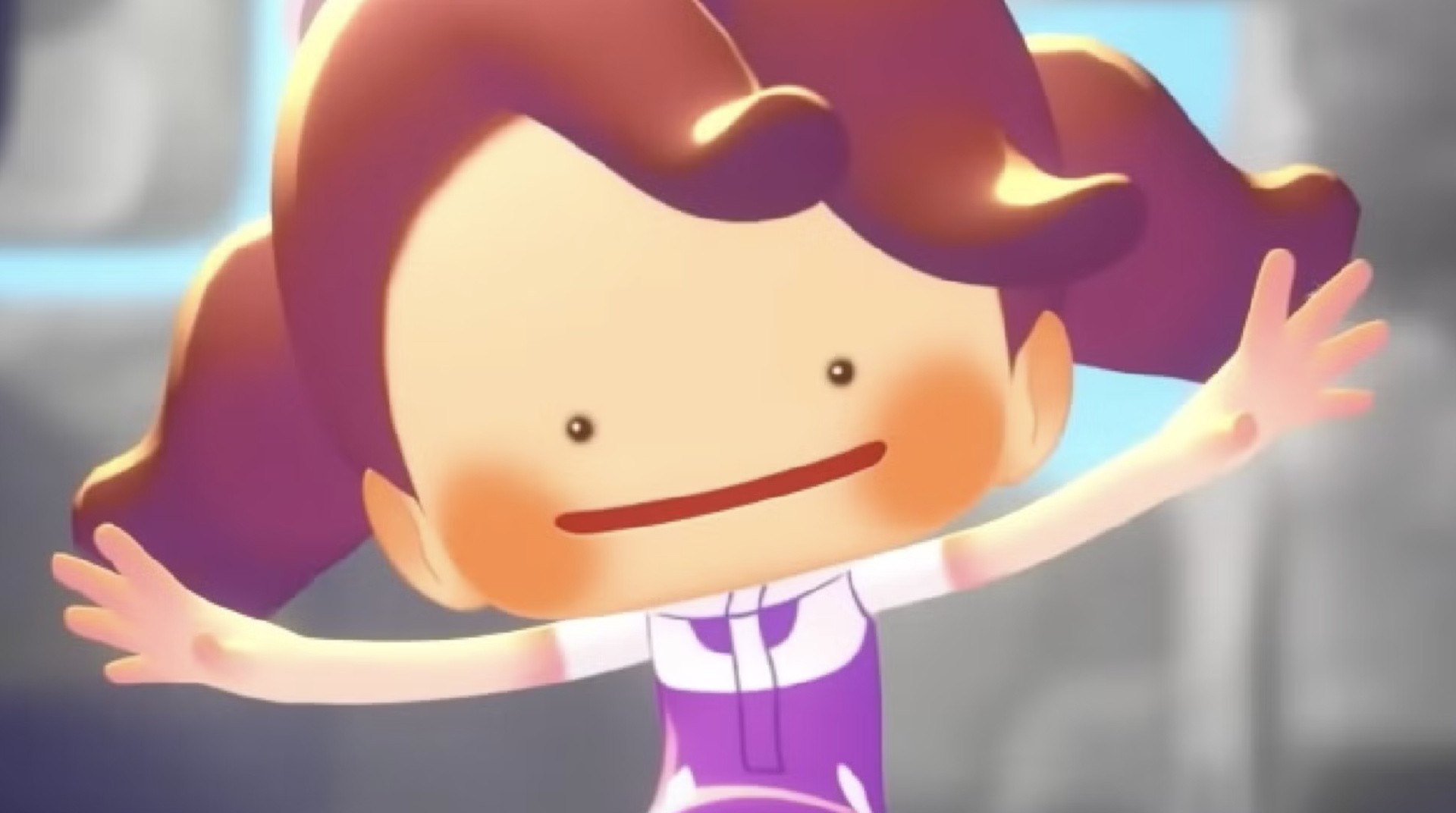
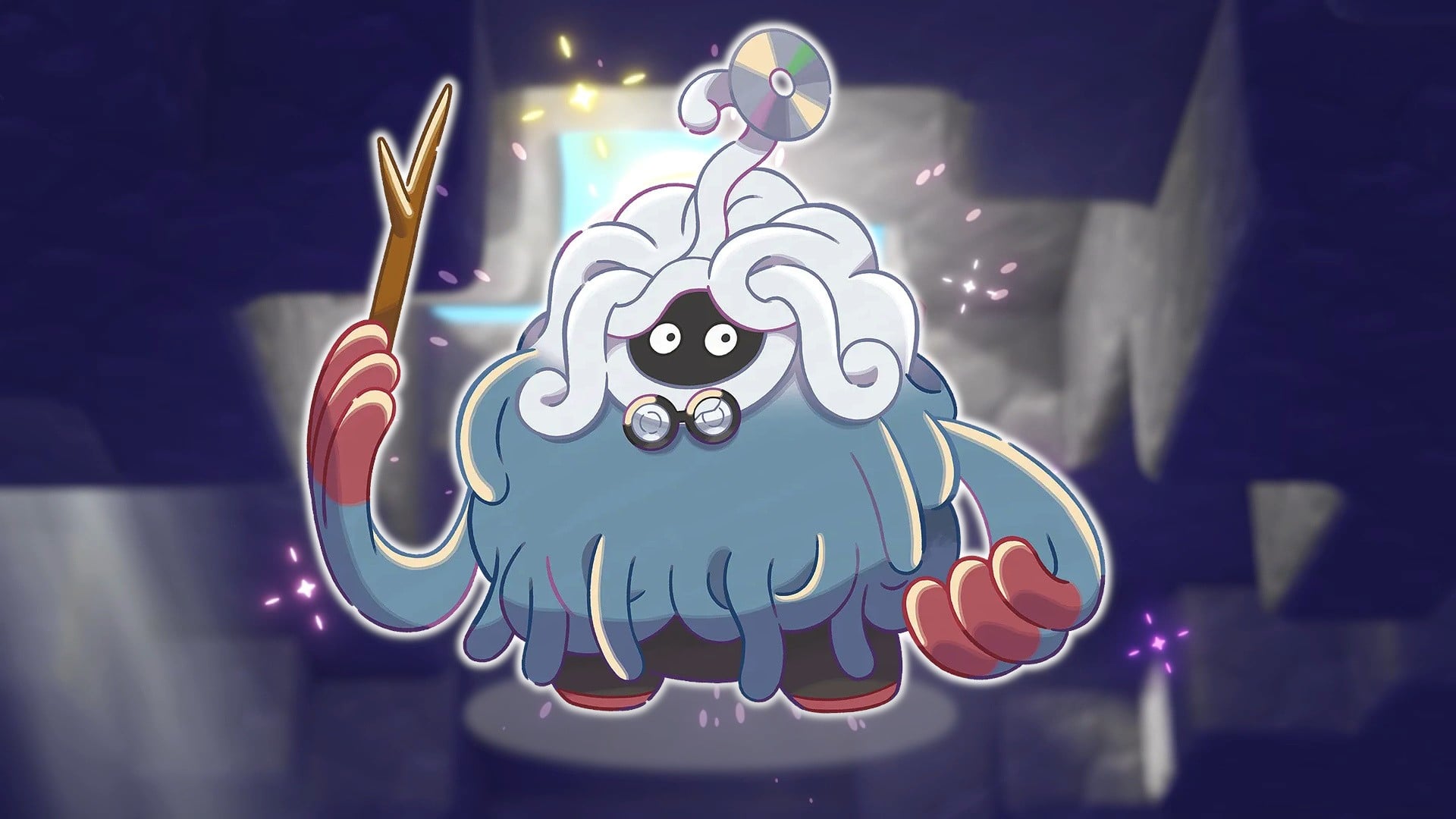
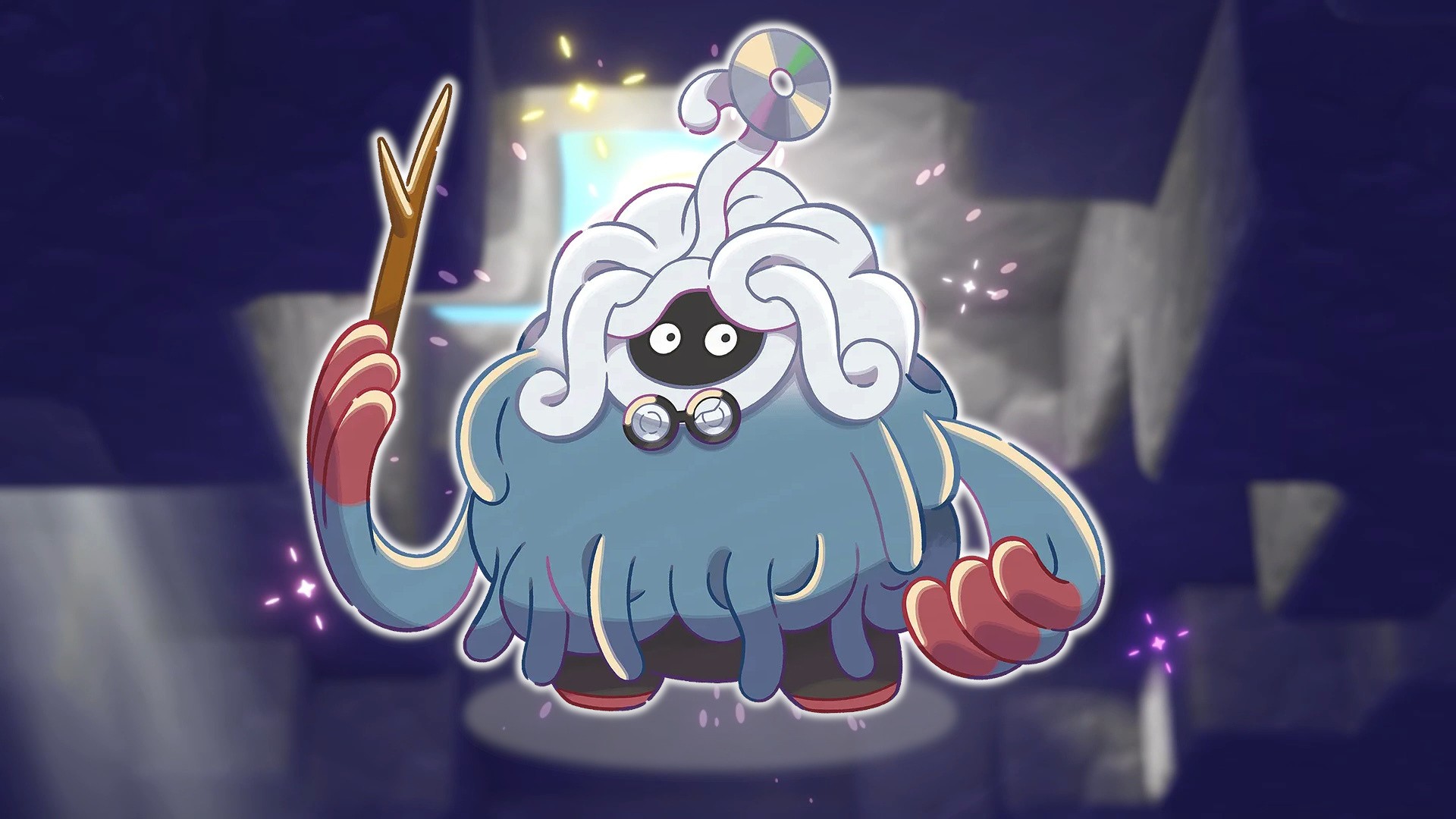
Play as a Ditto that has transformed to look like a human! Find and befriend your fellow Pokémon, carve out a life for yourself, and work together with Professor Tangrowth to build a town for everyone to live in. Learn the moves of your fellow Pokémon to change the land, such as Bulbasaur’s Leafage to make the wild grass grow. You can also use abilities to transform and navigate the world around you, such as crossing water with Lapras’s Surf.

Fatal Frame II: Crimson Butterfly Remake – 12th March (Switch 2, Game-Key Card)

If a triple hit of Resident Evil hasn’t left you sufficiently brown-trousered, how about a (second) remake of one of the most chilling horror games ever? This one’s a Game-Key Card, too.

FATAL FRAME II: Crimson Butterfly REMAKE is a Japanese horror adventure game and serves as a full remake of the second instalment in the FATAL FRAME (PROJECT ZERO) series. The story follows twin sisters Mio and Mayu as they wander into an abandoned village infested with wraiths. The only way to defend against them is with the use of the Camera Obscura.

Monster Hunter Stories 3: Twisted Reflection – 13th March (Switch 2, Game-Key Card)

Capcom’s back just a couple of weeks after Requiem with the third entry in this excellent Monster Hunter side-series. We’re keen to see how it compares to the previous entries in this soon-to-be trilogy.

And yes, another Game-Key Card (last one).

Azuria and Vermeil: two countries, on a path to destruction.
When all hope seems lost, an egg is found. Inside is a Rathalos, a species thought to be extinct.
But this quavering light of hope is quickly extinguished, giving way to the darkness of despair.
Born from the egg is not a single Rathalos, but twins, bearing the Skyscale marking that hearkens back to the disastrous civil war of 200 years prior.

Super Mario Bros. Wonder – NS2 Edition + Meetup In Bellabel Park – 26th March (Switch 2)

And at the end of March, it’s a second round of Wonder with added minigames and Rosalina and Luma joining the crew of playable characters just in time for The Super Mario Galaxy Movie to drop on 1st April. Fingers crossed this upgrade has enough substance to warrant another meetup.

• Explore Bellabel Park, an area newly discovered within the Flower Kingdom with your friends and play various multiplayer attractions
• Take on all seven of the Koopalings in newly added boss courses scattered throughout the Flower Kingdom
• Choose from an even larger cast of characters in this Nintendo Switch 2 Edition of the game, which now adds Rosalina and Co-Star Luma to the existing cast
• Grab the Super Flower Pot power-up to transform into a flower form and throw flowers
• Even if your friends don’t have the game, play with them using GameShare locally or online

Tomodachi Life: Living the Dream – 16th April (Switch 1)

There’s still life in Switch 1 yet, and Tomodachi Life (and the as-yet-undated Rhythm Heaven Groove) look to be sending the old console into the sunset on a high.

Create Mii characters based on anyone you’d like and watch the fun and drama unfold on an island you create and customize.
Watch over your island and stumble upon little LOL moments as you get to know your Miis (and they get to know each other). Will they become friends, sweethearts, or perhaps something more complicated? Only time will tell!

Xenoblade Chronicles X: Definitive Edition – Nintendo Switch 2 Edition – April 16th (Switch 2)

This minor Upgrade Pack for 2025’s Switch update of the Wii U original dropped out of the blue in February, but Nintendo is giving this Switch 2 Edition the physical treatment in mid-April. It’s proved to be a little divisive amongst fans, although it’s difficult to say no to a solid 60fps upgrade.

Of course, if you already own the first game, you can just buy the Upgrade Pack separately on the eShop. If you don’t, this NS2 Edition will also work on Switch 1.

Join up with BLADE to explore the planet Mira and help bring humanity back from the edge of extinction, now with a faster frame rate (up to 60 fps) and enhanced resolution (up to 4K).

Pragmata – April 24th (Switch 2)

Capcom’s so hot right now, coming off the back of RE and then Monster Hunter straight into new IP Pragmata, all releasing in the window of just over one month. We’ve got our fingers crossed for yet more quality.

As with all Capcom’s physical output, this one’s a Game-Key Card.

After a chance encounter, spacefarer Hugh Williams and android Diana make their way through a lunar research station as they look to escape and find their way back to Earth. Diana Hacks open enemy armor to create openings for Hugh to take down the enemy with his varied arsenal of firearms.

More Upcoming Games for March & April 2026

As well as those picks above, there are plenty more Switch 1 & 2 retail games launching in the next couple of months (and a bit beyond).

New Switch 2 Accessories & eShop Credit

Finally, here’s a selection of Switch 2 accessories coming soon, and our Switch 2 buyer’s guides if you’re looking for something in particular.

Remember, you can also buy your Switch eShop credit and games from the Nintendo Life store. Purchases made on our store also help to support the site, so thank you in advance!


So that’s it for March and April — did we miss anything? Let us know with a comment and tell us if you’ve pre-ordered any of these goodies!

Posted on Leave a comment

Mini Review: Arcade Archives 2 Rave Racer (Switch 2) – The Pure Spirit Of Ridge Racer, Finally On Home Console

There’s part of me that still can’t quite believe I’m playing Rave Racer on a home console. Namco’s 1995 sequel to Ridge Racer never made it out of the arcades back in the day, despite promises that it would be ported to PC as part of NEC’s push for its PowerVR graphics processor.

For years, the game’s legacy has been having its circuits reproduced in later Ridge Racer games, but Rave Racer has finally been released from its arcade prison – and while its coin-op roots are both a plus and a minus, what we have here is perhaps the purist example of what makes this franchise so special.

Rave Racer consists of four circuits, two of which are taken from the original Ridge Racer (technically, they’re variations on the same track, so in reality, there are, in fact, three courses on offer here). The City and Mountain courses would resurface in the PSP entries Ridge Racer and Ridge Racer 2 as ‘Midtown Expressway’ and ‘Greenpeak Highlands’, while the City circuit would form the basis of Ridge Racer 6’s Rave City.

You can choose to either race against 11 other cars or take part in Time Trial events, and it’s even possible to race all of the circuits in reverse, thanks to a combination of button presses before selecting your track (right, right, then press the accelerator and brake simultaneously).

Manual and Automatic transmission options are available, and this release lets you compete against three other friends in split-screen mode that replicates the multi-cabinet link-up mode originally seen in arcades. There’s also a two-player split-screen mode, too.

These features — alongside the traditional Time Attack, Caravan, and Hi Score modes the Arcade Archives series is famous for — do much to extend the longevity of Rave Racer, which, like Arcade Archives Ridge Racer before it, can quickly become stale if you’re not totally committed to perfecting your racing lines and tirelessly improving your track times. After all, this is a game that was designed for arcade and not home play.

Despite the lack of progression and low number of circuits on offer, Rave Racer plays like an absolute dream. The handling model in this game is subtly different from that seen in Ridge Racer (and pretty much every other game in the lineage, for that matter); cars aggressively shift as they make sharp turns, and the camera itself tilts whenever you drift around a tight corner. Furthermore, there’s an on-screen splitstream gauge that shows when you’re benefiting from ‘drafting’ behind rival cars.

The drifting itself feels like it offers more bandwidth for player skill to emerge; it takes a little getting used to initially (especially for those of us weaned on the PS1 port of Ridge Racer, which was designed with digital and not analogue steering in mind), but after a few hours of play you fall into an almost subconcious ‘flow state’ and the whole experience becomes practically otherworldly.

Rave Racer isn’t the perfect racing game, by any means; there’s not a lot of content and no career mode, but the on-track action is as pure and exhilarating as any you’ll encounter in the arcade racing sub-genre. And, in case you were wondering, yes, the game still has the bug which has allowed players to totally smash the game’s course records.

Posted on Leave a comment

Guide: Best Pokémon Games Of All Time

In honour of Pokémon’s 30th anniversary, we’re republishing our ranked master list of all the mainline games. Enjoy!

Ranking the best Pokémon games is no easy feat, given that many of them are considered among the best games of their particular hardware generation. Then you have to consider just how many spin-off Pokémon games have come out over the last 30 years, too!

To make things a little simpler, here we’re focusing on the mainline Pokémon games that have graced our gaming consoles. These games introduced new generations of Pokémon to the mix in their original incarnations, their sequels, their ultimate versions, and indeed their remakes.

Without further ado, then — and with those minor caveats in mind — here’s our list of the very best Pokémon games, starting at the bottom.

22. Pokémon Legends: Z-A – Nintendo Switch 2 Edition (Switch 2)

Pokémon Legends: Z-A should be celebrated for its fabulous real-time combat and its largely smooth jump to the Switch 2, but in condensing things down to one single location, it loses part of the Pokémon magic that Arceus and many other entries managed to amplify.

We’ll forever find filling up our Pokédex fun, and for the Switch 2 generation, this is a good starting point for the franchise. But if the Legends series is to continue, it needs to recapture its personality and fuse that real-time system with a bit more freedom.

The Switch 1 version, predictably, isn’t as evolved, but it’s generally a stable experience if you haven’t got the newer console.

21. Pokémon Brilliant Diamond and Shining Pearl (Switch)

While some of the slower elements of the original games have been fixed in Pokémon Brilliant Diamond and Shining Pearl, and The Grand Underground makes up for the comparatively weak Pokédex, the new art style and a few other stumbles make this pair of games a somewhat disappointing retread of Generation 4. If the remit here was to remain faithful to the original Gen 4 pair, we wish they’d also stuck to the pixel-art aesthetic.

Unfortunately, these are Brilliant and Shining remakes in name only, sticking very closely to the original template — which some players will no doubt welcome — but aside from The Grand Underground and the connectivity with the current games in the series, there’s very little reason to play Pokémon Brilliant Diamond and Shining Pearl over your original DS copies.

20. Pokémon Scarlet and Violet (Switch)

There are still plenty more ways we’d like to see the Pokémon franchise evolve but despite some glaring technical hiccups, Pokémon Scarlet & Violet has us cautiously excited about the series’ future.

Scarlet & Violet is most fun and exciting when you’re just exploring the world, and while there are many small new details and improvements to the Pokémon formula, it still plays it safe in a few areas.

It’s a smaller step than many may have hoped for, then, especially considering what Pokémon Legends: Arceus did, but it’s definitely one in the right direction. We really hope Game Freak can figure out how to smooth out the series’ ongoing performance issues because they’re going to become a serious detriment over time.

19. Pokémon: Let’s Go, Pikachu! and Let’s Go, Eevee! (Switch)

Pokémon: Let’s Go, Pikachu! and Let’s Go, Eevee! are beautiful reimaginings of a video game classic, updating a decades-old game in ways which make it infinitely more accessible and user-friendly for a modern audience, while keeping the magic first discovered all those years ago.

On the downside, the motion control mechanic is fun but flawed, forcing you to shift from one play style to another to get the best experience. Still, the game does a superb job of striking a balance between being an easy route of entry for newcomers and offering just enough post-game challenge and competitive play elements (and nostalgia, of course) to please series veterans; as a result, these newer titles really do offer something for everyone, which can’t always be said of the mainline Pokémon entries.

They might not be absolute masterpieces, but we’d urge any Poké-fans out there to give these Kanto classics a go.

18. Pokémon Sword and Shield (Switch)

Pokémon Sword and Shield succeeded in bringing some new ideas to the table, although there are areas where it could have pushed further.

What was done right was done right, but there were also elements that felt like they had come from a decade-old design document. There are moments contained within that are the best the series has ever been, but this joy is occasionally spoiled by contrasting moments that left us disappointed.

It’s an experience full of highs and lows, from the unadulterated wonder and joy of seeing a brand-new Pokémon in a stadium full of cheering crowds, to the monotonous and dragged-out dialogue we just wanted to skip. The wonders of exploring the Wild Area felt like the true evolution of the series, which subsequent entries have explored.

On the whole, Pokémon Sword and Shield were a very solid start to the HD generation of Pokémon games, although with room for improvement.

17. Pokémon Ultra Sun and Ultra Moon (3DS)

Thanks to X/Y and Omega Ruby/Alpha Sapphire there were already some fantastic 3DS Pokémon games for owners to enjoy.

That said, Pokémon Sun and Moon felt like a new start for players who had perhaps fallen off the Pokémon RPG collectathon bandwagon. With improved character models and customisation, plus the addition of powerful Z-moves, the return of fan-favourite Gen I pocket monsters in new Alolan forms helped enthuse the franchise faithful as well as people who can only reliably recall the first 151. Extra forms, moves and activities in these Ultra editions make them the most ‘complete’ variants.

Although it’s a shame we never got to see our favourite monsters in stereoscopic 3D, this is the crème de la crème of traditional-style 3DS Pokémon games.

16. Pokémon Sun and Moon (3DS)

Pokémon Sun and Moon are some of the best Pokémon games that Game Freak has ever produced. Poké Pelago, the side quests, the absolutely stunning nature of the presentation, it’s all a sheer joy from start to finish.

Game Freak managed to carefully balance the inclusion of new mechanics without totally ruining things for the most hardcore fans. It’s got content coming out of its ears, a much more interesting story than some previous efforts, and it rewards exploration in a way no other title in the series had to that point.

Whether you’re a Pokémon fan new or old, this should be in your 3DS library.

15. Pokémon Diamond & Pearl (DS)

Doing our best to avoid spouting Prince lyrics, what is there to say about Pokémon Diamond & Pearl?

The core experience holds up as well as it ever did and, at the time, these were the greatest Pokemon games ever created. As with so many video games successful enough to spawn a never-ending series of sequels, each entry is destined to settle beneath its successors, compacting down with the passing of time until they’re mere fossils — worth collecting, treasuring and remembering, yes, but worth playing when they’ve been iterated on umpteen times since?

That’s a tough question to answer, and we suppose it’s the price of success and progress, but while Diamond & Pearl might not boast the refinements we’re now accustomed to, they’re still excellent Pokémon games and deserve to be taken off the shelf and actually played with once in a while. They’re sure to make you a happy boy or a girl.

14. Pokémon X & Y (3DS)

Game Freak hit the nail squarely on the head once again with Pokémon X and Y. A wonderful blend of excitement and nostalgia, it evolved the core series with its impressive polygonal 3D environments and masterful camera angles, adding a few technical adjustments along with a brand new Pokémon type to the original formula that we all know and love.

It wasn’t quite a revolution, no — and was hindered slightly by the meagre use of its host platform’s glasses-free 3D capabilities — but X and Y remain a very fine pair.

13. Pokémon Ruby & Sapphire (GBA)

Pokémon Ruby & Sapphire ushered in the third generation of Pocket Monsters and moved the series on from the stalwart 8-bit Game Boy hardware onto the more capable, wider platform of the Advance.

The removal of the night-day cycle irked some of the Poké-faithful, but Gen III brought with it a host of new features, including 2 vs. 2 battles and the natures mechanic that gave Poké Trainers a whole new stat-filled rabbit hole to go down. The widescreen presentation of the GBA improved the look of the battle screens, and the entire Hoenn region looked incredibly lush compared to 8-bit Kanto and Johto.

12. Pokémon Yellow Version: Special Pikachu Edition (GB)

This enhanced version of the original games brought over elements from the incredibly popular anime, so Pikachu takes centre stage as your starter Pokémon – he follows you around outside his pokéball and can’t be traded or evolved.

The nurses and police officers around Kanto were substituted for Nurse Joys and Officer Jennys, some Pokémon locations and appearances were altered, and various sprites and world elements were reworked to better reflect the wider brand as it had been established since Red & Blue launched.

The western version of Pokémon Yellow got a minor palette enhancement which works well if you’re playing on a Game Boy Color, although this was not a full GBC game. The changes add an extra layer of charm (and the surfing Pikachu minigame is a lot of fun), but whichever version you pick up, the original Pokémon titles remain an enjoyable gaming experience.

Simple in appearance and lacking the bells and whistles of later games, they nevertheless engross from start to finish.

11. Pokémon Red and Blue (GB)

While Pokémon Red & Blue are both vintage games with the occasional issue, they’re still extremely engaging and involving titles in which to drown your free time.

The gameplay is simpler by modern standards, but there’s still a wealth of intricacies and complexity to be explored if you want to train a team to pixel-powered perfection. If you were to drag everything about the game and dump it in a nice, shiny, new 3D engine, you’d be forgiven for thinking these were brand new games, and you can’t say that about many Game Boy titles.

There are certain wrinkles that were ironed out in subsequent entries, but there’s a special charm to finding those first 151 Pocket Monsters. Let’s Go Pikachu and Eevee may have updated these games for the Switch generation, the depth of the originals still makes them compelling to play on original hardware. Just make sure you’ve got a mate and a link cable — you have to trap all of them!

Hang on, that’s not right.

10. Pokémon Omega Ruby and Alpha Sapphire (3DS)

Pokémon Omega Ruby & Alpha Sapphire seem very similar to Pokémon X & Y, as you might expect, but the story and the environments you encounter feel — despite the fact that they are remakes — very fresh and unique. They’re not an extensive upgrade from their other 3DS counterparts, but any Poké-fan who’s played one of the series remakes in the past knows not to expect radical overhauls.

These titles should be considered as more-than-worthy accompaniments to X & Y, even though they arguably surpassed those games by pushing new ideas such as the Soar ability.

9. Pokémon FireRed and LeafGreen (GBA)

Pokémon FireRed and LeafGreen were Game Boy Advance remakes of the classic games that started it all, Pokémon Red & Blue. Yes, the Game Boy originals were known as Red and Green in Japan, because reasons.

Now available on Switch, did Pokémon really ever get better than this? That’s up for debate, but vastly updated visuals, the ability to connect to various other Pokémon games to collect over 350 of the critters, and an enhanced user interface were just some of the upgrades offered in this 32-bit revamp.

For players intimately familiar with the Kanto games, this was the first opportunity (of many to come, of course) to indulge in some nostalgia and catch the original 151 all over again. Who could possibly resist? Watch out, Metapod. Or should we call you… Metapoo? Ah, the comedy! Happy days.

8. Pokémon Crystal (GBC)

Pokémon Crystal is the perfect swan song to what many fans consider the best generation of Pokémon games and the series’ final Game Boy Color entry.

It featured a plethora of welcome new features over the base games — including the ability to play as a female character for the first time — plus more things to do, tweaked graphics and UI, and a slight notch up in the challenge department.

Crystal took what Pokémon Gold and Silver did so marvellously and made Johto worth exploring once more – and Kanto for the umpteenth time, for that matter. It truly proves that nostalgia is far from the sole factor that makes this game so great to pick up again.

7. Pokémon Black and White (DS)

Pokémon Black and White may not have the added nostalgia of HeartGold and SoulSilver, but they’re up there with some of the best in the series. What they lack in links to the past they gain by recreating the sense of discovery felt when embarking on that first Pokémon journey.

Black and White arguably suffer in reputation from being the only games in the series (thus far) to have direct numbered sequels set in the same region, albeit visiting new locations. Despite being shoved to the back of the queue in some people’s minds, these introductions to Gen V are still fantastic games and well worth revisiting.

6. Pokémon Gold And Silver (GBC)

Pokémon Gold and Silver have always been a highlight in the Pokémon series and even now, decades since they were originally released, they remain a truly brilliant experience. Perhaps its indicative of the series’ slow-and-steady iterative approach, but these games feel just as good as they did all those years ago.

They’re fantastic games that evoke warm, fuzzy memories for anybody who played them all those years ago. Updating the original with a gorgeous splash of colour on GBC, adding 100 new Pocket Monsters, and throwing in the entire Kanto region for good measure (thanks, Satoru Iwata), even people who adore the entire series have been known to argue that Pokémon peaked at Gen II.

5. Pokémon Legends: Arceus (Switch)

Designated a mainline entry in the series by Game Freak itself, Pokémon Legends: Arceus feels like the result of the developers learning lessons for 25 years, refining the formula, and finally taking the franchise in a new, incredibly exciting direction.

Technically it may stumble in places, but with an emphasis on extremely rewarding exploration, addictive catching mechanics, a fine roster of Pokémon, and a genuine sense of scale that’s unlike anything in the series, Pokémon Legends: Arceus is up there with the greatest Pokémon games ever made in our book.

4. Pokémon Black and White 2 (DS)

Those who brushed Pokémon Black and White 2 off as simply more of the same back in 2012 were sorely mistaken.

On a superficial level, sure, the Pokémon games have not changed much, and for good reason; the foundation that was placed way back in Pokémon Red and Blue was incredibly solid and engaging from the off. By adding more around it and tweaking things under the hood, the series has grown far beyond its humble monochromatic origins, even if the pace of change is a little more glacial than some would like.

The naming of these entries, their status as the first ‘direct’ sequels in the franchise, and the fact that they weren’t being released on the then-new 3DS console arguably did them a disservice and masked their greatness. Make no mistake though, these are two of the finest entries in the series.

3. Pokémon Emerald (GBA)

Pokémon Emerald is the upgraded version of Ruby and Sapphire, and — as you might expect — it was more evolution than revolution. It included some new story elements in the Hoenn region, updated the locations where you could nab certain Pokémon, allowed you to catch a greater pool of Pokémon than in its predecessors and added the Battle Frontier — a competition island you can visit after beating the Elite Four to earn badges, buy items and get new moves to teach your ‘mon.

Perhaps a little lacking in ‘wow’ factor for Poké Fans who had been there from the beginning, Emerald was nonetheless solid entry in the Pokémon canon.

2. Pokémon Platinum (DS)

From the new characters to the addition of the Battle Frontier and an enhanced online experience, Pokémon Platinum certainly offered a lot of game for your money back in 2009.

Instead of taking the easy way out and adding only a couple of minor things, Game Freak went out of its way to add a ton of worthwhile additions that were enough to warrant a purchase even if you’d previously travelled across the Sinnoh region in Diamond & Pearl two years prior.

If you’re only going to play one Gen IV game, this is the one.

1. Pokémon HeartGold & SoulSilver (DS)

The original Pokémon Gold and Silver games are fondly remembered by Pocket Monster fans all over the world, and with good reason: they introduced features that genuinely evolved the original Game Boy games, such as breeding and an in-game clock (not to mention colour!), features that have become series staples. Add in fan-favourite monsters and these remakes were always going to be well received.

Future games would trickle in additional quality-of-life features and other innovations, but some would argue — if they’re able to get over an enduring love of the original 151 — that it never got better than travelling across the land, searching far and wide in these DS remakes.

The Game Boy originals may be a little hard to return to these days, but Pokémon HeartGold & SoulSilver strike the very best balance of nostalgia and that patented catch-’em-all gameplay. Magic.

That’s the end of our guide to the very best, like no one ever was. To finish up, let’s answer some common questions about the franchise.

There are Pokémon spin-offs aplenty, and you could technically include them all in the count!

For the purpose of providing a direct answer to this question, though, we’re going to go with Wikipedia’s tally of 22 titles.

Here’s a list of Pokémon games, however, which are spread across all nine Pokémon generations, and represent the core titles released on Nintendo’s hardware.

As of 2025, Pokémon Legends: Z-A is the newest Pokémon game available on Nintendo consoles, although FireRed & LeafGreen were re-released on Switch on 27th February 2026.

The Mega Evolution mechanic helps Pokémon deal extremely powerful moves while sporting an empowered Mega Form design.

There are five main Nintendo Switch Pokémon games, along with various DLC expansions and one standalone re-release of a GBA entry:

As for the future of Pokémon on the Switch? Pokémon Winds and Waves has been officially announced for 2027, an exclusive for Switch 2.

Pokémon games, even very old ones, are so expensive due to a simple case of supply and demand.

The old games — no longer in production — are still extremely popular. There’s little supply, and a great deal of demand, which leads to higher prices.

As an ongoing flagship release for modern Nintendo hardware, you can always expect a new Pokémon game release to sit at the highest end of the price range too!

Based on the rankings in this very article, the best Pokémon game on Switch would be Pokémon Legends: Arceus at #5!

There are so many spin-offs in the series that ranking them alongside the main games would be a bit nuts. So if you’re looking for games like Pokémon Snap, the Mystery Dungeon games, or anything else, have a look at our Best Pokémon Spin-Off Games.

Think your favourite Pokémon game should be further up this reader-ranked list? Click the star on each game image in this article, select your own score, and you’ll be playing your part when it comes to ranking each entry.

Interested in a title that’s not mentioned here? Don’t forget you can browse all Pokémon games in our massive database. Gotta rank ’em all! Well, you don’t gotta. Just, you know, if you fancy it.

Posted on Leave a comment

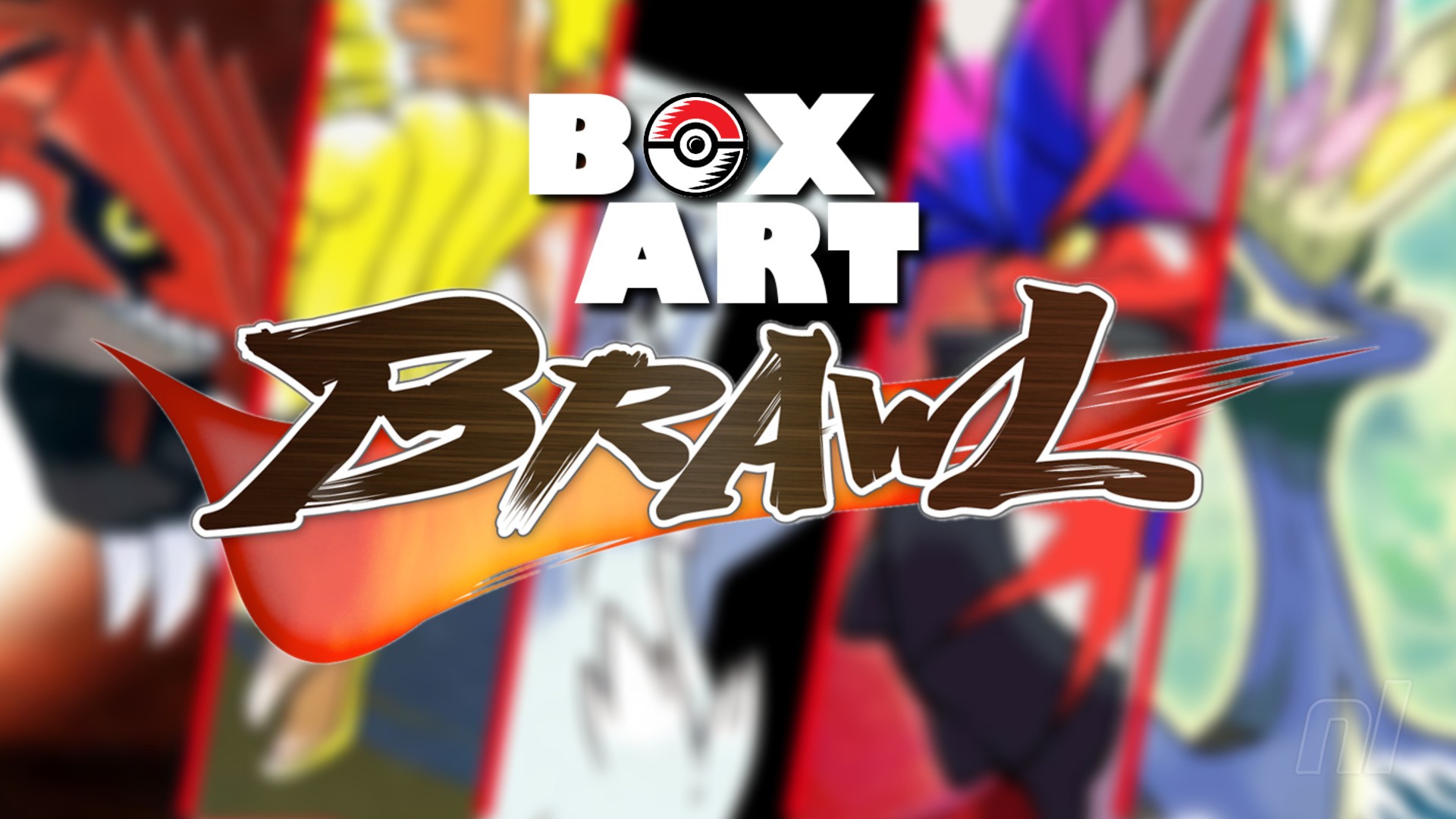
Poll: Box Art Brawl: Pokémon 30th Anniversary Edition

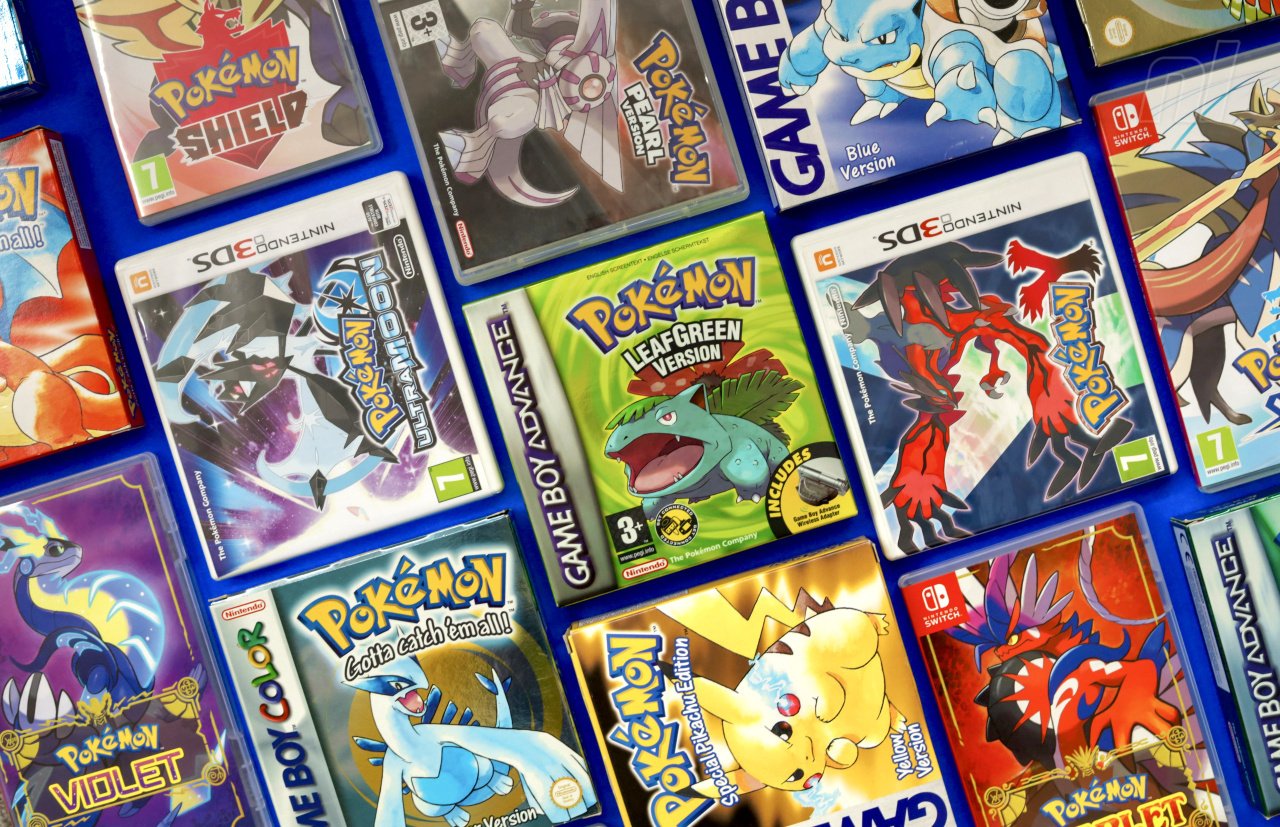
Pokémon 30th Anniversary Box Art Brawl
Image: Nintendo Life

‘!’ Whoops! Looks like you’ve walked into our path. The exclamation mark has already appeared above our heads. We challenge you to a very special edition of Box Art Brawl!

Before we send out this week’s competitors, however, let’s recap what went down last time. Marking another significant Nintendo anniversary as Zelda turned 40, we matched up two covers for the OG Link’s Awakening, and after a weekend of voting, the decision was split! Like, 50/50 split. Congrats to both parties, we guess!

But anywho, back to this week’s battle. To celebrate 30 wonderful years of Pokémon, we’re matching up the generations this time to find out which is the very best (like no one ever was). While we’ve included the enhanced ‘third’ editions for each gen where applicable, we’ve stuck to just the Western mainline games and removed any remakes or Legends inclusions to keep things fair — naturally, some Gens will have more covers than others, but do they add up to a better picture overall?

There are the full nine options to choose from this time, so make sure you’re stocked up on Potions, and let’s get into it.

It doesn’t get much more iconic than this, eh? While legendaries would go on to take centre stage on the series’ box art, Gen I kicked things off with two of its fully-evolved Starters (Venusaur occupies the ‘Green’ variant in Japan) and the most well-known ‘mon of all, Pikachu.

The backgrounds are as simple as they come, but we love the hand-drawn look of the central figures.

The Gen II legendaries are truly some of the best out there. Lugia, Ho-Oh and Suicune adorn this generation’s box art, with shiny backgrounds that really sell a ‘step-up’ for the series. Talk about a touch of class!

By Gen III, you’re no doubt spotting a bit of a theme emerging. It’s not enough to take away from the three awesome legendary designs in this generation, mind you (heck, they are this writer’s favourites). Another good one, all in all.

Pokémon really got off to a great start on the DS with this trio. The legendaries look awesome, the dark backdrop suggested there was some drama underneath, and Platinum’s glittery sheen is as eye-catching as they come.

The fact that Pokémon White had Zekrom and Black had Reshiram never sat well with this writer, but we just know that dragon-obsessed kids all over the world lost their minds at these covers — and rightly so!

The ‘2’ variants simply dial things up to 11, and there’s no arguing with that.

The series burst into the 3D generation with this pair of covers. The ‘Look! New legendaries!‘ format returns from previous games, but we were always particularly fond of the giant ‘X’ and ‘Y’ in the backgrounds.

Our apologies to the Sun and Moon fans out there, but we always found Solgaleo and Lunala to be a little bit… boring. The bright sky backgrounds of each help elevate the covers, it’s true, and the Ultra variants spice things up even more (much like Black 2 and White 2 before them). But is it enough to stand shoulder-to-shoulder with the others?

New box shape alert! Pokémon covers went portrait in the Switch generation, and how did TPC make use of all that extra space? With two big old legendary dogs, armoured up to the teeth. Fair play.

And so we arrive at the latest generation. Say what you will about Gen IX’s Koraidon and Miraidon, there’s something about the art style here that we find really rather appealing. Perhaps it’s the splattered background or the gold trim border, but does anyone else find these unexpectedly… classy?


Thank you for voting! We’ll see you next week for another edition of Box Art Brawl!

Posted on Leave a comment

Video: Street Fighter 6 Got Pro Wrestler Kenny Omega To Motion Cap Alex

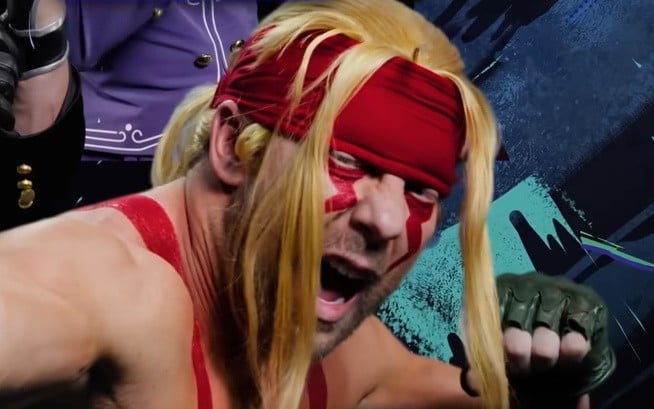
As you might recall, the All Elite Wrestling star and Street Fighter fan Kenny Omega helped out with Street Fighter 6‘s Year 3 DLC announcement, but it didn’t actually end there.

Ahead of the return of the Street Fighter III: New Generation rep Alex this month, Capcom has shared a new video showcasing the pro wrestler’s involvement in motion capture for this particular fighter. As part of this, Kenny has also shed some light on the entire process during an interview with IGN, mentioning how Capcom was very open to his suggestions and also included his signature moves.

In the same interview, he revealed his participation in the motion cap was actually a result of a misunderstanding on his end, and it led to him, fellow pro wrestler Michael Nakazawa, and Capcom hammering out a session in a single day. Here’s exactly how it unfolded:

“When the news broke and they told me, we signed the NDAs and we know who the characters are and Alex will, in fact, be one of them. And they said, ‘For you being such a good sport, it’d be cool if we put a move of yours in,’ maybe one or two or a taunt or something.”

“I had said, ‘Wow, that would be great. I just don’t know when I could fit that into my schedule to do the mocap for it.’ And they’d said, ‘Oh, wait, you do the mocap for it?’ I said, ‘Yeah, is that what you were talking about, or no?’ They said, ‘Oh my, if you would do the mocap for it, that would be awesome.’ And so a misunderstanding on my part is what led to me actually going to the studio and doing a slew of mocap for the character. If there was ever a better time to be stupid, that was one of them, because it worked out in my favor completely to not understand what they were talking about at that moment. So because of that one discussion, I got invited back to the next year’s Tokyo Game Show. And then before doing the game show, I stopped over at Osaka, where they do the mocap for Capcom. And we hammered it out in one day. It was a grueling 10- or 11-hour shoot. I remember losing like 8 or 9 pounds of water weight, but it was so worth it and so fun.”

Alex will be followed by the DLC character Ingrid later this year. You can watch the full video interview with Kenny Omega on YouTube. Capcom has also announced it’s got JAM Project on board to contribute to the original BGM track “Go! Alex! Hope is Born! – Alex’s theme”.

Alex joins Street Fighter 6 on 17th March 2026. Are you looking forward to this character’s return? Tell us below.

Posted on Leave a comment

Super Meat Boy Brings Brutal 3D Platforming To Switch 2 This Year

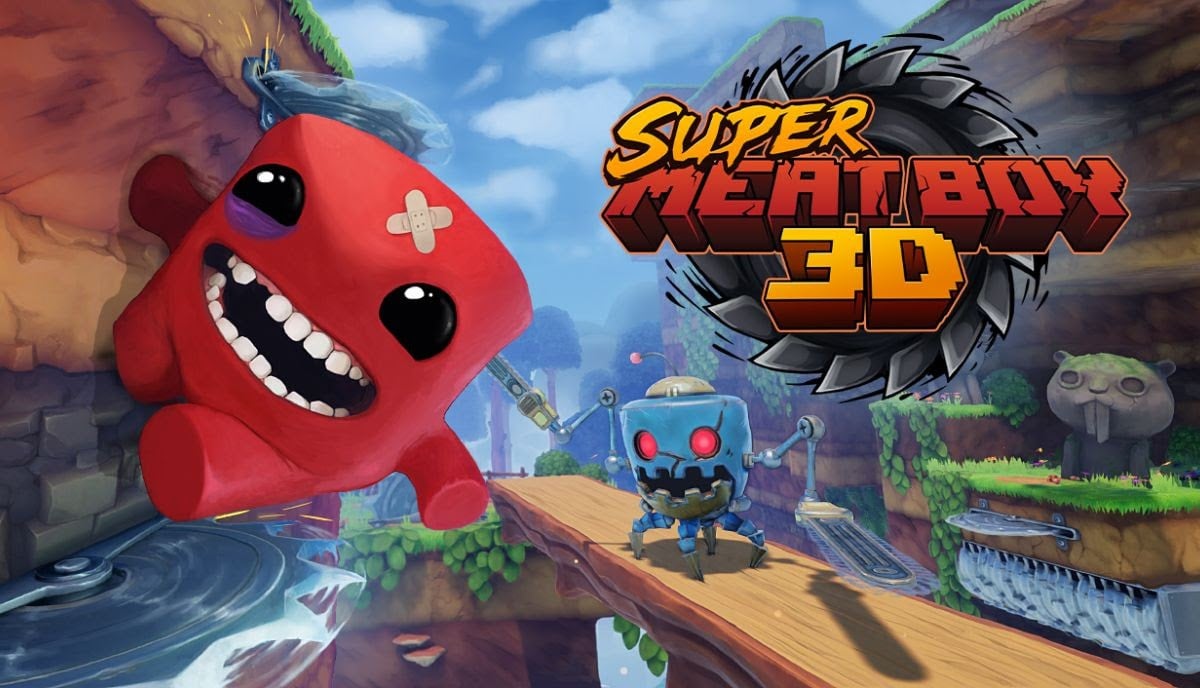
If you’ve played any of the Super Meat Boy games previously, you might be interested to hear a brand-new 3D game is arriving in 2026.

In an update this week, developer Sluggerfly and the game’s publisher Headup have now confirmed a Switch 2 version. While Super Meat Boy 3D does approach the brutal platforming action from a different perspective, the core gameplay remains intact.

This includes “brutal, but fair levels”, boss fights, Dark World levels, and a soundtrack with involvement from Steve Marcois of the deathcore band Despised Icon. Here’s a bit more about this meaty new experience, and you can see some extended gameplay footage on Switch 2 in the video below.

Super Meat Boy 3D is a brutal platformer that sees you guide a cube of meat on a mission to rescue his bandage-made girlfriend from an evil fetus in a tuxedo jar – IN 3D! You’ll wall-jump past buzz saws, crumbling caves, and flaming forests, dying a million times along the way – IN (you guessed it) 3D. With old-school difficulty, twitchy reflexes, epic bosses, and loads of secrets, it’s Meat Boy like never before – IN (say it with me!) 3D!”

Would you be interested in this new Super Meat Boy game? Have you played the 2D Meat Boy releases? Let us know in the comments.