Posted on Leave a comment

Review: Thunder Ray – Imperfect But Beautiful, Bloody, ‘Punch-Out!!’-Inspired Pugilism

Thunder Ray Review - Screenshot 1 of 4
Captured on Nintendo Switch (Handheld/Undocked)

Nintendo’s Punch-Out!! was one of the most iconic arcade and console fixtures of the early ’80s, migrating from coin-op to the NES, where it was remoulded as Mike Tyson’s Punch-Out!! and bestowed a Rocky-esque narrative around up-and-coming challenger Little Mac. Since Super Punch Out!! and the Wii’s original entry, however, it’s a series that, in stark contrast to its emphasis on fast footwork, has slouched for modern movement. And, with Nintendo reluctant to step back into the ring, Argentina’s Purple Tree Studio is now fixing to become the new victor of an undernourished franchise.

Thunder Ray’s musculature is cut and framed entirely around the Punch-Out!! formula, to the point that anyone claiming Nintendo’s cease-and-desist manoeuvres are overly aggressive might want to reconsider their stance; they’re still a far cry from toppling Capcom from the shutdown podium. There is little in the way of modern bonuses or extra modes here, just three difficulty settings to work through that save your progress and allow you to go back and revisit previously felled challengers. This works well if you’re struggling on a higher difficulty, allowing you to drop back to Rookie settings, for example, to learn the patterns more effectively.
Thunder Ray Review - Screenshot 2 of 4
Captured on Nintendo Switch (Docked)

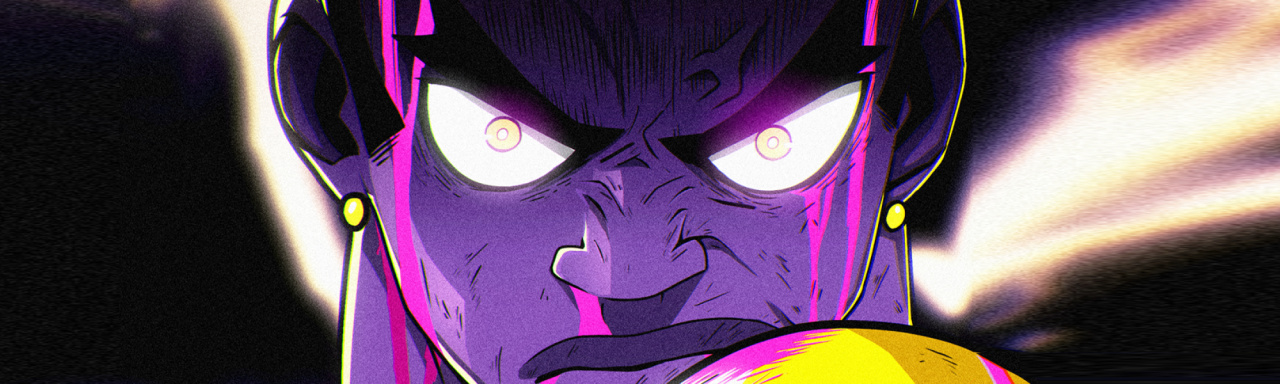
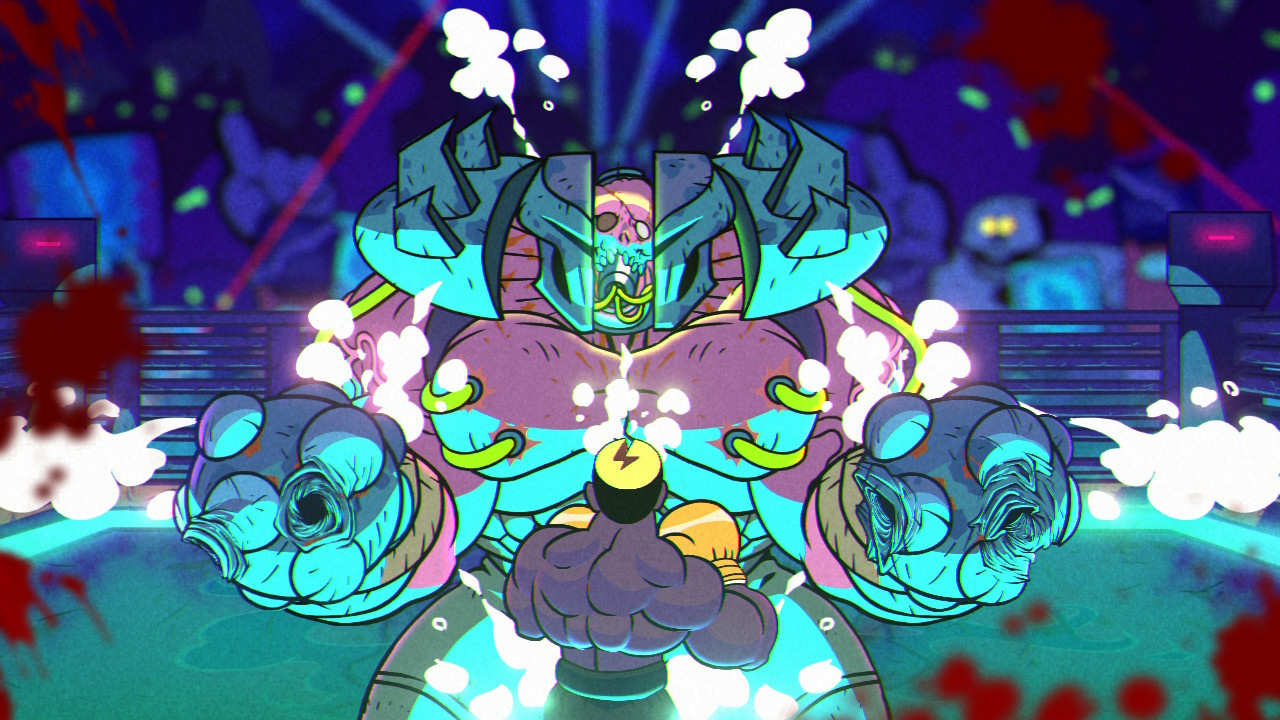
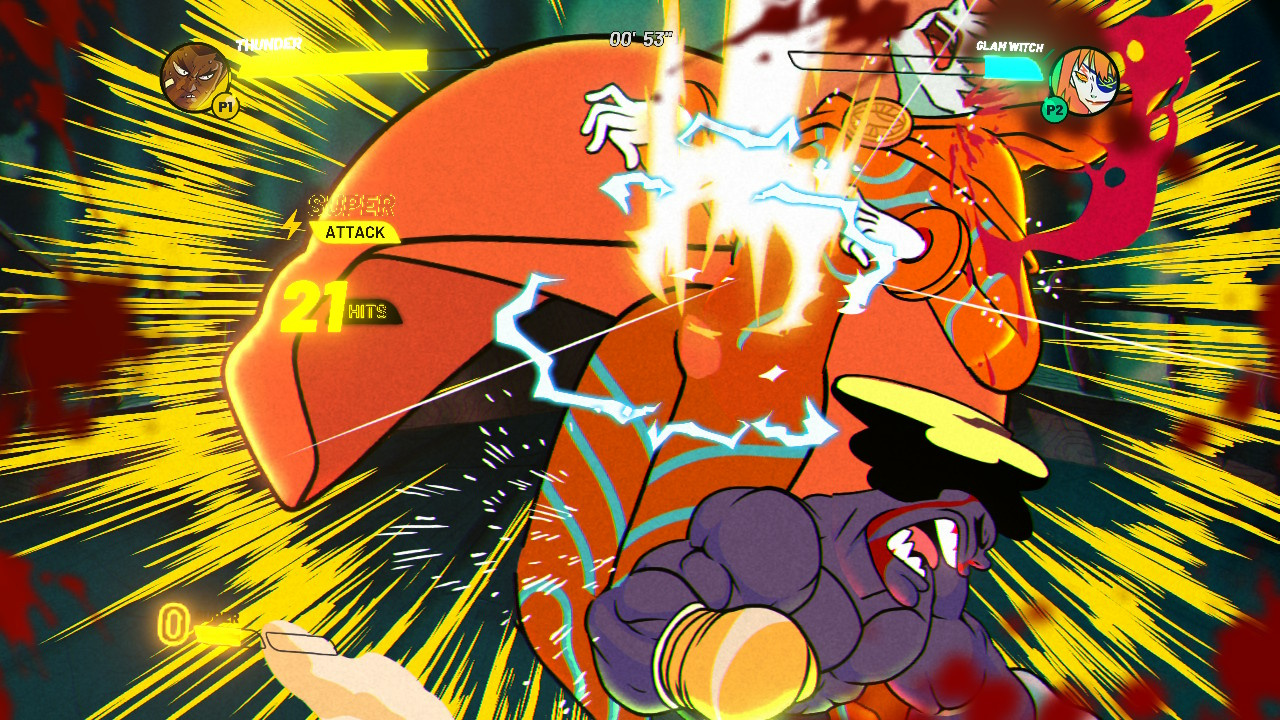
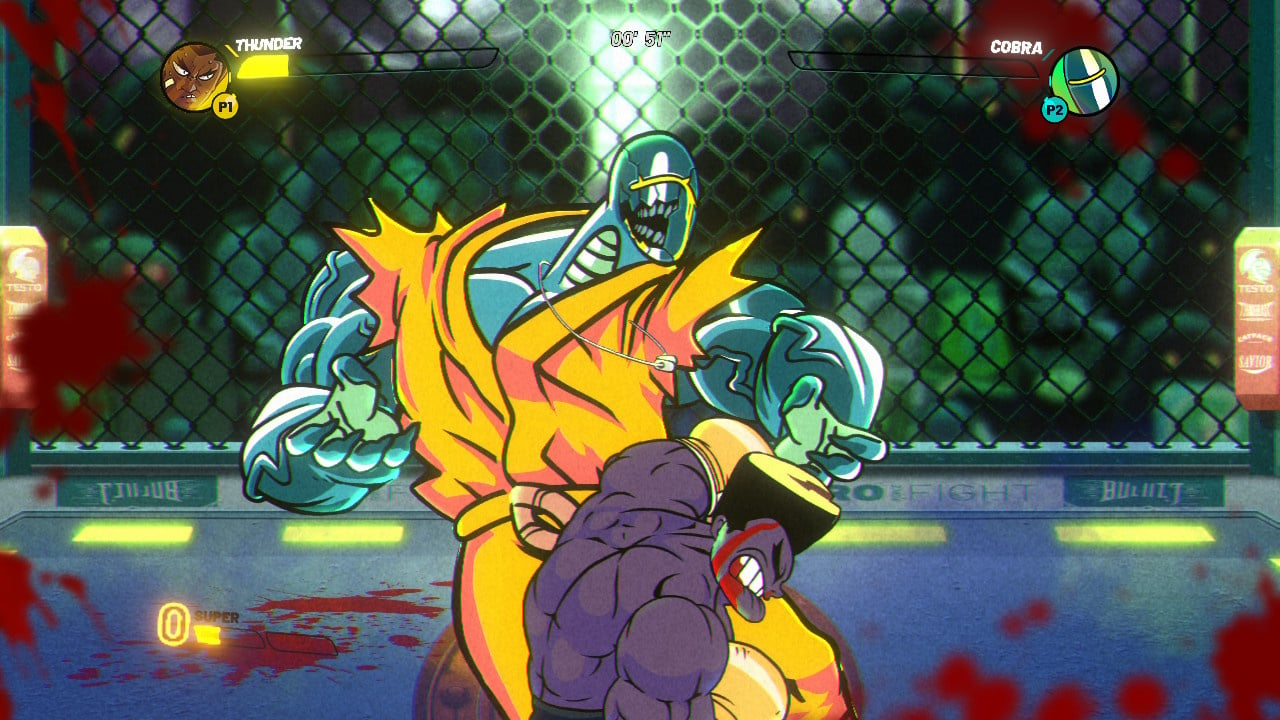
The game’s presentation is superb, with a graphical style that really pops, flows, bobs, and weaves, full of artistic expression and stylistic grace. It combines its darker narrative with comical animation very effectively, and while some may feel the Flash in it, most will no doubt enjoy its thick, cartoon weight and ultra-violent affectation. The colours are rich and there’s a dab of filter grain added to the backgrounds to enhance the flavour. It’s bloody, too, Thunder Ray’s face pulping up, blood spattering the ring and screen extremities, and your adversaries literally exploding with Hokuto no Ken inspiration in a fountain of viscera.

The story goes, told through narration over pretty panel art, that Thunder Ray, an undefeated champion on Earth, is suddenly zapped across the universe to battle opponents in an intergalactic ring. The roster is drawn from champions across the galaxy, of all shapes and sizes, opening up a whole new creative angle on the Punch-Out!! formula. These foes don’t fight human-fair, rather using telekinetic powers, shields, and mighty powered-up supers to smash you into the countdown phase. It’s the Space Jam of the Punch-Out!! world, and more thematically accomplished with it. The structure of the game is as one would expect, except there are no bouts, as such, rather just a face-off that results in a knockout for either you or your opponent. Knock them down three times and victory is yours; see yourself toppled three times and it’s back to the title screen for another try.
Thunder Ray Review - Screenshot 3 of 4
Captured on Nintendo Switch (Handheld/Undocked)

The game expands on Punch-Out!! where controls are concerned by having four attack buttons: left and right low blows and left and right head punches. We’re yet to figure out why this was necessary, as most of the game revolves around the classic dodge and retaliate system, and, seeing as there isn’t much difference in which standard attack you choose, the four buttons instead of two overcomplicates things slightly. There’s also a charged punch which deals slightly more damage, but is slower to start up, engaged by holding a shoulder button. While these charged punches are useful for felling your opponent more quickly, they need more tactical strategy to land, and should be threaded between a volley rather than used constantly.

Directional controls allow you to dodge left and right, duck downwards, or block, each having use in avoiding damage from specific attacks. And, as is expected, each opponent is navigated by learning their attack repertoire, seeing the cues, and responding with the right defence. Successfully avoid a regular, mega, or mammoth attack, and there’s a window of opportunity to smash back, and, once your super bar is topped up, you can unleash a devastating finisher of your own. This super-attack gets stronger as you progress through the game, bolting on additional bars. Play a game of patience and skill, and you can charge up three in a row for a major face-buster.

Thunder Ray is a short game reflective of its very reasonable $14.99 price. It might seem tough, but considering your title is only eight fights deep, it’s over fairly quickly. What initially seems overly challenging actually reveals itself to be entirely less demanding with a little practice. Some matches, even halfway through, seem to buck the difficulty curve, and you can find yourself in surprise and unexpected victories. To this end, Thunder Ray is not a Nintendo game in execution: it doesn’t have the same kind of exactness. That’s not to say it’s not well-formed; Purple Tree Studio’s new twists work well; there’s just more leeway in it than with Punch-Out!!’s utterly clinical demands. The enemies are inventive and occasionally monstrously huge, requiring you to identify dodge openings and strategies, but they can also succumb to a fudged and cheap early win. This is, of course, less commonplace on Beast difficulty, the toughest of the three options.
Thunder Ray Review - Screenshot 4 of 4
Captured on Nintendo Switch (Docked)

We went back to the original NES Punch-Out!! for comparison. While the movement there is knife-edge taut, allowing you to land a blow and almost instantaneously dodge with a sense of blistering speed, Thunder Ray’s animation frames are more elongated and don’t allow for frame-cancelling. That means when you’ve thrown one to the head, you need to wait a split second to return to neutral before making your dodge. Now, this isn’t being overly critical, or even critical at all: it all still holds together very well in its assembly; but, if you’re wondering why it doesn’t have quite the same snap, this is the culprit. The enemy attack animations allow plenty of time for you to dodge, the only issue is knowing when that is, especially with very drawn-out animations. It’s not always clear, for example, when Mr. Pega, the sixth combatant, will actually strike after he coils up like a spring, expands and rotates, and flops in your direction. To that end, it’s quite a different dodging experience to the likes of Piston Honda’s flurries or Nick Bruiser laying a sudden smackdown on you. Additionally, while it’s heavy hitting, your super attacks don’t feel as solid or satisfying, somehow, as those in Super Punch-Out!!, when the jaw felt truly busted by that charged-up gunshot blow.

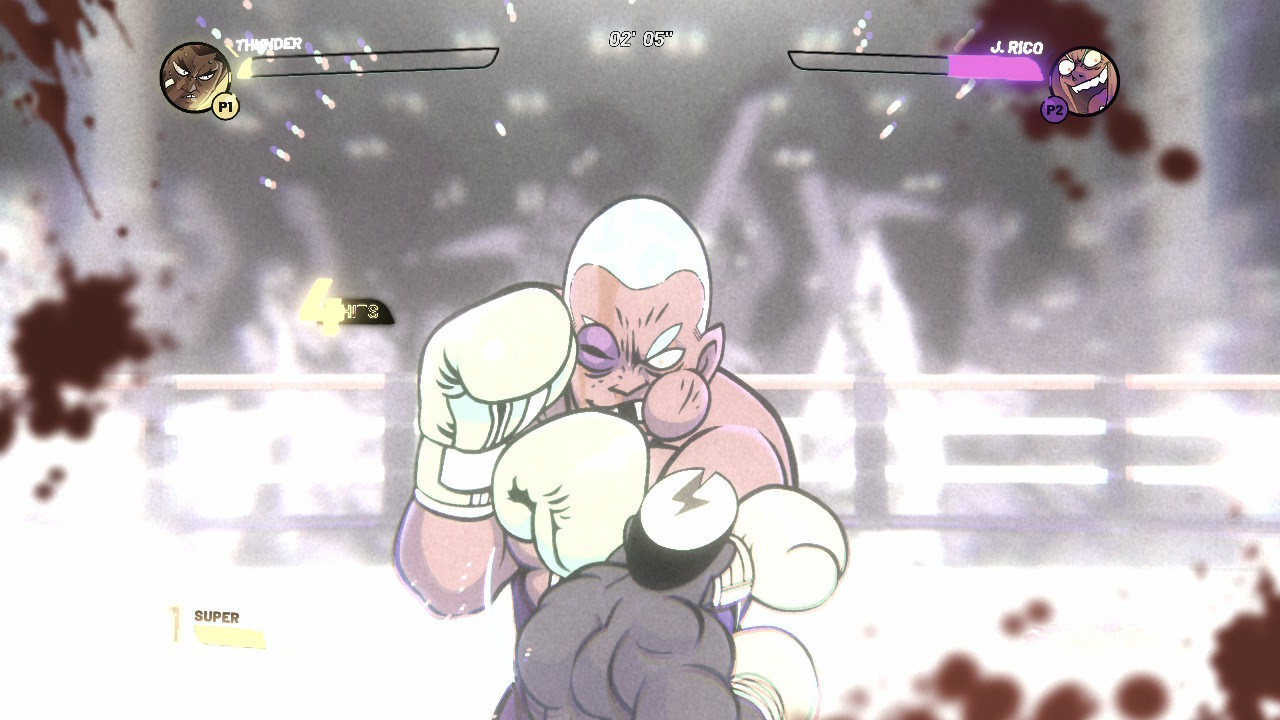
Finally, when your energy is low, the screen zooms in and the colours bleach to signify your fading energy. During this state your health slowly regenerates and you can come back out of the daze if you can hold out for long enough. It’s a novel idea, but we’re not convinced the zoom-in entirely works. It brings dramatic tension, but the cropping of the screen and the whiteout of the colours make it altogether more difficult to make a comeback. Unless you know your opponent’s movements down-pat (and, if you do, it’s unlikely you’ll be in this state at all), it can be hard to make a recovery from this position later in the game.

Conclusion

Thunder Ray isn’t perfect, but it is very good. The feel of the blows and the creativity of your opponents are very nicely executed. It’s missing the minute precision of Punch-Out!!, but it’s close enough, and while you can occasionally win matches at higher difficulties with a certain amount of luck, you’ll get the most from the experience by mastering each opponent and earning a true sense of boxing accomplishment. Being able to toggle between difficulties and going back to previous opponents is great, and the entire thing feels polished and flashy. It could have been more elaborate, featuring more modes, and bonuses, but, as it stands, it’s a brief but solid tribute for fans of Punch-Out!! to enjoy knocking into next week.
Posted on Leave a comment

Cosy Sandbox Worldbuilder ‘My Little Universe’ Lands On Switch Next Month, Demo Out Now

Developer Estoty and publisher SayGames have announced that the cosy worldbuilder My Little Universe will be making its way onto Switch on 5th October. What’s more, the foundations are already being laid as a local co-op demo is now available to try out on the Nintendo console.

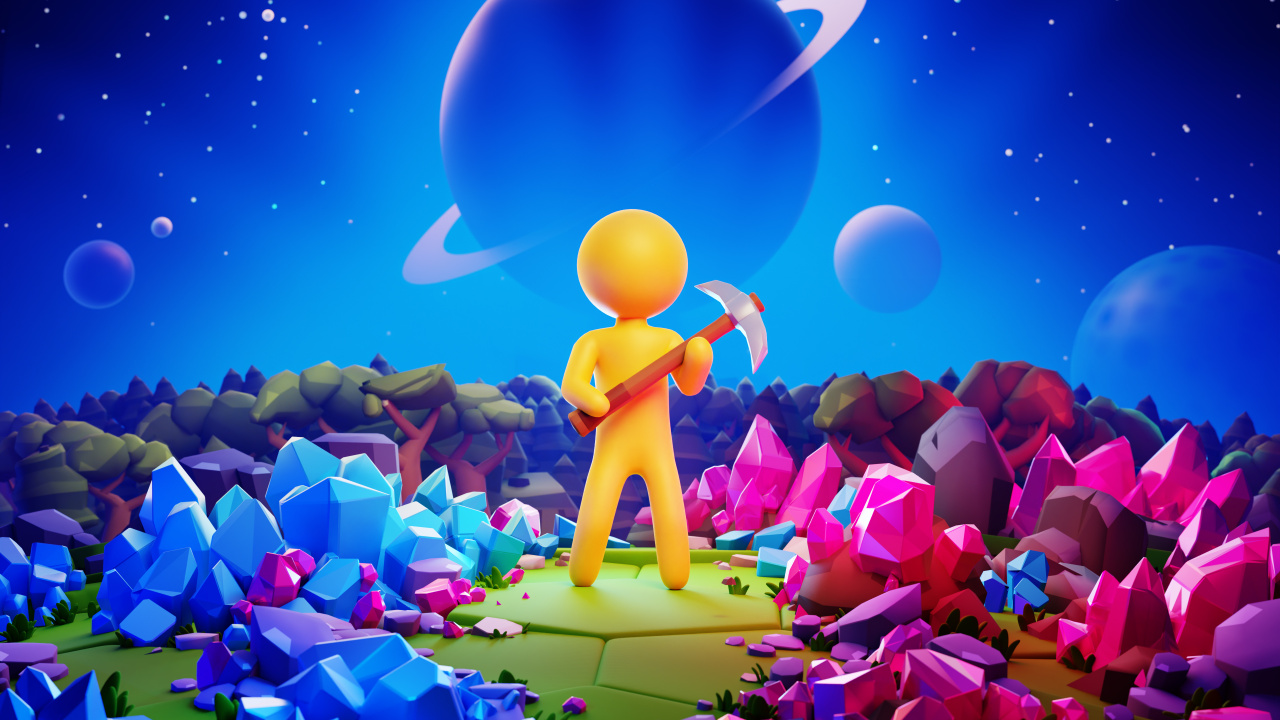
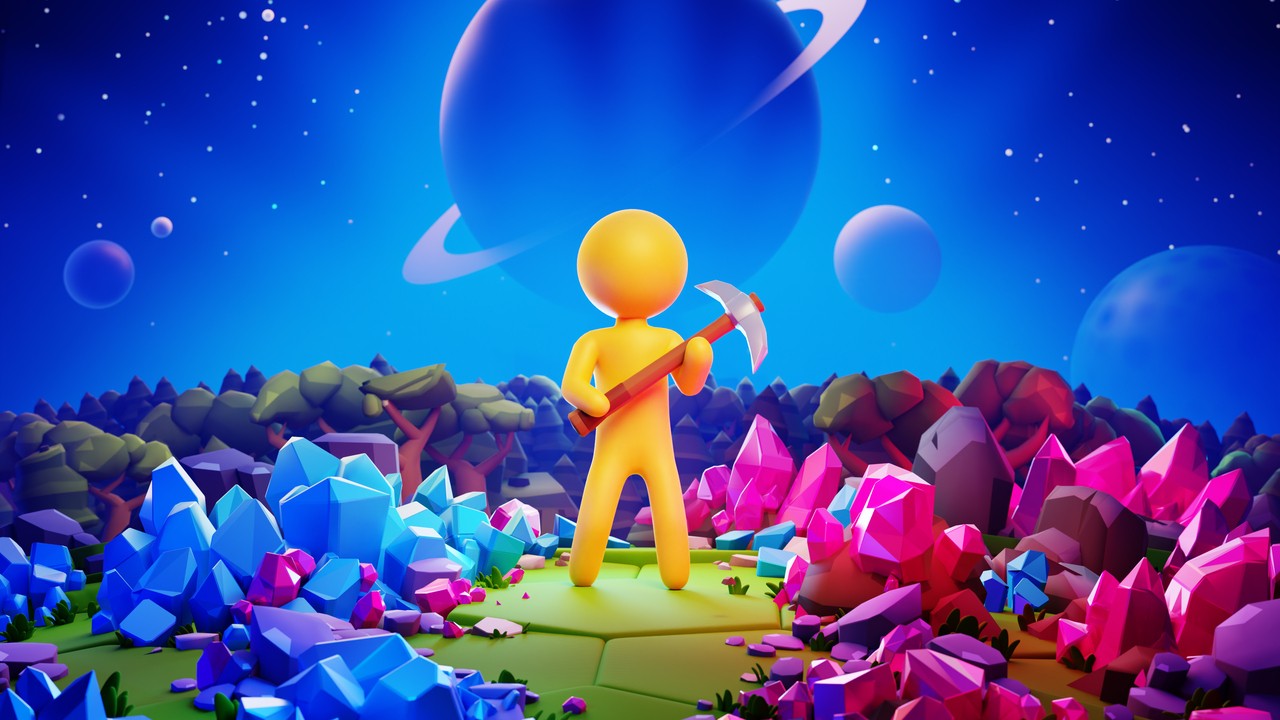
This one will see you creating your own civilisation, as you take your mighty pickaxe and use it to transform the world to your liking — be that creating new land, harvesting materials or searching the mysteries of the environment around you (did somebody say ‘dungeons’?). There are some less-than-friendly foes that you will encounter along the way, so expect a combination of farming and fighting as you build your universe.

The visual style is basic, to be sure, but we feel that it works with the small hexagonal islands that you have to shape into larger continents — it keeps things looking clean. With a co-op mode enabled to help with dividing up the tasks, we can see this being a pretty relaxing way to while away the hours (albeit, with a few monster fights thrown in for good measure).

For a little more information about some of the game’s features and a look at a handful of screenshots, check out the following.

EXPLORE!
9 mythical worlds and 65+ different dungeons, from mythology-inspired lands to hostile alien worlds await you and your friends. Filled with wonder and plunder, challenges and adversaries, your task is to restore these beautiful worlds to their former glory!

GATHER RESOURCES!
The worlds are filled with rich minerals ready to be harvested by your trusty tools, and mythical artifacts of untapped power guarded by powerful foes. Use more than 70 different gatherable resources to recreate lands long lost to a mysterious threat.

RISE UP TO THE CHALLENGE!
The universe won’t be restored that easily, and each challenge requires the proper tools for the job. Equipped with your trusty pickaxe, sharp sword, and sturdy axe, you’ll be thrown against 150+ different adversaries including mythical creatures, alien horrors, and even demigods!

UPGRADE YOUR GEAR!
With each planet comes new challenges and because of that, you have to stay prepared by upgrading to the newest and freshest tools, which will always keep you one step ahead of your opponents! Improve your weapon, tools, and armor up to 30+ levels!

Just Enjoy The Adventure.
Get entranced by the game’s cozy atmosphere, enjoy the relaxing soundtrack, and fall in love with the simplistic yet charismatic visuals. After all, it’s all about the journey and the friends we make along the way!

My Little Universe will be available on the Switch eShop from 5th October for $14.99 / €14.99. Pre-orders will open on 21st September, with the game seeing a tasty 10% discount until 12th October.

Does this one look up your street? Build your thoughts in the comments below.

Posted on Leave a comment

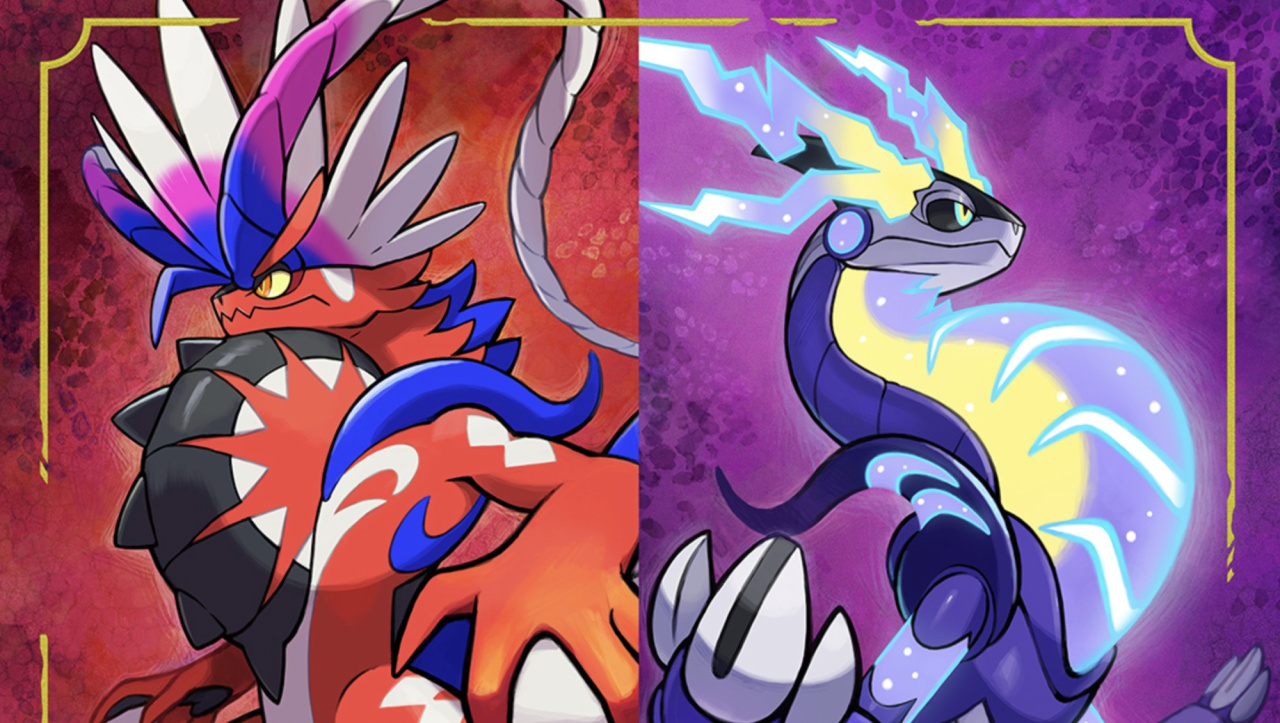
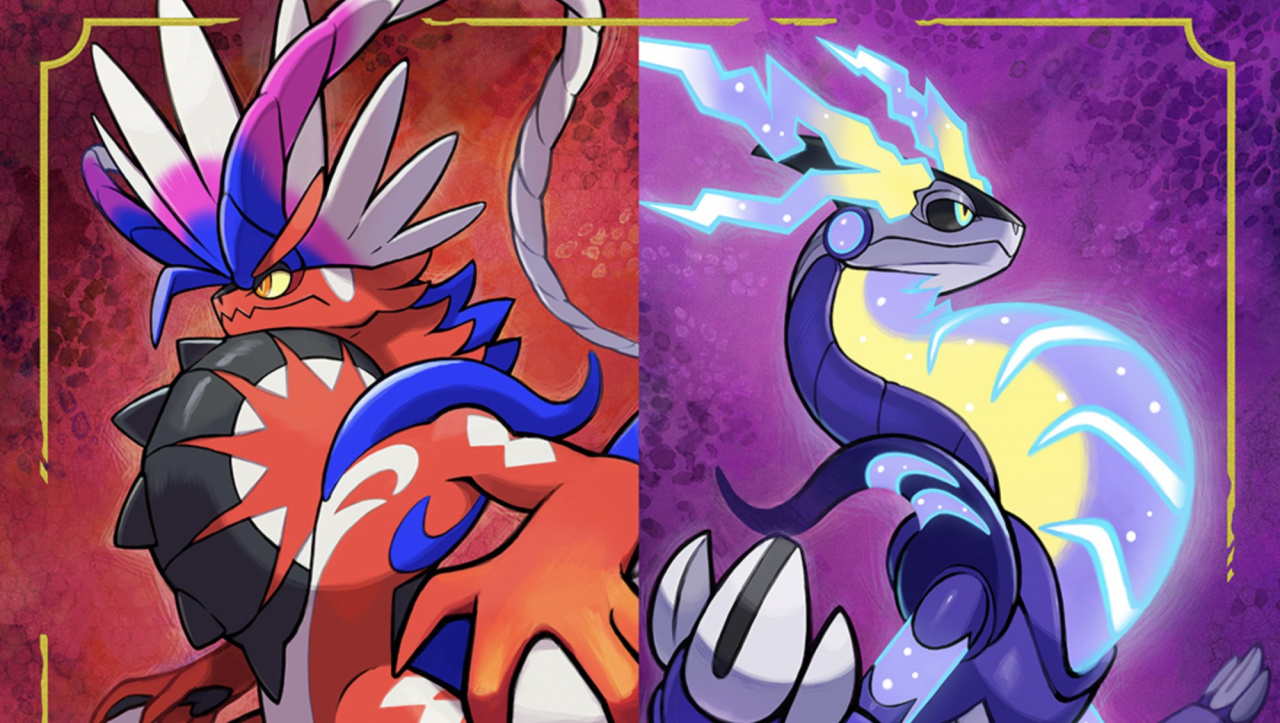
New Limited-Time Pokémon Scarlet And Violet Distribution Is Now Available

Pokemon Scarlet and Violet

In case you missed it, the first episode of the new Pokémon web series Paldean Winds is now officially live.

As part of this, The Pokémon Company is giving away a free Cetitan in Pokémon Scarlet and Violet. As highlighted by Serebii.net, the code you’ll need for this one is L1KEAFLUTE, and you have until 31st August 2024 to redeem it.

There are also a number of other codes that can be redeemed right now. Perhaps most important is the one for Mew. Trainers have until 18th September to get their hands on this one – so be sure to check out our guide for the code:

Have you redeemed this latest code yet? Looking forward to the upcoming DLC for Scarlet and Violet? Tell us below.

Posted on Leave a comment

Mortal Kombat 1 Trailer Reveals Megan Fox As The Outworld Vampire Nitara

Megan Fox Nitara

After an advertisement featuring the actor and former wrestler Dave Bautista, Mortal Kombat 1 has now officially revealed the vampire of the Outworld Nitara will be played by the actress Megan Fox.

Although Fox’s involvement seems to be the focus in the latest trailer, this does still count as another playable fighter reveal. Nitara made her playable debut in Mortal Kombat: Deadly Alliance. As highlighted in the new trailer, she’s being voiced by Fox, with the character’s likeness also seemingly based on Fox.

Megan mentioned how she’s had “a lot of fun” playing Nitara and goes on to state how “Mortal Kombat is just one of those staples” in video game history, and she’s honored to have a role in “one of the greatest video games of all time”.

This new trailer also gives us another look at Ashrah, who made her debut in the “official banished trailer” last month, and originally debuted in Mortal Kombat: Deception. Mortal Kombat 1 launches later this month on 19th September. You can catch up on all things related to this game in our previous coverage:

Excited to see Nitara’s return? How do you feel about Megan Fox voicing the character? Tell us below.

Posted on Leave a comment

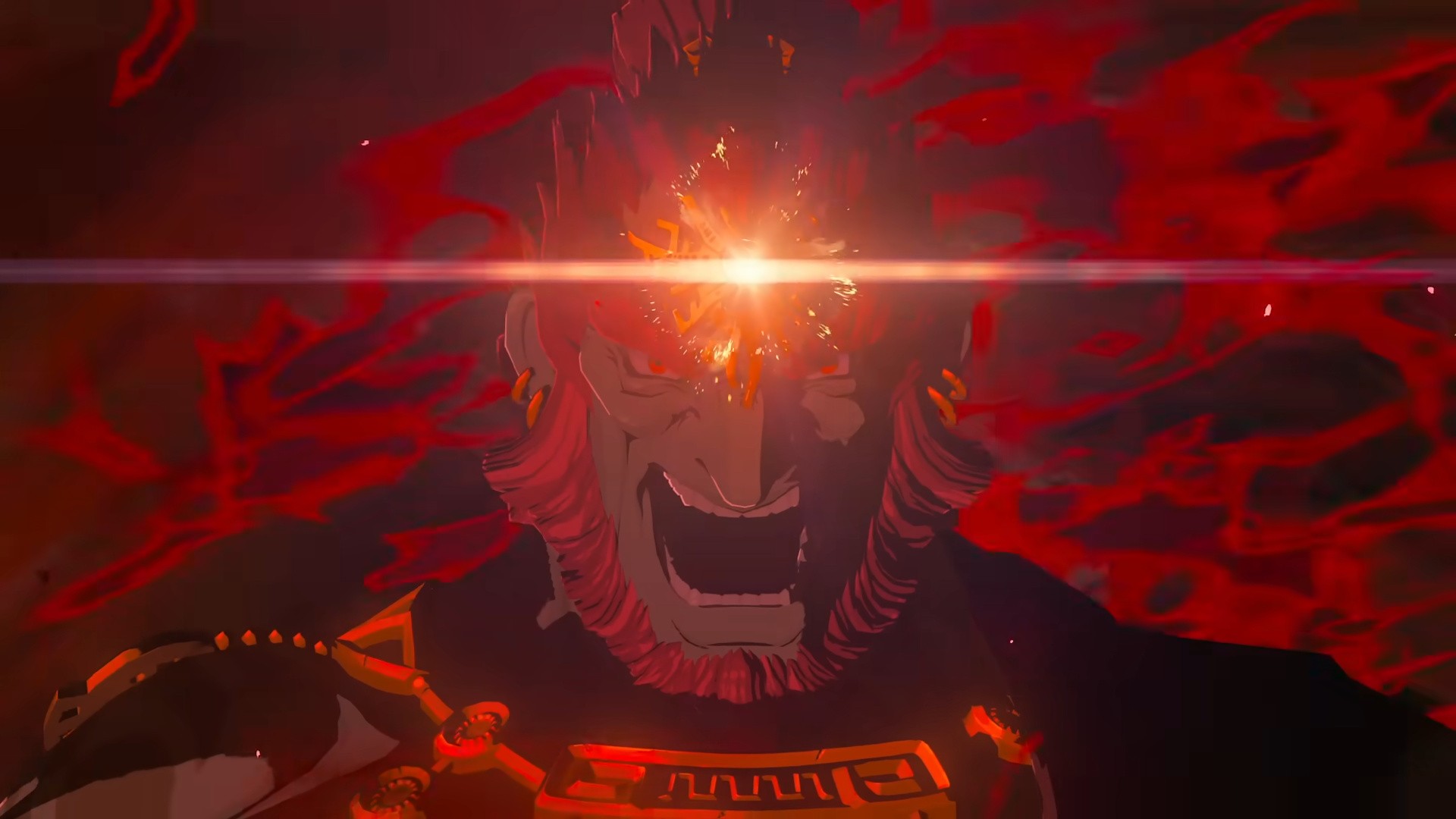
Video: It’s Finally Time To Talk About Zelda: Tears Of The Kingdom’s Ending

Ganondorf Tears of the Kingdom
Image: Nintendo

Believe it or not, The Legend of Zelda: Tears of the Kingdom does have an ending. It might be a 200-hour sprawling epic where you support Addison over 80 times or dig into every single nook and cranny of Hyrule, but there is a main story — and its ending is a doozy.

We’re still thinking about it nearly four months after the game came out, and now is the time when we unleash all of those feelings — good and bad — unto the world.

Well, that’s what Alex, Zion, and Felix decided to do anyone. Our lovely trio over on YouTube managed to get together in person to discuss the final moments of Link’s incredible adventure. From the final boss to the game’s surprising reveals, nothing is going untouched here.

It should go without saying, but this video contains huge spoilers for Tears of the Kingdom, so if you haven’t beaten the game — do not click on it. Unless you don’t mind being spoiled. But where’s the fun in that?

What did you think of Tears of the Kingdom’s ending? Share your feelings down below.

Posted on Leave a comment

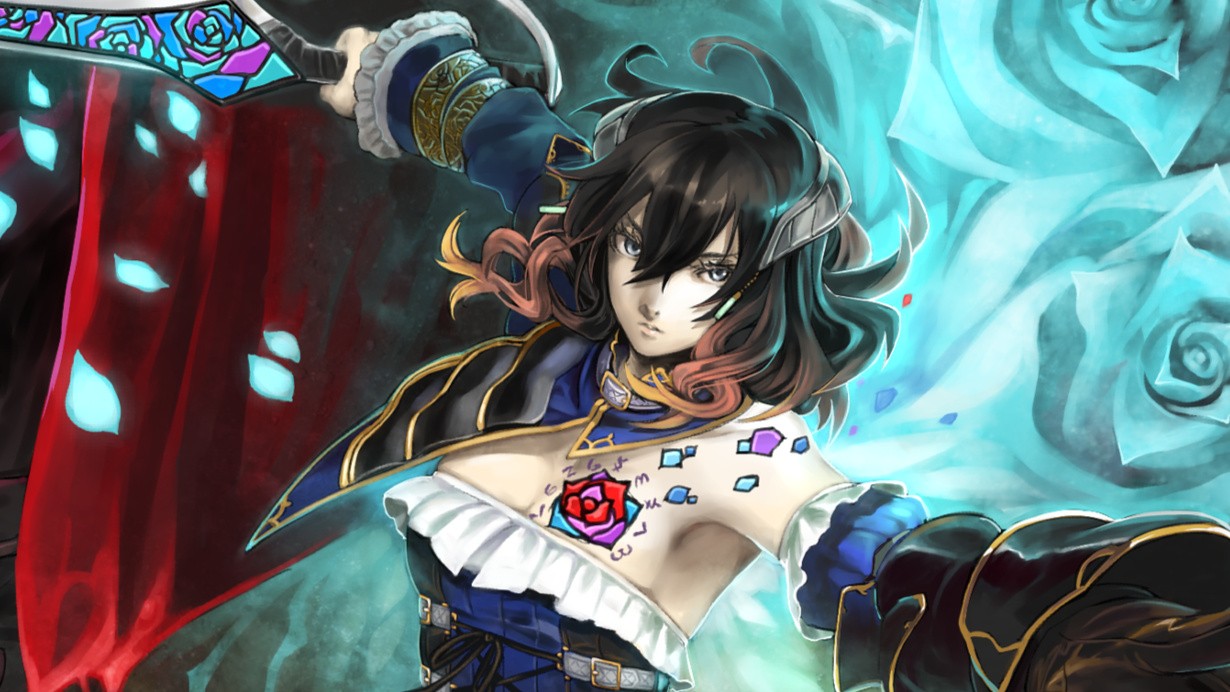
Bloodstained: Ritual Of The Night To Share Details On Two New Modes Next Week

We were promised a “big year” for Bloodstained: Ritual of the Night back in December 2022. And it’s been a bit of a wait, but, developer ArtPlay has released a new blog update on Kickstarter along with a video to tease the future of the Metroidvania.

First up, the Castlevania-inspired action platformer — which was created by former Castlevania producer Koji Igarashi — has sold over 2 million copies worldwide since it launched in 2019. An impressive figure for a game that could potentially never have been made.

Importantly, Igarashi and the game’s director, Shutaro Iida, have both given updates on two new modes coming to the game: VS and Chaos Modes. The delay has been caused by unexpected “challenges” which have come from including online multiplayer in both modes. Check out the statement below for more details:

“The development team has been busy working on the new VS and Chaos modes, both of which include online multiplayer play for the first time. This has resulted in some challenges and delays that we did not expect, but we continue forward! We are nearing completion of the new content.”

As an apology, the duo have shared a sneak peek at the upcoming modes in a teaser (which we’ve popped at the top of the article). Not only that, we’ll be getting even more details on both new modes on 14th September, which is next week. Pop that one in your diaries, then.

Will you be checking out VS and Chaos Modes in Bloodstained: Ritual of the Night? Let us know in the comments.

Posted on Leave a comment

Review: Chants Of Sennaar – Enchanting Anthro-Puzzling With A Side Of Frustration

Chants of Sennaar Review - Screenshot 1 of 5
Captured on Nintendo Switch (Docked)

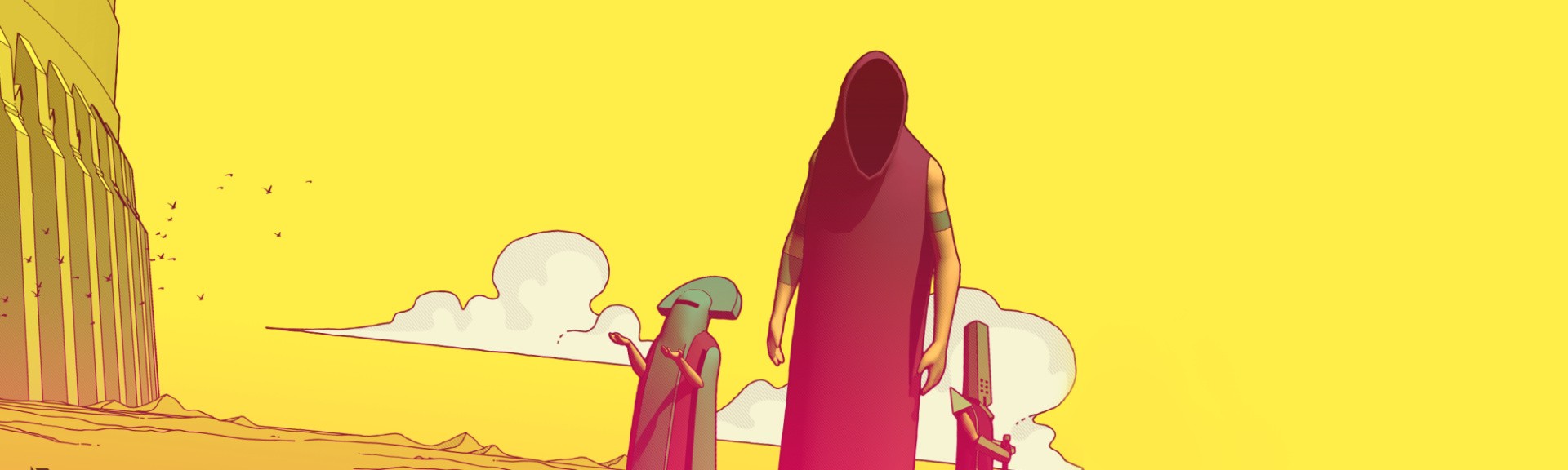
Your character wakes up in a sarcophagus. At first blush, you seem alone as you guide your cloaked character, wandering through gorgeously rendered arches and passageways. At last, you chance upon another person. Finally! A chance to absorb some exposition about what the heck’s going on. Maybe you’ll even get a quest!

Not quite.

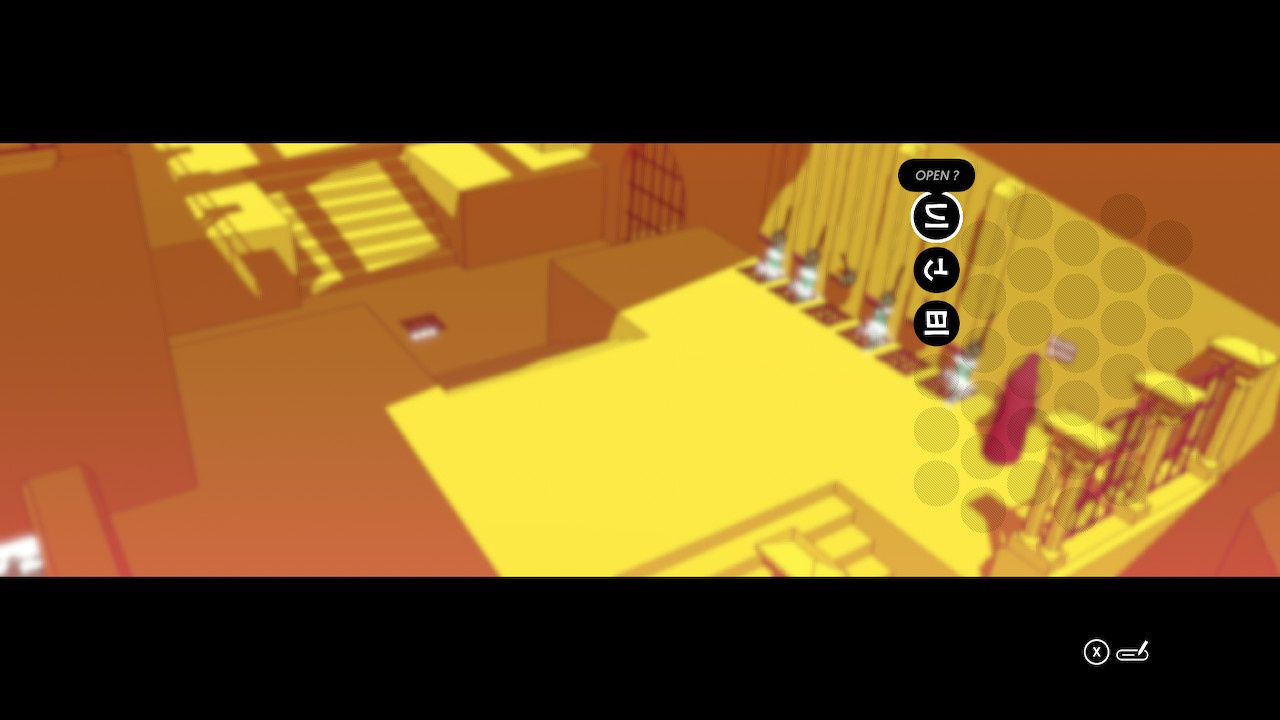
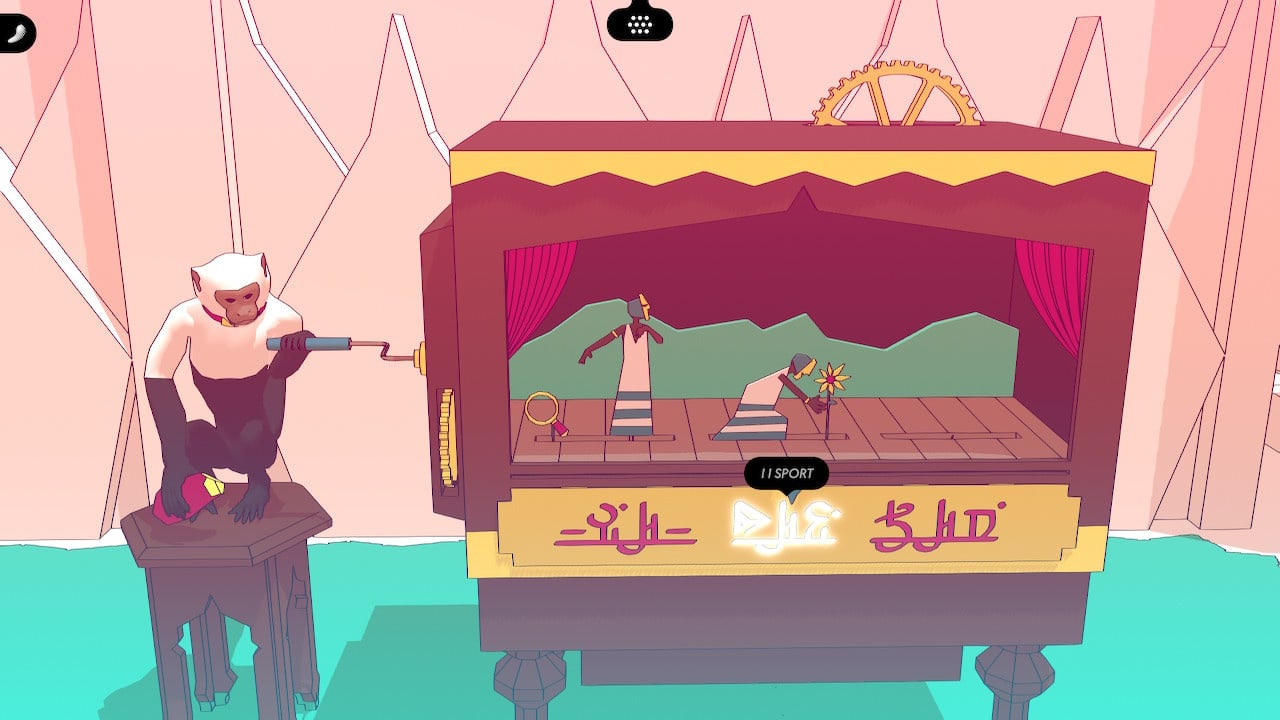
They say… something before pointing to a nearby lever. It’s not that you don’t understand what they’re saying, in fact, you’re pretty sure they’re asking you to pull the lever, but you can’t read what they’re saying. Then a subtle UI flair at the top of the screen prompts you to press ‘X,’ where these foreign characters pop up in a neat row. You write down what you think these characters mean, but still don’t feel absolutely certain. After another exchange, your character pulls out a journal with drawings that confirm your suspicions; now you just need to line up the drawings with the characters. Maybe it takes a try or two, but you put what seems to mean ‘open’ next to a drawing that shows an open door, and the other two characters with their respective drawings. Suddenly the characters in Sennaar’s journal flicker and change color with a satisfying chime, confirming your suspicions.

Chants of Sennaar Review - Screenshot 2 of 5
Captured on Nintendo Switch (Docked)

It’s a deceptively intricate magic trick that never loses its novelty through Chants of Sennaar‘s runtime (19 hours for us) that makes you feel like an archaeologist or anthropologist piecing together the building blocks of a forgotten language. While it hinges on other environmental puzzles and interactions, Chants of Sennaar shines in its ability to essentially teach you a new language through almost nothing but context clues.

Chants of Sennaar is an impressive, if steadfast, adventure through a richly defined, stunning world whose languages, cultures, and secrets are the key to uniting five peoples divided by an evil force. Instead of just figuring out which switches to press in the proper order or pushing a box in the right direction to open a door or bypass a set of obstacles, you’ll be tasked with deciphering a foreign language in order to determine which switches to flip or crates to move. It’s an impressive exercise in anthropological puzzle design that’s also seriously challenging and often frustrating.

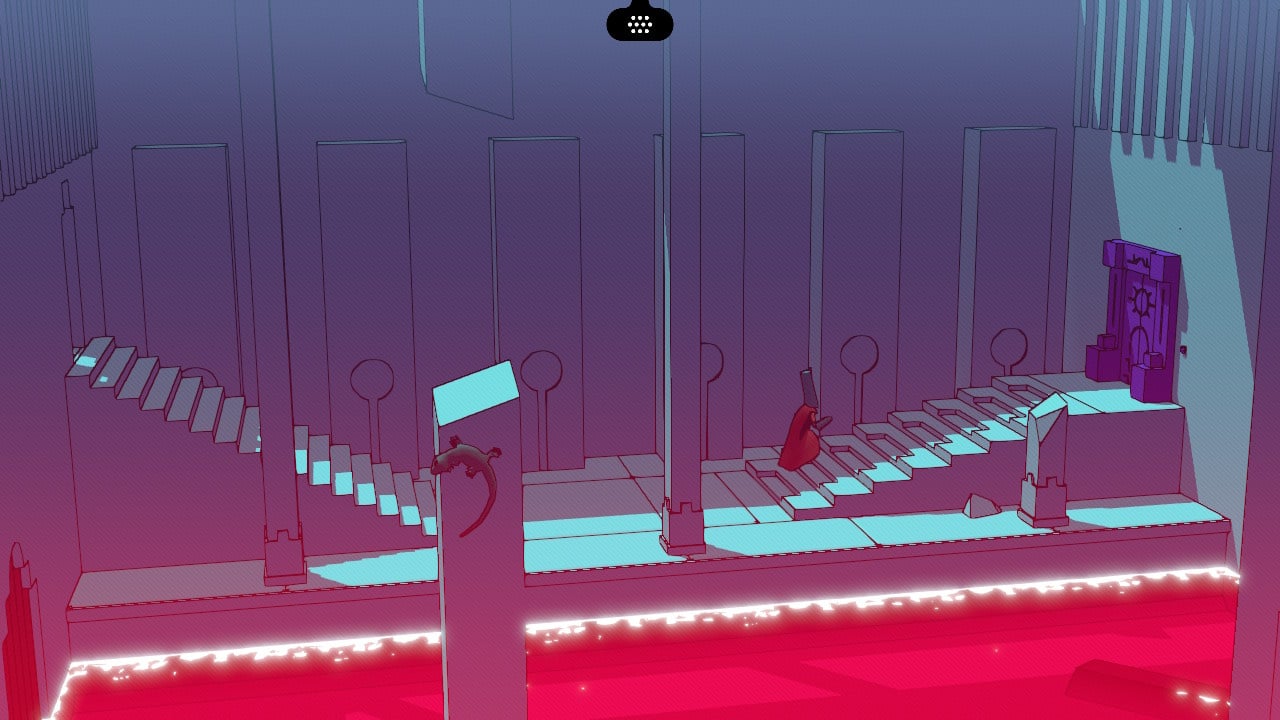
While it’s difficult to discuss the premise of the game without diving into its sudden, plot-heavy third act, suffice it to say that you’ll find yourself exploring five different civilizations in Chants of Sennaar. Each civilization has its own defining traits, cultures, and characteristics. One might be orderly and strict while another might be simpler, but staunchly devoted to its religion. They all have their own art, music (all of which is excellent), fashion, architecture, and sense of purpose. Most importantly, though, they each have their own language. Each civilization’s language reveals a lot about its culture; the alchemists might have individual words for specific elements, while artists have words for more abstract concepts.

Chants of Sennaar Review - Screenshot 3 of 5
Captured on Nintendo Switch (Docked)

Each language has its own distinct feel but follows its own rules. Not in the grammatical sense, but in the actual design of each word. Words for person, warrior, and priest may all be variations on one specific shape or outline because they’re all related to people. Verbs might all be anchored by an underline or curve. Developer Rundisc clearly went to great lengths to not only create languages and cultures that added context to these mysterious runes but to make them follow their own rules.

Outside of its anthropological puzzle-solving, there’s also some pretty standard puzzling here; it’s not bad, but nothing we haven’t seen dozens of times over. Press a switch at the right time, turn a statue to face the right direction, and so on. That stuff normally wouldn’t be very interesting, but slowly uncovering how and where to solve these puzzles by learning a language breathes new life into even the most rote puzzle idea.

The problem is Chants of Sennaar’s ability to thread the needle properly. This game makes very few affordances in its design and, therefore, can force you to spin your wheels for a long time before you’re rewarded for your effort. If you misread even one context clue, that can throw stuff off later on, which can really undermine its sense of play and progression. On the other hand, many of these moments feel more like a deliberate choice motivated by artistic vision rather than a qualitative fault that might prove divisive. That said, its quality of life offerings don’t lay the proper foundation to reliably bolster Chants’ lofty—sometimes top-heavy—aspirations.

This sensibility permeates its gameplay. Trying to assign an abstract idea like the word ‘not’ to a drawing sounds easier than it actually is. Words like ‘fear,’ ‘you,’ or ‘transform’ make for difficult translations, which can tack on a lot of trial and error (and backtracking) to something that should be brief because the context of a situation can be so subjective. It’s one thing when a person points at a lever and says “Open door,” but when someone says, “Can I help you?” it’s not always as simple as it might sound to parse that out in the broader context of a conversation or environment.

Sometimes it’s a small touch; like the lack of permanently accessible maps for any of the game’s levels, for example. While Chants does present the player with maps in the context of its respective levels, you can’t pick them up and carry them with you. So, unless you memorize every room in every level, you’re going to be running back and forth between your destination and rooms with maps in them. Considering the game has a bespoke mechanic for picking up and examining items, the lack of something as simple as a paper map is frustrating. Plus, Sennaar always has their journal on hand, so the lack of a drawn map as you progress is questionable.

That frustration compounds in Chants’ endgame, where intimate knowledge of its various levels and areas is non-negotiable. There are dozens of such rigidities in Chants of Sennaar. While the map issue is one of its most pointed and significant, other small issues come from its highly bespoke sense of puzzle-solving that prioritizes narrative, world-building, and immersion over play. There’s no log containing recent conversations, so if you need more context to better suss out what a specific character means, you need to find the sign, NPC, or book where you initially encountered it, which means you need to backtrack to do so.

Chants of Sennaar Review - Screenshot 4 of 5
Captured on Nintendo Switch (Handheld/Undocked)

This is all in service of Chants of Sennaar’s impressive, dogmatic dedication to putting you in its world without making compromises. In trying to put you in this world, Chants might push some players too far. But those who persevere are going to be rewarded for busting their brains. It operates on a similar push and pull that you could expect from classic adventure games like Grim Fandango or The Secret of Monkey Island. It can be really frustrating, especially if the game’s rigid logic doesn’t click with you. In that regard, it’s a great option for a more low-key co-op game. Sitting down to play in a new session might enlighten you to new ways to approach a particularly difficult translation, so introducing a completely new mind to the mix might add some interesting depth.

The only hindrance that doesn’t feel deliberate is its home on Switch. Because you’re encouraged to take notes on each character you encounter to try and guess what it might mean, you’re likely to spend a lot of time using the Switch’s native keyboard. While there are some ways to bypass the frustrating aspects of typing on the Switch (or any console), it’s annoying to constantly have to deal with the constraints of typing with a controller unless you’re playing in handheld.

Conclusion

Chants of Sennaar is as defined by its peaks as its valleys. For every moment of mind-blowing, brilliant puzzle design comes an inversely frustrating moment stymied by ’90s adventure game logic. The game’s ability to teach a player aspects of a language is awe-inspiring, and its way of guiding players along with as little information as possible is intensely rewarding—when it works. Even though it isn’t for everyone (or consistently excellent), it’s constantly impressive. If you’re interested, we recommend checking out the free demo for the game that’s available on the eShop, which will help let you know whether or not this game might be up your alley.

Posted on Leave a comment

Pokémon TCG Card Dex Is Being Removed From App Stores Later This Month

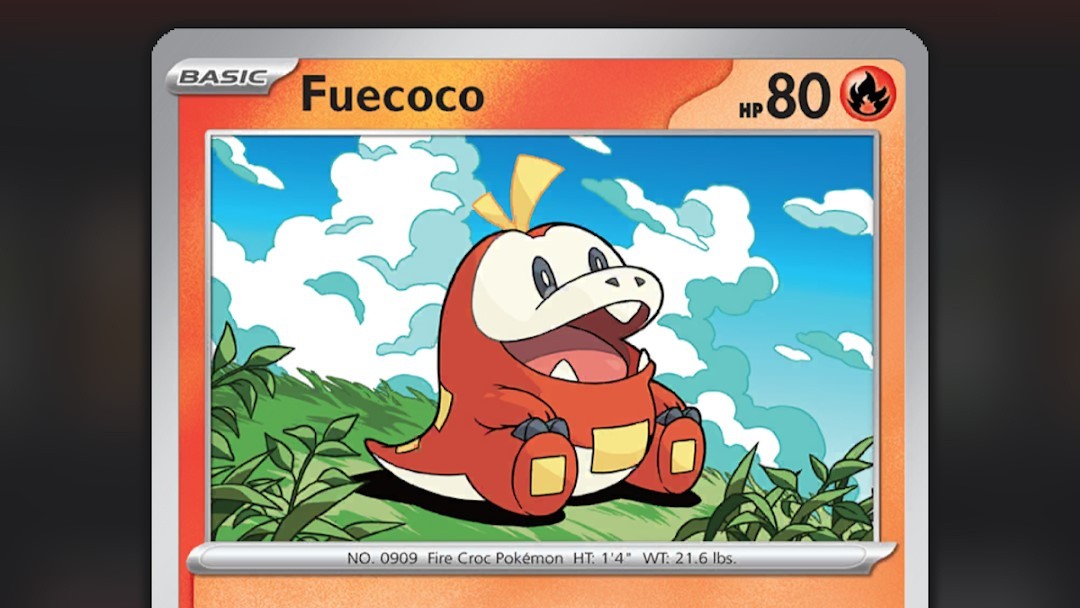
Fuecoco Card TCG Dex App
Image: The Pokémon Company

The Pokémon Company has announced that it will be removing the Pokémon Trading Card Game Card Dex app from storefronts on 20th September 2023 (thanks, Serebii).

TPC confirmed in a post today that it’s “sunsetting” the app so it can focus on the ongoing development of Pokémon TCG Live, which replaced the Pokémon Trading Card Game Online earlier this year.

The Pokémon Trading Card Game Card Dex app is used by players to scan their cards and document their card collections digitally. Instead, trainers will need to head over to the Trading Card database to read up about their cards or build a digital collection in Pokémon TCG Live by redeeming the codes that come with the physical cards.

TPC also confirmed that the newest deck — Scarlet & Violet—151 will not be coming to the app and all data saved on the TCG Card Dex app is non-transferrable, so it will be lost when the app is removed.

The app is expected to disappear at around 10am PT / 1pm ET / 6pm BST on 20th September, which is two weeks from today.


Do you use the Pokémon Trading Card Game Card Dex app? Are you sad to see it go? Share your thoughts in the comments.

Posted on Leave a comment

Belle And Beast Will Be Your Guests In Disney Dreamlight Valley’s Next Update

Disney Dreamlight Valley Beauty and the Beast
Image: Gameloft

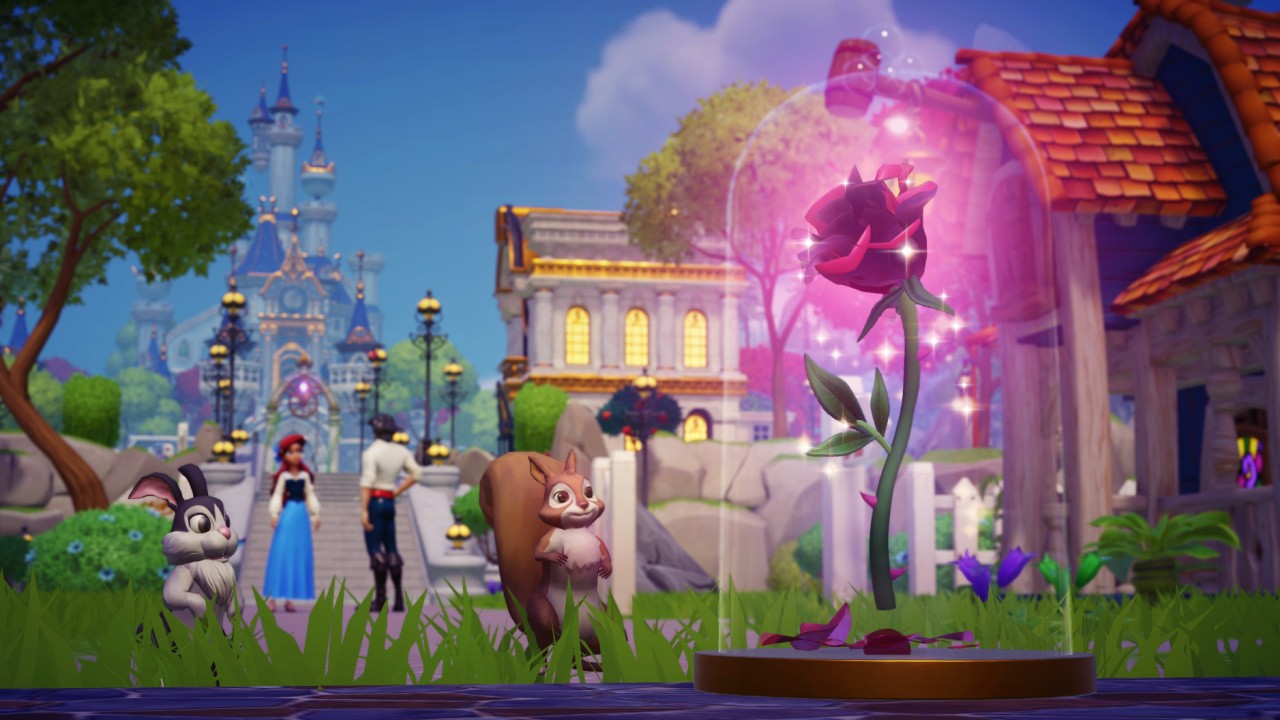
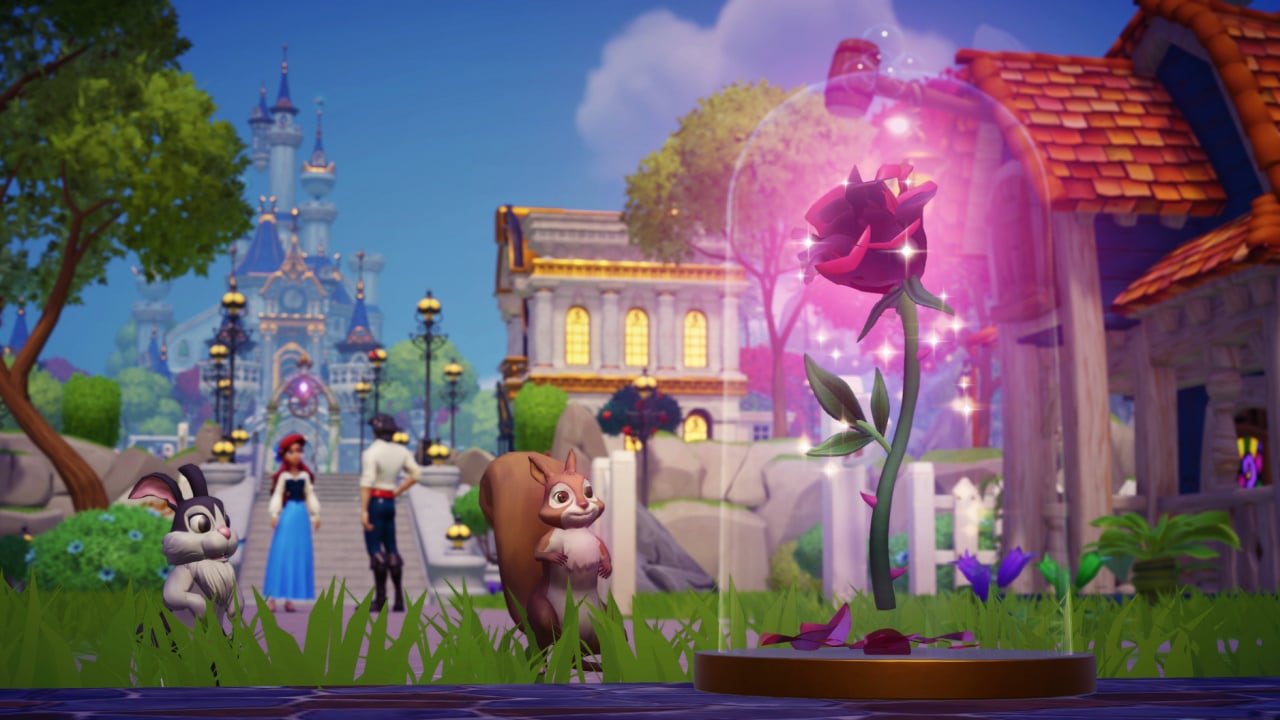
Believe it or not, Disney Dreamlight Valley is celebrating its one-year anniversary and to mark the occasion, two familiar faces will be your guest, as Belle and Beast are sauntering into the game with the next update.

The classic pair will enter the Valley as a part of the upcoming ‘Enchanted Adventure’ update, which is set to kick off a little later this month after being initially teased with the reveal of the new 2023 roadmap back in June. The news was shared by the official @DisneyDLV Twitter account, which posted the following image accompanied by some gorgeous string music — all together now, “tale as old as time…”

Belle and Beast follow the recent addition of Wreck-It Ralph‘s Vanellope and, according to the roadmap, spells the beginning of a busy end to 2023 with new Chapters, characters and Frontiers all planned.

Are you ready to welcome Belle and Beast to the Valley in the next few weeks? Let us know in the comments.

Posted on Leave a comment

TOTK Director Is Extremely Vague On Game’s Placement In Zelda Timeline

Zelda: Tears of the Kingdom Link Sword
Image: Nintendo Life

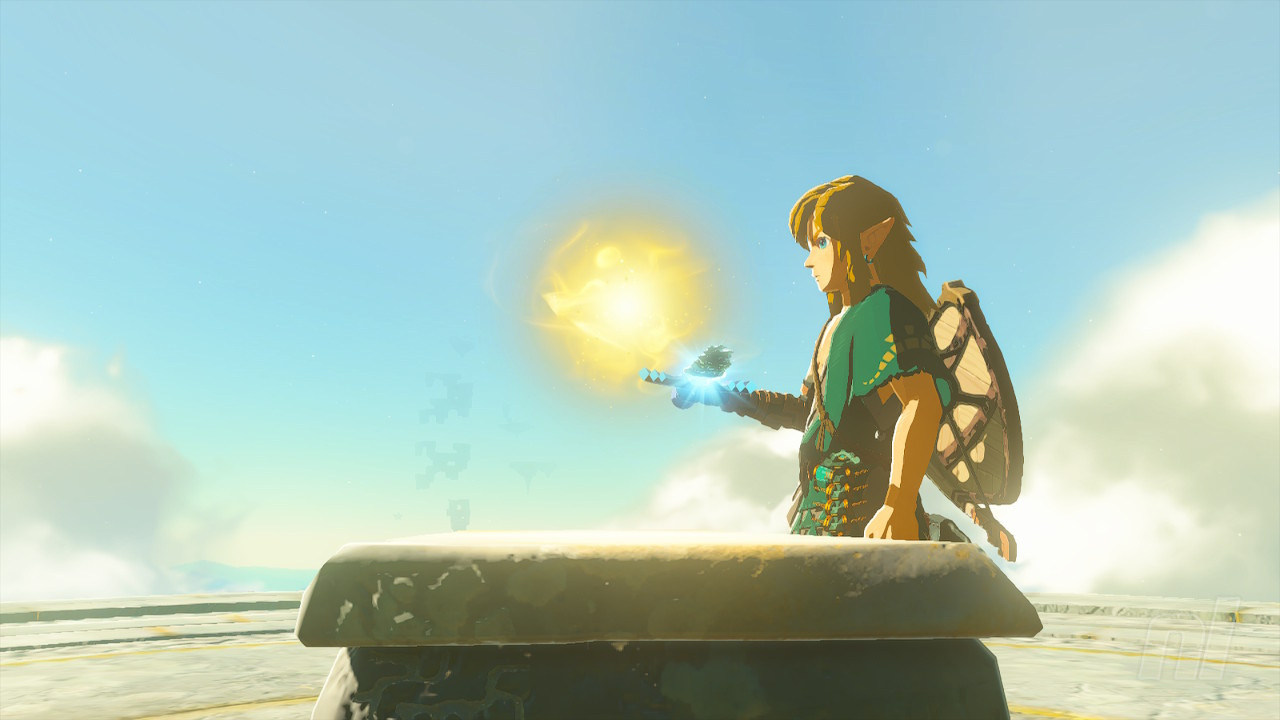
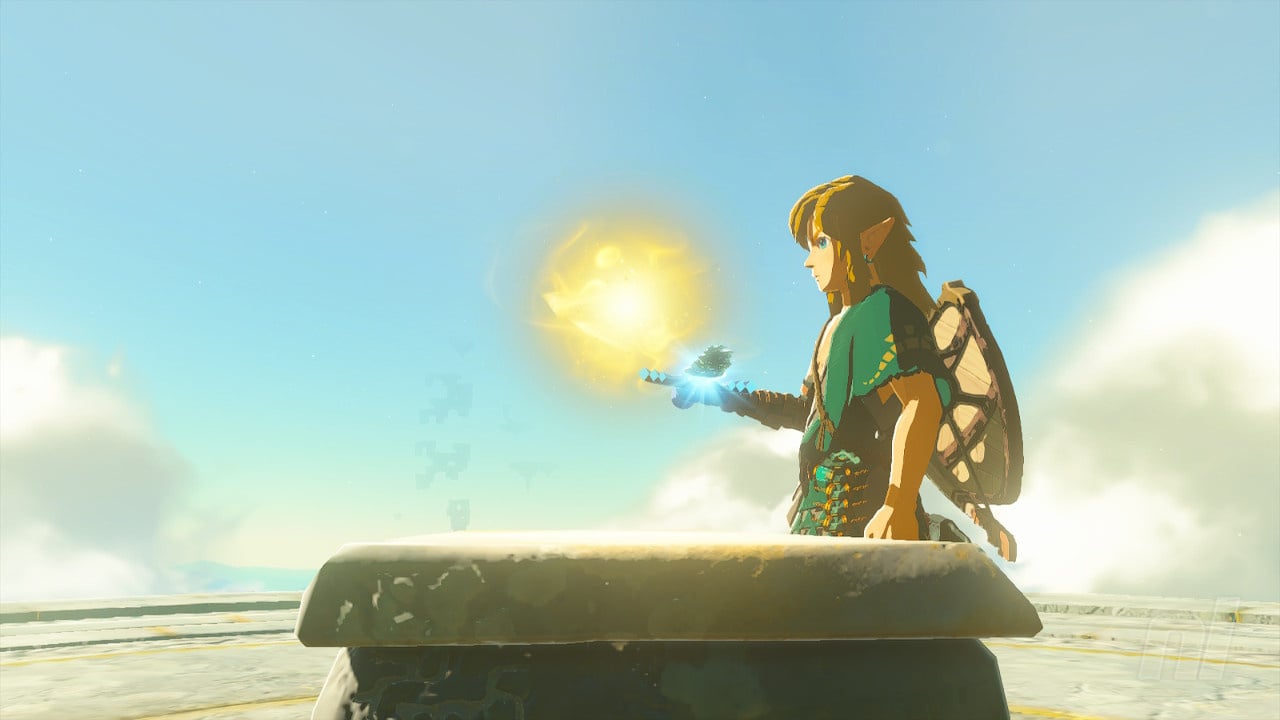
There is a certain beauty to the chaotic ordering of the Zelda timeline. Ever since the ‘official’ rundown first appeared in the Hyrule Historia, theories have popped up all over the place to either prove or disprove its legitimacy. It’s not surprising that Tears of the Kingdom would raise even more questions than it answered, but what would the game’s director have to say about its chronological positioning? Expectedly, not much.

In a recent interview with Famitsu, Hidemaro Fujibayashi was asked to comment on this very topic. Unsurprisingly, the director’s answer was somewhat vague and only confirmed the fact that the game comes directly after Breath of the Wild (we know, what a shock!), though he could offer nothing more precise in his response.

Fujibayashi does state that the series is designed so as to not contradict itself too much and he likes there to be room for fans to fill in the blanks between games (of which there sure are many). The original Famitsu interview is currently available in Japanese only, though the following translated summary of the director’s response was provided by MondoMega on the relevant Famiboards thread.

The interviewer asks about how the game fits into the existing Zelda timeline, given Skyward Sword seemingly depicted the founding of Hyrule, while this game also does. Fujibayashi only reaffirms that the game is set following Breath of the Wild, and that the Zelda series is designed to have a story and world that doesn’t fall apart. With the latter assumption in mind he believes there is room for fans to wonder if there are various other possibilities. He suggests one “possibility” (and clarifies that he is only speaking on it as a possibility) that there may have been a history of destruction before TotK’s story of Hyrule’s foundation. He says he does not create things randomly, and wants fans to imagine the parts of the story that have not been told.

We have speculated about how Link’s latest fits into the timeline using our own research in the past and while Fujibayashi’s answer sure is interesting in suggesting possibilities, it’s clear that Nintendo is keen not to set anything in stone for the time being.

The interview also saw series producer Eiji Aonuma suggest that there are no plans for Tears of the Kingdom DLC, and the pair also discussed the game’s design process, playtesting changes and more. You can check it out in full here.

Where do you think TOTK and BOTW sit on the Zelda timeline? Get your tinfoil hats on in the comments below.