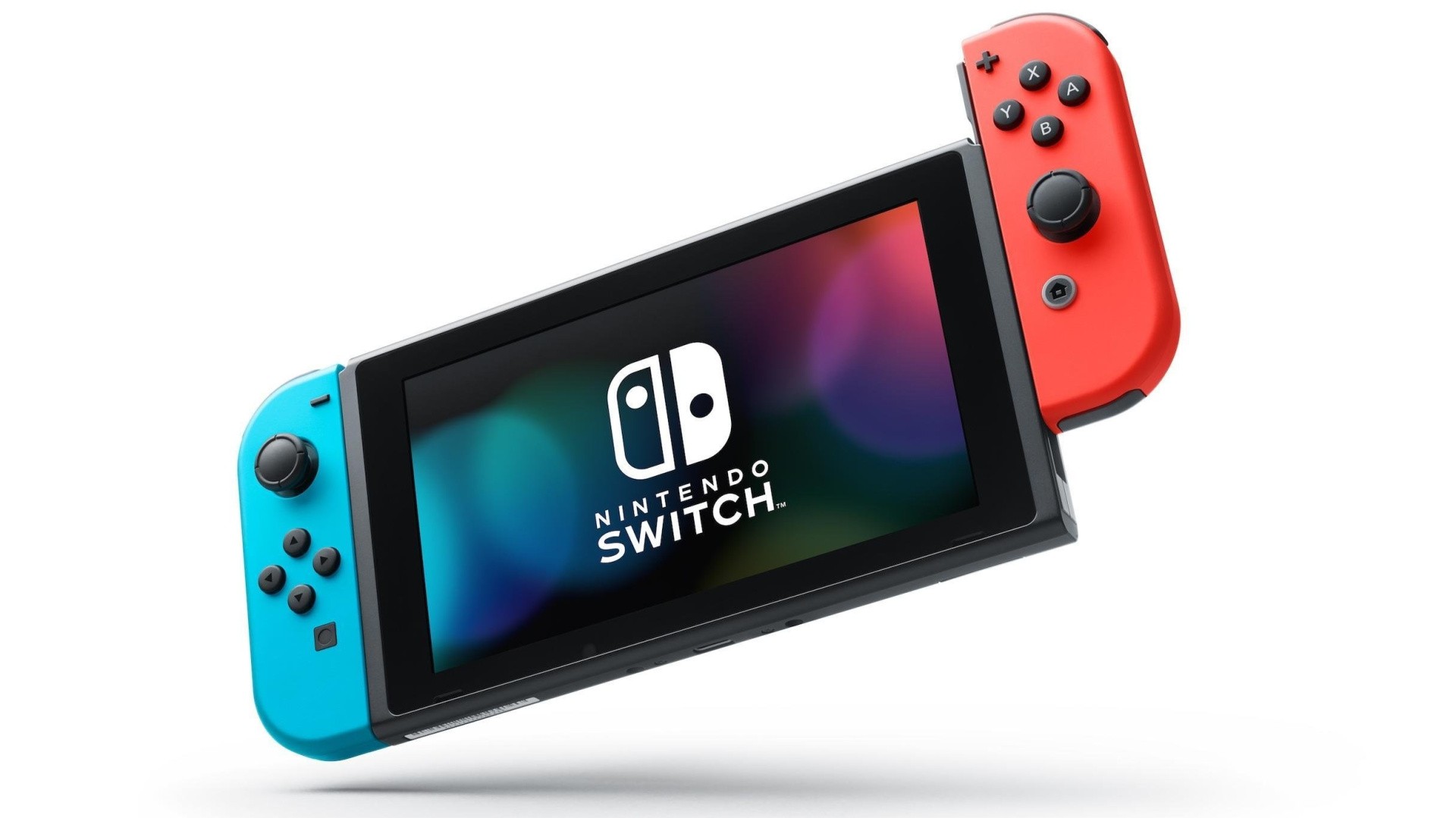
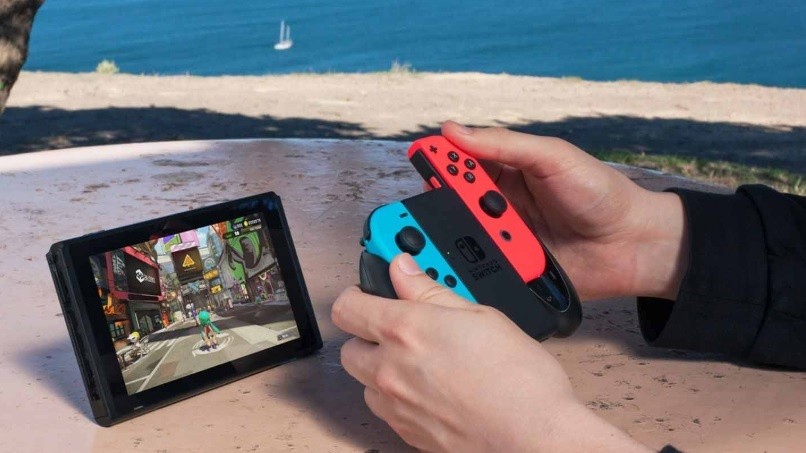
Nintendo has released its latest batch of financial data, revealing that the Nintendo Switch has sold 22.86 million units worldwide as of 30th September 2018. This number means that the Switch has now outsold the GameCube which shifted 21.74m in its lifetime.
The data reveals that the Switch sold 3.19m units in the last quarter, meaning that the console has now shifted 5.07m units so far this financial year. With just two quarters to go – the holiday season and the usually quiet quarter just after – this means that Nintendo needs sales to increase at a rather staggering rate to reach the yearly target of 20 million sales – a target which is very much still in place.
For the sake of comparison, 7.23 million Switch consoles were sold during last year’s holiday period, meaning that this year’s sales would have to be much higher than those seen just 12 months ago. While this might sound like a near-impossible task, it’s worth noting that Switch sales are actually slightly up year-on-year despite a relative lack of first-party major releases over the last few months, and the upcoming Pokémon: Let’s Go, Pikachu! and Let’s Go, Eevee! and Super Smash Bros. Ultimate will no doubt be seen as potential system sellers.
By passing the GameCube, the Switch has now already sold two of Nintendo’s previous home consoles despite being on sale for less than two years. The Wii U was the other system to fall behind, which sold 13.56m units, but the Switch has a long way to go to catch up with some other previous machines.
The Wii and DS are the runaway winners at present with an incredible 101.63m and 154.02m units sold respectively; the Game Boy sold 118.69m units, the Game Boy Advance 81.51m, 3DS sold 73.53m, the NES 61.91m units, the SNES shifted 49.10m, and the Nintendo 64 is next to be caught with 32.93m units sold.
Do you think Nintendo will hit the 20 million Switch sales target this financial year? Where do you think the console will end up in terms of sales at the end of its lifetime? Let us know with a comment below.
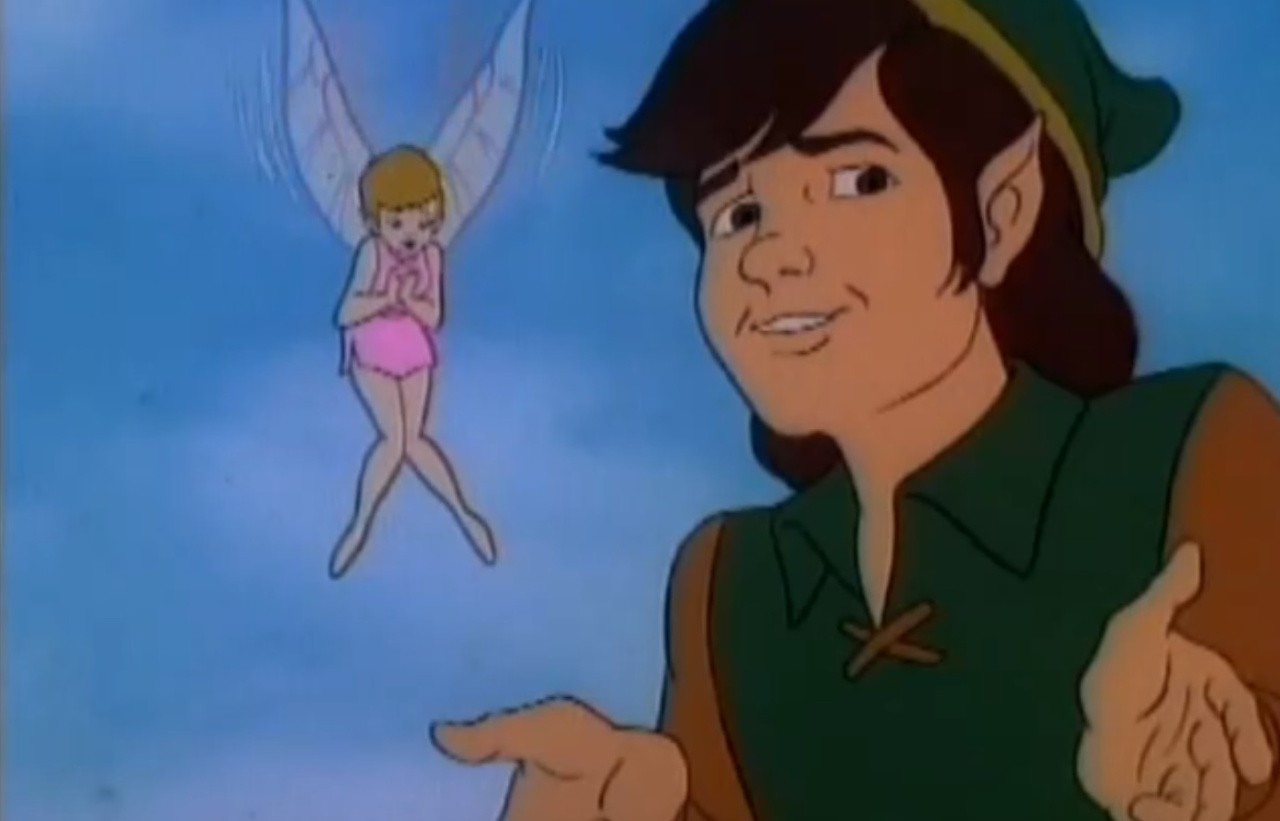
Back in 2015, there were reports from the Wall Street Journal suggesting a live-action Netflix series based on The Legend of Zelda was in the works. This project was still in the early stages of development at the time and was aiming to be Game of Thrones for a family audience.
While nothing seemingly came of this in the end, a similar but different rumour has now surfaced via news and entertainment website The Wrap. According to the source, Producer Adi Shankar is allegedly in talks to produce a series about The Legend of Zelda. There’s no word on how exactly the website has narrowed it down to this exact video game series, as Shankar’s recent Instagram post reveals he’s “working” with an iconic Japanese developer but makes no mention of the game series involved:
I can confirm that I am working with an iconic Japanese gaming company to adapt one of their iconic video game series into a series.
Shankar’s post goes on to explain how he will announce what the series is next month on 16th November. When the source reached out to Nintendo for comment, a spokesperson for the Japanese company had nothing to say about the topic.
If this does end up being something Zelda or Nintendo related, fear not – Shankar has very much proven himself in recent times as the Executive Producer on Netflix’s animated Castlevania series. Whether this latest report citing The Legend of Zelda is linked to the original 2015 live-action Netflix rumours is unknown at this point in time.
Would you like this announcement to be for a Nintendo or Zelda-themed series? What do you think of Shankar’s work on the Castlevania Netflix series? Tell us below.
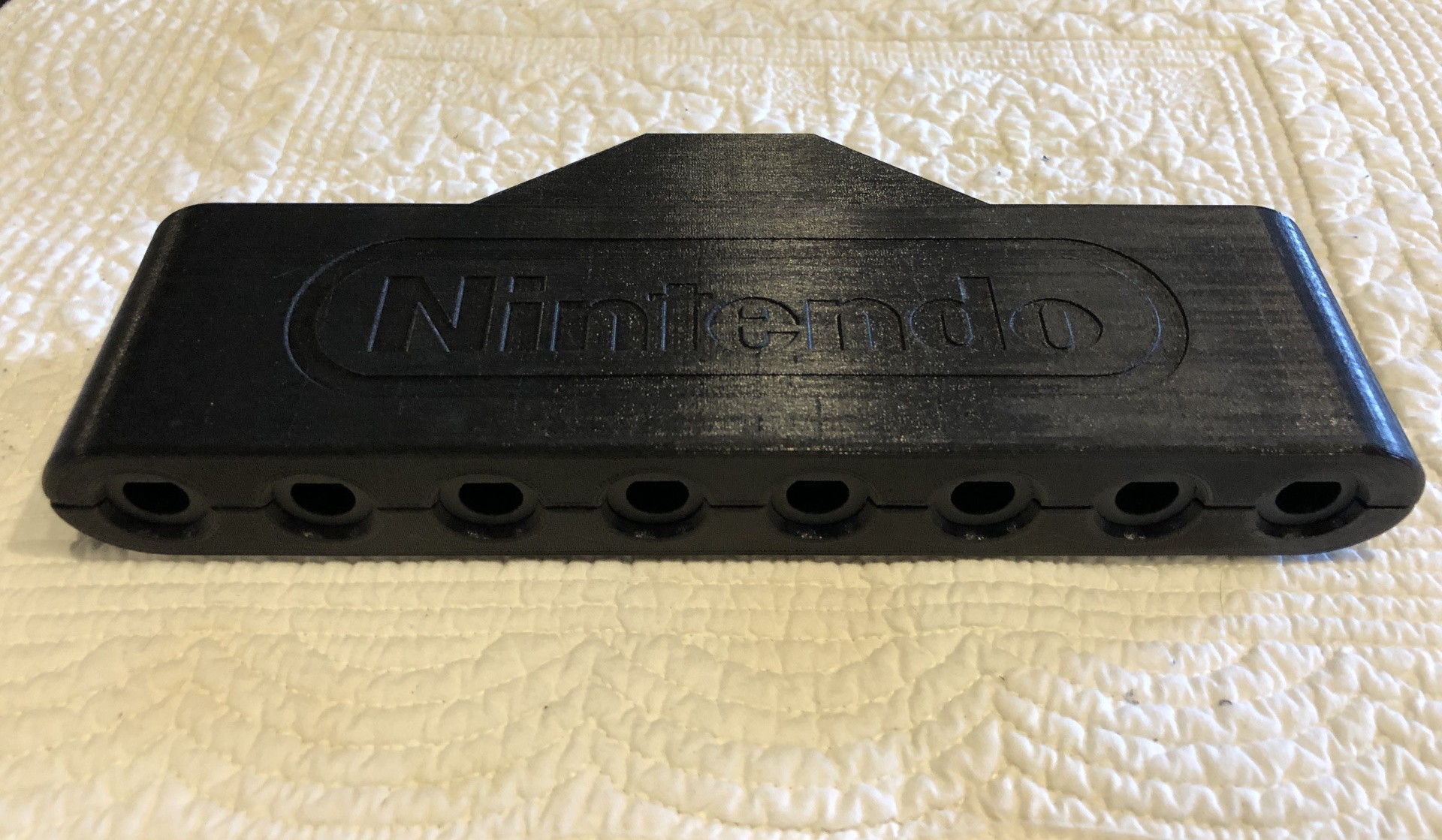
A Nintendo fan who we’re guessing is eagerly anticipating the release of Super Smash Bros. Ultimate in December has 3D printed their very own custom GameCube controller adapter. It’s been designed for the eight-player mode which first appeared in the Wii U and 3DS entries. If you thought it was just two separate adapters inside the case of a bigger one, think again.
Over on Imgur, the creator known as 10000ukuleles explains how they took the components from two official Nintendo Wii U-GameCube controller adapters and a powered USB hub, and then secured it all inside the interior of the 3D printed case. The end product is a device that only requires a single USB port but also takes up a spot on your power board. It’s also got Nintendo’s trademark logo on the top of it. The creator went to the extent of documenting each step and has also uploaded the schematics and files, so others can recreate this unique accessory. Take a look below:
Would an eight-port GameCube controller adapter be of interest to you, or are you satisfied with the official four-port version?
Back when licensed video games first caught on during the ’80s and ’90s, it wasn’t just cartoons, comics and movies that were being adapted to the newest form of entertainment at the time, there were also games based on musicians. The most famous was Michael Jackson’s Sega-developed title Moonwalker – requiring the player to execute signature dance moves to take down a variety of enemies while rescuing children at the same time. The king of pop undeniably had the biggest music game and essentially paved the way for more music orientated video game releases later down the line.
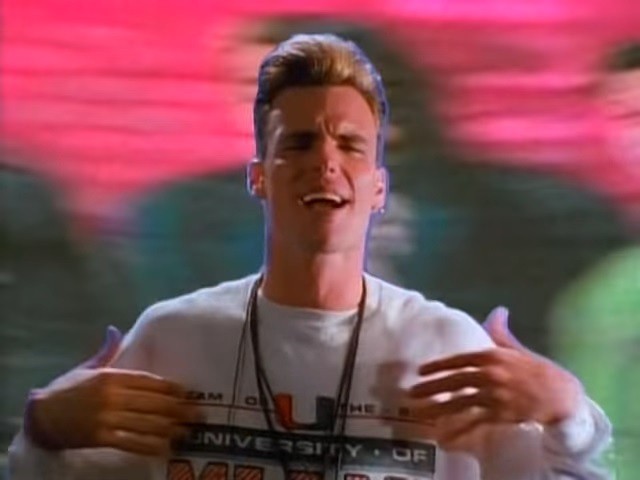
During this period when Moonwalker was at the top of the charts, there were many other musicians cashing in on the success of video games. Apparently, American rapper Vanilla Ice even had a game lined up. The YouTube channel GameBoyle – predominantly focused on Game Boy history – has posted a 10-minute clip about Vanilla Ice’s unreleased Game Boy title originally known as Rap City.
At the height of Ice’s career, THQ signed a deal with him to create a Game Boy game using his likeness. The developer behind the release was tasked with completing the game as soon as possible. Unfortunately, halfway through the creation of it, the team discovered it didn’t legally have the rights to Ice’s music. Despite this, work on the title continued until Ice’s popularity dropped and the side-scrolling beat ’em up was then renamed Rap Quest, with Ice removed from it altogether. Surprisingly, development was actually completed – and even reached Nintendo for certification, but it didn’t get released in the end.
For the full explanation on how it all unfolded, take a look at the video above – it’s one heck of a story. The narrator even admits the ROM version of the game he was supplied with has grown on him. And now here’s our excuse to post Vanilla Ice’s most famous track:
A few weeks ago, Blizzard released a statement effectively stamping out the chances of a new Diablo game being shown at BlizzCon 2018. That doesn’t necessarily mean the popular hack and slash RPG will be completely absent from this year’s convention, though. The Switch version – Diablo III Eternal Collection – arrives on the exact same day as the annual event starts.
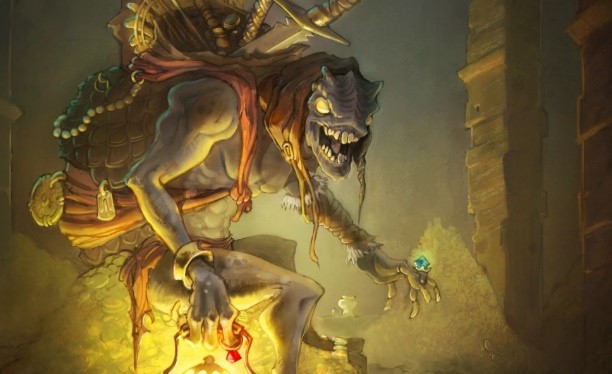
If that’s not enough, there’s now a rumour suggesting Diablo-themed amiibo will also be revealed over the course of the weekend. According to new findings from console dataminers, Diablo on Switch will support three different types of amiibo. This includes the existing amiibo line along with a special Treasure Goblin and Demon amiibo. The standard amiibo and Treasure Goblin will open a portal leading to what’s suspected to be Greed’s Domain and the third amiibo will spawn a powerful Demon. There’s said to be a 22 hour cooldown period for portals and a 45-minute wait before a Demon can be summoned again. Use of amiibo will supposedly extend to online play.
It seems like we’ll just have to until this weekend to find out whether or not Diablo-themed amiibo are in fact coming to the Switch version of the game. Would more third-party amiibo be of interest to you? Tell us in the comments.
Nintendo has rolled out its second Switch update for the month of October. According to the official support site, system update 6.1.0 includes stability improvements to enhance the overall experience. Here are the exact details:
Resolved an issue where certain games don’t recognize a Nintendo Switch Online membership for a short time after purchase
To perform the update manually, go to the system settings and start the download. Otherwise, your Switch will automatically download the update when it’s connected online.
Have you updated to version 6.1.0? Had you previously encountered this issue that has now been resolved? Did you need more stability in your life? Tell us below.
Return to Hogwarts with the LEGO Harry Potter Collection
Gather your books and wand, because it’s time to head back to Hogwarts! Accompany Harry Potter and his friends in this remastered collection of LEGO Harry Potter: Year 1-4 and LEGO Harry Potter: Year 5-7.
The LEGO Harry Potter Collection unites the signature humor of LEGO games with the expansive world of Harry Potter. Join in on a thrilling journey full of spell-casting, potion-making, puzzle-solving, lessons, dueling, and much more. Fans can experience the entire LEGO Harry Potter adventure, featuring content from the books and films with enhanced graphics, environments, lighting and visual effects, along with two downloadable content packs.
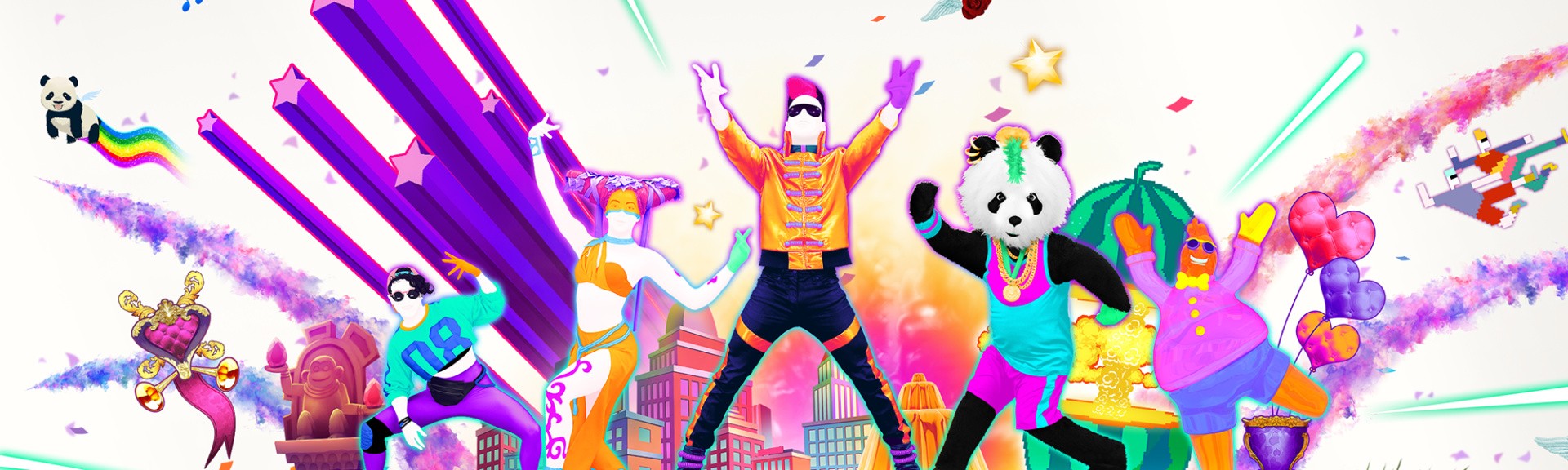
For some, the month of October means Halloween or the chilly autumn air, the build-up to the holidays or finally settling in to the new school year; for Ubisoft, this time of year means it’s time to release yet another entry into the Just Dance franchise – a tradition which has now been going strong for ten years. If you’ve already got a handful of the previous nine titles (or over 20 if you count the spin-off games, too), you’ll probably be wondering whether or not this latest effort is worth the upgrade. Luckily, that’s what we’re here for.
As you might expect, the core aspect of the game is exactly the same as it always has been; you must follow the on-screen dancers move-for-move, strutting your stuff to a collection of popular hits as you carefully step over your mildly annoyed cat and try not to trip over the carpet. Your efforts are tracked by the Joy-Con in your hand, with each movement earning you a number of points (and eventually a star rating) determined by your accuracy.
As is always the case, the game’s songs are all available from a menu, with the player simply selecting whichever track they’d like to perform. Playing your first few songs unlocks other areas of the game, with just one complete song being needed to open up your profile – a place where you can see your dance stats (such as time played and stars earned) and create your avatar.
You’ll soon unlock other sections of the game, too, such as a home screen – which presents you with song recommendations, shows you your latest cosmetic unlocks, and gives you access to the game’s online mode – and a Playlists function. In Playlists, you can either choose from a selection of curated playlists – think Spotify’s home page – or create your own list of favourite tracks, helping you to separate the best songs from the main list for easy access.
If you’re anything like us, being able to separate your favourite tracks from the huge selection of songs (if you have Just Dance Unlimited – more on that later) is a wonderful little feature; we can only tolerate hearing the preview of Snoop Dog and Arash’s song ‘OMG’ so many times, so being able to ignore it for the rest of time is lovely. It’s just one of several little touches that make this edition feel a little more user-friendly; the ability to quickly toggle lyrics, controller vibrations and other options is another.
In fact, the main difference between this year’s edition and the many that have gone by before it is its simplistic, modern design. Gone are those slightly crazy modes with aliens and episodic, themed dance-offs from recent years, instead being replaced by easy-to-access, no-frills dancing. You can dance alone, with friends in local multiplayer, or online against others around the world – and that’s it.
It’s a strange shift to behold, suggesting that the game is trying to adapt to a new Spotify-using, social media-loving, older teen audience, or maybe growing up alongside those who have supported it from the beginning. Everything is very smart and clean, but some of the ultra-colourful energy has been sucked out in the process and sacrificing modes to achieve this ultimately means that there’s less content to explore. This game has even done away with being able to use your smartphone as a controller (which has been a feature for a few years now), which seems like a very strange and backwards decision indeed.
Speaking of sacrificing things, let’s quickly revisit the elephant in the room: Just Dance Unlimited. Buying a copy of Just Dance 2019 grants you a one-month trial of this online subscription (as long as you’re happy to create a U-Play account with Ubisoft). In this subscription, you get access to over 400 songs that are either new and exclusive, or cherry-picked from previous games. The options are impressive, even for people like us who try to avoid chart music like the plague, and your first month will be a happy time.
Once that trial ends, though, you’re forced to either pay up £20 a year to subscribe or lose all of the content, leaving the game with just 40-or-so songs included on the cartridge. This has been the same for several years now, with the game slowly turning into a subscription-based affair, but it makes purchasing each year’s latest boxed offering so much less desirable. Why would you want to keep buying new games and subscribe to a service?
Of course, if you want the latest selection of tracks – which includes the likes of Ariana Grande’s ‘No Tears Left To Cry’, ‘Sangria Wine’ by Pharrell Williams and Camila Cabello, and the Eurovision Song Contest 2018 winner ‘Toy’ by Netta – the upgrade is essential, and each of these tracks comes with some impressive new on-screen animations to accompany your dancing and make things a little more worthwhile. Unfortunately, as pretty as some of these animations are, we did experience several instances of buffering, where a song would momentarily stutter and come to a halt for a couple of seconds – even on the easy-going tracks found within the game’s child-friendly ‘Kids’ section.
Conclusion
Just Dance 2019 is a sleek entry to the franchise that does exactly what it says on the tin – and not much more. There aren’t any fancy modes to speak of and you won’t have access to a lot of songs unless you pay up for a subscription, but the gameplay itself is just as precise and enjoyable as it always has been. Little touches like having the Joy-Con’s HD Rumble pulsate to the beat make the Switch version particularly appetising, but we’re left feeling ever-so-slightly mixed on the overall package and we did notice the occasional performance hiccup. If you’re happy to pay the subscription and want to rather literally just dance, treating yourself to the series’ newest instalment provides you with the largest selection of tracks the series has ever offered and would be a good investment. Of course, if these things don’t apply to you, it’s considerably harder to recommend the upgrade from last year’s entry.
The first gameplay trailer has arrived for Toki – an ’80s arcade classic set to make its comeback on Nintendo Switch before the end of the year.
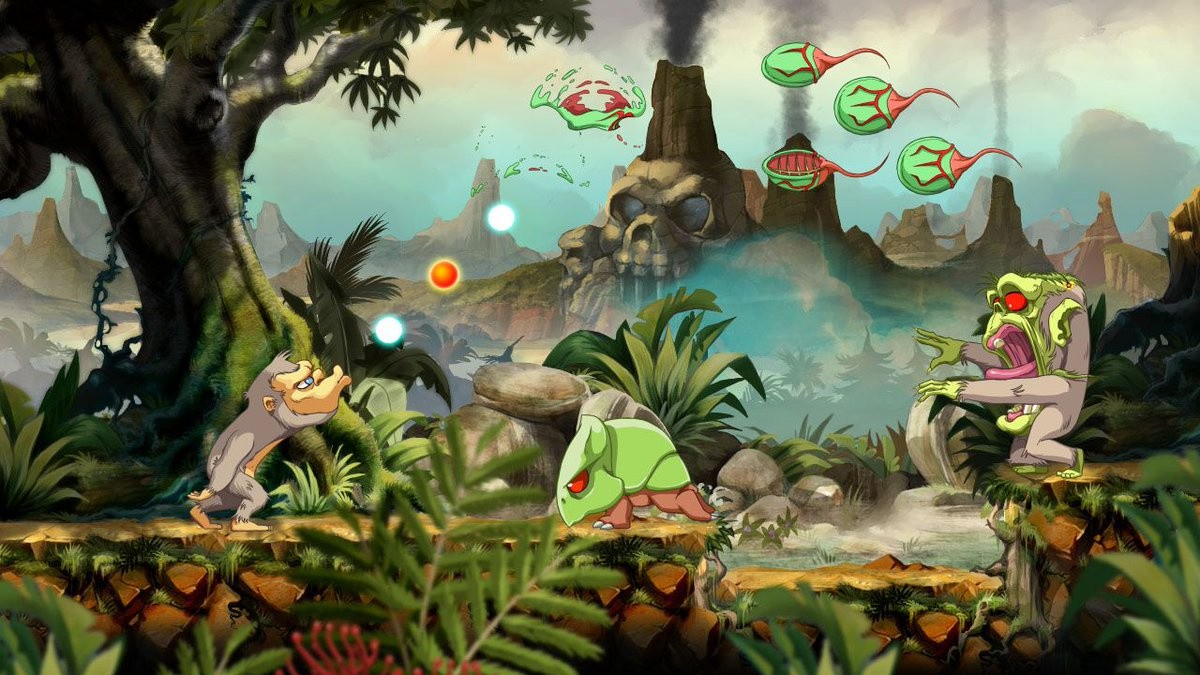
Initially released back in 1989, this cult 2D action platformer was known for its challenging difficulty, tasking players with helping a warrior who has turned into a chimpanzee and going on a quest to get used to his new form. The remake of this arcade classic has been completely redrawn and re-orchestrated by Philippe Dessoly and Pierre Adane, the masters behind the original Amiga conversion of the game back in the ’90s.
As had already been announced, a ‘Retrollector Edition’ for the game is set to be released (and will actually arrive slightly before its digital counterpart in Europe) containing extra goodies for anyone looking to treat themselves. Here’s what you get inside:
– The box version of the Toki game – A mini arcade machine with the game’s colours to house the Nintendo Switch screen! – An exclusive 16-page Toki comic, with an original story illustrated by Philippe Dessoly – 2 prints – 1 sticker sheet
The Retrollector Edition will be released on 22nd November in Europe and on 4th December in North America; the digital version of the game will be available worldwide directly from the Switch eShop on 4th December.
Are you excited by this one? Does that arcade cabinet look too good to resist? Let us know if you’re thinking of picking this one up with a comment below.
Capcom has today released its latest financial results, with the company’s latest and greatest titles resulting in the highest operating income at the end of a second quarter in company history.
The report shows the collective successes of Capcom’s video game development, arcade operations, amusement equipments, and “other businesses” (which essentially contains things such as royalty income from the licensing and sale of character merchandise), with net sales increasing to 43,327 million yen for the six months up until 30th September 2018 – a number which is up 28.5% year-over-year.
The company’s operating income for this period was 10,508 million yen (up 110.1% year-over-year), and ordinary income was 10,297 million yen (up 105.3% year-over-year). Games such as Monster Hunter World have been noted in particular thanks to surpassing 10 million units shipped – a first for any single Capcom title – as well as the digital success of games such as Street Fighter 30th Anniversary Collection.
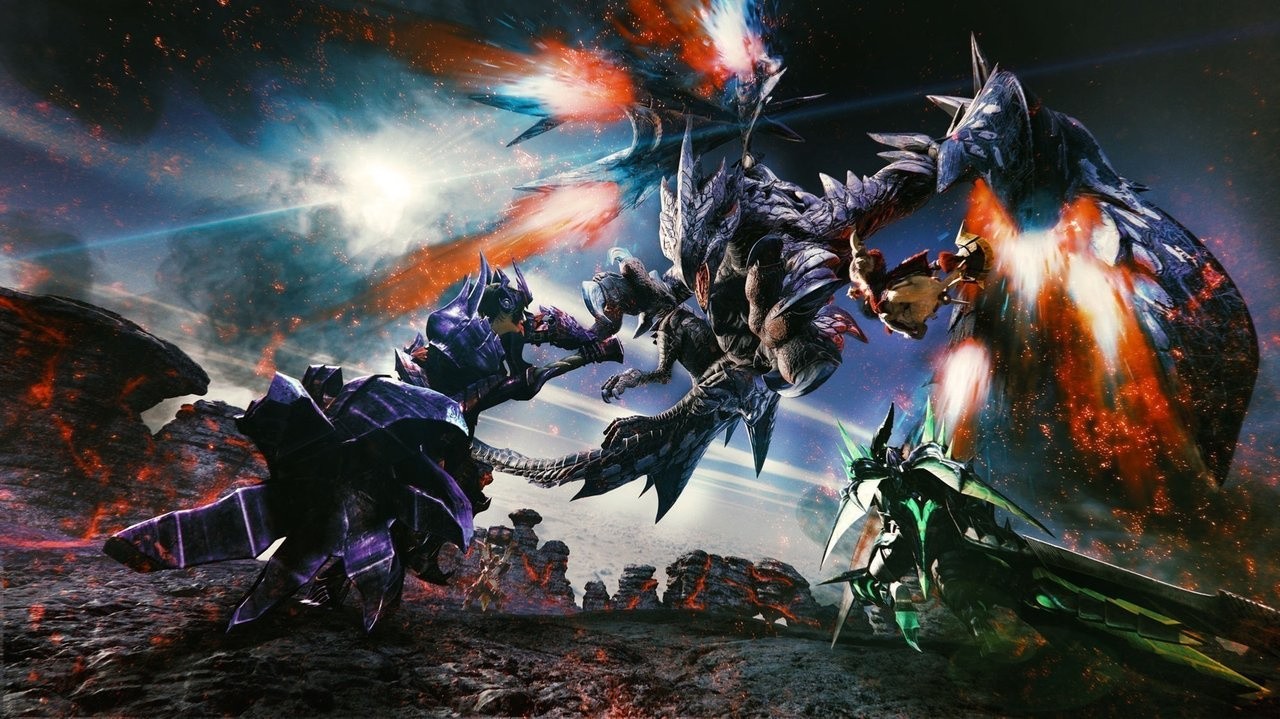
While Monster Hunter World was the star of the show, Monster Hunter Generations Ultimate on Nintendo Switch was also given a special mention thanks to its release outside of Japan. Capcom says that the game “enjoyed robust sales owing to its consistent popularity”.
Things are certainly looking good for the Japanese developer and publisher, with its much-loved Monster Hunter series going from strength to strength.
Feel free to share your thoughts on these results in the comments below.