Posted on Leave a comment

Sega Launches Official Online Merchandise Stores In UK And Europe

New official Sega merchandise stores for the UK and Europe are now available to visit online.

Sega tells us that the Sega Shop is “the definitive shopping portal for Sega themed merchandise”, with a range of Numskull Designs-developed products available to purchase as we speak. Products for both stores are set to include t-shirts, beanies, snapbacks, socks, pin badges, mugs, and more from some of Sega’s most iconic brands.

The launch range has a pretty impressive mix of iconic SEGA properties including Sonic the Hedgehog, Alex Kidd, Altered Beast, Golden Axe, Streets of Rage, and Yakuza, alongside even more merch relating to the Mega Drive and Dreamcast consoles. Jason Rice, Director of Licensing for SEGA Europe, has said the following:

“Our partnership with Numskull represents a major part in the strategy to grow our e-commerce presence, and to offer a destination for SEGA fans, who can now obtain exclusive and innovative products across a range of categories and brands.”

Here are the links if you want to check out the stores for yourself: Sega Shop UK | Sega Shop Europe

If you sign up to your chosen store’s mailing list, you’ll be able to snag 15% off your first order (you can find links to do just that near the bottom of the store’s home page).

Do we have any Sega fans in the room? Are you resisting the urge to spend your life savings as we speak? Let us know if you’ll be visiting the store in the comments.

Posted on Leave a comment

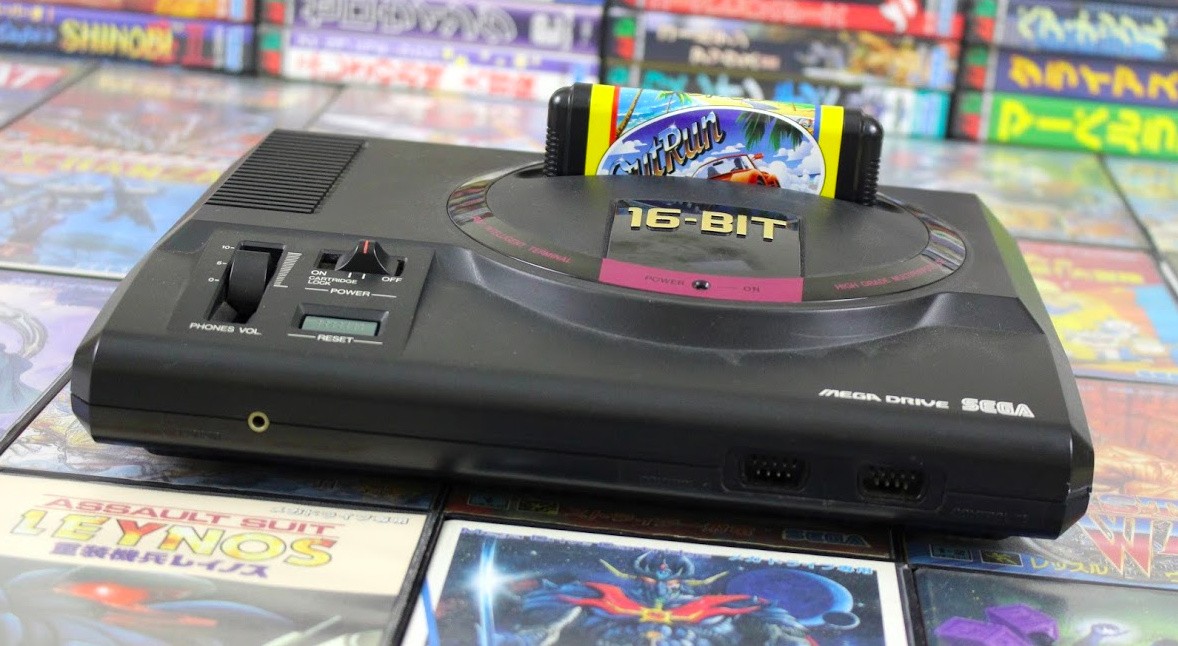
Hardware Classics: Sega Mega Drive

To mark the 30th birthday of Sega’s 16-bit system, we thought you might like to reacquaint yourselves with this feature, which was originally published back in March 2013.


It’s fitting that the first non-Nintendo entry in our Hardware Classics series should be the Sega Mega Drive. This sleek 16-bit powerhouse remains Sega’s most commercially successful console, having shifted around 40 million units globally. Famous for being the first console to challenge Nintendo’s dominance in North America — where it was christened the Sega Genesis — it played host to a wide range of amazing games, including the debut of Sonic the Hedgehog, arguably Sega’s most renowned and enduring creation. Released in 1988 in Japan, the Mega Drive never really caught on in its homeland and was relegated to third place behind Nintendo and PC Engine creator NEC. It would be the console’s western launch which would propel it to real success, with the North American console going toe-to-toe with the Super Nintendo console. In Europe — where the machine would retain the Mega Drive moniker — it enjoyed even more popularity, thanks to Sega’s impressive stranglehold on that particular region.

Throughout the course of the console’s life, Sega was quick to embrace new technology — certainly more so that its rival Nintendo. The Mega CD launched in 1991 in Japan and 1992 in the US, and the increased storage space allowed developers to add animated cut-scenes, extra levels and CD-quality music to their games. However, it failed to live up to its potential and outside of a handful of desirable titles — Sonic CD being perhaps the most notable — it remains something of a curiosity. Even less successful was the ill-fated 32X, a bolt-on device which attempted to bridge the gap between the Mega Drive and its 32-bit successor, the Sega Saturn. These missteps eroded consumer confidence in the Sega brand, something which would prove fatal by the time the Sony PlayStation arrived on the scene. Mistakes aside, the Sega Mega Drive remains a legendary system. It’s ergonomic joypad was a revolution for the time, offering increased comfort when compared to the boxy NES and Sega Master System controllers. It also offered backward compatibility with Sega’s previous system thanks to the Power Base Converter, which allowed Mega Drive owners access to hundreds of Master System titles.

Sega’s skill as an arcade developer helped flesh out the Mega Drive’s software selection considerably; a string of high-profile conversions such as Golden Axe, Alien Storm, Super Monaco GP and After Burner set standards. Other coin-op ports — such as Capcom’s Ghouls ‘n Ghosts, Forgotten Worlds, MERCS and Strider — were also handled by Sega, with equally striking results. However, Sega’s domestic exclusives were just as impressive; titles such as Streets of Rage, Revenge of Shinobi and Shining Force proved that when it was firing on all cylinders, the company was more than a match for Nintendo’s talented designers. Third-party support was less effusive than on the Super Nintendo, but games such as Gunstar Heroes, MUSHA and Monster World IV — the latter a superb collaboration between Sega and Westone — kept fans happy. In North America and Europe, the console benefited from support from super-publisher Electronic Arts, which released million-selling franchises such as Madden, FIFA and NHL Hockey to the console, as well as critical hits like Road Rash and Desert Strike.

Although the Mega Drive’s pad looks primitive when compared to the Super Nintendo’s iconic joypad, the circular “rolling” D-pad is arguably more responsive and is ideal for smooth, precise movements. Sega attempted to catch up in the “button war” by launching a smaller six-button pad to coincide with the conversion of Capcom’s Street Fighter II. Released at launch, the robust Arcade Power Stick represented another link with Sega’s arcade heritage; the heavy, micro-switched joystick was a big change from the plastic controllers that were so commonplace at the time. To counter the launch of the Nintendo Super Scope for the SNES, Sega released a copycat light-gun called The Menacer, but it failed to gain any traction due to a dearth of quality software. Towards the end of the console’s lifespan, Sega was working on a Virtual Reality headset which would never see the light of day — despite reaching quite an advanced stage of development.

Collecting for the Mega Drive today is relatively easy, thanks to the popularity of the console. Like the Super Nintendo, hardware is common and cheap, and software is just as abundant on auction sites. There are certain titles which remain highly collectable and command steep prices. Many Japan-exclusive releases — such as Gley Lancer, Panorama Cotton, Battle Mania 2, Eliminate Down, Slap Fight MD and Snow Bros — sell for eye-watering prices, and their value is only going to creep upwards as copies get snapped up by savvy collectors. The plastic cases used for Mega Drive software ensure that collecting for the console is easier than it is for the Super Nintendo, which utilised more fragile cardboard boxes. Japanese Mega Drive box-art makes that region’s games even more desirable; as you can see from the examples shown here, there are some truly beautiful pieces of art adorning the covers of many Japanese releases.

Given the Nintendo focus of this site, it seems almost odd to speak so glowingly about a rival piece of hardware, but we’re prepared to make an exception for the Sega Mega Drive. It may have been a deadly adversary for the SNES, but it also delivered some of the best games of the 16-bit era — many of which are now available on the Wii Virtual Console. Sega and Nintendo have now put their differences behind them and have even collaborated on games such as F-Zero GX and Mario & Sonic at the Olympic Games, but fans of a certain age will no doubt retain fond memories of the 16-bit console wars and the amazing software which appeared from both firms as a result.

Posted on Leave a comment

The Sega Mega Drive Turns 30 Today

30 years ago today, Sega launched what would turn out to be its most successful piece of home gaming hardware, the Mega Drive (Genesis if you’re in North America). It was pushed onto Japanese store shelves on October 29th, 1988, alongside Space Harrier II and Super Thunder Blade. The system got off to a slow start in its homeland – Super Mario Bros. 3 launching a week earlier certainly didn’t help – and it was always in third place behind Nintendo’s Famicom / NES (and later Super Famicom / SNES) and NEC’s PC Engine family, but it would be the western release that really changed Sega’s fortunes.

Armed with licenced titles and arcade ports – as well as a clever marketing campaign that highlighted the console’s appeal to teens and young adults – Sega of America took a massive bite out of Nintendo’s pie in the US, even going as far as to outsell its rival and become the dominant video game format – for a time, at least. In Europe, where Sega had traditionally been very successful, the Mega Drive was a resounding success, comfortably outselling the SNES.

Sega struggling to replicate the performance of the Mega Drive with its subsequent systems; the Saturn had the misfortune of launching at the same time as the Sony PlayStation, while the more popular Dreamcast was killed off by the hype for the PlayStation 2. It would prove to be Sega’s final home console, but next year (which is the 30th anniversary of the US launch of the 16-bit system) the company will launch the Sega Mega Drive Mini, its own take on the ‘Classic Edition’ format laid down by Nintendo.

Share your Mega Drive (or Genesis!) memories below.

Posted on Leave a comment

Random: These Stylish Rail Covers Will Protect Your Switch From Fall Damage

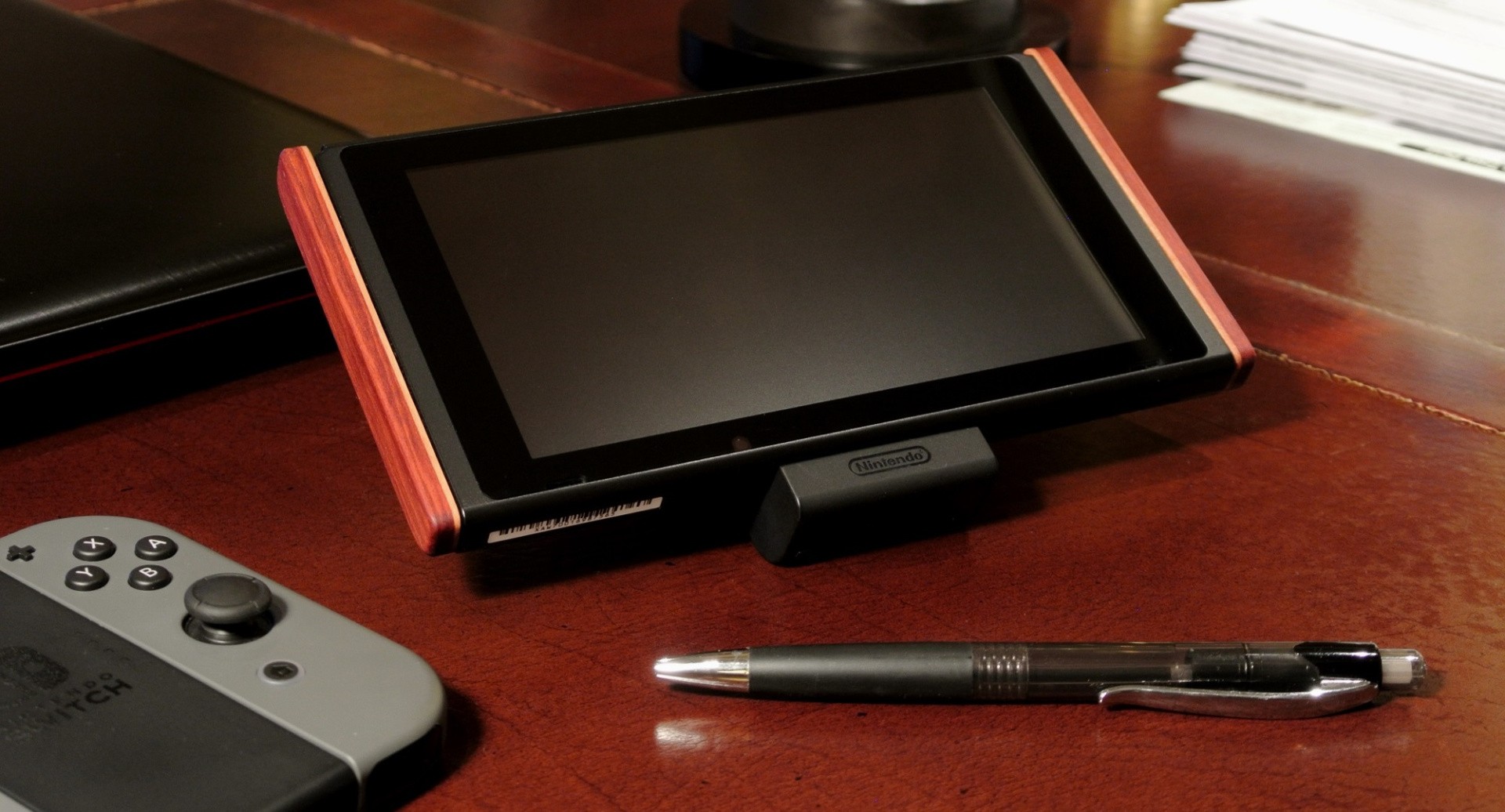
If you’re at all worried about dropping the Switch on its side, then perhaps you should consider these stylish rail covers for your beloved system. Developed by the two-man team at Gravilogic, these “Switchblades” (as can be seen in the images above and below) promise to protect your Nintendo Switch’s electrical leads from exposure and also prevent damage to the rails if the system is dropped. All you have to do is slide them on, much like you would when attaching a Joy-Con to either side of the system.

Gravilogic’s Switchblades come in over two dozen different designs ranging from stately hardwoods to vibrant acrylics. The Kickstarter campaign is said to be going live later this week. For now, here’s a bit more about how the rail covers are made:

We use countersink screws along with a low-friction polymer to ensure that the Switchblades don’t scratch or mar the black coating on the console rails. We only use solid hardwood; no cheap particle board with a fragile veneer! The wood is soaked with mineral oil to bring out its vibrant colors and coated with beeswax to provide a protective finish. Finally, we designed a positive locking mechanism that works with the console rails. The Switchblades install with a satisfying audible click and won’t accidentally slide off the rails

Take a look at the many different Switchblades below:

Have you been wanting to protect the rails on your Switch, or do you think this is a bit much? Tell us below.

Posted on Leave a comment

After A Short Delay, Phantasy Star Joins Sega AGES Line At The End Of This Month

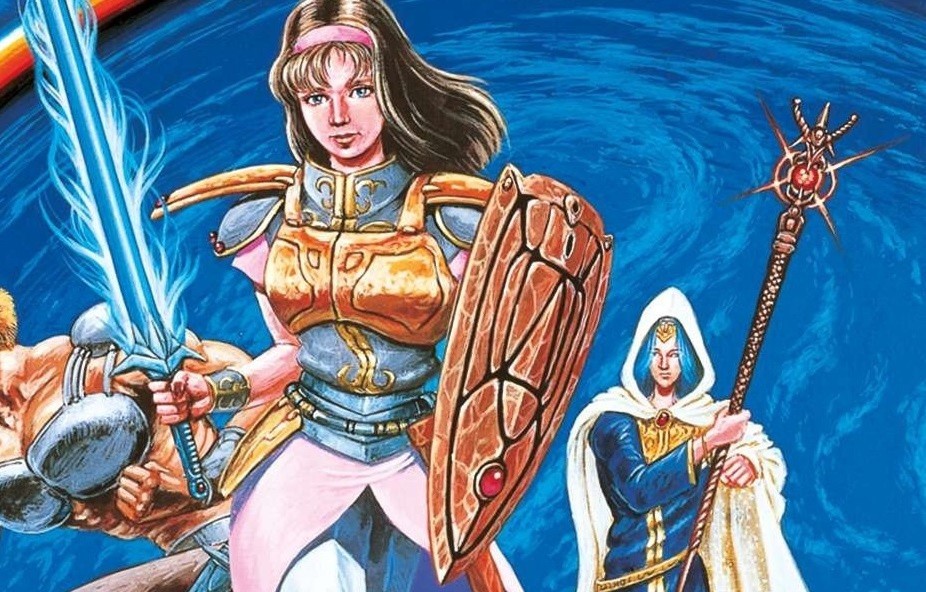
The retro Sega title Phantasy Star appears to have finally received a Switch eShop release date. After missing its original launch in September, Sega’s official Japanese Twitter account has now revealed the AGES version of the title will arrive on 31st October:

The game joins the likes of Sonic the Hedgehog and Thunder Force IV on Nintendo’s new system and is said to be priced at ¥925 (approx. £6.50 / $8.30). Not only does it allow fans to relive Sega’s glory days but it also enhances the experience with a number of new features, adjustments and quality of life improvements to streamline the overall gameplay experience.

Dungeons now feature auto-mapping to make them easier to navigate and encountered monsters are added to a codex – allowing you to study them before battle. An item list also enables you to view all of the abilities and equipment in the game.

As the Japanese launch has only just been locked in, it’s hard to say when exactly this Sega classic will arrive on the Switch eShop locally. We’ll let you know as soon as we find out. Is Phantasy Star one of the Sega AGES games you’ve been looking forward to playing? Tell us below.

Posted on Leave a comment

Video: Check Out Paratroopa’s Skills On Court In This New Mario Tennis Aces Clip

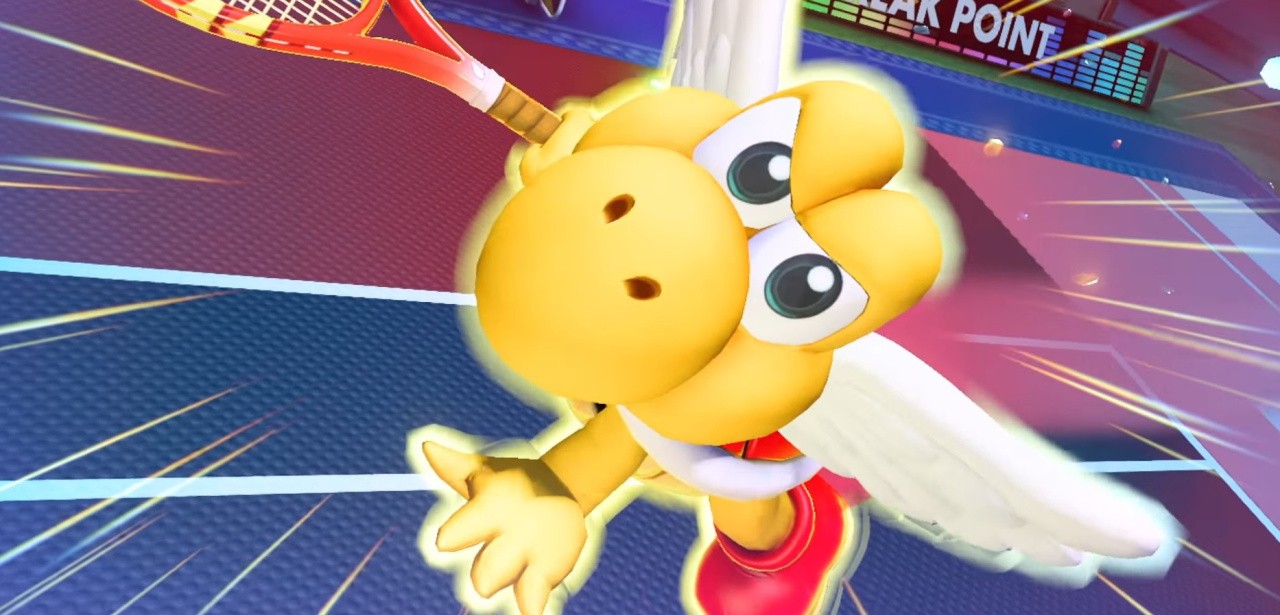
Recent Mario Tennis games have had a tendency to release characters over time and the latest entry on Switch is no different. So far, Camelot has added characters like Diddy Kong and Birdo, and soon the famous flying Koopa will join the cast of Mario Tennis Aces.

In preparation for Koopa Paratroopa’s arrival at the start of next month, Nintendo Japan has released a new trailer highlighting his airborne skillset. He’ll float around the court in a similar fashion to Boo, whilst sporting the abilities of a technical player. The character was officially confirmed earlier this year during the September Nintendo Direct.

Take a look at the brief clip above and tell us in the comments if you’re still regularly enjoying a game of Mario-themed tennis on the Switch.

Posted on Leave a comment

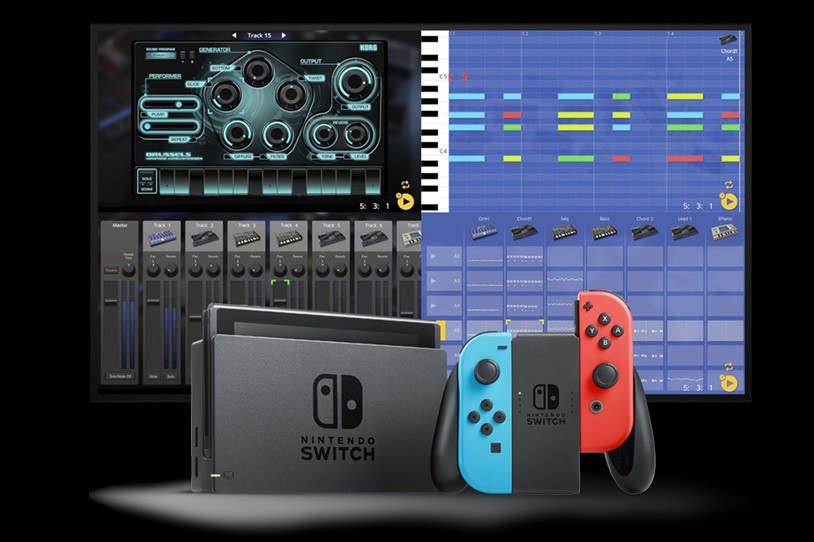
Classic Sega And Taito Music Coming To KORG Gadget As DLC In 2019

KORG Gadget made its debut on the Switch eShop earlier this year in April. As you might have previously heard, the music maker came bundled with a stack of synthesisers and drum machines. It even had unique features like real-time pitch control and piano roll editing using Joy-Con motions. In our review, we gave KORG Gadget seven out of ten stars and said it offered an entirely new experience for Nintendo’s hybrid console and encouraged users to continually refine their tracks.

If you did pick up this impressive piece of software on release, you’ll be pleased to hear a certain variety of classic video game tracks are on the way. Developer Detune has revealed OTORII and EBINA gadgets will be made available as DLC in early 2019. OTORII allows classic Sega songs to be produced and EBINA will let users recreate retro Taito sounds. The DLC also includes Sega’s original Out Run and After Burner music and tracks from Taito’s Darius and Ninja Warriors.

If you’re still on the fence about whether or not this game is worth picking up because of there is no option to import or export tracks – as cited in our review, the game has since been updated to include at least some transfer and sharing features. Version 2.1 of KORG Gadget allows you to transfer your song via QR code and import to iOS or MAC using iCloud. Take a look at these new features in action in the video above.

Have you played KORG Gadget? Would you like to see more video game DLC make its way to this title? Tell us in the comments.

[via japanesenintendo.com]

Posted on Leave a comment

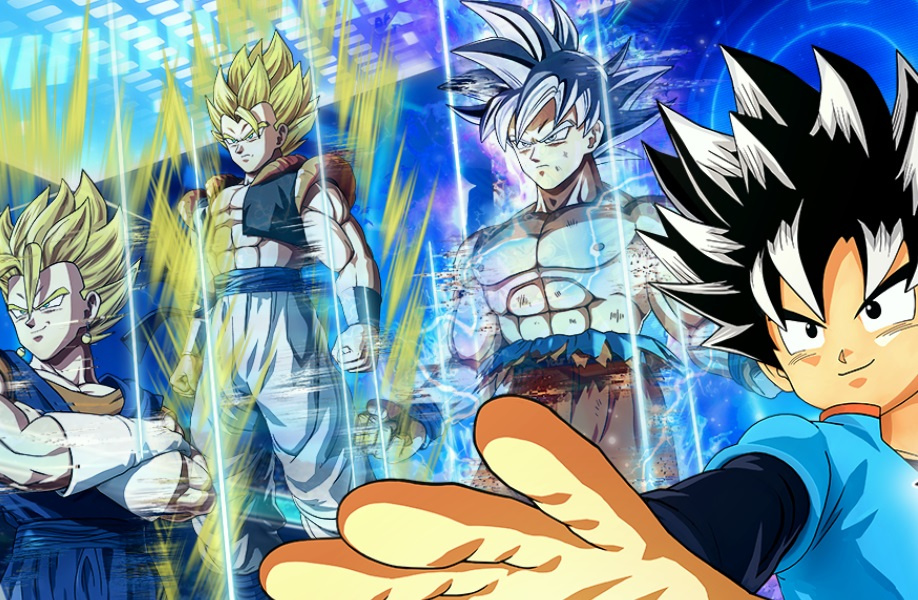
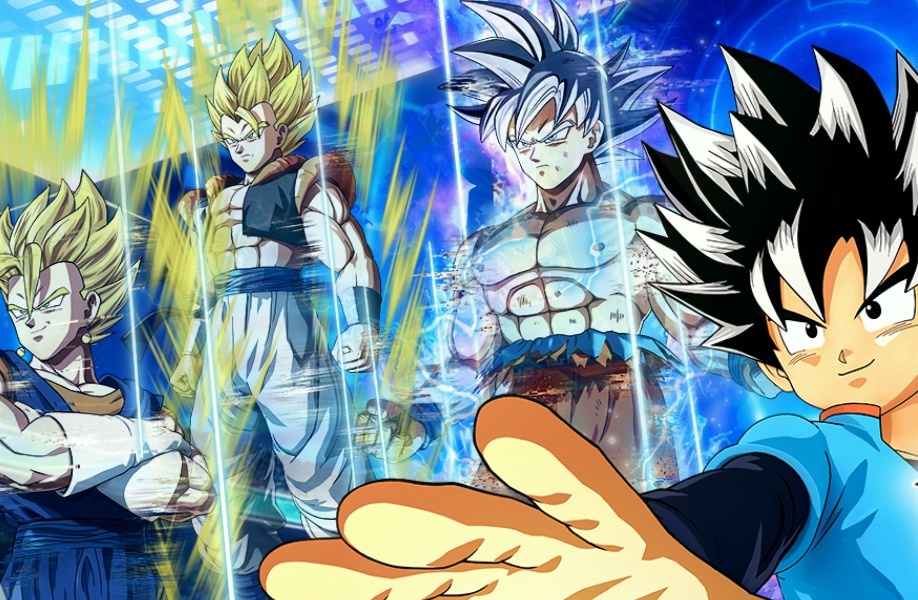
Video: Bandai Namco Releases Super Dragon Ball Heroes: World Mission Teaser Trailer

Last week, the latest issue of V-Jump revealed Bandai Namco would be bringing yet another Dragon Ball game to the Nintendo Switch. In case you missed it, this one’s a bit different from the usual release. It’s a card game by Dimps Corporation, requiring players to think about every move rather than aimlessly mash buttons in hope.

As previously explained in the Japanese manga magazine, Super Dragon Ball Heroes: World Mission includes more than 1,160 cards – covering Super Dragon Ball Heroes 1 to 8 and Universe Mission 1 and 2 (previously released on the 3DS). There are also over 350 characters from the Dragon Ball series to fight with. You can now get a glimpse of the game for the first time in the newly released teaser trailer.

Super Dragon Ball Heroes is based on the original arcade version, which is a two-screen design. The Switch iteration is said to include seven-verse-seven card battles with multiplayer as well. If you would like to see more of the game, you can visit the official website. Currently, the title has only been confirmed for Japan and is expected to arrive at some point in 2019.

Would you like to see this Dragon Ball card game localised? Have you played an earlier version? Leave a comment below.

Posted on Leave a comment

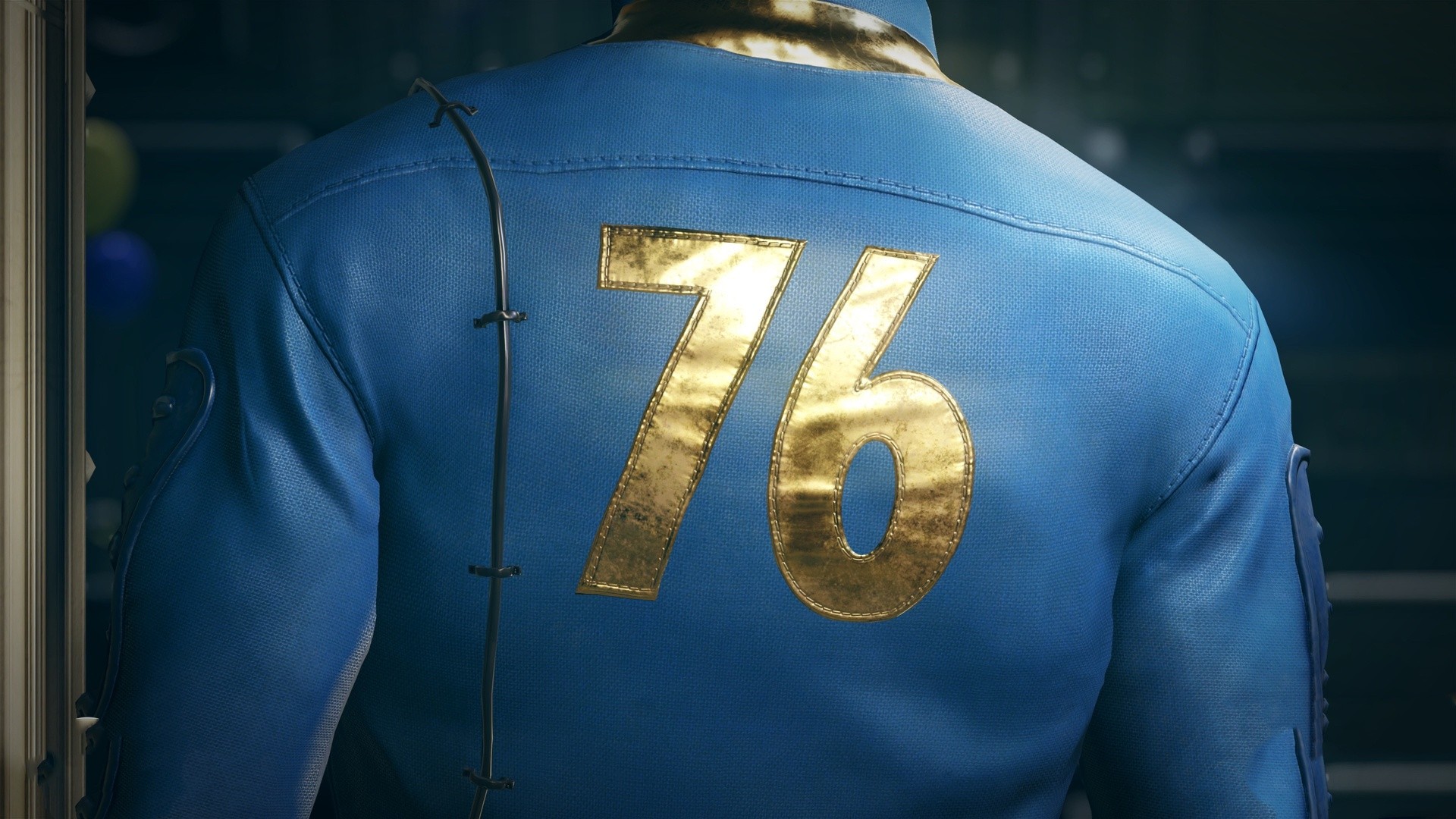
Bethesda Confirms It Won’t Be Bringing Fallout 76 To The Nintendo Switch

Bethesda has been one of Nintendo’s biggest third-party supporters during the Switch generation so far, but unfortunately, its latest release – Fallout 76 – won’t be coming to the hybrid system.

At a PAX Australia panel yesterday, Bethesda’s Marketing Executive Pete Hines said the multiplayer Fallout game would not be released on the Nintendo Switch because it wasn’t possible. He elaborated on this by saying how every Bethesda studio considers the Switch when releasing a new game:

The Switch is something I can say with certainty that it’s a part of every conversation with every dev we have now… If the game will work on it, we want it to be on every platform possible.

Fallout 76 is not [coming to Switch] because it just wasn’t doable. But honestly, there is no game in development that we haven’t had a conversation about [bringing to Switch]. ‘Does this work on the Switch, do you have a plan for the Switch?’ It’s not a mandate. Everything we do has to be developer-led, but it’s something we want to make sure is on folks’ radar.

Hines said he wanted Bethesda to be viewed as the third-party leader on the Nintendo Switch and known as the team that’s willing to take at least some risks. He also has faith it will be a smart commercial decision in the long run:

You go where the money is because that’s how you stay in business… What we have seen compels us to say, ‘[Switch] is a viable platform for the kind of things we do going forward.’

Despite the confirmation Fallout 76 and Elder Scrolls Online won’t be released on Switch, Hines supposedly teased “the next Wolfenstein” game would, in fact, be coming to Nintendo’s new device. As noted by GameSpot, Wolfenstein: Youngblood – a standalone sequel to Wolfenstein II: The New Colossus – has not been announced for the Switch. There’s also a third mainline Wolfenstein game on the way, with platforms not yet revealed.

Are you at all surprised Fallout 76 won’t be released on the Switch? Would you prefer another Wolfenstein game? Tell us below.

Posted on Leave a comment

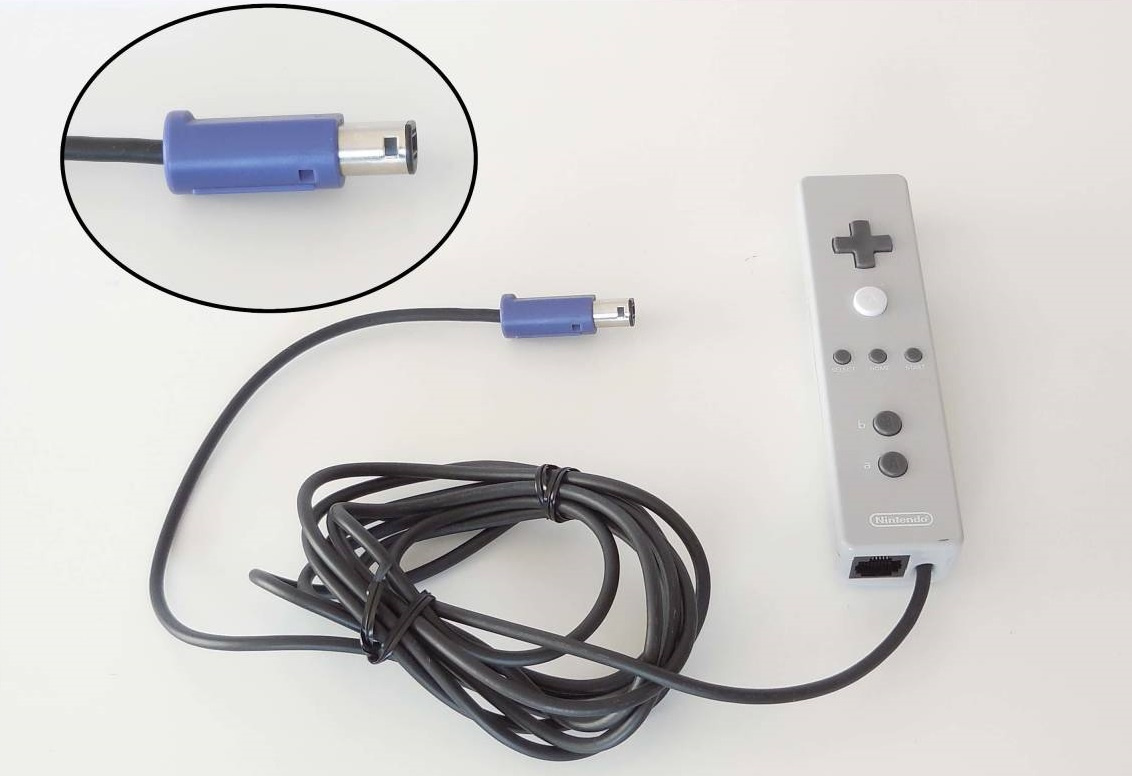
Random: Japanese Auction Reveals Wii Remote Prototype For The GameCube

Over the years, there have been plenty of prototype Nintendo systems, controllers and accessories publicly revealed. If you think you’ve seen them all, perhaps not. Ars Technica reports how a recent listing on a Japanese auction site has shed light on a rare Wii Remote prototype designed for the GameCube.

The controller sold for 74,000 yen ($663 USD) and came paired with an early Nunchuk prototype and a longer and slightly different looking sensor bar that plugged directly into the memory card slot. The source notes how the remote is wired to the system with a GameCube controller connector – unlike the final version of the Wii Remote which was wireless. The earlier iteration of the Nunchuk seemingly used an ethernet cable and the entire setup is reliant on the same IR sensor bar technology that eventually shipped with the Wii. At this point in time, the auction’s winner has not been able to get the GameCube Wii Remote running on any of his own hardware and is yet to inspect the controller’s internals.

If you’re unsure about the legitimacy of this prototype, WayForward Director James Montagna has issued a number of tweets reaffirming its existence. He explained how he first saw it back when the Wii was still being referred to as the Revolution. Montagna also noted how all of the buttons on this earlier prototype model were lifted straight from the Game Boy Advance SP. The discussion prompted him to post more recognisable prototype images of the Wii Remote that were closer to the final product and originally shown around the time of E3 2006.

[via arstechnica.com, twitter.com, twitter.com]