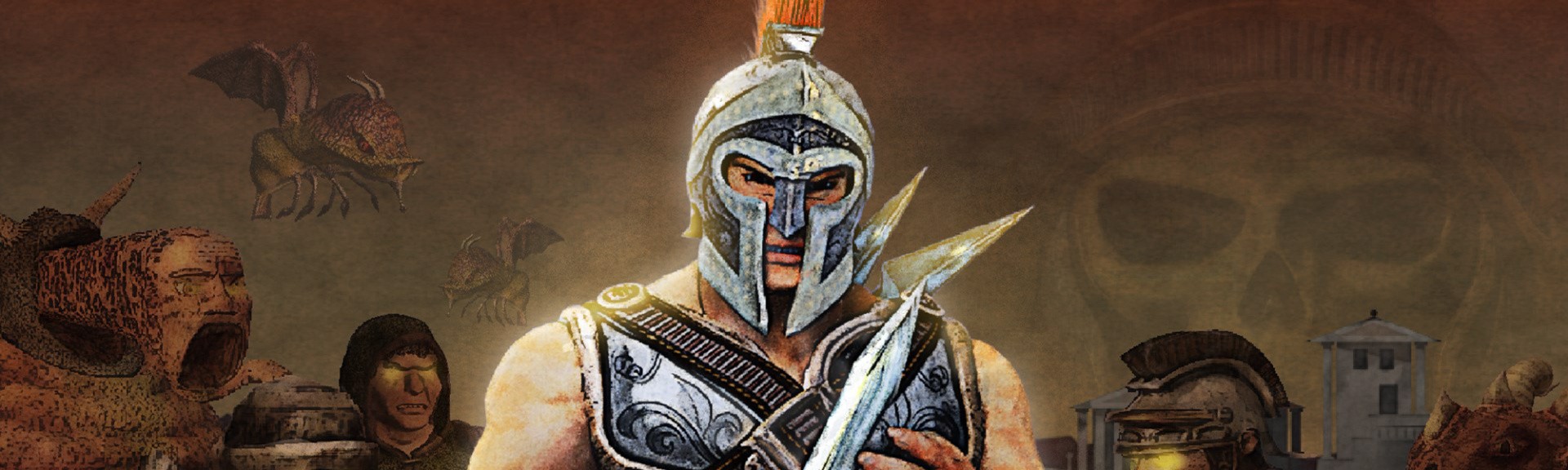
Remasters are fickle little things. They’ve given new players a chance to experience the great games of yore, but the quality of the original product doesn’t always stack up to modern expectations. Even games from a couple of generations ago can often enter the contemporary realm with archaic mechanics and creaky concepts that were once considered groundbreaking and innovative. Almost three decades on from its original release, that’s the reception that awaits the classic action-platformer GODS and it rises once more as – wait for it – GODS Remastered.
Back in 1991, GODS was a revelation. And that’s not even the sound of rose-tinted hyperbole. These were the early days of video games, a wild frontier where the constraints of tapes, floppy disks and cartridges were giving us plenty of forgettable pap. But amid the games lost to time and bargain bins, a crack team of programmers and designers from the UK offered a shining beacon of quality. Having already made waves with shoot-em-up Xenon II: Megablast and cyberpunk sports sim Speedball II, The Bitmap Brothers now turned their attention to the humble side-scrolling platformer.
Taking Greek myths and legends as their creative inspiration, the duo created something truly unique at the time. In the shoes of an unnamed hero (blessed with huge muscles, naturally), you’d explore various locations across Greece as you attempted to save your lofty deities in exchange for your own entrance to godhood. What made it stand apart was the strength of its AI, which would adapt to your skill level and move to intercept your position, as well as the pace at which it doled out puzzles, exploratory sections and boss fights. Success was no longer about predicting patterns, but knowing the limits of the hero’s jumps and how best to use each ranged weapon in a given level. Even the music was glorious, especially that opening title theme. It was, and still is in many ways, a brilliant landmark in gaming, but 28 years is a long time for any classic to remain unscathed.
With developer Robot Riot Games on board, GODS Remastered arrived on other platforms last December, and so now it finally makes the odyssey-like journey to Nintendo Switch. The result is something that certainly looks remastered, with new HD graphics, 3D models and new level assets aplenty. There’s an extensive new soundtrack as well, and you can switch back to the old look and sound of the game – in true retro remastered fashion – with a simple press of the right analog stick. The problem is that’s where the significant changes end. Those modern updates are only skin deep, and nearly 30 years on, some of those unique design choices begin to irk more than they impress.
Part of GODS’ charm was always its difficulty. In 1991, the stiff character movement and basic combat model – where you’re effectively throwing blades across the screen like a stripped down side-scrolling shooter and jumping and ducking until the enemies in front of you are finally dead – were so common in practice they were practically acceptable. But if you’re picking up GODS Remastered for the very first time, you’re unlikely to appreciate the brilliance of its level designs and the challenge of its random enemy movements and simply chalk it up to dated mechanics. Unwieldy controls and stiff character movement were just par for the course in the early ‘90s, but even those who did play the original will discover this classic has not aged well.
However, look past the ravages of time and some of the things that made GODS so lauded can still be found and appreciated. Its intelligent incorporation of environmental puzzles still offers a genuine challenge – especially in the latter two areas – and you’re going to end up scratching your head in frustration before you punch the air in glee as you finally open the correct door with a lever that’s long eluded you. Solving these puzzles will also increase your score and bag you extra cash, which enables you to buy better weapons and items in the shop in-between areas. However, the part of the game that removes any overpowered weapons or items from your inventory before taking on a boss is still there, so don’t think stockpiling certain gear is a viable tactic. Because it still isn’t.
Conclusion
GODS Remastered is an odd remaster. The brand new visuals help give this incarnation of Ancient Greece a far more agreeable presentation with a proper lighting system, some much-improved character models and a soundtrack that helps do justice to the unforgettable original. But peel away those cosmetic changes and you’re left with a once brilliant action-platformer that has not aged well. Compared to the side-scrolling platformers that followed – including Metroid II: Return of Samus, which came out later that very same year – GODS’ groundbreaking approach to AI and premium presentation quickly went from innovative to a creaky old fossil. This remaster is faithful in its desire to retain the meat and bones of the original, but that’s also its undoing.
The Detective Pikachu movie is just over a month away from battling its way on to our screens and The Pokémon Company is gearing up for its release with some fancy new merch.
In a nice touch, the entire range is smart and discreet, so if you don’t fancy walking around town with a giant, bright yellow Pikachu face plastered over your chest, these options could well be for you. There are t-shirts, hoodies, hats, mugs, and more available. We particularly like the Cycling Road sign.
If you’re interested in picking anything up, or if you want to check out the full range, make sure to head over to the Pokémon Center website here.
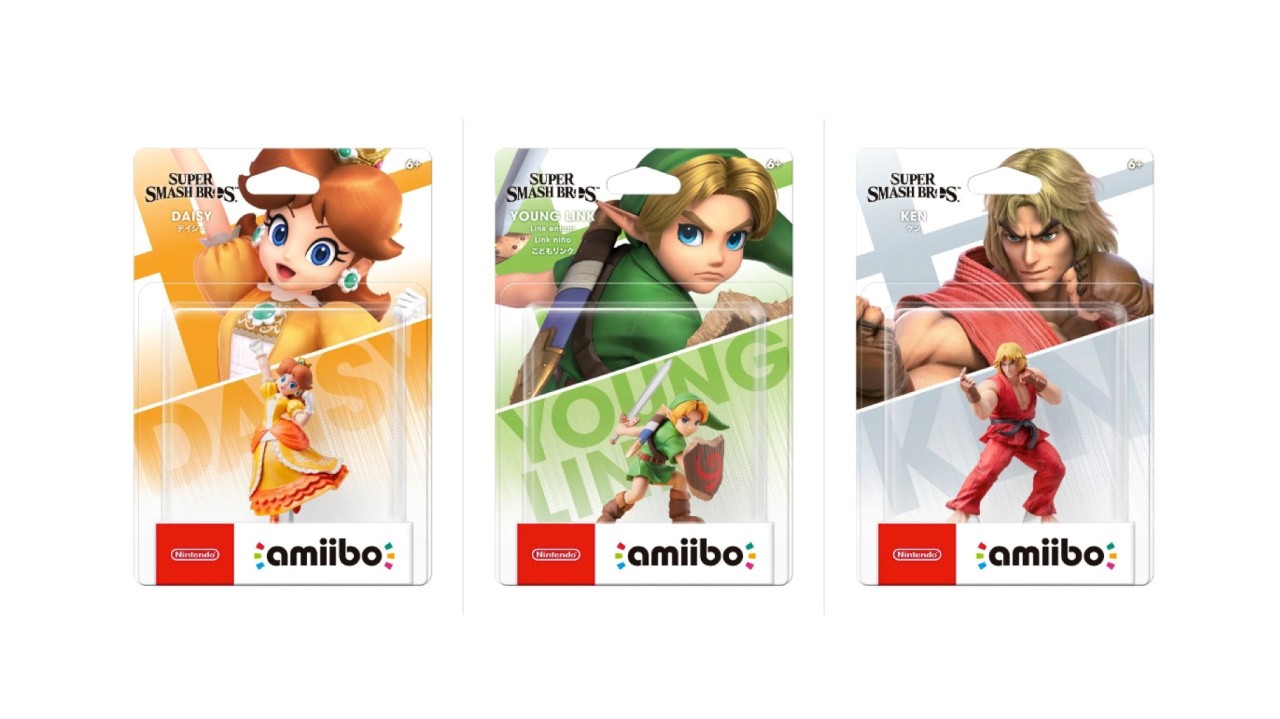
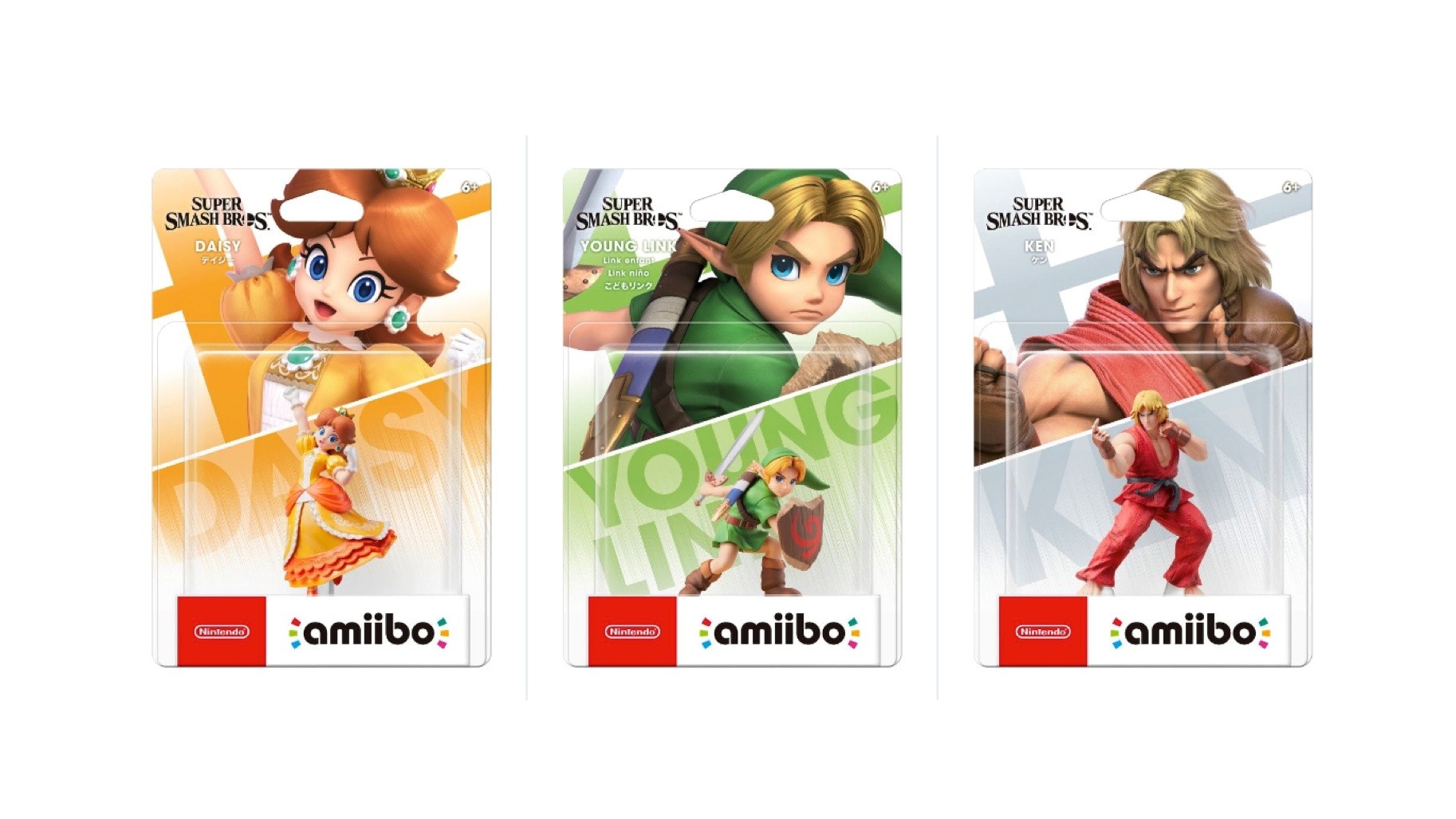
Nintendo has released a new patch for Super Smash Bros. Ultimate on the Switch. Version 2.0.2 adds support for the Daisy, Ken and Young Link amiibo.
The latest software version is required to enter Online mode
Local wireless play is not compatible with version 2.0.1 and earlier
There is replay compatibility with version 2.0.1 and version 2.0.0, but not with version 1.2.1 and earlier.
Hopefully, we’ll have more detailed patch notes to share soon. In the meantime, to perform this update, highlight the game software on the Switch HOME Menu and select “Software Update” from the options menu to manually perform this update.
Have you updated to version 2.0.2 yet? Tell us down in the comments.
Super Mario Bros.: The Lost Levels – Originally released in Japan as Super Mario Bros.®2, this game has previously made only brief cameo appearances in the Western Hemisphere. Mario fans will appreciate the familiar look and feel of the game, while finding that its updated gameplay creates an entirely new challenge. In addition to the classic enemies already known to fans worldwide, there are also Poison Mushrooms, backward Warp Zones and the occasional wind gust (which can help or hinder your progress).
Punch-Out!! Featuring Mr. Dream – As young boxer Little Mac, players have a once-in-a-lifetime chance to battle the big guys of the World Video Boxing Association circuit. Take them on one by one, starting with skinny Glass Joe. Battle up through King Hippo and all the way to the WVBA Champion himself. Players use their best jabs, hooks and power uppercuts to knock out opponents, but must also dodge jaw-breaking blows by paying attention to subtle changes in their foe’s body position.
Star Soldier – The standard for vertically scrolling shooters, Star Soldier is the original game that spawned all of the titles in the long-running Soldier series. Go inside a floating space station inhabited by a giant computer known as Starbrain. Your mission: to stop Starbrain’s galactic invasion by piloting Caesar, a new compact space fighter, through 16 deadly stages.
For once, Japan appears to be receiving the exact same line-up:
What do you think of this month’s line-up? Leave a comment below.
After the Taiwan Digital Game Rating Committee revealed Giga Wrecker Alt. would be released on the Switch, it was then confirmed the Game Freak developed title would be arrive on Nintendo’s hybrid platform on 2nd May 2019.
Unfortunately, “due to various circumstances” the publisher Rising Star Games has now delayed the release of the game. Instead of launching next month, it’ll be arriving later on in 2019.
The 2D action-adventure puzzle sidescroller originally started out in 2016 as an Early Access title on Steam. You take control of a girl named Reika in a world invaded by an army of evil robots. Reika has the ability to manipulate debris in order to solve puzzles and crush enemies.
Are you disappointed to hear this game won’t arrive on time? Tell us down below.
Three NES games jump, punch and blast their way to Nintendo Switch Online in April
Three NES™ games are coming to the Nintendo Switch Online service this month, including a star of the Mushroom Kingdom, a star of the boxing ring and a star of, well, the stars themselves! Super Mario Bros.™: The Lost Levels, Punch-Out!!™ Featuring Mr. Dream and Star Solider will all be available to play on the Nintendo Switch™ system starting on April 10.
Super Mario Bros.: The Lost Levels – Originally released in Japan as Super Mario Bros.® 2, this game has previously made only brief cameo appearances in the Western Hemisphere. Mario fans will appreciate the familiar look and feel of the game, while finding that its updated gameplay creates an entirely new challenge. In addition to the classic enemies already known to fans worldwide, there are also Poison Mushrooms, backward Warp Zones and the occasional wind gust (which can help or hinder your progress).
Punch-Out!! Featuring Mr. Dream – As young boxer Little Mac, players have a once-in-a-lifetime chance to battle the big guys of the World Video Boxing Association circuit. Take them on one by one, starting with skinny Glass Joe. Battle up through King Hippo and all the way to the WVBA Champion himself. Players use their best jabs, hooks and power uppercuts to knock out opponents, but must also dodge jaw-breaking blows by paying attention to subtle changes in their foe’s body position.
Star Soldier – The standard for vertically scrolling shooters, Star Soldier is the original game that spawned all of the titles in the long-running Soldier series. Go inside a floating space station inhabited by a giant computer known as Starbrain. Your mission: to stop Starbrain’s galactic invasion by piloting Caesar, a new compact space fighter, through 16 deadly stages.
These three games join the growing library of classic NES games in the Nintendo Entertainment System™ – Nintendo Switch Online collection. The varied collection currently consists of dozens of games, including Super Mario Bros.™ 3, Donkey Kong™ and The Legend of Zelda™, among many others. All of these NES games have been enhanced with online features and, using the power of Nintendo Switch, can be played at home on the TV or on the go.
Nintendo Switch Online members also gain access to the free-to-download software Tetris® 99 as a special offer. The game includes online events like last month’s Tetris 99 MAXIMUS CUP.
Other features of the service include online play and Save Data Cloud backup in compatible games, plus a smartphone app that enhances features of supported games. To make playing NES games feel more authentic, Nintendo Switch Online members with a paid membership can purchase Nintendo Entertainment System controllers* that are compatible with Nintendo Switch by visiting https://nesc.nintendo.com/nintendo-entertainment-system-controllers.
For more information about Nintendo Switch Online, to view membership options and to learn about a free seven-day trial for new users, visit https://www.nintendo.com/switch/online-service/.
Nintendo Switch Online membership sold separately. Persistent Internet and compatible smartphone required to use app. Data charges may apply. Nintendo Account age 13+ required. Online play, Save Data Cloud backup and Nintendo Switch Online smartphone app features available in compatible games. Not available in all countries. The Nintendo Account User Agreement, including the Purchase and Subscription terms, apply. nintendo.com/switch-online
*Limit one purchase per Nintendo Account with paid Nintendo Switch Online individual or family membership. Offer not available for trial membership. These controllers are optional and not required to play the Nintendo Entertainment System – Nintendo Switch Online collection of games.
Sid Meier’s Civilization VI has just received a minor update to make life a tad easier. The game now supports cross-platform cloud saves on Nintendo Switch and Steam. In order to access this feature, you’ll need to create a 2K account (if you haven’t already), and link it up with the Switch and Steam versions of the game.
This essentially means you could be playing on your computer and continue the game on Switch, in either portable or docked mode. It’s quite a nifty feature when you consider just how long matches can take to complete. The only downside here is the fact you’re limited to base game saves, as the Switch version does not include newer content.
Is this the feature you’ve been waiting for? Tell us down in the comments.
Yuzo Koshiro is something of a legend with gamers of a certain age. He’s responsible for some of the most iconic soundtracks of the 16-bit era, composing the tunes that made games like Revenge of Shinobi, Streets of Rage and ActRaiser so memorable.
During his glittering career he’s worked on loads of other games too of course, but his connection with the Mega Drive has arguably made him a figure of affection for many players; those same players will no doubt be over the moon to learn that he’s involved with the Mega Drive Mini, a micro-console that’s launching this September.
The stars really are aligning with this new console, and it should hopefully put to rest all of the bad memories we have of those ghastly Sega clones that have been clogging up store shelves for the past decade. With M2 handling the emulation and the one and only Yuzo Koshiro doing the menu music, this could be a real rival to the NES and SNES Classic Editions.
Now we just need to know what the remaining games are…
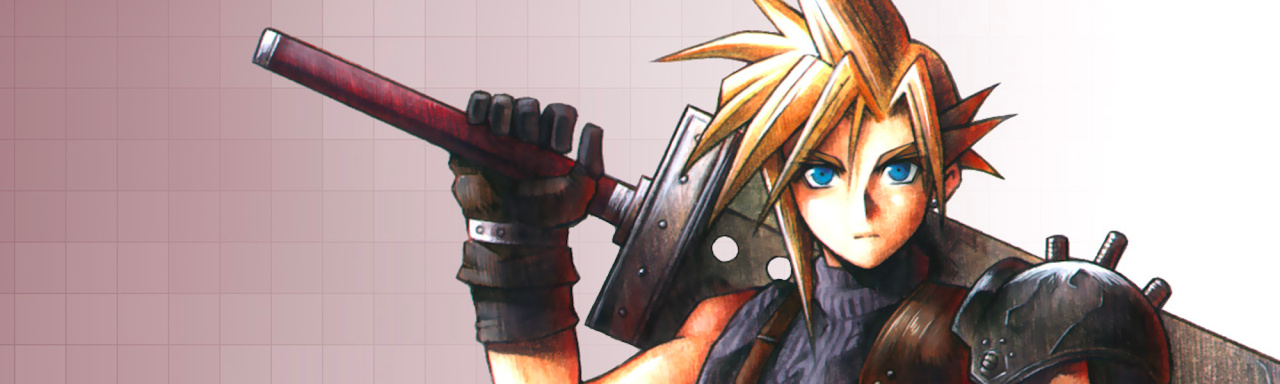
The release of Final Fantasy VII in 1997 was a watershed moment for both Square and the role-playing game genre as a whole, forever changing the status quo moving forward. After the previous six games had seen a release on Nintendo platforms, this marked the first time (of many) that Square’s flagship series would be passing over the Big N, and with that change came a massive stylistic shift to the game itself. Ditching the tired swords-and-sorcery tropes that the previous games had harped on for years, Final Fantasy VII broke new ground by telling a dark and engrossing tale set in a Blade Runner-esque futuristic setting. It’s safe to say that we’re still feeling the effects of Final Fantasy VII’s influence even in the RPGs of today’s platforms, but the real question is this: how well does this stalwart classic hold up today?
Final Fantasy VII follows the adventures of everyone’s favourite angsty, spiky-haired protagonist, Cloud Strife, a former SOLDIER now working with a terrorist organization to hit back at a megacorporation that’s slowly sucking the life out of their dying planet. Despite Cloud’s murky past, which he himself is unsure of, things are progressing relatively well in this small resistance campaign, but as the hours roll by and new players are brought into the fold, the gradually widening narrative reveals a much larger story at play that ultimately stems from the complex relationship that exists between Cloud and Sephiroth, the main villain. This is a story about the real dangers of late-stage capitalism and climate change, about the consequences of war and the sacrifices that must be made for the greater good. Despite the often campy and awkward dialogue, it’s a story that remains eerily relevant in the modern age.
Assuming you haven’t already spoiled most of it by this point and will be experiencing it for the first time, the story is sure to keep you engaged for most of its 40-ish hour run; this is a tale that’s packed with plenty of plot twists and turns, and most of the main characters in your party are well-written and have believable dimension to them. Plus, despite the brooding and mature storytelling, there’s plenty of lighthearted content here to keep things from becoming too dour, such as a memorable sequence (which would definitely not fly in a modern game release) in which Cloud dresses up as a woman and enters the in-universe equivalent of a brothel to chase after a friend who disappeared inside. Just when it feels like a bit too much of a downer, Final Fantasy VII demonstrates a remarkable ability to turn the tone around at the drop of a hat if need be, making for an adventure that’s as unpredictable as it is enrapturing.
Though Final Fantasy VII is notoriously linear compared to some past entries, it still remains unabashedly an old-school Final Fantasy game, with random encounters, turn-based battles, and the ATB system all being par for the course here. As one would expect, the random encounter rate is tediously overbearing in many portions, but it can be helpfully offset by a modern feature Square worked into the re-release in which clicking down the left stick triples the speed of the whole game, turning those glacial, repetitive encounters against mook enemies into blink-and-you-miss-it blitzkriegs. It really can’t be highlighted enough how much of a difference this simple addition makes to one’s enjoyment of Final Fantasy VII, and while it ultimately stands as a band-aid for a design-based issue, it’s an effective one that helps to gloss over some of the creakier aspects of a two-decades-old game.
When in combat, the classic battle system of Final Fantasy is present and correct, in which each character on screen has an ‘action bar’ that, once filled, allows them to attack, cast magic, or perform any other such actions. Even today, this ATB battle system proves to be a remarkably creative way of side-stepping the monotony of a turn-based battle system without losing the spirit and structure of one; it demands your constant attention and decision-making by applying that continuous pressure to make a quick choice, while also keeping things simple and straightforward.
New to Final Fantasy VII (at the time) is also the ‘Limit Break’ system, which adds a nice incentive for taking hefty beatings from your foes. Every attack a character endures will fill up that character’s limit gauge a little bit more, and once it’s full, they can then unleash a powerful skill that can turn the tide of the battle significantly – such as how Aeris can cast a party-wide healing spell, or Cloud can unleash his iconic Omnislash attack. It’s admittedly not very complex, but the Limit Break system adds a little bit of variety to battles that can otherwise become repetitive with time.
With all this being said, the combat of Final Fantasy VII nowadays does create something of a ‘been there, done that’ feeling which can’t be easily dismissed; it’s the sort of thing that’s aged gracefully, but it’s certainly aged. Next to other, more modern RPGs, it’s tough to not be put off by the antiquated combat design of Final Fantasy VII, but those of you who don’t want to deal with combat can just as easily disable random encounters entirely or instantly buff all characters to max stats and steamroll over all opposition.
For those of you that wish to play through the game as it was designed, there’s plenty of depth to the ‘Materia” system that governs character growth. Eschewing the popular jobs system of past games, Final Fantasy VII makes all its characters basically classless, with equippable Materia dictating their role in a fight. Materia act as skills that are attached to the armour and items your characters equip, and certain Materiae equipped on the same piece of equipment will create synergistic buffs, such as how a multiplier Materia will allow you to cast an offensive spell that hits all enemies instead of just one. Materia can be swapped between party members at will and level-up independently from the characters that wield them, which makes for a customization experience that gives you surprising control over what each party member can contribute to battle. The Materia system feels a bit surface level in many ways, but the real strength here is simply the fun of swapping up character roles every now and then for a change of pace in battle flow.
As an early PlayStation title, Final Fantasy VII released right at the peak of that time when everyone in the industry was trying to figure out how to make good games in 3D, and it unfortunately shows. Even compared to Final Fantasy IX, which released a few years later on the same console, Final Fantasy VII is a rather ugly game to behold, as lumpy character models with Popeye-like anatomies saunter around the grainy, pre-rendered backgrounds. To be fair, the backgrounds themselves aren’t half bad, featuring plenty of atmospheric, detailed environments that do a great job of setting the tone; the issue is how much they clash with the 3D models, which stick out like a sore thumb. Though it becomes easier to look past the disparity between the backgrounds and character models as you invest more hours into Final Fantasy VII, it’s still all too common to lose track of exactly what your character can or can’t interact with on any given screen. There’s a reason that pre-rendered backgrounds have been left firmly in the past for video games, and Final Fantasy VII stands as an example of why.
Luckily, the soundtrack has lost none of the charm or effect that it had back in the day, and it stands as a testament to the skill of legendary composer Nobuo Uematsu. Final Fantasy VII has a soundtrack as wide-ranging as that of a film, with each track acting as an excellent tone-setter for the often-emotional events that unfold. Whether it be the warm, guitar-laden lullaby of the village of Kalm, or the iconic, menacing dirge of the opening sequence, Final Fantasy VII’s music is sure to capture your imagination and help drive the narrative forward in ways that the visuals can’t quite manage.
Conclusion
Final Fantasy VII is the sort of game that speaks for itself, a touchstone of game design that played a large role in setting the standard of RPGs for years to come. It goes without saying that you should give Final Fantasy VII a shot if you consider yourself to be a fan of RPGs, as this is an experience unlike any other in many ways. With that being said, it’s also the sort of thing that has since been surpassed in almost every manner by games that took the concepts it introduced and expanded upon them in plenty of new and more interesting ways. Final Fantasy VII is a relic of its time, but that doesn’t mean it’s to be respected any less; if you can look past the obviously antiquated elements, this is a well-paced, engaging RPG that’s still fun to play today – it’s more than worthy of your time.
“Everything put together falls apart” is the kind of sage-like adage that you often hear elderly relatives offering up over the dining table in-between moaning about Brexit and discussing the weather, and is a phrase most people under the age of 30 will surely dismiss out of hand, but for me personally – as someone who hits the ripe old age of 40 this year – it’s becoming harder and harder to ignore, for more reasons than one.
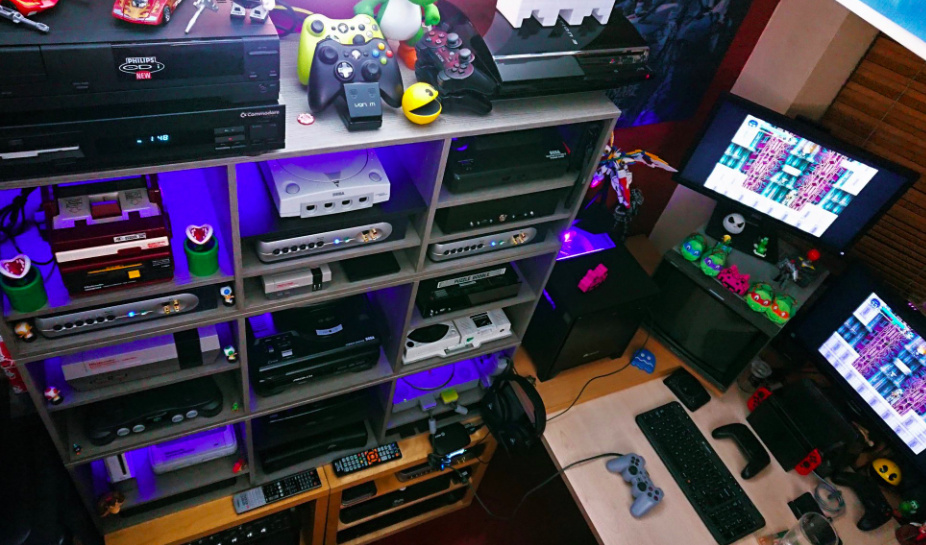
If you’re anything like me, you’ve got a sizeable collection of treasured retro systems, ranging right back to your childhood (my first love was the Mega Drive) to more recent curiosities (last year’s big retro purchase was a Japanese GameCube complete with HDMI connector). While I’m keenly aware of the fragility of optical media and the sensitive hardware required to read such discs, I’ve always laboured under the impression that anything cartridge-based is near-invincible, and is still going to be in good working order when I’m touching 80 – at which point I’ll no doubt be getting comments from Elijah Wood-style punks mocking me for ‘using my hands’ to play my ‘baby’s toy’ (if I’m still in any position at that age to even do so, of course).
My recent wake-up call came as I pulled together my review for the superb Analogue Mega Sg, an FPGA-based clone system that accurately replicates the performance of Sega’s Mega Drive / Genesis – right down to the point where it’s possible to connect the system to a Mega CD add-on. It’s at this point I was given a sobering lesson in how vintage hardware is slowly but surely dying.
The Mega Sg and Mega CD simply refused to play nice with one another, and for one brief moment, I actually assumed this was the fault of Analogue’s brand-new system – the foolishness of which really hits home as I type it out. I was placing the blame on a system that had just rolled off the production line, rather than a piece of technology that’s over a quarter of a century old. In my defence, the Mega CD works fine with my original Mega Drive, but this fact was simply masking problems which needed addressing, and fast.
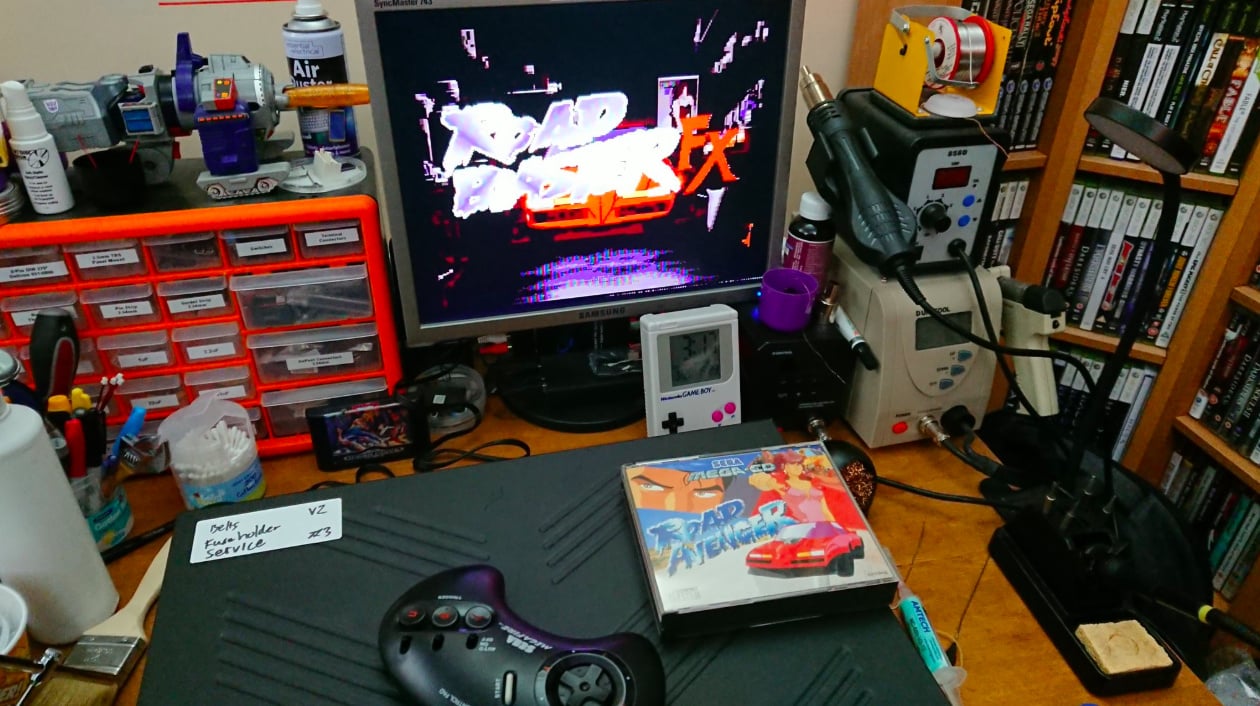
Where the magic happens: Lock’s workshop
Even when I approached Simon Lock, someone I’ve followed on Twitter for years thanks to his fascinating documentation of retro repair jobs he’s undertaken, I was still of the opinion that while my beloved Mega CD might be to blame, it was perhaps more down to it being a hardware revision that the folks at Analogue hadn’t encountered previously, hence the weird issues. All it took was a few photos of the inside of the Mega CD – snapped at Lock’s behest – to totally destroy that mindset and send me spiralling down a rabbit hole of retro gaming despair.
Lock is, for want of a better term, a technological wizard. He has repaired countless machines over the past few years, many of which were seemingly destined for the scrapheap. He’s got a fondness for Sega’s ’90s hardware, and has resurrected Famicom, Famicom Disk System, Twin Famicom, NEO-GEO AES, MVS, Master System, PC Engine Duo, Mega Drive, Multi-Mega, Saturn Mk1/Mk2, PlayStation, and PlayStation 2 consoles during his career.
I knew that Lock’s speciality was Mega CD systems, hence my initial contact. His rather grim reaction to the photos I snapped told me all I needed to know – the news wasn’t good. The irony is that prior to my experience with the Mega Sg, I’d assumed my Mega CD had many, many years of active service ahead of it; purchased a few years ago from eBay, the Japanese Mk1 model had been ‘refurbished’ by the seller, with a fresh CD drive belt fitted and a full service thrown in for good measure. Until the Mega Sg arrived, I thought my Mega CD was in good health.
Lock quickly identified several key issues with my unit, some of which could be the cause of the incompatibility with the Analogue Mega Sg. He totally shattered my belief that retro consoles are, by and large, indestructible; it’s a reality check he’s used to handing out. “I do encounter a lot of opinions of ‘well, mine has been well looked after’ and ‘mine still works from new’,” he explains. “Sadly, how well you look after something doesn’t always mean that internally you have a system absent of perishable components; via age, humidity or design longevity/manufacturer component quality of that era.”
It’s a difficult pill to swallow, especially when it’s perfectly possible to find an Atari 2600 in a charity shop that’s in (seemingly) good working order; when a console from the ’70s is still capable of functioning today, it’s easy to see why retro collectors – like myself – have been lulled into a false sense of security. Sadly, the tech inside our most treasured machines is, like any other piece of hardware, slowly but surely falling apart, and it’s not just one issue – these platforms are being attacked on several fronts at once.
“Surface mount technology/device (SMT/SMD) electrolytic capacitors from the late ’80s to mid-to-late ’90s era hardware are one of the most common problems,” says Lock. “This design, over through-hole packages of the era, improved upon assembly times and allowed for further assembly automation. Sadly, the design had limitations with the smaller package size during that era; the di-electric fluid is prone to becoming more volatile over time, leak protection was not as reliable as it is today and the design does not allow for top venting in the event of component failure. This causes the fluid to leak out onto the printed circuit board directly where it reacts with metals – such as copper traces or brass screws – resulting in damage. This can lead to breaks in the circuit or worse, an unintended bridge or shorts in the circuit.” This particular issue was present inside my Mega CD; Lock likened the impact to “pouring tiny metered doses of full sugar Coca-cola onto the circuit board” – gulp.
Batteries found inside certain consoles can also cause problems if left unattended. “These also break down with their contents being highly volatile as time goes on,” Lock continues. “Many systems have batteries mounted above or soldered directly onto the board which means when it fails, the contents will spill out onto the board. Some systems have internally housed batteries within integrated circuits for keeping time, save data or even decryption keys. Once these have failed, the system will either function incorrectly or not at all.”
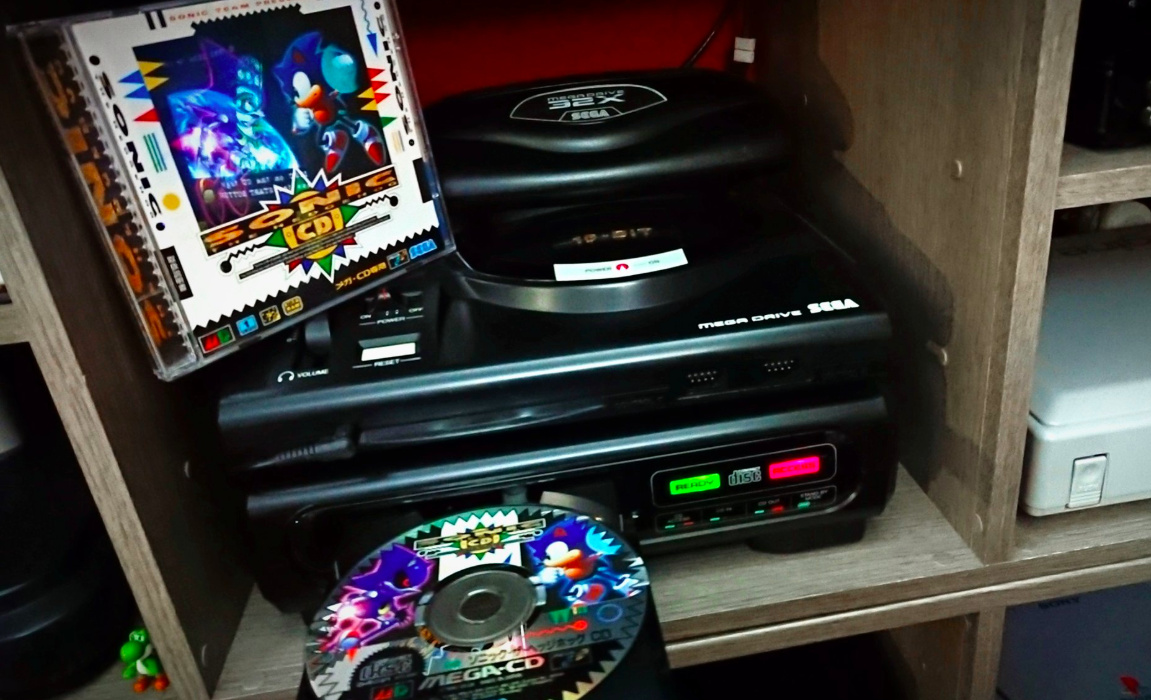
The Sega Mega CD is one of Lock’s favourite systems – and one he’s used to seeing for repair
Voltage regulators can also fail over time, mostly due to the amount of heat they produce during normal use. “A favourite found in mid-’80s to mid-’90s systems is the 7805-based linear voltage regulator, which takes typically takes 8.5V to 12V DC input voltage to output 5V used by the system internally. NEC parts of this type are particularly ‘replace on sight’ due to their build age and operational lifetime. When this part beings to fail, voltage output can drop or spike high causing the system to become unstable and this places strain on other components in the system. When it fails, they can fail open (no output) or closed (input goes to ground, or worse, output); the latter can be catastrophic. Areas of a system that have high exposure to heat cause more rapid wear on other perishable components, such as electrolytic capacitors. Some systems have these capacitors positioned right next to voltage regulator components, which are very prone to causing localised component failure.”
We’re not out of the woods yet, either. As well as the tech found inside your console, the power supply you use to bring it to life can also become a serious problem as the years roll by. “There is a school of thought that dictates you should only use the original manufacturer supplied external PSU with the system it was shipped with, or an authorised replacement,” says Lock. “Whilst this was true for many systems at the time of manufacture – though not all, the Amstrad GX4000 being a notable example – these also experience age and heat-related component failure, with the result causing damage to systems there are used with. I would advocate not using an original external PSU for systems produced in the ’90s or earlier, unless it has been fully serviced by a qualified professional.”
We’ve already touched upon issues with optical media-based systems, but it’s worth highlighting that often, problems with CD and DVD-based consoles are more likely to do with moving parts than the actual laser which reads the disc. “Typically, if you look up a system with moving parts, the word ‘maintenance’ will be mentioned,” Lock comments. “The same is true for mechanical optical drive systems. Lubricants perish over time, plastic becomes more resistive to movement and belts driving the system also perish under the increased strain. What commonly gets attributed to ‘laser failure’ is more often than not a mechanical issue rather than an electrical component one. Original grease can break down into a tacky or even resin-like compound resulting in significant wear on other parts of the system unless serviced – including belts, guide rails, and tracking motors.”
Older systems, like the Atari 800 XL, have also found themselves on Lock’s operating table
The final issue is one that the more squeamish amongst you may want to avoid reading. “If you store a console for long enough dormant, something is going to make it a nice new home for their offspring,” says Lock with a grin. “It’s all too common to find insects and arachnids – or worse – making your vintage hardware a new nursery in which to raise their family. This is a common discovery for systems stored in attics, garages and sheds, where human presence is inconsistent. This can obviously have all sorts of implications for your system.” Er, yuck.
Storage is, ironically, another thing that can damage your console. We may assume that a classic system tucked away in an attic or garage is safe and sound, but that’s often far from the truth. “Storing your devices outside of a consistent room temperature environment can lead to issues, along with temperature extremes during seasonal changes,” Lock explains. “Excess moisture will lead to corrosion on vulnerable materials – especially an issue with PAL systems which are subject to RF shielding regulations for sale, requiring all or part of the system to be enclosed within (often poor quality) metal coverings inside. Summer heat can have a drastic effect on heat sensitive materials – such as cables and packaging – and components, batteries especially. Plastics prone to yellowing due to high bromine content in their make-up are especially vulnerable to having excess heat and humidity accelerate the process.”
Out of all the machines Lock has worked on, he says there are a few which crop up more often than most. The Mega CD, which we’ve already touched upon, is a serial offender. “Suface Mount Device capacitor failure on the main board can lead to erratic behaviour, loss of functionality or total system failure,” he explains. “Typically, this also leads to the rechargeable ML2016 battery failing as a result. The NEC 2405 (7805 design) voltage regulator overheats and can cause accelerated local component failure, especially to the nearby capacitors.”
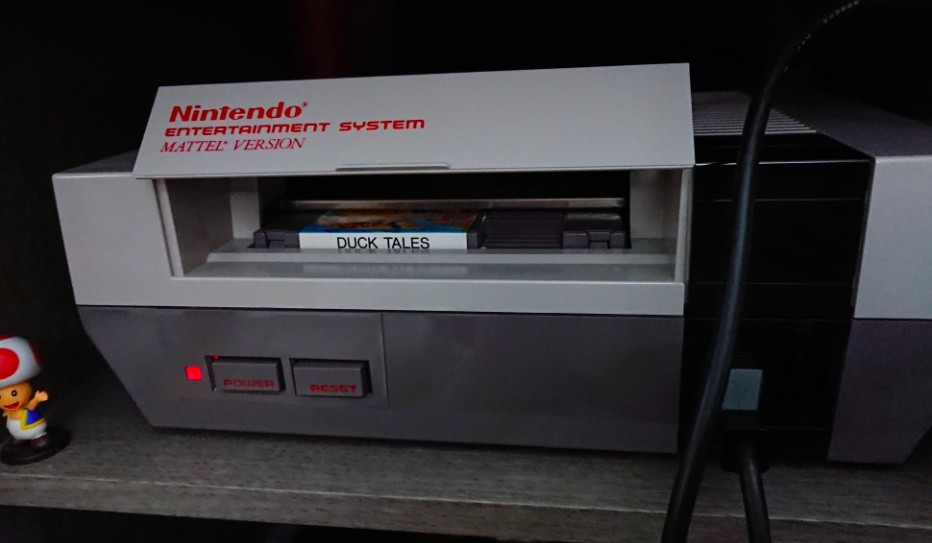
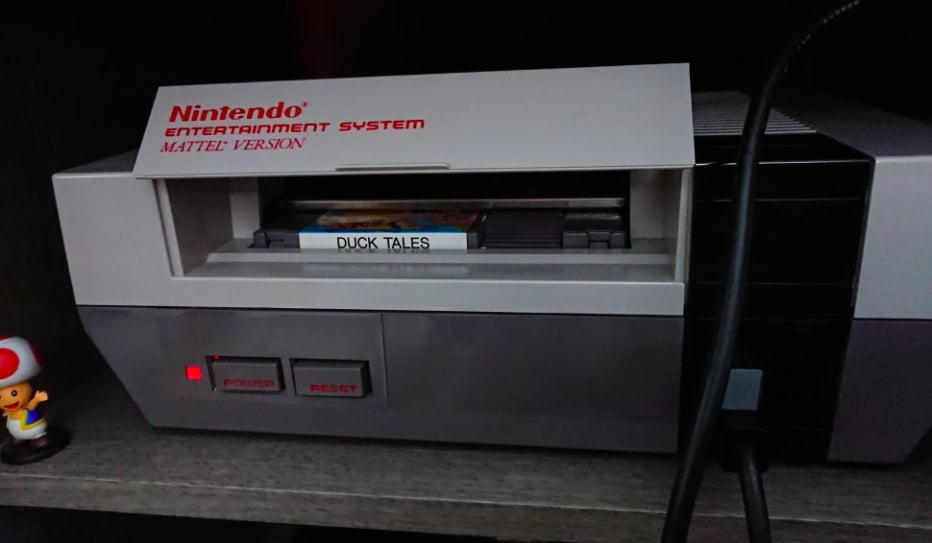
Outside of the Mega CD, Nintendo’s famous 8-bit console is one of Lock’s most regular repair jobs. “The NES is plagued by oxidation and corrosion issues, resulting in deposited material inside the ‘Zero Insertion Force’ system on front loading systems, typically occurring due to cartridge ‘Game PAK’ storage and use conditions,” he says. “Sadly, a culture of gamers spit-blowing on their Game PAKs to offer a short-term remedy to this hasn’t helped matters as the systems get older. While this type of issue can occur with just about any cartridge-based system, especially if the games are stored loose, it’s a cultural practice with the NES.”
So how does Lock go about bringing these machines back from the dead – or at least prolonging their lifespans? “Typically I like to do my homework first,” he replies. “I like to know the use history of a particular system if possible; who owned it before? Has it been worked on previously? Has it had faults before? If it’s been stored; if so, where and how? This information can prove to be vital in getting an idea of what state the system is in before it arrives. If the owner is confident to do so, I will sometimes ask for photos of specific areas inside of a system to aid potentially diagnosing the fault.”
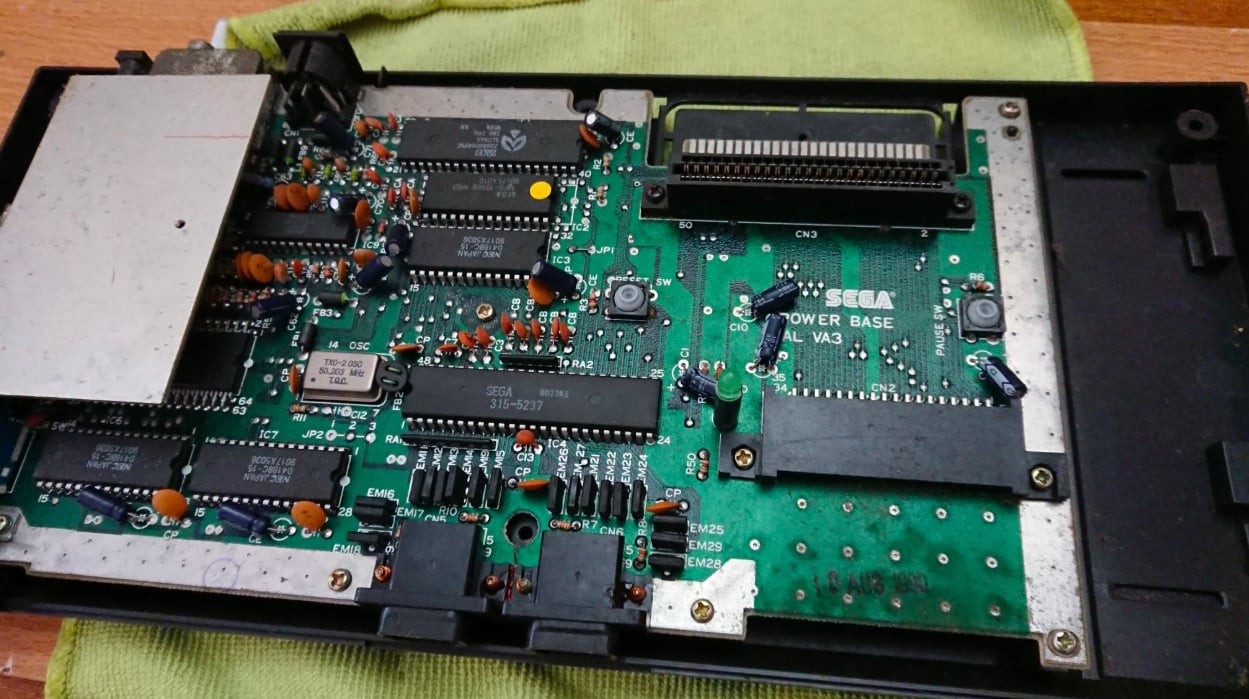
This Mk1 Master System has seen better days
“The next step will usually involve some research into the system, known common issues, locating a service manual if available, finding service bulletins if applicable (documented changes made by the manufacturer/service centres during the product’s life span to resolve accepted issues) and consulting any documented hardware wiki for additional information. When the unit arrives, I check for evidence that the system may have been worked on, modified or opened before (if unknown). I also like to visually inspect any input/output connections as that can be a clue to how the unit has been stored. I then open the unit and look for obvious signs of potential damage; natural or unnatural. This can act as a roadmap to a fault. If something is found immediately, it is checked to see if it could have any impact on what the user is reporting as wrong with the system.”
With a cursory check out of the way, the meat of the work can begin. “Next is onto general checks for the condition of component health, checking fuses, DC-input connectors, power trigger and activation components, whether there is no resistance (direct path) or incredibly low resistance between the voltage supply and ground (short to ground). Some systems will fall into the known faults category where all known service issues are corrected first before moving onto looking for other issues. If no obvious fault is found or known issues are corrected, I move onto powering the system on to observe behaviour. Some issues only appear after the system has been running for a period of time, others can go away after a short amount of time and some are immediate. Issues to do with voltage supply, CPU, RAM and address lines are typically immediately identifiable. Some systems may have issues with custom ICs that require donor parts from other failed systems, or are sadly not repairable. I usually go over any areas that required work under a microscope to ensure that no other faults are waiting to occur within the problem area. Abnormal audio issues and intermittent graphical issues can be a lengthy repair process.”
Lock clearly does an incredibly thorough job; you only need gaze at his Twitter feed and see all of the photos he posts to see the meticulous manner in which he restores these classic systems. But how much difference does all of this work actually make? How many more years does it add to a console’s lifespan?
“That can be very difficult to say,” replies Lock. “These systems are not getting any younger, so new faults previously not encountered do sadly appear. If modern equivalent parts are used then you have the OEM’s part lifetime to go by – on average, aluminium electrolytic capacitors are estimated to last up to 15 years, for example, while coin batteries up to 10 years. The big issue that occurs is when custom ICs fail. We currently see this with Nintendo PPU and CPU on NES/Famicom, PPU1/PPU2 and CPU on SNES and various BUS related ICs on NEO-GEO systems, SID’s on the C64 – to name but a few. Replacement parts are usually obsolete or proprietary designs with parts coming from other more unfixable systems are donors, which can also develop similar issues eventually. Some community members have engineered replacement, alternative or open source replacements for these ICs that can be used to restore systems to working order. This is encouraging and something I love to see. Alternatively, we’re seeing a significant rise in cycle-accurate or emulated systems being produced to fill the void created by the lack of working systems available or those seeking for modern creature comforts/improvements on hardware original designs.”
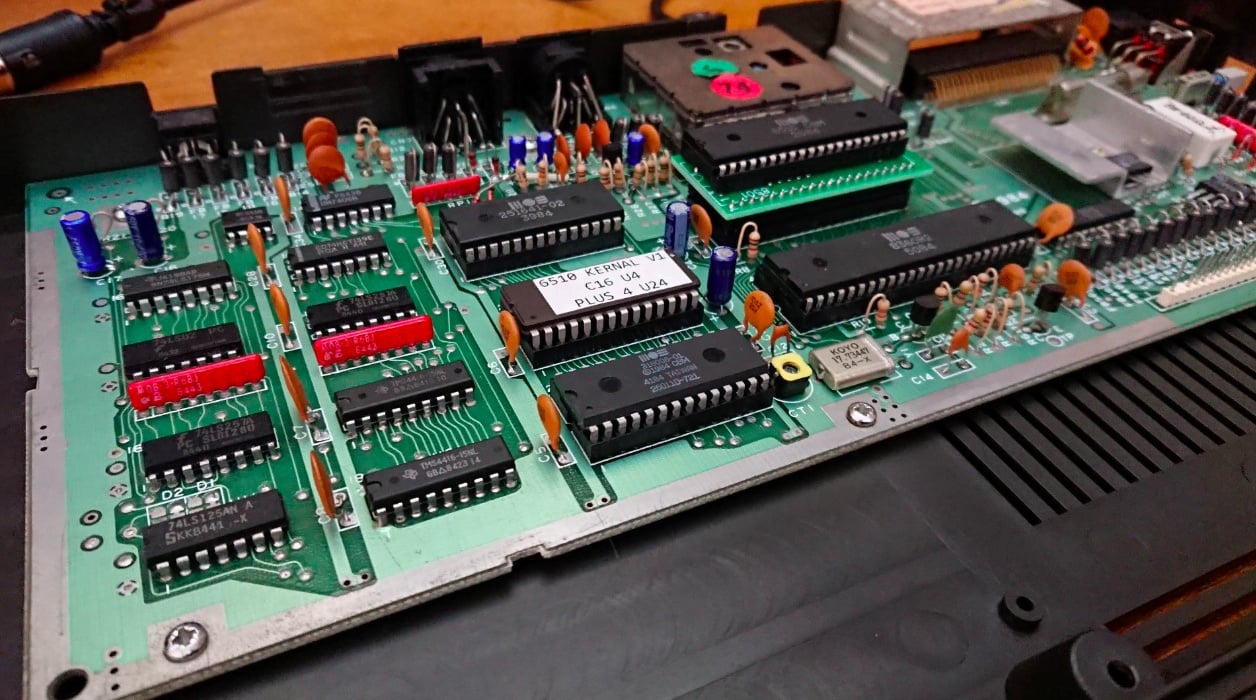
Home computers like the Commodore 64 and Vic-20 are really showing their age in 2019; careful servicing is required to keep them running perfectly
Indeed, the realisation that these vintage systems – while seemingly abundant now – are slowly shrinking in number as more units develop faults makes modern-day clones like the Super Nt and Mega Sg even more important; a common response when I talk to someone about these FPGA wonder-machines is, “I’ve got my old SNES and Mega Drive in the loft, chum. Why do I need to spend all that cash on stuff that does the same?” I have to admit, at one point in time I’d be inclined to think along the same lines (heck, my original Mega Drive and Mega CD combo remains hooked up to the TV despite the arrival of the Mega Sg, which my wife is utterly thrilled about, as you can imagine), but there may come a time where running vintage games on original hardware is not only costly due to a falling number of working machines, but also prohibitively expensive. Retro gaming is a ‘supply and demand’ business, and the moment supply dries up, prices skyrocket.
Fixing up systems that are being used years or even decades longer than their original manufacturer intended is one thing, but what kind of longevity can we expect to see from modern systems, like the Switch, 3DS, PS4 and Xbox One? “I’d argue that we’re seeing more failures in modern systems due to various factors,” Lock responds. “Heat is a constant issue throughout a modern system’s lifetime, along with storage lifetime. Another is due to the sheer demand, quality control of the number of components required to satisfy build numbers are more prevalent than they were with much older generations of systems. We’re seeing more design issues slip through to launch model console SKUs that have an immediate impact than we did before. It used to be a case of a certain game might no longer work correctly on certain hardware revisions, but now we’re seeing peripheral or console hardware/firmware issues from new. Multiple manufacturers are being used to facilitate initial demand as well, so different issues appear during the warranty period of what can appear to be two identical systems.”
The sheer complexity of modern-day consoles is another issue; while Lock can open up a NES and easily locate problems, modern systems rely on scaled-down chipsets which cannot be replaced without the correct equipment. “Systems are experiencing complex IC internal failure that cannot be resolved without access to new direct-from-supplier business arrangements and industrial level equipment for component level repair,” says Lock. “Smaller and more portable systems are giving rise to repairability issues with access to repair techniques creating a steeper learning curve as component assembly becomes increasingly smaller, more complex and with less human involvement during assembly. There is also the ‘right to repair’ issue upon which certain parts are made exclusive and cannot be sourced other than by the company building the system. Another is the refresh cycle on hardware is becoming sped up; new features introduced and shorter warranties are offered on launch systems. There is also an argument for ‘planned obsolescence’ and set product ‘end of life’ cycles in both hardware design and software functionality as we rely in more internet-based services on our modern devices.”
Lock’s own collection contains plenty of systems he has taken the time to bring back to life
What ways can collectors ensure that their consoles remain in tip-top working order for as long as possible? “Don’t keep known perishable component systems in boxes for decades without being serviced,” begins Lock. “Likewise, if you continue to use an unserviced system with known perishable component related issues, please get it serviced; there are only so many times you can buy used replacement systems before people eventually run out of currently-still-working systems to sell on. If you don’t regularly use a system that uses a rechargeable battery, get into a habit of powering it on once a month to prevent the battery from depleting fully and becoming under stress. If you want to store a system for a long period of time that has a battery, remove it or have it removed professionally. If you have a system still with an original non-rechargeable battery, replace it or remove it.”
Even with these steps – or a repair at the hands of a skilled technician like Lock – it’s become clear (to myself, at least) that I’ve been taken my classic gaming hardware for granted. I’ve always assumed that they’d be burying me along with my still-working Japanese Mk1 Mega Drive when I eventually shuffle off my mortal coil, but it seems more likely that I’ll instead need to be interred with my Analogue Mega Sg – or whatever the equivalent clone console is at that moment in time. Sniff.