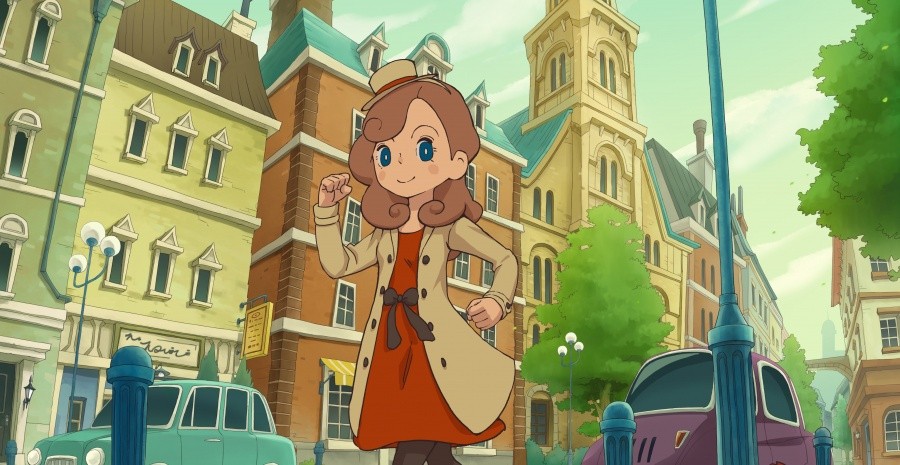
The classification means a North American release shouldn’t be too far off. The game started out life on the 3DS and the deluxe edition for Switch arrived in Japan last year. Take a look at the descriptive rating below:
Last month, G4F also listed the original outing Professor Layton and the Curious Village for Nintendo Switch. The last time we heard about this classic story-driven puzzle game was when Level-5 ported it cross to Android and iOS devices.
Have you been waiting for Layton’s previous releases to arrive on the Switch? Did you play Mystery Journey on the 3DS? Tell us in the comments.
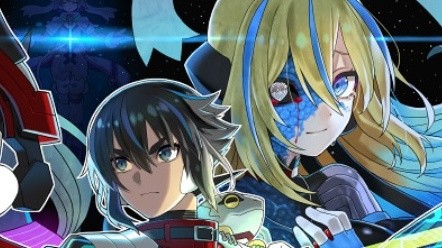
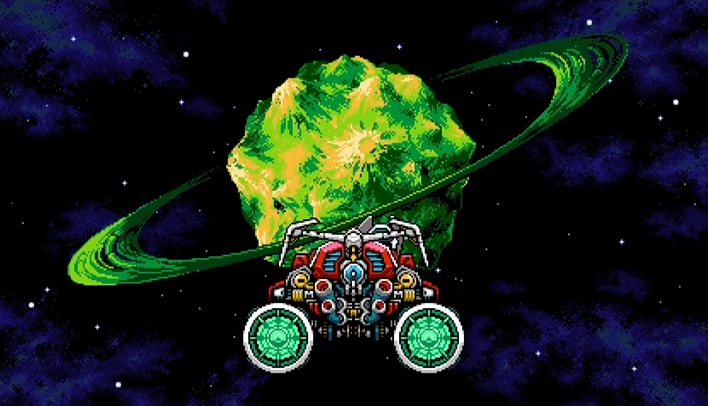
One of the highlights of last month’s Nindies Showcase was the Blaster Master Zero 2 announcement. Right after the presentation, the game was released on the Switch eShop.
If you had somehow forgotten about this follow-up to the 2017 title, now might be the time to check it out. It’s a bigger and better adventure for Jason and his buggy, featuring all-new weapons and boss battles.
The latest update (Version 1.2.2) makes the following improvements and fixes:
A sequence that makes it easier for players to understand how to use the Blast Counter and how to return to GAIA SOPHIA when outside the tank has been added to the starting area of the game.
In addition to fixing the following issues, a bunch of small fixes and stability improvements have been implemented:
An issue that caused the game to crash when the weapon select menu is opened at the exact moment the player dies has been fixed.
An issue that caused the game to crash when “EXIT GAME” is selected from the pause menu after starting the battle against Gathervira has been fixed.
An issue that allowed the player to jump during a cutscene has been fixed.
An issue that allowed the player to return to SOPHIA in side-view mode when the player dies or has a screen transition has been fixed.
An issue that was fixed in Ver.1.2.0 that was supposed to fix an issue with the control settings was insufficient, so additional adjustments have been made for this patch. We apologize for an inconveniences this may have caused.
Various other small fixes have been implemented.
Have you tried out this game yet? Did you play the previous release? Tell us down below.
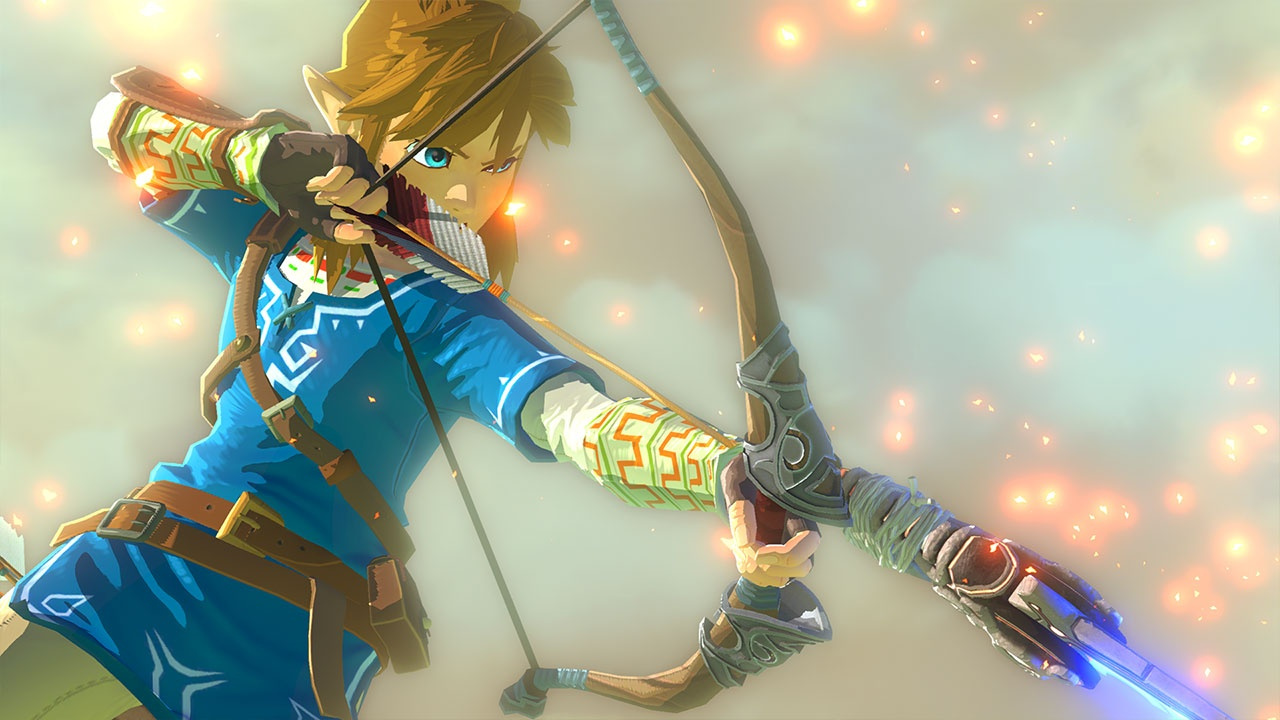
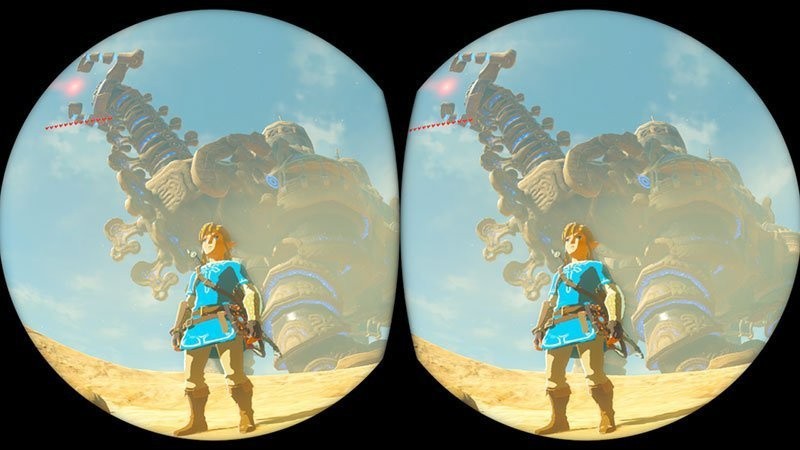
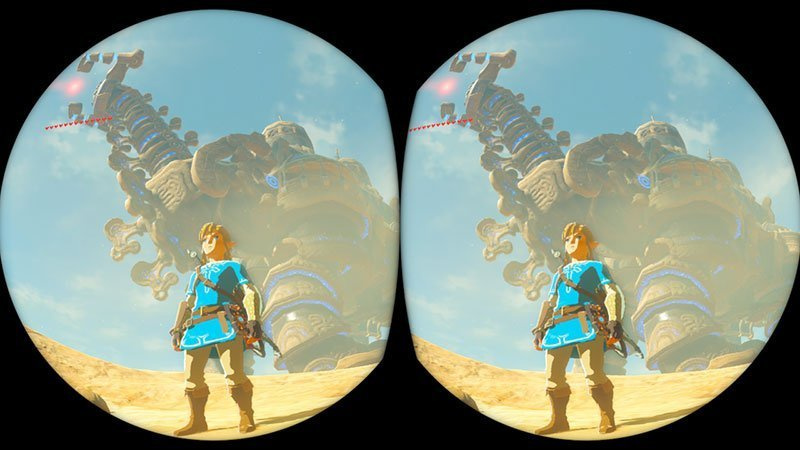
Earlier this week, Nintendo released a new update for The Legend of Zelda: Breath of the Wild. Apart from making the Switch game compatible with the Labo VR Goggles, version 1.6.0 fixed “some other issues” to improve the overall experience.
It turns out the load times in the Switch version are now nearly in line with the game on the Wii U. Shrines, for example, take five seconds less to load. YouTuber and speedrunner Alexis de Champris uploaded a before and after comparison video on Twitter to highlight this. See for yourself below:
Even though the tests were conducted with a physical copy of the game, at this point the speedrunner is confident the Switch and Wii U load times are “almost” even. A fellow speedrunner backed up these claims, saying how there was “noticeably less overworld lag” when moving about using special glitches and game exploits.
The load times in Super Mario Odyssey have also reportedly been sped up following its recent update.
Have you noticed improved loading in Breath of the Wild? How about Odyssey? Tell us down in the comments.
Not content with sitting back and watching the likes of Sega, Capcom, Nintendo et al releasing retro compilations, Konami’s decided to get in on the act too. To celebrate the company’s 50th anniversary, the big K is launching a trio of anniversary collections. The Castlevania and Contra collections will be coming in the near future and we’ll cover them in due course, but for now let’s take a look at the first collection, dedicated to Konami’s arcade history.
Arcade Classics Anniversary Collection consists of eight vintage arcade titles, all running under Hamster Corporation’s much-praised Arcade Archives emulator. We’ll get to the general software in a bit, but it makes sense to cover each game individually first, because there’s a mixed bag here – if by that you mean taking a bag marked ‘Good shoot ’em ups’, putting a rubbish Castlevania spin-off into it, and mixing it around.
First up is Scramble, by far the oldest game in the collection. Released in 1981, it’s credited with being one of the first ever side-scrolling shoot ‘em ups, yet despite this, it still holds up relatively well 38 years later. It’s also the first to introduce a mechanic that Konami decided to use numerous times over the years, as seen elsewhere in this package: the use of one fire button to shoot forwards and another to drop bombs. It may not be visually stunning but it controls tightly and the tricky final shot you need to make at the end of each loop is still satisfying to pull off.
Then there’s TwinBee, the first game in the much-loved TwinBee series and an early example of the cute ‘em up subgenre. This one takes a little while to get going, but once you manage to build up your arsenal of weapon upgrades it becomes a nifty little shooter. The same goes with Nemesis (or Gradius, as it’s more well-known), which also starts you off with a mere pea-shooter but eventually has you filling the screen with lasers, bombs and the like. The NES ports of TwinBee and Nemesis/Gradius may already be available through Switch Online, but the arcade versions are clearly the definitive experiences.
Life Force (also known as Salamander) is a spin-off of Nemesis and ditches that game’s weapon selection system in favour of the more common ‘collect power-ups from fallen enemies’ mechanic you tend to see in most shooters. Meanwhile, Typhoon (or A-Jax as it was known outside of Europe) is the collection’s most ambitious effort and probably the best game of the eight: it regularly switches from a 3D rail shooter to a vertical scrolling shooter and accomplishes both well.
For some reason, even though seven of the games on offer here are shoot ‘em ups, Konami decided to also include Haunted Castle – a horrendous Castlevania spin-off – in this package. It’s got great art design and the music is cracking but it’s one of the very worst examples of an arcade game designed to kill the player quickly and make more money. The constant onslaught of enemies and badly-placed obstacles makes the whole thing feel cheaper than a Humble Bundle, and while you can technically get through it here by brute force via the ability to use save states, doing so is about as fun as spending hours learning how to kick yourself in the groin and then eventually succeeding.
Rounding things off are two more shoot ‘em ups. Vulcan Venture (aka Gradius II) brings back the weapon selection system from the original Gradius but also gives you four different weapon configurations to choose from before you start, adding a basic but welcome level of customisation to proceedings. Finally, there’s Thunder Cross, the youngest of the bunch (albeit not by much, given that it was released in 1988). It dials back a lot of the other games’ features and feels more like a straightforward shooter, but doesn’t necessarily suffer for it. It also doesn’t have an alternative title, which is probably even more surprising given the other games included.
What we have here, then, is a collection of seven historically important shoot ‘em ups and a rubbish platformer for a relatively low price (it works out at £2 / $2.50 per game). Considering they’re all running on the same engine as Hamster’s Arcade Archives releases, and considering those usually sell at more than triple that price, that sounds like a good deal, no? Well, yes, but it’s also worth bearing in mind that the games here aren’t handled with the same high standards as Hamster’s standalone titles.
First and foremost, there should be no concerns about the emulation: it’s flawless. Everything looks, sounds and runs like it’s supposed to, all the comically bad slowdown during intense shoot ‘em up moments happens exactly when it should in the original arcade releases, and at their core it’s more or less impossible to distinguish the eight games here from their coin-op counterparts. Instead, the issues lie with the other features that are usually associated with Hamster releases, and the fact they’re nowhere to be seen this time.
A couple of the games have a vertical aspect ratio, as was the case with many arcade titles at the time. Whereas other Hamster games give you an option to play in ‘Tate’ mode (i.e. rotating the screen 90 degrees so you can turn your Switch vertical when playing in handheld and play with a more suitable viewpoint), there’s no such option here. Neither is there the usual Caravan mode you get in those other releases, where you get 5 or 10 minutes to rack up the highest score possible then post it to an online leaderboard. In fact, there are no online leaderboards to speak of at all, and the game doesn’t even track your best local high score (you’ll need to create a save state and use that to keep playing, otherwise every time you start a game you’re essentially booting a clean, unused ROM).
Another disappointing omission is the option to choose between Japanese and western versions of each game, something Hamster almost always does when there are regional variations: and there are definitely variations here. The level order in Typhoon differs depending on which region you play, and some versions of Haunted Castle are even more obscenely difficult than others, with enemies doing more damage. This damage setting is an option you can toggle, but purists would argue you’re then playing a weird Frankenstein’s Monster that combines different elements from each region.
More importantly, the Japanese version of Life Force was fundamentally different in terms of game design. It kept Gradius’s weapon selection mechanic, where you collected generic power-up capsules and used them to switch to certain weapons whenever you wanted. The western version, however – the one included here – follows the more traditional shoot ‘em up standard of swapping your weapon for whatever item you next pick up. This makes one particular boss practically impossible to beat if you happen to be armed with the wave weapon at the time (since it doesn’t fit into a gap you need to hit), something you could avoid easier in the Japanese game.
Don’t get us wrong: there are still some welcome additions here. The ‘digital book’ that accompanies the game comes with a bunch of interesting behind-the-scenes storyboards and sketches, though whoever edited it went a little overboard translating it, laying the English text over the original Japanese. Some of these pages are text only, meaning claims that they’re “original design documents” start to get a bit silly when the only ‘original’ part left is the yellow paper. The option to switch between the original Japanese documents and the translated version would have been preferable, and it’s generally nowhere near as interesting to read as those featured in Capcom or SNK’s recent anniversary collections, but it’s certainly better than nothing.
In terms of in-game features, the option to turn on autofire for each button is an extremely welcome one, though we wish we’d noticed it earlier (if you have a partner, don’t try to play Nemesis in bed via the traditional method, or the noise of you constantly battering the A button will have you sleeping on the couch before you can say “actually dear, it’s more commonly known as Gradius”). There are also a couple of ‘blurring’ options: one simply blurs the pixels and the other adds scan lines. It’s as basic as it gets, but it’s functional enough.
That sums up the package in general, actually. The adequate digital book and auto-fire options aside, what you have here is a no-frills selection of arcade games – the majority of which still hold up well to this day – that function exactly as they should and not much else. You’re essentially getting eight of Hamster’s Arcade Classics games for the price of around three, but with none of the extra bells, whistles and additional features that come with them.
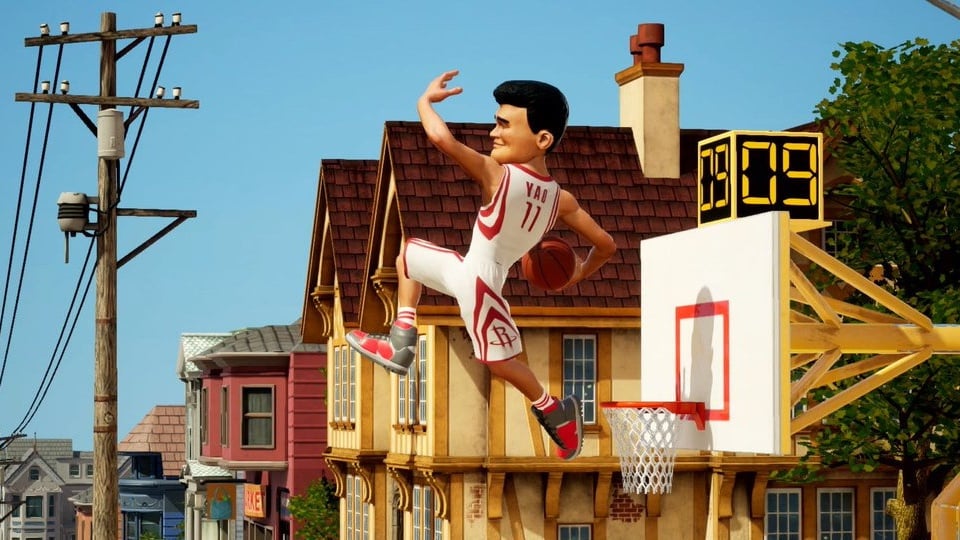
After the original NBA Playgrounds game dropped the ball, the game’s publisher decided to build upon its foundations with a sequel known as NBA 2K Playgrounds 2. Since the second game’s release last October, 2K has issued multiple updates.
The latest one is “out of this world” according to the 2K Playgrounds’ Twitter account, with a new court located on Mars, some old faces, and brand new outfits and court editor items. To top it off, cross-play support has also been added in. This allows the Nintendo Switch, PC and Xbox One versions of the game to ball without limits. Unfortunately, PlayStation 4 players miss out on the fun. Here’s the official tweet below:
Will you be trying out cross-play in this game? Would you like to see more multi-platform releases include this feature? Tell us down in the comments.
The Legend of Zelda: Breath of the Wild might have only received its Nintendo Labo VR compatibility update yesterday, but virtual reality enthusiasts have already discovered how to get it working with the PlayStation VR headset.
This method means you don’t need to own Labo VR and you won’t need to use Nintendo’s cardboard setup to try out the new update for Zelda on Switch. The more expensive headset pays off as well – with the image quality slightly sharper on the device’s OLED display. It’s all thanks to the HDMI ports and PSVR Cinema Mode. ResetEra user PopsMaellard explained it in the following post:
One “HDMI TV” should still output from the PSVR box to the TV. The “HDMI PS4” input on the breakout box should be empty/unplugged. USB still plugged into the PS4, PS4 turned on.
On the front of the breakout box, the PSVR proprietary cable should be plugged in. The HDMI part of this split cable should be plugged into the switch.
Finally, still on the front of the breakout box, the HDMI Out (that was previously for the headset) should be plugged into the TV.
If you’re still a bit confused, below is GameXplain’s step-by-step video guide:
Do you happen to own all of the necessary equipment to try this out? How has your Zelda VR experience been so far? Tell us below.
The original BOXBOY! trilogy proved to be one of the quiet triumphs of the 3DS era. These unassuming puzzle-platformers might have lacked the visual fireworks or the 3D gimmicks of some of their contemporaries, but they more than made up for that with a fresh concept and rock solid level design.
We’re delighted that HAL Laboratory has seen fit to give its unsung hero a chance to shine on Switch. BOXBOY! + BOXGIRL! is no flashier than it’s ever been, but it has expanded in scope by a fair amount. With 270 stages and a series-first two-player mode, this is the biggest and most fully-featured entry yet.
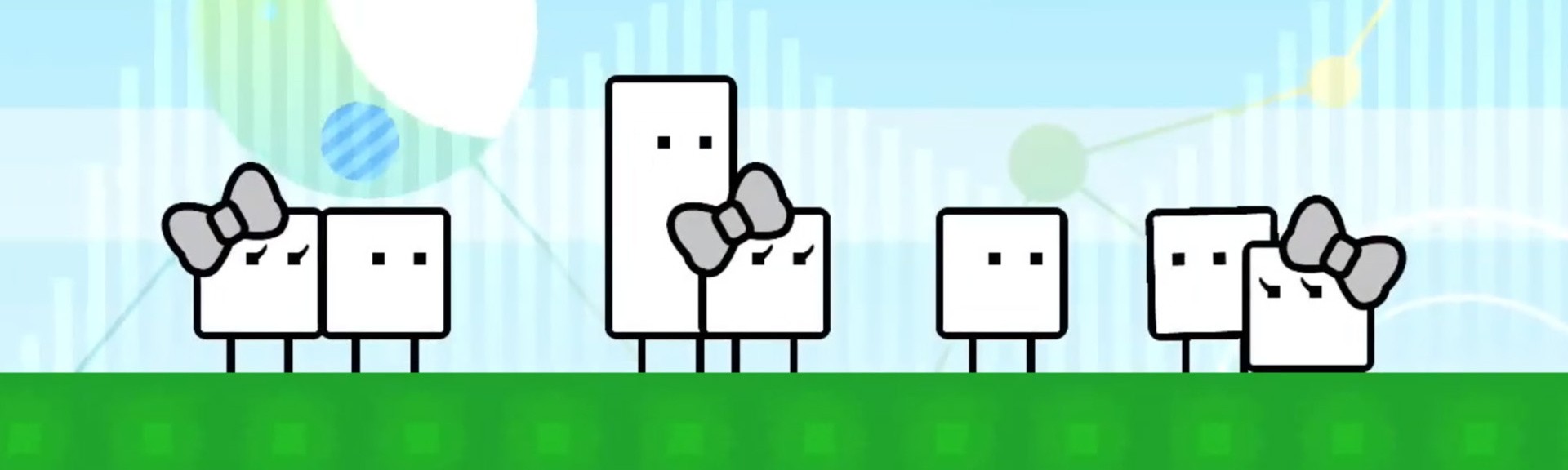
Regular series protagonist Qbby is here joined by Qucy, who serves as both a selectable companion in the single player story and as a second character in the aforementioned co-op mode. Otherwise, this is BOXBOY as we’ve come to know and love it. The idea is to guide our square protagonist through each 2D level, bypassing traps and ideally collecting all of the crowns that are dotted around.
While Qbby and Qucy can run and jump like your average platformer character, their main power is the ability to spawn clusters of boxes that look like they’ve dropped out of a Tetris game. At their most basic, these abstract shapes can serve as bridges across spiky pits or steps to take you to higher ground.
Pretty soon, though, HAL starts mixing mixing things up with new mechanics. You’ll learn how to use a line of boxes as a grappling hook, a pogo stick, a shovel for digging, and a shield against harmful laser beams. They can be used to activate switches, or to form spring-loaded moving platforms.
This steady unfurling of abilities almost reminds us of a Metroidvania, though the game’s rigidly linear progression system and self-contained levels put paid to any further comparisons. Rather, this is simply a puzzle-platformer that’s never content to rest on its laurels or maintain the status quo. This is reflected in additional flourishes like a bonus balloon-popping mode that puts your box-forming prowess against the clock, or a character customisation system that treats our heroes’ simple features as interchangeable cosmetic components.
It’s true of the game’s difficulty too. After a pretty easy introduction, the game ramps up its demands on you. It’s often simple enough to find your way to the level exit, but doing so within the box limit for an optional bonus score is the real trick. Meanwhile, figuring out how to reach some of those crown collectibles will keep you scratching your head for far longer than you might imagine.
What makes this multi-layered depth and challenge feel so incongruous is BOXBOY! + BOXGIRL!’s radically stripped-back style, which has barely been embellished at all since 2017’s BYE-BYE BOXBOY!, or even the original BOXBOY! for that matter. The characters of this world are formed of scarcely more than a few black lines, with dots and dashes for facial features and limbs.
That’s not to say that BOXBOY! + BOXGIRL! is devoid of personality, you understand. It’s HAL Laboratory, don’t forget, that made us fall in love with a pink balloon in the form of Kirby, and the developer hasn’t lost its canny knack with expressive animation and jolly ditties.
In BOXBOY! + BOXGIRL!’s co-op mode, HAL has given its series a whole new dimension. Playing with a partner suits the simple mechanics of the game down to a tee, to the point where it feels like the mode must have been baked into the series at the point of conception. If you’ve played and enjoyed the co-op puzzling of Death Squared, you’ll almost certainly get some similar kicks out of this.
This isn’t a perfect package by any means. While we dig the BOXBOY aesthetic, there’s no doubting it was built with a low-powered mobile device in mind. Blown up on a modern TV, it looks and feels somewhat spartan. Should HAL Laboratory have done more with the Switch’s extra power to really push the aesthetic to the next level? Maybe.
It could certainly have tightened up the controls a little. There’s a persistent wallow and a sense of lag to Qbby and Qucy’s movement and it remains tricky to judge the jumping and throwing physics even several hours into the game. Fortunately there’s a generous and frequent checkpointing system that lets you retry each individual obstruction, and you’re not penalised for doing so come the end-of-stage tot-up.
Sluggish controls and a brutally minimalist aesthetic do little to blemish the overall BOXBOY! + BOXGIRL! experience, however. It remains a distinctive and deceptively layered puzzler, while the fact that you can now bring a partner in on the fun makes this the best BOXBOY yet.
Conclusion
Bigger and more fully featured than ever, BOXBOY! + BOXGIRL! marks a high point in this quirky puzzle-platformer series. It’s not perfect – the stripped back aesthetic and lethargic physics won’t be everyone’s cup of tea – but fans of co-op puzzlers, in particular, should investigate pronto.
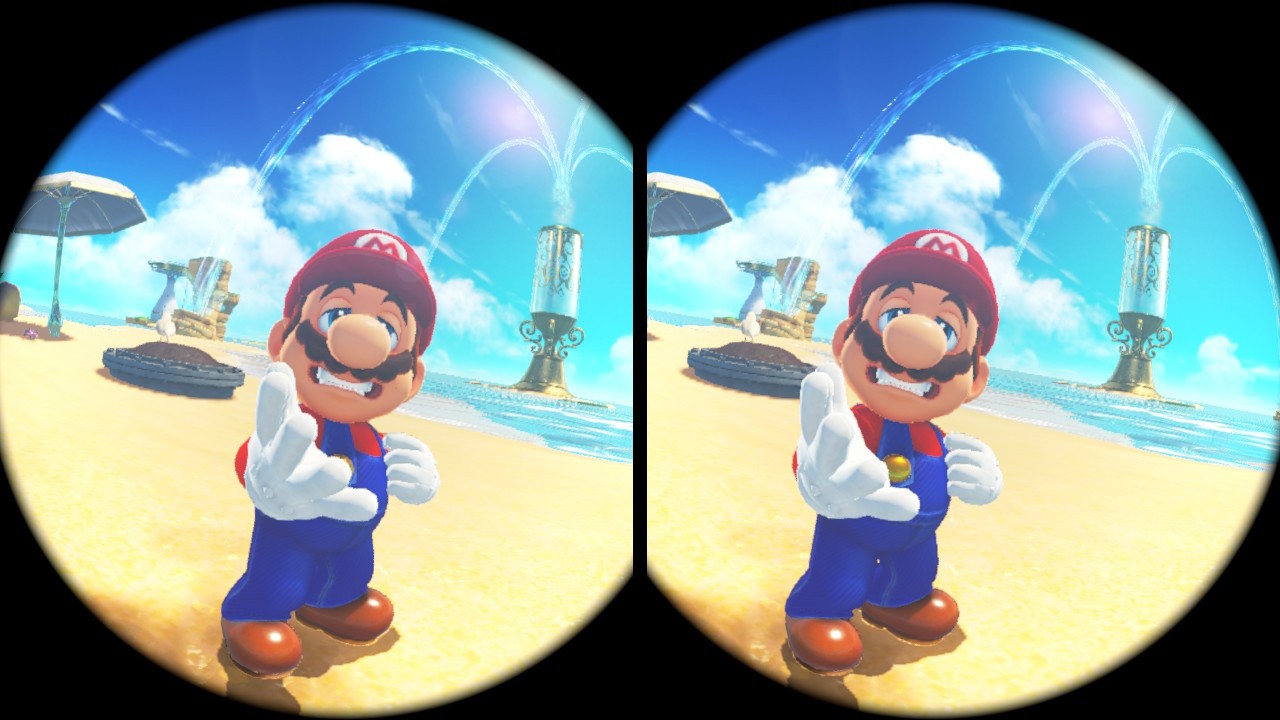
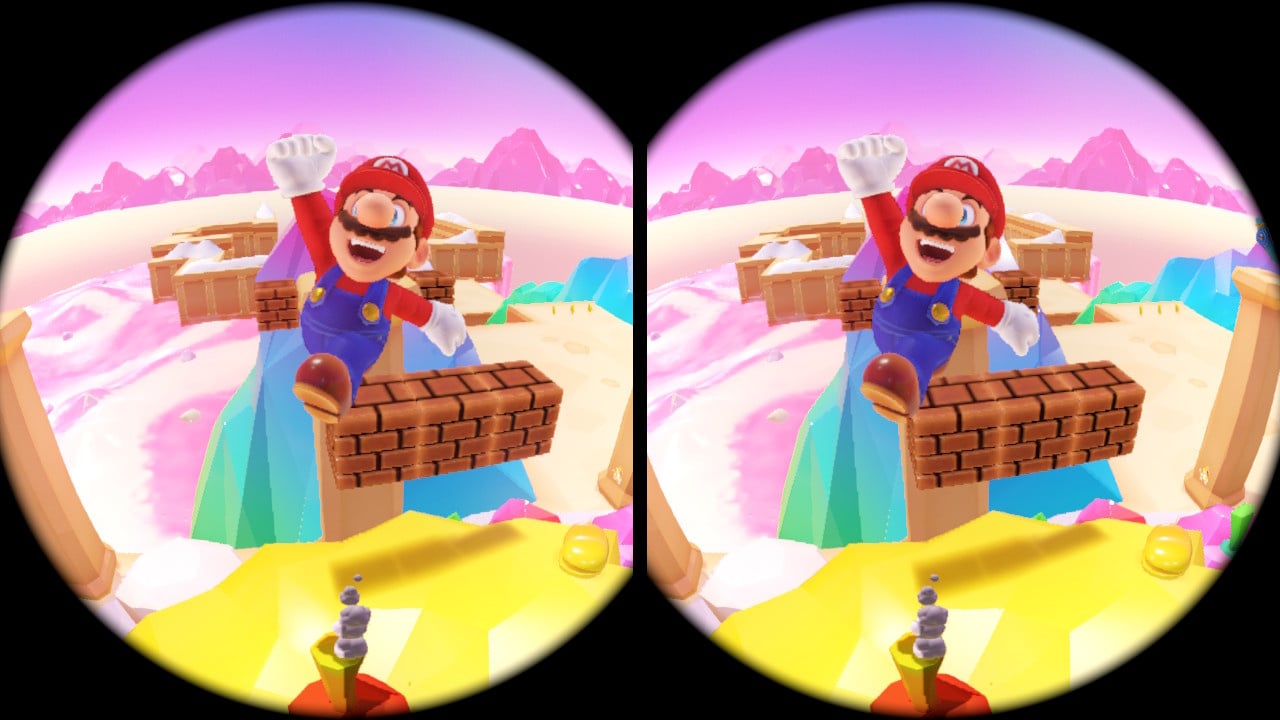
After losing our lunch with Breath of the Wild‘s VR mode update, we entered the Cap Kingdom in Super Mario Odyssey with a sense of trepidation, as well as a slight headache. We’d been excited to explore Hyrule with the Labo VR Goggles and it was disappointing to have our latent fears concerning the Switch’s limited VR prowess confirmed.
Happily, then, it was most pleasant to discover that Mario’s tailor-made mini-missions are far better suited to prolonged play sessions. The bite-sized nature of these trips to the Cap, Seaside and Luncheon Kingdoms means you won’t be spending very long with the Goggles held to your face, but even so, you’re unlikely to experience dizziness or pain in your temples either.
Once you’ve downloaded the update you can access the VR levels from the main menu. Starting in the Cap Kingdom, the camera is rooted to a fixed point in the middle of the level from which you control the plumber and guide him to close-by treble clefs. Collecting the notes that appear after touching them reveals a musical instrument to deliver to one of three musicians milling around.
That’s it. You shouldn’t go in expecting much – you’ll visit three kingdoms in total but the whole thing will probably take you 15 minutes, if that. However, that’s 15 fresh minutes in the delightful world of Super Mario Odyssey, and compared to the migraine that is the Breath of the Wild VR update, this is a lovely little treat.
Having the camera stuck in the same spot means Mario can move pretty far away – far enough that you’ll be able to count the pixels in his cap – but fortunately hitting ‘L’ or ‘R’ zooms to give a better view of distant detail. If you lose sight of Mario at any time, clicking the right stick will snap the camera round to frame him in the centre again, otherwise an onscreen indicator points you in the right direction. Get too far away and you’ll be plucked up and delivered back to the play field. Slingshots exist which fling you to other small areas of the level and there are a handful of secreted coins to discover, but you won’t be staying anywhere very long.
Even if you don’t own the requisite Labo kit to enjoy the VR, you can still play using the console’s gyroscope. You might lose that feeling of immersion, but you’ll gain a massive increase in resolution and it plays just fine outside of VR, too.
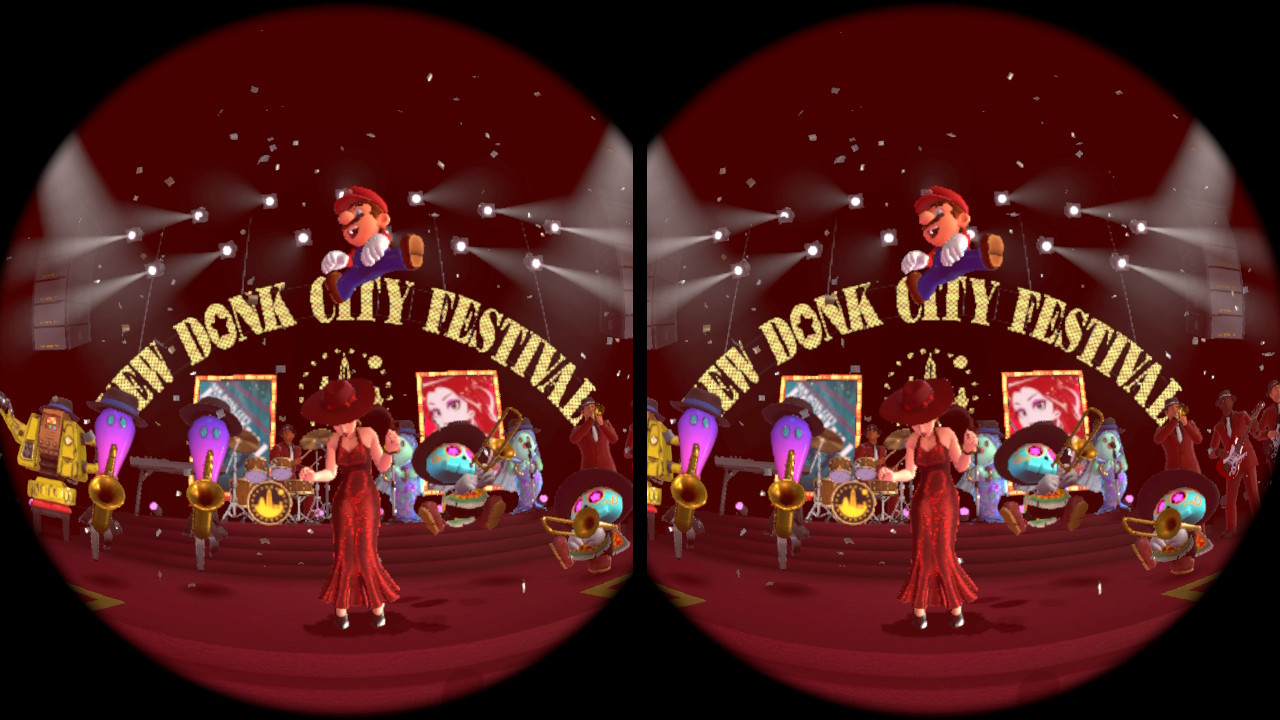
Once you’ve found the musicians in the three kingdoms it’s off to the concert with you for another encore of Odyssey’s signature song. We remember ‘Jump Up, Super Star!’ bringing a tear to the eye the first time we heard it, although it doesn’t quite have the same effect the 562nd time. Pauline takes centre stage, of course, and you still have control over Mario. Jumping on Pauline’s head causes her to stop singing, which we found hilarious for some reason.
Also viewable in stereoscopic 3D are the opening and closing cutscenes. Presented in ‘Theater’ mode, you can’t move your head and it feels almost identical to watching cutscenes on a 3DS. A nice extra, but hardly scintillating.
The patented Nintendo ‘take a break’ advice screens are present and correct which is a tad irritating when the whole mode is so slight, but Super Mario’s Odyssey’s micro-brand of VR is very pleasant indeed, especially coming after the disappointing implementation in Zelda. It’s a fluffy, throwaway thing, but cute nonetheless, and the fact that its also available without VR means there’s no reason not to give it a try. We wouldn’t buy Labo VR just to play this update, but the cumulative value of this and the Labo VR Kit itself (specifically the Starter Kit + Blaster) makes Switch’s VR experience worth investigating if you are at all curious. On the strength of this, we’d be up for seeing more VR novelty updates for other Nintendo games – a blaster-based on-rails update for Splatoon 2, for example, wouldn’t go amiss.
How did you find Super Mario Odyssey’s VR update? What other games could benefit from a little Labo VR seasoning? As always, let us know below.
After another busy week, this time full of Nintendo financial news and that Persona 5S reveal for Switch, it’s finally time to wind down with a game or two. Team Nintendo Life has gathered to discuss our gaming plans once again, and we’ve love for you to get in on the action in the comments and poll below. Enjoy!
Ryan Craddock, staff writer
Each night this week, I’ve been rummaging around my office, attic, and anywhere I can think of to gather every single video game I own. Annoyingly, I sold quite a few in my youth (darn you, younger Ryan) but I still have most of my Nintendo games and I’ve been cataloguing everything in hopes of keeping on top of a physical collection.
As tedious as this sounds, it’s been an utter delight stumbling across games I’d forgotten about. From the excellent Pokémon Trading Card Game on Game Boy Color, to the probably not-so-excellent Bunnyz on DS (don’t ask), it’s been making me want to spend some time booting up some golden oldies for the sake of nostalgia. If I get any time to do just that this weekend, I might have to go with Banjo-Kazooie – I haven’t played this for well over 15 years and I think it’s time to give it a revisit.
Austin Voigt, contributing writer
My friends – it is with a happy heart that I say I will finally be delighting in a full replay of Zelda: Breath of the Wild in cardboard Virtual Reality. Had a little taste last night before bedtime (nothing like waiting til the last minute to release that update), and I’m already hooked. I’ll also be visiting my little brother at uni, so I have a feeling I’ll get a chance to take down some college kids in Mario Kart 8Deluxe and Smash Bros. Ultimate.
Lastly, I’ll be continuing my adventures in Xenoblade Chronicles 2 (officially very glad I finally picked up this title), and My Time at Portia (but for the love of the Church of Light, please fix those lag times…).
Dom Reseigh-Lincoln, reviewer
This weekend I’ll be spending even more time with Mortal Kombat 11 as I attempt to reclaim my once proud prowess with Sub-Zero. Alongside punching people until their heads come off, I’ll be taking Beyond Enemy Lines: Covert Operations for a spin to see if an indie developer can make a sandbox FPS really work on Switch. The things I do without COD…
Gavin Lane, staff writer
Ah, the weekend. All being well, I’d love to dive into the first course of Overcooked 2‘s DLC. Despite losing enthusiasm for some of the later challenges in the main game, I’ve got such residual affection for it that I immediately bought the season pass without a second thought.
On the subject of co-op, I noticed a new icon for Death Squared on my Switch menu indicating an update has dropped, so that could also be on the menu. We’ve also been having fun with blasting fruit at hippos in Kablasta’s hippodrome (ha!) for Labo VR, but if my significant other is indisposed for any reason, I may squeeze in a level-or-two of Wolfenstein II, too. Too many ‘toos’?
Have a good one!
Gonçalo Lopes, contributing writer
My condition of physical cartridge addiction once again came back to haunt my weekend. There will be no Dragon’s Dogma: Dark Arisen or Mortal Kombat 11 for me because neither game currently exists at European retailers. However, the weekend was saved by a timely arrival of a parcel from the Far East; added to my humble Japanese import collection are Chocobo’s Mystery Dungeon Every Buddy!, Final Fantasy X/X-2 HD Remaster and Blade Arcus Rebellion from Shining. New spirits arriving in Super Smash Bros. Ultimate also ensure that I will once again be hustling at the Spirit Board.
My game of the week is rather special since I had the pleasure of accompanying this one since its early access days on Steam. Loren Lemcke’s Super Blood Hockey is not only the single current gen hockey game on the Switch, but it’s also one of the best games representing the sport ever made. And I’ve been around for all of them. Drop the puck!
Which games are you playing this weekend? (272 votes)
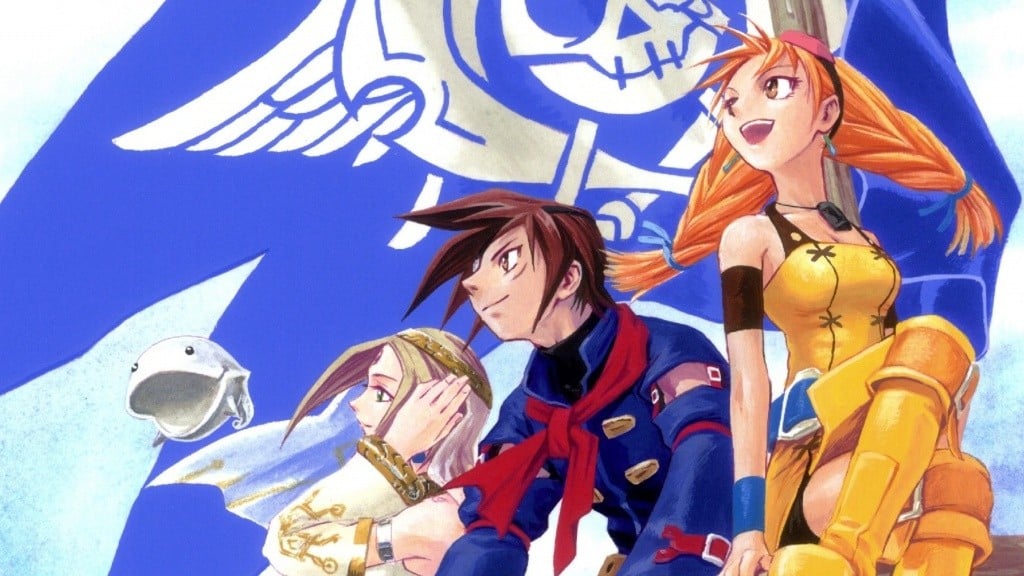
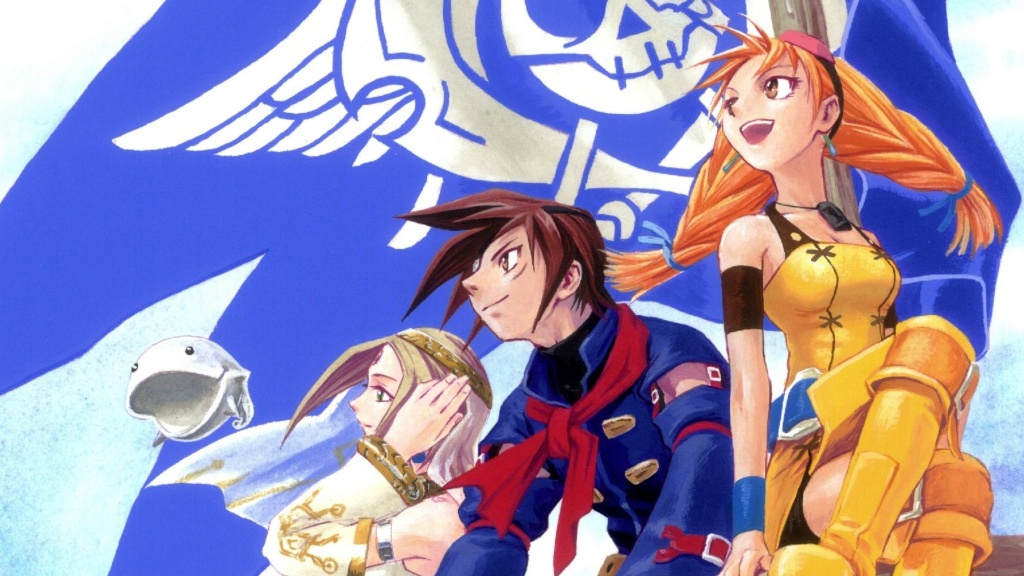
When Skies of Arcadia was originally released on the Sega Dreamcast in the year 2000, it was widely praised by fans and critics alike. To this day, it’s still considered to be one of the greatest JRPG and video games of all-time.
After underperforming commercially on the system, it was then ported across to the Nintendo GameCube as Skies of Arcadia Legends in 2002 when Sega exited the hardware business.
In a recent interview with Kotaku, the producer of the game Rieko Kodama was asked about the possibility of the game being re-released on the PC or modern video game hardware such as the Nintendo Switch.
Unfortunately, Kodama wasn’t very direct with her reply, instead stating how she was “very grateful” the game had a special place in the hearts of those who had played it and was happy to hear fans were openly voicing their wishes.
As for a sequel – don’t go expecting any announcements in the near future. Kodama believes the GameCube release was more than enough:
“I personally feel that [the GameCube’s] Skies of Arcadia Legends completed the “director’s cut” of the title. But I am honored when fans of the game who have become game developers themselves express interest in creating a sequel. It makes me happy to think of its legacy being passed on in this way.”
Would you like to see Skies of Arcadia re-released one day on modern hardware? How about a sequel? Did you play the GameCube or Dreamcast version? Tell us in the comments.