Posted on Leave a comment

Hardware Review: Retro-Bit Tribute64 – A Fine N64 Controller, And Perfect For Smash On Switch

IMG 9858.JPG

It’s fair to say that the Nintendo 64 controller was a groundbreaking release. While it wasn’t the first games controller to showcase analogue input, it was the first to be shipped as standard with its host console and therefore became the first taste of this now-ubiquitous control method for many players. The N64 pad – along with its iconic three-pronged design – is instantly recognisable and it’s hard to imagine experiencing seminal titles like Super Mario 64, Zelda: Ocarina of Time and GoldenEye 64 without it; however, even the most dedicated N64 fan will admit that it’s far from perfect. The analogue stick, in particular, is prone to wearing out over time, and that means that playing N64 in the modern era can often be a frustrating affair. Finding pads that are in an acceptable state is becoming ever more difficult, and while third-party options are available, they tend to miss the mark in other areas.

One pad that has long been lauded as the best control option for the N64 is the Hori Mini Pad 64, a fairly radical re-imagining of the original pad which was only released in Japan. It’s now worth a pretty penny online, putting it out of reach for many players. Thankfully, accessory maker Retro-Bit has solved this conundrum by producing the cannily-named Tribute64, a controller which takes inspiration from Hori’s effort but has the added bonus of being available in a form that makes it compatible with the Switch.

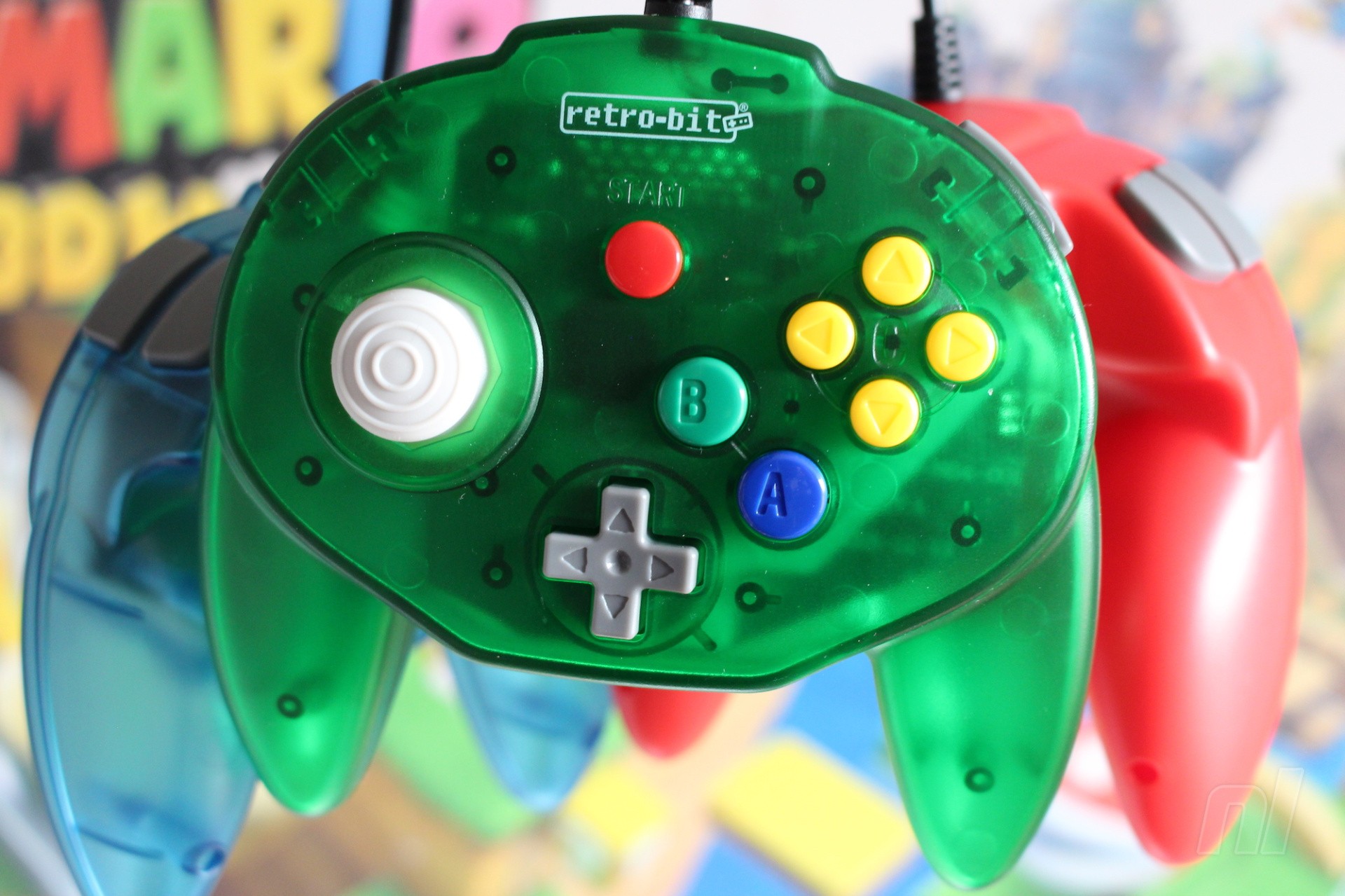
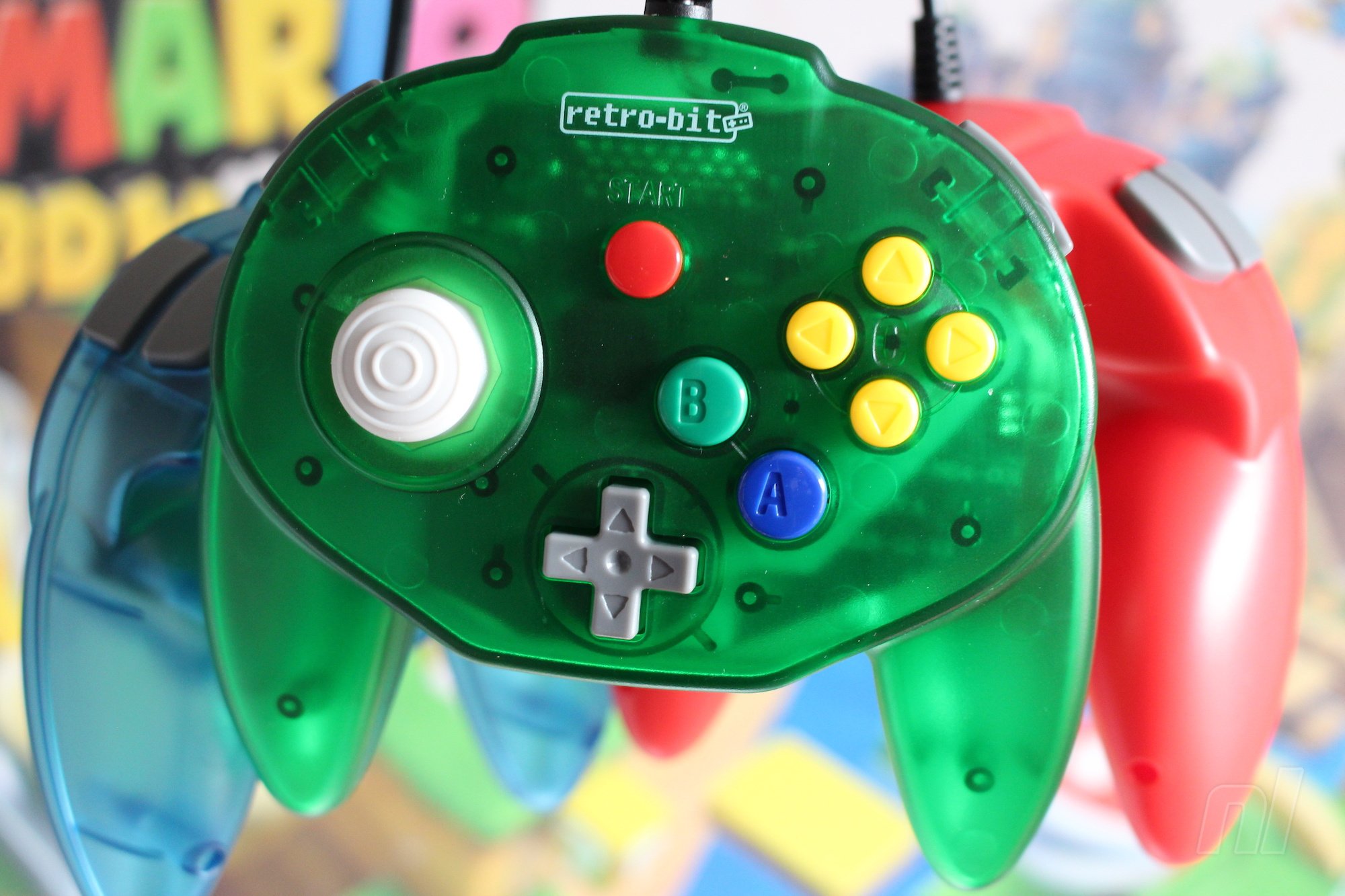
Available in ‘original port’ and USB versions, the Tribute64 – like Hori’s pad – loses the three-pronged design that made the original N64 controller so eye-catching. Instead, it opts for a more compact two-prong shape which shifts the Z trigger to the top of the pad, next to the L and R shoulder buttons (there are actually two Z triggers, although they both naturally do the same thing). The D-Pad is placed slap-bang in the middle of the controller, which means it’s very hard to use for anything but moving around menu systems. Around the back, you’ll find the port for your Rumble Pak or memory card. This is present on the USB version of the pad too, although it’s just a hole with no actual connector present.

The Analogue stick – which is a close match to the one seen on the GameCube pad – is fantastic to use

The controversial placement of the D-Pad means you won’t be able to play games that use the D-Pad exclusively, like Mischief Makers, Kirby 64: The Crystal Shards and Tetrisphere. So while the impact of the D-Pad’s placement is felt to a degree, it only impacts a handful of games – but if even one of those games is a personal favourite, you might struggle with this pad. It’s (just about) a worthwhile sacrifice in our eyes, as the Tribute64 is arguably a lot more comfortable to use than the original N64 controller.

We’re pleased to report that Retro-Bit has solved the N64 pad’s biggest failing with the Tribute 64 controller. The analogue stick – which is a close match to the one seen on the GameCube pad – is fantastic to use. It doesn’t stand quite as proud as the wand on the original N64 pad but it has a larger dead zone (120 compared to the original’s 80) so it’s more precise. The face buttons feel a little spongy, but then again, so did the ones on the original N64 controller. The shoulder buttons and Z triggers are superb, and are easy to reach. To cap it all off, the pad comes with a 10-foot cable which will be more than long enough for most people’s living rooms (2.4Ghz and Bluetooth wireless versions are in the pipeline, according to Retro-Bit).

While the original port version of the Tribute64 obviously only works with the N64 itself, the USB model is compatible with the Switch, PC / Steam, Mac and many other devices which accept USB controllers. Using the Tribute64 on Switch is a hit-and-miss affair, as it lacks a second analogue stick as well as other features, such as the ability to push down the analogue stick itself. For example, Dragon’s Dogma: Dark Arisen is borderline unplayable as you can’t control the camera or sprint. However, depending on the game, you may find it to be an ideal interface; for Super Smash Bros. Ultimate, its closeness to the GameCube pad makes it a great choice, so you’re looking for a controller to help improve your performance, this could be the dream ticket.

It’s a shame that Retro-Bit couldn’t have factored in the two ports into a single pad, because if you fancy using this with your Switch and your N64, you’ve effectively got to buy the same product twice. Still, at $25 for the N64 version and $30 for the USB edition, it’s not like these are unreasonably expensive products. If you’re in the market for some pads to replace your ageing N64 controllers then this is a no-brainer; you could get four of these for less than what many sellers are asking for a used Hori Mini Pad 64 on eBay these days. Or, if you’re a Switch owner looking for a new Smash Bros. go-to pad – or if you’re keen to get a decent interface option for your PC or Mac – then we’d recommend giving the USB-based model a try.

Please note that some of the links on this page are affiliate links. If you click them and make a purchase we may receive a small percentage of the sale which helps support the site. Please read our FTC Disclosure for more information.


Posted on Leave a comment

Rumour: Is This Our First Look At Jim Carrey As Doctor Robonik In The Sonic Movie?

73A0F662 24A9 4BE3 A6B0 20E437C4990F

It’s fair to say that the upcoming Sonic live-action movie has divided fans thus far. First, there was the lukewarm response to the news that rubber-faced superstar Jim Carrey was set to play Doctor Robonik, then came the relatively hostile reaction to the movie’s posters, which appeared to show a rather human-like hedgehog hero.

Now, we’re seeing what appears to be the first image of Carrey as Sonic’s famous nemesis, and we imagine it will meet with a frosty reception from some faithful Sonic fans.

The photo — found by Sega Bits — shows Carrey with a full head of hair, which pretty much goes against Sonic canon. He appears to be sitting inside some kind of machine, which matches with on-set photos that have previously leaked online, so we’re willing to assume this is legit.

Sega Bits has also stated that the first trailer for the movie will air tomorrow.

Could Robotnik’s haircut be due to this being an origin story of sorts, featuring a younger Doctor? Or did Carrey simply refuse to shave it all off? What do you make of the character’s look, assuming this is the real deal? Let us know with a comment.

Posted on Leave a comment

Review: Beyond Enemy Lines: Covert Operations – A Tragic FPS That’s Beyond Hope

The heart feels a slight flutter every time a new FPS hits the eShop. Is this it? Could this be the game that firmly cements the genre on Nintendo Switch? We’ve had some impressive attempts thus far (Wolfenstein II: The New Colossus and DOOM), some decent offerings (Payday 2 and Paladins) and some average at best results (Modern Combat Blackout). Predictably, Beyond Enemy Lines: Covert Operations is not the upper echelon that’s going to lead handheld shooters into a bright new dawn. Instead, it manages to dig a new basement in quality that’s more likely to make your ticker tick its last tock than flutter with anything resembling hope.

Beyond Enemy Lines: Covert Operations is the gaming equivalent of the ‘hold my beer’ meme. A single-player-only shooter so inexplicably bad it makes you long for the days when Nintendo was far more stringent with what appeared on its hardware. It’s so poor it’s surprising it doesn’t turn its silenced pistol on itself the moment a new mission begins, performing a killing blow of mercy that would be far more satisfying than what actually follows. But alas it doesn’t, leaving those brave enough to accept said mission quite the experience to endure. Question is, are you brave enough to pull said trigger?

Simply put, Beyond Enemy Lines: Covert Operations is a sandbox FPS where you need to tactically infiltrate a series of locations, extract certain items or data, then proceed to complete a further objective before making your hasty exit. Sneaking into Russian bases to steal key cards, secrets plans and more? It’s nigh on impossible not to think of the shooter that nailed this formula back in 1997. In some ways it’s a little unfair to compare the work of Rare – one of the greatest studios the UK has ever produced – to the creation of a single indie developer, but even the 22-year-old GoldenEye 007 can still pull off the balance of applicable stealth rules, balanced weapon performance and player movement better than this.

Beyond Enemy Lines: Covert Operations is just a mess. A hot mess of old ideas poorly executed. While you can sprint without end, you’re forced to move your reticule with all the haste of a heavily-medicated octogenarian. Want to adjust that those settings? Well, let’s just say there aren’t any settings for you adjust to you’d better get used to aiming in slow-mo. Mercifully, there is an auto lock-on (which you can’t switch off, obviously) and you can still aim down your iron sights – kind of. In reality, the screen just zooms in a fraction and your gun never actually moves.

This is a game inspired by the classic days of Rainbow Six, Delta Force and SWAT. The open-ended nature of each map, the selection of weapons on offer and the ‘choice’ of how to approach each mission and its multiple objectives. But Beyond Enemy Lines: Covert Operations doesn’t possess any of the qualities that made these series so timeless. You can’t customise your loadout before a mission. Gun physics are so vague you can snipe enemies across the map with a pistol. And, if you’re far enough away, enemies being shot simply won’t move as it’s your proximity that activates their AI. Even recoil will systematically cause your aim to shift higher and higher with every shot, unless you’re aiming down your ‘sights’, in which there is no recoil.

Perhaps it’s possible to ‘control the recoil’ with a mouse, but there’s simply no support for this when you’re forced to use the analog sticks. There are no settings in place for motion controls either, but then again, there are no ‘settings’ in general so that shouldn’t be much of a surprise. There’s very little room for saves, either. Taking notes from forgotten tactical shooters such as Project IGI, you’ll need to learn enemy positions and use map knowledge to complete objectives with a minimum of confrontation.

The problem is when you combine a stealth system you can’t predict, a range of weapons that feel and perform in too similar a fashion and an aiming model that’s so slow you’ll never win a gunfight coming from anywhere other than directly in front of you, you’re left with a shooter that simply isn’t stable enough to warrant any form of tactics. Games such as Delta Force punished you for poor decision making, but the mechanics and physics it employed were solid. Mission failures were the product of human error, not gaming imperfection.

From a visual standpoint, Beyond Enemy Lines: Covert Operations pulls of the homage to early 2000s era PC shooters by looking as primitive as an early 2000s era PC shooter. Guns clip into the side of buildings while balaclavas clip on the faces of your enemies. Something as simple as blades of grass pop in on the ground in environments that would make early Farming Simulators hang their heads in shame. Draw distances are surprisingly decent, but the framerate is so choppy you’ll barely notice.

Conclusion

Beyond Enemy Lines: Covert Operations is an Early Access game that’s come out of the oven less than half-baked. The good intentions of the developer are clear to see in the open-ended nature of each map and the way you approach each objective in your way by opening locked doors and hacking computers rather than shooting your way into a facility, but none of the mechanics in place ever make these conditions feel reliable or rewarding. It’s a purely single-player experience that really needed more time to work out its considerable number of kinks before enlisting on the eShop.

Posted on Leave a comment

Overpass Brings Off-Road Simulation To Switch This October

If there’s one genre where the Switch is arguably lacking, it’s racers. Sure, we’ve got Mario Kart, but there’s not much in terms of quality, realistic racers. Overpass is a new off-roader coming to all platforms including Switch this October, and the trailer above may prove interesting to anybody looking for a more serious driving experience.

You’ll be jumping in all-manner of licensed buggies and quads from real-life manufacturers such as Yamaha, Suzuki and Arctic Cat and going up against some pretty mean terrain, by the looks of things. Coming from developer Zordix AB, it looks like you’ll have to pay close attention to the technicalities – differential locking, transmission, 2 versus 4WD – if you want to conquer the dastardly terrain you’ll encounter.

The trailer seems to indicate that you’ll be giving your suspension a serious workout. The official PR blurb details some of the modes which will be available, including multiplayer:

The Career mode lets you manage your buggies and quads and choose the one best adapted to each track and terrain type in order to win the competition and attract sponsors. In multi-player mode, you’ll need to know and master the slightest detail of each track in order to post the best times and show that you are truly the master of off-roading!

When it comes to off-roaders, we’re quite partial to the arcade-y and hugely underrated Excite Truck back on Wii, actually. This is a very different beast, of course, and the attention to detail here certainly sounds impressive. We’ll find out if the game itself measures up in October.

Are you after a serious racing game to sink your teeth? Muddy as it may look, does this one interest you? Share your thoughts below.

Posted on Leave a comment

Charles Martinet, Voice Of Mario, Clears Up A Decades-Long Debate

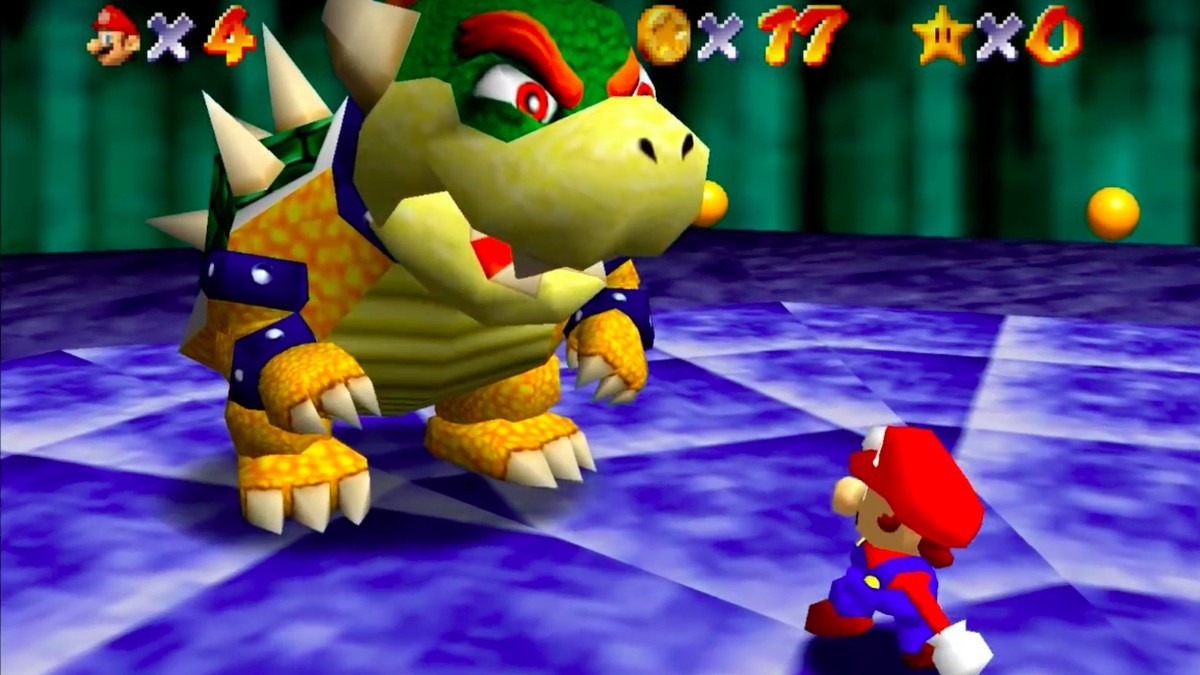
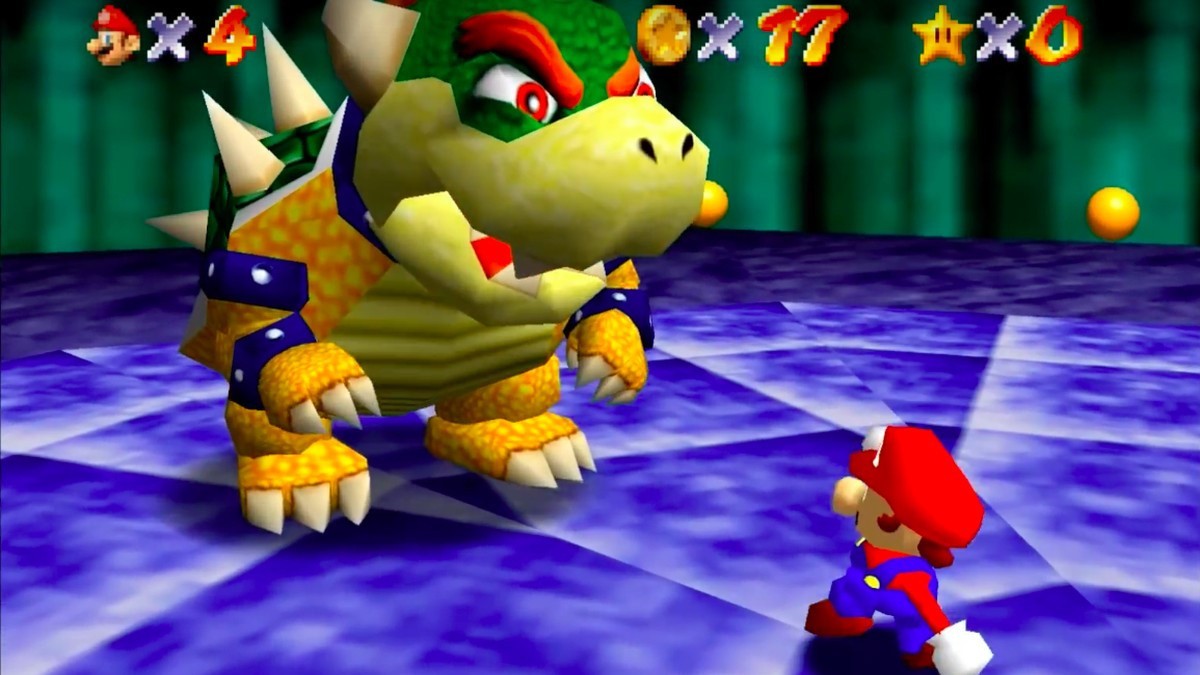
Anybody who’s trounced Bowser in Super Mario 64 (and if you haven’t, away with you this instant!) will likely be familiar with the line Mario utters as he flings Bowser, King of the Koopas, from the floating platform during the boss battle. Or, more accurately, they’ll likely be familiar with the confusion surrounding exactly what the portly plumber is saying.

If you’re struggling to recall the original line, skip to 2:00 in the video below for a refresher of the soundbite that birthed so much confusion:

So long-a Bowser? So long, dear Bowser? So longee Bowser? That last one makes no sense all but that hasn’t stopped it being suggested along with many other variations. That is until yesterday when Charles Martinet, the voice of Mario (and therefore something of an authority on what has and what hasn’t escaped the plumber’s lips) has cleared up the confusion with a simple tweet:

Well, there you have it, straight from the horse’s mouth – So long Kinga Bowser.

You can’t argue with the man who said the line, even if it’s obviously “So long, dear Bowser”. Debate, conspiracy and memes can finally cease and we’re sure this is absolutely the last we’ll ever hear of this conundrum on the internet. A more pressing question is: How in the name of all that’s good and pure is Charles Martinet not verified on Twitter?!?

What did you hear back in the day when you first flung the giant lizard into those bombs? Let us know below.

Posted on Leave a comment

European Conqueror X Moves Troops To Switch In Early May

WFJaUuGM

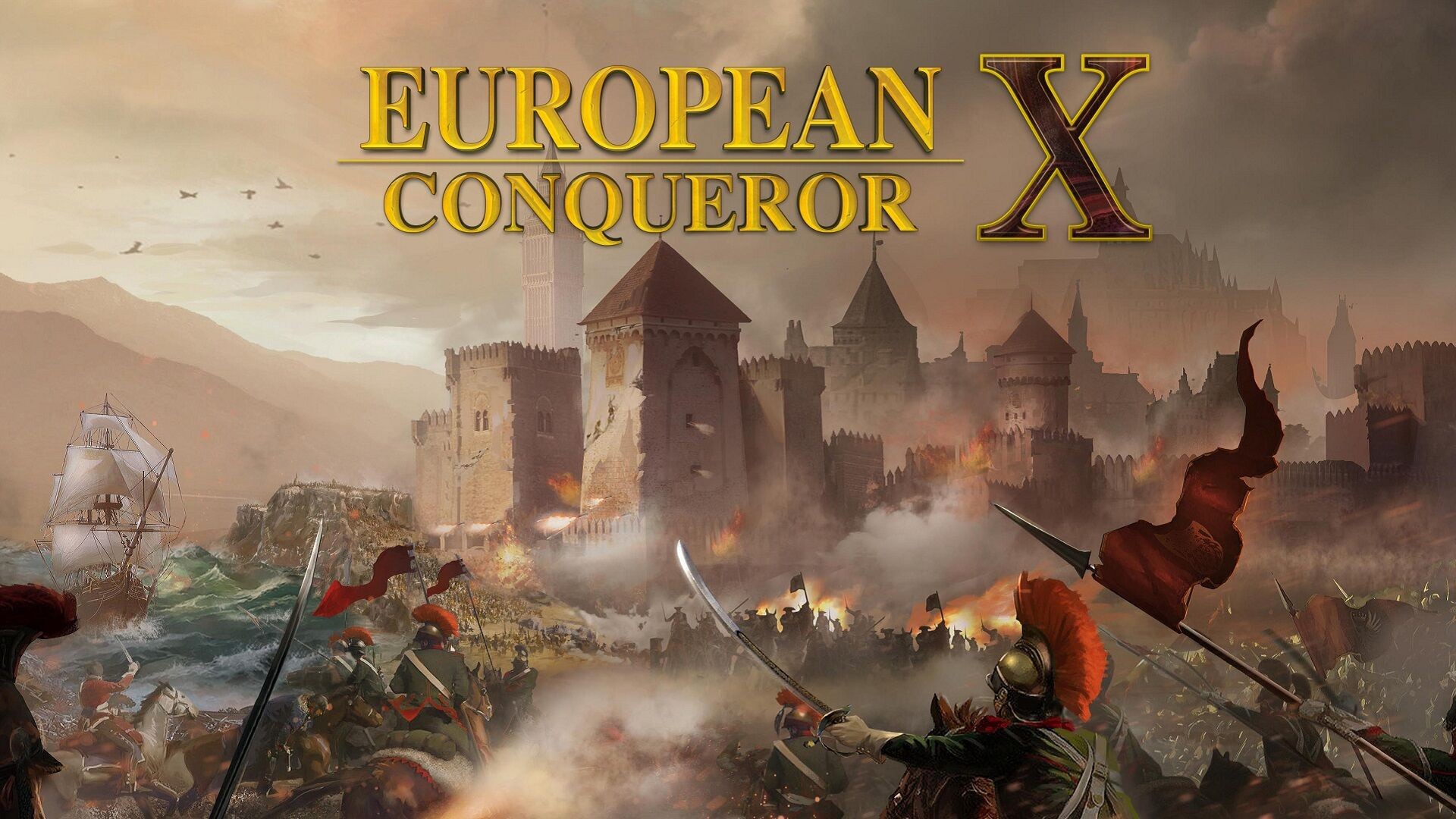
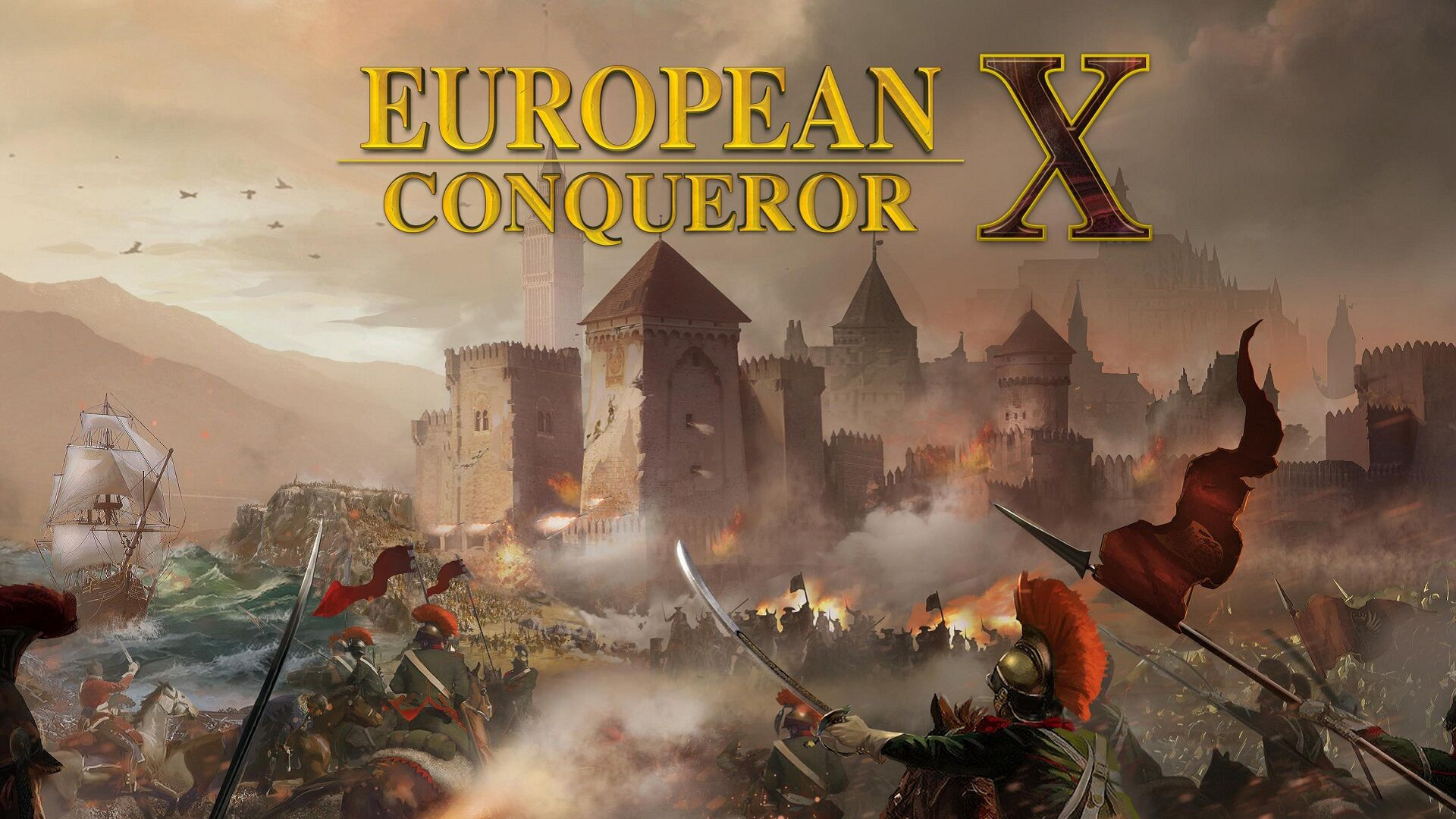
Turn-based strategy fans may have something to look out for next week. Coming to Switch on 7th May courtesy of CIRCLE Entertainment, European Conqueror X will soon have you reenacting (and we daresay rewriting) history as you direct battles from key periods in the late 18th and early 19th century.

Developed by EasyTech, it’s a follow up to World Conqueror X which seemingly bucks the trend by going smaller and concentrating on a continent rather than upping the ante and going galactic. The series began on the 3DS and channels board game classics such as Axis & Allies and Risk. This entry will have you managing not only troops and military units, but also cities, generals and even royalty. It appears to have a particular eye for historical accuracy – that is until you get in there and change the tide of history, we suppose.

The official blurb details three modes:

There are three key modes to test your skills! The lengthy Campaign takes you from the battlefields of Europe to the US War of Independence and beyond. In Conquest you choose from a wide range of nations and seek domination over the continent through nation building. Finally there are challenges, special levels that test your strategic nous and understanding of the game mechanics.

We found the previous game to be a satisfying warfare strategy game, praising its “appealing board game aesthetic” and giving it “a solid recommendation for war-gamers”. The focus on a single continent that the title suggests sounds like a welcome change, although we’d imagine getting involved in the US War of Independence will involve heading to the Americas, at the very least. Regardless or where it takes us, we’ll be keeping our eye on this one.

It’s up for pre-purchase today and doing so will net you a 20% discount on the launch price of $9.99USD / €9,99, so if this looks like something that’ll float your boat you can get it for $7.99USD / €7,99.

Did you play World Conqueror X or the 3DS originals? How does testing your warfare skills on the European stage grab your attention? Share your thoughts with a comment below.

Posted on Leave a comment

Review: Giga Wrecker Alt. – A Puzzle-Solving Mega Man-alike From Pokémon Masters Game Freak

Despite the fact its often working on the next entry in the eternal cultural phenomenon that is Pokémon, Game Freak every so often takes the time to cleanse its creative palette with something that doesn’t involve pocket-based monsters. The most recent of its side forays was Giga Wrecker, which smashed its way onto PC two years ago, and while it’s a world away from the top-down beast battling of Game Freak’s usual fare, this puzzle-platformer has a similar level of quality you’ll instantly appreciate.

Finally ported to consoles as Giga Wrecker Alt., this little open-ended 2D side-scroller has some grand ideas when it comes to puzzles and how you interact with the world around you. Everything centres around one Reika Rekkeiji. Following an invasion by an army of ravenous robots, young Reika is locked away in a cell and seemingly left for dead. That is until another equally young heroine blasts open her cell and shoots her. Now definitely left for dead, Reika is rescued by the snarky yet brilliant Doctor Kozuki, who uses the technology of Earth’s new robotic invaders to rebuild our leading lady with cybernetic implants.

So yes, it’s very Mega Man (with a sprinkling of 2D Castlevania), but the actual gameplay itself is more focused on puzzle solving than nails-hard combat. With her new metallic limbs, Reika can now smash her way through giant blocks, including smashing up and smashing down to access new areas. Destruction is physics-based, so columns of rock will often fall depending on how they’ve been struck, enabling you to create bridges across gaps early in the game. However, it’s not just about creating destruction, but using the results of your destructive abilities to solve conundrums and to aid you in combat. By pressing ‘ZR’ or ‘R’ you can ‘recall’ any nearby rubble to you to create a sphere of deadly detritus.

The larger your ball of rubble, the further it’ll reach. At first this’ll simply seem like a quick fix for a lack of ranged attacks, but soon you realise it’s ideal for turning destructible elements into shapes needed to solve a certain environmental puzzle. Need to reach a high platform? How about turning a high ledge above you into a slope by smashing the nearest section away? Or bashing a large haphazard block into a rudimentary series of steps? Most of the Giga Wrecker Alt.’s puzzles ultimately boil down to ‘reach this point so you can unlock this door’, but the fun of solving how to turn the environment into a solution often negates the predictable setup.

It’s easy to mess up – especially if you haven’t got the hang of Reika’s powerful punch and how best to use it at certain heights and distances – so most major puzzles come with a nearby tachyon point. The electromagnetic waves you use to recall rubble can be used to create a paradoxical time jump that basically resets the puzzle and restores all previously destroyed scenery. The only caveat is these ‘tachyon bursts’ remove any rubble you were carrying at the time. It’s also really easy to keep activating these points as you only need to push up on the analogue stick to activate them. They also reset all enemies, making retries that extra bit tricky.

The console port isn’t just a straight rehash of the PC version, either. Giga Wrecker Alt. comes with over 20 new levels to explore, a brand new ‘Iron Man’ hard mode for those thirsting for a little extra challenge and a new hint system in the form of your floating robot pal, Dölma. The latter is easily the most beneficial of the lot. Sure, lots of extra levels to play through is always welcome – especially for those who played the original – but considering how obtuse some of its grander puzzles can be, having Dölma there to assist in what a rubble formation should look like when it’s finished is a godsend. New players will really appreciate this new feature, while more experienced rubble-rousers will really get a kick out of having a higher difficulty mode to overcome.

Weirdly, Giga Wrecker Alt.’s weakest elements are its looks. A more retro anime aesthetic was clearly the intention Game Freak was going with, but in an era where similar titles have produced visual styles as striking as Dead Cells or Celeste, this sometimes ends up like something someone put together in Flash. It’s environments can also look really captivating at times, especially during certain boss battles, but the dichotomy between the two can be very jarring.

Conclusion

When it’s not giving the world more reasons to ‘Catch ‘Em All’, Game Freak continues to deliver interesting and unexpected forays into other genres. Much like Tembo the Badass Elephant before it, Giga Wrecker Alt. is a quirky left-turn that takes the exploration staples of a 2D Metroidvania and combines it with a destructible environment puzzle system for some creative and hugely rewarding puzzles. Combat is quite forgettable, but sucker-punching a boss with a giant ball can be ridiculous fun when you pull it off. Its looks might not be that memorable, but it’s still a worthy way to make a mess on Switch.

Posted on Leave a comment

Random: Warren Spector’s Nintendo Switch Has A Battery Problem

Warren Spector

If you owned a Nintendo Wii during its prime, you might remember Disney’s Epic Mickey games. Warren Spector was the director of the original entry and considers it to be one of the “high points” of his illustrious career. Apart from this, he’s also helped created games like System Shock, Ultima, Deus Ex and Thief.

For anyone who has been following him over the years, you might recall how he’s a bit of a Nintendo geek. During an interview with Nintendo Life in 2015, Warren explained how the Japanese company stood out from the crowd with its creative design.

Fast forward to 2019 and nothing has changed – Warren still loves Nintendo. The only problem is his Switch appears to be having a problem. According to a post he made over on his Facebook page, he’s acquired Cuphead and a “couple other games” but has a battery issue, meaning he can’t even play them. Here’s how he explained it:

“I’m having a problem with my Nintendo Switch. I didn’t use it for a while and now the battery won’t hold a charge. I mean, I charge it fully and it goes from 100% down to 1% in a matter of seconds. And, no, I’m not exaggerating. Anyone else seen this problem? Anyone know how to fix it? I just got Cuphead and a couple other games and not being able to play is driving me nuts.”

He’s reached out to his followers in the hope someone could help him out. So far, he’s been advised to contact Nintendo support and was also told it’s likely to be a faulty battery.

Do you have any advice for Warren? Did you play Epic Mickey during the Wii generation? While we’re at it, would you like to see him create another game for a Nintendo platform? Leave your thoughts in the comments.

Posted on Leave a comment

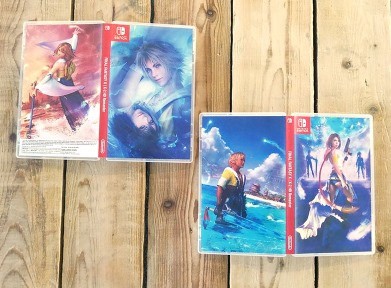
My Nintendo Europe Offering Alternative Reversible Cover For Final Fantasy X | X-2 HD Remaster

FF Cover Reversible

When the European box art for the Switch version of Final Fantasy X | X-2 HD Remaster was originally revealed, it didn’t exactly go down well with fans of the series or physical game collectors. This was all because the front cover had a gigantic warning message at the top of it, driving home the point you would have to download the second game and ruining the lovely artwork.

Now that the game is available, My Nintendo Europe is offering a print-it-yourself alternative reversible cover (featuring artwork on both sides) for a total of 50 platinum points. If you don’t have enough points, you’ll need earn them by completing some missions on the website or maybe even playing one of Nintendo’s mobile games.

Of course, you’ll also need to have access to a European Nintendo account to be able to download these new designs along with access to a colour printer. After you’ve redeemed this item, you can then download a high-quality version of the cover in PDF format and print it out.

Will you be redeeming this reward? Would you like to see more offers like this on My Nintendo? Tell us in the comments.

Posted on Leave a comment

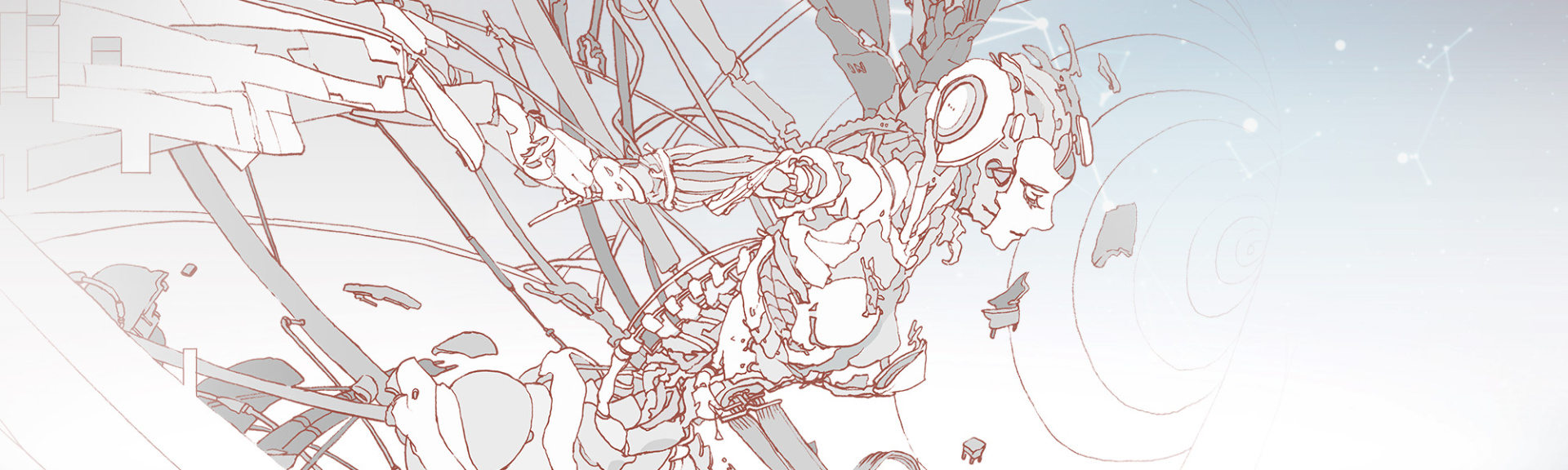
Review: Cytus α – A Wonderfully Tight Rhythm Game That Really Sings On Switch

It’s pretty safe to say that we’ve been feeling rather hyped to give Cytus α a try ever since it was first announced for Switch. The game comes from Rayark, a Taiwanese indie developer which has already brought both VOEZ and Deemo to Switch in the last couple of years, following their rhythm-based footsteps right to the pearly gates of Nintendo’s storefront. With two great games like that already under Rayark’s belt, we were hopeful that this latest release would be well worth our time, too. So was it?

Well, in a word: yes. Cytus started life on mobile platforms back in 2012, before eventually making its way to PlayStation Vita the following year. The edition you’ll find on Switch, with the little ‘α’ attached to the name, includes more than 200 songs from the original release and some new ones that have been made specifically for it (you’ll find a decent mix of electronic tracks, pop, trance, and more waiting for you). The game’s publisher, Flyhigh Works, has described it as the “definitive edition” and we can certainly see why.

This small avalanche of tracks is initially presented to you in a single-player story mode. You’ll make your way through chapters, scoring as many points as you can on each song to unlock the next chapter in the list. You’ll also unlock data entries as you go which slowly piece together a story; accompanied by lovely pieces of art, these little snippets share a tale of robots living with human memories and the importance of the music you’re playing, but in all honesty, we usually just wanted to get right back to the action itself.

Speaking of the action, let’s explore the actual gameplay. As you might expect, being a rhythm game, Cytus α tasks you with successfully playing along to music. A black bar bounces between the top and bottom of the screen in time with the beat and pulsating circles begin to appear to represent the notes you need to hit. As the black bar passes through a note, the circle changes in appearance slightly, indicating that now is the time to give it a tap.

It’s a very different approach to input when compared to VOEZ and Deemo, but we have to say that it’s absolutely the best of the three. The notes can appear anywhere on the screen – so nothing like games such as Guitar Hero where different colours consistently reach you at the bottom – and you’ll find yourself attempting a crazy kind of finger ballet as they pop up all around you. Notes have different input requirements – such as a single tap, a longer hold, or sometimes a dragging action which can go in any direction across the screen – and it’s incredibly fun.

These actions can all be performed either by using the touchscreen in handheld mode, or with your Joy-Con should you prefer a traditional controller setup. If you use a controller, notes can be hit by pressing any of the face or directional buttons, and slides can be triggered with the shoulder buttons. We tested both control methods across a variety of songs and, for us at least, the touchscreen option wins hands down. There’s something particularly satisfying about dancing around the screen playing a musical version of whack-a-mole, and we found swapping between standard notes and slides a little too fiddly with a controller.

We actually struggled to get to grips with either mode at first – not realising that the notes were colour coded to let you know the best time to hit them – but as time went on, we really started to get in the zone and ‘feel’ each track. The hit points for each note are also pleasingly accurate and surprisingly forgiving, allowing a decent amount of room for error should you spot a note a little late.

On the easier side of things, you’ll likely find it to be a mostly relaxing experience, and as each and every song in the game comes in both easy and hard flavours, you could choose to play through the entire thing in this way. The harder difficulty is definitely where the most fun can be had in our eyes – tapping and sliding your way around the screen at about 150mph is immensely satisfying when you pull it off – but some of the tracks really aren’t for the faint-hearted. Any songs described as being level 7 or above (the scale ranges from 1 – 9) had us frantically pressing anywhere and everywhere in a desperate attempt to score any points at all. To master the hardest songs, you’ll need to memorise not only the song itself, but the tap, hold, and slide patterns presented to you at frightening speeds.

When you couple that need to learn each song thoroughly with the highscore-chasing nature of any rhythm game, you’ll find that there’s plenty of replayability here. A quick look at your status menu shows you how many songs you’ve cleared on each difficulty, how many times you’ve hit 100% of the notes, and how many times you’ve earned the ‘Million Master’ title for a song (awarded when you hit all of the notes with perfect timing). If you’re crazy enough to attempt getting the Million Master medal for every song, you’re going to be playing this one for a long time.

There’s actually even more of a reason to stick around, too, thanks to an online matchmaking feature. You can decide whether or not you’d like to face opponents online while playing through the story, or you can simply jump into online matches from the main menu at any time. These act like mini battles, where one to three players play through a song and compete in real time. The game runs perfectly well when connected to other users, but we did struggle to find other players for matches at times (this was on the game’s launch day, it should be said).

As you can probably tell, we’re pretty chuffed with the game as a whole, but there’s one little thing holding us back from insisting that everyone and their cat should buy it immediately: the price. Don’t get us wrong, this is an incredibly tight rhythm experience with a good amount of content, but we feel that Rayark has almost shot itself in the foot with its previous releases. Cytus α costs a full $49.99, with both VOEZ and Deemo being available for just a fraction of that price. Cytus is definitely the strongest of the bunch, but when you consider all of the free updates which have arrived in the other titles, boosting their song tallies and leaving Cytus’ online mode as the only real difference, it’s hard to truly recommend this new release over the others.

In terms of gameplay, Cytus is quite possibly the best rhythm game available on Switch. In terms of value for money, the lines are a little more blurred.

Conclusion

Cytus α is a wonderful take on the rhythm genre with a note layout which is really nicely suited to Nintendo Switch. Tapping and sliding your way around the handheld’s touchscreen is an absolute delight when you’re in full flow, and should more and more players start to fill up the online lobby, this could easily be considered one of the best rhythm games on the platform. The full retail asking price is a little hard to swallow when put in direct comparison to other, similar titles, but the quality is there if you don’t mind taking a harder hit to the wallet.