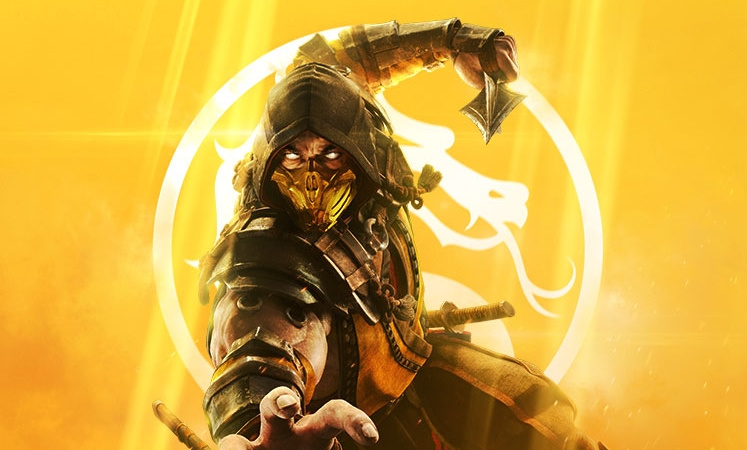
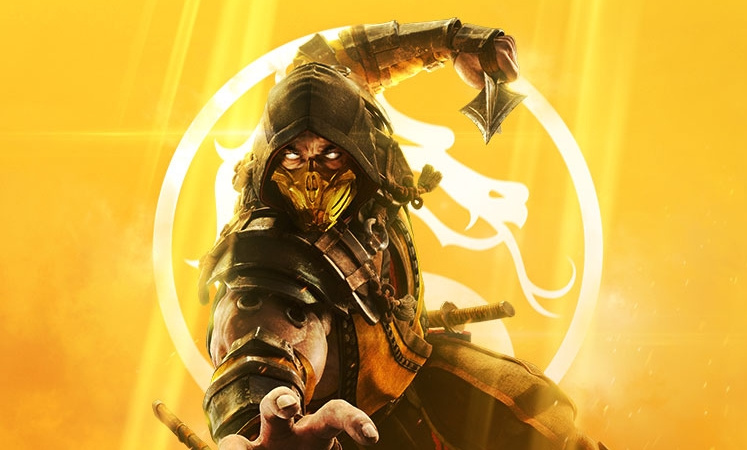
Earlier this week, Mortal Kombat 11 arrived in North America on the Nintendo Switch. The European release will be out next month. If you’re still on the fence about this particular version of the game, Digital Foundry has now uploaded a video comparing the Switch release to its PlayStation 4 and Xbox One counterpart. According to the tech experts, it’s simply “remarkable” a demanding 60fps Unreal Engine game like this is even running on such a device.
Shiver Entertainment has managed to keep all of the gameplay intact in the Nintendo release. The main difference between each version is image quality and resolution. When the Switch is docked, the game resolution runs at 1280×720 and can fall to 960×540. The bigger drops appear during the fatalities and opening moments, but on average, the gameplay runs at 720p. On the portable front, MK11 takes quite a hit. At best, it is 854×480 and can go down to 682x 384 during more intensive moments.
In terms of frame rate, the Switch release runs at 60fps with a few stutters here and there in docked mode. It’s only the cut scenes that struggle, often dropping below the 30fps cap. In the portable mode, the game runs at 60fps but can go down to 45fps. Overall, though, Mortal Kombat 11 is one of the most ambitious Switch ports to date. The portable play is what makes the Switch version worth considering.
Have you tried out Mortal Kombat 11 on the Switch yet? What do you think of it so far? Tell us below.
After eight years, the 3DS is on life-support. First-party releases for the system have seemingly dried up and during Nintendo’s latest financial briefing, there was no mention of future games support for the device.
If it wasn’t already evident Nintendo is ready to move on, Kotaku reached out to the company after the briefing and received the following response:
“We have nothing new to announce regarding first-party software for the Nintendo 3DS family of systems. We can confirm that new software is coming from third-party publishers.”
So, if the 3DS has finally been dropped by Nintendo, all that’s left to look forward to now are third-party releases such as Persona Q2: New Cinema Labyrinth. At the end of last month, Limited Run also revealed it would be releasing a physical 3DS game in the near future.
Despite the system’s age, 3DS game sales are still going strong. For example, just yesterday, we found out Mario Kart 7 is selling like hotcakes – with the game shifting 1.21 million units across the globe over the past financial year. Admittedly, the fact it is bundled with 2DS line has probably helped.
Is this the end for the 3DS? Has Nintendo finally moved on? Leave your thoughts in the comments.
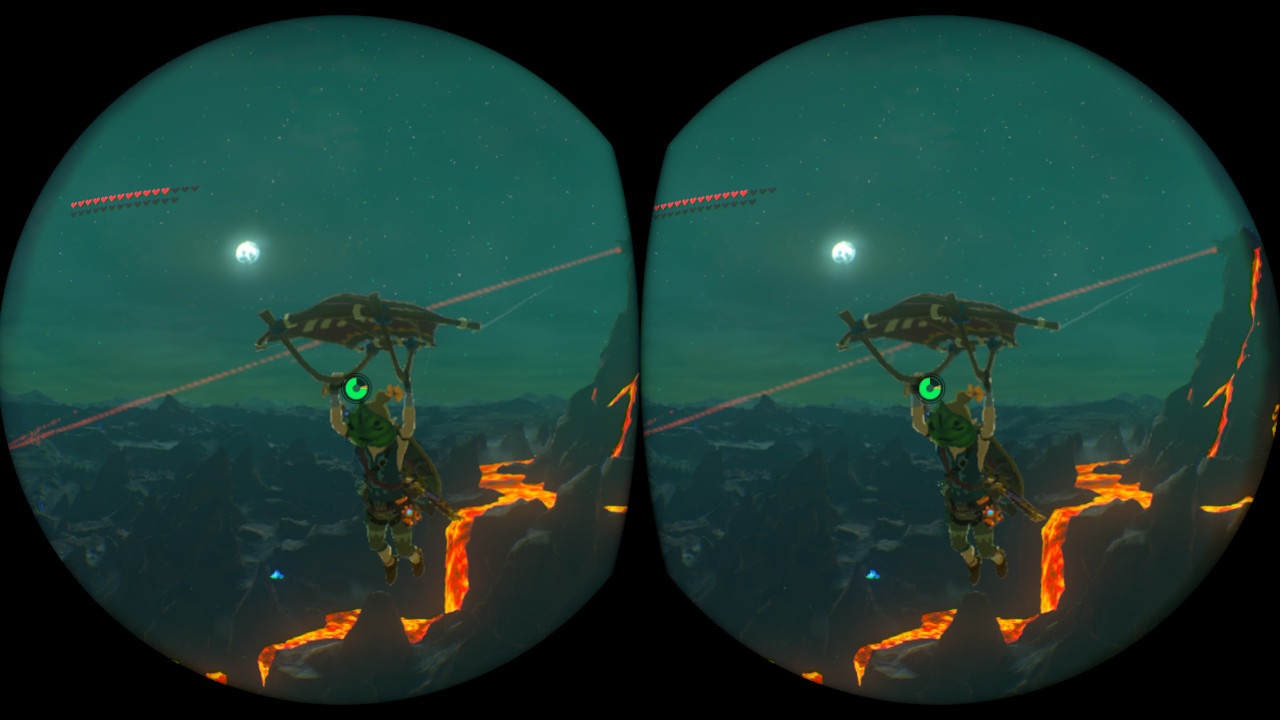
It always seemed too good to be true. A virtual reality update to Breath of the Wild that enables you to play the entire game with the Labo VR Goggles? Blimey Charlie! Despite all our nagging doubts, the very fact that Nintendo was putting it out meant it must pass a minimum quality threshold, no? At the very least it wouldn’t reduce players to nauseous, woozy wrecks after a few minutes of play, surely?
Unfortunately, it seems that is exactly what it does. We expected to hear caveats and advice from Nintendo – and to be fair we’ve heard the developers state that it’s mainly intended to be used ‘on and off’ for scenic spots and checking out our favourite NPCs – but masochists are absolutely free to play the entire game in VR.
In some ways it’s admirably un-Nintendo to simply tag on a blanket mode and send it out into the wild, but it only takes a short while to realise that a small, bespoke VR area might have been the better option after all.
Frankly, Hyrule is very hard to stomach in VR, certainly for any length of time. Anybody thinking of picking up a custom 3D-printed pair of Switch VR goggles and headstrap on Etsy might want to hold off – the pain as the lactic acid builds up in your arms while holding the Switch to your face signals the duration the average gamer will be able to manage Breath of the Wild through VR goggles. As we write this, we’re still feeling a little spaced out following an hour or so of play.
It looks better in screenshots when the pixels aren’t two inches from your face.
The motion from the camera is the problem. The gyro in the console enables you to look around but rather than rooting you to the spot, you float around Lakitu-style behind Link. Look skywards and the camera moves in closer to Link, just as it does when you do the same using the right stick; look down and ‘you’ zoom out further. This, in addition to the regular rotational movement, instantly feels strange as your brain struggles to marry the erratic visual data with the information it’s getting from your inner ear.
Anybody with a cursory knowledge of VR will tell you that this disconnect is one of the biggest problems developers face and, frankly, Switch isn’t equipped to deal with it. Standing in one spot is one thing, but while in motion the screen resolution, refresh rate and various other factors become much more important – all of the things which we were worried about from the very first announcement.
It is possible to mitigate some of the effects. Turning motion aiming off in the menu stops the gyro from registering your head movement, meaning you can last longer, but it’s simply delaying the inevitable. In terms of immersion, the field of view offered on Switch is too narrow to improve upon a big ol’ TV. Yes, Hyrule has depth but you’re looking at it through binoculars, and very pixelated ones at that.
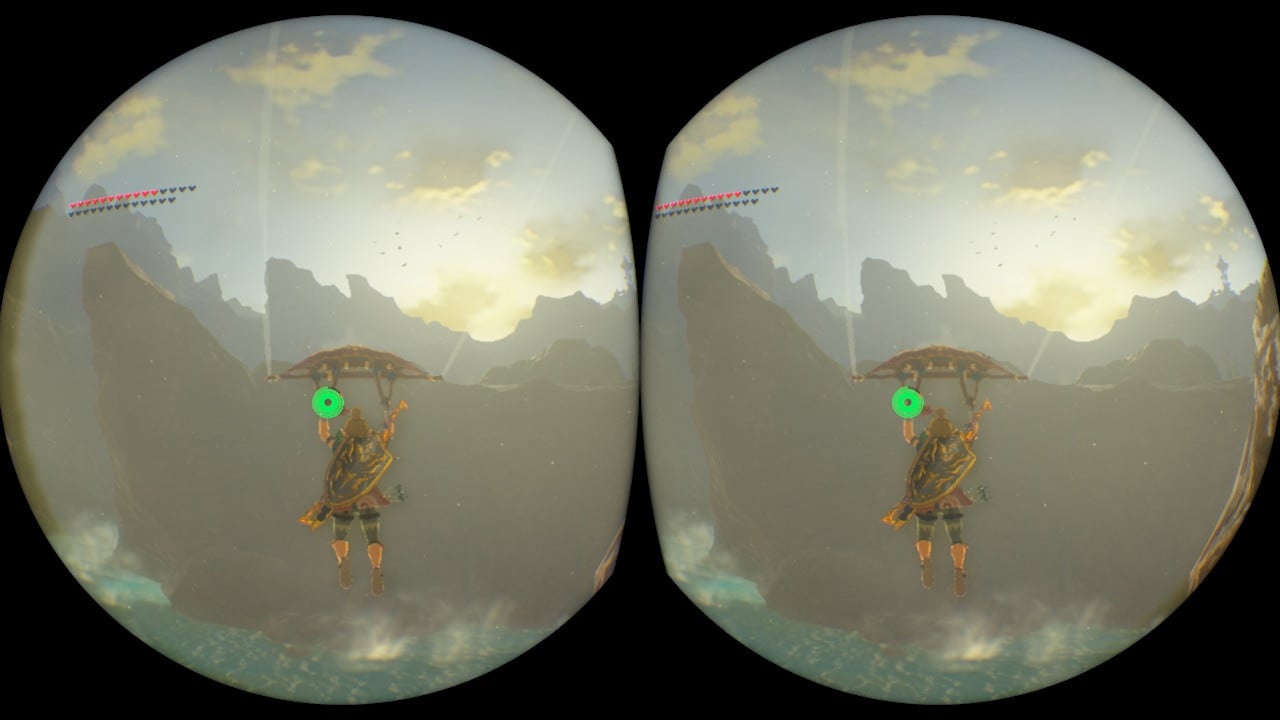
Things feel much better when you’re gliding. Climbing (or warping if you’re clever) to the highest place on your map and leaping into the air, the sense of depth provided by the Goggles is impressive. Looking down may well give you a sense of vertigo – anybody for whom this is their first brush with VR will likely be impressed with that sensation, at least. Until they start developing pain behind the eyeballs and feeling dizzy, that is.
Run away! Run away!…
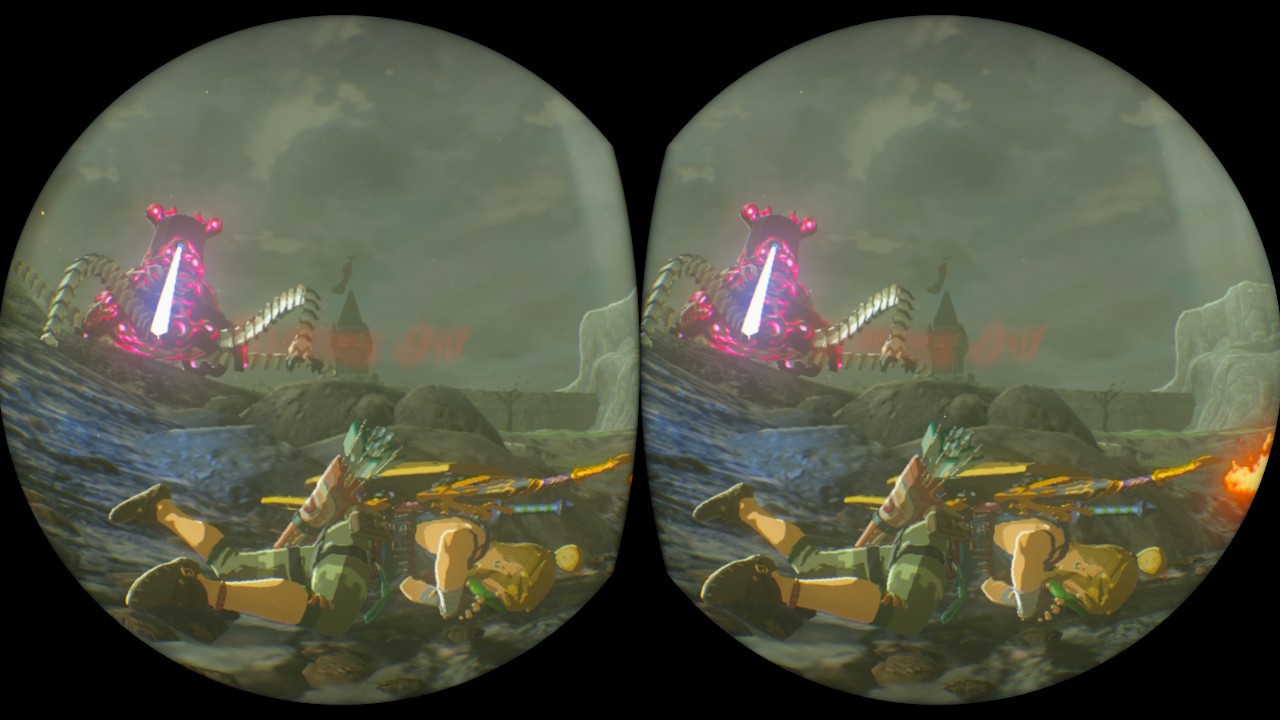
Any other part of normal gameplay is tough, though. Combat scenarios get messy quickly. Guardian battles aren’t easy at the best of times but with one of the beasts bearing down on you – and while you’re struggling to control Link with your hands cramped up around your face – the last thing you want is to be battling wooziness as well.
Who knows – we imagine the homebrew scene will be reverse engineering this mode into the Wii U version for use on emulators and perhaps we’ll see a HTC Vive or Oculus version of this which solves the tech problems inherent to Switch. Zelda in VR seems like an experiment that somehow escaped Nintendo’s R&D department. It’s a nice gesture, but not something you’ll want to – or will be able to – spend any length of time with.
We’ll keep our fingers crossed for another update. We’d jump at the chance, for example, to unearth a few specially-developed VR shrines more along the lines of the Super Mario Odyssey VR content. As it is, Breath of the Wild through the Labo VR Goggles is a nausea-inducing failure – a noble, curious one, but a failure nonetheless.
Have you tried out Breath of the Wild in VR mode yet? How did you feel afterwards? Share your thoughts below.
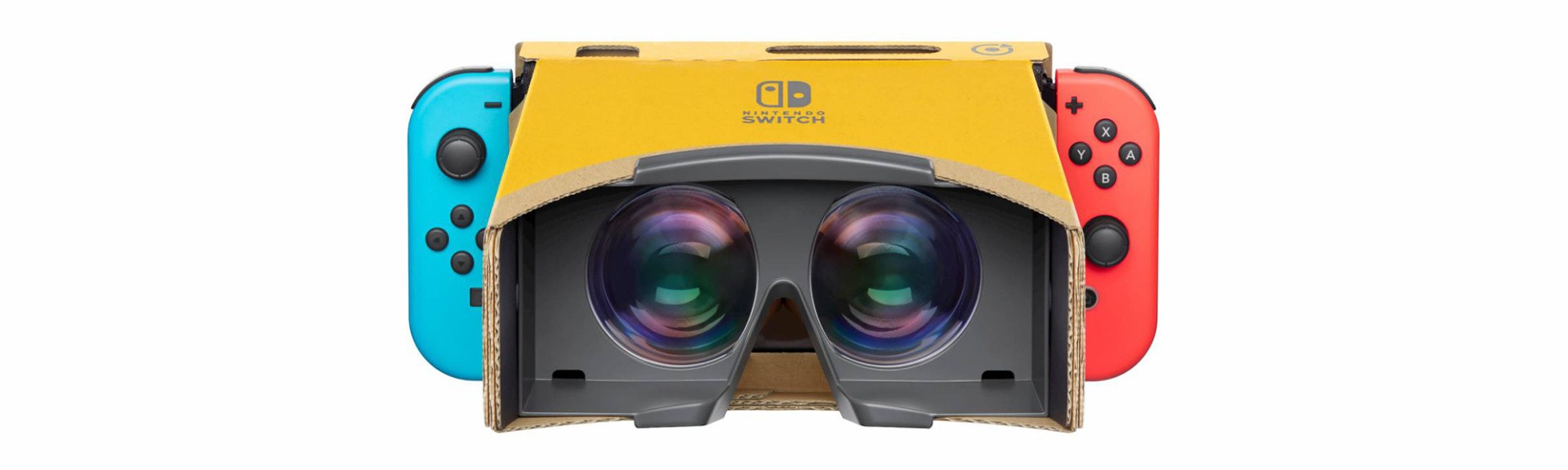
It would be fair to say that the initial Labo kits divided Nintendo fans. The company’s cardboard caper seemed, on the one hand, to be utterly, uniquely Nintendo, but also exasperated some gamers who saw Switch as a belated return to ‘proper’ games after a decade of Wii-based whimsy. When Nintendo dropped the news that it was making a long-rumoured move into the VR arena with its fourth Labo Kit, the reaction was similarly mixed. How could Switch possibly offer a decent VR experience with a 720p screen and a few sheets of cardboard? Well, continuing its philosophy of cooking up tasty experiences with very modest ingredients, Nintendo has done a great job with entry-level VR, too.
Let’s get something out of the way, though: if you hated Labo in its previous iteration sans VR, these aren’t the Toy-Con you’re looking for – move along. If, however, the initial sets struck a chord with you, or if they looked intriguing even though you couldn’t bring yourself to pull the trigger, Labo VR Kit (specifically the Starter Kit + Blaster) could be just the ticket to bring you into the fold.
In this review we’ll be concentrating on the Starter Kit – the VR Goggles and the Blaster – although we will also dip into the expansion sets. Labo’s ‘Make, Play, Discover’ mantra permeates the experience, so we’ll address it in that order…
Make
As with previous kits, you punch out the Toy-Con components from cardboard sheets and follow onscreen assembly instructions. Each one comes with a build time estimate – prepare yourself for a lengthy (and curiously calming) construction phase. Instructions are clear, although we’d have welcomed an ‘autoplay’ function; having to constantly use the touchscreen in handheld mode (or hold ‘A’ while docked) is a bit of a nuisance, especially when half the time you’re just folding along predefined creases.
The VR Toy-Con themselves are ingeniously engineered. A variety of light-reflecting stickers, pads, rubber bands, grommets and washers are used in conjunction with the cardboard, and the VR Goggles plug in to each and every one. They’re not the easiest things to store – nor are they indestructible – but they’re comfortable and sturdy enough to withstand heavy use for a good long while.
Upon completing the Goggles (with an onscreen rocket launch providing perhaps the best use of HD rumble on the system), you’re ready to slide the console in and get cracking. A separate cardboard ‘cap’ prevents your Switch from sliding out of its own accord, although it’s held in there pretty tight. The game can be configured to detect when you insert the console (via the brightness sensor) and automatically switch to VR mode – handy.
Now we’ve got the tools, let’s play…
Play
The very first thing that jumps out when entering the virtual realm on Switch is the text; it’s a bit hard to make out and tends to shimmer. Instructions are written on the sides of interactable blocks in nearly all the minigames and at first, it’s tough to parse. After checking to confirm that, yes, the lenses were functioning perfectly and everything was present and correct, we quickly accepted that the screen’s low resolution means that fine detail simply isn’t its strong suit.
The pixel count of Switch’s 720p screen is halved and then some thanks to the circular ‘frame’ dedicated to each eye and a visible grid of pixels produces the expected ‘screen door’ effect (appearing like you’re viewing the world through a mesh). This doesn’t affect gameplay per se, but reading those instructions is occasionally a strain.
64 minigames comprise the VR Plaza, many playable with just the goggles (plus the optional attachable pinwheel that you blow to activate). Tapping the console on the top right edge while in VR mode enables you to cleverly navigate menus without any Joy-Con connected. Some of the games are designed around a specific Toy-Con and are therefore locked until you’ve made the requisite toy, and although you can force unlock everything, fudging controls that require the IR sensor and other inputs makes playing them without the bespoke cardboard highly impractical.
Nearly all the games root you to the spot. Hitting ‘Y’ will usually cycle the camera position, but you’re looking around from a fixed position – a necessary step to avoid motion sickness which works perfectly. Some require both Joy-Con attached to the console while others, such as Shootin’ Hoops, require the use of a detached Joy-Con R. Holding the Goggles with one hand leads to inevitable cramp after a while – Nintendo omitted to supply a head strap in order to get the lowest possible age rating for the kit, but an optional accessory would be most welcome (and in true Labo DIY spirit, we’ve already seen homebrew and third-party solutions crop up).
Whether throwing a ragdoll around a vast open plain, driving an RC car or experimenting with gravity in what looks like an empty swimming pool, you may only play VR Plaza’s novelties once (or crack them out when someone asks to see what this Switch VR business is all about), but they’re sure to raise a grin, especially if this is your first venture into the VR arena. The real ‘meat’ of the Starter Set, though, comes in the form of the bulky Blaster.
Its main game is an on-rails shooter. Riding atop a trundling mini tank, you defend your neighbourhood against an alien invasion. Pressing the backwards-facing trigger button locks on to whatever you’re pointing at; cocking the gun and firing will launch a homing missile. This optional lock-on mechanic can be used to shoot around scenery blocking your aim – buildings or girders, for example. Your projectiles bounce and the act of locking and cocking introduces a satisfying flow to the gameplay, involving you in the action and making it feel more immersive than a simple shooting gallery.
Central to that immersion is the feedback of the Blaster itself; it’s by far the most satisfying Toy-Con to wield and its onscreen equivalent mirrors your analogue input. The physical jolt and noise of each shot means you won’t be playing it in bed as your significant other slumbers, but it adds another layer to the experience. Rotating the attached Joy-Con L 90° flips down a virtual visor that temporarily freezes time, enabling you to pick off pesky enemies in the distance. Each of the three short stages per level tallies your score at the end and beating all six levels enables you to replay any stage at will, with ‘Expert’ versions removing lock-on targeting and time freeze.
If you don’t want to use the goggles, you can simply attach the console (via a separate holder) to the Blaster and play by looking at the screen. What you sacrifice in immersion you gain in resolution and small children can join in the fun without their vision being irreparably scrambled.
The kids will likely want to get involved, too. The chunky alien enemies may as well have stepped out of Splatoon 2 (and the announcement of the Zelda and Mario updates bodes well for a bespoke on-rails tie-in, we’d wager). Bosses are chunkily designed and really get you looking around the virtual environment. Giant enemy crabs have rarely been so satisfying to take down.
Kablasta is the second Blaster activity. You shoot fruit into a pool of hungry hippos to attract them to your score zone. It’s multiplayer-only which involves handing the Blaster to your opponent between shots. It’s a fun little competitive game, although it’s much slighter than the alien-blaster.
As for the other Toy-Con that come in the full kit and caboodle, they’re interesting, but don’t hold a whole lot of interest long term. The Camera is probably the weakest example, as both games that utilise it use almost nothing new, instead recycling assets from the Variety Kit. Whereas something like the classic Pokémon Snap did something truly interesting with its photography mechanics, the Toy-Con Camera is all but limited to pointing and shooting, and not in the carefree fun way of the Blaster.
The Bird fares better, however, and is probably the strongest contender of those found outside the Starter kit. You fly around an island in what starts as a slightly dizzying motion sickness fest, but your brain soon catches up and you’re free to explore the land at your own pace, and in your own way. The objective is to find items to feed to hatchlings, but we found the most joy in just flying around at our own, leisurely pace. It’s not exactly Breath of the Wild, but it’s not trying to be either.
The Elephant is a curious one. The application and accuracy of the ‘controller’ is almost revoltingly accurate. Both games require you to interact with things that you inherently want to look around from different angles, whether to better gauge your depth perception, or to just view something from another side, but this just isn’t an option as you’re rooted to the spot. It’s not a dealbreaker by any means, but it is certainly a nuisance.
The Wing Pedal at first glance looks like a hangover from the Bird, and the game that accommodates it could quite easily be re-worked to use simply a button input. Having said that, the gust of wind it thrusts at your face every time your foot plunges it down adds a surprisingly effective sense of immersion beyond what the Goggles give you. Whilst jumping on top of balls isn’t necessarily going to be the next Pokémon Silver, it’s a lot more fun than it first appears.
Having played through that little lot (and seen more than our fair share of messages advising us to take a break), it’s time to discover exactly how they all work…
Discover
The ‘development team’ from the previous kits returns, so you’ll chat with Prof. Gerry Riggs, Plaise Allatyme and Lerna Lotte though simple Instant Messaging-style screens. The blue ‘Discover’ tab breaks down how the Toy-Con work, highlights cool features and offers instruction and tips for the games with videos to help you get to grips with the basics. You can also learn about various aspects of 3D, depth perception, binocular parallax and the like. While this may be elementary, in our experience the general knowledge of family members regarding this subject is often unbelievably poor – we’ve had oblivious relatives watch entire films in 3D without the required glasses, presumably thinking… well, who knows what they were thinking, but Labo VR is a great opportunity to educate them.
A selection of VR videos are available, though don’t get too excited – Prof. Gerry himself says “This is more of a little bonus feature than anything, so don’t expect too much…” You can pretend you’re feeding deer or swimming with penguins or, most notably, watching the Mario Tennis intro screen in a tantalising Virtual Boy Easter Egg.
The final part of the package is Toy-Con Garage and it’s probably the most exciting. Finding this section unlocks another 24 VR Plaza games, all constructed (as were the previous ones) using the Garage tools and editable from the pause screen. Many of them are delightfully stupid – from cutting hairs off a huge cuboid head to pressing buttons to construct a giant hamburger. Several don’t even use VR, but they showcase the bewildering possibilities of the software; we’ve played far worse full pinball games than ‘Plinky Pinball’. Want to make a basic FPS? How about a racing game? If you’re willing to tinker, there’s a staggering amount of potential. Sharing your creations with friends and family is great, although some sort of online repository would have been incredible – no surprises to find that feature absent, though.
The whole package is topped off with some funky, jaunty music and that trademark dose of Nintendo polish and charm, and we’d say that it does enough to warrant a purchase even if you’re sceptical. However, the updates Nintendo has released for Super Mario Odyssey and The Legend of Zelda: Breath of the Wild are likely to persuade many gamers sitting on the fence to take the plunge on Labo VR.
Arguably the most exciting of the two propositions is exploring Hyrule in VR but, unfortunately, in practice it confirms many of our fears and misgivings. Rotating your head moves the camera around Link and it moves closer as you look towards the sky (just as it does via the right stick) – this constant lurching backwards and forwards gave us a headache almost immediately. Text is illegible at the sides of the screen and you can forget combat scenarios if you want to keep your breakfast down.
The best moments come from seeing the landscape as you glide – warp to the highest spot you’ve unlocked, crack out your glider and simply admire the kingdom below as you push forward on the stick. It’s a pleasant view, but despite being more excited for this initially, a few bespoke VR shrines may have been a better way to integrate the Goggles into Breath of the Wild. It’s still not too late, of course.
Odyssey’s entirely separate VR mode is far more successful. Accessible from the main menu, you’re tasked with finding instruments for nine musicians strewn across three kingdoms. You control Mario from a fixed camera position, immediately eliminating the wooziness that bubbles up in Hyrule, and there’s a handy zoom on ‘R’. With secrets to find, it’s a diverting little extra for a game you almost certainly already own.
The Labo VR Kit isn’t perfect. To anybody who took against Labo in its non-VR form, there’s nothing here that’s going to change your mind. To VR veterans coming from other far more powerful platforms, Switch’s simple take on the technology may look laughably simplistic. But to the vast majority of Switch owners that fall outside those brackets, Labo VR is a little wonder and more than worth the asking price for the Starter Set. We’d take a lightweight premium version of the goggles (and we’re sure they’ll be coming from third parties) and we’d absolutely welcome any increase in resolution an upgraded Switch console could provide – if only to make text a little more legible – but Labo VR works brilliantly in the context of a fascinating little toy, providing novel bursts of that tactile Nintendo magic.
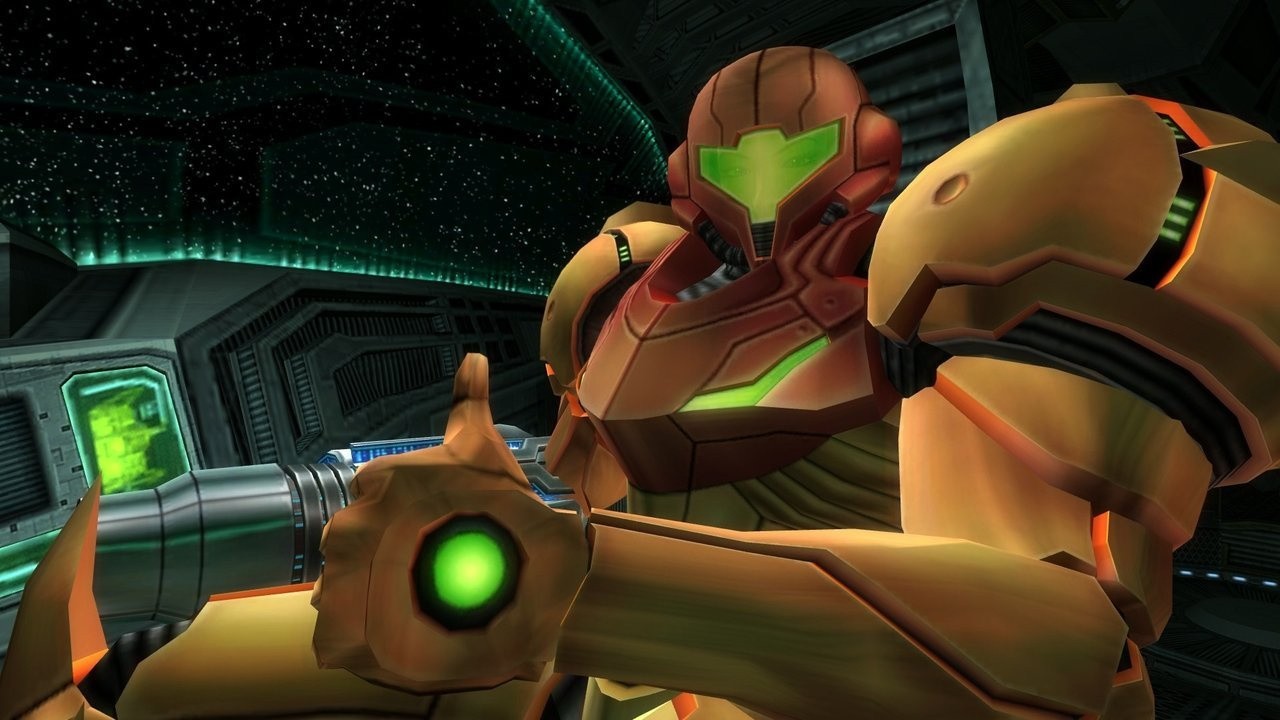
Retro Studios – the developer behind titles like Metroid Prime, Donkey Kong Country: Tropical Freeze and Mario Kart 7 – has posted a number of new job listings today. The company is searching for talented individuals who are passionate about “the Nintendo legacy”.
You can check out the jobs here if you’re interested; current openings include an Art Director, Product Tester, Lead Character Artist, Level 1 and 3 Tools Engineers, Physics Engineer, IT Engineer and more. Some posts actually date back to last year, but plenty more were uploaded today.
Retro Studios has shared a brief write up about life at the company and what it means to be a part of it. You won’t be surprised to see that a passion for Nintendo is not only a crucial quality needed in any successful applicants, but also something which drives everything Retro does.
Joining the Retro team means becoming part of a company that is passionate about what it does and what it is a part of – the Nintendo legacy.
As a North American Nintendo-owned developer, we pride ourselves on delivering high quality, customized experiences in our games and in our studio. Our unique style stands out and wows gamers all over the globe with games in the Metroid, Donkey Kong, and Mario Kart franchises. We believe good company culture, passion and creativity are crucial to delivering great games. Retro is committed to maintaining an environment that supports those qualities and our employees and our games are a reflection of these efforts.
Working at Retro means joining the family – locally and globally. It means breakfast & picnics with the team. It means collaboration with our Japanese partners. But for each individual, it means giving back to that family by bringing creativity, consideration and respect to the strong, wonderful IPs of Nintendo.
If you’re passionate about quality, about being a part of a creative culture and about Nintendo, you’re already one step closer to being part of Retro Studios.
Just think, the talented souls who go on to claim these jobs will likely end up assisting with Metroid Prime 4. We’re not jealous at all.
Koei Tecmo has released some brand new details for Atelier Lulua: The Scion of Arland, the latest entry in the Atelier series which is landing on Switch next month.
You can see some of the game’s combat in action for yourself thanks to a newly released trailer (we’ve shared that for you above) but we also have some written info directly from the publisher. If you want to learn all about the game’s turn-based battle system, read on:
Alchemists exploring Arland for raw materials should always be prepared for battle — these beautiful lands are not only home to important resources but dangerous creatures waiting to attack. Atelier Lulua: The Scion of Arland features a turn-based battle system where players can form a party consisting of five members: three attackers and two taking a supportive role. Support members automatically perform Assist Attacks to compliment the attacker’s actions, and aiming to trigger these regularly will ensure that maximum damage is dealt to enemies.
Attackers have an arsenal of unique skills they can use to strike enemy weaknesses. For example, the talented Eva can use the Range Shift skill; expanding her area of attack for a few rounds. These abilities can also aid in the decryption of the Alchemy Riddle, helping players unlock new synthesis recipes and further skills. Depending on the formation of attackers at the start of an encounter, a special dormant ability known as a Primal Art can also be awakened. These arts automatically activate to offer the party support through their battle in the form of increasing Item Damage, or even increasing Attack Damage, for the entirety of the fight.
In Atelier Lulua: The Scion of Arland, alchemists are able to utilize the new Interrupt ability, offering the chance for them to perform a special Interrupt Skill and use a pre-equipped item, outside of their turn. Once the gauge is full from performing attacks, the skill can be triggered and the pre-equipped item will not be consumed when used – giving the attacking team the upper hand against powerful foes.
That’s not all, though, as Koei Tecmo America has also shared details regarding early purchase DLC bonuses and a Limited Edition version of the game. If you pick up the game either digitally or physically within the first month of launch, you’ll receive the ‘Innocent Fairy’ and ‘Fish Girl’ costumes for Lulua via exclusive DLC.
A Limited Edition version of the game will also be exclusively available through the NISA Online Store, including a physical version of the game, a hardcover art book, the Sound Archives official soundtrack, keychains of Lulua & Rorona, and a deluxe cloth poster.
Are you an Atelier fan? Looking forward to this one? Remember, Atelier Lulua: The Scion of Arland launches on 21st May.
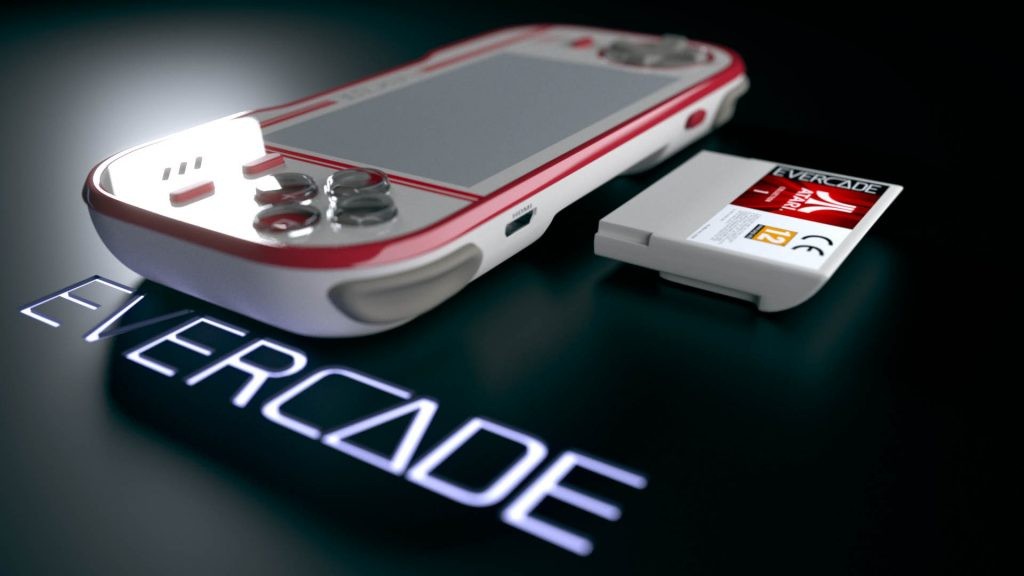
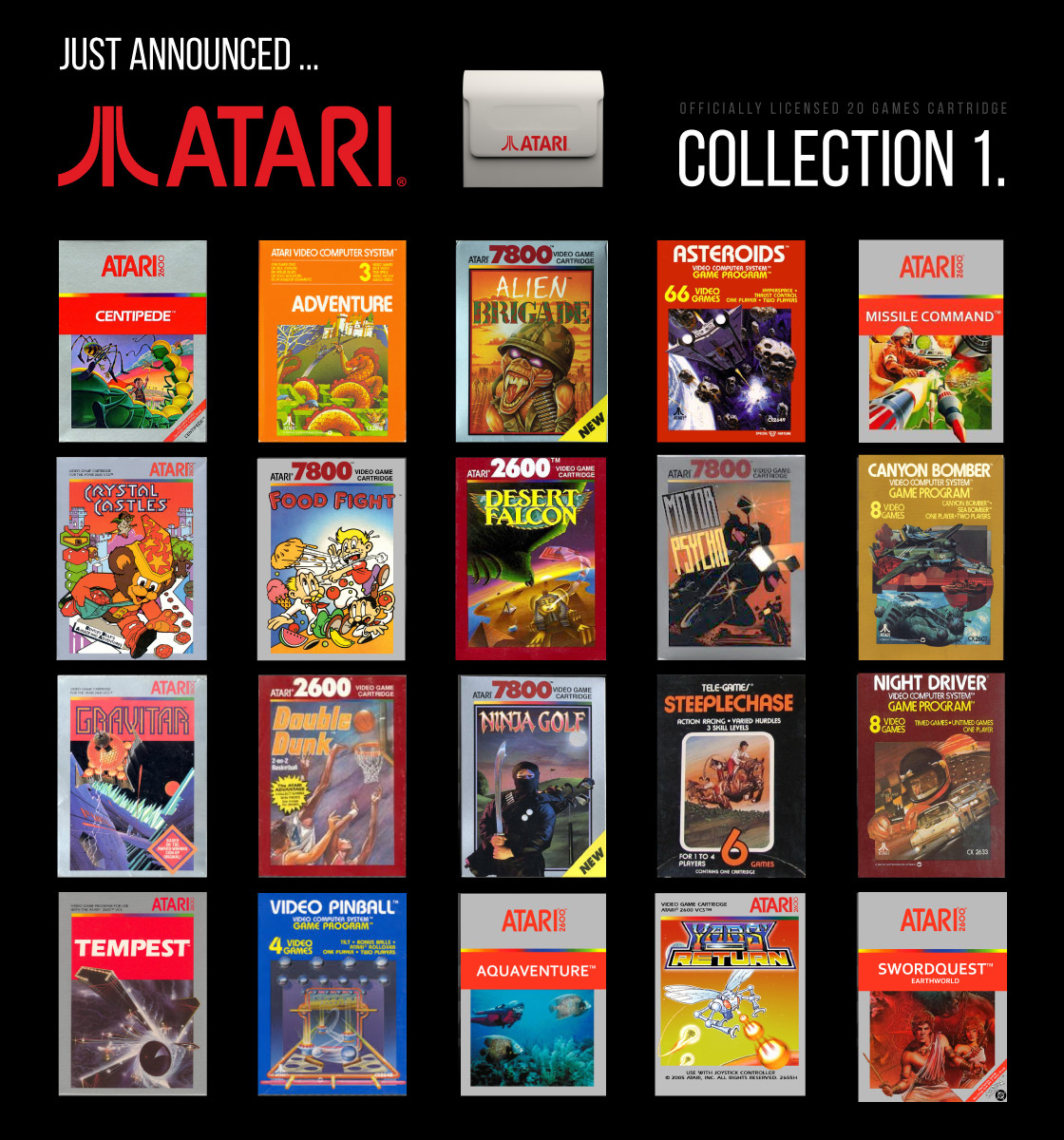
The first pictures of the Evercade, a retro-oriented handheld console, have been released showing off the cartridges the system will use and announcing the first publisher to jump on board: Atari.
As you can see, the system features a traditional control template with the face buttons adopting the Xbox layout (or Dreamcast, if you prefer). It has a 4.3-inch screen and the ability to output to a TV via HDMI. We quite like the detailing and colouring of these renders and it’ll be intriguing to see how the finished product compares.
The first multi-game cartridge to be released will feature 20 classic Atari games including Centipede, Tempest and Missile Command, with further announcements of upcoming cartridges expected soon.
Prices for the console are split between the Standard edition which bundles one cart for £59.99 / €69.99 / $79.99, or the Premium version with three carts for £79.99 / €89.99 / $99.99. That’s a significant chunk of money to play some old Atari games, but may be attractive if the console performs well from an emulation perspective and feels comfortable to use.
Beyond the renders and the Atari announcement, the system’s vital stats remain as previously reported earlier this month. While its ability to connect to a TV might position it as a Switch rival, this is really a much smaller project with more humble – specifically retro – ambitions. While Atari’s endorsement is hardly a seal of quality, it’s admirable that the makers of the Evercade are eager to attract big names and we’re interested to see what other publishers they’ve got lined up.
Fans of old games will want to keep an eye on its progress, and purists will want to disable that ‘stretched’ 16:9 mode immediately. Our biggest criticism (well, our only criticism really) of the brilliant GBA SP is how easy it is to hit ‘L’ by accident and stretch GB or GBC games horribly to fill the entire screen. Frightful.
How does the Evercade look to you? Do you think these renders will reflect the final product? Share your thoughts below.
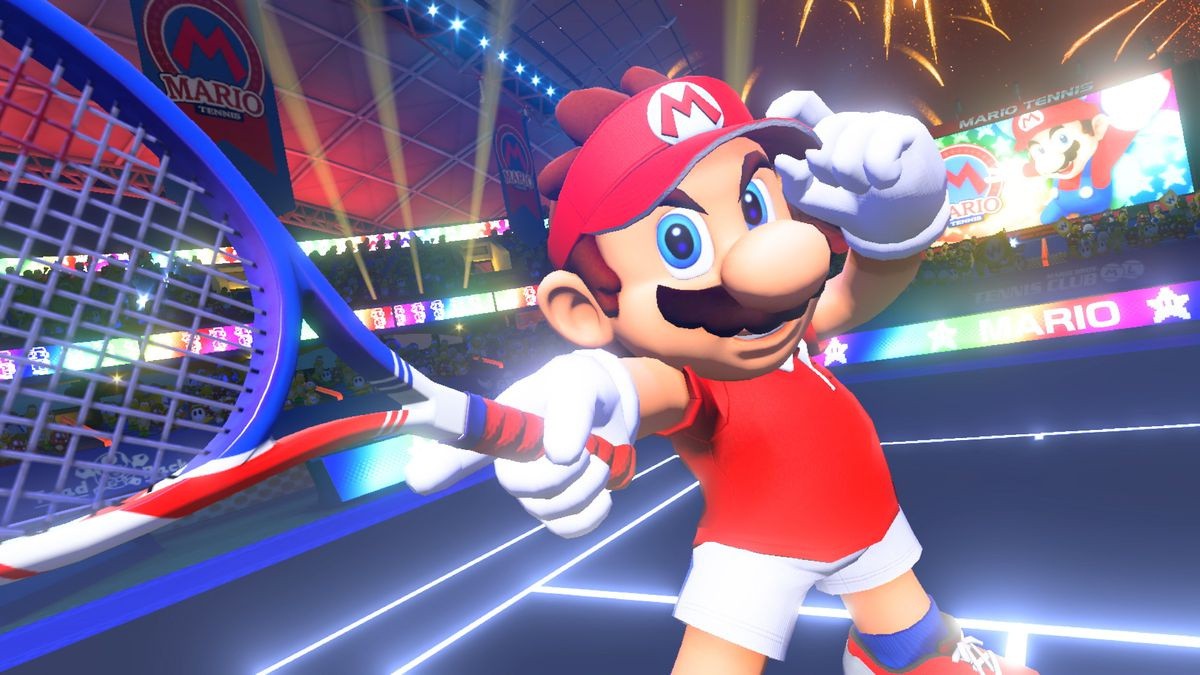
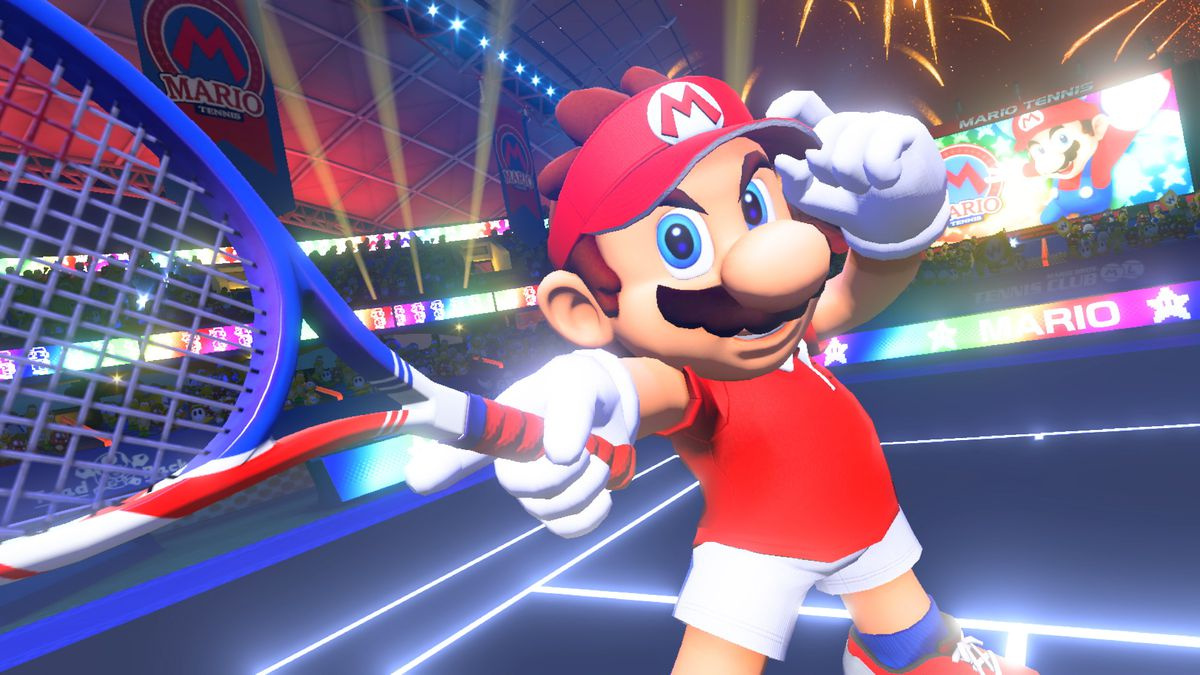
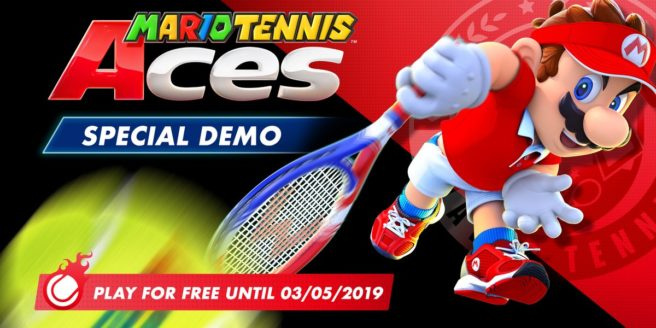
If you still haven’t got round to picking up a copy of Mario Tennis Aces yet, you may want to head to the eShop and download this brand new demo which has appeared today.
The Mario Tennis Aces: Special Demo – to give it its full name – is available to download as we speak and runs for a full week until 10am CEST on Friday 3rd May. Grabbing the demo gives you the chance to take to the court and experience a variety of game modes, and will also let you reap some special rewards that can then be carried over into the full game, should you decide to pick it up at a later date.
Playing just one match in this week-long tournament unlocks an outfit for Mario that decks him out in classic overalls, and you can also collect points in the demo’s Co-op Challenge mode, giving you the chance to unlock blue, red and yellow Yoshi that can also be used right away in the demo or in the full version of the game.
That’s not all, though, as anyone who downloads the demo will also receive an email with a Nintendo eShop code to activate a seven-day free trial for Nintendo Switch Online, perfect for trying all the features of this membership service. Players can use this code even if they’ve taken part in a previous free trial.
Will you be checking out this demo today? Do you already own the full game? Let us know if you’ll be taking to the court in the comments.
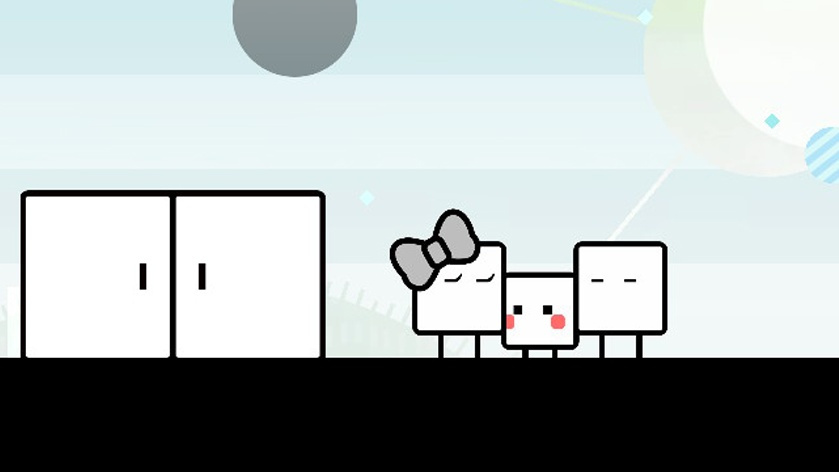
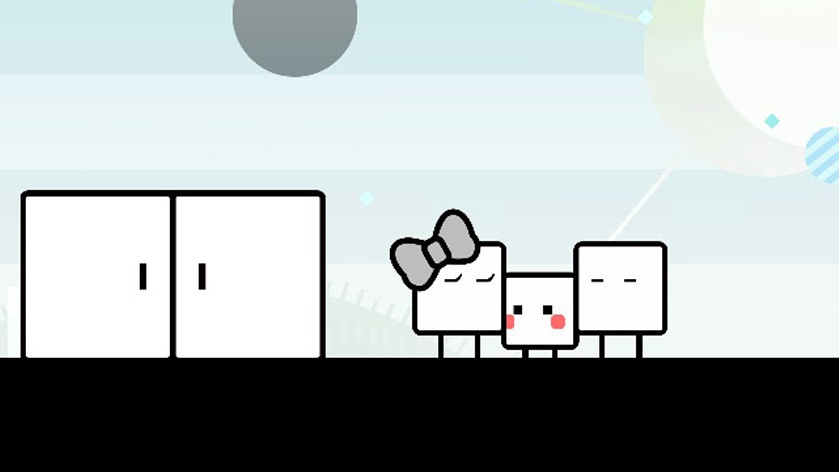
BOXBOY! + BOXGIRL! is the latest Nintendo-published title to fly on to the Switch’s digital shelves, puzzling its way to a hybrid console near you today.
The 2D puzzle-platformer features a trio of quadratic characters – Qbby, Qucy and Qudy. The latter of these – the tall one – stars in this new launch trailer, tackling puzzles which force players to think outside the rectangle. You’ll also get a quick look at the new outfits available to customise your characters.
The game features 270 stages, which just so happens to be the most in the series to date, and for the first time, two players can work together to solve puzzles. We’ll have a full review of the game for you in the near future, but if you can’t wait until then, you can always try out the demo that’s available right now on the eShop. If you’re intrigued, it’s probably worth giving it a go.
The full game can be purchased from the Switch eShop from today for $9.99 / £8.99.
It’s bizarre to think that it’s been 13 years since the likes of Scorpion, Kung Lao and Raiden spilled blood on a Nintendo platform with 2006’s Mortal Kombat: Armageddon on Wii, but that absence has enabled NetherRealm Studios to finally bring the quality of its combat model to the level that reflects its devotion to slapstick gore. That drought in gloriously over-the-top western violence has finally been quenched with the suitably bombastic arrival of Mortal Kombat 11 on Nintendo Switch.
And you can really see just how far the Chicago, IL based studio has come since Armageddon. Thanks to the overhaul of its fighting mechanics in MK9, the welcome improvements (and new characters) introduced in MKX and the more accessible nature of the Injustice games, MK11 immediately feels like a fighter in the rudest of health. Character models – both in cutscenes and in battle – have never looked or moved better thanks to the improvements made in Injustice 2. The story mode – a staple of the series in recent years – is its most rewarding yet, packed with Easter eggs and nonstop nods to its own decades long canon. Everything has been tweaked or adjusted to make this the most improved entry yet.
The first thing you’ll notice is the slower pace of each battle. The ability to run has been completely removed and the speed of your walk has been reduced considerably. For anyone that’s been playing MK for years – especially the previous two entries – this transition will take the longest to adapt to, but it’s an important adjustment that plays into the more technical nature of M11’s input system and reduces those combo rushes that can often be over-spammed online. You’ll still need to learn the precise inputs of your chosen main, but once you’ve mastered the ins and outs of their moveset, that measured pace enables you to really string together some lethally creative combos.
The re-introduction of Krushing Blows (an updated version of the X-Ray moves from previous entries) provide a satisfying way to inflict considerable damage on your opponent (with an obligatory look at how much skull or spine you’re shattering), but it’s Fatal Blows that add the most significant change. Activated when your health drops dangerously low, these special attacks work a lot like the Super Moves from the Injustice series, with character-specific violence that takes a whopping 35% health off the bar. The only caveat is you only get one per match (not per round), so when a match comes down to two players on a sliver of health between them and their Fatal Blows still ready to play, those closing moments become like never before.
Alongside the Story mode there’s the Klassic Towers (a staple of the series, where you battle through a series of enemies before facing off against new time-bending villain, Kronika) and the new Towers of Time, which offers a similar setup only with certain stipulations (such as fighting opponents with double their health or dodging a constant stream of projectiles). The random nature of Towers of Time means that you’re either going to get a really fun mixture of challenge, or a rage-inducing exercise in anger mismanagement. There’s also The Krypt, which enables you to spend the in-game gold you naturally earn through play by exploring the island home of Shang Tsung, opening chests and increasing your collection of customisation items. The mode has been around since Deadly Alliance, and while it’s initially fun to run around in third-person, the imbalanced quality of the loot dropped within makes it feel substantially less enjoyable.
When NetherRealm announced it was working on a port for Nintendo Switch, it made it clear a locked target of 60fps was firmly in its sights. Drop below this figure and the speed, input accuracy and tactical nuance needed to excel at a fighting game – especially at a pro tournament level where MK11 is no doubt positioning itself – are dashed against the rocks of mediocrity and frustration. And while MK11 has had to undergo some visual downgrades to make this happen, that 60fps target holds true, even when you’re pulling off more elaborate moves such as Krushing Blows (something that affected previous instalments released on PS Vita).
While the Joy-Cons aren’t that well suited to the dexterity required for a fighting game in 2019 (we found the Pro Controller, not surprisingly, the best option outside of a proper fight stick), you can instantly feel just how accurate and empowering MK11 feels. The pace of play may have been purposefully slowed down, but whether you’re fighting against the AI, battling locally or taking your thirst for violence online, this Switch port rarely stumbles when it comes to performance.
The visual changes made are similar to those applied to other triple-A fare that have held performance above all others on Switch, such as the impressive debut of Wolfenstein II: The New Colossus. For those playing on PS4, Xbox One and PC, the transition between cutscenes and pre-fight intros are seamless, but you’ll really notice the shift on Switch. Dynamic lighting is significantly reduced, the resolution on character models and background elements are noticeably dialled back and there’s that all too familiar mixture of blurring and jagged edges. It’s not so noticeable on masked characters, but it’s much more obvious when playing with the likes of Cassie Cage or Jacqui Briggs.
Even the animated menus themselves possess a layer of blurring, but loading times between modes and each battle are usually quite brief so it’s another sacrifice that’s more than acceptable to keep performance at the forefront. It’s important to remember that, bar these aforementioned cosmetic reductions, Mortal Kombat 11 is the full package of a game you can play anywhere else. Every mode and feature – all the way from character customisation to the seamless transition between rounds – is present and correct on Nintendo hardware. The days of truncated ports are, thankfully, long behind us.
MK11 is certainly the best MK of the modern era, but it’s no flawless victory. The character customisation suite is bizarrely stripped down and unintuitive when compared with the armour loot system used in Injustice 2. In that game, you could potentially enhance the look and stats of your character after every fight, providing a tangible benefit to extended play. In MK11, you can earn new skins, augments, intros and other items by playing through the Story mode, via the Klassic Towers or Towers of Time, or by opening chests in The Krypt, but the rate at which you unlock certain gear is so random that you’re almost always rewarded with items for a character you don’t use.
Customisation has been positioned as a central part of MK11, with augments working in tandem with the multiple fighting style variants introduced in MKX, but the sheer amount of grind required to earn everything naturally is astoundingly imbalanced. NetherRealm has promised to adjust the drop of better loot in Towers of Time and The Krypt, but with an astonishingly high number of cosmetics and items locked behind microtransactions, that ugly avarice for additional expenditure is there. And while the 25-strong roster is indicative of recent entries, the lack of some fan favourites (seriously, no Cyrax, Sektor or Reptile?) seems a bizarre omission. Further characters will be added in DLC, but with some of these likely to be licensed appearances (think Hellboy and the TMNT in Injustice 2) don’t bank on all of your missing faves making it to the tournament.
Conclusion
Mortal Kombat 11 is the best Mortal Kombat since MK2, a bold and bombastic entry that boasts a fighting model that finally matches the slapstick theatrics of gory Fatalities. It’s further proof that MK, much like Street Fighter, has just as much relevance today as it did in the ’90s thanks to the way its evolved while retaining its core identity. On Switch, it’s a performance-first experience that nails 60fps, and boasts every mode and mechanic from other versions, only with a noticeable downgrade in the aesthetics department. The heavy-handed application of microtransactions makes customisation far less appealing than it should, but if NetherRealm can redress the balance, MK11 could be a contender for the best fighter on Nintendo Switch.