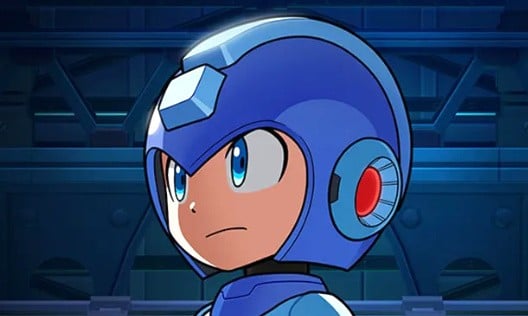
A while ago, Capcom teamed up with McDonald’s Japan to offer a special Street Fighter-themed burger menu. In an update today, it seems this partnership will continue with the fast food giant’s social media account seemingly teasing a new Mega Man collab.
As you can see, there’s an 8-bit silhouette image of the Blue Bomber (known as Rockman in Japan) drinking Coca-Cola:
Image: McDonald’s Japan / Capcom
If this collaboration is anything like the Street Fighter one, it could include themed menu items. The Street Fighter collab also included in-game unlocks for Street Fighter 6.
Mega Man is gearing up for his 40th anniversary in 2027, with the new mainline entry Mega Man: Dual Override scheduled to arrive for Switch, Switch 2 and multiple other platforms. Capcom also released the Mega Man Star Force: Legacy Collection earlier this year in March.
When we find out more about this Mega Man teaser, we’ll let you know.
Niantic’s evolving mobile hit Pokémon GO is nearing its 10th anniversary, and perhaps unsurprisingly, it won’t be getting a sequel… at least any time soon.
Scopely’s president of games Ed Wu (and former SVP of Pokémon GO at Niantic) recently spoke to GamesIndustry.biz about the title’s future, and when asked about a second game, he said it would not be the “correct thing” to do right now, as it would divide the massive community.
Here’s exactly what he had to say:
“I think that doing a sequel within a franchise is pretty clearly not the correct thing we do.
“There’s such a big community because of the way that our games can be a part of folks’s lives wherever they go, however they explore the world. Creating a sequel that divides the community doesn’t make as much sense. If and when we do something new, it will really have to be from a different angle, but still with this notion of inspiring people to explore the world together”
It’s not the first time a large and extremely popular game has turned down the idea of a sequel. For example, Minecraft decided to build on its original foundations and community, rather than pump out a second entry.
What do you think – could a game like Pokémon GO benefit from a sequel, or is it better to just stick with the one game in this particular case? Let us know in the comments.
The new release beats the likes of Pragmata, Crimson Desert, Pokémon Pokopia, and Saros, though it’s important to note that this is merely projected sales. Since Nintendo doesn’t share monthly digital sales data, the best Circana can do at this stage is, well… project the outcome.
Here’s a look at the top ten, courtesy of Mr. Piscatella:
It’s said that Tomodachi Life managed to deliver “over $41M in physical and projected digital spending”, and it’s also now the ninth best-selling game of 2026 to date. Pretty good going for such a late Switch release! Clearly there’s a lot of demand, even with the Switch 2 gobbling up sales since its launch last year.
Speaking of which, the Switch 2 was the best-selling console of the month, with the PS5 coming in second. It’ll be interesting to see how things change (if at all) when the Switch 2 price hikes come into effect from September. A solid line-up of games toward the end of the year will prove crucial, so hopefully Nintendo has a Direct up its sleeve in the coming weeks.
Did you grab Tomodachi Life: Living the Dream in April? How about a Switch 2? Let us know with a comment.
Apple isn’t doing a good job shaking the accusations of abandoning the Apple Vision Pro platform when you observe how it handles sharing information about exclusive content like Immersive Video.
I’m an Apple Vision Pro enthusiast that sees a lot of potential in the platform. It’s still a main device in my workflow that I like to visit multiple times a week to get some focused writing done.
However, it isn’t surprising in the least that Apple randomly dropped a trailer for its next Immersive Video on Wednesday morning in 2D on YouTube. It isn’t on a subject I’m particularly interested in, but it is one of very few videos shot in this format for the very expensive platform.
I own an Apple Vision Pro, I use it regularly, and yet I have no idea how I’d know about this new Immersive Video unless I followed a website like AppleInsider or Apple’s channel on YouTube.
It isn’t mentioned on the Apple TV press page, Apple’s Newsroom, in Apple’s proprietary Spatial Gallery app, or in the Apple TV app. I can’t even watch the trailer in Apple Vision Pro in an immersive format, at least not at the time of publication.
But full Immersive Video is launching on May 20. It’s beside the point, but a short film called “Real Madrid: The Weight of Greatness.”
It’s a fine trailer and makes me want to watch it, even if I don’t care about the team or the sport. I’m just aware that sports are one of the properties that fell perfectly for Apple Vision Pro.
Sure, it would be nice to see the trailer on the platform that the media is coming to.
Exemplifying the Apple Vision Pro problem
Look, I get it. Apple does this kind of thing with a lot of its media. Shows just appear on Apple TV seemingly out of the blue, especially children’s content.
Apple doesn’t do much in terms of promoting its original content as it is. But it does promote it.
YouTube and Apple’s social media presence on X, Instagram, and elsewhere get a constant barrage of clips from Apple TV shows. Spatial Gallery does get clips and behind-the-scenes features as well.
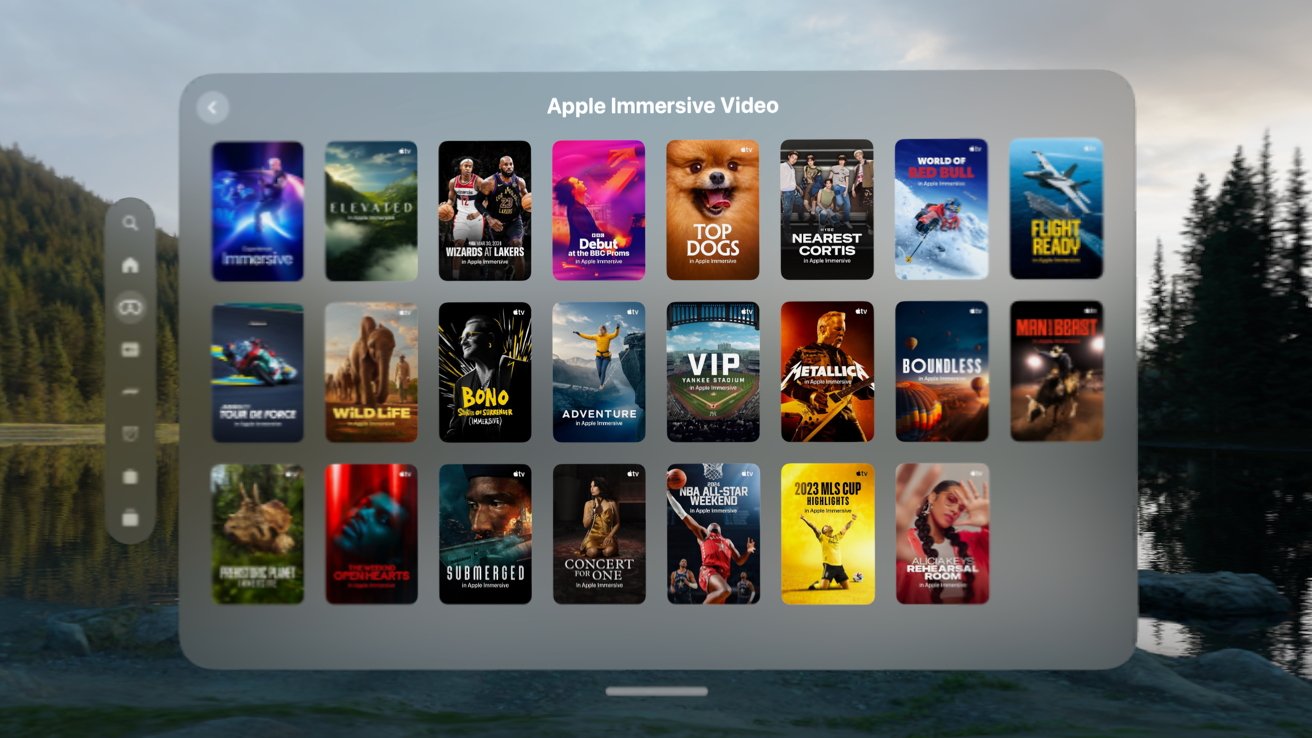
Apple Vision Pro’s very limited Immersive Video library two years after its debut
The new Immersive Video for that Real Madrid story will drop on May 20, and it’ll be heavily featured in the Apple TV app. I just find it odd that the little advertising Apple is doing is on platforms outside of Apple Vision Pro.
In part, this makes sense. The people that already own Apple Vision Pro will eventually come across it and watch it if they’re interested.
The YouTube trailer has a link to set up a try-on appointment for Apple Vision Pro. It’s clearly a way to say, “You like Real Madrid? Come try this headset.”
But like with Apple Card promotions, Apple seems to forget that it should offer benefits to existing users. Apple Vision Pro needs support if it will ever flourish as a platform.
While the developer problem is the crux of Apple Vision Pro and visionOS woes, it’s only a part of them. Apple’s support and advertisements around its own platform are crucial.
Apple doesn’t even share Apple Vision Pro ads, let alone heavily promote what the device does or can do. There are some half-step efforts, like letting users browse available Apple Vision Pro apps in the App Store on iPhone, but it’s not enough.
Yes, this is a story about a trailer for an Immersive Video that will likely only be watched by dozens of people. But that in itself is emblematic of Apple’s challenges it faces with getting visionOS off the ground.
At some point, effort will be needed. If not with this first iteration (and M5 upgrade), then perhaps Apple has moved on, for now.
No, not abandoned the platform per se — we’re still getting visionOS 27 at WWDC 2026. But unless Apple starts showing some effort, Apple Vision Pro will remain in an awkward holding pattern until the next hardware iteration.
Given current rumors, new hardware may not arrive until 2028 or later. While this ad is a perfect example of where Apple Vision Pro stands today, I hope that WWDC can be an example of Apple’s renewed effort for the platform.
Though the Tales series goes back all the way to the days of the Super Famicom, it feels like it’s always been one of the lower-budget ‘B-tier’ RPG franchises that only the most dedicated genre fans engage with regularly.
To counter this and try to bring the series to a bigger audience, the developers decided to go for a ‘soft reboot’ with Tales of Arise, which first released in 2021. The idea paid off, as Arise went on to become the bestselling game in the series and was even voted Best RPG at The Game Awards, beating out the likes of Monster Hunter Rise and Shin Megami Tensei V.
Now that the hype has died down a bit, we’re still waiting on the reveal for the next mainline game in the series, so Bandai Namco decided to port the game to the Switch 2 to tide fans over. Dubbed Tales of Arise – Beyond the Dawn Edition, it bundles in the titular Beyond the Dawn expansion, giving you around a hundred hours of RPG goodness to take on the go. I’m happy to report that Arise has made the transition to Switch 2 largely unscathed – it might not be the absolute best-looking version, but Bandai Namco cut no corners in ensuring this is a content-complete experience.
Captured on Nintendo Switch 2 (Handheld/Undocked)
The narrative is set in the dual nations of Rena and Dahna, the former of which invaded the latter from their fancy moon base and quickly subjugated them with superior weaponry and technology. In the centuries since, the Dahnans have all been pressed into slavery and their planet divided into five sections, each ruled over by a cruel lord.
Initially, you take on the role of a slave called Iron Mask, a man who can feel no pain and does his part to make life a little better for his fellow countrymen. During a resistance-led effort to free a mysterious Renan prisoner being transported by her own people, Iron Mask accidentally discovers that he shares a unique bond with her and can summon a powerful fire sword in her presence. Despite their wariness, the two recognise that they’re stronger together than they are apart, and decide to form an uneasy alliance as they join the resistance and set out to reclaim Iron Mask’s homeland.
Captured on Nintendo Switch 2 (Handheld/Undocked)
It’s an interesting premise, though this is the sort of game that draws out the narrative for a good 10-15 hours longer than it needs to. As you move through the five realms and grow your party and the resistance, there’s a well-trodden but well-told underdog story here as your ragtag crew warms to each other and the idea of liberation.
But just about when you feel like it’s reaching its natural conclusion… well, it just keeps going. Without spoiling anything, there are some rather eyebrow-raising twists which feel unearned, and I can’t help but wonder how much better the game would’ve been if the devs knew how to quit when they were ahead.
On the gameplay front, things unfold as a more linear take on the classic Tales formula, bouncing between towns, dungeons, and semi-open explorable zones packed with collectibles and monsters to fight. While the dungeons prove to be largely forgettable collections of winding hallways dotted with battles — no interesting puzzles to speak of — the open zones are more interesting with their varying areas to explore, resource nodes to harvest, and special monster fights to avoid or challenge when you feel ready. Bundle in the odd side quest to help motivate you to explore an area to its fullest, and there’s plenty to do regardless of where you are in the story.
Captured on Nintendo Switch 2 (Handheld/Undocked)
Combat unfolds in a live-action hack ‘n’ slash style that focuses a lot on building and maintaining long juggle combos. Alongside your basic three-hit combo, you have a variety of limited-use ‘Artes’ that you can map to the face buttons that hit harder and often have secondary effects such as an elemental debuff or a launching effect for follow-up attacks in the air. As you string these together, you’ll build your combo and gain progressively more damage output the longer you can keep an enemy on the ropes.
While you can play as any party member you’d like, this combat system also pushes you to utilise the whole party to make use of everyone’s specialities and strengths. Shionne is great at bringing down flying enemies with her gun, while Rinwell can neutralise an enemy winding up to cast a spell, and you can easily call on any of your active members with a touch of a button.
After you build up your party further, more team-attack super moves start to get unlocked, giving combat a nice sort of progression where you start small with basic attacks and build up to ending a foe on a big showstopping spectacle where the whole crew joins in for a cutscene-worthy nuclear blast.
Captured on Nintendo Switch 2 (Handheld/Undocked)
The only downside to this is that, after unlocking some of these deeper mechanics, enemies start to get a little too damage-spongy. Even random trash mobs in dungeons can feel like they’re overstaying their welcome by a couple of minutes, and some of the boss fights are egregious battles of attrition where the only meaningful damage seems to come from the big combo finishers that take a bit to properly set up.
It’s not game-breaking that many battles can get a bit long in the tooth, and admittedly this issue probably feels more magnified by the late-game story starting to drag, but it’s still disappointing that you can feel paradoxically less powerful as your characters’ stats and abilities expand.
Beyond the expected buffs you get from levelling up and buying or crafting better equipment, character growth is handled by the ‘Skill Panel’ system wherein you unlock bundles of new artes and passive buffs for doing anything from hitting certain story milestones to things like triggering an ally’s boost attack enough times. Once a panel is unlocked, you can then invest SP earned from battles into the artes or buffs that you want, giving you some agency to direct the build you want for each character and the party role they play.
Captured on Nintendo Switch 2 (Handheld/Undocked)
While I wasn’t exactly wowed by this skill panel system alone, I really liked how it paired with the AI control of party members who fight alongside whoever you’re controlling. There’s a Final Fantasy XII-like ‘Gambit’ system you can mess around with here, and it can be really satisfying to get a character’s exact abilities and timings dialled in to the point that the team can largely handle most enemy encounters all on their own. Obviously, this game is meant to be played in a more active way, but there’s something rewarding about building a party that functions more as a multi-dimensional single unit than a series of lone actors who happen to be acting alongside each other.
Despite the game’s producer literally confirming that Tales of Arise would receive no DLC after its debut, the game’s unexpectedly large success led to the eventual development and release of a significant post-game epilogue, rather like the Future Redeemed expansion for Xenoblade 3 or the Yuffie episode for Final Fantasy 7 Remake.
Clocking in at around 20 hours, Beyond the Dawn largely proves to be more of the same. There are no significant new game mechanics, no new Artes or party members, and it’s set in the same place, though it’s interesting enough in how it portrays the world after the ending and how the grand finale has affected the inhabitants of both Rena and Dahna.
Captured on Nintendo Switch 2 (Docked)
Overall, I’d say it’s pretty weak as far as DLC expansions go, but fans who really connect with the core game will find plenty to love. There are some interesting side quests to explore, and while it can feel weird having to do things like relearning Artes that you already unlocked in the base game, it’s pretty easy to get pulled back into the loop and just take the journey for what it is.
At any rate, I don’t think Beyond the Dawn is bad by any stretch, but it is a bit disappointing in the squandered potential that it leaves on the table. In many ways, I could see how Beyond the Dawn could’ve been the basis for a much more interesting and fleshed-out sequel, but we’re instead left with this somewhat awkward extra chapter that’s simply bolted on.
Though the visual presentation isn’t nearly as stunning as recent standout AAA ports like Indiana Jones and the Great Circle, this is still an impressive game to see running on a Switch 2 screen. The overtly anime art style of the previous games has been toned down in favour of a slightly more realistic look, and the combination of fantasy and science fiction themes in the environments is pulled off to great effect. Whether you’re traipsing through a dry mining quarry rimmed with red rock or trudging up the snowy slopes of a frozen mountain beneath a beautiful starry sky, there’s a tremendous sense of scale and spectacle that keeps egging you on to discover the next major set piece.
Captured on Nintendo Switch 2 (Handheld/Undocked)
In cutscenes, this all runs at what appears to be an unbroken 1080p and 60fps, while the exploration and battles cut this down to 30fps. Though there may be a drop here or there, it seems to stick to the target for most encounters, and I wonder if this would be another game that would benefit from splitting the difference and offering players the option to set it at 40fps. I wasn’t too bothered by 30, but players who primarily prefer to use their Switch 2 in docked mode may disagree, given the numbers that the other major platforms can hit.
Conclusion
Tales of Arise – Beyond the Dawn Edition is a strong port of one of the better entries in the Tales series. Flashy combat, gorgeous graphics, and a meaty epilogue all combine to make this one a worthwhile purchase, even if lingering issues like an overlong story, spongy enemies, and underwhelming DLC can drag things out too much.
If you’re looking for a solid action RPG or want a good entry point to see what the Tales games are about, I’d suggest you pick this one up when you get the chance. Some issues aside, Arise has got it where it counts and provides a good foundation for future series entries to build upon.
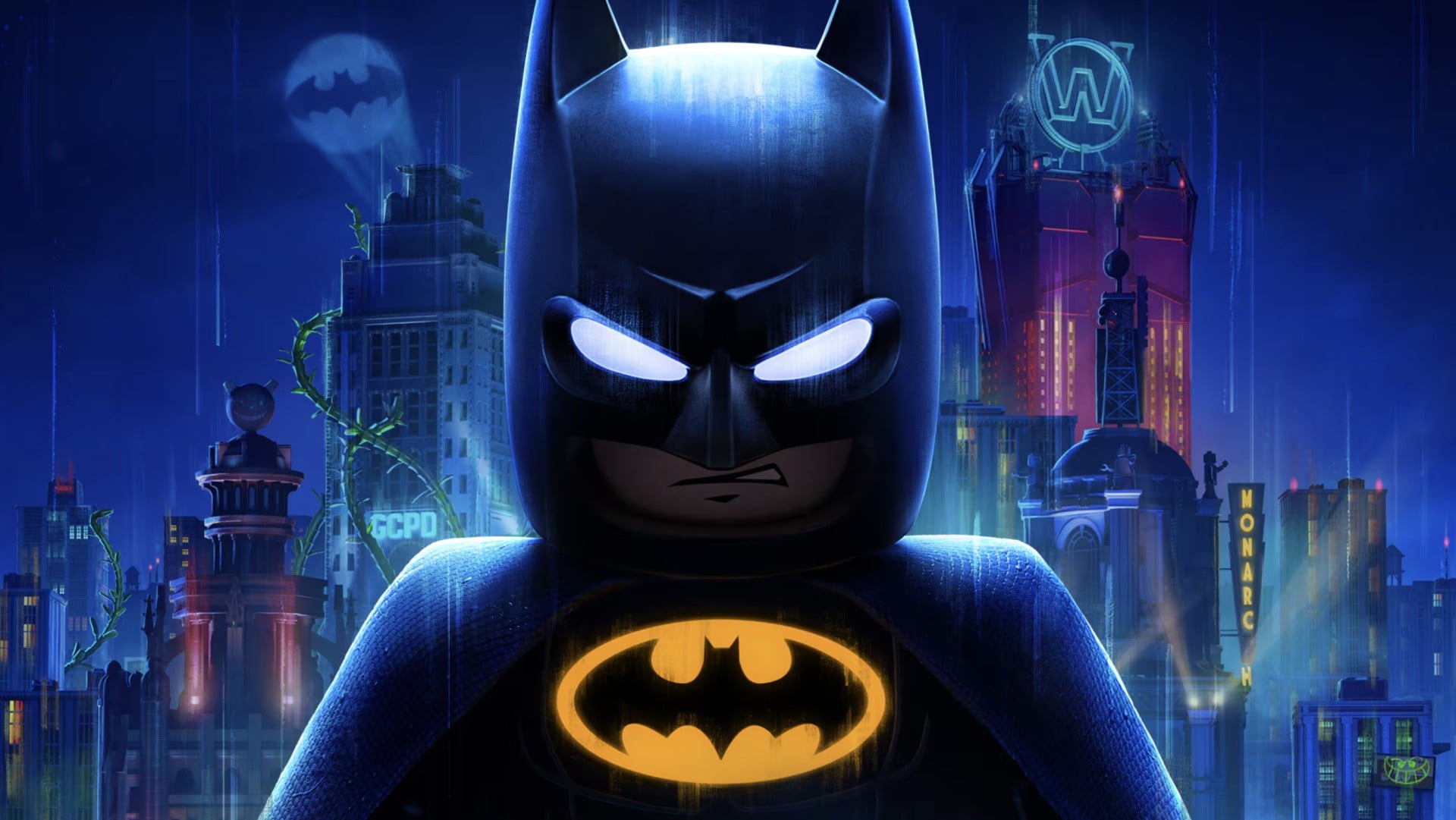
In case you forgot, Warner Bros. Games is still planning on releasing LEGO Batman: Legacy of the Dark Knight on the Switch 2 – we just don’t have a date yet. It’s sad that we’re slipping into unfortunate yet familiar territory with Nintendo’s new(ish) console when it comes to some third-party games, but if it means the title will perform as intended, then so be it.
For the time being, we can still get a bit of an idea of just how good Legacy of the Dark Knight is thanks to a bunch of reviews for the launch on PS5, Xbox, and PC. Naturally, we’ll provide our own thoughts when the time comes, but let’s take a look at what other outlets are saying.
Gaming Bible (10/10) – LEGO Batman: Legacy of the Dark Knight is impossible to put down. It manages to imbue the intensity of Gotham with just the right level of whimsy and humour. The game’s perfectly crafted open-world and varied mission design don’t simply make it a blast to play; it also makes the game a very good value for money, and that goes a long way these days. LEGO Batman: Legacy of the Dark Knight deserves to stand proud as one of the best games of 2026 and within LEGO and Batman’s history.
Gaming Bolt (9/10) – There’s no shortage of things to love about Legacy of the Dark Knight. It’s an excellent Batman game that has everything in place to keep fans satisfied while we wait for our next big AAA Dark Knight adventure, a solid (yet simplified) take on the beloved Arkham formula, and of course, yet another charming, amusing, and addictive LEGO adventure by TT Games. LEGO Batman: Legacy of the Dark Knight might not be the Batman game we deserve, but it’s the one we need. Game Informer (8.75/10) – I am utterly delighted by Legacy of the Dark Knight. Its story is charming and effective, its combat is engaging, and its open world is top-notch. It’s a no-holds-barred approach to the revered character, and though there are spots where the execution could have been better, TT Games included everything I could have asked for in one wholly entertaining package. The Dark Knight has a storied legacy, and this adventure does it justice. Push Square (8/10) – A referential and joyful deep dive into the world of Batman, the latest LEGO effort from TT Games is elite brick gaming. Legacy of the Dark Knight just wants to be an enjoyable time, and it refuses to falter from that commitment. This new LEGO Batman will be some of the best fun you have all year.
IGN (8/10) – Lego Batman: Legacy of the Dark Knight is a lovingly made, often hilarious take on both Batman’s movie and video game history alike. It remixes classic moments from almost every film, with deeper cuts from the Caped Crusader’s comic book beginnings, too. A largely successful attempt at sophisticating Lego combat that suffers a bit from repetitive, one-note encounter design, combined with a good mixture of puzzles, powers its homage-laden levels. But its open-world Gotham is where it truly comes to life, generously packing its gothic surroundings with hundreds of collectibles and pockets of opportunity. It might not tell a story that will sit alongside Batman’s best overall, but it delivers a fantastic plastic parody of his greatest hits.
VGC (4/5) – Lego Batman: Legacy of the Dark Knight is a love letter to not just Batman, but the history of Batman media. While it’s a very easy game, that doesn’t take the shine off of an experience that left me smiling constantly. Rocksteady’s legacy is given the recognition it deserves, and proves there’s still a huge demand for the Arkhamverse to rise again. Checkpoint Gaming (7/10) – Legacy of the Dark Knight tries to honour many legacies at once, and struggles to serve them all effectively. A familiar but fun LEGO game, a functional and simplified continuation of the Batman: Arkham series’ mechanics and an unambitious and only intermittently funny Batman story all sit alongside one another in a final build of a game that will still be enjoyed by many, but is never quite the sum of its bricks and will unlikely have much of a legacy of its own.
Not bad then, right? Pretty good, in fact! Our worst fear is that the Switch 2 version performs like garbage and its Metacritic comes out at like 60, rather than the 84 it’s currently sitting at on the PS5.
Take your time then, TT Games. Not too much, mind. We want it.
Will you be picking up the new Lego Batman game on Switch 2? Or are you opting for another platform now that it’s out? Let us know.
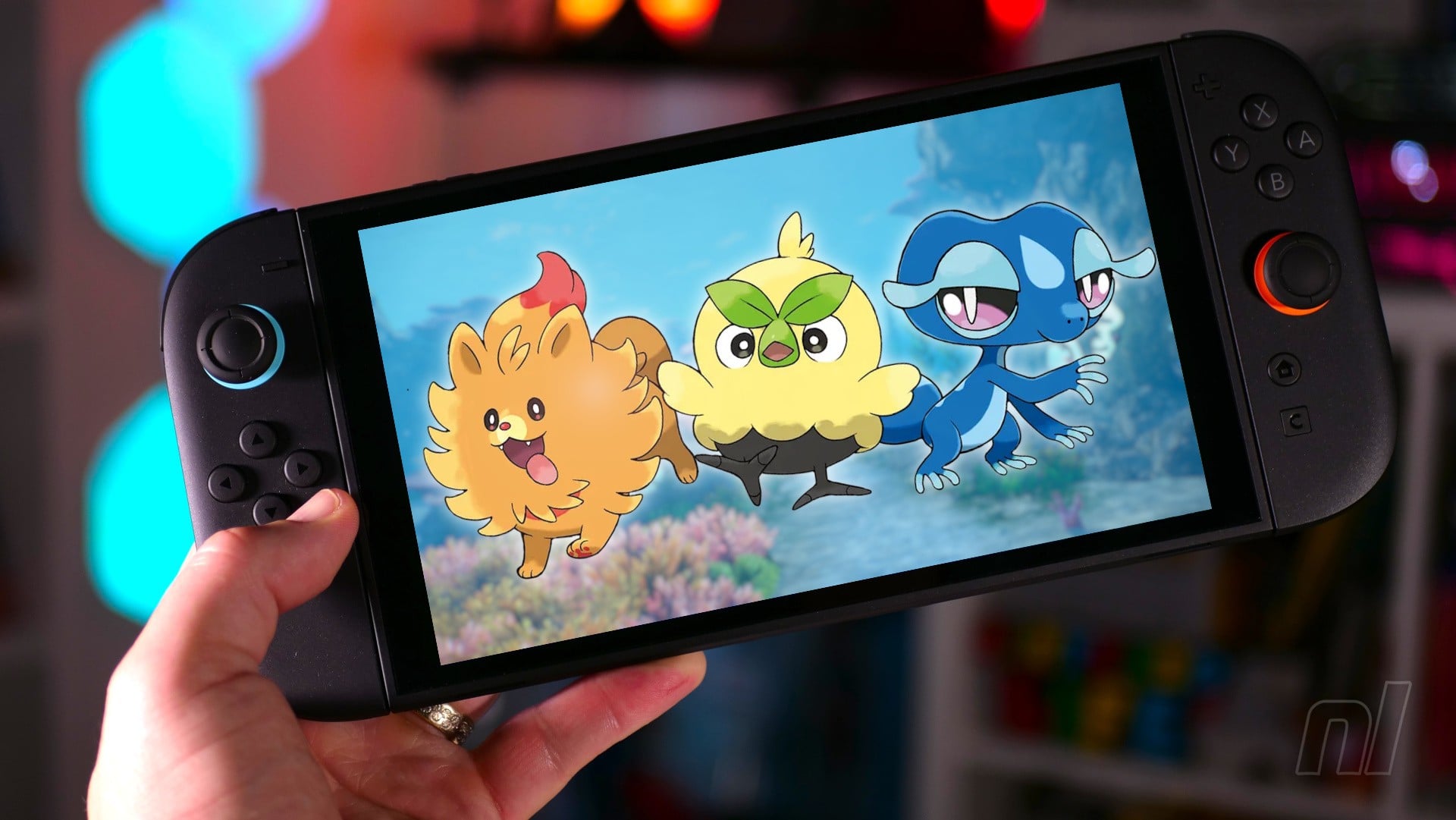
Scheduled for release in “2027”, this pair of Switch 2 exclusives has the standard “31st Dec 2027” placeholder date when the exact launch date is unknown, but it’s the cost which has Pocket Monster fans talking, with some suggesting that this might translate to $80 in the US.
However, looking at other pricing in the region compared to the US, that seems unlikely at the moment.
While $80 for Mario Kart World (£74.99 in the UK) upset many when the Switch 2 launched back in June last year, only a handful of other first-party games have hit that mark, including the Switch 2 Editions of Mario Party Jamboree and Kirby and the Forgotten Land (both £66.99 in the UK). And starting with Yoshi and the Mysterious Book, Nintendo of America has made the digital eShop version cheaper than the physical for the first time in the US. The upcoming Star Fox remake is $59.99 physical in the US versus €59.99 in Europe (and £49.99 in the UK).
While it’s entirely possible that the next generation of mainline Pokémon games could retail at the higher price point — especially given the economy right now — there’s no evidence to gather from this particular listing that this will be the case.
As highlighted by Joe “Serebii” Merrick, paying €79.99 for first-party Switch 2 games is nothing new for gamers in the Eurozone. In fact, Mario Kart World is €89.99 physical at full RRP (the digital is €80). Beyond Mario Kart, most of the big first-party releases (Donkey Kong Bananza, Pokémon Pokopia, the Zelda NS2 Editions) are €80 in Europe, so this is business as usual.
Nintendo announced earlier in May that it will be raising Switch 2 console prices globally in September, with the US cost jumping $50 to $499.99 and an extra €30 bringing Switch 2 to €499.99 in Europe.
Let us know below if you expect an MSRP bump for Winds & Waves over Z-A.
Please note that some external links on this page are affiliate links, which means if you click them and make a purchase we may receive a small percentage of the sale. Please read our FTC Disclosure for more information.
Embracer has announced its intention to spin-off Fellowship Entertainment into its own company in 2027.
In the press release, founder Lars Wingefors states that the approach “represents the most effective long-term solution” for Embracer, with the intention being to “increase management focus” by being an IP-led entertainment company first and foremost.
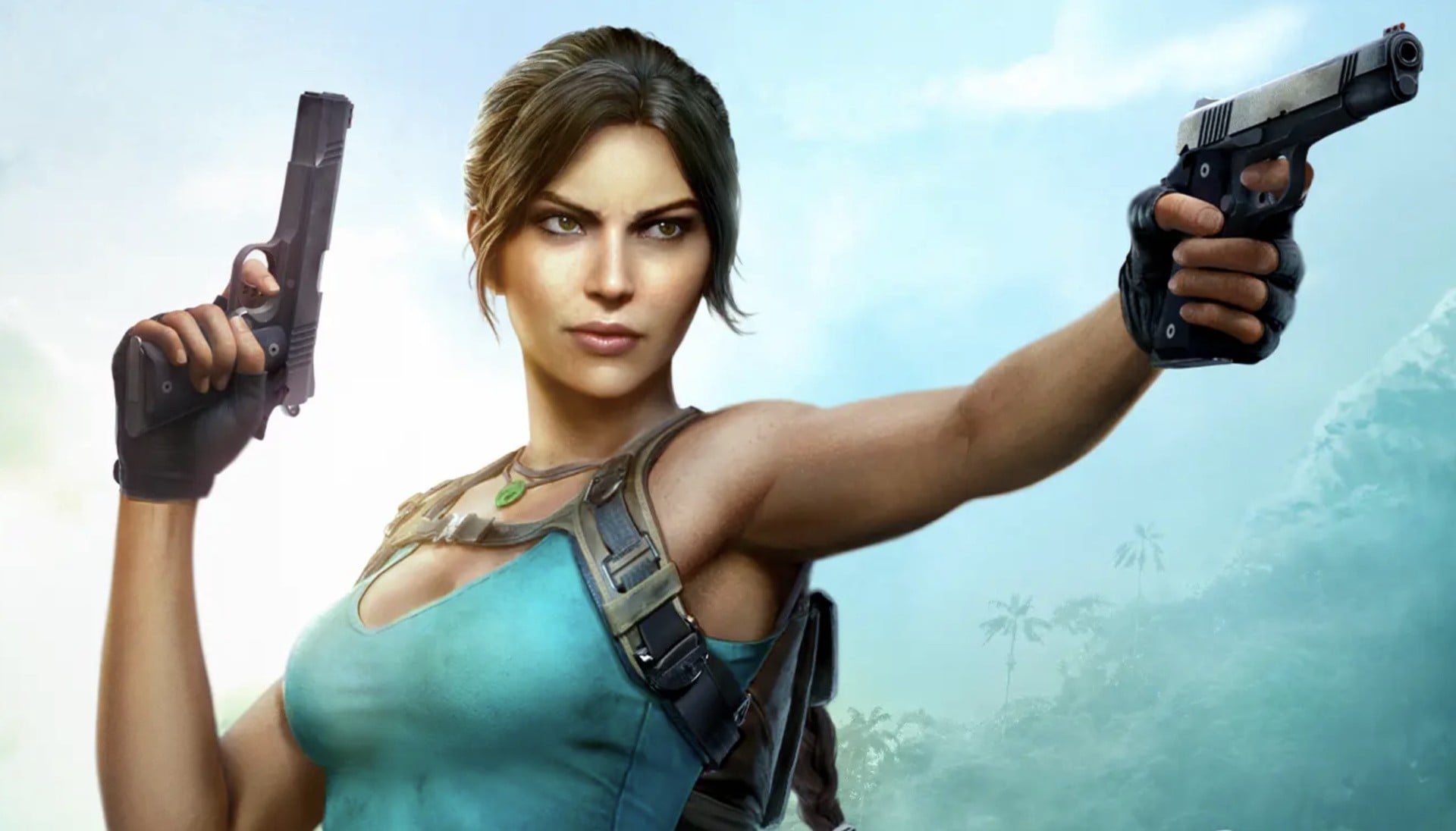
In terms of game series, the company will be responsible for The Lord of the Rings/Middle-earth, Tomb Raider, Kingdom Come: Deliverance, Dead Island, Darksiders, Remnant and Metro.
Dead Island is still a thing, huh..? Okay!
Not only that, but it is also keen to investigate potential partnerships around more dormant series such as Saints Row, Legacy of Kain, Deus Ex, Red Faction, The Mask, Thief, and TimeSplitters. That’s music to our ears, honestly – we’d love to see Deus Ex make a grand comeback.
Here’s a snippet of what Wingefors had to say:
“The main rationale to spin-off Fellowship is to increase management focus to capture the full joint potential of the IPs, their respective communities and some of the best game developers in the world. Just like Asmodee and Coffee Stain, we believe Fellowship Entertainment will thrive the most by becoming its own standalone business.
I think the assets held by Fellowship Entertainment are among the most undervalued in the industry and I feel it’s my duty as the largest shareholder to change this and create a structure to realize their full potential. I’m convinced that Fellowship Entertainment could reach industry leading profitability and show healthy long-term organic growth above the industry average.”
Curiously, Wingefors also defended Embracer against the company’s history of worker lay-offs, stating that while it has become closely associated with redundancies, “the reality is that we have worked hard to retain as many people as possible through a very difficult period, while balancing the needs to drive a profitable business operation”.
So we’ll just have to wait and see what happens next, then. Embracer has clearly been scrambling to reverse its negative perception in the games industry, so perhaps splintering Fellowship Entertainment off into its own company could prove to be a solid move.
What do you make of this? Do you think Fellowship Entertainment will thrive as its own company? Let us know with a comment.
Introduction Earlier this year, the community was invited to share their thoughts on a potential new initiative called “Fedora Verified“. The goal of this survey was not to make final decisions, but to listen – to understand what contributors value, where opinions differ, and what questions still need answering.
This is a summary of what we found.
Note: Fedora Verified is still a conceptual idea under discussion by the Fedora Council. Nothing has been finalized. The Council plans to continue these conversations with the community in the coming months, including at Flock.
Who responded?
The survey received 90 fully completed responses from contributors across the Fedora community. We focused our analysis exclusively on these full responses to ensure we are looking at complete, thoughtful feedback.
What the community said
Key Takeaways – When we looked at the data, a few incredibly clear themes emerged regarding what contributors want this program to look like if it moves forward:
Code isn’t everything: This was the loudest piece of feedback. A massive 66% of respondents explicitly stated that all types of contributions – including documentation, design, event organization, and community support – must carry the exact same weight as code contributions.
Keep the door open for newcomers: Nearly 40% of respondents expressed concern that adding a “Verified” status might intimidate new contributors and make it harder for them to get started. Any future model needs a welcoming, clear on-ramp.
12 months is too short: We proposed that the Verified status would expire after 12 months of inactivity. A majority (52%) rejected this, feeling that life gets in the way and a 12-month expiry is too strict.
Show us our progress: To help navigate the path to becoming Verified, 53% of respondents asked for a visual contribution tracking dashboard (similar to an enhanced Fedora Badges experience).
The Tension: Structure vs. Flexibility
The results also reveal two interesting and contrasting groups within the community regarding governance of the program.
A notable portion of contributors expressed a desire for more rigidity, wanting clearly defined milestones (43%) and formal committee reviews. At the same time, a similarly sizable group preferred less structure, with 62% asking for a moderately or lightly structured path, feeling that too much formality could discourage participation.
This tension was one of the most valuable findings of the survey. It shows that the Fedora Verified concept touches on something the community feels strongly about in different directions. Both perspectives are valid – setting clear expectations while leaving room for diverse contribution styles. The Council must achieve a careful balance as it moves forward.
What comes next?
These findings are being shared with the Fedora Council and relevant SIGs to inform future community conversations. The full analysis report, including a detailed breakdown of all survey responses, is available here: “Analysis Report.”
If you have thoughts or feedback on these findings, we’d love to hear from you on “Fedora Discussion.”
In case you missed it, the 4K UHD digital version is now available on select storefronts in the US. As noted by IGN, the digital version can be purchased for $29.99, or it can be rented for 48-hours for $24.99. It’s currently live on sites such as Amazon, Fandango and Apple TV.
You’ll also get access to over an hour of behind-the-scenes footage, including the making of the movie, a closer look at the incredible cast of characters, a journey through the movie’s iconic settings, and even learn about the “secrets of the galaxy”. You can find out more about these extra features in our previous post.
When we hear more about the digital version’s availability in other locations, we’ll provide an update. You can also check out our guide. This digital release in the US will be followed by the 4K Ultra HD and Blu-ray physical versions next month on 16th June 2026.
Will you be watching the digital version, or are you holding out for the physical release next month? Tell us in the comments.