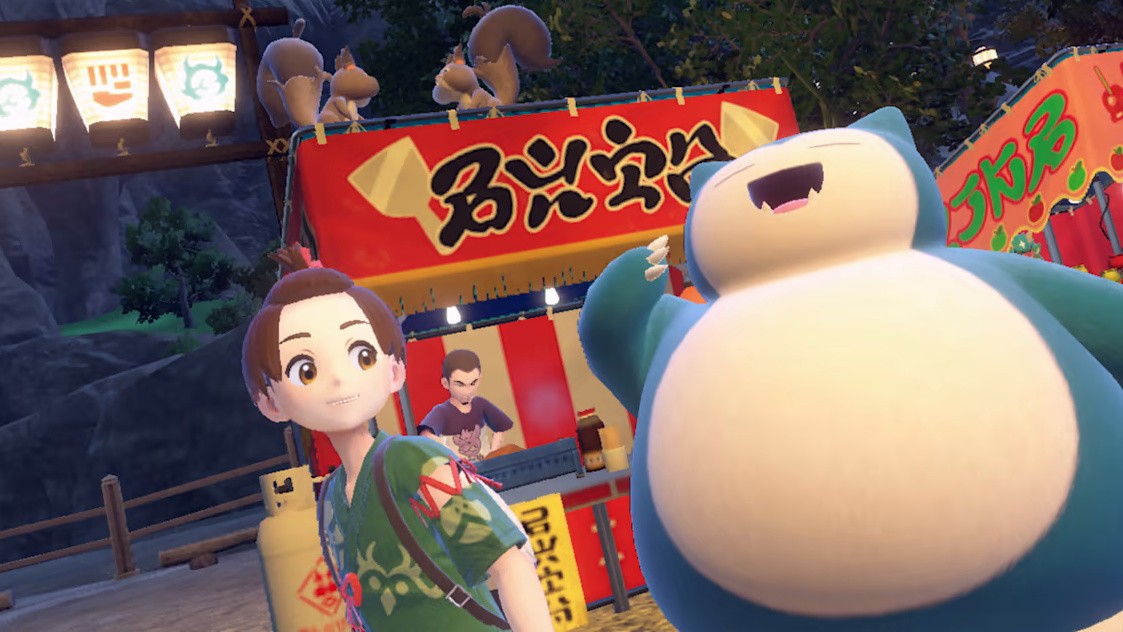
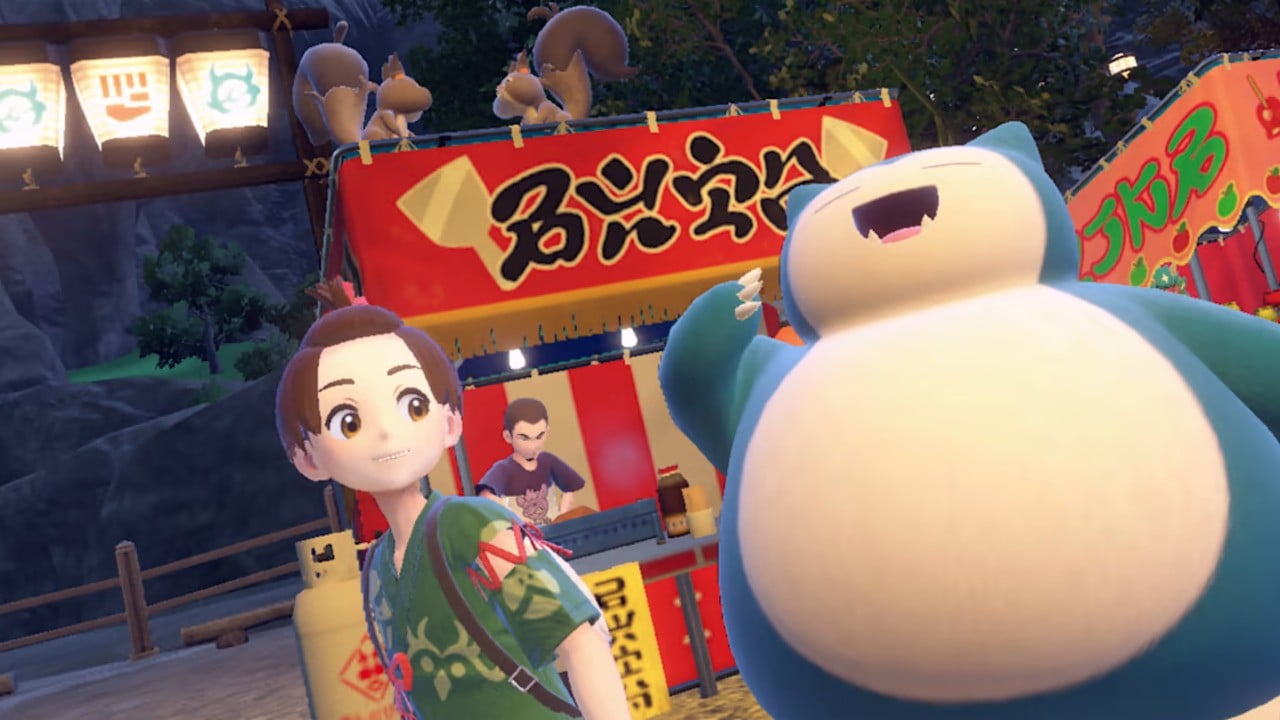
Trainers can look forward to meeting The Heroes of Kitakami, getting to know the village of Kitakami, and also reuniting with some familiar Pokémon that have been found living in other regions. It’s got us wondering if you’ll actually be jumping into this new adventure on release.
So vote in our poll and tell us if you’re ready for this new adventure on 13th September or if you’re still busy in Paldea.
Will you be getting Scarlet & Violet’s Part 1 DLC? (349 votes)
If you’re looking for a new arena brawler, later this year at some point GameMill Entertainment will be releasing Nickelodeon All-Star Brawl 2.
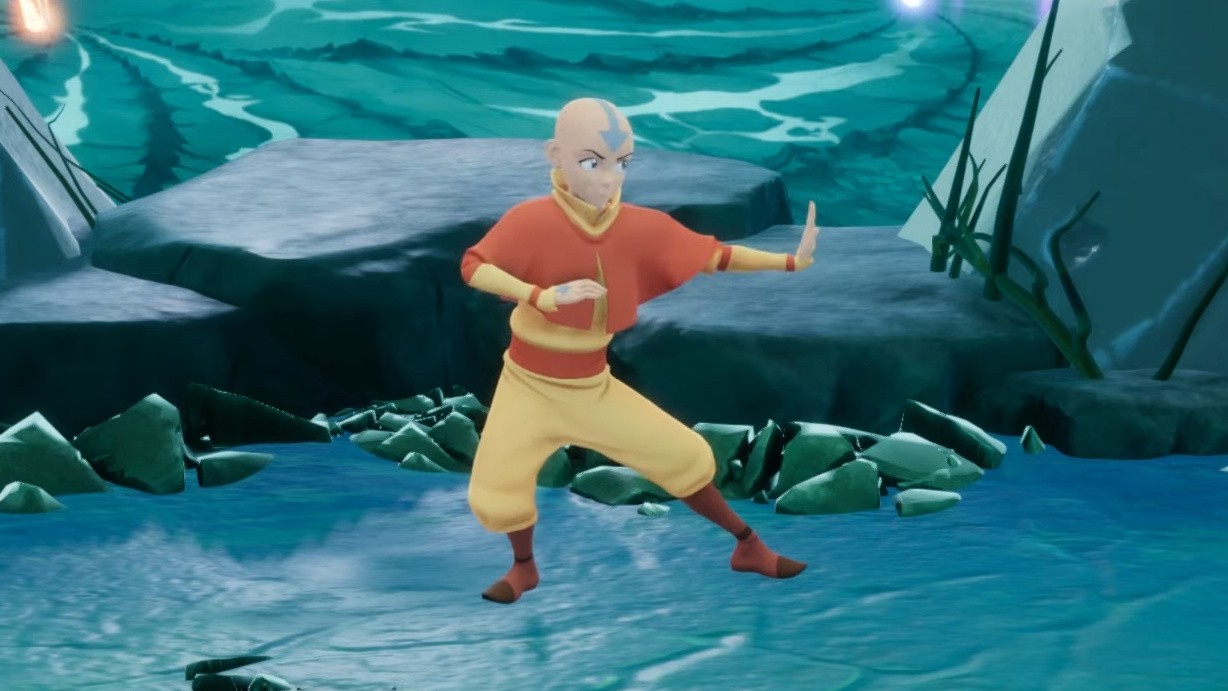
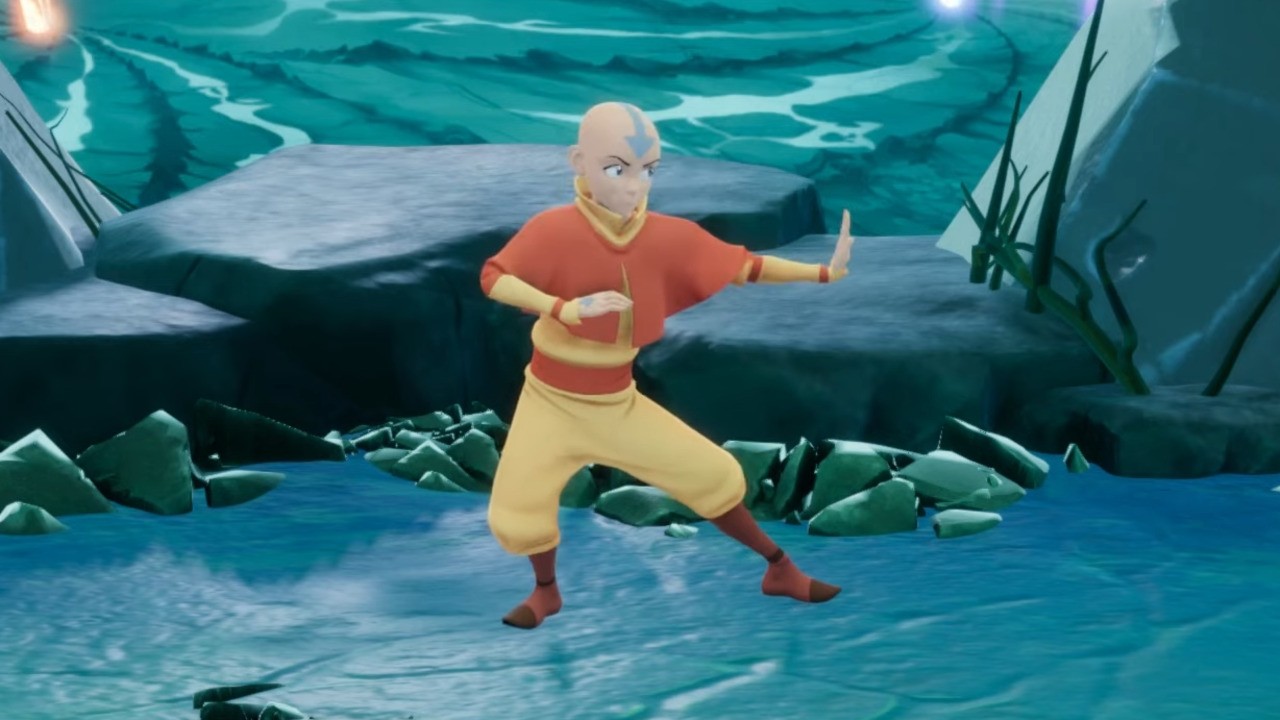
It’s going to feature new characters as well as improved returning brawlers, and one of these happens to be Aang from the hit Nickelodeon series Avatar: The Last Airbender. He comes equipped with a fresh new moveset making him the best airbending master he can be.
“Avatar Aang is back to Nickelodeon All-Star Brawl 2 with a completely new moveset! Check out his character breakdown”
In case you missed it, last week the rockstar Ember from Danny Phantom also got an official game trailer reveal:
There’s no release date for Nickelodeon All-Star Brawl 2 just yet, but again, it’s meant to be arriving on Switch and multiple other platforms at some point later this year.
You can catch up on some of the previous character reveals in our existing coverage here on Nintendo Life:
Like the look of Aang in Nick All-Star 2? What do you think of the roster so far? Comment below.
Heybike Ranger S is an excellent combination of stability and storability in an e-bike with fat tires and a folding frame.
Foldable e-bikes aren’t a new concept, but they introduce an alternative decision point for customers. The foldable frame makes storing and transporting the bike easier despite the large tires and frame.
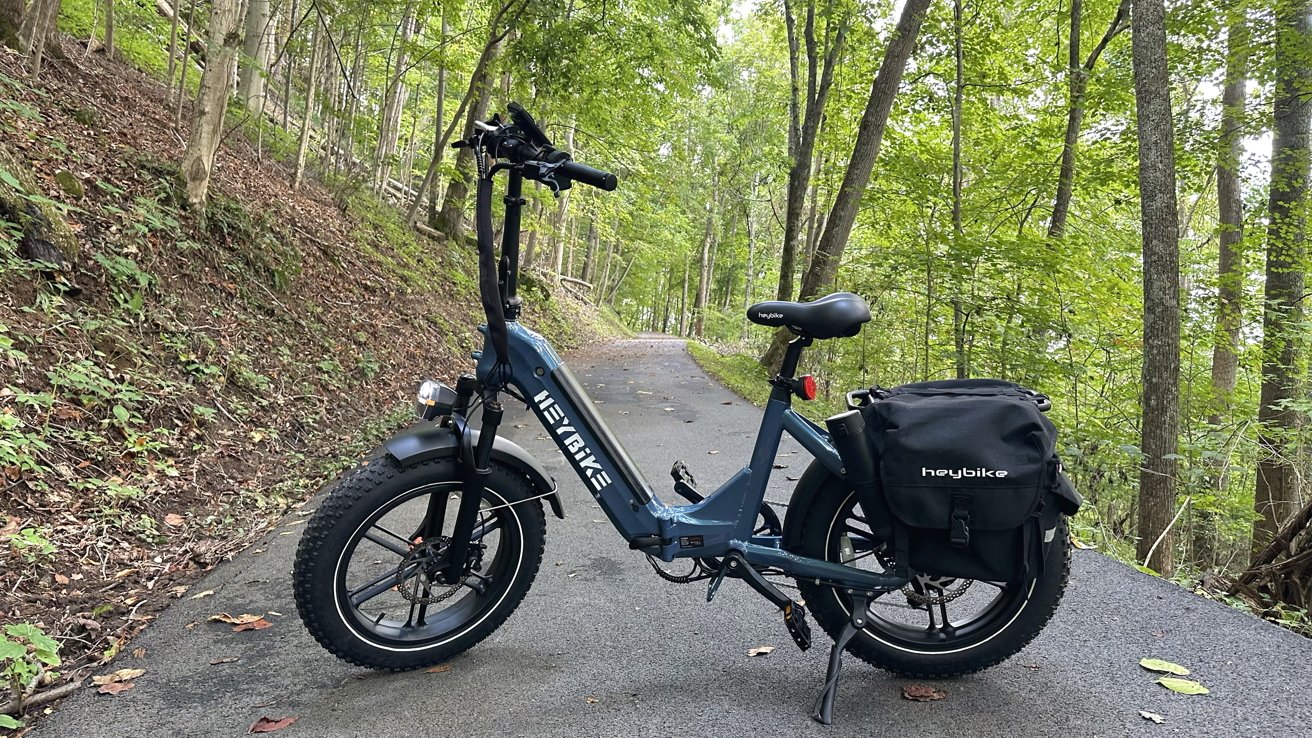
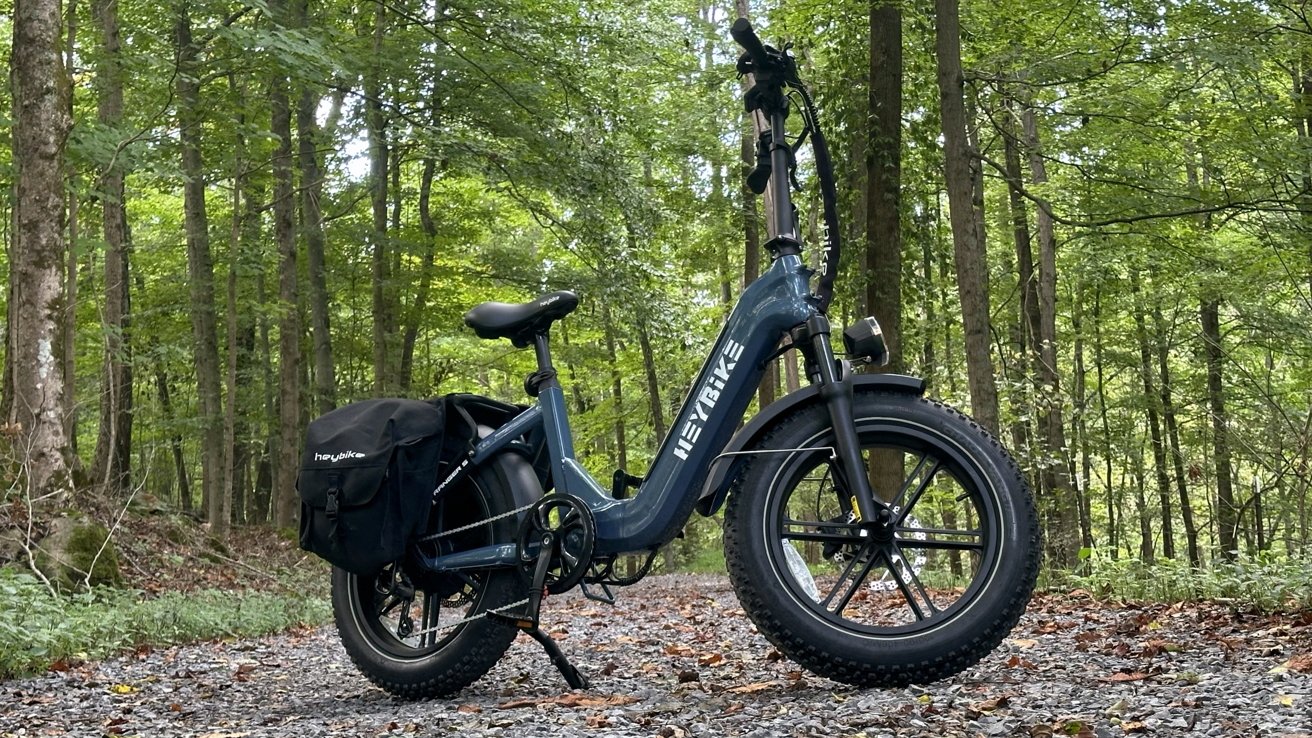
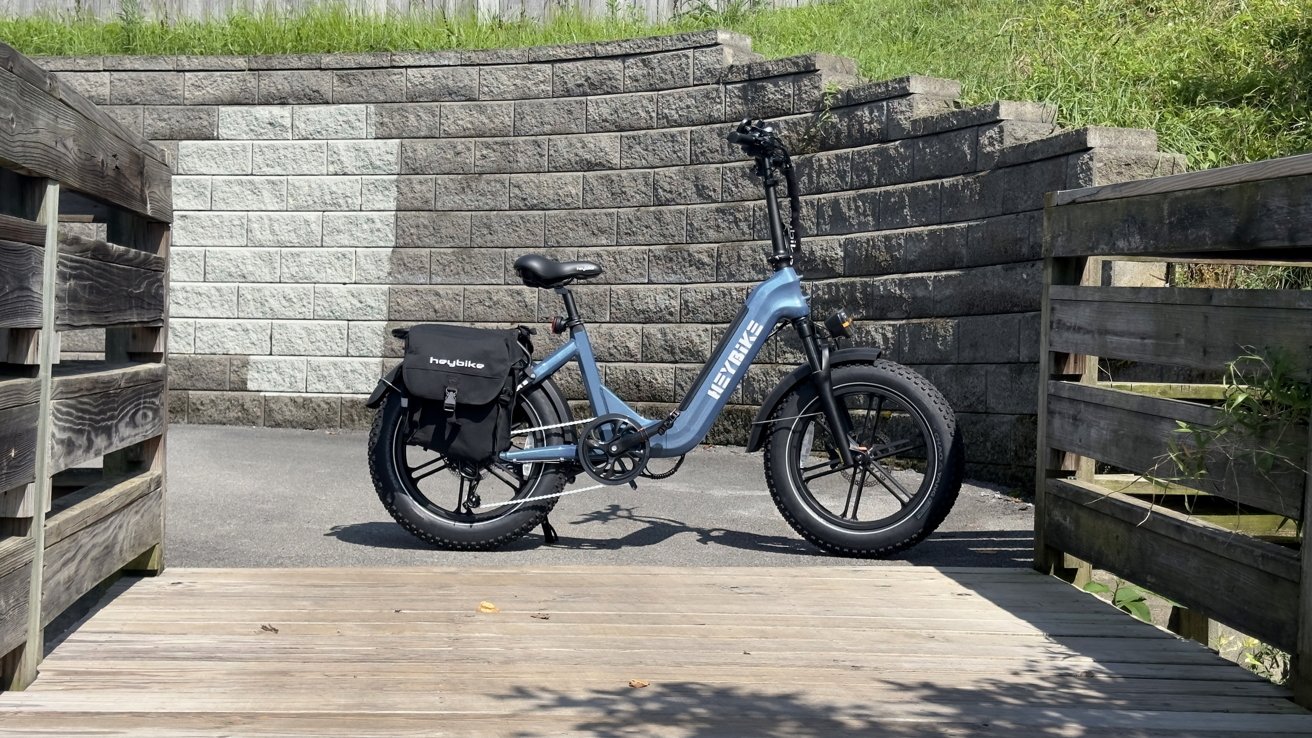
The Heybike Ranger S is a foldable e-bike that sits low with 20-inch tires that are 4 inches thick. It’s a cross between a heavy-duty off-roading bike and a foldable city cruiser.
Despite its smaller size, it still weighs plenty at 72 pounds, that’s only a few pounds less than the full-sized Aventon Aventure 2 we reviewed. The high weight can be attributed to its foldability, which is the tradeoff for storability.
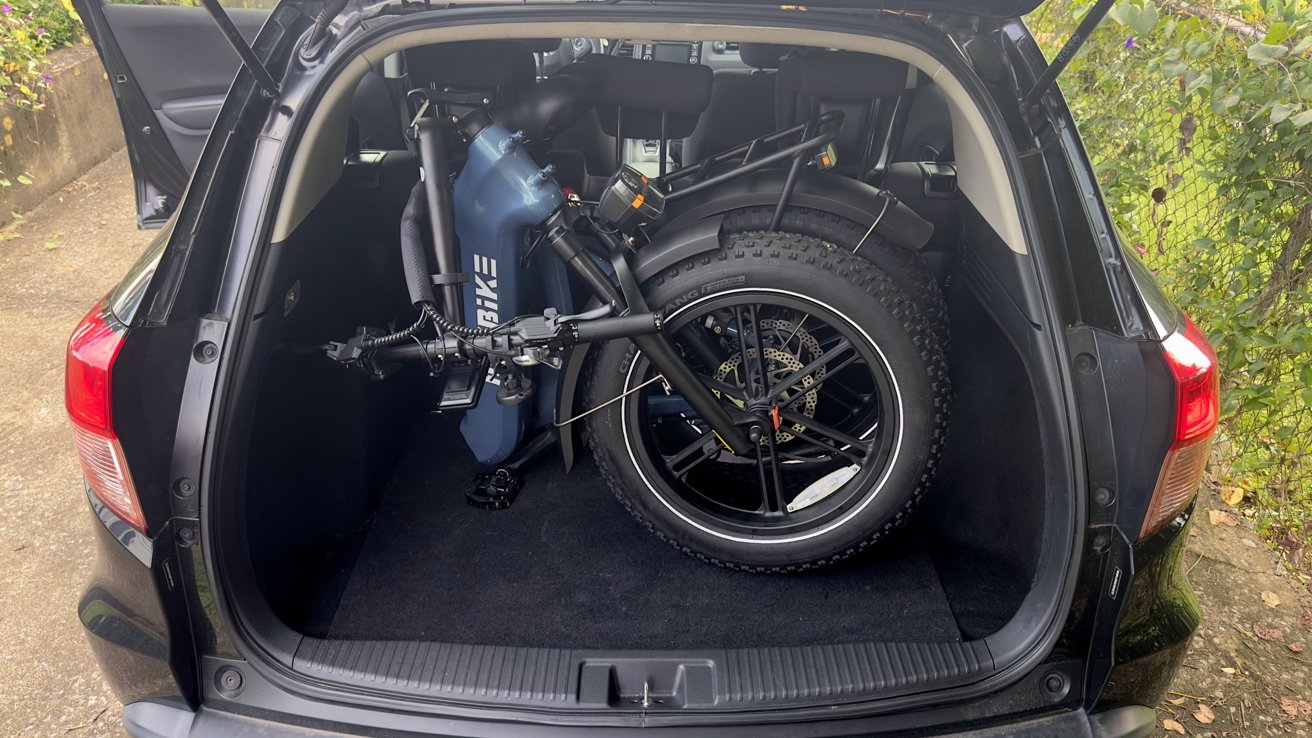
Of all the e-bikes we’ve tested so far, this form factor works best for our general use case. It feels sturdy and stable when riding, but it can squeeze into the back of our Honda HR-V — without lowering the seats.
Heybike Ranger S e-bike review — design
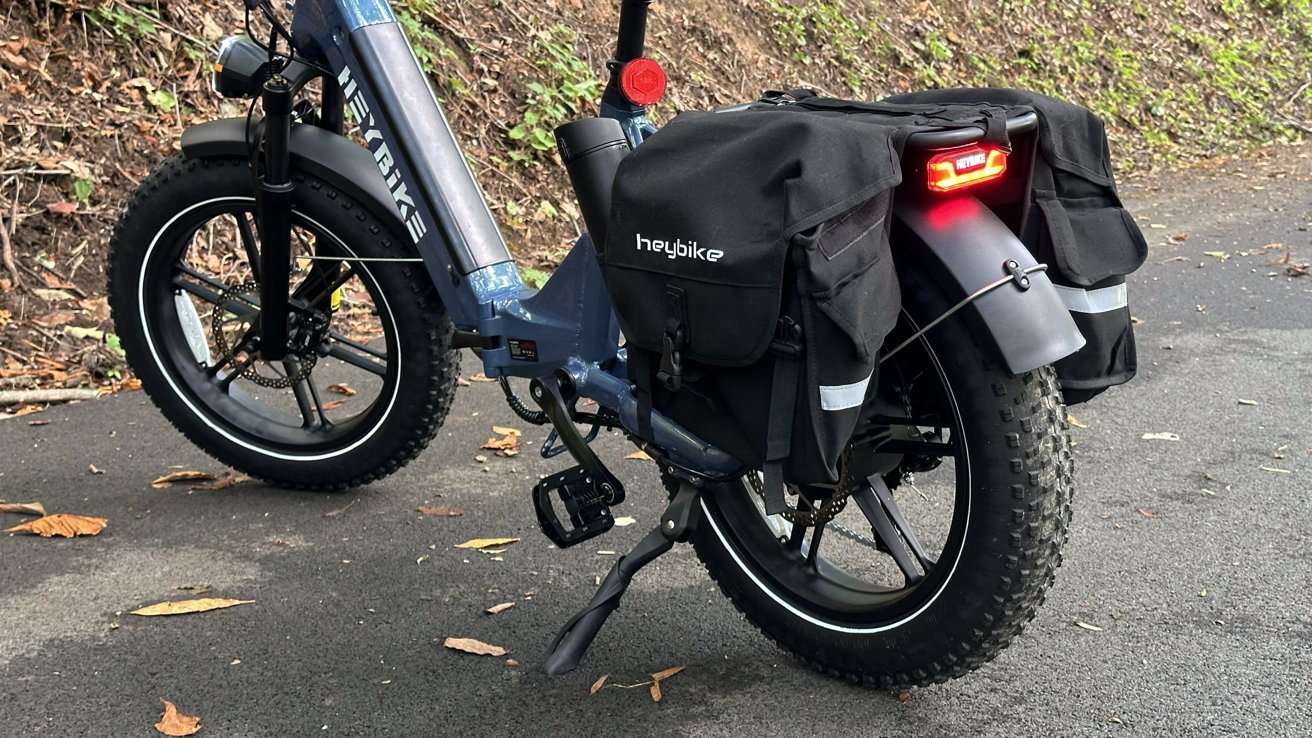
The Ranger S has a squat but thick frame with a tall handlebar neck. It has a rear cargo rack and wide fenders, adding to its utilitarian design.
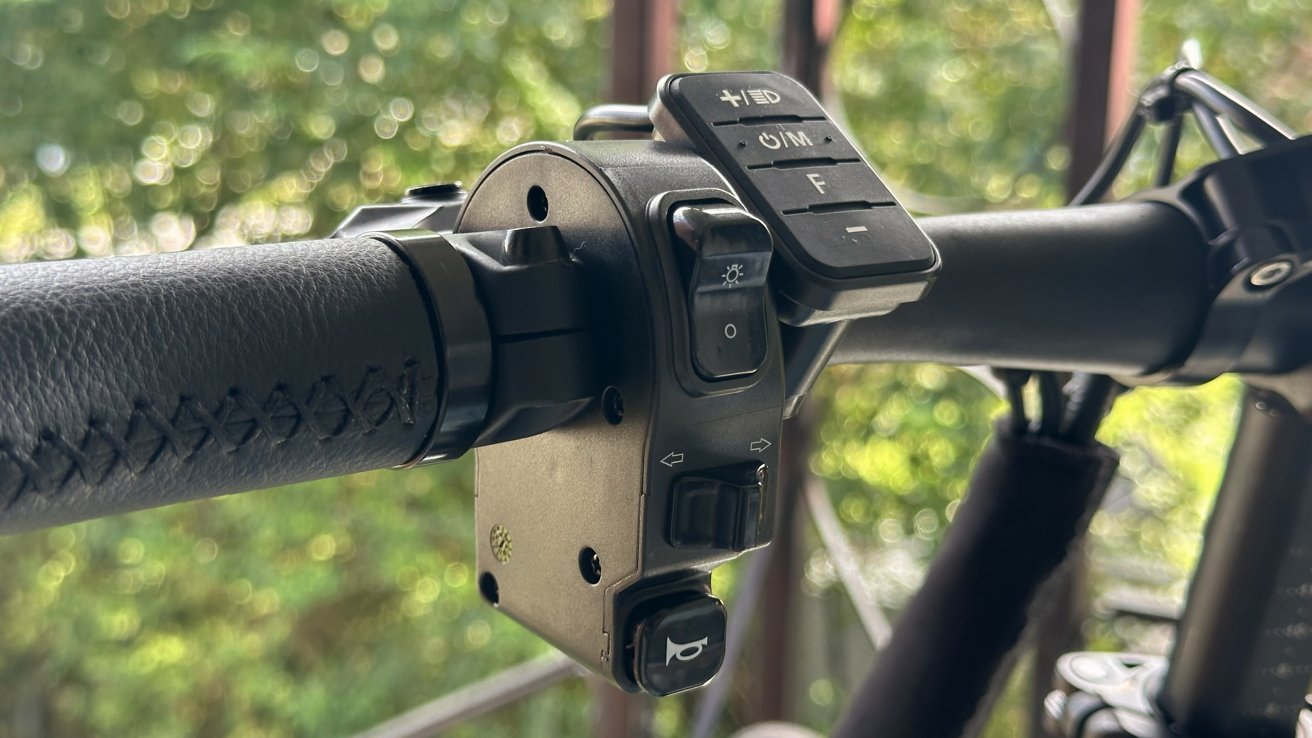
Physical controls for lights and signals
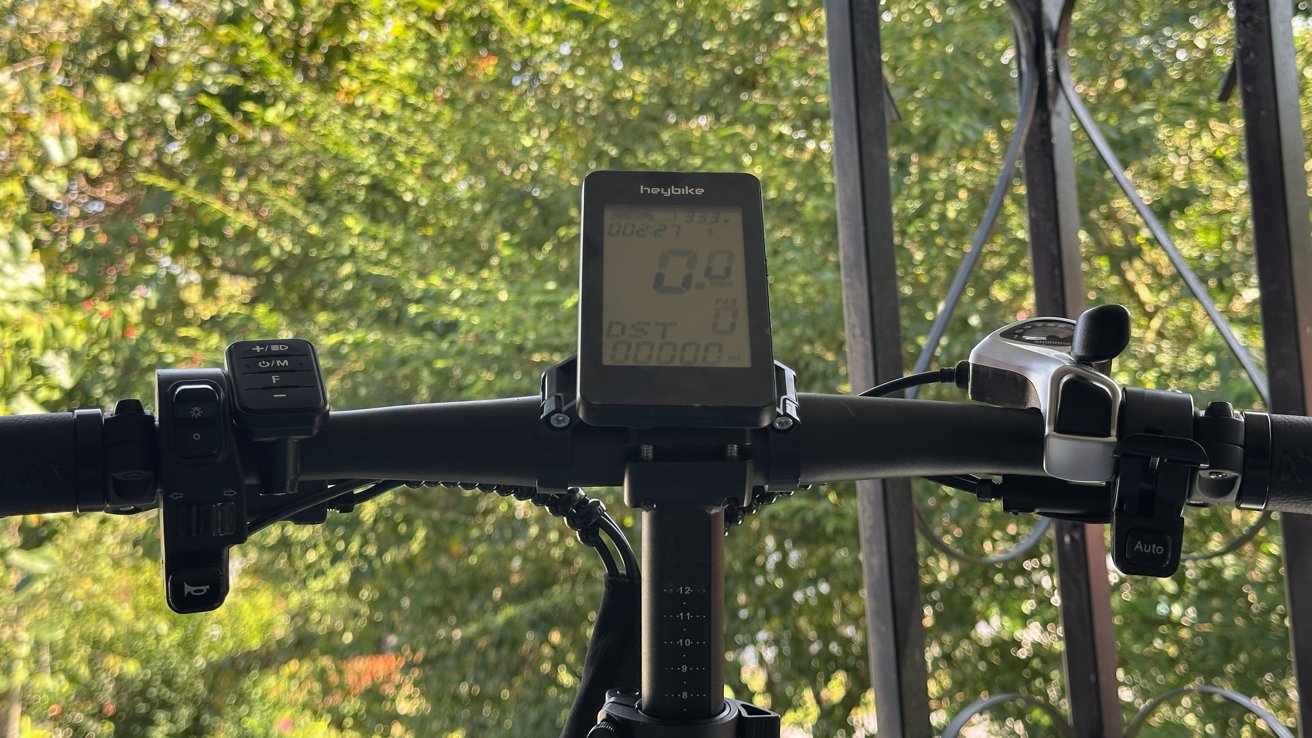
The controls on the handlebars all feel retro, like the physical knobs and buttons found in a 90’s vehicle. There’s a switch for the headlights, a physical slider for turn signals, and a button for the horn on the left side.
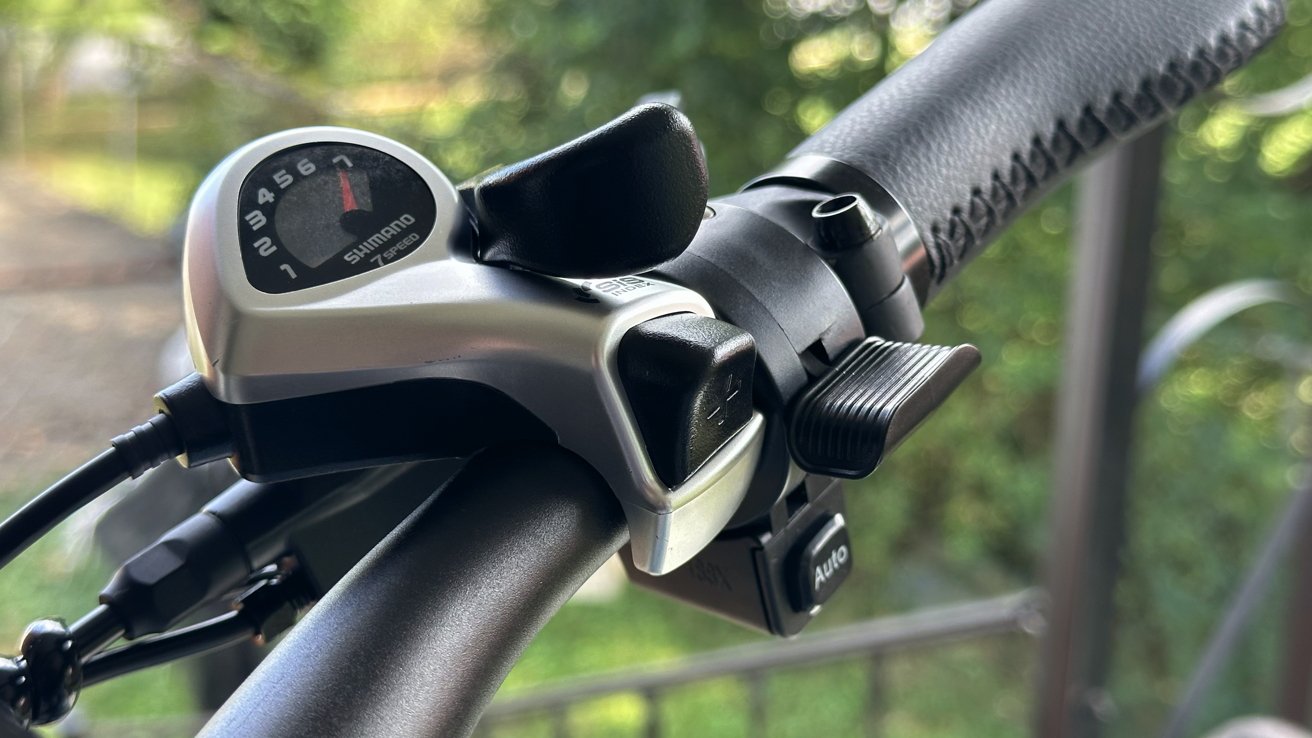
The right side of the bike is more standard. It has the Shimano 7-speed shifter, the throttle, and the light auto button on the right side.
A Shimano shifter, throttle, and automatic light control button
The LCD in the middle shows standard information like current speed, distance traveled, and pedal assist level.
The bike frame and handlebars can be folded for storage. These are held in place by a simple lever that won’t accidentally disengage while riding.
Heybike also sent its saddlebag accessory. This drapes over the rear rack for extra storage.
Assembly and maintenance
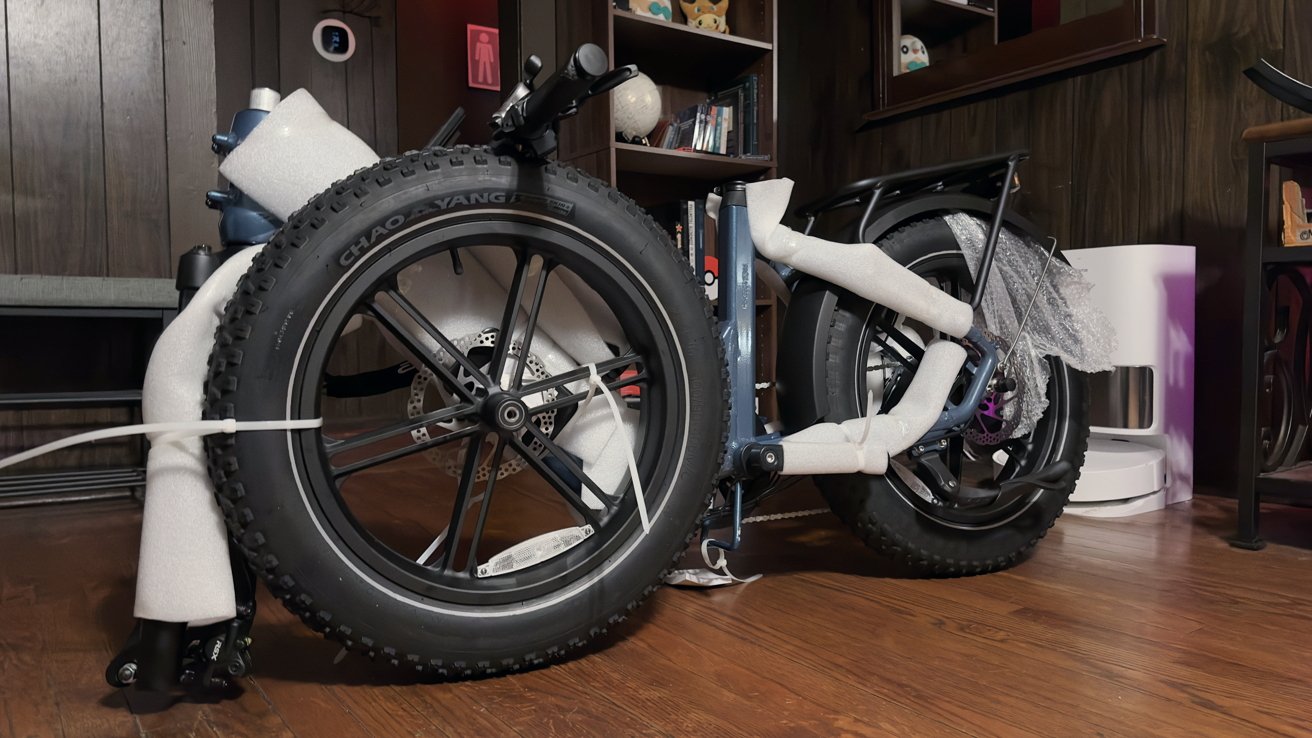
Like other e-bikes, the Heybike Ranger S arrived almost fully assembled. After cutting away the miles of zip ties and styrofoam, we only needed to attach a few components, like the front wheel and handlebars.
Cable disconnects are easily found around the bike for troubleshooting issues. We encountered a signal error once, which we fixed by adjusting the cables.
The headlight attaches to the front fender, and a cable connect is ready by the handlebar mount. Keep in mind that cable slack is important for a foldable bike since there are more movable parts.
Ranger S is mostly put together out of the box
Maintenance is what you’d expect for an e-bike. Users should check the frame and wheels for damage weekly, check brake pads and shifters monthly, and check cable integrity and drivetrain at least every six months.
Heybike recommends having a specialist check the bike every six months.
Heybike Ranger S e-bike review — features
Heybike Ranger S features a 750W motor with a 28 MPH max speed. Its max range is 55 miles, and the bike is rated for 400 pounds max load.
Heybike Ranger S has powered lights and signals on both sides
It takes about 4 hours to get the battery charged from 0% to 100%. Battery life is mostly dependent on the pedal assist setting in use.
The pedal assist on Heybike isn’t a torque sensor, so each pedal assist setting is meant to push the rider to a certain speed with minimal effort. This can be set up using the Heybike app with zero to six levels available.
We defaulted to the 0 to 5 setting for the widest range of control. With this set to a low pedal assistance level, we’d ride between 3 and 4, which translated to about 14 MPH or 19 MPH, respectively.
The LCD shows data like current speed and pedal assist level
Max speed can also be set in the app, meaning the pedal assist won’t exceed that speed. Ours is set to 20 MPH since that’s plenty for our needs.
Ranger S has hydraulic brakes instead of mechanical ones. This means more stopping power and control while riding.
The suspension is also hydraulic with adjustable settings. Riding over bumps is much less impactful with the springy front fork suspension.
The bike weighs 72 pounds and can fold up to about half its size for storage and transport. When folded, it’s about a 20-inch by 40-inch square that’s 20 inches tall.
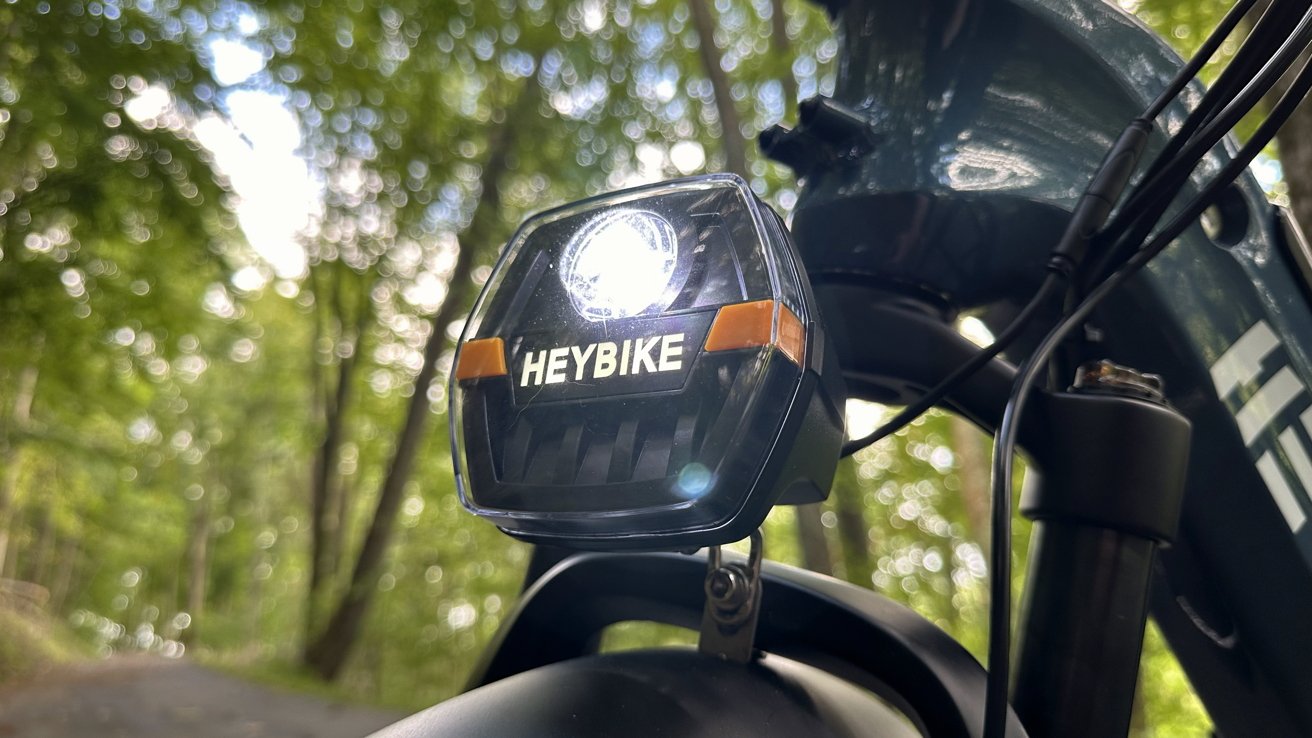
The large headlight provides plenty of light at night
A large headlight and rear taillight light up with a switch or automatically based on how dark it is outside. Turn signals show up on the headlight and taillight for visibility on all sides of the rider.
Heybike app
Heybike’s app is simple and to the point. It is thankfully free of social networks or forums and contains obvious controls for the Ranger S.
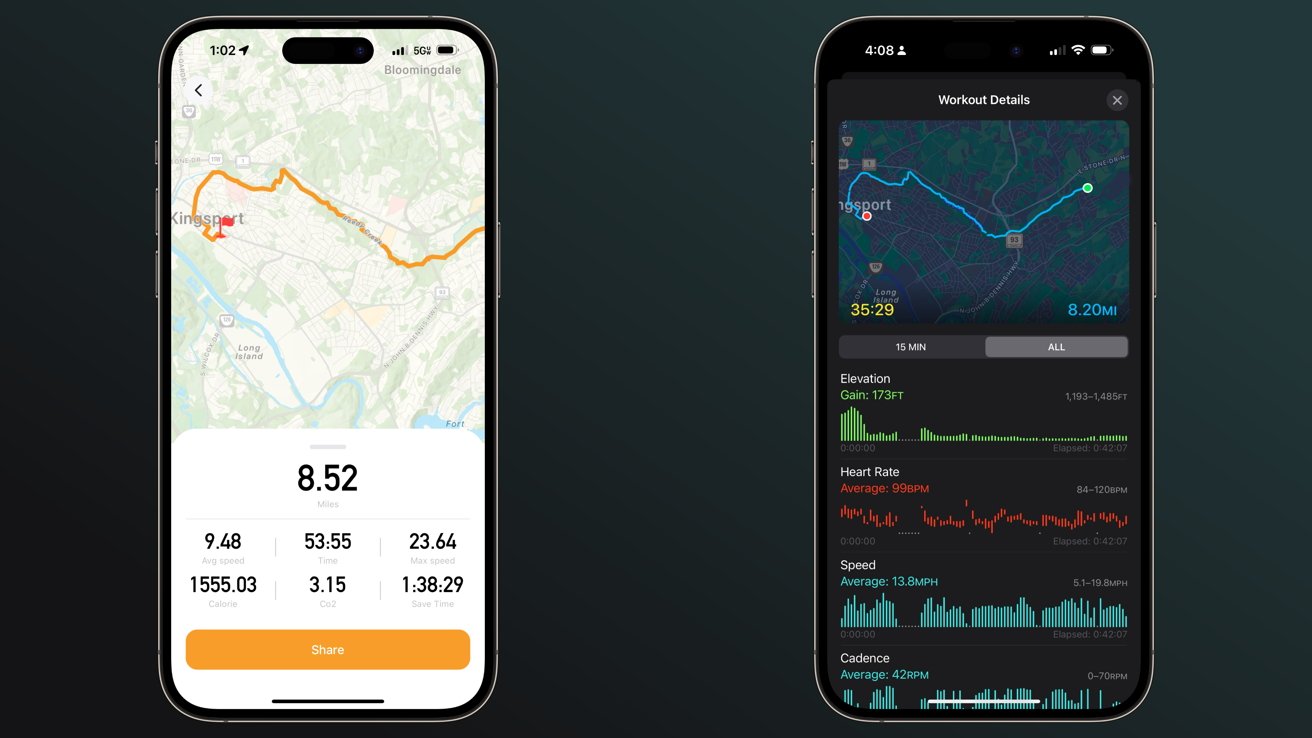
There are toggles for the proximity unlock and auto lock functions on the main page. The big GO button will start a GPS-based tracking of the current ride, though the results aren’t exactly useful.
Heybike on the left and Apple Fitness on the right
It showed a calorie burn of 1,555 which is unrealistic, and a saved carbon footprint of 3.15 Co2, which isn’t really a useful metric. Instead, as always, we turned to track the workout from our Apple Watch.
The speed and cadence sensor we paired with our Apple Watch, plus the heart rate data and other metrics, made for much more detailed and useful information. We’ve yet to see an e-bike integrate with Apple Health for improved metrics, but it would be interesting to see.
Ignoring the tracking option, everything else in the Heybike app is useful. Controlling certain features like pedal assist levels and top speed from the app is useful and more desirable than navigating some weird on-bike display.
Riding the Heybike Ranger S e-bike
Riding Heybike Ranger S is a comfortable experience. Its smaller size and lower seat make it feel like a moped more than other bikes we’ve tested.
Despite being more compact, it’s still a hefty bike. This is likely due to the additional hardware needed to make the frame fold reliably while keeping it sturdy.
Gravel wasn’t a problem for Ranger S
The 4-inch fat tires provide plenty of confidence for riding over any surface. We managed to take the Ranger S up a gravel hill without losing traction.
Front fork suspension is also a welcome sight. Not all e-bikes have a suspension of any kind, but Ranger S is meant for more than flat pavement, so suspension is a must.
Riding over cracked and broken pavement destroyed by tree roots growing underneath was still bumpy but not difficult or overly disruptive. Our iPhone sits in a MagSafe stand held in by rubber bands, and it wasn’t in any danger of flying out from the force of the bumps.
Folding the bike can be awkward due to its size and weight. And once folded, there isn’t a mechanism to keep it folded closed.
It can be quite the task moving this bulky object even a few yards, thanks to the size, weight, and tendency to try to open the hinge while moving. We’ve found that the wheels can roll when positioned right when folded, which can help.
We were surprised to discover the Ranger S fit in the back of our Honda HR-V without any issues. The back seats could stay upright, and nothing was pinched or forced into place.
Fold to fit Ranger S into tight spaces
A Honda HR-V is a mid-sized crossover smaller than the full-sized SUV Honda CR-V. So, unless you’re in a sedan, there’s likely space for the Ranger S.
The saddlebag connects via a series of buckles that can be tightened to fit. The problem is the bag can rub against the rear tire or even the chain if it isn’t set just right — so we’d have preferred a more custom fit.
The 750W motor passed our usual hill test — it could pull me up with some minor effort pedaling. Also, having a throttle to get started from stops will never not be an excellent option for riders.
No need to sacrifice power for storability
The last e-bike we tested with fat tires and a heavy-duty frame was excellent but gigantic. Parking it in our living room required a lot of dedicated space.
Heybike Ranger S can handle rough roads and be stored in small spaces
The Heybike Ranger S has been a very different experience. When we’re done riding, it can be folded and placed in a corner of our bedroom without much thought.
When it’s unfolded, it becomes a robust bike that’s comfortable to ride and looks good too. It checks all the boxes: foldable, storable, and capable of climbing these steep Tennessee hills.
Heybike Ranger S e-bike — Pros
750W motor doesn’t flinch at hills
Foldable frame opens up more opportunities for storage and travel
Easy to ride with confidence thanks to suspension and fat tires
Excellent hydraulic brakes mean fast stops and more control on descents
Bright lights and signals on all sides
Physical controls for the win
Heybike Ranger S e-bike — Cons
Heavy — trading wight for storability
Awkward to move when folded
More moving parts means more opportunity for failure or loosened cable connection
Rating: 4 out of 5
Foldable e-bikes have been popular for a while but come with some tradeoffs. While this form factor and feature set works for us, it isn’t for everyone.
The Ranger S will be great for commutes that don’t have perfectly paved routes and for those who need to carry some cargo. Others may opt for a lighter, smaller frame with smaller tires.
Where to buy the Heybike Ranger S
Get the Ranger S direct from Heybike for $1,499. The saddlebags are an optional add-on that normally costs $79 but are on sale for $39.
The game will be available on the Japanese eShop on 14th September (thanks, Gematsu!), which is this Thursday. It’s also coming to Steam, but at a later date.
Check out the official website of the game for more details — but hopefully, one day, we’ll see this get an English localisation. Check out our original story below for more details on this rerelease…
Original article [Tue 29th Aug, 2023 03:05 BST]: Here’s some surprising news for Persona diehards – G-MODE will be bringing the Atlus RPG Megami Ibunroku Persona: Ikuu no Tou Hen to the Japanese Switch eShop.
This game will be part of the G-Mode Archives+, but doesn’t have a release date yet. This title originally made its debut on mobile devices back in 2006 and is based on the 1996 PlayStation release Revelations: Persona.
You can check out the announcement trailer above, which provides an extended look at the gameplay on offer. Again, there’s no solid release date for this one, and there’s also no mention of it being released outside of Japan. If we hear any updates though, we’ll let you know.
For now, Atlus fans in the West can look forward to the release of Persona 5 Tactica when it arrives on the Switch this November. Some of the classic Shin Megami Tensei games have also been made available via the Switch Online service in Japan.
Would you be interested in playing this game on Switch? Comment below.
The year is 1991. ‘Video games’ — plastic, square-shaped cartridges that millions of people blow into every day — grip early-adopting proselytizers. Yet they don’t know their precious cartridge’s days are numbered. A mighty company from Kyoto rules the industry today, but a new laser-based challenger is lurking in the bushes.
Is it the mighty Sony PlayStation? No, not for another three years. Is it the Sega CD? Well, actually, that’s coming in a couple of days. But today, on December 3rd, 1991, the Philips CD-i has arrived. Its name is short for ‘Compact Disc-Interactive,’ which suggests the device plays CDs, naturally, but it can also play video games… though not very well.
Maybe you’ve heard of The Legend of Zelda? It will have three of those games! They will be absolutely terrible by every measure conceivable. Zelda’s creators will disavow them, in fact. And outside of the hatred for these Zelda games, soon, hardly anyone will remember the CD-i beyond the chasm of its nearly one billion dollar loss for its creators.
The year is now 2023. The landscape of technology is a tapestry of technical wizardry. Vast digital worlds fit in people’s pockets. Ray tracing, facial recognition, and crisp-resolution displays are common. Games are played by players separated by oceans. Meanwhile, virtual reality is coming into focus.
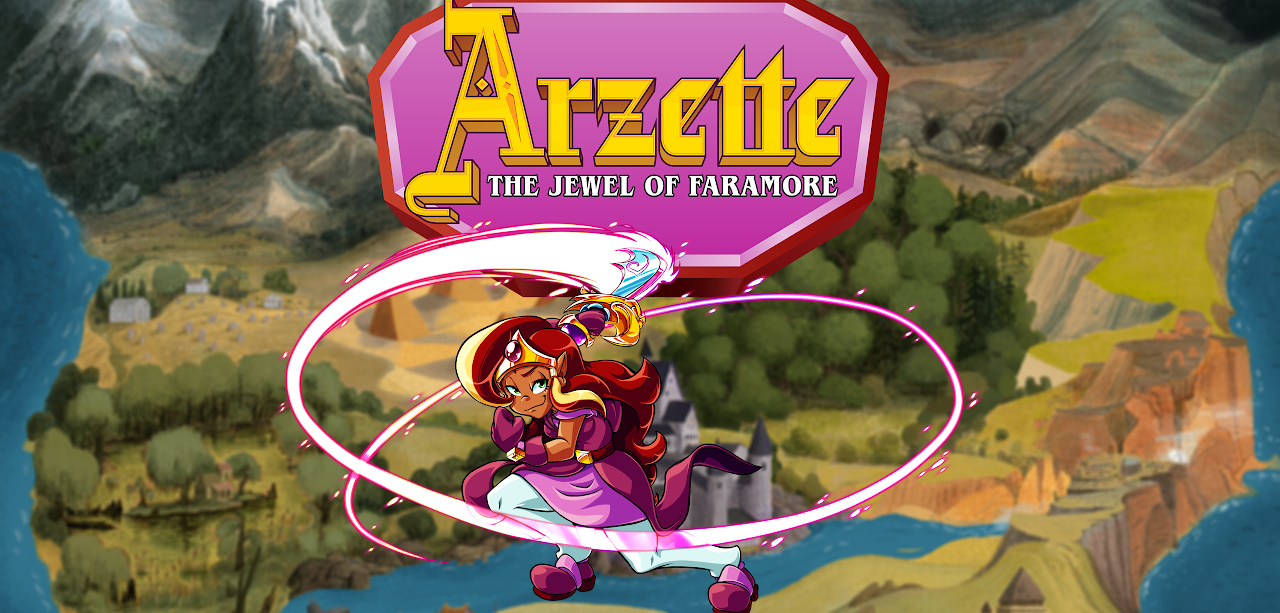
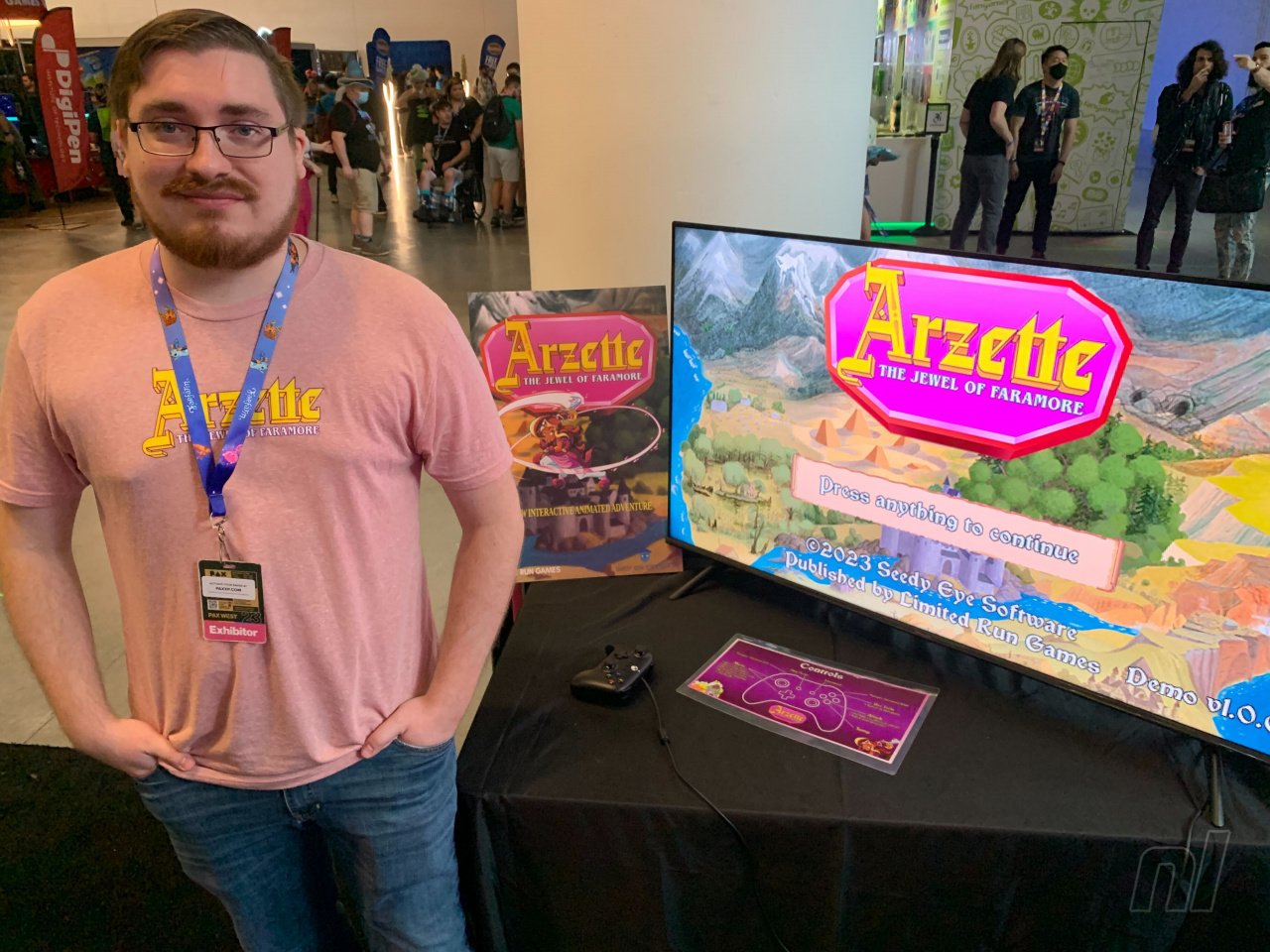
All the while, a game developer named Seth Fulkerson (affectionately called “Dopply” by some) is set to release Arzette: The Jewel of Faramore, an old-fashioned platformer video game built from the ground up to faithfully emulate the peculiar, often laughable games once released on the Philips CD-i, and more specifically Link: The Faces of Evil and Zelda: The Wand of Gamelon. And he couldn’t be more serious about it.
Image: Limited Run Games
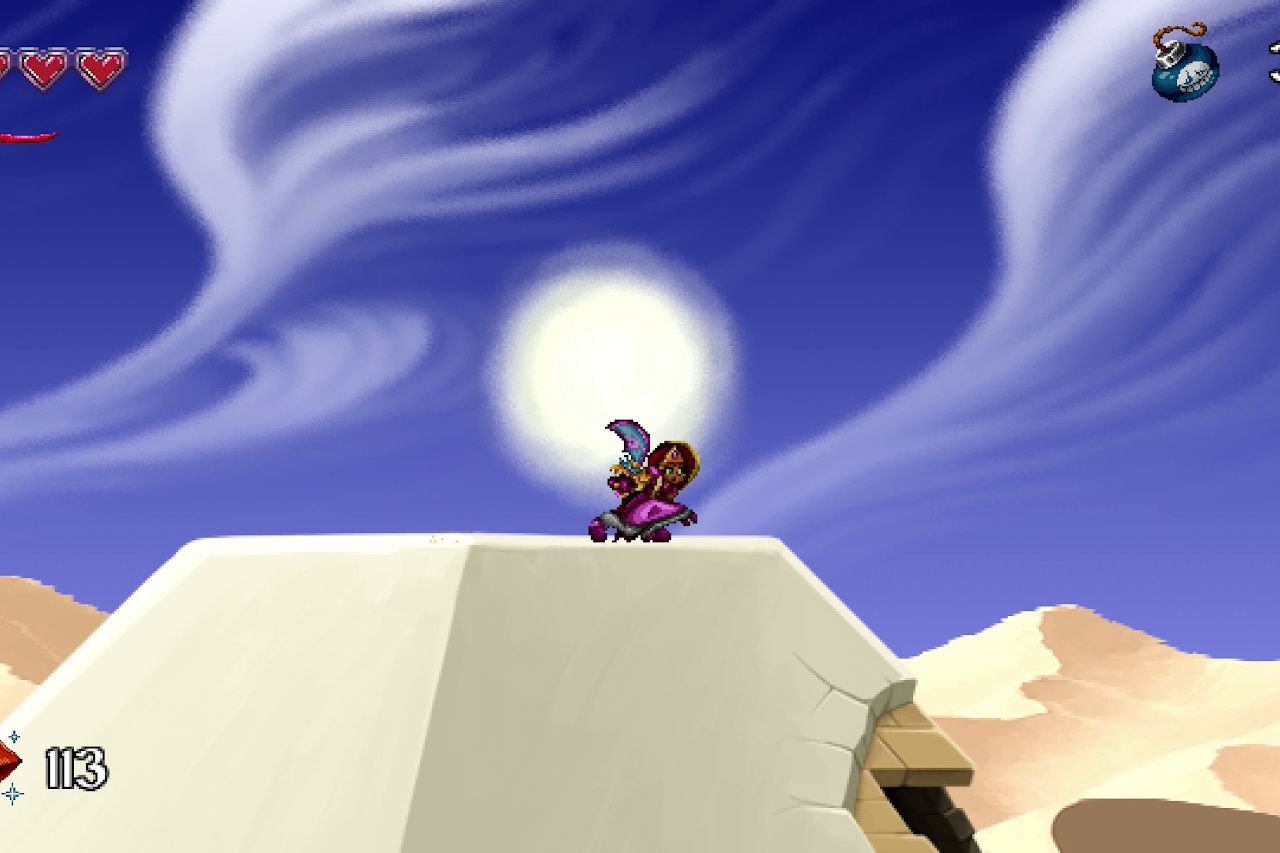
The game’s demo at PAX West 2023 is proof positive that no detail is too small to labor over, from the pitch-perfect reimaginings of those games’ visuals, to the main character’s floaty physics, to fully animated cutscenes — some of which are totally hidden unless you uncover them. (That’s a lot of work for an Easter Egg.)
Fulkerson sat down with Nintendo Life to discuss Arzette, which is being published by retro game connoisseurs Limited Run, its release currently listed as “coming soon”. We discussed where his niche obsession originated, how he’s improved on the original recipe, as well as who he’s surprisingly recruited to bring his offbeat vision to life.
Alan Lopez for Nintendo Life: I’ve never asked this question before, though it’s truly not meant to be vindictive…I’ve never played a proper video game where its source material was widely perceived as purelybad. How do you make something ‘good,’ so to speak, out of something that people by and large don’t find that much value in?
Seth “Dopply” Fulkerson: I actually find a lot of genuine potential in those original games that some people think are bad. Yes, they have a ton of flaws. They’re definitely really flawed. But I do love the linear/non-linear mix of how levels are laid out.
[CD-i games] typically have linear, stage-based levels, then you go back and you find power-ups, items, and stuff, then you go back through again. [Then] you find new paths and new items, which I like. And I really like the visual style. I love the hand-painted backgrounds, the super-detailed sprites…I find the cutscenes that some people find abhorrent to be, actually, super interesting and charming.
I never set out to make a ‘bad’ game when I was working on Arzette. I knew I could get those genuine bits of potential from those original games and sort of make them into something that’s much better.
The original games had a style that was born from constraints. What is it like to emulate such strong constraints?
We definitely went for that. For a lot of gameplay mechanics…like, infinitely respawning enemies, for instance…I knew I wouldn’t keep. But keeping it the same general art style and very similar sprite palette and outline…it was a really fun challenge.
That’s interesting to me, especially because there’s blossomed an entire genre this past generation of people emulating retro games, yet I’m pretty sure this is the first ‘CD-i-like’ that I’ve ever seen.What would you say to someone who has no recollection or knowledge of those games and is playing Arzette for the first time?
A lot of people have no point of reference for what inspired Arzette, and they still really enjoy it. Because at the end of the day, it’s a hand-painted action platformer with charming and sometimes cheesy cutscenes. I think there’s still a lot to love about it.
But if you are familiar with the source material, there’s Easter Eggs, there’s a few references here and there for you. I tried to not go so heavy with [references].
I presume legally, you cannot even reference [the original Zelda CD-i games]? At least, that’s what I gathered from your online presence when you talk about Arzette.
[laughter] No comment.
No comment? [laughter]
No, no, no…I’m kidding. Obviously, they are the inspiration, and I’m billing it as the spiritual successor, but you know, I am trying to make it its own individual thing.
Image: Alan Lopez / Nintendo Life
we have one of the painters from the original games that inspired Arzette, Rob Dunlavey. He did the world map and other level art
Can you talk about the CD-i Zelda games, and your own experience with them?
Yeah! My first experience was like a lot of people: the memes, the video remixes and stuff. But you know, I have a soft spot for games that are perceived as ‘bad’ or underloved. So I really latched on to it. Especially because I really liked the art style, and the cutscenes, and also learning about why the games were the way they are, with all the development constraints. It’s really charming to me.
I saw the potential in those games and I wanted to explore them, and hopefully show people that if you have enough time and resources and a good design, things will turn out good.
What is the potential of those games?
Well, that they would be fun. [laughter]
Image: Limited Run Games
Do you see potential for other people to make games like this?
I would certainly hope so. I would be very flattered if there was a new generation of ‘CD-i-likes,’ that would be fantastic. [laughter]
You’ve stated that you painted everything, is that correct?
Yes. Every single background in Arzette is hand-painted. So the design process was that I would do it all on graph paper, along with my design assistant and good friend, John Linneman of Digital Foundry. We sort of went back and forth on level designs. Then I would gray-box it, and then I would make a sketch based on those initial refined gray-boxes. Then I would hand it off to an artist to get it painted.
And actually we have one of the painters from the original games that inspired Arzette, Rob Dunlavey. He did the world map and other level art for the game as well.
How did you get ahold of him?
I actually got him, and a couple of the voice actors from the original games as well, Link and Zelda from the original games…
Oh! I didn’t know that.
Yes, I reached out and pitched the project; I made sure that they knew that it was not a joke, that I was being serious and I wasn’t just a crazy person. And they were super on board. I made it very clear that this was a passion project, like a love letter to those games, not making fun of them.
Once they realized what I was doing, they were excited. We had a lot of fun.
Is there more to being a ‘CD-i-like’ game than just the aesthetic? Or is there a gameplay element as well?
I find that the early ‘90s, [full-motion video] era — the CD-ROM era — which is very much the lane that Arzette is set in…I find that there is so much potential in those games. Especially the way they were being built and advertised, it almost felt dream-like…
Realizing that potential, instead of the dud that it ended up being, I think that would be the potential [of CD-i-inspired games].
Image: Limited Run Games
Is there anything else about Arzette that we didn’t touch on yet or that you haven’t shared with the general public yet?
Well, working with Limited Run has been excellent. They’ve been really supportive. Working with all of my collaborators has been excellent; they all understand the project and what I’m going for, and a lot of them are my friends and this was the game we were all sort of waiting to make. It feels excellent to finally make it.
There’s a lot of surprises in store, and a lot to love about Arzette. I didn’t make this game as a joke, I made this (with) a sincere attempt to make a good game with those aesthetics. I hope that it shows in the final product.
This interview has been lightly edited for clarity.
Our thanks to Seth for speaking with us. Arzette: The Jewel of Faramore is coming to Switch “soon”.
With news on the iPhone 15 imminent, rumors are also starting to swirl about the other extras due to arrive alongside a swanky new phone. According to a report from MacRumors, the tech giant is moving towards more iPhone 15 eco-friendly accessories and moving away from its previous focus on silicone and leather products. Check out the best iPhone 14 Pro cases if you still need to get something for yourself.
Previously, Apple released several silicone accessories alongside each iPhone release, many including features such as MagSage charging. Alongside new eco-friendly cases, Apple is also expected to be introducing other items made of renewable materials, including their popular Sport Band, Solo Loop, and AirTag Loop.
The MacRumors support also mentions that Apple is likely to be phasing out its leather iPhone cases, so it seems the California-based tech manufacturer is creating a clear message of sustainability and environmental responsibility. We’ll have to wait until the official iPhone 15 event to learn more, but more sustainable products can only be a good thing.
If you want to learn all about possible iPhone 15 eco-friendly accessories as soon as they appear, be sure to watch the Apple Event below when it premieres.
So, tech fans, that’s all we have on iPhone 15 eco-friendly accessories for today, but we hope to be adding some concrete confirmation soon. For now, be sure to check out our guide to the best iPhone 13 cases next.
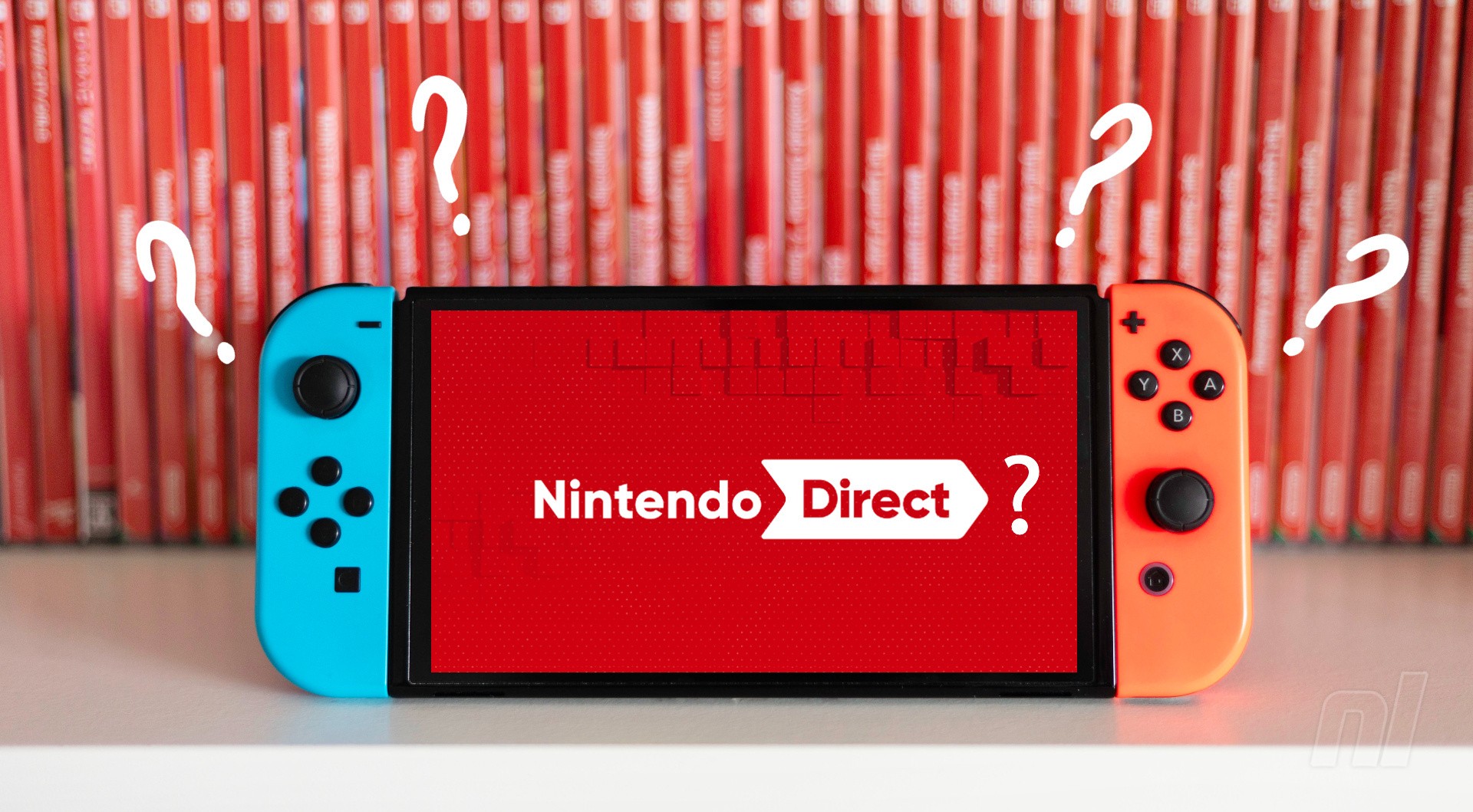
Nintendo isn’t always the easiest company to predict, but things are usually pretty routine when it comes to Direct Showcases. There’s usually one in February, usually one in the summer and usually one in September — plus a handful of Indie Worlds, Partner Showcases or game-specific presentations thrown in for good measure.
We’re in September now (almost halfway through, even) and an event is still yet to be announced (at the time of writing, that is), so there’s only one thing for it: let the speculation begin.
This is Nintendo that we are talking about here, so we’d be hesitant to call anything a ‘guarantee’, but a September Direct showcase would hardly be out of the ordinary at this point. Take a look at Nintendo’s September events for the past few years and see if you can spot a trend forming:
13th September 2022 – Nintendo Direct
23rd September 2021 – Nintendo Direct
17th September 2020 – Nintendo Direct Mini: Partner Showcase
4th September 2019 – Nintendo Direct
13th September 2018 – Nintendo Direct
13th September 2017 – Nintendo Direct
1st September 2016 – Nintendo Direct
As we said, you can never bank on a ‘guarantee’ with Nintendo, but when it comes to there being a Direct presentation in September, you can be confident that it has something in the works. The leaks and rumours have been coming in thick and fast, too, and with Nintendo reportedly showing off Switch 2 demos to developers at Gamescom 2023, it’s got people speculating.
What’s more, historically, this mid-month period seems to be the prime time for a showcase — particularly in the run-up to the Tokyo Game Show, which kicks off on 21st September this year — so if one is en route, it might be right around the corner.
The question is, will it be a full-fat showcase? It has been less than two weeks since we got a boatload of information straight from the Flower Kingdom in the Super Mario Bros. Wonder Direct, and the rest of 2023 is still looking rather stacked for Nintendo with the likes of Super Mario RPG, WarioWare: Move It!, Pokémon Scarlet and Violet DLC and Detective Pikachu Returns all still to come in the next few months. With all this going down, is now really the time to reveal even more games?
Going by previous years, yes it is. The rumour mill is already working overtime to bring a list of titles that could be on the horizon, and there is always room for third-party developers to step into the limelight and show off some of the non-Nintendo titles that are in the works for the Switch.
Princess Peach’s new game is due out in 2024, and we have little to no info on it. — Image: Nintendo
Yes, 2023 is looking a little packed in terms of release schedules, but (terrifyingly) 2024 is just around the corner… that means Princess Peach’s new gameandLuigi’s Mansion: Dark Moon remaster are both on the cards for this potential Direct. Also, where is that Splatoon 3 Side Order DLC already?
So, what do you think? Is a September 2023 Nintendo Direct already a certainty, or might things be a little quieter this month with all the new releases ahead? Fill out the following poll to let us know your prediction.
Will we get a September Nintendo Direct this year? (3,172 votes)
Yes, and it will be full of first-party titles63%
Yes, but it will be a Partner Showcase10%
Maybe, it still feels a little too soon after the Wonder Direct19%
Nope, Nintendo is breaking the trend this year8%
What would you like to see pop up at a September Direct (if it exists)? Drop your hopes in the comments below.
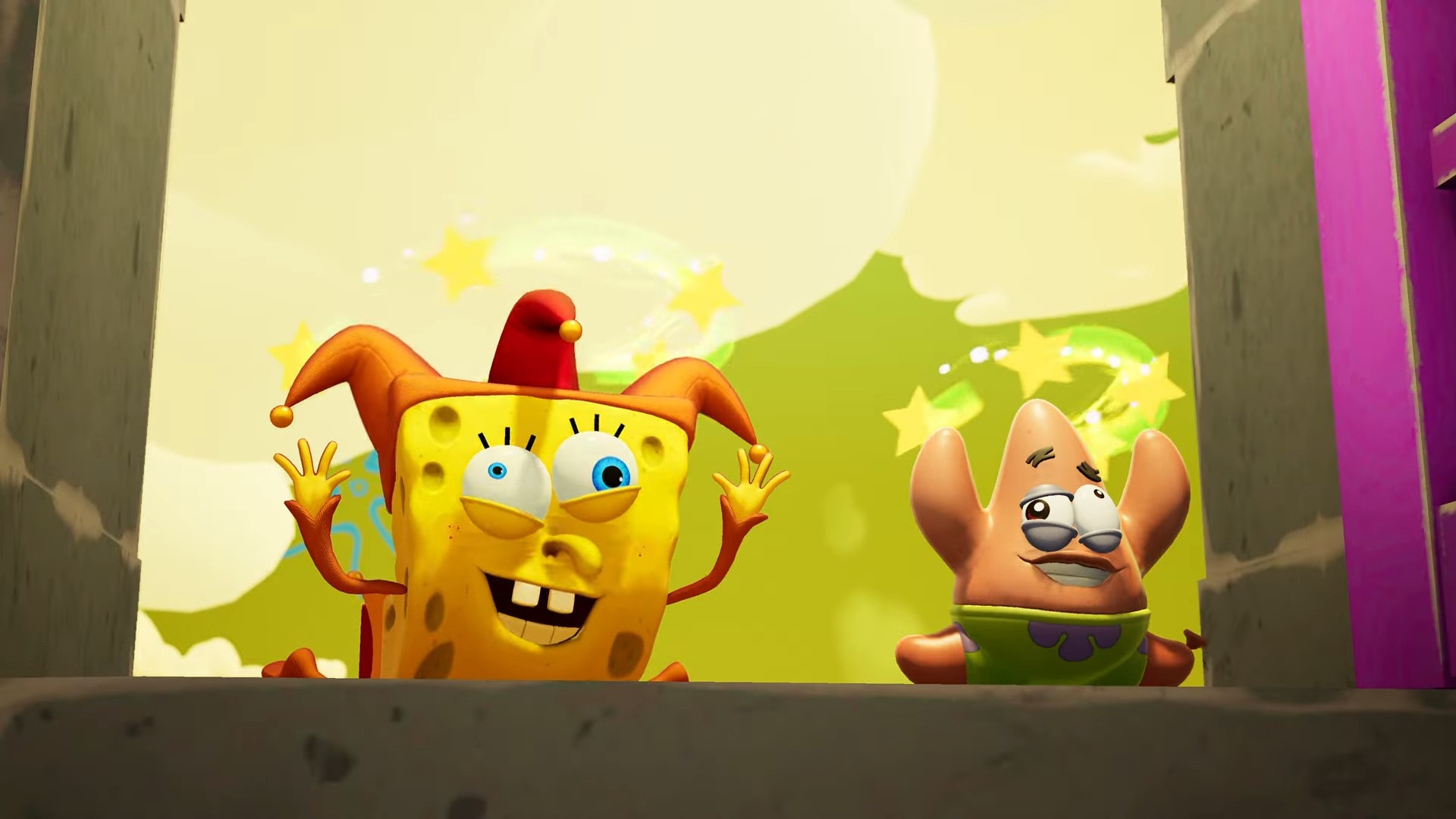
SpongeBob SquarePants: The Cosmic Shake will be getting a free update on 16th October 2023 on Switch to coincide with the game’s next-gen version release, publisher THQ Nordic has revealed.
The Purple Lamp-developed platformer, which launched on Switch back in January, will soak up more of the limelight with its PS5 and Xbox Series release next month. But Switch owners won’t be missing out on any of the new additions.
These new features coming to the game are Photo Mode — a staple of modern gaming — and costumes of King Doubloon and Plush Gary. Bug fixes have also been announced for a handful of issues reported since the game’s launch earlier this year.
Here’s what’s coming to the Switch version of the game next month, then:
Nintendo Switch – New Feature – Photo Mode! Apply one of 19 different filters to enhance your pictures. – New Costumes – New costume “King Doubloon” for collecting all doubloons is now available. – New costume “Plush Gary” for unlocking all awards is now available.
Bug Fixes (all platforms) – Fixed a rare bug where saving stopped working. – Fixed a bug where the playtime did not pause while on a loading screen. – Many general bug fixes to improve stability and playability of the game.
While the spiritual successor to SpongeBob SquarePants: Battle for Bikini Bottom wasn’t the commercial success Embracer Group (which owns THQ Nordic) expected, it did believe the game will “have a long tail of revenue”. And despite mixed critical reception, we rather enjoyed our time with the game:
Will you be returning to Bikini Bottom next month with this free update? Let us know in the comments.
Hosted: Using platforms hosted by AI experts like OpenAI.
Embedded: Integrating chatbots into tools like Google Docs or Office365.
Self-hosting, either by building an LLM or tweaking open-source ones like Alpaca or Vicuna.
If you’re using a hosted or embedded solution, you’ll sacrifice privacy and security because your chat will be sent to an external server doing inference, i.e., asking the model to give an output. But if the data is on the external server, they have complete control of your data.
In this article, I’ll give you the six best LLMs preserving your privacy and security by allowing you to download them and run on your own machine. Let’s get started!
Model 1: Llama 2
Meta (formerly Facebook) has released Llama 2, a new large language model (LLM) that is trained on 40% more training data and has twice the context length, compared to its predecessor Llama.
Llama 2 is open-source so researchers and hobbyist can build their own applications on top of it. If you download the model and self-host it on your computer or your internal servers, you’ll get a 100% private and relatively secure LLM experience – no data shared with external parties such as Facebook!
Llama 2 is trained on a massive dataset of text and code. Here’s a detailed benchmark, I highlighted the best Llama-2 model in red and the best models for each test in yellow. You can see that it outperforms even sophisticated models such as MPT and Falcon:
It even outperforms GPT-4 according to human raters and even as rated by GPT-4 itself:
Here are some initial references in case you’re interested:
Application: You can download and play with the model by completing a questionnaire here.
Model Card: The model card is available on GitHub.
Demo: You can try chatting with Llama 2 on Huggingface, however, this isn’t private and secure because it’s an online external model hosting service without encryption.
Note: Only if you download the powerful model to your computer or your internal servers can you achieve privacy and security!
MPT-30B (former: MPT-7B) is a large language model (LLM) standard developed by MosaicML, for open-source, commercially usable LLMs and a groundbreaking innovation in natural language processing technology.
It is private and secure!
“The size of MPT-30B was also specifically chosen to make it easy to deploy on a single GPU—either 1xA100-80GB in 16-bit precision or 1xA100-40GB in 8-bit precision.” — MosaicML
With nearly 7 billion parameters, MPT-7B offers impressive performance and has been trained on a diverse dataset of 1 trillion tokens, including text and code. MPT-30B significantly improve on MPT-7B, so the model performance even outperforms original GPT-3!
As a part of the MosaicPretrainedTransformer (MPT) family, it utilizes a modified transformer architecture, optimized for efficient training and inference, setting a new standard for open-source, commercially usable language models.
Alpaca.cpp offers a unique opportunity to run a ChatGPT-like model directly on your local device, ensuring enhanced privacy and security. By leveraging the LLaMA foundation model, it integrates the open reproduction of Stanford Alpaca, which fine-tunes the base model to follow instructions, similar to the RLHF used in ChatGPT’s training.
The process to get started is straightforward. Users can download the appropriate zip file for their operating system, followed by the model weights.
Once these are placed in the same directory, the chat interface can be initiated with a simple command. The underlying weights are derived from the alpaca-lora’s published fine-tunes, which are then converted back into a PyTorch checkpoint and quantized using llama.cpp.
Note: This project is a collaborative effort, combining the expertise and contributions from Facebook’s LLaMA, Stanford Alpaca, alpaca-lora, and llama.cpp by various developers, showcasing the power of open-source collaboration.
Model 4: Falcon-40B-Instruct (Not Falcon-180B, Yet!)
The Falcon-40B-Instruct, masterfully crafted by TII, is not just a technological marvel with its impressive 40 billion parameters but also a beacon of privacy and security. As a causal decoder-only model, it’s fine-tuned on a mixture of Baize and stands as a testament to the potential of local processing.
Running the Falcon-40B locally ensures that user data never leaves the device, thereby significantly enhancing user privacy and data security. This local processing capability, combined with its top-tier performance that surpasses other models like LLaMA and StableLM, makes it a prime choice for those who prioritize both efficiency and confidentiality.
For those who are privacy-conscious and looking to delve into chat or instruction-based tasks, Falcon-40B-Instruct is a perfect fit.
While it’s optimized for chat/instruction tasks, you might consider the base Falcon-40B model if you want to do further fine-tuning.
And if you have significant computational constraints (e.g., on a Raspberry Pi) but still wanting to maintain data privacy, the Falcon-7B offers a compact yet secure alternative.
The integration with the transformers library ensures not only ease of use but also a secure environment for text generation, keeping user interactions confidential. Users can confidently utilize Falcon-40B-Instruct, knowing their data remains private and shielded from potential external threats.
So to summarize, you can choose among those three options, ordered by performance and overhead (low to high):
You can currently try the Falcon-180B Demo here — it’s fun!
Model 5: Vicuna
What sets Vicuna apart is its ability to write code even though it is very concise and can run on your single-GPU machine (GitHub), which is less common in other open-source LLM chatbots . This unique feature, along with its more than 90% quality rate, makes it stand out among ChatGPT alternatives.
Don’t worry about compatibility, as Vicuna is available for use on your local machine or with cloud services like Microsoft’s Azure, ensuring you can access and collaborate on your writing projects wherever you are.
With Vicuna, you can expect the AI chatbot to deliver text completion tasks such as poetry, stories, and other content similar to what you would find on ChatGPT or Youchat. Thanks to its user-friendly interface and robust feature set, you’ll likely find this open-source alternative quite valuable.
Model 6: h2oGPT
h2oGPT is an open-source generative AI framework building on many models discussed before (e.g., Llama 2) that provides you a user-friendly way to run your own LLMs while preserving data ownership. Thus, it’s privacy friendly and more secure than most solutions on the market.
H2o.ai, like most other organizations in the space, is a for-profit organization so let’s see how it develops during the next couple of years. For now, it’s a fun little helper tool and it’s free and open-source!
Risk #1: Firstly, there’s the enigma of Dark Data Misuse & Discovery.
Imagine LLMs as voracious readers, consuming every piece of information they come across. This includes the mysterious dark data lurking in files, emails, and forgotten database corners. The danger? Exposing private data, intellectual property from former employees, and even the company’s deepest secrets. The shadows of dark Personal Identifiable Information (PII) can cast long-lasting financial and reputational scars. What’s more, LLMs have the uncanny ability to connect the dots between dark data and public information, opening the floodgates for potential breaches and leaks. And if that wasn’t enough, the murky waters of data poisoning and biases can arise, especially when businesses are in the dark about the data feeding their LLMs.
Risk #2: Next, we encounter the specter of Biased Outputs.
LLMs, for all their intelligence, can sometimes wear tinted glasses. Especially in areas that tread on thin ice like hiring practices, customer service, and healthcare. The culprit often lies in the training data. If the data leans heavily towards a particular race, gender, or any other category, the LLM might inadvertently tilt that way too. And if you’re sourcing your LLM from a third party, you’re essentially navigating blindfolded, unaware of any lurking biases.
Risk #3: It gets even murkier with Explainability & Observability Challenges.
Think of public LLMs as magicians with a limited set of tricks. Tracing their outputs back to the original inputs can be like trying to figure out how the rabbit got into the hat. Some LLMs even have a penchant for fiction, inventing sources and making observability a Herculean task. However, there’s a silver lining for custom LLMs. If businesses play their cards right, they can weave in observability threads during the training phase.
Risk #4: But the plot thickens with Privacy Rights & Auto-Inferences.
As LLMs sift through data, they’re like detectives connecting the dots, often inferring personal details from seemingly unrelated data points. Businesses, therefore, walk a tightrope, ensuring they have the green light to make these Sherlock-esque deductions. And with the ever-evolving landscape of privacy rights, keeping track is not just a Herculean task but a Sisyphean one.
Risk #5: Lastly, we arrive at the conundrum of Unclear Data Stewardships.
In the current scenario, asking LLMs to “unlearn” data is like asking the sea to give back its water. This makes data management a puzzle, with every piece of sensitive data adding to a business’s legal baggage. The beacon of hope? Empowering security teams to classify, automate, and filter data, ensuring that every piece of information has a clear purpose and scope.
The hugely popular anime and manga series Demon Slayer is going all Mario Party on us next year. Publisher Aniplex has announced Demon Slayer: Kimetsu no Yaiba – Mezase! Saikyou Taishi!, a board game-style game, for Switch in 2024. Only a Japanese release is on the cards right now.
Mezase! Saikyou Taishi! looks to be a bit more amicable in the competitive department — depending on how you play Mario party-type games, anyway. Not many details have been revealed about the game just yet, but you can check out the announcement trailer up top or head on over to the official Demon Slayer website.
We had a good time with last year’s fighting game, awarding it an 8/10 in our review for its lovely art style and compelling story — it’s one Demon Slayer fans shouldn’t miss, and we reckon this party game will be much the same. Hopefully we’ll see a western release, too…
Are you a Demon Slayer fan? Do you want to check out this board game-style title next year? Let us know in the comments.











 Note: Only if you download the powerful model to your computer or your internal servers can you achieve privacy and security!
 Recommended:

 Note: This project is a collaborative effort, combining the expertise and contributions from Facebook’s LLaMA, Stanford Alpaca, alpaca-lora, and
  Recommended
 . This unique feature, along with its more than 90% quality rate, makes it stand out among ChatGPT alternatives.


 Academy: