Microsoft and Oracle have partnered to bring the best of both worlds together. OCI database services are now available in Azure. This partnership helps organizations meet their evolving needs and empowers customers to create new value in the cloud. With this integration, users can seamlessly build Azure applications with the high performance, high availability, and automated management of Oracle database services, such as Exadata and RAC, running on OCI.
When working with lists that contain Unicode strings, you may encounter characters that make it difficult to process or manipulate the data or handle internationalized content or content with emojis . In this article, we will explore the best ways to remove Unicode characters from a list using Python.
You’ll learn several strategies for handling Unicode characters in your lists, ranging from simple encoding techniques to more advanced methods using list comprehensions and regular expressions.
Understanding Unicode and Lists in Python
Combining Unicode strings and lists in Python is common when handling different data types. You might encounter situations where you need to remove Unicode characters from a list, for instance, when cleaning or normalizing textual data.
Unicode is a universal character encoding standard that represents text in almost every writing system used today. It assigns a unique identifier to each character, enabling the seamless exchange and manipulation of text across various platforms and languages. In Python 2, Unicode strings are represented with the u prefix, like u'Hello, World!'. However, in Python 3, all strings are Unicode by default, making the u prefix unnecessary.
Lists are a built-in Python data structure used to store and manipulate collections of items. They are mutable, ordered, and can contain elements of different types, including Unicode strings.
For example:
my_list = ['Hello', u'世界', 42]
While working with Unicode and lists in Python, you may discover challenges related to encoding and decoding strings, especially when transitioning between Python 2 and Python 3. Several methods can help you overcome these challenges, such as encode(), decode(), and using various libraries.
Method 1: ord() for Unicode Character Identification
One common method to identify Unicode characters is by using the isalnum() function. This built-in Python function checks if all characters in a string are alphanumeric (letters and numbers) and returns True if that’s the case, otherwise False. When working with a list, you can simply iterate through each string item and use isalnum() to determine if any Unicode characters are present.
The isalnum() function in Python checks whether all the characters in a text are alphanumeric (i.e., either letters or numbers) and does not specifically identify Unicode characters. Unicode characters can also be alphanumeric, so isalnum() would return True for many Unicode characters.
To identify or work with Unicode characters in Python, you might use the ord() function to get the Unicode code of a character, or \u followed by the Unicode code to represent a character. Here’s a brief example:
# Using \u to represent a Unicode character
unicode_char = '\u03B1' # This represents the Greek letter alpha (α) # Using ord() to get the Unicode code of a character
unicode_code = ord('α') print(f"The Unicode character for code 03B1 is: {unicode_char}")
print(f"The Unicode code for character α is: {unicode_code}")
In this example:
\u03B1 is used to represent the Greek letter alpha (α) using its Unicode code.
ord('α') returns the Unicode code for the Greek letter alpha, which is 945.
If you want to identify whether a string contains non-ASCII characters (which might be what you’re interested in when you talk about identifying Unicode characters), you might use something like the following code:
def contains_non_ascii(s): return any(ord(char) >= 128 for char in s) # Example usage:
s = "Hello α"
print(contains_non_ascii(s)) # Output: True print(contains_non_ascii('Hello World')) # Output: False
In this function, contains_non_ascii(s), it checks each character in the string s to see if it has a Unicode code greater than or equal to 128 (i.e., it is not an ASCII character). If any such character is found, it returns True; otherwise, it returns False.
Method 2: Regex for Unicode Identification
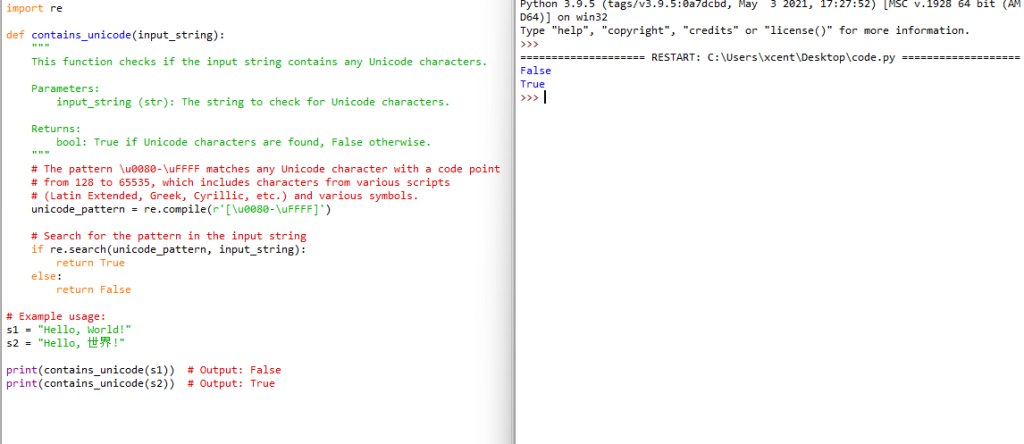
Using regular expressions (regex) is a powerful way to identify Unicode characters in a string. Python’s re module can be utilized to create patterns that can match Unicode characters. Below is an example method that uses a regular expression to identify whether a string contains any Unicode characters:
import re def contains_unicode(input_string): """ This function checks if the input string contains any Unicode characters. Parameters: input_string (str): The string to check for Unicode characters. Returns: bool: True if Unicode characters are found, False otherwise. """ # The pattern \u0080-\uFFFF matches any Unicode character with a code point # from 128 to 65535, which includes characters from various scripts # (Latin Extended, Greek, Cyrillic, etc.) and various symbols. unicode_pattern = re.compile(r'[\u0080-\uFFFF]') # Search for the pattern in the input string if re.search(unicode_pattern, input_string): return True else: return False # Example usage:
s1 = "Hello, World!"
s2 = "Hello, 世界!" print(contains_unicode(s1)) # Output: False
print(contains_unicode(s2)) # Output: True
Explanation:
[\u0080-\uFFFF]: This pattern matches any character with a Unicode code point from U+0080 to U+FFFF, which includes various non-ASCII characters.
re.search(unicode_pattern, input_string): This function searches the input string for the defined Unicode pattern.
If the pattern is found in the string, the function returns True; otherwise, it returns False.
This method will help you identify strings containing Unicode characters from various scripts and symbols. This pattern does not match ASCII characters (code points U+0000 to U+007F) or non-BMP characters (code points above U+FFFF).
If you want to learn about Python’s search() function in regular expressions, check out my tutorial and tutorial video:
Method 3: Encoding and Decoding for Unicode Removal
When dealing with Python lists containing Unicode characters, you might find it necessary to remove them. One effective method to achieve this is by using the built-in string encoding and decoding functions. This section will guide you through the process of Unicode removal in lists by employing the encode() and decode() methods.
First, you will need to encode the Unicode string into the ASCII format. It is essential because the ASCII encoding only supports ASCII characters, and any Unicode characters that are outside the ASCII range will be automatically removed. For this, you can utilize the encode() function with its parameters set to the ASCII encoding option and error handling set to 'ignore'.
After encoding the string to ASCII, it is time to decode it back to a UTF-8 format. This step is essential to ensure the list items retain their original text data and stay readable. You can use the decode() function to achieve this conversion. Here’s an example:
string_utf8 = string_ascii.decode('utf-8')
Now that you have successfully removed the Unicode characters, your Python list will only contain ASCII characters, making it easier to process further. Let’s take a look at a practical example with a list of strings.
list_unicode = ["𝕴 𝖆𝖒 𝕴𝖗𝖔𝖓𝖒𝖆𝖓!", "This is an ASCII string", "𝕿𝖍𝖎𝖘 𝖎𝖘 𝖚𝖓𝖎𝖈𝖔𝖉𝖊"]
list_ascii = [item.encode('ascii', 'ignore').decode('utf-8') for item in list_unicode] print(list_unicode)
# ['𝕴 𝖆𝖒 𝕴𝖗𝖔𝖓𝖒𝖆𝖓!', 'This is an ASCII string', '𝕿𝖍𝖎𝖘 𝖎𝖘 𝖚𝖓𝖎𝖈𝖔𝖉𝖊'] print(list_ascii)
# [' !', 'This is an ASCII string', ' ']
In this example, the list_unicode variable comprises three different strings, two with Unicode characters and one with only ASCII characters. By employing a list comprehension, you can apply the encoding and decoding process to each string in the list.
Remember always to be careful when working with Unicode texts. If the string with Unicode characters contains crucial information or an essential part of the data you are processing, you should consider keeping the Unicode characters and using proper Unicode-compatible solutions.
Method 4: The Replace Function for Unicode Removal
When working with lists in Python, it is common to come across Unicode characters that need to be removed or replaced. One technique to achieve this is by using Python’s replace() function.
The replace() function is a built-in method in Python strings, which allows you to replace occurrences of a substring within a given string. To remove specific Unicode characters from a list, you can first convert the list elements into strings, then use the replace() function to handle the specific Unicode characters.
When dealing with a larger set of Unicode characters, you can use a dictionary to map each character to be replaced with its replacement. For example:
unicode_replacements = { "ó": "o", "ö": "o", "é": "e", # Add more replacements as needed.
} original_list = ["Róisín", "Björk", "Héctor"]
new_list = [] for item in original_list: for key, value in unicode_replacements.items(): item = item.replace(key, value) new_list.append(item) print(new_list) # ['Roisin', 'Bjork', 'Hector']
Of course, this is only useful if you have specific Unicode characters to remove. Otherwise, use the previous Method 3.
Method 5: Regex Substituion for Replacing Non-ASCII Characters
When working with text data in Python, non-ASCII characters can often cause issues, especially when parsing or processing data. To maintain a clean and uniform text format, you might need to deal with these characters and remove or replace them as necessary.
One common technique is to use list comprehension coupled with a character encoding method such as .encode('ascii', 'ignore'). You can loop through the items in your list, encode them to ASCII, and ignore any non-ASCII characters during the encoding process. Here’s a simple example:
data_list = ["𝕴 𝖆𝖒 𝕴𝖗𝖔𝖓𝖒𝖆𝖓!", "Hello, World!", "你好!"]
clean_data_list = [item.encode("ascii", "ignore").decode("ascii") for item in data_list]
print(clean_data_list)
# Output: [' m mn!', 'Hello, World!', '']
In this example, you’ll notice that non-ASCII characters are removed from the text, leaving the ASCII characters intact. This method is both clear and easy to implement, which makes it a reliable choice for most situations.
Another approach is to use regular expressions to search for and remove all non-ASCII characters. The Python re module provides powerful pattern matching capabilities, making it an excellent tool for this purpose. Here’s an example that shows how you can use the re module to remove non-ASCII characters from a list:
import re data_list = ["𝕴 𝖆𝖒 𝕴𝖗𝖔𝖓𝖒𝖆𝖓!", "Hello, World!", "你好!"]
ascii_only_pattern = re.compile(r"[^\x00-\x7F]")
clean_data_list = [re.sub(ascii_only_pattern, "", item) for item in data_list]
print(clean_data_list) # Output: [' !', 'Hello, World!', '']
In this example, we define a regular expression pattern that matches any character outside the ASCII range ([^\x00-\x7F]). We then use the re.sub() function to replace any matching characters with an empty string.
Frequently Asked Questions
How can I efficiently replace Unicode characters with ASCII in Python?
To efficiently replace Unicode characters with ASCII in Python, you can use the unicodedata library. This library provides the normalize() function which can convert Unicode strings to their closest ASCII equivalent. For example:
import unicodedata def unicode_to_ascii(s): return ''.join(c for c in unicodedata.normalize('NFD', s) if unicodedata.category(c) != 'Mn')
This function will replace Unicode characters with their ASCII equivalents, making your Python list easier to work with.
What are the best methods to remove Unicode characters in Pandas?
Pandas has a built-in method that helps you remove Unicode characters in a DataFrame. You can use the applymap() function in conjunction with the lambda function to remove any non-ASCII character from your DataFrame. For example:
import pandas as pd data = {'col1': [u'こんにちは', 'Pandas', 'DataFrames']}
df = pd.DataFrame(data) df = df.applymap(lambda x: x.encode('ascii', 'ignore').decode('ascii'))
This will remove all non-ASCII characters from the DataFrame, making it easier to process and analyze.
How do I get rid of all non-English characters in a Python list?
To remove all non-English characters in a Python list, you can use list comprehension and the isalnum() function from the str class. For example:
data = [u'こんにちは', u'Hello', u'안녕하세요'] result = [''.join(c for c in s if c.isalnum() and ord(c) < 128) for s in data]
This approach filters out any character that isn’t alphanumeric or has an ASCII value greater than 127.
What is the most effective way to eliminate Unicode characters from an SQL string?
To eliminate Unicode characters from an SQL string, you should first clean the data in your programming language (e.g., Python) before inserting it into the SQL database. In Python, you can use the re library to remove Unicode characters:
import re def clean_sql_string(s): return re.sub(r'[^\x00-\x7F]+', '', s)
This function will remove any non-ASCII characters from the string, ensuring that your SQL query is free of Unicode characters.
How can I detect and handle Unicode characters in a Python script?
To detect and handle Unicode characters in a Python script, you can use the ord() function to check if a character’s Unicode code point is outside the ASCII range. This allows you to filter out any Unicode characters in a string. For example:
def is_ascii(s): return all(ord(c) < 128 for c in s)
You can then handle the detected Unicode characters accordingly, such as using replace() to substitute them with appropriate ASCII characters or removing them entirely.
What techniques can be employed to remove non-UTF-8 characters from a text file using Python?
To remove non-UTF-8 characters from a text file using Python, you can use the following method:
Open the file in binary mode.
Decode the file’s content with the ‘UTF-8’ encoding, using the ‘ignore’ or ‘replace’ error handling mode.
Write the decoded content back to the file.
with open('file.txt', 'rb') as file: content = file.read() cleaned_content = content.decode('utf-8', 'ignore') with open('cleaned_file.txt', 'w', encoding='utf-8') as file: file.write(cleaned_content)
This will create a new text file without non-UTF-8 characters, making your data more accessible and usable.
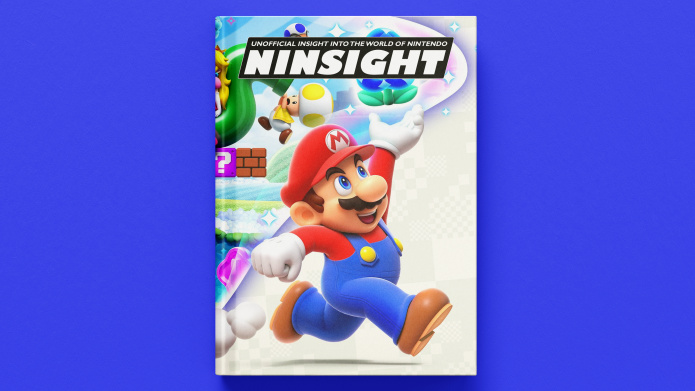
Ninty Media — formerly known as Switch Player — has announced a crowdfunding campaign for a brand new premium print publication, called ‘Ninsight’.
Both of the publication’s magazines – Switch Player and Ninty Fresh — ceased publication earlier this year, but hope wasn’t lost as they teased their eventual return in a more premium fashion, which is exactly what this new book is.
The planned hardback book will contain over 180 pages of Nintendo news and coverage, and is the “natural evolution of Switch Player and Ninty Fresh”, the creators confirmed. Describing this as ” Sort of like an annual, but with a magazine style approach.”, the book is expected to have a longer release cycle, so rather than popping down the road once a month for your magazine, you’ll get a bumper book full of detail to cover a much longer period of time.
An Indiegogo campaign for Issue 0 has opened up, and the book will have an even split of current Switch content and retrospectives. Bespoke artwork and more in-depth reviews will also be a part of the book. Other features include a look back at the Famicom, a huge focus on Super Mario Bros. Wonder, and developer interviews.
Those who pledge to the campaign will receive a copy of the book — for £25 / $30 you’ll get a hardcover copy, finished with a numbered obi strip. For £40 / $49, that book will be accompanied by a selection of five art prints, your name in the book, a digital copy, a folded poster of the cover art, and a special Mario Wonder-themed pin.
Did you collect Switch Player? Will you be backing this new bumper-sized book? Let us know in the comments.
Kumi Souls Games’ stunning pixel art Metroidvania The Last Faith has finally got a solid release date, publisher Playstack can reveal — 15th November 2023 (via Gematsu).
Those of you who love the gothic atmosphere of the Castlevania series should keep an eye on this one, which is another take on the action-exploration meets Souls-like genres. As Eryk, you are in a race against time as your mind is beginning to deteriorate. Your quest will take you through overgrown woods and huge gothic buildings, and you’ll come face-to-face with brutal enemies.
The game was first announced back in 2020 and was successfully funded through Kickstarter. Now, three years later — and after an initial delay back in the summer — we’ll finally be able to explore the dark and gloomy corridors of the world of The Last Faith.
A demo is currently available on Steam right now where you can test out your skills against the denizens and deities of the City of Mythringal.
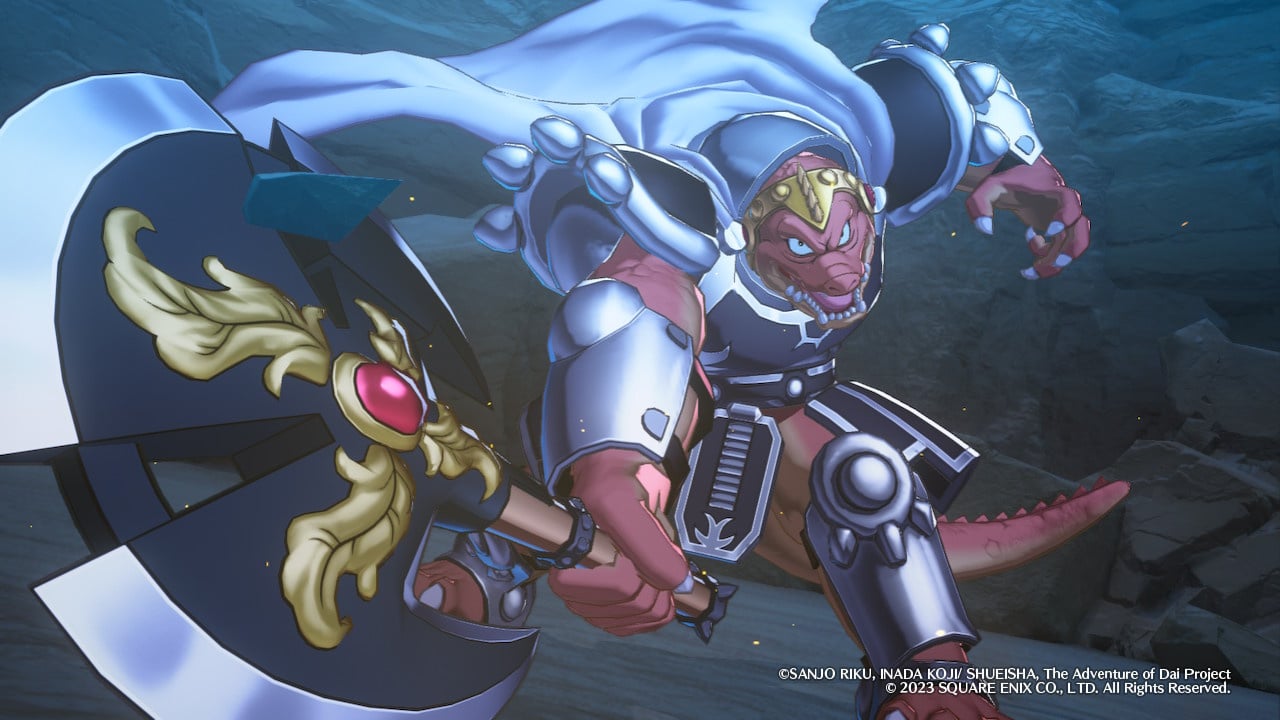
The Dragon Quest series is no stranger to spin-off titles, but few are as confusing as Infinity Strash: Dragon Quest The Adventure of Dai. This action RPG is based on an anime adaptation of a manga based on the world of Dragon Quest, but it is never clear who the game is designed to appeal to. The few things it does well are buried under an avalanche of unengaging cutscenes that go on too long and simply don’t do the story they’re telling justice.
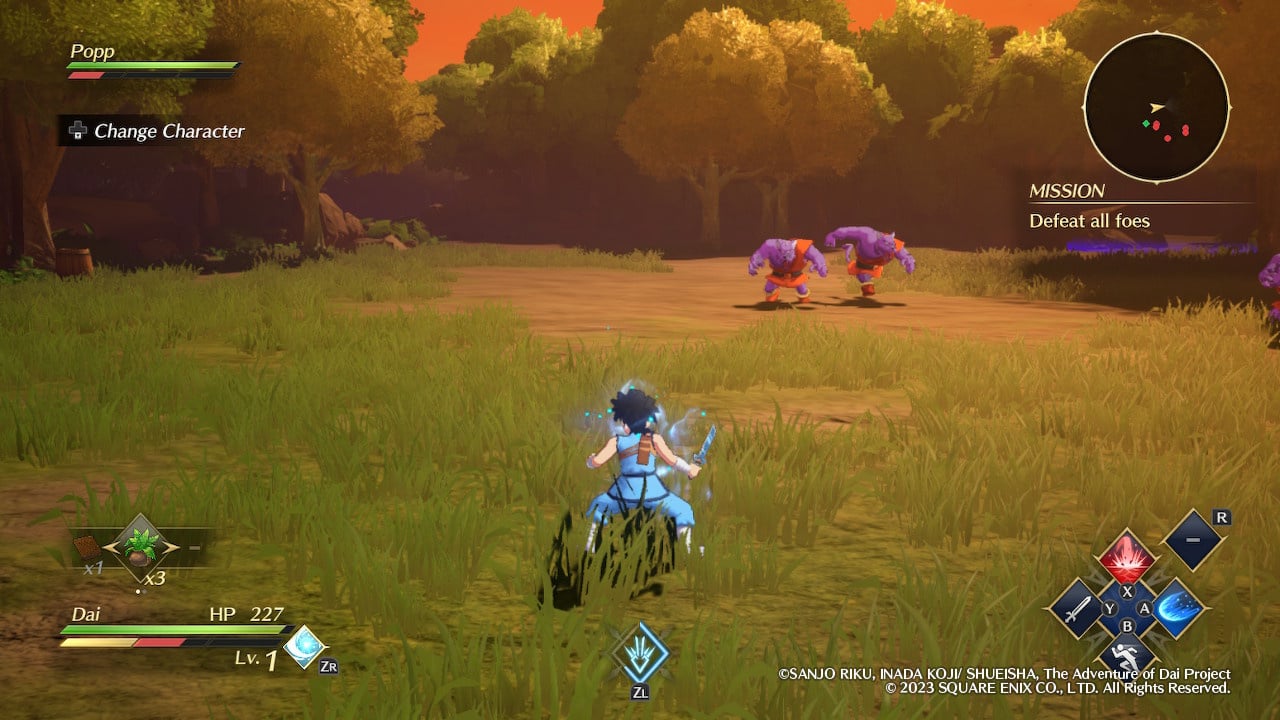
That isn’t to say that there aren’t some glimmers of hope hidden in this game’s runtime. The combat, for example, is competently designed if unimaginative in its implementation; characters have a basic attack, plus a selection of powers that they can unleash to deal more damage or to heal their allies. It is a system that has been used countless times before because it works well, letting you feel powerful as you wade through waves of enemies on the battlefield.
Captured on Nintendo Switch (Docked)
The boss fights that pop up every few battles are fun and challenging, and there is enough variety in these to keep them interesting through to the end of the game. Mastering the timing of your dodge and block commands is the key to victory, but it will probably take at least two attempts to get the boss’ unique pattern down.
There are even some excellent visuals mixed into the combat sequences that make them remarkably satisfying. The vibrant colours and iconic monsters that Dragon Quest has always been known for are all here and look great on the Switch. If Infinity Strash had focused solely on being an action RPG, it would be an easy one to recommend. There isn’t anything groundbreaking in the combat here, but it is competently put together and fun when you get to play. There are a few small nitpicks with the combat, like an unwieldy camera and a mini-map that is next to useless, but this is still by far the best part of this game.
Captured on Nintendo Switch (Docked)
The problems with the game arise with the way the story is told. Aside from a handful of beautifully rendered cutscenes, most of the plot is delivered via unmoving images with text over top. Even the fact that each scene is fully voiced in both English and Japanese doesn’t change the fact that Infinity Strash feels more like a visual novel with some action sequences rather than a full-fledged action RPG.
The story in Infinity Strash: Dragon Quest is taken directly from The Adventure of Dai manga and its most recent anime adaptation. The game opens up at the end of the story and then jumps back to the start, with a focus on helping Dai uncover the memories of his journey. It’s a fun story about a young hero unlocking his hidden power to stand up against an impossibly strong enemy, but it feels harshly abridged in this format. Dai and his friends are fun characters, but this format simply doesn’t do them or their story justice. You’re better off watching the anime instead of spending the 30 hours it will take you to play Infinity Strash.
Captured on Nintendo Switch (Docked)
We’ve said this multiple times, but the way the game delivers these cutscenes is frustratingly basic. Rather than getting to explore the world, you simply select the chapter you want to play and either sit through up to 10 minutes of cutscenes, then walk through a small level to reach your objective or fight a boss in an enclosed arena. Everything has a distinctly “corridors and cutscenes” feel to it that lacks the excitement or wonder needed to keep you sticking around to the end.
Before you select a chapter, there is at least a degree of customisation for each character before each level. You can choose which abilities you want them to use and how to map them on your controller, though the most significant change you can make to them is through the Bond Memories system. Each of Dai’s memories that you recover can be equipped to a character, giving them boosts to certain stats or upping their maximum hit points. Initially, this is a fun system, but it soon starts to feel shallow and tacked on to tie the combat into a story that isn’t pulling its weight.
Captured on Nintendo Switch (Handheld/Undocked)
These Bond Memories can be leveled up in the Temple of Recollection, which is a roguelike gauntlet dungeon that gives you the materials to upgrade your Bond Memories and your special attacks. The deeper you make it into the gauntlet, the better materials you’ll get. We spent loads of time here, grinding away and enjoying the break from the monotonous cutscenes, and the fact that the Temple of Recollection is one of the highlights of Infinity Strash: Dragon Quest is a testament to what a missed opportunity the game really is. If the developer had focused more on the actual combat or created a unique story for the game, there would have been more to keep players engaged.
While the fun combat system and the Temple of Recollection keep Infinity Strash: Dragon Quest from being a complete mess, they are held back from greatness by unbearable pacing and a poorly thought-out concept. It isn’t clear who this game was created for – fans of the anime will get frustrated with the abridged and lazy way the story is told here while RPG fans will probably switch off during one of the overlong cutscenes. What we’re left with is a confusing title that doesn’t appeal to either set of players and feels like a missed opportunity more than anything.
Conclusion
Infinity Strash: Dragon Quest The Adventure of Dai suffers from a chronic lack of focus. The vibrant visuals and fun combat can’t make up for the fact that you’ll spend hours doing little more than watching static images tell the plot of the anime. The result is a game that will frustrate action RPG fans with a lack of action and fails to do justice to the story it is trying to tell. Unless you’re desperate for a new Dragon Quest game to play, you’re better off just watching the anime and skipping this spin-off entirely.
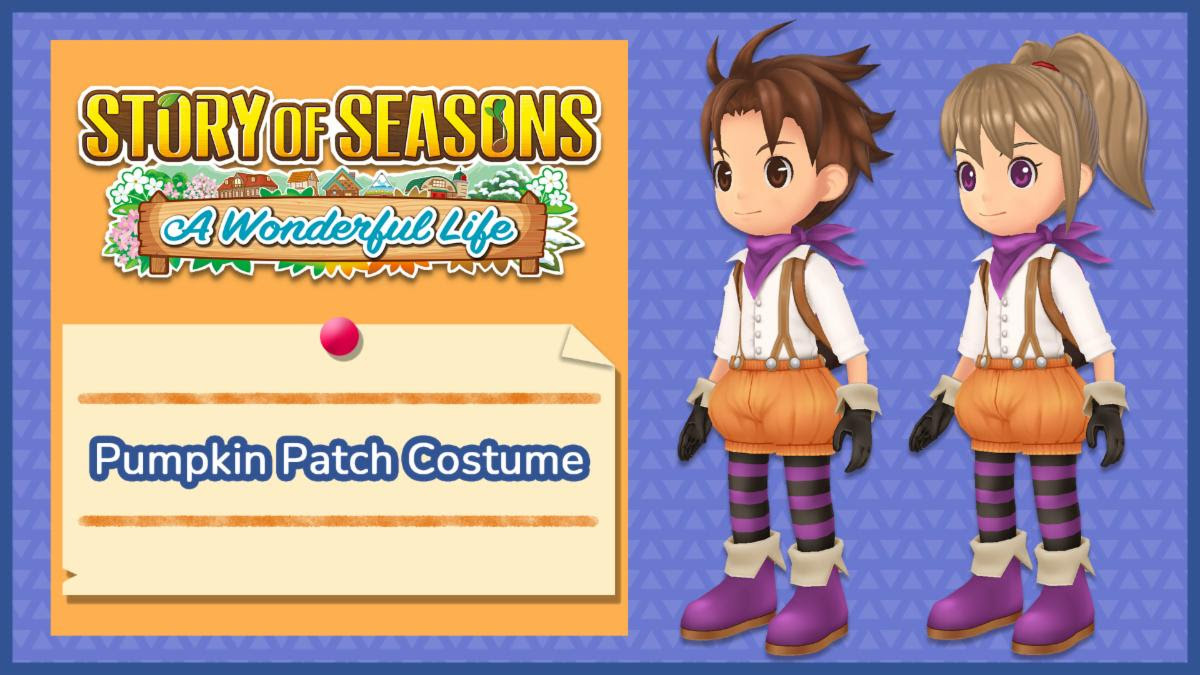
XSEED Games has announced that it is offering up a free piece of cosmetic DLC for Story of Seasons: A Wonderful Life in the form of a Pumpkin Patch outfit.
Yes, just in time for the pumpkin season, you can get your farming protagonist dressed up and in the spirit right now for the price of… well, the few seconds it will likely take to download.
Image: XSEED Games
Launched back on June 27th, 2023, Story of Seasons: A Wonderful Life is a remake of Harvest Moon: A Wonderful Life from 2003/4. The original has remained a firm fan-favourite for years thanks to its charm and rewarding gameplay, and the new remake has largely retained much of its essence, for better or worse.
In our 7/10 review, we said that “fans of later farming/life-sims might find it too slow and too dull”, but also highlighted that you might well find a “surprisingly fulfilling and earnest game” underneath the sluggish pacing.
Be sure to also check out our guide on how to get started with A Wonderful Life; it can be a bit of a tough cookie to crack for newcomers!
Will you be donning the Pumpkin Patch outfit in Story of Seasons: A Wonderful Life? Let us know with a comment.
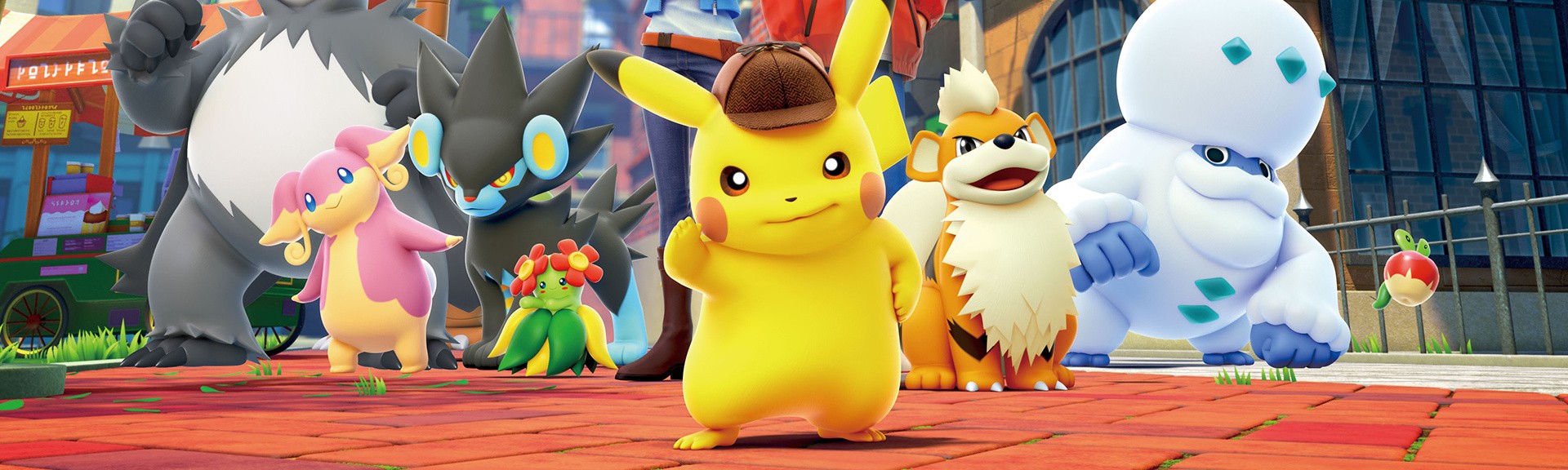
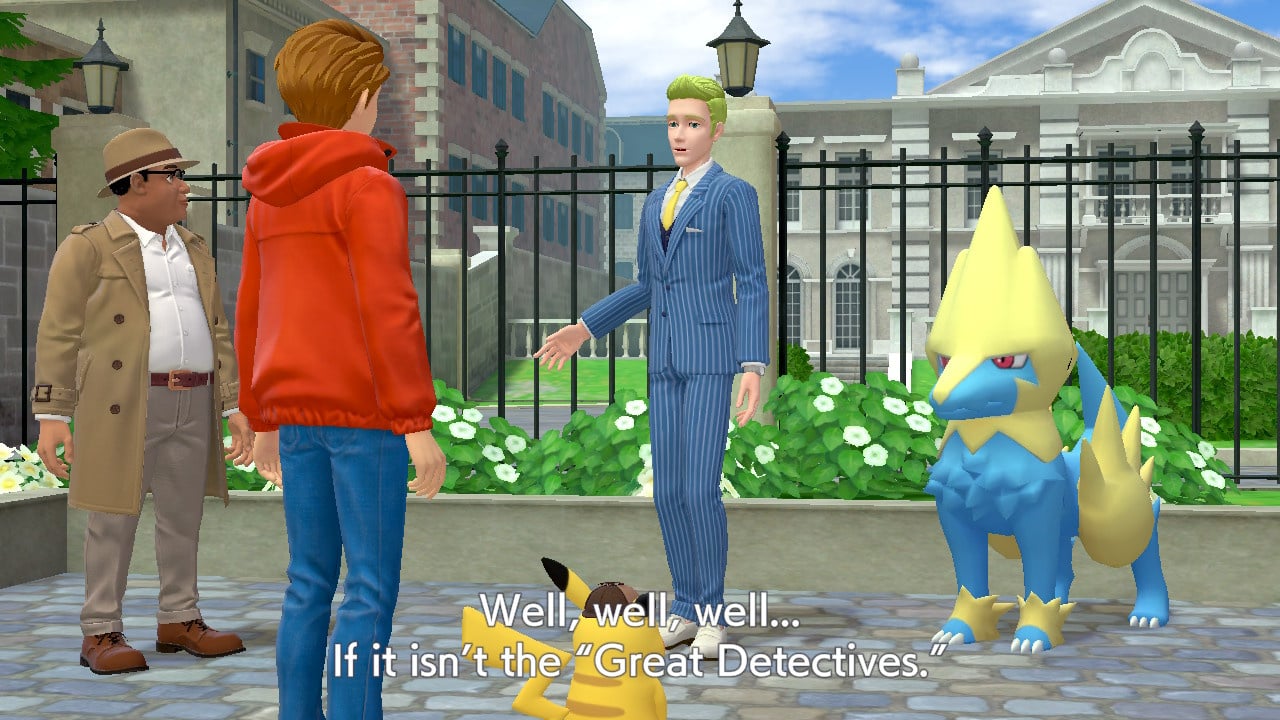
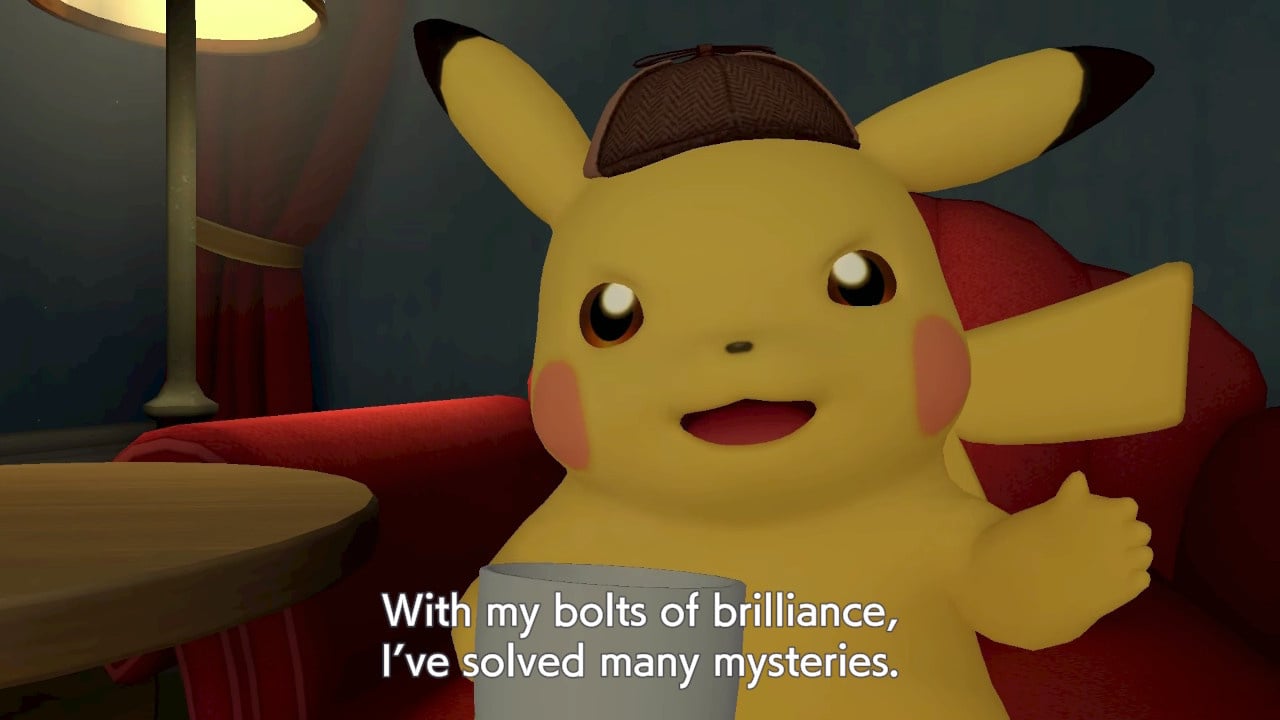
It’s been over seven years since we got our first helping of the wise-cracking, coffee-addicted Detective Pikachu on 3DS and, in the time since, the gruff private investigator has gone on to star in his very own big-screen adaptation voiced by the one and only Ryan Reynolds. Well, excuse us, Mr Hollywood!
The first Detective Pikachu introduced us to a consistently amusing take on the classic Pikachu character alongside his likeable human pal Tim Goodman, wherein the pair used their investigative skills to unravel a mystery surrounding a drug which was causing Pokémon to fly into violent rages. There was also an overarching plot — one that forms the basis of the hit movie — which saw the sleuths attempting to find Tim’s missing dad, Harry Goodman.
Captured on Nintendo Switch (Handheld/Undocked)
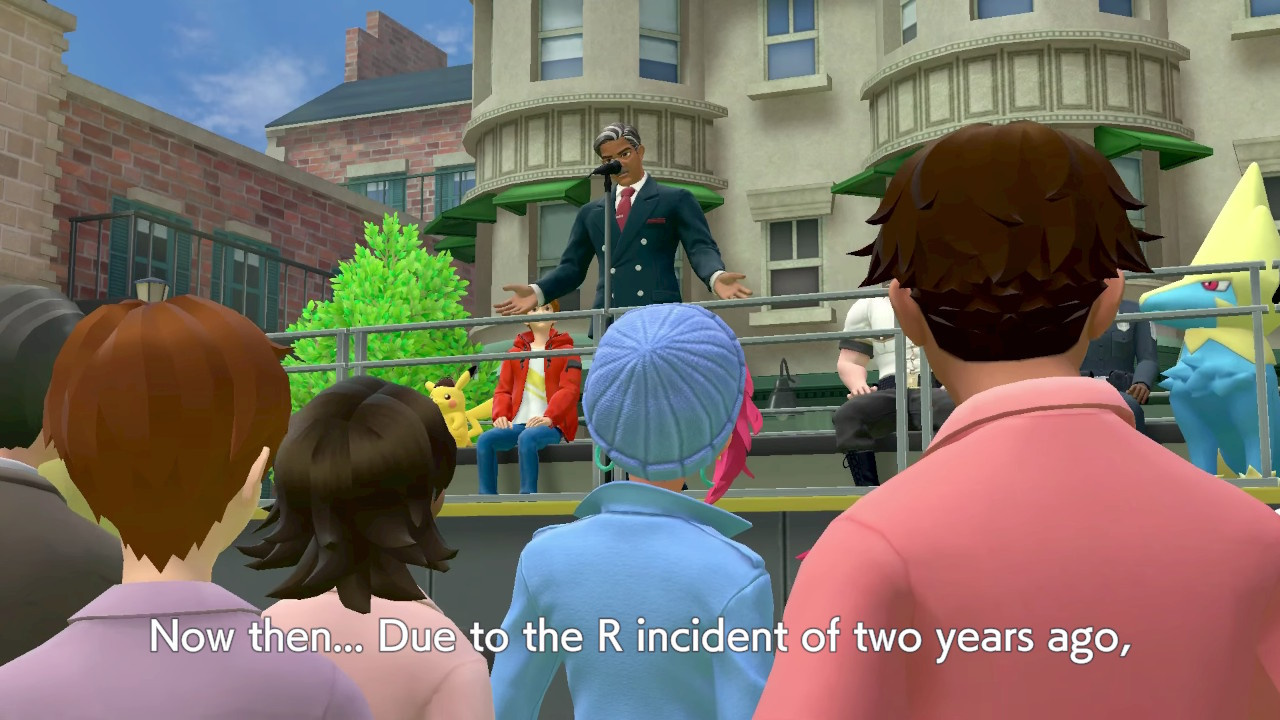
As a direct sequel, Detective Pikachu Returns immediately picks up on its predecessor’s most important loose ends and sees the pair continue their search for Harry. Tim and Pikachu are now celebrities of sorts in Ryme City after the events of the first game and, if you didn’t happen to play through that adventure, fear not, as you’re provided with a nice recap to start things off that explains everything you need to know and leaves you free to jump in without fear you’ve missed something.
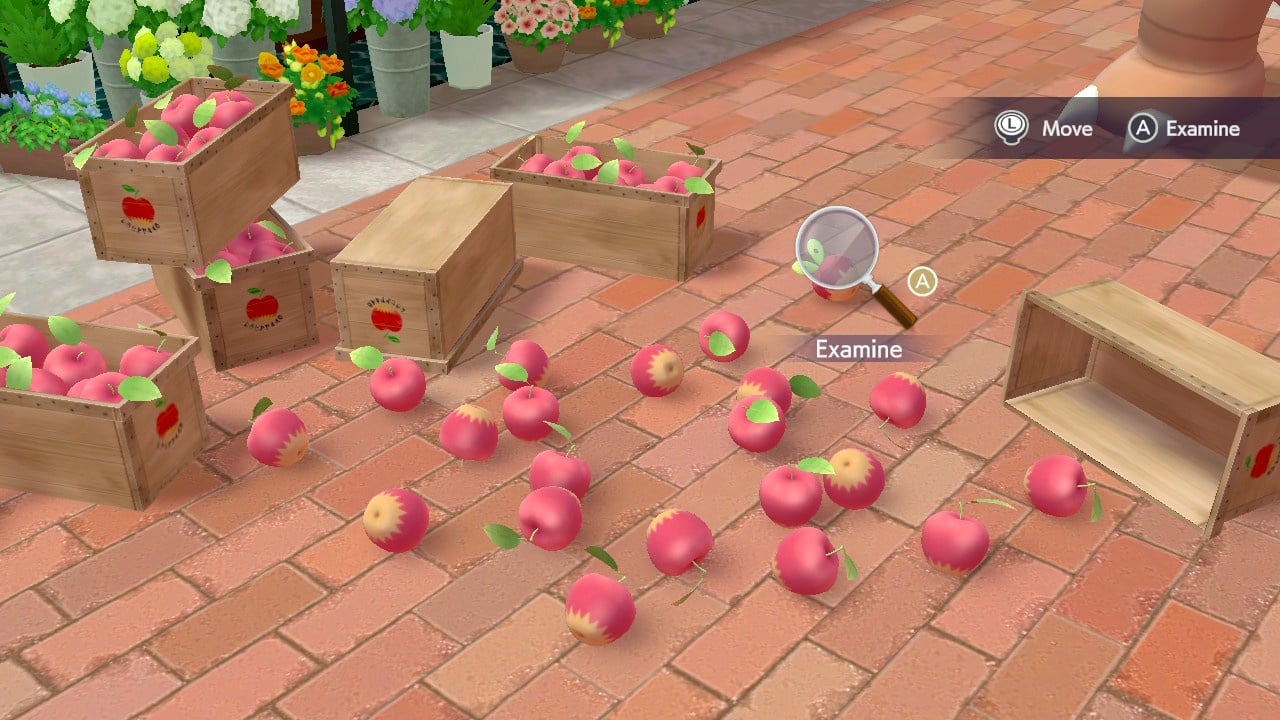
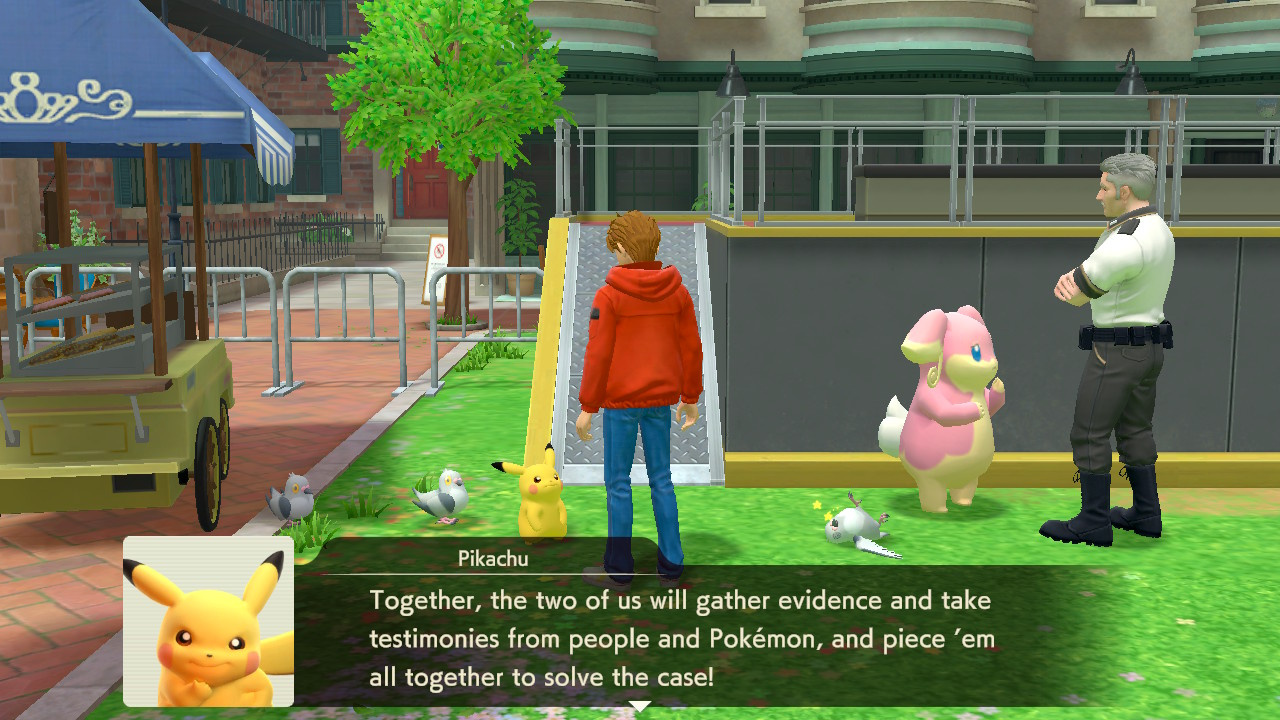
Kicking off with the theft of a precious jewel, Detective Pikachu Returns gently eases you into its gameplay mechanics by having Tim and Pikachu question witnesses, both human and Pokémon, as well as investigating a few small areas in and around Ryme City and the Denis Mansion. If you played the first game, you’ll feel right at home as this sequel employs the same mixture of simple multiple-choice questioning, close-up examination of scenes in order to pick up clues, and plenty of entertaining conversations with a whole bunch of ‘mon that franchise fans are sure to enjoy.
Without giving away too much of what follows in terms of the core story, it’s not long before the simple jewel-theft thread begins to unravel into a much bigger and more exciting mystery involving all manner of shady goings with attempts being made to drive a wedge between humans and their Pocket Monster pals. This central mystery also incorporates the continuing search for Harry Goodman and the tension ramps up after a slightly laborious and bland first hour or so spent learning the ropes. We can’t go into much more detail here, we’re afraid, but the main thrust of the story is definitely an improvement over that found in the first game, even if the actual gameplay doesn’t quite move the needle as much as we’d have perhaps hoped.
Captured on Nintendo Switch (Handheld/Undocked)
Of course, it’s important to remember going into this one that mystery-game veterans shouldn’t be expecting anything on the level of more grown-up detective adventures. This is a game that’s aimed squarely at younger players, and as such it’s entirely unchallenging for the majority of its duration. If you’re looking to have your brain taxed by clever whodunnit conundrums, we suggest you look elsewhere, as the puzzles and detective work involved here are designed so that kids should have little issue overcoming them.
That’s not to say there’s nothing to enjoy in Detective Pikachu Returns if you’re an older Pokémon fan. Indeed, the biggest strength of this spin-off series is that it caters to its younger audience whilst also providing enough comedy relief and asides to make it an enjoyable enough romp for us oldies. This particular writer played through the entire thing with two young children (6 and 9) and can confirm that there were enough jokes, silliness, and fairly exciting situations to keep us all entertained for most of the journey.
As you question witnesses and search various environs for clues, you’ll add information to Tim’s notebook, which you’ll then be prompted to visit when enough intel has been gathered. Here you must join the dots, choosing the correct answer from a multitude of choices in order to further your investigations. Just as in the first game, there’s no fail state to fret over; if you choose the wrong answer, you can guess again until you get it right, and this level of breeziness extends to other aspects of the experience. Being caught snooping around areas that are off-limits, for example, just resets you and lets you go again.
Captured on Nintendo Switch (Docked)
Branching out from this, Detective Pikachu Returns introduces a bunch of one-off mechanics and minigames (of sorts) as the mystery deepens and you’re whisked off to a few more exciting locations. Over time, you’ll get to ride around on various Pokémon as Pikachu, complete a bunch of QTE sections, use X-Ray vision to spy through walls, and plenty more besides. These switch-ups in gameplay are welcome additions that really do help remedy the repetition and retracing of steps that makes up quite a bit of the core of this adventure.
Yes, as much as we did find the main story more exciting this time around, and the game does a reasonable job of introducing new fun areas to explore, there’s no denying that, just as with the first outing, there’s a lot of repetition involved. There’s no getting around it, — the setup is such that retracing your steps and asking a lot of questions is the order of the day. You’ll also likely find yourself coming across solutions to puzzles and events you’ve already guessed the outcome to before you’re actually allowed to interact with anything or are able to draw a line under that particular line of inquiry. Again, it’s aimed at younger players, so this is all to be expected really and it’s not something we feel the need to mark it down for. If you’re bored or finding things too easy, it’s most likely because you’re not the intended audience.
Captured on Nintendo Switch (Handheld/Undocked)
Aside from the repetition inherent in its core gameplay — and the underwhelming nature of most of its fetch quest side activities — the biggest issue we have personally with Detective Pikachu Returns is that it all looks unforgivably drab. Making the leap onto Switch means you lose out on the fun of the 3DS’s dual-screen setup, but we were okay with this when we considered how much better-looking this adventure would be.
Unfortunately, while there are fewer jaggies involved and everything runs nice and smoothly, it just doesn’t feel like enough effort was made to really make characters or environments pop with colour or detail. This could very easily be mistaken for a game you’d play on your phone, which is a bit of a shame as it really could have made a huge difference had it looked as good as, say, New Pokémon Snap. We would even have loved to see the same sort of gritty style that the movie deployed being used here, but alas what we’ve ended up with is a bit sterile.
Captured on Nintendo Switch (Handheld/Undocked)
Graphical disappointments and repetition aside, though, what we’ve got overall does match up to its predecessor in giving us a unique take on a beloved character alongside a sweet, sometimes emotional story that highlights the importance of the bond between human and Pokémon. It also serves up enough excitement, jokes, and silliness on the part of Pikachu that it’s hard not to find yourself enjoying the ride, regardless of your age or investigative prowess. It’s just a shame that this second bite at the cherry doesn’t feel the need to really push for more, either graphically or from a pure gameplay perspective.
Games aimed squarely at a younger audience can often be horribly cynical in how simplistic, short, and unsatisfying they are, and Detective Pikachu Returns deserves to be commended in how it manages to mostly straddle a very fine line. It delivers a charming experience that kids can easily whip through on their own, whilst also providing a level of quality in its writing, characterisations, and gameplay that makes for a properly entertaining romp, and an adventure that’s a hoot for parents looking to dig in and spend some time gaming with their kids.
Conclusion
Detective Pikachu Returns serves up more of what delighted us first time around, with an endearing and exciting story packed full of fun and light-hearted silliness. We really do enjoy this gruff, coffee-addled take on Pikachu, he never fails to raise a smile when he goes off on one, and the game successfully straddles a very thin line in giving us an adventure aimed at younger players that long-time Pokémon fans and ancient gamers such as ourselves can also enjoy. If you can handle the inherent repetitiveness of most of the core gameplay, alongside some rather drab visuals, you’ll enjoy this one.
The trailer above touches on the history of this roguelike Mystery Dungeon side series, which began in 1995 with Mystery Dungeon 2. Shiren the Warrior. As you’d expect, it appears that STWTMGOSI (yep, everyone’s going to be calling it that) will deliver the series’ traditional dungeon-crawling while introducing some new quality-of-life features such as “two types of live search displays that can be used for different purposes or the ability to track your own steps on the mini-map.”
Here’s a story summary from the game’s official website, plus some character art including Koppa (“one of the last ‘talking ferrets'”), Asuka (“A wandering swordswoman who is old friends with Shiren and Koppa.”), and Suzuna (a “cheerful innkeeper”):
A few months after their previous adventure in Tsukikage Village… Shiren the Wanderer and Koppa, his talking ferret partner, received a vision of a distant land and a girl in distress. It led them to the mysterious Serpentcoil Island. But they’re not alone. Rumors speak of lost pirate gold hidden away within the depths of Serpentcoil Island, and a powerful monster at its highest mountain peak said to hold an exquisite treasure in its belly. Adventurers and warriors have flocked from all over the realm, eager for a chance at fortune. What is the connection between the mystery girl and the monster? What is the truth behind the secrets and treasures scattered throughout the island? A new adventure for Shiren and Koppa begins!
Image: Spike Chunsoft
The last game in the series, the amusingly titled Shiren the Wanderer: The Tower of Fortune and the Dice of Fate (breathe) was a 2010, Japan-only DS title before coming to PSP worldwide a few years later, and eventually to Switch in 2020. We enjoyed our time with that game — if you enjoy the repetition inherent to a dungeon-crawler of this nature, the winner of our Most Long-Winded Game Title 2020 award fits the bill nicely.
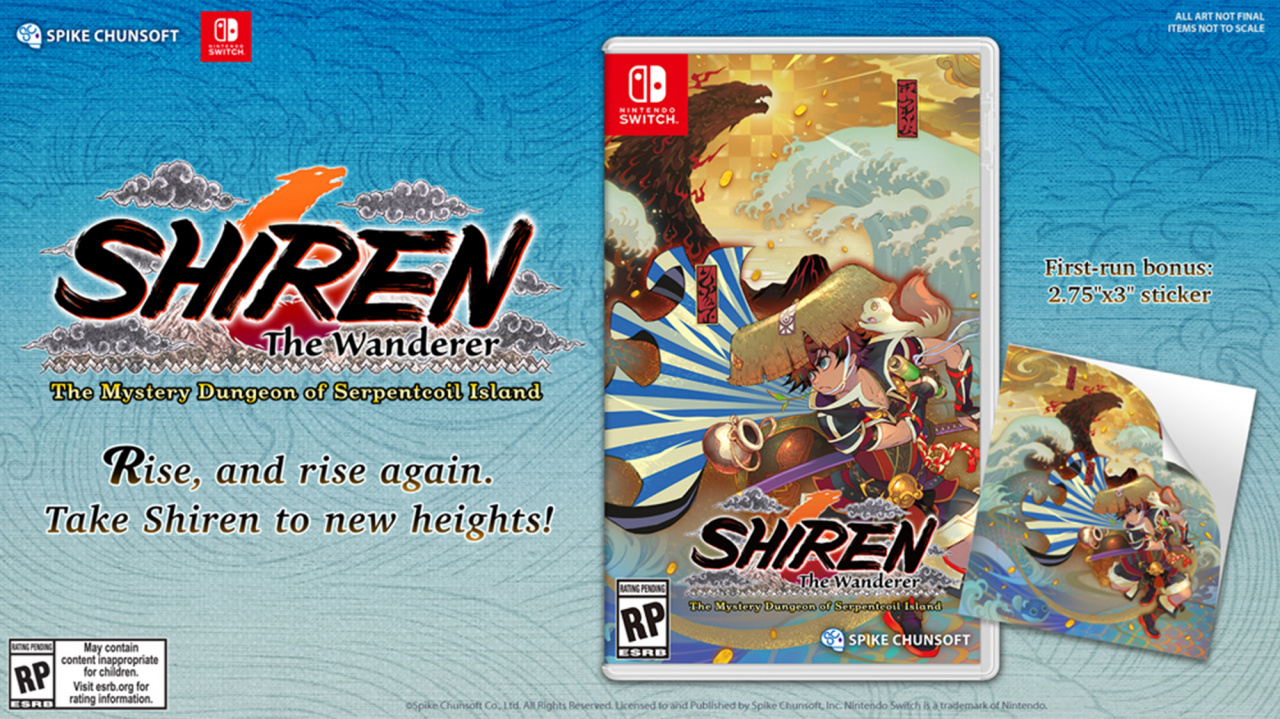
The latest game will be available to pre-order, and it comes with some stickers. Check out the provisional artwork for the physical release below:
Image: Spike Chunsoft
Shiren the Wanderer: The Mystery Dungeon of Serpentcoil Island will launch for $59.99, or your regional equivalent, on 27th February 2024. Let us know below if you’re a fan of the series and plan on picking up this entry.
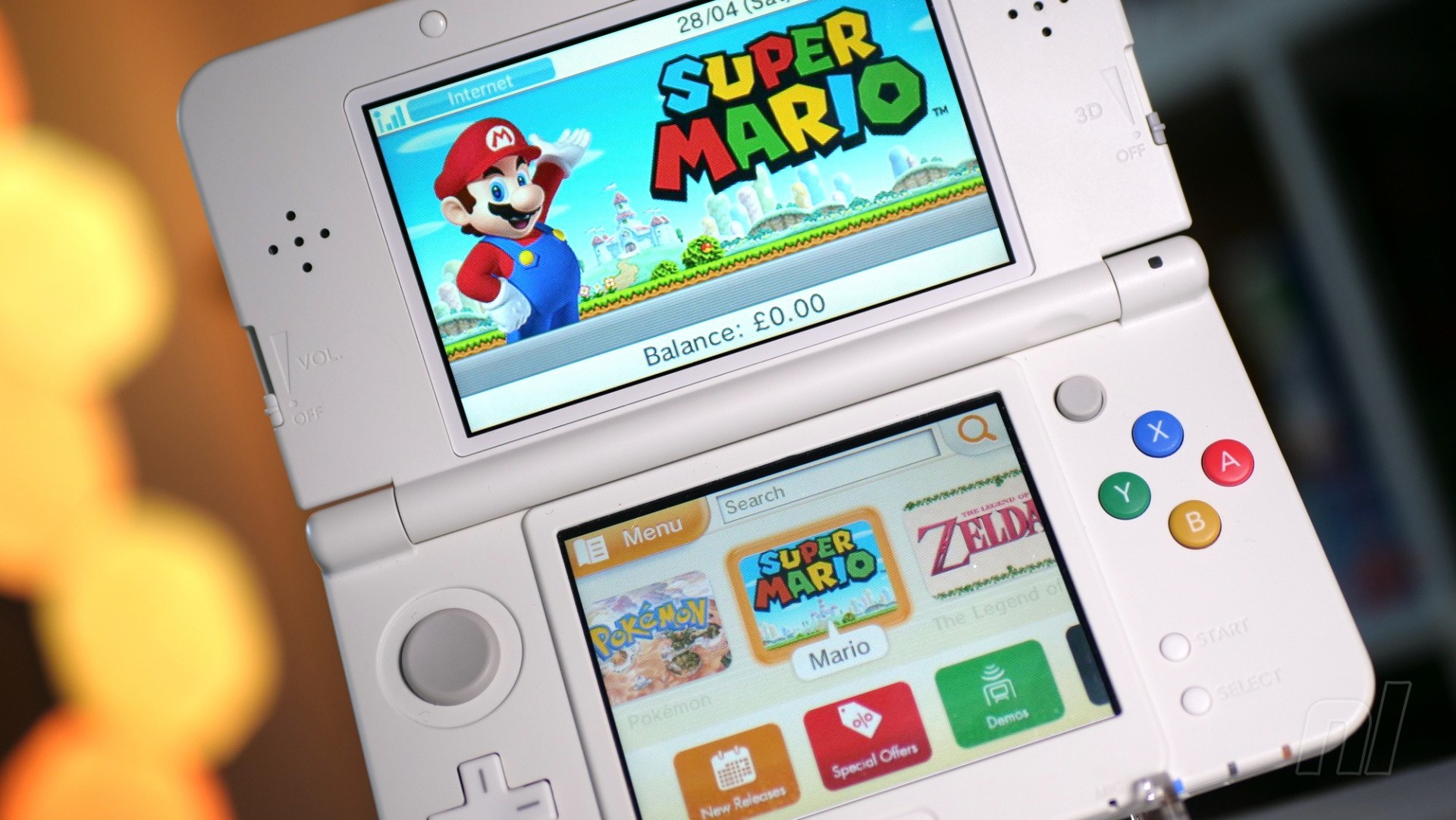
In news that’s been a long time coming, Nintendo has announced it will be ending “online play and other functionality” that uses online communication for both the 3DS and Wii U as of “early April” 2024. Here’s the official confirmation:
Nintendo: “In early April 2024, online play and other functionality that uses online communication will end for Nintendo 3DS and Wii U software. This also includes online co-operative play, internet rankings, and data distribution.”
Again, there’s no exact date at this stage, it’s just “early April”, so do (or play) whatever you need to before then. Nintendo will announce a specific end date and time “at a later date” but also mentions how services could be discontinued “earlier than planned”:
“Please note that if an event occurs that would make it difficult to continue online services for Nintendo 3DS and Wii U software, we may have to discontinue services earlier than planned.”
Nintendo has a Q&A on its support website answering some basic questions. It notes how Pokémon Bank for the 3DS will still be available even after the other online services end, although this could also end “at some point in the future”. As for online services for software from “other” publishers, there will also be “some exceptions”.
A separate support page mentions how Nintendo Badge Arcade will display an “error screen when launched” and it will no longer be possible to place badges in the badge box once the online services end.
Despite online play and other functionality ending, 3DS and Wii U users will still be able to download update data and redownload purchased software and DLC from the eShop in the “foreseeable future”. And while 3DS StreetPass will still be available, SpotPass support is ending.
Back in March of this year, Nintendo officially closed the 3DS and Wii U eShops, with purchases “no longer possible”. Again though, you can still redownload all your purchased games and DLC.
The Stardew Valley creator Eric ‘ConcernedApe’ Barone has celebrated one million followers on social media by sharing four new screenshots of his upcoming game Haunted Chocolatier.
While it’s only “100%” locked in for PC right now, in an FAQ on the official game site, ConcernedApe says he has “every intention of bringing it to other major platforms as well”. Here are the four new screenshots which show off some indoor locations, a fountain, and the great outdoors. You can even see the character shooting a bow and arrow in the same screenshot.
The Haunted Chocolatier was revealed to the world back in 2021. It’s described as an RPG and simulation game and will have you playing as a chocolatier who is living in a haunted castle. It’s also been described as “another town game” where you move to a new town to take on a new way of life. There’s action-RPG elements, too.
“In order to thrive in your new role, you will have to gather rare ingredients, make delicious chocolates, and sell them in a chocolate shop.”
“You’ll get to know the townspeople, achieve your goals and make progress in many ways. All of that is similar to Stardew Valley. However, the core gameplay and theming are quite a bit different. Haunted Chocolatier is more of an action-RPG compared to Stardew Valley. And instead of a farm being the focal point of your endeavors, it’s a chocolate shop.”
ConcernedApe has been working on Version 1.6 of Stardew Valley as well. Just last week ago he shared another sneak peek, mentioning how it was still in the works:
Do you like the look of Haunted Chocolatier? Excited about the next Stardew update? Leave a comment below.


 . In this article, we will explore the best ways to remove Unicode characters from a list using Python.
 Lists are a built-in Python data structure used to store and manipulate collections of items. They are mutable, ordered, and can contain elements of different types, including Unicode strings.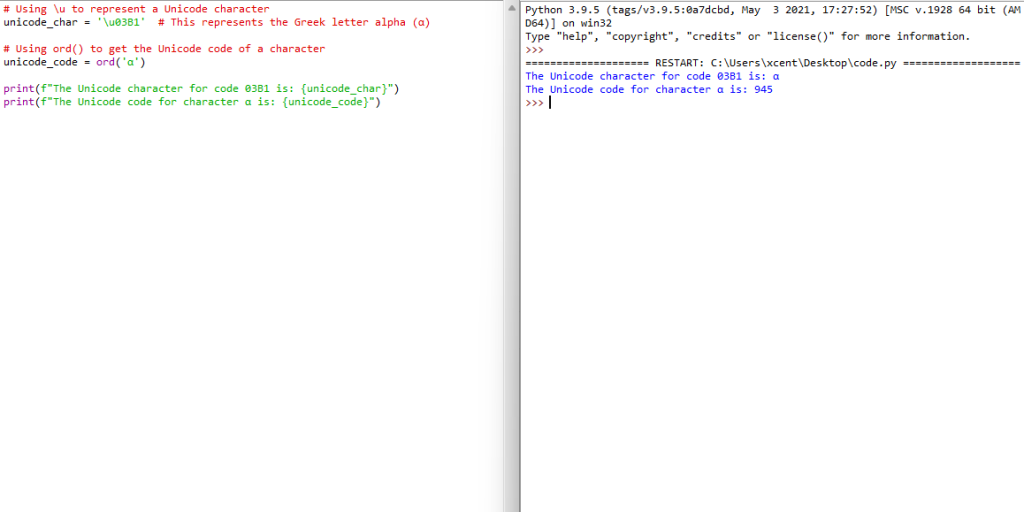

 Recommended: