Posted on Leave a comment

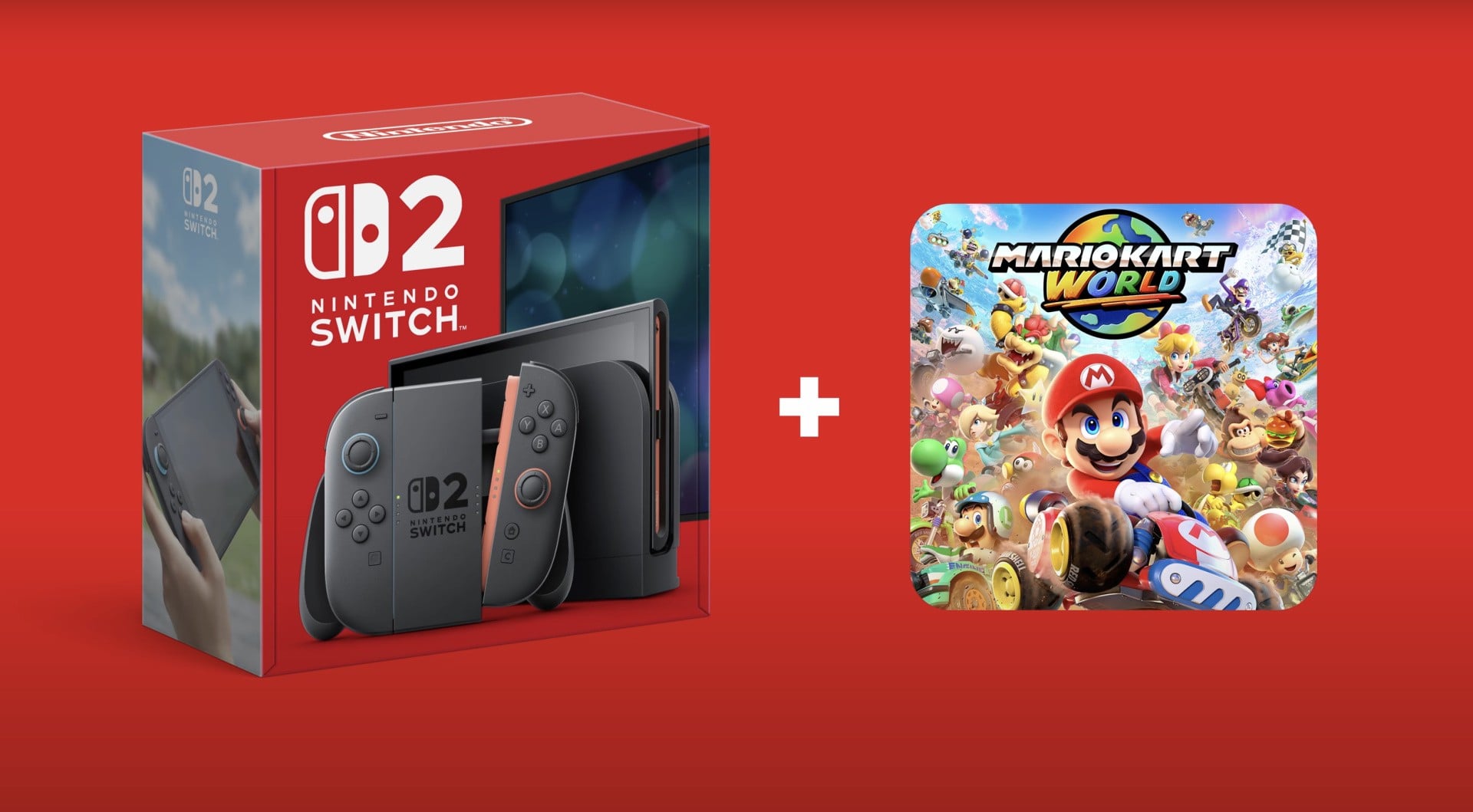
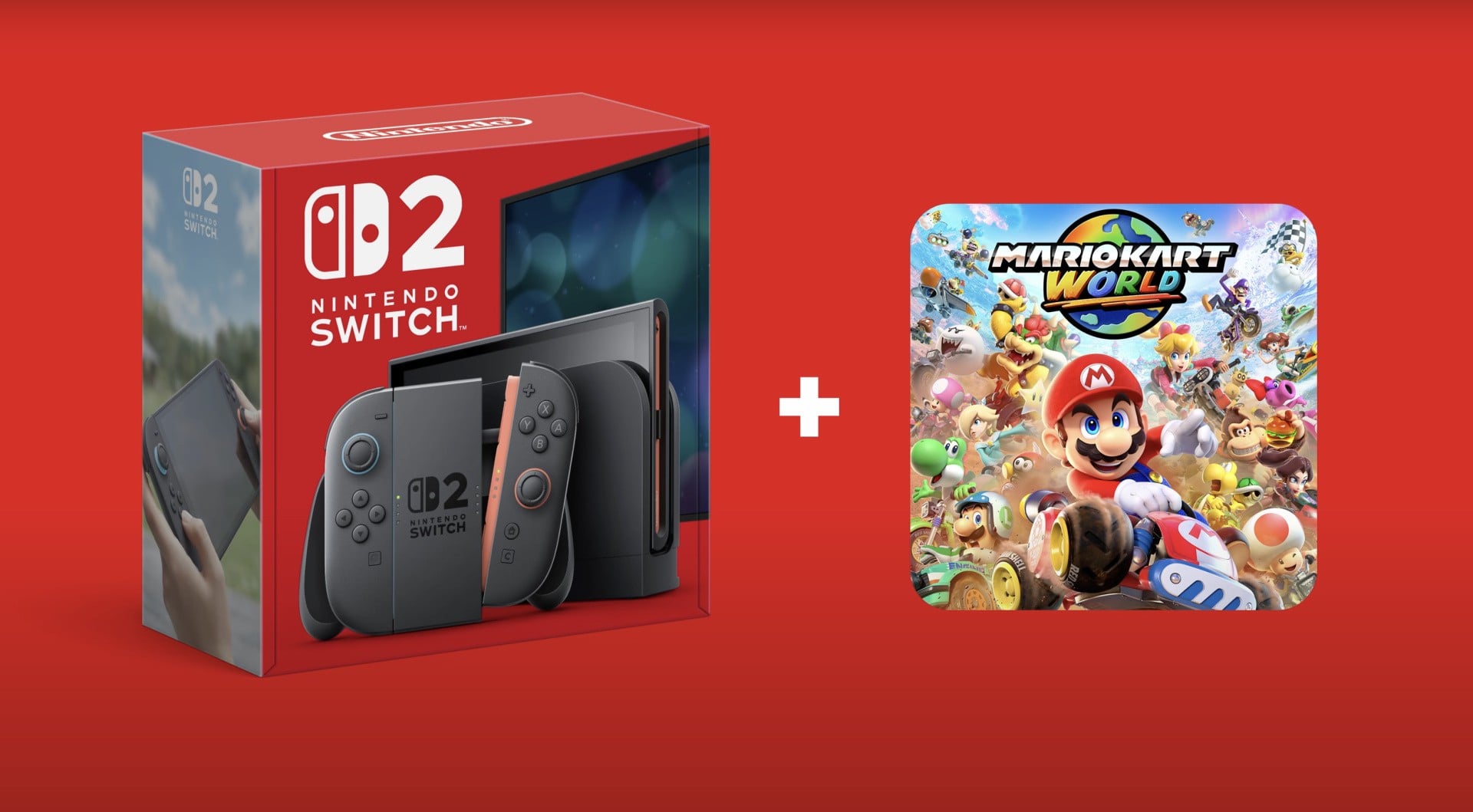
Switch 2’s Mario Kart World Bundle Has Apparently Reached The End Of Its Lifecycle

Mario Kart World
Image: Nintendo

If you’ve got your eyes on the Switch 2 Mario Kart World bundle, you might want to get it sooner rather than later, as it’s not going to be around forever.

Following a reminder from Nintendo earlier this month that it’s still only available in “limited quantities”, a GameStop memo has supposedly been issued that apparently notes how this deal has now reached the end of its “lifecycle”. Here’s exactly what it says (via Nintendeal on social media):

“This bundle SKU has now reached end of lifecycle, and additional units will no longer be produced. Future replenishment of Nintendo Switch 2 will be the base console.”

Nintendo has previously mentioned how this bundle would be a “limited time production through Fall 2025” and was “available for supplies last”. It was available $499.99 USD ($50 more than the standalone Switch 2 system), and was recently on sale in the US (Best Buy appears to still be offering this sale price).

Did you end up getting this bundle? How do you feel about it being a limited time offer? Let us know in the comments.

Posted on Leave a comment

Opinion: Who Needs Link? This Top-Down Metroidvania Is The Best Zelda Game Of 2025

Pipistrello and the Cursed Yoyo
Image: PM Studios

When you start up a top-down Zelda game, you usually know how things will start. You’ll get some scrolling exposition text setting up the events of the game, and you’ll either be plonked in the middle of a room or a field, ready to save the princess, or wake up after a dream or a shipwreck or something. I’m generalising, but there’s something intimately familiar about how an old-school Zelda game often stands out. It’s cosy, it gets you asking questions, and it’s very fantasy.

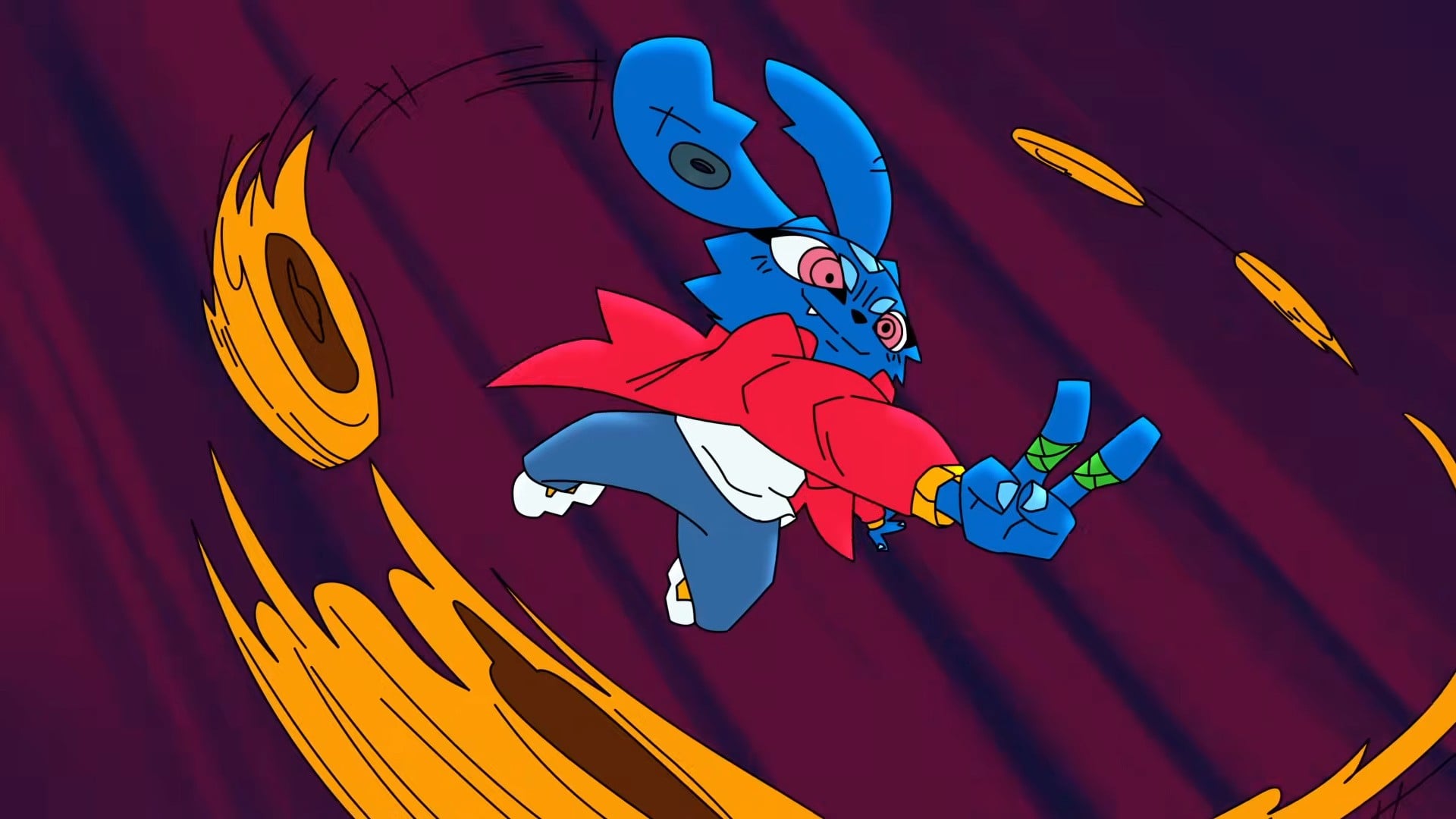
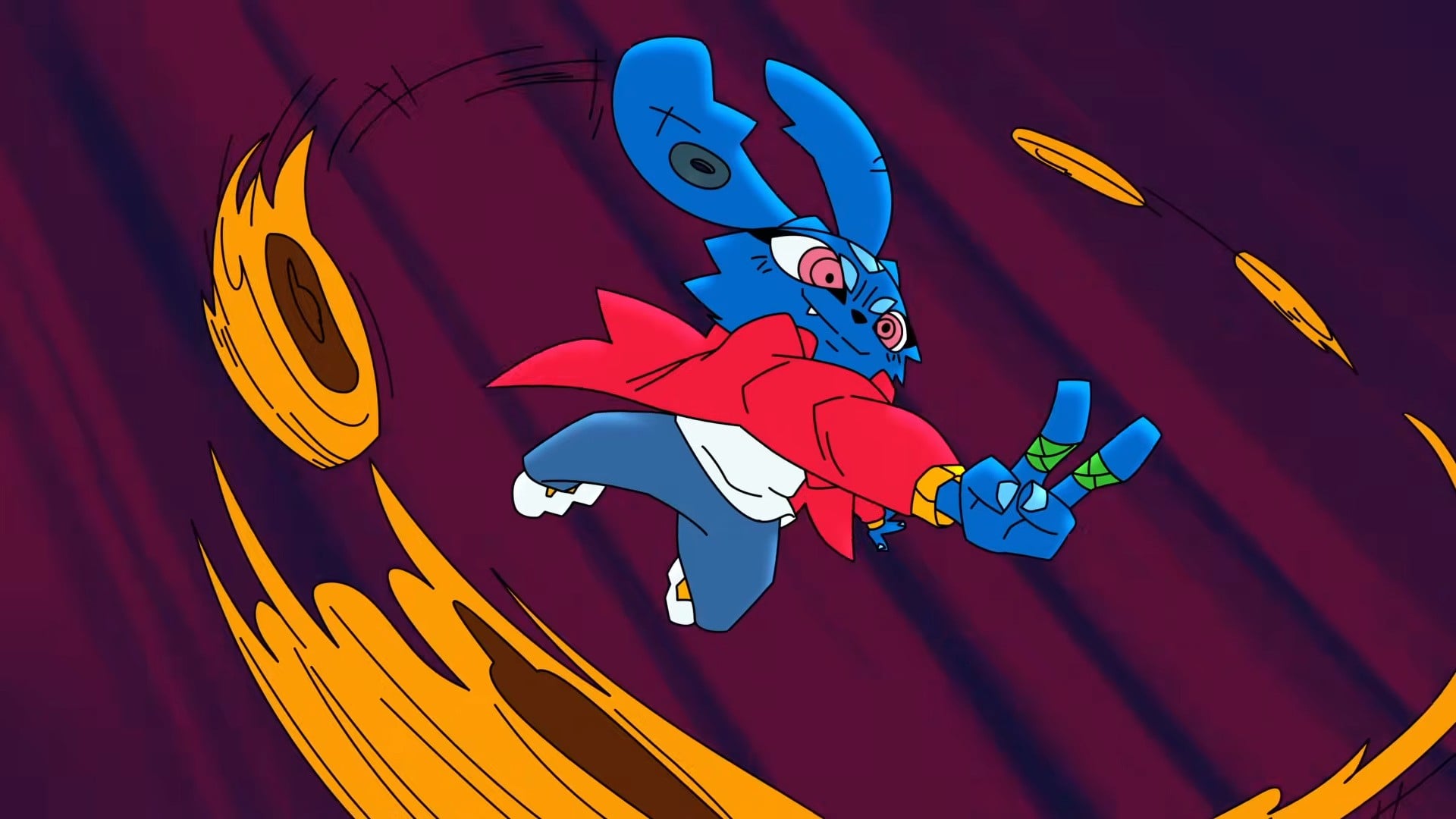
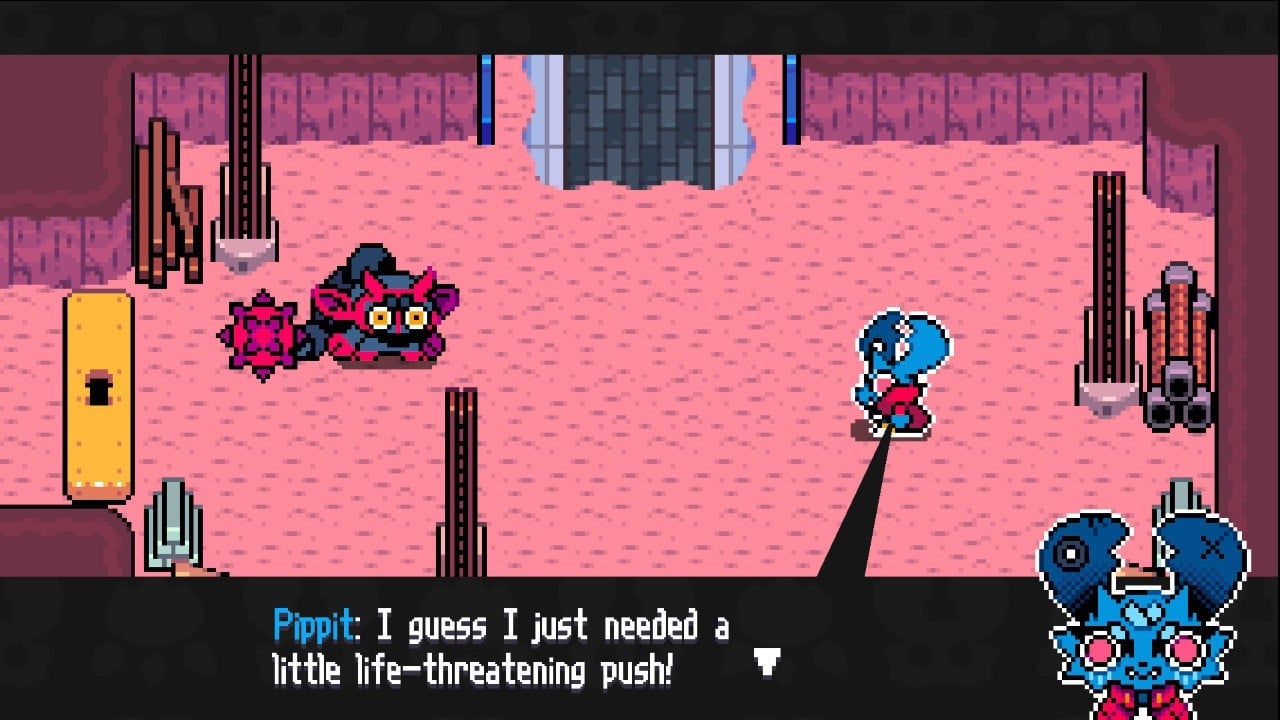
Pipistrello and the Cursed Yoyo doesn’t do all of that. After your obligatory context dump, protagonist Pippit is sitting in the back of a taxi, yapping away at the driver. He’s talking about his family – whom he’s going to visit – and his yoyo skills. And he really loves his yoyo. He’s confident, chatty, but far away from your typical hero with an attitude and a lack of direction.

Playing through Pipistrello over the summer, I was completely enchanted by its chunky spritework and its sprawling metropolis map. The vibes are the complete opposite of a Zelda game. Except that’s almost exactly what Pipistrello is – a top-down GBA-inspired Zelda with an injection of energy, colour, and attitude. It’s got sass for days and an extremely fun mesh of platforming, combat, and exploration, all driven by a simple walk of the dog… and a bunch of other tricks.

Pipistrello and the Cursed Yoyo
Image: PM Studios

No sooner than Pippit’s auntie Madame, head of Pipistrello Industries, is attacked by four frustrated industry owners, is the young bat forced to confront the issues his family’s business has caused. Oh, and because of the battery-power spell used on Madame, his yoyo is now possessed by his auntie, and she frequently likes to speak to him. Yes, this is absolutely a love letter to The Minish Cap.

Pippit and Madame’s banter makes the game for me in the same way that I loved Ezlo’s snarky nature in Capcom’s GBA Zelda game. And while Link doesn’t talk, I remember thinking of ways to backchat Ezlo multiple times. With Pipistrello, Pippit is already doing that – and sometimes it’s earned, because while Madame may love her nephew, she’s not exactly supportive of his love of the yoyo.

Pipistrello and the Cursed Yoyo
Image: PM Studios

Because Pippit speaks, it immediately gives the game a different kind of energy. Think about the pacing and the world of a top-down Zelda: it’s usually steady, lush and green, and each map is the kind of place you can steadily make your way around, chopping down octoroks, chuchus or patches of grass. Pipistrello might look cute and cuddly, but that electric colour palette only helps bolster the more kinetic movement of the little bat and his yoyo, now enhanced with battery-powered magic and a grumpy aunt.

Every new attack or skill is based on a real-world yoyo trick, and their uses logically make sense. Round the World, for instance, sees Pippit spin the yoyo around his head, pushing enemies away. He also has a charged attack that will keep the yoyo in-place to do multiple hits of damage. And there are plenty of angled corners everywhere, which Pippit can use to bounce his yoyo off of to grab items from afar or attack enemies on the other side.

Pipistrello and the Cursed Yoyo
Image: PM Studios

Upgrades don’t come in the form of new weapons or upgrades, or even new outfits. Instead, you have to earn them by paying off a debt to your cousin Pepita. Again, something that totally makes sense in an urban environment and within a family that’s fuelled by greed and money. The debt stays with you and half the money you collect goes towards paying it off, but you’re also lumbered with a debuff or two until you pay it off. You might have one heart fewer or be a little slower for a while. Picking the upgrade you want at the right time is crucial, because no one wants to go into a boss fight with lower defenses.

But I think the traversal is where the game really shines, and the creativity of each trick is so fun to play around with. Walk the Dog is now a kind of auto-run, which pulls Pippit along water and bounces off of angled corners. The UFO allows Pippit to suspend the yoyo in mmid-air off-string, so he can hook onto it and jump over large gaps. Every single skill is hugely important, because each one will lead to a different secret, a Petal Container (a very subtle nod to a Heart Piece), a Badge (think Paper Mario), or a hidden room.

It’s just like blowing up a wall with a bomb, but Pipistrello does it with its own flair, and a dash of Metroidvania connectivity and backtracking. But with how densely packed each screen is – whether it be dissatisfied citizens or people queuing up to gorge on fast food, enemies hopping around, holes in the ground, traffic, etc. – this large city feels lived-in. This isn’t a forest and a beach and a jungle all linked together; it’s a metropolis crumbling under the weight of corporate competition.

The city itself is a character as a result – split into four distinct districts, with Pipistrello Manor at the far north, each one is home to one of the four business owners who attacked Madame. There’s also an entire underground sewer map (the depths? Say it ain’t so!) which is just another delightful collection of movement puzzles and secrets.

Old Rattalia Town is home to the Roquefort Shopping Center and is a hub of commerce, food, and trouble, while the Fadalins Neighborhood is home to a much greener area, and where the FadaFest Convention takes place. And each district has its own dungeon. C’mon, you didn’t expect dungeons in a Zelda-inspired game? And all of them are brilliant.

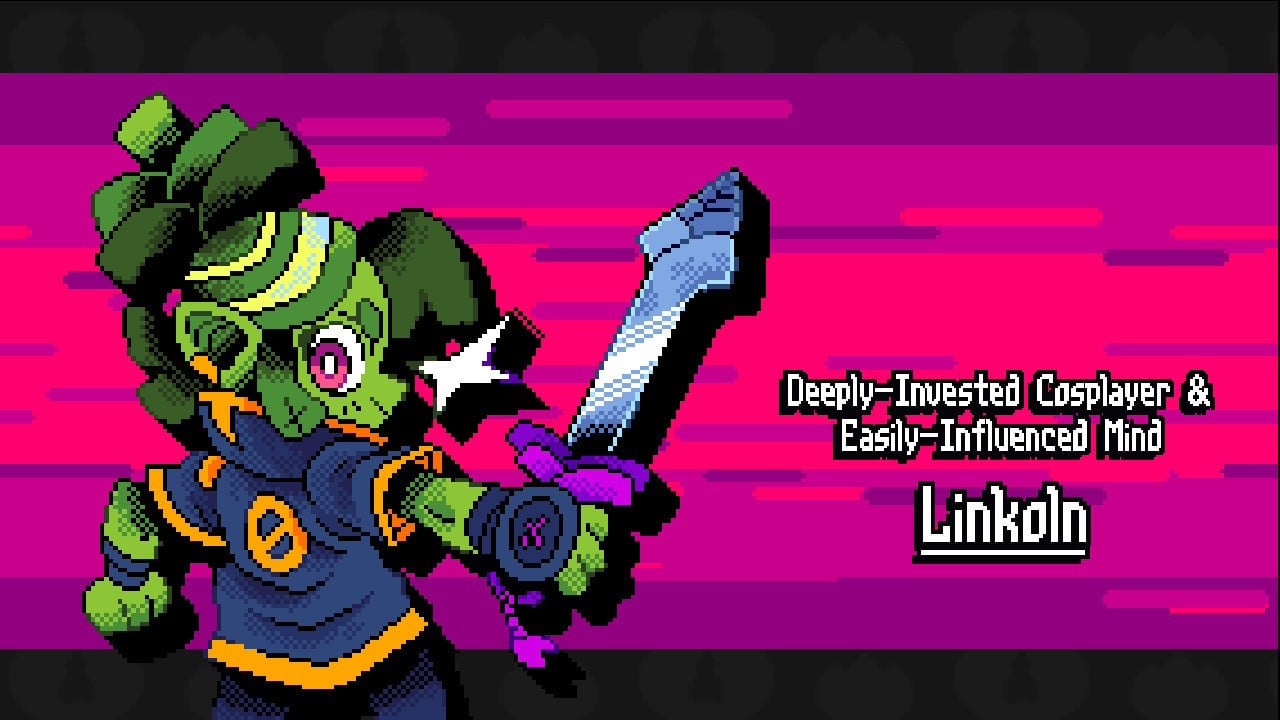
The PoultryFC Stadium might be my favourite, a football stadium which culminates in a match against Cuca Carrara’s (one of those aforementioned business leaders) team, which the boss has been using to fix matches and steal money from eager gamblers. Toxy runs a never-ending convention that scams attendees with crypto-like schemes, and to end it, you have to fight a cosplayer called Linkoln. Yeah…

Pipistrello and the Cursed Yoyo
Image: PM Studios

Each of these mazes is an interconnected playground of puzzles, enemy gauntlets, items, and more. And the puzzles in Pipistrello aren’t easy; logical, but tricky. Think of scenarios where you have to Wall-Ride, jump, bounce off the wall, hook onto a UFO, and then Wall-Ride again. Every movement skill often comes into play in succession, particularly in some of the optional challenges. But when you get the item at the end, it feels so good.

Pipistrello may wear its influences proudly on its sleeve, but it’s all the better for it in my eyes. It gives the ever-popular top-down Zelda formula a shot of spiritedness, a dash of brashness, and a pop of colour. This isn’t a game about saving one person or saving the world from a great evil – the evil here is capitalism, people trying to make a profit to benefit their own industry. And Pippit recognises that the four industry bosses are part of the problem, but the ultimate problem is caused by his aunt.

There’s no empathy for Link’s foes in Zelda, because those games are a tale of good versus evil. But in Pipistrello, Pippit is empathetic to his enemy’s concerns; his aunt has been hogging all the power and putting pressure on other businesses. This moral core is only possible because of the setting and gameplay – this is a classic Zelda for the modern day, addressing concerns that we all have. Not a fantasy, but an Around the World reality.

If you felt let down by last year’s Echoes of Wisdom, or you’re really craving some pixel art Zelda-style gameplay with a touch of Metroidvania (and I know there’s been a bunch of those this year), please don’t sleep on Pipistrello. It’s a masterclass in level design that deserves to be celebrated.


Have you played Pipistrello and the Cursed Yoyo? Let us know in the comments.

Posted on Leave a comment

Poll: Box Art Brawl – Ice Climber

Ice Climber - BAB
Image: Nintendo Life

Ho, ho, ho, everyone! Welcome to a particularly festive edition of Box Art Brawl!

Last week saw two covers for Mega Man 6 going head-to-head, and it was a little closer than we expected. The yellow Japanese variant (this writer’s favourite) just clinched it, however, taking 54% of the vote and leaving the North American design with the remaining 46%.

This time, as we get ever closer to Christmas Day, we’re taking things in a festive and frosty direction, as we match up a trio of covers for Ice Climber. Mainly remembered today for its frustrating controls, relationship-breaking potential and Smash Bros. fighters, this NES launch title (in North America) remains a cleverly-designed classic, and it’s a beauty when it comes to box art!

There are three covers to choose between this week, so get your coat, gloves, and scarf on, and let’s go out to meet ’em.

North America

Ice Climber - NA
Image: Nintendo / LaunchBox

Gosh, these North American NES covers really are classics, eh? This one in particular is so dynamic. The leaping sprite, the stretched back hammer swing, the ‘will they make it?’ platform just out of reach, and the ice-cool polar bear all add up to a pretty iconic image. Don’t even get us started on those little snowflakes falling down the black backdrop!

Europe

Ice Climber - EU
Image: Nintendo / LaunchBox

The European design opts for something a little different. This cute, cartoon image sees a titular climber leaping up through the ice and giving a nearby polar bear and seal a nasty surprise (not enough for the former to remove its sunglasses, though). It’s framed by the same black background that most European NES covers were, but still, it’s a neat design.

Japan

Ice Climber - JP
Image: Nintendo / LaunchBox

The Japanese cover uses the same design as the European counterpart, but its horizontal box means that it fills the space far better. The grey backdrop is nothing to write home about, but we still enjoy looking at that poor, shocked bear.


Thanks for voting! We’ll see you next time for another Box Art Brawl.

Posted on Leave a comment

Nintendo Fans Might Get The Entire Tomb Raider Survivor Trilogy Thanks To Their “Passionate Response”

Tomb Raider: Rise of the Tomb Raider
Image: Crystal Dynamics

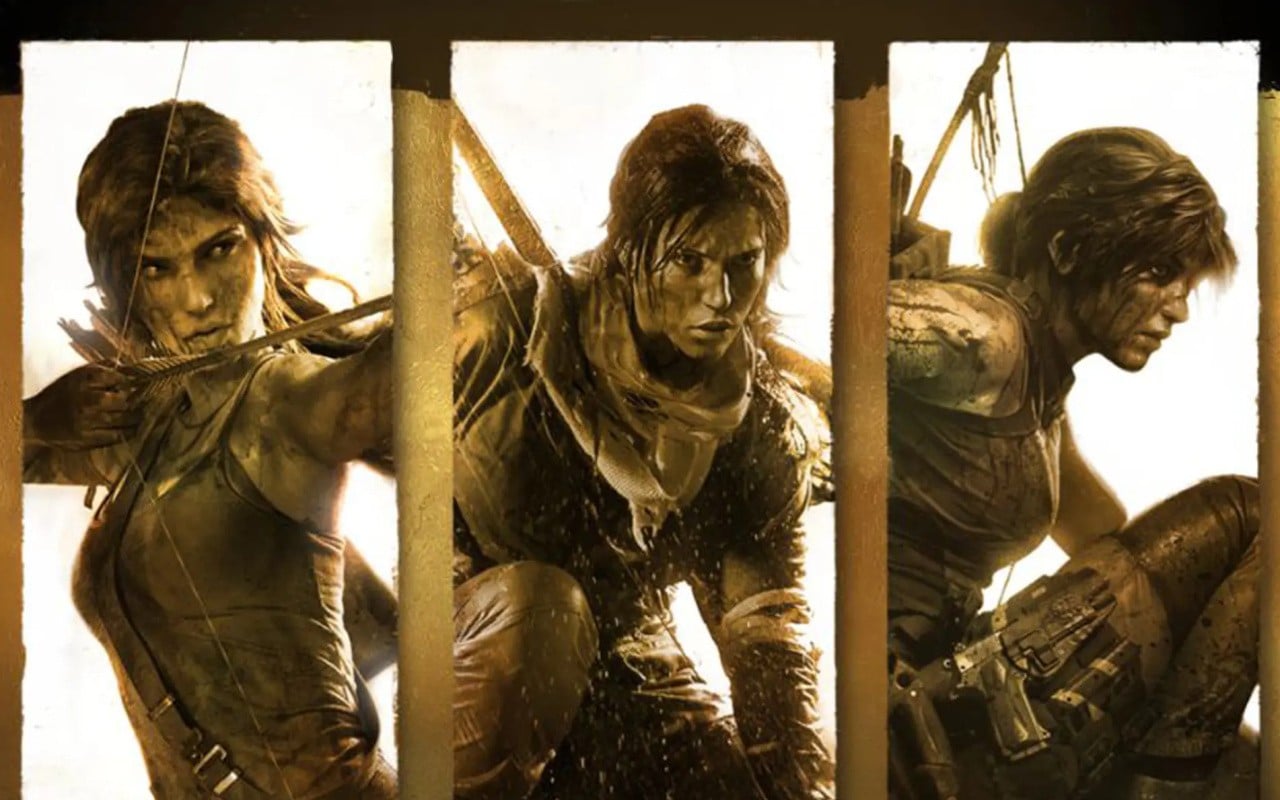
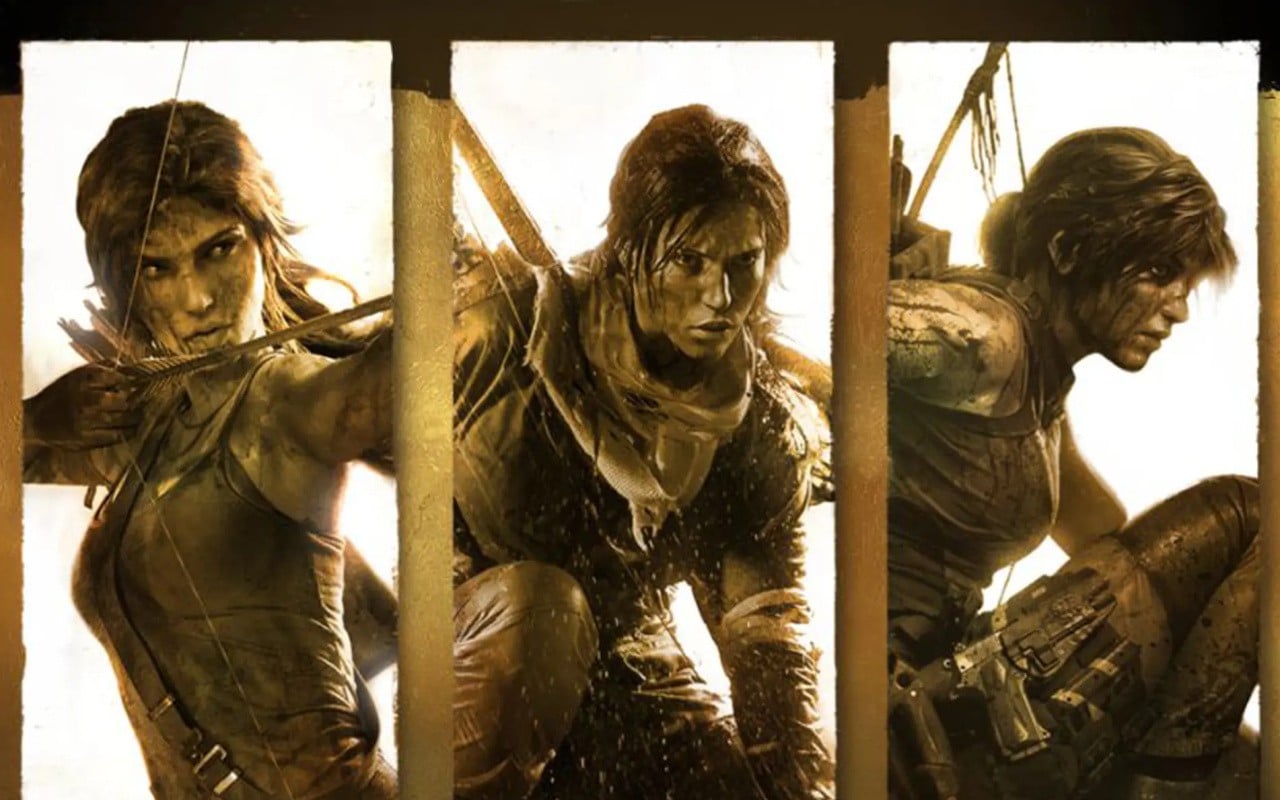
One of the many shadow drops recently was Tomb Raider: Definitive Edition for the Switch and Switch 2.

Aspyr teamed up with Crystal Dynamics to make it happen, and if you’re wondering if we’ll see the other two entries in the “Survivor” trilogy (that’s Rise of the Tomb Raider and Shadow of the Tomb Raider), we’ve now got an official comment.

According to Aspyr’s product manager Jordon Reese, the “passionate response” from Nintendo fans has apparently given the team “strong encouragement” to consider more. Here’s the full exchange about this in the same interview with Nintendo Everything recently:

This game kicked off the Tomb Raider “Survivor” trilogy, so we need to ask the obvious question – is Aspyr interested in bringing over Rise of the Tomb Raider and Shadow of the Tomb Raider to Nintendo platforms as well?

Aspyr: “We have definitely seen this question! We’ve successfully brought back the classic era (I-VI) and now the ‘origin story’ of Lara Croft to modern Nintendo platforms. We can’t announce anything at the moment but the passionate response to this release is strong encouragement for us to continue exploring those possibilities.”

So, again, there’s nothing to announce “at the moment”, but this response has supposedly given the developer a chance to continue exploring these possibilities. As mentioned, it’s also got a bit of a history now, having worked on Tomb Raider I-VI.

Of course, Aspyr’s more immediate focus is to release some improvements for Tomb Raider: Definitive Edition on the Switch and Switch 2, with Reese adding how the developer wants to provide the “best possible experience for all players”.

The same interview also confirmed Aspyr was “committed” to supporting the Switch 2 going forward – with this platform its primary target on the Nintendo front for future cross-platform releases. And as for the chance of existing Aspyr Switch games getting Switch 2 updates, there’s “nothing to announce” right now, but nothing is necessarily “off the table these days”.

Would you be interested in playing the other games in this series on Nintendo’s platforms? Have you tried out Tomb Raider: Definitive Edition on the Switch or Switch 2 yet? Let us know in the comments.

Posted on Leave a comment

PSA: Skyrim’s ‘Anniversary Edition’ Bundle Is Currently 60% Off, Includes Free Switch 2 Upgrade (Europe)

The Elder Scrolls: Skyrim
Image: Bethesda

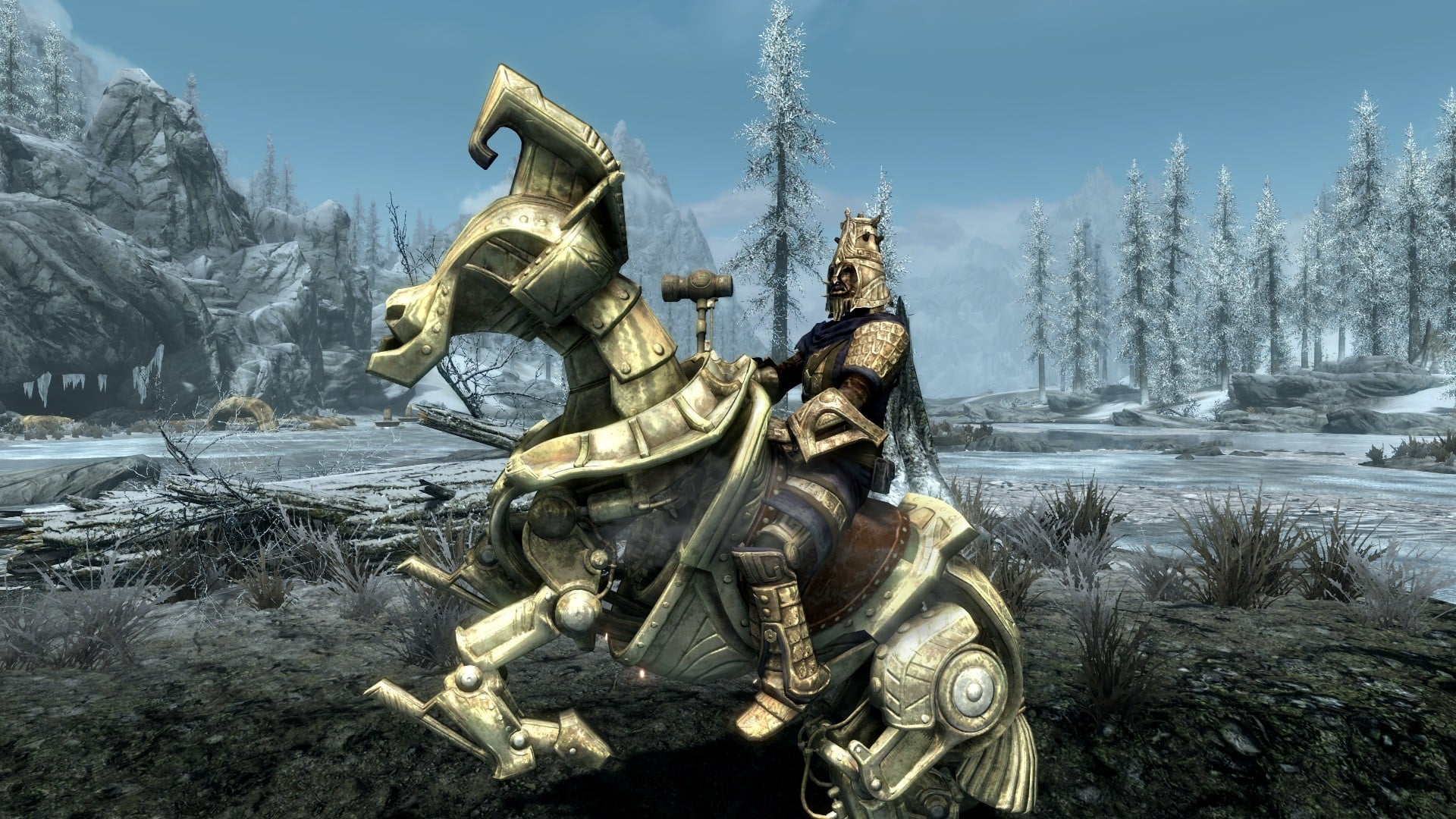
Skyrim didn’t exactly launch in the best state when it got shadow-dropped on the Switch 2 earlier this month, and Bethesda has this week released a patch to address input latency issues.

If you are considering giving the game a look (or a second chance) now that this update has been rolled out, there’s currently a sale taking place in the UK, Europe and some other locations around the globe such as Australia and New Zealand.

Instead of paying £52.99 / 59,99 € for the Skyrim Anniversary Edition Bundle (including Skyrim and the Anniversary Upgrade), you can currently get it for £21.19 / 23,99 € (that’s 60% off the regular price).

Along with this, you can also get the Skyrim Anniversary Upgrade for £8.99 / 9,99 € instead of £17.99 / 19,99 € (50% off). This sale runs until 31st December 2025 and is part of Nintendo’s current holiday sale.

As we’ve previously noted, if you own the original Switch version of the Anniversary Edition, the Switch 2 version is a free upgrade.

Will you be giving Skyrim a go on the Switch 2 any time soon? Have you played this version since the patch was released earlier this week? Tell us in the comments below.

Posted on Leave a comment

More Switch Games Have Received Compatibility Updates For Switch 2

Switch 2 Switch
Image: Zion Grassl / Nintendo Life

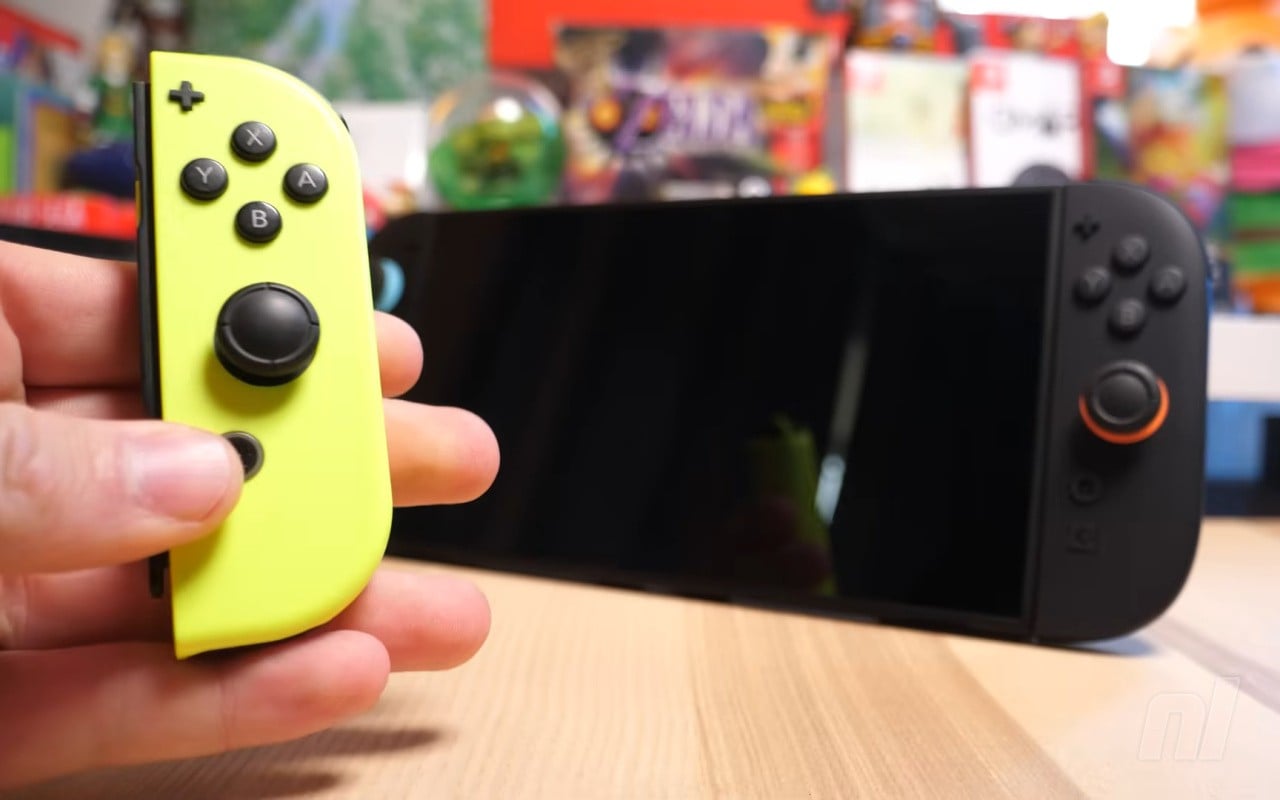
The Switch 2 has now been available for six months, and during this time, there have been multiple Switch game compatibility updates.

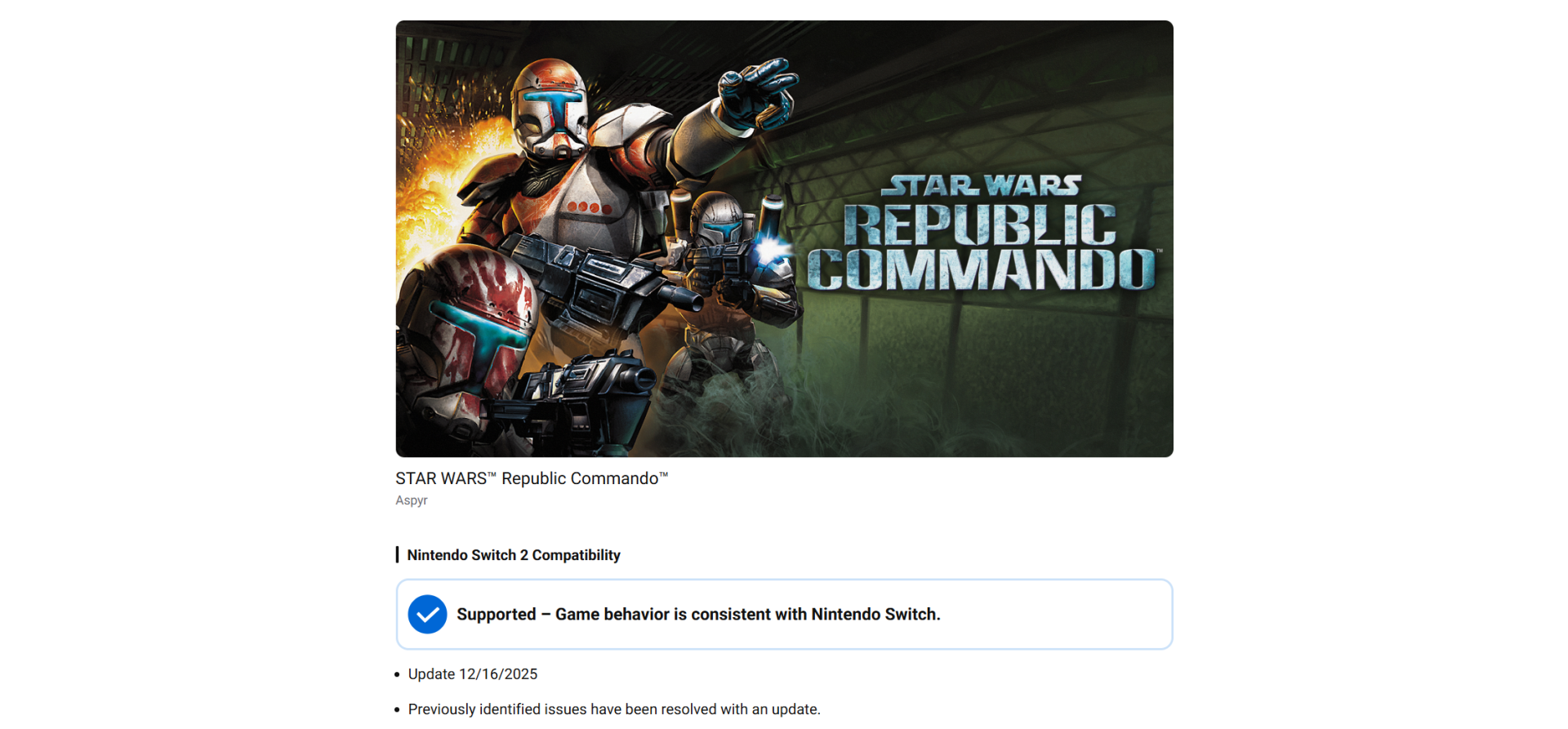
With this in mind, we’ve now got another batch of titles that are now fully functioning on Nintendo’s new hybrid system. The highlight of the lot is the Aspyr release Star Wars: Republic Commando, with the official Nintendo compatibility search page also reflecting this update.

Update 12/16/2025 – Previously identified issues have been resolved with an update.

Star Wars Republic Commando
Image: Nintendo

More Kairosoft titles have also been updated this week and are now “supported” on the Switch 2. This includes Pocket League Story and Mega Mall Story 2. This follows other titles from this same developer being updated in recent weeks.

Nintendo has also identified an issue with Shovel Knight: Treasure Trove tied to audio problems in some parts of the game.

And in case you missed it, Warner Bros. released an update earlier this week for Batman: Arkham Knight featuring performance, visual and stability improvements when playing the game through backwards compatibility on the Switch 2. There are also some improvements on the original Switch.

Will you be revisiting any of these games on Switch 2? What other titles would you like to see updated or fixed for this new system? Let us know in the comments.

Posted on Leave a comment

AI calculations on Mac cluster get big boosts from new RDMA support on Thunderbolt 5

Real-world test of Apple’s latest implementation of Mac cluster computing proves it can help AI researchers work using massive models, thanks to pooling memory resources over Thunderbolt 5.

In November, Apple teased inbound features in macOS Tahoe 26.2 that stands to considerably change how AI researchers perform machine learning processing. At the time, the headline improvement made to MLX, Apple’s machine learning framework, was to support GPU-based neural accelerators, but Thunderbolt 5 clustering support was also a big change.

One month later, and the benefits of Thunderbolt 5 for clustering are finally being seen in a real-world environment.

YouTuber Jeff Geerling wrote a blog post and published a video on December 18, detailing the experience he had with a cluster of Mac Studios loaned to him by Apple. The set of four Macs cost just short of $40,000 in total, and were used to show off the Thunderbolt 5 connectivity in relation to cluster computing.

All models were M3 Ultra models, each equipped with a 32-core CPU, 80-core GPU, and a 32-core Neural Engine. Two of the models supplied had 512GB of unified memory and 8TB of storage, while the other two had 256GB of memory and 4TB of storage.

Put into a compact 10-inch rack, the collection of Mac Studios were said by Geerling to be “almost whisper-quiet” and running at under 250 watts apiece. However, the key is the combination of Thunderbolt 5 support between the Mac Studios and the capability to pool the memory.

Massive memory resources

The MLX changes in macOS Tahoe 26.2 included a new driver with Thunderbolt 5 support. This is important since it can considerably speed up inter-Mac connections when used in small clusters, such as this.

Typical Ethernet-based cluster computing is limited to a maximum of 10Gb/s, depending on the Mac’s specification and not using concepts such as link aggregation and multiple Ethernet ports. To improve on this, researchers have used Thunderbolt to handle connections between Macs in a cluster, since it has much higher bandwidth.

Under previous efforts and using Thunderbolt 4, the maximum bandwidth was 40Gb/s. With Thunderbolt 5, the bandwidth is boosted to a maximum of 80Gb/s.

The massive bandwidth is especially useful thanks to Apple’s inclusion of RDMA (Remote Direct Access Memory) in Thunderbolt 5. Under RDMA, one CPU node in the cluster is capable of directly reading the memory of another, expanding its available memory pool to incorporate others in the cluster.

Crucially it is performed directly, as the name indicates, without requiring much processing from the secondary Mac’s CPU at all.

In short, the different processors have access to all of a cluster’s memory reserves at once. For the collection of four Mac Studios as loaned to Geerling, that’s a total of 1.5 terabytes of memory in use.

With Thunderbolt 5 improving the inter-Mac bandwidth, that access has now improved considerably.

The upshot for researchers working in machine learning is that it’s a way to use huge Large Language Models (LLMs) that go beyond the theoretical limitations of one Mac’s memory capacity.

Doing a cluster this way does have a limit, due to the use of Thunderbolt 5 itself. In lieu of any theoretical Thunderbolt 5 networking switch, all of the Mac Studios have to be daisy-chained, severely limiting the number of units you could cluster together without network latency that would hobble performance.

Real-world testing

Geerling was able to run some benchmarks on the Mac Studio collection to determine how beneficial it actually can be. After running a command to enable RDMA in recovery mode, he used an open source tool called Exo as well as Llama.cpp to run models across the cluster.

Both were used as a form of testing RDMA’s effectiveness. Exo supports RDMA, while Llama does not.

An initial benchmark using Qwen3 235B showed promise in the system. Under a single node, or a single Mac from the cluster, Llama was better at 20.4 tokens per second versus 19.5 tokens per second for Exo.

But when two nodes were in use, Llama dropped to 17.2 tokens per second while Exo improved considerably to 26.2 tokens per second. At four nodes, Llama shrank again to 15.2 tokens per second while Exo went up to 31.9 tokens per second.

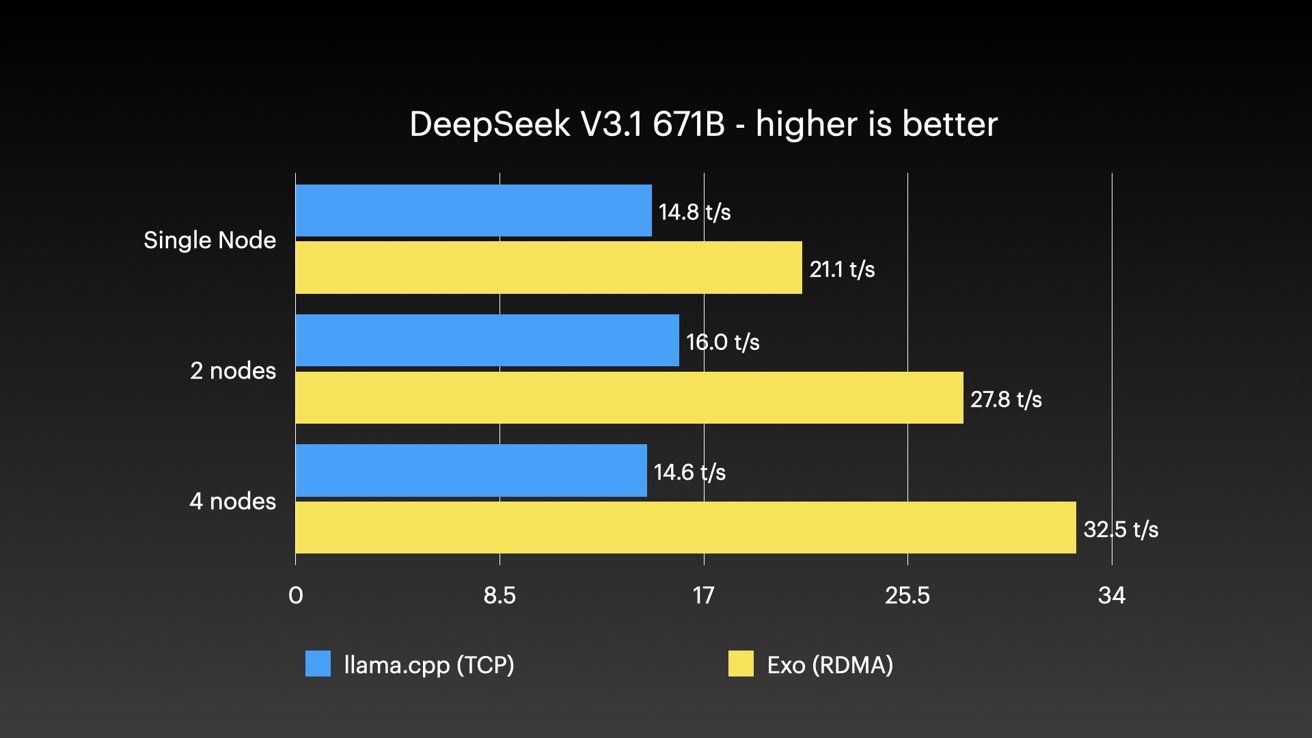
Similar improvements were seen using DeepSeek V3.1 671B, with Exo’s performance going from 21.1 tokens per second on a single node to 27.8 tokens per second for two, and 32.5 tokens per second for four nodes.

Bar chart comparing llama.cpp and Exo across single, two, and four nodes. Exo shows consistently higher throughput in yellow, with llama.cpp in blue.

Mac Studio cluster testing using DeepSeek V31 671B – Image Credit: Jeff Geerling

There was also a test of a one-trillion-parameter model, Kimi K2 Thinking 1T A32B, albeit only 32 billion parameters were active at any time. This is a model that is simply too big for a single Mac Studio with 512GB of storage to deal with.

Over two nodes, Llama reported a speed of 18.5 tokens per second, with Exo’s RDMA bumping it up to 21.6 tokens per second. Over four nodes, Exo got to 28.3 tokens per second.

Across the clustering tests, Exo improved considerably as more nodes were available to use, thanks to RDMA.

Big potential, with asterisks

The big takeaway from Geerling’s testing is that there’s a lot of performance available for researchers working in machine learning, especially when it comes to handling massive LLMs. Apple has certainly demonstrated that it is possible, without sacrificing performance, thanks to RDMA and Thunderbolt 5’s available bandwidth.

Creating a cluster like this can still be expensive for the typical user, and it may be a bit too expensive for hobbyists to undertake. However, a $40,000 setup similar to this is a fairly reasonable-priced expense for teams working for companies with a vested interest in AI development.

There are some reservations, though, such as reported stability issues stemming from running HPL benchmarks over Thunderbolt and other bugs that surface in prerelease software. Geerling adds he has trust issues when it comes to the secretive development team working on Exo, especially considering it’s an open source project.

However, there’s also some unrealized potential here. The cluster uses the M3 Ultra as that’s the fastest chip in a Mac that supports Thunderbolt 5, not the slower Thunderbolt 4.

While an M4 Ultra chip is out of the way, it’s proposed that an M5 Ultra Mac Studio could be much better, thanks to its use of GPU neural accelerator support. That should give even more of a boost to machine learning research, if Apple gets around to releasing that chip.

Geerling also wonders if Apple could extend the inter-device Thunderbolt 5 connectivity even more, to include SMB Direct. He reasons that network shares behaving at speeds similar to if they were directly attached to the Mac could be a big assist for people working with latency-sensitive and high-bandwidth applications.

Like video editing for YouTubers.

Posted on Leave a comment

Fortnite’s SpongeBob SquarePants skin is sadly not a Sweet Victory

When word of SpongeBob SquarePants‘ arrival in Fortnite whispered through the rumor mill recently, I couldn’t help but be excited. A SpongeBob SquarePants Fortnite skin sounds chaotic, somewhat silly, and genuinely incredible. Especially if he’s bringing the Patty Wagon with him. Yet, I can’t help but feel very disappointed about the final result.

Yeah, technically, SpongeBob Squarepants can join your growing Fortnite skin library. He joins newcomers such as Marty McFly and The Bride, staples of the current season. However, don’t expect to actually roam around as the Krusty Krab’s finest employee in-game. Rather than becoming a fully-fledged character to do battle as, SpongeBob SquarePants is nothing more than a Sidekick.

For those jumping into Fortnite after a while, Sidekicks are NPCs that accompany you across the map. No one outside of your squad can see them, just your party. They’re kinda cutesy, with the option to pet them if you wish. The big catch is that pretty much every Sidekick so far is a paid cosmetic, setting you back at least 1,200 V-Bucks, depending on who you want to join your side.

SpongeBob SquarePants’ full bundle costs a sizeable 3000 V-Bucks. In exchange for your currency, you’ll receive the SpongeBob Slippies Kicks, Gary Slippies Kicks, the Jellyfish Jam and Lil’ Big Jellyfish emotes, a Goofy Goober guitar, Bikini Bottom drumset, and the Golden Spatula Harvesting Tool. It also bundles in Sweet Victory as a Jam Track and a DoodleBob Back Bling. Now all of that sounds pretty awesome, right?

Fortnite SpongeBob Squarepants: An image of the SpongeBob SquarePants bundle in the Item Shop.

It’s just a shame that you don’t get a proper SpongeBob SquarePants skin included. If you’re keen to buy just the Sidekick version of him, it costs 1800 V-Bucks. Logically, Epic Games is making him a Sidekick so he adheres to the game’s hitbox metrics. Basically, if he’s too short, Epic is likely deeming it an unfair advantage. That’s why Lisa and Bart Simpson are in mech suits. It kind of sucks, to be honest.

At least Sweet Victory is worth a purchase for 500 V-Bucks. What an absolute banger. It’s quite the year for the character, though. After an appearance in Sonic Racing: Crossworlds and a stint in Fortnite SpongeBob Tycoon, all that’s left is for remasters of the best SpongeBob games to come our way, I reckon.

Posted on Leave a comment

Reminder: It’s Time To Rate Your Switch 1 & 2 Games Of The Year

Nintendo Switch 2
Image: Damien McFerran / Nintendo Life

Just a reminder that we’ll be publishing our 2025 GOTYs soon — both yours and ours! If you haven’t rated the Switch 1 & 2 games you’ve played yet (or if you’ve played something new in the last couple of weeks), feel free to read on and have your say.

And if you’ve rated them already? Nicely done, lovely person! As you were.


We’re into December now, and while there are still late-coming games showing up, it’s time to start looking back at the goodies the last 12 months have brought us. Yes, it’s GOTY time.

2025 has been a bumper one across the board, with brilliant games big and small — indie, are-they-indie?, and absolutely-definitely-not-indie — launching every single month. This is the year that Silksong finally came out, for heaven’s sake! Oh, and Nintendo launched a whole new platform. Just looking at the software, the quality in 2025 has been top-shelf.

If you’ve joined us only recently, we here at Nintendo Life have our own staff GOTY list encompassing all of our personal top fives, but top GOTY billing goes to our community-ranked Top 50 Switch games of the year – this year featuring Switch 2, too.

We’ve got one for every year of the Switch’s life so far, each ordered according to the corresponding games’ User Rating in our database.

These real-time lists, based on the User Ratings in our database, are a living ranking of each year’s finest video games. Looking back over the Switch generation, here are the winners from the previous eight(!) years:

Not a bad octet, is it? So, it’s time to start looking through the gems we’ve played in the last 12 months.

Below you’ll find every Switch game we’ve reviewed in 2025 awarded a 6/10 or higher. To rate any games you’ve played, registered users can click the star next to the corresponding title and give them a score out of 10. We encourage you to use the search bar, but otherwise you can browse at your leisure.

IMPORTANT: All Switch 1 and 2 games released in 2025 are eligible and available to rate in our database. We’ve limited the ones shown below to cull endless pages of shovelware, but if there’s something we didn’t review (or just didn’t enjoy as much as you), find it by heading to the search bar at the very top of the page and going directly to that game’s page.

We’ll go live with the results later in the month, and due to the real-time nature of the list, games launched between now and the end of the year still have every chance of showing up in the Top 50, too. No one’s left behind!


Thanks for ‘voting’! Our database should contain every game released in 2025, but please let us know below if anything is missing and we’ll get it added. Happy rating!

Posted on Leave a comment

Review: Despelote (Switch) – An Irresistible And Appropriately Beautiful Game

despelote Review - Screenshot 1 of 5
Captured on Nintendo Switch (Docked)

Editor’s note: This game launched in North America on 11th December, but won’t hit European eShops until 13th January.


For some, football is something to play; for some, it’s something to watch; for others, it’s something to be scared of in the playground. But in 2001, in Ecuador, football meant just about everything to just about everyone. At least, that’s the story told by Despelote, a game that conjures the magic of childhood and football fever and makes it captivatingly relatable.

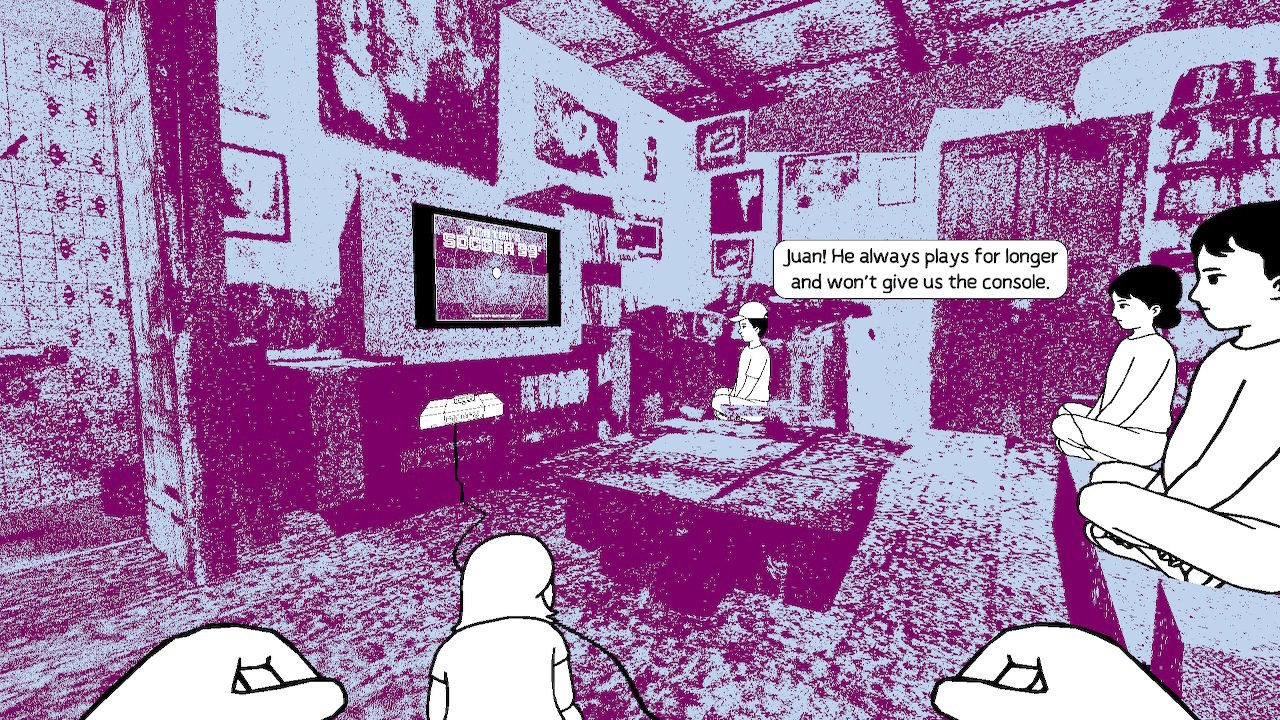
The game opens with you playing video soccer on an old console. As it’s gradually revealed that you’re sitting in a family living room, your parents’ chatter creeping into your awareness, you are connected very intimately with the protagonist of the game — its designer — Julián, a kid in Ecuador in 2001.

That year, Ecuador clinched a game against Peru, starting a journey towards first-time World Cup qualification, and everyone’s there for it. Your family are watching football, school kids are playing football at break time, overheard grown-up conversations are about football, and it’s blaring on TVs in bars and shop windows. The sense of optimism brewing around this national event permeates every aspect of life and it’s impossible not to be swept up in it.

despelote Review - Screenshot 2 of 5
Captured on Nintendo Switch (Docked)

This historic moment fixes the story in place and time, creating a little bubble of childhood. The nostalgia is flavoured with small adventures, like skipping school to take in the glorious scenery of Ecuador, aggravating your teacher, and playing out too long in the rain.

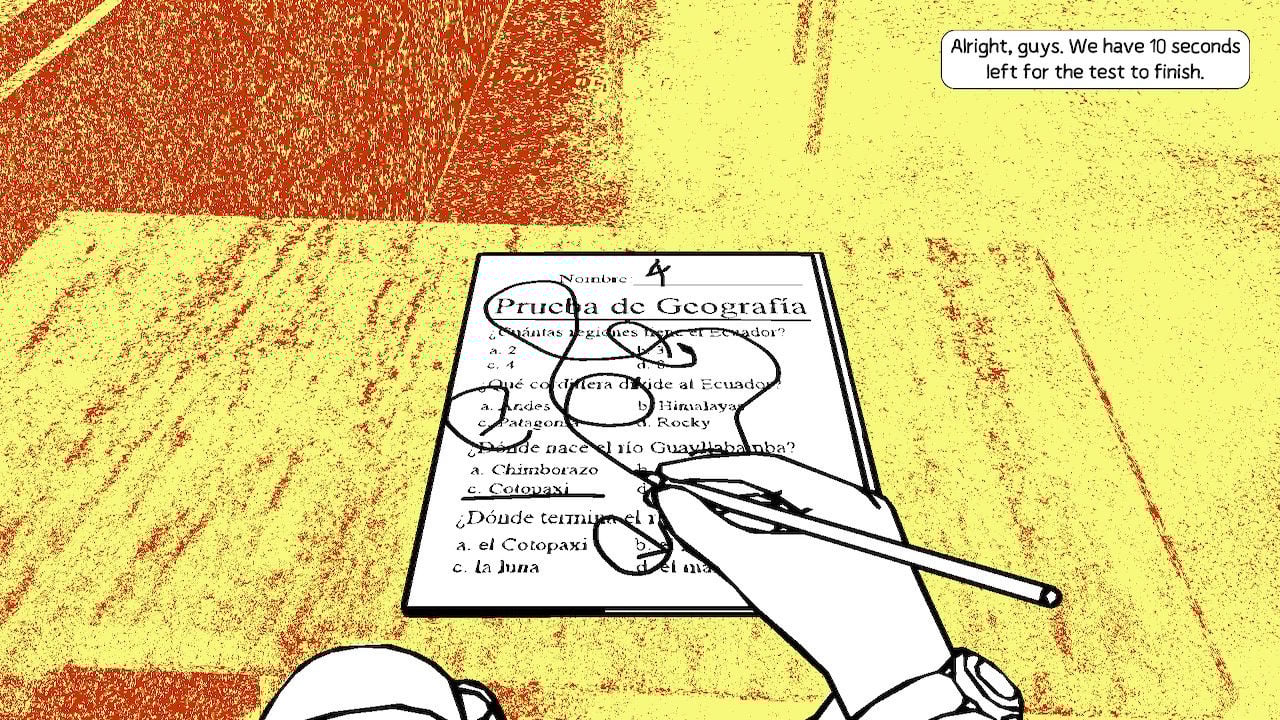
Gameplay-wise, this is all delivered in a variety of ways. That opening moment of playing on the console gives you a top-down, black-and-white football game, controlled with an innovative two-stick arrangement. The game then moves into first person, your “real-world” playtime football-kicking coming to mirror the console game’s controls. From this perspective, you sit in class, check your watch, skip school, talk to your friends, and, yes, kick around a football.

Much of the time, you’re just an observer, building the sense of being a kid and following whatever is set out for you by the adults in your life. You listen to lessons while you wait for the bell; you ride in the back seat and hear conversations happening in the front. Among the passive moments are a variety of first-person interactions, almost always involving or adjacent to football.

despelote Review - Screenshot 3 of 5
Captured on Nintendo Switch (Docked)

Despelote doesn’t try to riff on a central mechanic. In place of that, it develops themes of memory and childhood through a range of gameplay approaches. This keeps the experience light while making the excitement about the football feel totally irresistible. However you look at it, however you interact with it, everything is football. From Julián Cordero’s perspective, everything orbits around football, but other key moments in Ecuador’s history play out, too, from dollarisation to the country’s first showing at the Venice Film Festival.

This gameplay-light approach does mean Despelote asks for a certain mindset. This isn’t a game driven by challenge, mastery, or meaningful choice, and there are long stretches where your role is simply to exist in the moment it presents. Progress is gentle, more like turning a page of a book than developing gameplay, and the designer is happier letting scenes wash over you than pushing you forward. If you’re willing to meet it on those terms, the restraint feels purposeful; if not, this gentle vignette may feel too far from a traditional game.

despelote Review - Screenshot 4 of 5
Captured on Nintendo Switch (Handheld/Undocked)

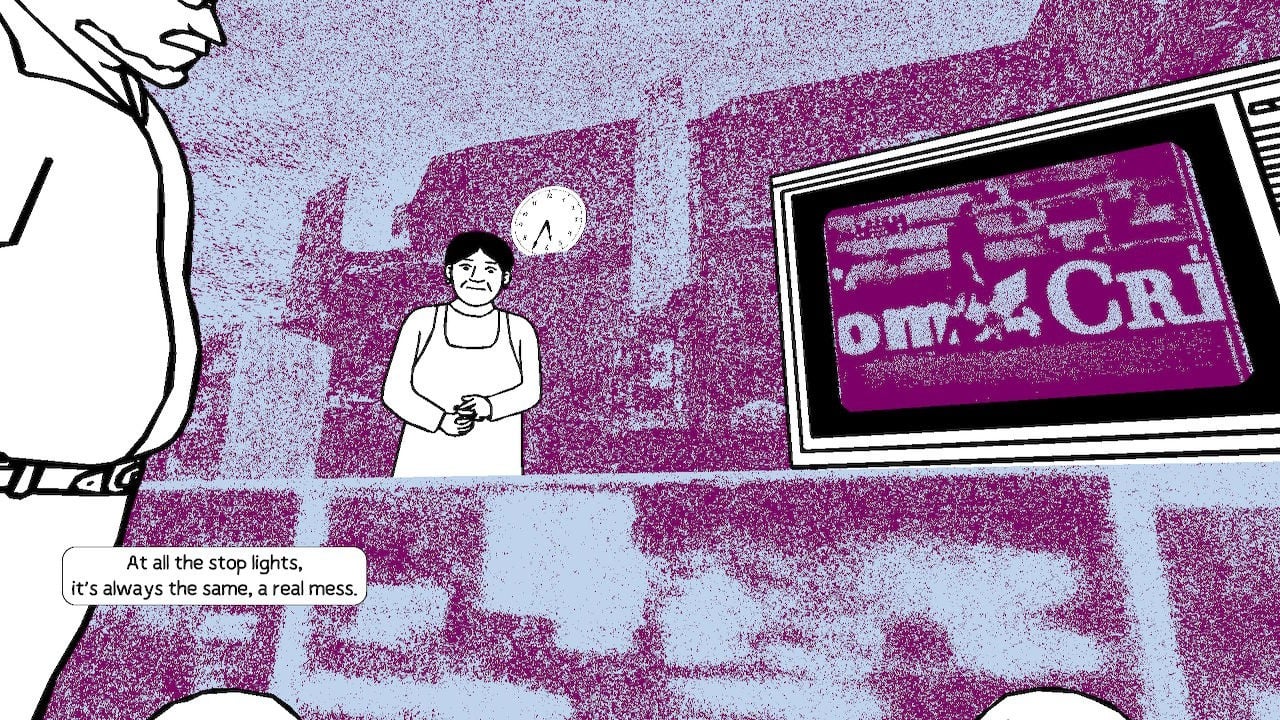
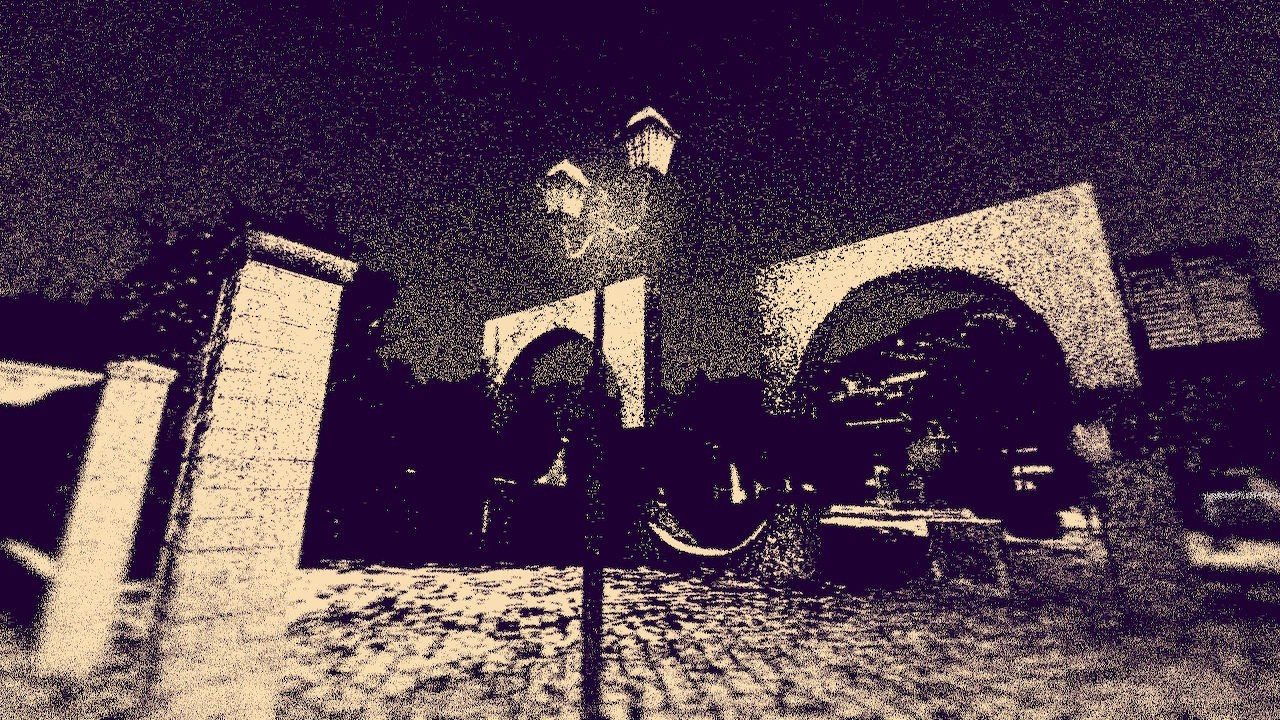
Visually, the game could hardly be more distinctive. The art, by Sebastián Valbuena, sees figures drawn by hand in black outlines on white backgrounds making up the cast of the game. They sit on top of hazily dithered two-tone scenes. This effect layered on top of the 3D environment completely disguises the level of detail in the world, its lighting and textures – almost anything that might normally contribute to overall visual impressions.

The graphics are therefore, in a sense, flawless. The art direction is expressed to its full, love it or hate it. In motion, it comes to life in a way screenshots can’t convey, and once you’re immersed, the world is living and breathing. This is helped by the voicing of all dialogue and the inclusion of real video of football matches, displayed through the same vibrant filter.

All the spoken language is Spanish, with English speech bubbles written out onscreen. This adds beautifully to the sense of place and authenticity; I was transported to Ecuador and my imagination ran with it. Meanwhile, active sound effects and incidental sounds lift the realism of the world. Music is relatively sparse and often diegetic, with key moments of wistful guitar – but this contributes to a matter-of-fact tone that doesn’t overegg the emotional heart of the story. And an emotional response is what the game is all about. Yes, football provides a pitch for it to play on, but this is a relatable story even to someone with no interest in the sport.

despelote Review - Screenshot 5 of 5
Captured on Nintendo Switch (Docked)

A slightly dry tone also makes room for some light humour. With Despelote, Cordero doesn’t take himself too seriously. A lack of self-importance places the protagonist as just one thread in the tapestry, which again builds a sense of a moment in history. A remembered story is always one you can’t alter, so drifting through this autobiographical account makes total sense. That said, if you’re looking for greater agency or action, maybe this won’t quite be for you.

It’s to Cordero’s credit that they also knew when to stop. The game tells its story without padding, then ties it in a bow and bids farewell after just a couple of hours. It lands as a complete work and can’t be criticised for being short – but bear in mind that this is not some open-ended adventure.

Conclusion

With its distinctive presentation and light-touch mechanics, Despelote builds a mesmerising feeling of a community brought together by a fleeting football obsession. The historic moment of Ecuador’s journey towards World Cup qualification grounds the story in time and place, perfectly capturing the author’s salad days. Whether you play, watch, or avoid football, this is a beautifully-told story you can enjoy.