Following its recent announcement of a “new era” of Rocket League alongside the reveal of Unreal Engine 6, Epic Games has today released Unreal Engine 5.8.
As part of this, lumen dynamic global illumination now offers a “Lumen Lite” mode. As Epic explains, this comes with benefits for games running on Switch 2:
“Lumen dynamic global illumination now offers a Lumen Lite mode, which is designed to preserve much of the visual impact at a significantly lower GPU cost by using irradiance fields with probe occlusion. Twice as fast as Lumen High Quality, it means that games that rely on global illumination for artistic purposes can run on Nintendo Switch 2 at 60 fps. It’s also supported on PC.”
It elaborates on this, explaining how the medium scalability level targets 60fps on Switch 2 and includes handheld mode.
Unreal Engine’s Vice President of Engineering Simon Tourangeau made the following comments about Lumen Lite at Epic’s State of Unreal event this week and how it’s now easier to scale to different platforms:
“Lumen, our dynamic global illumination system, now has a lightweight mode called Lumen Lite, designed to preserve much of the visual impact at a significantly lower GPU cost. That makes Lumen viable where it wasn’t before, including on Switch 2. And that work is already helping drive further nanite optimization efforts for the platform.”
Epic’s newer version of its Unreal game engine powers games such as the battle royale Fortnite. Epic says UE 5.8 is its last planned “major” Unreal Engine 5 update on its roadmap, and it will now ramp up work on Unreal Engine 6.
WebKit has met its match, as the prototype Blink schools Apple’s well-worn browser engine and hints at the future of web browsing on iOS.
WebKit, Apple’s well-used browser rendering engine, has not had to deal with alternatives for quite some time. Even after the EU’s Digital Markets Act changed the game and forced Apple to allow others to be used on iOS, via BrowserEngineKit.
However, a LinkedIn post from Microsoft Edge Web Platform Group Product Manager Kyle Pflug on June 15 indicates that a change is in progress. All based on a Chromium project using the Blink browser engine that dates back to February 2023.
In the post, Pflug explains that the Edge web platform team has helped contribute to Chromium to create the Blink-based prototype. It’s the same rendering engine that the Edge browser uses on other platforms.
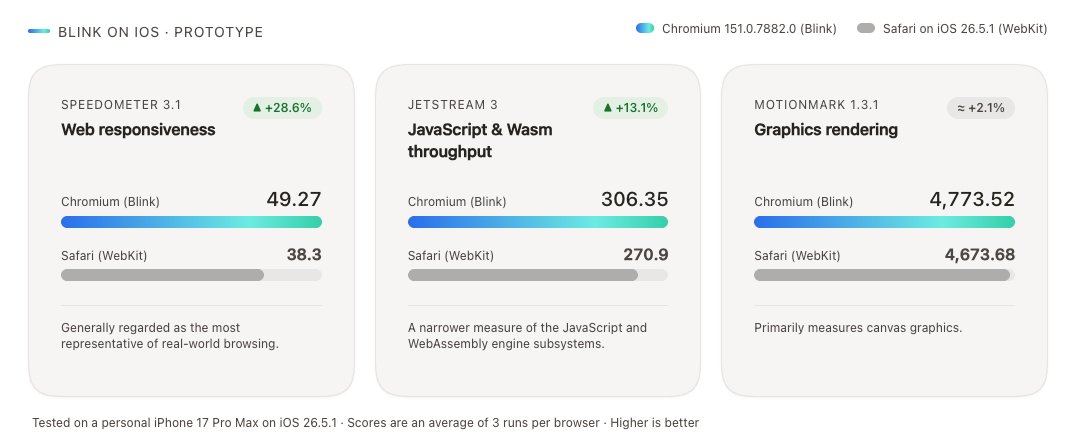
A development build of the prototype browser was tried out against a number of browser benchmarks, and put against Safari. All were based on an average of three runs, all on an iPhone 17 Pro Max running iOS 26.5.1.
In Speedometer 3.1’s Web Responsiveness test, Blink managed a score of 49.27 versus 38.3 for WebKit, a 28.6% difference. For Jetstream 3’s JavaScript and Wasm throughput testing, the gap was narrower at 306.35 for Blink and 270.9 for WebKit.
Results of testing prototype Blink vs WebKit on an iPhone 17 Pro Max – Image Credit: Kyle Pflug/Microsoft Edge
Lastly, Motionmark 1.3.1’s graphics rendering test of canvas graphics saw a score of 4,773.52 for Blink, 4,673.68 for WebKit. This, too, was a very narrow victory for the Chromium project.
Curious to see how fast it was, Pflug went to an Apple Store to try Speedometer on an M5 iPad Pro running Safari. On that hardware, he still saw a slower score of 45.7.
Beyond speed, but also not public
While the benchmarks are a good way to check the prototype, other tests were carried out to check against so-called pain points. This list, on a “Top Developer Needs dashboard, includes elements such as corner-shape, handling squircles and notches properly in CSS.
Interpolate-size() and calc-size() is the automatic animating to height in CSS, while Temporal is referred to as “sane data & time handling” in JavaScript.
Pflug concludes the post by pointing out that this is still a research prototype and tests based on his personal device, not lab results. It’s also not a product announcement, with no hint as to when a browser using Blink would ever emerge from development.
He goes on to say that the tests do at least show the prototype offers some real competition to the established WebKit when it comes to performance.
This is not the only Chromium-related drumbeat to have occurred this month. On June 4, a Chromium blog post declared that it had set new records in browser benchmarks thanks to Chrome optimizations.
In both cases, they are warning shots in the direction of WebKit. While Safari still dominates on iPhone, it’s possible for Chrome or even Microsoft’s Edge browser to take some of the mobile browser market by providing a faster and better browsing experience.
It would require a lot more than just that to pull away brand-loyal consumers from Safari. But at the very least, it would show that browser makers have options, instead of just using WebKit like everybody else.
MSBuild binary logs (.binlog files) contain a wealth of information about
your build — every property evaluation, target execution, task invocation,
error, and warning. But navigating that data manually can be overwhelming,
especially when you’re debugging a complex multi-project solution. What if your
AI coding assistant could do the investigation for you?
Today we’re introducing the Microsoft Binlog MCP Server, a Model Context Protocol (MCP) server that
gives AI assistants like GitHub Copilot direct access to your build logs. It
parses .binlog files and exposes 15 specialized tools that enable AI-driven
build failure diagnosis, property tracing, performance analysis, and build
comparison — all through natural language conversation.
Why MCP for Build Logs?
The Model Context Protocol is an open
standard that lets AI assistants call external tools in a structured way. By
wrapping MSBuild binary log analysis in an MCP server, we give AI assistants
the ability to:
Investigate build failures by querying errors, warnings, and their full
project/target/task context
Trace property origins to understand where a property got its value
Analyze performance bottlenecks by identifying the slowest projects,
targets, and tasks
Compare two builds to spot differences in properties and packages
Read embedded source files captured during the build
Instead of manually scrolling through the MSBuild Structured Log Viewer, you can simply ask
your AI assistant questions like “Why did my build fail?” or “What’s making my build slow?”
15 Tools at Your AI Assistant’s Disposal
The Microsoft Binlog MCP Server provides tools organized into four
categories:
Build errors with full project, target, task, file, and line context
binlog_warnings
Build warnings, filterable by warning code
binlog_search
Full-text search using the StructuredLog Viewer search DSL
binlog_projects
List all projects with build status and duration
binlog_properties
MSBuild property values (curated defaults or filtered)
binlog_items
MSBuild items like PackageReference, Compile, and more
binlog_imports
Full import chain of .props and .targets files
binlog_explain_property
Traces where a property gets its value — which file, target, or task set it
Embedded Files
Tool
What It Does
binlog_files
List or read source files captured during the build
binlog_search_files
Search text across all embedded source files
Performance Analysis
Tool
What It Does
binlog_expensive_projects
Slowest projects by exclusive duration
binlog_expensive_targets
Slowest targets across the entire build
binlog_expensive_tasks
Slowest tasks across the entire build
Build Comparison
Tool
What It Does
binlog_compare
Diff two binlogs — compare properties, packages, and more
Getting Started
The easiest way to get started is through the .NET Agent Skills repository. The dotnet-msbuild plugin bundles the Microsoft Binlog MCP Server along with
curated skills and agents for MSBuild build investigation and optimization.
Pick the section below that matches your development environment.
Visual Studio
Visual Studio supports MCP servers through GitHub Copilot’s agent mode
(Visual Studio 17.14 or later). After installing the dotnet-msbuild
plugin, the Microsoft Binlog MCP Server is automatically discovered by
Copilot Chat in agent mode. Open the Copilot Chat window, switch to Agent mode, and the binlog_* tools become available for any
conversation about a .binlog file in your solution.
Visual Studio Code
In VS Code, enable plugin support and add the marketplace to your settings.json:
Restart your assistant and the binlog_* tools are ready to use. You can
verify they loaded with /skills.
Tip
To generate a binary log, add /bl to any dotnet build, dotnet test, or dotnet pack command — for example: dotnet build /bl.
Example: Diagnosing a Build Failure
Once the MCP server is running and your AI assistant has access to a .binlog file, you can investigate build issues conversationally.
Here’s a typical workflow:
Generate a binlog: Run dotnet build /bl to capture a binary log
Ask your assistant:“My build failed. Can you investigate
msbuild.binlog and tell me what went wrong?”
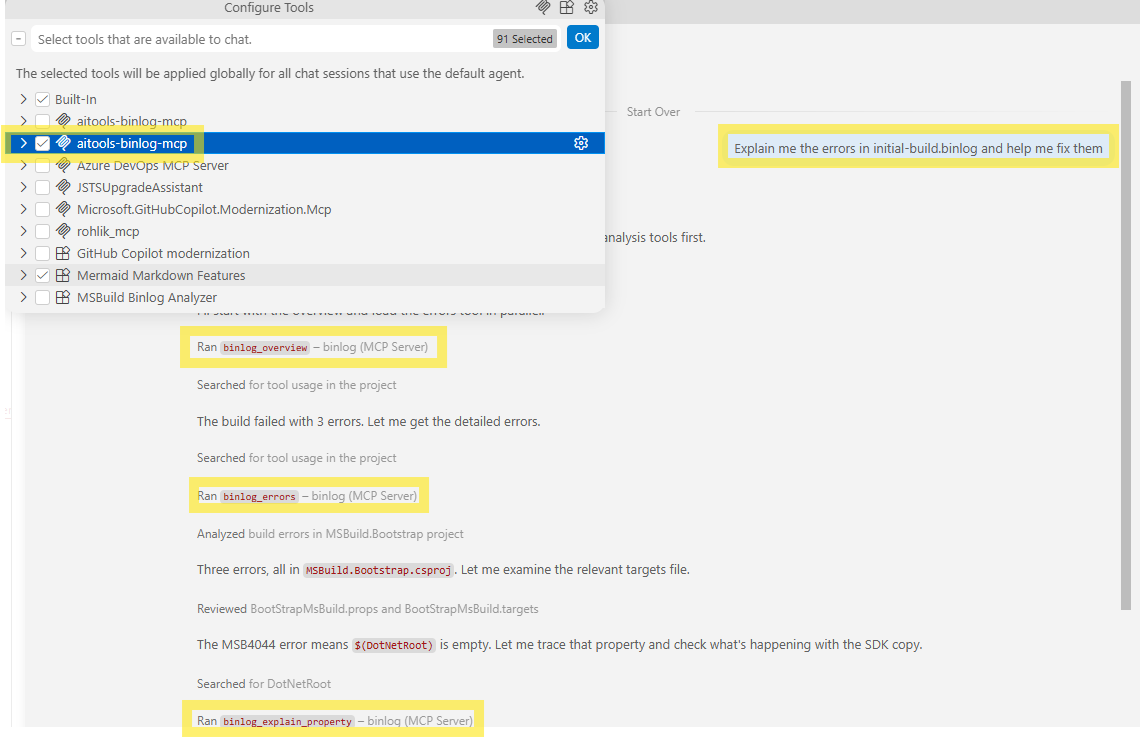
The AI investigates: It calls binlog_overview to get the high-level
status, then binlog_errors to retrieve the actual errors with full
context, and may use binlog_explain_property or binlog_search to trace
the root cause
Get actionable guidance: The assistant synthesizes findings and suggests
concrete fixes
For performance investigations, the AI uses the binlog_expensive_projects, binlog_expensive_targets, and binlog_expensive_tasks tools to identify
bottlenecks and recommend optimizations.
The screenshot below shows this workflow in action inside VS Code.
Try It Yourself: Compare Two Builds
Here’s a great way to take the MCP server for a spin right now. Pick a
repository you build regularly — your own product, or an open-source
project like dotnet/msbuild or microsoft/testfx — and capture
two binary logs from different versions or configurations:
# Build version A
git checkout main
dotnet build /bl:build-a.binlog # Build version B (a different branch, SDK, or configuration)
git checkout my-feature-branch
dotnet build /bl:build-b.binlog
Then ask your AI assistant:
“Compare build-a.binlog and build-b.binlog. What MSBuild properties
and package versions changed, and did any of those changes affect build
performance?”
Behind the scenes, the assistant calls binlog_compare to diff properties
and packages, then uses binlog_expensive_projects and binlog_expensive_targets on both logs to correlate the changes with
timing differences — turning what used to be a tedious side-by-side log
comparison into a single conversation.
Built on StructuredLogger
Under the hood, the Microsoft Binlog MCP Server uses the MSBuild Structured Log Viewer
library — the same engine that powers the popular MSBuild Structured Log Viewer
desktop app. The binlog_search tool supports the full StructuredLog Viewer search DSL,
including node type filters ($error, $warning, $task, $target, $project), hierarchical scoping with under(), and exact phrase matching
with quoted strings.
Telemetry
The server emits anonymous usage telemetry (tool name, latency, result size,
success/failure) to help us improve the product. It follows the standard .NET
SDK approach: on by default, single opt-out via the DOTNET_CLI_TELEMETRY_OPTOUT environment variable.
export DOTNET_CLI_TELEMETRY_OPTOUT=1
No binlog content, file paths, or raw error messages are ever collected — only
filenames are HMAC-SHA256 hashed for correlation.
What’s Next
The Microsoft Binlog MCP Server is in preview and we’re actively improving
it. We’d love your feedback — please file issues in the dotnet/skills repository.
If you’re working with MSBuild builds and using AI coding assistants, give it
a try. Let your AI do the heavy lifting of build investigation while you focus
on writing code.
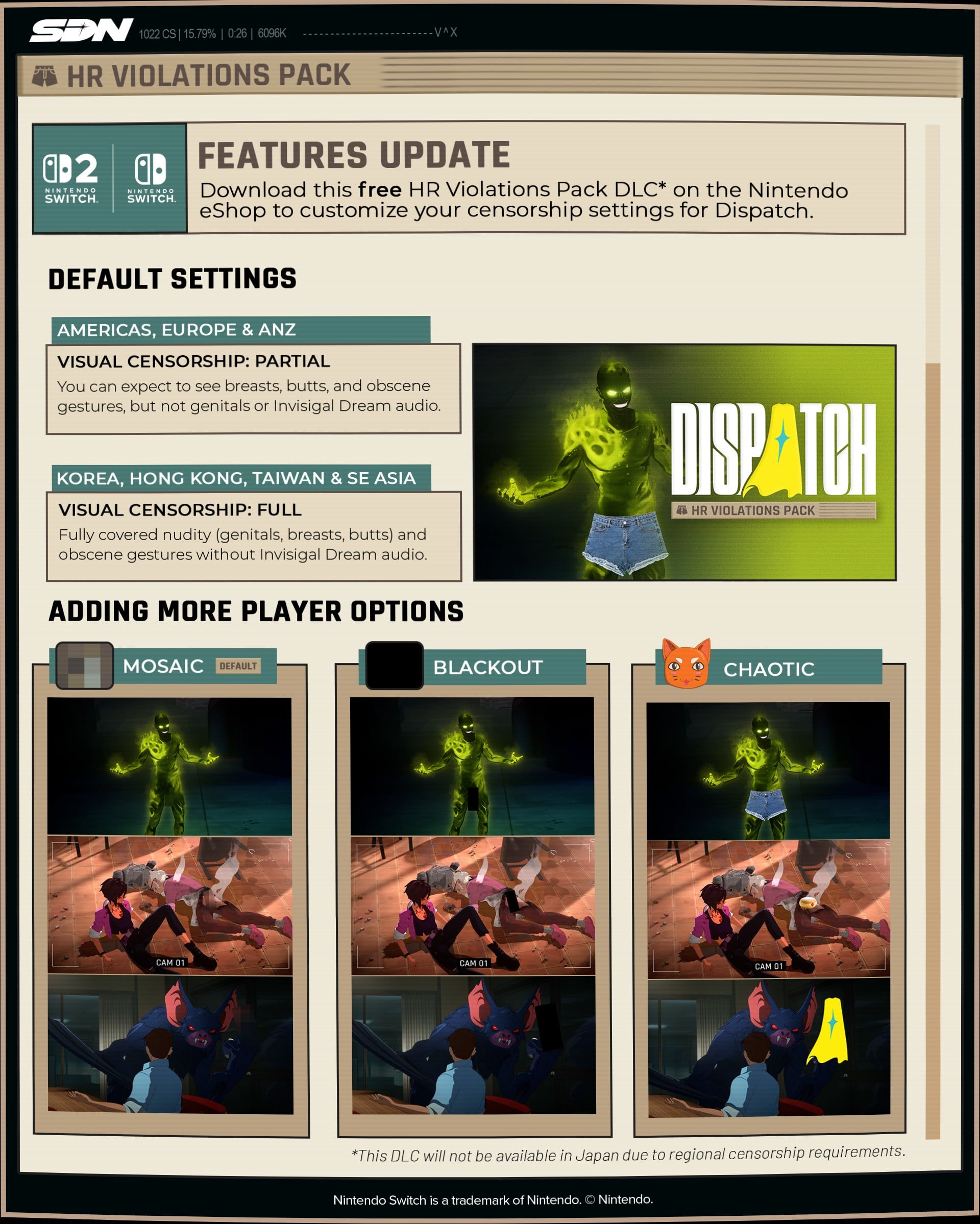
One of the biggest talking points out of Dispatch‘s Switch 1 & 2 launch earlier this year was its lack of censorship options. Today, developer AdHoc Studios is releasing a free DLC to address some of that. And yes, we mean some.
While other platforms came with a Visual Censorship toggle — which let you choose whether to see in-game nudity and profane gestures — the Switch versions had no such option, with everything being unchangeably covered up by default.
Five months later, enter the HR Violations Pack. This is free DLC for the game that adds a new ‘Partial Coverage’ option — revealing any nude breasts, butts, and middle fingers that were previously censored in the base game — alongside the old ‘Full Coverage.’
However, as those who have played Dispatch on other platforms will know, this means some content will still be censored on Switch, even with the DLC. “Genitals and explicit audio are still off limits,” the DLC patch notes read, “so those stay censored.”
These elements have remained covered up in the Switch versions due to “hard requirements from Nintendo,” AdHoc’s accompanying community post reads, while the entire DLC will not be available in Japan due to “regional censorship requirements.” We asked AdHoc about the specifics of said Nintendo requirements, and we will update this article if we get a response.
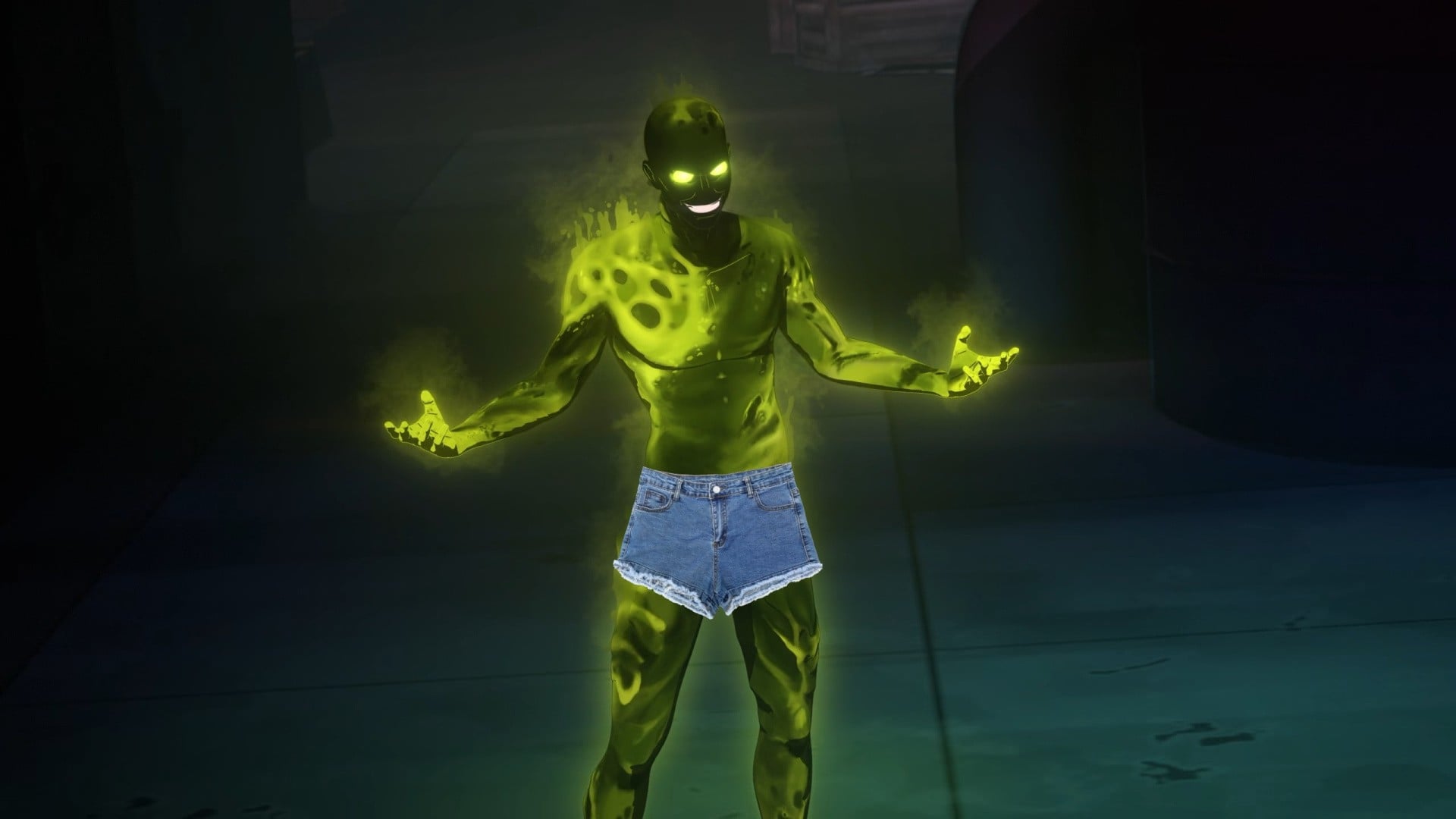
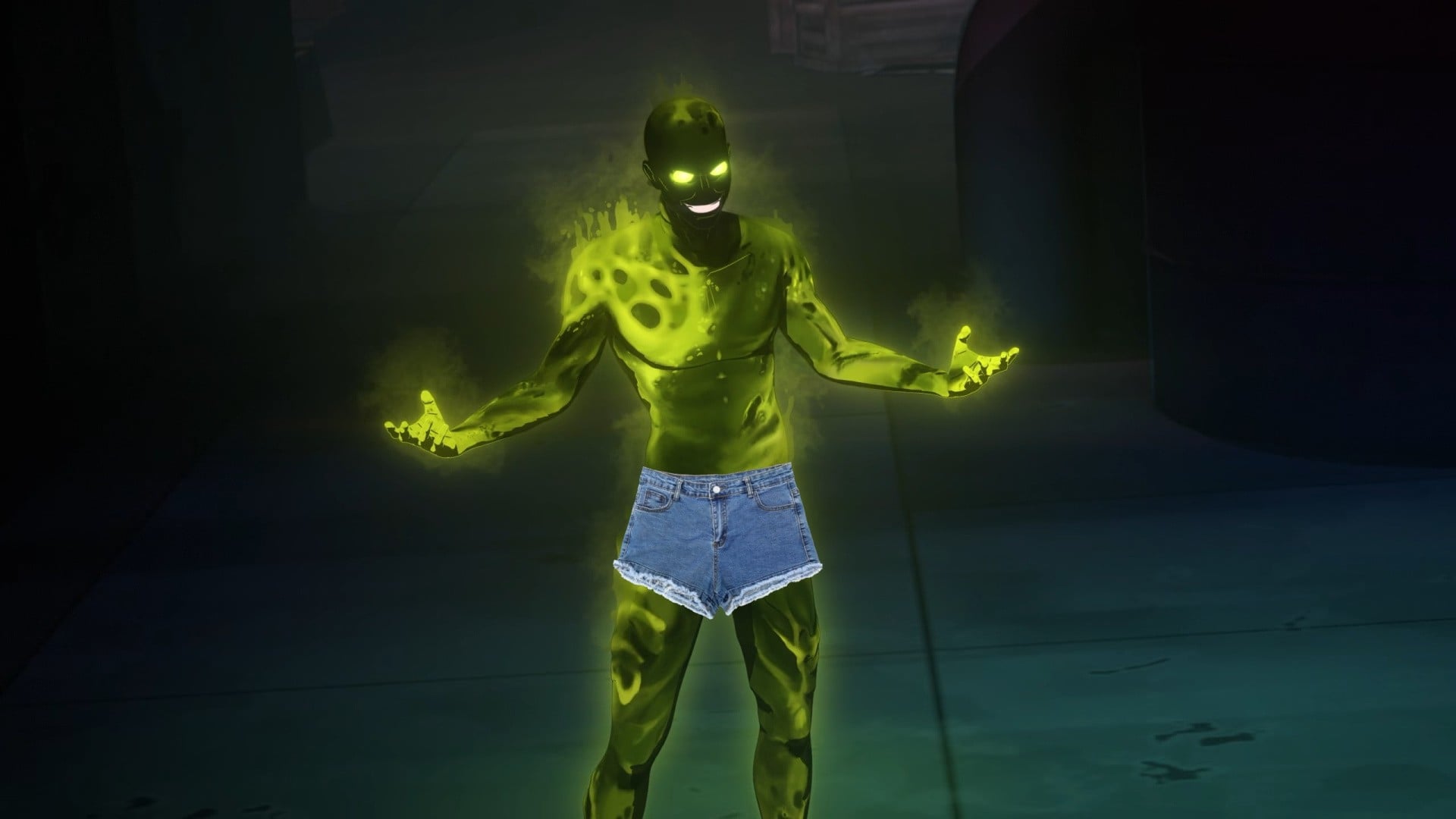
For those sections deemed too spicy for Switch (full frontal nudity and the audio in Invisigal’s dream sequence), the DLC introduces a handful of new ways the visuals can be obscured, including a pixelated ‘Mosaic’ option, the standard ‘Blackout’ bar, or a ‘Chaotic’ mode that covers up any naughty bits with a conveniently-shaped PNG — a filled doughnut, the game logo, a pair of jean shorts, etc.
Image: AdHoc Studio
In the community post, AdHoc re-explained the reason for Dispatch’s censored Switch launch, and apologised to all those who felt misled by it:
The short version: Approaching launch and running out of time and resources, we were surprised to learn that our game would require some level of censoring in all regions, not just the few we were already planning for. In a difficult spot, we decided to use a single Switch build that complied with Nintendo’s strictest regional rating. This led us to deliver a more censored version of Dispatch than Switch players were expecting.
The censorship itself wasn’t the only problem, though. Those of you who wishlisted, pre-ordered, or bought Dispatch on Switch did so based on what you’d seen in trailers, previews, and reviews from other platforms. The problem was we didn’t make it clear enough, before you spent your money, that the version you were buying was materially different from that game. And for that we’re truly sorry.
But you stuck with us. And the good news is that the success you all brought Dispatch gave us the opportunity to make this right, so we invested development time into creating the Switch version you all should have gotten in the first place.
The free HR Violations Pack DLC is available today on the eShop for both the Switch 1 and 2 versions of the game.
Removed censorship options aside, we had a wonderful time with Dispatch when it launched on Switch systems earlier this year. “Thanks to the sublime writing, fantastic voiceovers, and a level of animation you’d usually expect from a big-budget streaming series,” we said in our 9/10 review, “Dispatch is the kind of superhero drama that draws you in with the sexy characters and funny one-liners, and hooks you until the bitter end with the potential of its ever-changing arcs.”
What do you make of this free DLC add-on? Let us know in the comments.
Capcom has announced that Mega Man: Dual Override, the latest (and long-overdue) entry in the action-platformer series, will be playable for the first time at Gamescom 2026 in Cologne from 26th – 30th August.
We’ve not seen much from the game so far, which isn’t a big surprise considering its vague 2027 release window, but being playable at Gamescom hopefully means we’re also due a new trailer pretty soon.
Dragon’s Dogma 2: Dark Arisen will also be playable at the event. As a reminder, the upcoming DLC expansion will come bundled with the main game when it launches on the Switch 2 on 9th October 2026. Finally, Onimusha: Way of the Sword will make an appearance ahead of its release on 25th September 2026. Those on PS5 can download a demo for this one right now, but if not, this might prove a good opportunity to test it out.
Around 60 playable demo stations will be set up at Gamescom in Hall 9, Booth A070. eSports activities will also be available for Street Fighter 6 if the mood strikes, but we suspect most folks will be keen to try out Capcom’s upcoming titles instead.
Although seemingly absent from Gamescom, Resident Evil Veronica has also been confirmed for the Switch 2 and is due to launch in 2027. A full remake of Code Veronica, it sees the return of Claire Redfield following the events of Resident Evil 2 as she searches for her brother, Chris.
Any interest in Mega Man: Dual Override? Will you be attending Gamescom this year? Let us know with a comment.
With the return of Team Star Fox imminently upon us, folks are feeling pretty torn about the series retreading old ground instead of forging a new chapter in Nintendo’s long-running rail shooter.
And while that may be disappointing to some, there are at least a few interesting additions to the original N64 title beyond its glossy new coat of paint – challenge mode, multiplayer dogfights, filtering our faces in real time to look as handsome as Pigma, and one that particularly caught our attention, multiplayer.
Or more specifically, multiplayer options for the campaign. Yes, you can now team up with a friend during the titular Lylat Wars, one piloting the Arwing while the other takes aim with the lasers – but this isn’t the first time the series has included this.
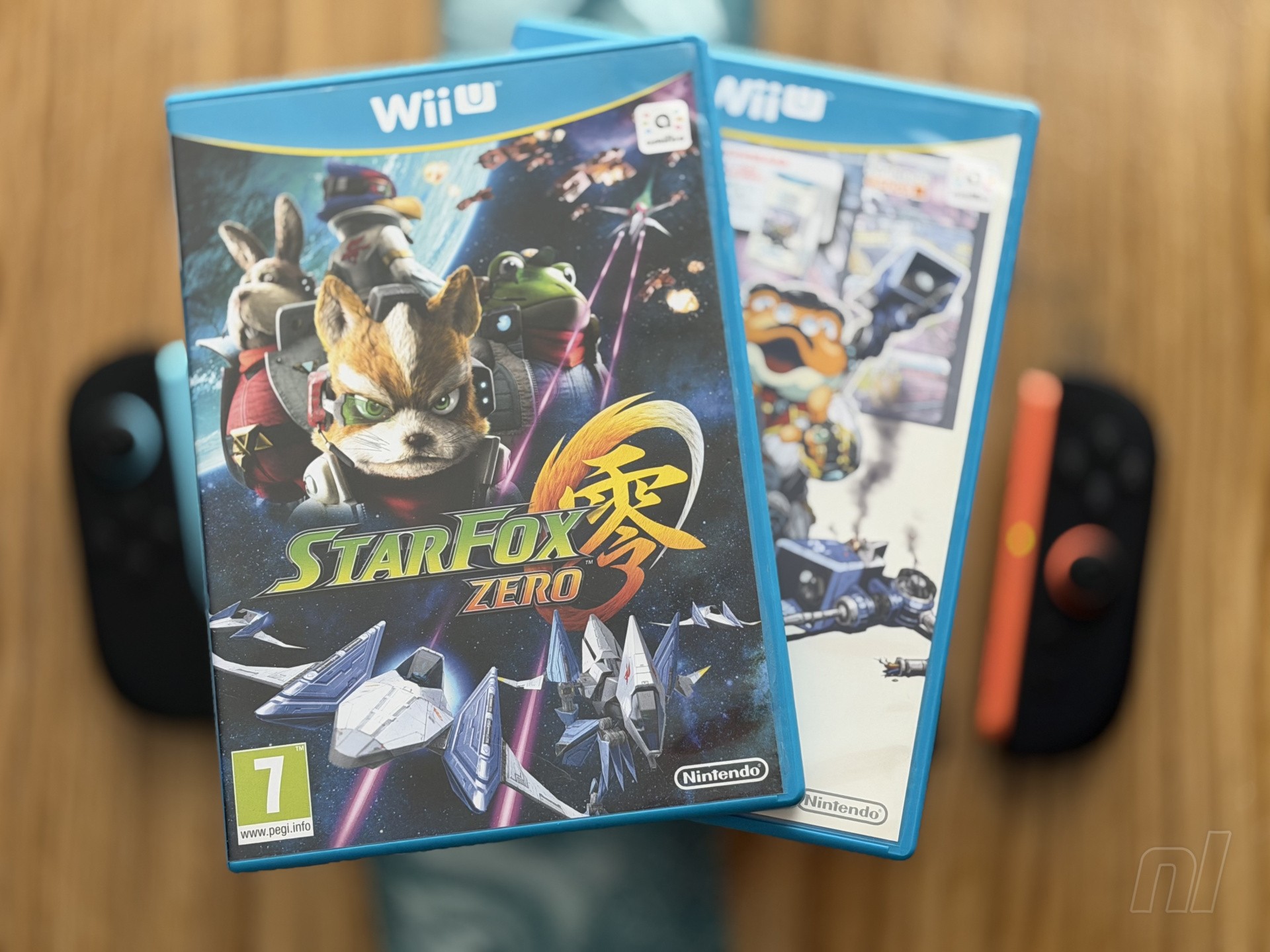
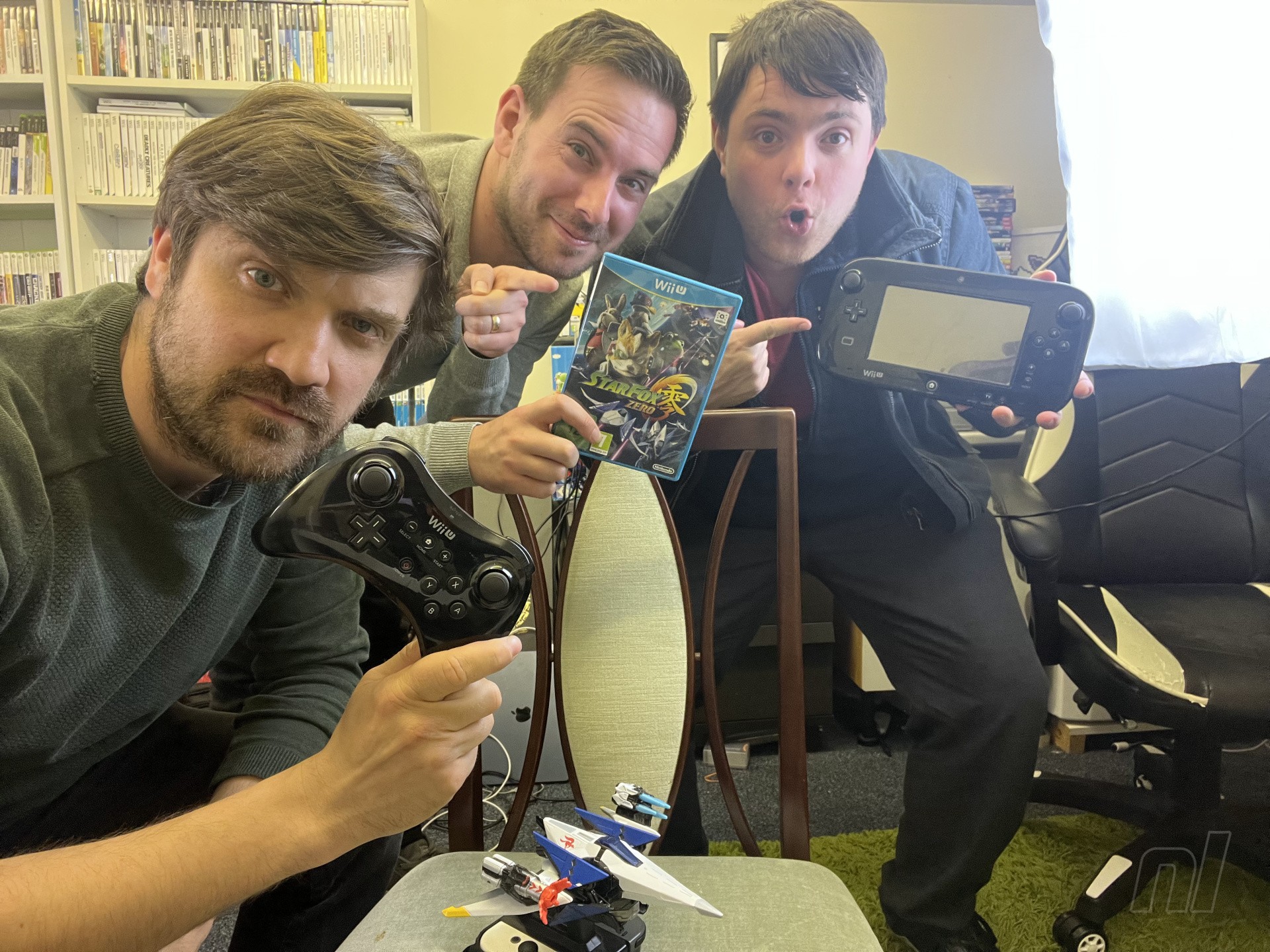
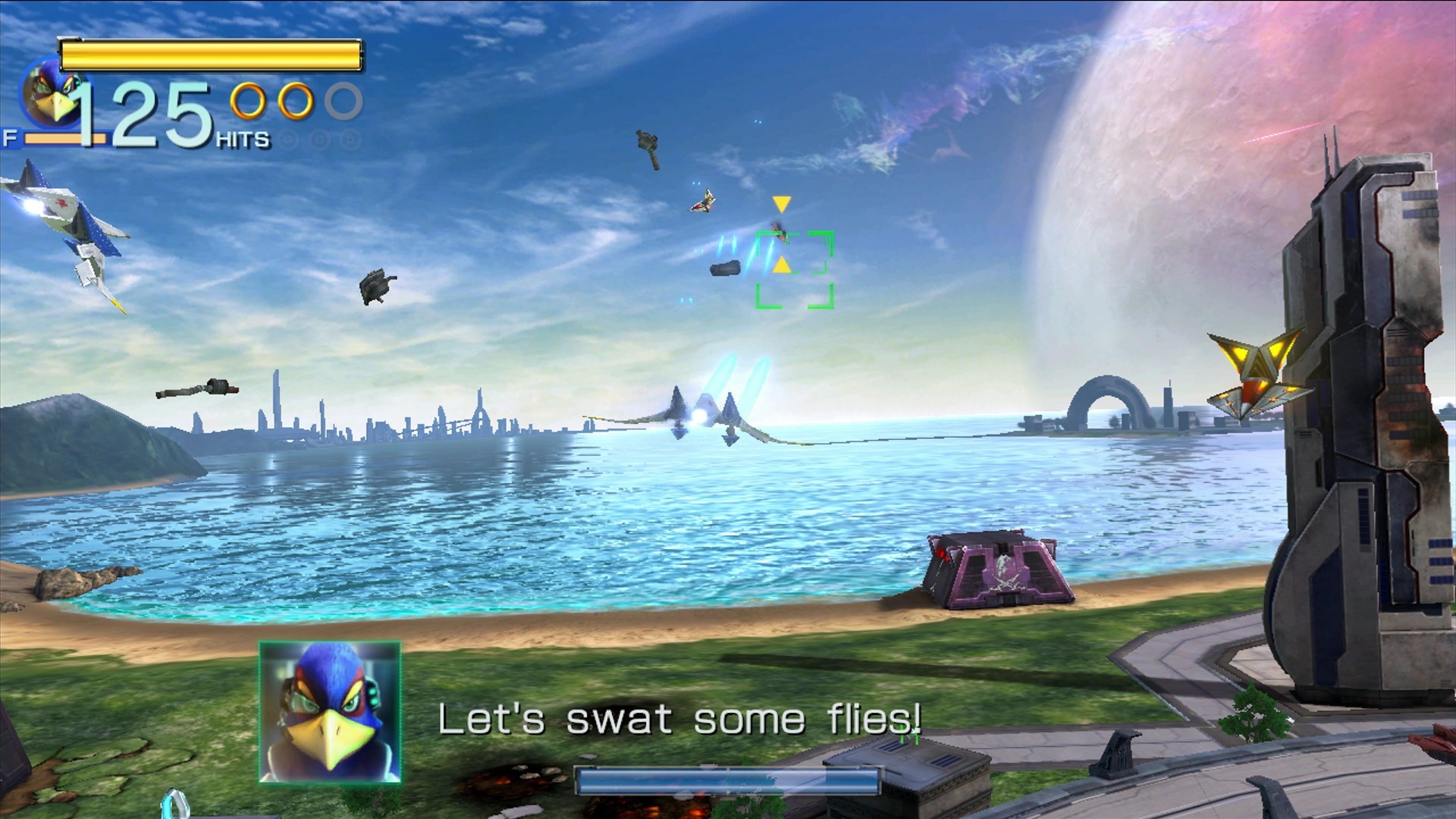
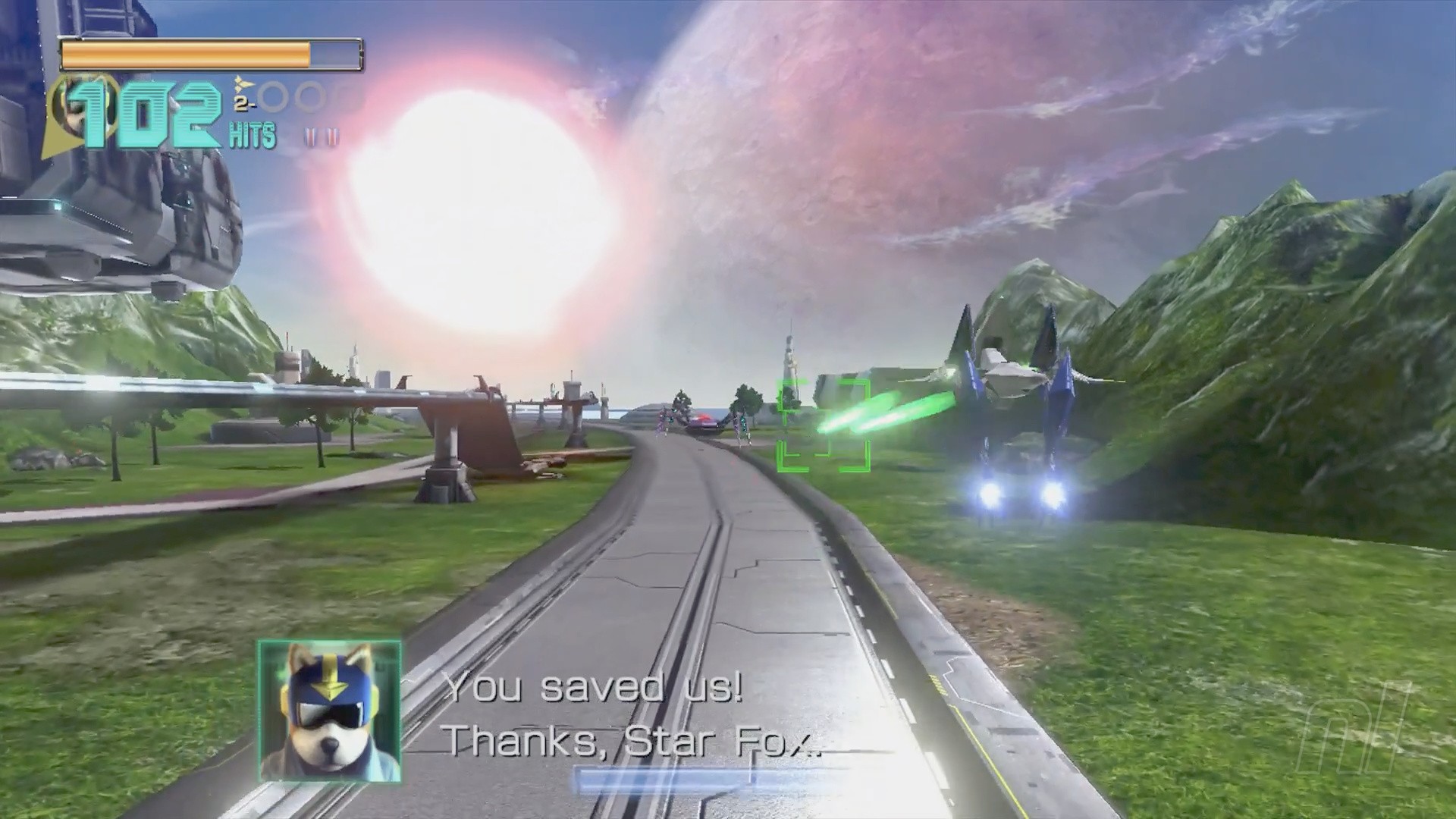
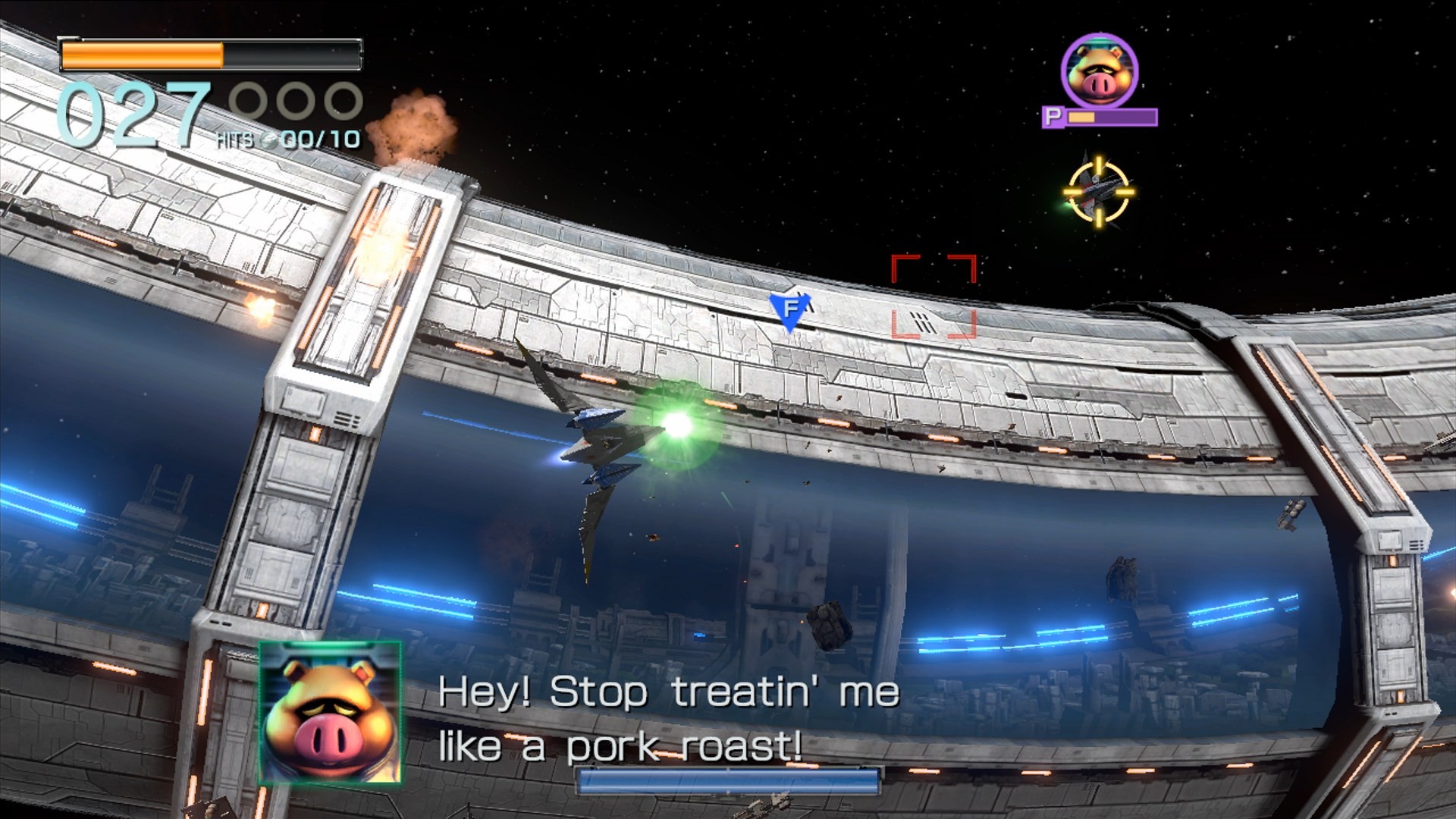
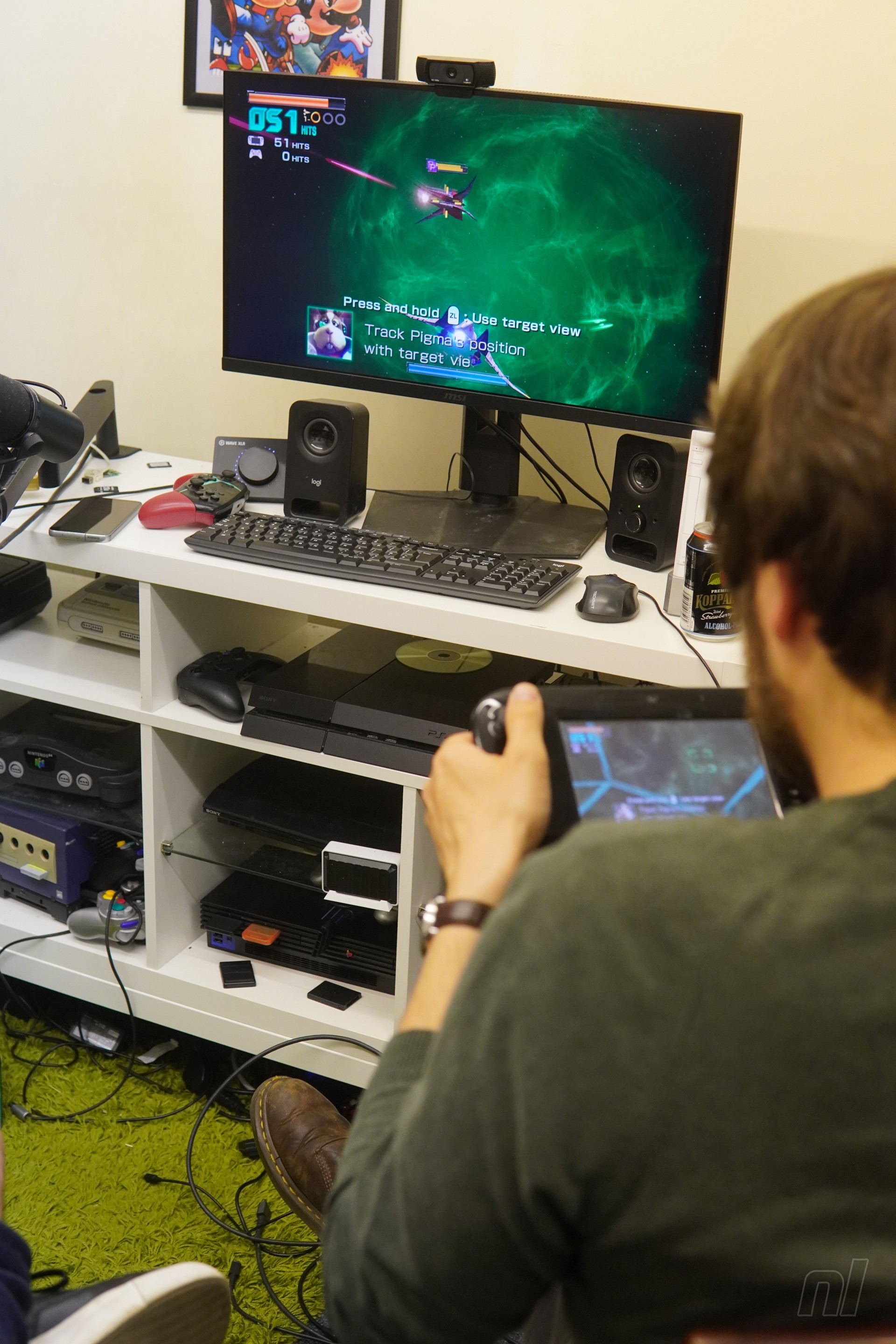
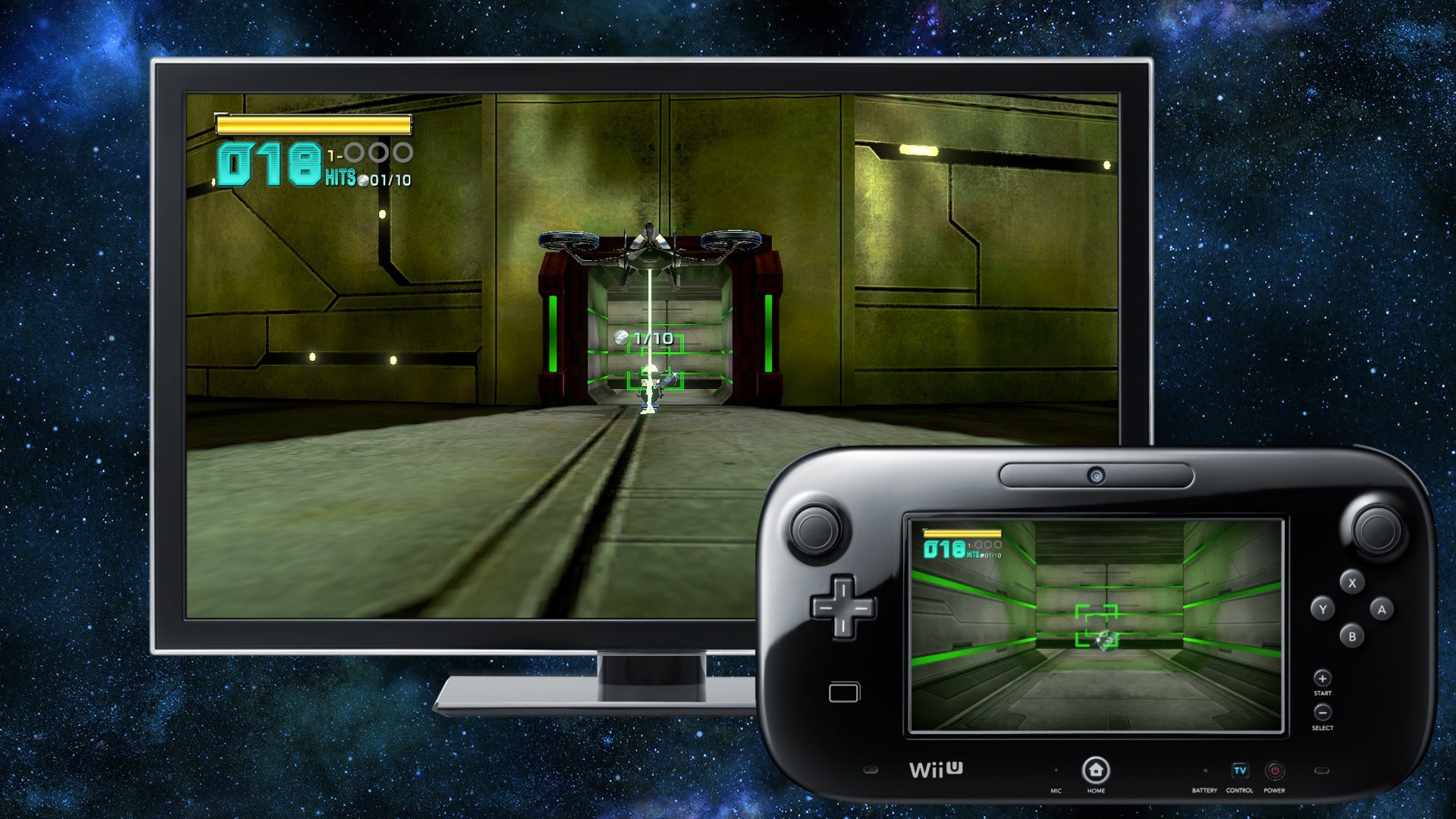
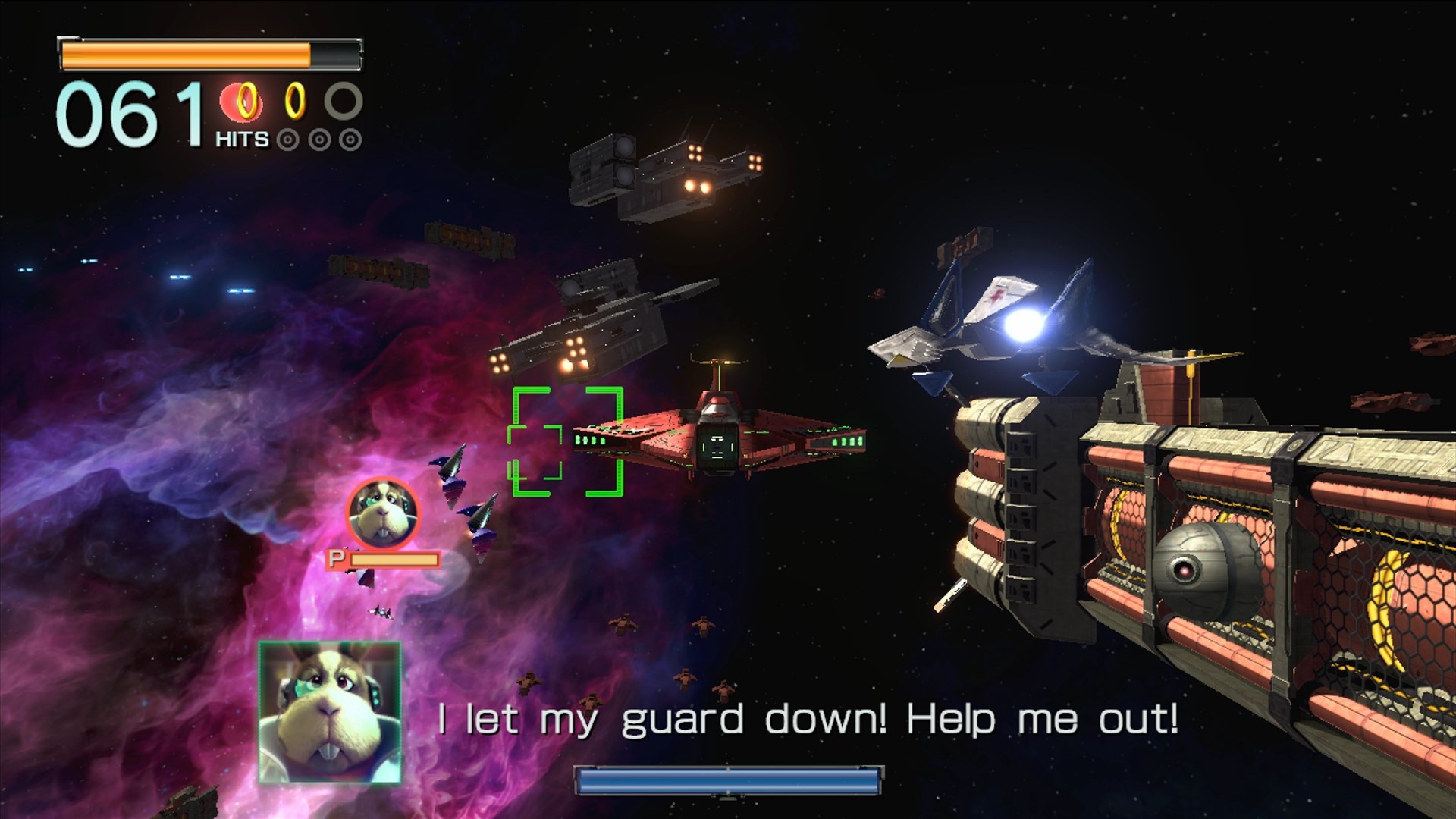
We saw a little more about it in Nintendo’s recent Treehouse, but to give us a hands-on idea of what may lie ahead, we gathered three ace pilots to soar through the skies of Corneria and beyond, take down Andross on his Venomian base, and save the day. No, not on the SNES. Or the N64. Or the 3DS. Or the upcoming Switch title. We are diving into Star Fox Zero on the Wii U.
R.O.B. – fire up the jets, it’s time to scramble.
Meet the crew
But who are the pilots brave enough to take on this most daring of feats? Alongside myself (George), we have drafted in former Nintendo Life ace and Good Vibes GamerJon Cartwright and, from Source Gaming, the cool-headed Josh Goldie.
Image: Gavin Lane / Nintendo Life
Teamwork and communication are going to be key for this journey, one feels, so we begin with a simple question to get the ball rolling while taking a little jaunt through the training stage:
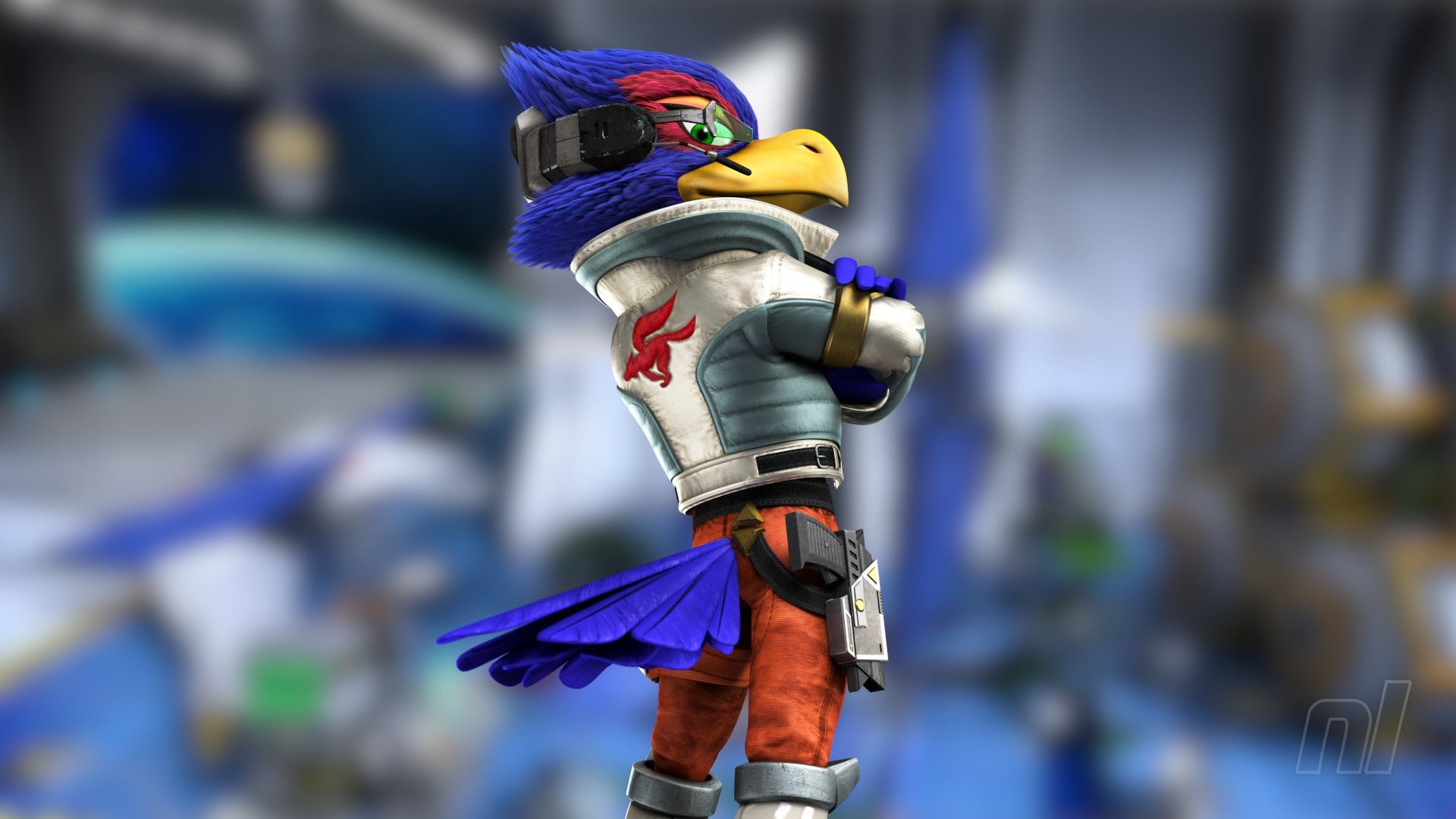
George: Right, who is each member of the Starfox team out of the three of us? Jon: I would like to be Grippy Toad. George: Grippy is not a member of the Starfox team. But if you’re self-volunteering for Slippy, I’m not going to hold you back. Jon: I really want to be Grippy. George: I mean, doesn’t everybody want to be Falco? Josh: I’d rather be Fox than Falco. George: I’m not going to fight you on that if I can be Falco. So Jon, just to be clear, are you self-volunteering to be Slippy Toad? Jon: No, I said Grippy Toad. George: I don’t care. And you’ve been as annoying answering this question as Slippy is in general, so I think it’s warranted. Jon: Oh no, they wanted me to follow each pilot individually, but I’ve just been shooting at Falco the whole time. George: Incredible.
In terms of being on the same page, the conversation to simply select a character for ourselves took longer than five minutes. This does not bode well.
It’s Falco, Slippy and Fox! — Image: George Banks / Nintendo Life
Fuelled up on Chinese Takeaway, a few beers (non-alcoholic for me – don’t drink and fly, kids), and a rose-tinted thought or two spared for the criminally overlooked companion game Star Fox Guard, we gear up and head to the stars.
Corneria
Pilot: SLIPPY (Jon) Gunner: FOX (Josh)
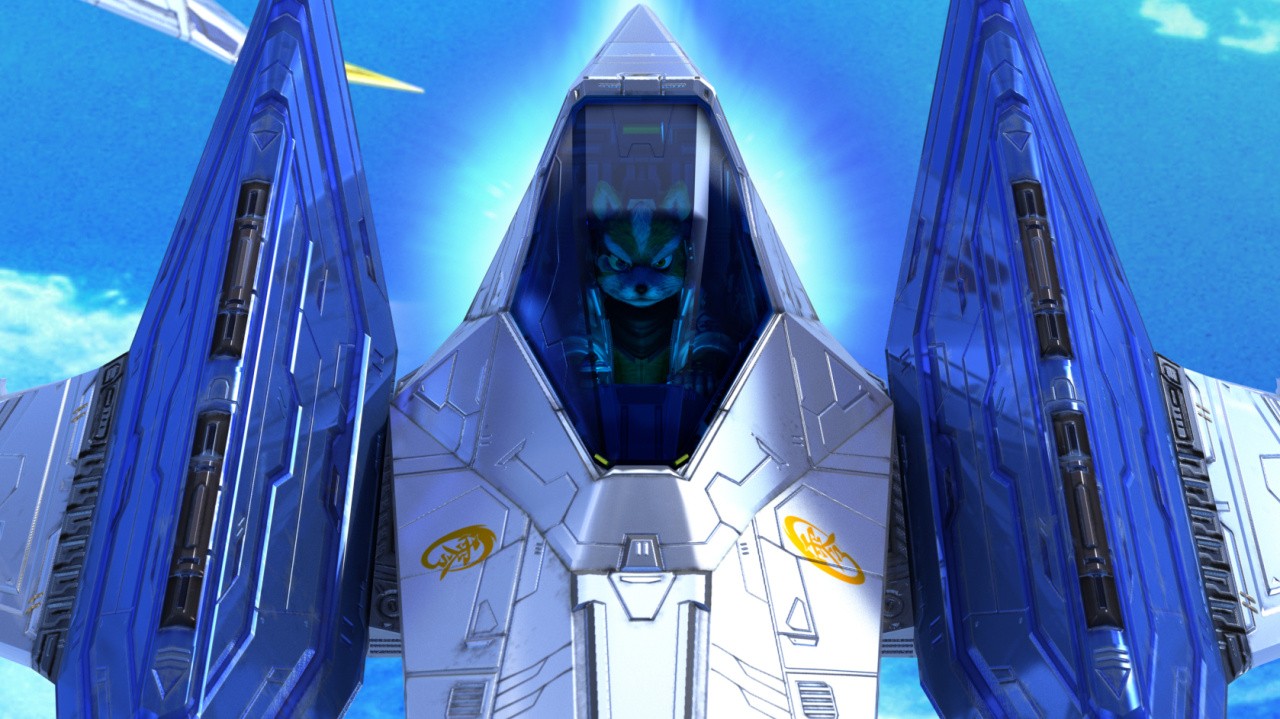
Our first stop on our mission to win back Lylat, and the series’ most iconic location. The intro cutscene is pretty, too, with the Great Fox in orbit flanked by the team before they plunge through the atmosphere.
It feels a little early in the evening for this to come up, but admiring these visuals steers us into conversation about visuals of a different kind.
George: Love the Great Fox. That’s one thing I didn’t like about Command – the redesign is abysmal. Just one big landing platform. Josh: Yeah, because it got destroyed, didn’t it. Jon: Oh, that’s right – that’s continuity! Josh: I think that’s why some people are annoyed about it going back, with this and the new one. You’re missing out on that and some great characters. Krystal. Panther. George: Ooh – Panther Caroso. I mean, do we dare have the discussion this early? Who’s the sexiest Star Fox character? Jon: It’s either Panther or Krystal. George: It is either Panther or Krystal. They would make beautiful children. So, who is pilot and who is gunner?
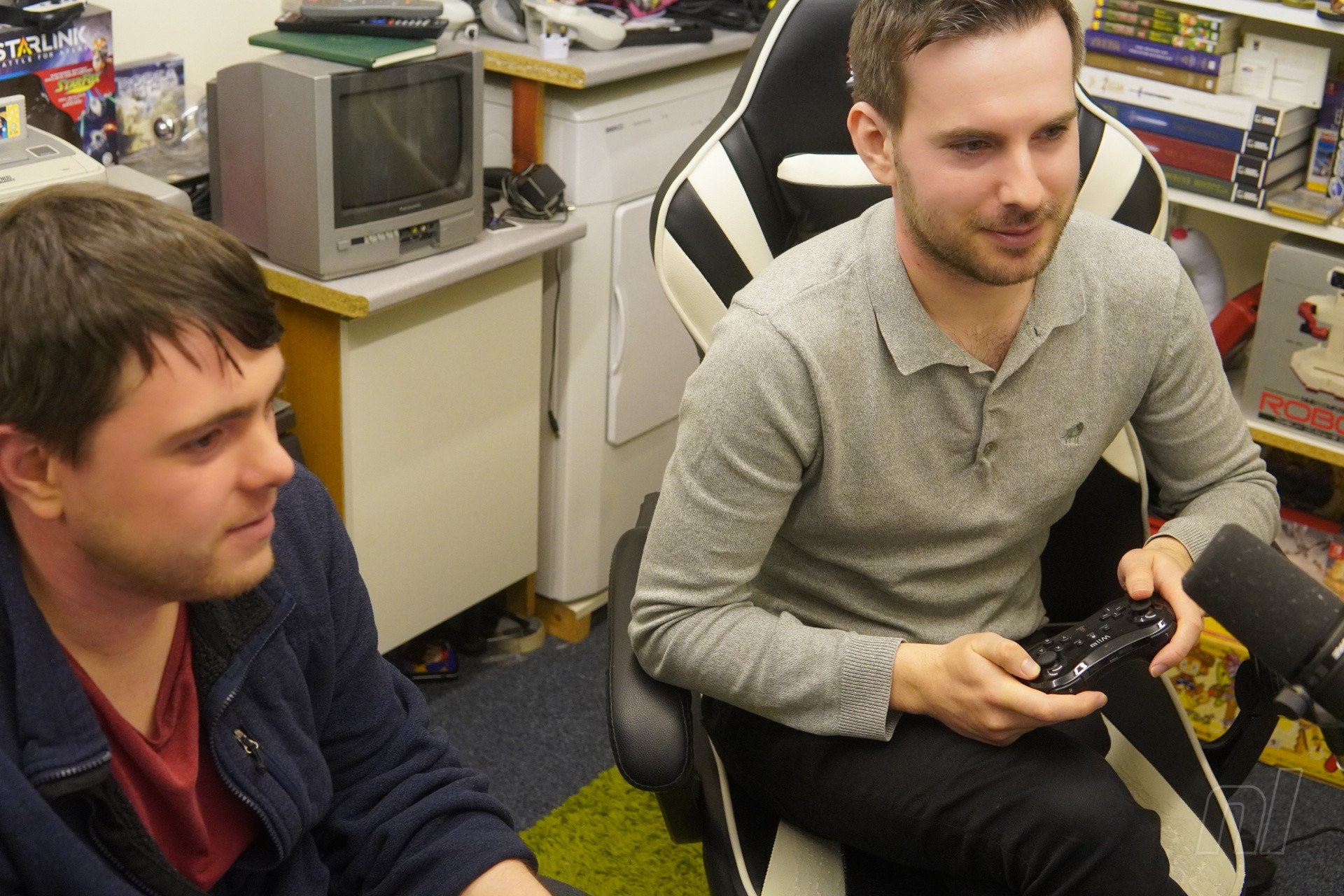
Jon and Josh get to grips while Starlink watches over them — Image: George Banks / Nintendo Life
The game is solo by default, and setting up multiplayer is pretty opaque. Utter disbelief takes the form of laughter as we discover you need to start a level, then immediately exit to the stage select screen and select the level to trigger the co-op option. Classic Nintendo.
I’m so confused about Corneria. Is it a functioning city? Look at that massive door gate thing. Why is it there?
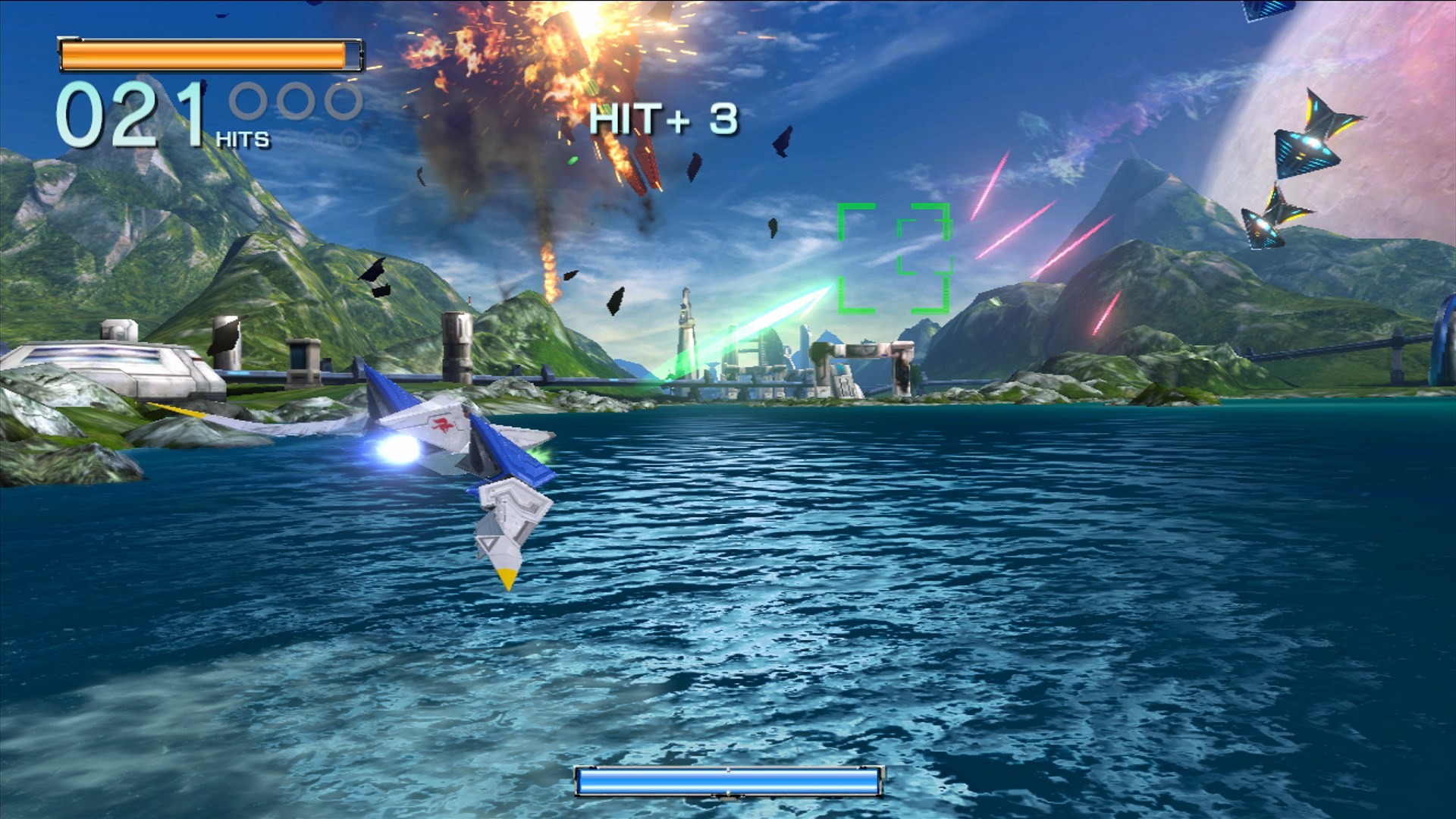
But we are finally ready, and for the first time a slightly concentrated hush descends among us as the music kicks in, punctuated by the thud of laser fire hitting target. We aren’t even beyond the water when the first wrinkle in this operation becomes apparent.
Jon: Huh. So whenever I move, it’s going to throw off your aim a little bit. Josh: It really is. Jon: I’ll try and stay still unless there’s incoming shots. George: What a thrilling first-player experience. Just staying as still as possible. Are you going to go through the arch? Josh: Yes. Jon: Nah. Josh: My Pilot says no. This is just terrifying. I never know if I’m about to smack into a wall. George: I’m so confused about Corneria. Is it a functioning city? Look at that massive door gate thing. Why is it there? I wonder if it’ll be more realistic in the new one, given everything else is?
Image: Nintendo
Despite the teething problems, things are going well. Jon scoops up a medal or two and Josh is a pretty accurate gunner, locking on and racking up multipliers.
Jon points out we can’t go through the waterfall on this run as we’d need the Arwing’s ‘Chicken Walker’ transformation, which can only be accessed after completing the level for the first time. There’s a lot of seemingly arbitrary retracing in this game to open up new routes and we’re looking forward to the slightly more direct approach that the 64 remake will bring. Hit a certain criteria, unlock a route. Simple.
George: Jon, how are you finding the thrill of just piloting? Jon: You know what, I like it? You’re putting your trust in someone else. Josh: Same here! George: Josh is definitely the most focused of the two of you. Jon: I’m still pretty much trying not to move when possible. Josh: When you barrel roll it doesn’t actually affect me. Jon: Oh, really? How about this?
The Arwing pulls into a somersault, with Josh chastising Jon while he cackles. But going into the all-range ending makes things tricky, as the camera on the television screen — the one the pilot is using — starts to shift to cinematic perspectives, leaving Jon to guess where he’s flying.
Jon: Oh no! It’s stuck the camera to a really bad perspective for me. It’s doing that cinematic thing. Josh: Why have you flipped around? Jon: Because I can’t see anything! Josh: Jon, we’re going to crash! Jon: I CAN’T SEE!
Image: Nintendo
Jon is truly at the whims of the game’s cinematic camera. It’s to the side, panning round, literally looking at the front of the Arwing. Jon nearly crashes out on level one due to this, drawing hoots of derision from us. Surely it can’t be that hard.
Sector Alpha
Pilot: FALCO (George) Gunner: SLIPPY (Jon)
Something peculiar happens as I take the controls for this cosmic dogfight. The Arwing is just floating along, totally ignoring me.
George: Oh my god, I’m not moving? ‘Do a barrel roll?’ – yeah, I’m trying to do a barrel roll! Jon: Everything okay? Oh, it’s one-player again! Oh NO! Josh: Oh, that’s so bad. George: Oh, for goodness’ sake! I thought I wasn’t doing anything. Jon: Amazing.
We hop out of the level, select multiplayer, then hop back in. We will need to do this for every level. Nintendo, we love you, but why are you like this?
Impersonations and quotes are flying around now, classics including “I can’t let you do that, Starfox,” and “Uncle Androooooos” – I hope these all return, and I also confess my desire for the return of Lylat speech. It’s missing from the demo and I want to watch those beautiful cutscenes in gibberish.
George: Oh, was that Bill Grey? Jon: I think it was. George: You know what, Bill Grey can get it. He’s pretty sexy, too. Jon: Has another human being ever said that, do you think? George: He’s one of my favourite auxiliary characters – great backstory. And yes.
Piloting without the GamePad certainly is harder to steer than it seems; even the basics like gathering items is proving problematic. I’ve not had to tangle with the dynamic camera yet, but everything just feels a bit slippery as I move across space.
Image: Nintendo Life / Nintendo
We’re just about getting the hang of it when we board the enemy ship and are graced with the first instance of the Chicken Walker. Jon and I both immediately recoil – this is not made for two. Its frantic pacing means we can barely hit a single enemy, but, more through luck than skill, we reach the ship’s core intact. Things go from bad to worse.
Jon: No! Every time you move, I can’t see what I’m meant to hit. George: This is absolutely horrendous. I’ll try and stay still. Jon: Please stay still! George: I’M TRYING! Oh, hang on, I can transform? Josh: Noooo!! Jon: I don’t know about this.
Arwing activated. Smash into the core. Smash into the walls. My bad. Our health bar has been decimated.
George: That’s even worse. Jon: If you hold ‘ZL’, can you strafe around without moving the camera? George: Ah! Oh, that’s better. Josh: It’s almost like it’s what the developers intended.
The little pivot and side hop of the Chicken Walker has us absolutely howling. It is possibly the least threatening version of the Arwing we have ever laid eyes on.
We muse briefly about how well the game still holds up visually, despite the incoming drastic shift in art direction, and the joys of asymmetric gameplay. Not just visually but through audio, too – with sounds emanating from the GamePad or Wiimote adding that extra layer of immersion. The HD Rumble in Joy-Con 2 can emit sounds, right?
Area 3 & Zoness
Pilot: FOX (Josh) Gunner: FALCO (George)
As General Pepper briefs us on our next skirmish, we are treated to our first view of the Gigarilla, who is giving off serious Robo DK vibes from Mario Kart World. We poke fun at him for this, unaware of the sheer pain this machine would later cause us.
We start with an all-range mode battle with more dynamic cameras. And Slippy in trouble, of course.
This level is longer than anything else I’ve ever experienced.
I am hollering instructions at Josh as I try to down at least 30 fighters — “Brake!” “Go left!” “FLIP!” — before Josh gently reminds me that he’s the pilot. Backseat flying, absolutely shameful.
It only gets worse as Pigma then bursts onto the scene and Josh tries to hunt him down while pulling off evasive manoeuvres.
George: You know what, I forgot how hot Pigma is as well. Jon: I’m always saying this. Josh: You can just lock on, right? George: No, I can’t see him! Josh: Oh, he’s behind me. George: I literally can’t see anything. Josh: I’ll try and stay behind them as best as I can. George: Oh god, this constant flipping is making me feel a bit sick. Josh: Don’t shoot Peppy! George: I’m not trying to!
Image: Nintendo
There’s a brief interlude in the Chicken Walker — and duo control feels like Josh and I are fighting each other as much as we are Andross’ forces at this point — before finally jumping into the Gyrowing. The game informs us that it’s “AI-equipped”. As if we didn’t hate it enough already.
Jon: The Gyrowing is the worst part. There’s plenty I will defend about this game, but the Gyrowing is not one of them.
This section is tedious, gently hovering around while deploying the miniature blue robot Direct-i to hack into some computers. It is the game’s first real misstep, flatlining the pacing and any tension. Silver lining: the multiplayer aspect is the easiest to navigate without perpetual movement. And I very much enjoyed shouting “Deploy me!” whenever the moment called.
Getting your gunner to the right place is harder than it looks — Image: George Banks / Nintendo Life
Direct-i is chiming in every so often as we get to work making sure we gain custody of the Gigarilla while painfully slow enemies trudge toward us.
Direct-i: Operating system activated!
George: Ooh, that’s a bad voice. Jon: How do you want him to sound? George: Like R.O.B., I guess? Jon: God, the stakes really could not be lower right now. Josh: But they’re trying to stop us getting the Gigarilla! Jon:Very slowly. George: I have not seen a slower heist in my life.
That was a slog – and there’s still more Gyrowing to come on Zoness.
Jon refuses to pilot the monstrosity, so it’s the same team and the slower pace allows us to posit what each character would sound like with British accents, firmly landing on Slippy as a high pitched Victorian upper class child, Falco as a scouser, while Peppy is from the West Country (try saying “You’re becoming more like your father” in a strong Bristolian accent. It is sublime.) We try out some more quotes in these voices until a fan favourite turns up.
George: Deploy me!
Direct-i: Lock deactivated!
George: I CANNOT STAND THIS VOICE. It’s like a mix of Martin and Milhouse from The Simpsons.
Katt: Oh, you’re music to my ears.
George: Katt Monroe! Jon & Josh: Hooray! George: How do we feel about Katt Monroe? Josh: She’s changed designs like three times. Jon: She is a top four. Josh: What, Katt, Krystal, Miya, and Fay? That’s your four? George: That’s Jon’s list. Jon: Panther’s in there, too. George: I like Katt. I like that she’s a badass that does her own thing, the new design is perfect for that. Oh, you need to dangle me! Deploy me. Josh: I’m just waiting for the lasers. Jon: This level is longer than anything else I’ve ever experienced. George: Jon has been off for a very long time.
Image: Nintendo
The gruelling slog is finally over. And though multiplayer was at its easiest here, we are thrilled that the Gyrocopter will not be returning in the next entry.
Sector Beta
Pilot: SLIPPY (Jon) Gunner: FALCO (George)
Tearing through dreadnoughts in space in an all-range dogfight. This is more like it. And Bill returns, too (we decide he’s Scottish).
We were surprised by some frame rate drops as the enemies bit the dust, but it doesn’t detract from my enjoyment of mowing down as many enemies as possible. I point out that we are pretty low on health and ‘politely’ remind Jon that I cannot avoid laser fire. This is met with a “meh”, a pretty casual attitude when faced with some humongous cannons that can cause insta-death. Pray for me.
A cheer goes up as we break through the enemy barriers and somehow set a new course record. We really feel like a team at this point, beautifully dysfunctional while getting the job done – but it’s time for a sterner test as Team Star Wolf arrives.
The game really excels in these moments and looks so stylish on the big screen, particularly the slow-motion exchanges when passing close by the enemy, although this cinematic style throws up the same multiplayer issues for us.
George: Tell me where to shoot. Just tell me left or right! Josh:(Looking at the GamePad I’m holding) Jon, there’s a medal right in front of you. Jon:(Trying to essentially pilot backwards) Where? Josh: Right. No, right right! Jon: I’m pressing right!
But he’s flying left. We are just all yelling all the time throughout this – laser fire, directions, it doesn’t matter. It’s a glorious cacophony.
But tragically, Peppy is downed as the battle winds up.
Image: Nintendo
Titania
Pilot: SLIPPY (Jon) Gunner: FALCO (George)
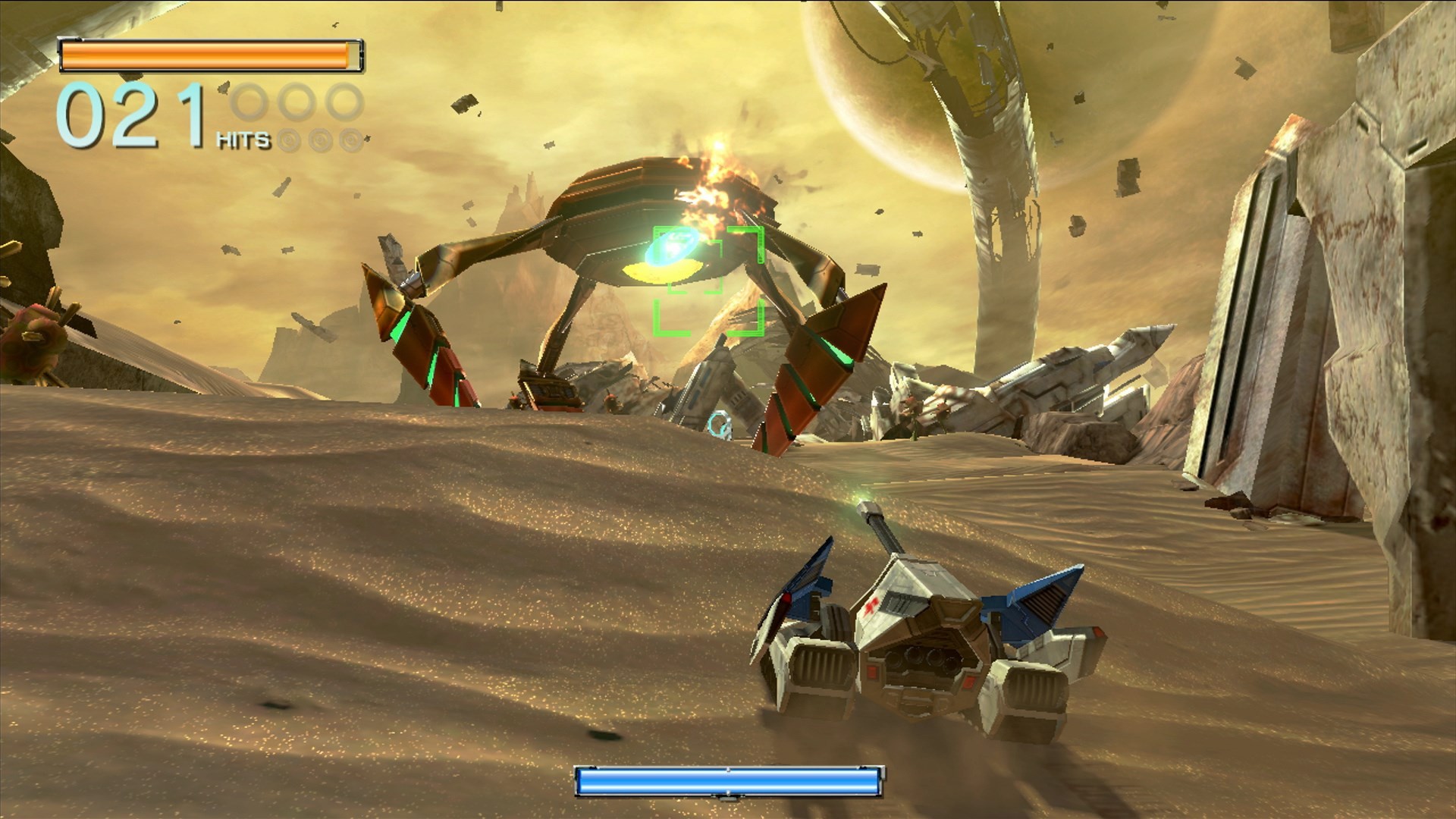
The Landmaster is here! And it’s quickly unanimously agreed upon as the best non-Arwing vehicle. As we roll and hover across the shifting sand, talk turns to what we would’ve liked to see had the upcoming entry not been a remake.
Jon: Panther. George: Panther, of course. No Andross for me. I liked the Anglar Empire and the Aparoids – they felt like a genuine threat. Give us something new. Josh: I liked the different ships in Command. I think individual ships with different abilities would’ve been great. Jon: People think of Fox as being on foot, Adventures-style because that’s what they see of him in Smash, but the game sort of half does that with the Chicken Walker sections and it lacks pacing. The Landmaster feels much better. I would’ve liked full co-op. Each person being one pilot as you go through each level. George: YES!
The Landmaster really does feel great – I’m having a blast absolutely bulldozing everything in its path. And the boss fight is relatively painless, too, battering the not-so-subtle, huge glowing balls of a massive mechanical snake. The bosses are a highlight of this title, even if the weak spots are as obvious as ever.
Image: Nintendo
Head to page two to see how Fox and Falco get on in Sector Y, and beyond…
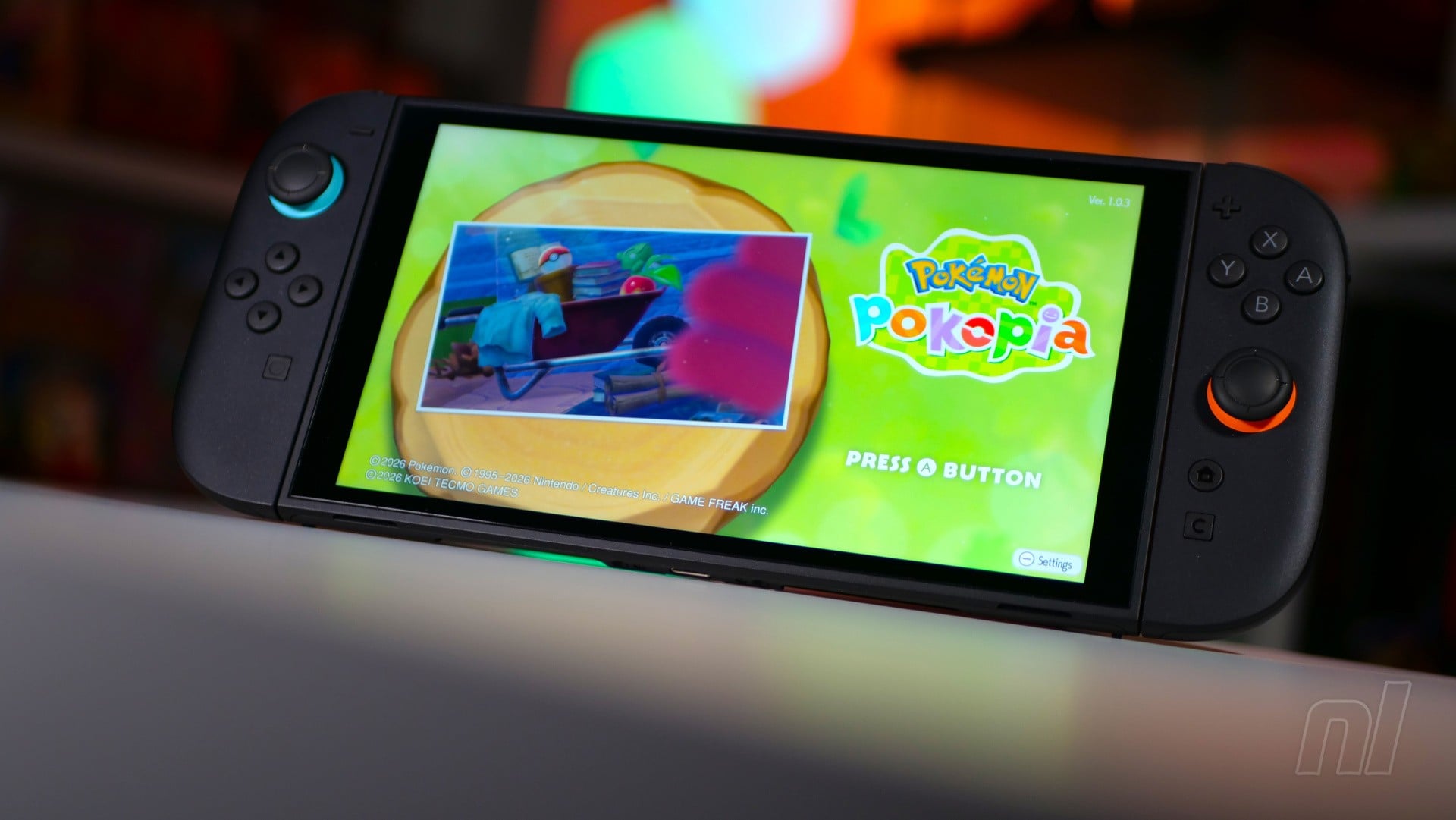
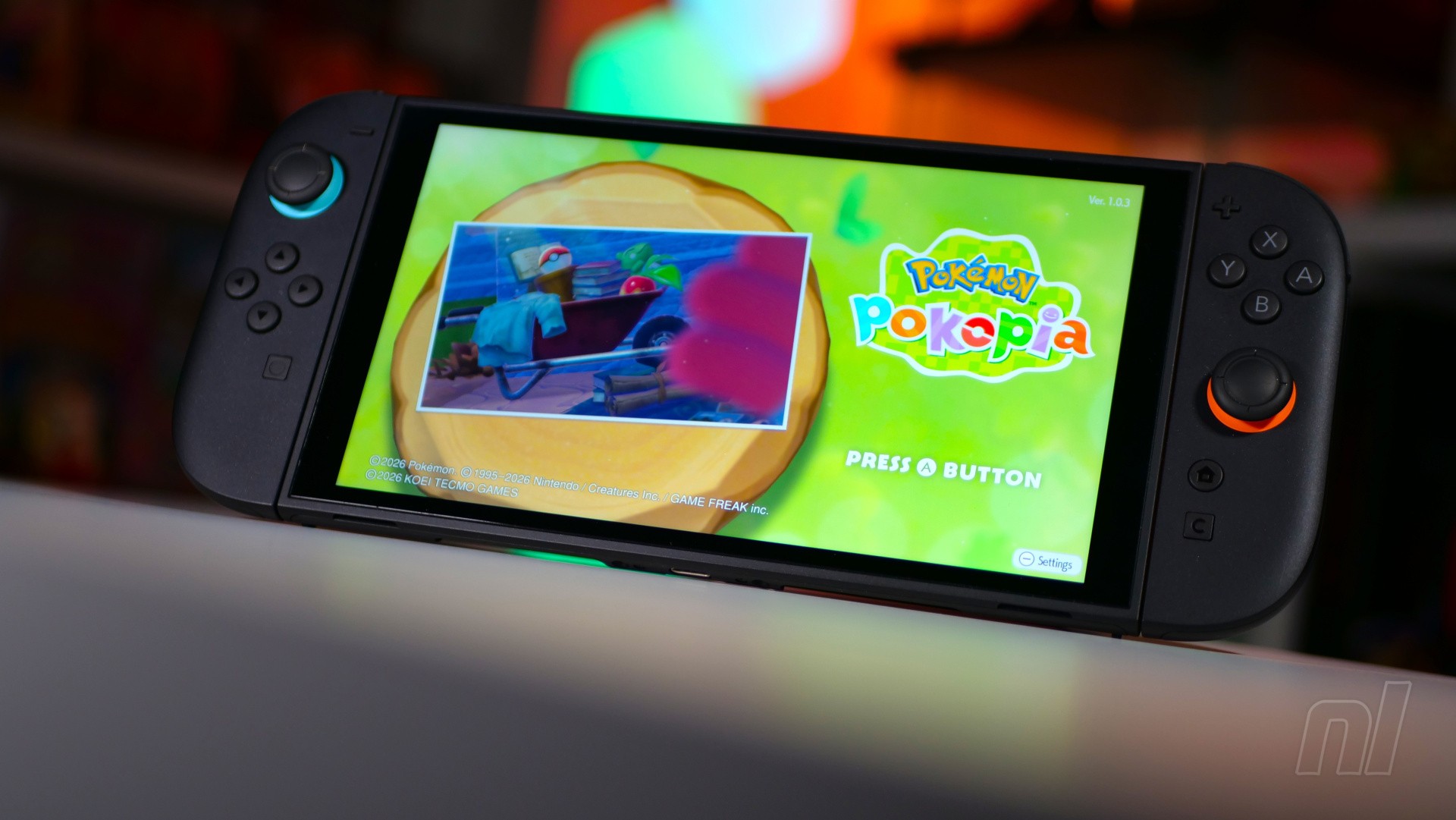
Nintendo has seemingly finally realised just how popular Pokémon Pokopia really is.
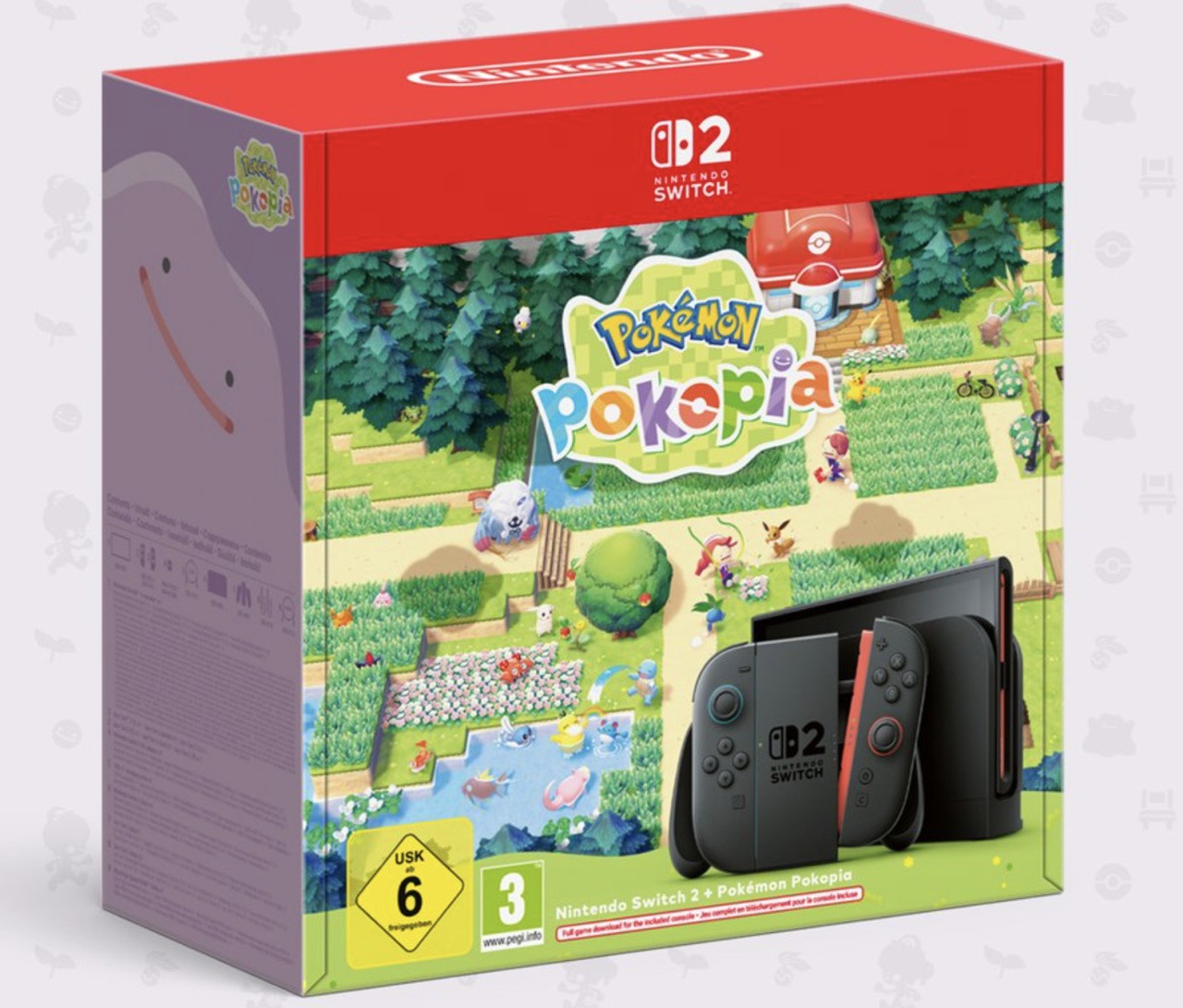
Following in the footsteps of Australia and New Zealand, the company has announced a new Switch 2 bundle for Europe. It contains the console itself along with a download code for Pokopia and is scheduled to launch on 2nd July 2026.
So yeah, this seems to be the go-to bundle for at least the Summer months. Those in North America can also bag a fancy bundle, albeit one that provides the option to choose between Pokémon Pokopia, Mario Kart World, and Donkey Kong Bananza.
Nintendo has still yet to provide concrete details on any price hikes for the Switch 2 in the UK, but those in Europe can expect to pay an extra €30 for the console when the increase comes into effect from 1st September.
Price hikes are also due to occur in North America and Canada, while adjustments have already gone into effect over in Japan. If you’re looking to purchase a Switch 2 and happen to be a fan of Pokémon, this specific bundle might be worth keeping an eye on before the asking price goes up.
Will you be grabbing this new Switch 2 bundle? Would you have preferred a different game? Let us know with a comment.
Square Enix’s HD-2D art style has done wonders for its games. From creating new IPs like Triangle Strategy and Octopath Traveler, to tasteful remakes like the Dragon Quest Erdrick trilogy and Live a Live, the charming presentation has been able to deliver modern gameplay while still invoking a retro feeling.
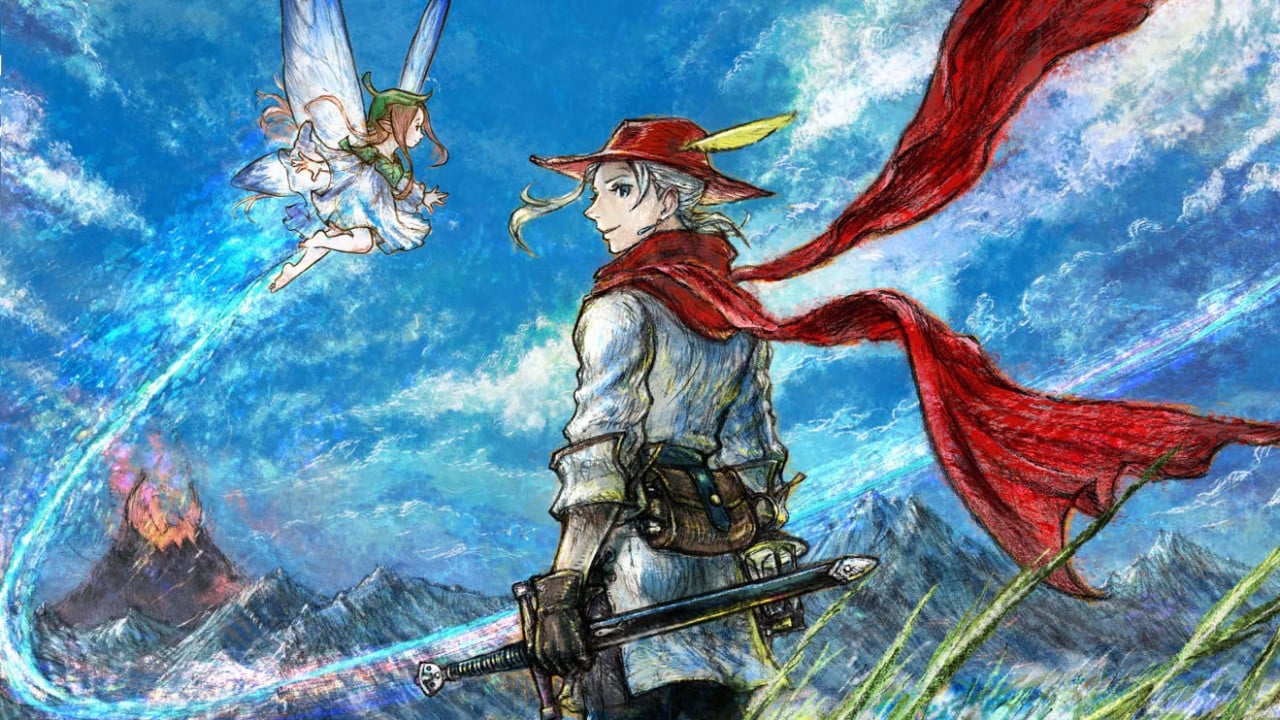
So far, the HD-2D style has been used for only turn-based games, until now. The Adventures of Elliot: The Millennium Tales is the first HD-2D game with real-time action combat. It works surprisingly well, feeling like a mix between Zelda: A Link to the Past and Ys Origins. Fortunately, The Adventures of Elliot manages to establish an identity for itself thanks to its time-spanning story and incredible visuals.
Captured on Nintendo Switch 2 (Docked)
You play as the titular Elliot, an orphan with a knack for adventuring. Beast tribes overrun the land of Philabieldia, and the Kingdom of Huther is protected from them by a magical spell cast by the Princess of Heuria. After discovering the Doorway of Time, he meets a fairy named Faie, and they go on a journey that spans a millennium in order to save Huther from falling.
While the story is your typical ‘save the world’ plot, it manages to stand out thanks to how Elliot’s actions in the past snowball throughout the different time periods he visits, eventually accumulating in his present time, the Age of Safekeeping. It gives a more personable angle to the story. There are multiple endings, but the true ending is particularly memorable, as you experience Elliot’s impact in a well-earned and emotional conclusion.
The gameplay is straightforward, with the hack-and-slash action feeling similar to Square Enix’s Mana series. You have access to seven different weapons to swap between at any time. Where combat lacks in complexity, it’s made up with variety. The sword feels like your standard jack-of-all-trades weapon, while the spear gives you more range. The hammer is slow but powerful, and the scythe chain rewards precision and timing by hitting multiple enemies simultaneously.
Captured on Nintendo Switch 2 (Docked)
Elliot has an impressive arsenal of ranged weapons, too, including a boomerang, bow and arrow, and bombs. You’ll surely find your own preferences between the options, but what I found enjoyable was that each weapon was a viable choice.
Instead of dodging, you’re encouraged to block and parry. I found the parrying window surprisingly forgiving, but not so much so that I still felt satisfaction whenever I pulled it off. Successfully parrying reflects damage back onto enemies, and sometimes stuns them so you can put on even more hurt. It’s important to master your defensive options, too, as enemies hit hard, even on normal difficulty.
Instead of earning experience and levelling up, Elliot’s main form of combat progression is equipping magicite, magical gems that augment and add effects to his weapons. For example, the Shield Repair gem restores his shield stamina by a bit when he lands attacks with his sword, while Immovable Stance strengthens bow shots by 45%, but prevents him from moving while charging attacks. There’s quite an assortment of effects that let you build out Elliot’s kit to your liking. It’s a simple equipment system that’s equally compelling.
Captured on Nintendo Switch 2 (Handheld/Undocked)
Faie can help out, too. While she’s usually autonomous, floating alongside you, she has her own powers, like being able to light herself on fire and cloaking Elliot’s feet with wind so he can sprint. Not only are they useful for traversal, but battle as well. Fire deals extra damage to enemies who touch her, and the sprint lets you quickly run away from incoming attacks.
Because of the game’s fixed camera angle, you’re able to directly control Faie with the right joystick if needed. I really liked that this gives her a sense of agency, as she’s actively helping the hero instead of just meandering around.
The open world is also notably small, but that’s to its benefit. Instead of a lifeless and empty desert like in Metroid Prime 4, each inch of Philabieldia is densely packed with dungeons and caves to explore. They have puzzles to solve, like moving mirrors to reflect beams of light, or changing water levels to get to higher elevation. At the end of each of these dungeons, you’ll often find a prize for reaching the end, such as a max health upgrade or sometimes a new ability for Faie. So you’re always encouraged to explore as much as you can.
Captured on Nintendo Switch 2 (Docked)
Some dungeons require light platforming, as there’s also a dedicated jump button. Whereas in Mina the Hollower, where the jumping and platforming felt smooth, I found them to be quite annoying here. They don’t feel particularly accurate, and it’s frustrating to time jumps on moving platforms since falling into pits inflicts damage. Still, exploration was rewarding and fun.
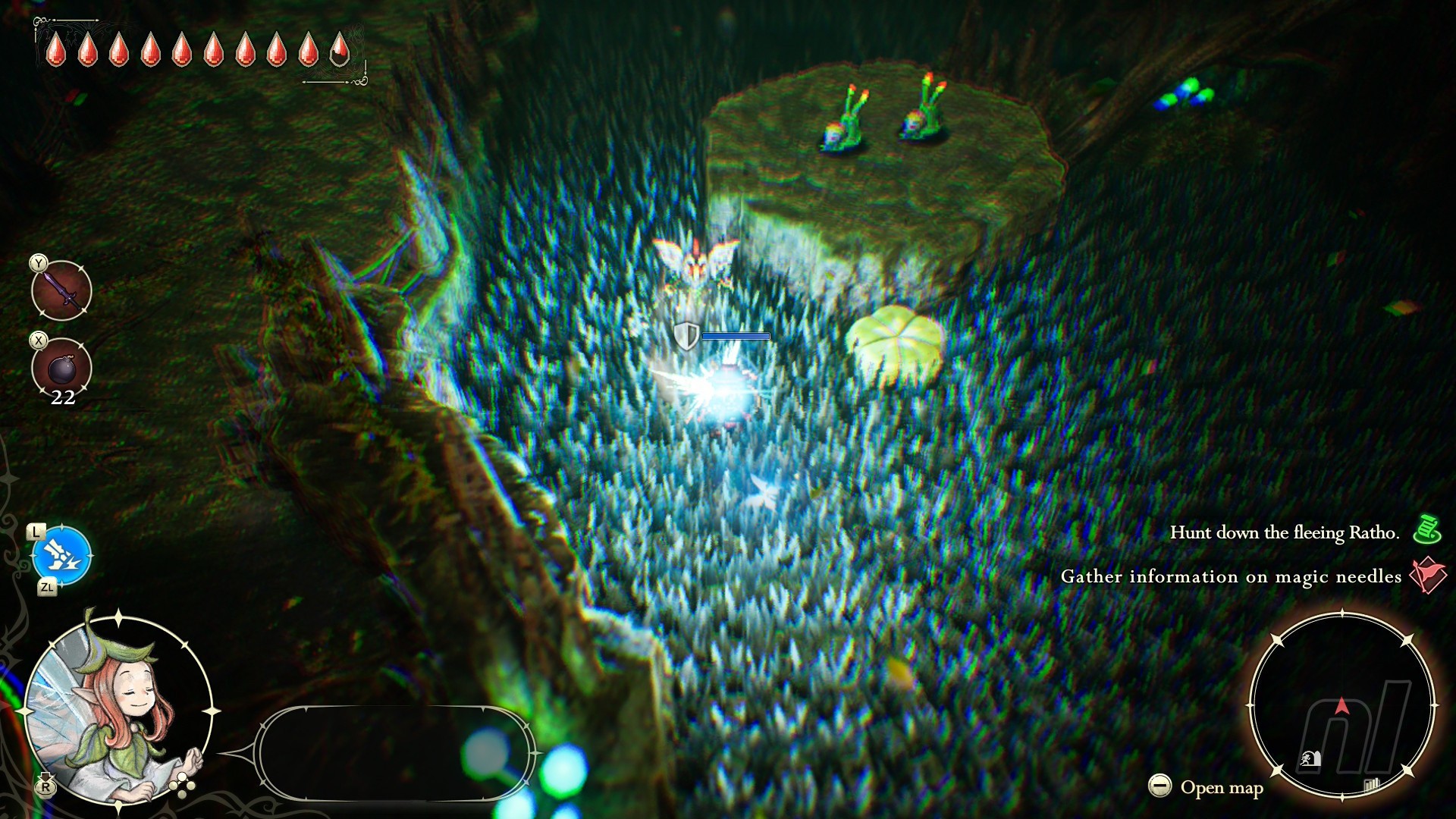
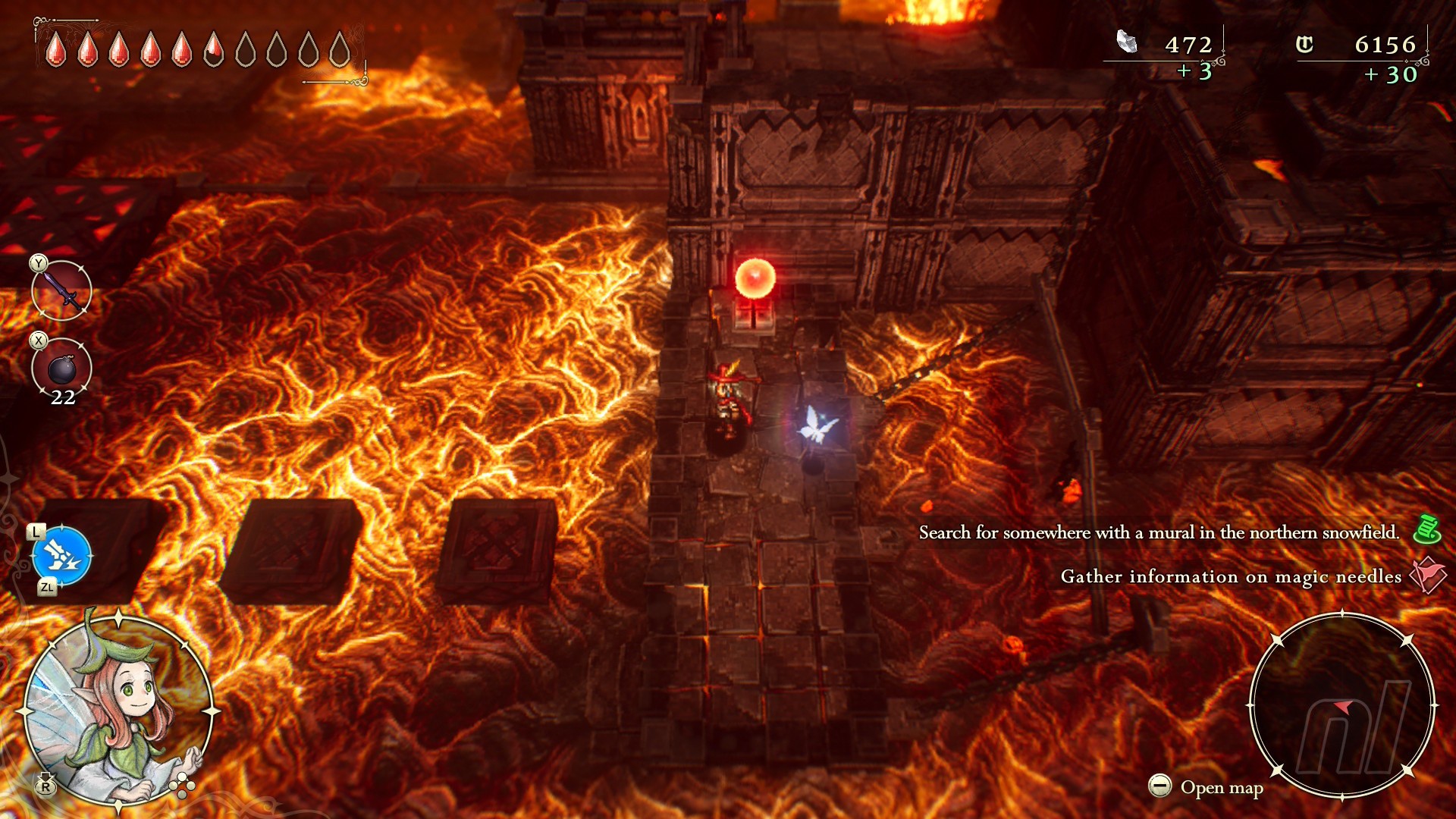
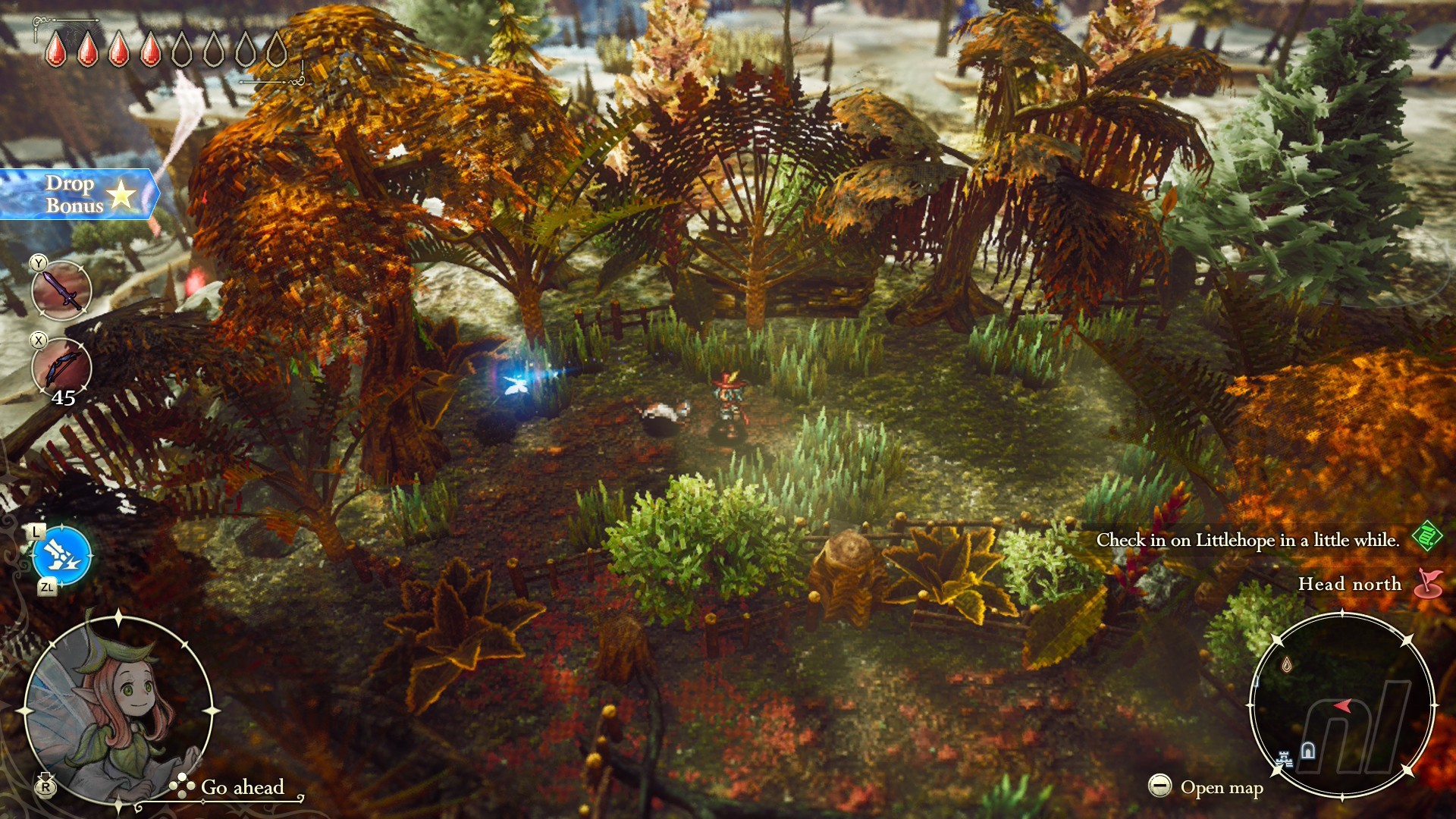
Of course, the HD-2D art direction is absolutely stunning. The environments look exquisite and varied, filled with lava pools, icy tundras, and luscious forests. My personal favourite was the swamp areas, where the lighting refracts off the thick and oily surface, giving them a colourful rainbow sheen.
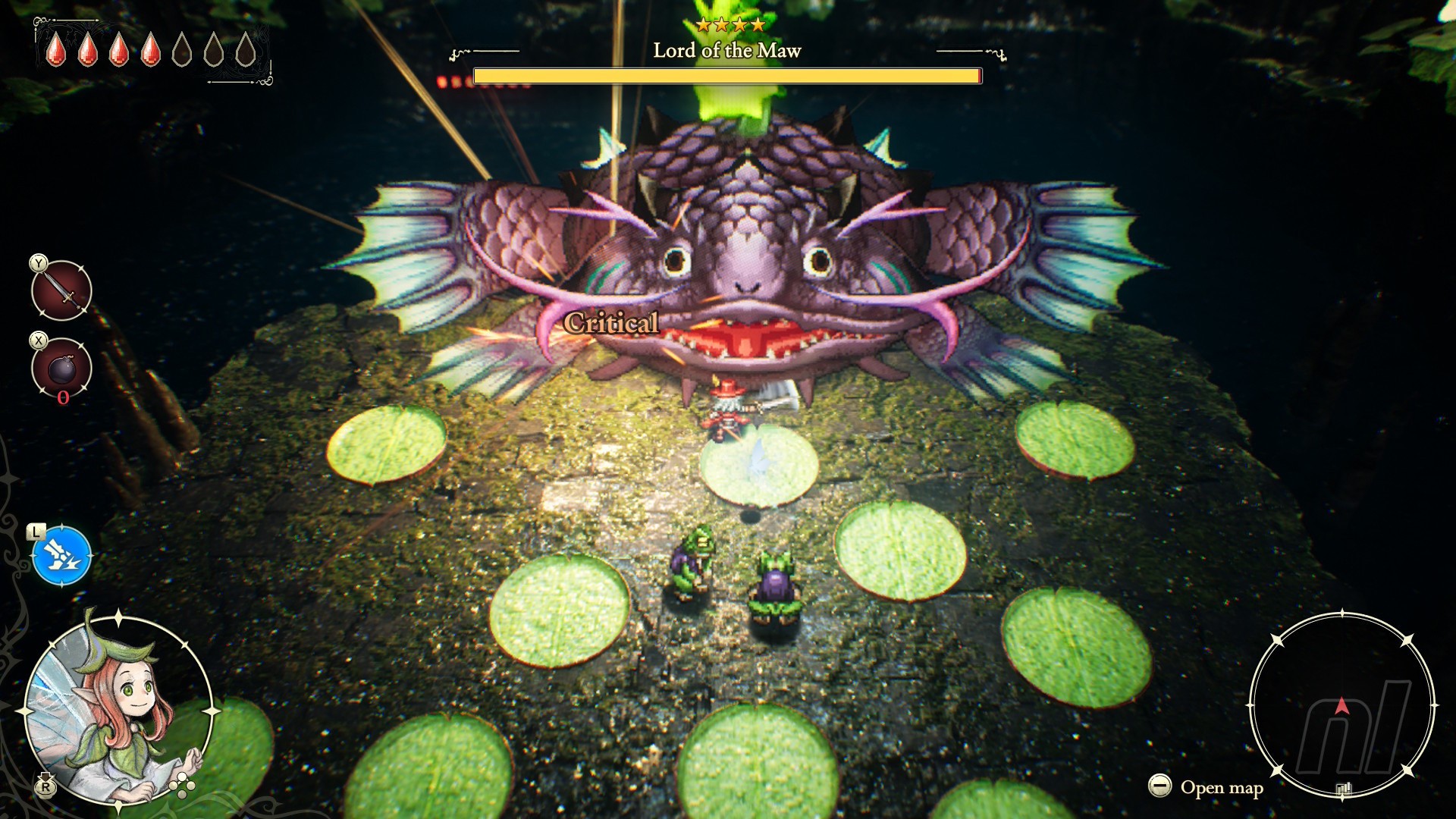
One of the standout parts of the HD-2D aesthetic is that across games like Octopath Traveler and Live A Live, boss sprites are greatly exaggerated and are much larger, providing them a threatening sense of scale and personality. The same is true for the bosses in The Adventures of Elliot. Each fight has unique mechanics to take them down, so not only are the battles a spectacle to behold, but they’re also engaging.
Captured on Nintendo Switch 2 (Docked)
While there’s a diverse array of environments and bosses, the enemy variety is surprisingly low. The same automatons, flying griffins, bugs, and bipedal beasts infest the same areas regardless of which era you’re in. It gets tiring fighting palette swaps of identical enemies after more than 15 to 20 hours in.
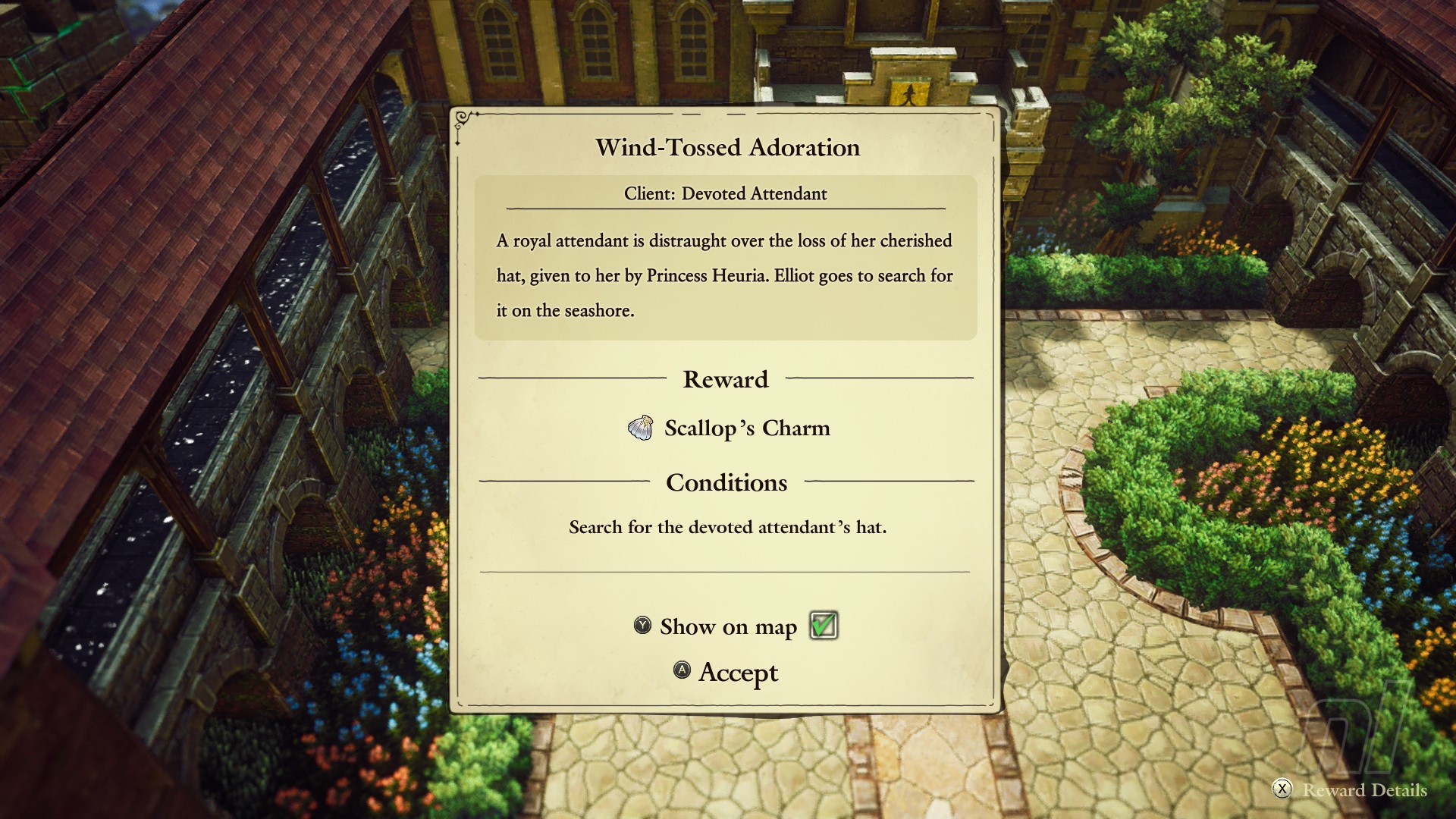
There are also plenty of side missions to tackle. While many of them are simple fetch quests, they usually have some sort of backstory to them to build out Philabieldia’s lore. Eventually, these side missions span across different ages, for example, requiring Elliot to search for a missing item that can’t be found in the current time period but in a past one. It’s a clever way of using the time travel premise to create more involved quests.
They’re always worth spending time to complete, too, as they offer useful rewards like accessories to equip or weapon upgrades. Some examples include the Gather Ring, which makes it easier for Faie to pick up items like currency and magicite shards dropped by enemies, or an extra quiver, which increases the max capacity of arrows.
Captured on Nintendo Switch 2 (Handheld/Undocked)
Unfortunately, performance is lacklustre on Switch 2. Load times are long. Even opening up the world map takes a while. From the time you press the minus button to do so, there’s about a two-second gap before the map pops up. Additionally, there’s noticeable lag when you’re trying to switch between different eras on the map menu, which is genuinely distracting. And that’s in docked mode. In handheld mode, these issues are exacerbated.
Even with performance problems, though, The Adventures of Elliot feels right at home on Switch 2. Gameplay is smooth in both docked and handheld modes. If you can ignore the loading times and lag hiccups, there’s plenty here to keep you immersed in Philabieldia across all its different ages.
Indie developer Powerhoof, who you might remember is behind the wonderful multiplayer title Crawl, is bringing its latest game to the Switch and Switch 2 – and it looks excellent.
The Drifter is a traditional point-and-click adventure with a heavy pixel art visual style and a story that encompasses murder, conspiracy, shadowy corporations, and more. Though it’s coming to both Nintendo platforms, those on Switch 2 can swap between twin-stick controls and a more traditional mouse setup.
The Switch 2 will also feature support for 4K visuals on compatible TVs alongside 120fps performance, so those parallax scrolling backgrounds will look extra smooth.
Over on Steam, the game has received a total of 3,337 reviews with an ‘Overwhelmingly Positive’ consensus. Meanwhile, it’s also bagged a number of awards at the 2025 Australian Game Developer Awards, including Game of the Year, Excellence in Narrative, Excellence in Visual Art, and Excellence in Sound Design.
Here’s a look at the key features:
– A Pulp Adventure Thriller from the minds that brought you Peridium and Crawl.
– An engrossing roller-coaster of a story – Drawing on King, Crichton and Carpenter, with a dash of 70s -Aussie grindhouse.
– Point ‘n Click or Controller – Unique twin-stick controls make The Drifter as comfy to play on the couch as at your PC.
– Bursting with raw crunchy pixel art and high-impact animation.
– Professionally voice acted, with a brooding dark-synth cinematic score.
You can currently pre-order The Drifter on the eShop for £16.75 / £19.99. The price is the same across both consoles, while a free upgrade pack is also available if you want to move from Switch to Switch 2 later down the line.
What are your thoughts on this one? Will you be picking it up? Let us know with a comment down below.
If you’ve ever needed to install Fedora Linux on a headless server, a Raspberry Pi, or any machine without a monitor attached, you’ve probably reached for VNC or RDP. They work – but as the installer moves to a web-based interface, there’s a new opportunity to do something more native to that model. We’re building it, and we want your input before we go too far down a path that’s hard to reverse.
Why This Is Happening
The Anaconda installer’s Web UI first landed in Fedora Linux 42 Workstation and was extended to all Live spins in Fedora Linux 43. It’s a full graphical installer built on Cockpit tooling and using PatternFly widgets. The GUI is rendered in a fullscreen browser window – but until now, that browser had to be running on the same machine you’re installing onto.
Here’s the thing: VNC and RDP were built around the GTK interface. While RDP could technically work with the Web UI too (it operates at the display level), a remote browser is a much better fit – orders of magnitude less data and much lower UI latency. As the Web UI becomes the primary installer interface across Fedora Linux editions, it needs its own native remote access story.
On top of that, there are two more forces pushing in the same direction.
As browsers move toward Flatpak packaging – already the reality for atomic desktops and derivatives like Bazzite – remote installation opens an opportunity for shipping focused, smaller boot images that don’t need to bundle a local browser at all. A lightweight ISO aimed at headless and network install scenarios, where the assumption is that you’re connecting from another machine.
And once you have a browser-rendered installer, serving it to a remote browser is the natural next step anyway. A headless ARM SBC doesn’t need to run a GPU-accelerated browser locally just to show you a disk partitioning screen. Your laptop can do that for it.
What It Actually Is
The concept is pretty straightforward: Anaconda’s Web UI, already built on Cockpit, gets served over HTTPS. You point a browser at the machine you’re installing, authenticate with a PIN, and you’re controlling the installation remotely. No VNC client, no RDP client, no X forwarding. Just a browser.
If you’ve used Cockpit to manage a server, you already have a feel for the experience. The difference is that the machine you’re connecting to is mid-install, not running a full OS.
Use Cases
The ones we’ve talked through most:
Headless servers – You’re installing onto a server in a rack with no attached display. You expose the Web UI over the network and control everything from your workstation.
Lightweight ARM SBCs – Devices like Raspberry Pi have limited resources. With remote rendering, the Pi just runs the installer backend; all the UI rendering happens on whatever machine you’re connecting from.
Remote monitoring – Even if you’re not fully headless, being able to watch an installation from another machine is genuinely useful. Kick off a server install, go make coffee, check progress from your laptop.
The Design Decisions So Far
We’ve had some meaty discussions about how this should work, and a few things are now settled.
Authentication: You set a PIN through kickstart or boot options, and type it into the browser login page. Same pattern as VNC and RDP – the user provides the password, not the system.
TLS with self-signed certificates: The connection is encrypted, but the certificate is generated on the fly at boot. That means your browser will show the “this certificate isn’t trusted” warning. We’ve accepted this tradeoff – shipping a private key on installation media is a security risk, and the IP address isn’t known ahead of time, so standard PKI doesn’t really apply. For environments that need proper certificates (say, a university deploying at scale), Image Builder is likely the right path to embed custom certs. That’s a later problem.
Single connection only: Only one browser session can connect at a time. Two concurrent sessions could genuinely conflict – one session starting installation while another changes the storage configuration. So: one connection, full stop.
Reconnection behavior: If you disconnect and reconnect, what happens depends on where the installation was. Before the review screen – the point of no return – you start from step one. After the review screen (installation actually running), you land on the progress view. Simple two-state model, covers the critical cases.
Config isolation and port: All Cockpit configuration specific to remote installation lives in /etc/anaconda/cockpit/, not the default Cockpit paths – otherwise the config could leak into the installed system. We’re leaning toward port 443 by default so you can just point your browser at the machine’s IP without specifying a port, but the port will also be configurable.
How This Compares to VNC and RDP
VNC has been around in Anaconda for years; RDP support was added more recently. Both work by screen-sharing the GTK interface. Technically, RDP could work with the Web UI too – it operates at the display level, scraping pixels from the screen. But a remote browser is simply better: you send orders of magnitude less data and get much lower UI latency compared to streaming a full desktop.
Beyond performance, there are practical advantages. No client is required – any modern browser works. No VNC viewer to install, no RDP client to configure, no protocol quirks across platforms. And it’s the same Web UI we’re already actively developing, so features and fixes automatically benefit the remote experience. With VNC or RDP, you’re screen-sharing a separate GTK codebase – a separate maintenance burden.
VNC and RDP aren’t going away for now – they still work with the GTK legacy interface. But as the Web UI becomes the default across more Fedora Linux editions, browser-based remote access is where the investment goes.
Where We Are Right Now
This is a developer preview. Here’s what’s working:
Custom login page with PIN-based authentication
Separate socket-activated systemd unit for auth (clean separation from the main Cockpit process)
Session cookies that survive tab closes, require re-login on browser close
Cockpit config in an isolated, anaconda-owned path
Here’s what’s still open:
Single-connection enforcement (this will likely require close collaboration with the Cockpit team)
Backend detection of whether installation is already running (this is needed for proper reconnection behavior)
If you want to see the PoC in action, there’s a draft PR at rhinstaller/anaconda-webui#1274 with the authentication setup – custom login page, pin-based auth script, socket-activated systemd units, and the Cockpit config override. To try it yourself, clone the PR branch, build an updates image, and boot it with virt-install:
This is a proof of concept, not production-ready code. The PIN is hardcoded to 1234, there’s no TLS, and single-connection enforcement isn’t in place yet. Don’t use this for real installations – it’s meant to show the direction and let you poke at the approach. Once the installer boots, point a browser at the VM’s IP and enter 1234 on the login page. It’s rough, but it runs.
What We Want to Hear From You
We’re sharing this now because some of these decisions are hard to unwind once the feature ships, and community input is more useful now than after the fact. A few things we’re genuinely thinking about:
Remote installation is opt-in – you enable it through boot options or kickstart. But here’s a question we’re genuinely considering: should we ship a lightweight boot ISO without a local browser, with remote installation enabled by default? A minimal image aimed at headless and network install scenarios, where the assumption is that you’re connecting from another machine. Would that be useful to you? And if you’re using VNC or RDP for remote installation today, would this replace them? What would it need to do that it doesn’t yet?