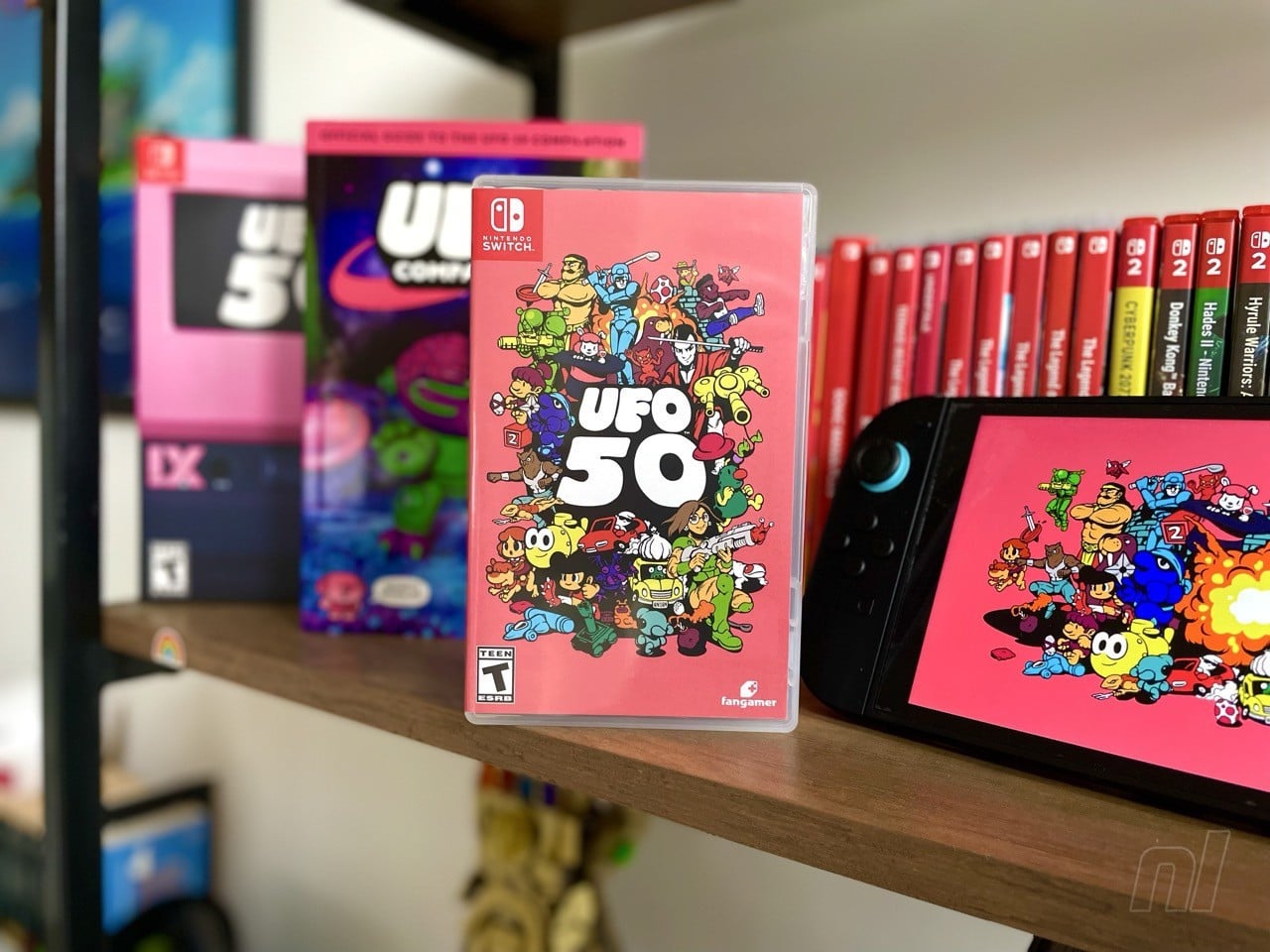
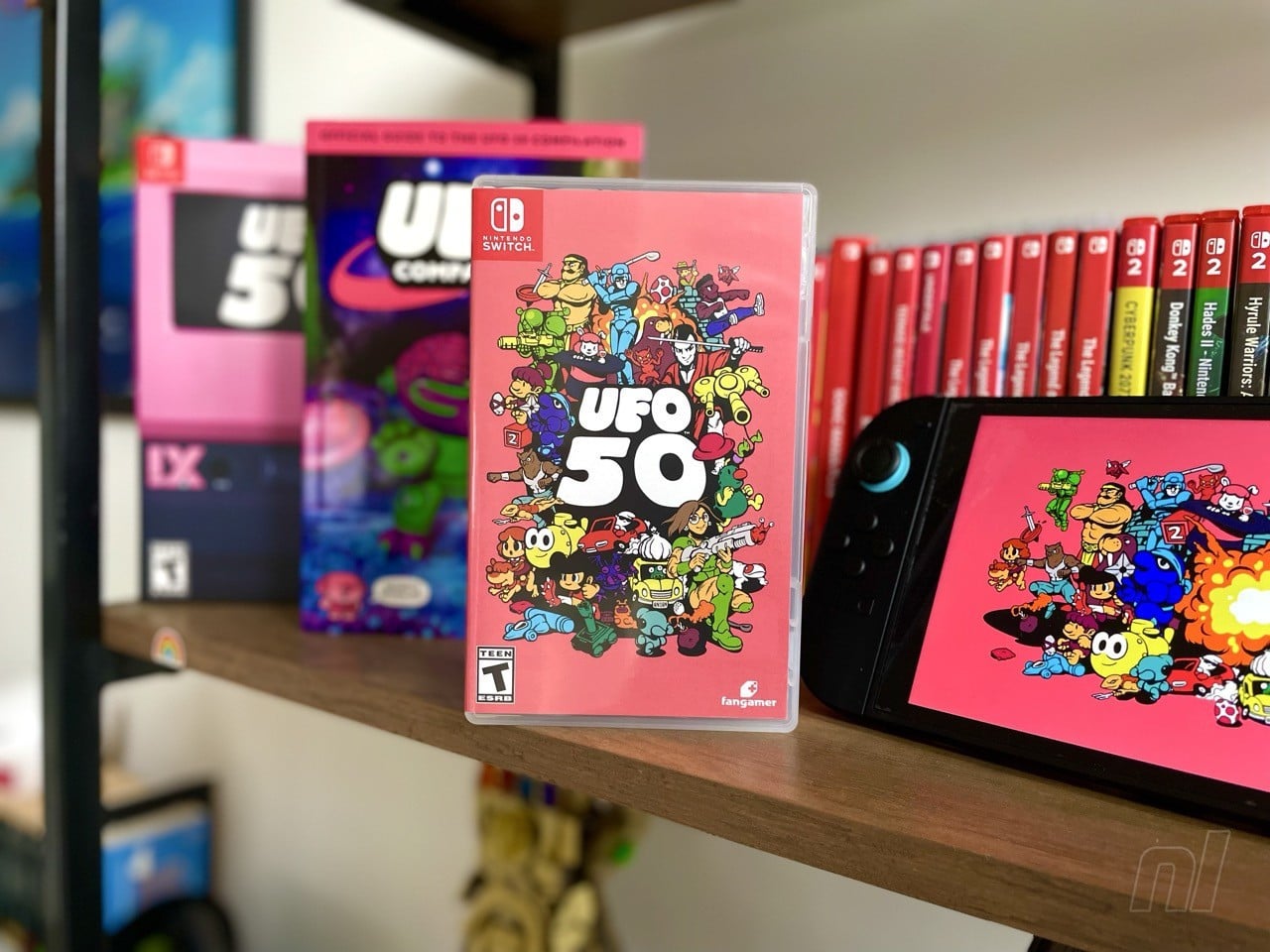
Mossmouth’s excellent retro compilation UFO 50 was one of our games of the year when it finally arrived on Switch back in August 2025. The 50 games of the fictional LX system have gobbled up hours (and hours) of our time in the months since, and just when we thought we were free from its clutches, Fangamer had to go and drag us in all over again.
You see, the outlet recently launched the UFO 50 ‘Deluxe Edition’, a long-awaited physical release for Switch which, alongside a boxed copy of the game, throws in a bunch of tie-in merchandise to boot.
However, the Deluxe Edition extras aren’t your usual ‘Collector’s Edition’ paraphernalia of trading cards and pin badges, waiting to be lost in an office drawer within weeks of opening. No, UFO 50’s bonus goodies are every bit as nostalgia-inducing as you would hope.
The good folk over at Fangamer were kind enough to send us a copy of this very Deluxe Edition, and we thought it only right to show you lovely folks some of the goodies contained within.
So, join us on this unboxing tour! We’ll start with the DE box itself, which is modelled on the game’s LX home console, for a touch of world-building right from the jump.
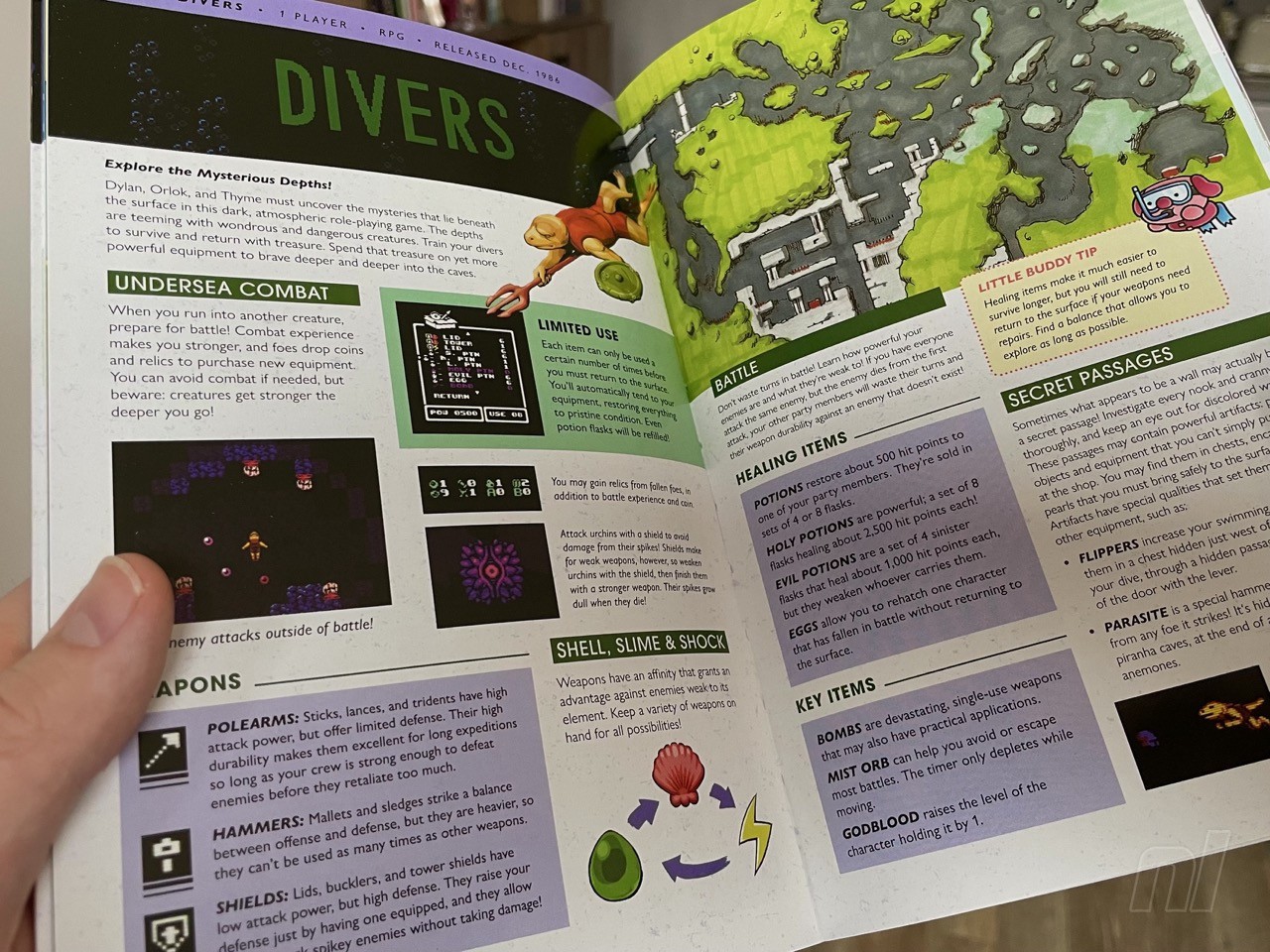
Aside from the physical copy itself (more on that in just a second), the pièce de résistance of this release is the ‘UFO Companion’, an official, 116-page guide to the collection, packed with tutorials and secrets for each and every game.
Like the in-game menus and reference materials, everything in here is entirely dedicated to the bit. There’s no tongue-in-cheek ‘we know this console isn’t actually real’ winking to be found in here. If historians stumbled across this book hundreds of years from now, they’d assume it was a real guide for real games from the ’80s — albeit one in phenomenally good condition, god bless modern printing.
Image: Jim Norman / Nintendo Life
If it’s even more world-building you’re after, the bundle also throws in physical copies of one of the game’s ‘design documents’, an excerpt of the LX Star Newsletter (mentioned briefly in-game), a promo poster for the console itself, and a paper copy of the Bug Hunter disk.
Fangamer has kept the contents of both the design doc and newsletter a secret online, and since both contain details that not everyone is going to want to see, we’ve adopted a similar approach in the pictures below. Nothing’s getting spoiled on our watch!
Then we have the main event: the physical case. It’s quite the looker, we’re sure you’ll agree, but the real kicker here is a reversiblecover, featuring the LX staple, Barbuta. This flip-side even features authentic ‘crease’ marks printed on the reverse to really up the nostalgia. Talk about attention to detail, eh?
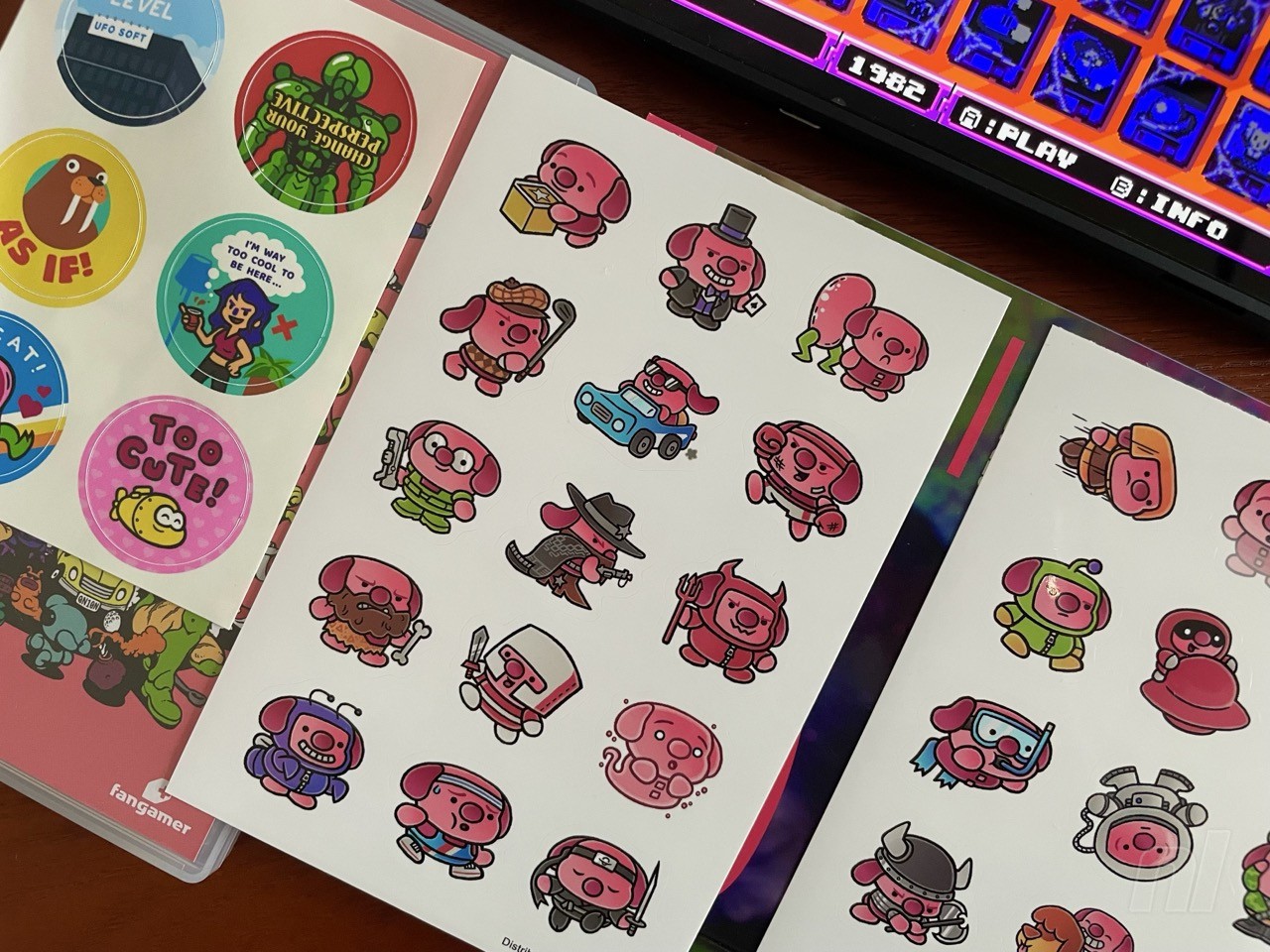
And finally, what kind of self-respecting Deluxe Edition would launch without a boatload of stickers? UFO 50 is no exception, of course. Aside from individual stickers for each of the compilation games (perfect for marking your progress in the guide), the release also comes with the following adorable sets.
Image: Jim Norman / Nintendo Life
There you have it! It’s quite the collection, no? The UFO 50 Deluxe Edition is now available on the North American Fangamer website for $59. Alternatively, you can pick up both the standard physical release and the Companion Guide separately on the European store for €39/€26, respectively.
Our thanks to Fangamer for sending a copy of the UFO 50 Deluxe Edition!
Have you picked up a copy of your own? Let us know in the comments.
Level-5 has returned to the livestreamed showcase scene with its first ‘Vision’ showcase of 2026, providing an updated look at all the titles it is currently working on.
Overall, the details were kept pretty vague in this one — more than a few games had a noncommittal “in development” label attached rather than a release date — but given how many delays the studio has seen in recent years, we’re not all that surprised with the approach.
Below, we’ve collected together every announcement from the Vision 2026 April showcase, and attached all the info you’ll need to know what’s going on in the world of Level-5. Let’s get into it, shall we?
Level-5 Vision 2026 April Showcase – Full Stream
If you want to check out the full presentation before diving into the individual details, you’ll find it below. We’ve linked it to start at the 4:53 mark, so you don’t need to sit through the livestream preamble.
Every Switch Announcement
Here’s every announcement from the presentation in the order they were made…
Pufflings: Journey Through a Fantasy World (Mobile) – Winter 2026
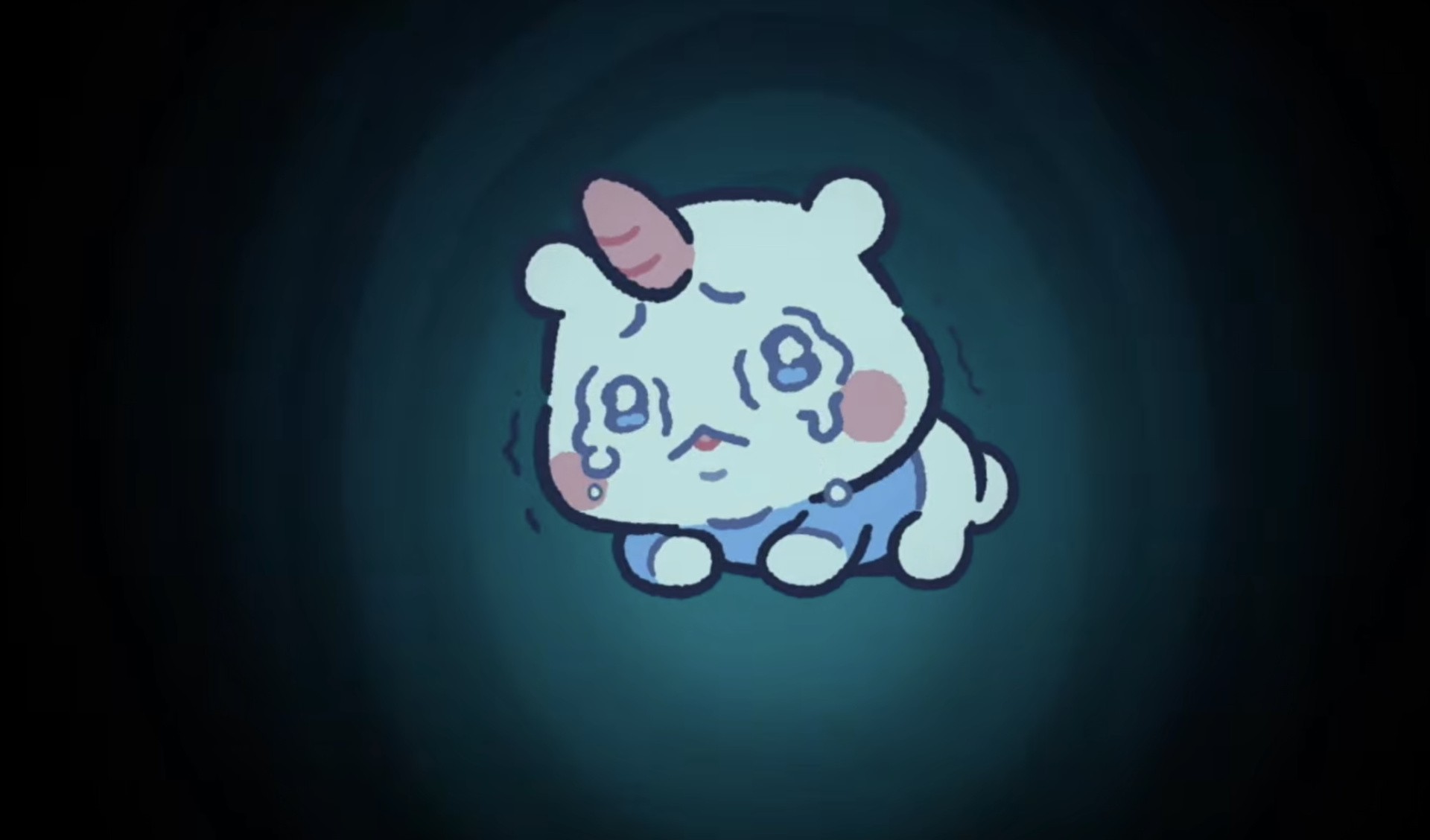
Yo-kai Watch Series: The Great Detective Nekomata (Mobile) – TBA
A sequel to Yo-kai Watch: Wibble Wobble, The Great Detective Nekomata looks part Yo-kai and part Detective Pikachu, as a deceased cat is thrust back into the world of the living to help solve crimes.
Now there’s a sentence we didn’t expect to write today…
Fantasy Life i: The Girl Who Steals Time (Mobile) – Summer 2026
This mobile version of last year’s Fantasy Life i: The Girl Who Steals Time features full cross-save and cross-play support, so you can continue all your Switch (2) progress on mobile, and team up with other console players to take on dungeons.
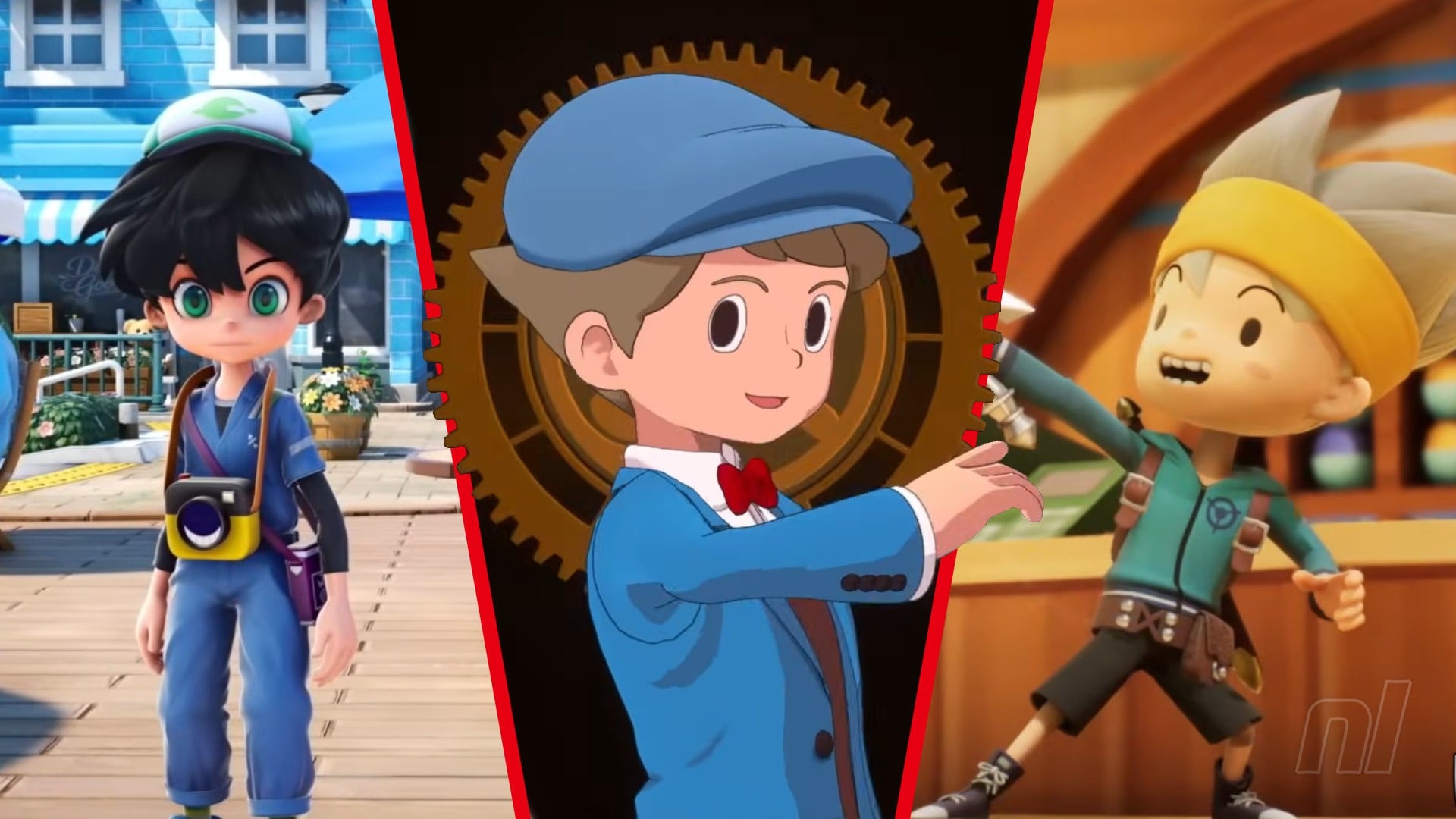
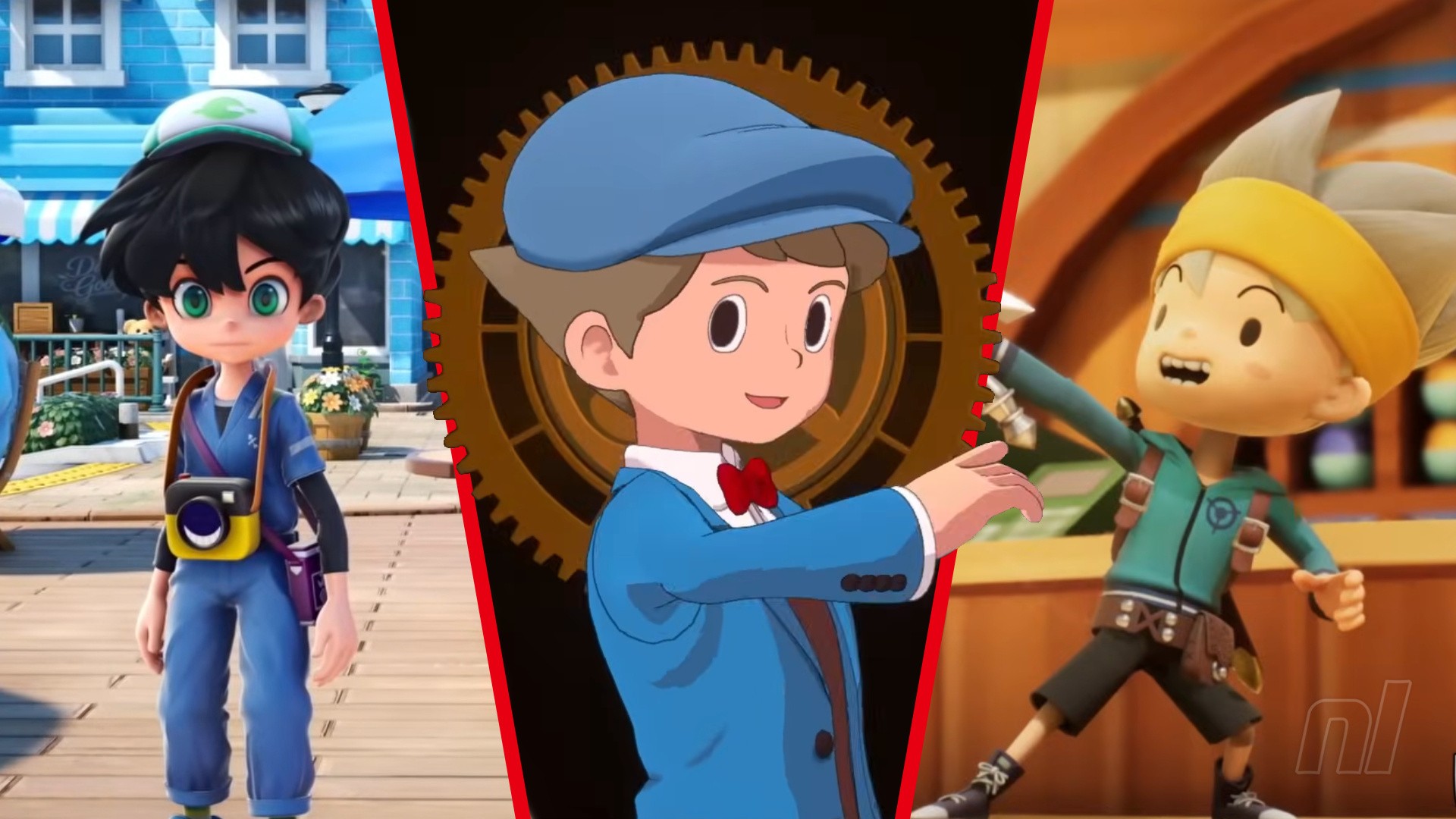
Snack World: Reloaded (Switch 2) – TBA
The 2017 RPG (or its 2020 Switch version) is getting a remake on Switch 2 in the shape of Snack World: Reloaded, complete with new visuals and storylines.
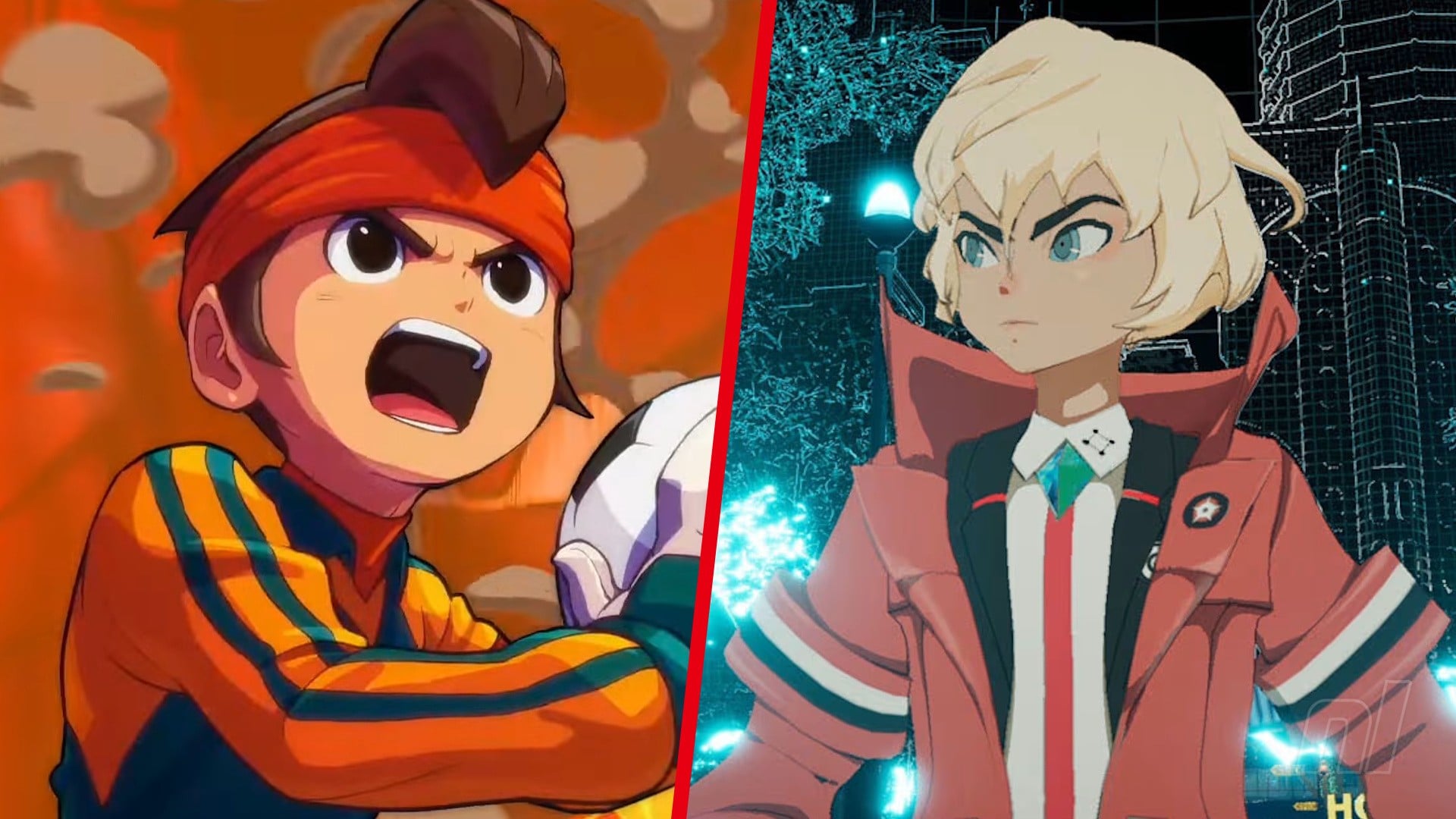
Inazuma Eleven RE, DECAPOLICE and Holy Horror Mansion were announced at various points over the last few years and, well, they’re still in development. Perhaps not the most concrete news (we barely got a glimpse of the first two), but at least there’s some new Holy Horror gameplay.
Inazuma Eleven: Cross (Mobile) – June 2026
Another day, another Japan-exclusive Inazuma Eleven mobile title. Will this one come West? Probably not.
Hey, if you happen to find yourself in the region, pre-registration opens today!
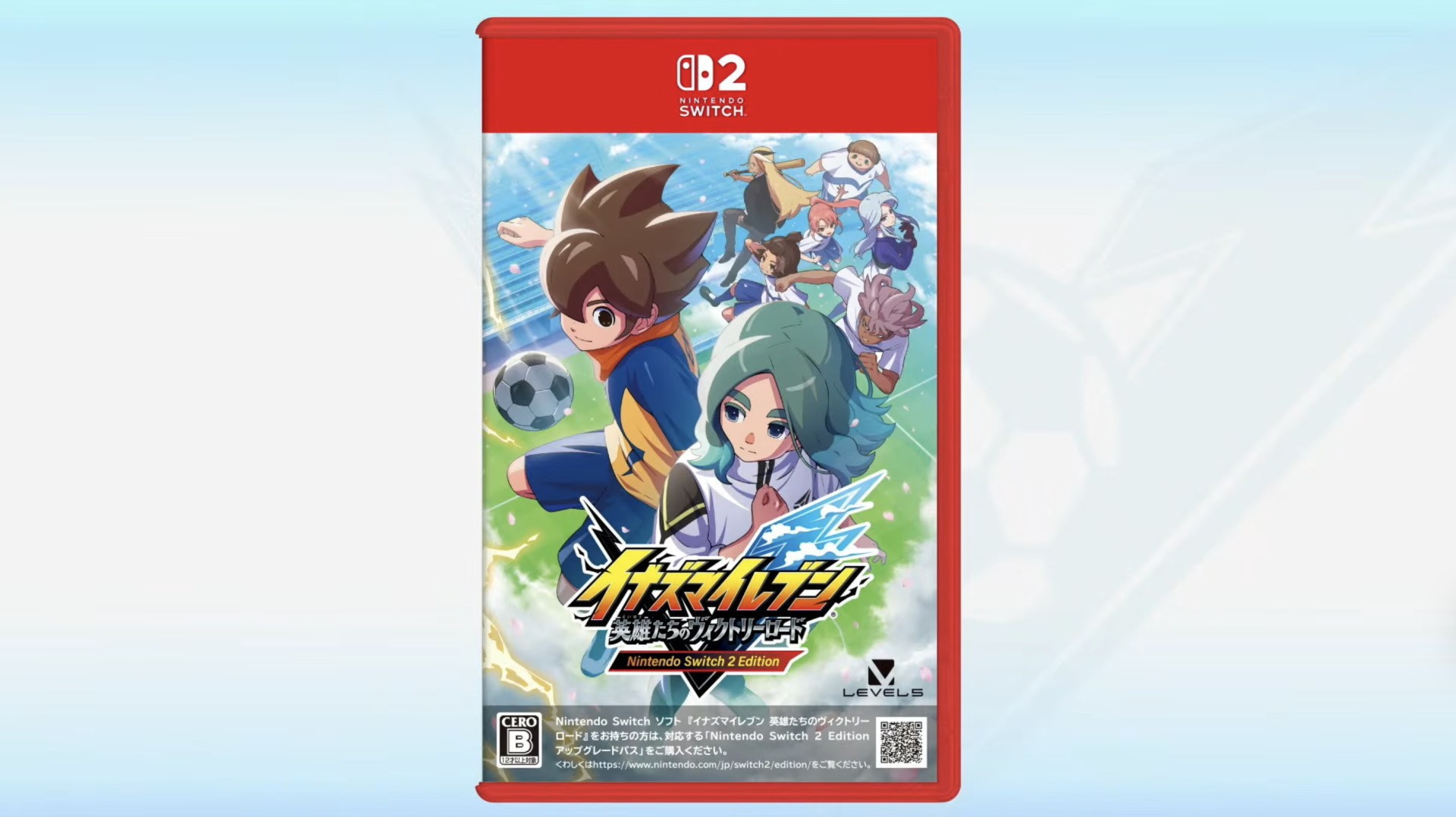
Yes, that’s right, after a stellar launch year, Inazuma Eleven: Victory Road is scoring a Switch 2 physical (in Japan, at least). The physical includes all updates up to and including the Rising Bond DLC and will launch in Japan on 11th June.
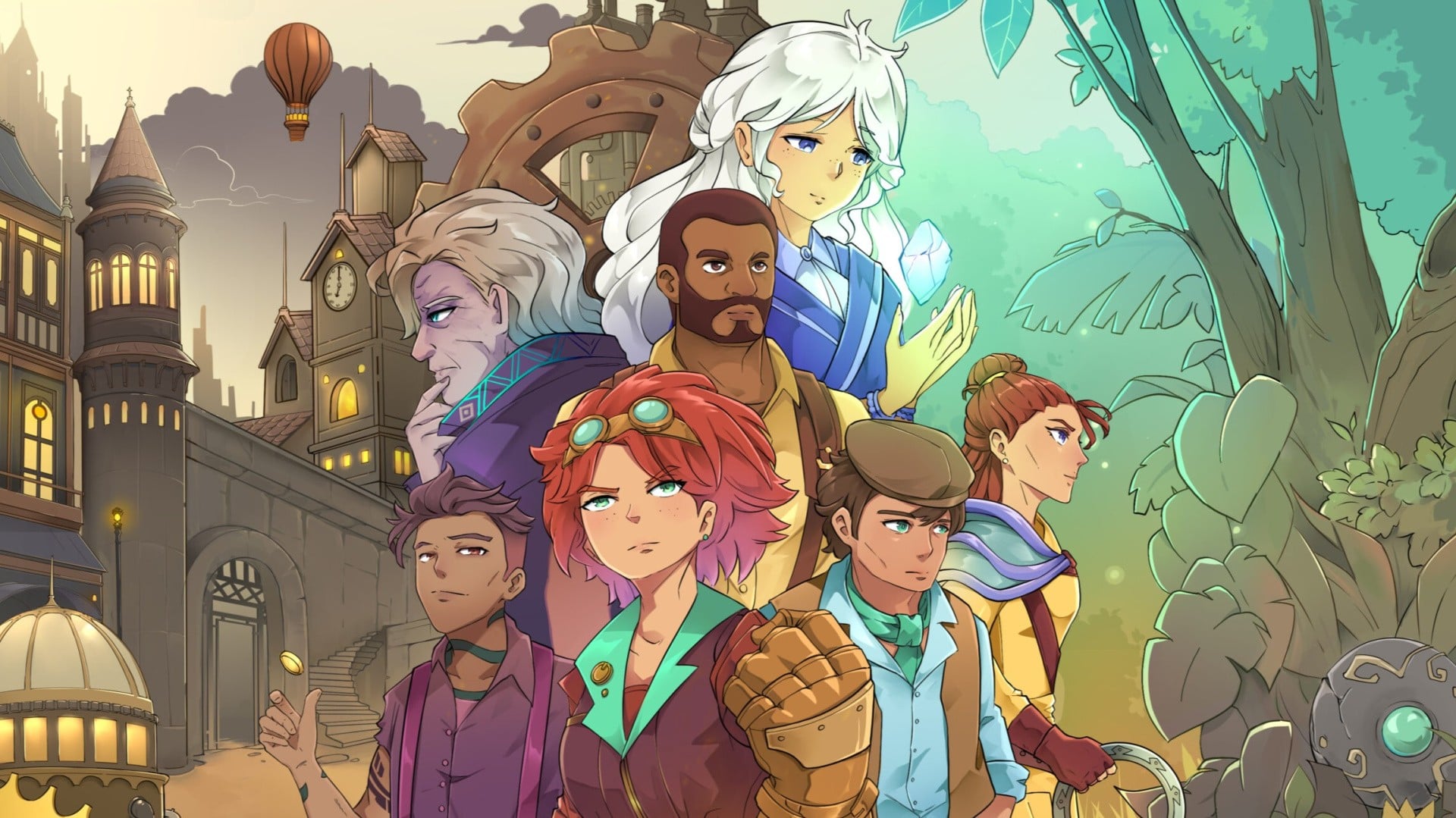
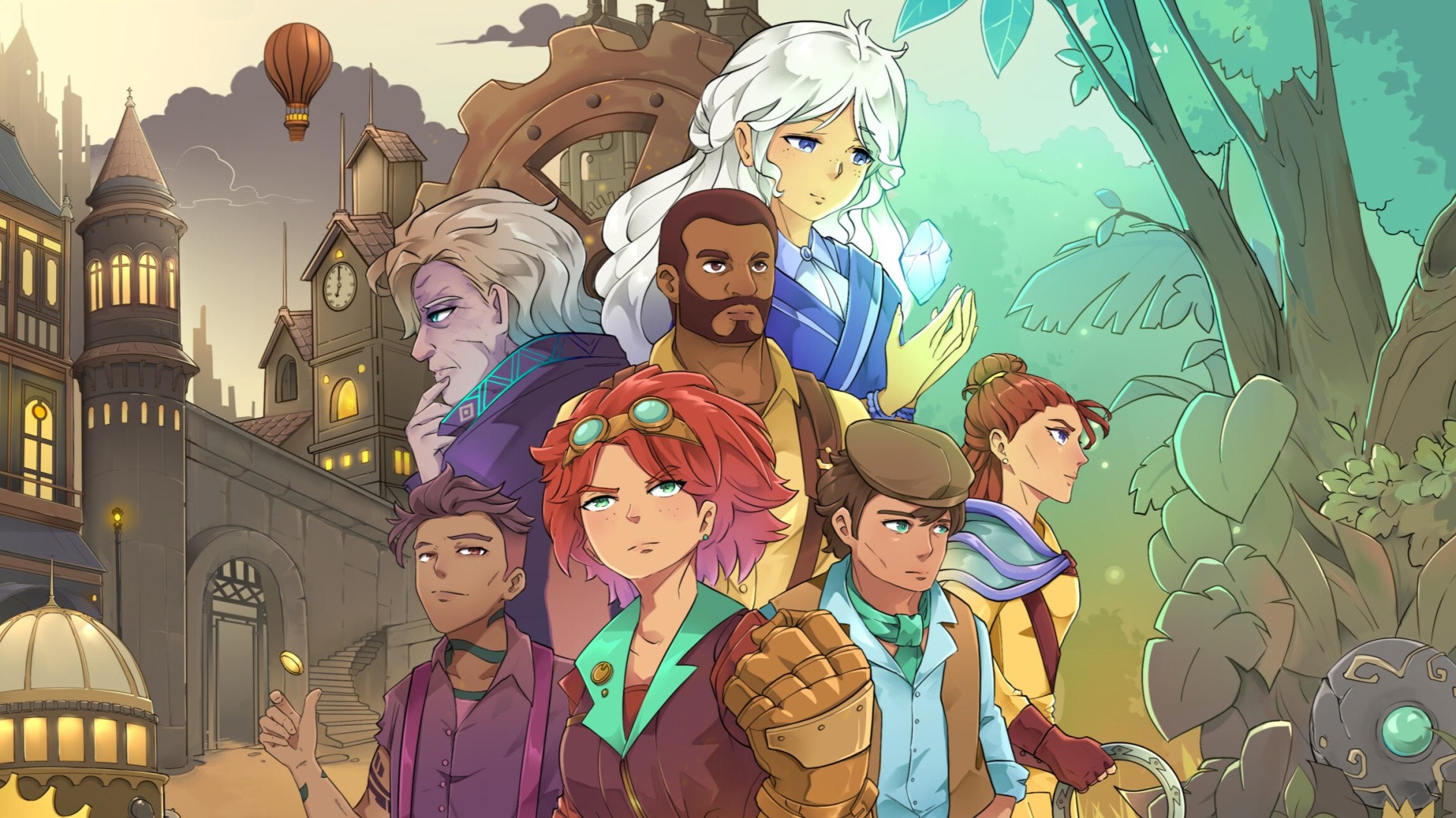
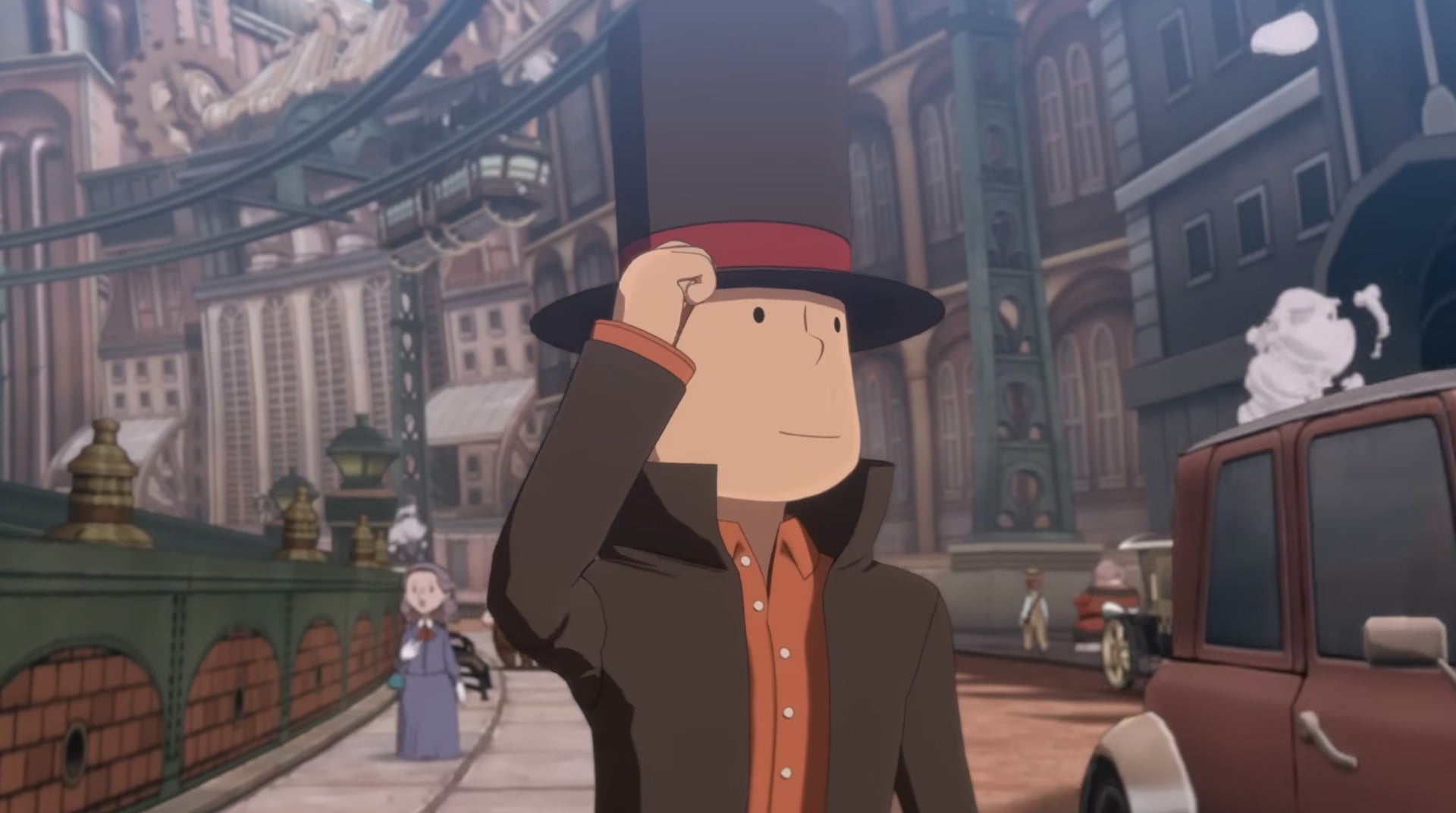
Professor Layton and the New World of Steam (Switch 1&2) – 2026
The new trailer introduced us to a bunch of Steam Bison residents that Layton and Luke will meet in the upcoming title, showcasing a little more gameplay and revealing that legendary composer Joe Hisaishi is behind the new theme.
The Japanese voice cast has now finished recording, and Level-5 has released a special Q&A with them, discussing their work on The New World of Steam and the series at large.
Which title from the Vision 2026 April showcase are you looking forward to the most? You can let us know in the following poll, then take to the comments to share your thoughts on the presentation as a whole.
Which Level-5 Vision 2026 game are you the most excited for? (915 votes)
Puffings: Journey Through a Fantasy World (Mobile)0.1%
Yo-kai Watch Series: The Great Detective Nekomata (Mobile)3%
Fantasy Life i: The Girl Who Steals Time (Mobile)2%
Snack World: Reloaded (Switch 2)4%
Inazuma Eleven RE (Switch 2)2%
DECAPOLICE (Switch 2)11%
Holy Horror Mansion (Switch 2)5%
Inazuma Eleven: Cross (Mobile)0.3%
Professor Layton and The New World of Steam (Switch 2)71%
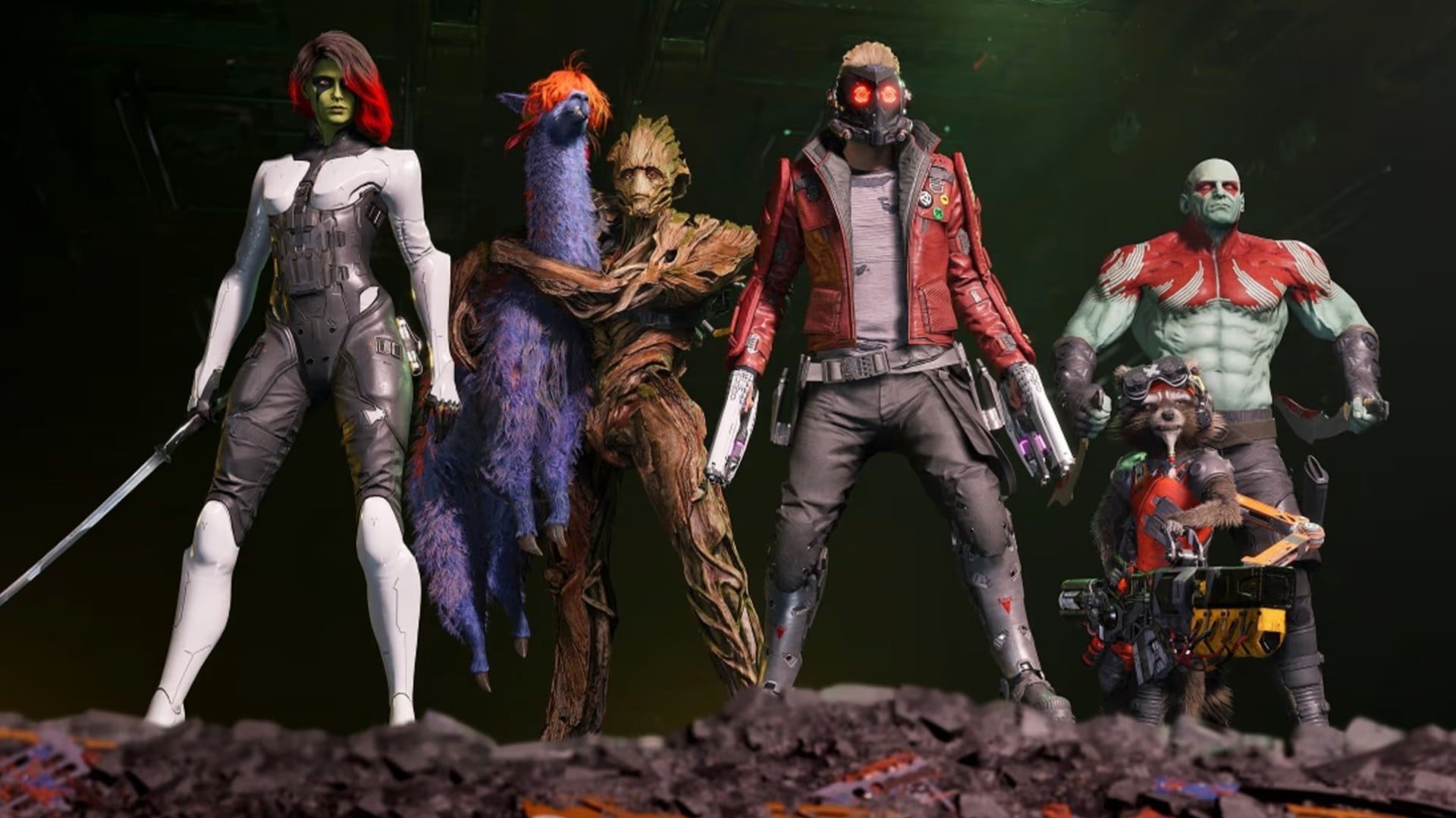
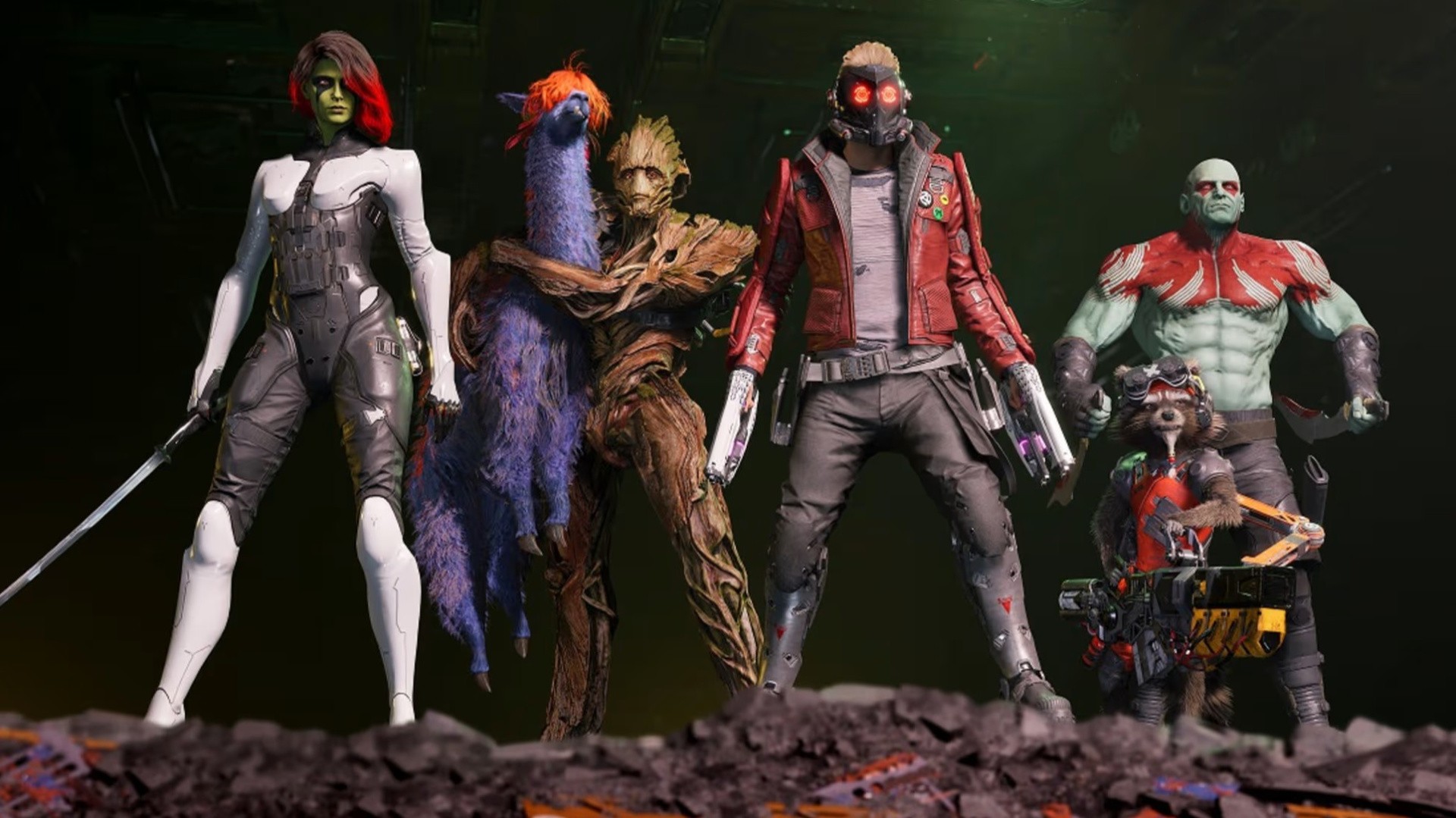
We’ve been hoping to see more Switch 1 games lumbered with the Cloud Version label ditch that format and make the jump to Switch 2. And it looks like Marvel’s Guardians of the Galaxy might be the next one to come.
Eidos Montreal’s action game came out back in 2021, and while it was extremely warmly received on other platforms, the game was a bit of a mess on Switch because of its Cloud Version shackles.
Now, the link to the ratings board doesn’t technically work, but you can view a screenshot taken by u/venom_daemon via the link below:
So, if this rating is true, that’d hopefully mean Guardians of the Galaxy will be getting a true “native” version on a Nintendo system for the first time. As it rightfully deserves.
Hitman: World of Assassination, Resident Evil 7, and Resident Evil 8 are a handful of games that have shedded their Cloud Version labels in favour of improved, native Switch 2 ports. So we hope these beloved Marvel heroes can make the jump, too.
We certainly don’t recommend the Switch 1 version as it is now, so if you’ve been holding off on the game until a better handheld version comes to light, we can at least point you towards our sister site Push Square’s review so you get a good idea of what the game is like on PS5.
Do you want to see Guardians of the Galaxy on Switch 2? Let us know in the comments.
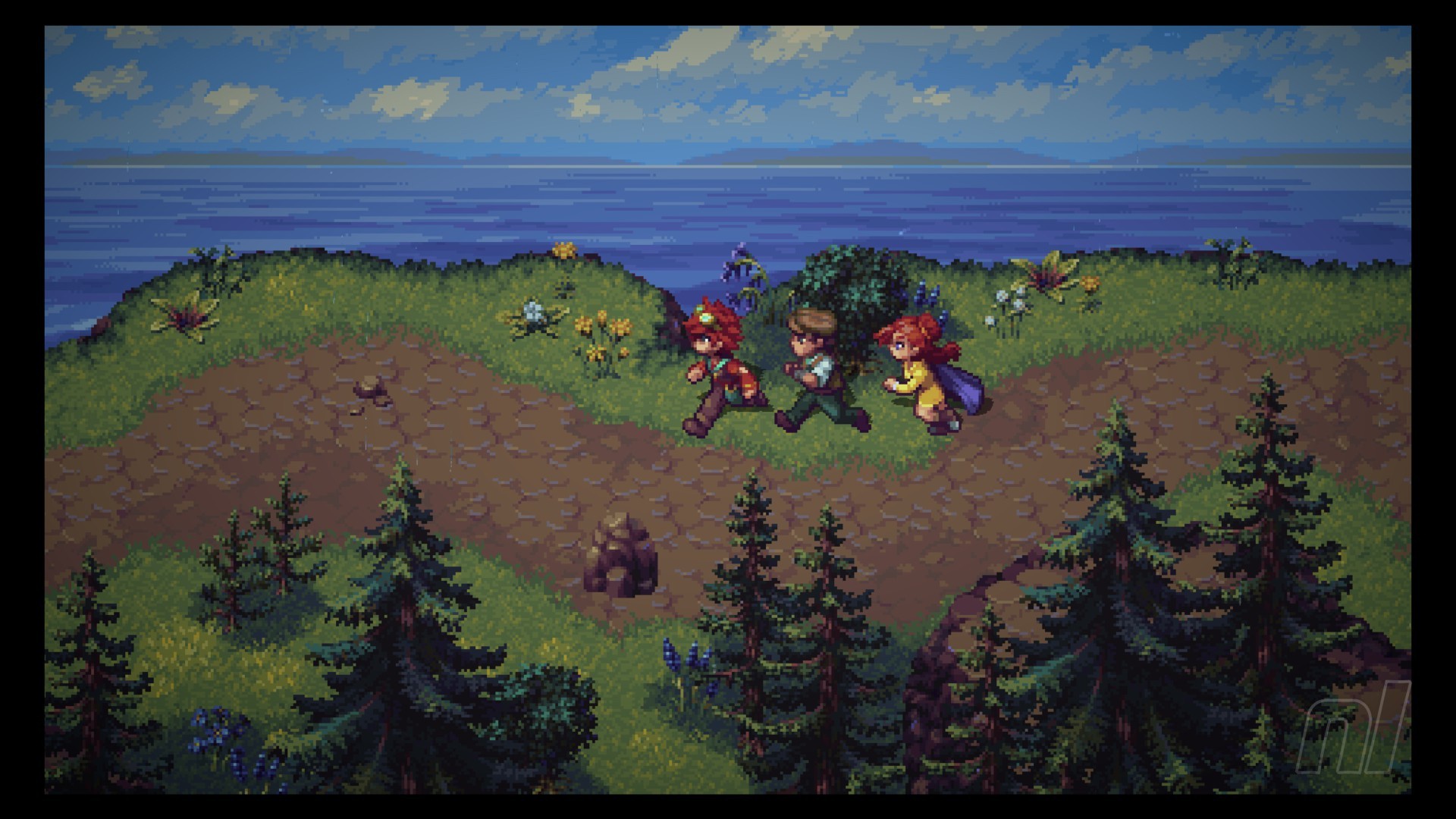
I’ve become a little wary of the plethora of gorgeous retro pixel-art RPGs that keep popping up in recent years. I’m talking about the games that are inspired by classics such as Chrono Trigger, Final Fantasy, and EarthBound, or sell themselves as spiritual successors.
These often look the part, sucking me in with stunning colours, extravagantly detailed spritework, and the promise of the magic of the classics. Except they often completely misunderstand what made those classics great, going for a rehash of ideas or simple pastiche rather than do something original with the inspirations.
Forge of the Fae, from indie developer Datadyne, does name-drop a few of those SNES gems mentioned -hours with an early-game demo on Steam, I think it’s doing just enough to feel a little different, while still feeling like an old-school turn-based RPG you could play on a near-16-bit console.
I think it’s because Datadyne doesn’t just lead with those inspirations, instead championing Celtic myth and culture in a lush world filled with verdant, rolling hills, cosy towns, and snippets of steampunk. Breath of Fireis a part of it, too, but this is an RPG with more-mythical inspirations at the forefront.
Image: Nintendo Life
We’re going beyond your typical Gae Bolgs, Banshees, and Cu Chulainns here – there are Glens aplenty, waystones in faerie rings, Irish flutes and fiddles and bagpipes woven throughout the soundtrack, and a healthy dollop of working-class miner culture to boot.
Throughout the few environments I’ve seen so far, Forge of the Fae’s world is lovely, filled with soft, welcoming greens and sparkling blues. Tiny springs drip down cliffs and cave walls everywhere you look, and when you run through a field of flowers, dandelion spores float up into the air. In the Glens, there are spots where you can see the sunlight breaking through the trees, lighting up patches of grass.
Even the more built-up areas like the warehouse, shaded in darkness and suspicious characters, and the city of Taliesin, lined with cobbled streets, steam-puffing machinery, and disgruntled protesters felt both magical, realistic, and a little bit homely – if I were from a steampunk Irish-inspired world.
It’s enticing to explore, too, with treasure chests tucked behind trees and a handful of puzzles where you need to hop across gaps and navigate screens to reach other useful items. There are a handful of different cave and mining dungeons in the early hours of the game, but the devs manage to make them feel fresh by adding different enemy encounters and layouts to them.
So, this is a game about working people, magic, and steampunk. Fiora, the main character, is a brilliant engineer who works with magical crystals to help power her inventions. She’s even created a mechanical faerie that follows the party around and helps with environmental puzzles. She’s not great with people, but she has managed to make a few close friends who trust her dearly. And I got to meet and play with all of those friends during the demo.
In classic RPG tradition, Forge of the Fae swaps your party around as characters leave, split up, and rejoin at numerous points. The demo opened up with Macklin, a young miner and son of an innkeeper who has a particular beef with the mining company; he’s chipper, naive, and loves to eat.
Then there’s Ceili, the spunky owner of a bakery who’s infectiously bubbly but also has a temper. She’s my favourite, with some excellent eye-rolling and huffing animations to boot.
So far, the characters do feel a little cookie cutter, but I also don’t have a real sense of their backstories. Mac’s has at least been hinted at, but this only covers roughly a third of the game, so I’m sure there’s a little spice to each of the party to come.
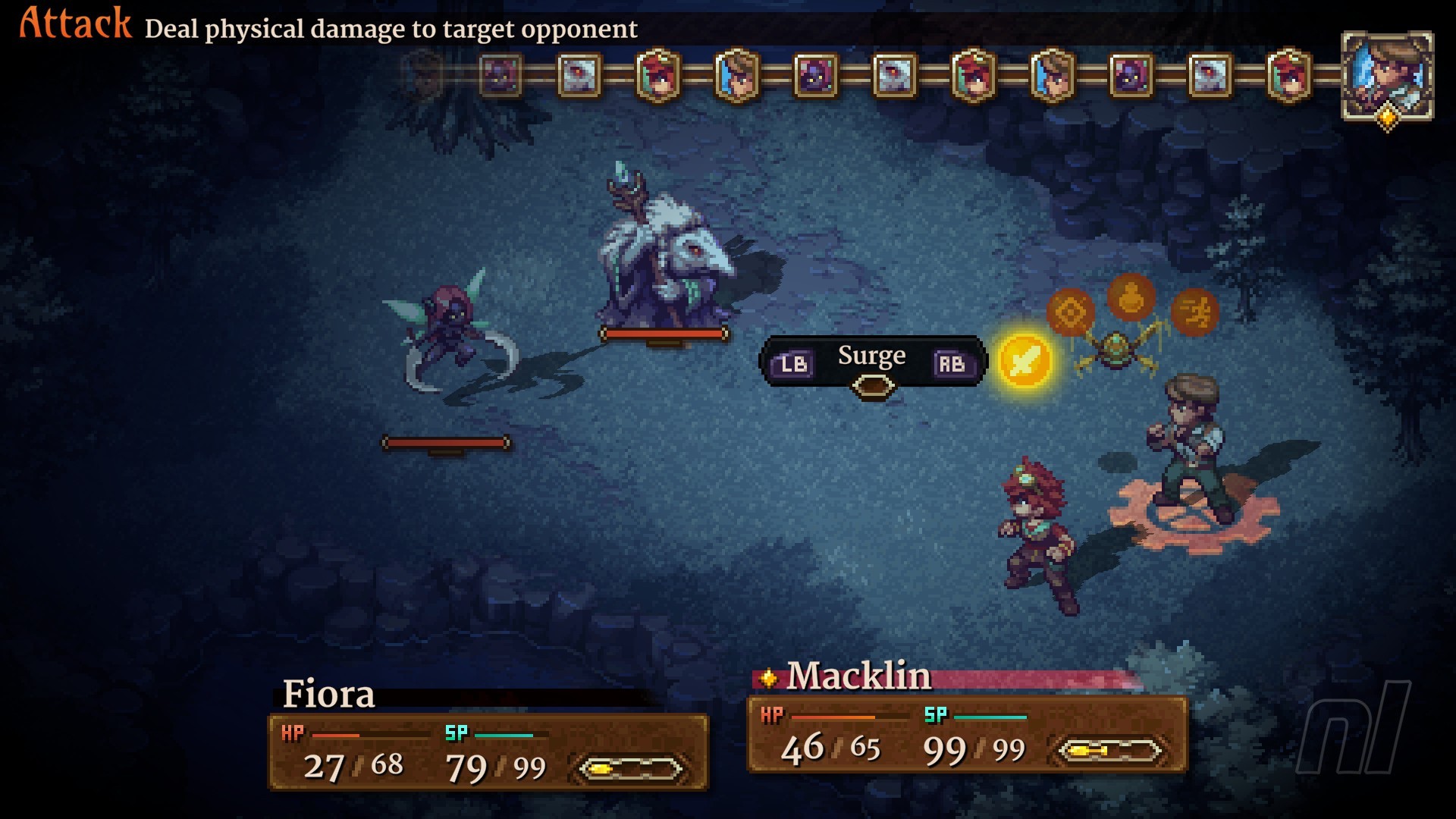
Fortunately, they all play different roles in combat, which is probably the highlight of my playtime here. Fiora is all about setting up traps and prepping the party for high damage, while the party’s father figure Roark is a defensive powerhouse who can cast defensive spells and take a few tanky hits.
Again, nothing too surprising; this is traditional turn-based combat as you know it, at least initially. But Forge of the Fae does add a handful of extra gears — quite literally in one case — to the formula that help to set it apart.
First up are Adrenaline Points (AP). These allow each character to access their Surge skills. You build these up by taking hits from enemies, and can charge up to three bars of AP, which alters the strength of the surge.
Image: Nintendo Life
Mac, for example, can increase his ability to stagger an enemy for one turn with one charge. Two charges grant him more stagger power, while three adds knockback, which is basically a guaranteed stun on the enemy, even a boss.
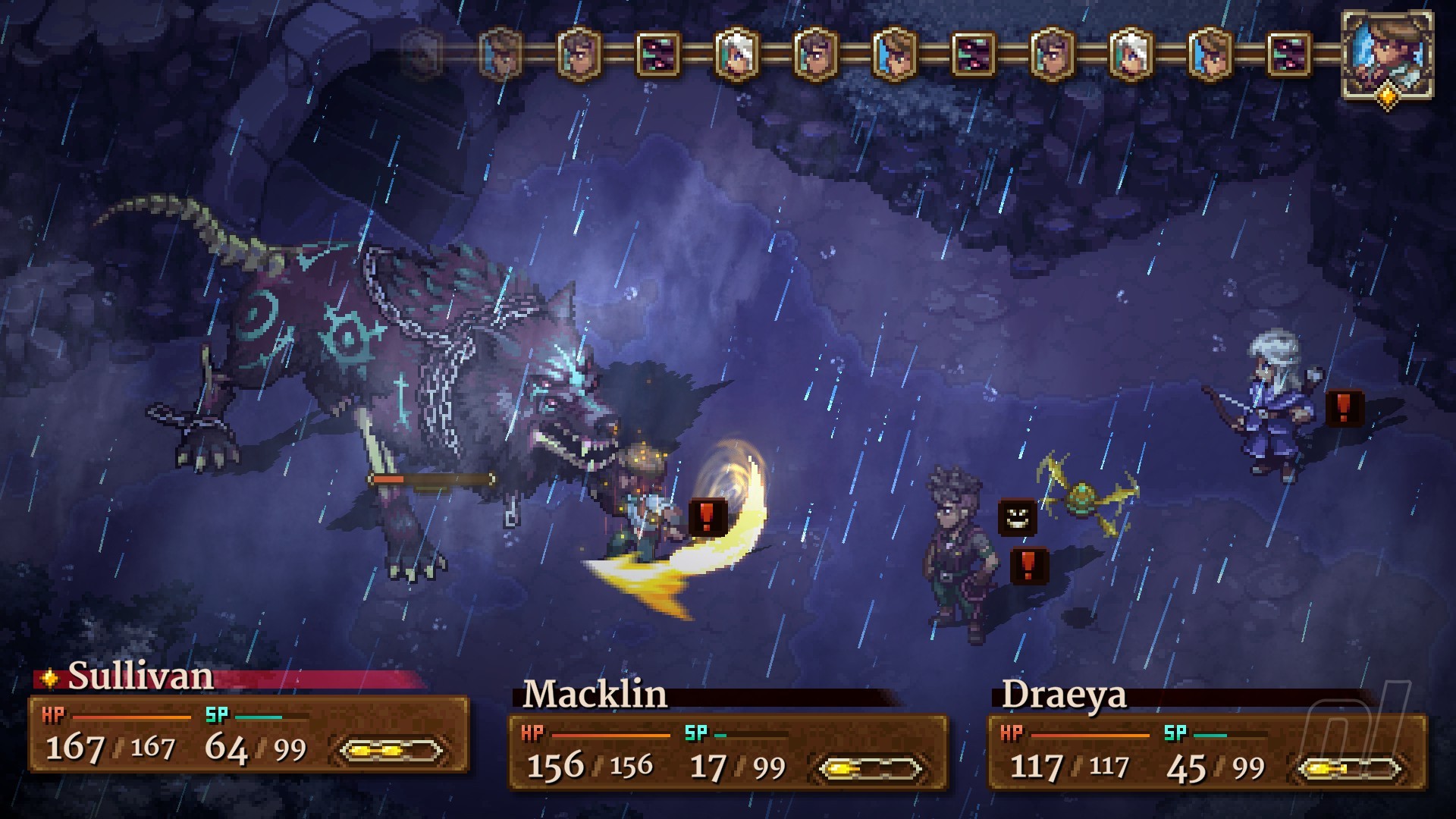
The very final boss of the demo, I used this to my advantage, stacking that stun with the rogue Sullivan’s poison and bleed skills and mysterious mage Draeya’s ability to borrow her companion’s elemental properties. With all of this combined, I took down the boss’s health by over three quarters in just a single turn.
I’m already thinking about how to combine Surges like Fiora’s weakness-enhancing abilities and Draeya’s elemental skills, and I can see just how deep this might go, especially with the ARC Crystal System. This gear-based system, invented by Fiora, allows characters to equip crystals to give them access to magic spells.
Image: Nintendo Life
Each character has an innate element — Fiora is fire, appropriately — and with a crystal equipped, not only do they get a matching spell, but depending on the placement of the crystal, it’ll apply elemental properties to a skill to form a Combo Skill. I only had access to a handful of crystals and one slot on each character, but again, the potential seems to be limitless. Sullivan’s poison skills, one of which cost 0 SP (yes, really) were invaluable, and I can already see how Fiora’s already-busted trap skill will do a huge amount of damage with some extra firepower.
Lastly, if you spend a lot of time out exploring, then you’ll also get to see how the world changes between day and night. You can see the sun setting as you run around the Glens, drenching the world in amber before the darkness embraces. It doesn’t just change the visual design, though – it also affects combat.
During the day, enemies are regular strength and you recover SP for every standard attack that connects. At night, that SP regeneration is removed and enemies are much tougher, so deciding when to get into fights and when to run is crucial.
There are just enough little perks and tweaks, then, that Forge of the Fae has some real potential to stand out from the crowd. I think SP regeneration is a little harsh right now — especially when so many skills cost well over a third of your SP bar — and even though items for healing (which you can also craft) are aplenty, you’ll still burn through them quickly.
Fortunately, we’re still around a year from release on Switch, and I really hope that Datadyne leans into those Celtic roots even more. I’ve seen the faeries lash out at nighttime, I hear the plights of the miners and the scepticism of magic and waystones, and I’ve jigged to the catchy music. I think it just needs a bit more personality, and hopefully, that’s waiting in the full release.
Thanks to PR Hound for the opportunity to check out Forge of the Fae. The game is coming to PC (the Steam demo is available now) and all consoles, including Switch, in 2027. Let us know if you’ve been charmed in the comments below.
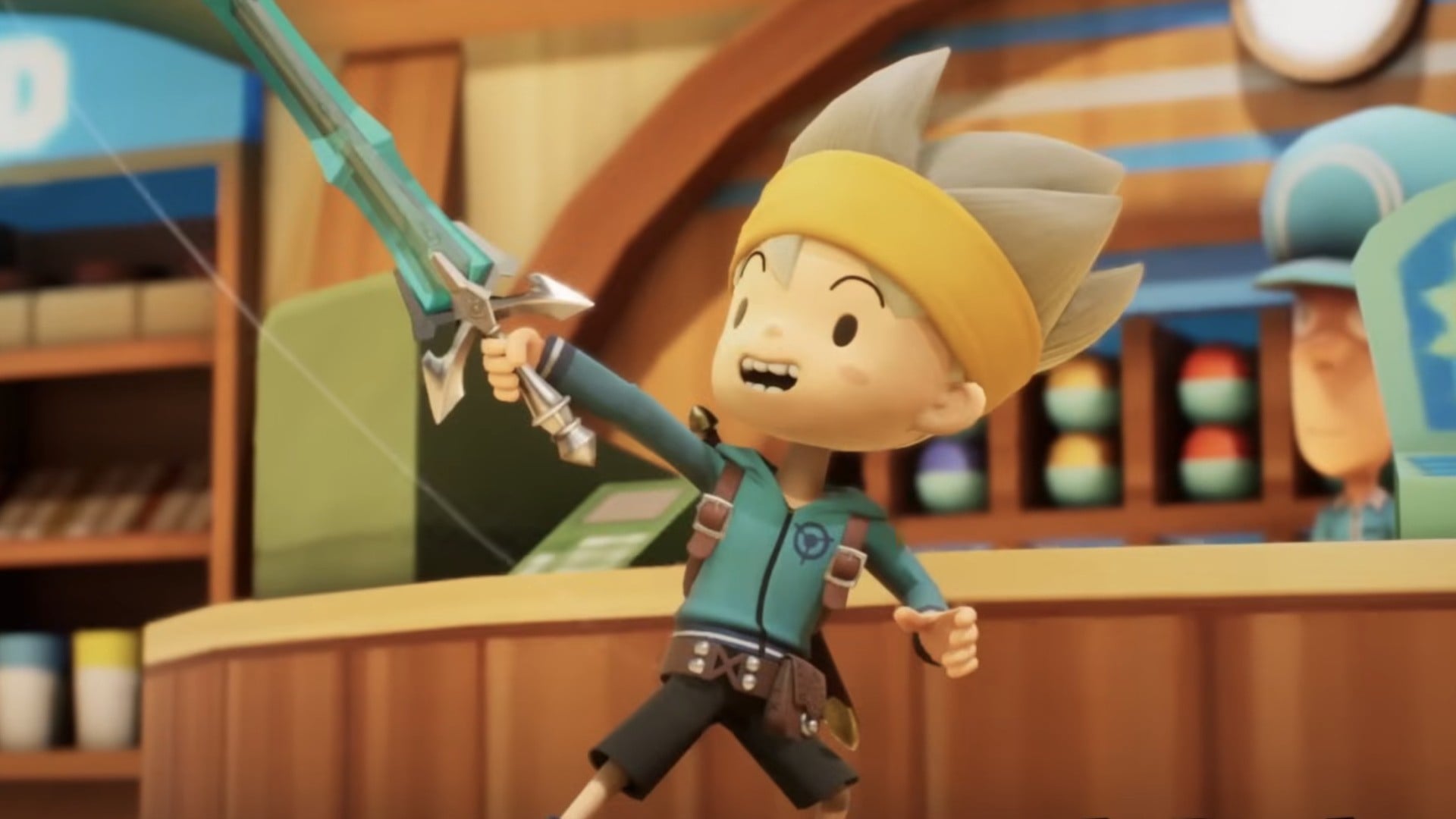
We’ll be honest, the 2017 RPG Snack World: The Dungeon Crawl was not on our ‘Switch 2 Remake’ bingo card, but surprise, that’s exactly what’s happening.
As revealed in today’s Level-5 showcase, Snack World: Reloaded is in the works for Switch 2, boasting a complete overhaul of the original game with new visuals, mechanics, and a fresh storyline from the perspective of the anime’s protagonist, Chup.
Details are pretty light on the ground at the moment, but Level-5’s Akihiro Hino confirmed that development on the project is “going well”, so hopefully we don’t have too long to wait before we get to see what this one is all about — though, knowing Level-5, it may well be years down the line.
We had a great time with Snack World: The Dungeon Crawl – Gold on Switch back in 2020, calling it “a beautifully presented helping of dungeon crawling, garnished with generous amounts of humour and charm” in our review. Let’s hope that things are even better in the remake.
Will you be checking out Snack World: Reloaded when it eventually arrives on Switch 2? Let us know in the comments.
Today’s Level-5 Vision 2026 Showcase… certainly happened. And while fans of Professor Layton are probably happy, the same can’t be said for those who are waiting for updates on other Level-5 games.
Part way through the showcase, president Akihiro Hino introduced a sizzle reel-type video featuring three of the studio’s upcoming titles: Inazuma Eleven RE, a remake of the first Inazuma Eleven game; Decapolice, an upcoming detective RPG; and Holy Horror Mansion, the next project in the Yokai Watch series.
The former two have been slated to releasein 2026, but for Inazuma Eleven, no date was reiterated (but a Switch 2 version was confirmed). As for Decapolice, well, that’s now sitting on an “In Development” in the trailer, but on the official website, it’s still saying 2026. Fortunately, RPG Site has spotted that the upcoming RPG’s release platforms have changed, and it now shows Switch 2 instead of Switch.
No doubt disappointing news for those who haven’t upgraded to the new console yet, but there might still be time. Decapolice has been delayed multiple times, so another one wouldn’t surprise us, but there’s conflicting information out there.
Holy Horror Mansion (which never had a release date) got the most footage in the reel, but also ended its section with “Still a ways to go…”. Sooo 2027? 2028? We have no idea.
Of course, game development is tough right now, and if you’re a Level-5 fan, you’re probably used to endless delays or vague dates at this point.
But fan frustration is seemingly at a tipping point following the showcase, particularly as president Hino has been one of the bigger proponents of GenAI in video games in recent months, going as far as to call it an “efficiency improvement” and even defending using it in game development.
Today’s Level-5 showcase might not have been overflowing with release dates, but it did give us a new look at Professor Layton and The New World of Steam, with the confirmation that it’s still on track for 2026 (thank god).
The new trailer is our best look yet at the upcoming puzzler, diving deep into Layton and Luke’s adventures in Steam Bison and introducing a bunch of side-characters we’ll meet along the way — keep an eye out for the Don Paolo cameo! Things stay pretty cutscene-focused for the most part, but there’s a nice little bit of gameplay slotted into the middle, showcasing even more of those all-important puzzles.
We also got a reminder of the game’s main Japanese voice cast (we already know about Yo Oizumi and Mio Imada, let’s not forget) and the confirmation that the theme song is being penned by none other than composing legend Joe Hisaishi, renowned for his work on Studio Ghibli titles like Porco Rosso, Princess Mononoke and Spirited Away.
While Level-5 president Akihiro Hino wasn’t able to provide a firm release date, he confirmed that the game is “nearing completion” and announced no change to the current 2026 release window.
We’ll be keeping an eye out for more information over the coming months, while Level-5 continues “focusing on the visuals and overall presentation” as well as the itty bitty job of localisation.
What do you make of the new trailer? Let us know in the comments.
Keeping up with competitive Pokémon battling has always been a hassle. As the mainline series shifts from generation to generation, so does which Pokémon are available, access to specific Pokémon, methods for training those Pokémon, the introduction of new moves, abilities, and held items, as well as a continued cycle of overpowered strategies and how to counter them. It’s very easy to fall behind.
I myself fell behind after skipping most of the Pokémon Scarlet & Violet era that ran from November 2022 to April 2026. After such a long break, I was excited to hop back in to the next era with Pokémon Champions.
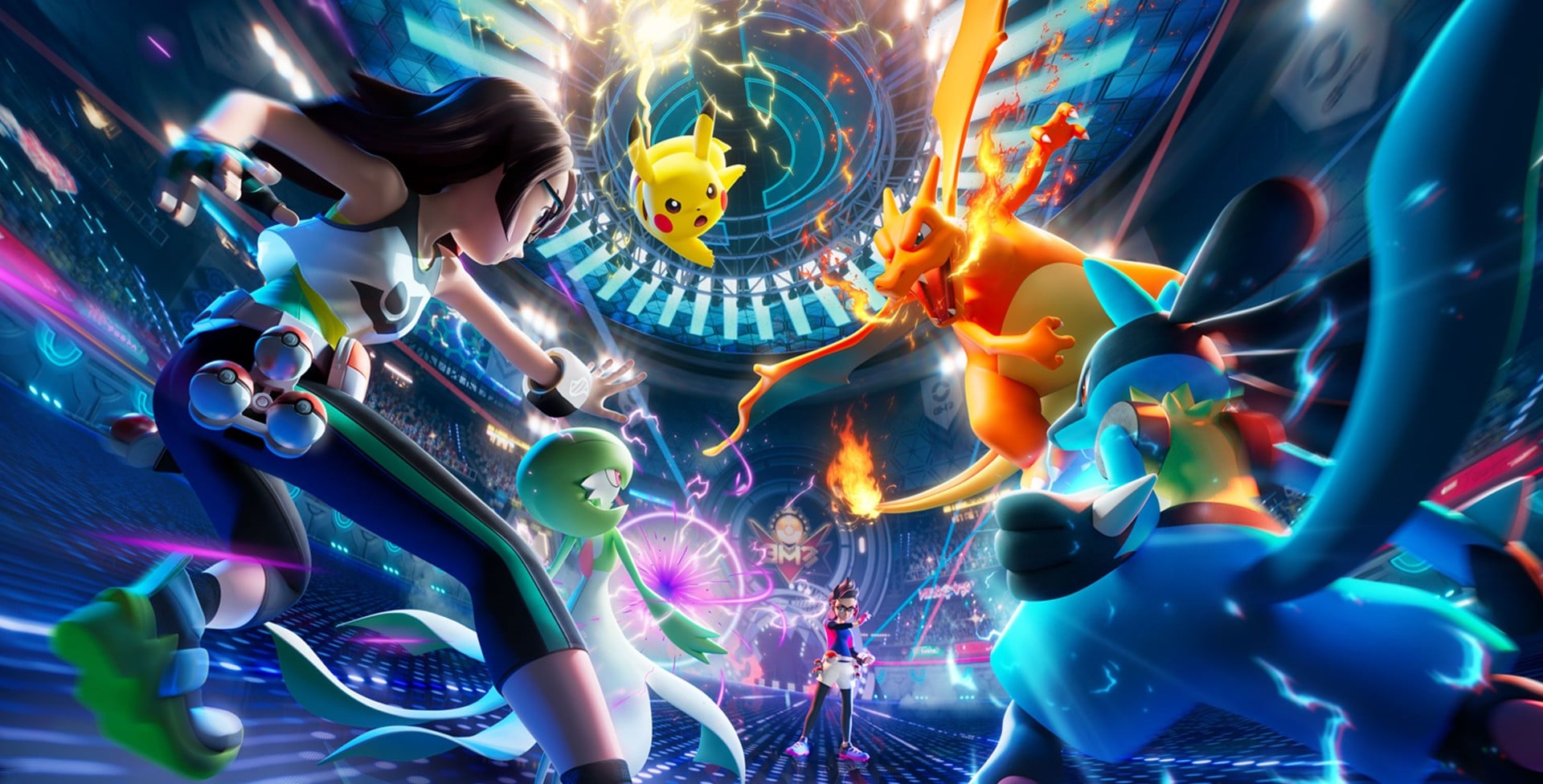
Champions, you see, is the new free-to-play home of competitive Pokémon, releasing on both Switches and eventually mobile devices. It promises to both centralise and streamline battling; what’s more, Champions’ structure alludes to the eventual return to older battle gimmicks like Z-Moves and Dynamax, which aren’t available in Scarlet & Violet and likely won’t be programmed into the upcoming Pokémon Wind & Waves.
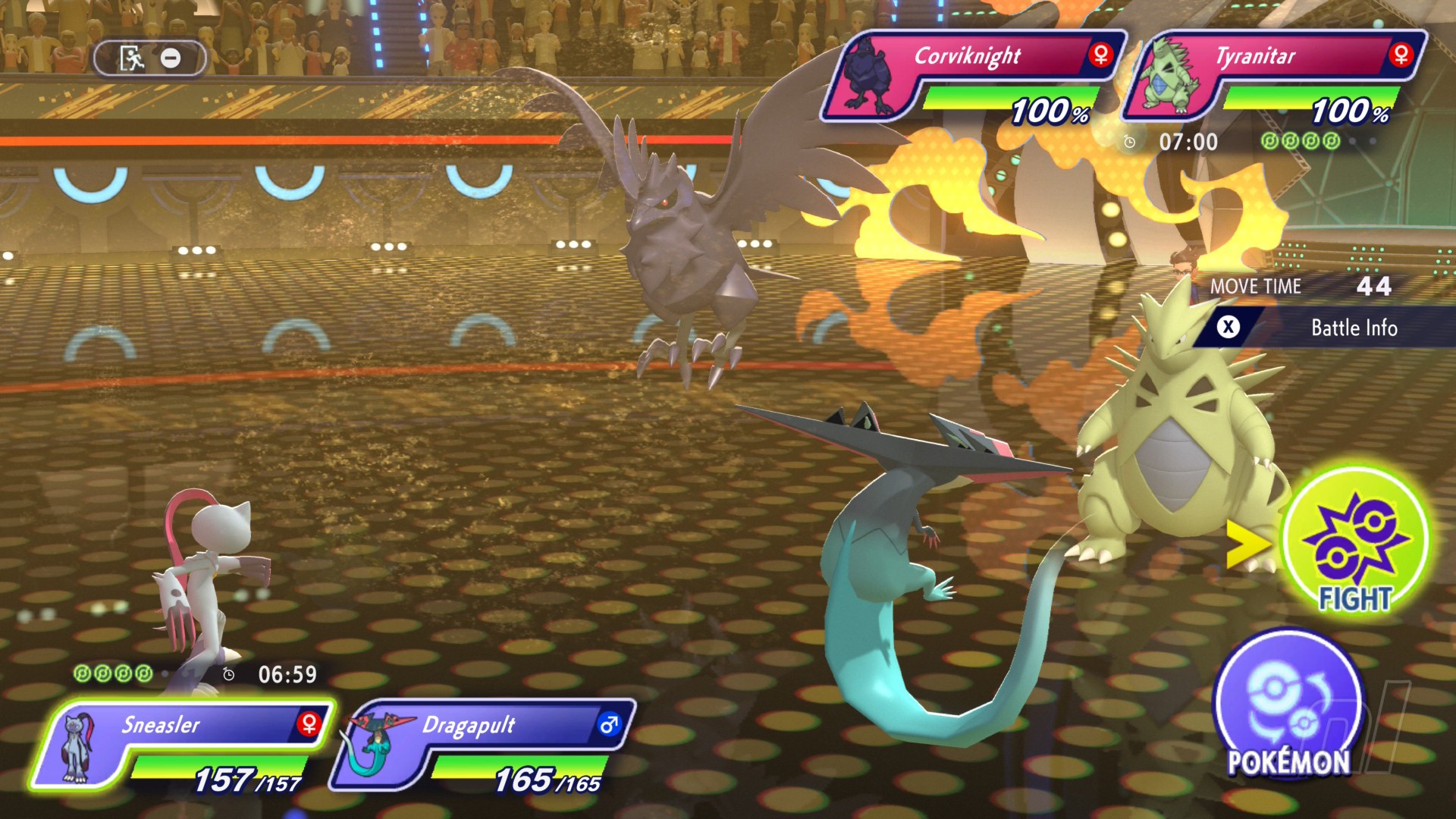
Captured on Nintendo Switch (Handheld/Undocked)
Which all sounds great if you’re a veteran player or a newcomer curious about competitive Pokémon, right? Well, yes and no – Champions has released in a sorry state that creates more problems than it solves, though it does solve one massive issue that overshadows all others.
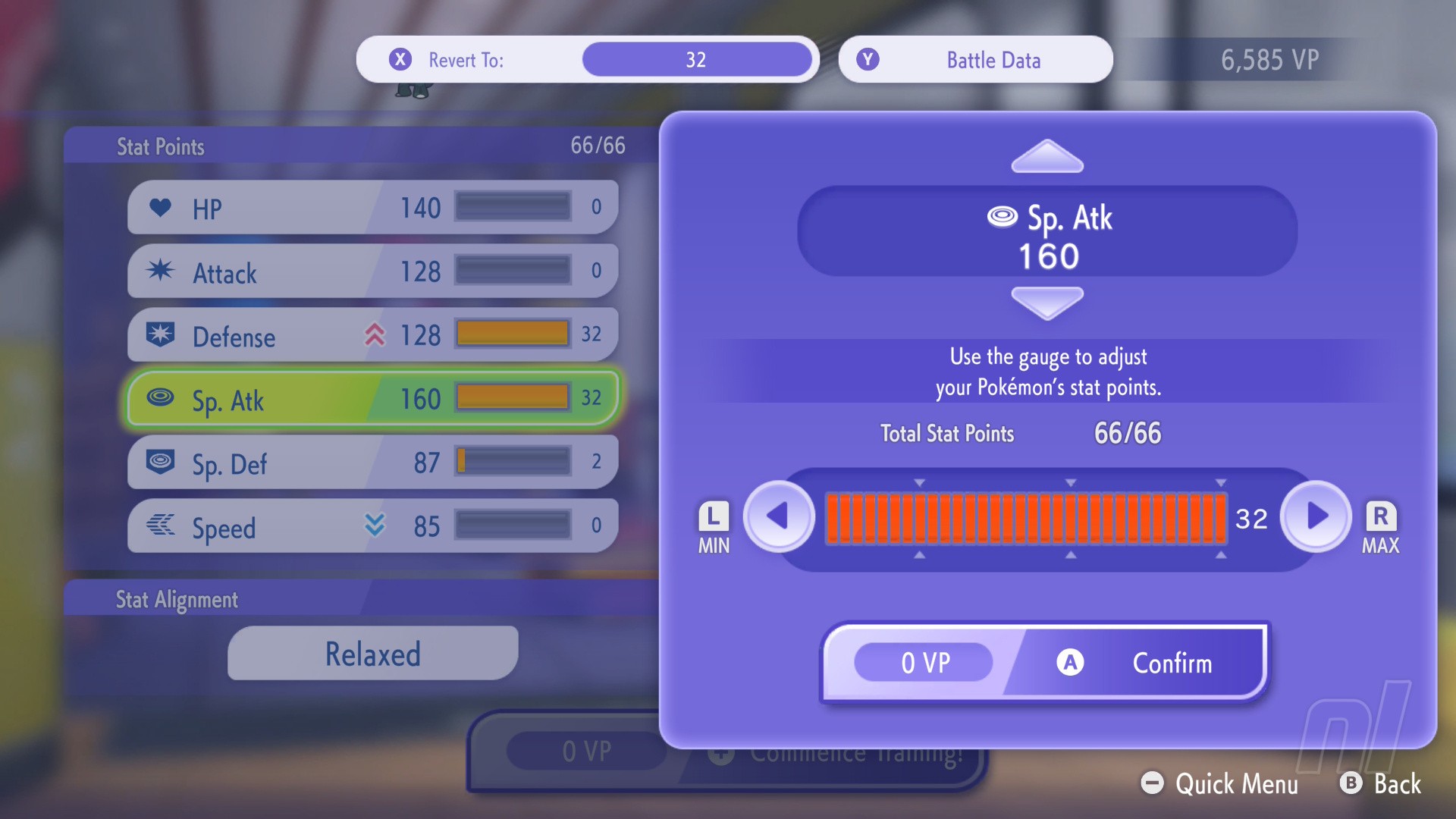
With Champions, training Pocket Monsters has never been easier. Traditionally, breeding for perfect Individual Values (IVs), Effort Values (EVs), specific moves, and hidden abilities could take hours per ‘mon; for an average player like myself, experimenting with different Pokémon and stat spreads was not worth the time commitment.
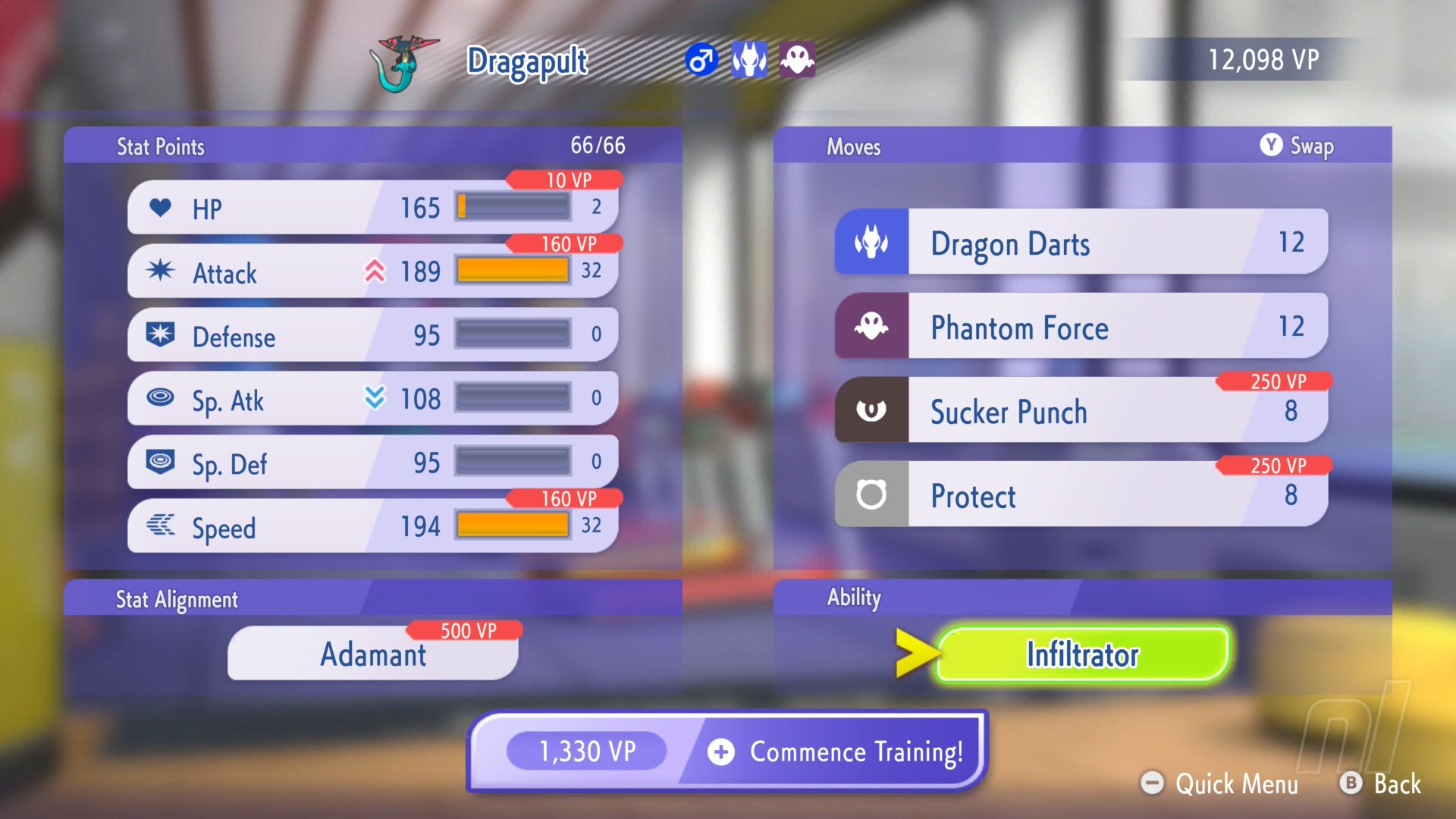
That is no longer the case. In Champions, you can hop into the training menu and simply set your desired EVs, abilities, and moves. IVs thankfully have gone the way of the Aerodactyl.
Before, if I wanted to make a Trick Room team — a move that allows slower Pokémon to act first — I’d need to catch Ditto with the lowest possible Speed IV to breed the rest of the team with. Then, I’d need to hatch dozens upon dozens of eggs per Pokémon until they were all as slow as possible, allowing me to beat out other Trick Room teams.
Captured on Nintendo Switch (Docked)
It took me less than five minutes to put a Trick Room team together before queuing up for ranked battles in Champions. When I wanted to use my slow Incineroar on a faster team, I quickly switched the infamously overpowered Pokémon’s stats around for the low price of some in-game resources – more on those later.
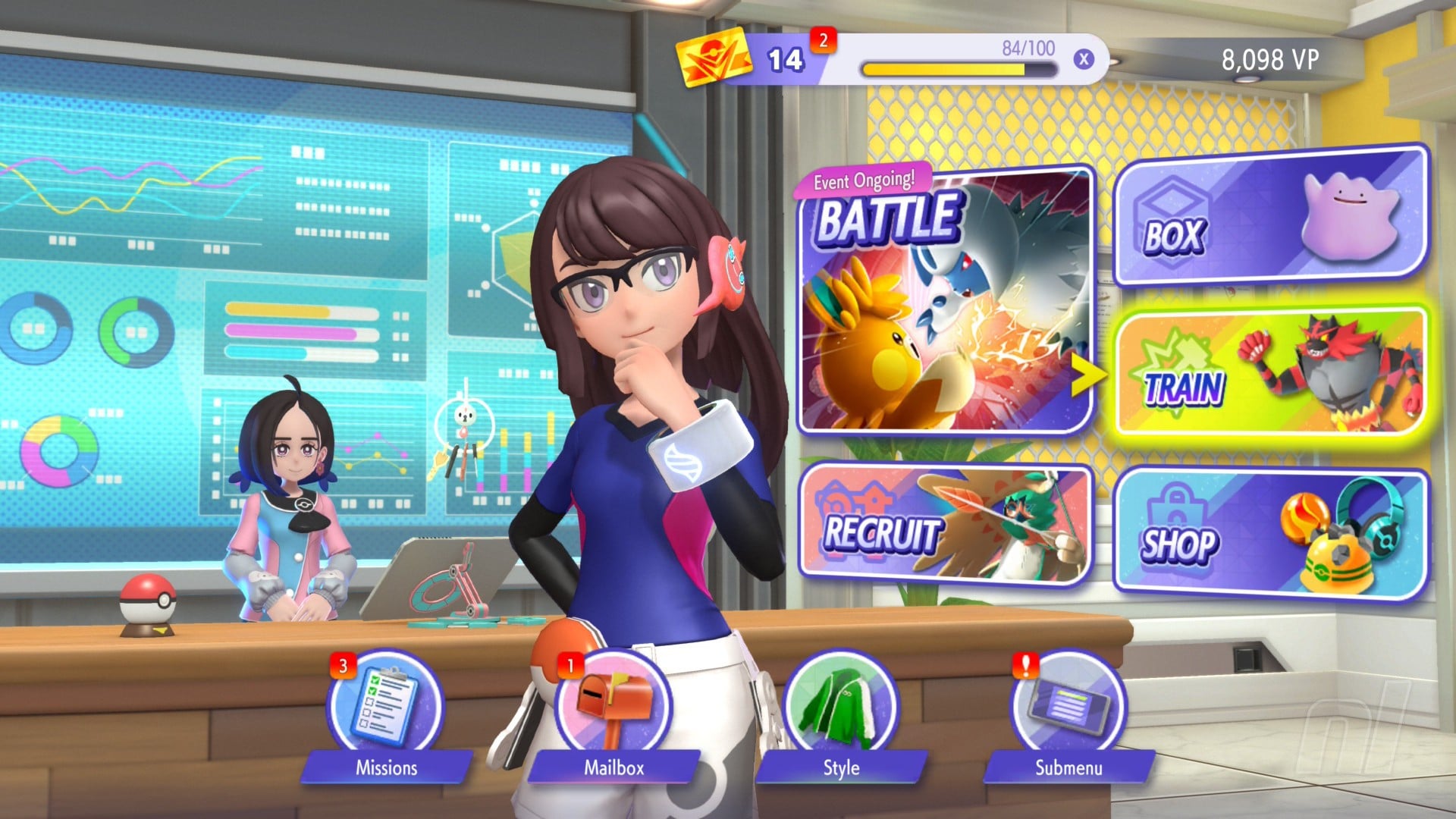
Champions further streamlines things by introducing a way to recruit Pokémon, sidestepping the need to boot up a different game, transfer a ‘mon to Pokémon HOME, and then transfer it into Champions – though that option is still available and likely preferable to those that already have battle-ready rosters, because recruiting relies on a bit of luck.
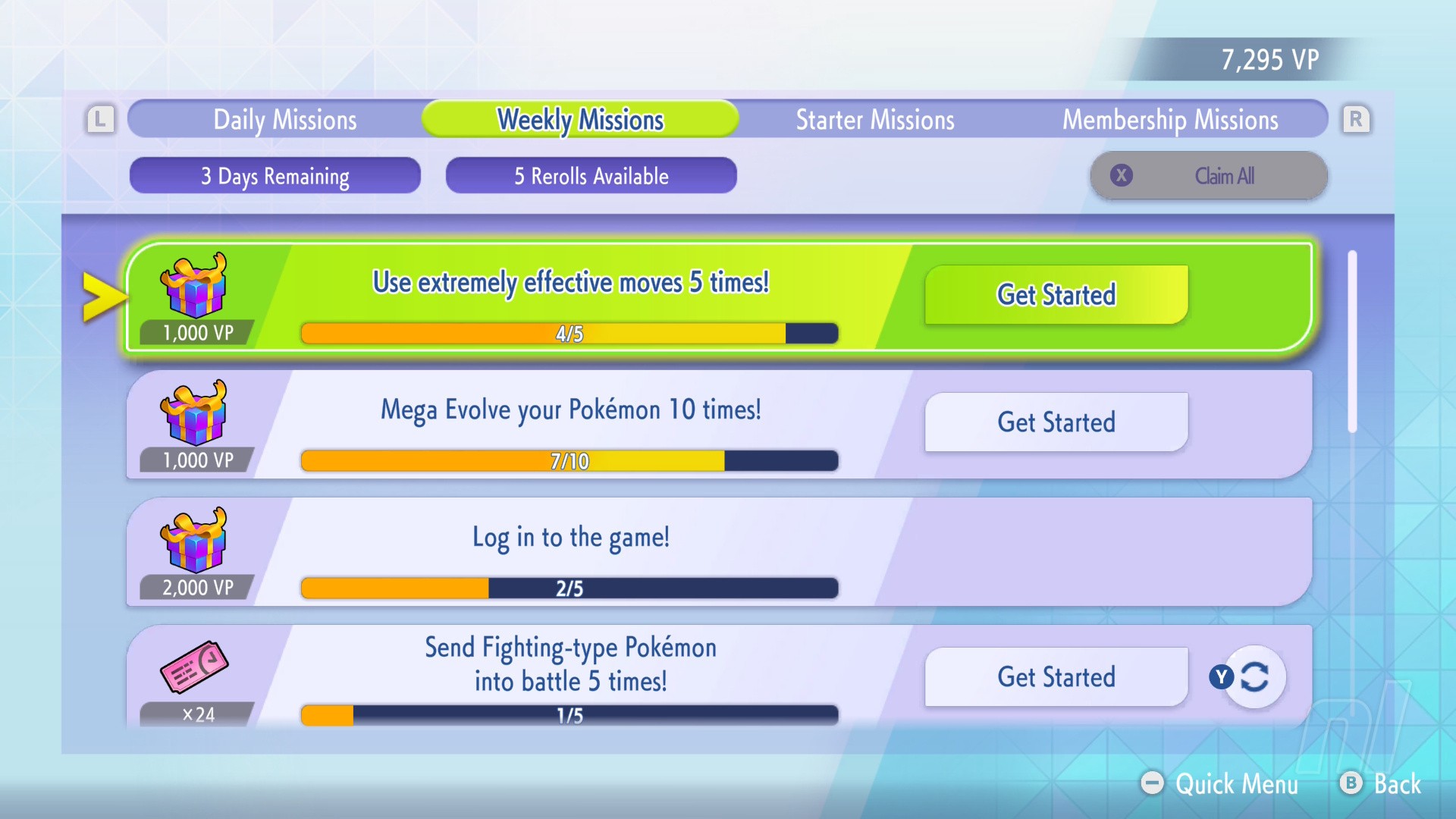
You can roll a random lineup of 10 Pokémon once a day — or spend a resource called Quick Tickets to do so immediately — and recruit one of them on a trial or permanent basis with the latter requiring a different type of ticket, though unfortunately these recruited ‘mons can’t be transferred to other games.
Captured on Nintendo Switch (Handheld/Undocked)
I found this immensely helpful to bring myself up to competitive speed because I did not have a Sinischa, Basculegion, or Sneasler ready to go, which are three of the most powerful Pokémon currently playable. I simply spent some Quick Tickets to roll the gatcha-like system a few times until these Pokémon appeared and voilà – a handful of competitive monsters were born.
No longer do I feel like there’s a massive Mount Coronet to climb before I can even think about competing on a ranked ladder. As a result, I do think Champions will draw more people into the scene – especially if future updates solve the new problems introduced alongside these boons.
Foremost is the convoluted monetisation. It’s ‘free-to-play’ but offers a $6.99 / £5.99 Starter Pack that entices with some resources and much more space to store Pokémon, as the initial limit of 30 is incredibly restrictive. There’s a premium in-game battle pass that — thankfully — only locks cosmetics behind a $9.99 / £7.99 price tag, and then a $4.99 / £4.19 monthly Membership (or $49.99 / £41.99 for 12 months) that provides more missions to obtain resources to train and recruit Pokémon, even more spaces to store Pokémon, and some other goodies.
Captured on Nintendo Switch (Handheld/Undocked)
Then there’s a Pokémon HOME subscription ($2.99 / £2.69 monthly or $15.99 / £14.39 annually) that you’ll probably want so you can bring over Pokémon from other games more easily, as the free version is also restrictive on space. Other than the Starter Pack, these are all recurring monthly or yearly charges.
Having transferred over and trained lots of Pokémon already, I can say with confidence that most of the paid content is unnecessary – especially the Battle Pass. I have plenty of tickets of every type to use if I wish to customise teams further. That said, I could definitely see resources becoming scarce in the future when more Pokémon are added.
Regardless, Champions can get expensive quickly for what amounts to not much more than an online mode available in every other mainline Pokémon game. Other than some helpful tutorials and some quirky characters that act as glorified menus, there’s no story here, nor are there any unique ways to battle or — inexplicably — options to customise rulesets in private matches.
Captured on Nintendo Switch (Handheld/Undocked)
Making matters worse are technical issues and oversights. Certain mechanics — like the order Mega abilities trigger in — are broken at launch, though there are plans to squash these bugs in the works.
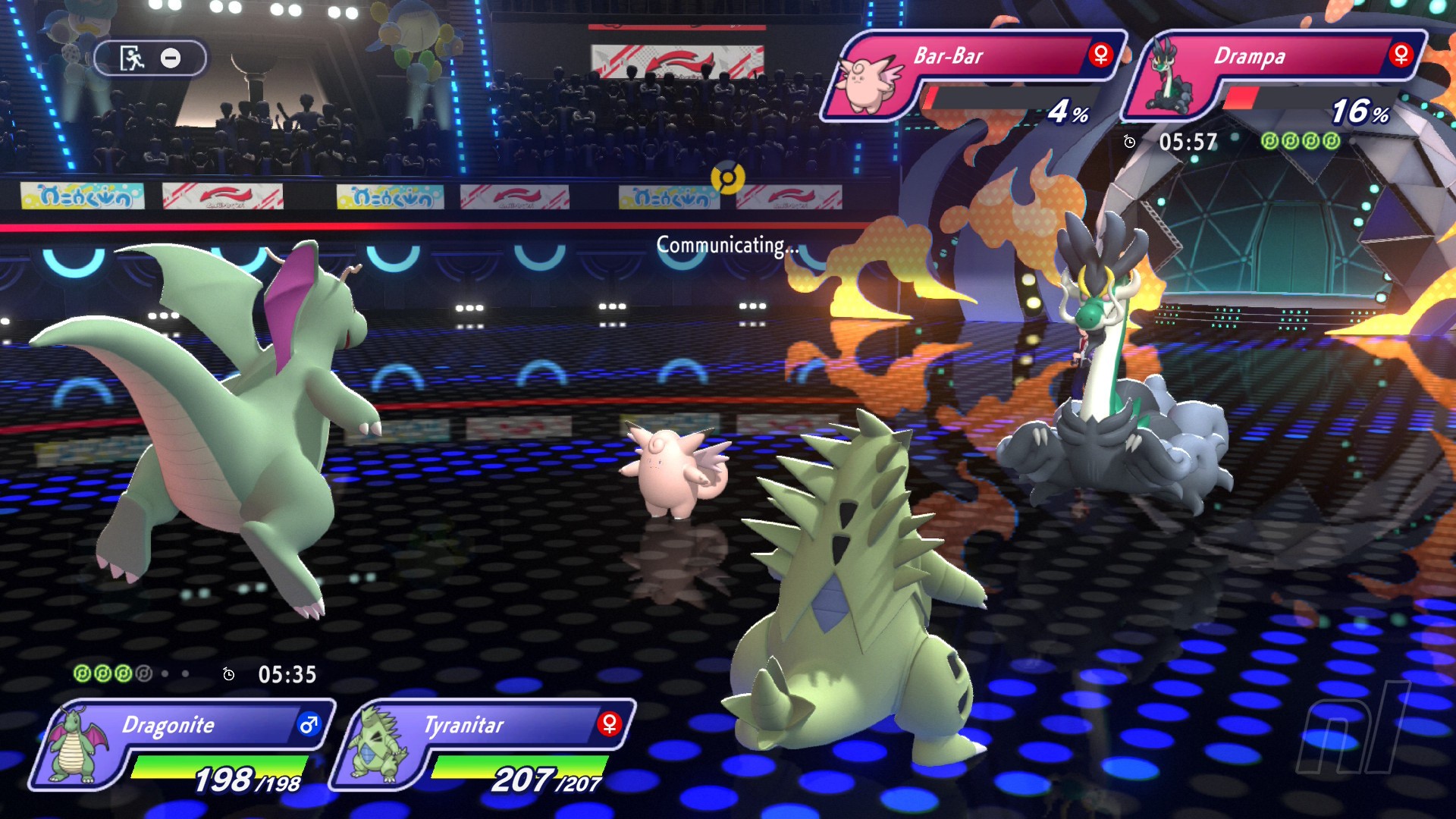
I’m personally more annoyed about the poor performance on Switch 2. I assumed the promised free Switch 2 upgrade was delayed at first because Champions looks rough and runs at 30 fps. Turns out there’s a bug where you have to undock and redock your Switch 2 for it to load 4K visuals. However, I was certain some 60fps update was on the horizon when an opponent’s Politoed set up the rain weather effect and the frame rate dropped further.
But no – it seems that update was automatically installed and this is the best it gets on Switch 2. Pokémon Legends: Z-A and the Switch 2 version of Scarlet & Violet ran at 60fps, so I found it bizarre that Champions launched in this state on the more powerful console. I didn’t mind this as much when playing undocked, which quickly became my preferred way to battle. Champions looks good on the smaller Switch 2 screen.
Captured on Nintendo Switch (Handheld/Undocked)
I do, however, disagree with a common criticism I’ve seen online that Champions has too few Pokémon or removes too many staple held items like Life Orbs and Choice Specs. We don’t know the timeline for new additions, but this restrictive start has two things going for it: it allows newer players to get up to speed and recruit good Pokémon, and it creates a unique meta where veterans can enjoy figuring out what works and what doesn’t instead of falling back on known, overpowered combinations and steamrolling the competition.
It’s simultaneously the most accessible and flawed competitive Pokémon has ever been.
Conclusion
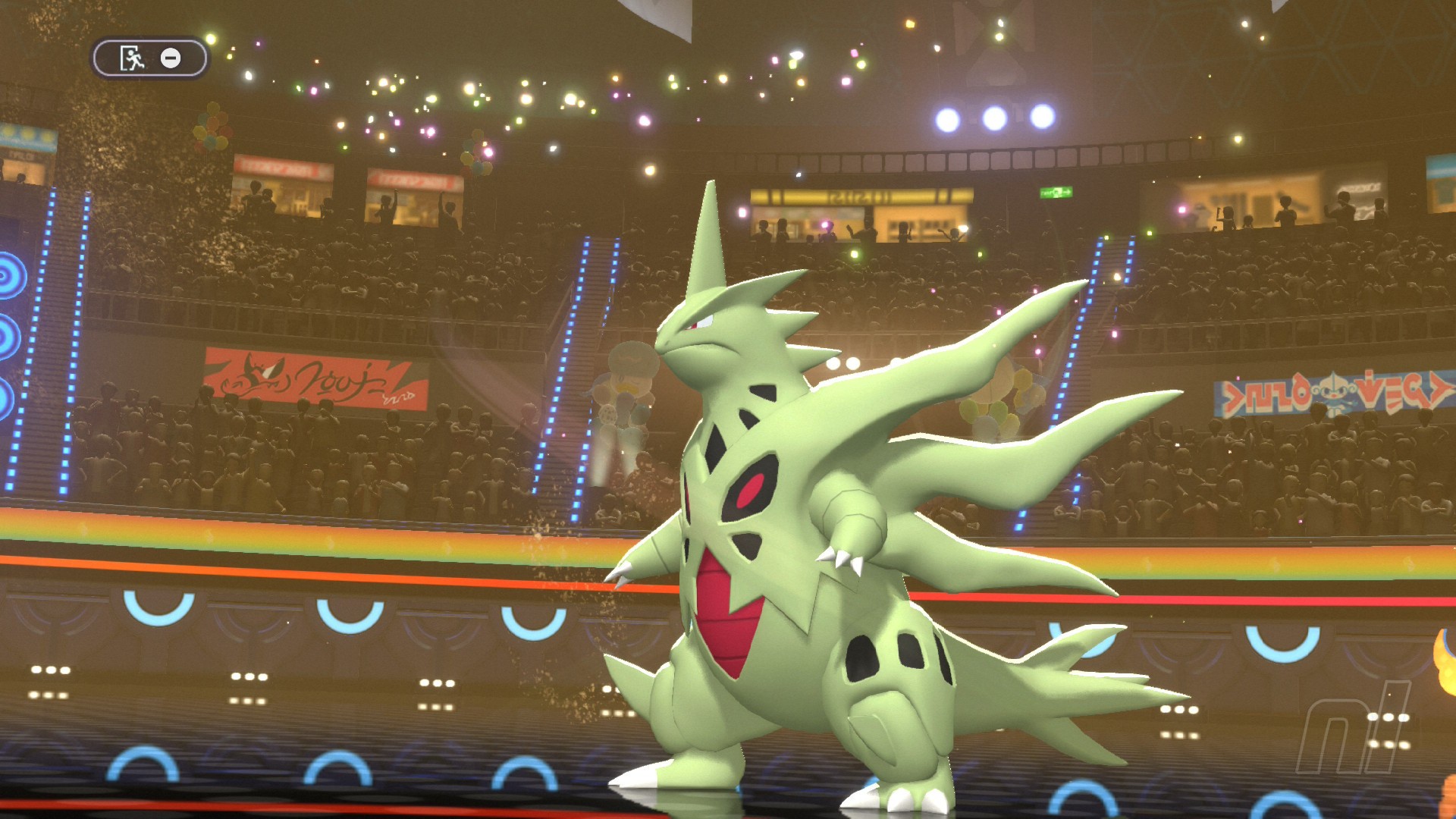
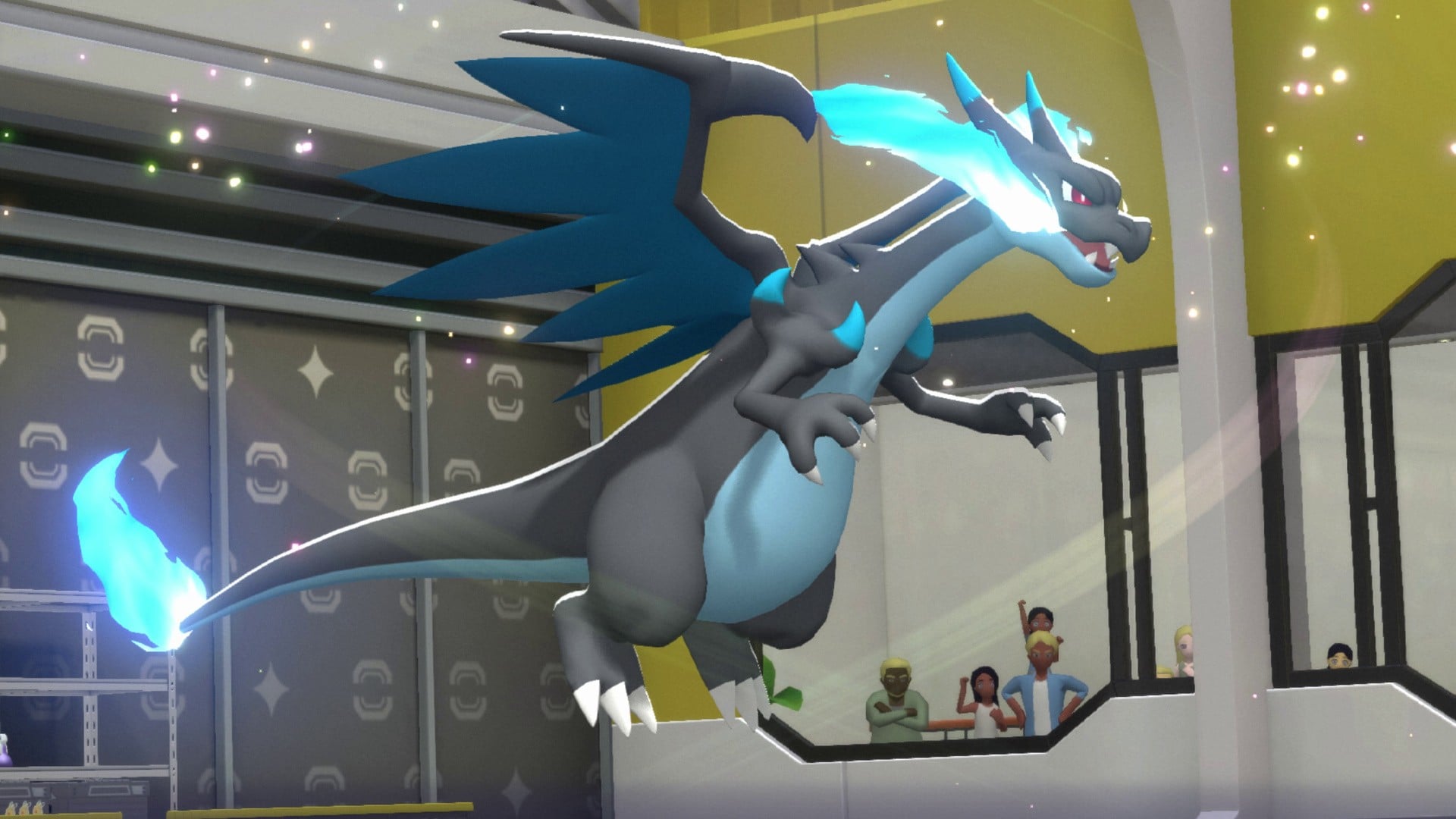
With that all said, the core mechanics of online competitive Pokémon battles remain as solid as a Steelix. Predicting whether your opponent will switch out their Whimsicott, protect with their Mega Charizard Y, or try to catch you off guard with a powerful, offensive attack creates mind games as addictive and intense as ever.
And as someone who has participated in competitive Pokémon on-and-off since 2011’s Pokémon Black & White, the ease with which I can now train Pokémon has me hopeful that Champions will, much like Scarlet & Violet before it, evolve into a more complete, comprehensive experience. But as it stands, the convoluted monetisation, disappointing performance, and inexplicable bugs make this another lacklustre Pokémon experience to add to the pile.
Even if we overlook the limited launch Pokémon, the swathe of bugs, and the strange monetisation, Pokémon Champions still had more issues up its sleeve — talk about a dramatic launch, eh?
Those playing in Docked Mode on Switch 2 might have noticed that the latest battler looked… a bit naff. Up on the TV, the game still doesn’t hit the promised 4K resolution, with the stretched image looking all the worse as a consequence. Thankfully, there is a fix, but it relies on (you guessed it) another bug.
As spotted by Serebii‘s Joe Merrick, you can encourage Champions to improve its docked resolution by starting the game up on the big screen, removing your Switch 2 from the dock, and then reinserting it again. Just like that, the game gets the kick up the backside it needs and pushes things up to a native 3840x2160p. Hardly the neatest solution, but hey, whatever works!
Matthew Reynolds over at One More Catch reached out to Digital Foundry‘s Tom Morgan for a comment on this bug and received the following:
It’s true, Pokemon Champions runs natively at 1920×1080 when booting Switch 2 in docked mode. All signs point to a bug that has the game run in a ‘portable state’ even when connected to a TV. The problem is made more egregious by the lack of aliasing treatment to the image overall – meaning its rough, jagged edges are scaled from 1080p to 4K to disastrous results. The fix works well, of course – lifting and re-docking your Switch 2 gives the system the necessary trigger to flip to native 3840×2160 – but still it’s an issue that needs attending to.
Somewhat unsurprisingly, this was apparently the first time that Tom had seen such a quirk from the Unity Engine, though he recalled that PAYDAY 2 had a similar, but opposite, issue on its Switch 2 launch, where portable play was accidentally boosted up to docked resolution.
It’s a slight resolution bump, admittedly, but we’ve included One More Catch’s before and after Pokémon Champions footage at the bottom of this article, so you can see the game as it was meant to be played.
The Champions devs have already announced that they are working on the game’s first bug-squashing patch, though the resolution quirk was not one of the issues they specifically mentioned they are targeting. We’ll wait and see what other tweaks come to Champions in the coming months because, at launch, it has a long way to go.
Will you be trying out this Champions resolution fix? Dock and undock your thoughts in the comments below.
If you’re a fan of Toby Fox’s bangers in Undertale, you might be interested to hear these tracks are on the way to Rift of the NecroDancer.
This new “Undertale Music Pack” crossover is now available in the Steam version of this rhythm title, and according to the developer Brace Yourself Games (Crypt of the NecroDancer, Cadence of Hyrule), the Switch version of this paid DLC is on the way.
When it does eventually arrive, fans of Undertale can look forward to six tracks (including the one and only Megalovania), a bonus track, multiple difficulties and various other features. Here’s the rundown via the Steam page:
Featuring SIX new Rhythm Rifts by Toby Fox:
Hopes and Dreams
Death by Glamour
Bergentrückung / Asgore
Battle Against a True Hero
Megalovania
As a bonus to celebrate this release, enjoy a free Rhythm Rift:
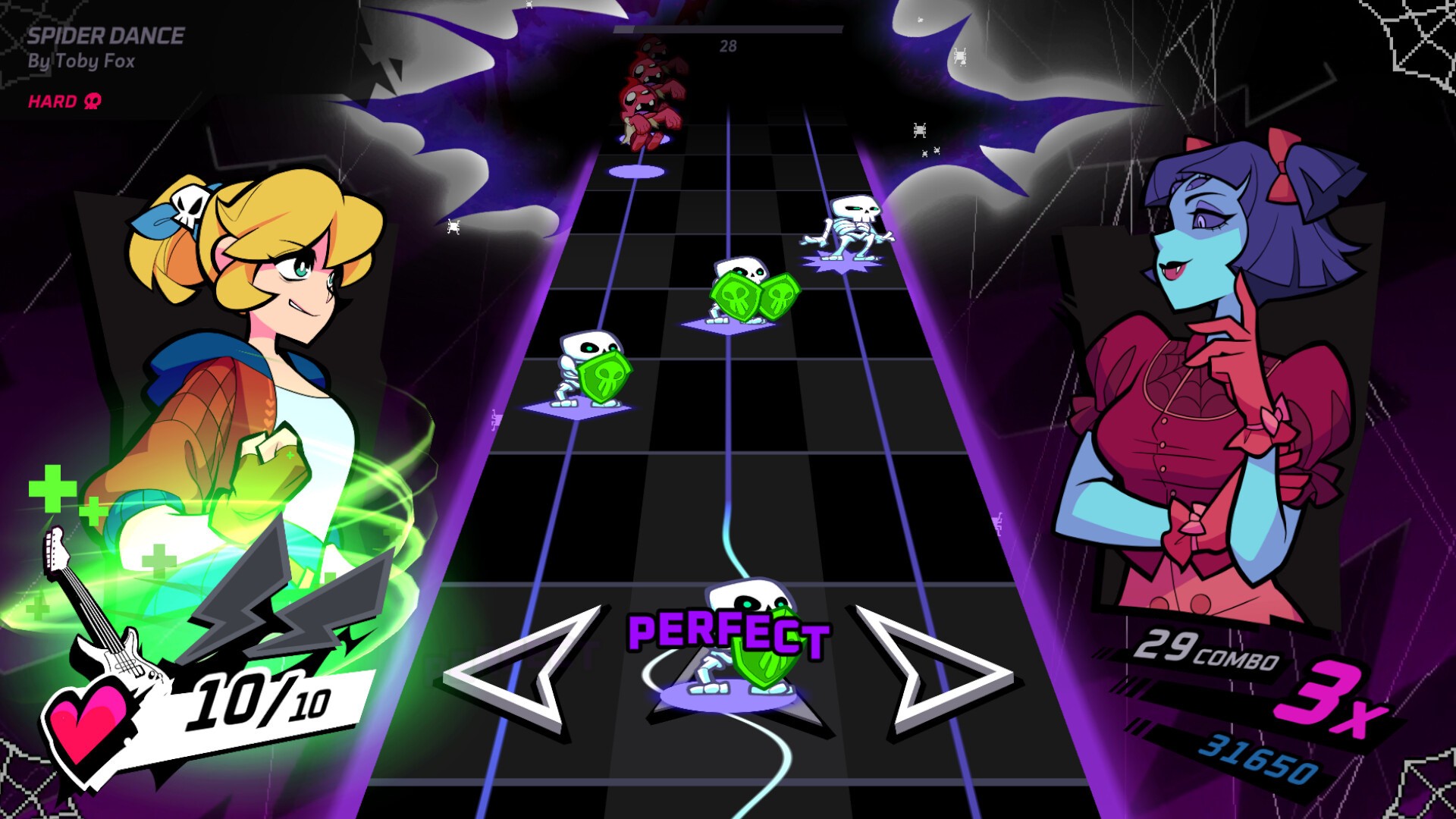
Spider Dance
Each UNDERTALE Rhythm Rift features:
A member of the Rift cast in their favourite UNDERTALE cosplay
Background visualizer with custom particle FX
Four Difficulties: Easy, Medium, Hard and Impossible
Remix Mode: Experience a fresh beatmap your way every playthrough while enjoying the original level’s rhythmic design
Buying this Music Pack also unlocks custom UNDERTALE items to equip in your Rift Profile!
There are no dogs in this Music Pack, sorry.
Image: Brace Yourself Games
Rift of the NecroDancer was originally released on Switch in 2025. We thought it was great, awarding it eight out of ten stars:
Would you be interested in this music pack? Have you played Rift of the NecroDancer yet? Let us know in the comments.