We hope you’re ready for another clash of covers, because it’s time for this week’s Box Art Brawl!
Last time, thanks to a certain Super Mario Galaxy Movie appearance, we took a look at Star Fox: Assault for the GameCube. While the grey Japanese cover put up a good fight, it was the European and North American design that comfortably walked away with 64% of the vote and the win.
This time, to celebrate its surprise drop on the Nintendo Switch Online NES library, we’re taking a look at Mendel Palace. There’s every chance that you haven’t heard of this one before, but does the name Game Freak ring a bell? Yes, this was the debut title from the Pokémon team, a puzzly adventure game about flipping tiles to get through a monster-filled dream world.
There are two different covers to pick between this week, so let’s check ’em out!
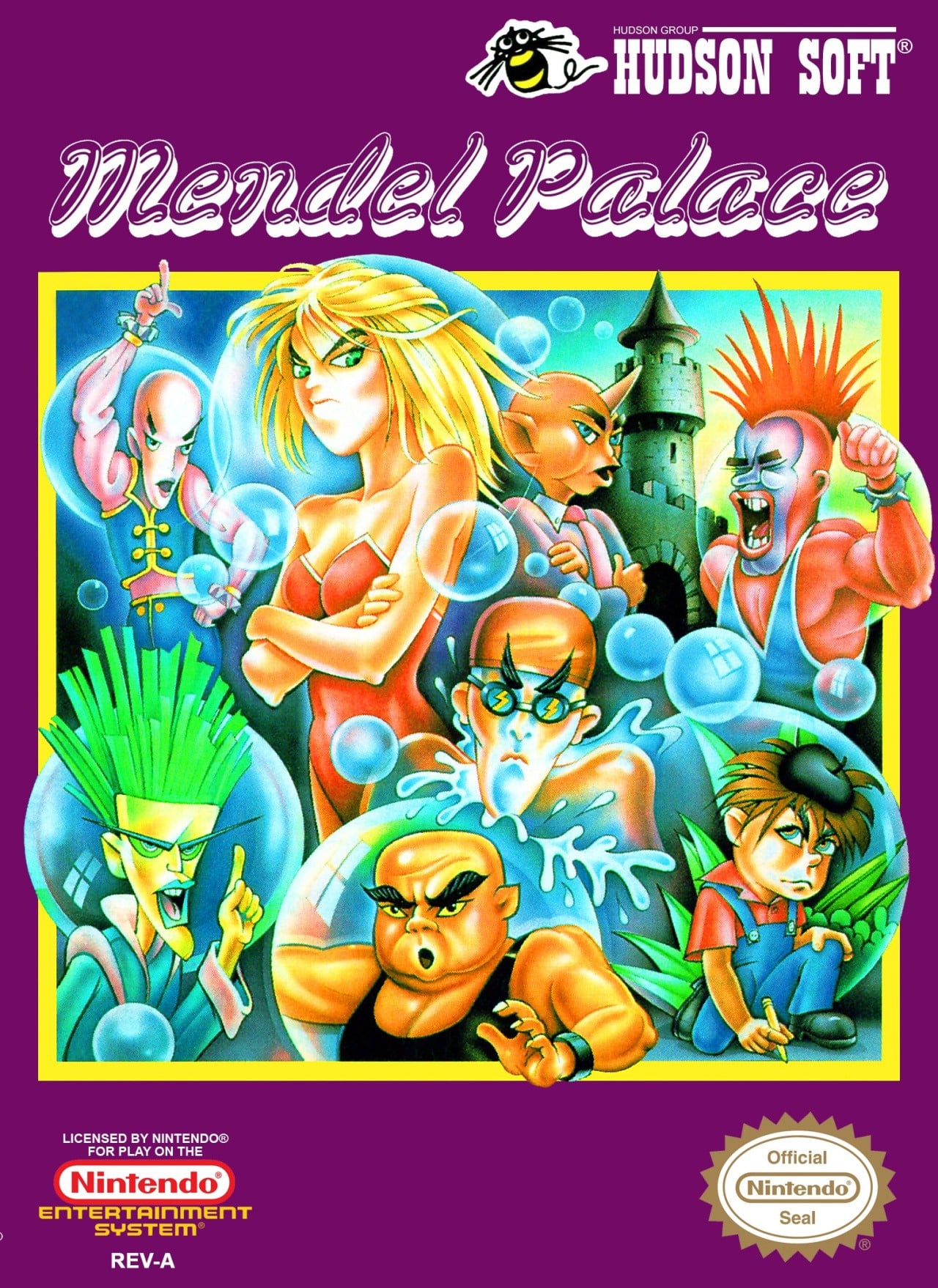
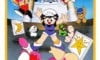
There’s a vague Labyrinth vibe to the North American cover that we can’t help but dig. It’s absolutely jam-packed with weird-looking characters, while the mysterious gothic tower looms in the background. Cap it all off with the purple border and funky font, and you’ve got one of those covers that wouldn’t look out of place on your hip co-worker’s office wall.
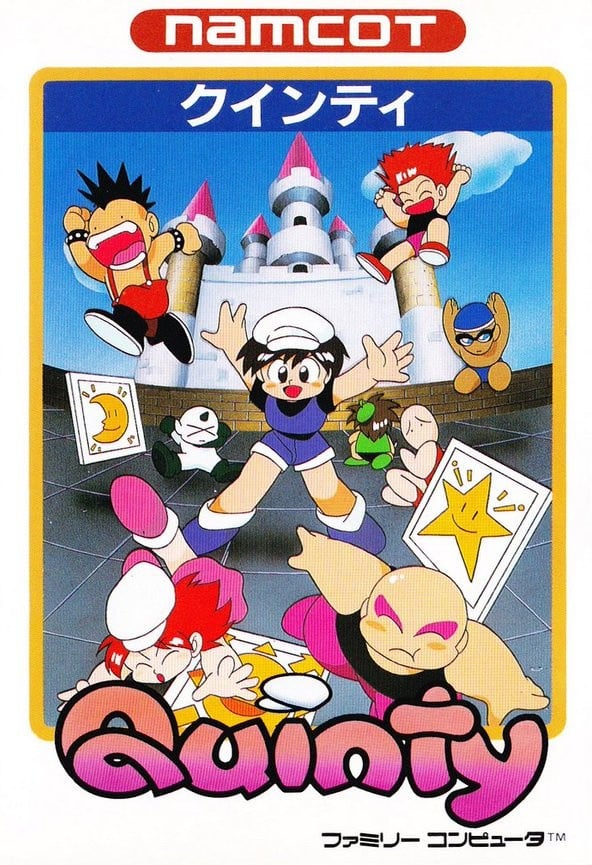
The Japanese design is… different. It’s a lot cuter, for sure, with all those weird characters from the previous cover taking on a chibi aesthetic and the central castle looking a lot more welcoming. There’s a general brightness to the whole thing, too, with the blue skies and white border presenting an entirely different game to that seen by audiences out West.
Which region got the best Mendel Palace box art? (821 votes)
North America45%
Japan55%
Thank you for voting! We’ll see you next week for another edition of Box Art Brawl!
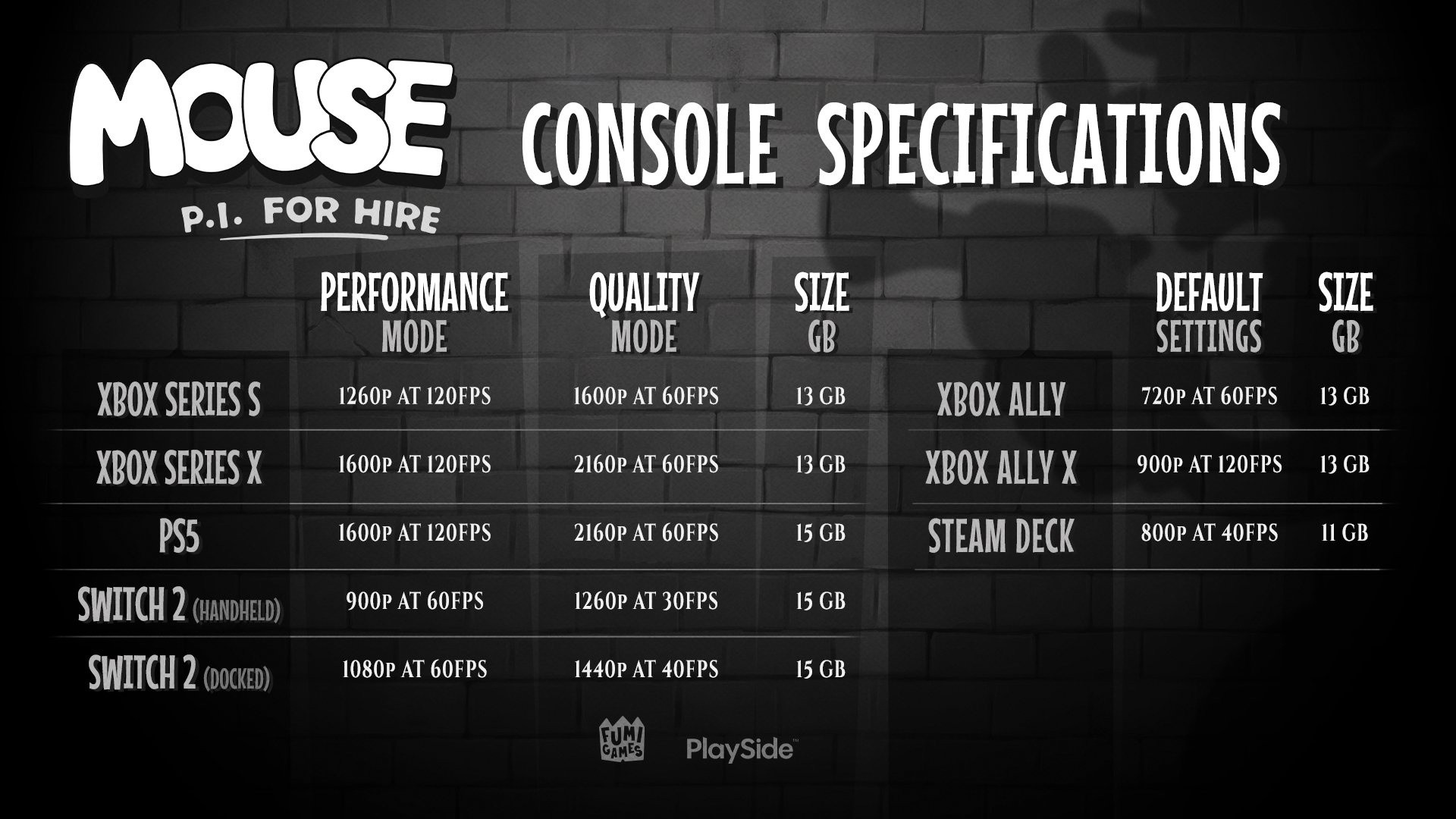
Ahead of the launch on 16th April 2026, Fumi Games and Playside have released the specifications and performance targets for Mouse: P.I. on every platform.
On Switch 2 in handheld, the game runs at 900p at 60fps in performance, and in quality mode you can expect 1260p at 30fps. As for the title’s docked output, the game is 1080p and 60fps in performance, and 1440p at 40fps in quality mode.
In terms of the file size, you’ll need 15GB of space if you plan to install Mouse: P.I. for Hire on your Switch 2.
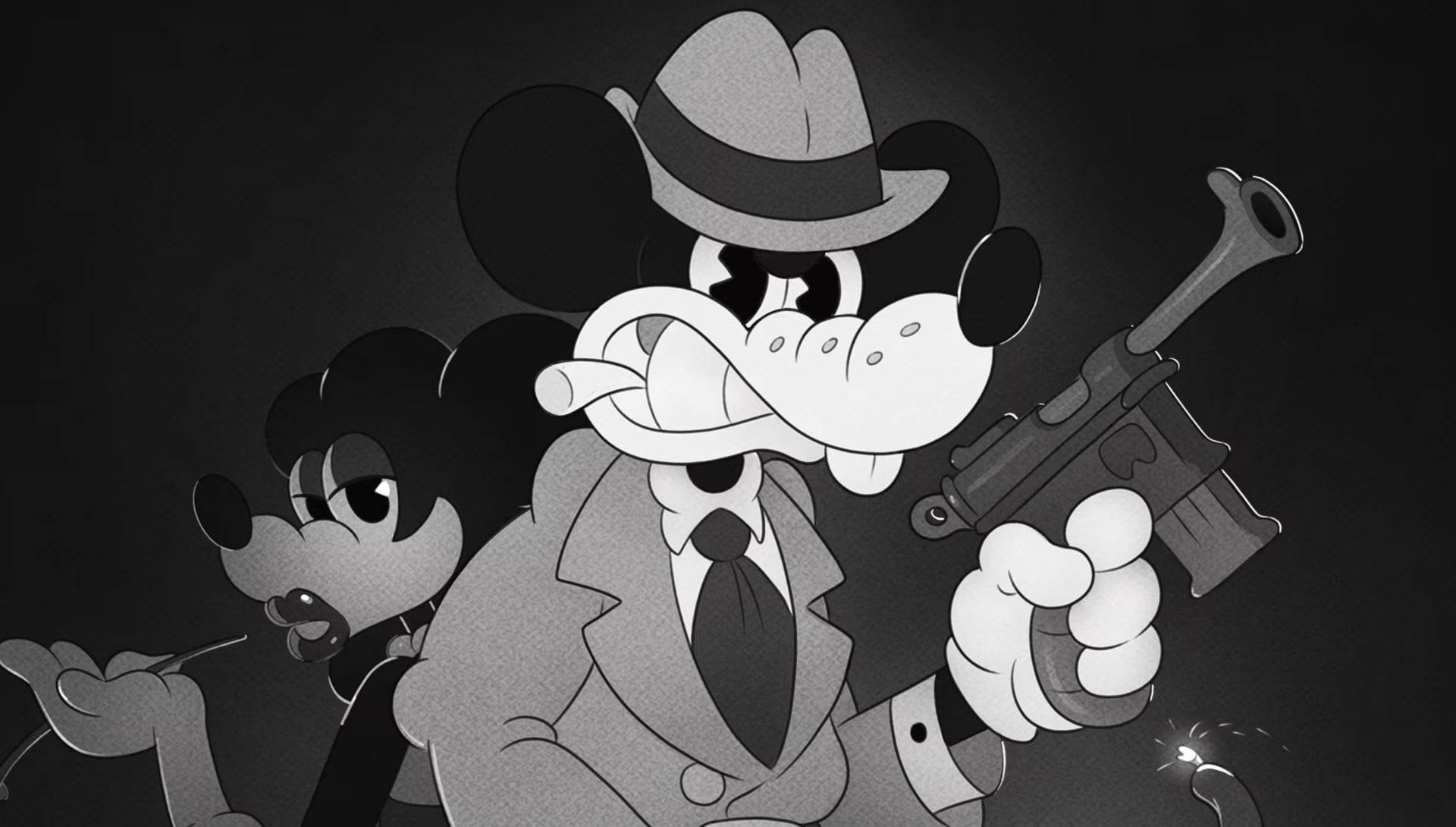
The developer and publisher have also released a new “meet the cast” video. The private investigator, former war hero and protagonist Jack Pepper is voiced by Troy Baker.
He will be joined by Florian Clare as Wanda Fuller, Camryn Grimes as Tammy Tumbler, Fred Tatasciore as John Brown and Frank Todaro as Cornelius Stilton.
Will you be checking out this game on the Switch 2 next week? Let us know in the comments.
These are my two most hyped games of 2026 right now, bar none.
Though I am also quite excited for hybrid handheld Indiana Jones with gyro aiming, hybrid handheld Final Fantasy 7 Rebirth, hybrid handheld Granblue Fantasy, hybrid handheld Adventures of Elliot, and a number of others which escape me at the moment.
But certainly getting a brand new [presumed] prequel to Fire Emblem Three Houses, and a fresh take on Splatoon- one of my favorite games of the last decade, not to mention we’re almost certainly going to see the next Monolith Soft jrpg as if Fire Emblem and Splatoon wasn’t enough…
South of Midnight is a third‑person action‑adventure that leans into its narrative hard. For those thinking of buying it, that’s the first thing to consider, because not every gamer has the same ‘high cutscene-to-gameplay ratio’ of patience. While it doesn’t over-indulge, it does like to pause events often to reveal one of its abundant storytelling nuggets as it unravels its enjoyable Deep South folktale-inspired narrative.
Taken most positively, these events add a decent amount of interest and some pathos to the game’s roughly 10-hour runtime, which is divided up into 14 chapters. My most negative take is that I sometimes mused about whether South of Midnight would have also made an excellent film.
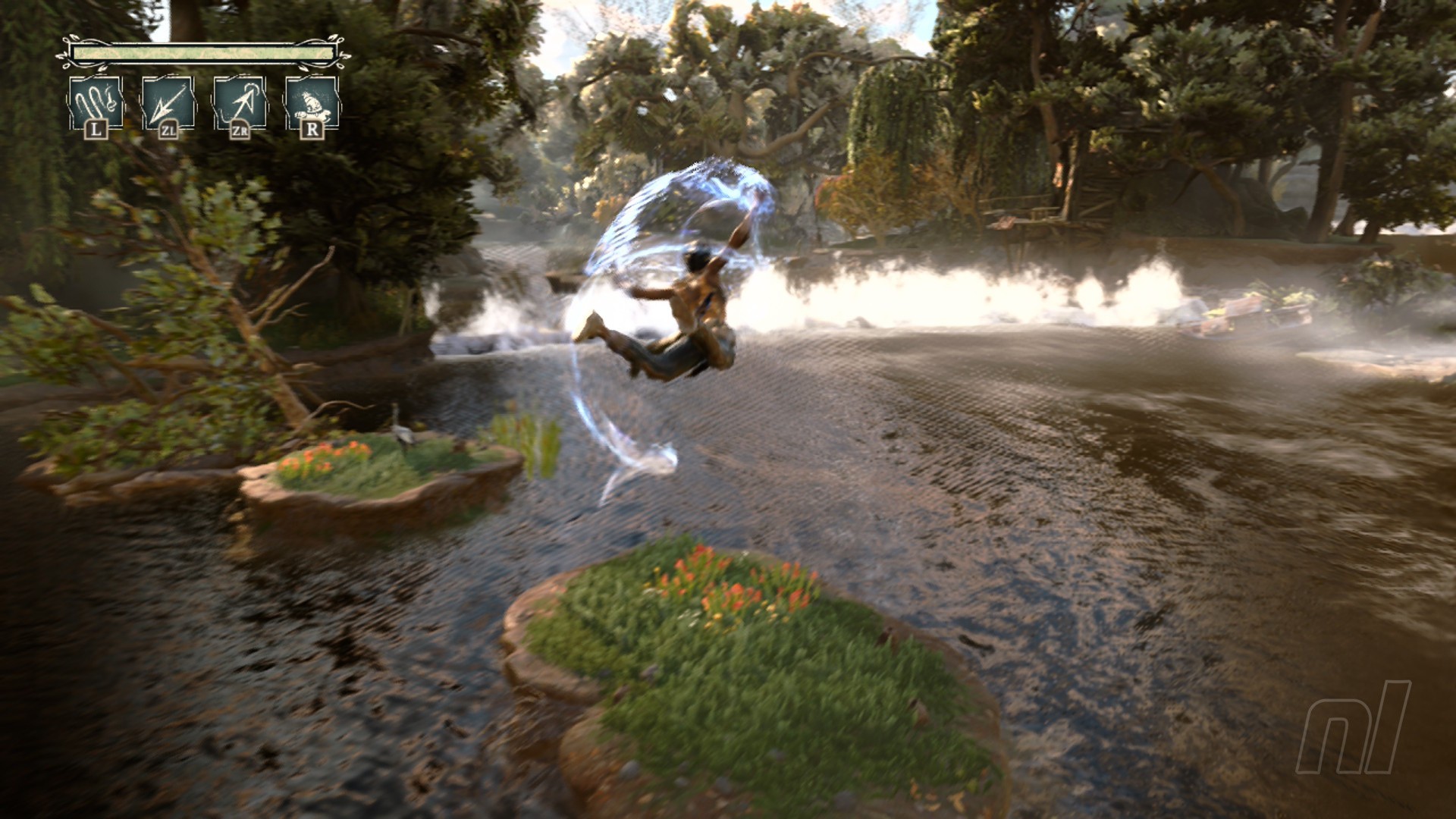
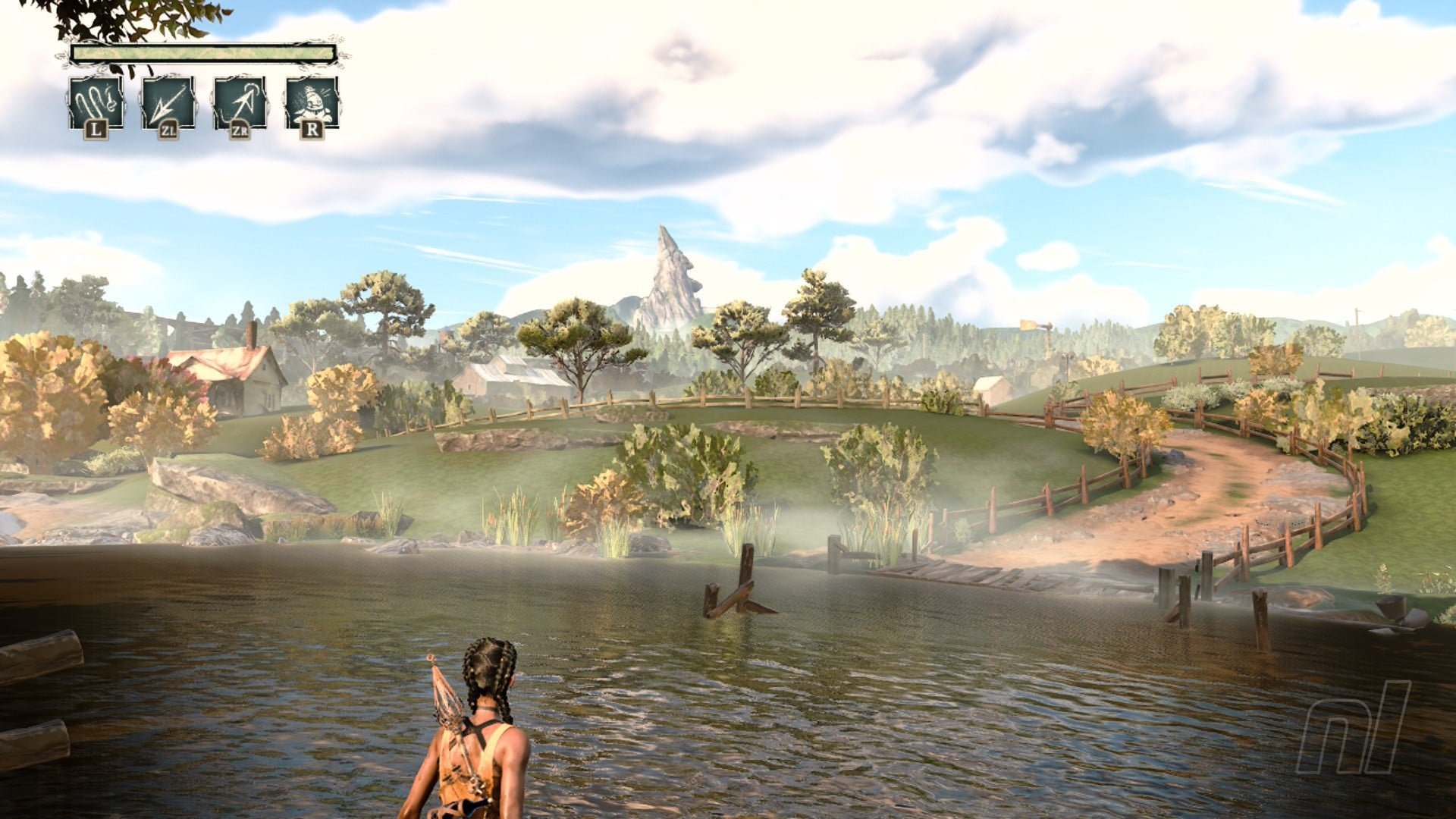
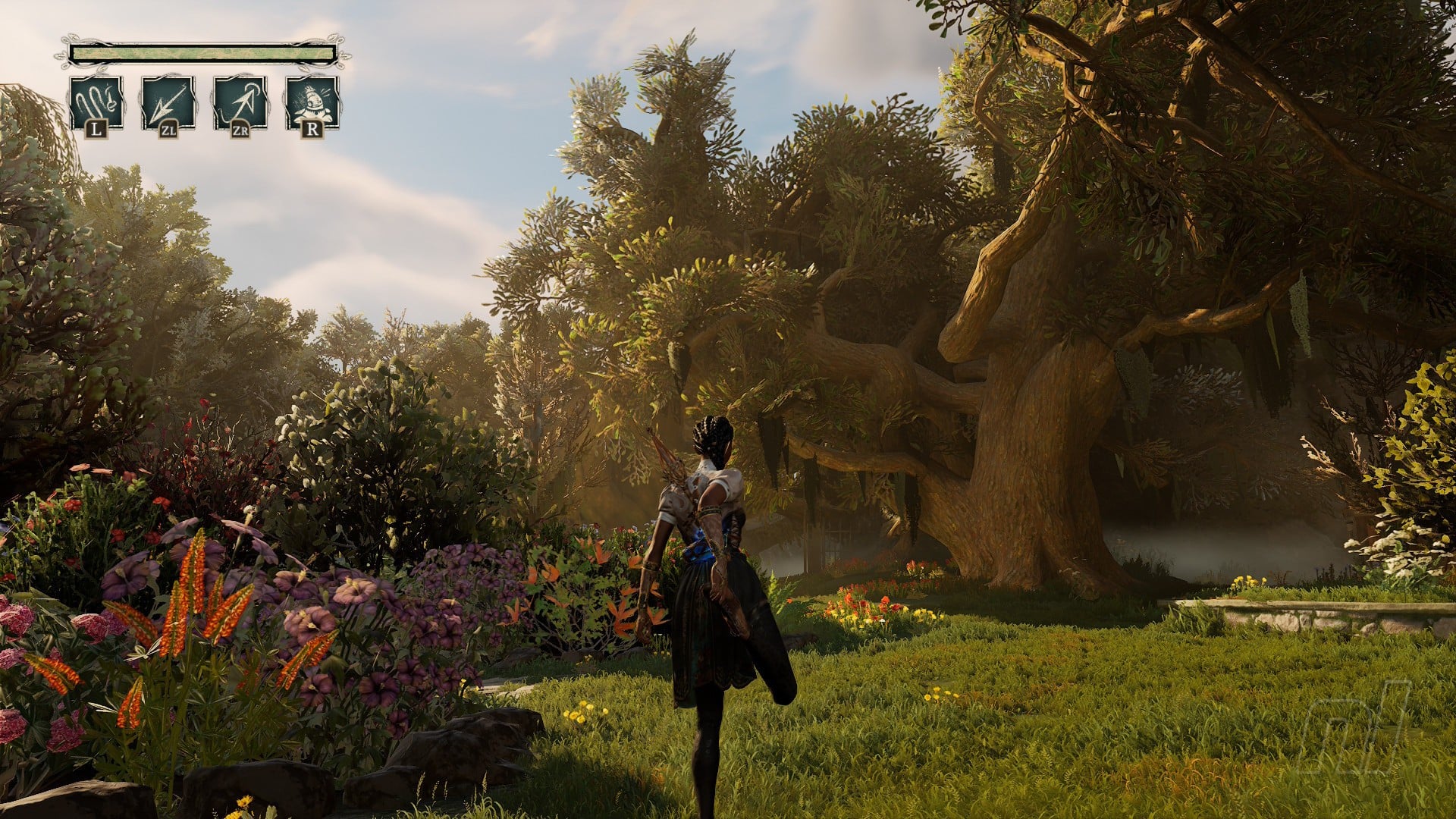
And this brings me neatly to the quality of this Switch 2 port. Published by Xbox Game Studios, South of Midnight came out to positive reviews in 2025 – representing a warmer reception for developer Compulsion Games after their mixed-reviewed We Happy Few. A glance at the gameplay — set within ambitious storm effects at times and dense, luscious wildflowers at others — shows a very ‘current gen’ production that pushes the graphical limits of the Switch 2’s more powerful rivals.
Captured on Nintendo Switch 2 (Handheld/Undocked)
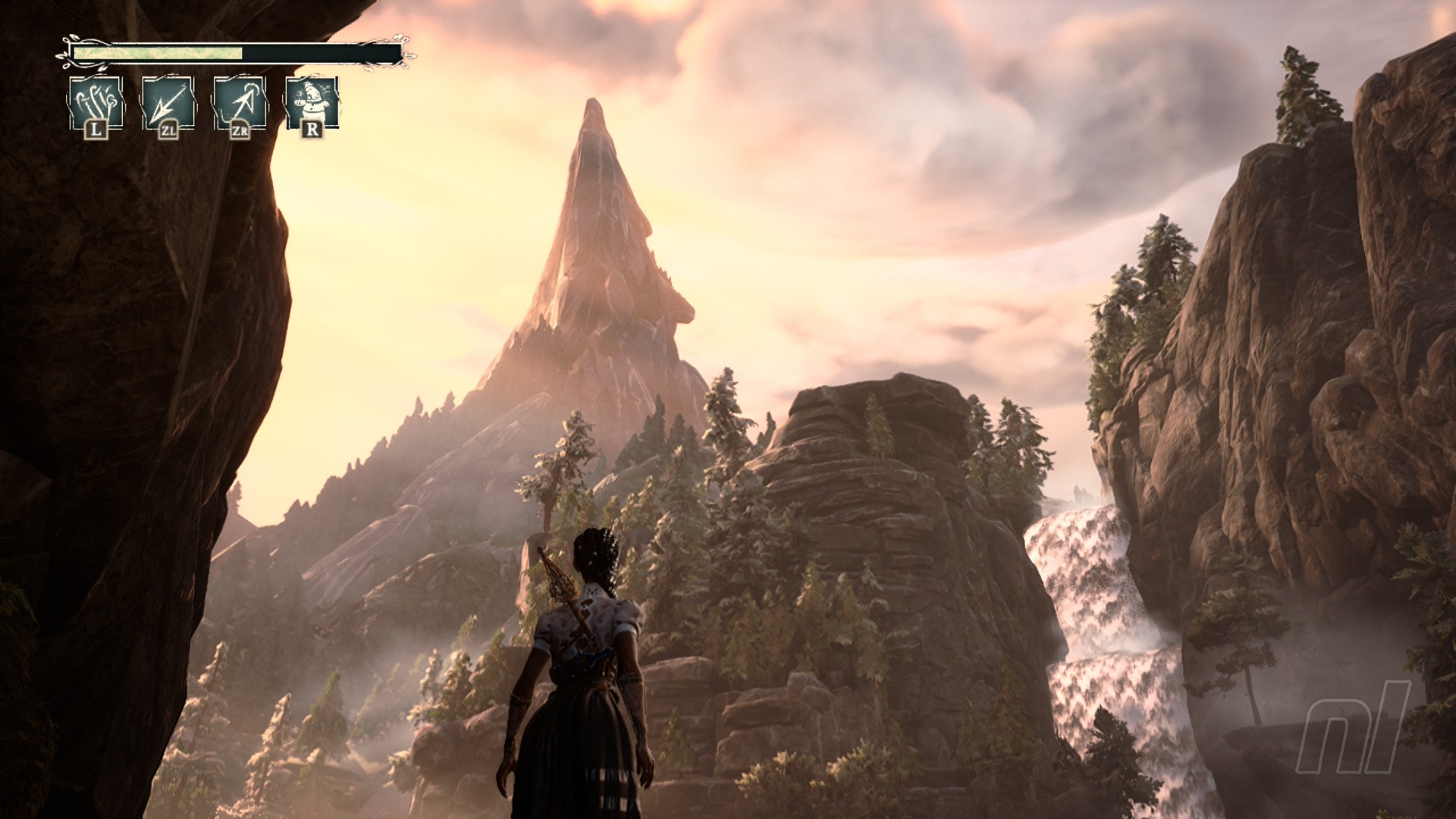
Alongside a lovely stop-motion aesthetic, South of Midnight’s trio of presentation, worldbuilding, and atmosphere were often highlighted as its strongest features, with many reviews suggesting they overshadowed fun but never deep gameplay mechanics.
It’s sad to report, then, that the Switch 2 version brings a variety of compromises that undermine that great strength. These are issues that come and go depending on where you are in the game – a frequent slight fuzz in handheld mode, reoccurring texture pop-in both handheld and docked, and omnipresent frame drops scattered throughout like flies buzzing in the real-life version of the game’s subtropical bayou locale.
Inevitably, these compromises impacted my immersion. Rather than revelling in a true next-gen experience, I was reminded of playing various Switch 1 ports from almost a decade ago. The bar is higher now — and the Switch 2 is capable of impressive work — but the compromises are there all the same.
Captured on Nintendo Switch 2 (Handheld/Undocked)
It’s difficult to get the tone right here – I don’t want to sound too negative. South of Midnight on Switch 2 is still very playable, but it’s fair to say that its foliage-and-fauna-dense fantastical rendition of the Deep South setting isn’t always as pretty as it is elsewhere. Having said that, it still has its moments. These issues disappear often enough, and the visuals sometimes shine.
Story-wise, you take on the role of Hazel. In the opening scene, she’s preparing for an imminent hurricane and on the cusp of fleeing her house with her mother. The pair fall out over the mother’s tendency to prioritise other kids over her daughter, a minor rift made poignant when the house and the mother are swept away in the violent storm, which works a little like a watery version of the tornado that sends Dorothy to Oz.
You’ll spend the rest of the game trying to get your mother back. There are twists – Hazel discovers that she’s a ‘weaver’, capable of seeing and using strange strands and threads that appear in the air, a powerful force that imbues her with a host of combat skills perfect for destroying the ghostly Haints that pop up frequently.
Captured on Nintendo Switch 2 (Handheld/Undocked)
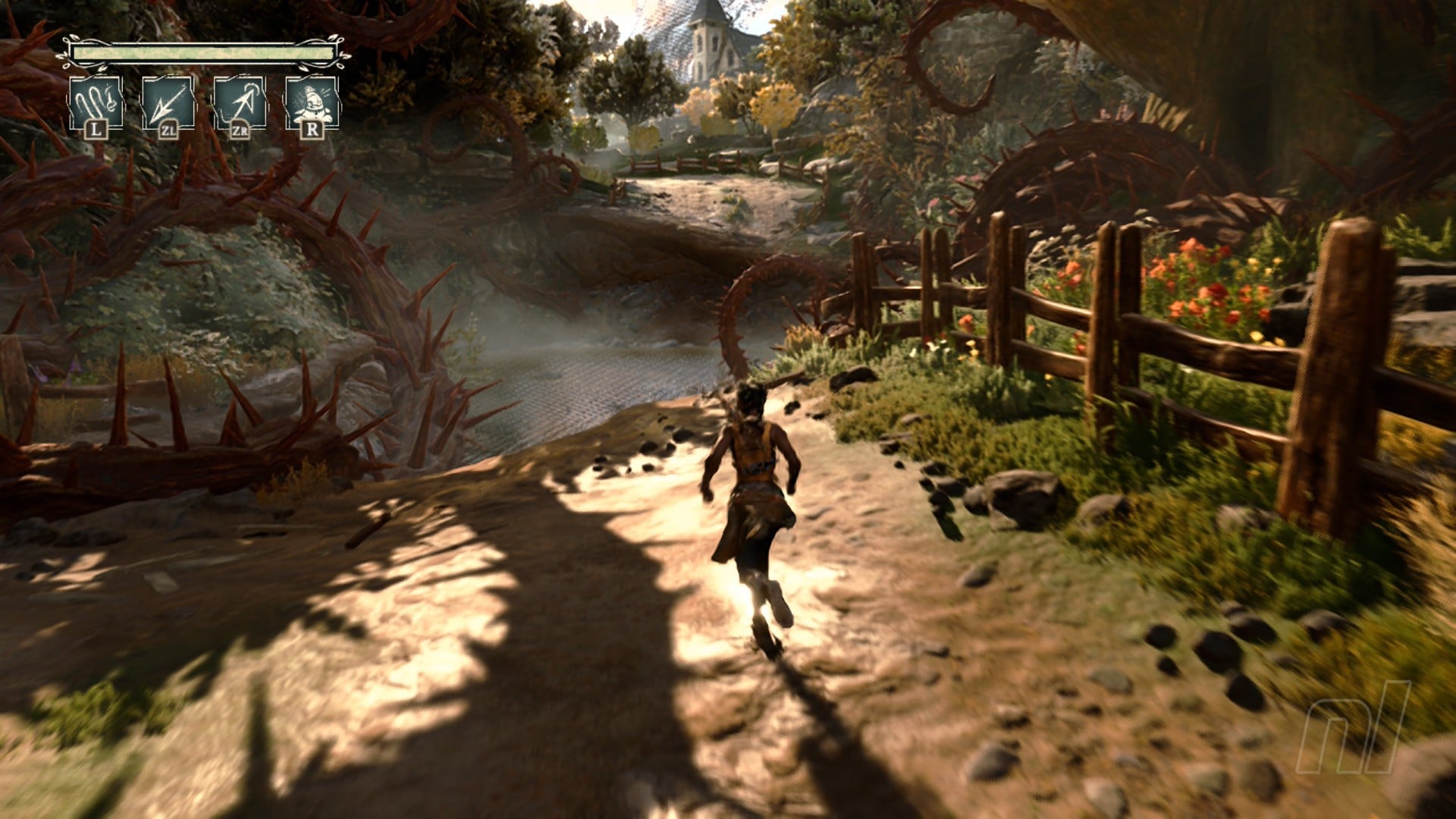
They also amplify Hazel’s athleticism so she can run across sheer walls, triple jump, and lasso – not to mention one enjoyable pixie-sized surprise I won’t reveal.
My own experience with South of Midnight’s gameplay went through three distinct stages. Stage one, I sensed quickly that the platforming, while fun, is pretty linear. Stage two, during the ring-fenced battles (they take place in clearly defined zones) I came to enjoy the enforced patience needed to succeed and how button-mashing wasn’t going to work.
Stage three, about midway through, I became just a touch disappointed that the platforming-exploring- battling gameplay loop remained mostly the same. As I neared the game’s climax, the rhythm became familiar. I traversed athletically to a new area, completed some light environmental puzzles, cleaned up three or four areas of Haints, occasionally beat a boss, and then moved on to the next chapter. New ideas do appear here and there, but this isn’t a game where freedom and choice are part of the design. Overall, South of Midnight is fun. It is good. But it’s not the most varied experience.
Captured on Nintendo Switch 2 (Docked)
If you look at the multiple accolades won by Compulsion Games since the initial release, you’ll see a few awards for animation – and they’re well deserved, and part of the reason I think South of Midnight would make such a great film. The voice acting is also impressive.
But other award wins for best music are less convincing. The cinematic soundtrack is excellent — I loved the mood and wanted more of it — but the lyrics in some of the songs that pop up throughout are often distractingly on the nose, expressing the themes and events with very little subtlety.
Ah, but this is a minor quibble. I enjoyed South of Midnight a lot – the adventure through multi-generational, fantastical family, folk-tinged trauma has stuck with me. I had a memorable trip into a gothic Southern swampy wonderland. The Switch 2 version is absolutely functional and it really will work for you if you don’t have access to something more powerful.
Conclusion
Elsewhere, on more powerful hardware, South of Midnight elevates its slightly repetitive gameplay with its stellar presentation. It’s an unavoidable disappointment, then, that some of that quality is compromised on Switch 2. As a result, when playing, it creates the same sensation as listening to a great song punctuated by a smattering of duff notes. You’ll have to choose to ignore the texture pop-in in docked mode or the slight fuzziness in handheld mode. Even then, your brain will register it on some level and it’ll twang a thread of mild, almost imperceptible regret at what could have been.
Having said that, South of Midnight is still very playable and enjoyable. There’s plenty here to appreciate, but the Switch 2 version won’t be the one that anyone calls definitive.
When the 3.0 update arrived for Animal Crossing: New Horizons in January, covering it for this here website returned me to a place I thought I’d left behind.
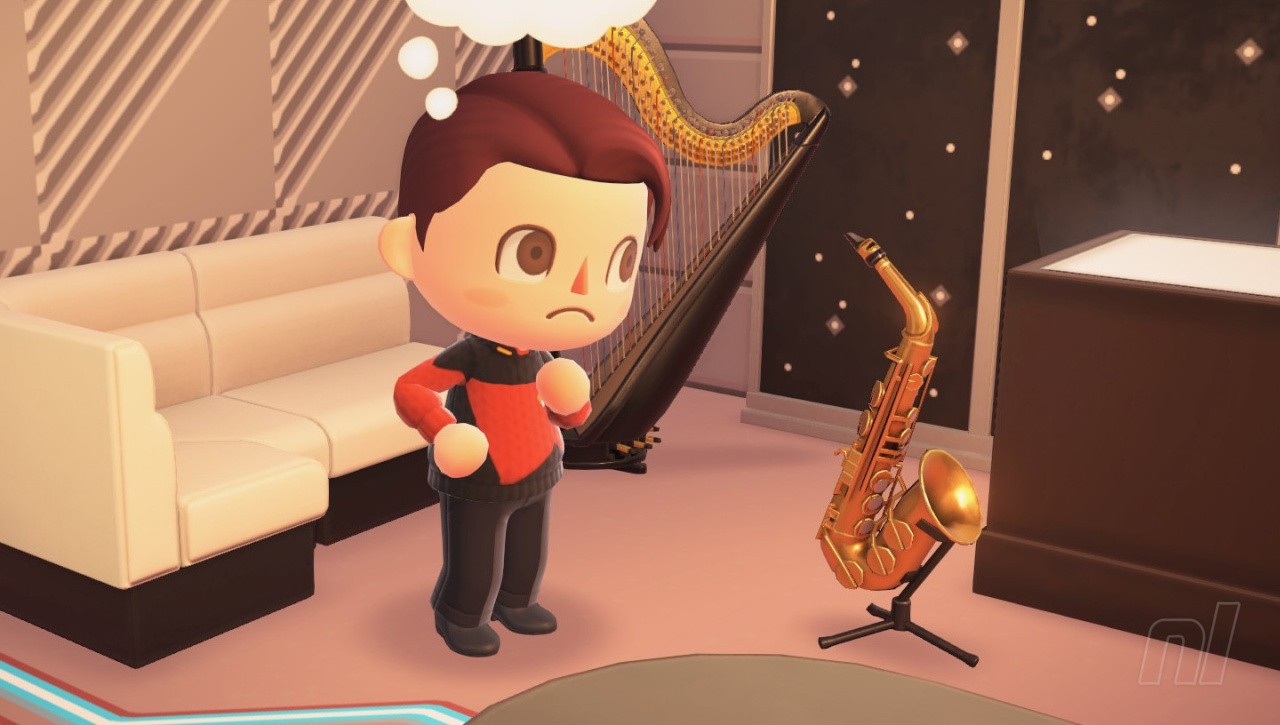
Playing for guide purposes brought me back to my island, Twin Peaks, to my half-finished house and haphazard landscaping. I tend to start Animal Crossings with grand designs but, lacking the items and patience to realise them, I move on to the next game once I’ve caught all the fish and bugs, and made a bunch of Star Trek uniforms.
However, my kids caught sight of the screen as I expanded my Hotel. They began badgering me to visit “K.K. Salsa” on Saturdays. That’s what they call Slider, after hearing that tune on a playlist and getting obsessed with AC’s resident hound dog and his funny voice.
Before long, I’d created Switch profiles for them both and they had tents on the island. This was a big step up the gaming ladder from occasional dabbles with Wii Sports, some Rock Band drumming, and watching me roll up cats in Katamari Damacy. They quickly took to shaking Daddy’s 30k money trees to fund funny outfits.
Then we started using the drop-in ‘Call Resident’ multiplayer and goofing around as they spent multiple minutes just standing there cycling through reactions, howling with laughter. Then came the call to Nanny, who lives overseas and whose ACNH playtime dwarfs my ‘370 hours or more’ by orders of magnitude. Soon they were running around her island, seeing all the weird and wonderful items she’d accrued over six years of regular play, telling me that Nanny still wants the Golden Statue, and explaining what we should buy to decorate Twin Peaks.
As the kids jumped around, pointing at things and only occasionally arguing over who should be leader, I realised I was essentially living one of those wholesome Nintendo ads they’ve been putting out since the Wii era. It was sometime between Whatsapping my mum to organise an island trip and then farting about with a loudspeaker FaceTime call for 45 minutes that I uttered the words, “You know, you really need to get a Switch 2, Mum. This could be so much easier!”
I caught myself saying it and felt…odd. At launch, I’d recommended she sit tight (she rarely plays handheld and isn’t the world’s biggest Mario Kart fan), but now was suddenly the time to get one? While playing a Switch 2 Edition I felt was barely worth the modest upgrade fee? Remember, it was the 3.0 update for both versions that pulled me back in, not the NS2 Edition. What had changed?
Image: Nintendo Life
As the battery symbol on my phone hit 5% and I dashed out to find a charger, it struck me that it was all about convenience. Among other things, parental exhaustion and the state of the world these days contribute to me just noping out of things — video games and otherwise — given the tiniest inconvenience. I cannot be bothered with another device, another app, another free trial to remember to cancel, another subscription, another…
Remember that Splatoon 2 headset spaghetti diagram from years ago? Life feels like that x1000 these days, and I can’t be doing with it. I’m on a quest to simplify things. On firing up my Switch OLED the other day, even having to press the button and slide the Joy-Con off the rails felt laborious after the ease of magnets. Having lived with Switch 2 for 10 months now, it’s little things like this which I’ve come to appreciate most, I think.
GameChat is another example; not a revolution, not massively exciting, but it just works. No headaches, no headsets, no separate app. Hardly a ringing endorsement to splurge 400 notes on a new console (especially now that GameChat is locked behind NSO), but given the state of RAM, rising prices on other systems, and rumours that Nintendo will follow suit, Switch 2 isn’t going to get any cheaper, is it?
It’s an odd state of affairs when you look at the gaming landscape and the wider economy, with Sony leaving its “$599” days in the dust as it hikes the price on its entire console lineup. ‘Fear Of Price Increase’ now trumps FOMO as a major factor in justifying a console purchase. Last week, workmates were pulling the trigger on PS5 Pros before the price shot up to a stomach-churning £790. It’s crazy out there.
Right now, my mum is still on the fence about Switch 2. She’s waiting for a new colour or an OLED version. As someone who primarily plays docked, an OLED screen isn’t a dealbreaker, but she doesn’t want to be caught out by some new colourway dropping after buying the boring black one. What if they do a snazzy new SKU? Does that have a name? ‘Fear Of Missing The Animal Crossing One’?
Speaking of Animal Crossing, I’m still going back in regularly, making new custom textures for my Enterprise D-themed house. Maybe, just maybe I’ll finish it. My Ten Forward has come so far since I got the game-changing Glow-in-the-dark stickers, plus I played the DLC long enough to unlock lighting tweaks and a polish effect to make my star field windows twinkle. And I’m on the verge of a Blue Rose breakthrough after managing to cultivate, finally, hybrid Red Roses. It’s calming, and we all need a bit of calm.
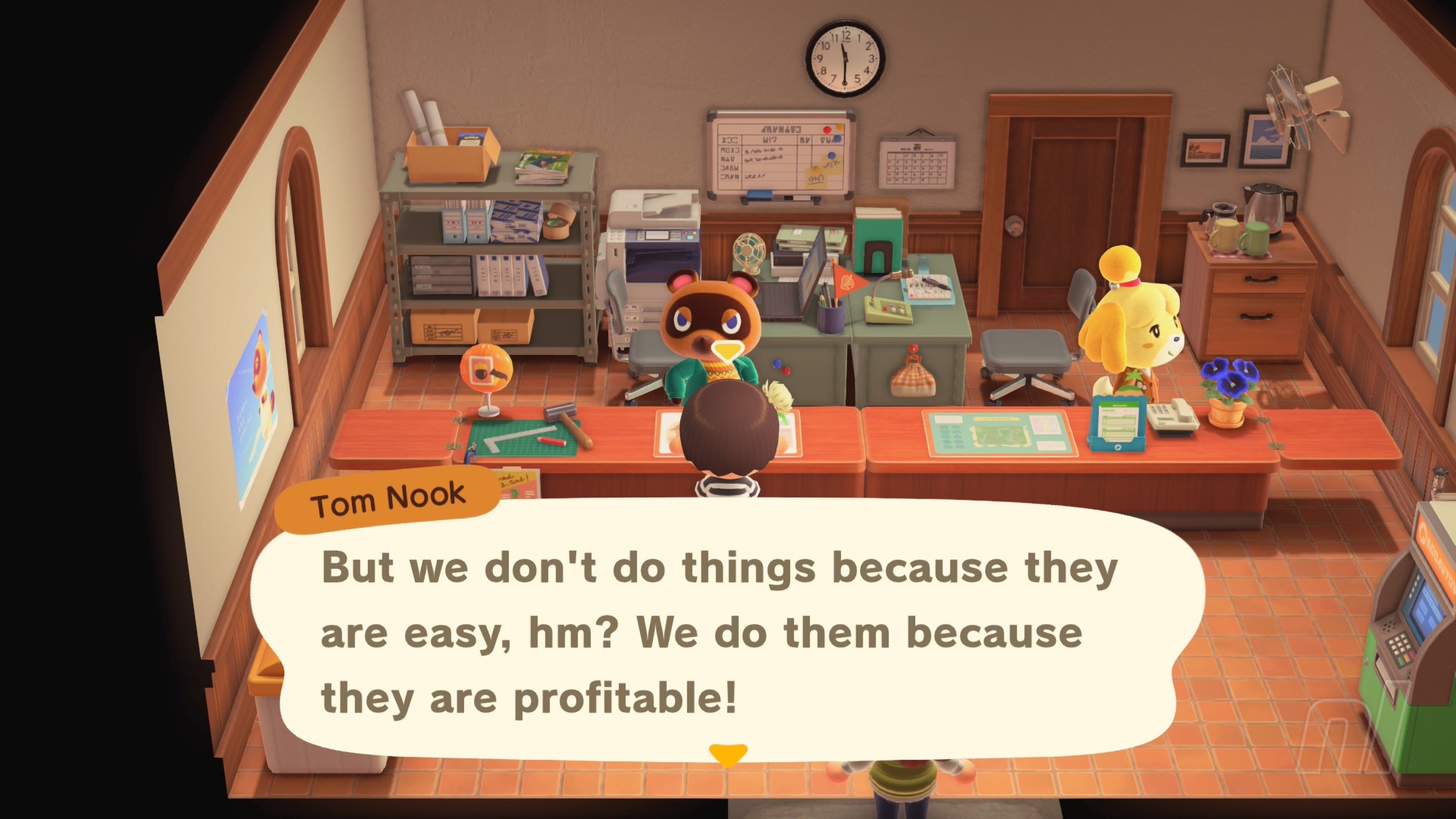
The kids have been playing on and off since January, too. They’re steadily learning the controls, organising their houses (constructed after a little help from Dad to complete Nook Miles goals and pay off their loans), and pottering around the island picking up shells and talking to visitors, all sporting Starfleet uniforms I make them wear. The visitors, not the kids.
It’s intriguing to watch how they play differently to me. No choice paralysis, no OCD-style hording of items, no frustration with Blathers’ blathering. Just the joys of slow-life play and interacting.
It’s also fascinating how we’re transitioning into this proper family gaming ‘unit’ after living the solo Nintendo life for so many years. Here I am, paying off my kids’ mortgages with my own Bells, asking my mum if she’d kindly get a Switch 2 so we can play online more easily.
Let’s not kid ourselves that that’s the sole reason I’ve changed my recommendation to ‘Buy now’, though. Prices are ballooning, there’s no end in sight, and levity is in short supply. I’d suggest anybody who’s interested and who has the means to jump on the Switch 2 train sooner than later.
Regardless, I am become one of those wholesome Switch gamers from the ads. Just, you know, with a less enviable complexion and living room arrangement.
The spring sunshine in my part of the world is forecast to turn to showers, and Abzu put me in the mind of ThatGameCompany’s Flower, so I might fire up the PlayStation and show that to the kids. We’ve been getting in the mood for Rhythm Heaven Groove in recent weeks, too, and there’s a high probability we’ll play more Fever along with Wii Sports (golf is the current favourite).
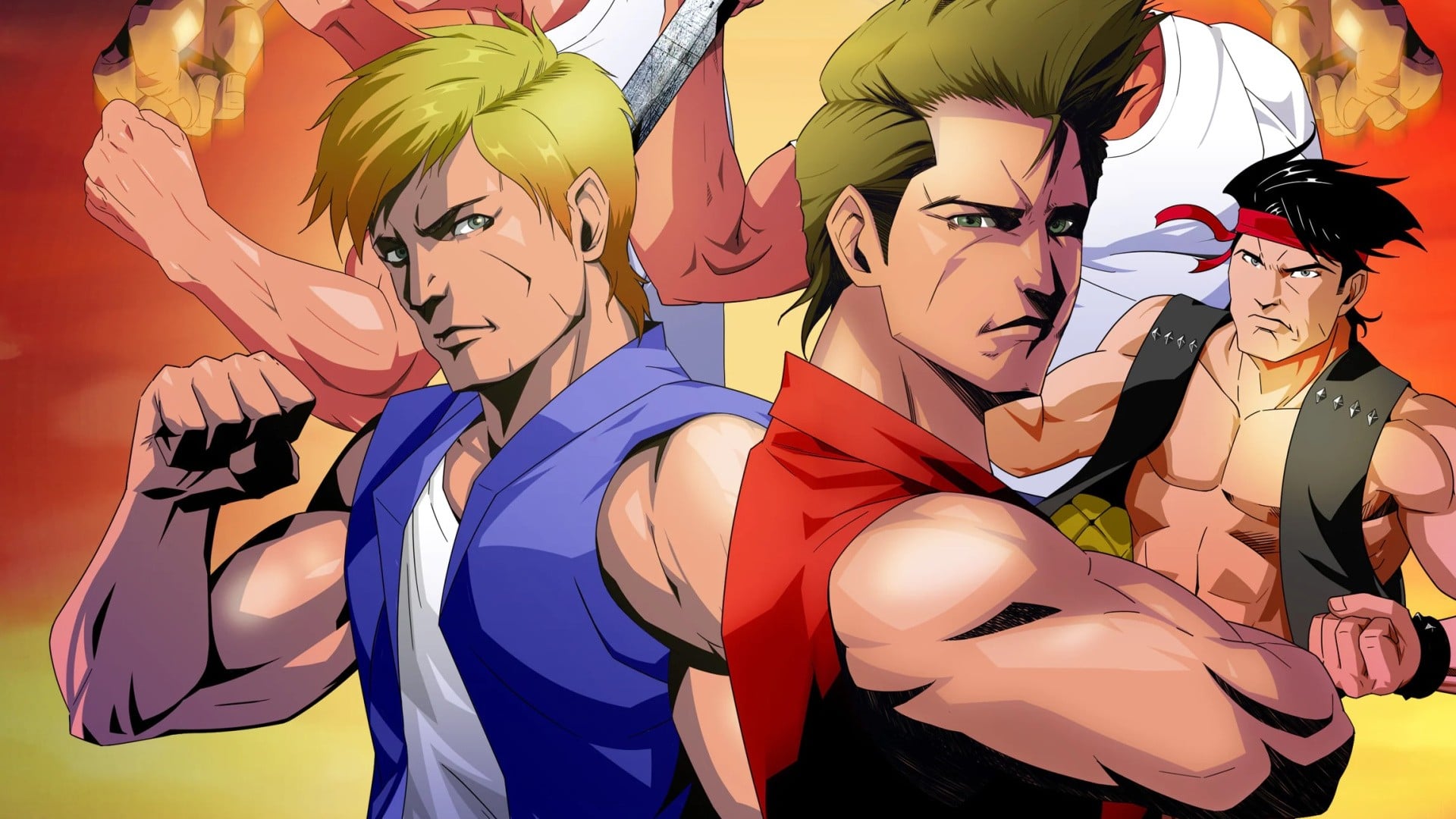
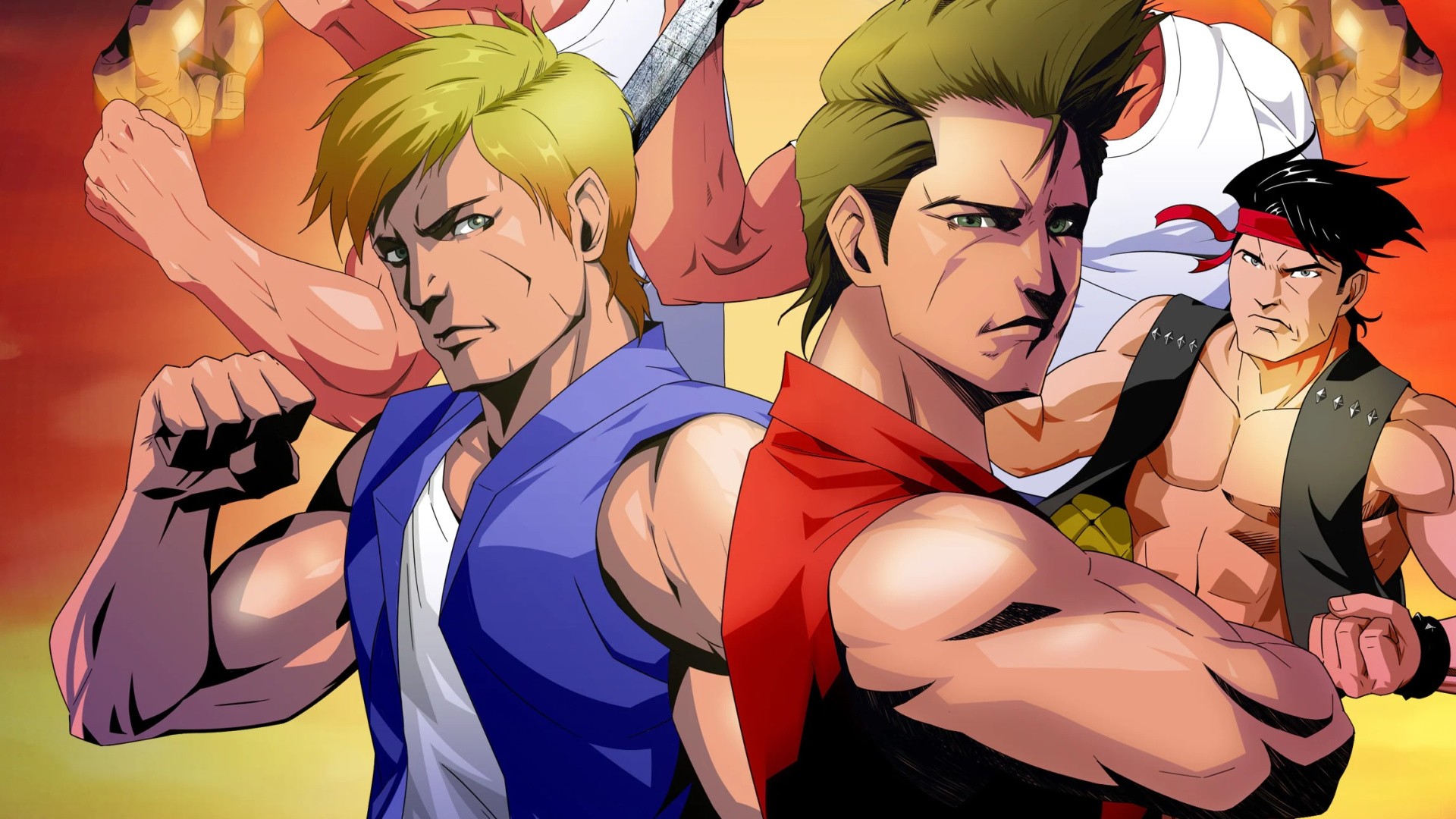
Throw in the customary K.K. Slider visit, and that’s plenty for the weekend, although with the recent passing of Yoshihisa Kishimoto, I plan to pay respects with some Double Dragon and Kunio-kun, too. Have a good one, folks.
Gonçalo Lopes, Contributor
Switching the on-foot and Landmaster control options to dual stick and un-reversing the Y-axis, you can clearly tell that Star Fox: Assault got a bad rep two decades ago that it did not deserve. I shall be wrapping up my recent replay of the tile and am considering picking up a Japanese copy for the superior voice acting. I am also trying to get into One Piece, so I am playing Shonen Jump’s GBA One Piece and will boot up Gamecube’s Battle Stadium D.O.N to give the pirate character selection a go. While on the subject of fighting games, I will spend some of the weekend learning unfamiliar character move sets in Virtua Fighter 5 R.E.V.O. World Stage. Shout-out to Hamster for putting in this week’s Console Archives one of my favourite Nichibutsu’s arcade home ports: Seicross! Please check it out if you’re unfamiliar with this underrated gem.
My game(s) of the week is Double Dragon & Kunio-kun: Retro Brawler Bundle. It was an honour to review this collection for Nintendo Life back in the day, and as you might assume correctly, I am replaying these fabulous Kunio games because of the unexpected passing of series creator Yoshihisa Kishimoto earlier this month. In my youth, his games allowed me to grow up in the safety of the pixelated dangerous streets that kept me away from the real-world ones. One last “Barf!” for the father of belt-action games. ありがとう、岸本さん。
Kate Gray, Contributor
This weekend, same as last weekend: Pokopia and Slay the Spire 2. I’m really glad I broke my “no Early Access games” rule, because STS2 definitely still needs polish and balance in places, but I’m enjoying seeing how it develops, as one of the insane 300+ hour players of the first game. Also, the placeholder art is amazingly bad. I had most of my cards set to “beta art” in the first game, which is a feature that I think you unlock after playing for way too long, that replaces all the card art with the placeholder sketches or fan-made art. In many cases, I prefer the placeholder sketches! They’re cute and silly and dreadful! Yay!!!
Jim Norman, Features Editor
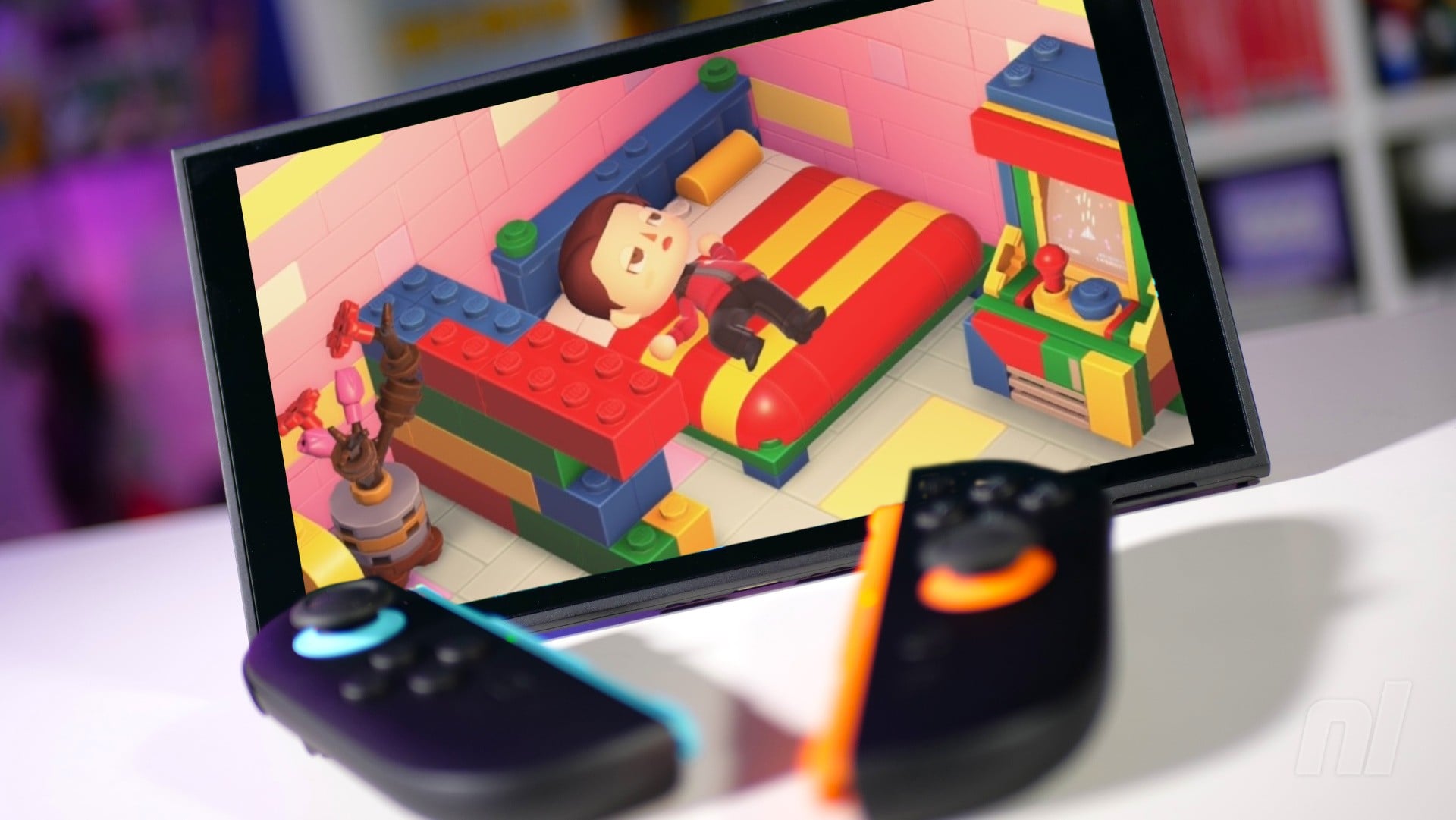
I think I am finally approaching the end of Pokémon Pokopia. Well, I say “end” — all of my areas are still a mess and I still have big renovation plans — but I really mean “credits”. There are still many, many hours to go, of course, but I might take the ‘end of the chapter’ pause to finally hit up the Tomodachi Life: Living the Dream demo before its full launch next week.
In short, a weekend full of silly little guys for this silly little guy.
Those are our plans for the coming weekend. Now it’s your turn to tell us yours, so make sure to get busy with our poll, and let us know all about your weekend gaming plans in the comments!
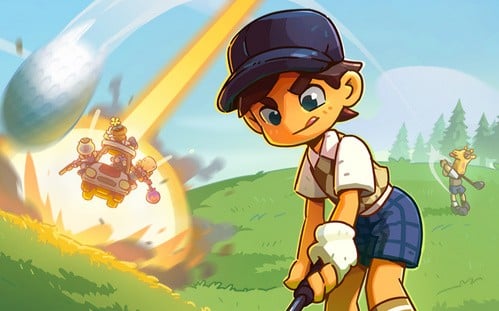
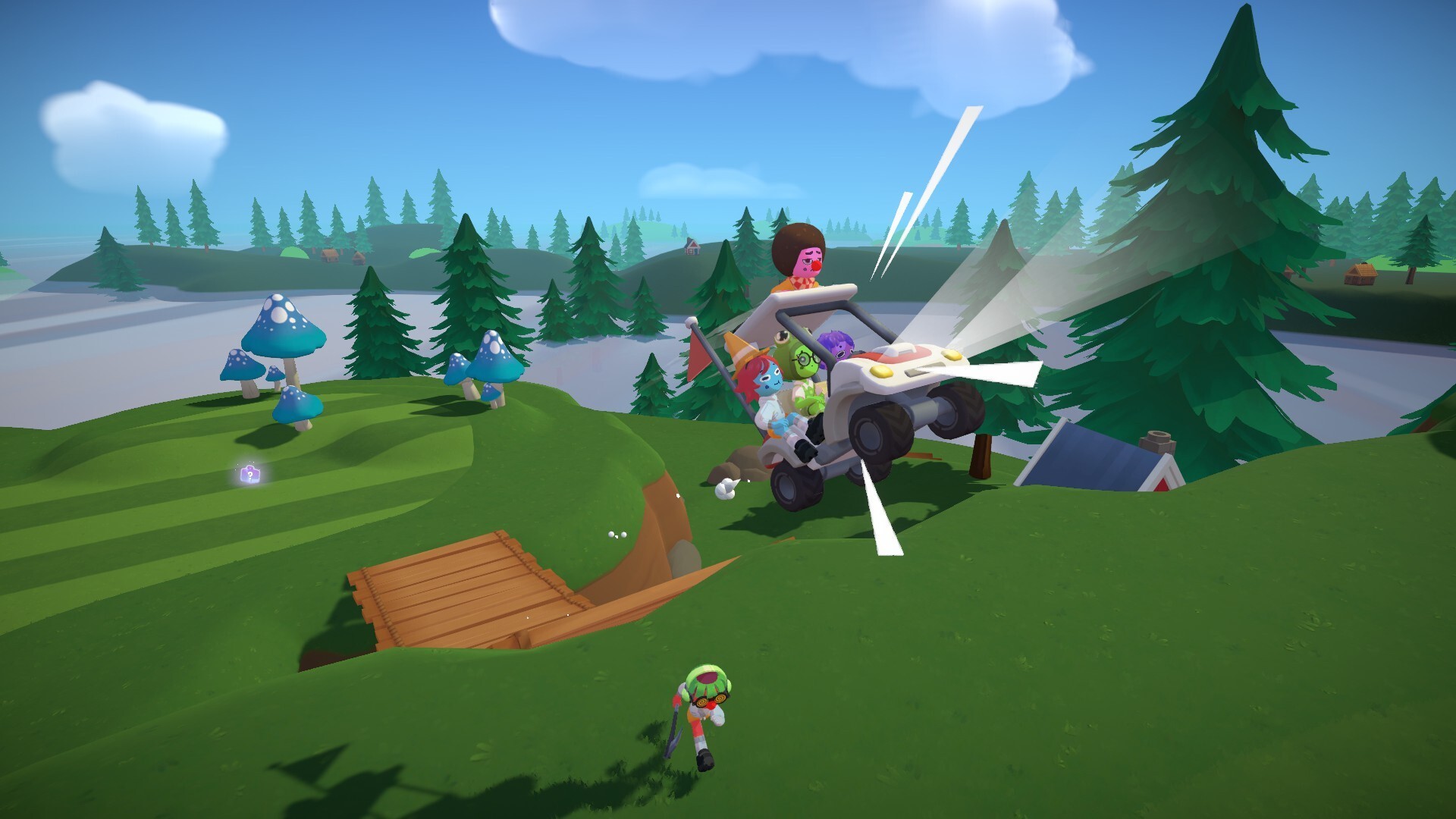
If you enjoy golf video games but would like them to be a bit more chaotic, Super Battle Golf by Brimstone Games might be worth checking out when it launches for the Switch 2 and multiple other consoles.
It will hit the green in “Summer 2026” and offers up 1-8 player online multiplayer action, where everyone plays at the same time as they “swing, shoot, sabotage, and finish first by any means necessary” in this “free-for-all rush” to the hole.
As you can see in the trailer above, you’ll spend your time running over other golfers in golf carts, firing orbital lasers from halfway across the map, and even clubbing fellow competitors on the green. It’s not pretty, but whatever it takes to get the job done!
According to listings for the console versions, players can also expect “point-based scoring” for solo play, character customisation, voice chat, and both private and public match server options. When we hear more about the Switch 2 release, we’ll let you know. Would you be interested in this kind of golf game? Tell us below.
The new “free-to-start” battle game Pokémon Champions launched for the Switch this week and critics have now had their say.
Starting with our own review here on Nintendo Life, we said this new title was the most accessible but flawed competitive Pokémon has ever been, awarding it five out of ten stars:
“The core mechanics of online competitive Pokémon battles remain as solid as a Steelix…But as it stands, the convoluted monetisation, disappointing performance, and inexplicable bugs make this another lacklustre Pokémon experience to add to the pile.”
“While it is a functional way to let you pit Pokémon against others around the globe, its lackluster offerings out of the gate don’t inspire much excitement at the moment…While being “free” gives it some allure, you really need to send your own Pokémon over from Home to properly take advantage of it, which means you already have better, more complete games at your disposal…right now Champions feels like it might need an evolution of its own if it wants to be the very best Pokémon battler out there.”
“There’s a lot of work to be done, but Pokémon Champions could end up in a better spot over time. Nipping the bugs in the bud is a great start, and there are already promising updates on that front. But it also needs a fundamental shakeup, and more modes need to be added to prevent folks from leaving.
“With some better options for party diversity, a bigger Pokédex, and custom modes, Pokémon Champions could be a great side game for huge Pokémon fans. For now, it’s a flawed experiment.”
“Pokemon Champions has a fantastic onboarding process for players unfamiliar with the ins and outs of competitive battling, but it still feels like it needs work. It would massively benefit from smoother performance, a review of its puzzling monetization, and a toning down of its grind, which, while more straightforward than the mainline games, requires sizable time investment just to unlock everything.”
“Assuming The Pokemon Company continues to support Champions with balance patches, new features, new Pokemon, and new items on a regular basis, it could live up to its potential as the premier avenue for Pokemon Battles.Right now, though, Pokemon Champions provides two different experiences for seasoned players and newcomers respectively–and unfortunately for newcomers, it’s an uneven one that will require a lot of their own dedication and time to improve. Perhaps the barrier to entry for competitive Pokemon can never be smashed entirely, but Champions wears it down, and those willing to push through it will find one of the most thrilling competitive games on the other side.”
Have you downloaded Pokémon Champions? How are you finding it so far? Let us know in the comments.
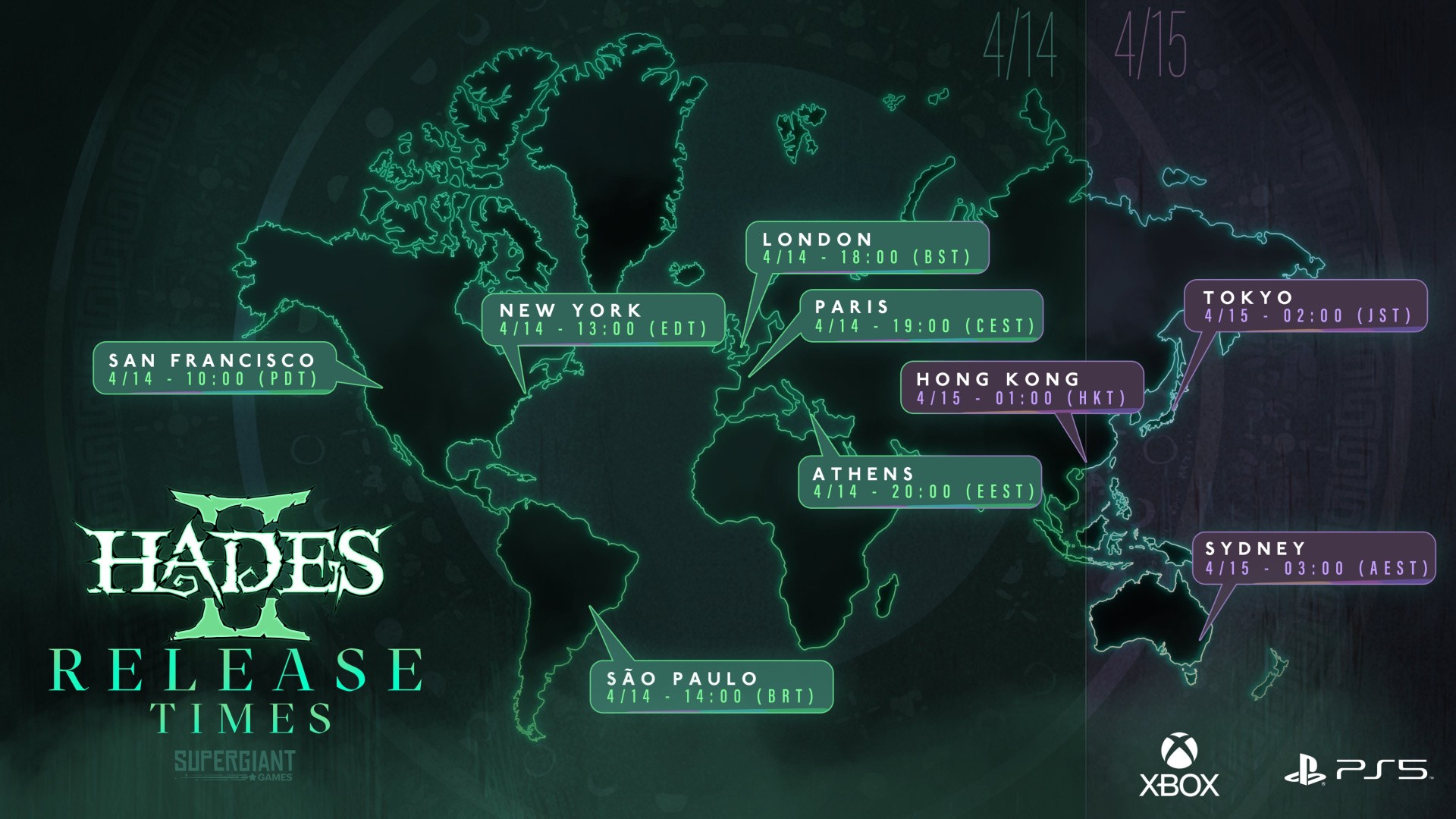
Update []: Supergiant Games has issued a reminder about the Hades II update, which will be dropping alongside the Xbox and PlayStation 5 versions of the game next week on 14th April 2026. The full patch notes will be shared on release.
“HADES II for Xbox and PlayStation launches digitally worldwide on April 14, in just a few days! Here’s exactly when in your local time. We’ll also have our latest patch for those who already own the game. See you in the Crossroads!
“These latest versions will include some bonus content and quality-of-life improvements we’ve been working on. We’ll have full patch notes on April 14. Versions of the game that are already available will get the update that same day.”
Here are the release times for Xbox and PS5 versions of the game, which should also provide an idea of when this latest game update will drop:
Image: Supergiant Games
Will you be checking out Hades II new update when it arrives next week? Have you played the game on Switch or Switch 2 yet? Let us know in the comments.
Original Story:[Fri 27th Mar, 2026 06:15 GMT]:
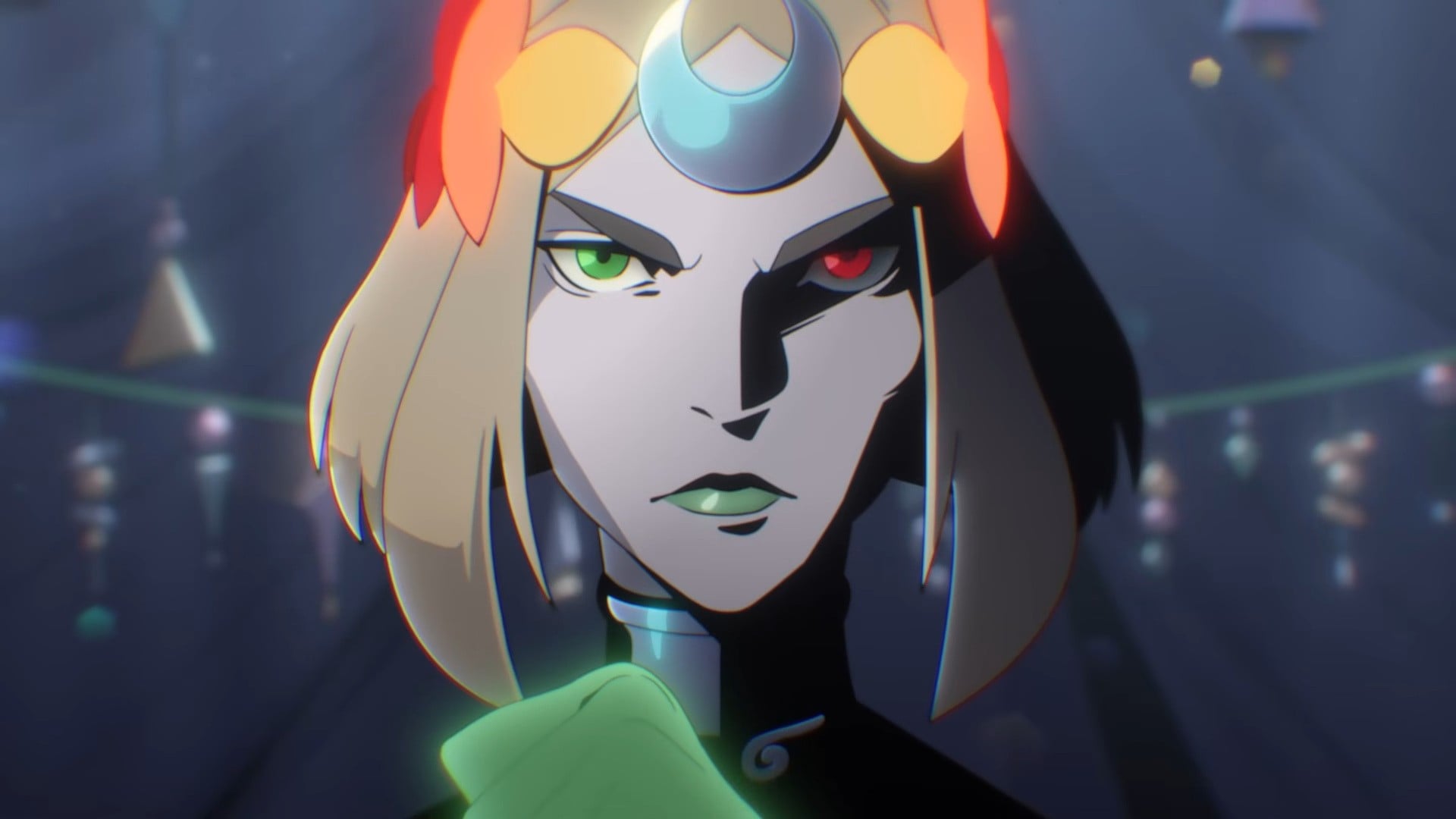
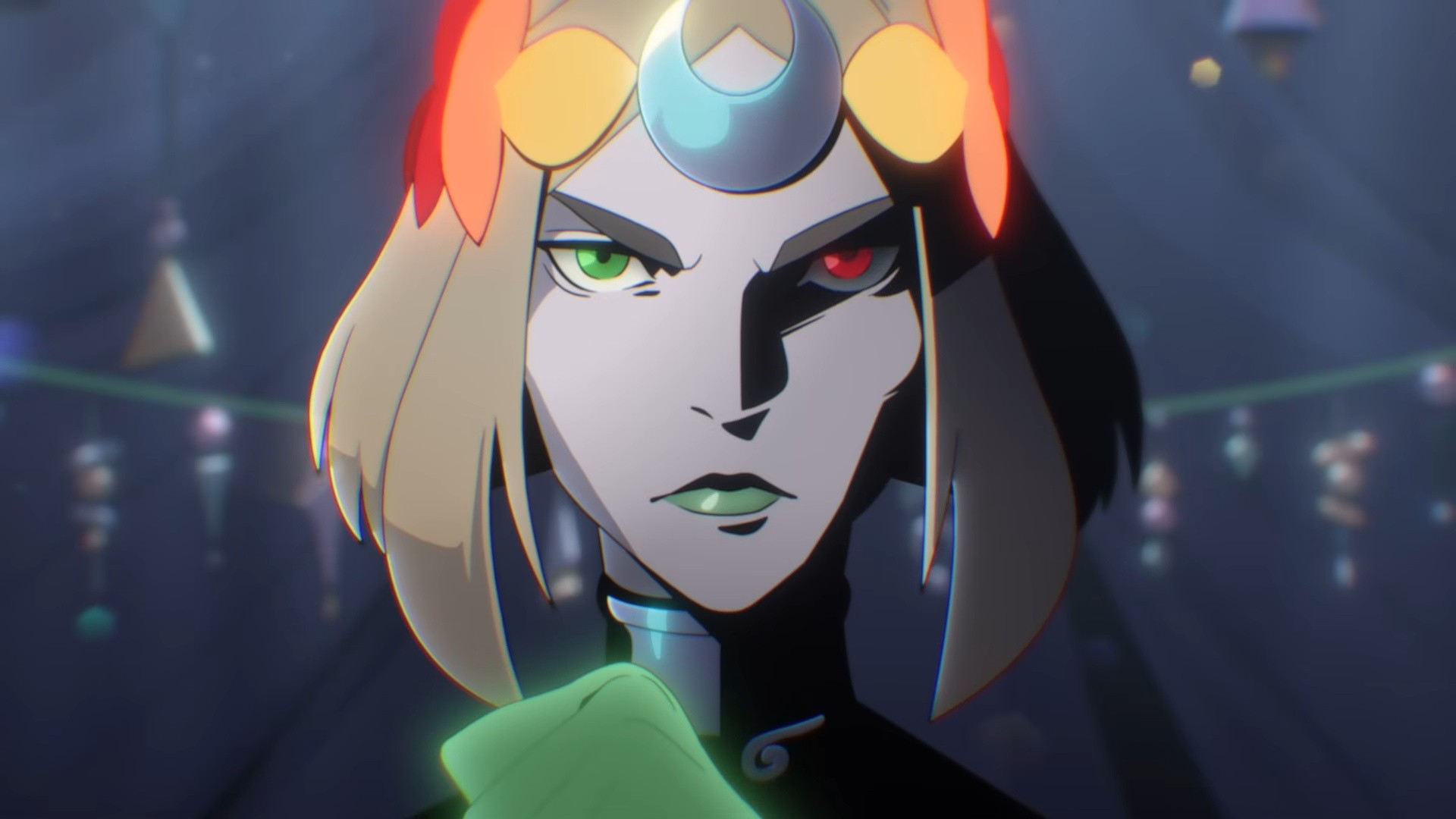
Hades II developer Supergiant Games yesterday announced it would be bringing the Princess of the Underworld to Xbox and PlayStation platforms on 14th April 2026. If you’re wondering how this is relevant to Nintendo, well, according to the team, there’ll be an update released for all platforms on the same date.
As revealed on the official company blog, if you already have a copy of the game, you can expect this patch to arrive on the “same day”. While no patch notes have been shared at this stage, fans on Switch and Switch 2 can apparently expect some “bonus content and quality-of-life improvements” for the roguelike.
To celebrate all of this, Supergiant has also shared a brand-new animation mixed in with some gameplay footage:
Hades II originally launched on the Nintendo eShop last September and was followed by a physical release in November. This also included a free upgrade path with performance and resolution enhancements.
Here’s a bit about it from our review, where we awarded this title an “excellent” nine out of ten stars:
“Supergiant Games is five-for-five with Hades II, a huge, triumphant sequel that manages to diverge mechanically and offer more challenges and variety than its predecessor. It helps that it’s nearly faultless on Switch 2 in particular.”
Hades II has also received some updates since then, including the addition of True Ending Enhancements.
Will you be returning to Hades II next month to try out the new update? How are you finding the experience on Nintendo’s platforms so far? Let us know in the comments.
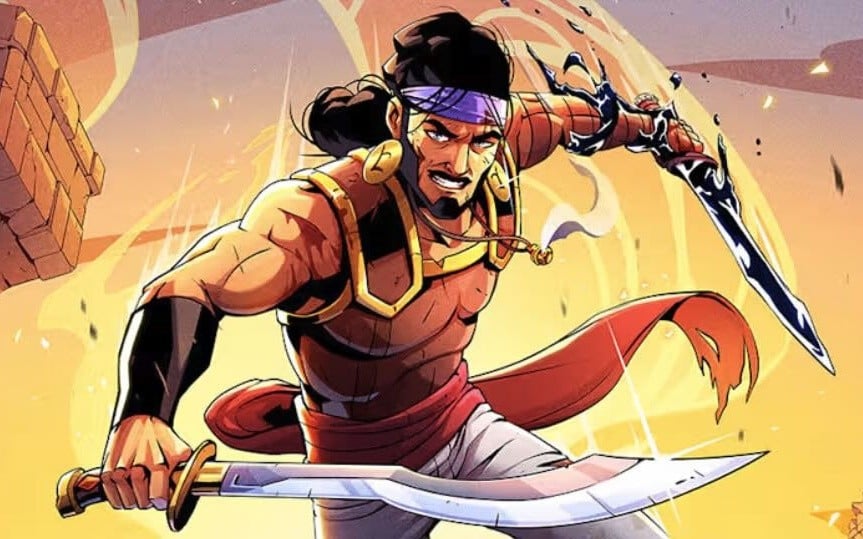
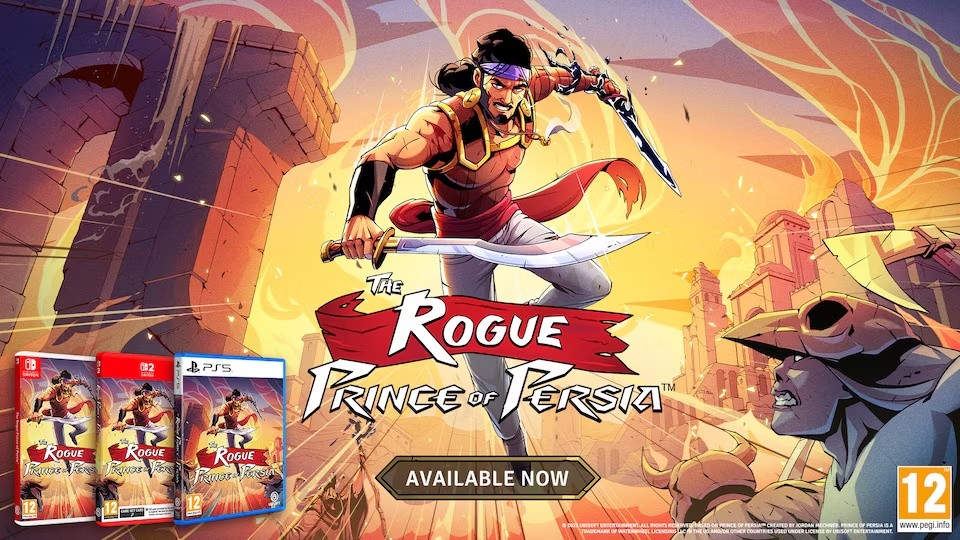
In case you missed it, Ubisoft’s 2D roguelite The Rogue Prince of Persia gets a physical release on Switch 1 and 2 this week.
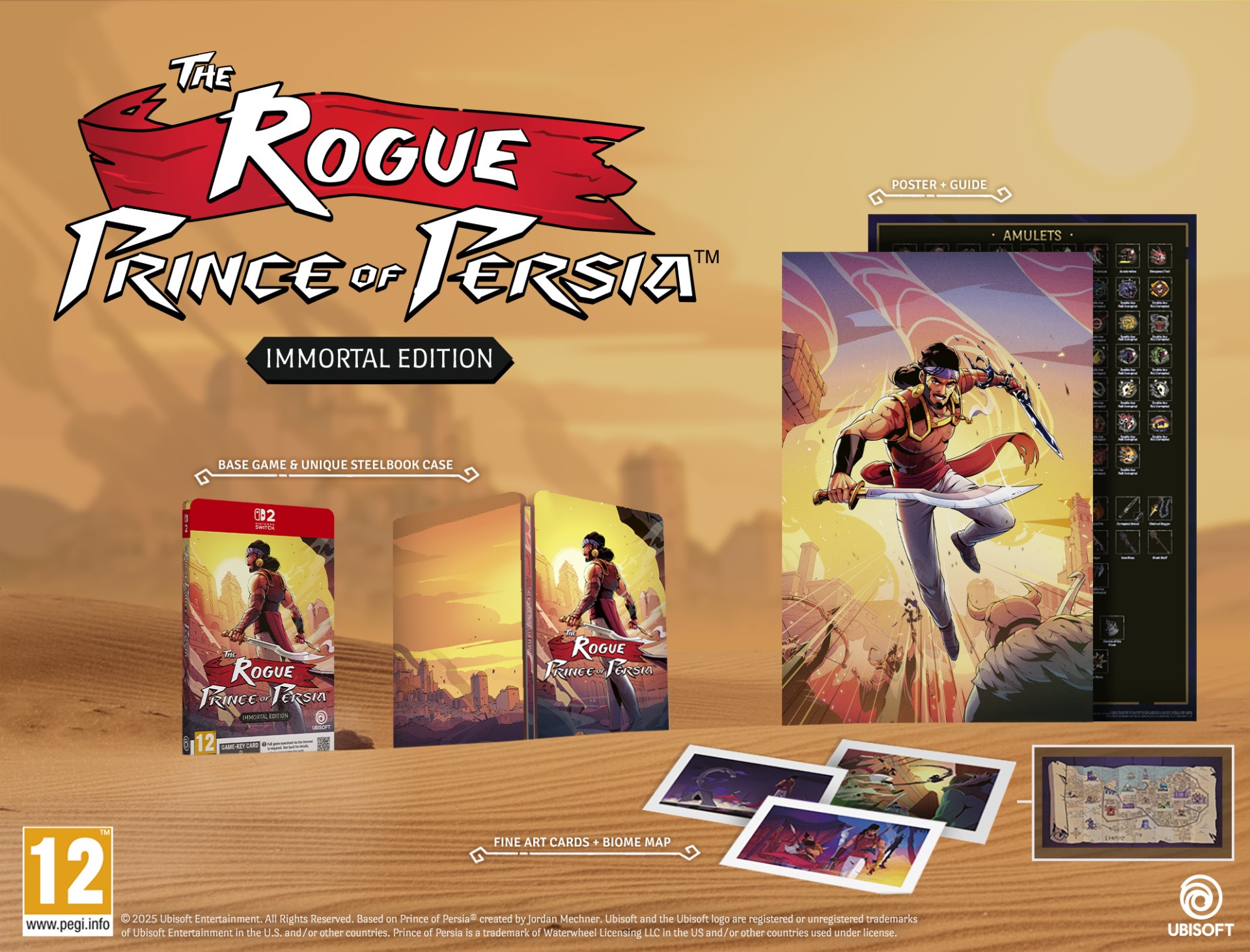
The standard edition is available for $34.99 USD (or your regional equivalent) and the Immortal Edition (including a copy of the game, SteelBook, a poster and three lithography prints) will set you back $49.99 USD. As previously confirmed, the Switch 2 version is a Game-key Card.
Image: Ubisoft Image: Ubisoft
If you haven’t already tried out this game on the Switch or Switch 2, here’s a bit about it from Ubisoft. You can also check out our review here on Nintendo Life:
“In this fast-paced roguelite, the Huns have invaded Persia, wielding dark magic to create utter destruction. As the Prince, you’ll master fluid and acrobatic combat and parkour to right your wrongs and save the kingdom. With each failure is a chance at rebirth as you explore different paths, choose new weapons, and forge your own playstyle in an infinitely replayable loop. Discover and unlock over 100 weapons and medallions, and upgrade your build between runs to help you go farther in your next run.”
Will you be adding this one to your collection? Have you already played the eShop release? Let us know in the comments.