Atari has announced a Switch 2 Edition of theme park simulator RollerCoaster Tycoon Classic, alongside an upgrade path for owners of the Switch version – and they’re both available on the eShop today.
The new version offers mouse controls and “enhanced resolution”, according to a press release, with the upgrade path retailing for £4.50 / $5.00. The standalone Switch 2 edition, meanwhile, will cost £26.99 / $29.99.
Based on 1999 and 2001 PC fan-favourites RollerCoaster Tycoon and RollerCoaster Tycoon 2, RollerCoaster Tycoon Classic features 95 scenarios from across the two games and their expansions, plus a handful of quality-of-life features.
The Switch 1 version received a positive 8/10 in Alex’s review back in late 2024. It was dinged for a lack of touch controls, which was remedied in a patch about a month later, alongside new options for visual settings and cursor control speeds.
Is the resolution bump and mouse controls enough for you to consider a Switch 2 upgrade? Let us know in the comments.
It’s a promise that has felt like a long time coming, but Activision has today revealed a first look at Call of Duty: Modern Warfare 4, and yes, it’s coming to Switch 2 on the same day as other platforms.
This all-new entry in the series will launch on 23rd October 2026 — weeks before GTA 6 shakes things up — and sees a squad of South Korean soldiers fight to survive a surprise attack.
The Switch 2 version marks the first time in over a decade that the series has appeared on Nintendo platforms. Developer Infinity Ward has teamed up with Digital Legends for the release, with pre-order information going live at some point this summer.
Here’s a brief rundown of the game’s campaign, accompanied by a handful of screenshots (not from the Switch 2 version, naturally):
Fight as Private Park, a young South Korean soldier facing live combat for the first time alongside his squad. What begins as a routine patrol descends into chaos when North Korea launches a full-scale invasion, forcing Park and his unit into a desperate fight through collapsing cities and counteroffensives. The Campaign drops players into the chaos, pressure, and split-second intensity of ground-level combat.
At the end of 2022, Microsoft entered a “10-year commitment to bring Call of Duty to Nintendo” as a part of the year’s much-discussed Activision Blizzard merger. The rumour mill has been working overtime in the months since, with the latest rumblings pointing towards a 2026 release — hey, it was right!
We’ll be keeping an eye out for more information about what we can expect from MW4 on Switch 2 as we head into the summer months.
Will you be checking out Call of Duty: Modern Warfare 4 on Switch 2? Let us know in the comments.
Video game designer, director, and overall legend Yu Suzuki — he of Hang-On, Out Run, and Virtua Fighter fame — needs no introduction, especially to arcade-era, blue-sky Sega fans.
Shenmue, his epic action adventure series, probably doesn’t either, but seeing as the upcoming Shenmue III Enhanced marks the cult series’ debut on a Nintendo platform, it’s worth a brief recap. Starting life as a Virtua Fighter RPG on Sega’s Saturn, 1999’s Shenmue would become the most expensive game ever made at the time the project eventually came to fruition on the ill-fated Dreamcast.
Image: Ys Net
Pioneering a new style of game dubbed ‘FREE’ — ‘Full Reactive Eyes Entertainment’ — by Suzuki and his team, Shenmue’s depth of interaction, emotion, freedom, and sense of place in a recognisable, modern world was revolutionary in its time and inspired a passionate following.
The sequel would appear on Dreamcast in 2001 and Xbox the following year, before Sega put the series on ice. That was until 2015, when the creator crowd-funded the next chapter in Ryo Hazuki’s journey to avenge his father.
Developed by Suzuki’s studio, YS Net, with Sega publishing, Shenmue III launched in 2019 to the general delight of longtime fans – and the bemusement of many new players who lacked the enthusiasm and/or context for its very particular way of doing things.
With a sense of unfinished business, Shenmue III is returning in Enhanced form on Switch 2 courtesy of new publisher ININ Games. This isn’t a total overhaul, but rather a polished version incorporating quality-of-life feedback and some visual enhancements.
We were offered an email interview with the series originator and Shenmue III director; here follows Suzuki-san’s responses and thoughts on a series he’s been working on on-and-off for 30 years…
Nintendo Life: Let’s quickly go back to when you were first developing Shenmue 3. Continuing the series while updating it for modern-day systems and staying true to its roots must have been a tightrope walk! From a design perspective, was it difficult to find the right balance and juggle 18 years of player expectation?
Yu Suzuki: Rather than making it too modern, our focus was on adjusting only the parts that needed it while preserving what makes Shenmue feel like Shenmue. It is not easy to meet every expectation, so our priority was keeping a firm grip on the core of the series.
I hope players will feel that the game has become easier to play while still preserving the atmosphere
Crowdfunding worked well for Shenmue 3 but comes with challenges. How did you find the Kickstarter experience? Would you do it again?
With Kickstarter, there are stretch goals, so the scope of the project can change significantly depending on the pledge amount. At the same time, crowdfunding also has challenges that differ from normal development, such as accountability to backers and managing expectations.
Whether I would do it again would depend on the circumstances, but I think it was extremely meaningful as a way to connect directly with the fans.
How close did Shenmue 3 come to what you originally envisioned?
We could not realise everything, but I believe we were able to convey the story, the world, and those things important for Shenmue. There were limitations during development, but within those limits, we put in as much as we possibly could. In particular, I think we were able to preserve the sense of daily life in Bailu Village and Niaowu, and the feeling that this was a continuation of Ryo’s journey.
Which tweaks are you most excited for players to see in Shenmue 3 Enhanced?
What I would especially like players to see are both the visual and the quality-of-life improvements. We have added improvements to provide players with a smoother experience, such as cutscene skipping, camera settings, and QTE adjustments. I hope players will feel that the game has become easier to play while still preserving the atmosphere of the original.
Several of the additions (health restorations before fights, expanded QTE timings, etc.) seem designed to streamline progression. Are all these the result of fan feedback, or were some of these options planned for the original version?
Much of it is based on feedback from the fans. Adjustments such as health recovery and extended QTE input times are not meant to change the essence of the game, but to allow more players to enjoy it comfortably all the way to the end.
What resolution and frame rate will Shenmue 3 target on Switch 2? Will it be locked or variable?
[Note. For this question, the answers came from developers at ININ, not Suzuki-san.]
The most reasonable target so far seems to be: 1920×1080.
We could do a variable of 60-120, but right now trying to push so that we would have 60~fps, and it’s not looking like it will be possible to push much above this, so I think 60 locked would be more reasonable for this.
The resolution is already set to this at the moment, and both options for frame rate can be easily achieved if needed.
Naturally, now we’re getting the third entry, Switch players might be curious about the first two as well. Is a re-release something you’d be interested in if SEGA were amenable?
Yu Suzuki: Of course, if SEGA is positive about it, I think there would be great meaning in bringing the first and second games to more players. I would like people who became interested through Shenmue III to experience the beginning of Ryo’s journey, and would be very happy if the series was more accessible.
Shenmue has been a part of your life for three decades now and fans are still so passionate. You’ve created several iconic series, but what do you think it is about this one that inspires such devotion?
I think Shenmue is not simply a game where you follow a story, but an experience where you feel as though you are “living” in that world. The people in the town, the passage of time, casual conversations, and every detour remain in the player’s memory. I think the reason fans have such strong affection for the series is not only because of Ryo’s journey, but also because they feel they themselves spent time in that world.
Looking at the gaming landscape now, are there any games you particularly admire where you can see Shenmue’s influence?
When I saw Animal Crossing, I felt it was “FREE” in the sense that it allowed a high degree of freedom, which is also one of the concepts of Shenmue. I do not know whether it was influenced by Shenmue, but I think it is a wonderful game.
On a scale of 1 – 10, what would you say are the chances we’ll see more Shenmue? If not in game form, would you continue the story in other media (in the anime, for instance)?
Yes.
Is there any message you’d like to send to Nintendo Life readers about this upcoming release and the future of the series?
I am sincerely grateful to all the readers of Nintendo Life and to everyone who continues to support Shenmue. With Shenmue III Enhanced, we want to preserve the appeal of the original while making it easier to play and enjoyable for even more people. I would be happy if first-time players took their first steps with Ryo, and for long-time fans who have patiently waited to experience Ryo’s journey once again.
Thanks to Suzuki-san for his responses. Shenmue III Enhanced is launching sometime later this year, with physical Switch 2 and PS5 versions available to pre-order from ININ.
Let us know if you’ll be revisiting Bailu Village or if you’re considering picking up Ryo’s journey for the first time.
The latest Japanese charts are in from Famitsu, and before we get to another week of huge Switch 2 sales, it’s time to see how Nintendo’s latest fared on the software side of things.
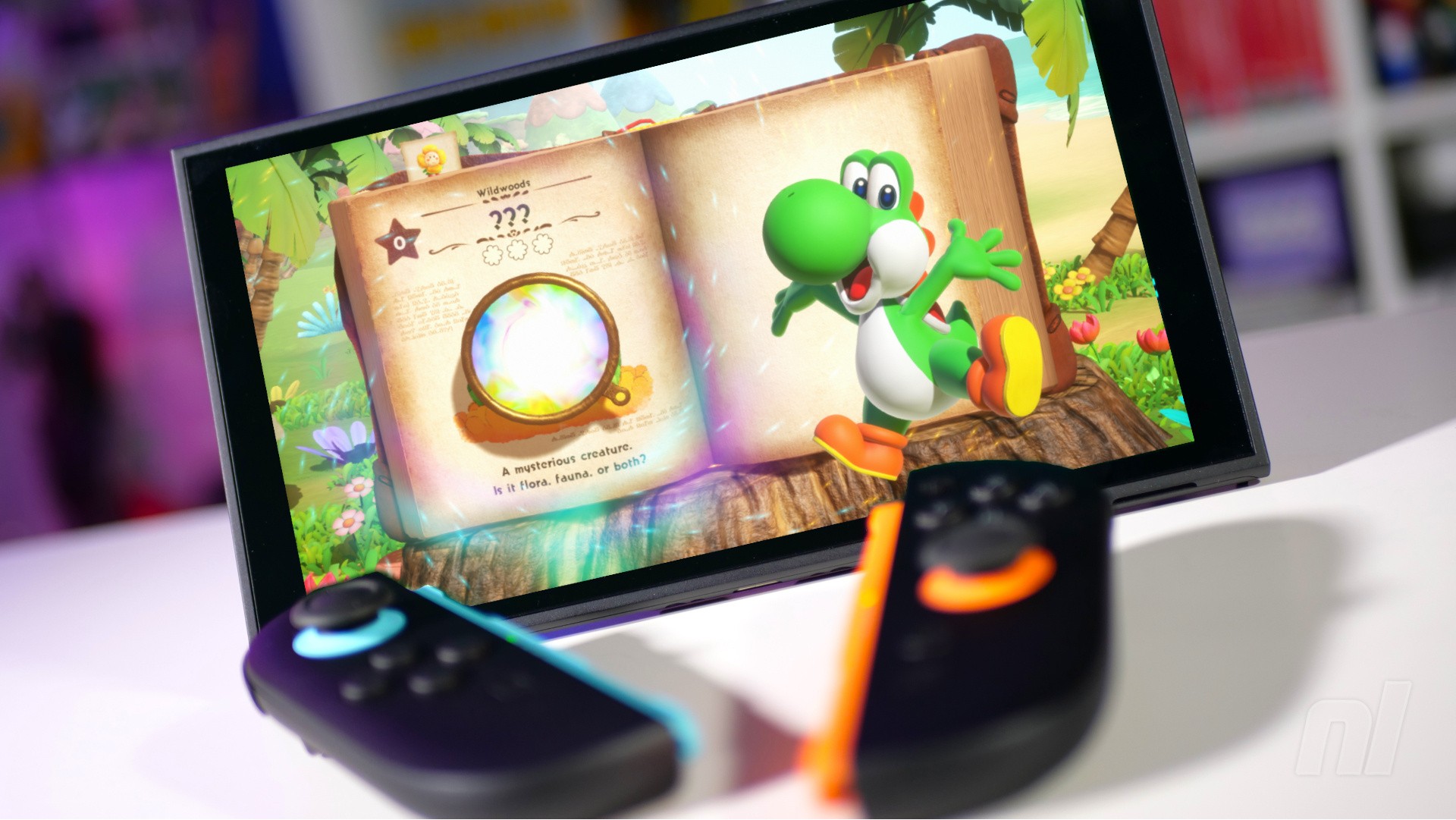
Yes, Yoshi and the Mysterious Book flutter jumped into the top 10 this week with almost 40,000 units to its name. It’s a perfectly respectable number, but still only enough to land it in second, behind the unstoppable force of Tomodachi Life: Living the Dream.
Animal Crossing: New Horizons – Nintendo Switch 2 Edition
Switch 2
3,316
123,414
9
Super Mario Party Jamboree – Nintendo Switch 2 Edition
Switch 2
2,900
199,883
10
Kirby Air Riders
Switch 2
2,866
533,134
Hardware sales are the big news this week, as Switch 2 has stepped up a gear once again and sold a whopping 247,880 units. That’s yet another bump from last week’s ~218,000, as more people presumably sought to nab the console ahead of the region’s price hike on 25th May. We still have a little while to go before the price increases come West (1st September), but it’ll be interesting to see if the numbers similarly spike in the run-up.
Elsewhere, the PS5 Digital Edition has seen a little bump this week, overtaking all Switch 1 systems to land in second. It’s not enough to win the SKU race, mind you, with the PS5 models combining for 8,673, while the three S1 options came in at 9,539.
It’s fair to say that Pragmata has been quite the success for Capcom since it launched earlier this year. It sped past 2 million copies sold in its first 16 days, and it sounds like the studio might be willing to return to the IP down the line. It’s far too early to say what’s next for the series, of course, but that doesn’t stop us from wondering what the future might hold, so it was only a matter of time before the big sequel discussion would pop up.
This is the topic that was put to Pragmata’s director, Yonghee Cho, and producer, Naoto Oyama, in a recent interview with GamesRadar. Naturally, neither had anything concrete to say on the matter — Oyama gave the typical response of being “focused on Pragmata itself” — but that didn’t rule out sequel talk completely.
“Of course I’d love to see a sequel,” Cho answered, “but I’m not the only one who decides, so unfortunately I can’t really comment beyond that”.
According to GamesRadar, the PR team present in the interview encouraged Cho to clarify that this was his “own personal opinion on the matter”, with producer Oyama laughingly adding, “Please don’t take that line out of context”.
And out of context we won’t take it. This is far from a confirmation that a sequel is in the works — heck, Cho makes clear that he’s not the only one with a say on the matter — but still, it’s nice to hear that the director would be on board if (and that’s a big if) the opportunity should manifest itself down the line.
We certainly hope that there’s more to see from Pragmata in years to come, because we had a wonderful time with the game on Switch 2 last month. “The adventures of Hugh and Diana stand as another excellent Switch 2 port from Capcom,” we said in our 9/10 review, “and hopefully mark the beginning of a new blockbuster franchise”.
Let’s just let the devs have a little break before diving straight back in, shall we?
Would you like to see a Pragmata sequel in the future? Let us know in the comments.
Nintendo’s latest surprise app, Pictonico!, is now live on iOS and Android, and we’d wager that a few of you have already dived in to see what this silly little picture game is all about.
There’s a vague WarioWare energy to Pictonico, which sees you putting your photos through a series of surreal minigames as quickly as you can. These minigames might task you with making a face eat a kebab, lick a lolly pop, or get its hair nice and lathered up, and you’ve got to do it all before the timer runs out.
If you’re only playing the free demo, that’s as far as the minigame selection goes (yep, just the three), but there are an additional 80 challenges split between two ‘Volume Packs’ for those who want to pay extra.
It all seems like a harmless bit of fun so far, even if the free stuff is a little more restrictive than we had initially expected. We’ll be sharing our full thoughts on the game once we’ve spent a little more time with it, but until then, we’re keen to find out what everyone makes of it so far.
You can share your first impressions of Pictonico in the following poll, but be sure to take to the comments afterwards to add a little more detail.
What do you make of Pictonico! so far? (377 votes)
I love it, it’s amazing!9%
It’s pretty fun18%
Eh, it’s okay11%
I’m not a fan9%
Get it off my phone, what a waste of time!11%
I still haven’t tried it out, but I love a good poll41%
Brace for impact, punctuation fans, because after being announced for Japan earlier this month, Spike Chunsoft has today opened pre-orders for the Western edition of STEINS;GATE RE:BOOT, confirming that it’ll be coming to Europe and North America on 29th October.
For those who missed the initial 2024 announcement, Re:Boot follows Elite as the second remake of the acclaimed Xbox 360 visual novel. This one boasts remapped visuals and new narrative content (hello, new ending scenario!), with an entirely remade score by composer Tsuyoshi Abo.
Here’s a brief rundown of the new features and a handful of screens from Spike Chunsoft:
An Easier-to-Read Scenario Based on the scenario from STEINS;GATE ELITE, the story has been refined to be more evenly paced, with an overall smoother reading experience. Additionally, along with new dialogue and narrative text, a brand-new worldline and ending scenario have been added, bringing players a story never before seen. The game features a substantially expanded volume of text, delivering a richer story experience. All voices and music are newly recorded! All in-game voices have been re-recorded. Furthermore, all in-game background music has been remade by composer Takeshi Abo. Refined Graphics All characters, backgrounds, and event still images have been redrawn from scratch, resulting in a major visual revamp. Compared to the original Xbox 360 version, the number of event still images has approximately doubled, while the number of background visuals has increased by roughly 20%! A vast amount of visuals delivers an even more immersive experience. Dynamic Character Expression with E-mote By utilizing the next-generation animation tool “E-mote”, characters are brought to life with vivid realism. From subtle changes in facial expressions to natural breathing, these nuances take immersion in the story to new heights.
The game is now available to pre-order in both a Standard and Steelbook Edition on Switch 1 & 2, both of which come with a sticker bundled in — because the backs of our laptops aren’t full enough already. Hey, looking at the box art, it seems to be a full on-cart release, too.
Image: Spike Chunsoft
Re:Boot launches in Japan at the end of August, so it’s nice to hear that we won’t have much longer to wait before it heads West.
Will you be checking out this one on Switch (2) later this year? Let us know in the comments.
Depending on what kind of hybrid gaming system you’re in the market for, the Steam Deck might not be quite as appealing after a significant price increase this week.
Following in the footsteps of Nintendo and Sony recently, Valve has announced its 512GB OLED system has jumped from $549 to $789 ($240 extra), and the 1TB OLED model has increased from $649 to $949 ($300 more). It’s not all doom and gloom, as the price of the existing LCD model (which is still sold in select markets) remains unchanged. Refurbished models also offer more affordable options.
Here are Valve’s new regional prices for its Steam Deck OLED models. Keep in mind it hasn’t even released the Steam Frame or Steam Machine yet, which will function as both a console-style experience and PC.
Steam Deck 512GB: $789/£649/€779
Steam Deck 1TB: $949/£779/€919
While no hardware manufacturer seems to be safe from price increases or shortages on key components at the moment, as our colleagues at Push Square note, the big three console makers are arguably better equipped to deal with this kind of situation.
Fortunately, for the Switch 2, it’s already got some momentum as it nears 20 million sales and its first anniversary next month. Nintendo’s own $50 increase raises the price of its new hybrid unit (featuring an LCD panel) from $449.99 to $499.99. These price revisions are already in effect in Japan, and will take place this September in Western markets.
In saying this, the Japanese firm isn’t willing to rule out further Switch 2 price increases – with Nintendo President Shuntaro Furukawa stating earlier this month how the company could still be impacted by the “uncertainties” of component prices not only in 2026, but also next year.
What do you make of Valve’s decision to up the price of its portable system? Do you think it could clear up some space in Nintendo’s segment of the market? Let us know your thoughts in the comments.
If you’ve been wondering about an upgrade, according to the official Nintendo store description for the Switch version, there are “no plans to sell an upgrade pack to upgrade the Nintendo Switch version to the Nintendo Switch 2 version”. This is reiterated in fine print at the bottom of the same game page.
*This is the Nintendo Switch™ version. There is also a Nintendo Switch™ 2 version of this game. Please select the version you require carefully. *There are no plans to sell an upgrade pack to upgrade the Nintendo Switch™ version to the Nintendo Switch™ 2 version. *Save data is incompatible between the Nintendo Switch™ and Nintendo Switch™ 2 versions.
As also noted, save data is not compatible between the Switch and Switch 2 versions, so if you are planning on picking up one or the other any time soon, you’ll need to “carefully” select the version that is right for you. Square Enix’s Japanese Dragon Quest website reconfirms data from the Switch version cannot be transferred to the Switch 2 version.
So, it seems there won’t be a paid upgrade path for existing owners of this Dragon Quest entry on Switch. If you do decide to get Dragon Quest XI S on the Switch 2, you can expect new optimisation modes, allowing you to prioritise graphics or performance. It’s also been confirmed the physical release of the Switch 2 version is a Game-Key Card.
If we hear any updates or developments, we’ll let you know.
It’s hard to stand out at BitSummit, Kyoto’s yearly indie games festival, especially on the third floor where the Nintendo Indie World and Sony booths dominate much of the real estate. But despite taking up a tiny slice of space and running on a single monitor with little adornment, Petal Runner stood out more than most with its vibrant pastel pixel graphics.
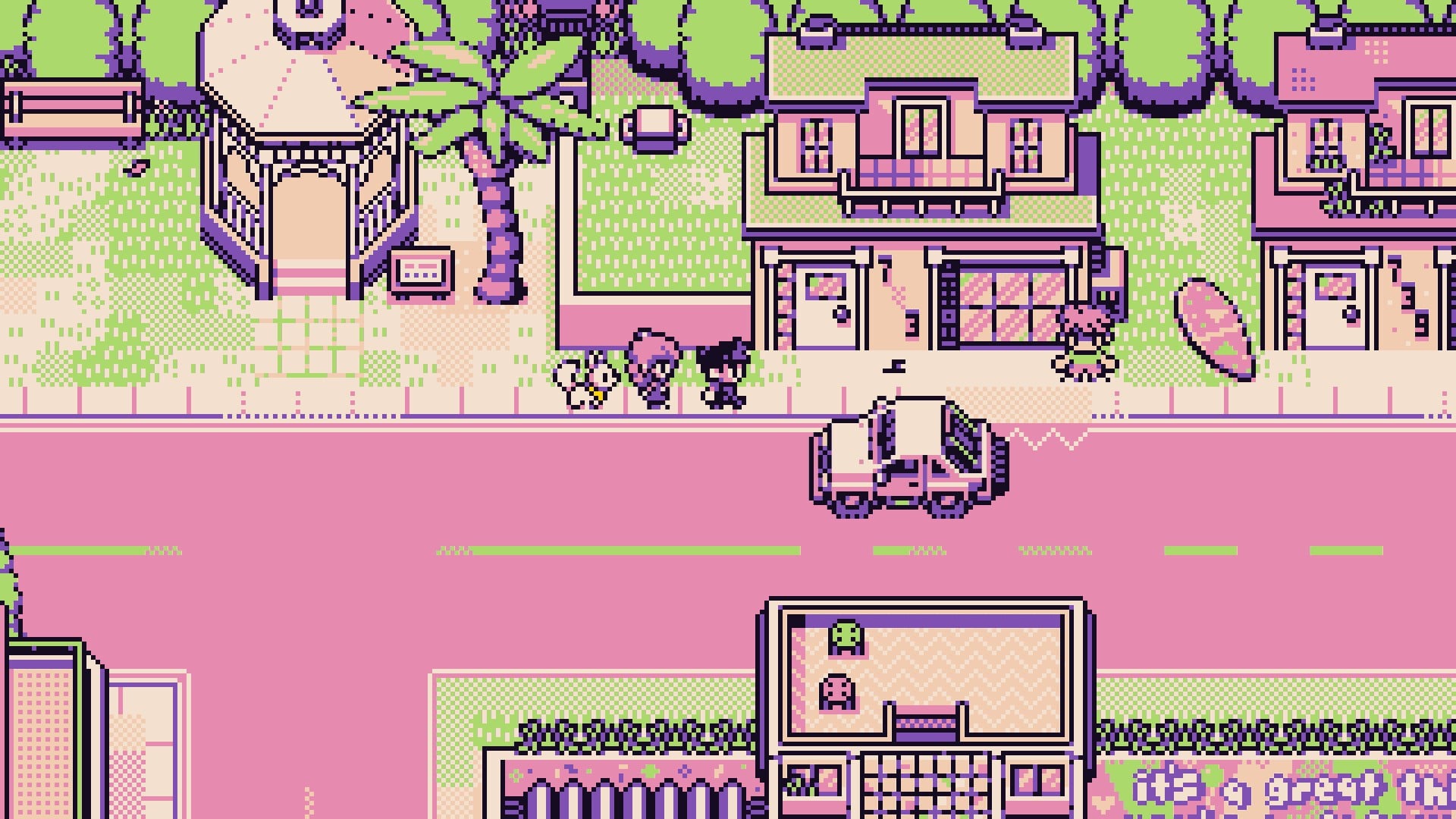
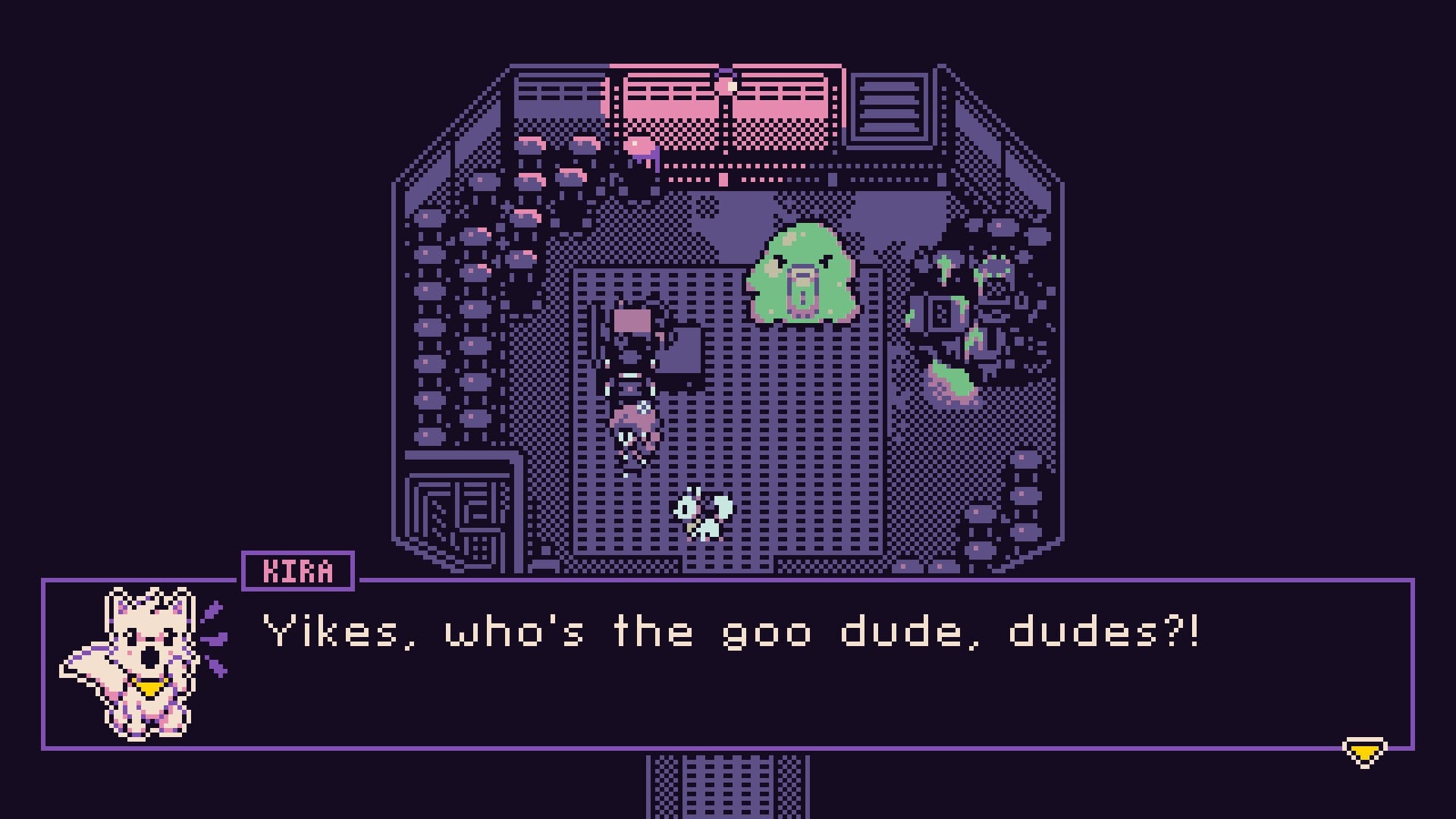
At a glance, the quaint little towns and character sprites look like they were pulled straight out of EarthBound or Pokémon Red & Blue. It’s clear to see where developer Nano Park Studios drew inspiration from. As such, the gameplay looks like it might lean into creature-collecting or turn-based combat as you go about cataloguing little critters called HanaPets; however, this isn’t the case.
Image: Nano Park Studios
The core gameplay is to clean up and deliver HanaPets to homes and businesses rather than battle with them, as lead writer Lauren Crown explained as I sat down to play through the demo. They’re for companionship the same way pets are in real life, and it’s your job to install them into people’s homes.
“This is a world where there are no natural animals,” Crown said. “All of the animals you see are these digital pets.”
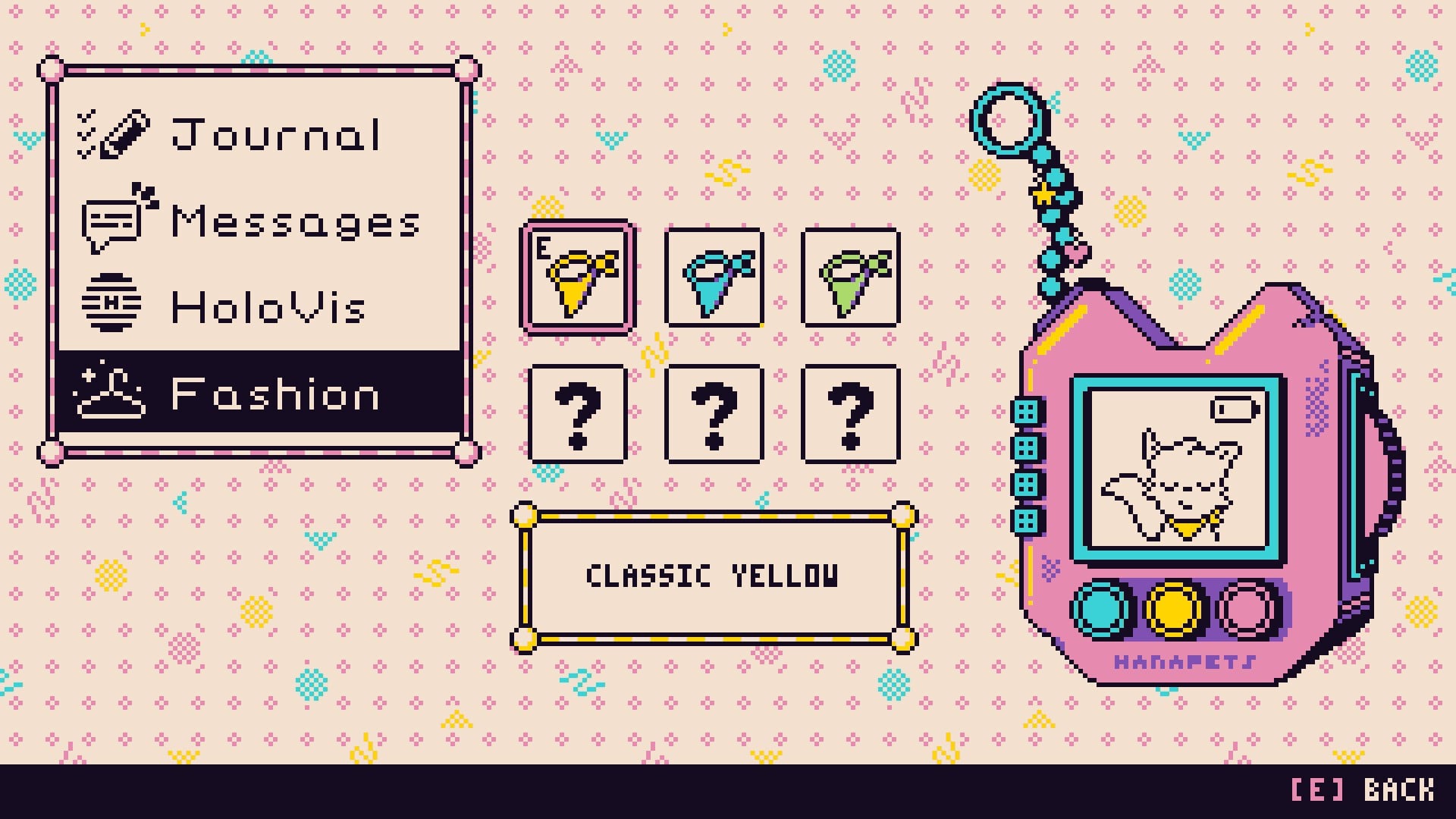
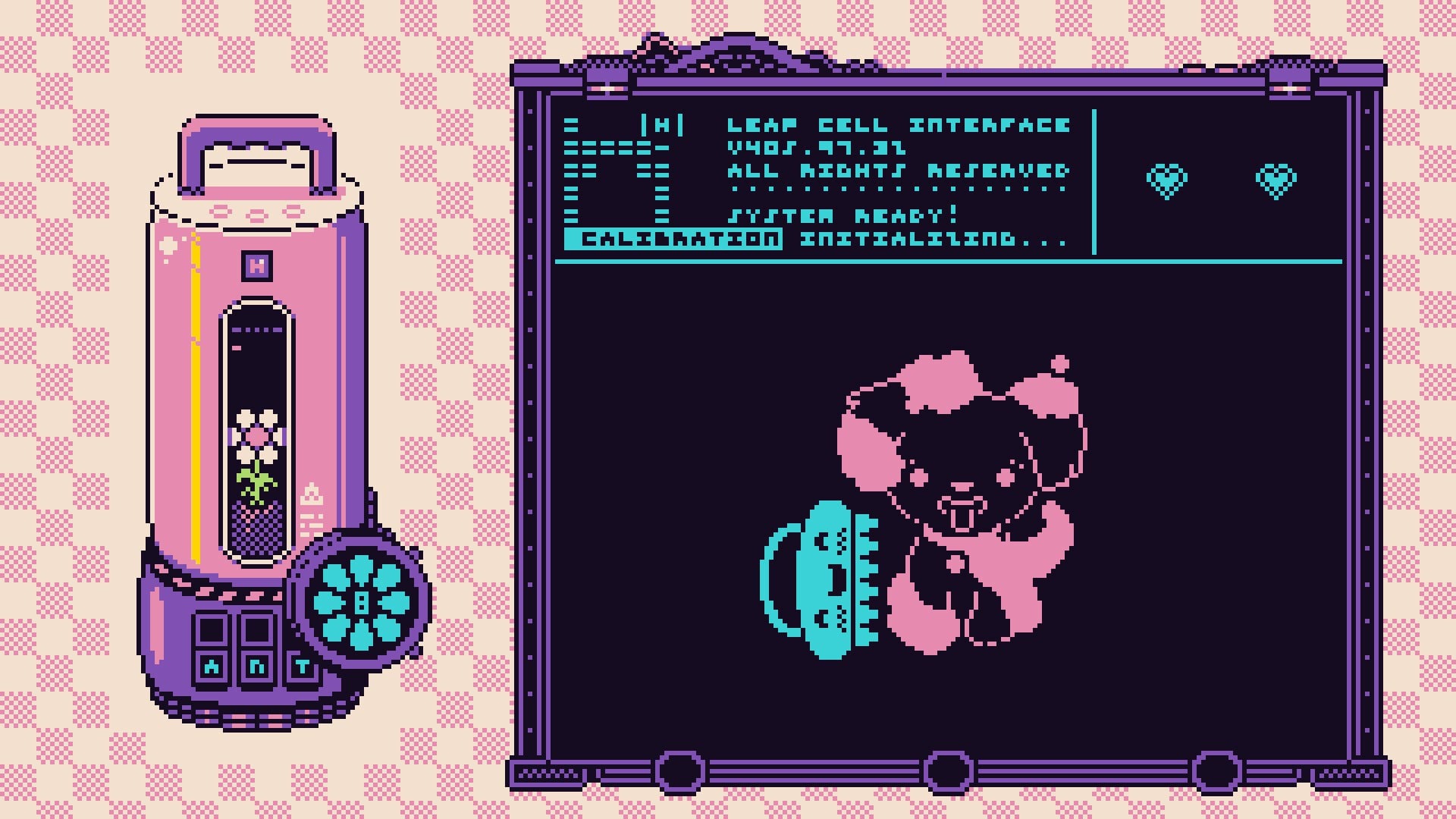
From what I saw in the demo, there are two kinds of HanaPets: Gen 1, which are all but extinct aside from Kira, the little white fox pal of the main character Cali. The first generation mirrors real-life Tamagochi, as seen when you check up on Kira’s status in the menu. On the other hand, Gen 2 HanaPets reside in Leap Cells which are a bit more biologically based, as these contain flowers that provide the HanaPet with power.
Image: Nano Park Studios
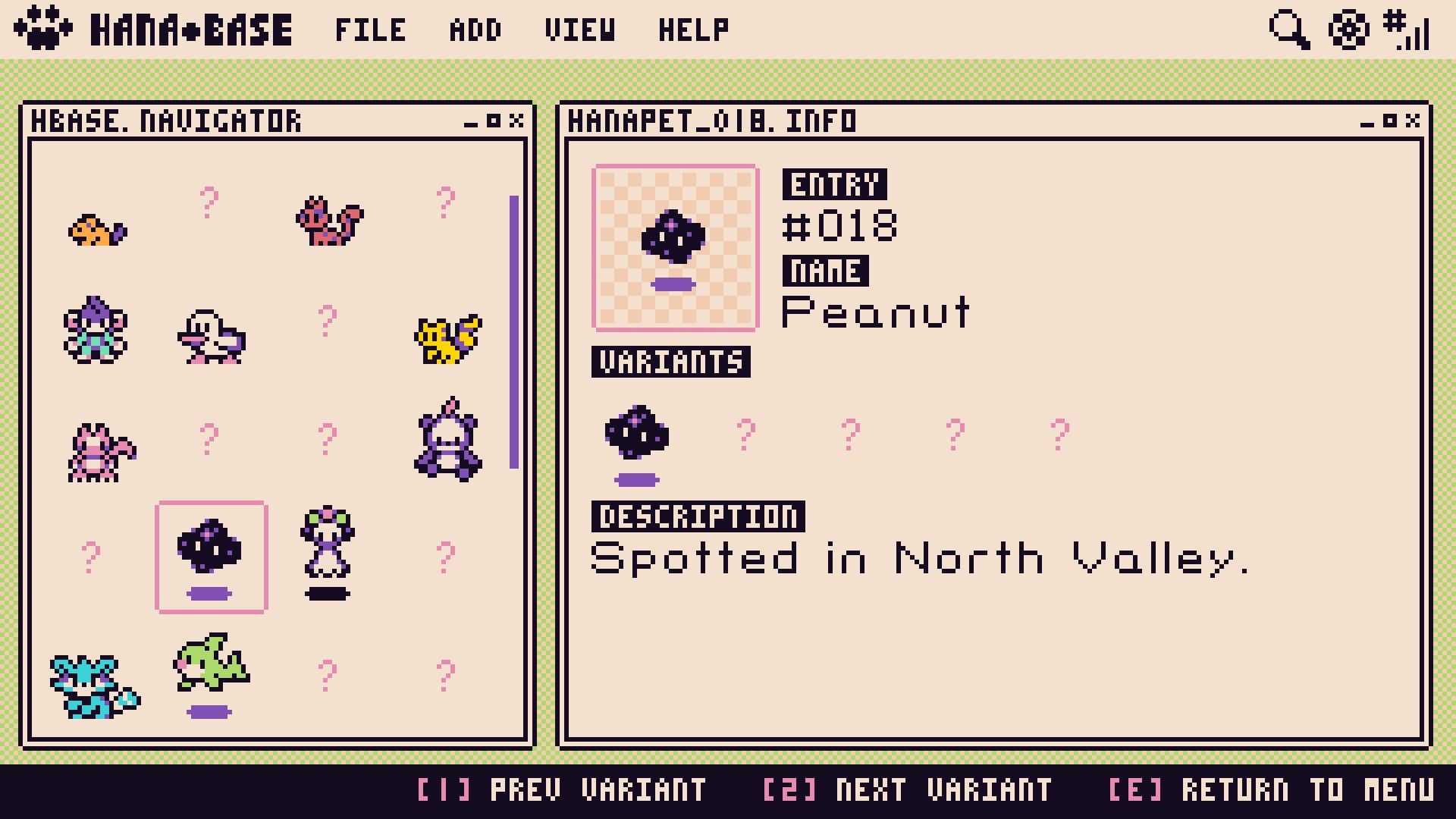
There’s plenty of HanaPets to find. In the demo’s opening moments, I came across a little mouse called Checkers that was looking for ‘snax’ and a snake-like dragon creature called Root Zero that helped me escape from a lab after I cleaned up its Leap Cell. More common HanaPets like Checkers have several different variations while Root Zero is a bit more ‘legendary,’ if you will, and therefore unique.
Again, I battled against none of these critters. Nano Park Studios leans into this, including funny but meaningless little stats like their levels of cuteness and fluff in each HanaPet’s description and — Crown assured me — included a few tongue-in-cheek jokes about the absurdity of battling pets throughout the adventure.
You still do collect them and add them to an encyclopedia, and this isn’t a game without strife. The opening moments see you and your pink-haired friend Dahlia stealing an android sensor to help out her robotic friend. When you manage to nab said part, a ‘corrupted’ HanaPet makes an appearance, which triggers several minigames to clear in order to cleanse it.
Image: Nano Park Studios
These minigames take a page out of Undertale’s graphically simple battle screens and consist of quick, five-or-so-second challenges that wouldn’t be out of place in a WarioWare title, though they’re much less bizarre.
Here, you’re cleaning a little dog by moving the left joystick up and down as fast as possible, mashing ‘A’ for a chubby cat to eat its bowl of food, and — my least favourite, because I messed it up so many times — playing ping pong as a little mouse, strafing to the left and right.
Crown confirmed that there are seven total minigames in the demo, but couldn’t tell me how many there were in the full game. “As for the whole list, we’re working on making it as long as we can before launch. So I don’t know exactly how many, but we’re doing our best.”
When I cleared all of the corrupted HanaPet’s minigames without failing too many times, it was then cleansed, revealing the aforementioned Root Zero critter that then helped us escape from the lab with the android sensor in hand. From there, I separated from Dahlia and received a nasty phone call about late deliveries, so it was back to work with Kira the HanaPet in tow.
Image: Nano Park Studios
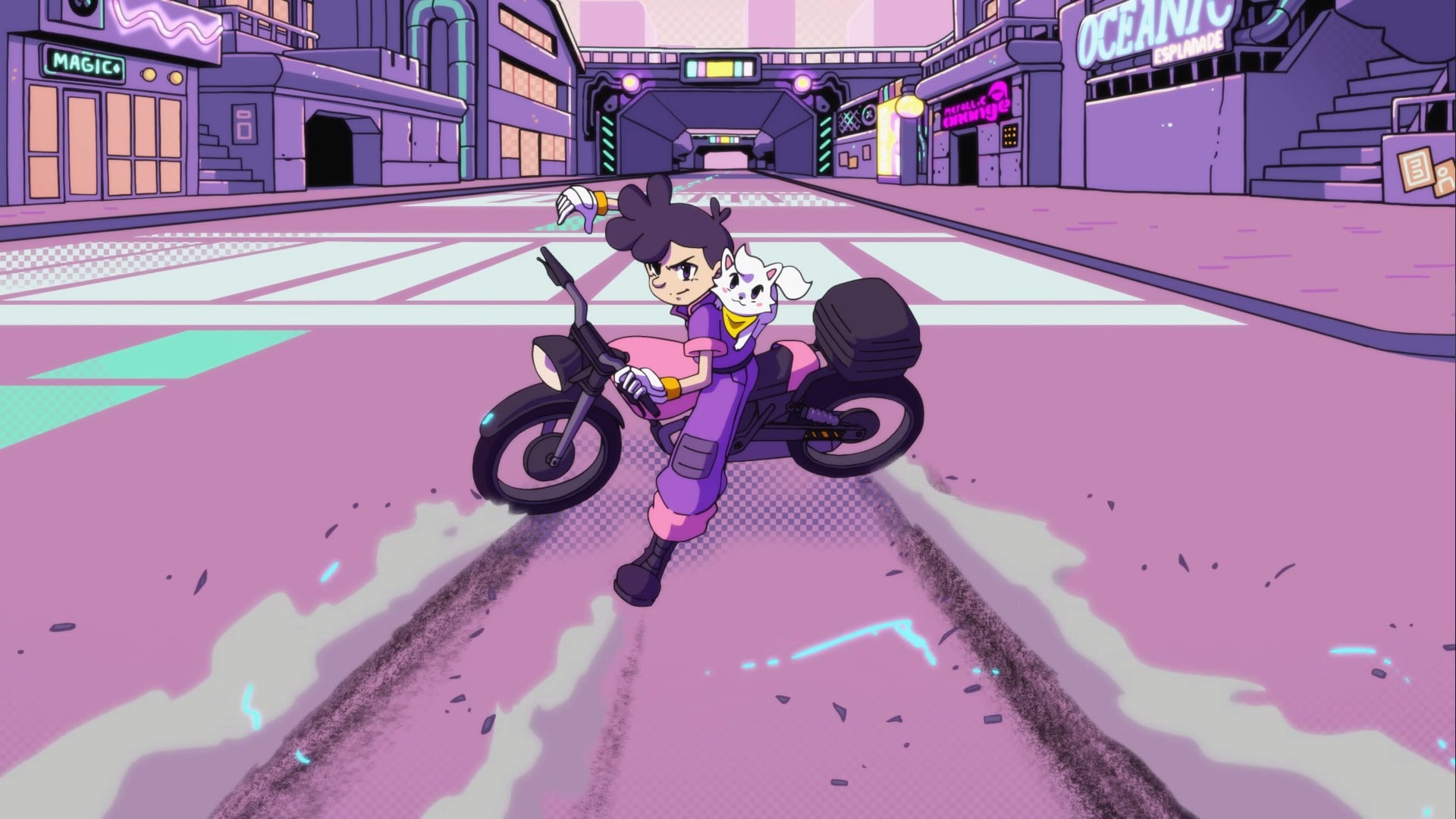
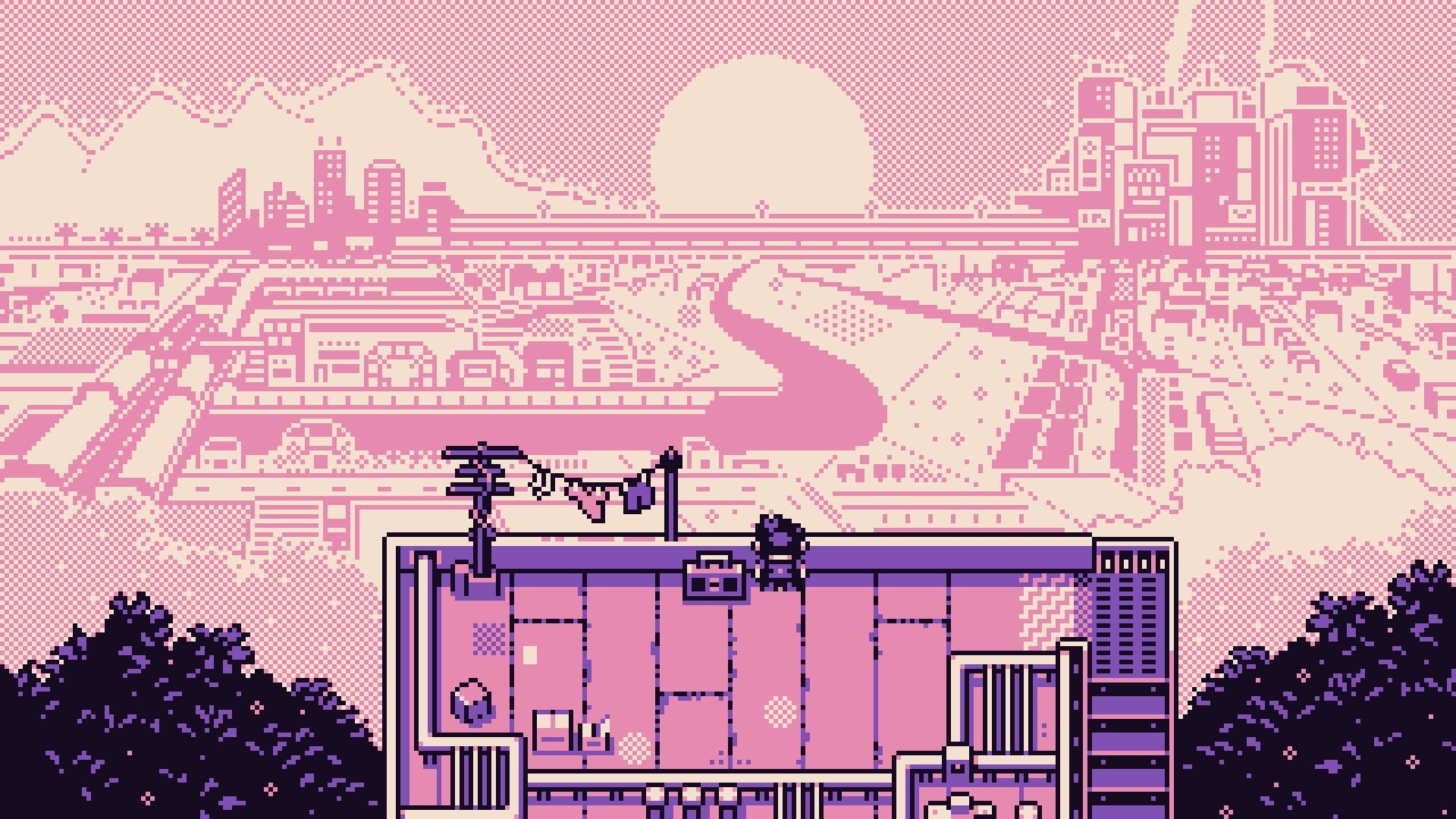
Hopping on a little motorcycle, I drove around a gorgeous town called North Valley looking for a nearby mall with the HanaPet shop inside, talking to and registering a few different HanaPets along the way. Here, where the main story progresses, so too does a sidequest that Crown pointed out. A boy named Percy stormed off to chase down a strange HanaPet, and Kira and I decided to help him out.
“I’m particularly fond of this sidequest because the pet you’re chasing started as a weird joke when we were trying to adjust the sprite of another HanaPet and it went all wonky,” Crown said. “I was shocked when our artist created a real sprite for it.”
Crown and the team then turned this messed-up HanaPet — called The Boy — into a sidequest that ties into the narrative’s themes. As Percy, Kira, and I tracked it through the gorgeous little town, residents exclaimed they saw the ugliest little creature running about. We followed it to a little shady spot in the woods where it was glitching out and, as you’d expect, I completed a few minigames to fix it up.
Image: Nano Park Studios
But this time around The Boy didn’t turn into something more visually pleasing. Instead, Percy decided to study it further, ending the quest and highlighting a narrative thread running throughout the demo and presumably the full game: What was happening to the HanaPets? First, the Gen 1 HanaPets are nearly extinct. Root Zero was covered in goop and had to be rescued. And now this wonky, glitched-out creature raised even more questions.
“Petal Runner really is primarily story-based,” Crown elaborated. “It’s about Cali and Kira and that relationship you have with your childhood pet that grew up with you and how important that is.”
Percy and The Boy’s questline also looks like it will explore those relationships between people and their pets, as Percy first perceives The Boy as an academic quandary to solve but — potentially — becomes something much more meaningful and personal to him.
As a lifelong dog owner myself, I began to worry someone might start chopping onions nearby as I played. While I didn’t get a good sense of the overall plot, the demo was packed full of endearing, lighthearted dialogue that I sensed could flip to melancholic and heartbreaking at any moment.
Image: Nano Park Studios
The little white fox Kira often stole the show with his portrait next to his dialogue box, as it featured adorable and expressive animations. Residents in town bickered with each other and one snarky boy challenged me to clean a Leap Cell quicker than he could. HanaPets themselves (they can talk, obviously) asked after ‘snax’ and protested when Kira got their name wrong. As such, I couldn’t help but talk to everyone I ran into as I explored Petal Runner’s gorgeously rendered world.
Crown assures me there are separate areas with different colour palettes. I can’t wait to see them.
But I’ll have to wait a while – at least to play it on a Nintendo Switch. There’s a similar demo to the one I played on Steam and a planned release date in 2026, but a release on a Nintendo console is still unconfirmed. But much like every other small developer I spoke to at BitSummit, the Switch is an eventual goal.
Regardless, Petal Runner’s gorgeous art direction and endearing characters stole the show this year despite the small amount of real estate it commanded, and I can’t wait to play more.