Posted on Leave a comment

Review: The Lion’s Song (Switch eShop)

Vienna-based developer Mi’pu’mi Games has taken inspiration from its home city for The Lion’s Song, a four-part narrative adventure. The world ‘adventure’ conjures images of swashbuckling and derring-do but this is a more meditative point-and-click experience. The Austrian capital was a hub of artistic and scientific endeavour at the turn of the 20th century and in that setting you’ll spend your time searching for inspiration in the every day, negotiating oppressive social norms and battling personal demons. No pirates or talking beasties here!

The four episodes compiled for this Switch release previously appeared on PC and mobile and each is immediately accessible from the main menu. Each self-contained chapter follows a different protagonist but their stories overlap, connecting in various ways depending on your choices, with recurring characters and locations. Episode one revolves around Wilma, a gifted young violinist having difficulties composing a piece following an incredible debut. Infatuated with her tutor, she retreats to an isolated cabin in the mountains at his suggestion in order to work in solitude.

Episode two focuses on aspiring artist Franz, struggling to develop his eye and understand both himself and his subjects while capturing their multi-faceted personalities on canvas. Episode three sees mathematician Emma fighting a numerical conundrum as well as the restrictive gender politics of her era, while Episode four – appropriately titled ‘Closure’ – poignantly links the previous stories. Although the protagonists are fictional, many luminaries from the artistic and scientific fields get name-checked and you’ll likely cross paths with Gustav Klimt, Freud and Wittgenstein on your journey.

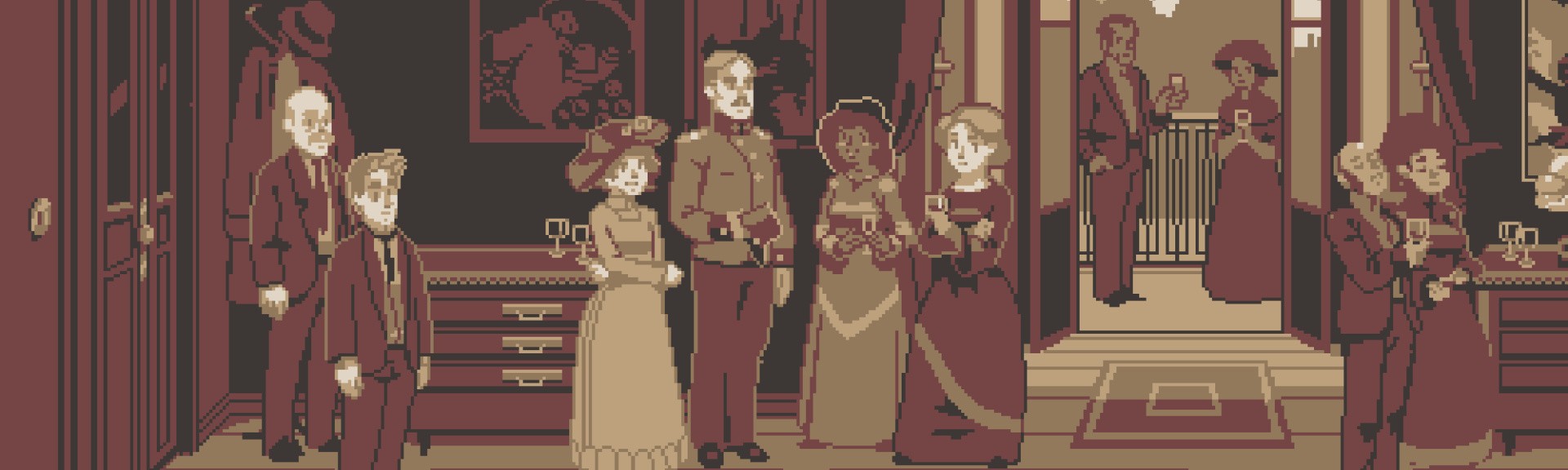
As you can see from the screenshots, the pixel aesthetic gives a period feel – imagine a sepia-toned Thimbleweed Park without the verb menu and you’re not far off. However, while you won’t be investigating murders or insult-sword-fighting in pre-war Vienna, dramatic framing and subtle graphical flourishes keep things visually striking. Environmental elements illuminate as your protagonist’s thought process develops; ghostly character outlines appear and hang in mid-air; mathematical equations and graph curves snake across furniture. It all looks sumptuously rich and sharp with wonderful animation.

There’s a cinematic influence in the direction of these scenes and the surreal elements that convey the characters’ perception of the world. They find inspiration in their everyday surroundings – figures appear and leave outlines that dissolve with audio flourishes or the cursor becomes a bouncing musical note as Wilma finds a melody. Sound is an integral part of the experience – whether it’s chalk on a blackboard, birdsong in the countryside or a character’s heartbeat – and a good pair of headphones will enhance the experience.

As with other point-and-click adventures that have appeared on Switch, The Lion’s Song disappointingly lacks pointer controls. Perhaps more surprisingly, the touchscreen also goes unsupported. Elsewhere this would be a significant drawback, but the tranquil nature of the gameplay and its lack of intricate verb menus or UI elements mean the stick-controlled cursor feels just fine in practice.

Tapping ‘A’ speeds up and skips text, though you’ll want to read everything as the writing is generally top drawer. Upon completion of an episode, you can review your decisions against those of other players – ‘11% didn’t talk about X to Y either’ – and you have the option to return to those decisive scenes and make different choices to uncover new ‘connections’. These unlock achievements viewable in a special gallery from the main menu. It’s a neat way of enabling you to explore the other narrative branches without replaying great swathes of the game.

Not that a replay would take long – The Lion’s Song is a pleasantly brief experience. Each episode lasts between 30 minutes to an hour. While this may seem short, it suits the game’s tone – it feels like a short novel and is best consumed in a comfy chair over a sitting or two with a glass of something nice. It certainly doesn’t outstay its welcome.

It’s a delicate game with choices that unlock opportunities for reflection and rely on memory and intuition rather than skill or dexterity. You might be asked to recall a particular conversation in order to reveal a new side of a subject’s personality or scroll back and forth to reveal a diagram representing earlier work on your mathematical problem. Puzzles are not the focus and the interactions are agreeably engaging rather than taxing. You won’t encounter the frustrations common to the genre – there are no objects to use in obscure, unorthodox ways – and this enables a gentle, pensive game that gives you time to meditate on some mighty big subjects of the human condition.

Conclusion

An emotional story that weaves big themes across its episodes, The Lion’s Song is a poignant point-and-click adventure with excellent audio, a beautiful art style and great writing. The exploration of its subjects isn’t muddied with obstinate riddles or ill-fitting mechanics and it’s a satisfying, albeit brief, experience that is absolutely worthy of your time.

Posted on Leave a comment

Prepare Your Wallets As All 151 Original Pokémon Are Getting Brand New Plush Toys

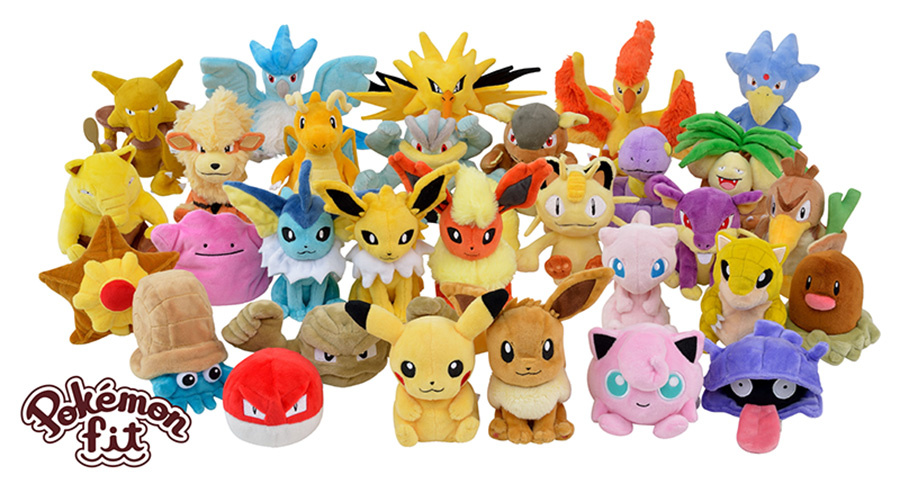
A complete plush toy collection of the original 151 Pokémon is headed to Japanese Pokémon Centers starting this month.

According to the Japanese Pokémon website, a first wave of the adorable little creatures will appear in stores this Friday (13th July) and will also be available to order online. This first set will include 30 of those original 151, with fan-favourites and famous faces kicking things off.

The other 121 monsters are then set to release in November this year, rounding off a complete collection called ‘Pokémon Fit’ – a name fitting for their small size. For any fans of Pokémon Red and Blue, having a full set of every single Pokémon would no doubt be a dream come true, but buying 151 toys will unsurpsingly leave a pretty hefty dent in your bank account. Each toy costs 1,100 yen (approx. £7.50 / $9.90) meaning that a whole set would set you back £1,132 / $1,495 – ouch!

Would you want to have a complete collection? Are you able to resist the temptation to have every single one of the little cuties imported the moment they land on shelves? Let us know with a comment below.

Posted on Leave a comment

Review: 20XX (Switch eShop)

Mega Man X is widely considered to be one of the greatest 2D action platformers of all-time. Capcom’s edgier spin-off of the Blue Bomber’s main series has extremely tight controls, excellent level design, fantastic powers, well-balanced boss fights, and a rocking soundtrack. There’s nothing quite like that on Switch just yet, at least not until Mega Man 11 and the Mega Man X Legacy Collection release later this year, which means 20XX has a nice big gap to fill.

If imitation is the sincerest form of flattery then you can consider the teams at Batterystaple Games and Fire Hose Games to be blowing Capcom a big, fat kiss with 20XX. Rather than copy-pasting the formula exactly across to their own game, they’ve made some major changes to the structure and flow while keeping the core gameplay mostly intact. Everything from dashing to wall sliding and jumping is here and feels just as great as you remember from the SNES days.

For starters, there are no predefined levels in 20XX at all – everything is procedurally generated. So instead of picking from a list of levels like you would in classic Mega Man games or even just progressing through a series of levels in order, every time you play 20XX it’s going to be something a bit different. There are four total themes: ice, sky, flame, and jungle. Within each theme, there’s a high degree of variation on display from the types of enemies, platforms, puzzles, hazards, and more. In addition to the levels being randomised, bosses aren’t set in stone either. At the end of each level, you get to pick from three options for your next level based on different boss plus theme combos.

The good thing about this system is that it keeps things fresh. When you start up a new ‘run’ of 20XX (that’s what the game calls playthroughs) you’re immediately faced with something new and challenging. However, after a few hours, we start to notice some of the procedural chunks the game uses to craft levels sticking out, such as small segments of platforming that look like a template or an enemy placement starting to get predictable. This is amplified by there only being four themes in total. Thankfully, having eight different bosses helps alleviate the repetition. But you’re also robbed of the satisfaction that comes with memorising a level and running through it perfectly at breakneck speed after mastering it – but playing something new each time has a charm all its own anyway.

Those blemishes aside, it’s a great system that works really, really well when you layer on all of the other mechanics on top of it. For example, items and upgrades (augs) are split into two categories: permanent and per-run. The permanent items and upgrades are persistent across your time with 20XX, so even if you die and restart, it’s still there. A great example of a permanent upgrade is investing in a robot companion that visits you midway through level two with a randomised loot chest. Depending on how things are going, it can literally be a lifesaver.

During a level, you’ll find boxes full of bolts, energy (which you spend to use new weapons,) and health, as well as loot chests that contain upgrade items. Everything from extending your health, amplifying your dash speed, granting double jump, enhancing damage and more. Sprinkled across stages are also Glory doors that task you with wiping out a series of enemies as fast as possible to get a prize, which is usually a really good upgrade or even a weapon. Upon death, all temporary items such as new weapons and per-run upgrades are erased and you start over. However, one currency is persistent which you can then use to unlock new items that start appearing in runs or even to unlock permanent upgrades.

There are two characters featured in 20XX that you can select before starting a run: Nina, the buster-shooting Mega Man clone, and Ace, the sword-slashing Zero clone. We typically play aggressively in 20XX, so Ace’s up-close sword attack is really rewarding. It can still be charged like Nina’s buster for increased damage and its base damage output is actually higher per slash than the individual pellets. It just lacks range, so going after a boss with a good ranged weapon drop early on is basically required. Gameplay is solid for both, but it’s a bit unfortunate it’s really just a Mega Man X clone on that front.

Playing 20XX in co-op is great and makes us wish it was a standard feature in actual Mega Man games. Nina and Ace’s main weapons are different enough that you’ll actually be able to develop strategies in how you approach enemies so it becomes more than just pure co-op for the fun of it. At the main hub area for the game, you’ll also find Daily and Weekly challenges at different difficulty levels with leaderboard rankings. You can also opt to play the game itself on a harder difficulty with modifiers to increase difficulty, or even on an Easy mode that grants you three lives instead of just a single try.

Conclusion

Playing 20XX has an addictive rhythm to everything. You dive into the level, find loot like upgrades and currency bolts, kill bosses to take their weapons, and keep pushing until you die. After dying we’d often suffer from that ‘just one more run’ itch that’s so common in roguelikes and the formula fits an action platformer like 20XX perfectly. The procedural engine does a good job of mixing things up, but after a while you can start to see a little repetition, but that’s easily overshadowed by the sheer variety and amount of upgrades and customisation.

Posted on Leave a comment

’80s Arcade Classic Toki Makes A Comeback On Switch With Physical Arcade Cabinet

Microids has re-affirmed the news that Toki is headed to Nintendo Switch later this year with an awesome looking special edition that features a physical arcade cabinet.

Initially released in 1989 on arcade machines, Toki had players flinging their coins into cabinets to help a warrior – who had been turned into a chimpanzee – go on a quest to get used to his new form. This remake features all-new graphics and re-orchestrated music to put a modern spin on that experience – and add yet another dose of retro goodness to the Switch’s library as a result.

Retro lovers will be interested to know about the ‘Retrollector’ edition which has been detailed by Microids below. This edition includes a physical copy of the game, extra goodies including a comic book, and even an arcade cabinet that can house your Switch for that ultimate wave of nostalgia. Lovely stuff.

Philippe Dessoly, the artist for the original version of Toki on the Amiga, is the Artistic Director for this remake so fans of the original can be confident that this is in good hands. The game is currently set to launch on Switch on 22nd November.

Are you a Toki fan? Will you be snapping up that special edition? Let us know with a comment below.

Posted on Leave a comment

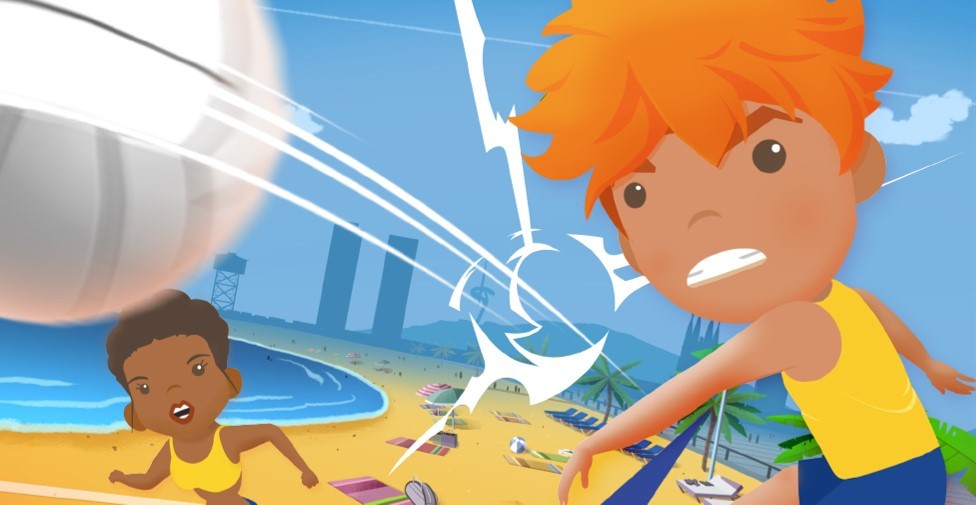
Super Volley Blast Smashes Onto Nintendo Switch On 12th July

Nintendo Switch might not be getting a Madden, a new NFL game or the next instalment in the WWE 2K series (which is probably something of a blessing in disguise), but it is getting another new sport simulation in the form of Super Volley Blast.

Okay, ‘simulation’ might be a bit of a stretch, but that doesn’t mean this colourful indie from Spanish studio Unfinished Pixel is worth passing by. There’s all manner of special moves to pull off on courts set around the world. You can play in co-op or solo, team up for a quick match with up to three other players or in a tournament with up to 16!

Are you ready to blast some volleyballs in a super fashion? This might just be the game for you. Share your thoughts on it in the comments below…

Posted on Leave a comment

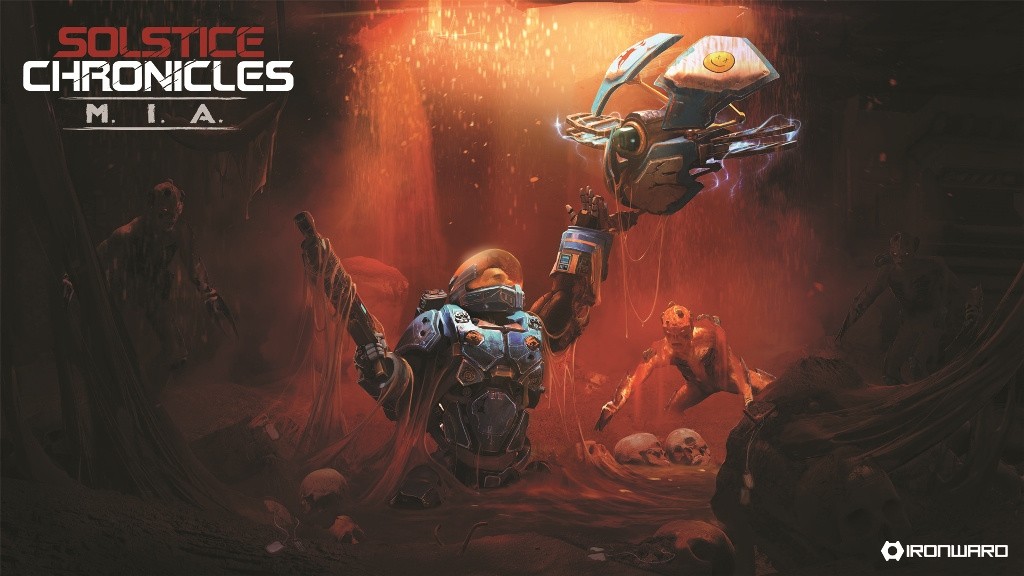
Intense Top-Down Shooter Solstice Chronicles: MIA Is Headed To Switch This Year

CIRCLE Entertainment has announced that Solstice Chronicles: MIA, developed by Ironward, will be arriving on Switch later this year.

The game combines its intense, top-down shooter action with strategic play, tasking players with making the best use of their accompanying drone. Should you scavenge for supplies, or push forward to face the enemy? You’ll need to make these decisions on the fly as you fight.

If this looks like it might be up your street, take a look at the official PR game description and features below:

“Our marine finds themselves on Mars as a result of Earth being overrun by the STROL virus. Despite humans colonising Mars and with corporations naturally taking over, it is a violent and dangerous planet. Corporations and insurgents both race to find a cure for the STROL virus in order to reclaim Earth. As the virus spreads in the colonies, creating hideous monsters in the process, the battle for the cure is more important than ever!

Features:
– 
Fluid and exciting twin-stick combat against fiendish foes on Mars.
– Key tactical decisions to be made with your accompanying drone.
– A variety of weapons, each with fantastic effects for killing enemies.
– Develop your skills in Assault, Demolition, Hellfire or Terminator classes – find the style that suits you best!
– Re-designed for Nintendo Switch, including local co-op to share the battle!

We don’t have a confirmed release date for the game just yet (the trailer above was for the game’s launch on PC last year), but we’ll make sure to keep an eye out over the following weeks for more news.

Do you like the look of this one?

Posted on Leave a comment

Review: Another World (Switch eShop)

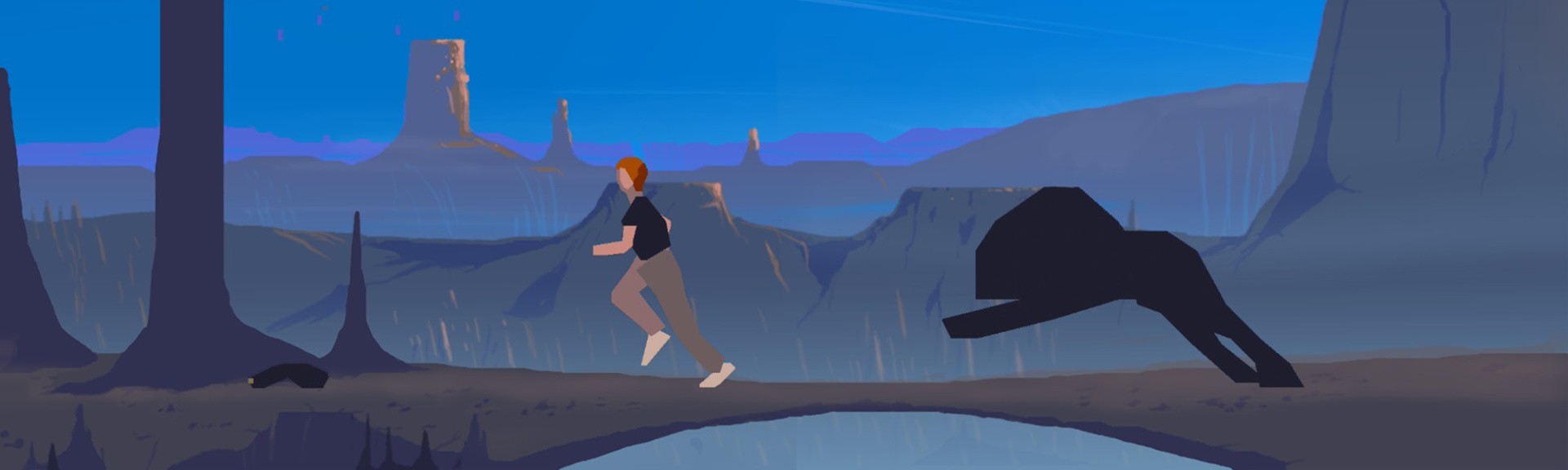
Éric Chahi’s 1991 Commodore Amiga masterpiece has been ported to every system that could possibly run the game. After the 20th Anniversary Edition made the successful jump to both Wii U and 3DS, Lester has now been conveniently teleported onto the Switch. But is this Another World too far?

It could happen to any genius physicist. One moment you’re colliding molecules at high speed attempting to produce antimatter, the next lightning strikes and a sizeable chunk of the lab is teleported underwater. Barely managing to escape death by drowning and tentacles, you swim up to the surface and discover a very different sky above. Assuming you don’t get too familiar with local slug wildlife, you will live just enough to be chased by what can best be described as your worse four-legged nightmare before being ‘rescued’ by a couple of humanoid creatures that are definitely not human.

Once the prologue is done, you are incarcerated with a far more friendly local fellow and you soon realise you will need each other if you want to have any chance to pull off a daring escape. Once you grab a fancy local pistol, you’re set to go on your otherworldly adventure. There was nothing quite like it back in 1991 with its unique rotoscoped polygons giving the game a truly alien feel. Even today you can find its influence conveying story without dialogue in titles such as the recent Switch release of Inside.

In case you are wondering: yes, this Switch release is the exact same one published back in 2014 for the Wii U. That equals the same fancy extras the 20th Anniversary Edition offered, like the ability to tap ‘Y’ at any time to switch between the original low-resolution graphics of the HD enhanced backgrounds and smooth polygons. There are three difficulty settings to choose from and you can also elect to play with the original audio, the new enhanced audio or a curious mix of the original sound effects with audio CD music that was used in the CD-Rom version of the game. However, considering we’ve been recently spoiled with a far superior offering of extras included with Flashback (the rewind feature springs to mind), this one feels a little spartan in comparison.

Minimalist is, however, one of Another World’s greatest strengths and as such the same incredible adventure (albeit a rather short one if you know what you’re supposed to do) is still very much worth taking. Despite a few brain teasers here and there, most of the time Lester will have to use his physical parkour abilities rather than his brain to get safely from point ‘A’ to ‘B’ and managing the three firing modes on his alien pistol. Trial and error are the order of the day so be prepared for several treks back to your most recent checkpoint after some poorly timed jumps, lethal drops or deaths by laser.

It’s unfortunate that, once again, the opportunity to play out the whole story remains unaccounted. Despite being a fantastic journey, the game ends halfway, with the same ambiguous ending that made us scratch our heads back in 1991 greeting us once more and no mention of the Mega CD-exclusive sequel Another World: Heart of the Alien nowhere to be found in this package. We would have loved to have the opportunity to play out the rest of the story with the same polish given to the original adventure, but sadly the opportunity to do so is once again completely ignored.

Conclusion

Another World on Switch is identical to the package that was released on the Wii U back in 2014, which translates to being the same ultimate version of Éric Chahi’s 1991 classic. While there aren’t that many luxuries or quality of life updates, you won’t be disappointed playing out Lester’s unfortunate accidental voyage to another world. If you’ve somehow managed to go this long without experiencing this seminal title, then there’s never been a better time to pick it up.

Posted on Leave a comment

RPG-Board Game Hybrid Hand Of Fate 2 Will Be Dealt To Nintendo Switch Next Week

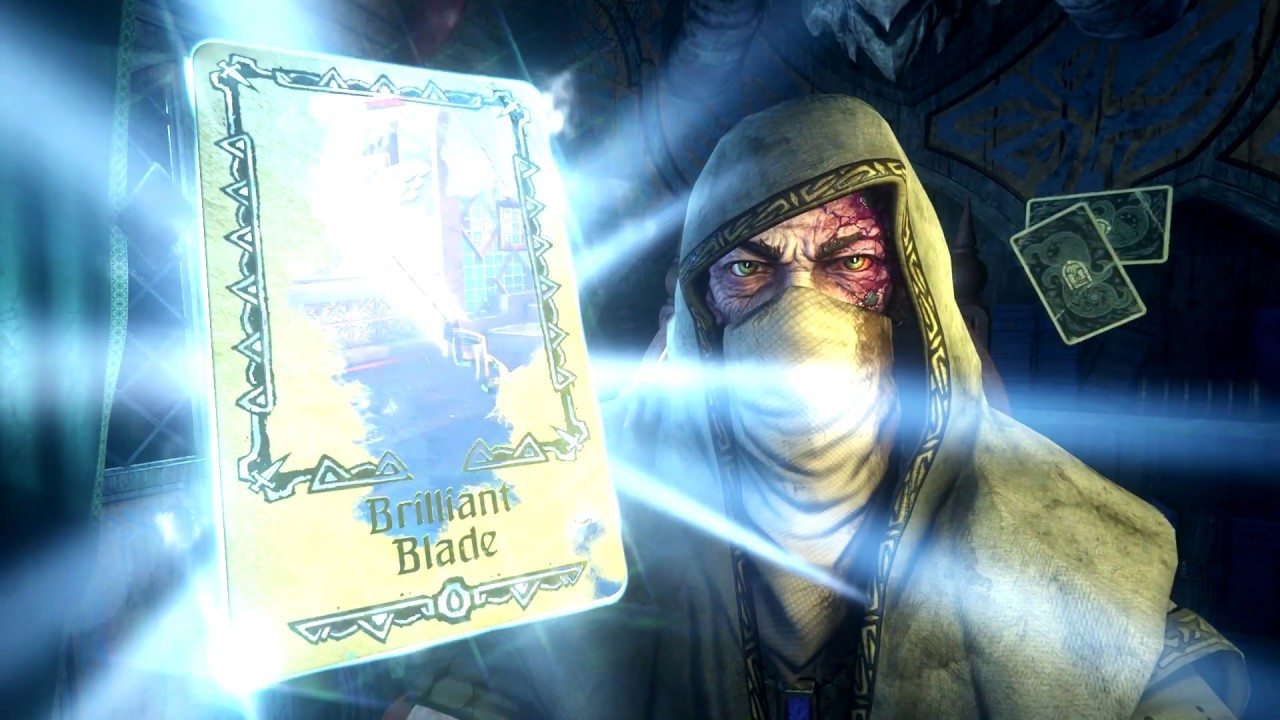
Defiant Development has announced that its acclaimed action RPG Hand of Fate 2 will be playing its hand on Switch next week.

The game tasks players with collecting cards and building a customisable deck of equipment, enemies, encounters, and loot which all gets shuffled in with extra challenges from the Dealer. Once all of these things are combined, cards are laid out into a dungeon floor for players to navigate; each card presents obstacles to overcome, including hack-and-slash combat, exploration, high-risk high-reward minigames, and Dungeons and Dragons-style storytelling.

The original game has been downloaded over 2.5 million times since it released in 2015, and this sequel has “very positive” reviews on Steam – where it has been available since November last year. Morgan Jaffit, director at Defiant Development, has said the following about the game’s Switch reveal:

“We’ve been careful not to tip our hand about this news until now, but our team is thrilled to finally announce Hand of Fate 2 is coming to Nintendo Switch. We are very much looking forward to seeing fans having the opportunity to take the game on the go with this exciting new platform.”

The game will be available on Switch on 17th July with pricing details still to be confirmed.

Are you a fan of the series? Does this look like something you might be interested in if not? Let us know your thoughts down below.

Posted on Leave a comment

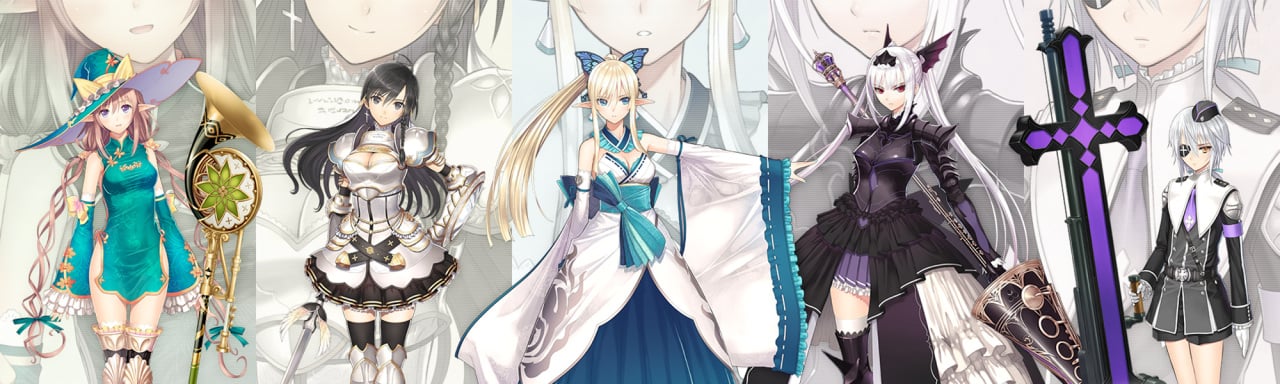
Review: Shining Resonance Refrain (Switch)

In 2014, Sega released Shining Resonance on the PS3 exclusively on Eastern shores, much to the chagrin of many overseas fans of the company’s long-running RPG franchise. Given the long history of Japan-only releases in the series, Shining Resonance seemed unlikely to receive a localisation, which made it all the more surprising when the company unveiled Shining Resonance Refrain, a current-gen remaster which would be receiving a worldwide release. The question is, has the wait for a new Shining game on western shores been worth it? Well, kind of.

The story opens with a prologue that’s as bombastic as it is derivative, foreshadowing much of the narrative elements that will follow over the next several dozen hours. An amnesiac main character with god-like power and a low sense of self-esteem? Check. A hot-headed warrior princess with a heart for helping the weak? Check. A conniving and impish mad scientist with a penchant for torture? Check. Just about every possible cliché anime trope you could think of is present and accounted for and seldom are these tropes presented in any memorable way; there’s very little to this story that you haven’t already heard or seen done elsewhere.

Yet despite the campiness, the story still does a decent job of building a convincing and detailed world that adds much-needed context to the gameplay. The wartime setting and the cultures of various races and religious orders are well thought out and consistent (if not very original), and party members have strongly defined personalities and organic interactions. There’s even a dating sim element to the plot, in which you can have optional late-night conversations with other characters to reveal more about their backstory and sometimes receive certain gameplay benefits, too. It’s all satisfactory, then, but there’s little to the plot or character interactions that sticks out as being truly memorable; it’s done well, but not exceptionally so.

Combat drops turn-based action in favor of a more action-oriented setup, much akin to the Tales series or the recent Ys VIII: Lacrimosa of Dana. Upon engaging with a roaming enemy, a light blue ring encircles your party and your enemies, and everyone draws their weapons. You can control any character in the party and each one has two primary forms of attack: a basic attack and a break attack. The basic attack is exactly what it sounds like, while the break attack assists in building up an enemy’s break gauge, which disables the enemy and doubles the damage they take if it’s filled. These two basic attacks are governed by an AP ring that encircles your character’s feet; each attack takes a few AP points to use, and if you use too much, you’ll have to wait a few seconds for the gauge to refill.

Fortunately, the AP gauge fills up almost immediately, and but if you don’t want to wait to continue your assault, you also have a series of up to four Force Abilities that can be deployed at any time, at the cost of MP. These are more specialized attacks that can hit multiple enemies, imbue attacks with certain buffs or debuffs, or directly support allies with healing and other effects. Though it’s rather easy for MP to run low if you abuse these too much, it can easily be gained back by hitting enemies with normal attacks, which makes for a nice loop that encourages you to use all aspects of combat equally.

Later on in the narrative, a certain team based attack is introduced called B.A.N.D., which ties in nicely with the game’s overall theme of music. Each character wields a weapon (called an Armonic) that resembles a musical instrument, like an electric guitar that doubles as a battleaxe, and characters can come together for a team attack once a special gauge is filled that sees them using their instruments in concert to cast a team buff. This can do things like boosting critical hit rates or physical attack damage, and the effect is decided according to who you set as the ‘Center’ in the setup menu. Though it can seem rather overpowered at times, B.A.N.D. is a lovely inclusion to the combat system that helps break up the repetition a bit, while offering players more strategic options for harder battles.

On top of B.A.N.D., there’s another super attack option available to the main character, Yuma, which allows him to unleash the power inside him and take on the form of the Shining Dragon itself. As long as Yuma has MP he can unleash this power whenever he wants, and it slowly saps away at MP with each passing second. Though the additional firepower offered by the dragon is welcome, it’s balanced by the danger of the dragon becoming unstable, and the chances of this happening increase as Yuma’s MP lowers. If Yuma loses control, he’ll suddenly go on a rampage that can also damage party members, which can have catastrophic consequences to a fight that was otherwise going swimmingly. This ‘beast out’ mode is yet another welcome way to break up the repetition of combat, but once again, it feels like overkill for most of the fights that you’ll encounter and seems like a rather tacked on (though seriously cool) feature.

Refrain takes an interesting approach to leveling characters, offering up a slightly more dynamic means of character progression than rote level gains. Each characters Armonic can be given a certain ‘Tuning’, which levels separately from the character, and each Tuning gives certain percentage buffs to different stats, with these percentages being boosted higher by leveling the tuning. On top of this, Tunings each have skills attached to them, such as faster attack speed or a deeper MP pool, and this differentiation in different Tunings presents some nice strategic options. Do you keep a character using a specific Tuning and power it up considerably, or do you swap them out and take advantage of the different skills they possess? The Tuning system helps to elevate character progression to more dynamic heights, offering you the chance to mold and shape your team to whatever builds you desire.

To a lesser extent, character growth can also be impacted by the Bond system, which decides the frequency and type of ‘Resonance’ that takes place in battle. A Resonance occurs randomly during fights, and results when a party member chooses to buff your character or debuff the enemy you’re currently targeting. How you choose to link up your characters in the web-like Bond diagram dictates which Resonances take place, and the kinds of Bonds you can create are affected by changing the ‘Trait’ equipped on each character. Traits are obtained both in dungeon crawling and optional character interactions and provide a meaningful way of encouraging exploration beyond mere consumable items.

A key flaw that runs throughout all these interlocking systems, however, is the game’s failure to adequately explain how they all work. Granted, what’s here isn’t rocket science, but the tutorials for new systems feel rather rushed and the game seldom offers much more information to clarify. Learning by doing eventually teaches you everything that you need to know, but it’s the need for some extra trial and error that feels sloppy and lazy.

From a presentation perspective, Refrain manages to offer up a satisfying audiovisual experience, particularly in handheld mode, although it isn’t necessarily a showcase for the Switch’s abilities. The game’s roots as a PS3 title rear their head every now and then, especially in the simplistic and flat world design. As opposed to the verticality and depth of the worlds in Xenoblade Chronicles 2 or Ys VII, Refrain’s world feels distinctly lesser in scope. Though there’s plenty of cool details and features to decorate the world, like towering cliff faces or a thick canopy of trees, it all feels rather like superficial window dressing, as if each environment is the same room painted a different color.

Even so, the cel-shaded anime style is bright and cheerful, and there’s an impressively varied color palette to match the equally colorful characters. Though the world may feel a bit empty, it’s certainly easy on the eyes, and the true beauty of it really pops on the Switch’s portable screen. As with many Switch games, it never really gets old to be playing a game that looks like this on a train ride, and performance oddly seems to be even better in portable mode than docked. Framerates usually stay around a fairly consistent 30fps, but drops can be spotted here and there when there are lots of enemies or you’re fighting a large boss character, though we detected fewer drops in portable mode. Either way, the frame drops are never enough to impact the gameplay, things just get sluggish from time to time.

The music, on the other hand, does a fair job of setting the tone for scenes, but is oddly forgettable in a game with music as its central theme. Nothing in this soundtrack approaches what we would describe as bad, but much of it is forgettable and doesn’t do much to add to the overall experience. It’s a bit of a shame, especially given the potential that seems wasted with the game’s music theme, and it does lessen one’s enjoyment of the game somewhat, but it’s hardly a deal breaker.

As an enhanced re-release for the West, Refrain also comes with a wealth of additions to raise the overall value. New to this edition is the titular Refrain Mode, which takes the shape of a non-canon second playthrough that sees key villains joining the team for a ‘what if’ scenario. It’s a neat new feature and gives fans a compelling reason to play again after the credits have rolled, especially when taken with all the other inclusions. The original Shining Resonance had an eye-watering 150 distinct pieces of DLC, all of which have been included in this package. These can range from mostly insignificant things like new character costumes to a fairly sizable side mode which lets players explore optional dungeons for exclusive loot and enemy encounters. There’s no shortage of content in the base game as is, but the integration of all the DLC into the main package help to create a pleasingly well-rounded experience.

Conclusion

Shining Resonance Refrain is the kind of game that can put on a solid performance, but it’s also abundantly clear that it doesn’t quite have the pipes to hit the high notes; it’s a good game, but not a great one. A fascinating setting, live action combat system, and eye-catching cel-shade visuals are all balanced by a slightly dampening feeling of mediocrity that never seems to go away. Fans of RPGs will find plenty to love here, it’s a well-rounded, content-rich game that understands its audience well, but it’s also a very safe RPG. We’d ultimately give Shining Resonance Refrain a recommendation, especially if you’re a newcomer looking for a good RPG to show you what the genre is all about, but veterans may be a bit disappointed with the final product.

Posted on Leave a comment

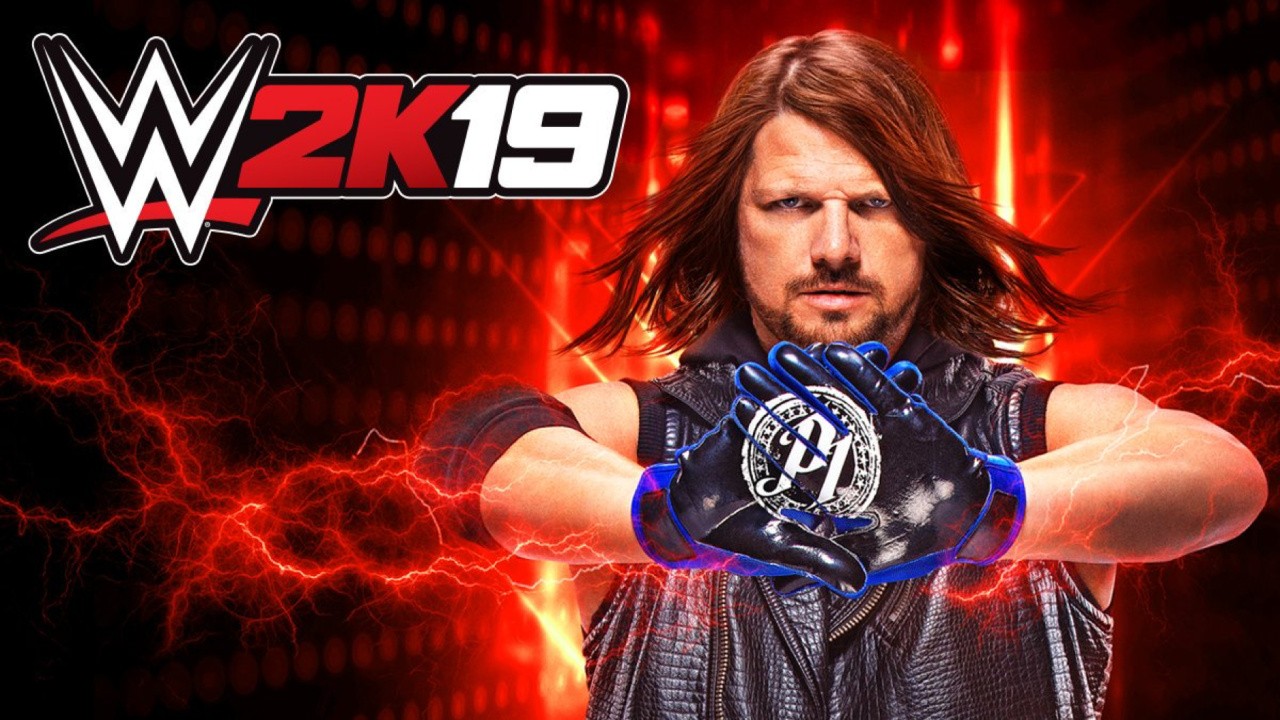
WWE 2K19 Is Officially Skipping Nintendo Switch, 2K Games Confirms

Publisher 2K Games has officially confirmed that WWE 2K19 will not be releasing on Nintendo Switch.

After a pretty dreadful launch for the 2018 edition of the game on Nintendo’s console, which was affected by a whole host of technical issues across the board, it appears that 2K has decided to avoid any further bad press by skipping the system entirely for its next release. WWE 2K19 was first announced last month with no mention of a Switch version, leading many to believe that we probably wouldn’t see the game make it to the handheld at all. As it turns out, that was spot on.

It would seem that 2K was unable to resolve the issues that plagued the Switch version, and didn’t want to spend the necessary time and resources on releasing a version of WWE 2K19 running on a custom engine for the console (like FIFA 18). The publisher has mentioned its intention to make “the best possible experience” for fans and that it will continue to assess the plausibility of the series on other platforms (meaning Switch) in the future:

“WWE 2K19 will not be available on Nintendo Switch. 2K is focused on making the best possible experience for WWE 2K fans and will continue evaluating all opportunities to deliver the franchise across additional platforms.”

The title is still scheduled to release for PC, PS4, and Xbox One as originally planned on 8th October.

Will you miss being able to play WWE on your Switch? Or did the last version put you off from buying any future editions anyway? Let us know with a comment.