Posted on Leave a comment

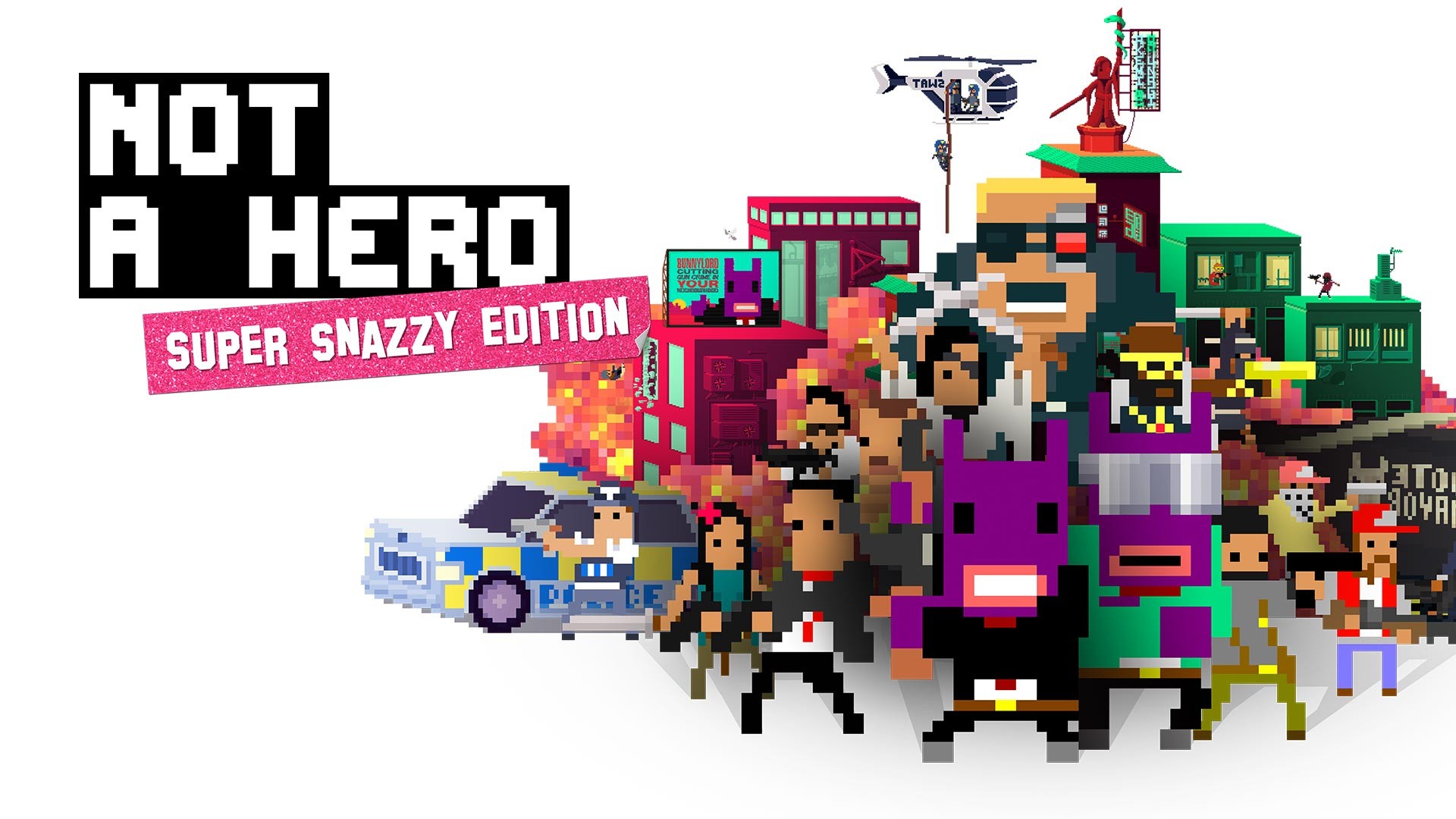
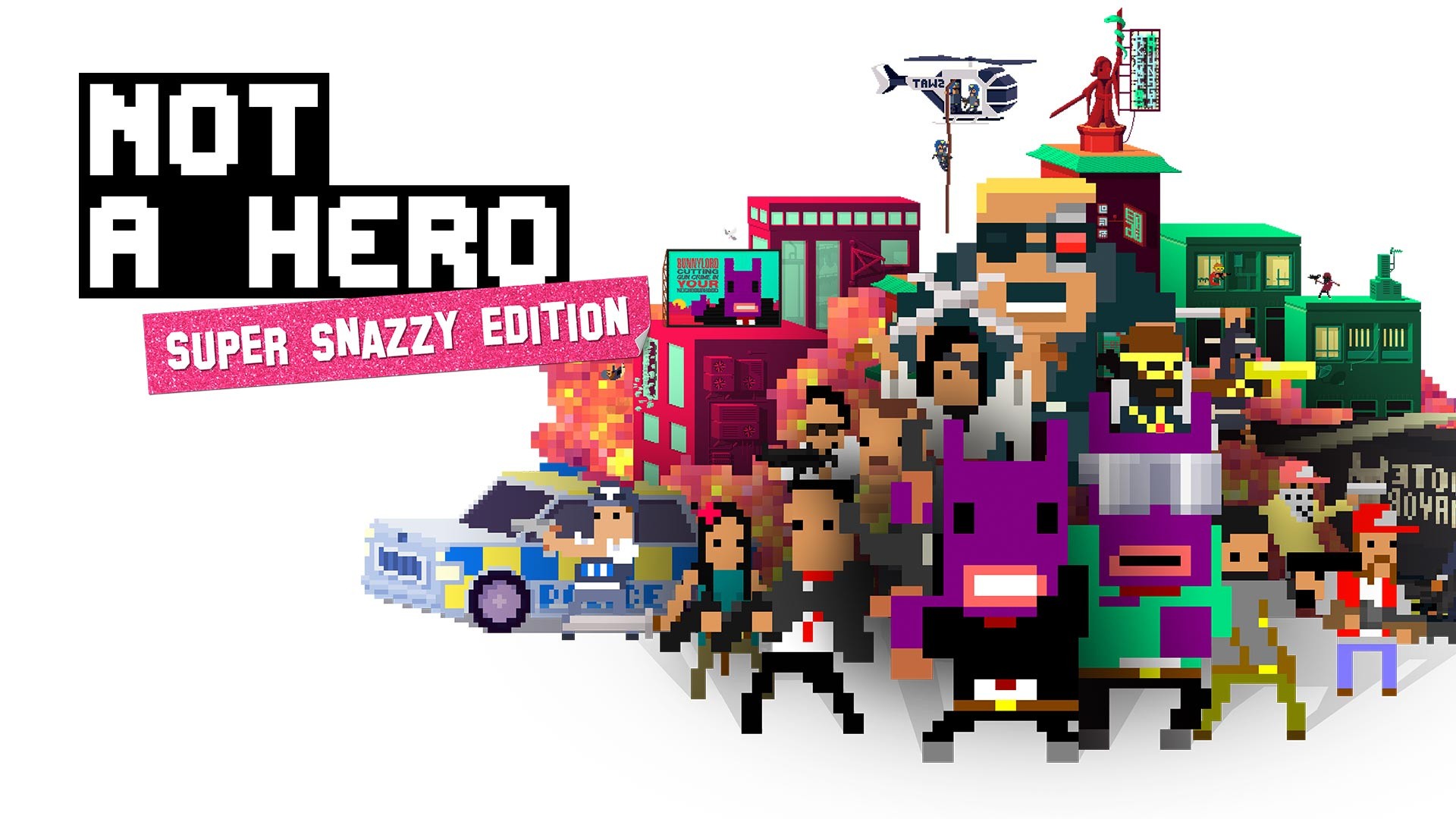
Competition: Win a copy of Not A Hero

To celebrate the Summer of Devolver Digital we’ve kindly been provided with 10 North American eShop Download codes for Not A Hero on Nintendo Switch. All you need to do is answer the question below and we’ll pick 10 lucky winners at random and assign them a code, simple right?

About The Prize

Professional assassin turned amateur campaign manager Steve is charged with cleaning up the city by an anthropomorphic rabbit and mayoral candidate from the future named BunnyLord. Now Steve and his expanding roster of dubious heroes must wield their unique skills to shoot, slide, dive, and take cover behind a political platform built on ethics, accountability, and an inordinate amount of gunfire.

How To Win

It’s simple, login or register and answer the question, we’ll randomly select the winner(s) and contact them via email.

Enter The Competition

Please login and then answer the following simple question:

Please note that this competition is only open to residents of North America.

Rules

Closing date for entry is midnight Fri 31st August 2018, winners will be contacted via email, prizes will then be provided by download code or gifted directly to the console. You may only enter once, duplicate entries will be removed. You must be a North American resident to receive the winning prize. Please read our full competition terms and conditions before entering.

Posted on Leave a comment

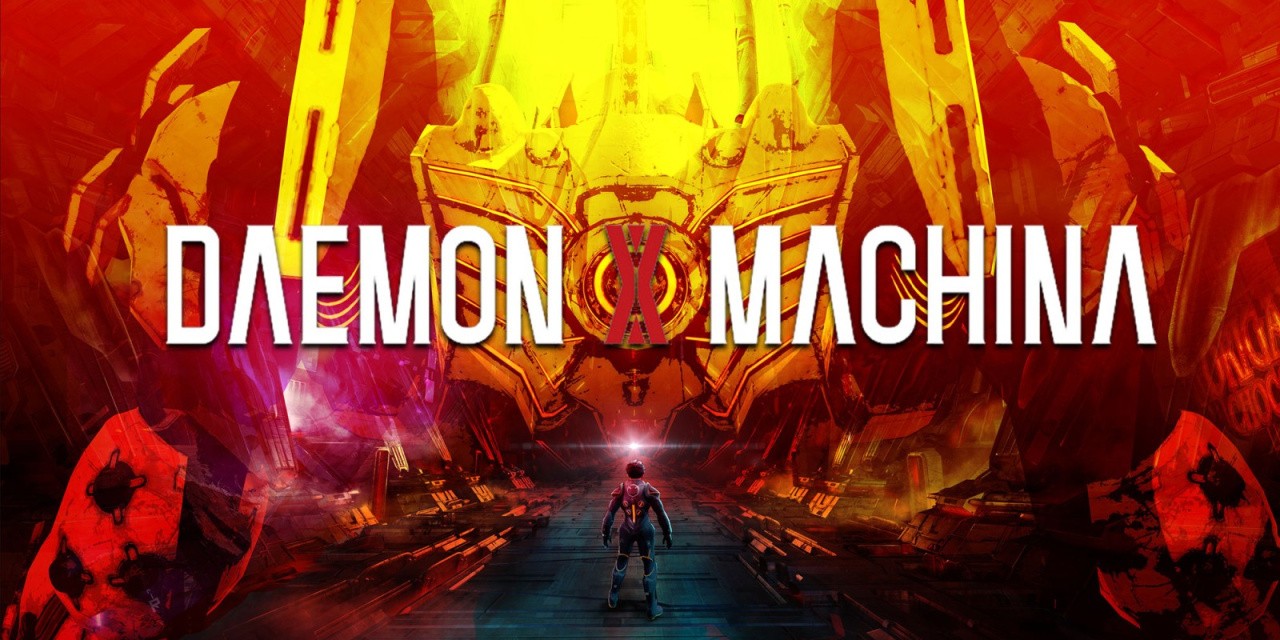
Interview: Daemon X Machina Producer Kenichiro Tsukuda On Cooking Up An Authentic Mech Game For Everyone

Kenichiro Tsukuda knows his giant robots. As well as producing the best of the Armored Core series at FromSoftware during the PlayStation 2 era, he’s an influential voice with regard to mech games and the lore that surrounds them. It’s the reason you’ll find his name under the ‘special thanks’ section of the credits in games like Assault Gunners; a title that this year came to Switch with an HD polish.

The genre he champions, however, has in the past struggled to find a meaningful foothold with a mainstream gaming audience in the west. Mech games have been variously complex and clunky, serving up niche-interest gameplay mechanics. Equally, they been stifled as Japan-only releases, or required hulking controllers like the infamous dual-stick devices for Steel Battalion and Virtual On. Even when Metal Gear visionary Hideo Kojima turned his attention to the genre with the Zone of the Enders series, despite generally positive reviews, hype around the genre faded in the west as quickly as it was established.

Tsukuda is out to change that. With Switch exclusive Daemon X Machina he is devoted to rejuvenating interest in a gaming form that – while long-beloved – has never been anything like as mainstream as the likes of FPSes and action-adventure titles. Nintendo Life caught up with him at Gamescom to better understand what the game is – and whom it is for.

Nintendo Life: You could argue that the mech action genre is relatively constrained by design conventions. There’s a lot of expectation about what these games have to deliver. How do you meet that, while also finding room for innovation, fresh ideas and even your own creative freedom?

Kenichiro Tsukuda: It’s something I really work hard on. As a key point, I don’t think of making a game as some kind of strange magic. Everything about Daemon X Machina – whether it’s the weapons, or whether it’s the environment in the game – has to have its own internal logic. All those things have to make sense in how they work together. When you get that internal logic right, and it works, and it’s consistent, you’re already on the right path to giving a satisfying experience for the player. You have to get that foundation right; the foundation of what a mech game is. Then you can add new elements and more elements on top of it. That’s where we can innovate and try new ideas that make the game exciting for players.

So a feature of this game, is that when you’re playing during the missions, when you defeat enemy mechs you can actually take their weapons and equip them. You can even take the arms – not just the weapons, but the body parts of the mech. You can incorporate them into your mech. So to follow on from my previous point about the internal logic of the game, That allows us to innovate in this way; to let the player take weapons and arms and parts. It was partly inspired by thinking about 3D printing. In a real-world 3D printer you take a material and put it in, and using an existing model, a 3D object comes out the end. The mechs in this game are kind of doing that. When the mechs create a new part from what they have found, they are using a resource: a material available to them in the atmosphere, and 3D printing new parts for themselves. So we’ve been able to innovate with ideas like that.

And what kind of player do you see this game as being for? Is it a game for a hardcore action game player, or a more casually interested player? Perhaps you don’t even think about designing for a certain player, and just develop the game to your own creative vision?

To answer the first part of the question, about who Daemon X Machina is aimed at, we’re definitely thinking about a broader audience, rather than just core mech game fans. The mech genre, obviously, has its fan base, and we think that’s great. We hope Daemon X Machina will appeal to those hardcore fans as well, but we want to make it broader. Part of how we’ve tried to do that is by thinking about the importance of the player’s humanoid avatar in the game. You can create your own avatar in the game: male or female. And that kind of represents the player in the game world. But more than that, in some missions you play as that character. You’re not actually always inside the mech. There are action parts of the game where you’re controlling the character. You can also upgrade the character himself or herself, and give the avatar extra skills and abilities, so there’s a bit of depth to that aspect. What’s more, the upgrades and abilities you give to your character actually transfer across to the mechs when you get in.

So emphasising the human and personal element a little – you hope – will appeal to fans beyond the hardcore mech action game fan?

Absolutely. There’s this sense that it’s not just your mech that gets bigger and more powerful as you go through the game. You yourself as a player do. That sense of growth and improvement, and expressing that in the game – I think we’ve managed to capture that quite well. The player’s avatar is growing in power with the mech.

And to answer the second part of your question about how I approach designing a game for an audience in the first place, I would say that at the start of the process, I do think about who will be the core target audience for this game. I do consider that. So I start from there; thinking about who will be the core target audience. But obviously, I want my games to be loved by as many different people as possible. Once you’ve got the core target audience that you start off with, you do kind of expand outwards from that. You know, you add other elements that might appeal to other people as well. I think about it like food. Mech combat is the main ingredient. Other elements are the seasoning you add to the main dish, in a way. The flavours help the main dish appeal to more people.

Customisation seems important to what Daemon X Machina is. There’s the customisable avatar you’ve talked of, and the walls in the mech hanger that you fill with weapons you’ve collected. Is that part of something more significant, beyond letting players toy with how things look?

We wanted to put some kind of what you could call ‘RPG-like elements’ into the game, where you collect lots of different weapons and equipment as you go through, and you have to kind of consider – for each mission – the enemies you’ll be facing, and what will be the best strategy to defeat those enemies.

So the best load out of weapons and equipment is important. You have a source of energy called Femto energy, and some enemies actually come and – rather than try and go for your XP – they try and suck out your Femto energy. There are items in the game that can prevent that. So there’s lots of elements to think about in customising both your avatar character and your mech.

We should talk about the Switch. Mech action games have often done very well on more conventional consoles. How did the Switch’s unique hardware offering influence the game’s design?

One thing we really wanted for Daemon X Machina was really strong multiplayer, and with Nintendo Switch there’s the fact that it’s a home console, so online multiplayer is possible. But there’s also the fact that you can take it with you. You can meet up with friends and you can quite easily get local multiplayer going. As a console that supports both online and local multiplayer, though, the Switch was really strong in that respect.

And perhaps the mech action genre has been a bit limited as a portable genre?

Perhaps. On the negative side, I feel that people get together less in-person to play games nowadays. There’s a tendency – particularly with online multiplayer – to kind of just sit on your own, basically. Again, the Nintendo Switch is the perfect console to bring friends together to play games together, which is definitely something we want with Daemon X Machina.

We should talk about the narrative too. Why are these mechs fighting?

The backdrop of the story is that the moon has fallen from the sky. That’s the big catastrophe that has put humanity in danger. But due to that catastrophe, from the moon, this new Femto energy has been discovered. Due to the influence of this Femto energy, the machines and the artificial intelligence that human beings were using have somehow, for reasons unknown, developed their own kind of consciousness, and turned against humanity. So there’s a ‘man versus machine’ thing going on. Humans and the AI, as they are called in the game, are kind of fighting over this Femto energy. Within that backdrop, there are people called ‘Outers’. The reason they are called Outers is because they are not regular human beings.

They have kind of absorbed some of this Femto energy, and become slightly superhuman. Due to their difference, they have been cast out of society. But at the same time, they are the ones that are fighting back against the AI. That’s the conflict that the player will find themselves in. So in a way, the enemy in the game and those on your own side are all outcasts. The AI and the Outers are both outcast from human society. The drama of the story comes from that.

It would be interesting to hear about level design. How do you make sure the environments keep the gameplay varied and interesting, rather than just being a selection of buildings to trample on or fly over?

In terms of the overall flow of the game, the most important thing I feel is that you as the player get the sense of increasing in power. I tried to build that progression in throughout the missions. Within that, you obviously have to set the level of challenge correctly. There will be times when the player is getting defeated, or is about to be defeated; but in a way that is rewarding, where you will get better and overcome the challenge.

In terms of the actual level design, everyone working on it, from the art design team to the guys actually creating the maps, actually playtests it going through the design process. They put in their own ideas about what is working and what isn’t working. One element we actually start with is the range of the weapons. All the other distances in the level design need be based on that; weapon range is the foundation of what is possible with a level. So you have the range of the weapons, and you kind of place objects and obstacles and terrain based on those ranges. Then you place enemies and see how those elements interact with each other. That’s the process to make sure the level design gives the player interesting and varied gameplay.

You’ve spent a lot of time working with mech games. Is there anything you understand now, as a result of making Daemon X Machina, that you’d want to tell your self as a young producer working on your first Armored Core game?

One thing I’ve learned is that with the mech genre, the player really needs to be able to put him or herself in there; they really need to feel immersed in the game and in the mech. They need to feel like they themselves are in that world, and experiencing it directly. I think I’ve learned that that is an element that you need for people to really fall in love with the game. That’s something we’ve worked hard on with Daemon X Machina.

I also think back to my past games and think ‘why did I aim for that photorealistic visual?’, without really thinking about it, or without really considering other options. I look back and wonder why I did it that way. That has influenced the art style of Daemon X Machina a lot.

Thanks to Kenichiro Tsukuda for his time. Daemon X Machina blasts on to the Nintendo Switch in 2019.

Posted on Leave a comment

The Nintendo Labo Vehicle Kit Will Work With Mario Kart 8 Deluxe On Switch

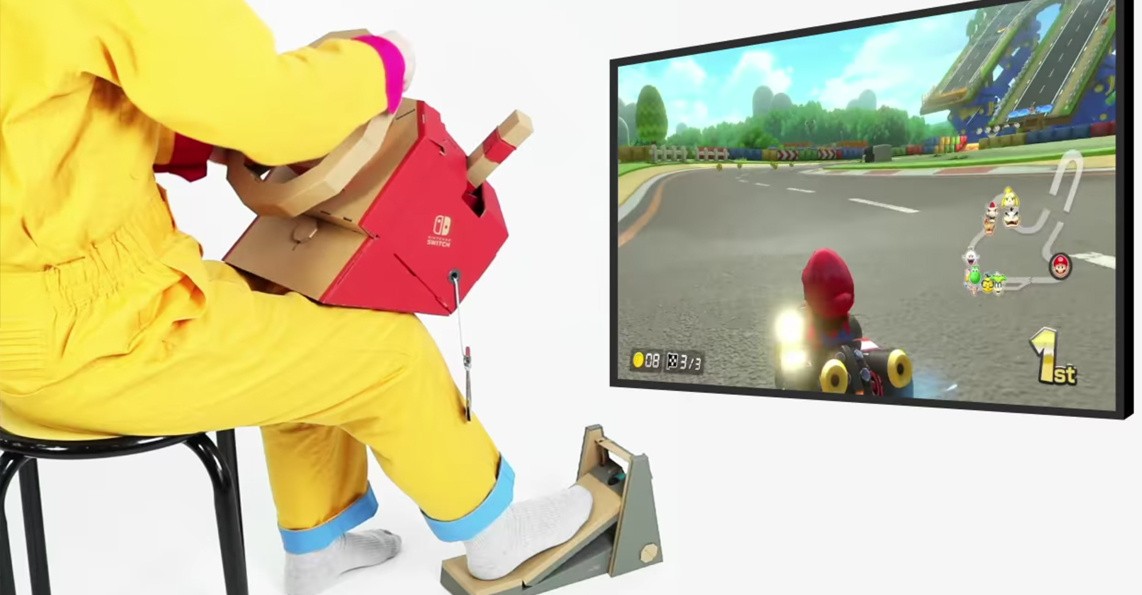
Nintendo has shared a short new video to announce that the upcoming Nintendo Labo Vehicle Kit will be supported in Mario Kart 8 Deluxe.

As you can see, the Vehicle Kit’s wheel and pedal can both be used to carry out your usual Mario Kart antics on screen, working nicely alongside the Toy-Con Motorbike which has been compatible with the game for a while now. Our favourite feature, however, has to be the extremely inconvenient – yet extremely cool – use of the horn to fire out your weapons. Awesome. 

Check it out below.

It might not be in the same league as the super fancy racing game setups you can buy – some of which can go into the thousands of pounds, but it does add another twist of whacky fun to Mario’s biggest karting adventure.

Will you be trying this out when the Vehicle Kit arrives on 14th September? Let us know below.

Posted on Leave a comment

Xenoblade Chronicles X’s Elma Revealed For Xenoblade Chronicles 2, Available Today

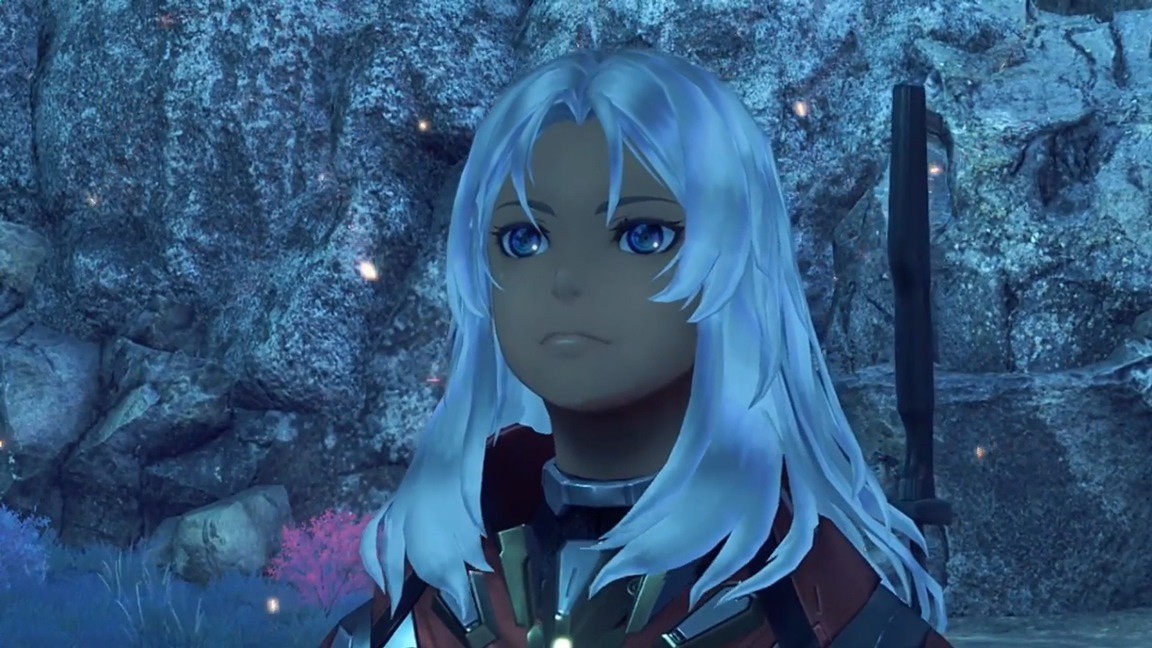
Nintendo has confirmed that Xenoblade Chronicles X‘s Elma will be making an appearance in Xenoblade Chronicles 2 alongside a brand new blade. The best news? They’re both available today!

Yes, even more news has come flooding out of Gamescom’s lovely show floor, with Nintendo sharing a brand new video segment for Xenoblade Chronicles 2. Feel free to rewind the video below right to the beginning if you’d like to watch the entire thing, but you can check out this new content from the 31:33 mark posted below.

As you can see, Elma appears in an encounter with Rex and rest of the party before seemingly mistaking them as enemies, causing a mass fight to break out. If you watched the video to the end, you’ll also have seen the new Rare Blade, Corvin. Both of these are available as part of the Expansion Pass starting from today – if you’ve already bought the pass, you should expect to have them in your game very soon.

In case you’d forgotten, Nintendo was also quick to remind fans that the Torna – The Golden Country expansion will be releasing on 14th September – so not long to wait at all!

Are you happy to see Elma return in Xenoblade Chronicles 2? Will you be firing up your copy of the game to explore the new goodies today? Let us know with a comment below.

Posted on Leave a comment

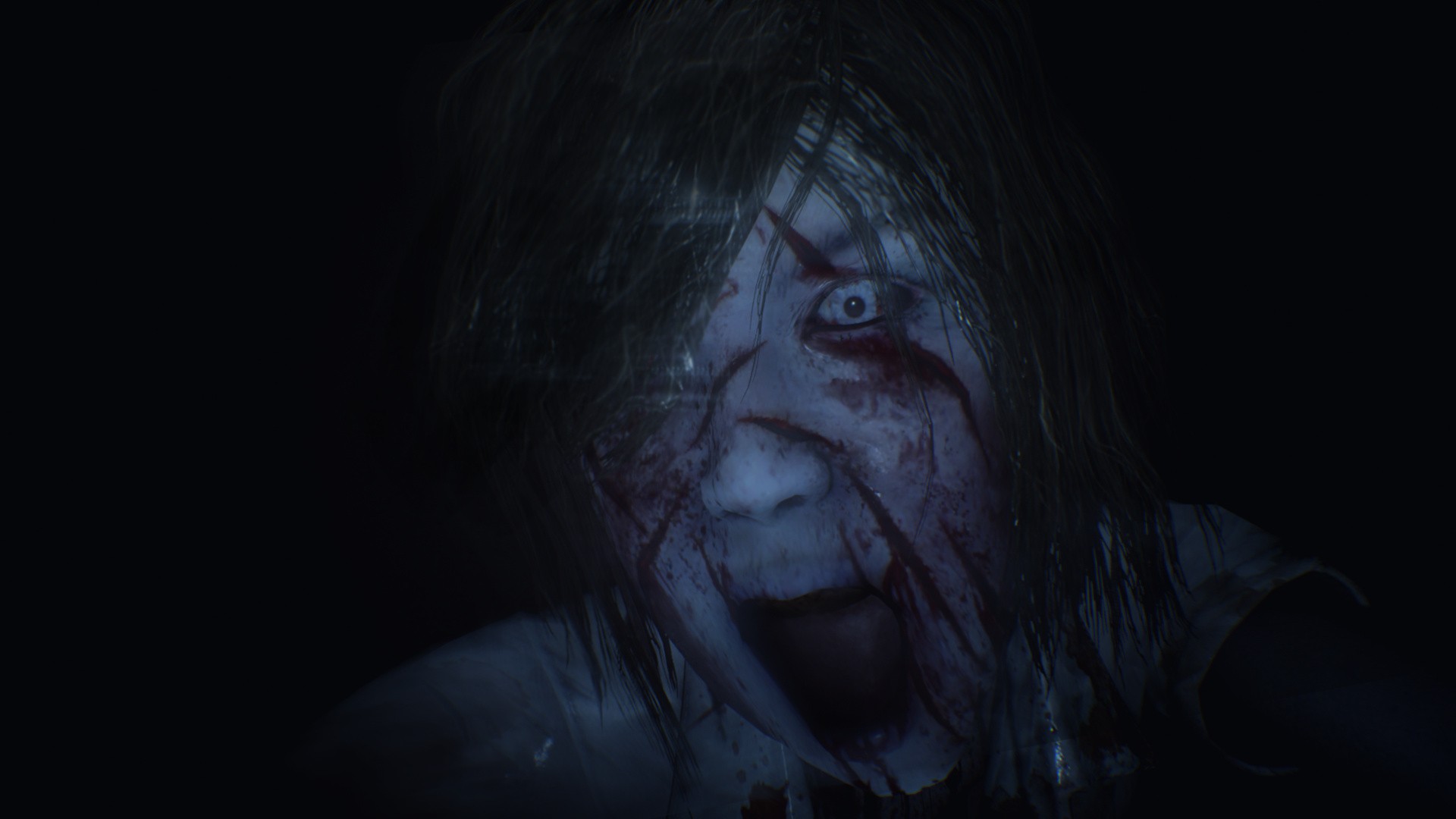
Home Sweet Home Will Scare The Stuffing Out Of Your Switch

Yggdrazil Group, developer of first-person horror Home Sweet Home, has announced that it will be porting the game to Nintendo Switch “soon”.

The studio mentions that it will be working with Mastiff to bring the game to the platform, following its original release on Steam last September. User reviews there are ‘very positive’, making us hopeful that this could be a nice little addition to the Switch’s library. You can check out the game’s official synopsis and feature list below.

Tim’s life has drastically changed since his wife disappeared mysteriously. In one night, after suffering from the sorrow for a long time, he woke up in an unknown place instead of his house. While trying to escape from this place, he was hunted by a rancorous female spirit. Can he survive? Is this place actually his house? Does it relate to the disappearance of his wife? Some dark sinister secret is hidden inside this house, and it won’t be a place of happiness as it used to be any longer.

Key Features
• Thai Horror – Environment is based on horror Thai setting and the narrative is inspired by Thai myths.
• Challenging Gameplay – Focus on stealth gameplay which requires player’s skill to overcome.
• Diversity of Gameplay – Puzzles and investigations are integrated into the game for variety of gameplay.

Here are a handful of screenshots to check out, too!

No release date has been set for the Switch version just yet; it appears that Yggdrazil Group and Mastiff only recently got together to discuss plans for the port so it could still be a while until release.

In the meantime, though, why not let us know your early impressions of the game in the comments below.

Posted on Leave a comment

Review: Space Ribbon (Switch eShop)

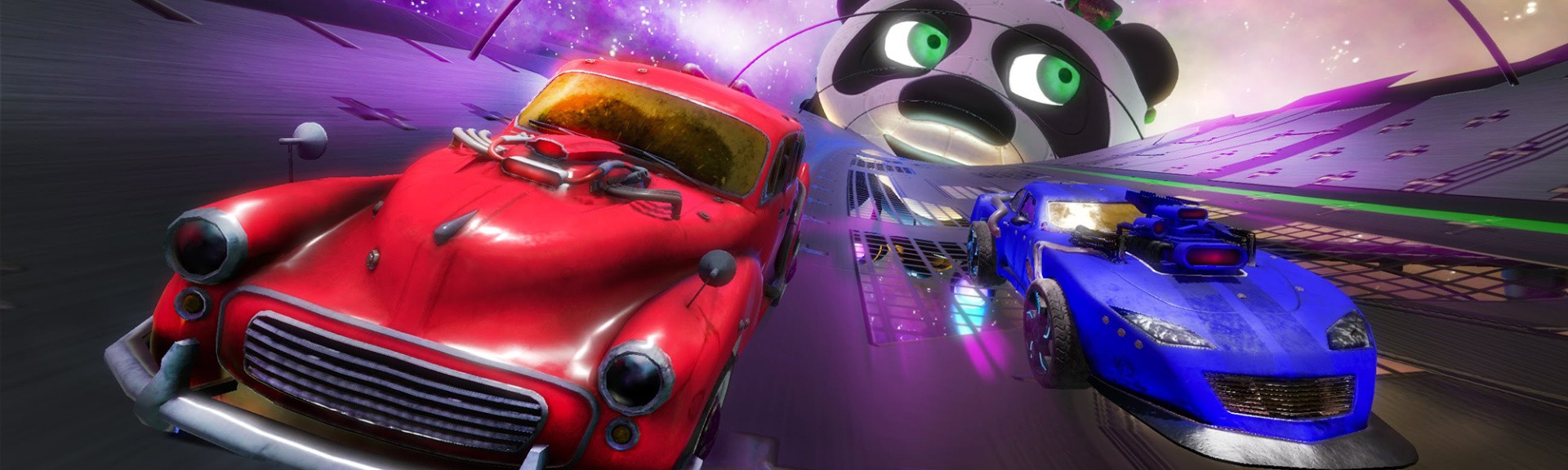
Imagine firing up Mario Kart (pick one) for the first time and being dropped directly onto Rainbow Road, but a 25cc version with no items. And you’re driving a Morris Minor. Welcome to the opening of Space Ribbon. Released on PC in 2016 by Liverpool-based developer Onteca, this racer’s biggest problem is the first impression it gives.

PR blurb describes a dystopian future where humankind journeys into the cosmos to race old bangers – all sporting Hill Valley-style hover conversions – on procedurally generated ‘ribbons’ that spew from the mouth of a giant mechanical panda head. Yarp. The first competitor to catch up with the mouth ‘cuts’ the ribbon, creating the finish line for the followers.

Throttle and brakes are on ‘ZR’ and ‘ZL’ respectively. Clicking the left stick switches between three camera positions while clicking the right toggles tilt controls. Offensive and defensive items sit on ‘A’ and ‘B’, although they don’t appear in all races. Unfortunately, they’re not particularly satisfying to wield; the sole offensive weapon – a lock-on missile – takes an age to, well, lock-on.

Mario Kart is frequently and famously criticised for a specific form of rubber-banding that punishes skilful drivers and gifts powerful items to stragglers. Space Ribbon’s items are too limited to function similarly; instead, a slipstream mechanic prevents anybody getting too far ahead. Travelling behind other racers builds a boost meter that activates automatically. Leading the pack results in slowing to a crawl and your rivals soon overtaking. Drifting with ‘Y’ also fills your boost meter, but never feels like a consistently viable alternative to slipstreaming. In theory, this system keeps the contest tense, but in practice it’s all about hanging back and timing the ‘yo-yo’ so you’re ahead when the finish line appears.

And because the goalposts are (quite literally) always moving, it can be incredibly difficult to time your overtake. Fall really far behind and you’ll drop off the trailing ribbon, gradually gliding back to the track, which changes from green to red when the panda starts slowing. No, you’ll never suffer the indignity of a cheap blue shell stealing your victory after two-and-a-half impeccable laps, but the see-sawing of this slipstream system becomes tedious. Mario Kart’s rarely boring.

However, the game does slowly get into gear as you progress through the cups and begins feeling much closer to an F-Zero. Choosing from three difficulties, a progress bar tracks your podium positions and the collectables you’ve won including engine and wheel upgrades, plus paint jobs and Rocket League-style antenna doodads. Winning cups unlocks new cars and access to further championships – sixteen in total. Some have restrictions, so you’ll need to accessorise accordingly. Jetcars are a different class, and each vehicle’s level, wheeled or otherwise, goes up or down depending on equipped gear.

As mentioned, tracks are generated on-the-fly, so you’ll never race on the same one twice. That means no memorising circuits or gradually mastering tricky sections. It also means treating players fairly and not throwing in crazy 90° turns on a whim, so tracks are inherently gentler than your average authored circuit. Kinks and obstacles in later cups throw you into the air and force you to consider racing lines, and barriers also disappear. Landing after temporarily escaping a track’s gravity is a lottery and there are inevitable pile-ups, but it’s far more engaging than the dull opening races. Procedural generation also means near-instant load times beyond the initial menu. The game runs smoothly in docked and handheld modes, although track draw distance is disappointing.

Freeplay mode enables you to tweak parameters and race up to 31 opponents – things get far more interesting and frantic with more competitors. It also offers split-screen local multiplayer for up to four people. Most notably, one player can control the vomiting panda, creating the track the others race on. It’s a neat touch, but not as fun as it sounds. Speaking of which, a generic electro soundtrack fails to impart any personality, although it feels more appropriate as the game picks up the pace.

There are a handful of interesting ideas here, but it lacks any coherent identity beyond being a vague, trippy space race. Perhaps that was enough coupled with the VR of the PC version, but it’s simply too bland on Switch. Want madcap multiplayer mayhem? Mario’s the king of kart. A futuristic racer? In the absence of F-Zero, Fast RMX has you covered.

Conclusion

Space Ribbon is not without merit – and the closer it inches into F-Zero’s slipstream, the better it gets – but a terribly humdrum beginning, lacklustre implementation of items and a central mechanic which forces you to slow down to speed up makes it a tough proposition. There’s fun to be had if you persevere but considering how the alternatives provide pretty-much instant diversion, this makes you work too hard for it.

Posted on Leave a comment

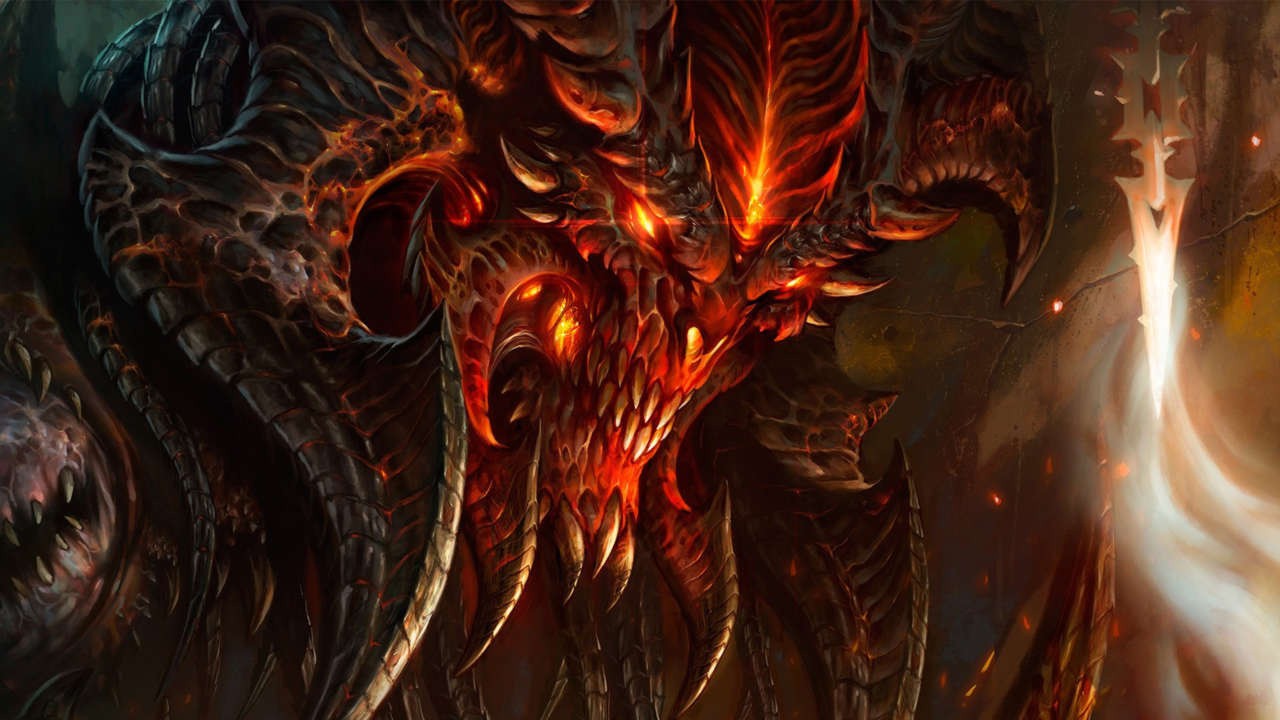
Video: Get A First Look At Diablo III: Eternal Collection Running On Nintendo Switch

If you’re as excited about Diablo III Eternal Collection coming to Switch as the rest of us, this new gameplay video will definitely be for you.

Featuring around 15 minutes of juicy gameplay footage, the video comes directly from the show floor of Gamescom, where the lovely folks from Nintendo of Europe sat down with Blizzard’s senior producer Pete Stilwell and associate producer Matthew Cederquist to chat all things Diablo III.

There’s plenty of talk and discussion going on throughout to explain how the game works for newcomers, including a look at the game’s adventure mode and the different things you can get up to with its Bounties feature. You can also get a good look at how the game runs, the hack ‘n’ slash-style combat (as well as how this goes deeper through the use of skills), and even the odd sneak peak at the game’s menus if that’s your sort of thing.

If you’re interested, you can check it out right here:

Are you looking forward to playing Diablo III on the go? Will this be your first experience with the series? Tell us below with a comment.

Posted on Leave a comment

Saints Row: The Third Will Include All DLC On Switch

Earlier this week, it was revealed that Saints Row: The Third will be arriving on Switch sometime next year, surprising almost everyone in equal measure. As it turns out, the game will feature all previously released DLC, too. Lovely!

The game saw three major content packs be released just a couple of months after the main game arrived in November 2011, as well as numerous smaller additions that were regularly added for a while after launch. Called Genkibowl VII, Gangstas in Space, and The Trouble with Clones, the three packs each contain around an hour or so of extra gameplay.

Genkibowl VII introduced four new activity types including Sad Panda Skyblazing, which is a completely new style as opposed to the others which were modified versions of already existing activities. Gangstas in Space was a new arc about the film of the same name referenced in the main story. The player is tasked with three different missions based on getaway vehicles, a linear map shootout, and an aircraft battle.

The Trouble with Clones (which was seen as the best release of the three by critics at the time) is another three-mission series which has the player tracking down a clone of Saints leader, Johnny Gat. There’s plenty of fighting against gangs and police, a part where you have to tranquilise people with a gun that fires a literal swarm of bees, and a section where the player receives special powers, increasing their speed and strength.

Did you play Saints Row: The Third when it originally released, or are you thinking of picking it up for the first time on Switch? Perhaps you’re thinking of buying it on Switch for a second run-through? Let us know with a comment below.

Posted on Leave a comment

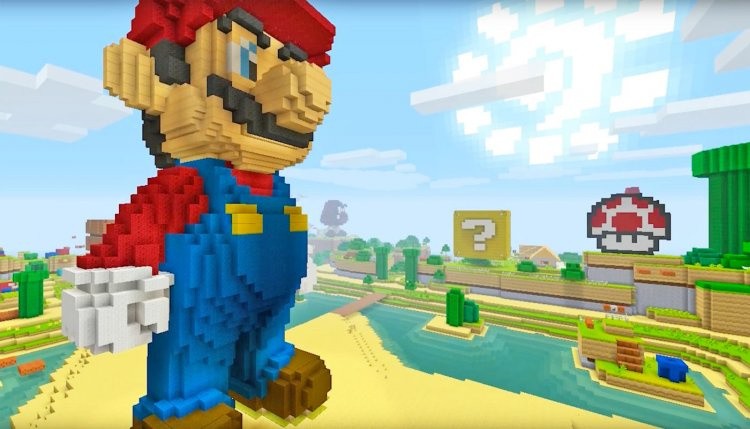
Nintendo Grabbed Every Top Ten Spot In Japanese Charts Last Week, Minecraft On Top

As has been the case for a while now, Nintendo dominated the Japanese gaming charts once again last week, taking every single top-ten spot and securing 17 of the top 20 chart positions.

Last week was Obon in Japan, a traditional custom that has become a major holiday in the region, so no new games were released into the market. That doesn’t mean that the chart didn’t see several shifts in position, however, with Minecraft: Nintendo Switch Edition taking the glory this time around. 

Here’s a look at the top 20 (first numbers are this week’s sales, followed by total sales in brackets):


1) [NSW] Minecraft: Nintendo Switch Edition (Microsoft, 06/21/18) – 25,948 (212,170)
2) [NSW] Splatoon 2 (Bundle Version Included) (Nintendo, 07/21/17) – 24,188 (2,556,846)
3) [NSW] Taiko no Tatsujin: Drum ‘n’ Fun! (Bandai Namco, 07/19/18) – 21,109 (162,020)
4) [NSW] Mario Kart 8 Deluxe (Nintendo, 04/28/17) – 20,346 (1,708,892)
5) [3DS] WarioWare Gold (Nintendo, 08/02/18) – 20,142 (70,344)
6) [NSW] Mario Tennis Aces (Nintendo, 06/22/18) – 18,520 (315,658)
7) [NSW] Pro Yakyuu Famista Evolution (Bandai Namco, 08/02/18) – 13,259 (71,776)
8) [NSW] Captain Toad: Treasure Tracker (Nintendo, 07/13/18) – 12,111 (102,235)
9) [NSW] The Legend of Zelda: Breath of the Wild (Limited Edition Included) (Nintendo, 03/03/17) – 9,682 (1,084,321)
10) [NSW] Kirby Star Allies (Nintendo, 03/16/18) – 8,707 (596,203)
11) [3DS] Pokémon Ultra Sun and Ultra Moon (The Pokemon Company, 11/17/17) – 8,447 (1,703,711)
12) [NSW] Octopath Traveler (Square Enix, 07/13/18) – 8,002 (183,627)
13) [NSW] Super Mario Odyssey (Bundle Version Included) (Nintendo, 10/27/17) – 7,006 (1,795,879)
14) [PS4] Yakuza 3 (Sega, 08/09/18) – 6,753 (32,800)
15) [3DS] Captain Toad: Treasure Tracker (Nintendo, 07/13/18) – 5,766 (39,742)
16) [NSW] Layton’s Mystery Journey: Katrielle and The Millionaires’ Conspiracy DX (Level-5, 08/09/18) – 5,101 (14,805)
17) [NSW] Okami HD (Limited Edition Included) (Capcom, 08/09/18) – 4,758 (18,848)
18) [NSW] Nintendo Labo Toy-Con 01: Variety Kit (Nintendo, 04/20/18) – 4,703 (222,514)
19) [PS4] Jikkyou Pro Powerful Yakyuu 2018 (Konami, 04/26/18) – 3,449 (227,851)
20) [PS4] Fire Pro Wrestling World (Limited Edition Included) (Spike Chunsoft, 08/09/18) – 3,326 (23,544)


Things are still looking pretty great on the hardware front, too, with Switch leading the charge once again and improving on the previous week’s sales. Here are this week’s figures, with last week’s in brackets.

1) Switch – 54,647 (50,143)
2) PlayStation 4 – 20,911 (16,982)
3) New 2DS LL – 7,872 (7,628)
4) PlayStation 4 Pro – 4,932 (5,044)
5) New 3DS LL – 3,316 (2,784)
6) PlayStation Vita – 3,083 (3,507)
7) 2DS – 708 (498)
8) Xbox One – 51 (31)
9) Xbox One X – 45 (43)

< Last week’s charts

Any surprises this time around? Are you happy to see the Switch take all ten of the top chart positions? Let us know with a comment below.

Posted on Leave a comment

Switch-Exclusive Senran Kagura Reflexions Will “Deliver Exciting Sensations” This September

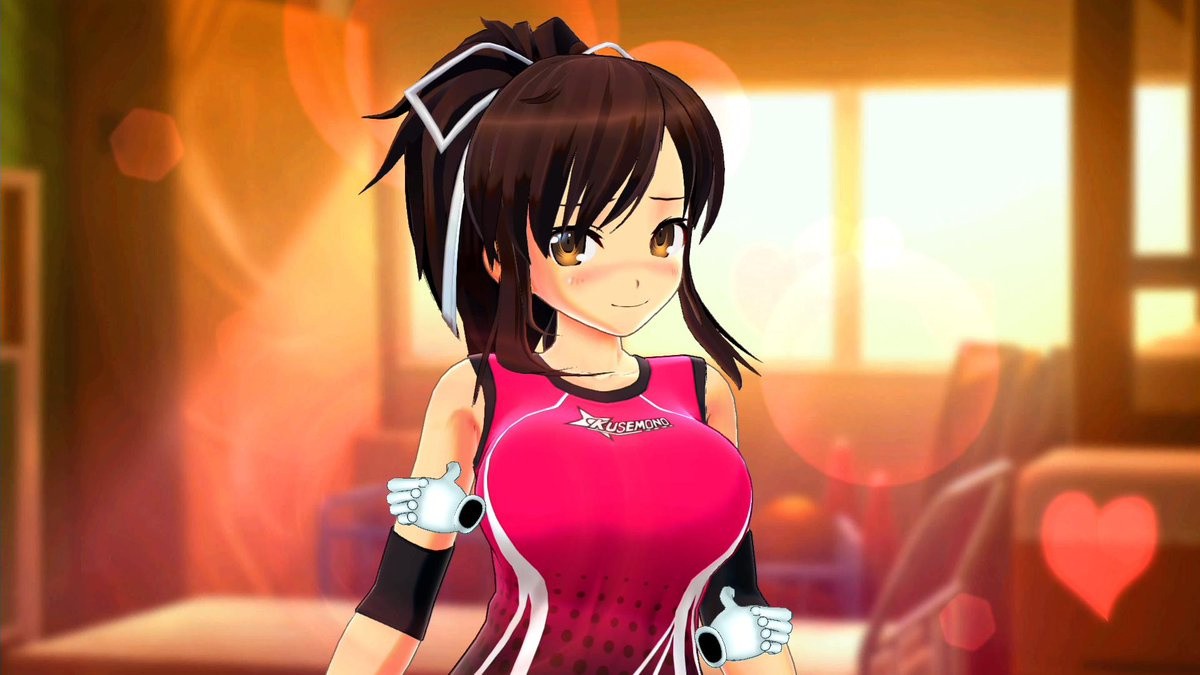
XSEED Games has announced that Senran Kagura Reflexions, the upcoming Switch-exclusive entry to the adult-themed series, will launch on the console on 13th September.

This latest title is set to make use of the Switch’s unique properties as much as possible, with the Joy-Con allowing fans to “get closer than ever” to the shinobi girls including Asuka of the Hanzō National Academy. Players will get ‘hands-on’, helping to massage away the girls’ stress by employing the art of reflexology, deepening your relationship while progressing through a narrative experience with multiple endings. 

Asuka will give the player feedback through the HD rumble technology in each Joy-Con; the better players react to her signals, the closer they will become to her. Interacting with her in different ways will lead to branching story paths toward one of seven different situations and six unique endings – and that’s just for Asuka. Scenarios for fan-favourite characters Yumi, Murasaki, Ryōna, and Yomi will also be released over the weeks following the game’s launch as additional DLC.

We’ve included a new trailer below which naturally contains some adult-themed content (including a stranger-than-usual scene in which the player essentially cleans the poor girl with a lint roller).

The game will be priced at $9.99 (European pricing still to be confirmed) and is available to pre-purchase from the North American eShop as we speak.

Is this one going on your Switch game wishlist?