Posted on Leave a comment

Feature: Harvest Moon Creator Yasuhiro Wada Serves Up Details On Little Dragons Café

If you’re a millennial – and had an enjoyable childhood whatsoever – you’re surely familiar with the Harvest Moon games. Yasuhiro Wada, the original mastermind behind this series, has dabbled in many areas throughout his career – specifically focusing on simulation games. However, his most recent project, Little Dragons Café, is a different beast altogether. Best described as a rhythm-based storybook sim-adventure, Wada-san has once again invented an entirely new genre of video game for fans to enjoy.

He recently answered some of our most burning questions around the title, such as why he chose to create characters that are “a bunch of losers” and “no-good dorks” (his words, not ours). He also divulged how he’s changed as a game designer over the years, where he sees the future of simulation games, and that most personal of secrets: how he would name his very own pet dragon.

Nintendo Life: Congratulations on Little Dragons Café! What was the inspiration behind this unique new game?

Yasuhiro Wada: Well, I was originally working on a game design about an inn but I felt there wasn’t enough characterisation. At the time, I was also working on a storybook project with Igusa Matsuyama and decided to combine the two together. That’s how it all began. 

The art style in Little Dragons Café is beautiful – and very different from most other games. What inspired your team to design these storybook-like graphics?

Again, developing the storybook project with Igusa Matsuyama definitely had a huge influence. The issue for the development team was re-creating that art style faithfully on to the screen.

One of Harvest Moon fans’ favourite elements has always been gathering ingredients to use in recipes. Was this part of your decision to create a game with a focus on cooking?

Actually, I think that cooking was something that has always been central to my game designs. It’s something that is directly linked to our everyday lives and this may sound obvious but, there are soul foods in different countries, regional cuisines within the same country, the taste of home cooking, and all these are deeply rooted and connected to our lives. I wanted to make a game and a story that pivoted around that.

Compared to other genres, the Nintendo Switch has very few core simulation games at the moment – even though its mobility makes it an ideal platform for them. Do you think this has increased the hunger and excitement for a game like Little Dragons Café?

We’ll have to see. If that were the case, I’d be very happy.

One of the reasons fans adore your games is the sheer depth of the characters’ personalities and backstories – which is uncommon. What made you realise that this was an important element to focus on in your games?

If it were about fighting or competing, I think the game would be more accessible as it would be much simpler and easier to understand. The games I create, on the other hand, are all about developing something that’s never been done before so I always felt that it’s important to carefully and attentively design the characters and game world so that they act as the entry points to the game. Hopefully, people feel that those elements are attractive and make them want to start playing it.

You’d previously stated in an interview: “All the characters that appear in this game are just a bunch of losers and a no-good bunch of dorks… What the player feels from playing this game is, when they see this bunch of losers, what they’ll think is, ‘I’m better than these guys.'” What do you think is so attractive about this for the players, compared to other games?

I think this question is perhaps more to do with characterisation and story rather than games in general but my story is not about a strong hero vanquishing a big foe. Rather, I wanted to portray a story where characters that everyone can closely relate to, who seemingly don’t appear to excel in anything particular, manage to overcome difficulties and hardships through the effort of joining forces and working together, in order to attain happiness.

The original Harvest Moon was released over 20 years ago now. How do you feel you’ve changed as a video game creator since then? What are the biggest differences between your work in Little Dragons Café and Harvest Moon?

I’d be happy if more people than before shared the view that as a video game creator, we are actually not bound by a single idea but free to imagine and create games with a more open mind. I get a feeling that since the arrival of Harvest Moon, the video game genre has certainly diversified. The main difference would be that although there is a simulation element on Little Dragon Café, it actually has a stronger emphasis on adventure in comparison to Harvest Moon which is more simulation focused.

With Birthdays the Beginning, it seemed as if you had moved away from creating simulation-focused games, and more towards the sandbox style. However, Little Dragons Café feels closer to the gameplay of Harvest Moon. What made you decide to go back to your roots?

Actually, I don’t think that my direction has changed all that much. Things like birth, growing, cultivating, raising have always been central concepts to my games. So in that sense, I think it’s just a question of differences in terms of visuals or the scale of the game as they all bear the hallmarks of my work. The only difference being whether you decide to raise a cow or a dinosaur (or nurture a planet for that matter) or a dragon! [laughs]

Where do you see simulation games heading in the next few years – especially considering the trend of mobile gaming on systems like the Nintendo Switch? Will this benefit the genre? 

I think the genre is very suitable for mobile gaming systems and will benefit greatly from the fact that you can take it with you and also play for a bit and then resume playing later whenever you want. In doing so, it would be amazing if players find new ways to play and enjoy a simulation game on the go!

Can we expect to see more fantasy simulation games like Little Dragons Café from your team on the Switch in the near future?

I can’t say for sure but we are always striving to try new projects and ideas so the possibility isn’t zero. We hope you’ll look forward to it if we do decide to create something like that.

Saving the most important question for last: if you had a pet dragon, what would you name it? 

I think I’d name the dragon with typical puppy names like Pochi or Taro. [laughs]

Little Dragons Café releases in Europe on September 21st – but you can read our review of the game here. Have you had a chance to play Little Dragons Café? Share your thoughts on the game in the comments below…
Posted on Leave a comment

You Can Now Get 50% Off All Atooi Games On Nintendo Switch

Jools Watsham, founder of Atooi, has shared a new video to reveal a super sale across all of the developer’s games on Nintendo Switch.

Yes, starting today, all Atooi titles on Switch will be available to download at 50% off. We’ve got all the games, and those all-important sales prices, listed for you down below.

These games will be available at the discounted prices for 20 days, lasting from today (6th September) until the 25th September. If you were thinking about picking any of these titles up, now would be a perfect time to do so!

Let us know if you’ll be taking advantage of any of these offers in the comments below.

Posted on Leave a comment

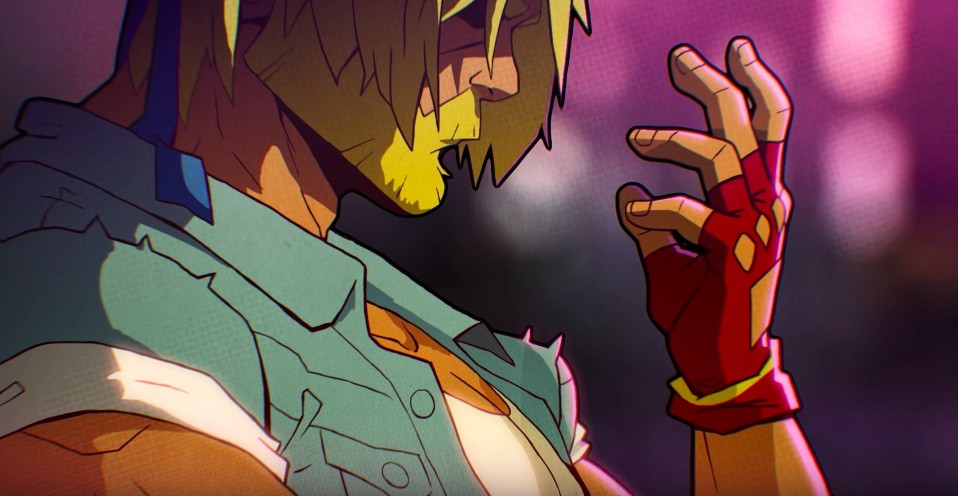
Feature: Behind The Scenes On Streets Of Rage 4, The Sequel We Thought We’d Never See

Flashback time. My friend had that excited tone of voice when he called me about the latest video game he had rented. It was called Streets of Rage; and for me, a kid raised on the NES, that 16-bit series was an indelible experience. We fought through level after level, one sequel and then another, punching our way through the halcyon height of side-scrolling beat-’em-ups. It’s been 24 years since Streets of Rage 3 released, but I am hardly alone in my nostalgia.

“I have very clear memories of playing Streets of Rage on Game Gear in the back of my parent’s car and having a blast,” says Cyrille Imbert, CEO of publisher DotEmu, the company responsible publishing Lizardcube’s sublime Wonder Boy: The Dragon’s Trap. As revealed on August 27th, they’ll soon have Streets of Rage 4 to their credit as well.

“After Wonder Boy: The Dragon’s Trap’s success, we were wondering what could be next,” Imbert says. “We knew we could aim high and Streets of Rage was a clear choice for us. Short after the release of Wonder Boy, we were having a drink with Ben from Lizardcube and started talking about it. Seeing Ben’s passion for the title and later, his first artworks of Axel, I knew we had to try it.”

Classic gaming properties seem to have been embraced with a renewed fervour recently. In 2017 alone we saw the Crash Bandicoot N. Sane Trilogy, Bubsy: The Woolies Strike Back and Sonic Mania, with the Spyro Reignited Trilogy arriving later this year. Imbert has some thoughts on why these old-school franchises are still so beloved – and in high demand.

“A good game will always be a good game,” he explains. “Nobody asks why we are still playing thousand-year-old games like chess. Playing a game you loved many years ago is like watching your favourite movie or listening to your favourite band from the ’70s. So of course the demand is there and, on the side of the devs and IP holders, there is also a desire to share this awesomeness with new generations of gamers.”

New generations, indeed; a lot has changed in the past couple of decades, as gaming has evolved in both its technical capabilities and design sophistication. While there may be a cluster of true retro-style beat-’em-up fans out there, it’s fair to say that some work has to be done if developers are sincere about bridging the gap to new generations of players. Enter Ben Fiquet, Art and Creative Director of Lizardcube.

“Since Wonder Boy, I tried to put in a particular effort to respect the original games from an artistic standpoint. For a license like Streets of Rage, you have to try to improve the designs but at the same time, you have to keep the attributes that define them,” Fiquet says. The result is a colourful hand-drawn art style that looks new while remaining faithful to the original character designs, as evidenced in a demo that debuted at PAX West.

He takes the responsibility seriously, in striving to do justice to the franchise. “The pressure is light when you start to draw few sketches and you don’t know if the project will materialize. But as the game takes shape, you start to realize it will be the legacy of these great games that fans love and it can be a little overwhelming,” Fiquet explains. “I try not to focus on these kind of things and just carry on with our work. We are proposing something new, a revival after 24 years. Of course, things will have changed, but I really think people will see the improvements it brings. I think the gameplay footage is way too short in the trailer for people to really grasp what it will be.”

Along with the visuals, part of a series’ signature is its soundtrack. In the case of Streets of Rage, composed Yuzo Koshiro gifted gamers with stellar music. As far as living up to such an esteemed legacy, Piquet comments, “We know how important the music in Streets of Rage is. It is a huge part of the game’s identity and we want to take our time to do it right. There will be more to announce soon.”

Yet, however strongly you feel about the merits of presentation, at some point you have to try and provide some actual gameplay as well. For beat-’em-ups, the challenge is to make it feel satisfying to rough up a thug for the first time and for the 237th time as well. I personally still think Double Dragon II: The Revenge for the NES has some of the most visceral combat I’ve ever experienced, but can a modern take on Streets of Rage offer genre newcomers the same gratification? Developer Guard Crush, known for their live-action beat-’em-up Streets of Fury, was up for the challenge. Cyrille Lagarigue, Lead Programmer and Co-Founder, has some thoughts on the task at hand.

“We’ve been working for more than 10 years on the different versions of Streets of Fury, first on Xbox 360 (2009), then the ‘EX’ Steam version (2015). Those are ten years of thinking about and implementing fighting game mechanics. In that time we developed an intuition about what works and what does not in that kind of games. We actually started developing Streets of Rage 4 by modifying Streets of Fury EX. It allowed us to have something up and running very quickly, and iterate on that. It has been modified a lot now, but still retains a lot of subtleties in input handling and character behaviour that we’ve spent years tuning – and still are. We are building what we call the ‘Guard Crush Engine’, an engine and toolchain specifically built for side-scrolling Beat’em Ups.”

Streets of Fury’s combat features special moves, cancels, chain combos, air combos, dodges and other fighting flourishes; it’s a strong foundation to build on, but Jordi Asensio, Lead Designer and Co-Founder of Guard Crush, wants to be clear that Streets of Rage 4 has other influences as well. “Basically, we studied a crazy amount of console and arcade beat ‘em ups, even the obscure ones,” he says. “My personal experience as a competitive fighting game player helped us as well to experiment several battle systems and try to implement some deep fighting game mechanics into a side-scrolling beat ‘em up.”

For Asensio, this is certainly a labour of love. “The beat ’em up genre is one of my favourites and I’m a bit frustrated that there are so few nowadays. I know there are people like me that are starving for a good brawler and I hope that Streets of Rage 4 can be that stepping stone to make that genre popular again. It is actually one of the reasons I got into game-making. Studios weren’t making the games I love so I had no choice but to try to make them myself.” So, how do you ensure Rage 4 is the best game it can be? “We analyse the original games frame-by-frame, and look at things like enemy behaviour and level design. We also watch videos of speed runs and other videos about Streets of Rage,” Lagarigue says.

Analysis is only the beginning, however. “We had to make our custom engine to really have the frame level control and custom tools we needed,” Lagarigue says. “Also, we had to make a custom graphics integration pipeline, to match the workflow of our very talented artists – Ben Fiquet and Julian You – and also to have good performance with the enormous textures we are using.”

Beausoleil Samson Guillemette, a programmer with Guard Crush, speaks about some of the design obstacles. “You need at least a solid 60 fps for the fastest reaction time possible. Add to that good combos, and a variety of attacks and counter-attacks, to make sure there’s always a move to get you out of trouble, even if it’s a risky one. And then you still need the right pacing, with all the different foes.”

But wait, there’s more. “I would add that you need a good cast of characters with unique feelings and abilities so every player can find his style of play and express him/herself,” Asensio says. “A solid fighting system is important, too. Being able to play the game in different ways is what feeds the player’s imagination so he/she will always come back to the game to try new things.” 

Lagarigue elaborates on this. “It starts with the control; it must be reactive, and have good input buffering. Then the feeling of hitting an enemy must be ultra-satisfying. Then, enemies must be varied and have interesting attack patterns that make you use of all the characters abilities. Then, the game must provide an adventure, be varied and have a great atmosphere. Easy, no?” Oh, of course. Real easy.

And aside from the tangible coding and artistic difficulties, there is a more philosophical one as well. Everyone working on Streets of Rage 4 seems to recognize this unspoken puzzle, underlying every aspect of this title: How do you deliver a modern gaming experience that will please both the original fans and new players alike? “One of the toughest challenges is to modernize while staying true to the original,” Asensio replies. “One of our main guidelines is ‘what if the original staff was making a Streets of Rage game today?’ We’re constantly comparing our game with the originals, frame-by-frame. We try to reproduce that classic feeling and once the foundation is solid, we build on it.”

That challenge to modernize runs the risk of alienating hardcore fans, but Guillemette makes it clear that they are keeping ties with the source material. “We closely work with SEGA, sending versions and collecting feedback. It is important for us and for the game itself to have their approval. DotEmu are used to working with Japanese companies and the rights holders of such licenses, and getting feedback from the original creators is and has always been part of the process.”

Just for fun, I tried to ask Fiquet about some specific aspects of prior Streets of Rage titles, and whether we could expect to see them again or not. For example, you may remember the missile-launching police cruiser from the first game. Will it be making a return? “The police play a role in the story of Streets of Rage 4. I wouldn’t want to spoil anything, but I hope you’ll like it. The car that launched missiles in the first game was very cool though,” he adds with a knowing smile.

It’s great to see that series stalwarts Axel and Blaze are back, but will we be able to lace up some rollerskates or inhabit a kangaroo in this new outing? “Axel and Blaze are the power couple, the spine of the license for all games,” Fiquet says. “It was only natural that they would be at the centre of the reveal. But Streets of Rage has never been about just two characters, so you can expect more to come.” In the original trilogy, we kept seeing criminal overlord Mr. X up to no good. Will he also resurrect for the fourth entry? “The last time we saw Mr. X, his brain might have been blown up by an explosion. It might be difficult to come back from that,” Fiquet says. He has a point.

Streets of Rage 4 is a game still early in its development. As of press time, it has no release date nor confirmations as to platform availability (DotEmu’s Imbert could only say about the Nintendo Switch, “We can’t confirm anything at this stage but that would be great, wouldn’t it?”). While it remains to be seen just how well-received a new Streets of Rage experience can be, the general attitude surrounding its development is optimistic. Imbert reflects on the lessons learned from working on Wonder Boy: The Dragon’s Trap.

“The main lesson that we learned is that if you want to bring back a classic, the team working on it has to be absolute fans of the game. I think the love and attention to detail – along with the generosity of content that Lizardcube managed to deliver for Wonder Boy – is a huge part of the game’s success. Guard Crush have been developing a beat ‘em up engine for ten years just out of pure passion. That’s dedication. If you love the material you’re working on, people will feel it and that can only be positive. But of course, being passionate is not enough and talent is of a great importance – as Lizardcube and Guard Crush Games have already proved with Wonder Boy and Streets of Fury.”

I asked Cyrille if there’s room yet to look forward, perhaps consider what other SEGA franchises he’d love to be involved with someday. “SEGA has really been supportive of us and our visions for both projects. There are plenty of great classics like Alex Kidd, Outrun or Shining Force that deserve to be brought back to the light. We hope to keep establishing a relation of trust with SEGA and the fans by working hard on Streets of Rage 4 and that we will be able to continue to work with them in the future.”

Reinventions of Alex Kidd, Outrun, and Shining Force? Even in conjecture, that sounds like a beautiful thing. Hopefully, DotEmu and SEGA continue taking steps forward in their relationship. I have to imagine part of that path will be blazed by the reception to the fourth Streets of Rage game, for better or for worse.

In the meantime, Fiquet hopes players give Streets of Rage 4 a chance and find themselves enjoying it. “I hope they like the new art style, the hand-drawn animations and the beautiful backgrounds. It might be new, but I really think it fits well with the original games and it breathes a lot of life into it.” We look forward to finding out.

Posted on Leave a comment

Polymega’s Grand Vision For The Ultimate Retro System Includes A Virtual Console Successor

We’ve had our eyes on Polymega for quite some time, and even got the chance to go hands-on recently, which only made the wait for this amazing retro system even harder. The unit was supposed to go up for pre-order this week, but there have been teething issues – one of which involves an attack which took the site down totally – and as a result it’s been hard for Playmaji, the company behind the venture, to communicate the various upgrades and changes that have been made recently.

With this in mind, Playmaji’s Bryan Bernal has gotten in touch to give us an update on what’s happening in the world of Polymega – including decisions made immediately after E3 after gauging feedback from players and the publishers.

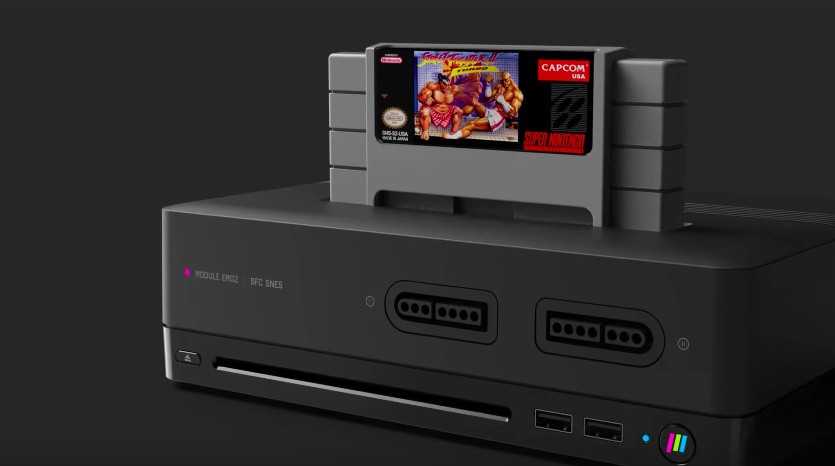
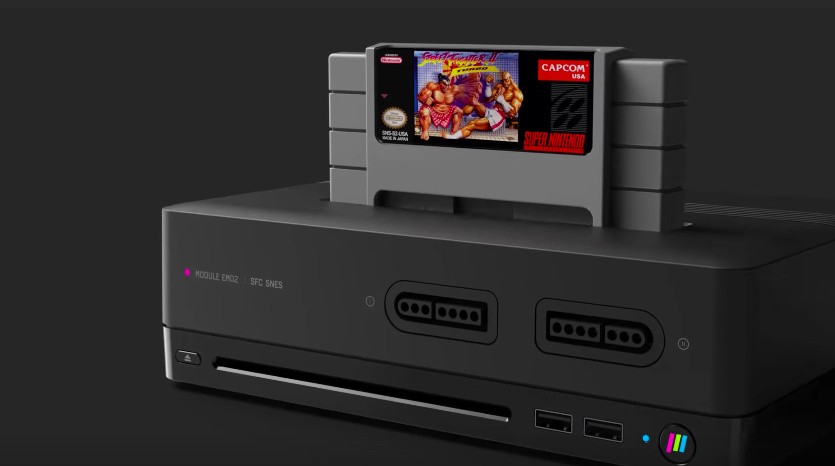
First up is the fact that the console’s CPU has been upgraded from a 4-Core Rockchip RK3288 1.8Ghz on ARM to a higher speed Dual Core Intel CM8068403377713 (G5500T @3.2Ghz) on x86, enabling Playmaji to support more resource-intensive systems, like Saturn and N64. Saturn was announced as the console’s mystery CD-ROM system a short time ago and has been made possible thanks to a licensing deal with the author of a Saturn emulator.

Changes have also been made to the ‘Hybrid Emulation’ system; FPGA has been moved out of the console itself and into select modules to accommodate the larger CPU and addition of more systems. The first FPGA module will be Famicom, if its reward level is reached. The base unit is compatible with FPGA modules from day one and no hardware upgrade will be required. The SNES Launch module will not be FPGA based, but a later revision will include this functionality. Meanwhile, there are no plans for TurboGrafx/PCE, NES, or Mega Drive / Genesis to use an FPGA module for the time being, but it has been confirmed that third parties will be able to create FPGA-based modules for Polymega post-launch under a special licencing agreement.

Due to the switch from the slower Quad Core to higher speed Dual Core, the Twitch feature will no longer be part of the launch package; it may be reinstated later after the pre-order campaign is completed and all reward levels are locked-down.

Interestingly, launch modules will include five officially-licensed games installed on their onboard flash memory. Speaking of which, Polymega’s digital store will launch in Q4 2019 and will allow games to be purchased and downloaded directly to the console. Prices will start at $3.99 USD for cartridge games and $5.99 USD for CD-ROM games. This could be the most exciting aspect of the whole project, as it effectively creates a ‘new’ Virtual Console challenger. It will be interesting to see how many companies support this store.

A rewards system will be available on the pre-order site (when it’s up and running again) which offers 20 levels of rewards that are activated after the minimum funding goal of $500k USD is reached. These rewards include new CD systems, modules and new system features and functionality.

In addition to this, a statement regarding the use of flash carts, Game Genies and multi-carts on the console has been issued:

The team at Playmaji has spent a good amount of effort on a piece of technology called Active Cartridge Reading, an experimental subset of Hybrid Emulation that allows you to use any games or peripherals that work on a real classic console using a live blend of software-based emulation and memory mapped hardware. This technology, while it exists, is not yet fast enough for some of Polymega’s supported systems, and would result in a degraded overall experience if launched prematurely.

Now, support for game cartridges with on board DSP chips such as Everdrives, Starfox, or live-reading of devices like Game Genies is blended.

First, we’ve licensed standard DSP-compatible emulators for systems with those types of cartridges, which will allow games with special chips to be played via software emulation.  That means you can now play backed up games such as StarFox and others regardless of whether you have the cartridge inserted, a convenience that most gamers will appreciate. We’ve also added a software-based Game Genie and Pro Action Replay as a reward level for supporting the console beyond its initial funding goals. The Super Game Boy is no longer compatible with the EM02 SNES SFC module, however, we have set up a GB / GBC / GBA module as an additional reward tier if reached.

Second, certain systems are going to be FPGA based. The first example of this is going to be the dedicated Famicom module, which will be released after the launch of the system. Famicom is particularly important to be implemented in this manner as it included accessories such as the Famicom Disk System (FDS), which was a critical part of its library and one that we will not be creating a dedicated module for. The tech to support FPGA modules is built in to the launch version of the Polymega™ Base Unit, and we may continue to release other FPGA modules in the future. FPGA modules will have a slightly higher price point than standard modules.

This decision / change overall has freed up our team to focus on matters that more factually push the needle in terms of overall system compatibility, as evidenced by our recently-announced support for the Sega Saturn, adding over one thousand new compatible games to Polymega™. What made this possible is that by removing the larger size FPGA from the base unit, we were able to opt for a higher clock-speed dual core chip rather than a slower quad-core chip for the main CPU, which now opens up the door to more demanding systems like Saturn, N64, Dreamcast, and more — which is what many people have expressed to us that they want.

Multicarts will be tested on a game by game basis and a compatibility list will be produced for all systems prior to the launch of Polymega™, but we only can confirm compatibility with officially licensed games at this point in time.

Finally, it has been revealed that a partnership with The Video Game History foundation has been established, with a portion of all Polymega hardware proceeds going to grants provided by the foundation toward emulation development and video game preservation.

Pre-orders are $249.99, and the system is expected to launch in April 2019. Let us know what you make of all this news by posting a comment below.

Posted on Leave a comment

Nintendo Seems To Have Accidentally Revealed The Title Of Next Year’s Yoshi Game

Despite being initially announced last summer, we haven’t heard a great deal about the upcoming Yoshi title on Switch. Originally planned to launch this year, the game was eventually delayed into 2019 to give the developers more time on the project, although Nintendo’s Bill Trinen said that we can expect to see more at some point this year. Perhaps the game will be covered in the delayed Nintendo Direct?

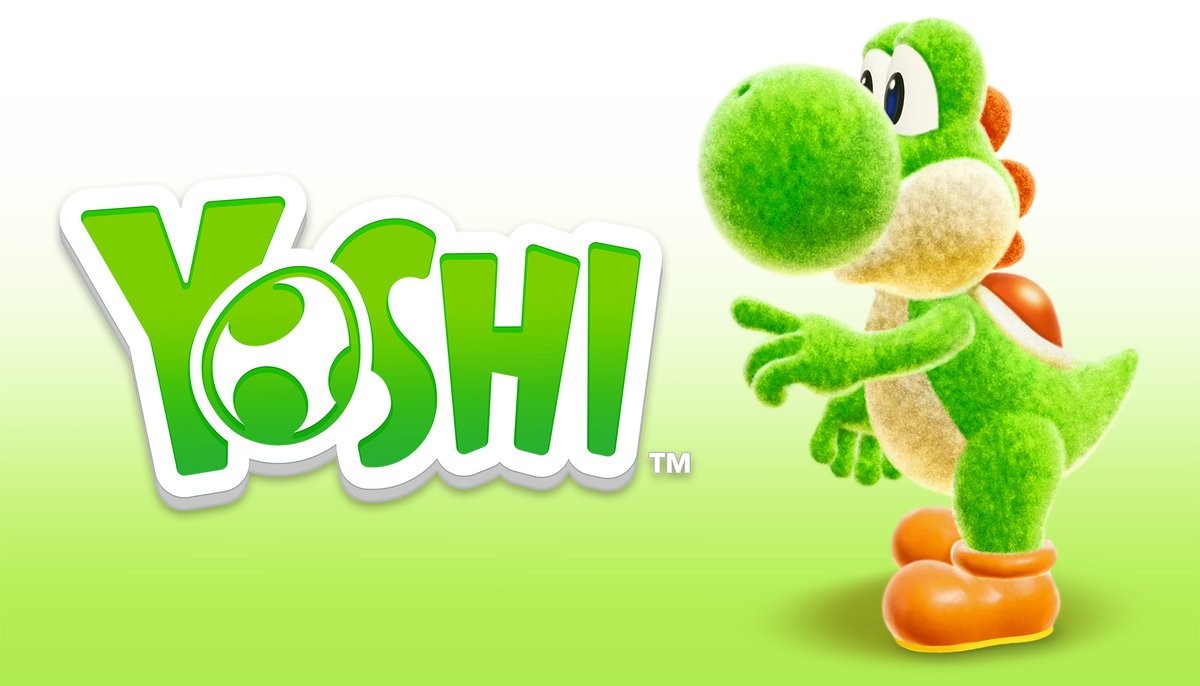
One detail that seems to have slipped through earlier than planned, however, is the game’s title. Nintendo’s official website (on some occasions, at least) is now listing the game as ‘Yoshi’s Crafted World’.

This name would make sense – following on from Yoshi’s Woolly World on Wii U – but we’ve had no official confirmation surrounding a title just yet. If you’re wanting to see the name on the site for yourself, you might have to do some experimenting; the game page itself still lists the game as ‘Yoshi for Nintendo Switch (Working Title)’, but you can sometimes get the new game to appear when looking at related games from other pages. We found it on the Pokémon: Let’s Go, Eevee! page.

Has Nintendo let this one slip? Or is this just another placeholder name? We’ll have to wait for an official confirmation to find out.

Do you think this could be the new, real name for the upcoming Yoshi game? Do you hope to see it when the Nintendo Direct gets rescheduled? Let us know below.

Posted on Leave a comment

My Brother Rabbit Will Bring Its Heartwarming Adventure To Switch On 21st September

My Brother Rabbit, a “heartfelt” adventure game from Artifex Mundi, has now secured a Switch release date. The game will be available on 21st September.

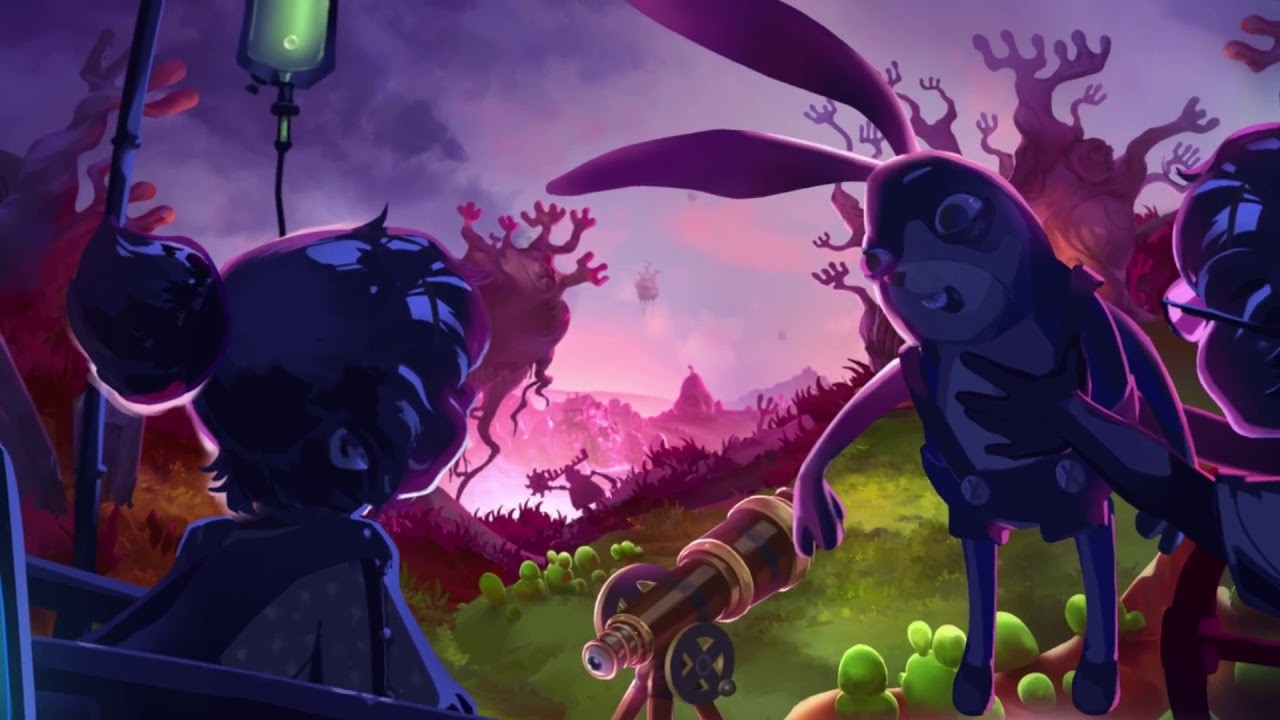
When a family’s young daughter falls ill, her older brother steps in to keep her focus away from the serious and scary situation by using the power of imagination. Their fantastical daydreaming takes them far from the dreary confines of the hospital and into a surreal world where her stuffed rabbit helps nurse a sweet and sick flower back to health.

To reach those who can heal her, this rabbit sets out on a journey that requires both a keen eye and smart thinking. Using point-and-click mechanics, the game tasks players with collecting hidden objects and applying them to the riddles hiding throughout the world. After observing each area and uncovering these items, they can also be used in over 30 minigames. Some are as simple as connecting threads in a colour-matching game, but others can be much more complex – such as repairing a fantastical musical machine.

Though their situation is dark, the children use their creativity as a means of escaping the doom and gloom. Tomasz Grudziński, CEO at Artifex Mundi, explains how this concept is what will keep players gripped to the game.

“We feel that players will form a bond with the children in My Brother Rabbit because of their enduring spirit. Though this story begins with a tragedy, these children always hope for a brighter future.”

My Brother Rabbit will be available for $14.99 on Nintendo Switch from the aforementioned date of 21st September. European pricing is still to be confirmed.

Do you like the look of this one? Does the idea behind the story do enough to pull you in? Let us know your thoughts down below.

Posted on Leave a comment

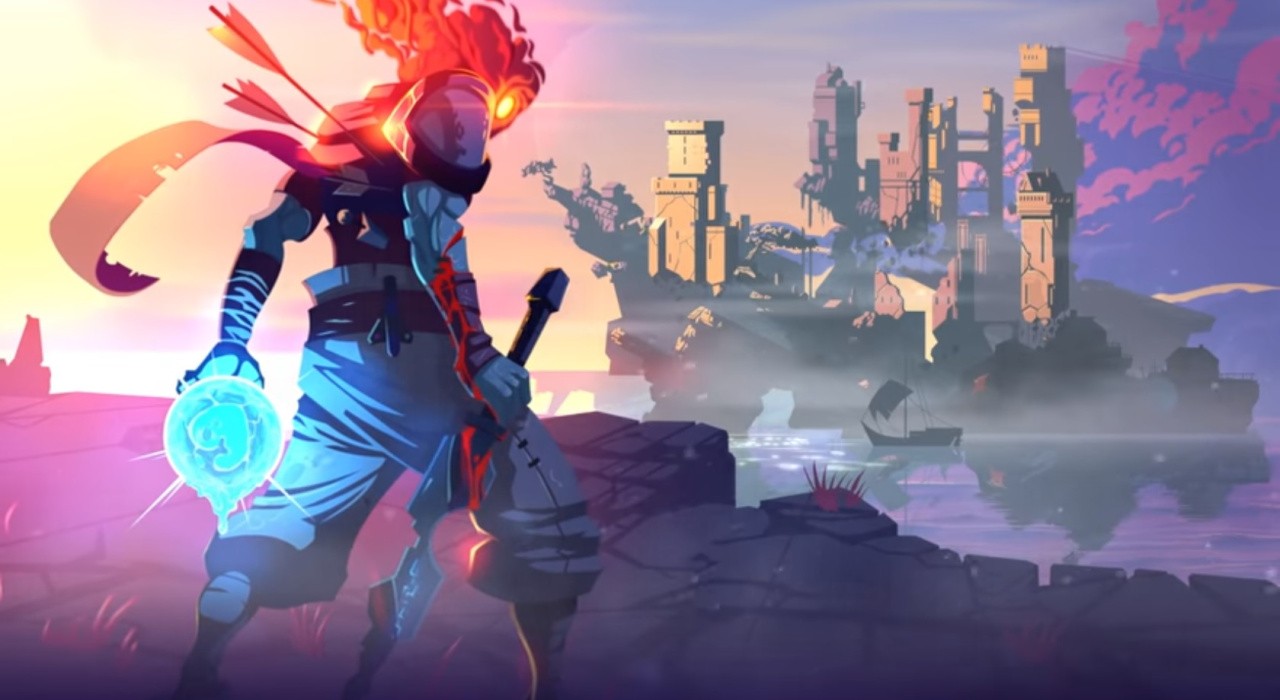
Dead Cells On Switch Is Outselling The PlayStation 4 Version

Motion Twin’s Dead Cells is one of the standout indie releases of the year so far and for good reason. It’s an excellent roguelike game mixing nonstop action sequences with gorgeous vistas and an addictive loop of unlocks and rewards. In our review, we gave it nine stars out of ten and said it was an absolute blast to play. It turns out we aren’t the only ones who feel this way about the game. 

Speaking to Destructoid at PAX West 2018, one of the marketers of Dead Cells said the title had sold exceptionally well on the Nintendo Switch since it was released. It’s been so well received by owners of the hybrid platform that it’s now outsold the PlayStation 4 version of the game by a factor of four to one. Unfortunately, no exact sales figures were provided. Stories like this illustrate the popularity of indie titles on the Switch. Other recent indie success stories on the platform include Hollow Knight and Blossom Tales: The Sleeping King

Have you bought Dead Cells on the Switch? Are you enjoying it so far? Tell us below.  

Posted on Leave a comment

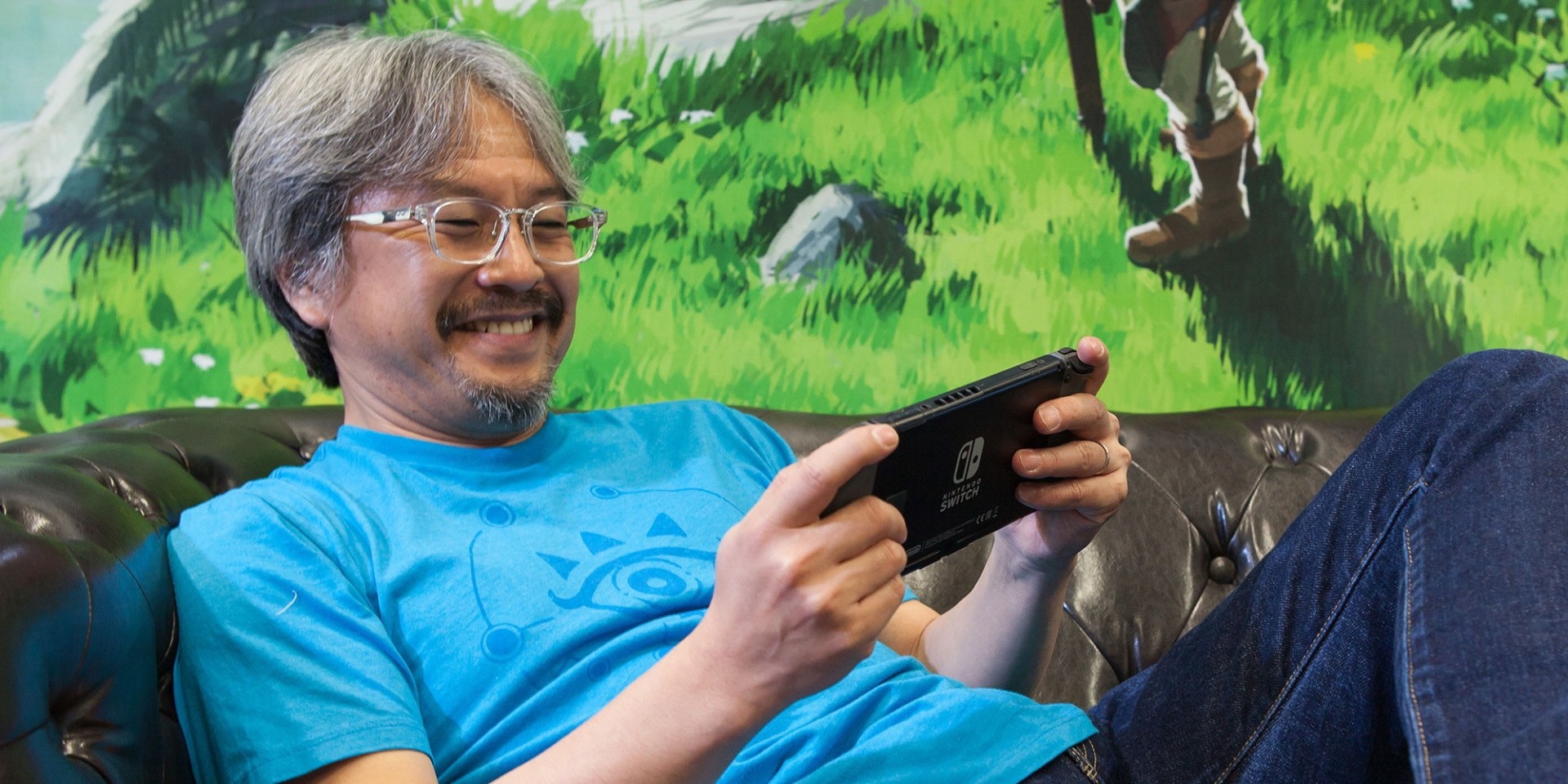
Eiji Aonuma Says There’s A Possibility The Next Zelda Title Will Be On Switch

Since the release of The Legend of Zelda: Breath Of The Wild, the series producer Eiji Aonuma has spoken about Link’s future on several occasions.

Although we’re yet to hear anything official about the hero’s next outing, Aonuma recently shared some more of his thoughts about the future Zelda game – suggesting it might even be developed in time to be released on the Nintendo Switch and could perhaps utilise some of the system’s untapped features. 

At the start of this year, Aonuma said he had realised how important freedom in the series was and explained how it needed to be maintained moving forward. In May, we found out Nintendo had posted job listings on its website signaling development on the new Zelda title may have already begun. At this point in time, it seems like Aonuma is still busy formulating ideas for the next entry.

What do you think? Are you confident Nintendo can pump out another Zelda before the end of the Switch cycle? Could you hold out until the start of the next generation? Tell us below.

Posted on Leave a comment

Kairosoft Is Bringing Two Popular Simulation Games To The Switch eShop

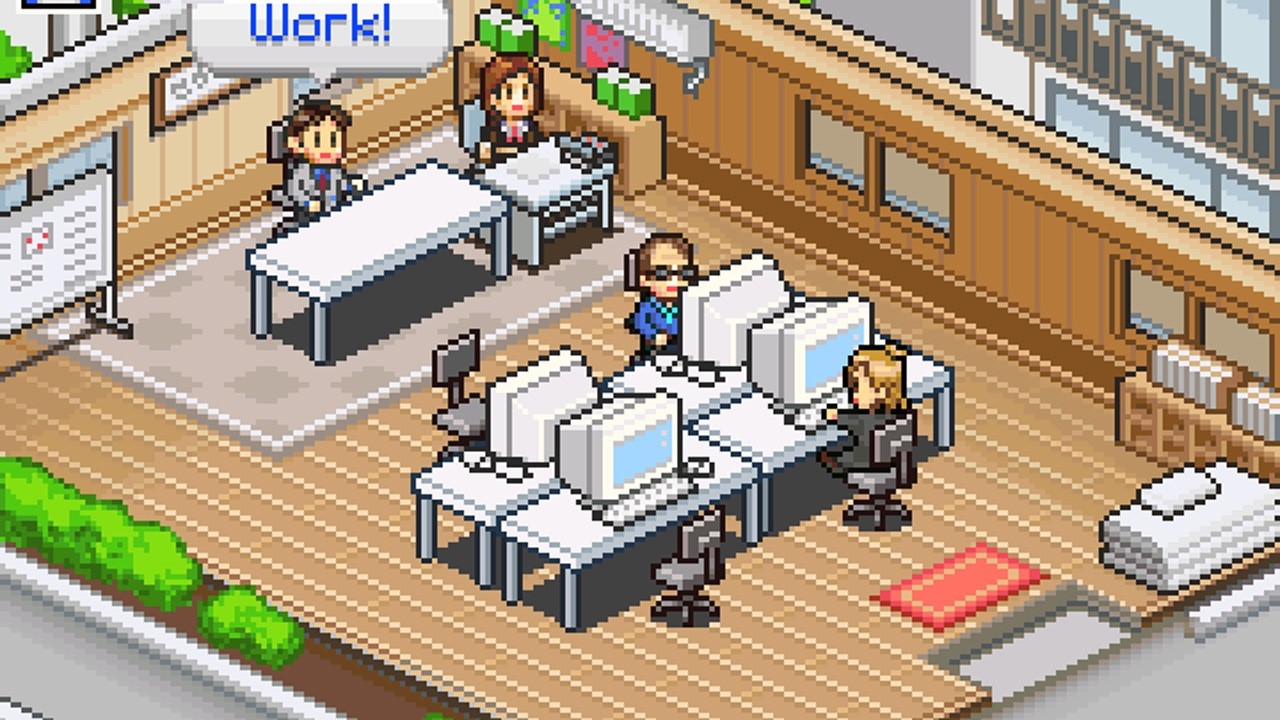
Two simulation games from Japanese developer Kairosoft are reportedly on the way to the Switch eShop. The first is the 2010 title Game Dev Story and the second is the 2011 follow-up Hot Springs Story. Both will be playable at the Tokyo Game Show later this month. There’s currently no specific release date for either title. 

As the name implies, Game Dev Story allows you to manage your own video game company and make games, as you work your way from a small start-up studio to an industry success. Being a simulation, the title requires you to hire staff, control the overall direction and speed of development and make the necessary changes to ensure your company continues to grow. 

Hot Springs Story is about building your own resort while juggling the needs of customers. If you want more wealthy clientele, you’ll need to impress the critics by enhancing your resort and managing staff at the same time. 

Game Dev Story started out as a title on Windows in 1997 and was eventually brought across to iOS and Android in 2010. Up until now, Hot Springs Story has been a mobile exclusive. Kairosoft began in 1996 and carved a niche in the games market with its small-sized simulation games.

Have you played a Kairosoft game before? Are you interested in more simulation games on your Switch? Tell us below.

Posted on Leave a comment

PES 2019 Knocks Nintendo Off The Top Of The Japanese Charts

Nintendo’s presence in the Japanese charts this week has been knocked – if only slightly – by two PlayStation 4 titles which have managed to grab the top two positions.

PES 2019, a new entry for the system, managed to sell 73,389 copies at retail, surging straight into the number one spot, with Conan Exiles also maintaining its high scoring streak. Nintendo still managed to secure 13 of the top 20 positions, however, with games for both Nintendo Switch and 3DS littering the scene.

Here’s a look at the top 20 (first numbers are this week’s sales, followed by total sales in brackets):


1) [PS4] Pro Evolution Soccer 2019 (Konami, 08/30/18) – 73,389 (New)
2) [PS4] Conan Exiles (Spike Chunsoft, 08/23/18) – 20,509 (52,626)
3) [NSW] Minecraft: Nintendo Switch Edition (Microsoft, 06/21/18) – 19,110 (249,514)
4) [NSW] Splatoon 2 (Bundle Version Included) (Nintendo, 07/21/17) – 16,960 (2,589,842)
5) [NSW] Mario Kart 8 Deluxe (Nintendo, 04/28/17) – 13,259 (1,735,297)
6) [NSW] Little Dragons Cafe (Marvelous, 08/30/18) – 11,860 (New)
7) [PS4] Naruto to Boruto: Shinobi Striker (Bandai Namco, 08/30/18) – 10,685 (New)
8) [NSW] Taiko no Tatsujin: Drum ‘n’ Fun! (Bandai Namco, 07/19/18) – 9,766 (182,614)
9) [NSW] Mario Tennis Aces (Nintendo, 06/22/18) – 7,721 (332,211)
10) [NSW] My Hero One’s Justice (Bandai Namco, 08/23/18) – 7,669 (32,294)
11) [NSW] The Legend of Zelda: Breath of the Wild (Limited Edition Included) (Nintendo, 03/03/17) – 7,416 (1,099,210)
12) [3DS] WarioWare Gold (Nintendo, 08/02/18) – 6,217 (85,627)
13) [NSW] Captain Toad: Treasure Tracker (Nintendo, 07/13/18) – 5,747 (114,445)
14) [3DS] Pokémon Ultra Sun and Ultra Moon (The Pokemon Company, 11/17/17) – 5,639 (1,715,350)
15) [PS4] Firewall Zero Hour (Bundle Version Included) (SIE, 08/30/18) – 5,468 (New)
16) [PS4] Little Dragons Cafe (Marvelous, 08/30/18) – 5,308 (New)
17) [NSW] Kirby Star Allies (Nintendo, 03/16/18) – 5,203 (606,779)
18) [PS4] My Hero One’s Justice (Bandai Namco, 08/23/18) – 5,192 (21,218)
19) [PSV] Piofiore no Banshou (Limited Edition Included) (Idea Factory, 08/30/18) – 5,153 (New)
20) [NSW] Pro Yakyuu Famista Evolution (Bandai Namco, 08/02/18) – 4,830 (82,581)


The Switch is still dominating on the hardware front, however, still leading the charge by a comfortable distance. Interestingly, both the Switch, and its largest rival – the PS4 – sold less this week than last. Here are this week’s figures, with last week’s in brackets.

1) Switch – 42,151 (46,259)
2) PlayStation 4 – 12,189 (14,122)
3) New 2DS LL – 5,670 (5,015)
4) PlayStation 4 Pro – 4,402 (8,716)
5) PlayStation Vita – 2,452 (2,540)
6) New 3DS LL – 2,126 (2,420)
7) 2DS – 496 (362)
8) Xbox One X – 45 (58)
9) Xbox One – 24 (53)

Any surprises this time around? Do you expect the Switch to have a game returning to number one next week? Let us know with a comment below.