Posted on Leave a comment

Soapbox: I’m Causing The Slow Death Of Gaming Magazines, And It Hurts

Soapbox features enable our individual writers to voice their own opinions on hot topics, opinions that may not necessarily be the voice of the site. In this piece, editor Damien sadly reflects on the death of gaming magazines and the fact that he’s actively contributing to the sorry situation…


Last week, we reported on the rather sad news that Future Publishing is closing its GamesMaster and gamesTM magazines, a pair of UK-based monthlies that, between them, have amassed an incredible 40 years of multi-format coverage. The former launched way back in 1993 (Sonic the Hedgehog 2 was reviewed in its first issue, in case you need to give that year a frame of reference) while the latter arrived just under a decade later in 2002. It carried a comparison of the PlayStation 2, Xbox and GameCube – the key machines of the era.

Taken on face value, the closure of these two magazines means relatively little in the grand scheme of things; the circulation of print-based games media has arguably never been lower, and websites – such as the one you’re reading right now – are the preferred place for gamers to receive news, reviews and features for most players. Indeed, some of our younger readers may never have purchased or even picked up a video game magazine, ever – but the simple fact is, without publications such as these, the site you’re reading right now may never have existed, at least not in its current form.

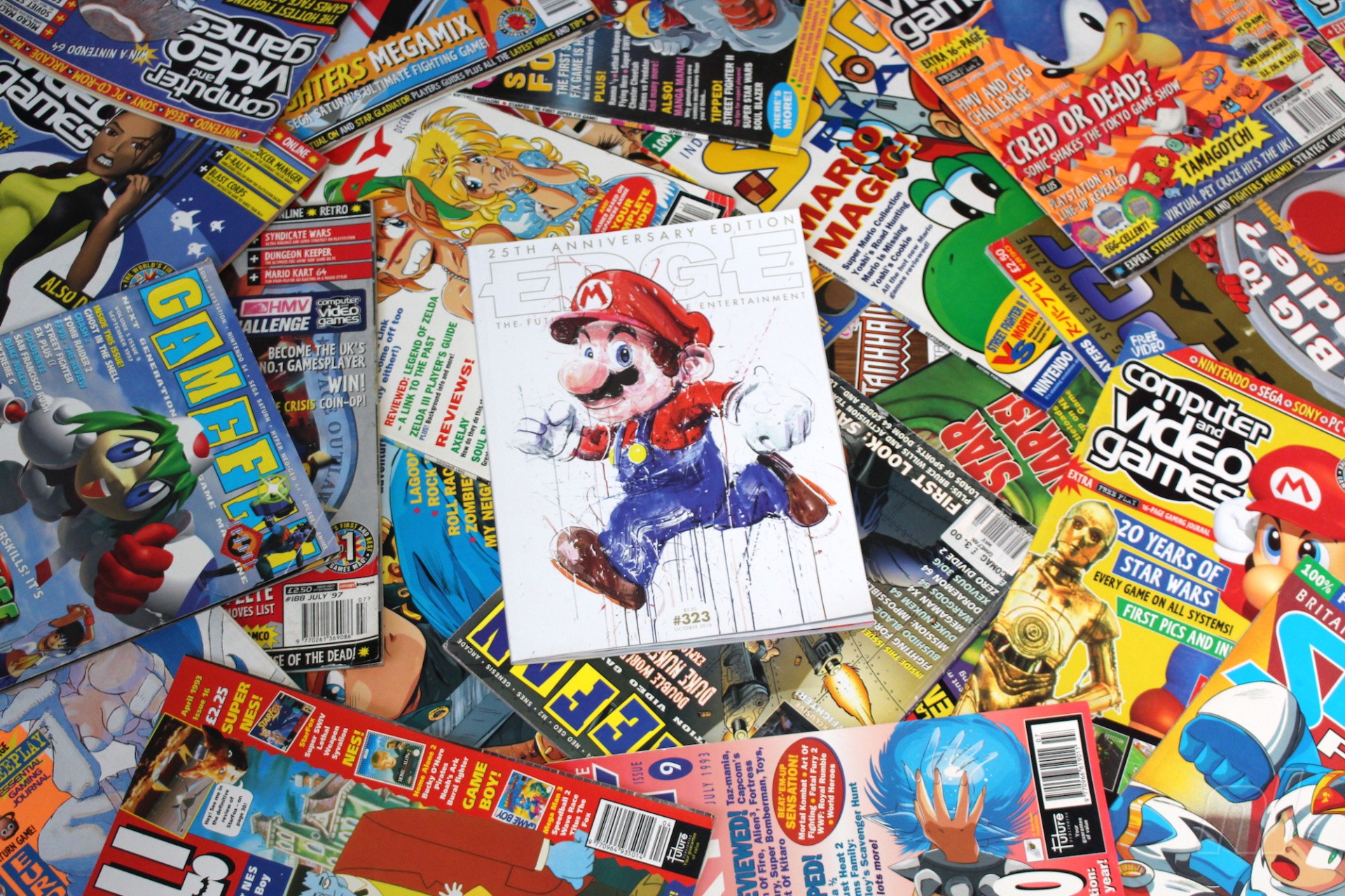
It’s at this point that the image becomes blurry as we step backwards in time; the year is 1990, and the rather pathetic imitation tree in the corner of the living room suggests that it’s Christmas. A young Damien has just greedily ripped off the wrapping from his very first games console: a Japanese Sega Mega Drive. In order to learn more about the wild and wacky world of video games, Damien invests his hard-earned pocket money in magazines such as Computer & Video Games (one of the first gaming mags ever produced, in case you were wondering) and its console-based offshoot, Mean Machines. In the days prior to the arrival of the internet, magazines such as these – as well as the likes of GamePro, EGM, Super Play, GameFan, EDGE, GamesMaster and many, many others – would provide a vital conduit to the latest news, reviews and opinion within the gaming industry.

Fast-forward a few years, and Damien finds himself fresh out of university with a near-useless degree and a young family to provide for. Saddled with an IT job in a tiny building society he feels no real affinity for, in his spare time he decides to create a website devoted to his favourite games magazine: Mean Machines. While building this crude creation, he is contacted by a fellow Mean Machines fan in the form of one Darren Calvert; they join forces to work on the project. With the arrival of the Nintendo Wii they decide to launch another retro-focused site – the modestly popular Virtual Console Reviews – and eventually fuse with Nintendo Life, the brainchild of web-design expert Ant Dickens. Simply put, the origins of the site you’re reading now would have been very, very different were it not for the fact that I was bored at work and decided to share my love of a magazine I assumed everyone had forgotten about (yes, I’ve stopped referring to myself in the third person now, thank goodness).

It’s hard to accurately explain the sheer sense of excitement that a new magazine delivered back then to someone who has grown up with the internet being a constant presence; imagine all of the news you get online each and every day, and then imagine getting all of that in a single magazine – the impact was often staggering. You’d see amazing new games in each issue that you’d never, ever heard of, and they weren’t years away, either – they’d literally be coming out the following month. Single screenshots of anticipated games – often cunningly snipped from the pages of Japanese magazine Famitsu – would provide as much excitement as a thousand YouTube trailers today, while the opinions of writers such as Julian Rignall, David Hodgson, Richard Leadbetter, Paul Davies, Jason Brookes, Gary Cutlack, John Davison, Steve Jarratt, Dean Takahashi and Dave Halverson (as well as countless others whom I won’t mention here as it would double the length of a feature that is arguably too rose-tinted already) felt like gospel.

Over the years, the rise of the internet – fuelled by the emergence of smart devices such as tablets and phones – has slowly but surely killed off print media. We’ve seen mighty brands such as GamePro and C&VG fall by the wayside one by one, and now only a handful remain in active publication. EDGE is now Future Publishing’s only monthly multi-format title, supported by the likes of Retro Gamer, PC Gamer Official PlayStation Magazine and Official Xbox Magazine (the company’s official Nintendo mag was closed some time ago). This was once a publisher with a seemingly endless array of magazines catering for all kinds of players, but now only a small number remain. At least Future remains in action; the company’s rivals in the UK have evaporated, and now you’re more likely to find a cross-stitch magazine in your local newsagents as you are a mag about video games.

Over in the US, Game Informer is the last bastion of print media in the games industry. Electronic Gaming Monthly now operates as a website, while GameFan’s much-hyped 2010 relaunch went down in flames. GamePro also tried to take the web route after the magazine folded in 2011 but lasted a matter of months before it was scrubbed from existence entirely. The near-legendary Nintendo Power was another casualty of the public’s indifference to print media, and was closed down in 2012, five years after being acquired by – you guessed it – Future Publishing.

The thing is, if you walk into your average bookstore or newsagent, there are still plenty of magazines on the shelves – perhaps even more so than I recall there being when I was a youngster, flicking through the copies of Sega Power and Nintendo Magazine System I couldn’t afford because my meagre pocket money wouldn’t stretch to more than two mags a month. It would seem that video gaming’s almost unseverable connection with the web has made it all but impossible for magazines about gaming to survive; players are naturally web-savvy and spend a lot of their time online reading and talking about games. Because of this, it’s only logical that they’d turn their noses up at the idea of spending a large sum of cash each month to buy a magazine which, by the time it hits the printers, is already out of date as far as news and reviews are concerned. The content they crave is available online, is more timely and – perhaps most importantly – free.

I can’t point fingers here though, because I rarely buy gaming magazines today. I might pick up the odd copy of EDGE or Retro Gamer when I’m in a motorway service station, if only to have something to read while I drink a coffee. But I’m no longer the ferocious consumer of the printed word that I once was; a delicious irony when you consider that my loft is packed with boxes full of old gaming magazines stretching back through the decades. I still flick through old magazines today, perhaps more to get a hit of nostalgia than anything else – but oddly I don’t feel compelled to add to that collection with modern magazines, despite the amazing production values and superhuman effort that goes into making them. Combine this with the fact that I edit a video game website which has no doubt contributed in some way to the dwindling circulation of magazines, and I’m part of the problem in more ways than one.

Still, there are some who actively fight the death of the printed word, but they’re grassroots projects rather than the work of massive publishers. The excellent Switch Player is a fanzine with impeccable production values created by a small but dedicated team; there’s no publisher involved and the magazine survives by selling directly to the reader, rather than via a store. Nintendo Force is a similar proposition. In an age of crowdfunding platforms and print-on-demand, this new breed of magazine is reclaiming the same territory that was once the domain of the crude homemade black-and-white fanzines of the late ’80s and early ’90s; the irony here is that while the internet killed these fanzines a few decades ago, they’re now enjoying a small resurgence at the same time that large-scale ‘professional’ publications are dying off.

It might seem odd that the co-owner and editor of a gaming website – the very thing that has run these magazines out of business – would even think to lament the slow and agonising death of print media. However, as I stated earlier, video game magazines are a massive part of why I’m doing this as a job. Were it not for the infectious enthusiasm of Mean Machines, the intense focus of EDGE or the sheer joy of GameFan, I doubt I’d be the person I am today. But can a website like Nintendo Life really provide the same feeling I got when I opened each fresh-smelling copy of Mean Machines, Super Play or C&VG all those years ago, and gorged myself on the contents in the space of a single, wonderful hour? There’s something truly wondrous about holding a physical magazine and leafing through its pages for detail, staring at each and every screenshot as if hidden messages are contained within. We’re slowly but surely losing that, and I’m not sure we’ll really appreciate the loss until it’s far too late.

Do you still buy video game magazines? (381 votes)

Yes, every month

18%

Yes, every now and then

17%

I’ve never bought a video game magazine in my life

8%

Please login to vote in this poll.
How do you feel about the slow death of video game print media? (351 votes)

I think it’s tragic

59%

I’m not really that bothered either way

34%

I’m glad magazines are dying out, they’re pointless in the age of the net

8%

Please login to vote in this poll.

Posted on Leave a comment

Japan’s Getting A Fancy Stardew Valley Collector’s Edition With Guide Book, Soundtrack And More

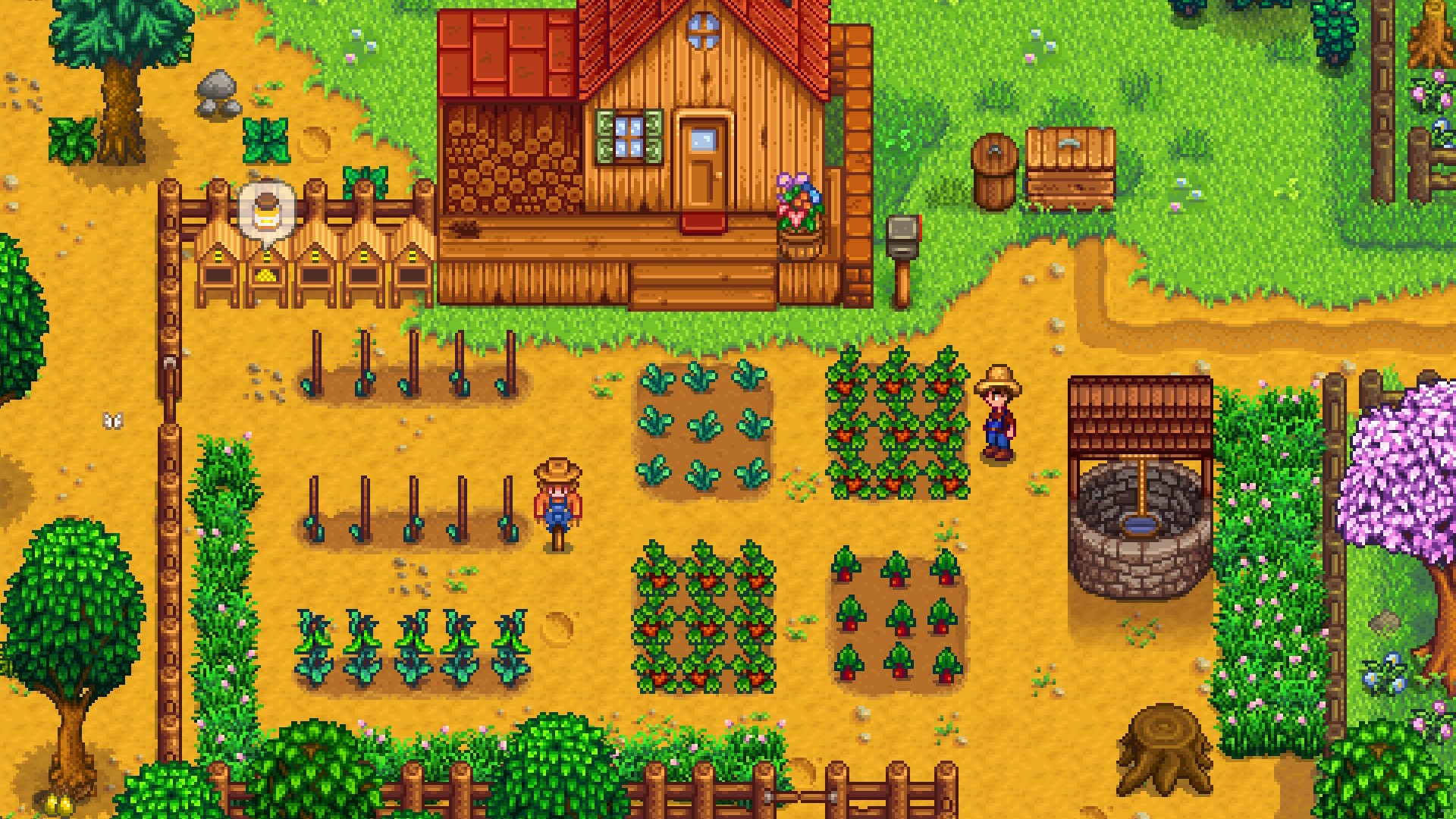
On today’s episode of ‘Japan gets all the cool stuff and we’re growing increasingly jealous by the day’, we introduce to you the upcoming Collector’s Edition of Stardew Valley.

Yes, the hugely addictive farming simulator is getting the physical treatment in the land of the rising sun, with a fancy bundle set to be available in January. Oizumi Amuzio is releasing the special bundle, complete with a Beginner’s Guide Book for those new to the game, the game’s original soundtrack, and a physical map of Pelican Town.

The bundle will be available to consumers on 31st January 2019, retailing at 3,500 yen (before tax). Of course, assuming this bundle doesn’t make it to the west – although we can’t know for sure – there may well be options to import this package should you be particularly interested. We wouldn’t blame you if you did import a copy either – Stardew Valley is a mighty fine way to spend your time.

Are you a fan of Stardew Valley? Might this special edition tempt you to double-dip and import? Let us know in the comments.

Posted on Leave a comment

Mercenaries Wings: The False Phoenix Brings More Tactical RPG Goodness To Switch This November

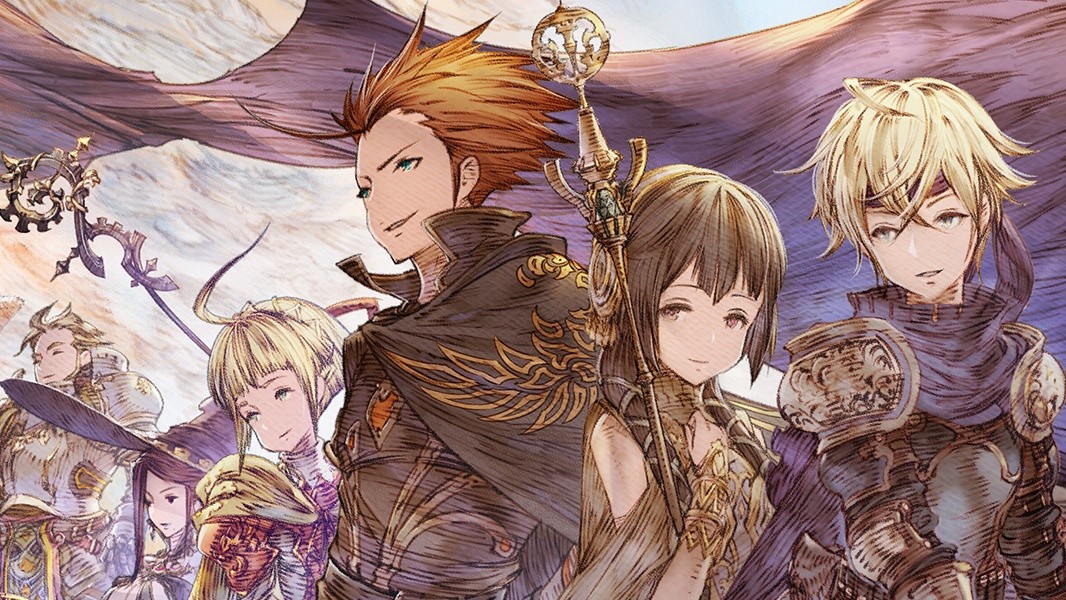
CIRCLE Entertainment has announced that Mercenaries Wings: The False Phoenix will be arriving on Nintendo Switch this November.

Despite offering familiar gameplay to the Mercenaries Saga trilogy already available on Switch, CIRCLE Entertainment tells us that this game offers “a separate story and worldview”, not acting as an orthodox sequel to previous releases. Luckily for those who may have missed those earlier titles, this game won’t require you to have played through previous entries to fully enjoy the content on offer.

If you’re unfamiliar with the games, the Mercenaries titles are tactical RPGs, with Mercenaries Wings: The False Phoenix requiring you to carefully utilise varied units and their abilities. Players will be setting ‘Leaders’ to change the flow of battle, levelling up their units, changing classes, managing equipment, and making key choices that could be the difference between victory and defeat.

More details are still expected to be released before its eventual release date next month, but we do have a collection of new screens for you to enjoy below.

Have you played any Mercenaries games on Switch? Will this one be going on your wishlist? Let us know below.

Posted on Leave a comment

Random: Wish Your Switch Was More Like A 3DS? Then 3D Print Your Own Folding Flip Case

One of the 3DS’ most useful features – and one that had been a part of Nintendo’s handheld lineup since the Game Boy Advance SP released back in 2003 – is its foldable design, keeping both screens and all buttons safe from damage when being carried around. Of course, the Switch has demolished this trend in recent times, but if you’re hoping to relive any DS-era nostalgia (and protect your console in the process) then this 3D print design could just be for you.

Created by engineering student Ethan Grizzard, this ‘Folding Nintendo Switch case’ does exactly what it says on the tin. Protecting the screen when closed, the case imitates the DS and 3DS’ clamshell design and even holds your Joy-Con in place at the bottom so that the controllers line up with those originals. Ethan notes that the design is still a work in progress, with the case making things “not very comfortable to play”, and plans on adding grips to the bottom part of the case.

It uses a metal rod to act as a hinge, a cutout on the bottom to allow the Switch’s charger to be used, and measures in at 18cm x 12cm x 4cm with the Switch nestled inside. If you have the necessary equipment and want to print your own case, the files are available on Ethan’s Thingiverse page.

Do you think the Switch would benefit from a foldable design? Or do you prefer the console how it is as standard? Share your thoughts with us below.

Posted on Leave a comment

Review: LEGO DC Super-Villains – Proof That It’s Good To Be Bad

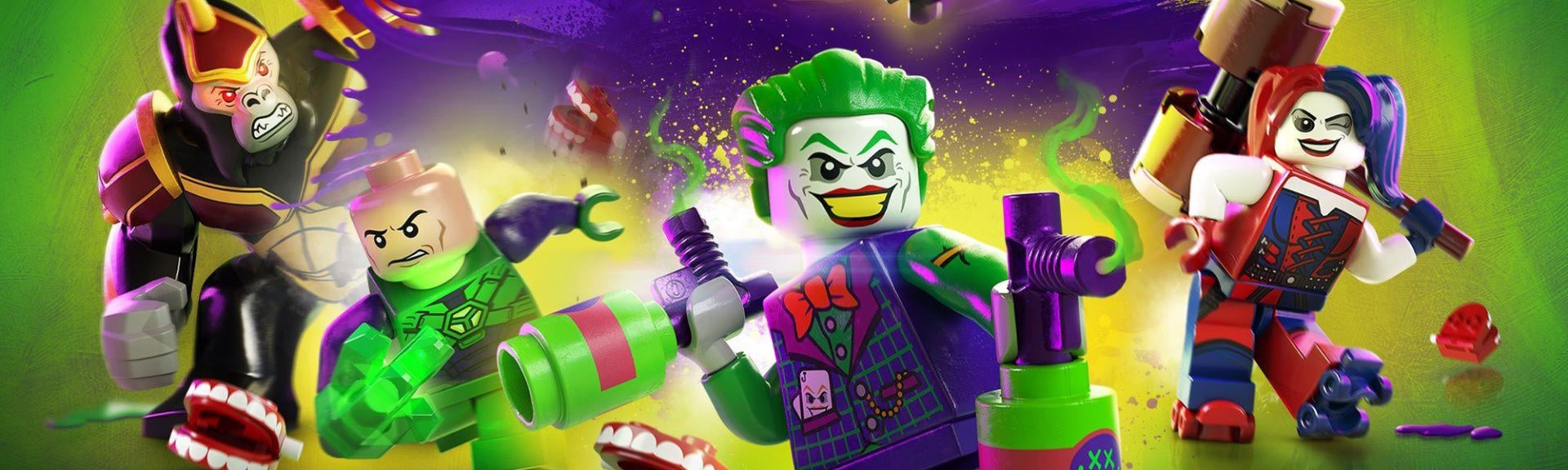
For the last 23 years, TT Games has been making all manner of games full of studs, bricks and other Danish building blocks. The LEGO series, in its many forms, has hardly been a bastion of consistent innovation but has always offered a fun and safe place for some light platforming and basic combat. LEGO DC Super-Villains doesn’t break this tradition – with only a handful of ‘new’ changes – but that doesn’t stop it from being an enjoyable entry regardless.

Considering this is technically the fourth instalment in the DC Comics-based series, you’d think another game involving Gotham, the Joker and the Bat Family would fall into the same predictable story beats. But, as its name suggests, this game is all about the big bads and it’s 100 percent better for it. With some familiar voices from across the years lending their instantly recognisable tones – including Mark Hamill’s incomparable Joker and Michael Ironside’s booming Darkseid – it’s already off to an authentic start.

Even the likes of Kevin Conroy (Batman) and Michael Rosenbaum (The Flash) are here (but you’ll blink and you’ll miss them). With the dastardly Justice Syndicate arriving from Earth-3 and seemingly beaming the Justice League to their own dimension, the Legion of Doom suddenly finds itself having to gather together its most powerful members and potentially perform some uncharacteristically heroic deeds.

The result is the chance to play as a rogues’ gallery of characters we’ve always fought from the other side, and it makes for an eclectic new roster. Clayface can change his shape to mimic other powers or pose as another character in order to gain access to new areas, the Joker can recruit goons to perform unique tasks and Reverse Flash can enter the ‘Speed Force’ to create super-builds in spectacular fashion.

However, the ability to create your own character is now placed centre stage, enabling you to design and customise your own infamous baddie and personalise everything from their costume right through to the colour of their powers. Your character is mute, in true classic LEGO game fashion, but as you progress you’ll gradually unlock more and more abilities that will make your unique villain a force to be reckoned with.

Custom character building has been present in the series for years, but it’s always been tacked onto the side as an added – but ultimately pointless – extra. Here, TT Games takes full advantage of the concept by periodically unlocking new pieces for your mini-fig as you complete each of its 15-plus levels. You can personalise your avatar at any time from the menus, including the power to take on super-speed (complete with a jittery idle animation) and an enemy-clearing slam attack.

Despite having such an impressive roster of bad guys to unlock (there are over 80 in total) and utilise, don’t expect a story that sees them embrace their villainy to their full potential. This is no DCEU-esque Suicide Squad spin-off. It’s a shame that TT Games hasn’t attempted to at least incorporate a little more bad guy activities into the mix; there are races to complete and things to vandalise, but this is a LEGO game after all, so sugar-coated naughtiness is the order of the day. It seems almost a waste that you’re being the bad guy but can’t entirely indulge your truly wicked side.

The Switch version happens to be one of the best ports the multi-platform series has produced yet. Once again, you’re getting access to the full version of the game playable elsewhere, with high-quality assets (you barely notice the jagged edges and occasional use of blurring), dynamic lighting and very little slowdown. There are also some relatively short loading times overall, which is a pleasant surprise considering how big the central hubs are. It runs consistently well in both docked and undocked modes, so need to worry about a drop in performance if you’re collecting studs on the go.

There’s also support for drop-in/drop-out co-op – as is custom with the series by now – so you can split your Joy-Cons or grab an extra Pro Controller for some team-based action. Using co-op can get a little hectic when in tabletop mode, so we found sticking to the TV is the best way to play with a friend.

Conclusion

As you’d expect, LEGO DC Super-Villains doesn’t make many attempts to change up the formula that’s served it so well for so long, but with a vast library of well-applied and famous baddies to draw from it offers a far more engaging and memorable story than the stretched-too-thin LEGO The Incredibles. However, with a brilliant cast on hand (can anyone really compare to Hamill’s Joker?), a vast sandbox hub and all the customisation options you could want in Danish brick form, this familiar playground still has bags of charm.

Posted on Leave a comment

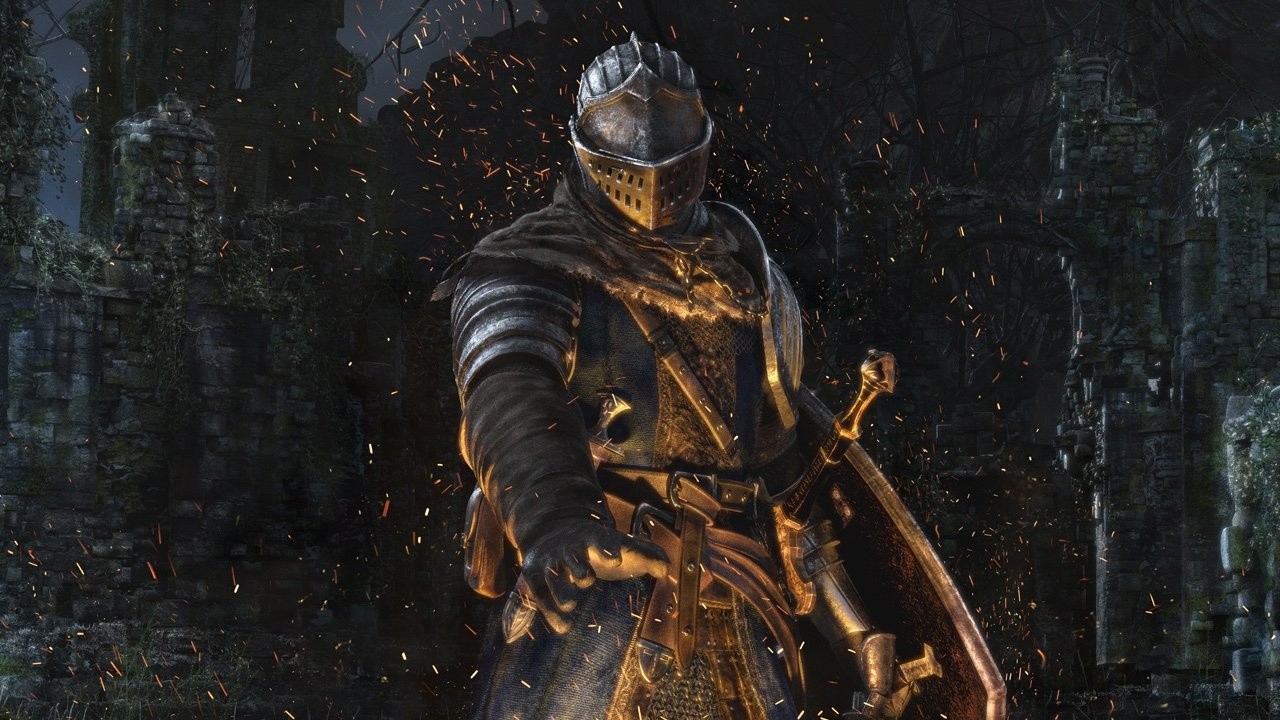
Video: Dark Souls On Switch Has More In Common With Last Gen’s Original Than This Year’s Remaster

Last Friday finally saw the release of Dark Souls: Remastered on Nintendo Switch, arriving on the system after a somewhat lengthy delay which had many fans worried about its eventual quality. Of course, now we’ve had the chance to play it, it’s clear to see that the wait was more than worth it, but the differences between the Switch edition and the recently released remasters on other platforms are rather intriguing.

The folks over at Digital Foundry have put the new Switch port through its dark, deadly paces, comparing the game not only to its PS4 and Xbox One counterparts, but also the original 2011 release on PS3 and Xbox 360. The results show that the Switch version actually has more in common with those original titles than the new remasters, albeit with a variety of touches that perhaps make it the most desirable version overall.

This year’s PS4 and Xbox One versions benefit from the expected remaster overhaul, with refined lighting and textures and noticeable improvements in things such as grass animation and bonfire shadow effects. Unfortunately, the Switch version doesn’t include these changes, instead being packaged with the same lighting and textures found in the original, last-gen release.

The Switch version does come out on top in other areas, boasting a 1920×1080 resolution while docked and 1280×720 in handheld – both of which outperform the original’s 1024×720 resolution – and an improved frame rate for a smoother experience. You can obviously take this version on the go, too, making it a lot more desirable in the eyes of many, and having all of the original textures in place means that the Switch version is actually a more authentic recreation of the original. Naturally, it’s up to you whether you want to experience the game as it was in 2011 or with the PS4 and Xbox One’s upgraded version.

If you want to see these comparisons be made in excruciating detail, make sure to check out Digital Foundry’s video below.

Did you pick up Dark Souls: Remastered on Switch over the weekend? What are your thoughts so far? Let us know with a comment below.

Posted on Leave a comment

Reminder: Wii Shop closes January 30, 2019

Reminder: Wii Shop closes January 30, 2019

Dear Nintendo fans,

As previously announced, the Wii Shop Channel will close for good on January 30, 2019. The ability to add Wii Points was removed earlier this year, but if you still have any Wii Points that you wish to spend, you must do so before January 30, 2019.

If you have any questions, please see our Q&A.

Please also note that as the Wii Shop Channel closure date approaches, remaining video-on-demand services on Wii will be ending as well.

Thank you for supporting Wii Shop Channel and for being such great fans of Nintendo.

Sincerely,

Your Friends at Nintendo

Posted on Leave a comment

Guide: How To Have Yourself A Roaring Super Mario Party

If you’ve never played a Mario Party game, you may be wondering what all the fuss is about. Well, wonder no longer, as today we’re going to take you through everything you need to know to have a successful Mario Party with Super Mario Party, whether you’re aged 8, or 88, or maybe some age in-between.

First of all, and we can’t stress this enough, Mario Party is best with four real people. You can still absolutely have a blast with just two or three, but you’ll really be missing out if you never go the full four-player affair. Make sure the people you invite are into it as well; don’t force people into playing as it’s likely they may not enjoy themselves and could end up bring everyone else down as well. Willing attendees are an absolute must.

Secondly, get something supremely tasty in to gobble whilst you play. It doesn’t matter whether it’s pizza or your signature homemade red onion flan, as long as there’s something for everyone to enjoy, you’re golden. Given the amount of time some of these epic Mario Party sessions can take, sustenance is going to be very welcome indeed – your fellow party members will thank you for being a dutiful host, that’s for sure.

Oh, and if you’re concerned about greasy or sticky fingers on your shiny/matte Joy-Con, just take a deep breath and accept that they’re bound to get a bit mucky when other humans are involved. You can always clean them up in an instant once you’re done, just use some gentle screen cleaner and a microfibre cloth and within moments they’ll feel brand new. Don’t bog other people down with your clean-freak tendencies when they’re having fun; everything can be cleaned, disinfected and thoroughly sanitised after everyone has gone home.

Thirdly, it’s vital that you plan your play session well in advance. If you’ve got a whole bunch of time to spare, make the most of it but don’t assume that everyone will want to play for 20 long turns. It’s not exactly going to end up being a day-long session of Risk, but Mario Party can go on longer than you might think, and not everyone’s going to be into that. Start off with a nice easy ten-turn game and go from there; if people love it, then you can consider a longer game, by all means. Test the waters first, especially if you have Mario Party novices on board.

And fourthly, if you’re of the adult disposition, you should absolutely consider introducing some alcohol into the mix (provided you or someone else isn’t teetotal; try to respect other people’s life choices to ensure nobody ends up feeling left out). A little social lubricant can get everyone playing seriously involved, and the more boundaries you break down, the more fun you’re all likely to have. And that’s the name of the game, right?

If you’re feeling brave (and, again, are old enough) you can even take things a step further and turn the whole session into one massive drinking game. We’re not going to give you any rules here, but even if it’s just something as simple as ‘drink as many times as the number you rolled’ you can dial up the fun factor so far you won’t even care about the inevitable splitting hangover the next day. Maybe.

As you can appreciate, these are relatively loose rules and tips for having a good time in the company of some friends with one of the Switch’s most social experiences. Have you got any tips for a successful Mario Party of your own? Let us know in the comments below.

Posted on Leave a comment

Famitsu Teasing “Possible Revival” For A Cancelled Level-5 Game

The Japan-based developer and publisher Level-5 is best known by Nintendo fans for charming series like Professor Layton, Inazuma Eleven and in more recent times Yo-Kai Watch. Originally established in 1998, the company is now 20-years old.

In celebration of Level-5’s 20th anniversary, Famitsu is teasing an interview with the company’s President Akihiro Hino in its next issue, due out on 25th October. According to the weekly Japanese publication, a “possible revival for a canceled title” is on the cards.

There’s no guarantee it would be a Nintendo-related announcement, but given Level-5’s current relations with Nintendo and the fact Yo-Kai Watch 4 is due out exclusively on the Switch next year, there’s a chance.

Are you excited to find out what this possible revival could be? Are you a fan of Level-5’s work? Do you like the look of the new Yo-Kai Watch on the Switch? Tell us in the comments below.

Posted on Leave a comment

Starlink Producer Reveals How Ubisoft Started Work On Star Fox Concepts Before Meeting With Nintendo

Prior to the release of Starlink: Battle for Atlas, it was heavily publicised how Ubisoft’s collaborative efforts with Nintendo to include the Star Fox crew in the game all began at E3 2017 in a tiny room behind closed doors. This eventually led to the Starlink team being invited to Nintendo’s headquarters in Kyoto to present the game in front of Shigeru Miyamoto and the Star Fox team.

In a recent interview, the game’s Producer Matthew Rose explained how after the initial back and forth exchanges between the two parties, the team at Ubisoft was so excited it began work on the Star Fox content immediately by drawing concepts and even making a 3D-printed model of Fox’s Arwing:

We’re so excited by even them having this conversation with us, even though they hadn’t confirmed anything. And so we started working. We started drawing concepts, we made a 3D-printed Arwing that had their proper connectors and toys in it so that you could take it apart and everything.

Rose went on to admit, they didn’t necessarily have clearance by Nintendo to do this, but didn’t need it on their own end:

Well, you know, what’s amazing is that’s kind of the strength of Ubisoft. Ubisoft almost runs each team like a bunch of entrepreneurial ventures. Each team really has this freedom to experiment and try things and go places and take calculated risks. And draw upon the incredible resources that the Ubisoft network has to offer, but not necessarily be constrained by needing to get clearance up some crazy chain.

So for us, you know, we have our partners in Paris that we work so closely with, and we were like “hey, we are so passionate and excited, we think we can make this work. We’re gonna go for it.” So we just started working, but we were a little cautious. We didn’t want to dedicate all of our resources to it, and then we got the [Kyoto] invitation.

When the date to present the pitch was locked in, the team scrambled to put together the 3D model:

Fortunately, we had started work before we were really… confirmed [for] anything. So we scrambled to put together this pitch and pull everything together and, for instance, we had this 3D-printed Arwing, but we didn’t have time to paint it properly – to like “pro paint” it. Because, you know, if you’ve gotta do it, you gotta do it right – especially for Nintendo…[The] 3D-printed plastic it was like beige. It looked kind of ugly, so we spray painted it this kind of really neutral grey colour…It was this nice, you can imagine, you know, it was almost like you’d see an untextured 3D model in a game, and so we spray painted it grey and brought it over.

Have you been playing Starlink: Battle for Atlas since it was released? Are you enjoying what you have played so far? Do you want to see Ubisoft and Nintendo collaborate more in the future? Tell us in the comments.