If you like video games, and if you like saving money, then this current deal from WayForward Games could be right up your street.
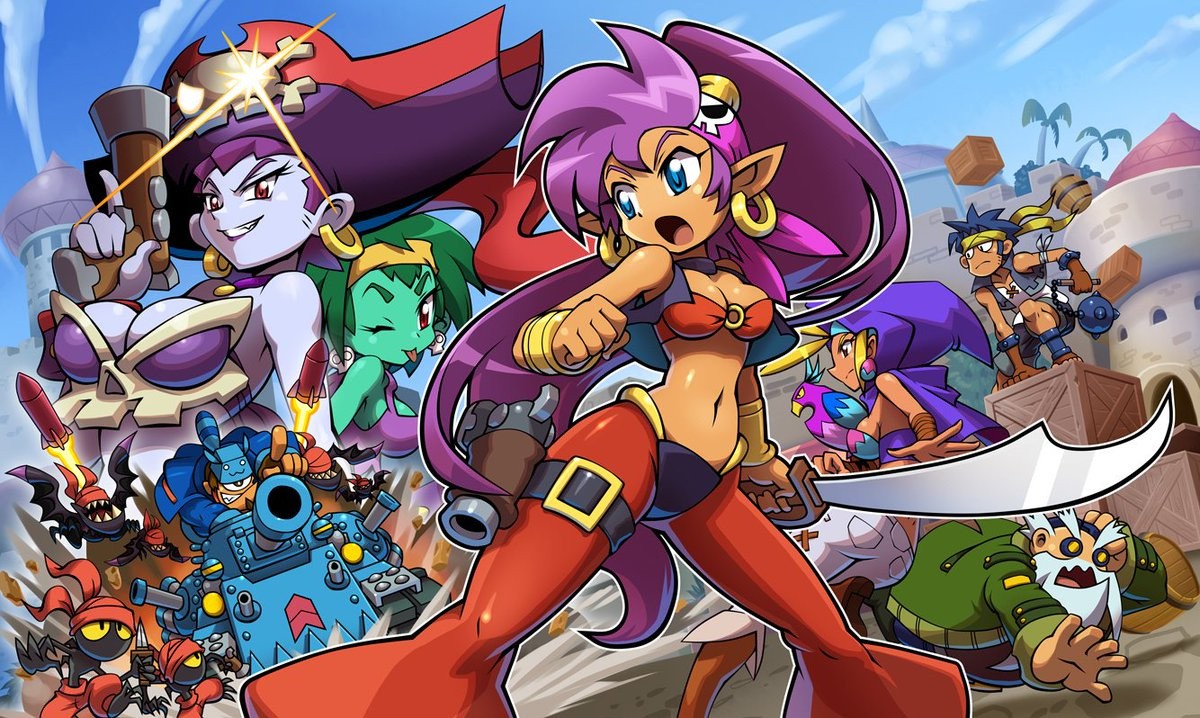
The developer has revealed that all of its games on Switch are now available to download at discounted prices as part of a special Halloween sale. These deals are only available in the US, but users from other regions could always take advantage of the deals by setting up a US account.
If you’re wanting to take advantage of any of these offers, you can find the games directly from Nintendo’s online store right here. The offers are available until 4th November, so you’ve got a little bit of time to read up on each title and see which one (or three) might be best for you. You can find our reviews of each game by clicking on their names above.
Make sure to let us know if you’ll be buying any of the games on offer in the comments below.
The first entries into Sega’s AGES range on Nintendo Switch have finally arrived, with plenty more games still lined up to follow suit, but there’s one question still hanging in the air. That question revolves around Dreamcast games and, in particular, whether or not the Switch will receive any games from the long-discontinued machine’s library.
Way back in April, we first heard that Dreamcast games would indeed be heading to the Sega AGES lineup, but things have been slightly less clear ever since. A recent poll asked fans for their most desired Sega AGES games, with Dreamcast title Jet Set Radio topping the list, but AGES producer Kagasei Shimomura said that this doesn’t necessarily mean that it will actually happen.
Now, though, Japanese gaming outlet Famitsu has shared an interview with M2 president Naoki Horii and Sega AGES supervisor Yosuke Okunari which actually took place just after those very poll results were shared at Tokyo Game Show. Their wording still appears to be rather vague, but all signs are pointing towards the fact that Sega is leaning towards an emulation-based approach, favouring the versatility of straight emulation over using the original source code to port games over.
Horii explains that creating ports from the source code is “completely different” to emulating software, with emulation increasing the number of titles that would be possible on Switch (thanks, NintendoEverything):
M2 president Naoki Horii: “At the time, it seemed likely that we’d be able to emulate Dreamcast software on the Nintendo Switch. Depending on whether you’re emulating software or remaking the source code entirely, porting something is completely different. I think SEGA chose some of the titles based on that – no doubt emulation increased the number of titles they were able to choose from.”
It also appears that this could result in different final gaming experiences, with possibilities opening up for titles to be either released in their original states, or expanded with added features.
Supervisor Yosuke Okunari: “I think that this time the results of the survey influenced that as well. I haven’t really come to a conclusion yet, but I wonder if it’d be better to release more titles from the list in a manner similar to the Virtual Console (in their original state) or to hand-pick a select few with added features (like the Grantnoff boss in the 3DS version of Thunder Blade)…”
Essentially, the answers still don’t provide us with any concrete information on how Dreamcast games will arrive on Switch, but the idea is clearly being discussed and thought about by the powers that be. It would be a shame if Jet Set Radio doesn’t arrive on the console, considering fans were allowed to suggest specific titles, but perhaps it will now appear in some form? We’ll have to wait and see.
Would you like to see Dreamcast games arrive on Switch? Does it bother you if the games are emulated, rather than ported using the source code from the originals? Let us know with a comment below.
The Super Smash Bros. series’ end-of-match screens are strangely satisfying to stare at after a hard-fought battle, likely thanks to the crazy animations performed by the winning character and the graceful, steady clapping from the slightly passive-aggressive losers. As it happens, some people enjoy these animations so much that they go out of their way to painstakingly recreate them, and we’re very happy that this is the case.
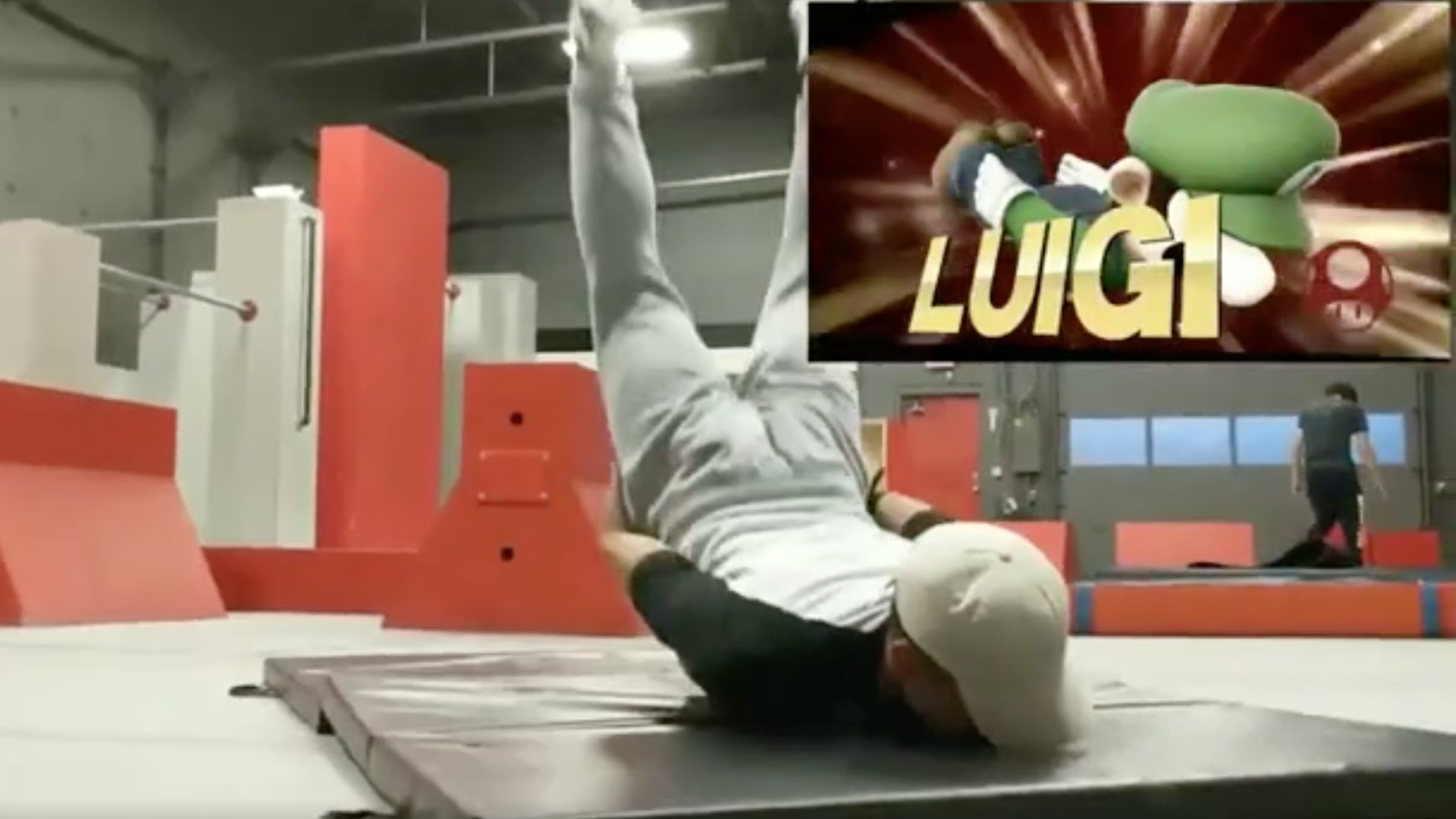
Reddit user Emcochingco has shared the following video on the Smash Bros. subreddit, showcasing the incredible skills necessary to pull off such a stunt. The talented folks in the video recreate the animations of Captain Falcon, Sheik, Bayonetta, and Sonic (all of which make use of some remarkable acrobatic ability) before ending with an imitation of Luigi (who, well… is Luigi).
If you want the full experience, you can also check out the original post of the video to hear the music and announcer on top of their amazing performances.
Now then, we’re off to try out these animations for ourselves at NL Towers – if the site goes down in the next half an hour or so, we’ve probably accidentally smashed up all of our equipment.
Back in its heyday, Super Mario Maker was notorious for the proliferation of ‘Kaizo’ stages in its community; these were hyper-difficult platforming gauntlets that required dozens if not hundreds of tries and usually had only one successful route to completion, eliminating any margin for error. Games such as Super Meat Boy and Celeste have also exemplified this hyper-difficulty in their level designs, incentivizing the player to continually build up their skills through repeated deaths as they attempt to overcome the increasingly more ridiculous trials ahead. Super Hyperactive Ninja, a new action platformer on the Switch eShop, aims to follow in this lineage of difficult platforming, but rather than presenting a fair and worthy challenge that only befits the most skilled players, it ends up falling short, resulting in a forgettable (though not entirely flawed) experience.
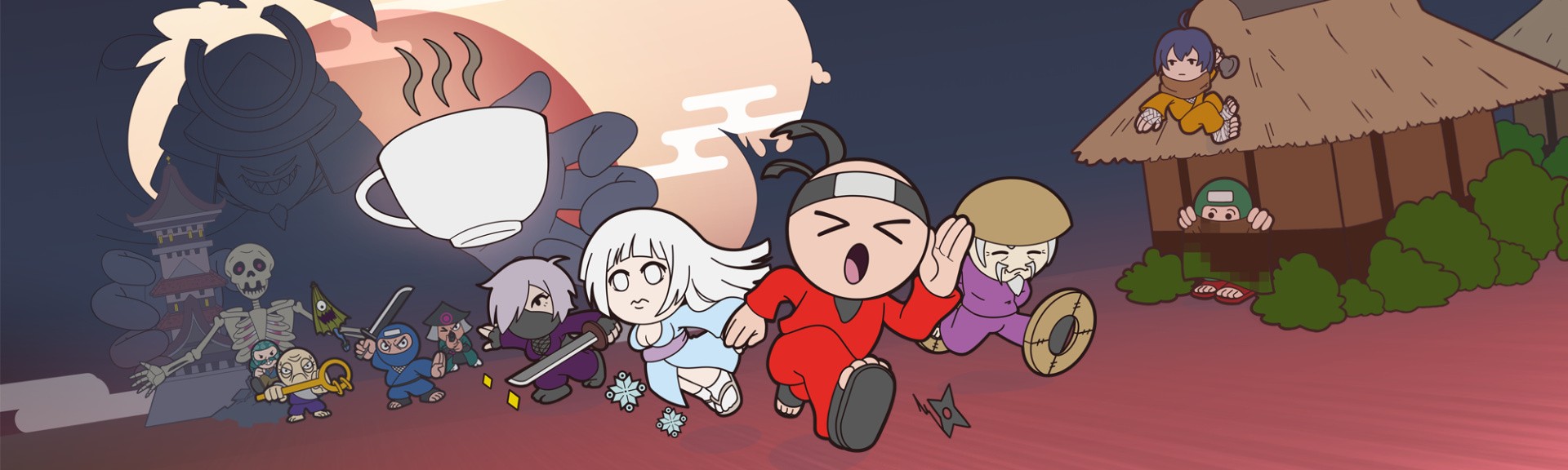
Super Hyperactive Ninja starts out with a Mega Man-esque intro that introduces the villain, a powerful and evil shogun hellbent on ruling the world. The shogun destroys the ninja village to remove any threat of resistance and seizes the Legendary Coffee, which grants unlimited power to the one who drinks it. You play as the last of the coffee-nin, Kohimaru, who sets out on a mission to save the world and his friends from the shogun’s terrible reign. Although one doesn’t expect a quality story in an action platformer, Super Hyperactive Ninja still manages to disappoint somewhat from this perspective. The coffee theme could feasibly be taken in plenty of interesting and cool directions, but instead, your ninja faces a bog-standard collection of generic evil ninja and monsters, which feels like a missed opportunity for a much more memorable adventure. As it stands, the premise of Super Hyperactive Ninja is satisfactory, but it could’ve been so much more given the potential of the premise, making it feel somewhat lazy right off the bat.
Gameplay could be most closely described as a mixture of Sonic the Hedgehog and Ninja Gaiden, focusing on guiding your ninja through a series of platforming gauntlets as fast as possible. Like most modern humans, your ninja is kept alive by a near-constant supply of caffeinated coffee — which can be found in generous supply throughout each level — and your level of consciousness is represented by a health bar at the top of the screen which is constantly emptying. Holding down the ‘ZR’ button causes your ninja to enter Hyperactive Mode, which causes them to run forward uncontrollably, lets them jump up walls, and gives them the chance to dispatch enemies if you run at them from behind. Levels are primarily designed around Hyperactive Mode, but a balance must be found, as staying in Hyperactive Mode causes your caffeine supply to deplete even faster.
Although this central mechanic of Hyperactive Mode is interesting on its own, Super Hyperactive Ninja does a poor job of implementing it well, making for a wildly uneven and needlessly difficult experience that’s light on the rewards and heavy on the punishment. If your ninja takes any damage or touches any stage hazard they’re instantly killed, and you have to start over from the closest checkpoint; there’s no room for error whatsoever. This is a fine concept on its own, but the level design loves to throw plenty of cheap enemy and obstacle placements at you, making for an experience that becomes more focused on trial and error than it does raw skill.
For example, levels are typically designed around you toggling back and forth between the normal and Hyperactive modes, but exiting hyperactive mode leaves your ninja defenceless as they take a moment to catch their breath. If you happen to be barreling towards an enemy and they turn to face you, there’s nothing you can do; either you run into the enemy and die, or you stop and watch as the enemy dispatches your helpless, wheezing ninja. The windows of time for reacting to moments like this are minuscule in many instances, all but necessitating repeated attempts until you eventually eke out a victory.
Now, Celeste did this too, but the reason this game fails where that game succeeded can be found in its poor controls. Super Hyperactive Ninja is unwieldy and imprecise, making for poor moment-to-moment gameplay that’s very stop-and-go in its nature. When walking, your ninja controls relatively responsively, with tight turns and jumps being easy to pull off. Engaging Hyperactive Mode, however, throws all this out the window, speeding up the ninja to a ridiculous degree and making them very difficult to control. The level design, though focused around Hyperactive Mode, doesn’t account for this loose level of control, and many segments feel far too crowded as a result; simply put, you don’t have adequate time to respond to the obstacles being thrown at you.
This is further exacerbated by the introduction of additional characters, each with abilities and stats of their own. There are several characters on offer; one can run on water while another can put out fire with ice breath, and each has different speed levels and recovery times. Though the variation in character stats would be a nice way of allowing players to try out different playstyles, level designs often necessitate the use of a specific character, making the earlier ones feel basically useless outside of a few circumstances.
From a presentation perspective, Super Hyperactive Ninja is rather inconsistent; ho-hum visuals are accompanied by a surprisingly fantastic chiptune soundtrack. Stages are devoid of detail or life, with each one having the same boring ‘oriental tower’ theme to it that’s marginally changed every world when the background gets palette swapped. Characters are animated nicely, but their uninspired designs and the boring environments bring absolutely nothing unique to the table, making no effort to step outside of well-worn tropes.
The soundtrack, on the other hand, features a diverse and exciting array of great 8-bit chiptune tracks that match the fast-paced action well, while imbuing it with some much-needed excitement. Although the music feels a little out of place thematically, it acts as a great backdrop to the gameplay, and there are several catchy tracks that’ll stick around in your head for a while after playing. Indeed, the soundtrack is by far the best thing that Super Hyperactive Ninja has to offer, and while it doesn’t justify the cost of entry, those of you that pick this game up will be pleased by what you hear.
In terms of replayability, Super Hyperactive Ninja has a fair bit of content on offer, with about a five-hour long campaign that’s bolstered by a grading system which pushes you to go back and perform better on earlier stages to earn a higher rank. There’s also an in-game achievement system which encourages you to play the game in unconventional or challenging ways to unlock everything, so the few completionists who are swayed by the gameplay will find plenty here to keep them coming back.
Conclusion
Super Hyperactive Ninja is a great example of what happens when good concepts meet bad implementation; the coffee theme and Hyperactive Mode are both interesting things that could have potential if explored properly, but Super Hyperactive Ninja doesn’t do so. Cheap level design, uninspired visuals, and poor controls make this a game that’s difficult to recommend, but moments of enjoyable gameplay can still be found for those who look hard enough. Even so, there’s no shortage of excellent platformers on the eShop at the moment, so you’d be best served passing on this one. If you’re looking for a challenging, retro-inspired side scrolling ninja game, go play The Messenger instead.
Forever Entertainment has revealed that it will be bringing the Wild West worlds of Hard West – Complete Edition to Nintendo Switch.
The main game sees players fighting their way through eight unique story-based scenarios and 40 different turn-based combat missions, with the protagonist, Warren, going on a quest to hunt down everyone who has wronged him. You’ll be following Warren “on his descent into the darkest recesses of the human soul”, desperately trying to survive in a world full of choice and consequence.
Some details surrounding the Switch edition are still to be revealed, but we do know that – while it won’t have any new features – this new release will still be the most complete version available on the market. It’s set to come with the Scars of Freedom DLC, which originally launched in 2016, as well as the game’s original soundtrack. If you’re interested, you can check out this mighty feature list taken from the Steam version of the game, as well as the original 2015 launch trailer below.
– A Unique “Weird” West World: Explore a world where Western legends meet demons, arcane rituals and satanic cults and where the dead can walk the Earth again. For a price. – Compelling Turn-based Combat: Control 1-4 squad members in thrilling turn-based combat encounters and master a range of powerful western-inspired special abilities, from feats of gunslinging to survivability against all odds, to take out your opponents in a series of original tactical maps with unique story-based objectives. – Collect and Combine Special Abilities: Obtain new special abilities by collecting and equipping unique cards which are earned throughout the game by completing main- and optional objectives, exploration , bartering, treasure hunting and more. These cards can be combined to create even more powerful combos, and provide additional options in combat. – Choice and Fate: Experience a deep story where decisions made during and between combat scenarios will resonate through future events and change the ultimate fates of a divisive group of colorful characters – Luck of the Draw: Use a combat system that goes far beyond pure probability by featuring luck as a unique guardian of engaging and challenging combat – Dynamic Cover: Change the flow of combat thanks to an extensive cover system which allows for the creation of effective cover from objects in the environment, making flanking and maneuvering during battles a truly powerful tactic – Shadow Spotting: Exploit the Blazing western sun to Locate out of sight enemies by the shadows that they cast, along with the sounds they make – Ricochets: Utilize Metal objects to allow master gunslingers to shoot beyond the line of sight for increased tactical combat options, and diversified planning – 40 Historically Inspired Weapons: Equip and employ an eclectic collection of deadly shotguns, rifles, pistols and sniper rifles, all based upon real outlandish prototypes, designs and ideas from the era
The game is expected to launch for €25 (with the DLC and soundtrack included) but we are still waiting on that all-important release date. We’ll make sure to update you when we hear more.
Do you like what you see? Have you already played this one on Steam? Share your thoughts with us below.
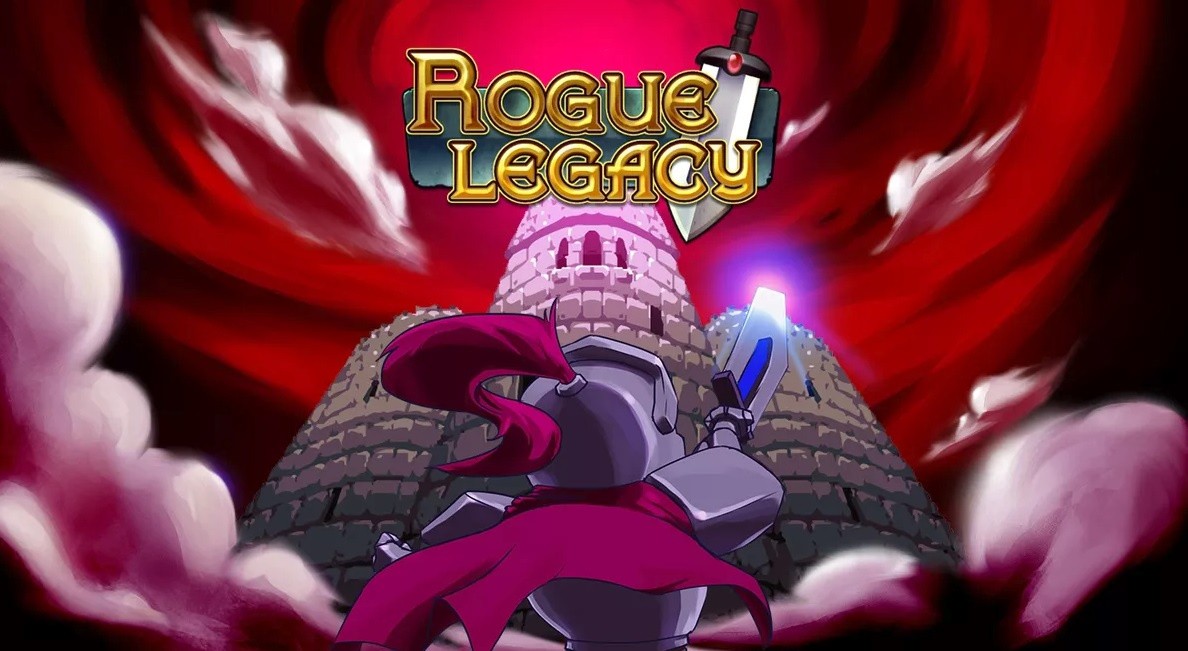
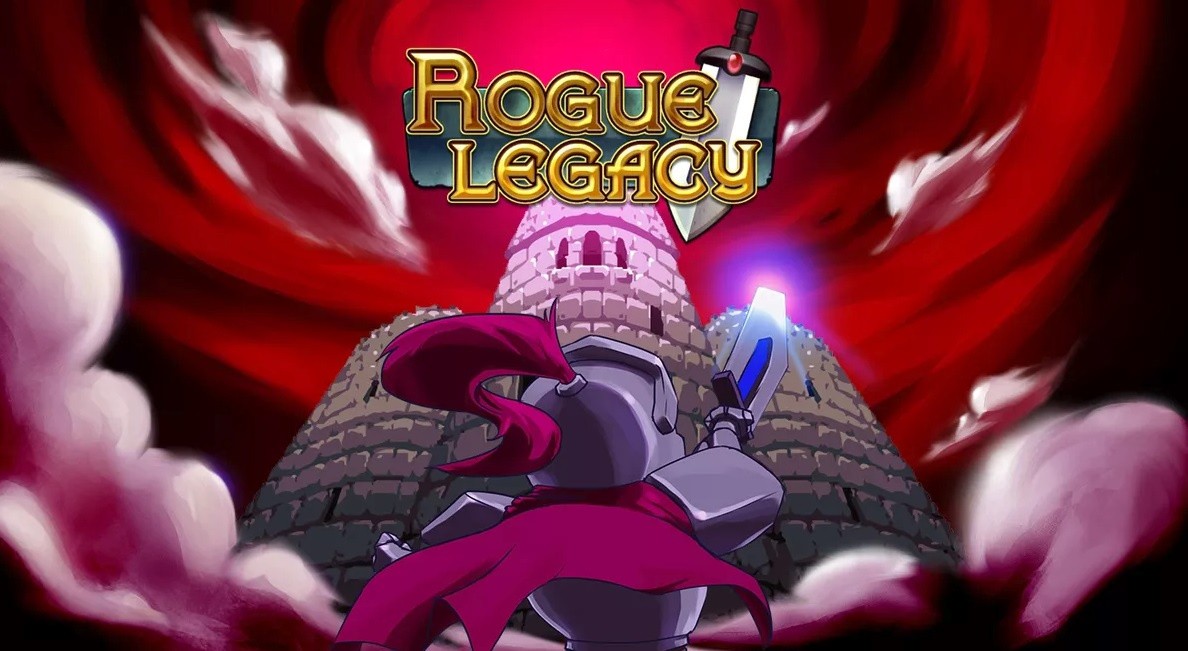
Earlier this year, Toronto-based developer Cellar Door Games said the chances of its rogue-lite title Rogue Legacy being released on the Switch was promising. Now, a UK eShop listing has revealed the game will be making its way to Nintendo’s hybrid system next month on 6th November for £10.99.
Here’s the full description from the eShop:
Rogue Legacy is a genealogical rogue-“LITE” where anyone can be a hero. Each time you die, your child will succeed you. Every child is unique. One child might be colorblind, another might have vertigo – they could even be a dwarf.
That’s OK, because no one is perfect, and you don’t have to be perfect to succeed. But you do have to be pretty darn good because this game is HARD. Fortunately, every time you die all the gold you’ve collected can be used to upgrade your manor, giving your next child a step up in life and another chance at vanquishing evil.
Rogue Legacy was originally released in 2013 and has since been released on multiple platforms. Take a look at the trailer above and tell us in the comments if you’ve got time for another rogue-lite on your Switch.
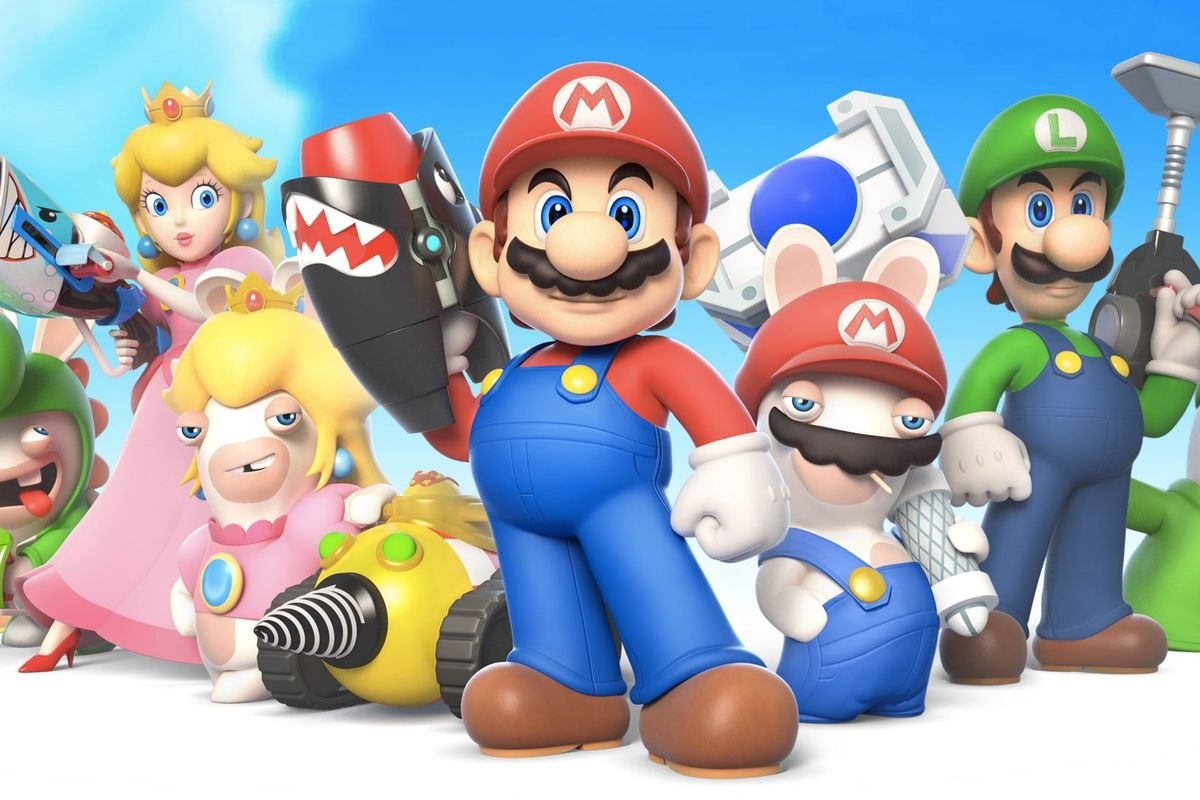
Ubisoft’s Mario + Rabbids Kingdom Battle has done tremendously well on the Nintendo Switch, with the game becoming the highest selling third-party title on the system. The two million sales of this game eventually led to the Star Fox crew making an appearance in Ubisoft’s new IP, Starlink: Battle for Atlas.
Continuing this run of success, Mario + Rabbids has now been nominated for best game at the British Academy Children’s Awards. The other three games on the list include the PlayStation titles Everybody’s Golf, Frantics and Knack 2.
The winners will be announced on 25th November. Even if it is outnumbered, we would say Mario + Rabbids is the best game on the list – with plenty of love going into the title thanks to the game’s director Davide Soliani, who has been a lifelong fan of Nintendo.
Do you think Mario + Rabbids will win this award? Tell us below.
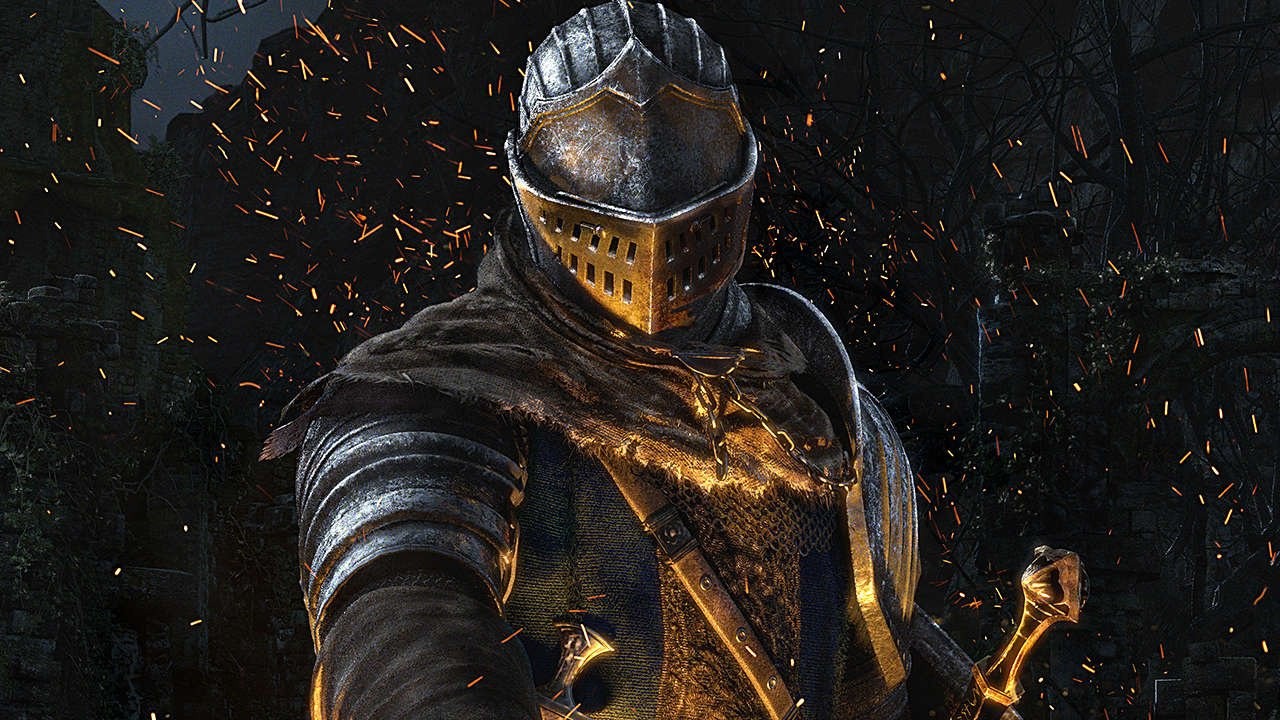
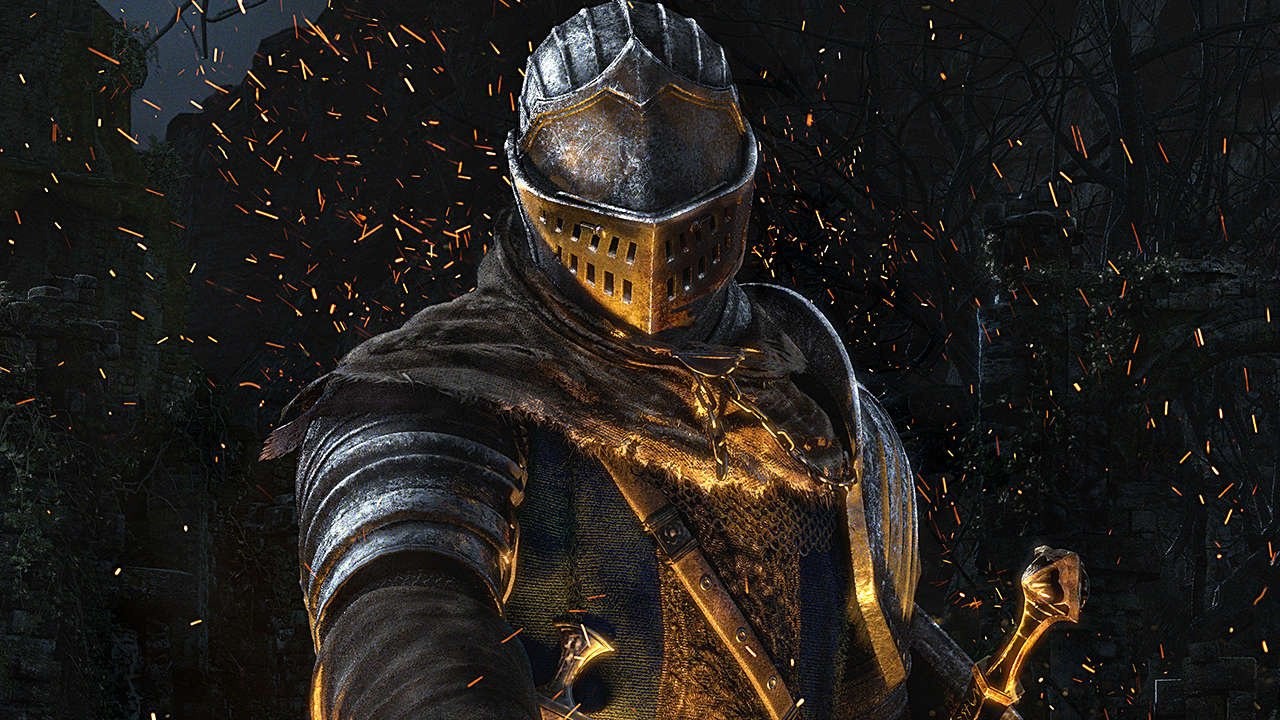
Our very own Alex Olney has been enjoying Dark Souls: Remastered since it was released on the Nintendo Switch, but one aspect of the game has seriously got on his nerves. It’s to do with how two buttons in the menus don’t match default settings found in other games.
The ‘B’ button is essentially used to confirm decisions in the menus, while the ‘A’ button acts as the cancellation button. As Alex points out, it’s the complete opposite to what you would expect. It means you’ll often enter a menu wanting to select something or other before realising you’ve exited out by accident.
In an attempt to resolve this minor problem, Alex went to remap the game’s menu controls only to discover options to change the menu functions of these buttons is greyed out. You simply can’t swap the two buttons around. At a loss at this point, our video producer took to the streets and even ventured into the homes of other people to find out how everyone else was feeling about this situation. Unsurprisingly, he’s not alone with his frustrations.
Is Alex blowing this out of proportion or is this something Bandai Namco needs to fix? Be sure to view the video above and tell us in the comments below.
Nintendo partners with Institute of Play to bring Nintendo Labo to schools across U.S.
Nintendo and the Institute of Play have teamed up to bring Nintendo Labo kits into elementary classrooms nationwide, combining the innovative play of Nintendo Labo with the basic principles of science, technology, engineering, art and mathematics (STEAM) to inspire kids and help make learning fun. Nintendo will provide Nintendo Labo: Variety Kits and Nintendo Switch systems to participating classrooms to reinforce skills such as communication, creativity and critical thinking. The program aims to reach approximately 2,000 students ages 8 to 11 during the 2018-2019 school year.
Nintendo Labo kits provide the tools to make DIY creations called Toy-Con, including a Fishing Rod, Piano and RC Car, among others; play games with these Toy-Con creations through a mix of physical and digital experiences; and discover how Nintendo Switch technology brings it all to life. Ever since the first two Nintendo Labo kits debuted in April, people of all ages have become amateur inventors using a mode included in the software called Toy-Con Garage. Toy-Con Garage introduces basic principles of programming, allowing anyone to use the tools and technology within each kit to develop their own imaginative creations, from fully-realized musical instruments to analog clocks and much more.
Helping to build curriculum for the program is the Institute of Play, which works as a trusted partner with teachers and schools in developing play-based learning experiences for students. This specialized nonprofit research and design organization has an interdisciplinary team of educators, researchers, game designers and school leaders, which makes it especially qualified for this Nintendo Labo program. Nintendo and the Institute of Play also share a mission of making people smile.
“We are always on the lookout for new tools and technologies that combine the best of learning with the spirit of play, and in Nintendo Labo we found an inspiring and innovative approach in both areas,” said Arana Shapiro, Co-Executive Director of the Institute of Play. “Teachers in the pilot program are already seeing the natural fit for Nintendo Labo in the classroom, and now we can bring that dynamic to schools across the country.”
The Institute of Play is currently conducting a pilot program with schools in the greater New York area. Nintendo and the Institute of Play will use these pilot classes to develop a Nintendo Labo Teacher Guide that will allow other educators to implement Nintendo Labo in the classroom to promote the development of skills such as creative problem solving and collaboration. The Nintendo Labo Teacher Guide will include sample lesson plans and learning modules dedicated to basic elements of STEAM and the Make, Play and Discover components of Nintendo Labo. The guide will be available for free later this fall to anyone who wants to incorporate Nintendo Labo into their classrooms or homes.
Once the pilot is complete, the program will expand to approximately 100 schools across the United States. Schools that wish to take part in the program can apply at http://instituteofplay.org/nintendolabo. Each participating school will be provided with Nintendo Switch systems and Nintendo Labo: Variety Kits, as well as the Nintendo Labo Teacher Guide. The in-classroom program will run through March 2019.
This program is part of a broader North American initiative to introduce Nintendo Labo in different educational settings. In Canada, Nintendo is partnering with Actua, Canada’s leading education-outreach organization for STEM topics, to inspire Canadian youth to be the innovators of tomorrow through digital literacy programs that offer hands-on experience with new and emerging technologies like Nintendo Switch and Nintendo Labo.
“The ingenuity of Nintendo Switch brings Nintendo Labo to life to provide a fun way for kids to explore basic STEAM topics together and be entertained while building a fundamental understanding of the technology behind them,” said Nintendo of America President and COO Reggie Fils-Aime. “We hope our programs in the United States and Canada encourage kids to explore, tinker, problem-solve and, in the process, get excited about design and technology – all while having fun.”
FUZE Technologies Ltd has revealed that its upcoming FUZE4 Nintendo Switch platform will be officially launching on the console in April next year.
It’s been quite a while since we last heard about FUZE4 Nintendo Switch – we actually received our last batch of information in January – but the team behind the tool has been working solidly around the clock to produce an environment which they hope “is easy to use and accessible to all”.
The software is said to be reminiscent of original BASIC, but revitalised and redesigned to align itself with modern coding languages like Python, Java, and C++. It has been designed with simple and intuitive commands to give beginners an easy route in, while also being powerful enough to write “stunning quality games and apps” in both 2D and 3D. If you’re wanting to really learn about the ins and outs of game coding, this could be a great opportunity to spruce up your programming ability.
It comes with thousands of visual game assets (such as furniture, castles, and character designs), and hundreds of music tracks and sound effects so that you can create a variety of projects of different genres. There’s also an image editor, which allows the creation of your own graphics; a tilesheet editor, which makes the creation of platform levels and interactive backgrounds easier; and you can even write your own music and sound effects by using code.
Jon Silvera, Managing Director of FUZE, has said the following:
“Whilst we had planned for a before Christmas launch, we have decided to focus on the 1st April 2019. We want to give ourselves as much time to make F4NS as good as we know it can be, and this extra time will allow us to ensure the best quality and stability. As a small yet ambitious team, we are very much looking forward to releasing F4NS at a time when we know it is the best we can make it. We want to thank everyone for their support and patience – we promise it will be worth the wait!”
If you like the sound of this but feel intimidated at the very thought of getting started, you’ll be happy to know that there are over 20 tutorials provided, alongside breakdowns and explanations of classic game designs. The software will retail for £29.99 when it launches on April 1st (and no, this isn’t an early April Fool’s joke!).
Do you like the sound of this? Would you like to learn how to code your own games? Feel fee to share your thoughts on this one in the comments below.