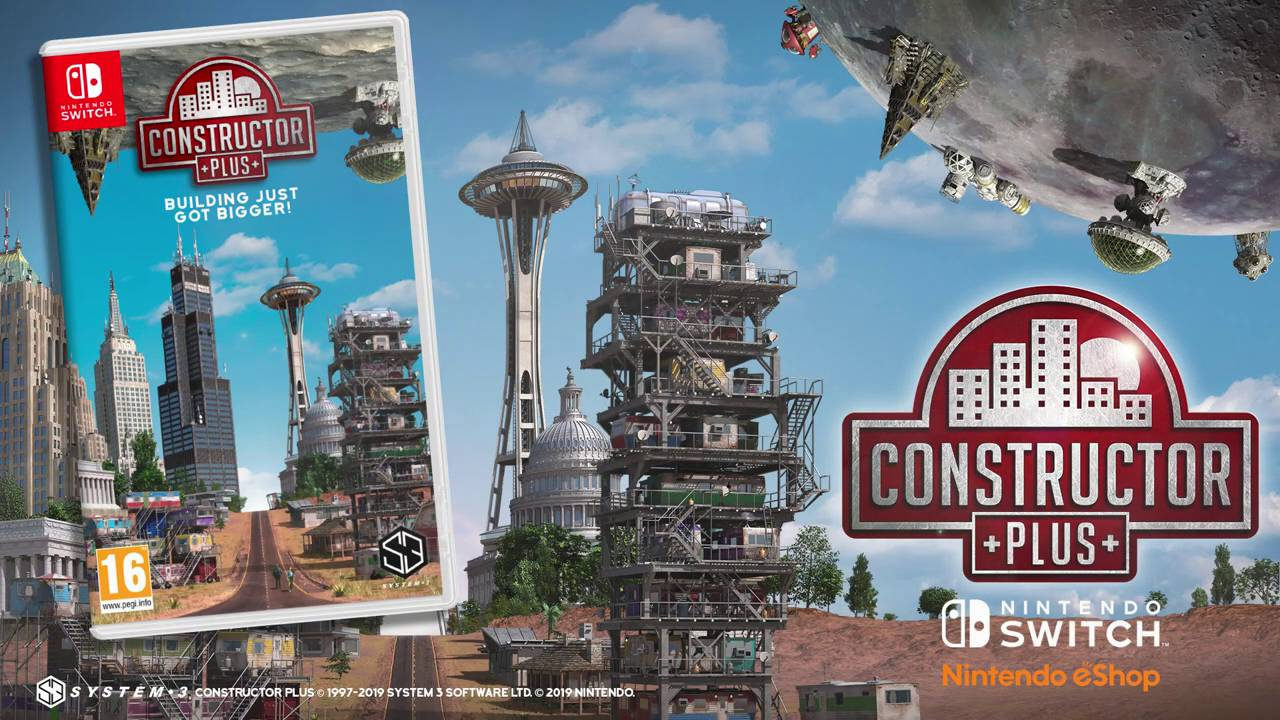
UK-based publisher System 3 has revealed that the planning permissions for Constructor Plus have been firmly secured, with a release date now scheduled for 15th February.
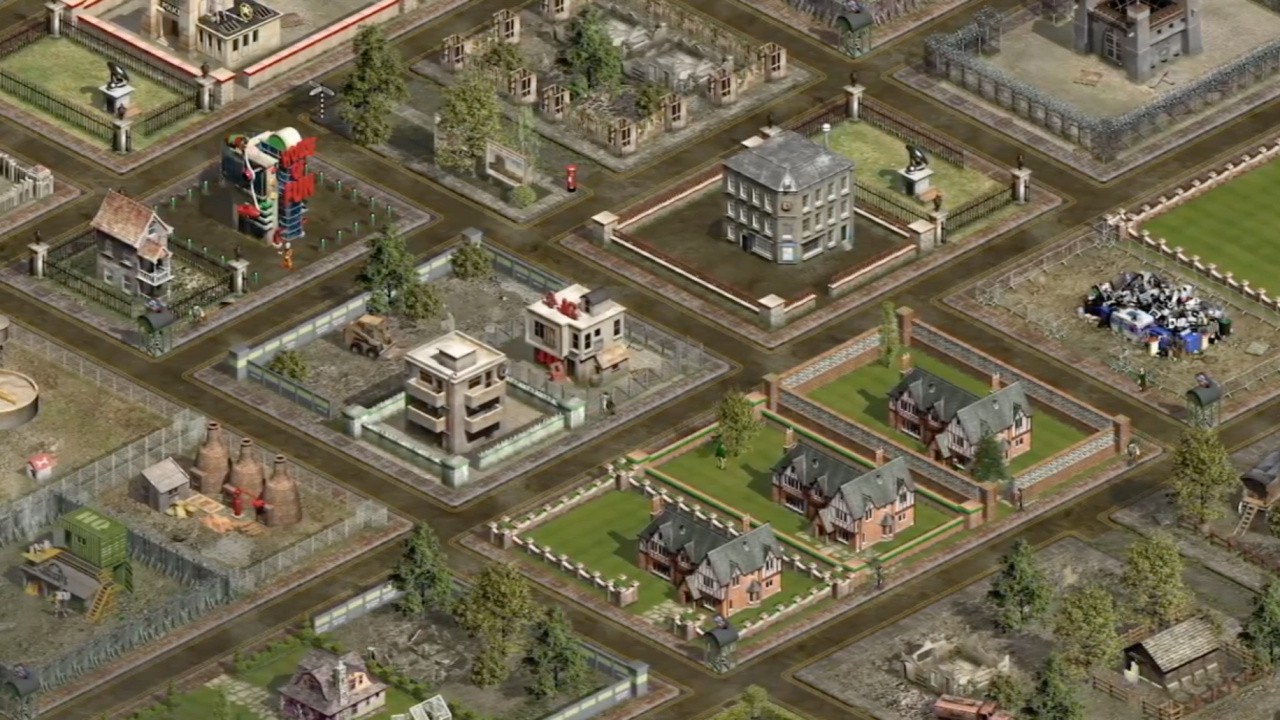
Bringing all the comedy and sarcasm of the original along for the ride (as well as its real-time strategy construction sim gameplay, of course), Constructor Plus arrives on Switch with new buildings, new undesirables, new game modes, and even new planets. To be specific, last year’s Constructor HD had 43 buildings, Constructor Plus has 139; HD had five worlds compared to the 17 featured in Plus; and the game now has 65 new levels of ‘Play’ options with pre-built cities for you to expand.
Mark Cale, CEO of System 3, has said the following in a press release today:
“We’re really happy to be bringing this long-awaited sequel to both our loyal community and a whole new generation of players. The amount of content on offer is unprecedented in the decades-long history of the franchise – and we didn’t even need to hire any hippies to disrupt the competition.”
As noted above, the game is set to arrive on Switch on 15th February; it’ll arrive as a paid-for update on other platforms from the 28th.
Are you a fan of Constructor’s management sim gameplay? Will you picking this one up next month? Tell us below.
The latest batch of My Nintendo game discounts for Europe has now gone live, giving players the usual chance to grab some 3DS and Wii U games at discounted prices.
There are eight games up for grabs this time around, including a couple of Kirby titles, a tasty slice of Professor Layton goodness, and even a relatively early discount on Sushi Striker for 3DS. As always, you can take advantage of these discounts by simply using the required Gold or Platinum My Nintendo Points listed below.
There are no additional 3DS themes or wallpapers included with this new batch of My Nintendo rewards.
Will you be taking advantage of any of these offers? Remember, your Gold Points can also be spent on Switch software directly from the eShop or a Nintendo Switch Online subscription, too.
What do you do if you’ve been fighting with the same people for 20 years? If you’re Nintendo, you hand out some weapons, get an announcer, and invite your friends over to watch.
The Super Smash Bros. series, Nintendo’s perennial Saturday-morning-cartoon take on how fighting video games can work, turns a whopping 20 years old today. It’s a marathon franchise that, as we’ll discuss, shouldn’t really exist. This, despite the fact that its premise has been independently dreamed up on every schoolyard for years: “What would happen if all my favourite video game characters fought each other?”
It turns out, quite a lot happens.
In celebration of 20 years of booms, zaps, and bonks, we’re taking you through each of the five entries in the series, plus the game’s humble beginnings, discussing in turn what made each era special in route to the series’ ultimate entry.
The Inspiration, In Beta, and Being Put Through “The Ringer”
Did you know that Super Smash Bros. is a video game inspired by marbles?
Far more precisely, it is actually the traditional Japanese game Ohajiki that lifelong series director Masahiro Sakurai and the former, late president of Nintendo, Satoru Iwata, based the gameplay of their collaboration on. This core concept would eventually evolve into Super Smash Bros. 64, the very first game in the series.
If you aren’t familiar with it, Ohajiki is typically played with flat, colourful discs on a flat surface. The game has seemingly as many rulesets as there are children who play it, but the rules usually involve flicking the discs between other discs, hitting or not hitting certain discs, and, yes, hitting a disc outside of a boundary.
The story of how this idea of disc-flicking turned into a digital fighter has been told on various Japanese web pages (a refreshingly transparent tradition that Nintendo has continued and evolved for this series), as well as in Sakurai’s own book about game design. The Smash Bros. origin story goes like this: Sakurai, originator of the popular Kirby video game franchise while employed at gaming studio HAL Laboratory, went through his routine paces by submitting projects for Nintendo’s latest home console, the Nintendo 64. Through a series of financial decisions, the least ambitious of his submitted projects would eventually be sped ahead of schedule to fill in the holiday 1998 timeslot (the final product would actually be released early 1999).
The reasoning to go with a smaller project? It was a fighting game concept, which meant it could theoretically come together much more quickly than his other chosen genres. As it was initially a low priority, Sakurai wound up single-handedly designing almost every element of the game himself, while Iwata handled all of the coding by himself, too. The result? Dragon King: The Fighting Game.
Of course, nobody has ever played Dragon King: The Fighting Game, because Sakurai correctly assumed nobody would intrinsically want to play Dragon King: The Fighting Game. Having developed the core foundation for the title: double jumps, shields, on-screen percentages that inform how far a character will fly when hit, and a 4-player battle royal mode, Sakurai and Iwata covertly continued development of their game, some say, well beyond the point of no return.
Then they put Nintendo character skins over all the characters.
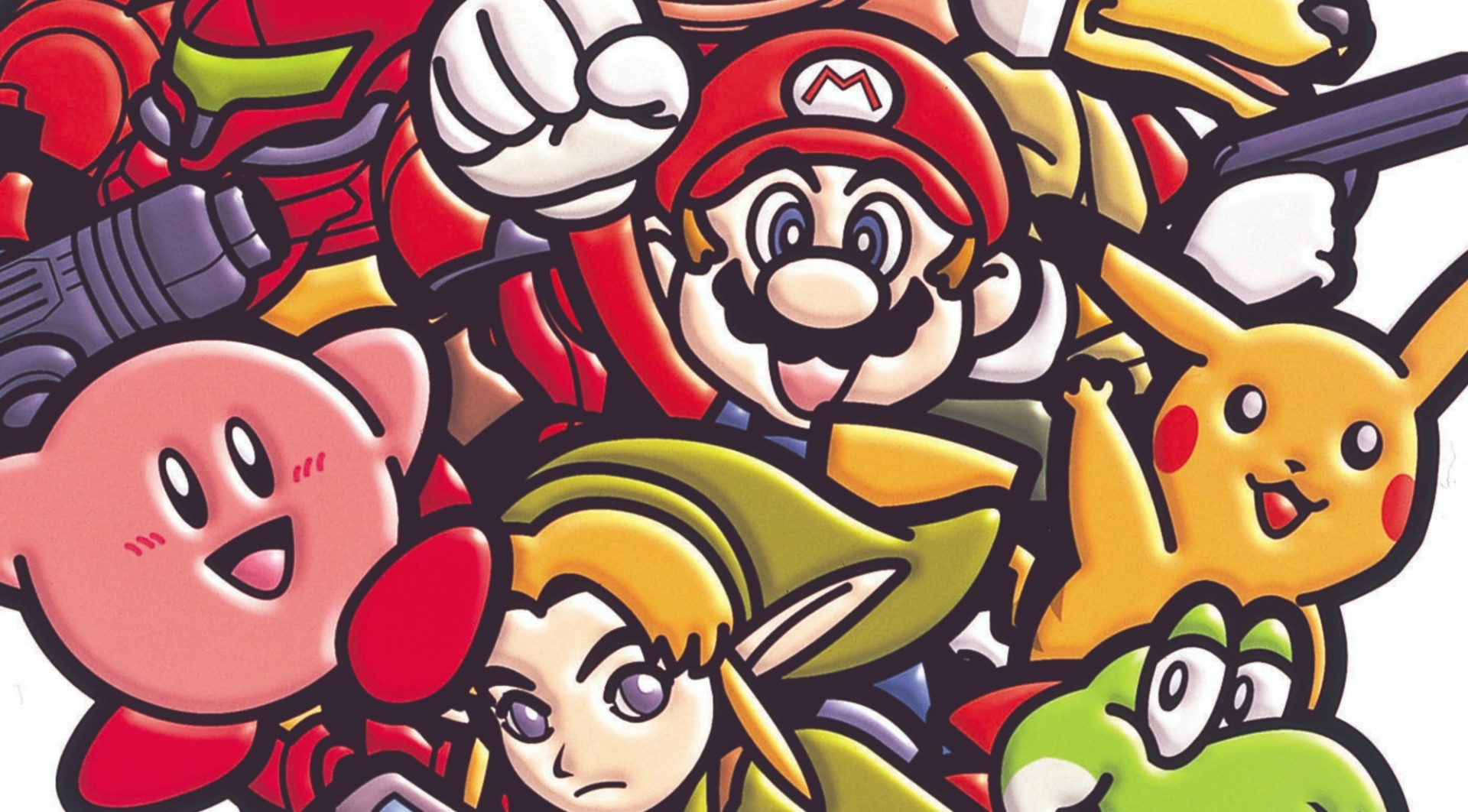
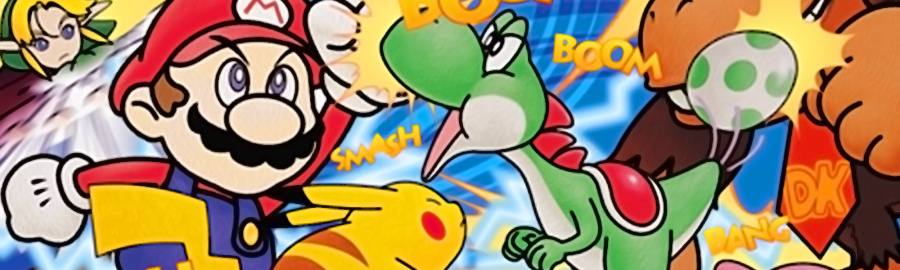
For this, Iwata and Sakurai were said to have been “put through the ringer” by Nintendo, and even some fans. Mario punching Fox? Pikachu zapping Yoshi? Madness. There was just one major problem for its heady detractors: the game was way too fun. Following a concession by Nintendo and a rapid development cycle relative to a major first-party title, the Super Smash Bros. series was officially born, Nintendo characters and all.
What does a fighting game look like? Up until the late 1990s, and largely still, fighting games are mostly a product of what big, honking arcade controllers look like. Largely unchanged for decades, they pretty all had a big stick and between four to six buttons. But what do you do when the fighting game you’re making is controlled with the N64 pad, arguably one of the most unusual controllers ever made?
Video game historians often point out the direct line between original 3D Nintendo titles, such as Super Mario 64, Mario Kart 64, and Zelda: Ocarina of Time, and the plastic controller that was holistically designed to play them. But maybe more impressive is the manner by which series director Masahiro Sakurai backwards-engineered a simple way to play fighting games using that same, bizarre controller.
Gone were the complicated button sequences, or “combos” that fighting game series like Tekken, Street Fighter and Mortal Kombat are known for. In Smash Bros., every single character plays totally uniquely but is controlled in exactly the same way. Further bucking genre conventions, no character has a health bar to deplete. Instead, the goal is simply to stay on the stage any way you can while knocking the other person off. Want to jump? Push up. Need to defend? Even the person in the back of the room can tell you’re blocking; a giant, colourful orb covers your body when you block. Smart, given the screen often has to zoom out to show up to 4 players at once.
As the forefather of the series, Super Smash Bros. 64 is a cartridge brimming with intelligent design. And like all smart designs, you hardly notice it. It’s hard to absorb design decisions when Donkey Kong is winding up to punch you from behind and Pikachu is calling down thunder from above. Spicing up the formula even further are randomly-generated items on the playing field – many hailing from Nintendo franchises – that act as power-ups to whoever can catch them first. Then there are the loud cartoon sound effects punctuated by a literal, invisible audience that cheers and claps as you rumble. Rounding out the stuffed cartridge are mini-game and arcade-style single player options, and even a moveable camera mode that doubled as the pause button. Clever.
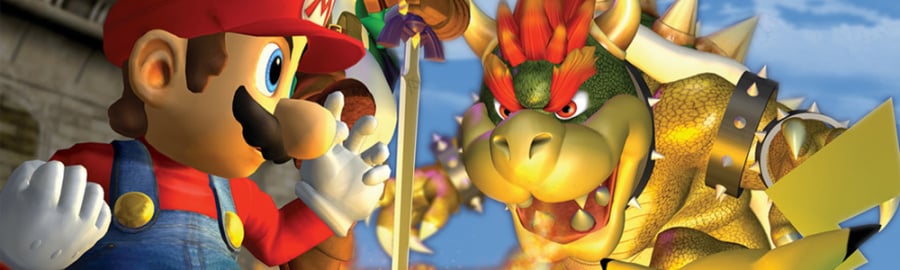
Even when you closed your eyes and imagined it, who knew Mario and Link fighting each other could honestly be this fun? Super Smash Bros. 64 went on to sell five and a half million copies, and was the fifth best selling game in the N64’s history.
Encore! After the runaway success of Smash 64, Nintendo no longer needed convincing turning the game into a franchise, yet things were quickly changing in the video game marketplace.
In 2001, Nintendo ushered in the successor to the Nintendo 64, the Nintendo GameCube. Almost everything about this hardware, outside of its oddball purple colour, was a response to the building criticism of Nintendo remaining too old-fashioned; it had CD technology, edgy marketing and even the strongest processing speed on the market.
Also unconventionally Nintendo? The Nintendo GameCube did not launch with a flagship Mario title, nor even a Zelda title. Instead, Super Smash Bros. Melee launched the week of the console’s premier, taking over the mantle as Nintendo’s marquee thoroughbred. And boy, did it look the part. In fact, many still take for granted just how strongly Nintendo crushed it with this sequel.
Look back on giant technological leaps between a video game and its sequel, and you’ll often find years in between titles as the culprit: Fallout 2 (1998) and Fallout 3 (2008), Metal Gear 2 (1990) and Metal Gear Solid (1998), and Super Metroid (1994) and Metroid Prime (2002) are solid examples. But Super Smash Bros. Melee released a scant two and half years apart from its predecessor, and not only looked fluidly gorgeous on release, but utterly annihilated the production values of the N64 title by every measure
Heck, even the game’s opening title screen is so cinematically over the top, it plays like 6 years of frustration from technologically lagging behind the Sony PlayStation, all gushing out simultaneously into one minute-and-a-half long video.
At its roots, Super Smash Bros. Melee was the original game on steroids; it featured 26 characters, more than double of the original’s 12; it utilized a far more advanced game engine; it had way more items and stages and deeply robust menu options; they premiered new arcade modes; Sakurai introduced a completely orchestrated soundtrack; the game even had a variety of computer animated cutscenes – largely a first for the series and the company. For all its efforts, Melee became the best selling game in the GameCube’s history.
It’s well worth noting that Super Smash Bros. Melee, for its impeccably complicated game engine, jump-started the franchise’s competitive streak. While Melee is no different from its predecessor or successors in terms of multi-player couch-co-op fun, those most committed within the fanbase soon developed advanced techniques in Melee that cement this particular title as the most demanding entry in the series to date. And despite existing in an era before online play existed, early organizations like Major League Gaming helped legitimize the competitive playstyle many Smash players still dazzle with today.
What’s even harder to believe than this entry’s amazing sales numbers is the fact that series director Masahiro Sakurai had no idea it was being made until after the game was announced.
For context, it’s very important to denote the hardware Brawl appeared on. Seven long years would come to pass between Smash Bros. releases. When it was finally announced alongside Nintendo’s new console, it was the Nintendo Wii’s unique motion controller, not Smash, that took the world by storm. Today, the Nintendo Wii is as much a part of the fabric of its decade as music videos were to the ’80s, or as Elvis was to the ’70s. If you weren’t there, you still know a lot about it, and if you were, it’s all anyone would talk about.
Using a sneaky foot-in-the-door technique, Satoru Iwata, by then having ascended all the way to CEO of the entirety of Nintendo, announced the game to the public as a way to convince his old friend Masahiro Sakurai into helming the project. Sakurai quickly agreed out of a duty to uphold his stringent standards, opened an independent development studio, and began a long development cycle that would produce many firsts for the series: early online play, optional motion controls, and an out-of-this-world single-player experience featuring endless fan-favourite cutscenes.
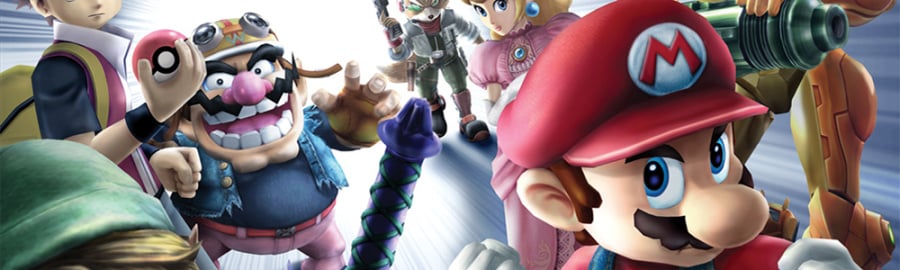
Not to be defined by simple iteration, Brawl featured another important, and at the time, highly unlikely series staple: non-Nintendo characters joining the battle. Did Solid Snake seriously just attack Mario?!
Items (like the newly introduced Smash Ball), stages and characters were serially announced on an official Smash Bros. website, the routine timing of which sent browser refreshing fans into a frenzy. This focus on adding more characters like Sonic the Hedgehog, Solid Snake, Metaknight and Pit greatly raised the total number of fighters from 26 from 37, and the number of stages up from 29 from 41. While the game would earn a reputation for being more accessible due to a toned-down game engine as compared to its immediate predecessor, the world at large didn’t mind; Brawl earned a top 10 all-time sales figure on one of the highest selling pieces of hardware of all time.
Today, perhaps the most enduring of Brawl’s contributions to the series is its mind-melting soundtrack, a collaboration between 38 different composers (!) from inside the gaming industry, featuring over 258 individual compositions.
Japan: September 13, 2014 (3DS), December 6, 2014 (Wii U)
North America: October 3, 2014 (3DS), November 21, 2014 (Wii U)
Europe: October 3, 2014 (3DS), November 28, 2014 (Wii U)
Sale Number: 3DS: 9.35 million, Wii U: 5.35
The newest Smash Bros. game will theoretically always be the most technologically impressive. But depending on how you look at it, Super Smash Bros. for 3DS, the only Smash game to ever appear on Nintendo’s handheld line, might forever retain the claim as the most technologically impressive game in the series.
In 2014, Nintendo was struggling. Its latest home console, the Wii U, was failing to gain traction and needed all the help it could get. Naturally, Smash Bros. was once again called off the bench. The tactic this time around? Nintendo went with its typical “everything-plus-the-kitchen-sink” approach, but hedged its bets by making two versions and marvellously making the core game work identically on 3DS as it did on its home console.
Given there were now 58 characters to house alongside an improved online mode, it’s a marvel that the whole thing fit onto Nintendo’s pocket system. There were still, however, differences between both games. The 3DS title was released two months earlier to reap early adopter enthusiasm, and it featured an exclusive one-player mode called “Smash Run”. It also employed a sort of comic book outline style to go along with its literal 3D visuals on the 3DS screen. As a bonus, there were several stages unique to each version.
Meanwhile, the Wii U version, of course, displayed at 1080p, a series first, and offered up a ludicrous 8-player mode, a barn-burning feature made easier by the fact that Nintendo created a plastic adapter that added 4 GameCube controller ports, a nod to its still growing competitive scene.
Speaking of the competitive scene, Smash Bros. for Wii U not only sped up the gameplay from the previous game in the series, but Nintendo began marketing to the fanbase’s most committed players, arguably for the first time ever. This was punctuated by an event called the Super Smash Bros. Invitational, an ornate tournament featuring over the top spectacle, (relatively) tournament rules, and most importantly, actual professional Smash pros alongside Nintendo’s creators. Statement made.
This is the note Smash 4 will be remembered for as a whole. It trended the series towards modern gaming conventions like esports, online ballots, game patches, downloadable characters (including the ever-popular Cloud from the Final Fantasy series), and a greater emphasis on online interactions. Combined, both versions sold well, the 3DS version carrying much of the slack en route to becoming a top 10 3DS game by measure of sales. The Wii U version, meanwhile, sold admirably, considering the very low adoption rate of the Wii U console. Yet it stands to remain the lowest-selling console version of Smash Bros to date.
Between the release of every Smash Bros. game, opinions differ over what modes or characters should remain, what options are best, and what stages are optimal to fight on. “No more,” presumably thought series director Masahiro Sakurai. The fifth and latest game in the series, announced in March of 2018 for Nintendo’s rebound system, the Switch, would settle for nothing less than conglomeration.
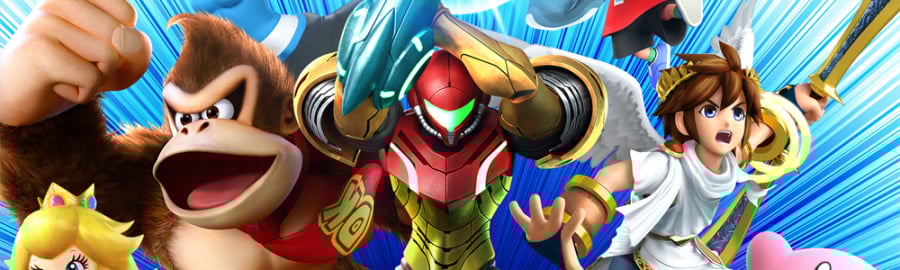
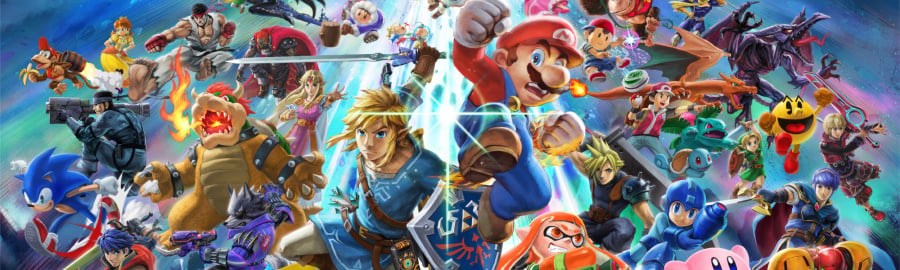
The philosophy of Super Smash Ultimate is right in the name: be the Ultimate title in the entire series. But how can Nintendo possibly hope to top 20 years of video game mascot royal rumbles with certainty? For starters, every single fighter who has ever been in a Smash Bros. game is back in action. That means 76 in total, every single one updated, including an assortment of fan-favourite newcomers (with more on the way). Nintendo made sure to offer unprecedented customization options, along with extremely malleable modes and customizations to appease even the most hardened Smash connoisseur.
And outside of Super Smash Bros. Melee, the game is the most fast-paced in the series, with a strong nod towards “east to pick up, difficult to master” game design. Being this is truly the first Smash Bros. game to release in the YouTube/Twitch era, the results have been fascinating to watch.
And to top off the whole package, this behemoth of an experience can be brought on the go, thanks to the Nintendo Switch’s portability. Having a home console experience like Super Smash. Bros Ultimate on a bus is frankly hard to believe, until it’s in your hands.
And if indeed Super Smash Bros. Ultimate is the last game Masahiro Sakurai creates himself from the ground up, it will cap off 20 years of one of the most improbable creations in all of gaming history. That is to say, Super Smash Bros. is not only a genuine original, a meticulously balanced title in the face of thousands of permutations, and a standard bearer for how licensing in a video game can work, but every single game in the series, to their absolute, purest core, is nothing more than the exquisite execution of a really dumb question: Who would win in a fight between Mario and Link?
Hate to say it, but the answer twenty years later is pretty obvious: everyone wins.
Thanks to Source Gaming for a few key translations of Japanese text.
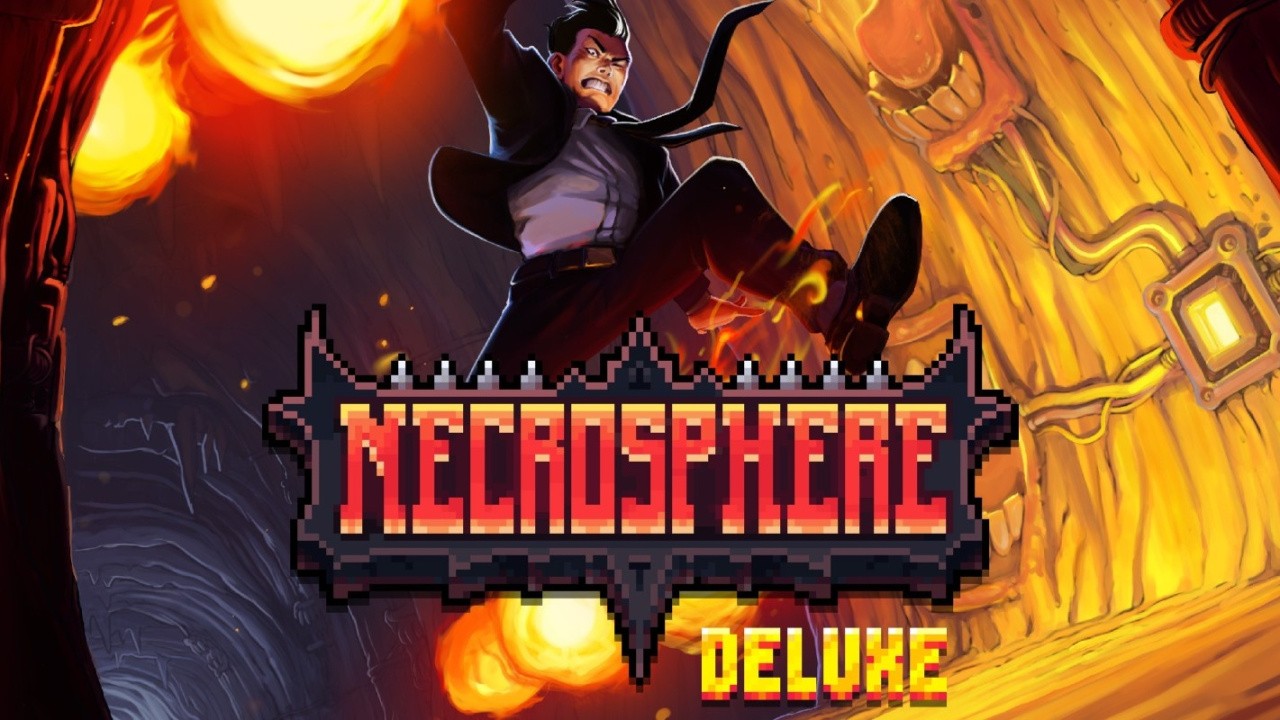
Publishing label UNTIES and indie developer Cat Nigiri have announced that Necrosphere Deluxe will soon be bringing platforming joy and inescapable anger to Nintendo Switch in equal measure.
The game is described as a “retro adventure-platformer” in which players must jump and float their way across lanes of fire and over deadly spikes, bounding themselves upwards with bouncy bubbles and jetpacks. As complex as this all sounds, the entire game only ever has you using two buttons, but we still get the feeling you’ll be dying more than succeeding as you make your way through this one.
This Deluxe version of the game actually kicks things up a notch, too, with a whole new bonus chapter called ‘Terry’s Dream’ being included. In this added level, progress is never saved, so you’ll have to make it through its daunting platforming challenges without touching any of the many obstacles in your way. Good luck with that.
Game Features: – Innovative controls: Only two buttons! – At least 2.5 hours of tough, NO FILLER gameplay! – One big, maze-like universe! – Deliciously frustrating! – Spandex ballet suit!
Necrosphere Deluxe is scheduled to launch on Nintendo Switch on 31st January for $7.99 / £6.49.
Do you like your platformers to be on the challenging side? Will you be giving this one a go later this month? Let us know with a comment.
Dystopias – why do we love them so? We get more than our fair share of them in video games, but when the audience feels like they’re living in Blade Runner already, how do developers keep things feeling fresh? If you’re Sectordub, you ditch the grimy neon and rain for a primary-coloured 2D world and make your robots cute and cloud-shaped. Pikuniku is a primary-coloured platformer with light exploration and puzzle elements, and although the blurb assures us it’s dystopian, you’ll bound through this jaunty world with a grin on your face.
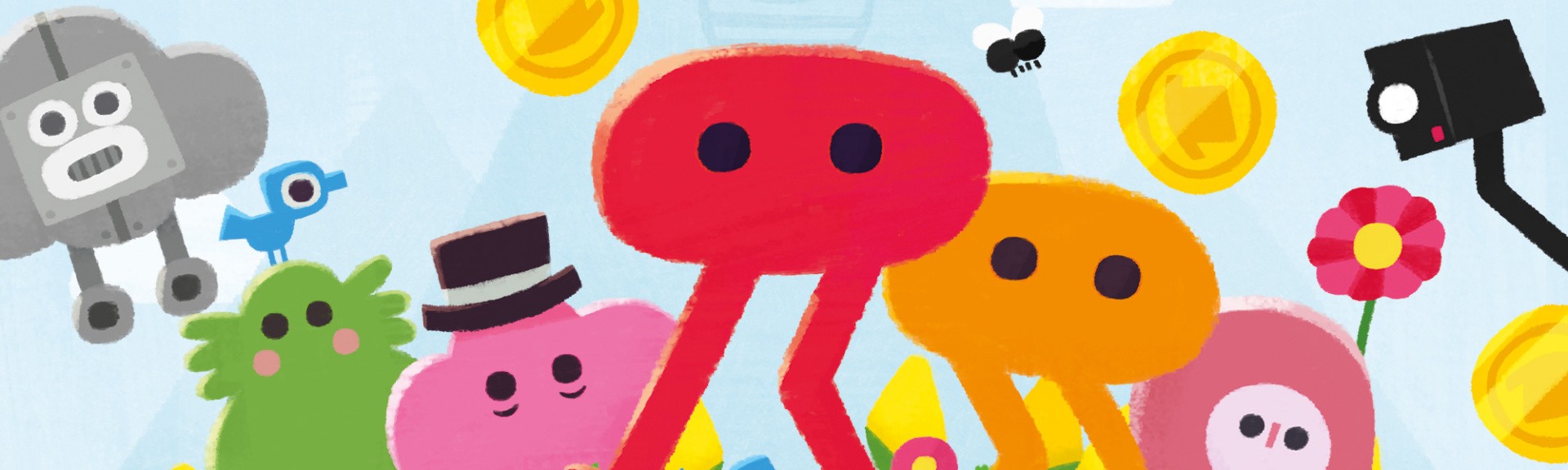
You control Piku, a red cave-dwelling ‘beast’ according to local legend, although upon actually meeting him the villagers discover he’s harmless and lovely. They enlist him to help deal with the industrious Mr Sunshine, a jovial pink dude harvesting the village’s corn crop in return for ‘free money’. What seemed like a good deal at first turns ominous when Sunshine Inc. billboards pop up and he sends his robot minions to collect more and more resources across the world.
The eponymous Piku (joined by yellow/orange clone, Niku in co-op levels) is likeable despite being little more than a red pill with gangly legs. The animation lends every member of the cast an adorable clumsiness as their legs struggle to keep up with their bodies. Jump is on ‘B’ and holding ‘A’ turns Piku into a legless ‘pill’ which rolls quickly over flat surfaces and squeezes into small spaces.
You’ll journey through valleys, forests and mines on your adventure, dropping in on inhabitants in their various abodes and buying swag with the coins you collect. Different ‘hats’ enable you to make progress by, for example, watering a plant to create a platform or drawing a picture. Hats are accessible via a menu on the left shoulder buttons, with a small inventory of collectible items on the corresponding right buttons.
The majority of puzzles involve kicking things with ‘Y’ (buttons, rocks, robots) or pushing objects onto switches to proceed. You swing from hooks by lassoing them with a leg and the floaty physics are forgiving enough to throw yourself around without too much worry. The joy of the game comes from exploration – finding ‘hidden’ passages behind walls with zigzag lines (containing trophies and other goodies) and speaking with NPCs with their endearing lowercase speech bubbles.
Comical boss battles follow the three-hits-and-done formula and a handful of minigames (including a fun little rhythm game) help fulfil the retro call-back quota. You’ll come across more treacherous areas later on, but even the ‘dungeon’ areas are extremely forgiving – Pikuniku is the most accessible, approachable game we’ve played in a long while and with persistence even the greenest of gamers should have no problem getting through it. That’s not to say it’s without challenge, but generous restart points and forgiving level design show that Sectordub is aiming to charm players of all abilities rather than craft real brain-teasers, and on those terms Pikuniku succeeds with flying colours.
And there are certainly plenty of colours flying! The shades and shapes you see in screenshots look lovely in both docked and handheld modes, and Pikuniku owes something to PSP classic LocoRoco in the look-and-feel department, with simple characters and buoyant, elastic animation really popping onscreen. We were surprised to see a couple of framerate dips – it seems the Unity engine underneath is doing more work than the surface might indicate – but it wasn’t a consistent problem. The music is as cheerful as the visuals, although it might grate on the nerves of anyone in your vicinity who isn’t actually playing the game.
Local co-op is self-contained from the solo adventure, with nine different levels, plus a surprisingly addictive basketball minigame. Piku and Niku must negotiate their way to a boat at the end of each stage, sometimes racing in little cars to get there, other times tethered together by a rope. It’s all single screen until players get too far apart and the screen splits down the middle, with the dividing line rotating depending on your exact position in relation to each other – a neat effect. The ability to kick your partner results in the same brand of hilarity we experienced with that other Switch puzzle-platformer, Snipperclips, but where that game can get frustrating in later levels, Pikuniku rarely threatens to damage relationships like some of Switch’s other couch co-op gems.
The solo adventure took us about four hours, although with several collectables to go back for. The co-op levels are separate – perhaps a couple of hours in total, depending on the ability of your partner. Each one offers a completion time, but there’s not a whole lot in terms of replay value, which for some might warrant knocking a point off the score below. For others, though, its gentle gameplay and colourful co-op experience may be worthy of an extra point, especially as a game to enjoy with young kids. Regardless of where you fall on that scale, you’re sure to enjoy your time with Pikuniku.
Conclusion
We struggle to recall a dystopia quite as cheerful as the one found in Pikuniku. It’s a short game, but one packed with heart and imagination, with a great single-player component and excellent couch co-op that can genuinely be enjoyed by anyone. It makes us remember the fun we had cutting pieces from our friends in Snipperclips, but where we occasionally hit a brick wall with that game, Pikuniku sidesteps frustration in favour of a breezy and charming adventure; a perfect salve if you need a break from the backlog, but don’t dive in expecting endless hours of gameplay.
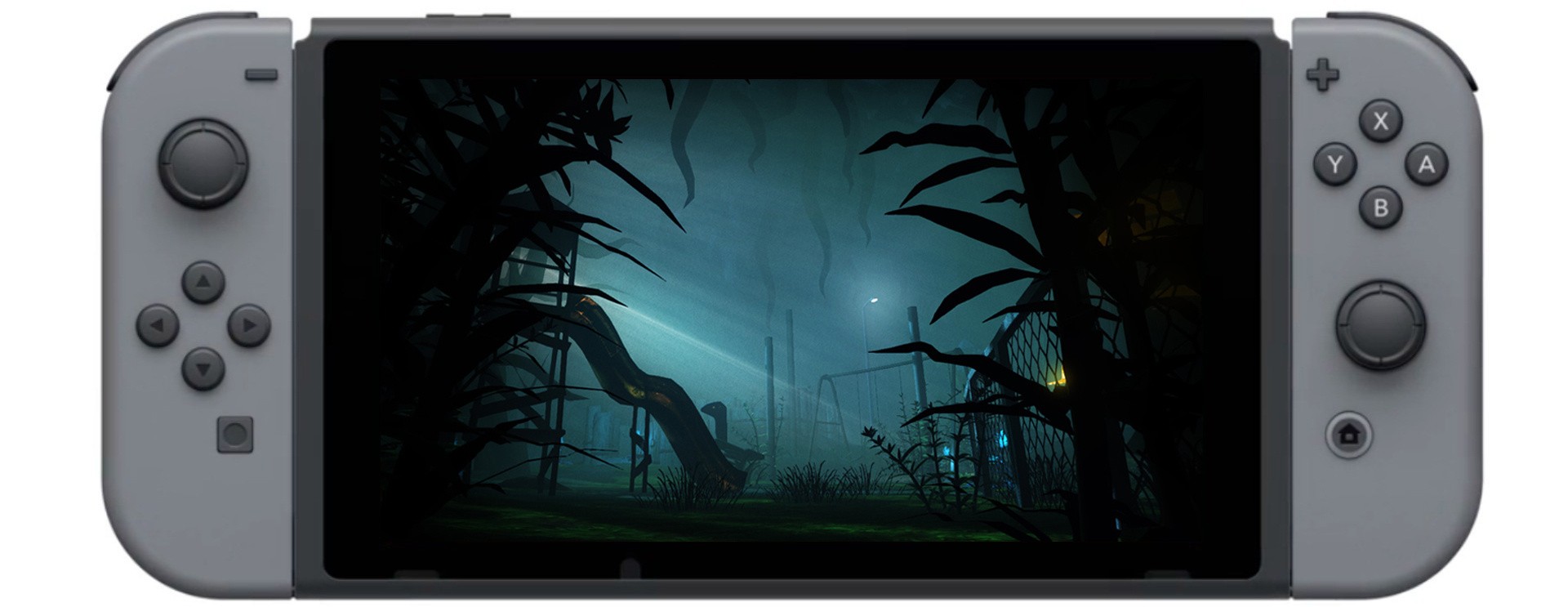
Krillbite Studio has revealed that its award-winning horror Among the Sleep: Enhanced Edition will soon be scaring you silly on Nintendo Switch.
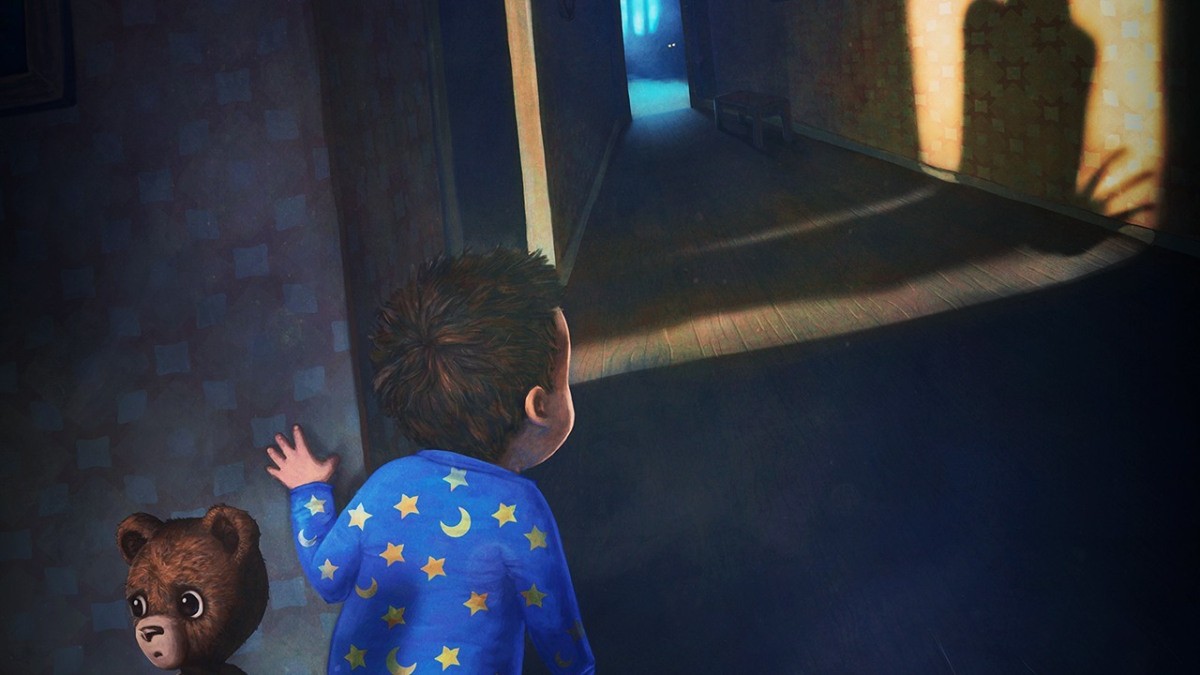
If you’re unfamiliar with this one, Among the Sleep originally launched on PC back in 2014, with PS4 and Xbox One releases arriving shortly after. In the game, players assume the role of an innocent two-year-old who has an unusual teddy bear as his only companion; you, as the child, must wander through your eerily dark house to find your parent. As you can likely tell from the atmosphere in the PlayStation trailer up above, things aren’t quite as cheery as they could be.
Krillbite Studio has shared a blog post detailing the thought process behind the game’s new launch on Switch, noting how fans had been asking for a Switch port despite the studio’s current commitment to upcoming title Mosaic. Luckily, publisher Soedesco proposed a collaboration to help with much-needed resources, and so the Switch port was born.
“It’s been exciting for us to play our game on Nintendo Switch, Soedesco has done a tremendous job with the port. Among the Sleep: Enhanced Edition feels really intimate and personal when playing in handheld mode, and we can’t wait for you guys to try it out on your own consoles. The Switch has turned into a great platform for indie games, and we’re proud to see Among the Sleep up there with so many other great indie titles.”
Among the Sleep: Enhanced Editionfeatures:
– Enhanced edition with new dialogue, better performance & visuals and more – Put the pieces of the puzzle together to find out what has happened to your mother – Creep through threatening environments like a twisted forest and a dark house – Unravel a disturbing story filled with tension, symbolism and psychological horror
No specific release date has been set for the game just yet, although it is said to be arriving on Nintendo’s machine this year. Krillbite’s blog post ends by saying “it’s real and it’s coming and we’ll give you the release date as soon as we know”.
Are you a fan of Among the Sleep? Will you be eagerly waiting for this one on Switch? Let us know your thoughts in the comments below.
ZRZStudio’s latest project Inops is just days away from a release on Nintendo Switch, bringing 2D side-scrolling puzzles to a console near you this weekend.
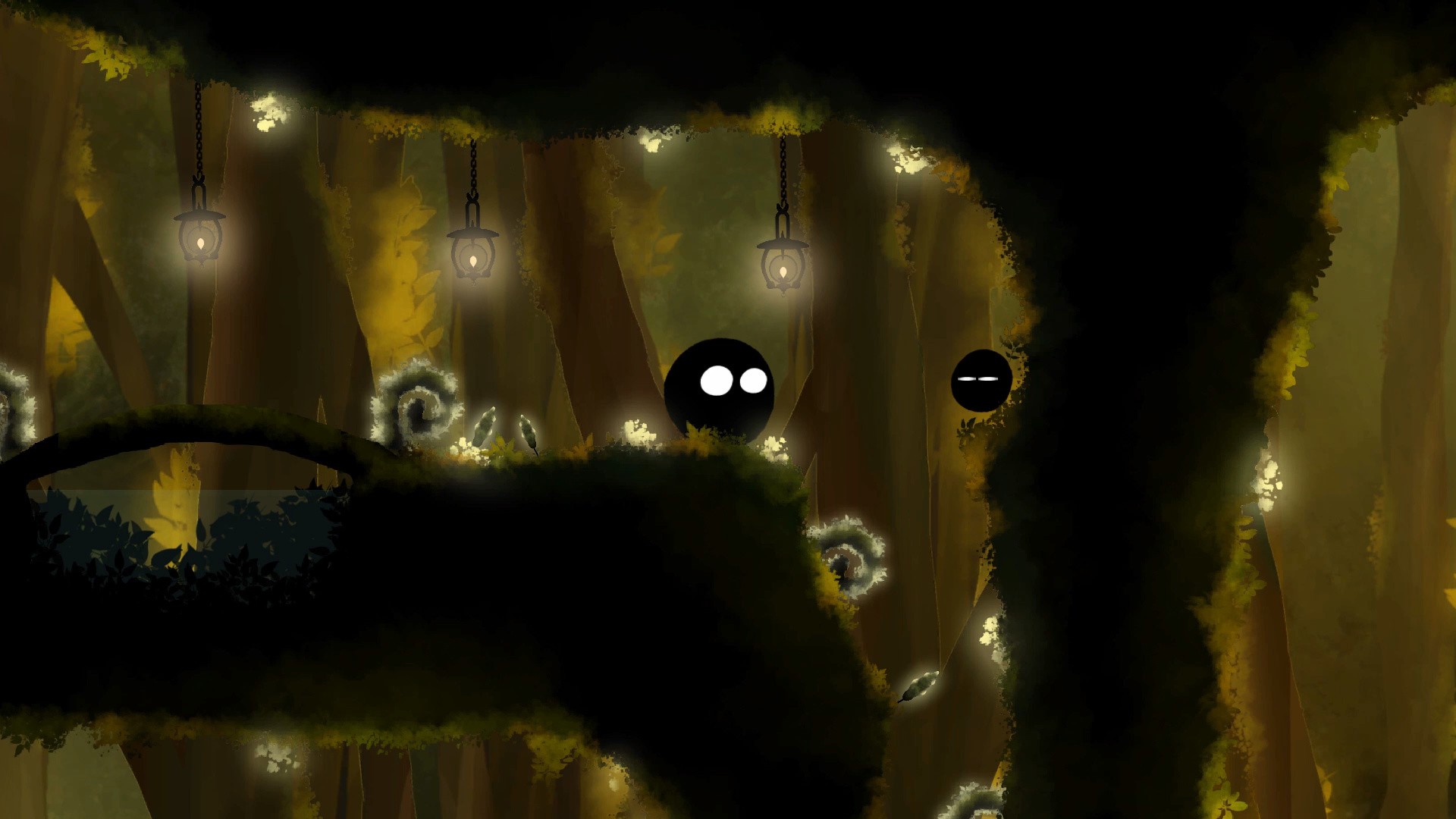
The game sees players escaping from traps, solving puzzles, and dodging a variety of enemies using the Inops’ special ability. This ability enables you to either split into lots of little creatures or make one giant Inop whenever you please, and you can use this skill alongside quirks of the environment to progress. Your goal is to reach the end of each level, saving as many Inops as you can.
Inops is said to be an “adventure of dark and light”, with locations such as the shadowy Mine, the twisty Jungle, and even the extra-terrestrial setting of Elect-City making up your in-game surroundings. If you’ve already watched the trailer above, check out these lovely screenshots we’ve gathered for you below.
The game launches on Switch this Saturday, 26th January, and will be available for £9.99 / $9.99.
Do you like the look of this one? Will you be giving it a try when it releases this weekend? Tell us below.
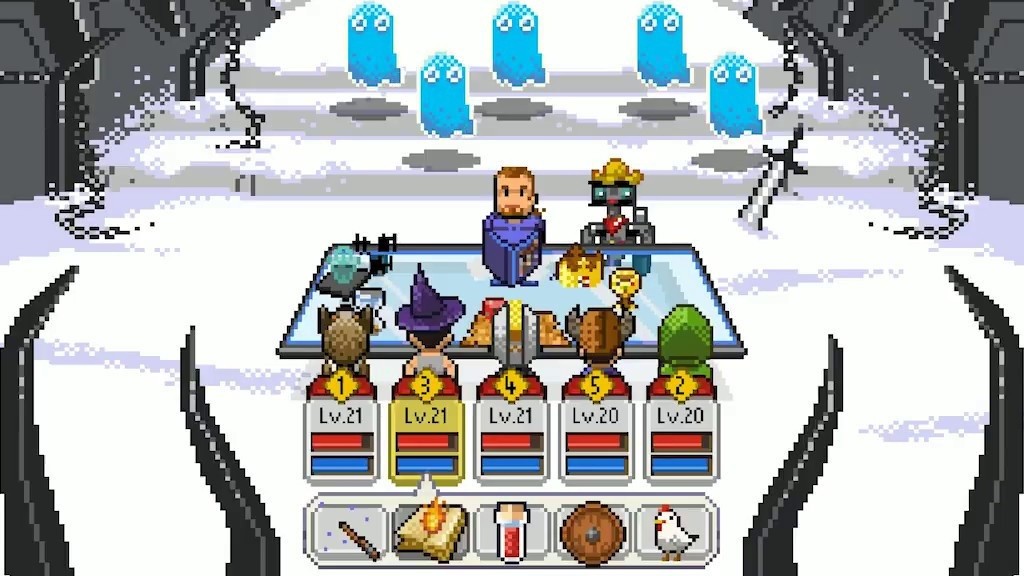
The two games see players setting out on an adventure in a turn-based RPG full of retro inspiration. There are multiple character classes to choose from, such as knights and mages, but you also control an in-game player who is controlling them – expect to find options like grandma or kid brother here.
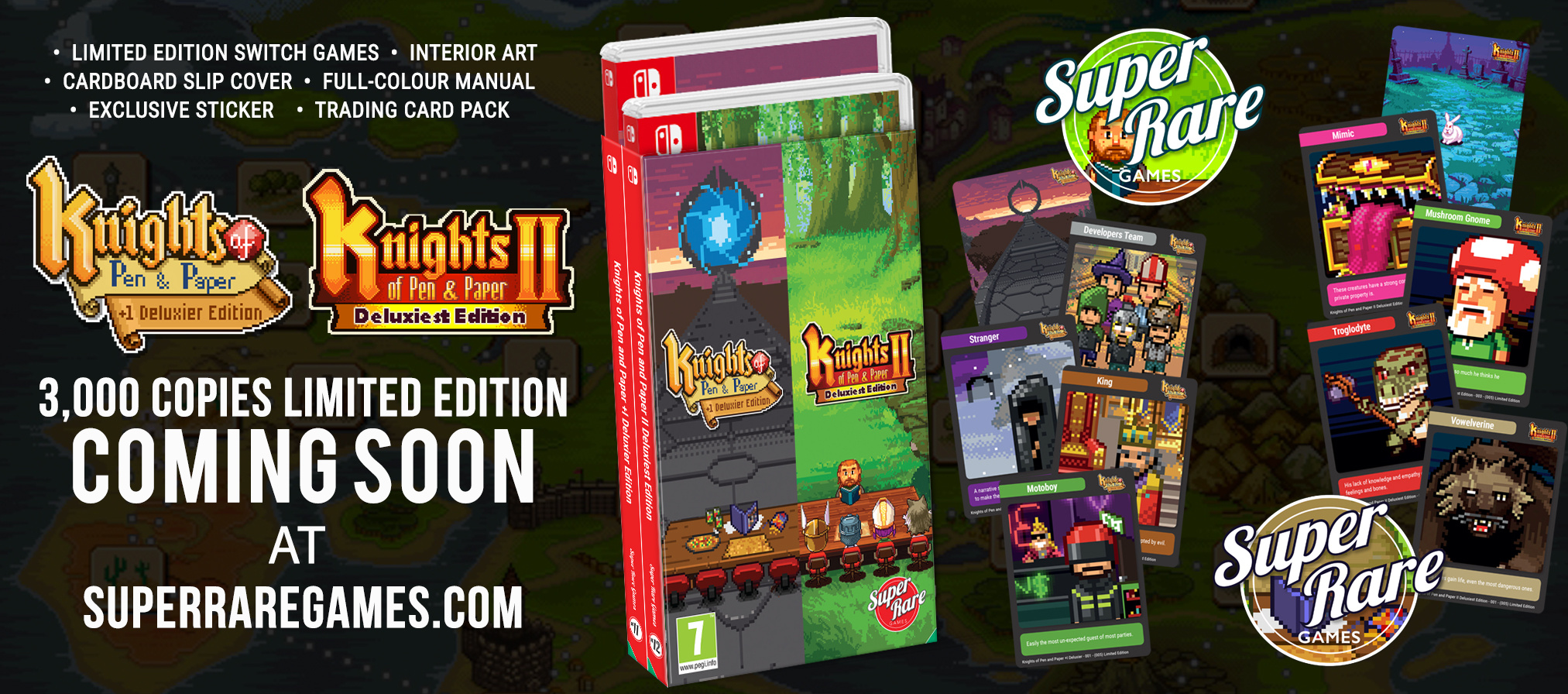
This limited physical release will only see 3,000 copies be manufactured, coming with both games on individual physical carts, as well as interior art, a full-colour manual, an exclusive sticker, and a three-card trading card pack for each game. The bundle will cost you £60 and can be pre-ordered right here from 24th January.
In replies to users on Twitter, Super Rare Games has also confirmed that this set will not feature in the company’s usual three-game bundles thanks to this release’s double-pack nature. Bundle offers will resume from the next release.
Do you collect physical Nindies? Will this one be joining your collection? Tell us below.
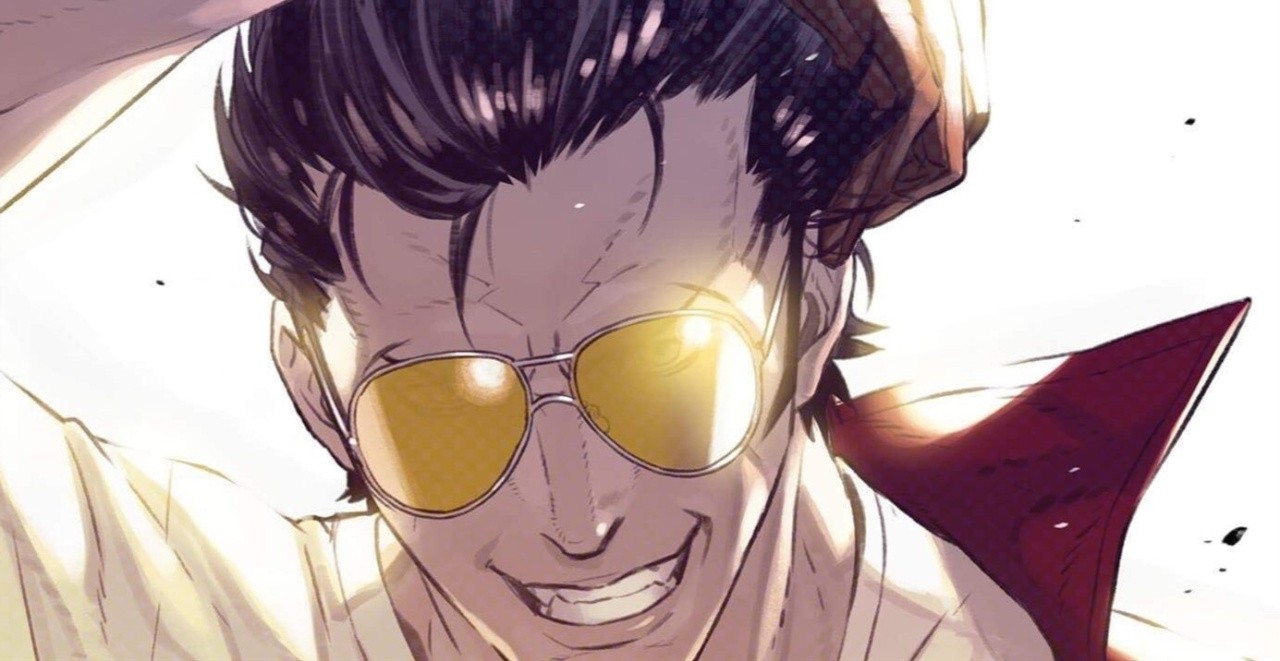
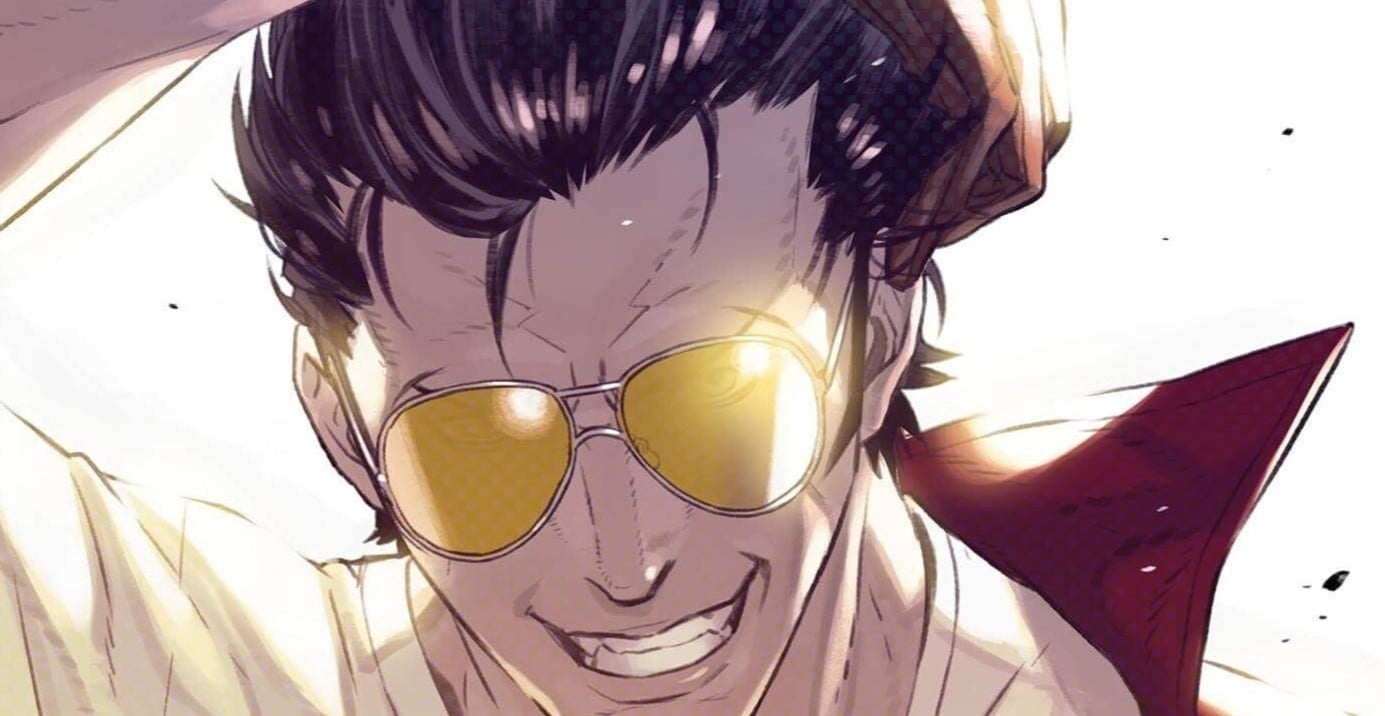
Travis Strikes Again: No More Heroes has only been available on Switch since last Friday, but the game has already received its first update bringing a new mode and extra collectables for players to enjoy.
The update, which brings the game to version 1.0.1, features a New Game+ Mode to provide players with another reason to jump back in for more after beating the game. The New Game+ Mode allows you to transfer all your skills and character levels to a brand new game, as seen in the announcement tweet below.
On top of this, new bonus t-shirts have made their way into the update, specifically for players who have beaten all the bosses in Spicy Mode. If you haven’t achieved this just yet, make sure to add it to your to-do list to snag the extra goodies.
Finally, Grasshopper has confirmed that the update also fixes several bugs “to ensure the smoothest gameplay experience possible”. A modern-day update just wouldn’t feel right without the odd bug fix or two, now would it?
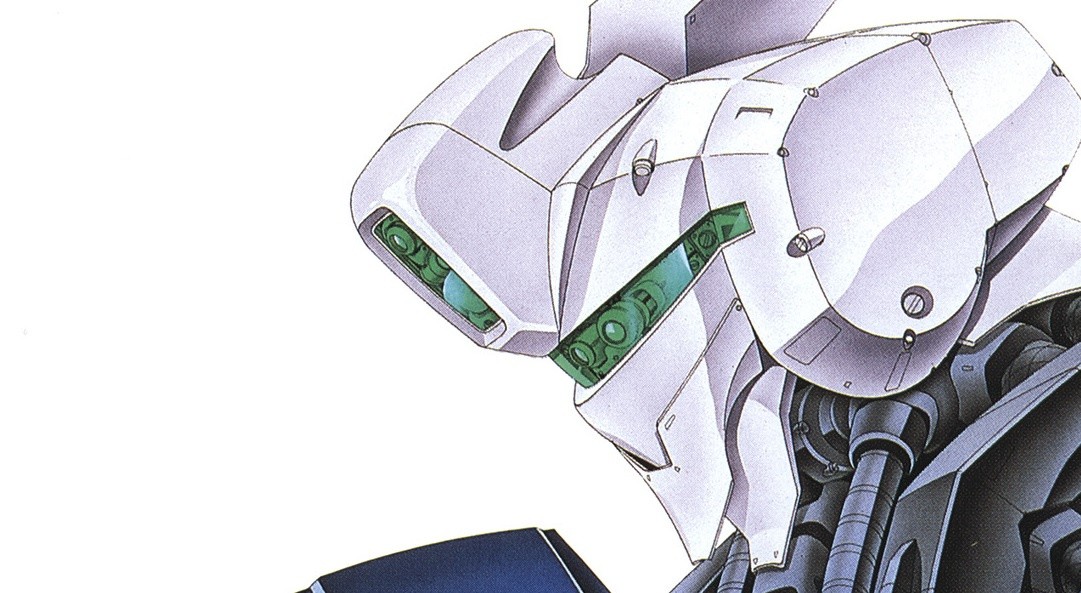
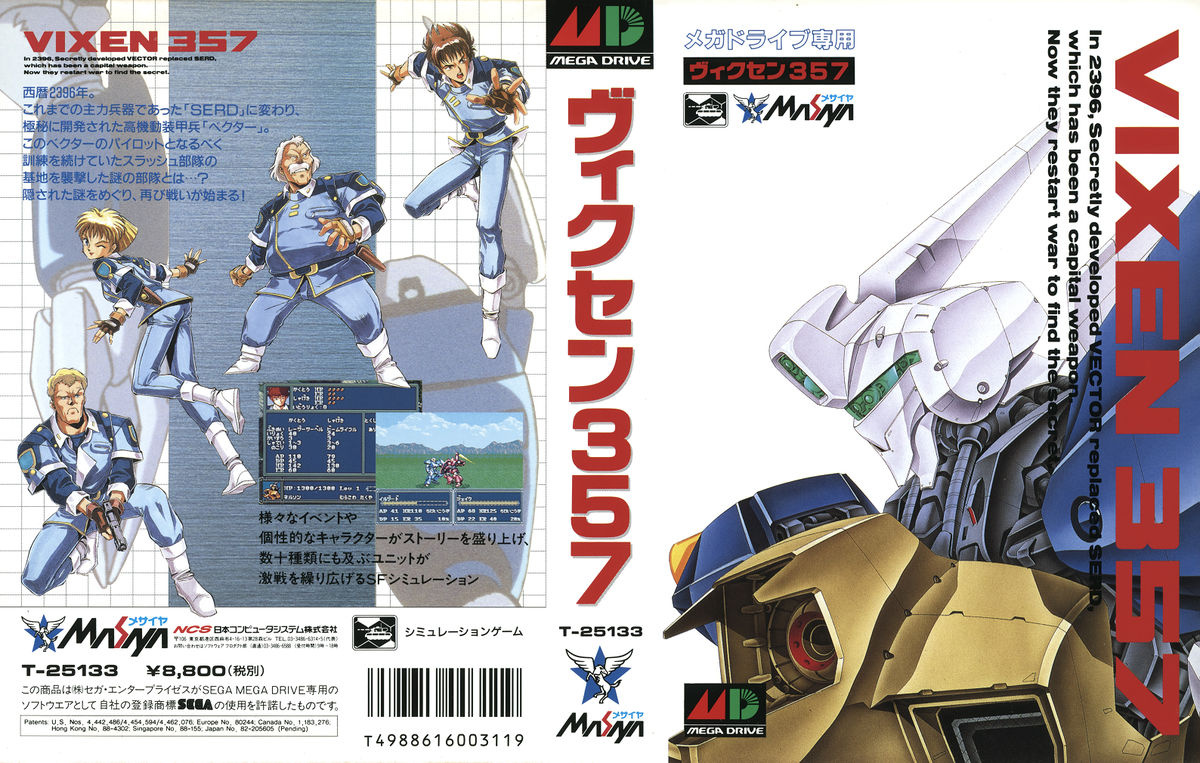
Masaya is a studio that is closely associated with the strategy RPG series Langrisser, a franchise which went head-to-head with Nintendo’s Fire Emblem in the ’90s. However, the company – via Career Soft, one of its internal teams – had been dabbling in this genre for some time before that, releasing Elthlead (PC-8801, MSX2), Gaia no Monshou (PC-8801, PC Engine) and Gaiflame (PC Engine). Indeed, it would continue to explore this style of game even after Langrisser (Warsong in the west) had achieved critical and commercial notoriety, via the 1992 Mega Drive release Vixen 357.
“I investigated Vixen 357 because the Sega Genesis community always has great things to say about the Japanese original, giving it high marks and praise,” Super Fighter Team’s Brandon Cobb tells us. “What I found was a charming cast of characters, a delightful soundtrack and a story I could get into. The more scenarios I played through, the more I thought that perhaps I shouldn’t have shrugged off strategy RPGs all these years, in favour of the more traditional titles. Since my mind was changed about an entire genre after an experience with Vixen 357, I knew it would make a great new product for us.”
The cover of the original Japanese release
While the Langrisser revival might seem like a spot of excellent planning, Cobb insists that one thing had nothing to do with the other. “The timing was literally just me deciding, ‘Feels like a good time for us to publish this.’ I had no idea anything new was going on with Langrisser until well after we already had the contract.”
Super Fighter Team’s forte is taking existing Japanese games and preparing them for western release while digging deep into the code to fix bugs and generally optimise and improve things. However, with Vixen 357, Cobb’s admits there was less work to do. “This game was actually done up pretty tight by the initial developers, compared to our previous RPG endeavours. I didn’t personally feel we needed to rebalance the difficulty, augment the personalities of the characters [or] ‘enhance’ the storyline.”
Therefore, the effort was focused on making sure that the localisation was faithful to the Japanese original. “Translation and script editing for this kind of game is always intensive,” Cobb explains. “The goal is to get everything sounding natively English without disrespecting the source material. That’s what we’ve done here, to great effect: preserving the story, character attitudes and emotions, and the overall tone, without having to sacrifice any of the quality content or vision of the Japanese writers.”
As before, Super Fighter Team will be releasing Vixen 357 on a physical cartridge for Sega’s 16-bit system. Given that many people reading this text right now won’t have access to this vintage hardware, does Cobb have any plans to make the game available elsewhere, such as on the Switch eShop? “We’re in this business to provide new games for classic systems,” he replies. “That is our passion. If it were about the money, we’d exploit the digital download market for sure. But we don’t have any interest in supporting modern-day machines, nor for the ‘faux-retro’ market that’s sprung up in recent years. Call it what you will: eccentric, purist… we call it devotion.”