It’s not too long until the lovely looking Yoshi’s Crafted World makes its debut on the Switch – it’s going to be a tempting purchase on 29th March.
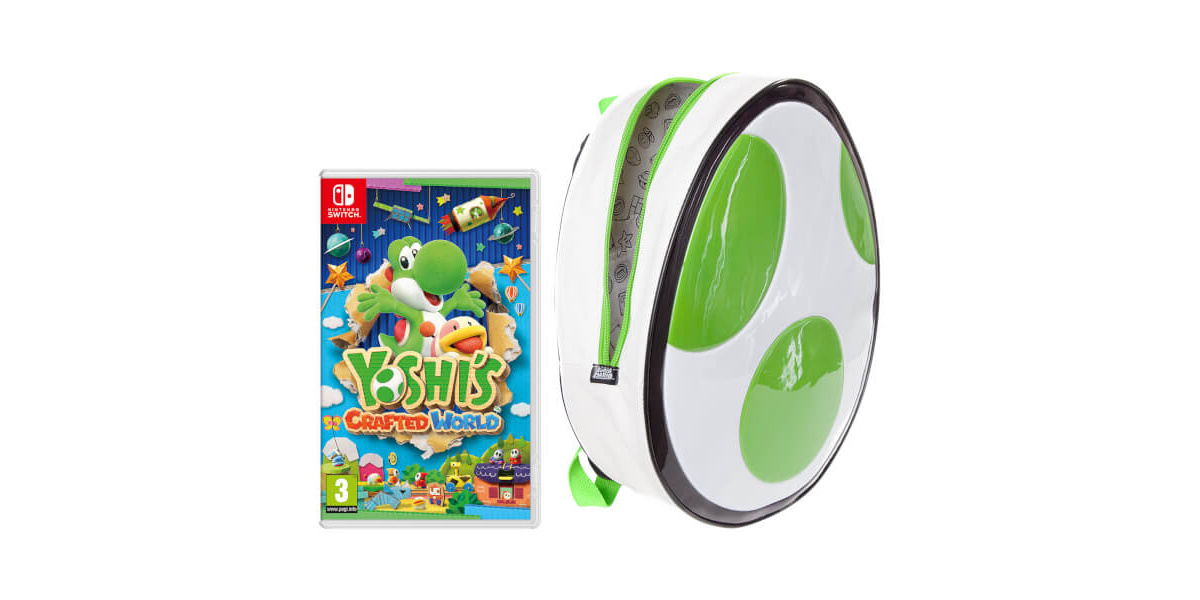
The Nintendo Official UK Store isn’t only offering the game on its own for pre-order, however. You can get a bundle with a lovely little Yoshi’s Egg keychain thrown in, or our favourite bundle which includes the game and a Yoshi’s Egg Backpack for only £59.99. Given that the backpack retails for £29.99 on its own, this seems to be a bit of a bargain.
The bag measures approximately 34cm x 21cm x 10cm, so it will be more than adequate enough to carry your Switch around in style. You can pick up the game and backpack using our handy link below:
Please note that some of the links on this page are affiliate links. If you click them and make a purchase we may receive a small percentage of the sale which helps support the site. Please read our FTC Disclosure for more information.
Let us know if you plan to pre-order Yoshi’s Crafted World with a comment below.
When we first clapped eyes on Yoshi’s Crafted World, we’d be lying if we said our first thoughts weren’t something along the lines of ‘oh look, another Yoshi game’. That’s not to say we didn’t like what we saw, but the Yoshi series has always played things a little bit safe in the past, and at first glance, beyond the art style, one might say the same about this crafty addition to the Switch’s library. Well, now we’ve actually played it – and gone beyond the single level available in the free demo – what do we have to say now?
First off, let’s get the obvious out of the way; the game’s adorable as heck. If you point to anything on-screen that isn’t alive, you can be certain it’s made to look like a child’s arts and crafts project in a way that’s simultaneously realistic and unrealistic. If you don’t know what we’re on about, have a look at some of the screenshots scattered around this article.
It’s an aesthetic that works, and works by the bucketload. If you can stand there and state in earnest that you don’t find at least something charming about the way this game looks, we reserve the right to stand in a similar spot and call you a heartless fiend. The tiny little details from the Shy Guys waving tiny paper butterflies on sticks, to a train being made out of a cola can, it all smacks of creativity, and gives the levels we tried a great sense of consistency.
But enough about the looks, anyone with eyes already knows what a visual treat it is; how does the ruddy thing play? Well, it’s a Yoshi game. It feels almost exactly like Yoshi’s Woolly World for the most part, but it’s in the finer details where things start to change. For one thing, our favourite green dinosaur (or should that be Yoshi?) from the Mario franchise isn’t restricted to just going left and right; in a style similar to a handful of levels in Yoshi’s Story, he can go forwards and backwards through the oft-forgotten Z axis, where the levels allow it.
You’re not allowed to run entirely free, however; you’re only allowed to move along predetermined paths that are clearly indicated underfoot. It sounds restricting at first, but considering every 2D platformer has the same linearity of movement, it’s actually quite refreshing to suddenly go up rather than constantly right.
Eggs now behave quite differently as well; you have free control over the aiming reticule and can aim at quite literally anything you can see onscreen that isn’t the HUD or yourself. Enemies in the backdrop? Throw an egg at them. Coins in the foreground? Throw an egg at them. An inconsequential piece of indestructible scenery to your immediate left? Throw an egg at it, although that won’t do much. Where this benefits the game most is in the hidden collectables, as previous games relied on borderline obscure corners housing invisible winged clouds, but Crafted World adding a whole new dimension (literally) allows hidden items to be hidden in much less convoluted and obtuse manners, but still concealed enough to make finding them a fun little challenge.
We also got to have a go at the ‘flipside’ of a level, where the camera pans around Yoshi 180 degrees so you can see the back of everything as you search for lost Poochy Pups. It’s nice to see the courses from a different angle, and it can help you find collectables you may have missed before, but it’s definitely taken much more of a back seat compared to how it was shown off in earlier presentations of the game. So much so that a previously promoted mechanic whereby two Yoshis ground-pound simultaneously to flip the perspective on command is no longer present. Yoshi’s Flipping Island this certainly isn’t.
Speaking of co-op, we had a pop at that as well. We didn’t get much of a chance to play it for any great length of time, but from what we played it felt quite different. In Woolly World, for example, it could often feel like your co-op partner was either just getting in the way, storming off ahead of you, or lagging behind. We can’t quite say how or why, but in Crafted World it feels a lot more balanced, and you’re able to help each other out a lot more effectively. Naturally, you can still swallow your partner and spit them out into danger; there’s all the sabotage you’d like, so if that’s more your jam, worry not.
All in all, Yoshi’s Crafted World looks like it’s shaping up to be a fine game indeed. The new mechanics are fun and add a bit of a new spin on things, the aesthetic is wonderful, and whilst all of it doesn’t amount to anything revolutionary, it’s still very entertaining and there’s plenty to enjoy for fans of the series. It may well end up being ‘just another Yoshi game’, but if it gets all that right, that’s more than alright with us.
Yoshi’s Crafted World lands on the Nintendo Switch on 29th March.
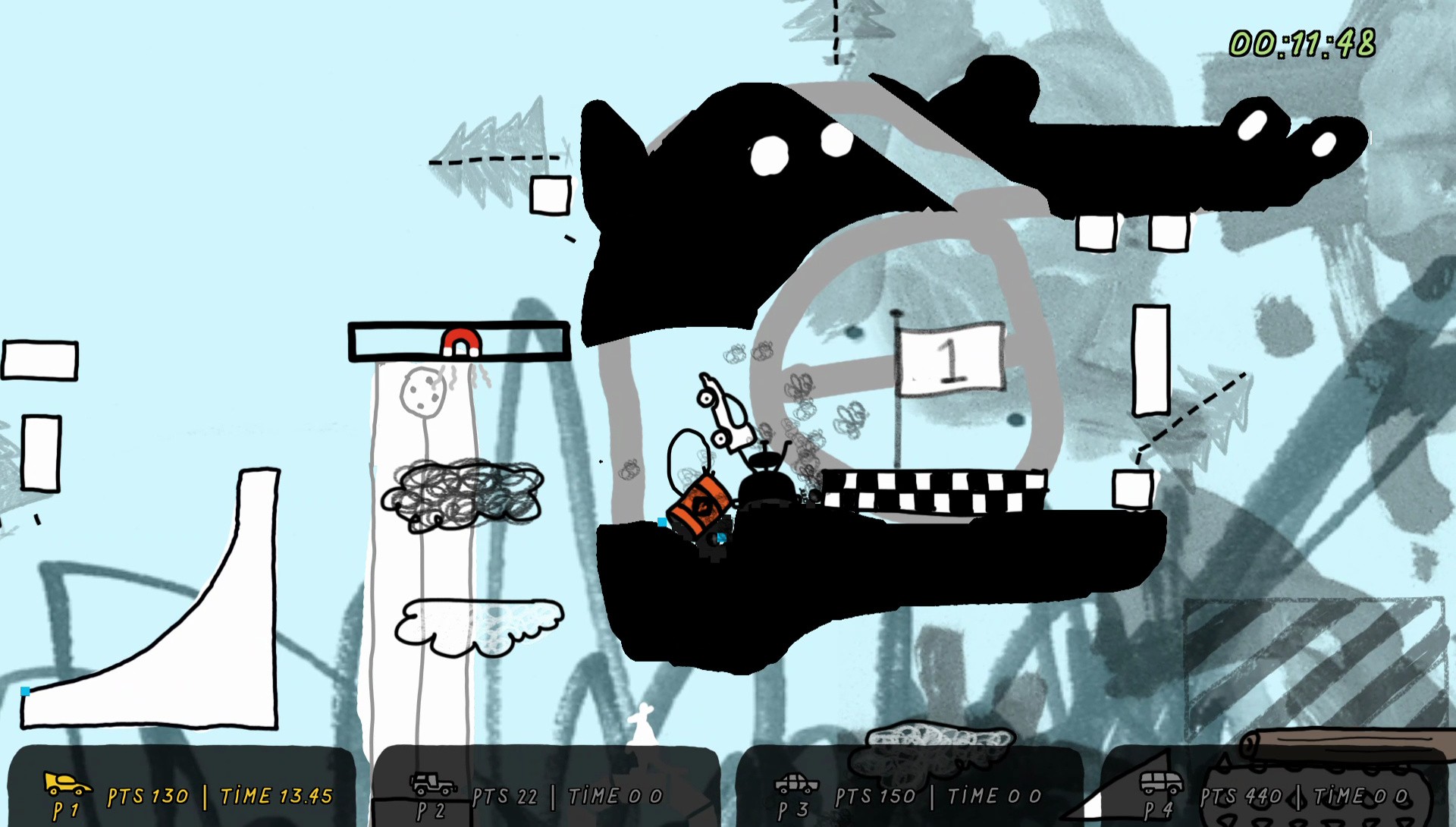
Now this looks interesting. Half racing game, half demented physics puzzler, Fromto is a turn-based racer. Players construct the track in build rounds and then challenge each other with ever trickier designs and alterations. It appears that you all race the same track, so while it’s all very adding ridiculous obstacles and jumps, you’ll have to negotiate it yourself before long. So, there’s a balance to be struck between being an utter git and making something completable. Sounds perfect for some local competitive multiplayer on Switch, then!
The game is from Studio Erikson and that childish art style comes from the developer’s children. Now, before you get too concerned or begin imagining labour practices that might not be be entirely surprising coming from some of the larger companies, this is a family team and the game takes partial inspiration from both the father’s childhood drawings and those of his kids in the present day.
The team’s official blurb gives more details on the background:
Fromto is a very unique 2D racing game (1-4P) from the Netherlands, coming to PC and Switch in Q2. Its special as it was made by a contemporary artist called Erik Habets together his two little kids Niki (5) and Joep (2). They are creating many of the assets for the game and you can clearly see their influence in some crazy gameplay features. This all began when Erik found an old black and white drawing, made by himself at a similar age.
The result is the chaotic racer/builder you see in the launch trailer, and we think it looks very fun indeed. We’ll find out when the game releases in that nebulous ‘Q2 2019’ period.
Like the idea of creating a monster your mates can’t conquer before showing them how it’s done? Let us know if this looks up your alley in the comments.
If you were a fan of the arcade sports action found in Super Mario Strikers for the GameCube, you might be wondering why Nintendo hasn’t given us a sequel yet, given the popularity of football (or soccer) across the globe.
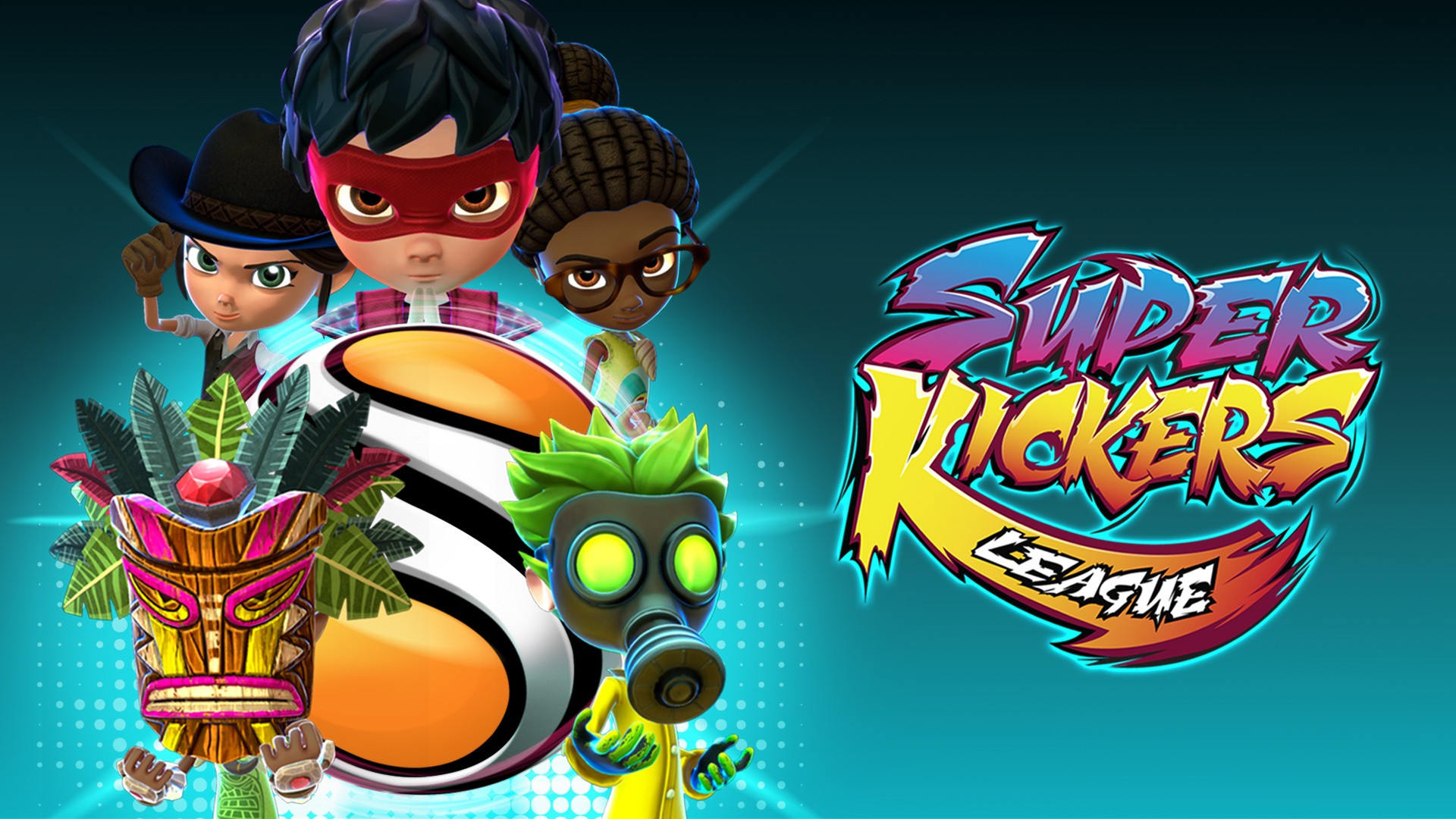
Stepping into the void, Spanish developer Xaloc Studios will soon be bringing Super Kickers League to the Switch eShop, this should scratch the fantasy-football itch quite nicely while we wait for Mario to put on his studded soccer shoes once again.
Here’s a bit more info about the game from the official PR:
‘Super Kickers League’ allows you to play crazy, 3 on 3 football matches, where the only thing that matters is scoring more goals than your opponent!
Inspired by games like ‘Super Mario Strikers’ and ‘Soccer Brawl’, ‘Super Kickers League’ is a new concept, where competing with your friends will be more fun than ever. ‘Super Kickers League’ has great graphics, original retro music and engaging gameplay.
With 3 different game modes, unlockable content, up to 10 teams with special abilities, achievements and a local multiplayer of up to 6 players (4 in the PS4 version), Xaloc have ensured this game is full of excitement -and goals!
In ‘Super Kickers League’ each team has a unique ability. The “Teams” mode is played with a single special ability per team, while the “Kickers” mode, lets you form a team of captains and combine their different abilities, turning the pitch into a real battlefield.
Finally, “Retro” mode allows you to play the game with an orthographic camera and pixel art graphics, transforming the graphics into a much more “classic” format. Features:
– Crazy 3vs3 arcade football matches, in the style of ‘Super Mario Strikers’. – Local multiplayer of up to 6 players (4 on the PS4 version) – 3 different game modes: Teams, Kickers and Retro. – Up to 10 different teams with a unique special skill per team. – Achievements and unlockable content. – Possibility to combine captains of different teams to use their skills strategically. (Kickers mode)
No referees, no rules, JUST GOALS!
Let us know if you plan to pick this up on Switch when it pops up in the eShop with a comment below.
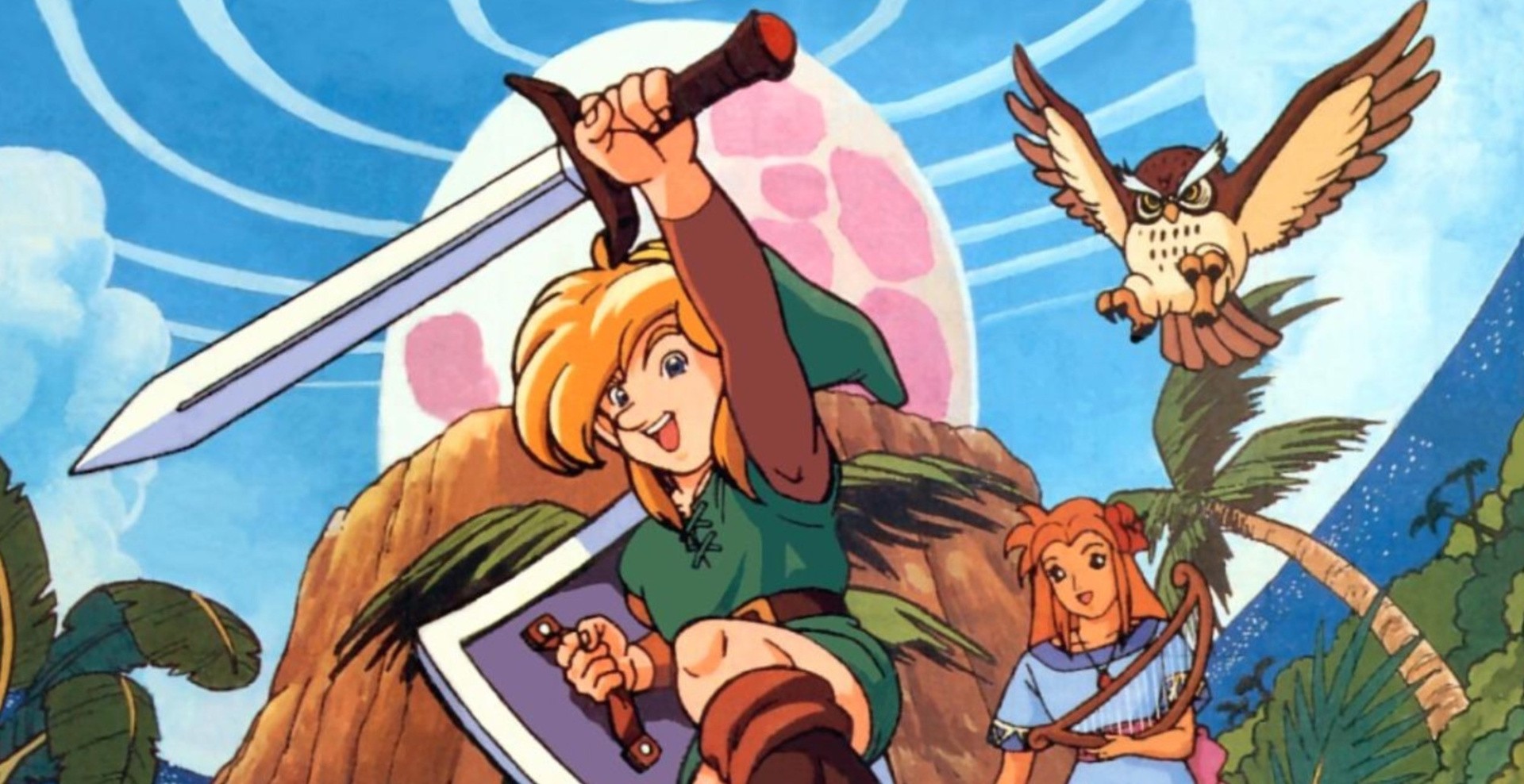
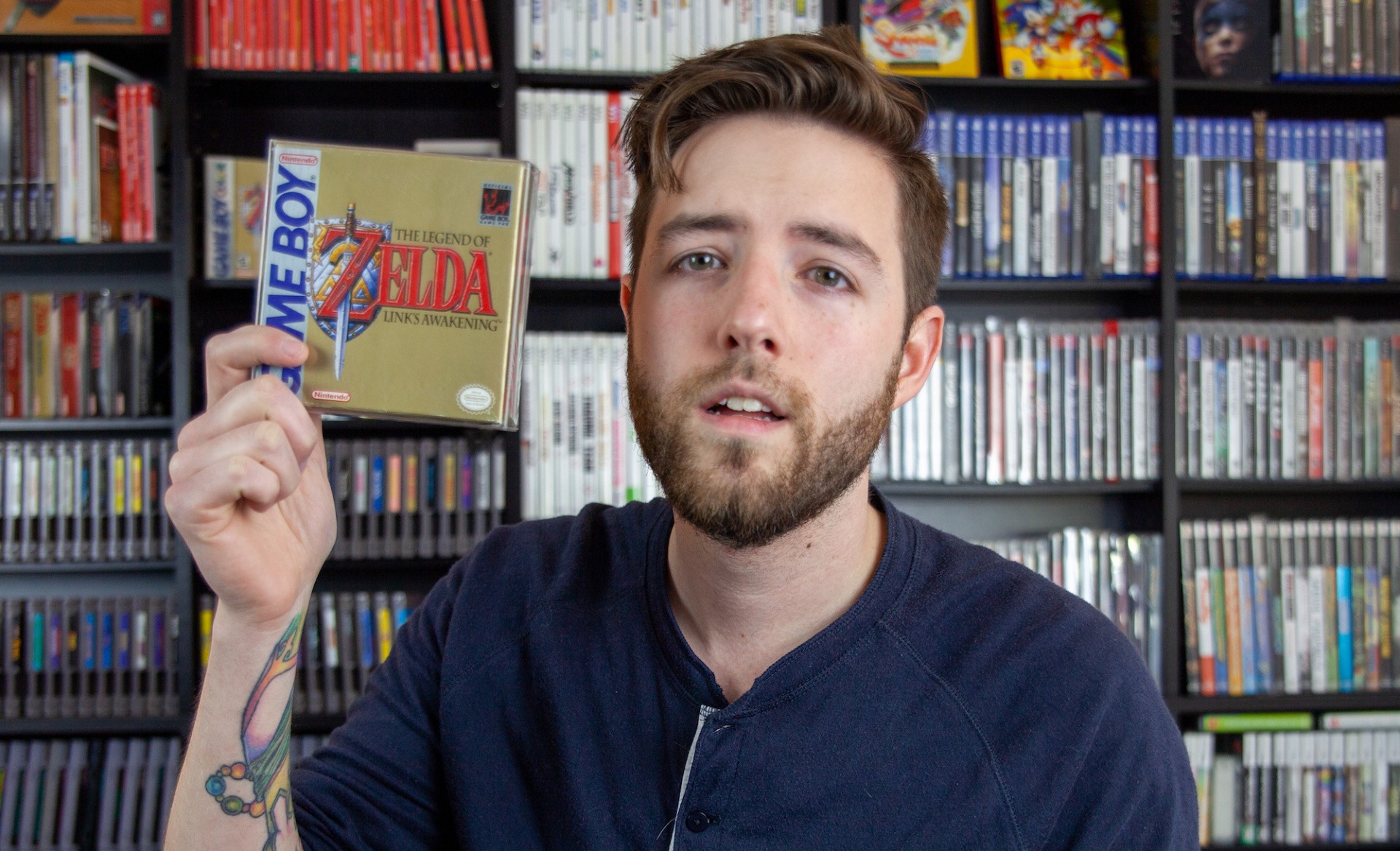
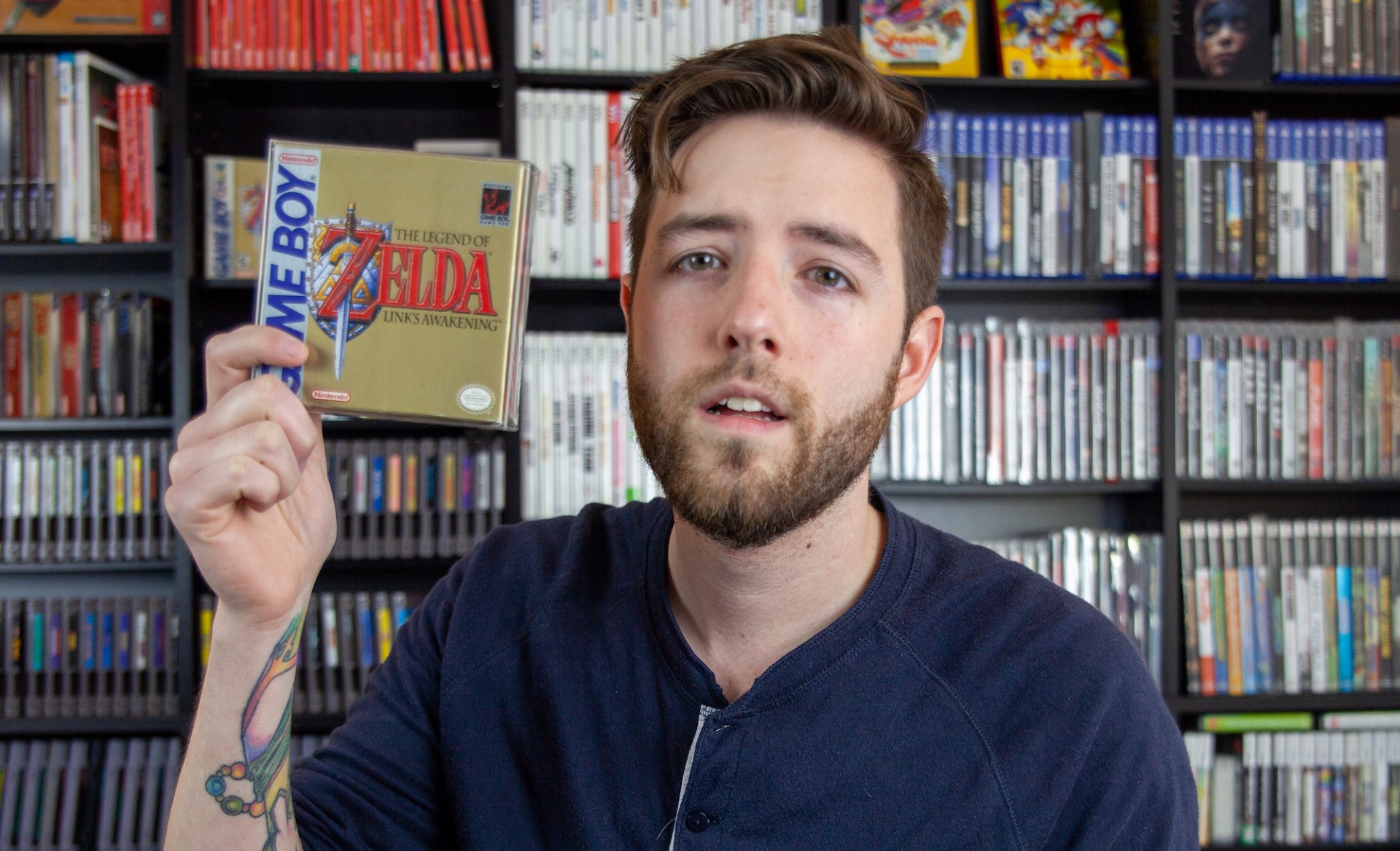
The Legend of Zelda: Link’s Awakening is one of the most beloved entries in the entire Zelda series, so it’s little surprise that the announcement that Nintendo is remaking it for the Switch caused such a stir. The 1993 original remains a masterclass in adventure game design, and we personally cannot wait to get our hands on the 2019 edition of this seminal title.
The news also got us thinking about a previous feature we ran which focused on Jeff Hansen, who was a Nintendo World Champion for the early part of the ’90s. The feature we ran – along with its accompanying short film – was in fact inspired by Zelda: Link’s Awakening; the whole reason we got in touch with Hansen was to speak to him about a press trip we’d read about in a dog-eared issue of EDGE magazine.
The trip – a press junket to promote the game before it launched – involved putting a bunch of games journalists on a cross-country train with the ultimate objective being to discover who could finish it first. While this wouldn’t be a global achievement – the game had been released in Japan a few months earlier – it would still be worth bragging about, and Jeff, thanks to his status as Nintendo World Champion, went along for the ride.
“The train trip was especially exciting because neither I nor my parents had ever done a cross-country train trip before,” Hansen told us last year. “I think they had a hard time deciding which of them would go; usually, my mom would go with me on our trips, so it was my Dad’s turn.”
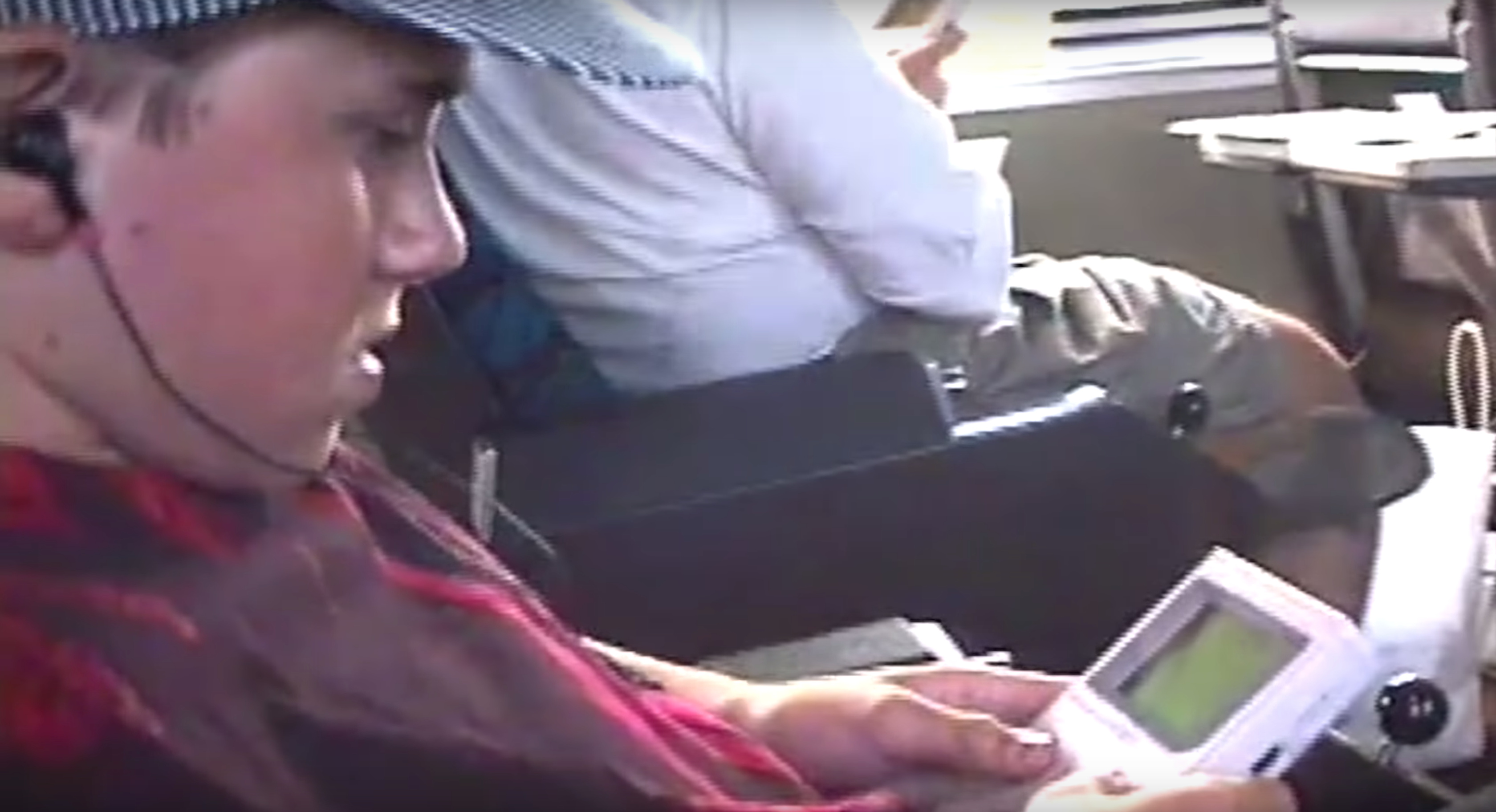
Each person on the trip was given a Game Boy and a copy of Link’s Awakening, which was unreleased in America at this point. “The only people on the train with Nintendo were me, my dad, the Golin-Harris and Nintendo marketing people, and a bunch of journalists,” Hansen explains. “Everyone that participated received a fresh new Game Boy and Link’s Awakening – even my Dad, who played it for about 10 minutes and then went back to reading his PC Magazine. Nintendo had only purchased a couple of rooms on the train that had beds, so we all took turns getting some sleep.”
Jeff on his way to finishing the game
While it all sounds well-organised, a spanner was thrown into the works early. “The original plan was to go from New York City to Los Angeles, but shortly before the event, there was a major bridge on that route that collapsed, killing many people,” says Hansen. “So plans were changed to go from New York City to Seattle instead. We were a little scared to embark on the trip after hearing the news, but we were also glad that we weren’t the ones on the bridge when it collapsed. There were several major stops along the way where we would wait for hours at a time before embarking again, and some journalists came and went at the Chicago stop.”
During his video game glory days, Hansen’s usual tactics when approaching a new game often involved collaboration with like-minded gaming friends, but that wasn’t something he could rely on in this situation. “There weren’t any of my usual friends to ask for help, and there certainly wasn’t anything I could Google to get hints back then,” he says. “There were a couple of Nintendo Counselors that rode with us on the trip, so I was able to ask for a couple of tips from them when I got stuck at the very beginning of the game. After that, though, it was smooth sailing.” Hansen’s talent – which had bagged him multiple World Championships by this point – took over. “The only thing I really cared about was getting into the game and beating it,” he recalls. “I was so occupied that I didn’t pay much attention to the outside world until I beat the game half-way across the country.”
It wasn’t just prestige that Hansen was competing for here – there was a monetary prize on offer. “Nintendo had announced that the first person on the trip to beat the game would be awarded $1,000, so that was a big part of my motivation for spending every waking hour towards beating it first,” he explains. Sadly, despite being the first person to complete the game (you can watch that exact moment here), the money wasn’t forthcoming. “Unfortunately, there wasn’t really any incentive for Nintendo to give me – the only non-journalist – the money, so I was a little disappointed to find out that I did not qualify – after I had beaten the game! I recall that there were several others that also beat it before we arrived in Seattle, and the first one to do so after me was declared the official winner.”
While it’s unlikely, it would be amazing to see Nintendo revive this unique promotional event for the upcoming Switch title.
Sure enough, there was a DLC announcement at EVO Japan 2019, which recently took place in Fukuoka.
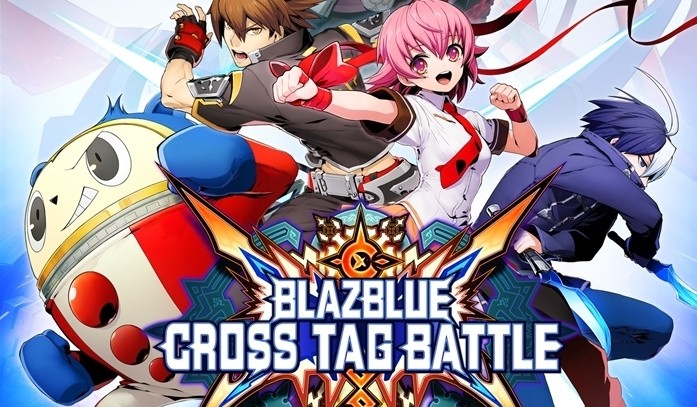
Arc System Works revealed Naoto Kurogane (BlazBlue: Central Fiction), Teddie (Persona 4 Arena), Seth (Under Night In-Birth) and Heart Aino (Arcana Heart 3) will all join BlazBlue: Cross Tag Battle as DLC fighters this Spring in Japan.
Keep an eye out for more details about these fighters in the near future. In the meantime, check out the frantic update clip below and tell us if you’re still enjoying BlazBlue: Cross Tag Battle on the Switch, or have perhaps moved onto another fighter.
Ever since the release of Pokémon GO in the summer of 2016, the Pokémon brand has been going through a period of transition. There’s been a handful of mobile games ranging from the simplistic Magikarp Jump to the surprisingly complex Pokémon Duel. We’ve seen the company’s mascot turn into a master detective, soon transitioning to the big screen and voiced by one of the most famous actors around. Despite the Pokémon Company branching out of their usual comfort zone, they’ve stayed true to their origins with a lovingly remade version of Pokémon Yellow in the form of Pokémon Let’s Go, capturing the nostalgia of fans that have been there from the start, as well as those ready to begin a new adventure.
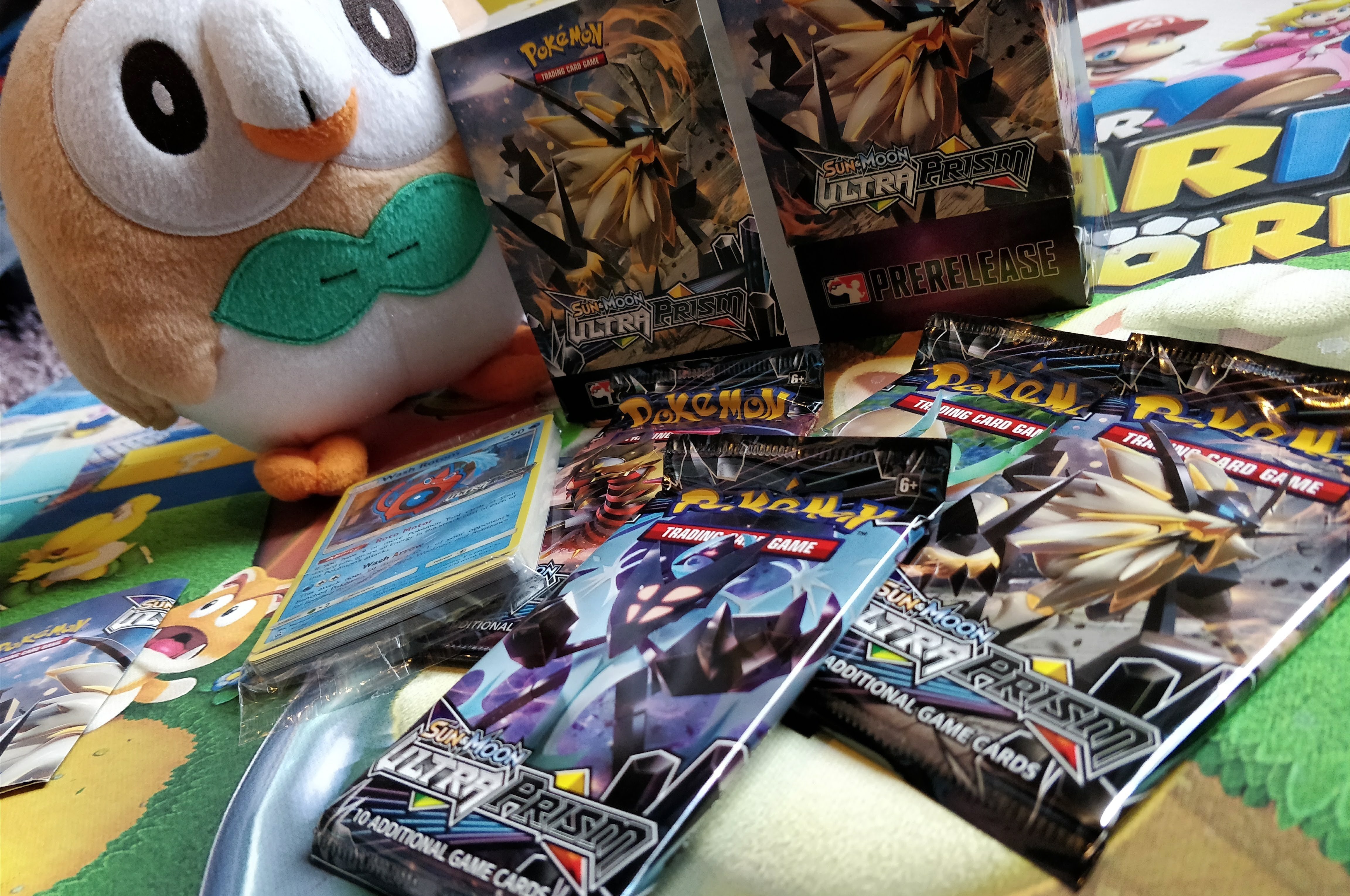
Pokémon is no longer just aimed at children. Staying relevant for twenty years is no mean feat and is a long way past being just a ‘flash in the pan’ fad. Pokémon GO continues to make millions of dollars a month in revenue and with a blockbuster premiere around the corner and the imminent announcement and subsequent release of ‘Pokémon Switch’, it’s sure to maintain appeal for some time to come. However, one element of Pokémon’s brand that could appear less innovative than the rest is the Pokémon Trading Card Game.
No game in the Pokémon series – from the humble Game Boy, right through to 3DS – could be considered a failed release, namely because The Pokémon Company continues to keep things fresh. What started as a children’s game – and the realisation of one man’s boyhood adventures – Pokémon has transcended its intended origins, appealing now to a much wider audience. Unlike the games though, the TCG faces the possibility of being left behind due to a lack of innovation. Whilst games like Magic the Gathering and Yu-Gi-Oh have innovated with different styles of play and accessible digital game variants, Pokémon appears to fail at offering an efficient modern take on one of its most iconic form factors.
Clearly, Nintendo and the Pokémon Company have the desire to continue creating Pokémon cards for some time; evidenced by the carefully balanced game, their beautifully designed artwork, an easy method of play, and of course the revenue the market generates. 2017 saw Pokémon card sales surpass £100m in Europe alone, holding an 82% share in the strategic card game market. That money isn’t just pocketed; the combined prize pool for the TCG, and the two video games – Pokkén Tournament and Sun and Moon – was over $500,000 last year, with the world championships held in Nashville, Tennessee.
With these sorts of numbers flying around, it may be tough to see what The Pokémon Company is doing wrong. Sales may be good, but active player numbers are sketchy. The Pokémon Company hasn’t released just how many have downloaded the Online Trading Card Game, and in some countries, there are so few places offering official league play that’s it can be tough to find anywhere at all. According to Pokémon.com, within central London and the surrounding areas, there are only two venues offering league play on a weekly basis, compared to almost a dozen when compared to Magic the Gathering.
It could be argued that there’s only so much innovation that can be achieved from a card game, but with such a solid foundation to build upon, there’s a lot that can be done to evolve the game into a standout pillar of the Pokémon franchise.
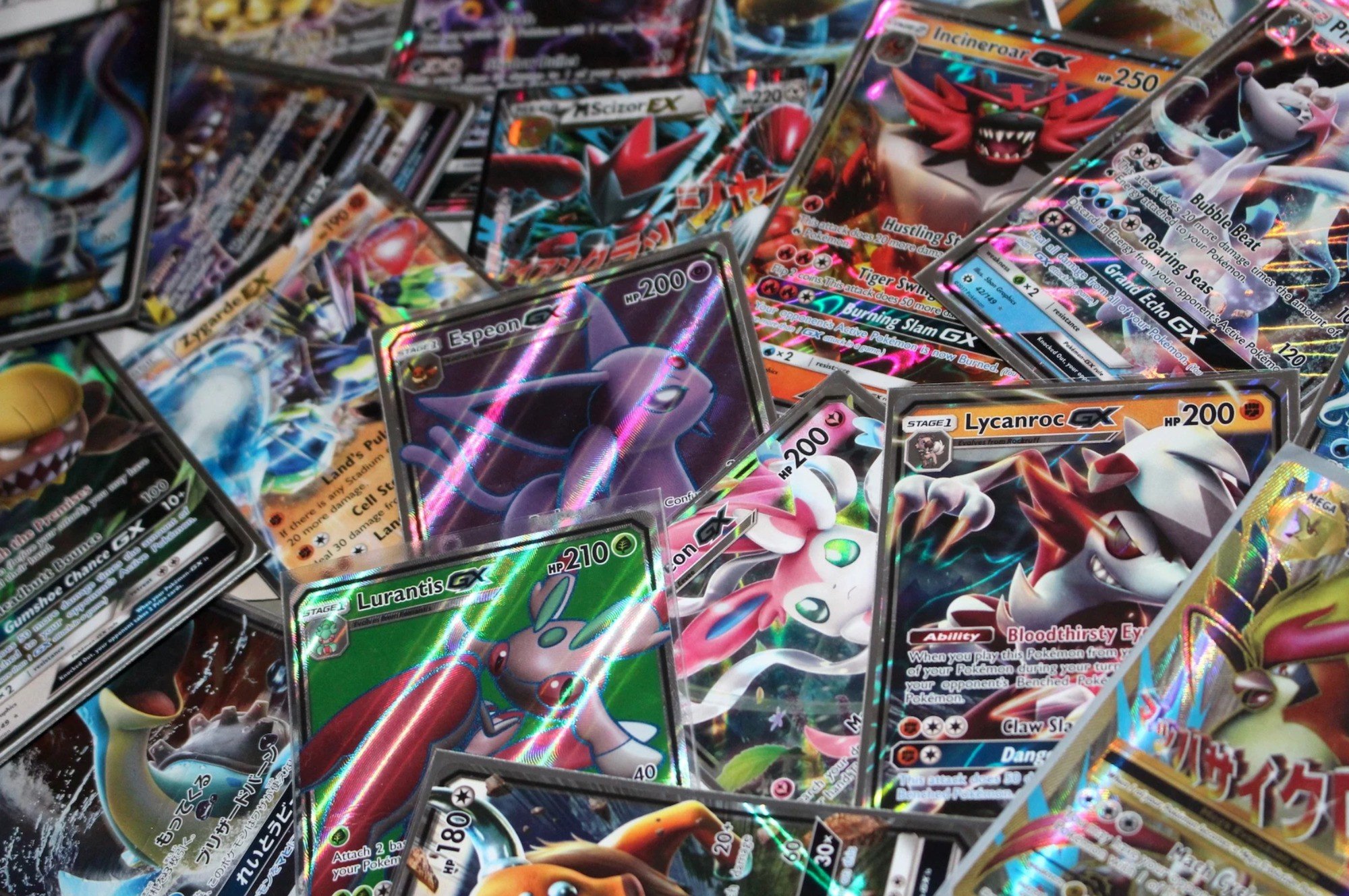
The TCG community seems to be split into two groups; those collecting the cards and those taking part in official events. Collectors can spend anywhere from a few pennies to hundreds (and in some instances, thousands) to attain the rarest and most valuable cards, whereas players intend to build the most powerful decks based on their own strategy. There is an overlap but collectors that are interested in having the best-looking and most comprehensive archive of cards may be hesitant to play with all of them, for fear of irreversible damage. Players may seek opportunities to feature in regional, national or even global tournaments for the most talented of competitors. In a more casual sense, League play at their local card shop or pre-release events – giving early access to the newest card releases – may be enough to satisfy their competitive itch; that is, of course, if they can find such a place.
Whatever their stance, each of these demographics are just as important as the other; each is willing to spend money, actively take part in events, or post about their pulls online for some free advertising – neither should be neglected. There’s one thing collectors and players can agree on, it’s the cost of their decks. One contributing factor to this is the differences between the cards released in their country of origin, Japan, compared to the rest of the world, leading players and collectors alike feeling a little hard done by.
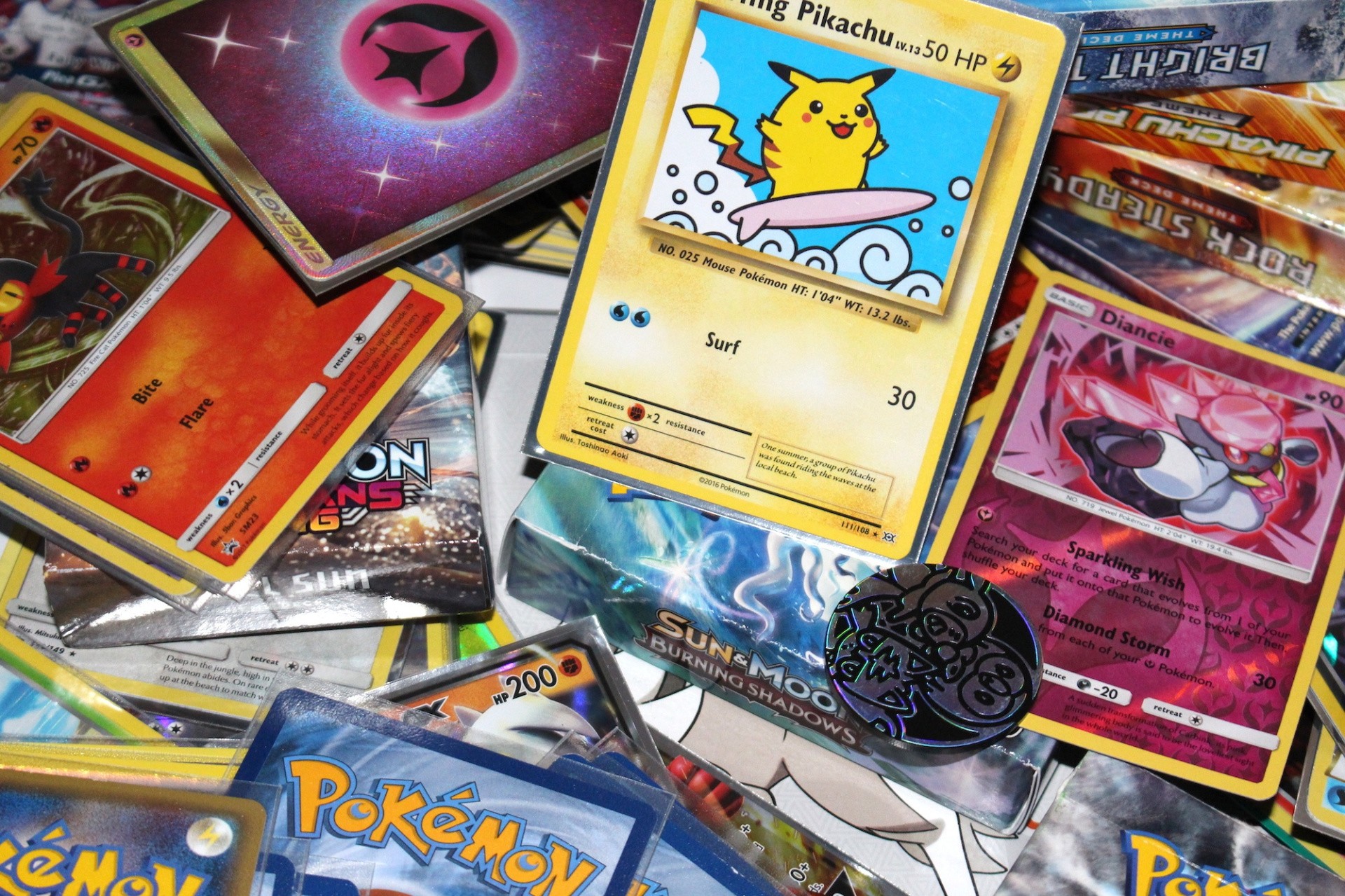
Maybe unsurprisingly, there are substantial differences between the Japanese and international releases. Not only are Japanese cards made of better quality cardboard – very noticeable when stacked up side by side – the sheer amount of exclusive releases, from Pikachu and Mario collaborations to region-specific cards for Pokecenter openings, is staggering.
Typically, to coincide with each generation of Pokémon games there would be an accompanying set of cards. Most recently, featuring Gen VII Pokémon such as Litten, Zeraora, and Mimikyu is the Sun and Moon series. Each set is split into subsets that are released periodically over the course of the series’ lifetime. Barring a few exceptions, this has been the case for nearly the entire lifetime of the international TCG.
Three or four subsets that may be released independently in Japan are often bundled together before they have a release internationally. Not only does this lead to the cards taking longer to get in the hands of non-Japanese territories, but it also lowers the chances of pulling the cards players and collectors want. For example, in Japan, if you wanted a specific card from a subset, that might be one card in 70. Whereas in English, the Lost Thunder set, for example, has a total of 236 unique cards: 20 of which are ultra rare and a further nine are hyper/secret rares, and oh boy, when it comes to secret rares you could easily spend over £120 on a box of 36 packs of ten and not get a single one – they are that hard to come by. Naturally, this bumps the price of some cards up exponentially – and with some decks requiring four of that same card to perform at their full potential, it becomes an extremely expensive hobby for players and collectors alike.
The Pokémon Company has been keen to bridge the gap between global releases of the Pokémon games since X and Y – where simultaneous worldwide release dates were brought in. This seems to have been forgotten with the TGC, but by reducing the number of cards in each subset and offering a more vibrant and interesting selection of promotional cards to global players, the game becomes more desirable for players and collectors alike.
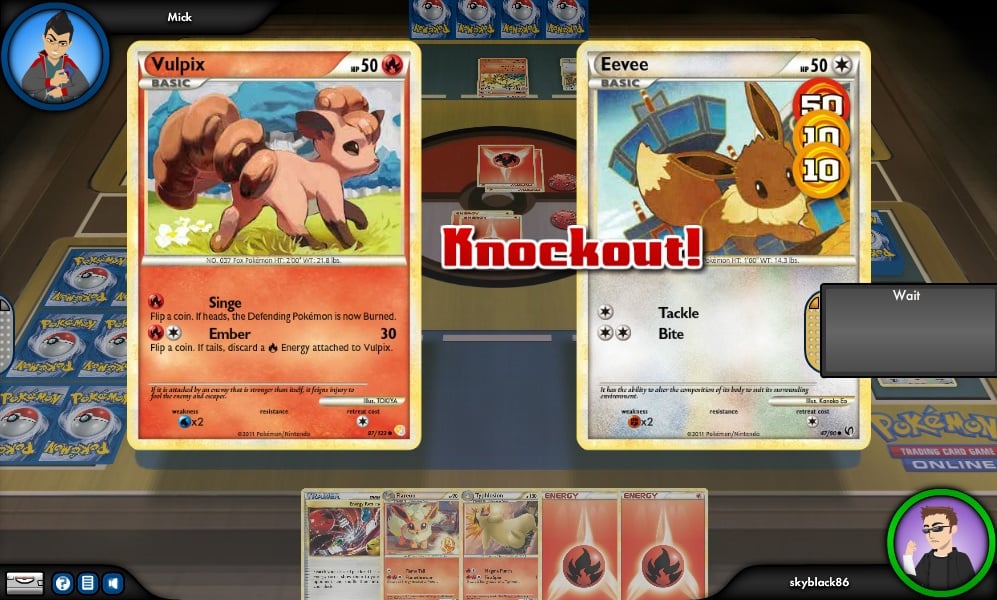
Accessibility, in general, has been a problem. As mentioned earlier, some players may find it tough to find places where they can play regular league games without having to spend time and money to travel to their nearest venue; believe it or not, the same can also be said with the online game. The Pokémon Trading Card Game Online has been around since 2011, with players building decks from code cards found inside physical TCG booster packs. Bizarrely, it’s officially only been available to download for PC and Mac, with limited support on Apple and Android tablets only. So, what’s the excuse? Sure, screen sizes of mobile phones pose a challenge when attempting to show detailed play areas, but a full version of Hearthstone has been available on mobile since April 2015. Looking to the future, a mobile version is essential for the game to continue growing. To complement the full PTCGO, there would be an appetite for a shorter ‘rush’ format, one better suited to mobiles and quickplay. Yu-Gi-Oh has a variation named Duel Links that shortens playtime significantly by halving the size of player decks and hands. That app alone boasts over 60 million downloads since launching in 2016.
Obviously, there’s another massive platform missing here too. Indie devs have been quick to praise just how easy the Nintendo Switch has been to develop for – it’s no wonder there are now over 1800 games available to play. The form factor of the Switch, its touchscreen, and popularity, makes it inconceivable that there hasn’t already been a port of the PTCGO for Nintendo’s hybrid. Before ported, mind you, it would be worth revamping the design. Avatars in-game look like a first draft, the menus are convoluted, and it all seems a far cry from the polish and esteem that Nintendo/Pokemon fans have been accustomed to over the years.
Nintendo isn’t afraid to try new things, especially when it comes to reinventing what they started out with over 100 years ago: cards. Animal Crossing, one of their most beloved exclusive IPs, benefitted from the release of a staggering 400 amiibo trading cards across four different series’. Each pack included three cards with unique NFC functionality for New Leaf and Happy Home Designer on the 3DS, as well as Amiibo Festival on the Wii U.
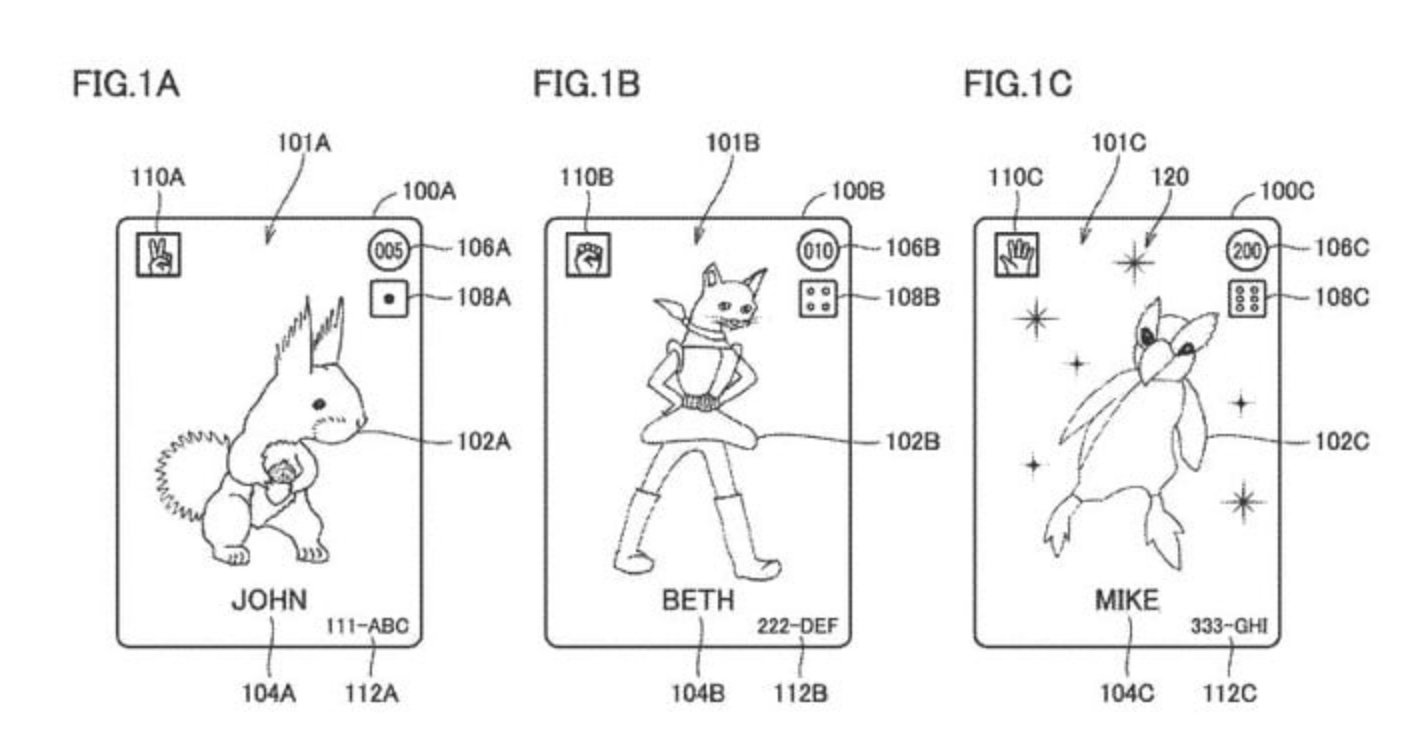
Repeatedly over the last couple years and as recently as April last year, Nintendo has been updating patents for similar NFC-enabled cards. With any right Joy-Con having built-in NFC/amiibo functionality, and Nintendo showing no signs of slowing down their production of amiibo products, this could be a sign of an additional Pokémon card expansion with a modern take. Cards could be scanned into the game – either the PTCGO or Pokémon Switch – in a snap, and could even work with NFC inside phones.
Simple changes, like bringing the digital game to more people, or a modern take on a traditional medium, like cards with amiibo functionality, would build on an already solid foundation. Either could be enough to evolve the TCG from what it is now, to dominating playgrounds all over again whilst keeping the series fun and exciting for everyone. The imminent Switch Pokémon release presents a perfect opportunity; not only for a new era in the biggest turn-based strategy game series of all time but a complete transformation of the such a pivotal part in the franchise’s early success.
Do you think the Pokémon Trading Card game needs a revamp? Or do you think it’s never been better than it is right now? Let us know with a comment.
Link’s Awakening is one of the most beloved entries in the entire series, so it was, on paper, an obvious candidate for the remake treatment. Even so, there were many who were initially lukewarm on the ‘toy-like’ visual style shown in the trailer, and the huge gap between these new 3D visuals and the blocky, simplistic graphics of the Game Boy original. Plus, does Link’s Awakening really need a remake?
However, each time we replayed the trailer, the more sense it made – this could build on what is already a fantastic Zelda instalment. Watch Zion’s thoughts above and let us know your own by posting a comment below.
Around the halfway mark of the recent Nintendo Direct presentation, it was revealed the Rune Factory franchise was making a return. This brief segment included the announcement of Rune Factory 4 Special, arriving later this year on the Switch, and Rune Factory 5 – with more information about this new entry to be revealed soon.
At the time, no release date for the fifth game was provided. While it’s unlikely we’ll get a definitive date any time soon, the teaser website has now confirmed a 2020 launch while noting the Nintendo Switch as the platform (if it wasn’t already evident). We expect this next outing will be much like past entries such as Rune Factory 4, which included a combination of fantasy farming and action role-playing gameplay, with some dating simulation elements on the side.
If you missed the announcement of these two games the other day, take a look at the video below to get the full recap:
Will you be picking up Rune Factory 4 for a second time around when it arrives on the Switch? Or are you holding out for the fifth game in 2020? Tell us in the comments.
German-based game developer Matthias Linda is hoping to release his SNES style RPG Chained Echoes on the Nintendo Switch. This game has been in development for two and half years and is inspired by fantasy titles of the ’90s, taking place in a 16-bit world where dragons are as common as piloted mechanical suits.
Like all good JRPG, you’ll take control of a group of heroes who must bring peace to a continent where war has been waged for generations. The game combines the simplicity of retro games with more modern design principles to offer a fast-paced adventure. Other than this, players can expect 20-25 hours of play time, no random encounters (as enemies can be seen around the game world), tons of items to be looted, stolen or crafted, a complex skill and equipment system, the ability to customise your own airship and music inspired by games from the PSX era.
The game will be released in English only, with further stretch goals made for additional language support. At the time of writing, the Kickstarter project has raised around €35,000 (58% of the funding goal) and has an initial target of €60,000. The funding required for a Switch release is €80,000. If this particular stretch goal is not met, the game may still be ported to this platform and the PlayStation 4 at a later date. If you want to help out, there are multiple pledges you can make, with many of them including a digital copy of the game and various other goodies.
Take a look at the official trailer below and tell us in the comments if you’ll be backing this Kickstarter project: