A raft of popular Pokémon GO YouTubers – including Marksman, Mystic7 and Trainer Tips – received accidental bans yesterday and were locked out of their Google accounts after being informed that their family-friendly content contained prohibited material.
Account owners were informed via a stock response that their videos contravened YouTube’s guidelines and were given no further information. Speaking to the BBC, YouTuber Billiam Thies said that his Google account was also deleted, leaving him unable to rectify the problem or find out the exact cause.
After some general confusion and an outcry on social media, Google reinstated the blocked accounts and admitted they had been banned mistakenly. The company hasn’t divulged the exact reason for the flagging error, although there’s speculation that it’s to do with an overzealous algorithm hunting elicit content and mistaking harmless, common abbreviations in Pokémon GO and other clips (including archived Club Penguin videos) for very serious material.
Owners were swiftly reunited with their accounts once Google realised the error, and it’s good to know the company is taking active measures to protect users of all ages from the very unsavoury, darker parts of the internet. However, in a world where more than ever judgements are made after reading only a sensationalist headline, accusations like this can cause serious damage online, regardless of intent.
We’d imagine the above-mentioned YouTubers will get on just fine now this has blown over, and we’d hope that any smaller content creators affected don’t suffer any long term consequences thanks to this error.
What are your thoughts? Better to be safe than sorry and let the bots flag every tiny thing? Do you think any YouTubers will suffer from this obvious mistake in the long term? Let us know what you think below.
The whole story surrounding the anonymous origins of these prototypes should have keen pokéstorians on their guard, as it did Helix Chamber when the fan group was first approached, but the authenticity of the sprites has been independently verified against other data – all these assets appear to be legitimate.
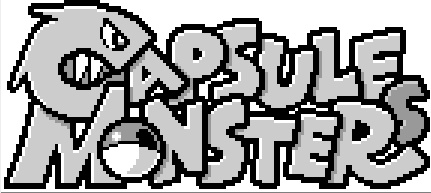
We already knew from previous documentation that an earlier name for the gotta catch ’em all game was ‘Capsule Monsters’, but now we get a much clearer picture of a prototype title screen which shows an early pokéball as the ‘O’ in ‘Monsters’.
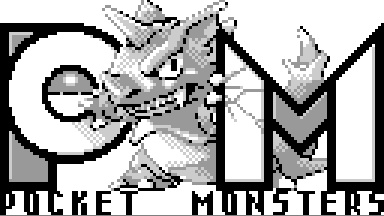
Another picture shows an early version of what appears to be a Rhydon standing over the revised ‘Pocket Monsters’ logo:
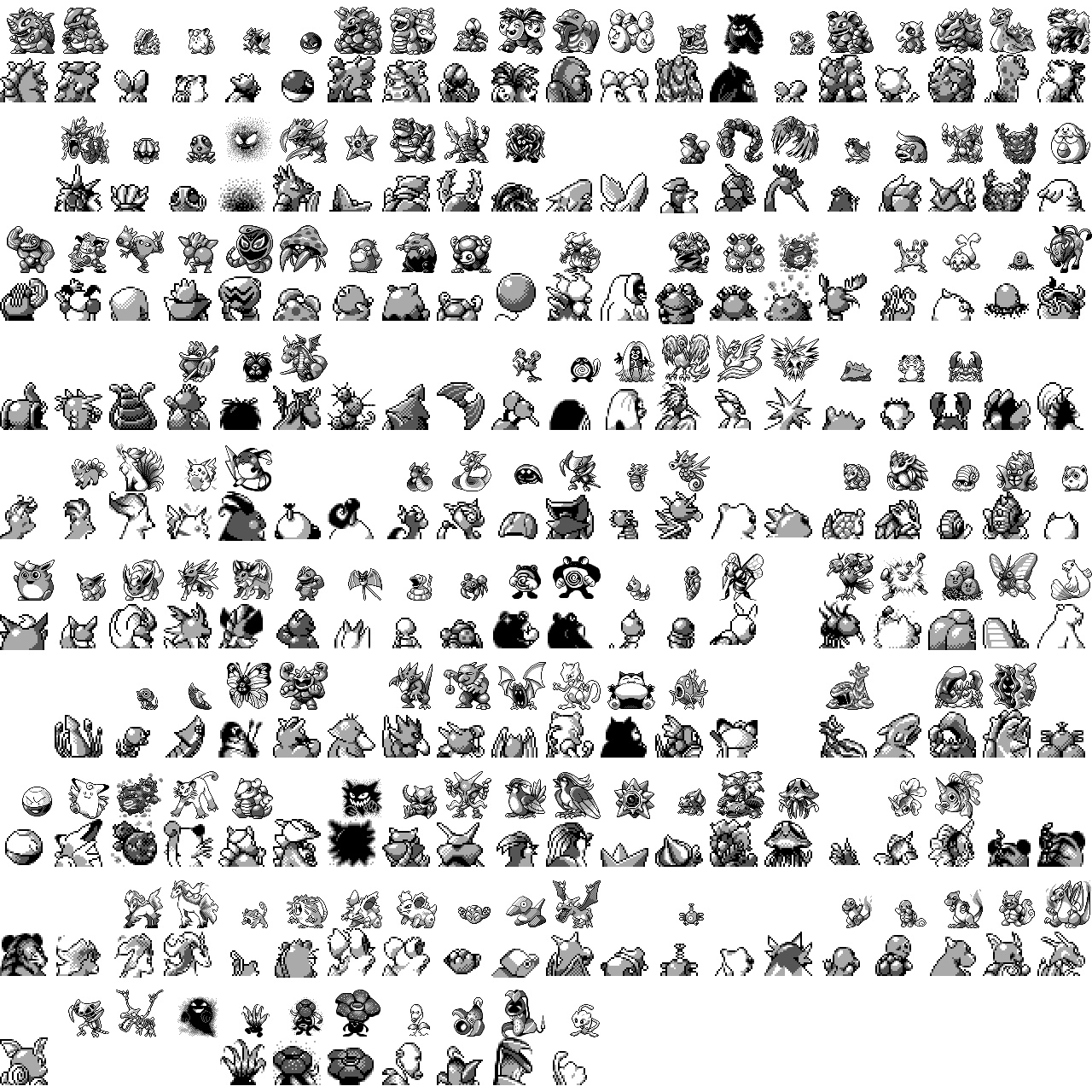
There’s plenty more to check out: an entire folder’s worth of assets for fans to download and examine in detail, including an early Blastoise named ‘Totartle’ and analysis of the fabled Missingno – the well-known glitch that’s easily found in-game – plus a whole sheet of early designs.
Head over to Helix Chamber for the exhaustive lowdown.
Think Pokémon would have taken over the world under a different guise? Are any of these prototype ‘mon more interesting than Metapod? Drop us a line in the comments…
Coming from Devespresso Games, the Korean studio behind The Coma: Recut, their latest game is planned for a summer release on Switch and other consoles following a PC launch in April.
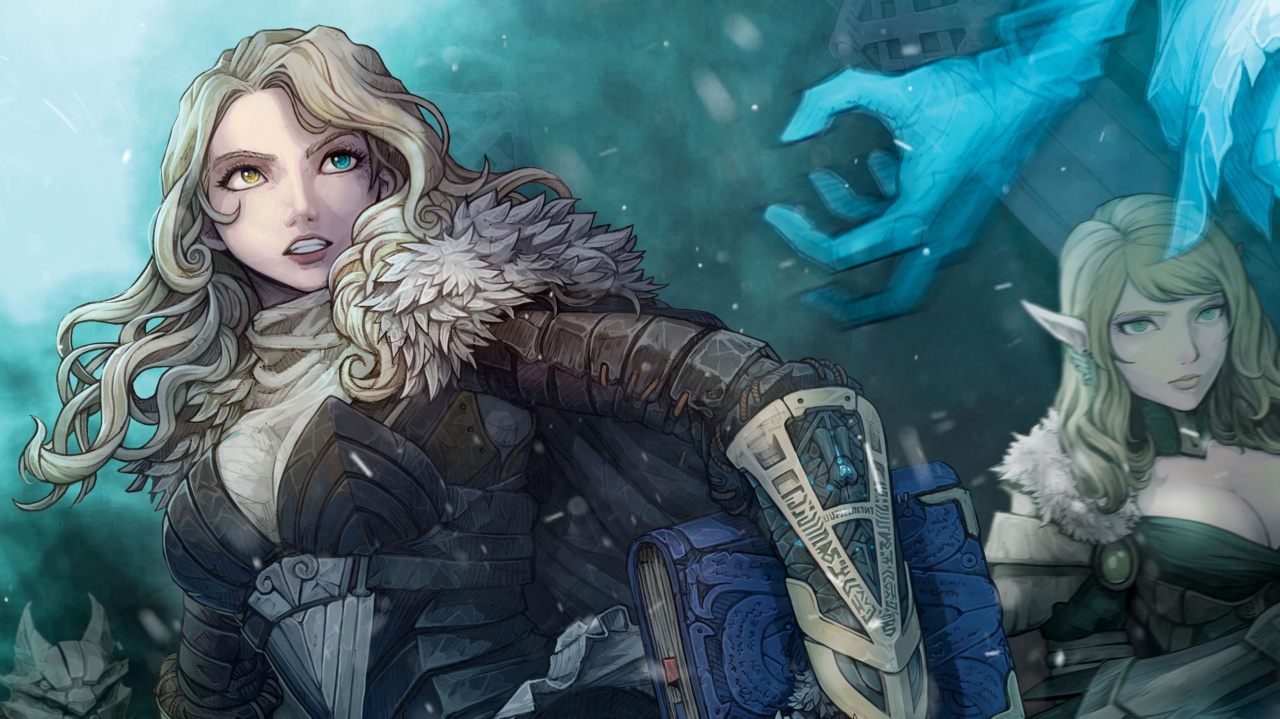
Vambrace: Cold Soul is a hand-illustrated ‘roguelite’ adventure set in the city of Icenaire. The city is populated by a host of unusual survivors and it’s your job as Evelia Lyric – the only human who can enter the city – to form a party from the characters you meet and venture out on expeditions.
It looks to be a narrative-rich adventure game involving crafting and battling. You’re fighting against the King of Shades who has cursed the city (hence the permanent chilliness, although what do you expect if you call your city Icenaire?) and created an army of undead Wraiths to terrorise all who remain. All sounds a little bit Game of Thrones…
It certainly looks nice. Here are a few highlighted features from the official blurb:
Features · Embark on an epic fanasy-adventure spanning 7 intriguing chapters · Complete sub-quests to unlock up to 26 new, thematic character skins · Assemble your party from 5 races and 10 unique classes of recruits · Craft items and armour from precious materials gathered on your trips that will unlock new skills and enhance stats · Make crucial decisions – one wrong turn can seal your party’s fate · Prepare well or condemn your comrades to permanent death · Find codex pages to expand upon the world’s history and mythical lore
Like the look of this or have you had your fill of roguelike adventures? Think you can survive the White Walke…, sorry, the Wraiths and take down the King of Shades? Share your thoughts in the usual place.
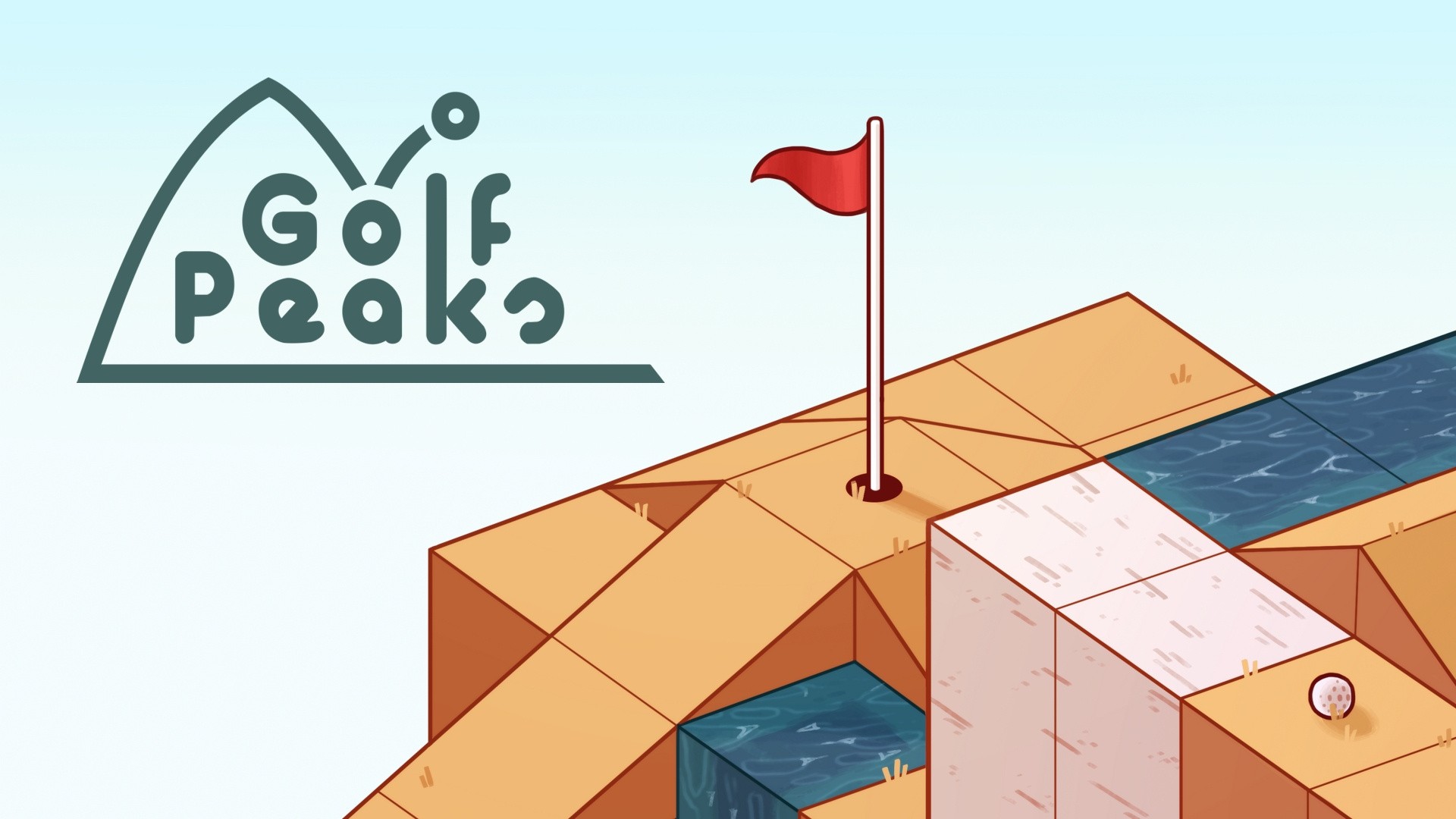
If you’re in the market for a nice relaxing round of golf on your Switch, then Polish publisher 7lvls.com has you covered with their upcoming Golf Peaks, which looks rather nice indeed.
Let’s find out a bit more about this upcoming puzzler from their press release:
No understanding of golf is required – just grab your Joy-Con controllers and conquer the mountain peaks by making your way to the hole, however not in the usual skill-shot based style. Instead, plan your strategy and use action cards to move the ball! Solve over 100 enjoyable yet challenging puzzles accompanied by relaxing music and minimalist, eye-pleasing graphics and conquer the summits!
Golf Peaks is an award-winning, relaxing puzzler where you climb mountains by playing golf. The title uniquely combines puzzle mechanics with an easy-to-learn card-based movement system, providing the player with numerous action cards. Each card moves the ball in a different way and at varying distances.
The game offers over 100 challenging levels and nine worlds to discover. Each level has various block types to experiment with, which brings diversity to the gameplay. The minimalistic visuals accompanied by a relaxing soundtrack make Golf Peaks a mind-soothing experience.
Here are some of the features which the game boasts:
– Challenging gameplay: complete over 100 levels and discover 9 worlds – Diversity: experiment with various block types – Strategy: use cards to move the ball – Mind-soothing: minimalist visuals and a relaxing atmosphere – Immersive: experience the gameplay with HD Rumble integration – The possibility to play the game using either Joy-Con controllers or touch screen – Zero understanding of golf required!
Golf Peaks will cost $4,99 / €4,99 and ascend towards Nintendo Switch on March 14th. Do you plan to pick this one up?
On paper, roguelike game design sounds like a fantastic idea. Most small developers don’t have access to the finances or resources of big studios, so it takes considerably more time to produce a quality, lengthy video game. The shortcut, then, is that smaller developers can utilize procedural generation to make a little bit go a lot further, and this can be used to fantastic effect as seen in games like Enter the Gungeon and Dead Cells.
Unfortunately, it can also be used as a crutch, causing developers to rely too heavily on the algorithms to make the game fun, instead of investing more effort into designing that fun for themselves. Away: Journey to the Unexpected, a new first-person roguelike action game, falls closer to this latter end of the spectrum, providing a short and occasionally confusing gameplay experience that fails to prove itself as being more than the sum of its parts.
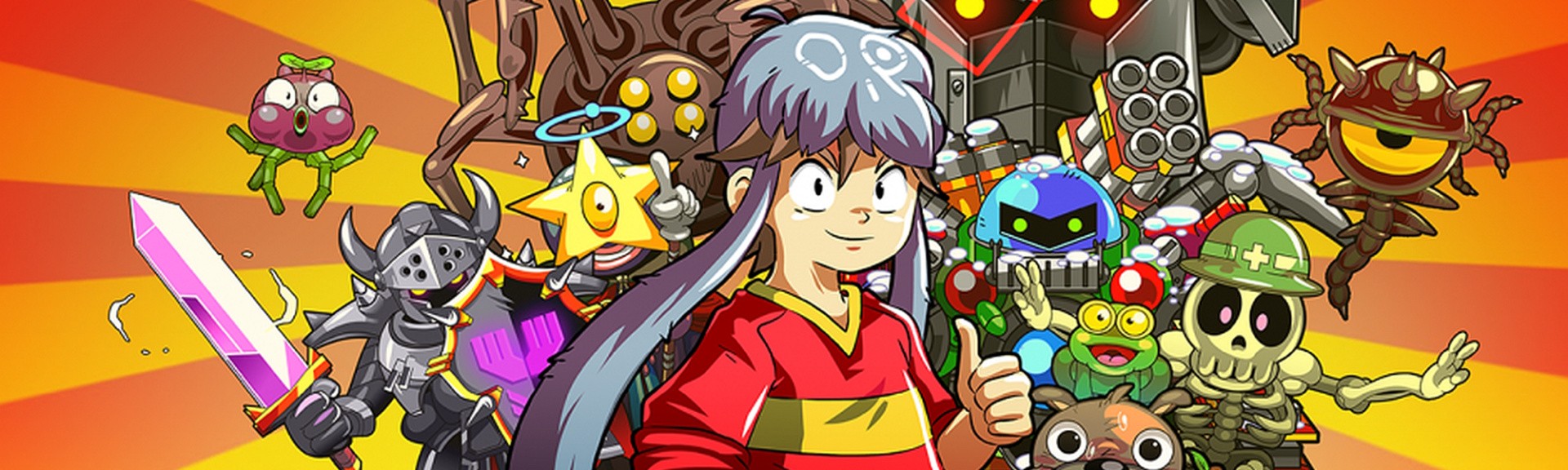
Away: Journey to the Unexpected puts you in the shoes of a nameless boy who lives with his grandparents, whose parents work in a top-secret government job and have been missing for a number of weeks. When a construction company drills a hole in the basement of the grandparents’ house – causing monsters to flood in – the boy is given a wooden stick from his dog and sets off on an adventure to get to the bottom of what’s going on. Though the narrative is kept to a bare minimum, the lighthearted and rather off-the-wall story at the core of this adventure is a welcome aspect of Away that provides just enough mystery to keep you guessing.
Gameplay takes the shape of a first-person action title with roguelike elements mixed in, but the implementation of the random elements is sketchy at best. Your character has only a hefty stick to fight with, but hit detection on strikes is a bit off, and this can make it difficult to judge when exactly to initiate an attack against an enemy. All enemies attack you in one of two ways – either by running into you or shooting something at you – but there seems to be an unusually large window where enemy melee attacks land from farther away than they should. Your stick doesn’t have very much range at all, so finding that sweet spot where you can strike enemies without them striking you is frustrating and hard to nail down. This issue with melee attacks can be combated somewhat by the consumable, rare fireworks you can use to strike from a distance, but they’re hard to come by and have a noticeably long fuse that delays the explosion.
You start out the game by exploring overworld areas dotted with treasure chests that contain helpful health or money pickups, a handful of NPCs that can be recruited to your ‘party’ (more on that later), and entrances to mini-dungeons that you have to clear to unlock the boss dungeon for that area. It’s a simple enough setup, but problems arise when you run into the randomized mini-dungeons, which can vary wildly in quality and depth. Sometimes, you get a decently-sized collection of rooms with a good mixture of puzzles, platforming, and combat, while other times, you literally get a small, one-room cave where the boss lever is guarded by three weak enemies. Then, about halfway through this five-hour (on the outside) campaign, Away: Journey to the Unexpected decides to do away with the mini-dungeons entirely and just puts the boss levers in the overworld with next to no challenges to trip them. What starts out as a potentially promising adventure gradually curdles into something decidedly sloppier; something which is unacceptable given how short Away: Journey to the Unexpected is to begin with.
A glimmer of hope can be found in the NPC recruitment system, but this, too, is inevitably squashed by baffling design choices. Once you’ve found the ‘friendship cube’ in a level’s overworld, you can talk to any of the NPCs for a chance to recruit them through a cool Persona-style dialogue system where you have to say the correct things to persuade them into joining you. If they agree, that character can then be swapped in at the press of a button, replacing your stick with something much more effective.
Whether it’s a shotgun that one-shots most enemies or a staff that shoots fireballs, each character has a unique ability that makes dealing with enemies much less of a headache. The issue, however, lies in recruiting the characters to begin with. If you happen to say the wrong thing when talking to them at first, that character can be locked off to you for the rest of that run, meaning that you’ll have to die and work your way back to that point again for another shot at attempting to recruit them to your party. This is made even more tedious by the fact that you need to have recruited all characters to beat the game, a move that astoundingly manages to introduce padding to a game with an anaemic amount of content. Granted, subsequent runs are made somewhat easier and more tolerable by the introduction of upgrades and shortcuts to speed things along slightly, but it unfortunately doesn’t take very long at all for the roguelike elements to become quite grating.
It’s a real shame, too, as the colourful anime presentation suggests a much more engaging and quality game than the one you’re actually met with. Blending 2D sprites with 3D worlds – a bit like Paper Mario – the art style is striking and lively, with the monster and NPC designs having a cutesy Shantae-esque design that looks great in motion. The 3D environments are a little less interesting to look at, and fall to tired, uninspired design tropes (of course there’s an obligatory ‘beach’ level), but are nonetheless rich with colour. Also, as a bit of a side note, there’s a remarkably well-produced intro scene upon boot up developed by an anime animation studio, complete with a Japanese theme song, and this goes a long way in cementing the undeniable charm that Away: Journey to the Unexpected exudes.
Conclusion
Away: Journey to the Unexpected is the sort of game that’s disappointing because of how good it could have been if more thought had been invested into certain systems. There’s a good game buried in here somewhere, but it’s so mired in confusing or irritating game design elements that it becomes incredibly difficult to recommend. If you’re really into roguelikes and want to try out an okay one in first-person, Away: Journey to the Unexpected is perhaps worth a punt, but even then, we’d highly suggest that you take a pass. There are far better roguelikes available on the eShop for a comparable price; you’re sure to get much more out of those.
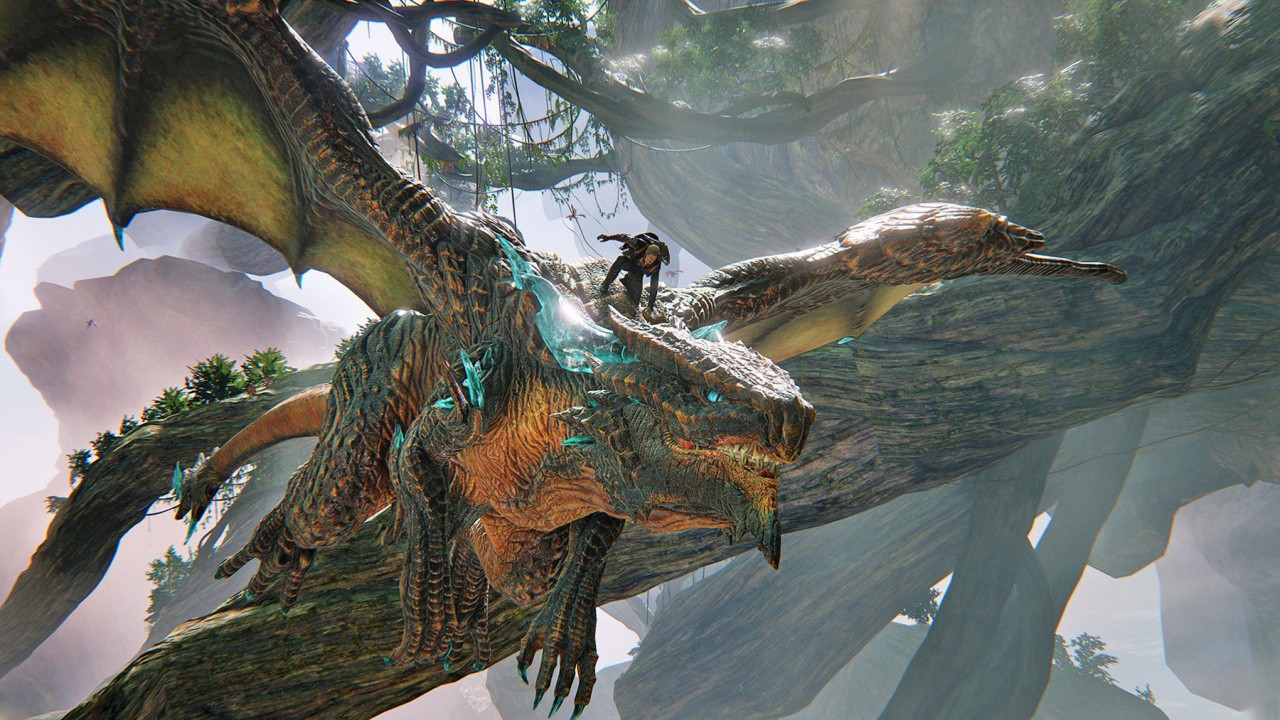
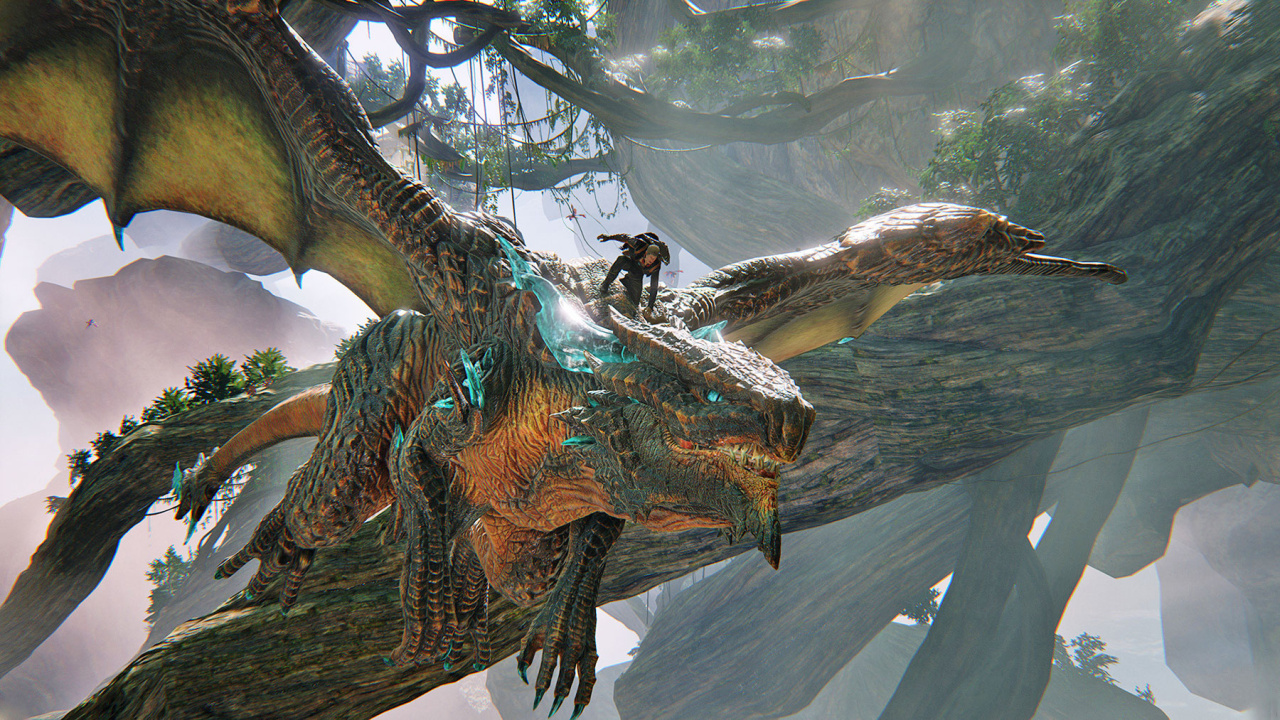
Scalebound was an ambitious action title in development at PlatinumGames a few years back, and was intended to be an Xbox One exclusive. Helmed by the one and only Hideki Kamiya, it mixed fantasy with science fiction and was understandably on the ‘must have’ list of many a gamer.
However, in 2017, Microsoft pulled the plug on development and Scalebound appeared to be dead and buried. A game of this scope could only be developed with the financial assistance of a major publisher or platform holder, and although Microsoft renewed the Scalebound trademark, it lapsed when the company was unable to specify what application it would have following the game’s cancellation.
Fast forward to the present, and Nintendo Insider is reporting that the game has been resurrected as a Nintendo Switch exclusive – the site even states that it believes this was the “dead and buried” game that was hinted at yesterday.
Given PlatinumGames’ solid relationship with Nintendo, this isn’t the most outlandish rumour we’ve ever heard, although the project would presumably need to be scaled down by quite some margin to accommodate the drop in processing power.
Nintendo Insider states that it has the utmost confidence in its source, but do you think this one should be taken with a grain of salt? Let us know with a comment.
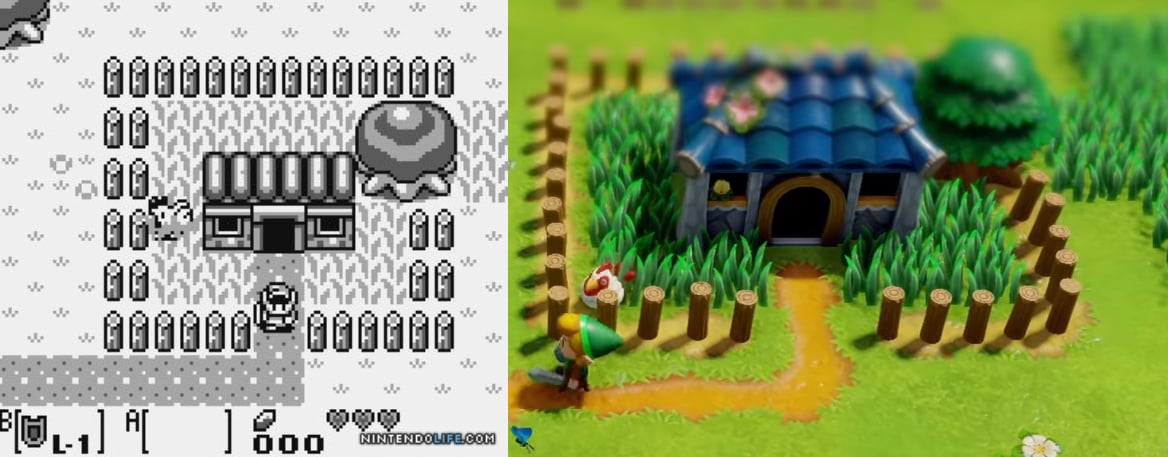
There’s some chatter doing the rounds on the interwebs regarding the potential pricing of the upcoming Switch remaster of The Legend of Zelda: Link’s Awakening. Retailer pre-order listings are putting it as a full $60 release, and while there’s no official confirmation at this stage, people are wondering if it’ll be substantial enough to justify that sort of price tag. Below are just a couple of examples of tweets voicing doubts:
Of course, putting a universal dollar value on an experience is tough. A game that might have to sustain one gamer for six months may be a throwaway purchase that barely gets touched for somebody else. Do the hundreds of hours we’ve spent climbing and gliding around Breath of the Wild’s Hyrule mean we would have happily spent £300 on it? Probably not, but we’re still wringing value out of that full-price game, so it’s understandable that there’s concern about spending the same money on a Zelda that can be polished off in a few short hours.
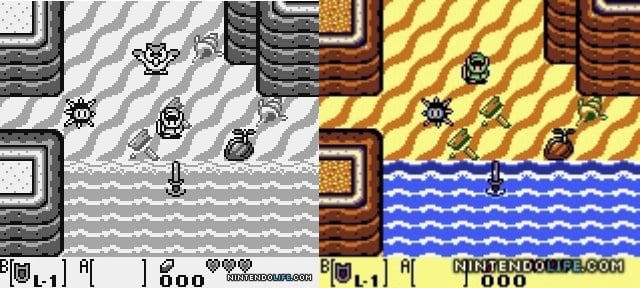
Nintendo’s plans for extra content are unknown at the moment. We’d assume there’ll be some amiibo integration, and the mystery of the number of players it supports suggests there may be some Four Swords-esque component in the works. Regardless, there is precedent for adding content to this very game – the DX version for Game Boy Color included various extras, with a camera shop and an extra dungeon boasting puzzles built around that system’s revolutionary contribution to Nintendo’s portable line: colour. It’s hardly the finest example of Zelda dungeon design, but it did offer something new to players who’d already finished the original monochrome version.
Arguably a more substantial upgrade than some of the more recent ‘Deluxe’ versions…
So, can this version possibly be worth a full $60, standing shoulder-to-shoulder with epics like Breath of the Wild which can suck hundreds of hours from your life? Well, it depends a little on your familiarity with the game. We don’t remember it being especially short, but it’s been a few years since we played it through. Yes, with the help of glitches it’s possible to speedrun the game in your coffee break (the coveted ‘Any%’ record currently stands at 4 minutes 35 seconds), but otherwise the original will take the average player around fifteen hours to beat.
Your speed might also depend on your proclivity for replaying games. We tend not to revisit Zeldas for a good long while after we’ve beaten them – not only are there are simply too many other games to play, but each adventure with Link feels epic; an event which needs some distance in order to digest and appreciate fully.
We understand, though, that many people replay them over and over, developing an intense familiarity with those worlds and the order of things. So, where a new player might wander for hours, poking around and discovering bits and pieces in the world, a veteran will more likely hot-foot to the next dungeon knowing the exact route and item they need to unlock the path. It’s the same with almost any game, Zelda or not – it’s blimmin’ easy when you know where you’re going and how to get there!
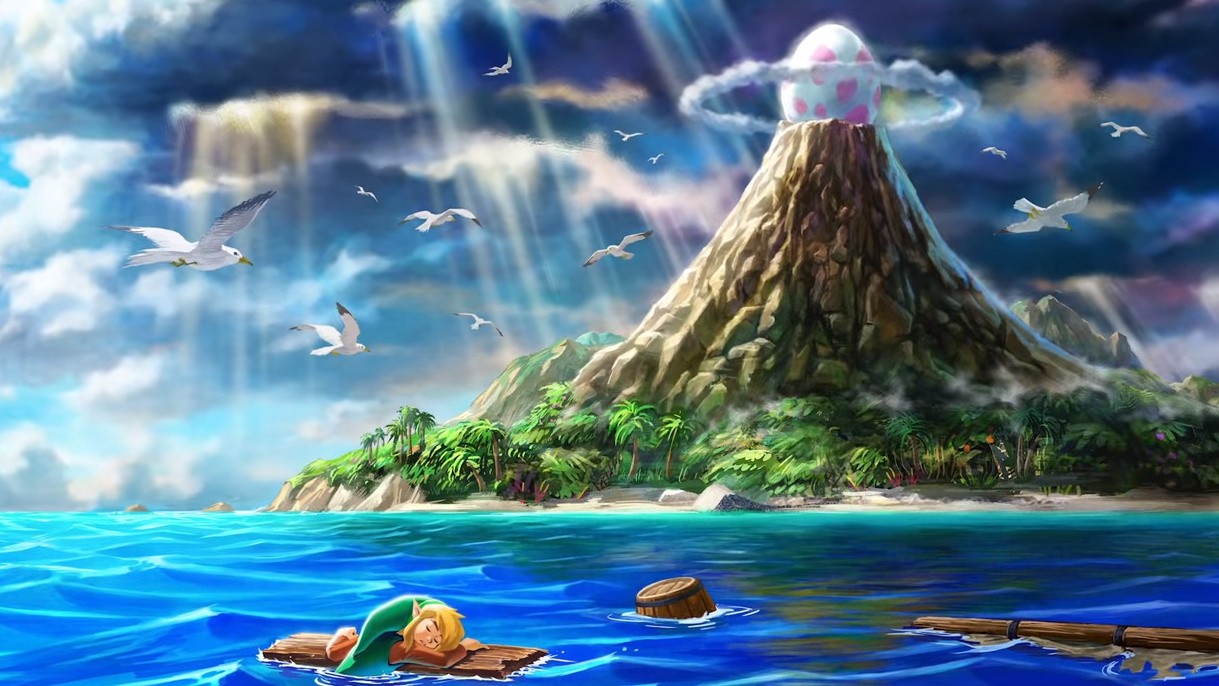
One hell of a lick of paint, wouldn’t you agree?
Perhaps it’s inevitable, then, that players who know Koholint like the back of their hand are going to feel short-changed regardless of additions and tweaks to this new version. Just as A Link To The Past veterans had an advantage over newbies when they revisited that same Hyrule in the 3DS’ A Link Between Worlds, simple familiarity with the geography is going to cut down playtime, let alone knowing the dungeons inside-out. It’s arguably unavoidable with a remake – the price you pay for seeing an old world reimagined on a modern console.
In fact, with the way this game reframes the original, this remaster feels to us like a companion piece to A Link Between Worlds. The below tweet suggests the poster would have preferred to see a sequel to Link’s Awakening in a similar vein, returning players to the world they first explored on Game Boy without recycling the exact same content.
We’d argue that there’s a significant reason why this is not a sequel, but the sentiment remains that people would be more prepared to pay full-whack for a ‘reimagined’ game rather than a straight remake without extra trappings.
We’d expect the adventure to have a similar duration to A Link Between Worlds – fifteen-to-twenty hours – and sure, we’d love some extra dungeons, or an expanded Second Quest, or – even better – an official version of the Link To The Past randomizer, which shuffles all the items with each playthrough meaning you can never be sure where you’ll find the one you need. It’s not for everyone, but it would keep die-hard fans occupied while new players potter about soaking up the wistful atmosphere of Koholint Island.
Challenge dungeons and boss-rush modes could help add value, although we’ve personally had our fill of those. Frankly, we’d happily take a shorter, perfectly-formed game over the bloated alternative any day of the week. You can’t please everyone, but we’ve seen what happens when Zelda games get padded out unnecessarily; no-one wants another Triforce quest. Full-priced or not, we’re very excited to revisit Koholint and play the Ballad of the Wind Fish again, and we’ve got an inkling that Nintendo will make the price of entry worth your while.
What do you think? Are you concerned that the game won’t offer enough bang for your buck, or is it enough to simply return to that unique world in widescreen on Switch? Share your thoughts below…
T’is the season of failed festivals, although the latest on the list arguably isn’t quite on par with the high-profile Fyre fiasco.
An unofficial event – billed as ‘the Fortnite event of the year’ by the organisers and promising rock climbing, go karts, laser tag, plus the requisite dose of the most popular Battle Royale game on the planet – left many attendees unhappy due to long queues, poor planning and staff shortages. Stations to sit and play the free-to-play game were present and correct, but there weren’t nearly enough to satisfy the 2,500 fans who turned up to share their enthusiasm for battling royally.
While Kotaku drew comparisons between this and the multi-million dollar fraud-fest that recently inspired Hulu and Netflix specials, we doubt attendees to this Norwich-based weekend event had similar expectations to those paying thousands of dollars to party with influencers on Pablo Escobar’s private Caribbean island.
It seems Fortnite Live attendees expected more, though. Staged at Norfolk showground, tickets started at £12 – going up by another £20 for ‘unlimited access’ – but visitors soon got miffed when it became clear that the organisers simply weren’t prepared for the number of attendees.
BBC News spoke to one Oliver Phillips who called the event “pretty rubbish […] the sort of thing you see at a school fete.” Mr Phillips also described the ‘cave experience’ as a “trailer, no bigger than a car, with a tunnel going through it”. Let’s see what he means:
Hmm. To be fair, a video update from the organisers – which has since been removed – showed an indoor area that was actually better than we expected after reading reports, but queues are never going to go down well, especially if you’ve forked out for the deluxe ‘unlimited access wristband’ and end up waiting in line to play a game you can play at home instantly, and for free.
The company that organised the event apparently has others planned for the future, so hopefully they’ll be better prepared next time.
Were expectations simply too high or was this an avoidable state of affairs? Did you attend the event? Let us know your thoughts in the comments.
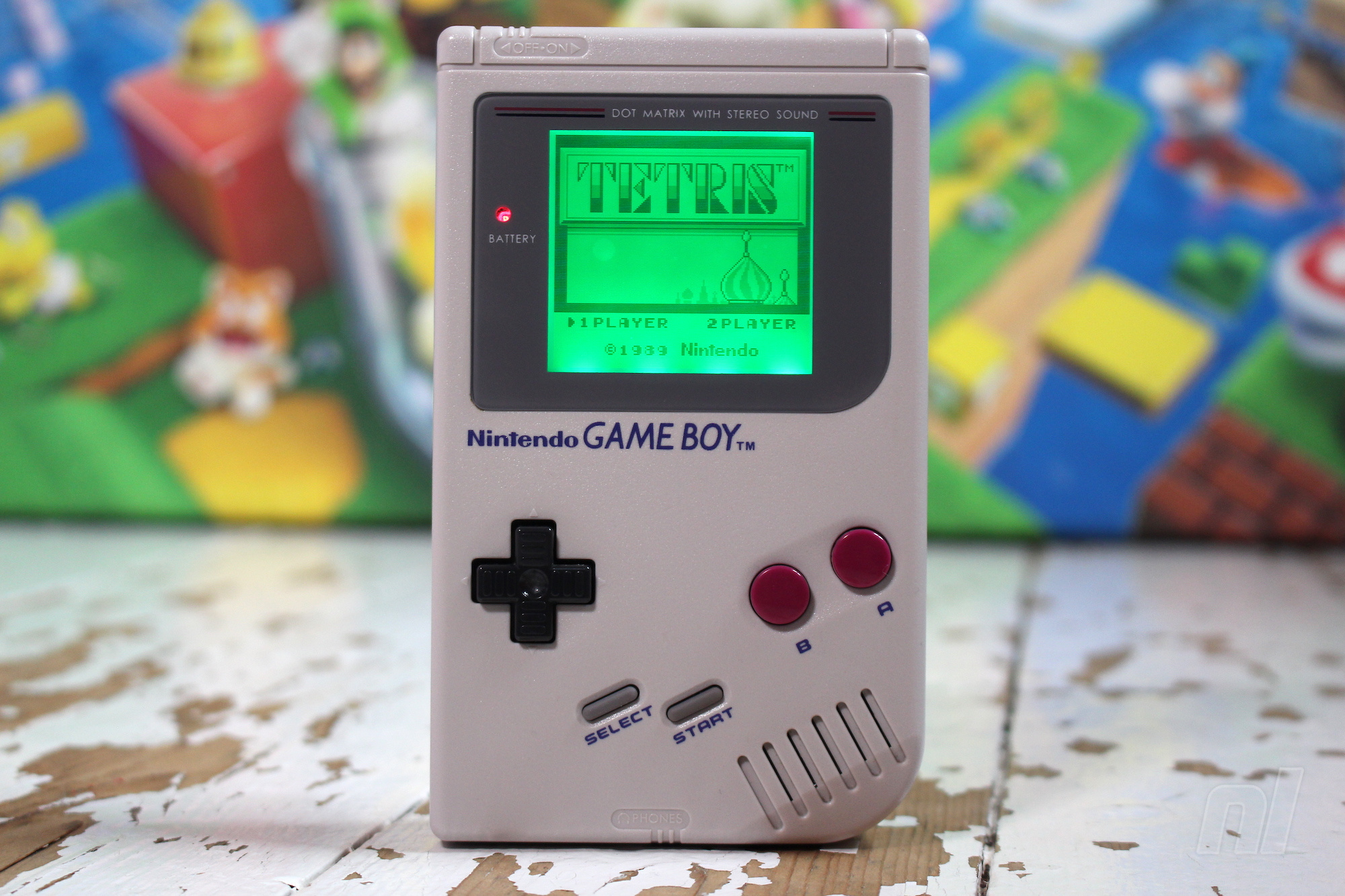
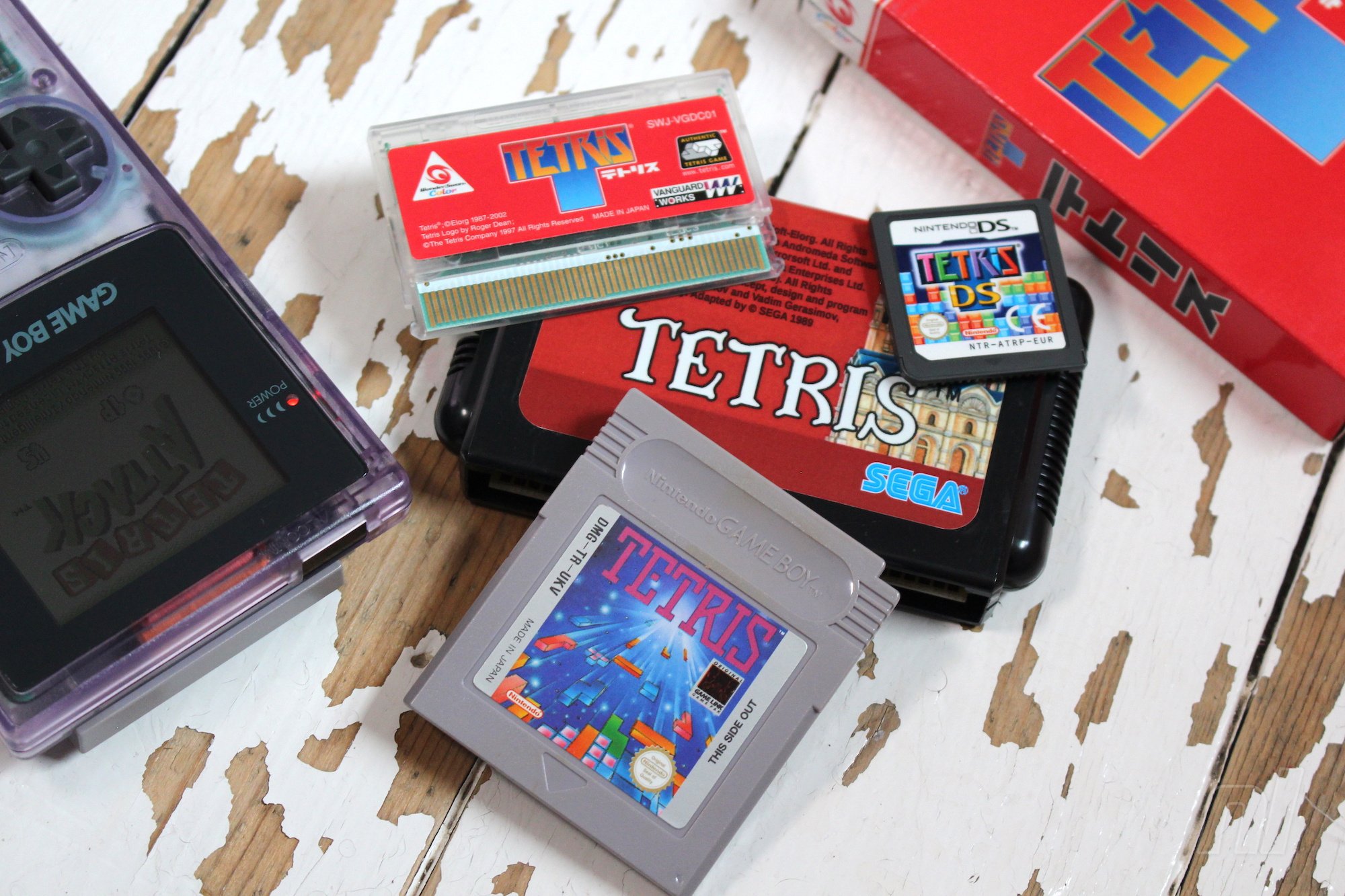
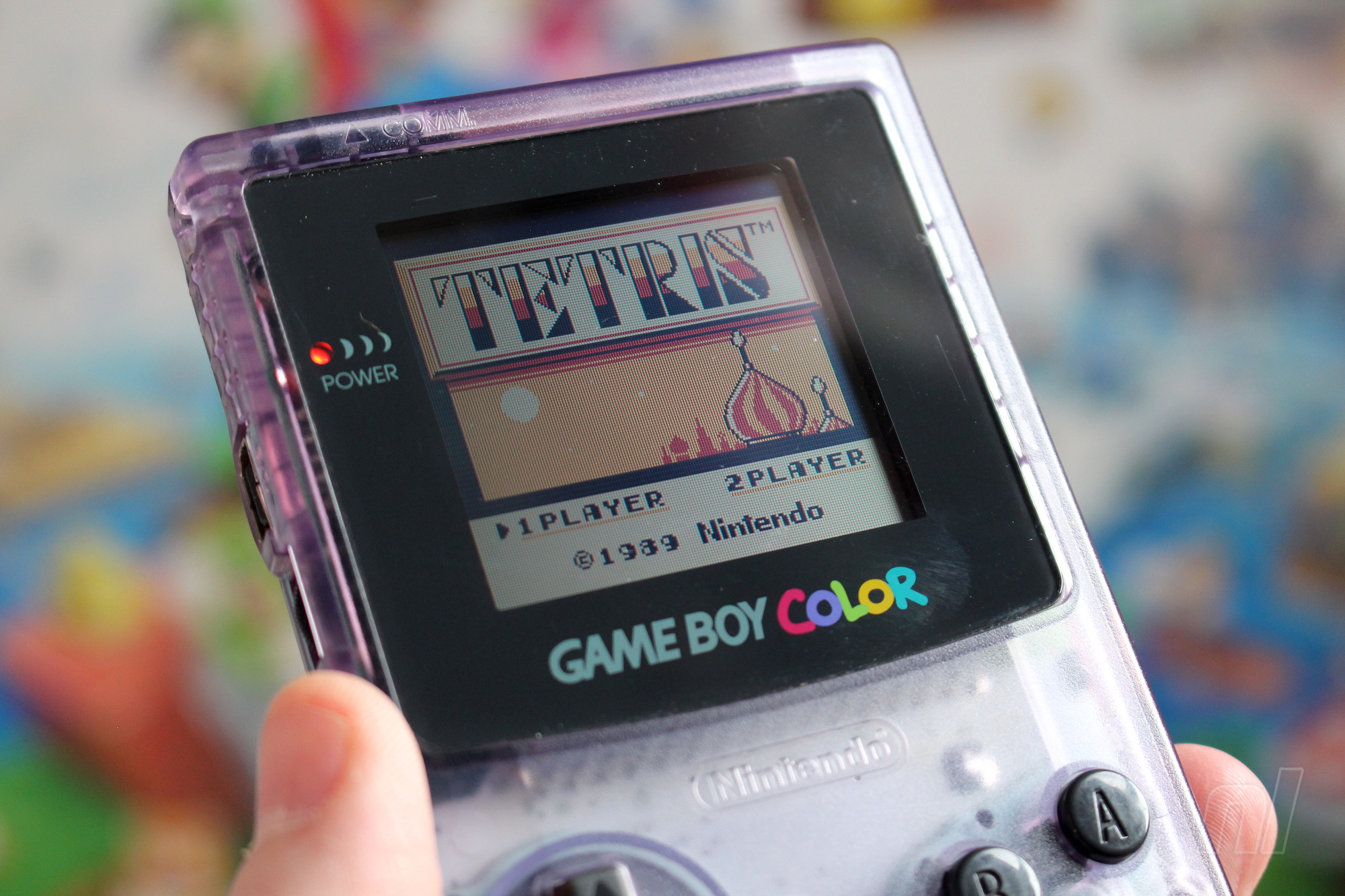
Like millions of players all over the world, my relationship with Tetris began with the Game Boy. Alexey Pajitnov’s famous puzzler may have begun its life on computers in 1984, but it would find a whole new level of fame thanks to the fact that it was bundled with Nintendo’s million-selling monochrome handheld.
I didn’t own a Game Boy at launch, and my first experience of the system – and Tetris – was playing on a friend’s console. I’d owned Nintendo’s pocket-friendly Game & Watch LCD handhelds in the past but nothing could prepare me for this new product; twinned with Tetris, it became the first ‘gadget’ I can remember desiring more than anything else in the world. I begged and pleaded with my parents to buy me one, and while they eventually relented, for what felt like forever I had to make do with playing my friend’s console as and when I was able.
I still remember the day he excitedly ran over to my house to show me that he’d reached the ‘end’ of the game and that iconic space shuttle animation. I could barely contain my jealousy, but I probably did a good job because I was simultaneously excited and elated to be witnessing this seemingly life-changing event; this was decades before you could watch pretty much any segment of gameplay on YouTube, and it’s a sequence that I’ve seen only a handful of times myself since.
When I did eventually get my very own Game Boy, I was stunned at the variety of amazing gameplay experiences that awaited me; Tiny Toon Adventures, Castlevania II: Belmont’s Revenge, Operation C, Zelda: Link’s Awakening, Super Mario Land (1, 2 and 3)… waiting a little before becoming a Game Boy owner turned out to be a bit of a masterstroke, as the system had loads of games available when I got my system.
However, Tetris was the constant; the only game that, when I left the house with my Game Boy-branded bum-bag (fanny-pack, if you’re in North America), would 100% be coming with me. And thanks to its ubiquitous nature, if I met anyone on the road who also owned a Game Boy, I could be sure that an impromptu link cable battle was on the cards. It was a magical time to be a gamer, and even if Tetris hadn’t been one of the most addictive and finely-crafted video games of all time, I still think I would hold fond memories of travelling the country with my console, link cable and ample supply of AA batteries.
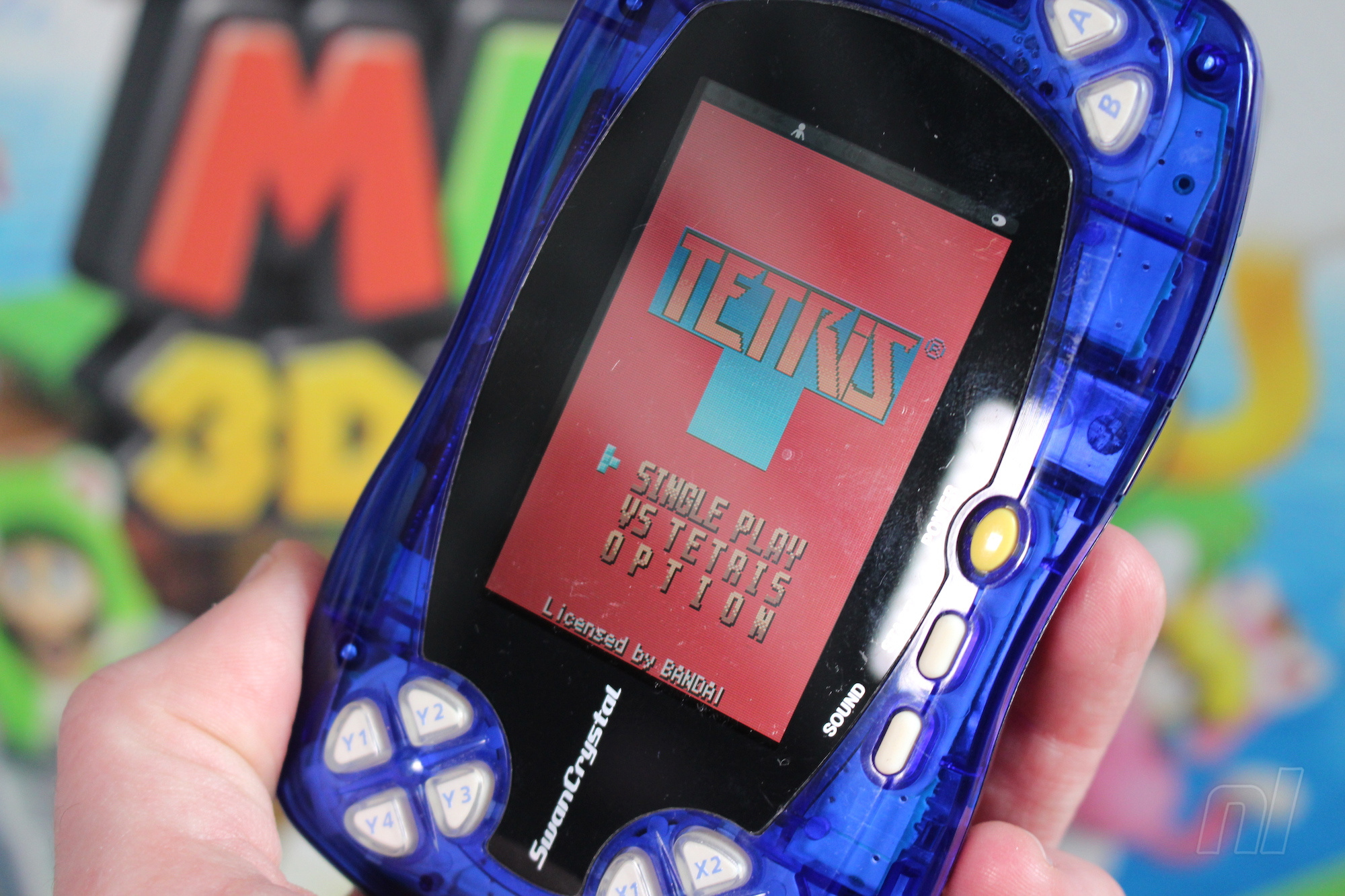
Nintendo capitalised on Tetris’ innate playability with a Game Boy sequel, which strangely bypassed me entirely. I’m not sure why, but I never felt the need to invest in the follow-up; perhaps it was because even in my young eyes, the original game was already as close to perfection as it was possible to get, given the limitations of the hardware. Instead, I got all excited about Tetris on the Bandai WonderSwan, not because it offered any massive gameplay innovations, but because it could be played in portrait orientation, which felt like a better fit, given the dimensions of the playfield.
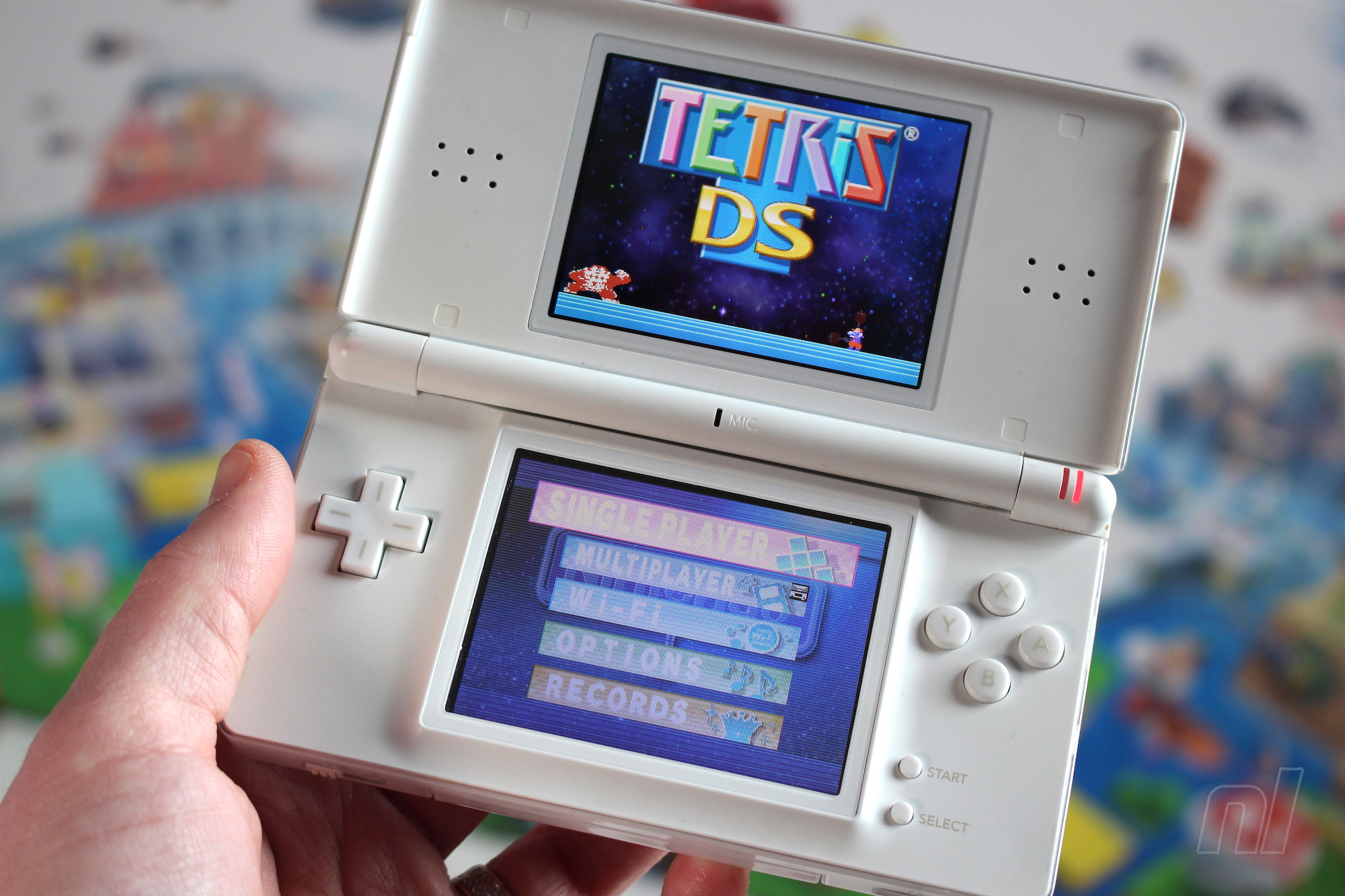
In fact, I wouldn’t play Tetris again on a Nintendo console until the DS era, when another port – with Nintendo at the helm and packed with characters from famous Nintendo franchises – made me fall in love with it all over again; sure, it was ‘just’ Tetris, but it became a new killer app for my DS; there’s something about portability and falling blocks that just works.
My love affair for Pajitnov’s masterpiece then went on hiatus again for a few years, with the Hudson Soft-made Tetris Axis and Ubisoft-published Tetris Ultimate failing to get my pulse racing on 3DS. I also didn’t get as excited about the crossover title Puyo Puyo Tetris as I perhaps should have done; as a fan of both series, it was, on paper, the dream ticket. However – and I can’t for the life of me fathom why – it just didn’t grab me as much as other fans.
It wouldn’t be until Tetris Effect arrived on the PlayStation 4 that my affection for plummeting tetrominoes returned in earnest; twinned with the PSVR headset – which is capable of higher refresh rates than your typical TV – Enhance, Inc’s unique take on the title made me appreciate its magic in an entirely different way. By fusing a captivating and often hypnotic audiovisual experience with the tried-and-tested Tetris gameplay, Tetsuya Mizuguchi and his team produced one of 2018’s surprise critical hits; Tetris Effect topped many press ‘Game of the Year’ polls, and rightly so.
Such was my appreciation of Tetris Effect that when I sat down to watch last week’s Nintendo Direct broadcast, I was hoping (perhaps beyond hope) that it would be announced for Switch; despite how brilliant it is in VR, I’d dearly love to have a copy of Tetris Effect that I can take out of the house with me, just like I did with the Game Boy version all those years ago.
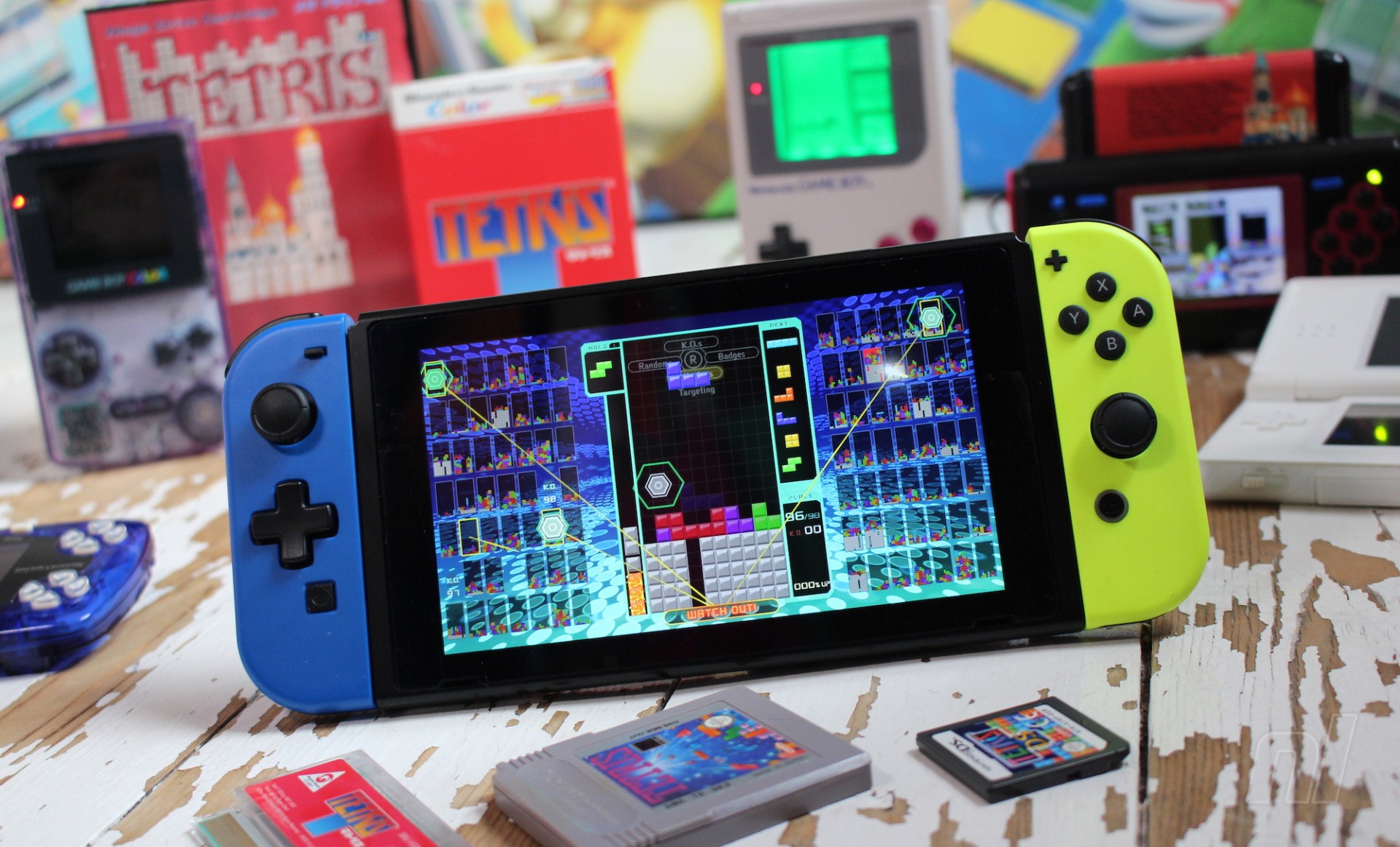
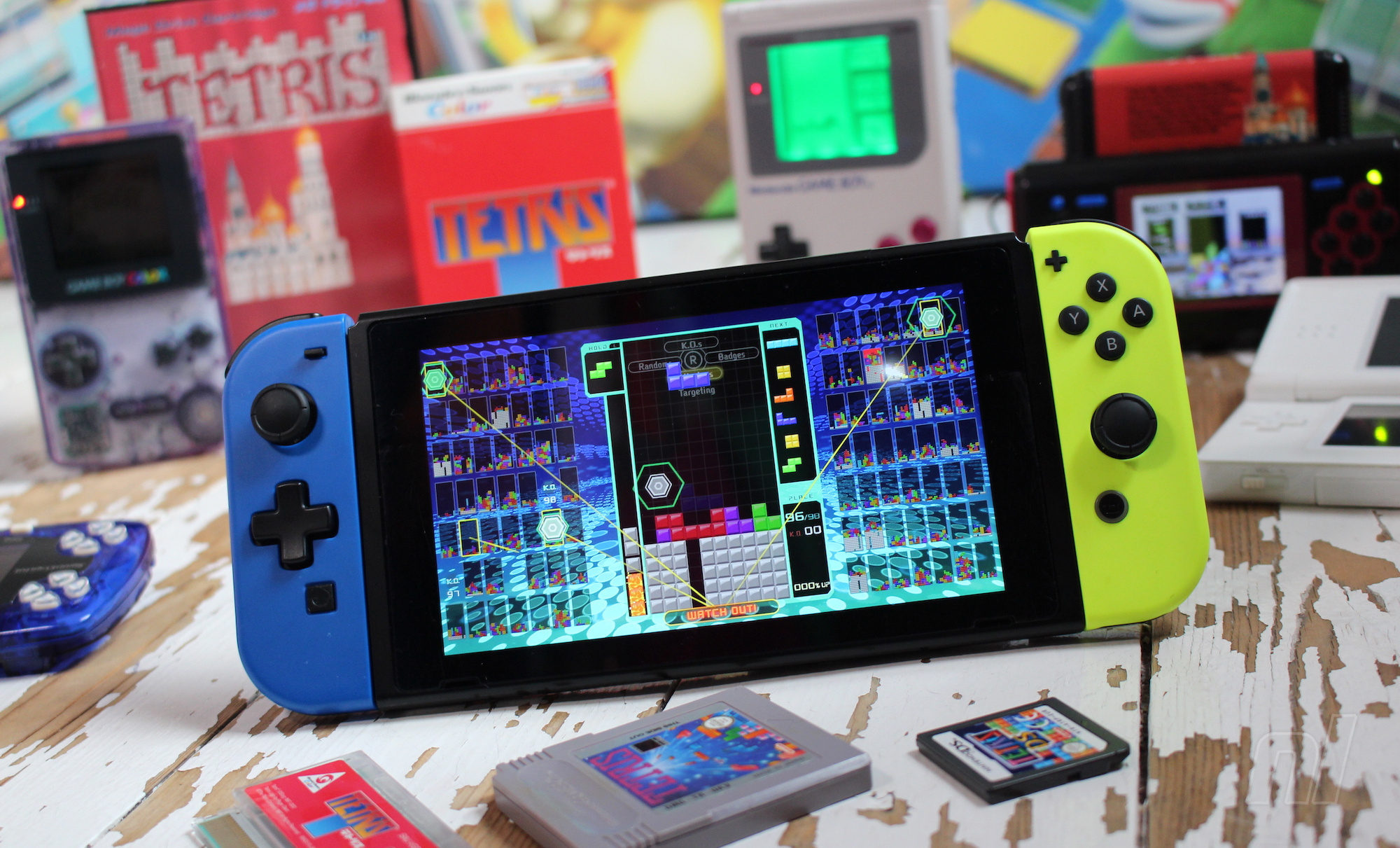
When Tetris 99 was revealed out of the blue, my heart jumped then quickly sank; the gorgeous, trippy visuals of Tetris Effect were nowhere to be seen and instead we had the old-fashioned coloured blocks which had been part of the series since the ’80s. We weren’t getting Tetris Effect on Switch, but unbeknownst to me at that point, we were getting something just as good – if not better.
As you’ll know if you’ve read our review, Tetris 99 is special. We’ve had competitive play in Tetris before – linking up Game Boys in the early ’90s to online play on the DS – but this new version adds a ‘Battle Royale’ twist which makes it truly unique. You and 98 other players are fighting to be the last one standing, with a range of tactics allowing you to choose where your ‘junk’ lines get sent. While it’s rather limited in scope at the moment (more modes are on the way, it seems), it’s one of the most compelling and downright addictive versions of Tetris I’ve ever played – and that’s saying something.
I’ve now found that my love for Tetris has returned, and all I can think of those falling shapes and the so-called ‘ecstasy of order’. It’s also made me seriously consider what I’d deem to be the greatest video game of all time; sure, titles like Zelda: Breath of the Wild and Super Mario Odyssey deliver the kind of experience that stays with you forever, but, if I had to pick one game to take with me on a lifetime of seclusion on a desert island, would it be either of those? Or would I select Tetris as my solitary pick; a game that I’ve been playing, on and off, for 30 years?
It’s a question I hope I never legitimately have to answer, but Tetris 99 has served as a timely reminder that Pajitnov struck gold when he (with the help of Vladimir Pokhilko, whose name is often overlooked, perhaps due to the tragic and disturbing nature of his passing) created Tetris on Soviet Academy of Sciences hardware. Given that Tetris has been adapted and iterated so brilliantly over the years without sacrificing what makes it so special speaks volumes, and Tetris 99 shows that even after 35 years, its appeal is totally undiminished.
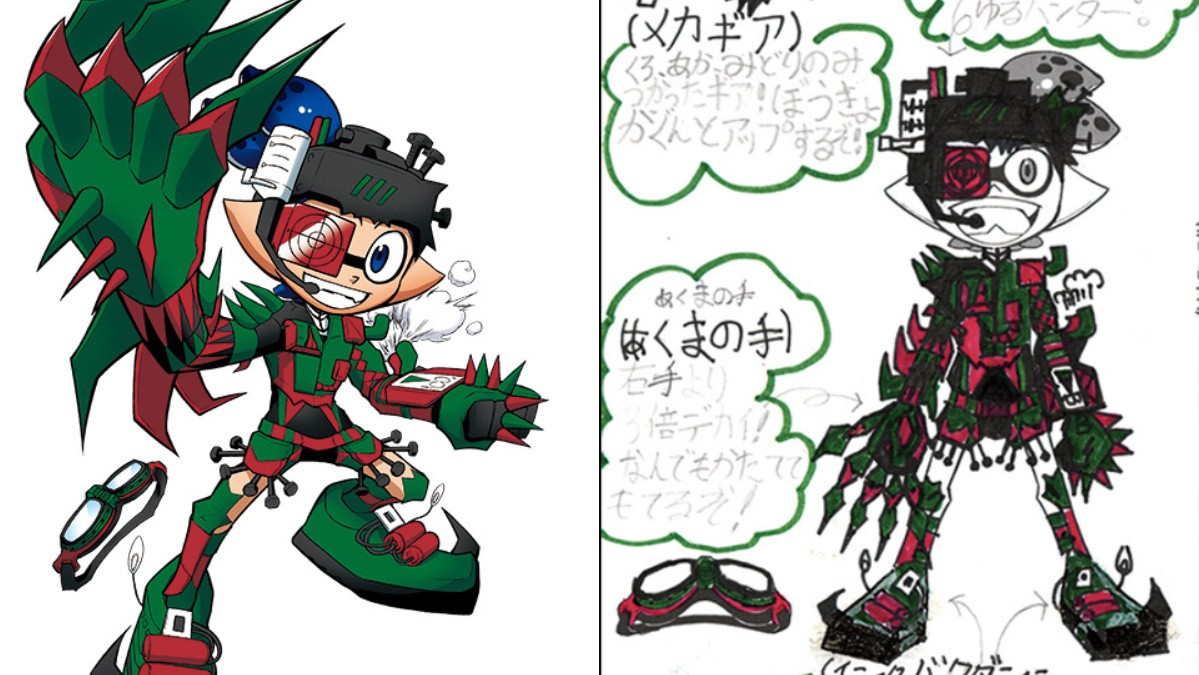
CoroCoro, the Japanese manga magazine, will be offering some exclusive in-game Splatoon 2 gear to readers via a special download code with an upcoming issue. The ‘Mecha Gear’ is the result of a competition to design some new accessories for the online shooter, and as you can see from the pics, it’s a green and reptilian take on a mech suit.
Nintendo will adapt this for the game, giving the design its own spin, but we very much like the look of that eyepiece and big, pointy mecha-claw.
This isn’t the first time that contest-winning swag has worked its way into the game. The ‘Traditional’ and ‘Moist Ghillie’ sets both originated from a contest in gaming mag Famitsu.
The upcoming issue of CoroCoro with the code goes on sale on 25th April, and although there’s no word on a western release, the previous contest-winning sets made their way over here, so we’d expect this to follow suit.
Like the look of this squid-based swag? What gear would you like to see added to Splatoon’s wardrobe? Share your thoughts in the comments.