While you can pick up many NES games for next to nothing, there are several cartridges that fetch eye-watering prices these days, especially in good condition. Just last month a mint, unopened copy of the original Super Mario Bros. sold for over $100,000.
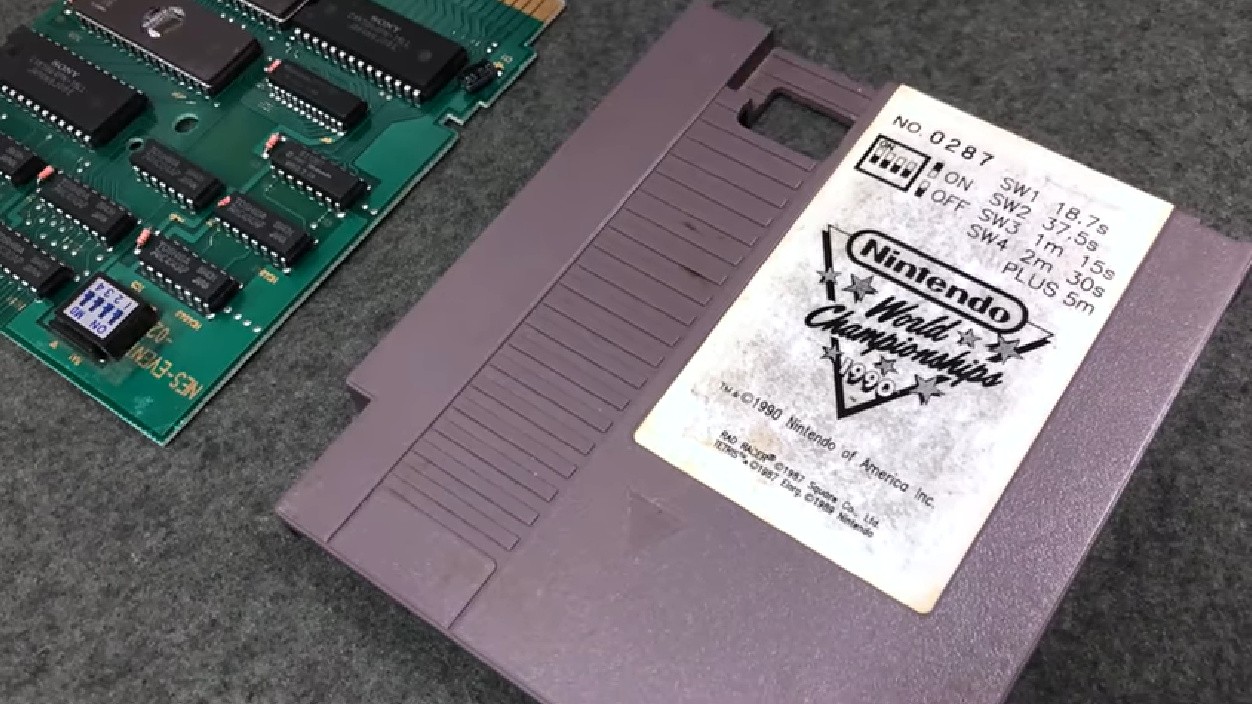
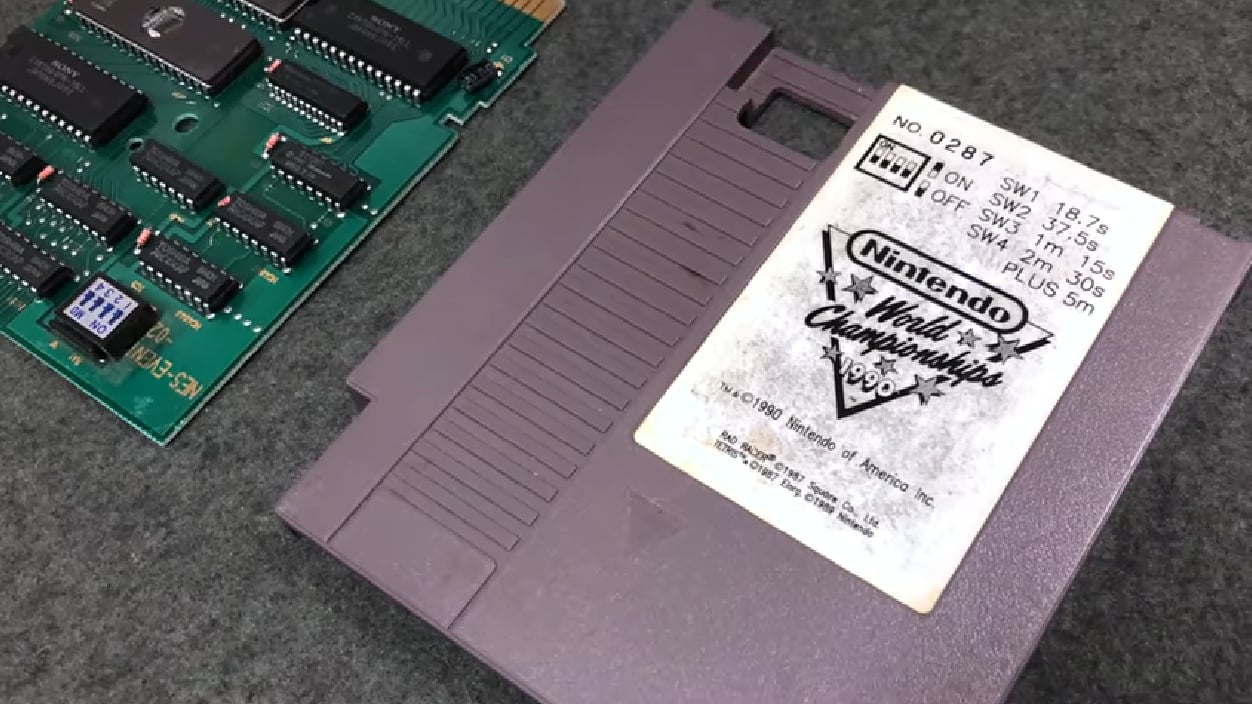
That’s all well and good, but Super Mario Bros. carts are ten-a-penny; it’s the rarities like Stadium Events or the Nintendo World Championships cartridge that really get our juices flowing, and it seems that a copy of the latter has surfaced in the wild.
The cartridge was produced in very limited numbers for finalists of the 1990 Nintendo World Championships in the USA. Two variants exist, gold and grey, and they’re among the most sought-after items for video game collectors, occasionally cropping up and commanding impressive prices.
The video below from retro gaming YouTuber Metal Jesus details the latest super rare find:
The gamer in question, Tim, found the game in his attic and contacted Metal Jesus for advice. His brother apparently played in the tournament which explains how it came to be in his possession. Heading to Pink Gorilla Games in Seattle, he got the cartridge authenticated and it appears to be legitimate.
There’s still time to raid the piggy bank if you need this unique piece of Nintendo history in your life. You’ll need one hell of a piggy bank, though – according to the video, Tim has already had an offer of $23,000 for the cart.
If you’ll excuse us, we’re off to double and triple check that none of our siblings played in the Nintendo World Championships before casually tossing their prize in the loft for 29 years.
Have you ever come across something like this in the wild? Do you have any rarities in your game collection? Let us know in the comments.
In a surprise turn of events, the NES Switch Online app has updated one day earlier than expected, meaning you can now play March’s new offerings by updating the software.
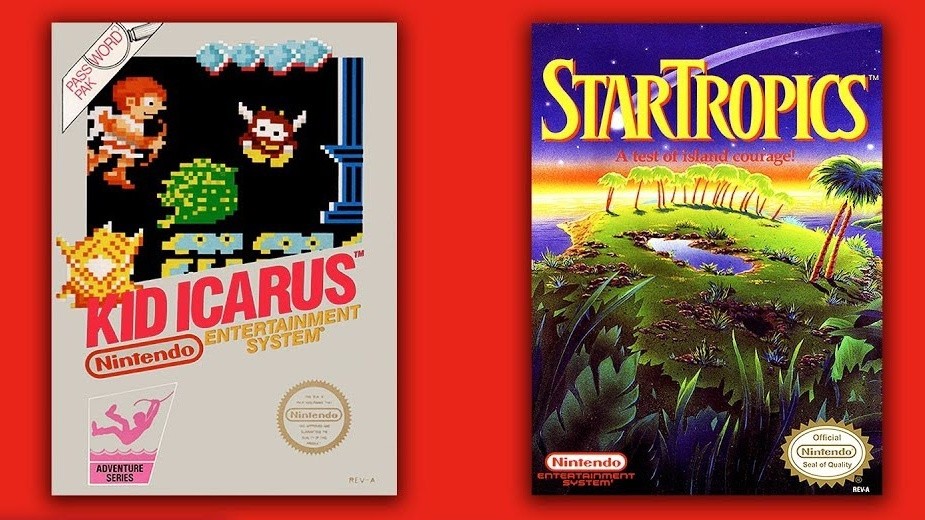
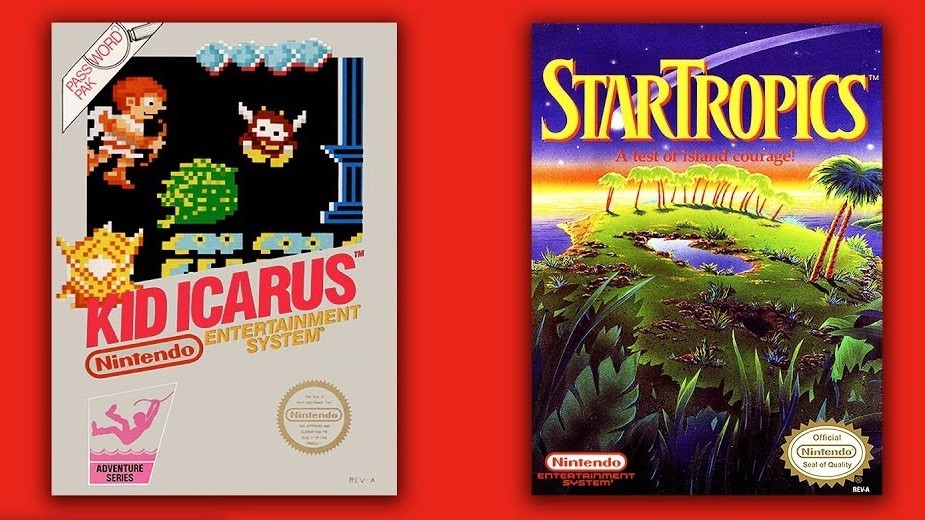
As promised, this month adds both Kid Icarus and StarTropics. You can find descriptions for both of these titles below:
Kid Icarus – The evil goddess Medusa has stolen the Three Sacred Treasures and imprisoned the goddess of light, Palutena, in her evil plot to control all. Play as Pit, a young angel who has been entrusted with a magical bow and arrow. Fight against hordes of enemies that swoop from above and below. Secure the Three Sacred Treasures from their evil guardians, equip them, and face Medusa in the final battle! Are you the stuff of legends? Restore peace to Angel Land, and prove your worth!
StarTropics – Step into the shoes of Mike Jones, a teenage star pitcher from Seattle, who has come to the tropics to visit his famous archeologist uncle, Dr. Jones. After being told that his uncle has been abducted, Mike begins a perilous quest in order to rescue him and figure out the mysterious plot behind his disappearance. Luckily for Mike, he meets helpful villagers and finds more powerful weapons as he explores numerous locations and island hops using his uncle’s submarine.
As always, though, we’ve been treated to more than just the new full games. Two more SP edition titles have arrived in the app, this time for Kirby’s Adventure and Zelda II: The Adventure of Link. We’ve copied out the descriptions for each of these special variants for you below, too:
Kirby’s Adventure: In this special adventure of Kirby’s Adventure, you can start playing through the difficult Extra Game right away. This mode is usually available only after beating the game once. Aside from that, the Sound Test is available right away too! You can press the B Button to stop a song from playing, but the Kirby soundtrack always has a way of getting stuck in your head, doesn’t it?
Zelda II: Start this version of Zelda II: The Adventure of Link with your Attack, Magic, and Life all maxed out at level eight! You won’t start with any items, but you’ll be able to use all that magic to plow through your enemies with a souped-up Link. Clear the six palaces to take on the Great Palace and win back the Triforce of Courage. Quiz time! Do you know which town names in this game appear as key characters in a different game within the Legend of Zelda series?
We’re not sure why the games have all appeared today rather than in tomorrow’s usual and already-promised slot, but we won’t complain.
Will you be jumping into any of these games today? Let us know in the comments.
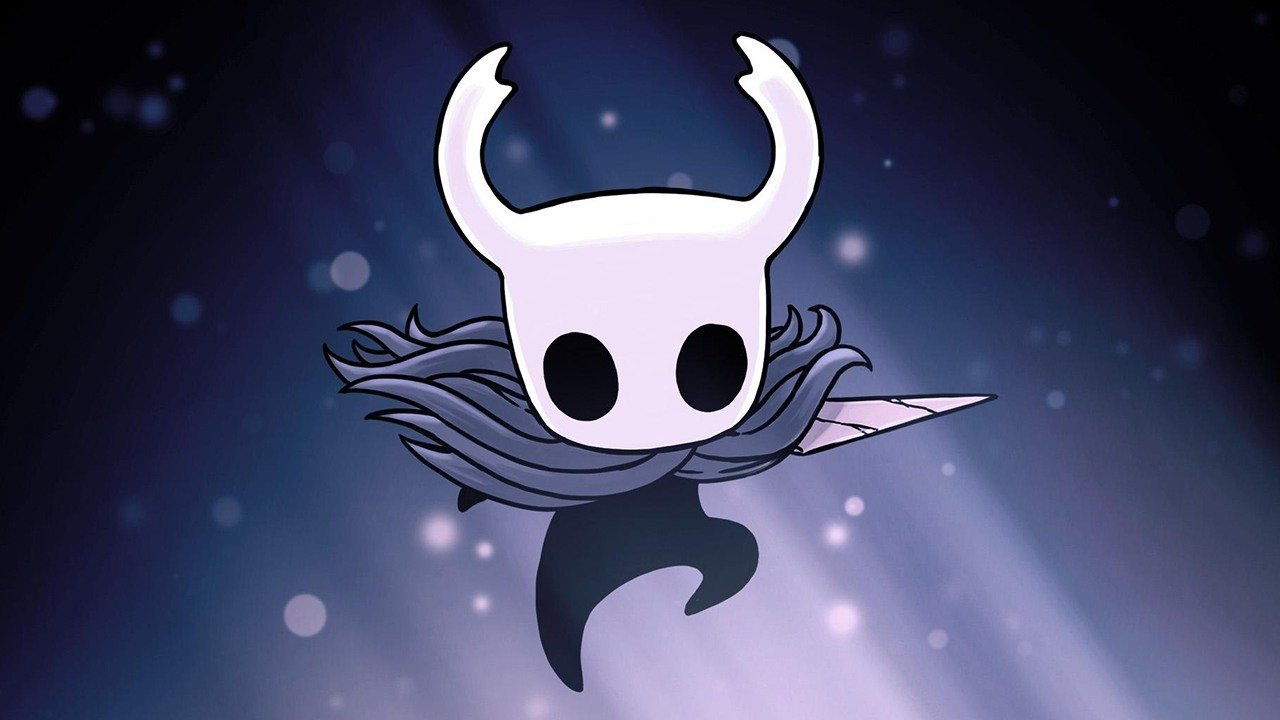
One of the most adored indie games on Switch, Hollow Knight‘s journey to a physical release has been an almighty adventure (just like the game itself, then). Luckily, you can go ahead and pre-order a super-duper physical edition right now. So what are you waiting for?
Mumblings of a physical edition have been circulating for a couple of years now, with an official announcement finally coming last summer. Sadly, this release got cancelled and all hope was pretty much lost, but this new Collector’s release available through Fangamer has saved the day.
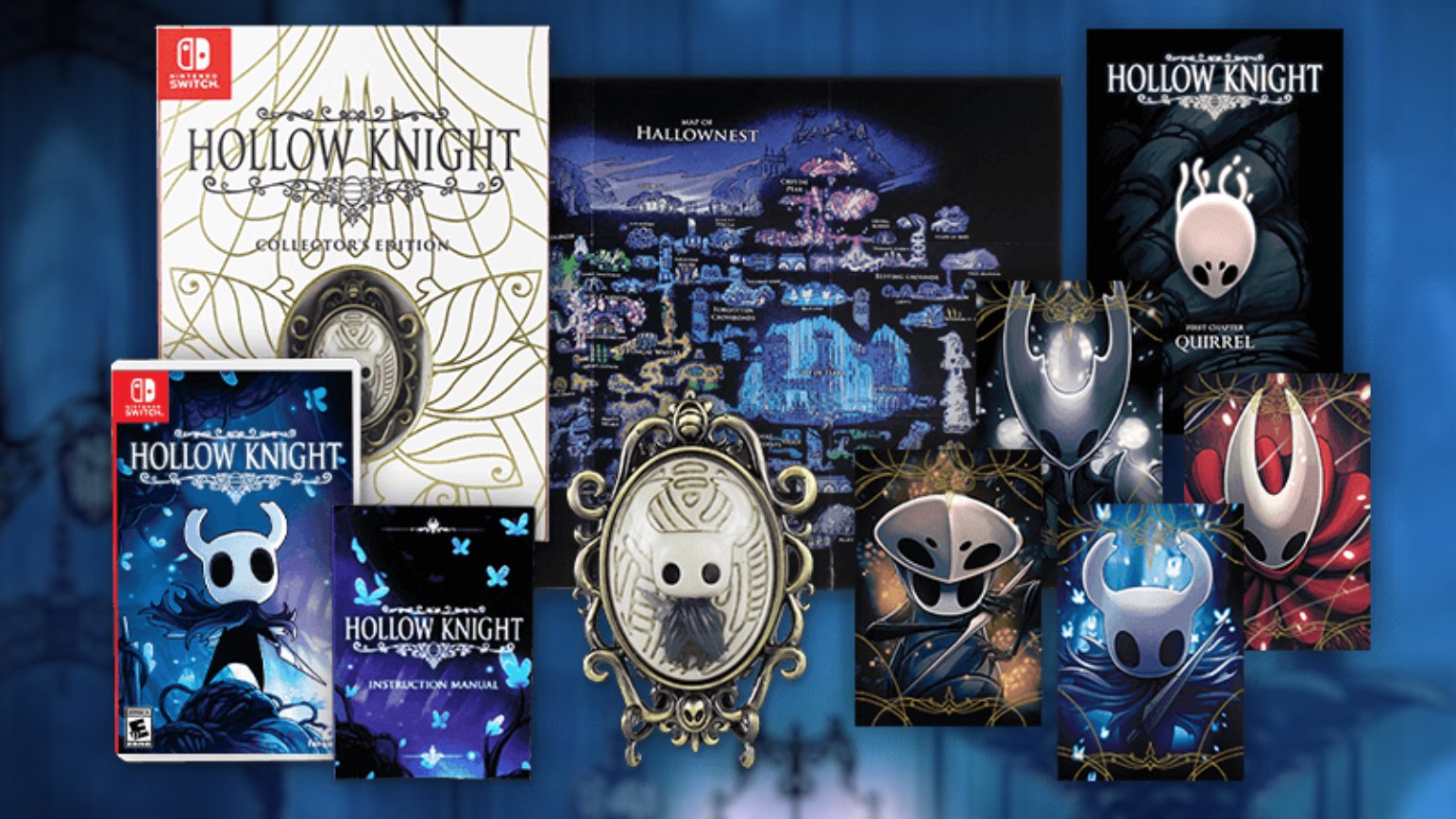
Both standard and Collector’s releases are available, priced at $34 and $69 respectively. All physical copies come with a manual and a fold-out map of Hallownest, but the Collector’s Edition has some bonus goodies thrown in:
The Collector’s Edition includes:
Metal brooch with display stand, wall hook, and dual-pronged fastener
14-page Quirrel comic book
Gift-box-style case with gold-foil filigree and a clear printed sleeve
Gold-foil art print set by Ari Gibson
Physical copy of the game on your choice of platform
Nintendo Switch™ copies of the Collector’s Edition include a bonus cleaning cloth
You can pre-order either option for yourself (and see the extras in detail) right here. The game is expected to ship on 31st May.
Are you a Hollow Knight fan? Will you be splashing out on a physical edition? Let us know in the comments.
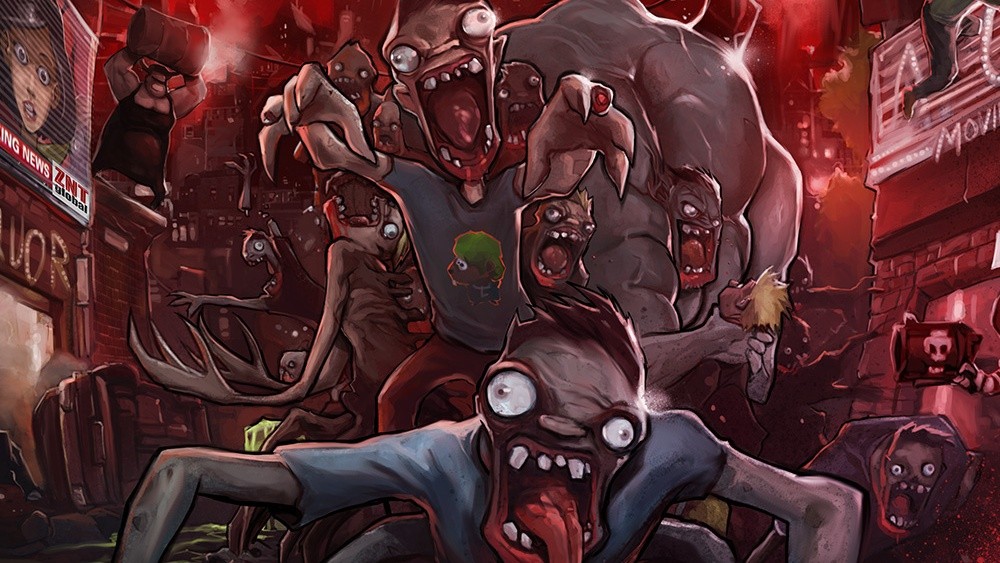
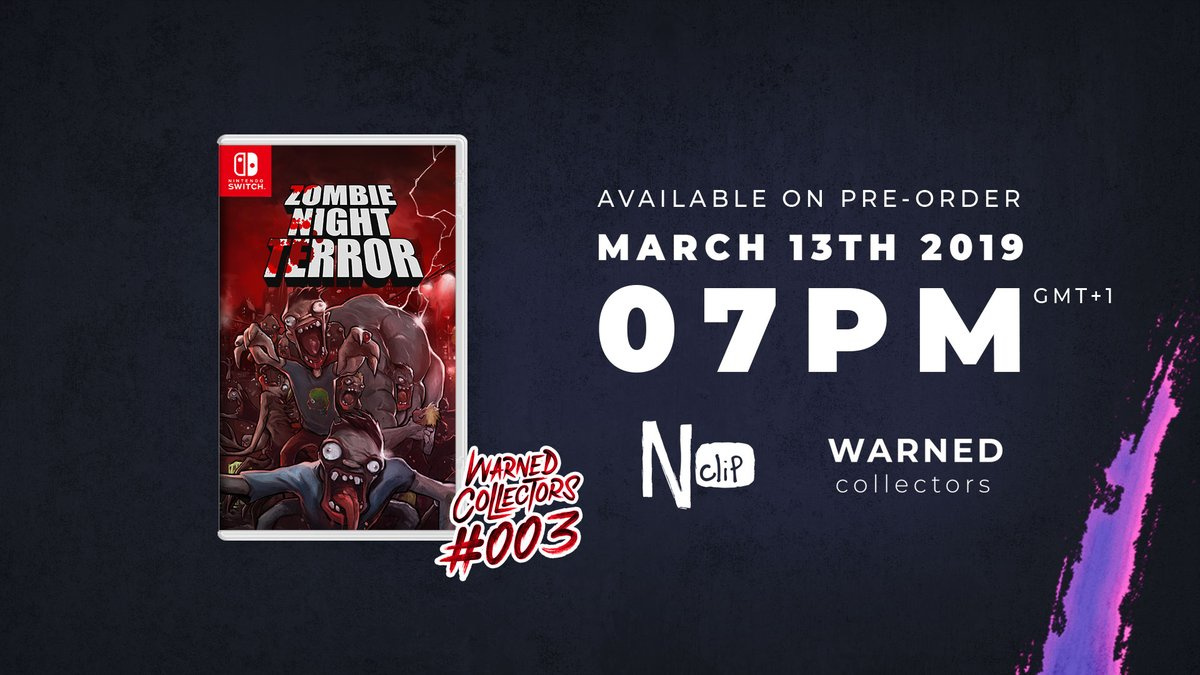
Switch indie puzzler Zombie Night Terror is getting a physical release on Switch thanks to Warned Collectors, one of the many publishers now offering limited run releases of physical Switch games.
The game originally launched on the console on 31st January, published by Plug In Digital. It features 50 levels in which you must gather zombies to join your undead army, solving puzzles and fighting increasingly powerful foes as you go. You can learn a little more with this official game description below:
“Prepare yourself for the most thrilling night of your life! Something strange has happened and people everywhere are turning into blood thirsty walking corpses. But guess who’s the brains behind this hungry undead army? YOU! So spread this pandemic to wipe humanity of this planet. Because the only way to survive the zombie apocalypse, is to BE the apocalypse!
But the brainless undead are quite dumb… even dumber than you might expect given their lack of grey matter. Because when left to their own devices, they will just endlessly walk forward and fall into permanently deadly booby traps placed by not-so-helpless humans. So to accomplish your mission of world extermination, you will need to help guide them to their next yummy meal. Luckily you can utilize numerous special mutations to make your troops evolve and fulfil their appetite for flesh. But beware! Humans will not facilitate your dark will… they will fight to survive.”
Pre-orders for this limited physical release go live tomorrow at 6pm GMT, with shipping expected to begin on 5th June. The release is limited to 3,000 copies and costs 29.99€.
Are you a collector of physical indies? Will you be putting your pre-order in tomorrow? Let us know in the usual place.
Splatoon 2 was updated to Version 4.5.0 this weekend, bringing with it a healthy number of fixes and changes to some of the main, sub, and special weapons. As it turns out, it also introduced a bug causing the game to crash in specific situations, but Nintendo has acknowledged the problem and is working on a fix.
Players have reportedly been experiencing problems when playing Clam Blitz mode on the Piranha Pit stage, with the game seemingly crashing in several cases. The official Splatoon Twitter account notes that a second update will be pushed to the game in the near future to fix the issue.
In the meantime, the offending stage has been removed from the Clam Blitz rotation, so you should be able to jump in as usual without encountering any issues.
Are you still playing Splatoon 2 regularly? Have you been playing since the new changes were introduced? Let us know with a comment.
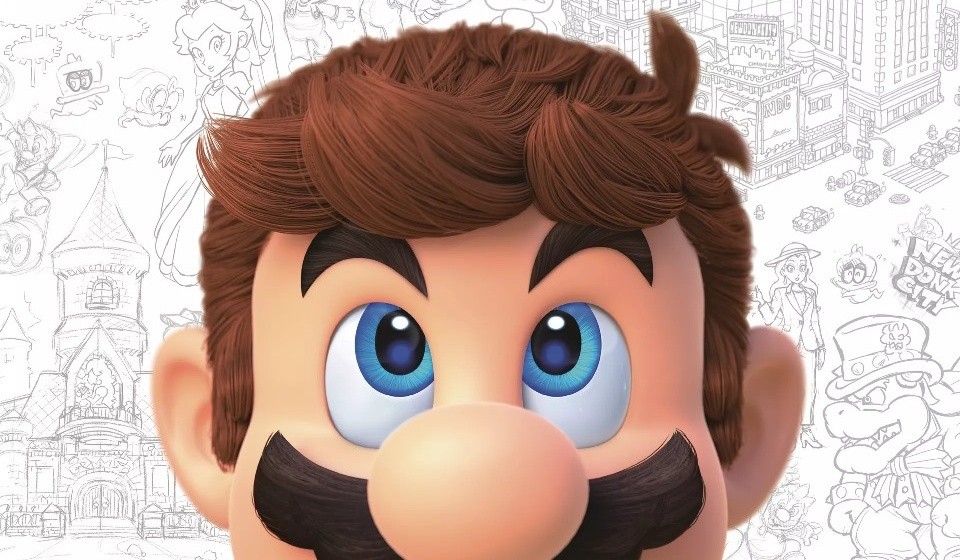
If you’re a regular visitor to Nintendo Life, you probably don’t need us to tell you just how beautiful Super Mario Odyssey is. Featuring multiple Kingdoms, each home to their own distinct aesthetic, this game is up there with the prettiest on Switch, and this book aims to show it off in style.
The book, called ‘The Art of Super Mario Odyssey’ is said to feature “concept art, preliminary sketches, and notes from the development team, plus insight into some early ideas that didn’t make it into the game itself” according to a press release from publisher Dark Horse. You can see the cover in full below.
It’s actually been out in Japan for some time now and, just a few months ago, photos of the book surfaced online showing an official Bowsette-like concept (remember her?). It’s lovely to see it come over to the west, though, and will no doubt be a glorious addition to any Mario fan’s collection.
Polygon notes that The Art of Super Mario Odyssey will be launching in North America on 22nd October, scheduled to release with pricing set at $49.99.
Will you be picking this up later in the year? Do you like learning more about the development of your favourite games? Tell us below.
Nintendo is attending PAX East in full force later this month and has now revealed its full plans for the event. If you’re attending, you can expect to get your hands on some juicy, unreleased Switch games.
Visiting Nintendo’s booths will grant you access to games, competitions, and other fun stuff too, including photo opportunities and challenges to win some Nintendo-branded goodies. The games themselves will be on display for visitors to try out, and include the following:
On top of this, the final events for the Super Smash Bros. Ultimate North America Open 2019 and Splatoon 2 North America Inkling Open 2019 both take place on 30th March at the PAX Arena. If you have a PAX East Saturday badge you can attend these for free on a first-come, first-served basis. The tournaments will also be livestreamed on Nintendo’s website, so those not attending can tune in from home.
Very limited PAX East tickets are still available if you’re interested – grab them here – and the event runs from 28th March to 31st March in the Boston Convention and Exhibition Center at 415 Summer St., Boston, MA 02210. The two Nintendo Switch tournament finals take place on the Saturday which has now completely sold out.
Are you lucky enough to be going to PAX East? Would you like to have a go at any of those games listed above? Let us know which ones you’re looking forward to in the comments.
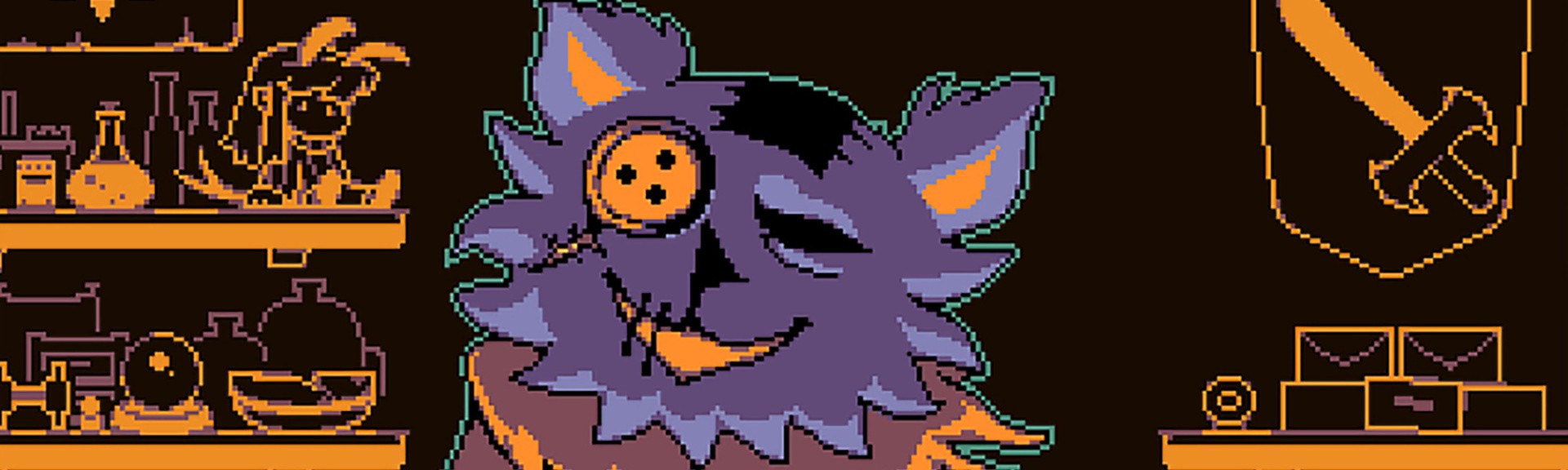
Toby Fox had certainly stumbled onto something special when Undertale was released in 2015; the seminal post-modern RPG garnered quite the cult following for its quirky humour and disarmingly dark themes, which went a long way towards cementing its unique identity. Now, a few years and several ports later, Fox is back at it again with a follow-up project, the first part of which has released on the eShop for free as Deltarune Chapter 1. Though not a direct sequel (or maybe it is?) of Fox’s magnum opus, Deltarune feels more than worthy of its predecessor’s legacy, even if it does come off as being rather light on new ideas.
After an amusing introduction with a character creator, the story begins by following Kris, a young human child going to an ordinary day of school in a world populated by monsters. Kris and the school bully, Susie, are soon asked by their teacher to retrieve chalk from a nearby supply closet, only to find themselves falling headlong into a mysterious dark world. Here, they’re informed that they’re heroes prophesied to bring balance to the world and set out on a quest to set things right so they can go home. Though the storyline is about as cliché as possible, Deltarune borrows heavily from its predecessor in the way that it handles nuance and ‘behind the scenes’ storytelling; despite appearing to be a simple tale of heroes saving the world from darkness, little hints along the way suggest a much larger plot is in motion.
What makes much of the storytelling so compelling is the hefty dosage of sarcastic and witty humour used along the way; Deltarune is a game that hardly takes itself seriously – it delights in surprising the player and finding all sorts of goofy ways to turn expectations on their head. For example, a memorable early boss encounter sees you fighting against an enemy who isn’t old enough to ride a motorcycle, so he sets his bike on fire instead to feel cool. Or, in another example, a certain party member can’t decide whether they want to be good or evil, so they follow the team at a distance so as to not be associated with them. This kind of humour permeates nearly every square inch of Deltarune, which does a great job of lulling the player into a false sense of security so they aren’t prepared when things suddenly take a disturbingly dark turn. You never know what’s going to happen next, whether it’ll be another gag or an incredibly violent incident, and that makes the plot so riveting to follow.
Gameplay takes much after Undertale – many of the trappings of a 16-bit RPG are present and accounted for – but it notably builds on Fox’s previous game by eschewing the solo, EarthBound-esque combat in favour of a multi-character system that’s more in line with Final Fantasy. Battles still play out in a turn-based fashion, but you now also have a ‘TP’ gauge that fills based on your attacks and dodges, and acquired TP can be spent on casting magic. It’s not a huge change, but it does have a notable effect on how you approach enemy attacks. Like Undertale, enemy attacks play out by having you control a small heart inside a box in a bullet hell mini-game; if you can dodge whatever flies at you in the box, your character avoids damage. However, a little more TP is gained for every ‘near miss’ with the obstacles coming your way, encouraging you to weave between them in such a way that they only just miss the heart. This slightly heavier focus on risk and reward feels like an organic and well-implemented expansion of the original combat concept introduced in Undertale, and hopefully, it will continue to be iterated on in subsequent chapters of Deltarune.
Naturally, a big part of this combat system revolves around doing all that you can to not fight, and fans of Undertale will be pleased to know that the focus on ‘sparing’ enemies is back in full force. Every enemy encounter, boss fight or otherwise, can be completed by somehow talking down, befriending, or otherwise making peace with your foes through a series of often humorous actions that end in everyone walking away relatively unharmed. You don’t receive any experience from battles that end in this fashion, but all your actions – violent or not – have long-ranging effects on the outcome of the story; there are multiple different story paths depending on just how peaceful or violent you choose to be. It certainly brings up interesting discussion around the ethics of being a ‘hero’ who kills just about everything between you and the goal, but it also creates some interesting puzzles that spice up combat a bit more. Every enemy type has a unique way in which they become wooed, and finding out what it takes to talk them down can make things more interesting than simply hammering the Attack button over and over.
Aside from the combat, there’s a handful of simple puzzles to solve in the sparse environments that comprise the game world, which serve as a reminder that not all issues from Undertale have been completely fixed. Though charming to some, most of the world feels like a collection of long, sparsely decorated hallways with very little in the way of interesting design or presentation. Sure, the item descriptions and occasional NPC conversations are funny, but the dark world hardly feels like a cohesive or living place; though there’s perhaps a slight upgrade in sprite quality and detail from its predecessor, Deltarune is unfortunately not a very pretty game to look at.
What’s more – and this is no doubt a more subjective issue – Deltarune has a general feeling of uninspired sameness that never quite manages to go away. Rather than making more of an effort to build upon and differentiate itself from its excellent predecessor, it seems that Deltarune is more concerned with simply copying what made Undertale so great. That doesn’t make it a bad game outright, but considering how fresh Undertale was at the time of its release, it comes off as being a bit disappointing that Deltarune is ‘just’ more of the same. However, this is only the first in what’s supposedly to be a multi-chapter epic, so perhaps the best is yet to come and this first episode is merely a primer for much bigger things to follow.
Conclusion
It’s unknown at this point just how big of a project Deltarune will turn out to be – only Chapter 2 is confirmed as of the time of writing – but this first chapter proves to be a solid, if a little too safe, take on the unique gameplay and humour that made Undertale such a hit. At worst, Deltarune Chapter 1 is just a smaller and shallower version of Undertale; at best, it’s a promising glimpse into a much more ambitious project that will hopefully grow to escape the shadow of its forerunner. Regardless, you can download Deltarune Chapter 1 for free right now from the eShop; we’d encourage you to give it a download and see what you think.
Which is more fun: trekking into unfamiliar territory or walking a more familiar path? Valley released in 2016 for PC, Xbox One and PS4, and has now landed on the Nintendo Switch. On a platform that’s already rich with indie delights, can this blend of first-person platforming and environmental storytelling stand out in the crowd?
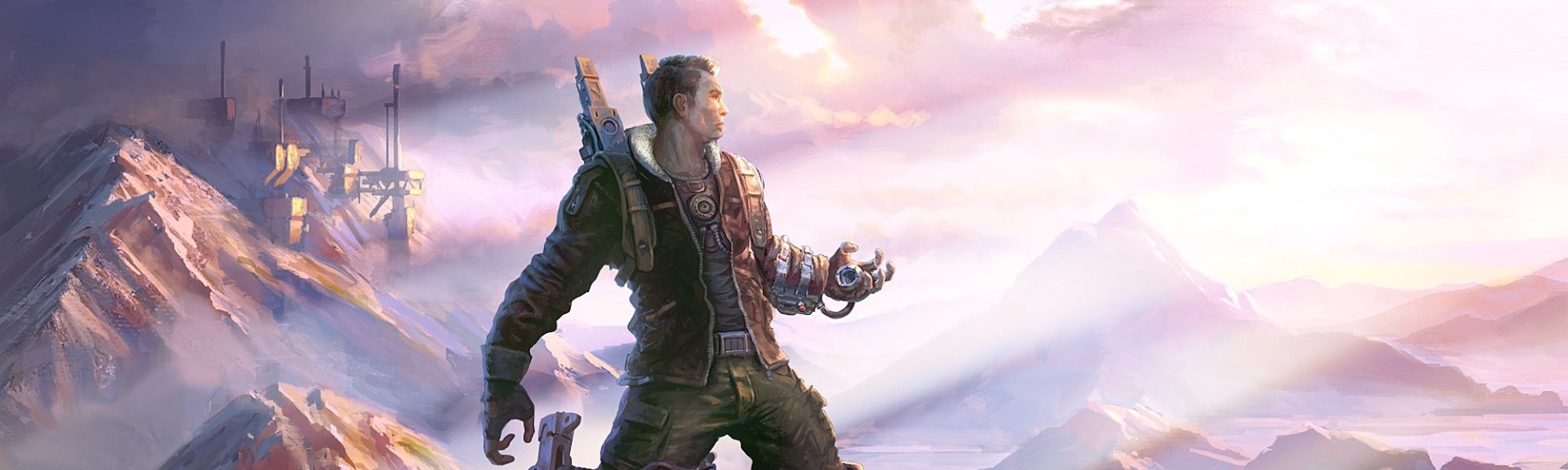
After choosing Male or Female, a quick cutscene sets the stage: The player is an archaeologist, embarking on a canoe trip into the Canadian Rockies in order to follow up on a lead concerning something called the Lifeseed. Of course, the canoe runs aground, and after emerging from a cave system into unknown territory our protagonist soon realizes they are now in for much more than they originally bargained for.
It just so happens that the Lifeseed artefact is a focal point of both local mythology and some top-secret government activities in the early World War II era. Part of these operations was the Pathfinder program, which sought to augment combat-unit effectiveness with a powered exoskeleton called the L.E.A.F. Suit. Within Valley’s opening minutes, the player happens to find a spare L.E.A.F. unit that had quite literally fallen off a truck.
Movement in the L.E.A.F. suit is enhanced beyond normal human capability. Right away, the player can jump much higher than a normal person could, and can achieve incredible running speeds by gathering steam in downhill motion. There are upgrades to be discovered regularly, which add functions like a double jump, a ‘magnetic core’ to enable walking on certain walls, and an even greater top speed while running on powered rails.
If a game’s movement mechanics are a selling point for you, then Valley is a carnival barker hawking glitzy wares under the midway lights – when it’s running on all cylinders, running around and leaping through the world is an exhilarating thrill. The sense of first-person speed and reckless leaping on display isn’t a feature you’ll see in many other titles, especially on the Switch.
It’s a feature that pairs nicely with a colourful vision of nature, with its rolling grassy plains and sheer cliffsides dotted by hulking construction equipment and the vestiges of a long-abandoned military-industrial installation. Blue Isle Studios has clearly laboured heartily to create a full, rich landscape. It is just a shame, then, that porting to the Switch has come at a performance cost; players should not expect more than 30fps consistently while docked, and a handheld playthrough will regularly encounter moments when Valley feels chuggy.
Still, a remote location with ancient ruins and strange creatures, not to mention decades-old laboratories, offers plenty of attractions to compel the player forward through the plot. The narrative is told through the environment (including notes that can be found and read without stopping any gameplay) and the use of audio logs, particularly from two characters the player will get to know. There is definitely a BioShock influence here, in the first-person unfolding of a story about an overly ambitious man who doomed those around him against a backdrop of strange forces the character will learn to wield.
Oh, did we mention that the L.E.A.F. technology includes control over life and death? Right. The player can imbue dead things (mostly trees, the occasional deer) with life. Also, the player can kill living things (mostly trees, but then some other creatures) as well. Valley is light on combat, it’s definitely more of a story delivered through a game than a game that happens to have a story. There is some fighting here and there, sure, but the extent of your ‘attack’ complexity is using a button to shoot life-force projectiles at your foes. The added difficulty is mostly in the fact that shooting bolts of life energy depletes the player’s own energy. Refills are plentiful, but it is a factor you remain mindful of through every encounter.
The most interesting mechanic might be how Valley handles player death. At any given time, an on-screen branch icon gives a readout, via leaves either blackened or coloured green, of the total ‘life’ in a given area. If the player dies, they experience ‘quantum immortality’ and respawn nearby, but at the cost of killing surrounding life. The game’s story plays with this trade-off between life and energy, and the implications this power has for curious researchers looking to outdo Oppenheimer’s work with the Manhattan Project.
Although the idea of having to restore life to the landscape in order to preserve your own life (lives?) is intriguing, it doesn’t feel fleshed out to its full potential, similar to how double-jumping is handled through a comically thin-veiled attempt at an in-story explanation. As long as you are responsible with the environment, and utilize the generators that gradual reproduce energy (health, essentially), the game is not exactly Dark Souls in its difficulty.
Valley has a story to tell, and gives the player some fun movement and pretty visuals through which to tell it. Like a rollercoaster with an in-flight movie, Valley isn’t a game with very intense combat or especially intricate puzzles (our biggest obstacle was taking a couple of minutes to figure out we had to fall from a height in order to break through a certain ground section), but if someone is looking for a 4-to-6 hour tale of military intrigue and mysterious ancient powers, this might do.
Conclusion
Valley might be more like a book than a video game; you pick it up, you experience its story to your satisfaction, you put it down. Given the low impact of the bulk of its gameplay, it’s almost puzzling that they bothered to include a few moderately challenging sections at all amid what is mostly just a pleasant jaunt through an appealing world. As long as a would-be player understands that this is not your typical FPS and it’s a somewhat shorter experience as well, there is something cool and refreshing to be found here. In a games market often trying to operate as either an endless buffet or a sticky-sweet dessert parlour, Valley is a satisfying meal that doesn’t outstay its welcome.
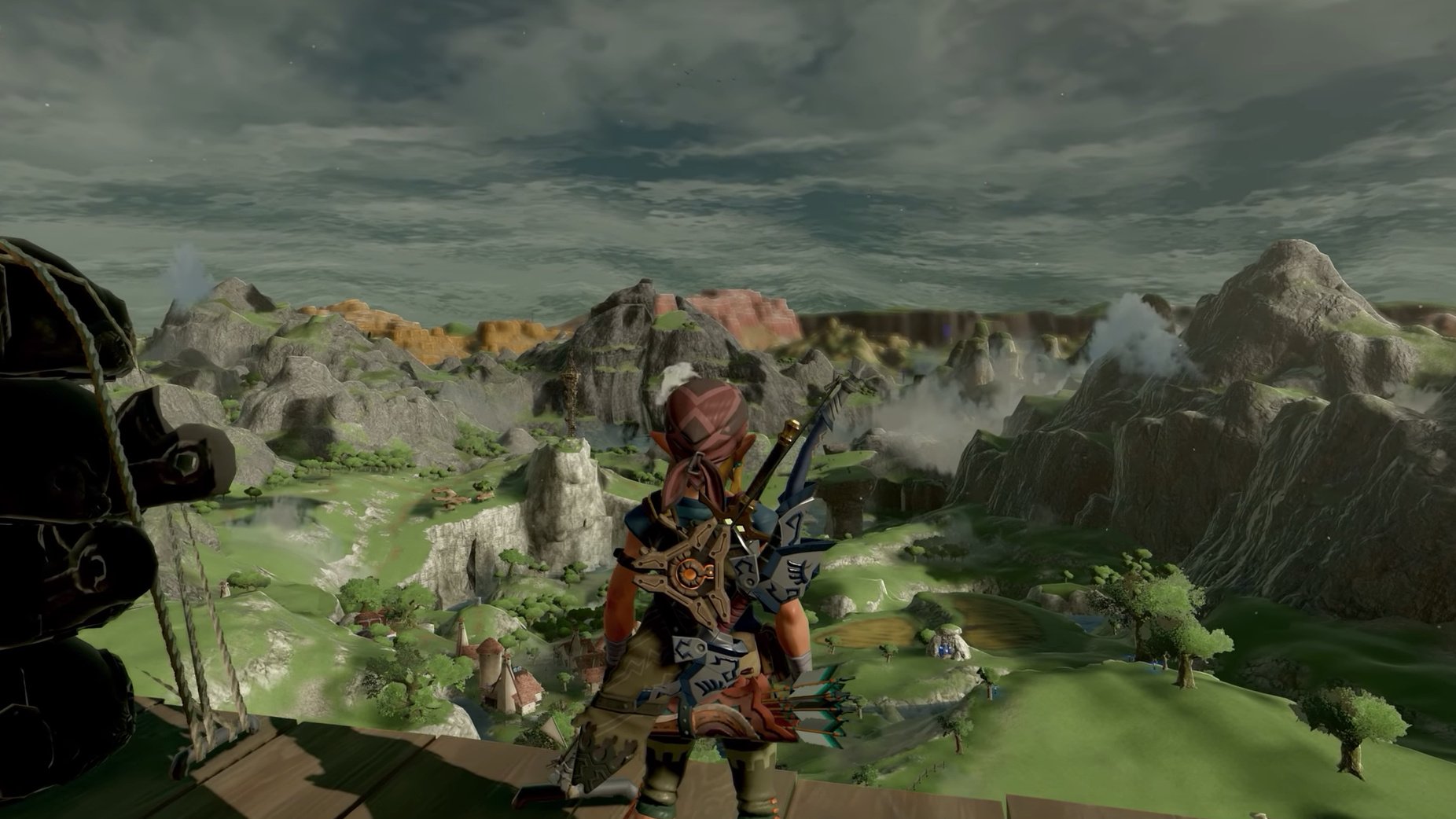
Throughout the Legend of Zelda series, and especially with the more recent entries to the franchise, each instalment’s art direction has been a real focal point for discussion and has given each game their own, unique identity. Breath of the Wild was no different; seeing Hyrule in its cel-shaded guise feels so right, even for those of us who had originally hoped for something more “realistic”.
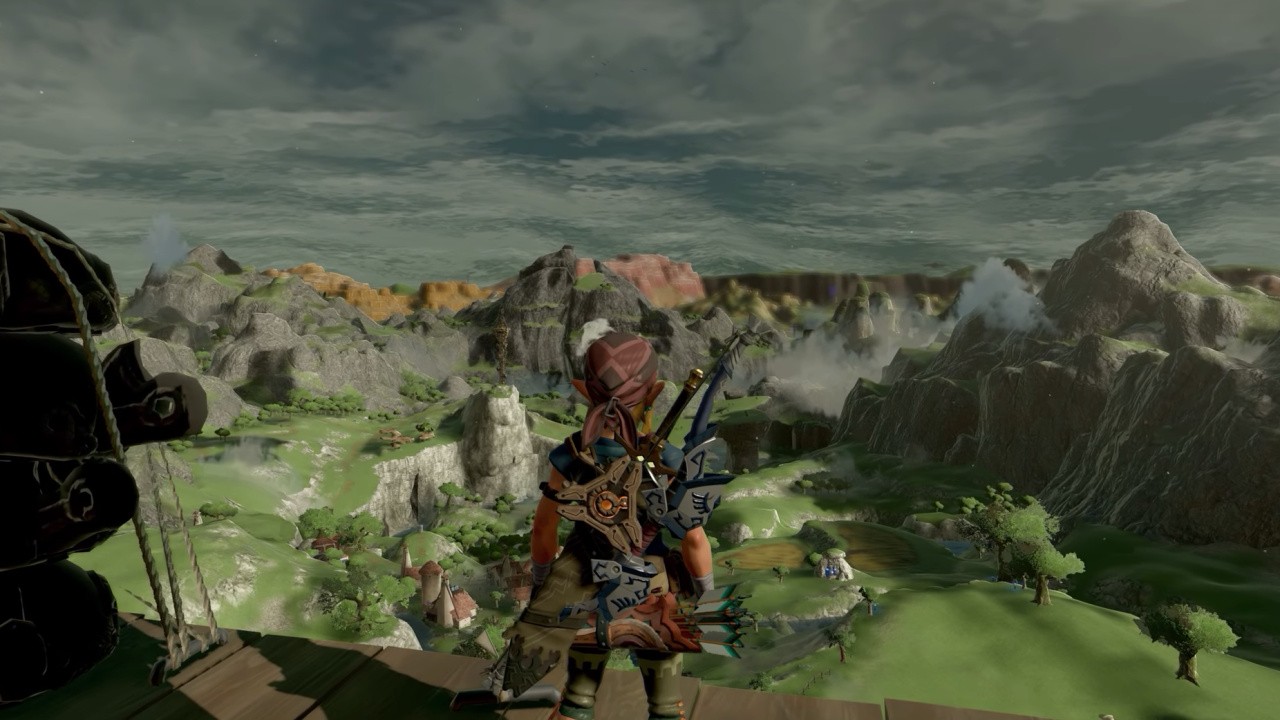
So what happens if you strip away the game’s art style, leaving everything exactly where it was but with a completely different appearance? Well, exploring exactly that, YouTube user Arkh Longstride has shared a video of a heavily modded emulation of the game running on PC. Various areas have been almost undebatably improved from a graphical point of view – look at Link’s breath, for example – but the general art direction, which takes away the cel shading, is just different.
Sure, in some ways it looks great (we love intense graphical detail as much as the next person), but in other ways, something gets lost. The game is running at 60fps, and the world has never been so detailed, but we’re not sure we’d pick this over the original. It’s definitely an interesting talking point; check it out for yourself below.
Now that you’ve seen it in action, what do you think? Better than the original? Worse? Would you like the next new Zelda to look like this? Share your thoughts with us in the comments below.