The Detective Pikachu movie will be finding its way to theatres in exactly one month’s time, but that doesn’t mean the constant trickle of footage is showing any sign of stopping.
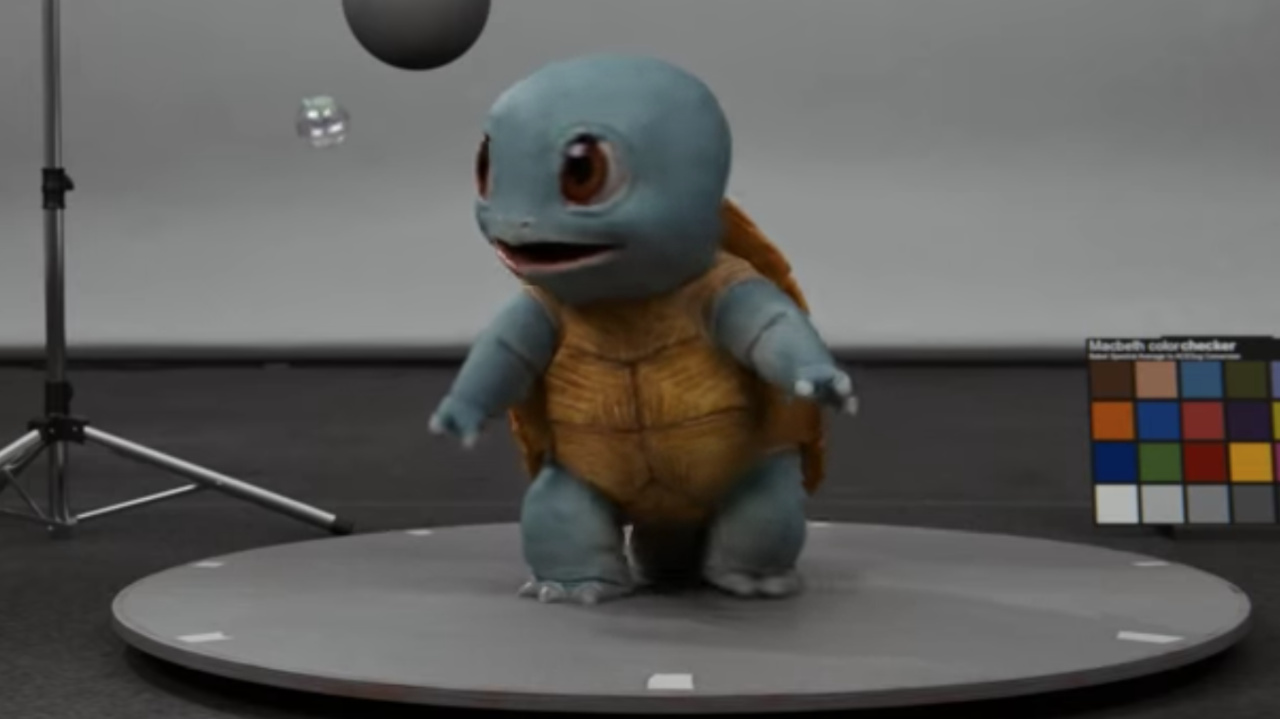
Yet another trailer has been released, this time directly from Pikachu actor Ryan Reynolds’ personal accounts. You can see several new Pokémon really close up here, with the likes of Venusaur and Magikarp being shown off in a jokey casting video. Expect humour, cuteness, and ‘oooh, that’s weird’ in equal measure.
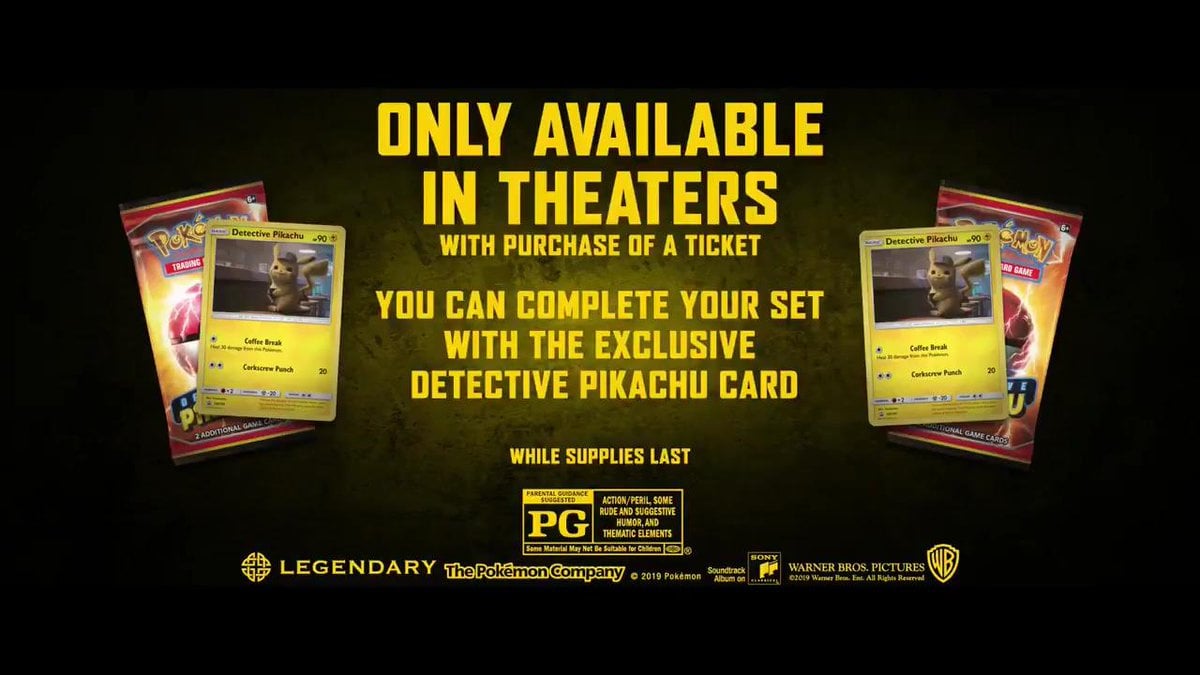
The end of the trailer also reveals that film attendees will receive an exclusive Detective Pikachu card (while stocks last). You can see it below.
Will you be going to see this? Can we come? Let’s make plans in the comments below.
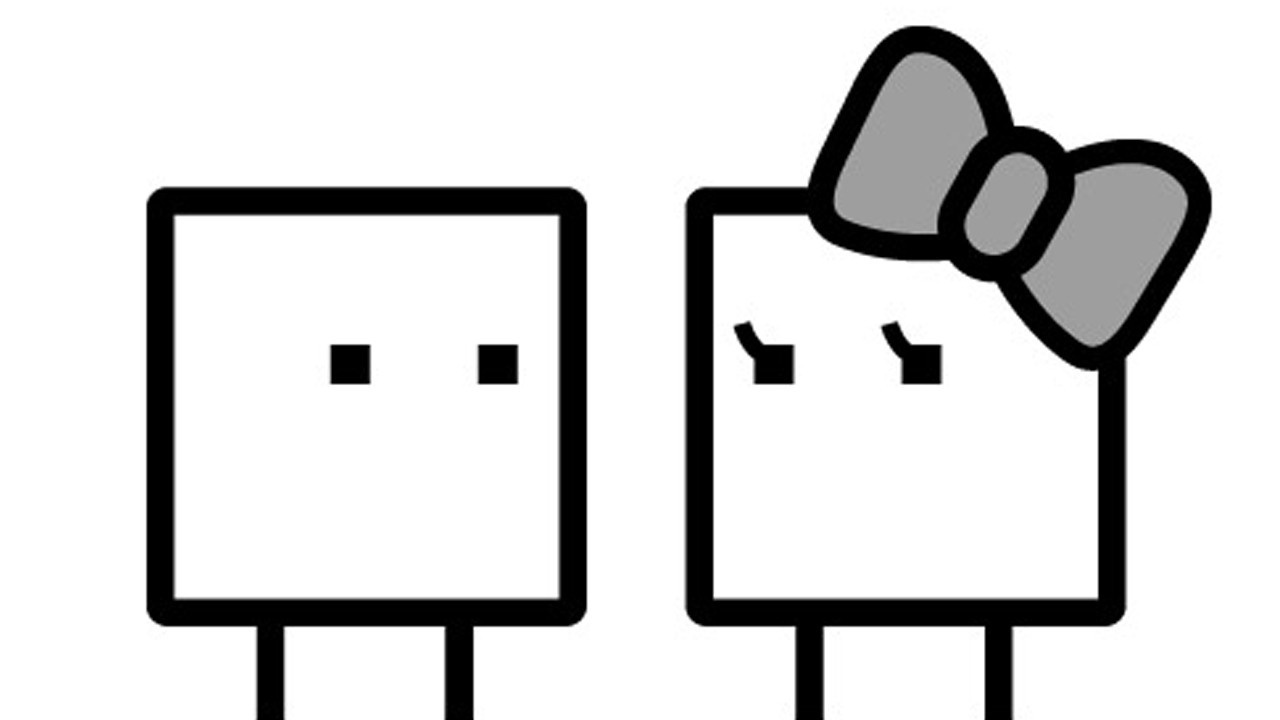
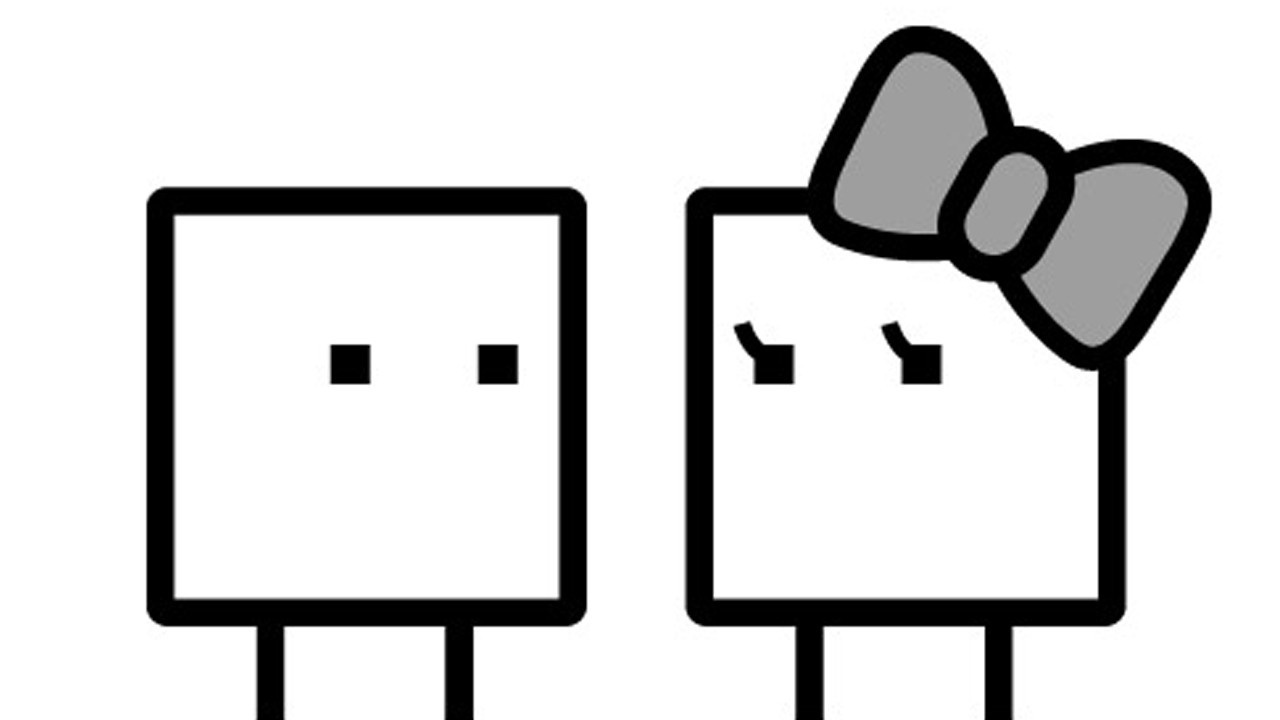
The video shows off some of the basic manoeuvres you and a friend will be able to pull off when the game arrives later this month. If you haven’t played any of the previous games in the series – which would be a shame, because they’re worth a go – then you might want to study closely to learn the tricks of the blocky puzzle trade.
The game will be available to download from the eShop on 26th April in Europe, or a day earlier if you happen to be in North America.
Are you planning on picking this one up? Have you played any previous BOXBOY! games? Let us know down below.
The classic-gaming-as-viable-business landscape looks wildly different from its form a decade ago. Where retrogaming fans once had to make do with Nintendo’s haphazard Virtual Console release schedule and an occasional dribble of retro compilations, today we have something approaching an embarrassment of riches: Mini-arcade cabinets of all sizes; Arcade Archives; a revival of massive anthologies produced to higher standards than in previous generations; brand-new games for vintage consoles; and painstakingly recreated high-end facsimiles of the old machines themselves. Whether you want to throw together a cheap piracy box to play ill-gotten NES ROMs or construct a bespoke retro corner of original hardware adapted to run on modern televisions, the business of old games has become nearly as lively a facet of the industry as making new ones.
The business of old games has become nearly as lively a facet of the industry as making new ones
Speaking as someone whose work has drifted into the ‘bespoke original hardware setup’ area at considerable personal cost, effort, and frustration, I’ve grown increasingly interested in solutions that can provide authentic retro game experiences without the pain involved in getting, say, a triple-decker Sega Genesis “tower of power” or Virtual Boy set up to run in high-definition on contemporary TVs. There’s certainly something to be said for using the real thing, but frankly, if I were to embark on my journey to build an HD retro capture setup today, I’d have taken a radically different approach than I did when I started five years ago. At the time, field-programmable gate array devices like Analogue’s Mega Sg and the open-source MiSTer project didn’t exist, emulation-based plug-and-play solutions like the RetroN 5 were a far cry from good enough, and PC-based emulation didn’t play well with television output and video capture devices. For a proper and satisfying retro experience, you simply had to go with original hardware… not to mention all the hassles their ageing capacitors and inconsistent technical standards brought with them.
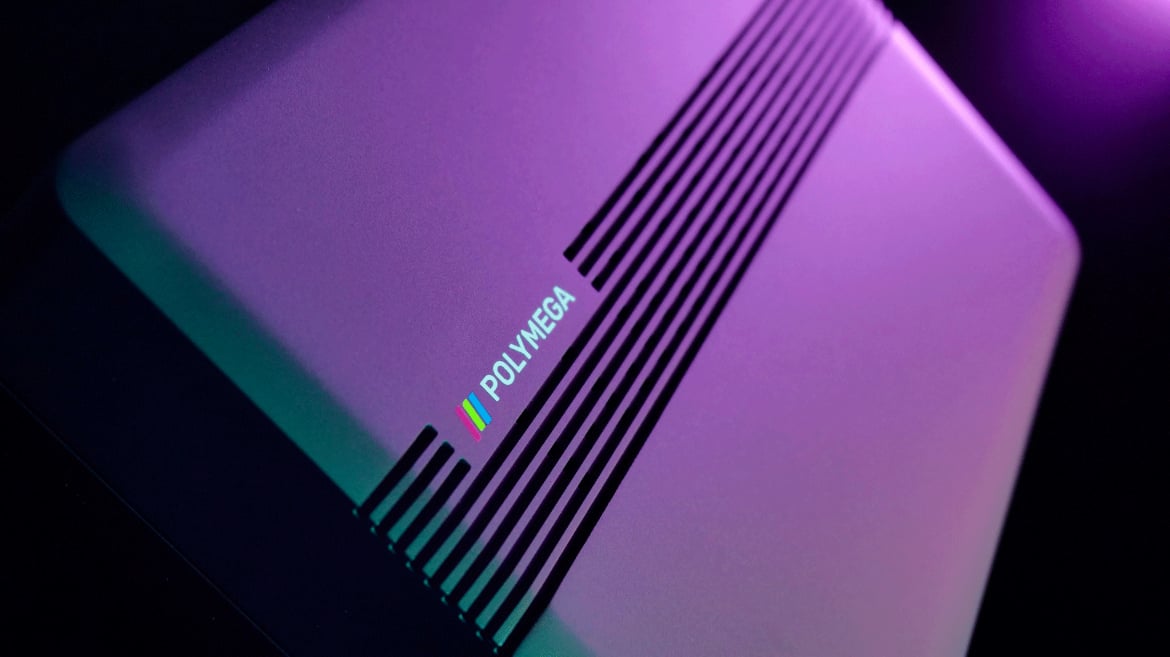
So when I say that the enigmatic Polymega retro console system caught my attention when it was announced in 2017, you can understand where I’m coming from. Polymega stood out for its sleek modular design, which made it look like a grown-up cousin to the Retro Freak system, and for its bold promise to operate on a hybrid FPGA / emulation setup. To this point, retro systems have used one approach or the other, either reproducing classic consoles dynamically at the hardware level with an FPGA or else handling games directly in software through emulation. Promising support for (deep breath) NES, SNES, Genesis, Sega CD, Saturn, PlayStation, PC Engine and PC Engine CD-ROM – as well as all of the related regional derivatives of those platforms – the concept seemed almost too good to be true… which in fact turned out to be the case. The Polymega as it exists now is simply a standard PC-style core running a suite of customized emulators; FPGA modules have been mooted, but for now, we’re talking exclusively software-based emulation.
While the news of this tech shift came as a disappointment to many FPGA enthusiasts, software emulation isn’t automatically inferior to hardware simulation. Polymega, it turns out, runs several of the best emulators currently available, some of which have been customized (with the cooperation of the original emulator creators) for the system. For example, its Sega Saturn core appears to be a tweaked version of Mednafen. The Saturn demos I went hands-on with recently at Game Developers Conference 2019 certainly ran well, which bodes well for Polymega, given the Saturn’s famously finicky internals.
The setup ran games smoothly across a range of formats and styles, with solid frame rates and responsive control input
The Polymega admittedly suffers from a few software quirks that need to be ironed out before it launches (which could be as soon as this summer, according to manufacturer Playmaji). The most notable of these was a bit of stuttering that accompanied the Neo Geo CD title I tested. I was told this was a temporary side effect of the console’s disc caching process, and indeed the game we demoed – one of the Sengoku titles – did settle down and play more smoothly after a few minutes. The disc-based games also take a while (roughly 10 seconds) to spin up at launch, which isn’t a deal-breaker but can be slightly annoying. And the front-end interface feels a little clunky to learn, especially when you start dealing with imported discs that reverse their confirm and cancel inputs from their western counterparts (the process of swapping between discs for multi-disc games, in particular, is a bit prickly). Polymega could also stand to see a few more filtering and display options; it includes three, ranging from simulated composite video degradation to pure crispy pixel perfection, but the selection feels anaemic compared to the suite of display features available in contemporary classic reissues by the likes of M2, Hamster, and Backbone.
Despite these issues, though, I came away from my hour-long demo impressed by the Polymega system. My session showcased the system’s support for advanced, disc-based 32-bit consoles and 16-bit add-ons – devices not effectively covered by existing commercial multi-system emulation boxes like RetroN 5 and Retro Freak. The only significant technical snag I noticed was the aforementioned Neo Geo CD caching issue, and that was balanced (at least in part) by the fact that the first level of Sengoku loaded in about two seconds, considerably less time than it took on the notoriously sluggish single-speed CD drive of the original console. Otherwise, the setup ran games smoothly across a range of formats and styles, with solid frame rates and responsive control input.
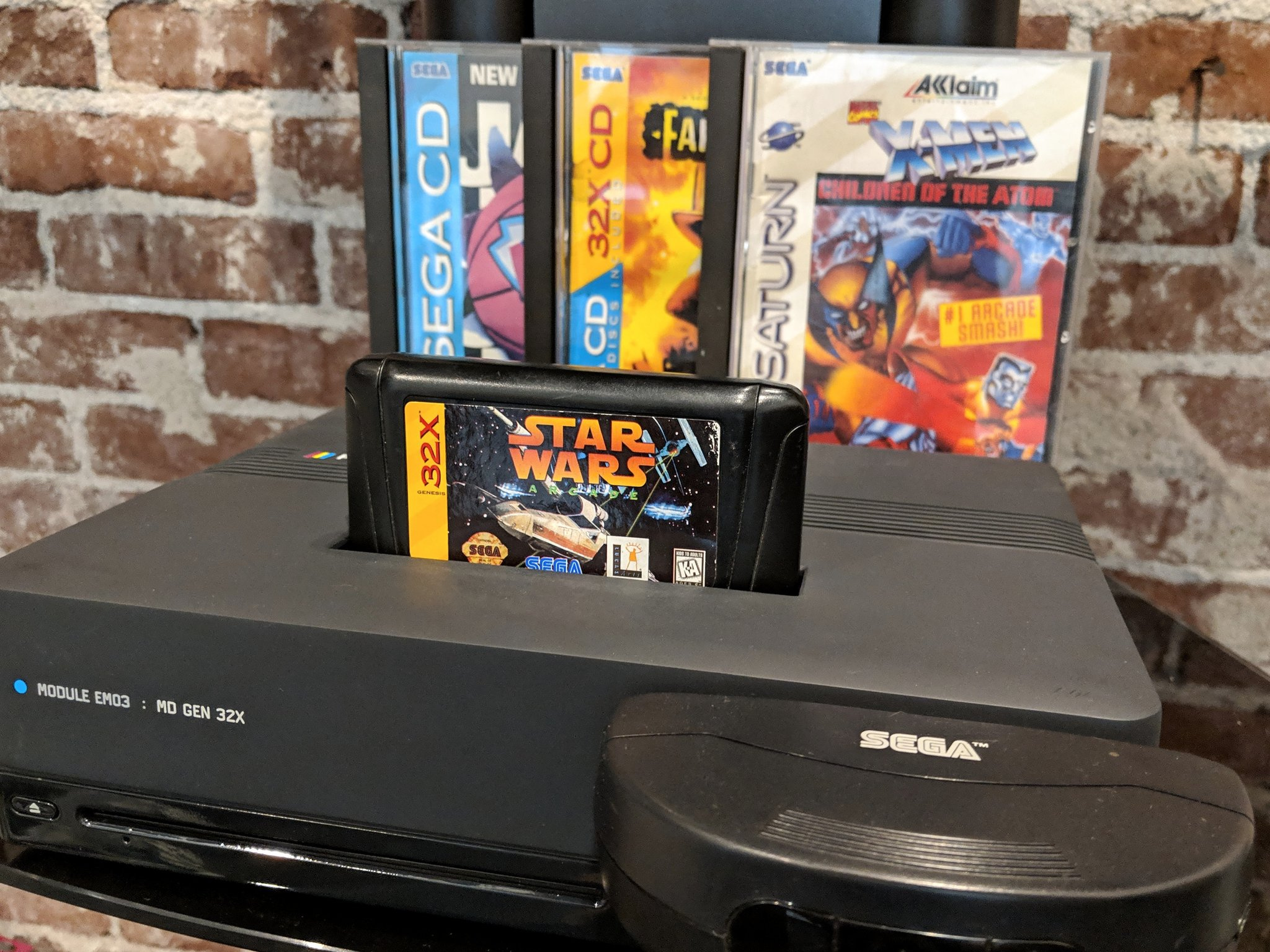
I tested several games, perhaps most notably Fighters Megamix for Sega Saturn, which ran at a smooth 60fps throughout according to the (optional) on-screen frame count. On the strictly 2D side, the first couple stages of Dungeons & Dragons: Shadow of Mystara ran without a hitch in two-player mode, despite the original game requiring a RAM expansion cartridge when played on Saturn. Also impressive on a technical level (if not particularly compelling on the gameplay front) was the brief trip I took through Fahrenheit for Sega 32X CD, which is one of the few games not supported by Analogue’s impressive Mega Sg. The complex add-on processor and mandatory analog hookups the 32X required make it difficult to emulate that peripheral in standalone hardware, but that’s less of a hurdle for a pure emulator to clear – not that much of anyone is clamouring to play the six dreadful titles that comprise the 32X CD library. Still, it’s a neat party trick.
Polymega is designed around the idea of ‘proper’ emulation that doesn’t infringe on anyone’s copyrights
Perhaps the most interesting aspect of Polymega is found in the way in which its modular design correlates to its creators’ desire to ‘play nice’ with game publishers. Unlike many emulation boxes, Polymega requires the use of original media in order to run. You can’t simply load up an SD card with a complete ROM pack and have instant access to the thousands of games all the Polymega’s supported consoles can run. Instead, it works more like an actual console: You need to insert a game’s actual cartridge or disc in order to play it (though in the case of systems like Sega CD, which lacked copy protection, a ‘back-up’ copy of the disc will suffice). The add-on platform modules, which are sold separately from the base unit, exist primarily as a conduit for the different cartridge formats used by various older consoles.
While this adds an element of inconvenience and encumbrance to the Polymega, I get the impression its creators have adopted this approach to embrace legitimacy and improve their odds of retail distribution. While emulation and software piracy tend to be somewhat synonymous in the eyes of many gamers, they’re not the same, and Polymega is designed around the idea of ‘proper’ emulation that doesn’t infringe on anyone’s copyrights. By presenting it as a way to revisit players’ existing software libraries rather than launch into a buffet of torrented ROMs, Polymega manufacturer Playmaji distinguishes itself from all those sketchy mall kiosks of bygone days.
The interchangeable console modules serve a second purpose as well: In addition to a cartridge interface, they also contain ‘zero lag’ controller ports for the controllers belonging to the system in question. That said, the modules aren’t a mandatory constant. While the Polymega doesn’t support loading games from ROM files, it does offer a backup feature that allows you to dump your discs and carts to add-on storage (the demo unit I tested had been equipped with a massive solid-state drive, loaded with an enormous library of games). Once dumped, a game no longer requires its corresponding console modules… unless, of course, you’d prefer to play it with the intended controller rather than the all-purpose pad included with the hardware.
Once dumped, a game no longer requires its corresponding console modules
The default Polymega console itself supports all disc-based platforms, and only disc-based platforms, right out of the box. The base of the unit is a flat, low-profile device that contains the disc drive and internals of the system. The forward two-thirds of the unit upper portion is, by default, simply a hollow plastic cover that can be removed to allow the various cartridge modules to slide onto the drive unit and connect to the dock at the system’s rear. I didn’t really have a chance to experiment with the swappable modules, so I can’t speak for how well they do their thing, but I did take a brief tour of the ‘backed up’ games installed on the demo unit, and they cover a solid range of obvious platforms ranging from NES to Genesis / Mega Drive. Even Master System games should be accessible with the use of the Genesis’ Power Base Converter, I’m told.
Noticeably absent from Polymega’s exhaustive list of supported games: Anything handheld. This is strictly being positioned as a console emulator, with the potential for a handheld variant down the road. This does, unfortunately, appear to mean that Super Game Boy support isn’t included, since the emulator hasn’t been given the ability to recognize the individual Game Boy carts. On the other hand, it supports console titles from all regions on each platform, and it includes support for NEC’s various Turbo CD System Cards.
There’s plenty about Polymega that remains to be seen. Since I didn’t experiment with the cartridge modules, I didn’t get to test-drive its support for esoteric enhanced carts like Yoshi’s Island (Super NES), Virtua Racing (Genesis), and Akumajou Densetsu (Famicom). The games I demoed ran smoothly and accurately, outside of the Neo Geo CD caching, but as I didn’t have any of my own disc-based titles on hand we ran through games selected from a set of (I would estimate) around 100 that had been curated by Playmaji. Inevitably, a device that potentially supports as many games as this can’t realistically be fully QA-tested for every possible game; when something inevitably breaks, how quickly will Playmaji move to patch those issues via its wireless internet connection? Details like this will ultimately determine the value and longevity of the system.
These uncertainties aside, I found my reservations about Polymega were largely cleared away by my test session with the system. Certainly, it does an impressive job of handling some rather difficult consoles, and the way it embraces legitimate emulation (both in terms of support for original media and its authorized use of existing emulators) while still allowing players to boot their own backups seems like smart business. While Polymega’s final form isn’t quite what we were promised at first, it’s shaping up to be a satisfying take on the TV emulation box, with better performance and greater ambition than currently available multi-platform console emulators… not to mention the promise of continued versatility and expansion down the line. It’s definitely one to keep an eye on, especially for players looking to graduate beyond the standard 16-bit platforms that represent the extent of other emulator boxes’ support.
The game debuted with an estimated 70,990 sales on Switch, which is comfortably higher than the figure Yoshi achieved in its debut last week.
As you may already be aware, Media Create – the company which usually provides our Japanese chart figures – has changed the way in which it operates. The figures below are from Famitsu which, while seen as being slightly less accurate than Media Create’s data, should provide us with estimates of sales going foward.
As such, you’ll likely notice some slightly odd differences between the figures below and those which we shared last week.
Here are the top 10 (first numbers are this week’s sales, followed by total sales):
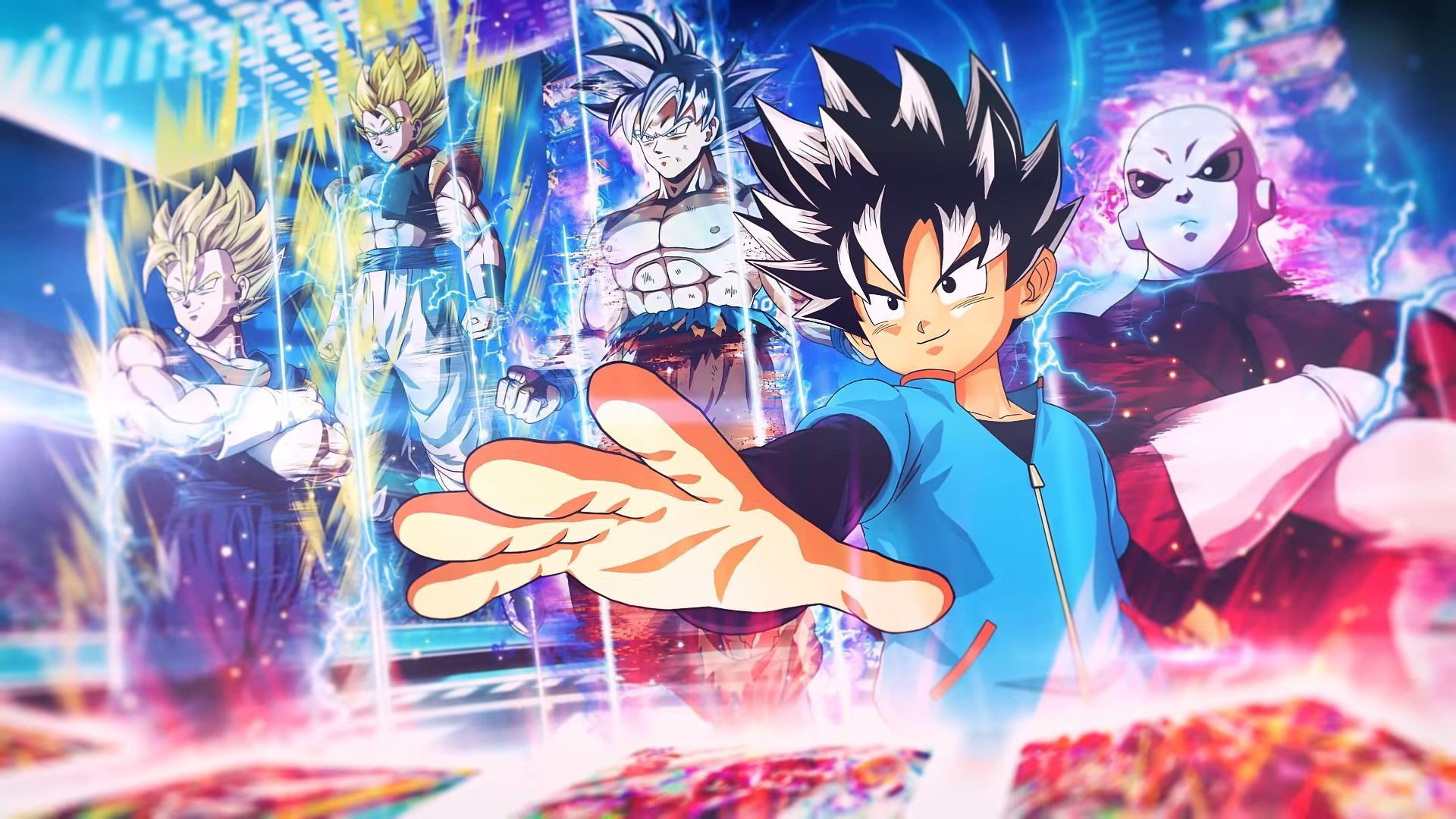
1) [NSW] Super Dragon Ball Heroes: World Mission (Bandai Namco Games) {2019.04.04} – 70.990 / NEW 2) [NSW] Yoshi’s Crafted World (Nintendo) {2019.03.29} – 28.468 / 78.475 3) [PS4] Sekiro: Shadows Die Twice (From Software) {2019.03.22} – 18.101 / 212.961 4) [NSW] Super Smash Bros. Ultimate (Nintendo) {2018.12.07} – 14.775 / 3.007.151 5) [NSW] Minecraft (Microsoft Game Studios) {2018.06.21} – 12.278 / 719.845 6) [NSW] New Super Mario Bros. U Deluxe (Nintendo) {2019.01.11} – 12.111 / 560.098 7) [NSW] Mario Kart 8 Deluxe (Nintendo) {2017.04.28} – 9.551 / 2.246.416 8) [NSW] Splatoon 2 (Nintendo) {2017.07.21} – 8.161 / 3.028.994 9) [NSW] The Legend of Zelda: Breath of the Wild (Nintendo) {2017.03.03} – 6.309 / 1.281.348 10) [NSW] Super Mario Party (Nintendo) {2018.10.05} – 6.305 / 991.550
As for hardware, Switch is still sitting at the top of the chart, selling an estimated 46,850 units this week. Here are this week’s figures:
1) Switch – 46,850 2) PlayStation 4 – 8,347 3) PlayStation 4 Pro – 5,507 4) New 2DS LL – 3,469 5) 3DS – 919 6) PlayStation Vita – 482 7) Xbox One X – 60 8) Xbox One – 33
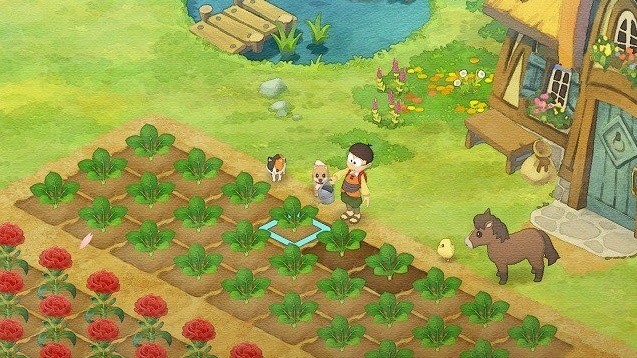
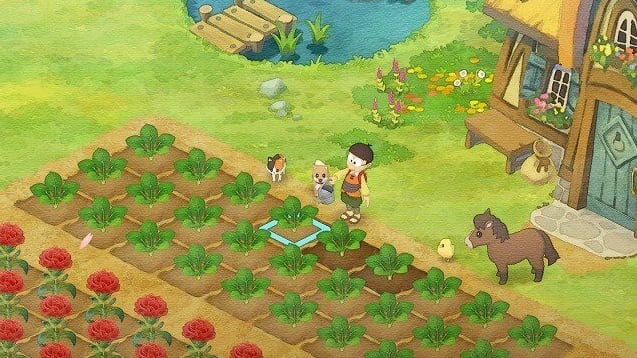
As you may well be aware, Doraemon Story of Seasons – a crossover title featuring elements of both Japanese manga series Doraemon and Story of Seasons – is launching in Japan this June. In case that wasn’t enough for you, it has now been confirmed that another Story of Seasons game is currently in development, separate to that release.
The news comes from the latest issue of Weekly Famitsu in Japan, which contains an interview discussing the Doraemon crossover. The interview features several interesting points about that game, while also teasing this second game in development. The folks over at Gematsu have shared the following list of key points:
– Doraemon Story of Seasons is a project that was launched by Bandai Namco’s Koji Nakajima, who was a fan of Harvest Moon: Back to Nature. – Unlike past Story of Seasons titles, Doraemon Story of Seasons has a proper main story (as opposed to just working on the farm). – The theme is family, and the main story focuses on love for one’s family. – Working on the ranch is the player’s main task, and at first the farm work will be quite hard. – Doraemon’s secret gadgets will help resolve the things that “inconvenience you” in Story of Seasons. – The “At Gungun,” which causes crops to grow immediately, is an expendable item, so it cannot be used carelessly. – Other than Doraemon Story of Seasons, work is underway on a new Story of Seasons game, according to Marvelous’ Hikaru Nakano.
Are you a Story of Seasons fan? Will you be keeping an eye out for more announcements on this going forward? Let us know your thoughts below.
Remember the rumour last month about the stage builder and home run mode being added to Super Smash Bros. Ultimate in a future update? Well, it looks like at least one of these modes has now been confirmed.
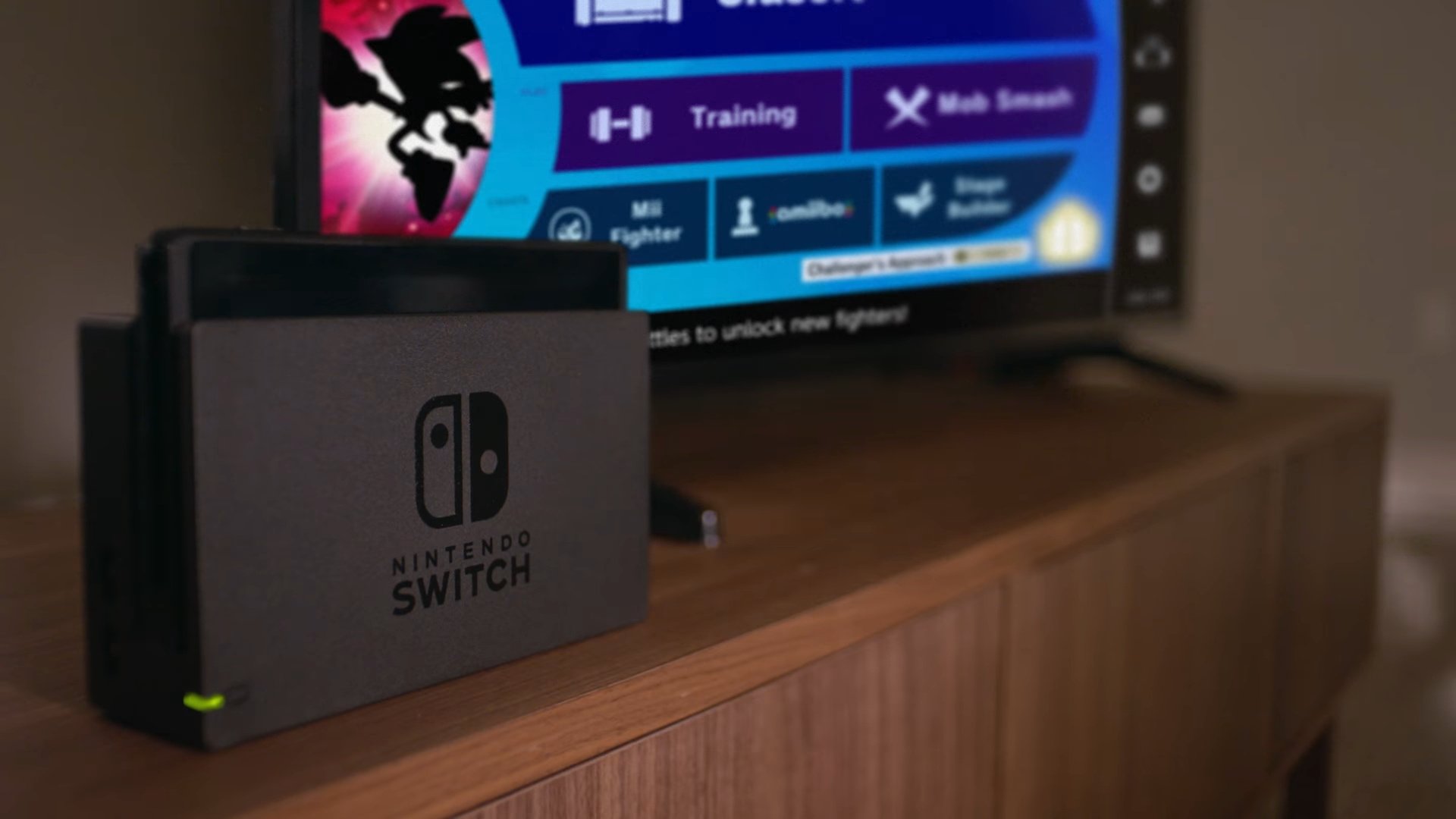
After dataminers found files within the ‘How To Play’ section of Ultimate making reference to the two modes, a new commercial for Smash Bros. Ultimate has seemingly teased the return of stage builder. At the beginning of the video, there’s a glimpse of the mode in the right-hand corner of the game’s menu.
This clip now has us wondering when exactly the stage builder will be added to the game and if this means the home run contest is also on the way. If the existing rumour is anything to go by, the stage builder is likely to show up alongside Joker in the next major update (version 3.0.0).
Are you excited the stage builder mode is returning to Smash Bros. Ultimate? Tell us down in the comments.
For some people, Rocket League is just another video game. For others, it’s a way of life. If you do live and breathe this rocket-powered take on soccer, you’re probably busy grinding away on a regular basis trying to unlock rarer cars and cosmetics.
If you’re looking to stand out from the rest of the competition next time you’re in the arena, the third rocket pass arriving next week on 17th April might be of interest to you. Not only will it introduce a brand new lineup of items to unlock, but you’ll also gain access to free and premium weekly challenges. These will give you regular goals to achieve and help you tier up faster in Rocket Pass 3 so you can unlock more rewards.
Here’s a bit about the items in the third pass:
Rocket Pass 3 will feature 20+ items in the Free track, and 50+ additional items in the Rocket Pass Premium Track, including the all-new Guardian Battle-Car. Plus, there are Decryptors to earn on the Free track and a total of 10 Keys in Rocket Pass Premium.
The Pro Tiers are back! Pro Tiers (i.e. past Tier 70) will grant Painted items from Rocket Pass 3, and will have a chance of being Certified or Special Edition. As always, rewards earned from the Pro Tiers in Rocket Pass 3 are tradable.
And here are the finer details:
Rocket Pass Premium for Rocket Pass 3 is the same price as previous Rocket Passes (10 Keys).
Rocket Pass 3 will have both Free and Premium Tiers, just like Rocket Pass 1 and 2.
Rocket Pass 3 will have Weekly Challenges for both Free and Premium tracks.
The Free track will have three Weekly Challenges and those with Rocket Pass Premium will get three additional Weekly Challenges.
Challenges expire each Wednesday at 10 a.m. PDT (5:00 p.m. UTC) during Rocket Pass 3, and new challenges will become active at that time.
Weekly Challenges must be completed within their active week.
You cannot go back and complete expired challenges once their week has passed.
If you purchase Rocket Pass Premium in a later week during the Rocket Pass 3, you will receive Tier Points for completed Challenges from previous weeks.
Last of all is a new trailer:
For more information about Rocket Pass 3 and the weekly challenges, visit the official game site.
Are you still playing Rocket League on the Switch? Will you be revisiting this game to unlock some new items? Tell us down in the comments.
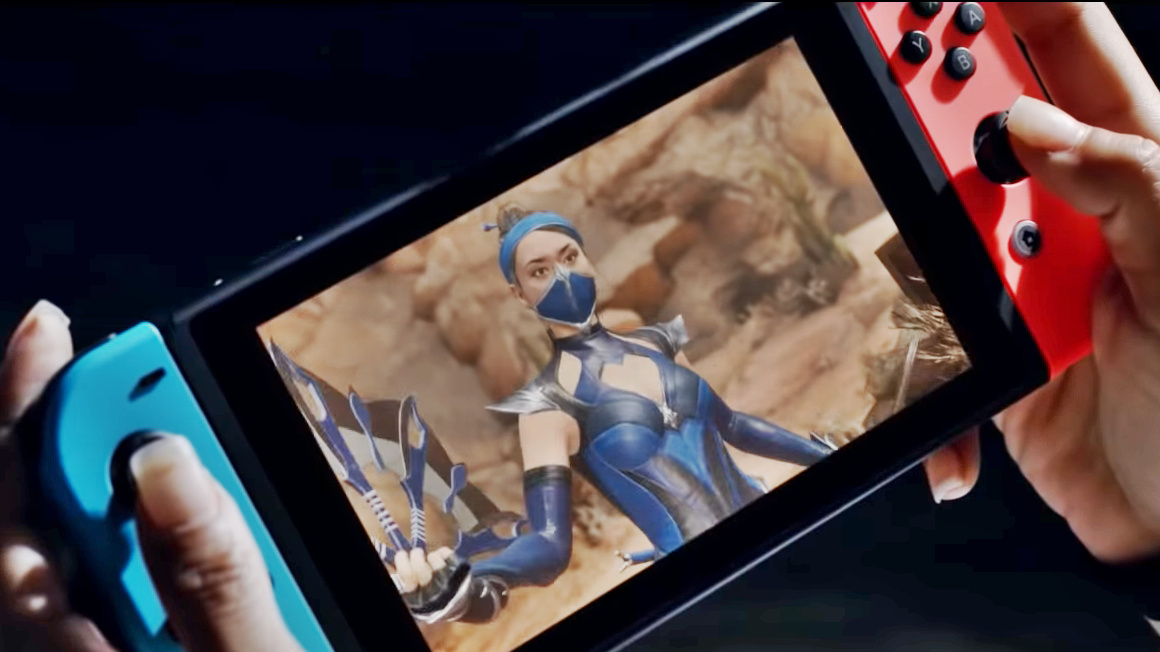
If you’re going to fork out $100 for that fancy premium edition of Mortal Kombat 11 on the Switch, surely you would like to know what the game looks like beforehand, right? The co-creator of the series Ed Boon has even said himself this version of the game is “looking great” so when can we see it?
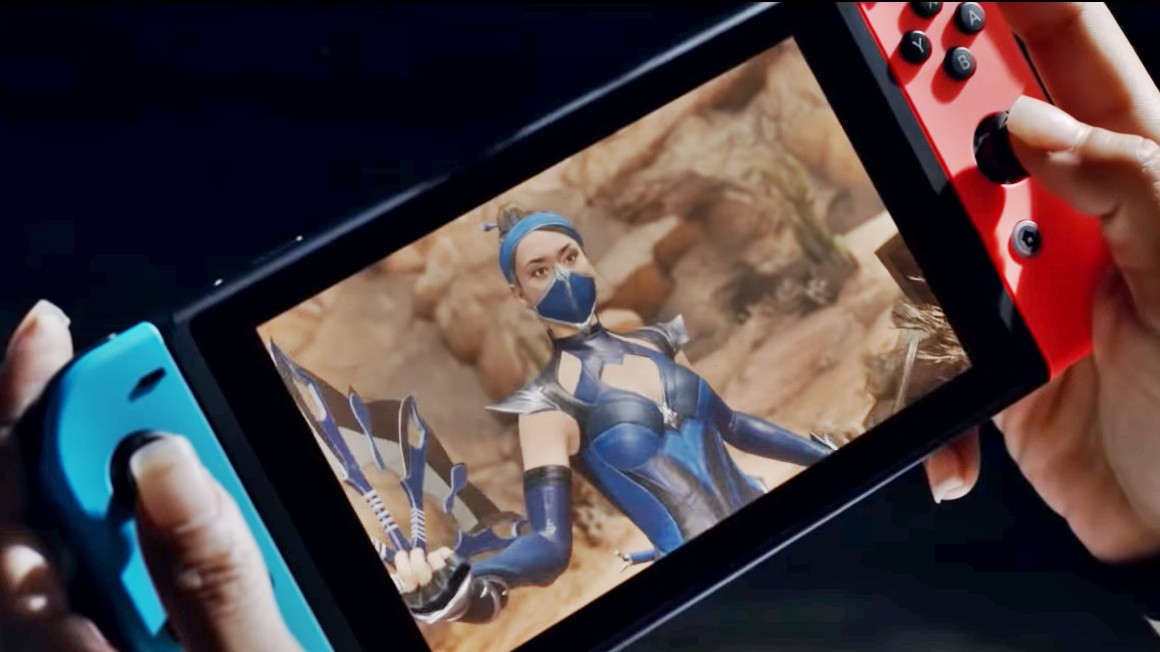
With the eleventh entry in the long-running fighting series now due out in a few weeks – at least in North America, Nintendo has decided to take matters into its own hands by uploading a showdown between Kitana and Scorpion. The downside is it’s comprised of about 26 seconds of cinematic footage and features roughly four seconds of direct in-game footage. Even then, it’s just the pre-fight cutscenes, so we don’t actually get to see any gameplay. Bah!
It’s hard to understand at this point why NetherRealm Studios is holding out on Switch fans like this, as we’ve already heard how fantastic it is from both Boon and various gaming outlets who had the chance to go hands-on with the portable version on the show floor of PAX East 2019. We’re sure releasing a snippet of Switch gameplay footage to the public would help ease any concerns.
Will you be picking up Mortal Kombat 11 on the Switch on day one? Or would you like to see some actual gameplay footage first? Leave your best Mortal Kombat puns in the komments below.
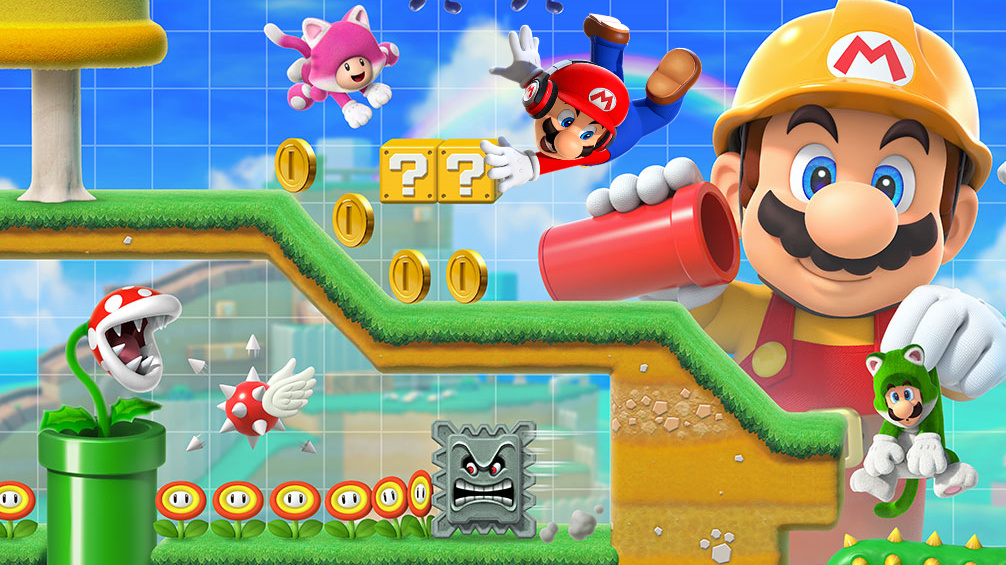
This will come as little surprise, but we here at Nintendo Life reallyquite likedSuper Mario Maker. An outstanding game and one of only a small handful to truly make use of the Wii U GamePad, we spent countless hours tinkering with levels, running the 8-bit mushroom courses as-and-when they came out and playing the best user-created levels. We even recreated several of our favourites from the original games, switching palettes to see how they’d look if they’d been created for a different game in the series.
We’re not going to dig out our Wii U to check our exact playtime, but Mario Maker was one of those rarefied games to hit a triple-figure hour count (ah, how we miss the comprehensive breakdown of our playtime in the Activity Log). It had so much to offer and sucked away hours so rapidly that the game seemed to bat away our criticisms and nitpicks when they cropped up. While no game is perfect, Nintendo EAD absolutely nailed the level editor interface, striking the perfect balance between functionality, intuitiveness and playfulness. Channelling the same spirit behind Mario Paint, its depth was revealed through doing; tapping those icons and experimenting rather than reading reams of text. By not revealing every secret in a pop-up tip box, Nintendo fostered a sort of online “Have you tried X?” playground hearsay we all remember from the good old days.
With the meat of the game – the editor – being so comprehensive and user friendly, faults could be forgiven or forgotten as you tinkered, but they certainly existed. Some of these issues were addressed over time with patches. Course elements, for example, were slow to unlock, especially for seasoned veterans who wished to start constructing fiendish gauntlets from the get-go. Other missing elements were patched in, although there would be some we’d have to wait for the sequel to get our hands on – more on that later.
Given Nintendo’s patchy history with online endeavours, it should have come as no surprise that Mario Maker faltered in that area, too. The general system for building and sharing courses was installed from the beginning, although features arrived to streamline the experience – being able to bookmark courses via the Super Mario Maker Bookmark website made finding friends’ courses easier, as well as sharing your own masterpieces on social media. Nintendo’s policy for removing courses was a little vague to begin with, too, and players found that their uploaded levels would suddenly disappear without warning or reason. A patch was eventually added that provided an explanation when a course was deleted from the server, with ‘unpopularity’ being one of the possibilities, although this always felt a little stingy. While it encouraged us to up our game, some poor little five-year-old being notified that Nintendo had binned their first ever attempt at a course because no-one played it seemed a bit cruel, no?
Just imagine being able to drag-and-drop to create one of these…
Another frustration for players was the inability to create proper ‘worlds’ and share them online. Every level was a one-shot – an excellent way to showcase your construction skills, but we wanted a broader palette; we wanted to show we could make a proper ‘game’. It seems to us that the best worlds in 2D Mario games, just as with great compilation mixtapes (or playlists for those born in the 21st century), follow many subtle rules to get that pacing, that ebb and flow just right. They have to start off with an explosive opener, then take it up a notch before cooling off with an underwater or underground level before the classic gauntlet and boss encounter. Or maybe we could subvert expectations – break all the rules to come up with something fresh!
We were eager to show off everything we’d learned from a lifetime of playing Mario in two dimensions, whether or not we could get anywhere near the same beautiful flow of the originals. Indeed, the results were immaterial; it was something we were desperate to try and share, and that wasn’t an option in the original game.
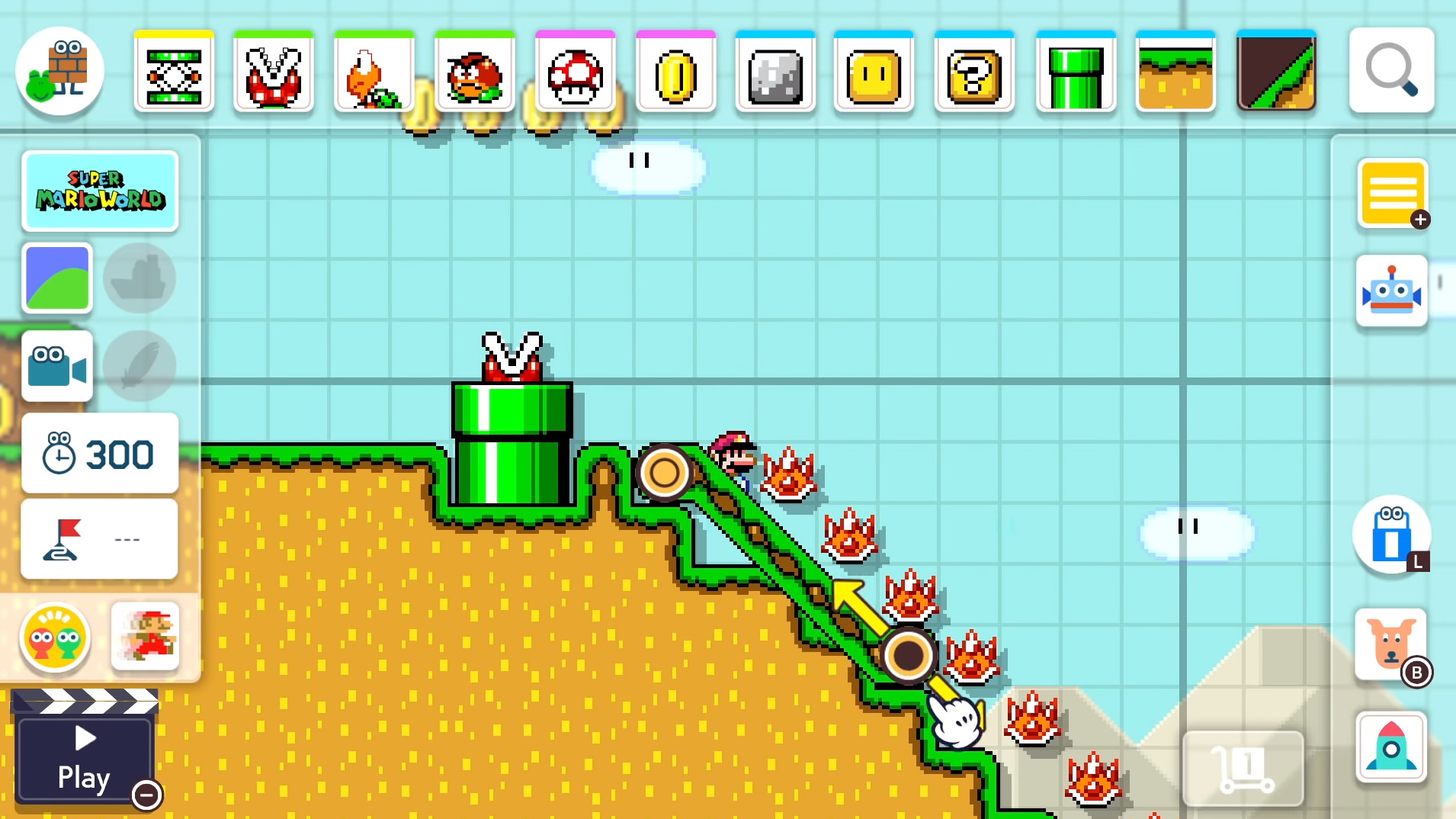
That’s one of our biggest hopes for Super Mario Maker 2 – to be the ultimate mixtape machine. As brilliant was the original version was, we inevitably ran out of tracks to remix, so the fact that the Switch entry is a sequel and not simply a ‘Deluxe’ upgrade is incredibly exciting. Slopes are, of course, easy to fixate on because their absence in the original stood out like a sore thumb. We had little problem replicating world 1-1 from Super Mario Bros. 3, our absolute favourite 2D Mario game (at this precise moment), but the very next level was beyond the scope of the editor.
Arguably, it wasn’t until you went back and played the actual game (or Super Mario World, or New Super Mario Bros. U) that you realised quite how much was missing. Butt-sliding down slopes to was an integral part of those games from the very initial stages, adding a flavour and burst of pace to the games that you simply couldn’t emulate in Wii U Mario Maker. Players for whom the ‘New’ games were their introduction to Mario probably felt the lack of inclines even more keenly.
Now, all this talk of replicating classic courses might sound like we’re suffering from a dearth of imagination and simply trying to rebuild past games wholesale in Mario Maker, but the ability to duplicate 1-2 isn’t really the point. Arguably Mario Maker’s greatest triumph was revealing the secrets of great game design to the layman; how the tool gave you the means to create your own levels and then forced you to work out the kinks. Our first efforts were predictably pitiful, and we inevitably looked back to the real 1-1s and gained a greater understanding of the design behind the classics – how to instruct the player, to demonstrate and escalate. Yes, we spent a good amount of time creating zany one-off levels filled with towers of goombas and rivers of mushrooms, but some of our most rewarding time with the game was spent fashioning our very own Super Mario Bros. 3 level pack – a group of courses with peaks and lulls like great albums or, indeed, great Mario games.
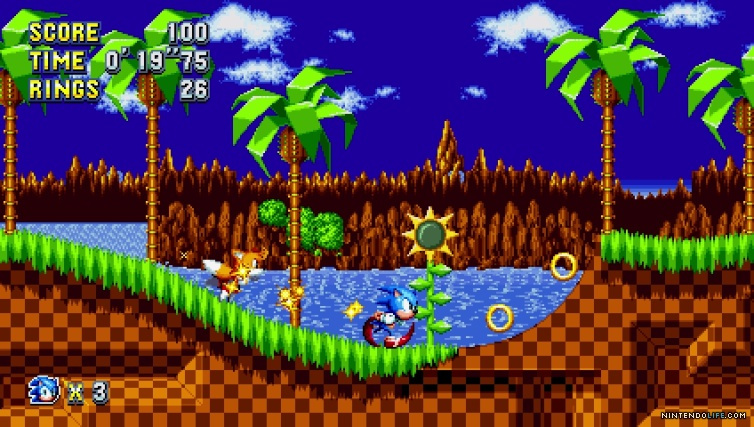
Imitation might be the sincerest form of flattery, but it’s also the initial step to understanding how something works, the first stepping stone on the way to putting your own spin on something. Sonic Mania is a recent example of a platformer with many levels that begin as carbon copies of original classics before branching out, blending sections from other acts and spiralling into completely new takes on those zones. It’s this ability to remix original elements with our own ideas that makes Mario Maker such a tantalising proposition, and a fully expanded palette that includes all the tools from the original games is essential to empowering players.
Let’s just take a moment to imagine a Christian Whitehead-helmed Super Sonic Maker… oh dear, we appear to have had a trouser accident.
The inclusion of the slopes will simply enable us to expand our horizons that much more; to play with pacing and once again look back on the original games with a new critical eye. Getting to the flagpole is all well and good, but having fun as you do so was the primary goal of the original developers. There’s still so much left to be revealed and we’ve already discussed potential features we’d like to see, but the thing we’re really excited about is the opportunity Super Mario Maker 2 will give us to appreciate and revisit those old classics from a new perspective. We can’t wait to see how the long-gone Miiverse integration translates into the Switch sequel, either (and you can check out the lovely Alex’s video for his thoughts on that particular topic, plus an alternative idea for sharing your masterpieces via a certain much-maligned app). Mario Maker 2 is an opportunity to get everything perfect – to make an Awesome Mario Mix Vol. 2 – and we can’t wait for June.
We’re a little giddy at the thought of Mario Maker on Switch, and there’s not too long to wait. Did the first one click with you or did you bounce off it? Share your experiences and hopes for the sequel below.
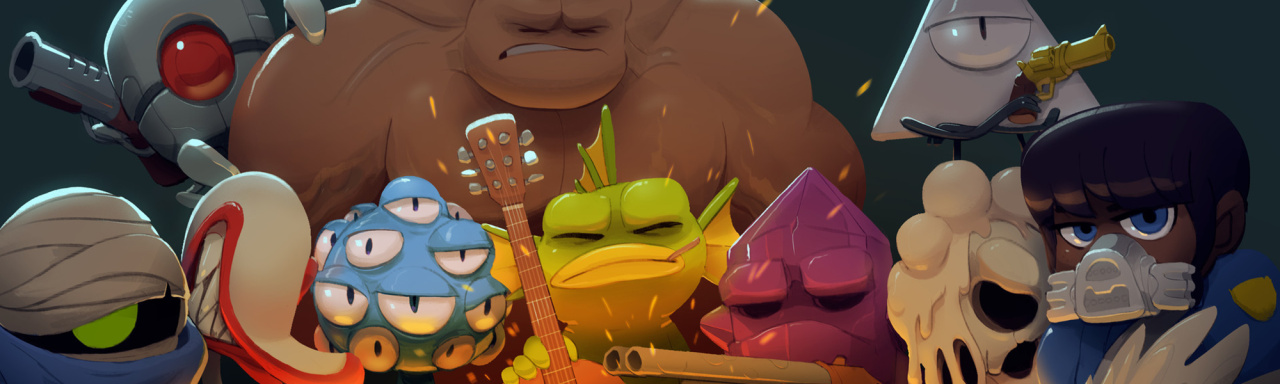
One of the top ten best-selling indie releases on the eShop to date is that of Enter the Gungeon, a super-tough twin-stick roguelike that’s great for local co-op sessions. However, those of you that regularly play on the PC may be aware that Gungeon was actually not the first notable game to execute the concept of a twin-stick roguelike; that honour belongs to Nuclear Throne, which has now made its way onto the Switch. Though lacking in its presentation, Nuclear Throne proves that it knows what ingredients are needed to make a compelling roguelike adventure; it’s a wildly fun game to play both alone and with a friend.
Nuclear Throne takes place in the distant post-apocalyptic future, a time where humans have long since died off and the world is overrun by insane mutants that vie for control of the coveted Nuclear Throne. You take control of one of twelve (unlockable) mutants, each with different strengths and weaknesses, in your bid for glory, shooting your way through the countless bandits, mutants, and derelicts that stand between you and your goal. Should you fail on your quest – and let’s be real, you’re going to fail way more often than not – you’ve got to start over from square one and work your way back up. It’s harrowing, difficult, and seemingly impossible, but Nuclear Throne is the kind of game that’s excessively difficult to put down once it has its hooks in you.
See, every run that you make for the throne is randomly generated; each ‘world’ still retains consistent theming and enemy types, but the arrangement of each level is entirely fresh every time you play it. This goes, too, for the weapons that you come across, which are randomly dropped via a couple of chests that appear at some point in each level, forcing you to become familiar and comfortable with a diverse lineup of firepower if you want a realistic shot at winning. Weapons aren’t everything, however, as every killed enemy drops ‘Rads’ that act as experience points; once you collect enough of these, your character will mutate and you can pick from a randomized selection of buffs before entering the next level.
What’s immediately striking about Nuclear Throne is how ‘arcade-y’ it feels in nearly every aspect, in the sense that this is the kind of game that will quickly put you in the ground if you make the barest mistake. Levels generally feel quite claustrophobic in nature, and given that many of the mutants don’t have viable escape options, it can be exceedingly easy to get cornered and subsequently torched. Or, in the rare cases where you find yourself in a wide-open area of a level, it’s all too common to be surrounded on all sides by a silly amount of enemies that waste no time in trying to end your run. Though it certainly has a high skill ceiling, Nuclear Throne is very much a luck-based affair at its core and the hard truth is that you can often find yourself in scenarios where it’s not about how you can win, but how you can best minimize your loss.
For example, ammo is excessively scarce, which basically forces you to continuously be dropping weapons in favour of new ones, even if the new weapons are a ‘downgrade’. You can only carry two weapons at a time, and you just might be content with the two that you’ve got on you, but if both of them are out of ammo, you have to drop one so you can finish clearing out the enemies and keep moving. Luckily, the weapon variety is deep – there’s everything from ordinary shotguns to guns that shoot spinning blades that can bounce off walls – and there are very few that don’t feel viable, but it’s inevitable that certain types will jive better with your particular playstyle.
Similarly, the mutations system pushes you to make tough decisions, as most of the four buffs offered to you after each level up are sure to make a notable difference in your survival. Do you take the mutation that gives you back some ammo after every kill, or do you go with the one that adds four points to your max health? What about the one that increases the drop rate of medkits? As with the rest of the game, there aren’t strictly any wrong answers here – which is why Nuclear Throne can be so rewarding to continuously replay – but nonetheless, the decisions you make both in the short term and long term directly correlate with whether or not you succeed.
You only have access to a couple of mutants at first, with later ones being unlocked after reaching certain milestones and finding secrets, and we found it admirable how the developers have made each one play so distinct from the next. One of the earlier mutants, Crystal, is fit for more defensive players, as it has an unusually large health pool and an ability that grants it temporarily invincibility. On the other hand, Melting is more geared towards the offensively-minded players, as it gets more rads from kills and can blow up enemy corpses, but at the cost of a paltry 2 HP health bar. Regardless of playstyle, there’s sure to be something here for everyone, and we appreciated how the different mutant kits can make subsequent runs feel entirely different, cutting back significantly on any grindiness.
Though online isn’t featured here – other than daily and weekly runs that offer the community one shot at a set challenge – local co-op is present and correct, adding an extra layer of complexity to an already difficult game. You and your partner don’t share guns or ammo, so there’s less for you both, but you have to ensure that you keep each other alive. If one of you goes down, the other one only has a few seconds to run over and revive; if the survivor doesn’t make it there in time, their health depletes rapidly until they join their fallen comrade in death. If the survivor does make it there in time, half their health is automatically drained to revive their partner. It’s gruelling, to say the least, but having the extra firepower offered by a friend certainly does help, especially in later levels. All the same, we’d recommend you play this one with a friend who’s similarly skilled in playing twitchy shooters, as you can’t really ‘carry’ someone to the end.
Unfortunately, adding a friend to the mix causes a notable issue with overall readability that hinders how much fun you can have. Nuclear Throne features a letterboxed view and the camera is already fairly zoomed in, so throwing another player into the fray can make for a chaotic and messy screen in which its difficult to track who’s who and what’s going on. It’s not deal-breaking, and disabled screen shake in the settings helps to mitigate this, but after seeing how well the co-op works in Enter the Gungeon, it can be hard to put up with the sub-par co-op offering found in Nuclear Throne. Your mileage may vary.
From a presentation perspective, Nuclear Throne manages to satisfy, if not impress, going for a goofy, pixelated wasteland vibe that’s nice to look at but not particularly memorable. All the pixel art and animations are fine and adequately convey the information they need to, but we were hard pressed to find any ‘wow’ moments here that show any meaningful ambition; it’s clear that the focus was placed more on gameplay than visuals, which is a fine, though disappointing, decision. Similarly, the next to non-existent soundtrack seldom adds much to your experience, although the random screams, squeals, and other mutant noises do help to instil the moment-to-moment action with some much-needed charm.
Conclusion
Nuclear Throne proves to be an enjoyable and devilishly challenging roguelike shooter that no fans of the genre will want to miss out on, even if it does tend to become more frustrating if you add in a second player. Though the visuals and music are rather disappointing, the core gameplay of Nuclear Throne more than makes up for any deficiencies through its variety and feedback loops; it’s the kind of game that’s so easy to jump into, you just can’t refuse having ‘one more go’. If you’re a fan of Enter the Gungeon, roguelikes, or difficult games in general, Nuclear Throne is going to be right up your alley; we’d give this one a high recommendation.