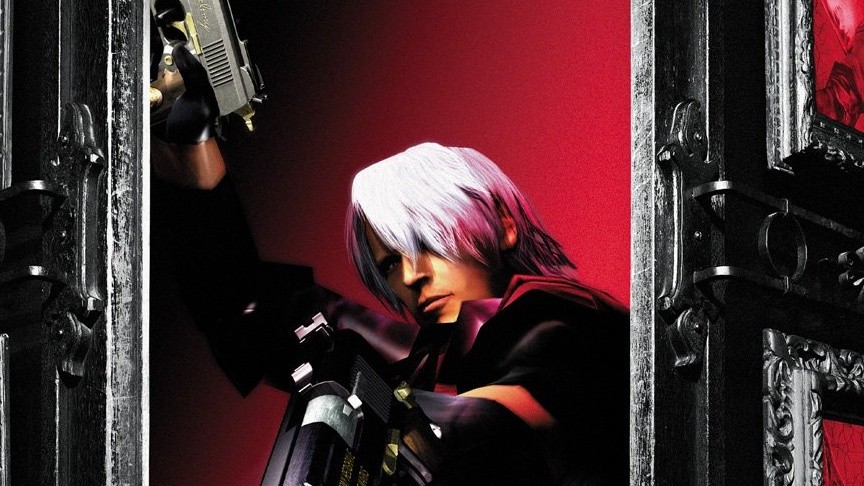
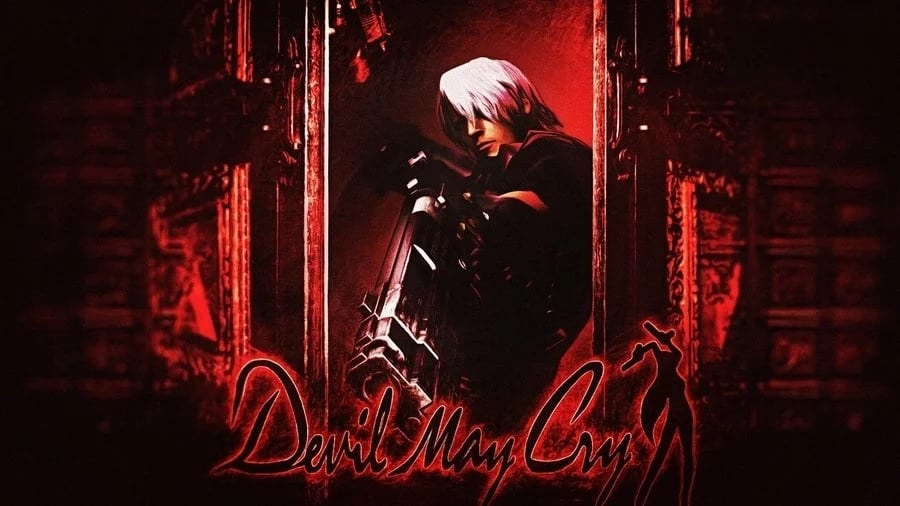
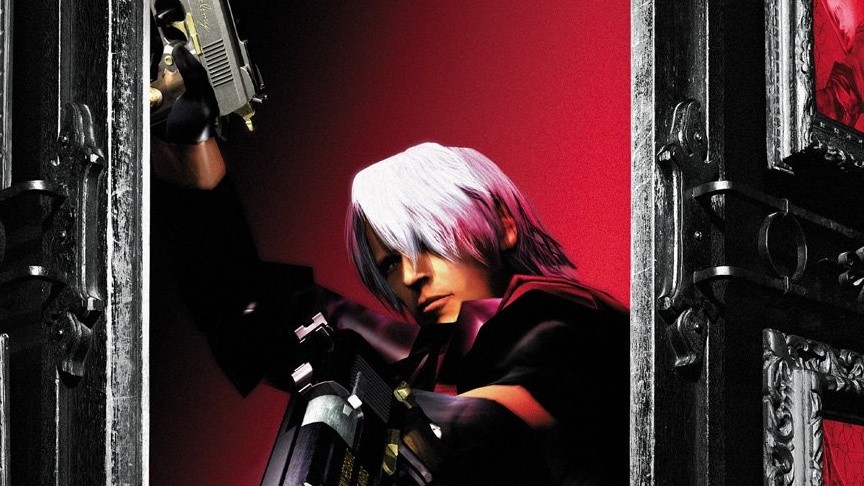
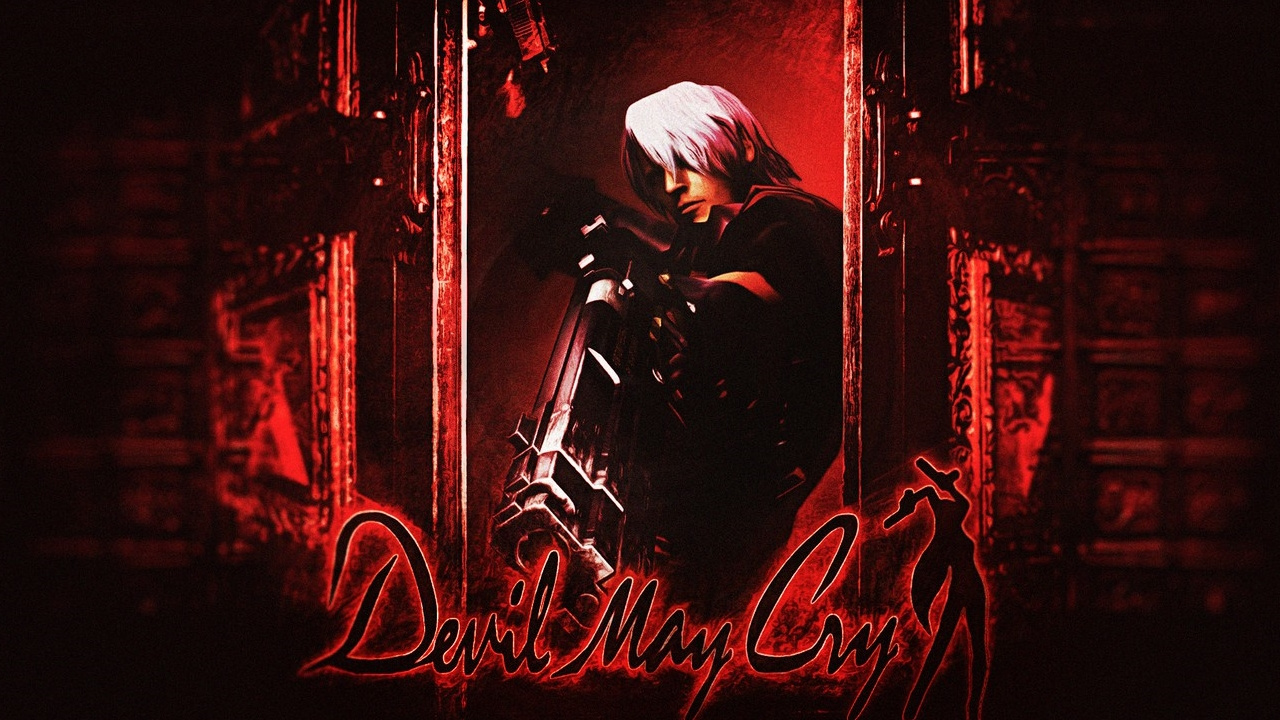
Yesterday, Capcom announced it would release the original Devil May Cry game on the Nintendo Switch this summer. As exciting as this was, many fans couldn’t help but wonder why the Japanese company wasn’t porting the entire HD trilogy collection instead.
If you’ve come to accept the fact Capcom will seemingly be drip-feeding each entry to Switch owners one game at a time, the latest update is the first game will be a digital-only eShop release across all regions (Japan, US and Europe). This information comes from the game’s official website. Here are the exact details:
*This product is only available as a download. There are no plans to release a physical edition.
So, there you have it folks – Devil May Cry will be a digital-only release on the Switch. Now all we need to know is the price.
What are your thoughts about this? Are you excited to play Devil May Cry on the go? Tell us below.
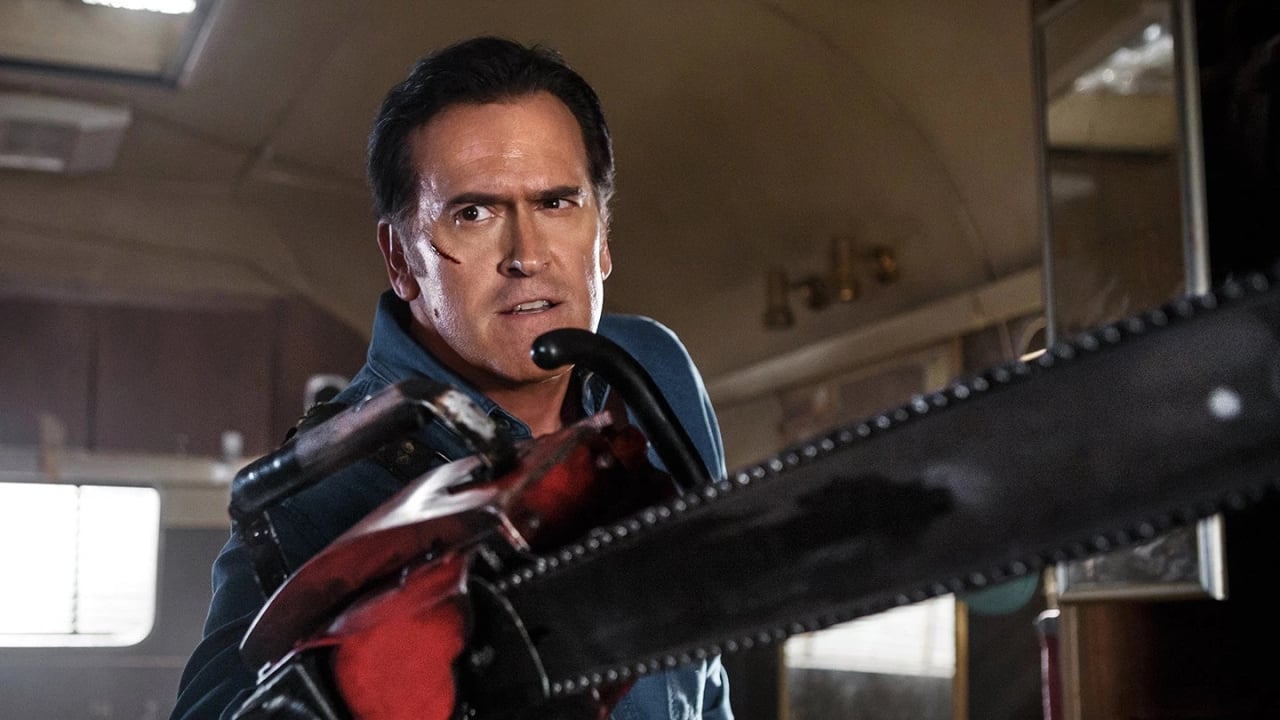
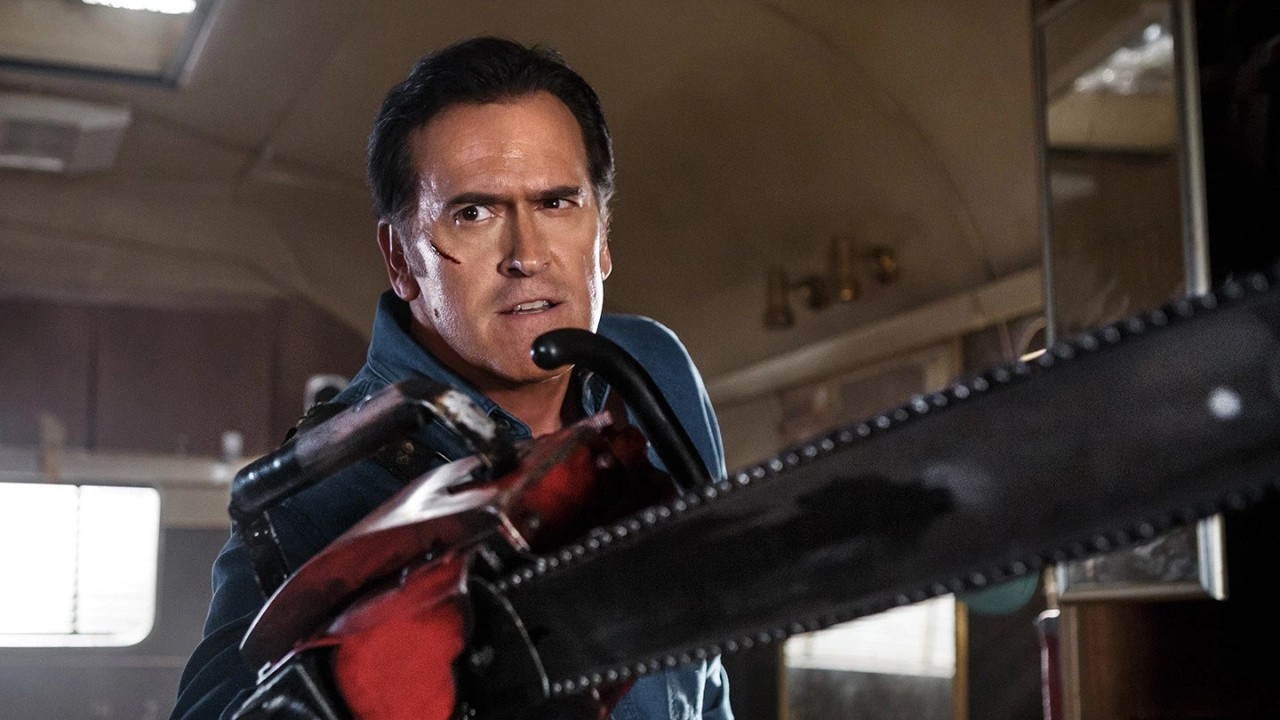
The legendary American actor Bruce Campbell might be 60-years of age now, but he’s still young and hip enough to know what the kids want in their video games: Ash from the Evil Dead.
Unfortunately, he’s not willing to comply with these demands – with the horror movie star recently taking to Twitter to end the rumours about his character coming to Mortal Kombat 11 as a DLC fighter once and for all. See the hilarious graphic for yourself below:
So, there you have it. Unless this is some elaborate ploy, Ash won’t be coming to NetherRealm’s latest Mortal Kombat game. For now, you’ll just have to rewatch the old Evil Dead movies or the more recent television series which was discontinued last year.
Are you disappointed to hear this fan favourite won’t be added to the MK11 roster? Have you been enjoying this game on the Switch? Tell us below.
One of the fantastic things about The Legend of Zelda: Breath of the Wild is how you can experiment with enemies and challenges. We’ve seen players use rocks to fly across the land of Hyrule and others beat the game in many weird and wonderful ways.
This latest display, though, is something else. A Japanese player uploaded a video on Twitter where they call on a cucco army to take down the giant overworld boss Molduga – a four-legged sand-crawling fish you can find throughout Gerudo Desert. It seems to be quite an effective and hassle-free way of defeating the beast. Link simply watches on as the cucco army slowly depletes the monster’s health.
You can view more short videos like this, from the same Twitter account right here. A lot take advantage of the in-game physics and glitches.
What do you think of this? Are you impressed by this cucco approach? Still experimenting yourself in Breath of the Wild? Tell us below.
As you might have noticed, Ryan Reynolds is currently doing the press rounds to help promote Detective Pikachu. In a lot of these interviews, he’s revealed how he tested out different voices and even channelled the foul-mouthed Marvel character Deadpool.
During a recent interview with Megan Peters from Comicbook.com, Reynolds elaborated on the recording process for Detective Pikachu, explaining how he was in the recording booth for about a year with tracking dots all over his body, “throwing 800 versions” of a line or joke up against a wall. While some of the language was a bit “PG-13” other times it was closer to an R-rating. Obviously, maintaining the family-friendly image of Pokémon was the priority, so these lines didn’t make the cut during the editing process.
If Reynolds was able to make a more mature movie with Pikachu, he’d likely continue on with the film noir theme, recreating classics such Mean Streets or Goodfellas. Take a look at the full interview below:
Do you plan to see Detective Pikachu in cinema? Are you a fan of Ryan Reynolds? Tell us down in the comments.
Take a moment to reflect on the GameCube era and one series that might stand out is Sega’s Super Monkey Ball, originally developed by Amusement Vision – the team also known for F-Zero GX. Outside of the arcade release, the first two console versions were arguably the best entries in the Monkey Ball series and since then newer entries have often failed to recreate the magic. Sega hasn’t helped the situation either, with the last Monkey Ball game launching on mobile devices in 2014 and sharing no similarities to the mainline platform party games.
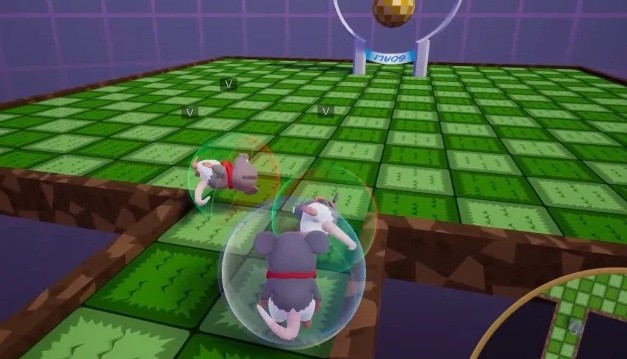
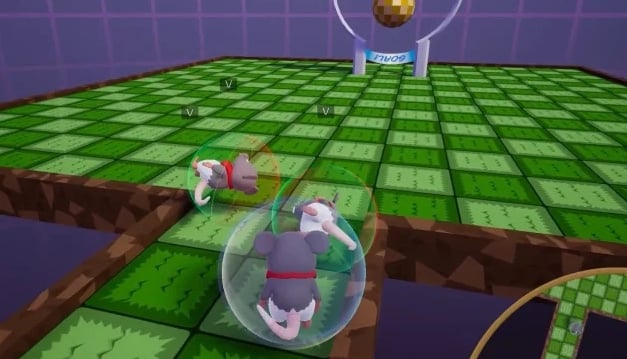
Now, an Indiegogo crowdfunding project is taking matters into its own hands by releasing a title heavily inspired by the Super Monkey Ball series. You could perhaps think of Rolled Out! as more of the same, with the game’s lead designer Brandon Johnson even admitting it has the “same basic mechanics” and the project page describing it as a “love letter” to the Super Monkey Ball series.
Brandon’s knowledge of the Monkey Ball series dates back to when he was much younger. Over the past year, he’s even made two major Super Monkey Ball 2 ROM hacks featuring over 200 levels, and has studied physics and level design in order to recapture the spirit of Sega’s series. Rolled Out! promises to include 310 stages, five main difficulties, online multiplayer, customisable settings and plenty of cute animals in balls. At this point in time, the title has only been funded for a PC release, but the developer has also teased a possible Nintendo Switch release in the future.
Have you been waiting for a Super Monkey Ball revival? Would you like to see Rolled Out! on the Switch? Tell us below.
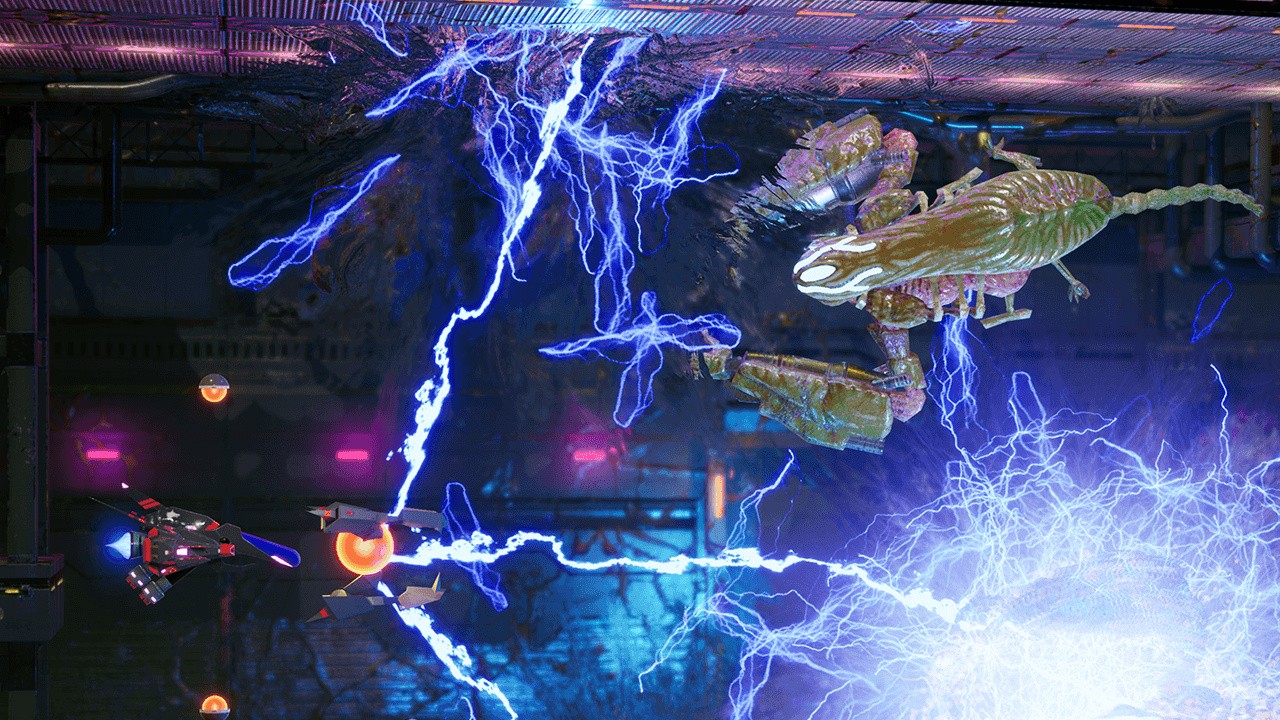
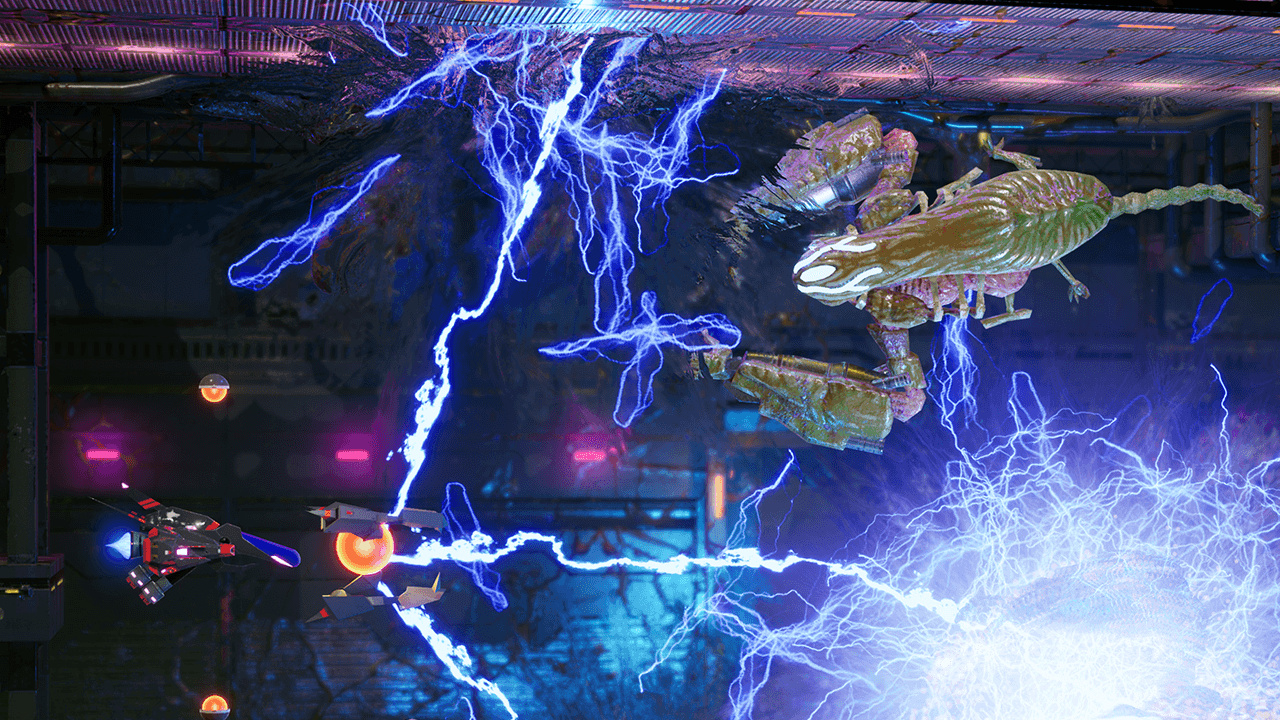
We where still uncertain about the announcement of R-Type Final 2 due to the peculiar date of the announcement (April 1st) but fortunately for shmup fans it turned out to be real.
While the game was always an obvious certainty on PlayStation 4, developer Granzella came today on Twitter to ask on both Japanese and Western accounts on which platform would you’d ideally like to fight the Bydo Empire on.
At the time of writing, the Japanese poll favours the PS4 with Switch following in close second place, while in the Western account the Switch option is well ahead of the rest of the pack.
While this poll obviously doesn’t confirm if the game will be released on Switch, it is enough to kindle a glimmer of hope; could the developer take the results to heart and make a Switch version? Did you vote Switch on that poll? Would you like to blast away even more of the Bydo Rmpire on your hybrid console of choice? Let us know in the comments section below.
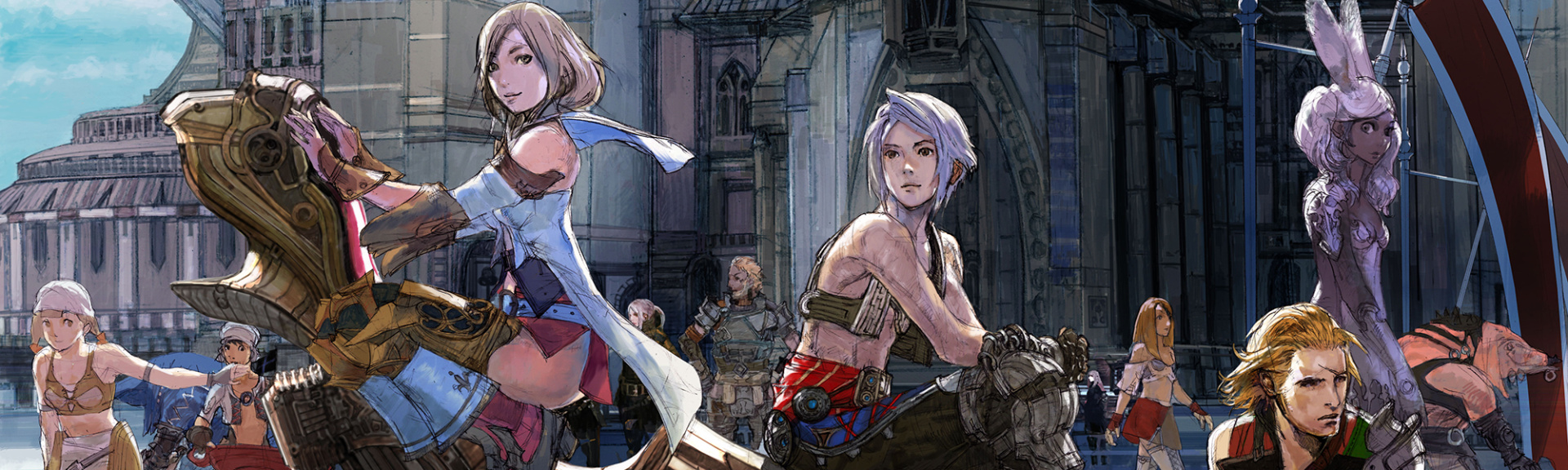
2006 was an interesting time for the Final Fantasy series, as Square returned to a single-player driven entry in the series after the MMO experiment of Final Fantasy XI. The development of Final Fantasy XII was rocky to say the least, as its protracted five-year development cycle cost Square close to thirty-five million dollars and its initial director, Yasumi Matsuno, suffered a mental collapse halfway through that saw him leaving the company for good. Fortunately, the final product turned out to be a reasonably consistent and high-quality JRPG; not the best in the series, but far from the back alley dumpster fire that it easily could’ve been. Now, Square has remastered the game as Final Fantasy XII: The Zodiac Age, which throws in improvements from the later-released international version along with a whole slew of modern nips and tucks, all of which come together to make for a wonderfully sharp experience that stands as the definitive way to play this classic.
The story of Final Fantasy XII: The Zodiac Age takes a less character-centric approach to its narrative, a move which certainly increases the scope of the plot, but at the cost of making it less relatable than some predecessors in the series. Echoing some of the earlier Fire Emblem games, this is more a story about the political intrigue surrounding an ongoing war between national superpowers. In the land of Ivalice (which acts as the setting of several other games from Square) the two nations of Archadia and Rozzaria are at war with each other, catching the much smaller kingdom of Dalmasca in the crossfire. After a lengthy and mildly confusing introduction segment, the plot picks up following Vaan, an orphaned petty thief with big dreams of one day becoming a sky pirate. Vaan leads a relatively simple life of being a sort of Robin Hood-like figure, but his misadventures quickly lead to him getting caught up in a resistance movement with Dalmasca’s princess, Ashe, who aims to reverse the annexation of Dalmasca into the Archadian empire.
It’s all rather high-concept – even for a Final Fantasy game – and this comes as something of a double-edged sword. While it’s impressive how much detail is put into the lore and history of the world of Ivalice, not nearly as much effort is put into making the cast particularly memorable or three dimensional. Much like how combat requires several different roles working in tandem, all the major players in the story are clearly there to fill a specific niche in moving the plot forward and they seldom break out of their cliché archetypes. For example, Balthier is the ‘cool’, roguish sky pirate out to fill his boots with treasure; he initially doesn’t want to get involved in the resistance movement because it’s not his cup of tea, but his kind heart eventually wins out and he shows there’s more to him then a trigger finger and one-liners. Everyone in the main party is like this to an extent. They’re likable and well-written, but predictable and rather boring as a result. Though the voice acting is spot-on, there’s a general sense of detachment one gets when playing through this story; it’s just hard to care about the plight of Dalmasca when the game doesn’t give you much reason to beyond the tired ‘empires are evil’ song and dance. There are much worse stories to be found in RPG’s, but relative to the rest of the Final Fantasy series, Final Fantasy XII: The Zodiac Age is left a bit wanting.
Fortunately, the gameplay picks up the slack, coming off as something akin to a single player MMO. Though it’s not exactly open-world, the on-rails nature of Final Fantasy X is long gone here, replaced by a gameplay structure that encourages you to take frequent breaks from the main narrative in favor of some good old-fashioned side quest grinding. These take the form of ‘Hunts’, which see you fulfilling contracts for NPCs in towns who need you to take down certain powerful creatures in the surrounding areas for some contrived reason. More often than not, the locations of these creatures are generalized and require a bit of poking around the map, which naturally results in you finding treasure and hidden secrets as you fight your way through the countless fodder enemies that populate the environments. On paper, it all sounds rather cookie cutter, but there’s something about the reward loop of grinding hunts, getting more gil and better equipment, and using that to then do harder hunts that proves to be insatiably addictive. In this way, Final Fantasy XII: The Zodiac Age proves that innovation isn’t necessarily the only requirement to stellar game design, sometimes all it takes is brilliant execution of well-worn ideas.
That being said, one place where Final Fantasy XII: The Zodiac Age definitely innovates is in its combat, specifically the Active Dimensional Battle system, which finally eschews the random encounters of the series in favor of a more active focus. Perhaps inspiring the Xenoblade Chronicles games that would come many years later, battles are simply started right there in the overworld as soon as you’re within the visual or attack range of an enemy. Once the battle starts, character actions are then governed by an ATB style system in which each character has an auto-filling bar that grants them an action every time it fills, but one way in which Final Fantasy XII: The Zodiac Age puts all other RPGs to shame is in the depth of micromanagement it offers players through the “Gambit” system.
The Gambit system is a marketing friendly term for programmable actions, all of which can be set up in the pause menu. Essentially, every character has a set of Gambits that function as ‘if/then’ commands, and how you order the Gambits dictates how the character behaves in battle. Every Gambit slot has a ‘target’ and an ‘action’, and a vast list of selectable factors for each, which ensures that you have near-limitless amount of ways in which you can set up each character. So, for example, you can set a Gambit that ensures your healer-focused character will cast “Blindna” every time a party member is stricken with the “Blind” status effect by an enemy. Or, you can set multiple Gambits on your black mage to ensure that they’ll use whatever magic the currently targeted enemy is weak to. Unlike most other RPGs, you no longer have to worry about lackluster AI limiting the effectiveness of your team, as you can control exactly where, when, and how each party member reacts to certain scenarios.
It takes a bit of getting used to, but the true strength of the Gambit system lies in using trial and error to figure out how to turn your team into a perfectly balanced, unstoppable killing force that requires only occasional input from you. Some may think it sounds a bit boring to have a combat system primarily centered around playing itself, but the nature of the Gambit system always leaves room for a little more improvement or player interaction. Each character only has so many Gambit slots to fill, and even when you’ve found a nice equilibrium for the team, there are still plenty of scenarios where it’s simply quicker to tell a character to do a specific action. What’s nice about this system is how much stress it takes off the player in the moment to moment decision making; you can watch the action unfold automatically and intervene as needed, filling the gaps in as a sort of meta party member.
Character growth is handled in a manner akin to the Sphere Grid system of Final Fantasy X, but it’s slightly more freeform in its approach. There are twelve jobs to pick from and each character can be equipped with a main class and a subclass, each of which has a unique, chess-like board that charts their mastery of that class. Every job board contains a collection of “Licenses” which dictate the level of gear or the skills that the character can use. So, for example, you may find a fancy new armlet in a treasure chest that requires a level 3 accessory license to equip; only characters that have unlocked the “Accessory 3” spot on their job board will be capable of putting it on. Every enemy you kill grants each character “License Points” which can then be spent to buy more spots on their job boards, but you can only buy spots that are directly adjacent to any of the ones you’ve already bought. What’s nice about this setup is how it allows you to control your character’s growth within their class towards the way that you play them; if you feel comfortable with their current equipment setup, for example, then you can forgo buying higher ranks of armor licenses in favor of more direct stat buffs or skill licenses. And, unlike the Sphere Grid, there are no predefined paths here that you choose to follow, it all radiates outward from the starting point and you’re given complete freedom over what corners of the board to work towards.
Also, new to this Switch version, you’re allowed to respec characters and reclass them as you please, and you’re even refunded all invested LP. With this change, you’re now given greater ability to experiment with different party setups as you don’t have to commit to any string of decisions you make in growing any characters. It’s small, sure, but little quality of life changes like this can make a world of difference in ratcheting up the replayability and fun factor; it’s a lot less stressful knowing that you can undo your mistakes.
Speaking of quality of life changes, this Switch port also features the lovely inclusion of three swappable Gambit sets for each character, allowing you to create varying setups for different situations. For example, boss fights often like to throw some curveballs your way and introduce status debuffs and attacks that you likely haven’t predicted with your Gambit setups. In previous versions of Final Fantasy XII, you’d have to redo your party’s Gambits to fit that boss, then have to remember your previous setups and reimplement them again after you were done; this way, you can have one or two ‘main’ setups and use the remainders for specific situations. Another welcome inclusion (which wasn’t present in the initial PS2 release) is the ability to double or quadruple the speed of the game by simply pressing in the left stick, enormously cutting back on the downtime that grinding tends to bring. Especially when paired with a party that can fight mostly on its own, having the ability to expedite the process of fights that are otherwise set in stone lets you get to rewards that much faster and move on to whatever’s next. It’s clear that Final Fantasy XII: The Zodiac Age is designed to be a game that’s respectful of your time, even if the nature of the genre demands that you pour in dozens of hours to get the ‘full’ experience.
From a presentation perspective, Final Fantasy XII: The Zodiac Age doesn’t necessarily impress, but it certainly satisfies. Updated character models and up-rezzed textures bring the PS2-era graphics into the modern age and provide some solid visuals, but character expressions and jagged geometry ensure that it’s still unmistakably a game from days past. That’s not to say it looks bad, but coming into this one with managed expectations is wise; next to other modern RPG’s, it can look a bit lackluster. The world is presented in a rather painterly look that brings to mind shades of the system used in the Valkyria Chronicles, characterized by soft colors that tend to blur together occasionally punctuated by loud, vibrant colors that all but pierce the screen, such as when a powerful magic spell is cast in battle.
This is all well and good, but the visual style feels a bit let down by the slightly more reined in fantasy elements, bringing a more grounded approach to the world. There are still dragons and magic and all the trappings that one would come to expect from a Final Fantasy game, but the decidedly more political approach to the storytelling seems to have rubbed off a bit on the art direction, which is concerned with making the world of Ivalice seem like a place that could almost be real, somewhere. Of course, it looks great in motion and runs at 30 FPS – whether you’re playing on the Switch or the TV – and as far as we could tell, appears to be mostly on-par with the versions available on other platforms. Also, for you music aficionados, there are three different versions of Hitoshi Sakimoto’s soundtrack work here – Original, orchestral, and OST – and though the differences won’t be too noticeable to an untrained ear, it’s nice to see that the developers went to the trouble of making sure the audio received the same TLC that the rest of the game did.
Capcom has confirmed over on Twitter that the original chapter of the long-running Devil May Cry series will arrive on the Switch this Summer. This marks the first time Dante’s game will be made available on a Nintendo platform. But is Capcom playing it slightly too safe by just bringing the original outing instead of the whole PlayStation 2 trilogy to the system? Further details (like the price point), will no doubt be revealed in time.
Interestingly, this announcement follows on from comments made by the director (Hideaki Itsuno) and producer (Matt Walker) of the fifth game in the series, back in February, when they said they would “love” to play this franchise on Switch. In a separate interview, Itsuno even mentioned how the fifth entry would be considered for Nintendo’s hybrid device if Dragon’s Dogma: Dark Arisen sold well enough. For now, though, let’s just enjoy the fact the first entry in this divine series is coming to Switch.
Are you a fan of Dante’s hack, slash and shooting adventures? We’re looking forward to hearing your ‘Dante for Super Smash Bros. Ultimate confirmed!’ theories in the comment section below.
Far more than any other factor, it was undoubtedly the advent of new hardware that propelled Sega’s arcade games to a whole new level. The ‘90s saw video games make the transition from sprites to polygons, a charge Sega led from a position of uncontested leadership despite stiff challenges from rivals like Namco. Sega had been moving towards 3D games for some time, beginning with the dynamic work of creators like Makoto Uchida and Yu Suzuki. They pushed the System 16 and System 32 boards to their limits, squeezing every ounce of power they could to bring elements of the third dimension to their games.
Suzuki’s arcade track record was unmatched, and the level of success he had brought Sega had kept it a step ahead of its competition
The new decade witnessed a rise in interest in 3D games, fueled by the epic rivalry between Sega and Namco. The latter landed the first blow in the 3D racing battle in 1988 with its superb Winning Run, a Formula One game that ran on the powerful System 21 “Polygonizer” hardware. The board took three years to develop and was the first designed specifically for polygons. It served Namco as a shared development system with Atari Games, which was using it to develop Hard Drivin’. Winning Run used a more powerful incarnation of the system, which was powered by multiple processors that could push 60,000 polygons per-second.
To answer, Sega turned to Yu Suzuki. There was likely no one better within the company for the task. Suzuki’s arcade track record was unmatched, and the level of success he had brought Sega had kept it a step ahead of its competition. He was also no stranger to breaking new ground. Hang-On had pioneered the simulator game, and hits like Out Run and Space Harrier had given new life to tired genres. He wouldn’t be designing the first 3D racing title, but he was determined to make the most realistic. Suzuki was quite willing to attempt a 3D game (his undergraduate thesis had been on the subject), and he saw it as the future of video games.
Suzuki’s first thoughts turned to making a rally game, like the Dakar Rally, in which off-road vehicles traversed dunes, rocks, and other natural surfaces. Sega requested a Formula One game instead, likely to make head-to-head comparisons with Winning Run easier for consumers. He used Sega’s Model 1 arcade board, which used the same NEC V60 processor found in the System 32 hardware. The V60 was the first widely available microprocessor in Japan, and it did not have robust 3D capabilities. Contrary to popular belief, Virtua Racing began development as a full game for the Model 1 hardware. For years, stories have persisted that its origins lay in a concept demo AM2 created of a Formula One racer as a pitch to show off the capabilities of the new board. Supposedly, it so dazzled Sega executives that it was subsequently used for the actual game. Suzuki dispelled this story once and for all in a 2014 interview for Read Only Memory’s Sega Mega Drive / Genesis: Collected Works, when asked if the landmark title began as a demo:
No, it was always intended to be the first full game for the Model 1. It was a very difficult project as the hardware was still in development when we began designing the game. This meant that we had to simulate the software using a PC.
Commencing development before the target platform is finalized is a common practice in the video game industry and considering the importance that Virtua Racing had for Sega, it is not surprising that AM2 went this route.
Virtua Racing was designed by Toshihiro Nagoshi, who joined Sega in 1989 as a designer in Suzuki’s AM2 division after graduating with a degree in movie production. It was his job to make his boss’s vision tangible. Nagoshi and his design team created three varied courses to show off the capabilities of the new board, each with a different level of difficulty. The Model 1 racer made ample use of the board’s new custom graphics engine, called the CG board, which could push 180,000 polygons per-second.
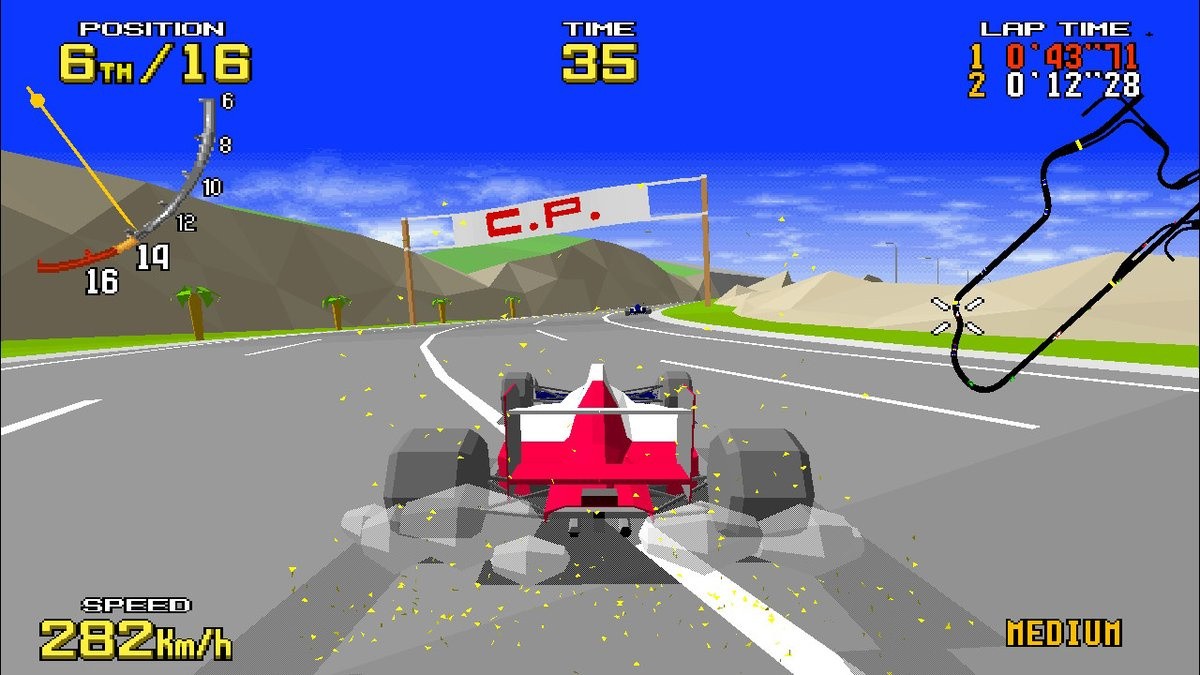
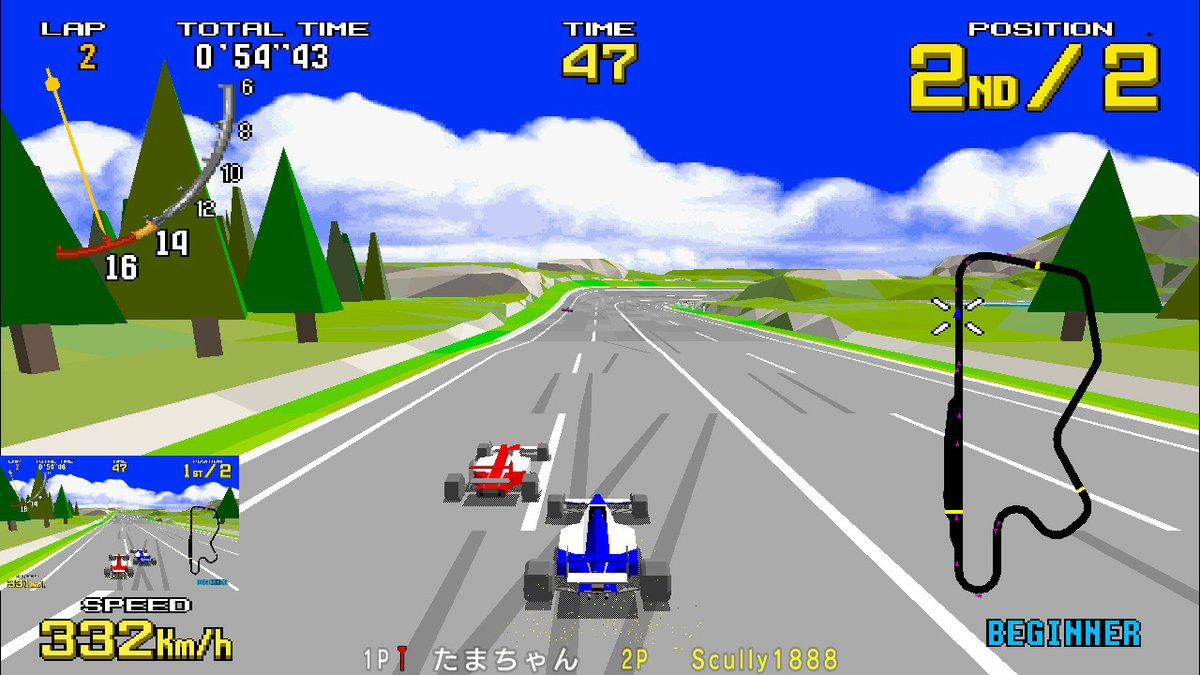
Virtua Racing’s strongest asset was its fluid gameplay and ability to mimic a real Formula One racing experience. There were only three tracks from which to choose and one style of car, and there was only an exhibition mode for one to eight players (if linked). What impressed the most was how it innovated by letting players change their racing perspectives. Four different views were included, and players could drive from a first-person angle or behind-the-car third person view. AM2’s work amazed those who came by the studio and saw it, something Suzuki found humorous. In a 2005 interview, he explained their reactions. “When people outside the team came to see us during the development, they found it really incredible that we could change the camera angle.”
Virtua Racing presented a much closer approximation to an actual racing experience than other games before it
Virtua Racing also employed Sega’s Air Drive System, which was available on the deluxe cabinet model. Its inclusion showed how Sega had continued to refine the technology that first appeared in Super Monaco GP. To facilitate access to the cockpit, the natural position of Virtua Racing’s seat was far back, making the area seem larger than it would be when someone was playing. As soon as players sat down and inserted their coins, however, the Air Drive System activated. Players could press buttons on the machine’s side to adjust the seat, and a driver board communicated with the game’s motherboard to activate a miniature air compressor that was mounted inside the back cabinet, behind the players’ location.
When activated, the compressor energized an air solenoid that inserted air into a long piston behind the seat, allowing players to adjust it forwards or backwards. Built into the seat were seven individual airbags. Whenever players ran their cars off the road or hit another car or part of the scenery, the air compressor inflated the corresponding airbag to simulate contact. Sega covered up the compressor by making the entire cockpit area look like part of a Formula One race car. The cabinet’s look, along with the Air Drive System, was combined with Sega’s Wide Vision Monitor, which displayed the racing action in 16:9 (a first for arcades), and a force feedback steering wheel, Virtua Racing presented a much closer approximation to an actual racing experience than other games before it.
The “Virtua Formula” version of the arcade game linked up a whole row of Virtua Racing cabinets, an effect replicated in the Switch version with 8-player splitscreen
Achieving the level of sophistication that Suzuki and Nagoshi wanted was not easy. It may have been more sophisticated than Namco’s architecture, but there were still major obstacles that had to be overcome to achieve the desired level of realism. The Model 1 board had real limitations that hampered what they had in mind. For instance, the polygon level was so low that the car’s tires could not be completely round and had to be made hexagonal in shape.
Virtua Racing was intended as a high-end machine to be sold to premier amusement centres
When it debuted in arcades in December 1992, Virtua Racing impressed the media and consumers alike with its fluid gameplay. Sega released the game in three different models, including a deluxe cockpit cabinet and twin version that fit two players side-by-side with separate monitors. Virtua Racing was intended as a high-end machine to be sold to premier amusement centres. The deluxe cabinet sold for over $25,000, and even the dedicated upright version had bells and whistles that made it very expensive. It included a seat and a 26-inch high-resolution monitor, and it could be linked to other cabinets for races with up to eight players. There were also optional “live action monitors” that could be placed above the linked cabinets to broadcast coverage from fixed locations within the game’s race track. At $1 per play, it was vital to create the most attractive experience possible, and the sight of multiple cabinets linked together was very impressive.
The impact Virtua Racing had on how Sega created its games extended beyond technical specifications and cabinet innovations. It heralded a new style of game-making that would define the company during its heyday making 3D, polygonal arcade titles. The style that many recognize as the hallmark of AM2 3D games began here, including the sound work of Koichi Namiki and Takenobu Mitsuyoshi. A classically-trained musician, Mitsuyoshi first learned of Sega when a college friend introduced him to Galaxy Force at a local arcade. Mitsuyoshi noticed how different the music sounded from the simple Mappy and Pac-Man themes of his youth. He was playing in a band at the time and wondered if it would be considered relevant experience for a job in the video game industry. He tested his luck and filled out applications to Namco, Konami, Taito, and SNK. While exploring a bit more about Sega’s music, he discovered the Sega Sound Team (SST) band.
The recent Switch port of the game is even better than the arcade original, offering 60fps, 1080p gameplay
Soon afterwards, he went to a Sega job fair. All the available openings were for administrative positions, but someone there raised their hand and inquired about working in the sound department. He was told by a Sega representative to send in a demo tape. Seeing his chance, Mitsuyoshi sent in his own job application and demo tape with two instrumental songs, hoping to become a member of SST. Sega hired him but not to join the band. He was instead assigned to write the music for the motorcycle racer, GP Rider. He later wrote the score for G-LOC, a jet fighter game that used Sega’s gargantuan R360 cabinet. It was after that project that he was finally invited to join the SST, going by the nickname “R Saburomaru” (an archaic way of saying “360,” a reference to his first work). It was there that he came to work with Namiki. The two would release several albums of music together as a duo called B-univ (short for Baby Universe), featuring songs from OutRunners, Virtua Racing, Virtua Fighter, and Daytona USA.
It became the blueprint for 3D racers to come and Sega’s rallying cry to the industry that 3D was the future
Stunning visuals, engaging gameplay, and great music combined to make Virtua Racing a winner. Even as Sega wowed players with Time Traveler, the game that many within industry thought would spearhead its development focus for the ‘90s, Sega Enterprises, Inc. president Tom Petit was already looking towards the next big thing. He knew, as Sega of Japan did, that games utilizing video footage as its main selling point didn’t have the legs to last. He’d sell it as best he could, but there was an even larger revolution coming, one that would make multimedia and full-motion video yesterday’s news. Polygonal games like Virtua Racing were Sega’s future, and he expressed that belief to distributors at the 1992 Amusement & Music Operators Association (AMOA) convention.
Virtua Racing was the consolidation of everything Suzuki and AM2 had learned dating back to Hang-On. It served as a prime example of how years of experience pushing arcade technology had forged a wide path for other companies to follow in their racing designs. More importantly, it became the blueprint for 3D racers to come and Sega’s rallying cry to the industry that 3D was the future. “Everything we are doing now and in the future with this level of sophistication,” said Tom Petit after Virtua Racing was unleashed to the world, “will not be able to be experienced at home.” Sega would continue to innovate, remaining in the vanguard of the new and exciting world of 3D arcade games. Its next racer would go above and beyond what Virtua Racing had achieved, but there will always be a place in history for what AM2 achieved, hexagonal wheels and all.
Please note that some of the links on this page are affiliate links. If you click them and make a purchase we may receive a small percentage of the sale which helps support the site. Please read our FTC Disclosure for more information.
If you’re not familiar with ASMR, it stands for autonomous sensory meridian response and by definition is characterised by a static or tingling sensation on the skin. There are a vast amount of ASMR videos on YouTube, which relax listeners with both gentle and soothing sounds. Even video game companies have been getting in on the action recently – with Nintendo promoting The Legend of Zelda: Breath of the Wild in a unique “sights and sounds” clip not long ago.
Now, Australian-based developer SMG Studio – responsible for the wonderful co-op puzzle game Death Squared and other titles such as Super One More Jump – has hopped on the bandwagon by releasing a 25-minute ASMR video to help prepare “your mind and your body” for its latest Switch eShop release, OTTTD.
In case you’re wondering, the title stands for “Over The Top Tower Defense” according to the developer and the entire video above explains much more about the game. If you don’t have time to set aside 25 minutes to watch it – and find one of the 20 hidden eShop codes within the video – then here’s a bit more about the game directly from the developer PR:
We describe the game as “Spaceballs meets Starship Troopers”. But anyone under 30 has no idea what Spaceballs is (their loss) and legal said we wouldn’t be allowed to say that… so we fall back on “It’s an anything-goes TD game that doesn’t take itself seriously.
As for the story, here’s what it is about:
The year is 2136. You work for HEROCORP™, the universe’s 4th largest private military force. Your job is to ‘preemptively defend’ the Earth against alien dimensions. As long as you complete the missions under budget and fill out the TPS reports in triplicate, everything goes smoothly. Dimensional travel is facilitated by HEROCORP™ rift technology, which is kinda like Stargate but we’re hesitant to throw that in the mix when we’ve already mentioned Starship Troopers. Is pre-emptively defending Earth ethical? Who cares when the money’s good!
The game includes 25 story missions, three difficulty levels, 12 tower types, seven heroes and multiple weapons, skills, abilities and armour options to choose from. If that wasn’t enough, the Switch version even has some special Easter Eggs:
We know the Switch players take their game icons seriously, so we’ve set up Death Squared & OTTTD’s icons to form the first part of a triptych. We’ll be updating Super One More Jump and all our future games to form one continuous artwork.
And lastly, here’s the proper trailer:
Have you downloaded this game from the Switch eShop yet? Do you listen to ASMR videos on the internet? Did you find one of the codes in the 25-minute video? Tell us in the comments below.