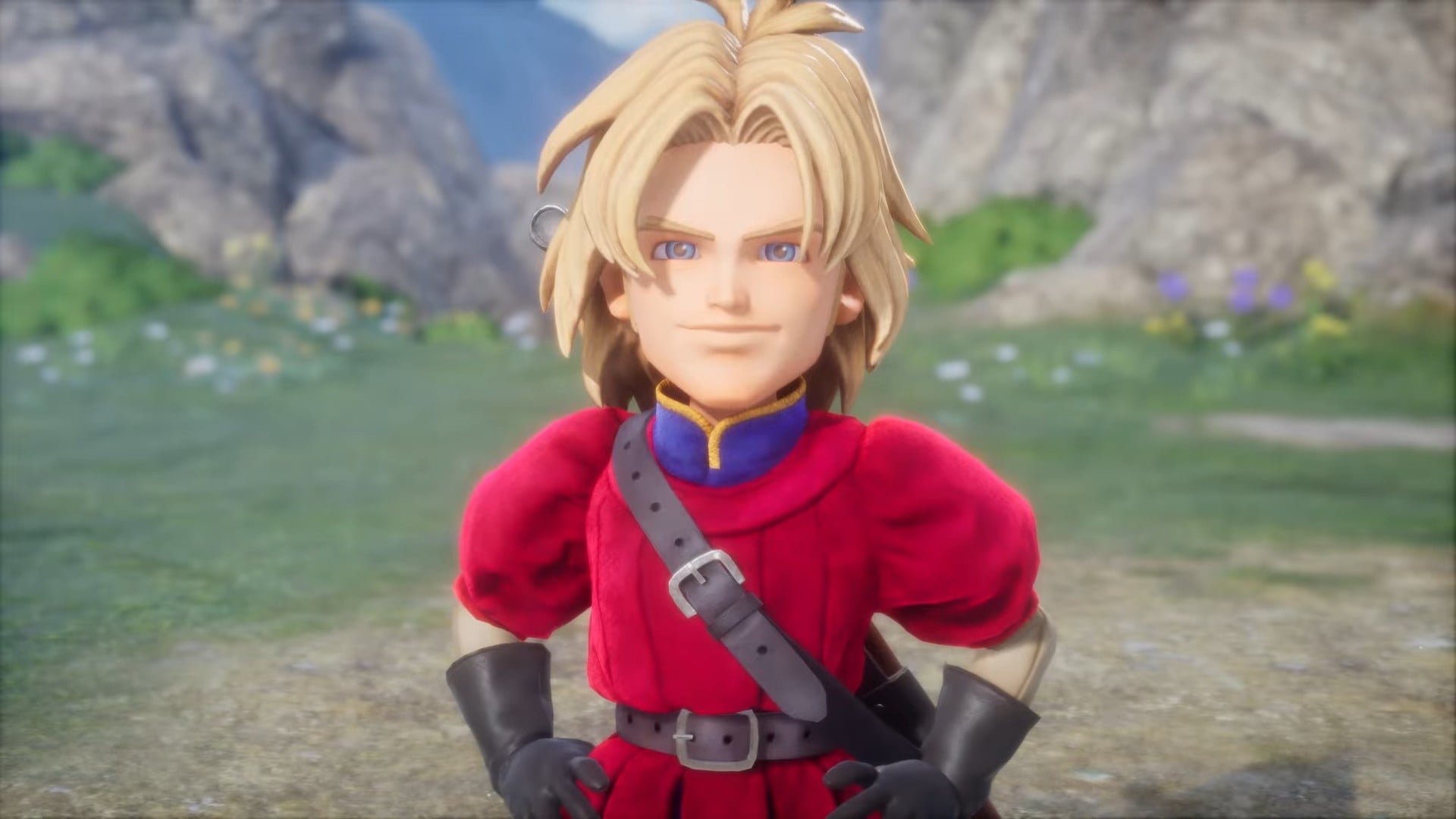
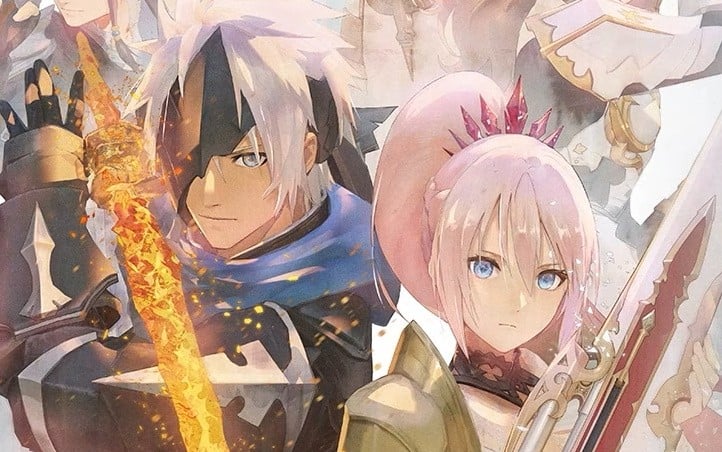
After a slate of HD-2D remakes, Dragon Quest has brought another of its past entries into the modern era, this time with a doll-like, diorama-style 3D look in Dragon Quest VII: Reimagined.
This complete overhaul of the 2000 PlayStation RPG, which also came out on the 3DS in 2013 and 2016 (Japan and the West respectively) delivers a streamlined version of one of the longest games in the series, smoothing out the pacing, improving combat, making battles faster, and even cutting a few “optional” scenarios.
For some fans and critics, the changes have proven controversial. And while we’re not sure we can call this version the “definitive” release, our reviewer Mitch did have high praise for the many quality-of-life changes, scoring the Switch 2 release a 9/10:
With the Dragon Quest franchise is doing better than ever worldwide, and the 40th anniversary coming up later this year, there’s never been a better time to be a fan. So, newcomers, veterans, and slimes, we want to hear what you think about Dragon Quest VII: Reimagined on Switch 1 or Switch 1.
With a whole weekend under your belt, perhaps you feel strongly about the changes and you love them? Or maybe there’s an island or a gameplay element that you miss that brings the experience down? Whether you’ve finished it (did you sleep?) or are just a few hours in, you can give the game a score below and, if you change your mind later, come back and rescore.
What score would you give Dragon Quest VII: Reimagined (Switch 2)? (127 ratings)
10 – Outstanding23%
9 – Excellent31%
8 – Great20%
7 – Good10%
6 – Not Bad6%
5 – Average6%
4 – Poor1%
3 – Bad0%
2 – Terrible1%
1 – Abysmal2%
What score would you give Dragon Quest VII: Reimagined (Switch)? (70 ratings)
10 – Outstanding21%
9 – Excellent27%
8 – Great16%
7 – Good14%
6 – Not Bad7%
5 – Average7%
4 – Poor3%
3 – Bad0%
2 – Terrible1%
1 – Abysmal3%
Thanks for voting! If you want to share your thoughts Reimagined in more detail, head down to the comments and chat away!
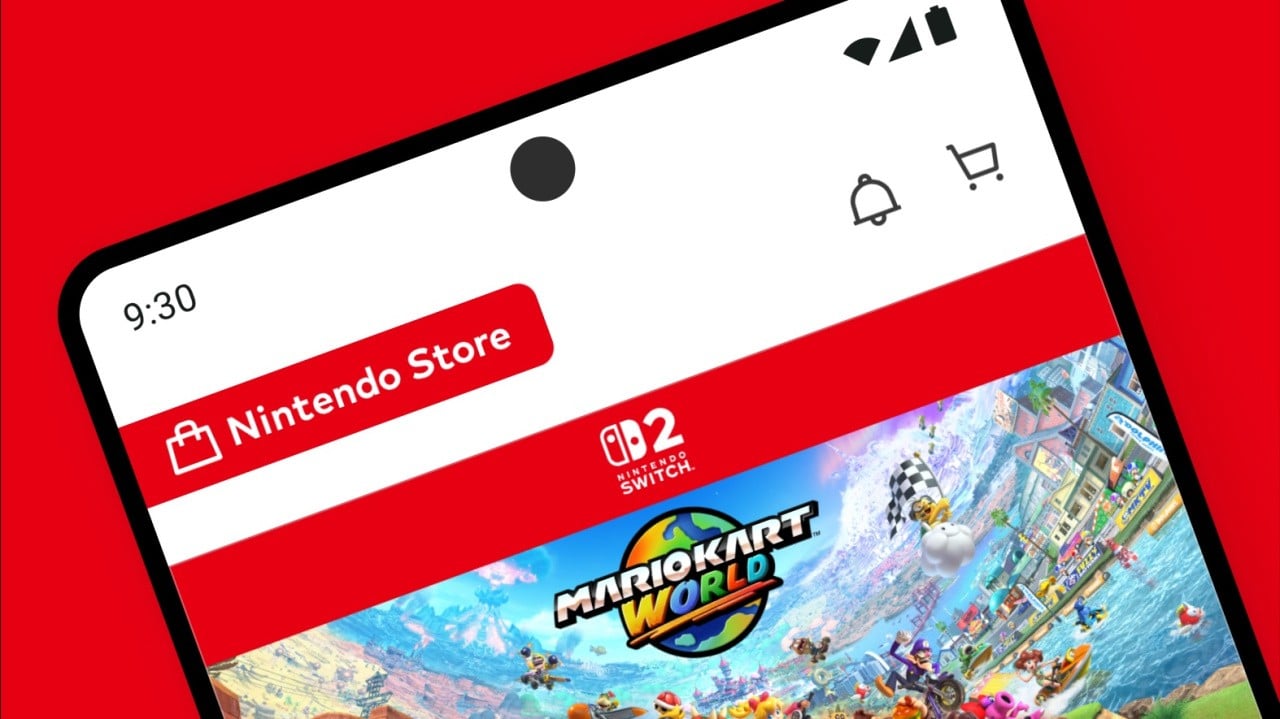
Late last year, Nintendo finally brought the former Japan-exclusive ‘My Nintendo’ app to the West, under the new name of Nintendo Store. We all used it to take a brief glance at our playtime breakdowns, then consigned it to the pile of other unused apps in our phone’s storage, thanks to its reliance on funnelling us to the My Nintendo Store website.
The constant channels to your preferred web browser are still prevalent in the app today, but a new update is moving things in the right direction, with in-app product searches now working… in-app.
According to @Oatmealdome on Bluesky, previous versions of the app would kick the user straight to the My Nintendo website whenever they tried to use the app’s search function. As of today’s ver. 3.1.0 patch, the app now displays search results itself, but it will still open the game page in a browser if you tap on it. Still no chance of buying anything via the app, then, but hey, it’s a step in the right direction!
Aside from the added search functionality, the update also improves display speed in select tabs, adds the option to enlarge product images (groundbreaking), and makes a few smaller tweaks, too.
The patch notes were shared on the Apple App Store and Google Play Store, and we have gathered them together for you to check out below:
Nintendo Store Ver. 3.1.0 (9th Feb 2026)
・ Product search results can now be displayed in-app on the “Search” tab. ・ Performance for the “Search” and “Wish List” tabs has been improved. ・ You can now enlarge the product images displayed on the details page for a product. ・ Various issues are now resolved.
Are you still using the Nintendo Store app? Let us know in the comments.
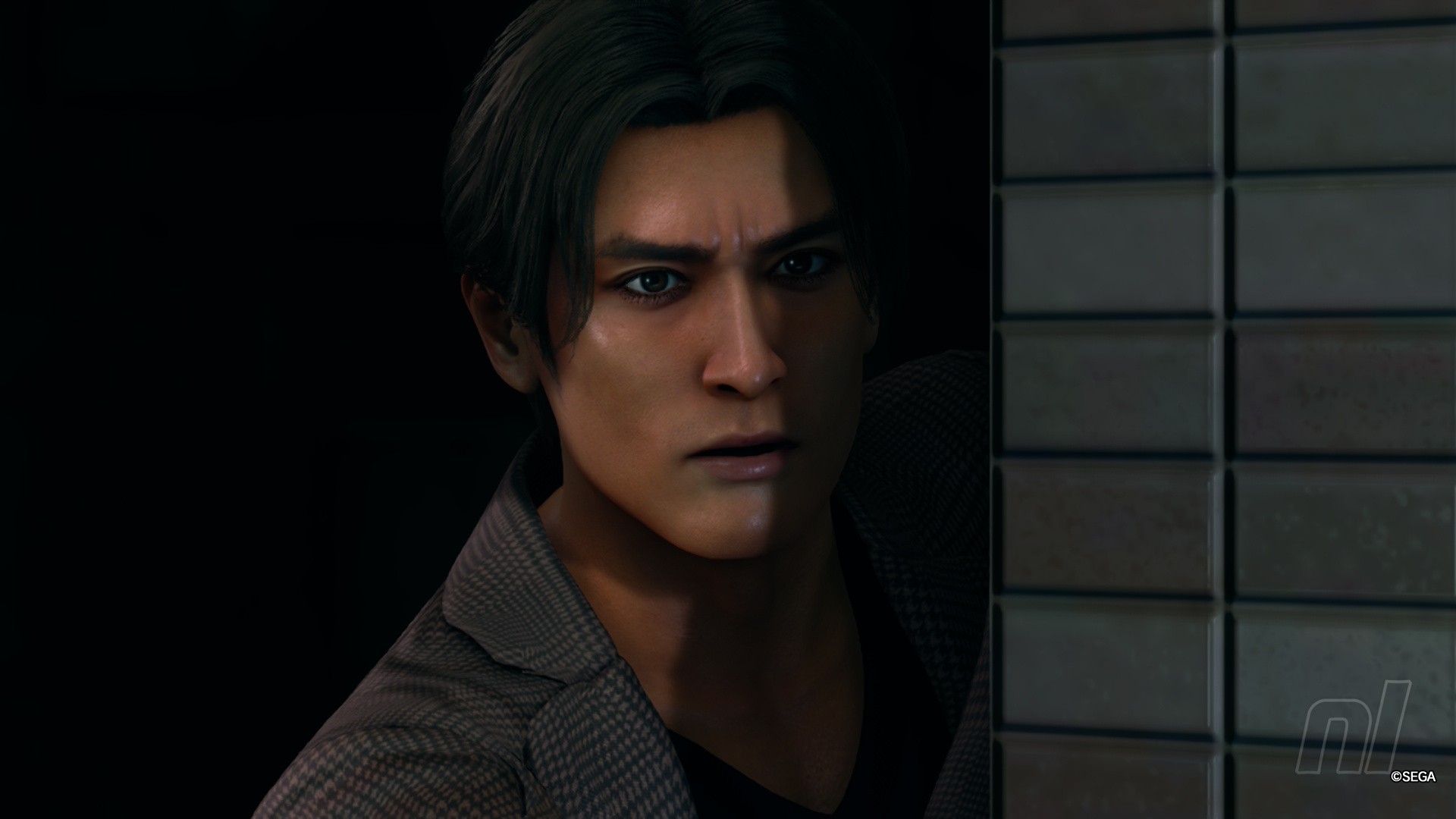
I’m of the opinion that there are no bad Yakuza games. Although the series has definitely fluctuated in quality over the years, they always offer up something to keep me engaged and satisfied. Yakuza Kiwami 3 & Dark Ties is still a decent entry, but it’s also bloated, poorly paced, and marred in controversy surrounding the recasting of a key character. Frankly, I’d argue that RGG’s prolificacy is starting to have an impact on the quality of its games, and it might be time to take a break.
Much like the previous Kiwami titles, this is a remake of the 2009 PS3 original, continuing the story of protagonist Kazuma Kiryu as the story shifts over to the new location of Downtown Ryukyu in Okinawa. The new setting offers a nice change of pace, leaning more towards a kind of tropical, resort-style environment. At a glance, it’s lovely to look at with the series’ signature attention to detail all intact, though you might be wondering whether the lighting issues from the demo have been addressed.
Captured on Nintendo Switch 2 (Docked)
Well, the good news is that they absolutely have in a pre-release patch. There was a particularly egregious issue in which the area around Kubochi River looked genuinely awful, with the river itself showcasing a bright blue colour that somehow made the environment look worse than the original. This has been fixed, and it looks pretty good now. I did notice a weird bug early on in which some code was displayed in the dialogue subtitles, but this seems to have been a one-off, and otherwise it’s a pretty polished experience.
Overall performance on Switch 2 is also as solid as you’d hope. The bump up to the Dragon Engine means we’re looking at 30fps, but it remains pretty stable throughout. Resolution can also look a touch fuzzy in handheld mode, as you’ll no doubt see in the accompanying screenshots here, but its overall a really handsome-looking game.
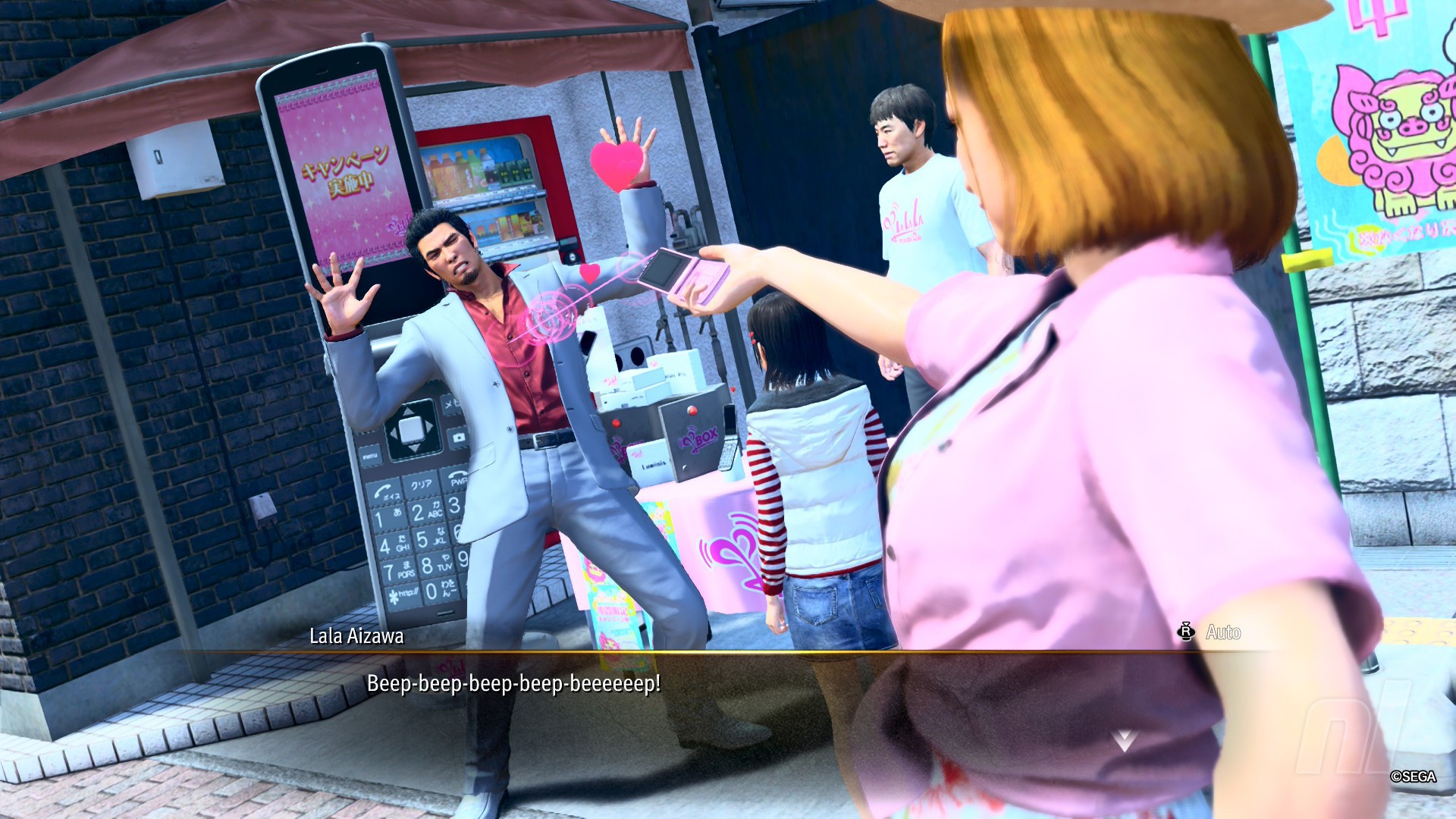
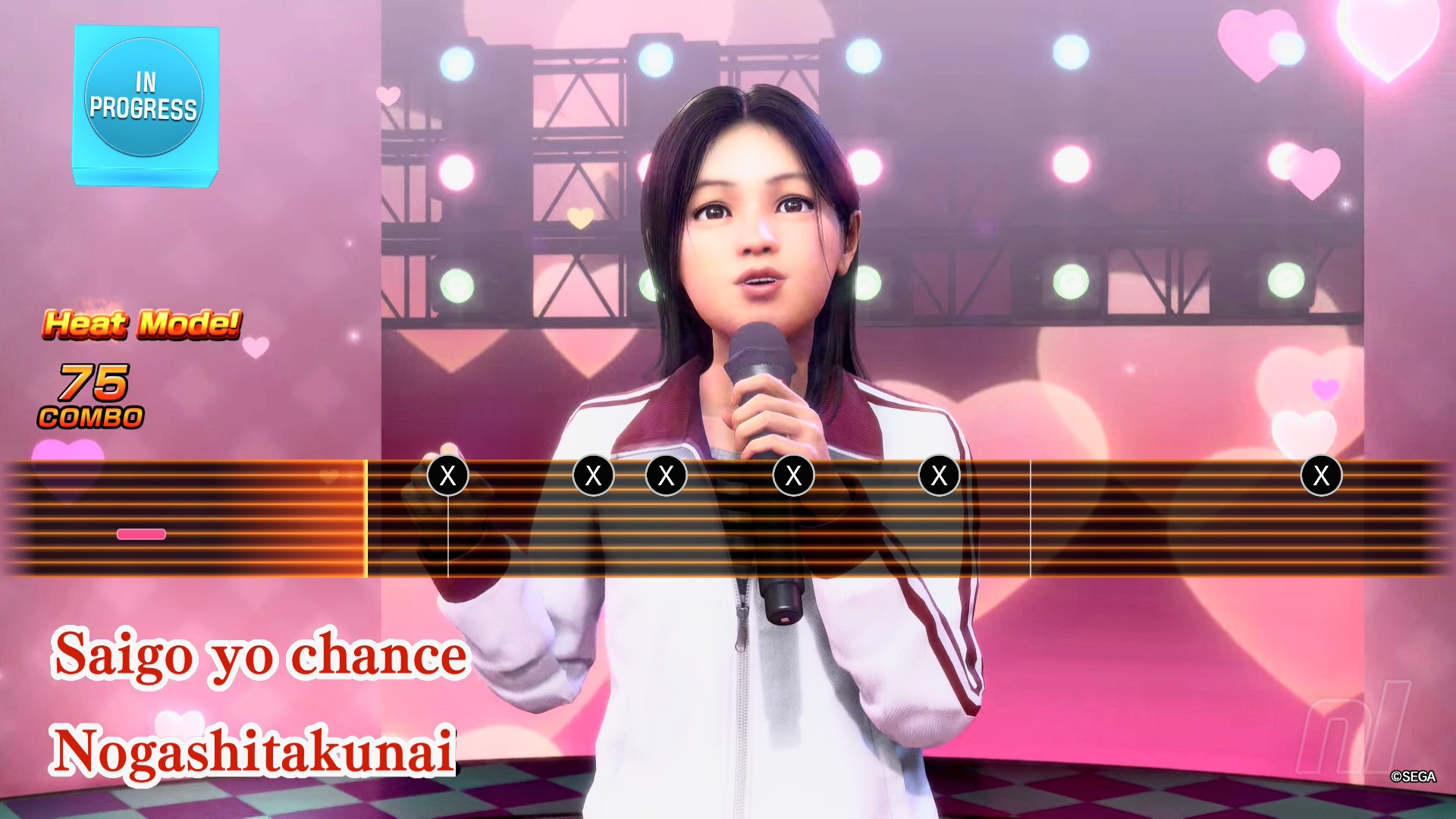
As for the gameplay, you’re looking at a familiar mix of melee combat (lots of melee combat), exploration, side activities like bowling, darts, and karaoke, and some light customisation features.
Focusing on combat first and foremost, Kiryu’s iconic Dragon Style makes a return, and it’s just as satisfying as ever. What’s more, the devs wisely made it so that your enemies no longer block incessantly, making emergent fights as you explore the environment much less irritating than the original.
Captured on Nintendo Switch 2 (Handheld/Undocked)
New to Kiwami 3 is the Ryukyu Style, which focuses on weapon combat like scythes, shields, and all sorts of weird and wonderful objects that Kiryu just happens to have stashed in his pockets. The basic functionality is the same as the Dragon Style, with standard attacks mapped to ‘Y’ and stronger ones mapped to ‘X’, combinations of which result in some pretty sick moves. Overall, I still tend to prefer the Dragon Style, as the dodging mechanic is a bit more immediate and satisfying, but both are valid options.
Like previous Yakuza games, random gangs can start fights with you while you’re out and about, but you can avoid these if you wish. What’s new here are Baddie Battles, which are large-scale scraps with a bunch of goons and one stronger foe as part of the new Bad Boy Dragon mode. This also sees you take over parts of Okinawa via motorbike skirmishes, and overall, it’s a fun little distraction that leans heavily into the series’ penchant for absurdity.
Other side missions focus primarily on the new Morning Glory orphanage (yeah, it’s not a good name, I know), during which you raise your ‘Daddy Rank’ by helping out the children in various minigames like cooking and fishing. The original release made a lot of the orphanage section mandatory to progress the story, but Ryu Ga Gotoku Studio has wisely restructured the flow of the narrative to make this stuff more optional.
That said, Kiwami 3 still suffers from poor pacing throughout. At its height (Yakuza 0), the series has managed to strike a decent balance between story progression and side content, but here, there’s just simply too much stuff. You’re constantly being bombarded with cutscenes and random pedestrian dialogue, to check out features for your phone, buy some new threads, and much more. Some might relish all of the extra content, but in my opinion, Kiwami 3 tips the scales too much, and it often feels like a chore to play.
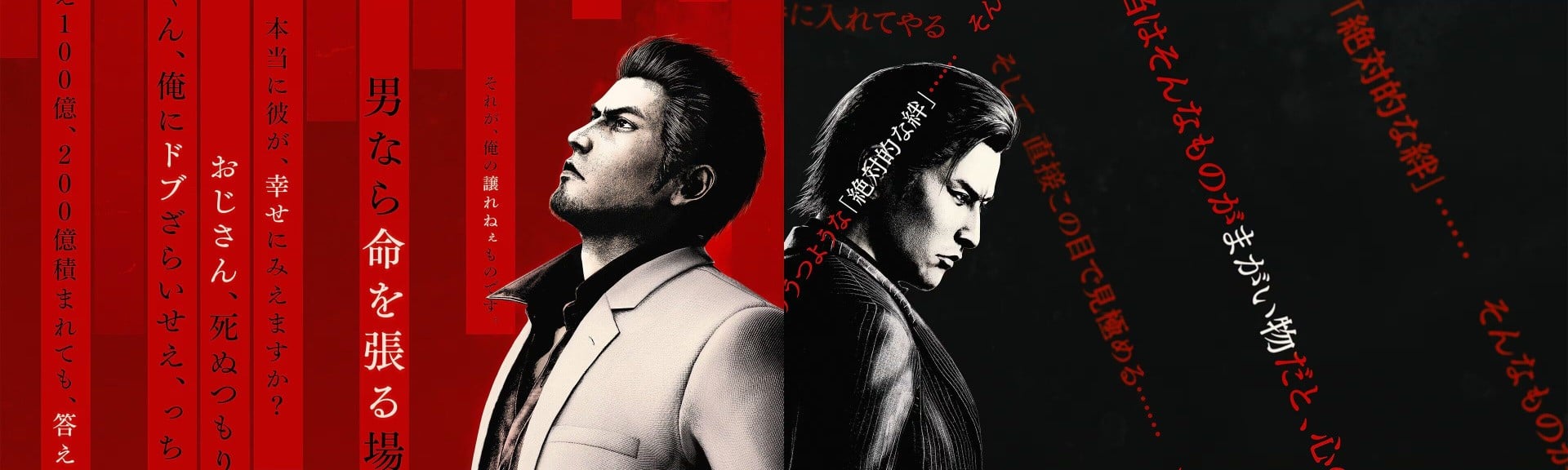
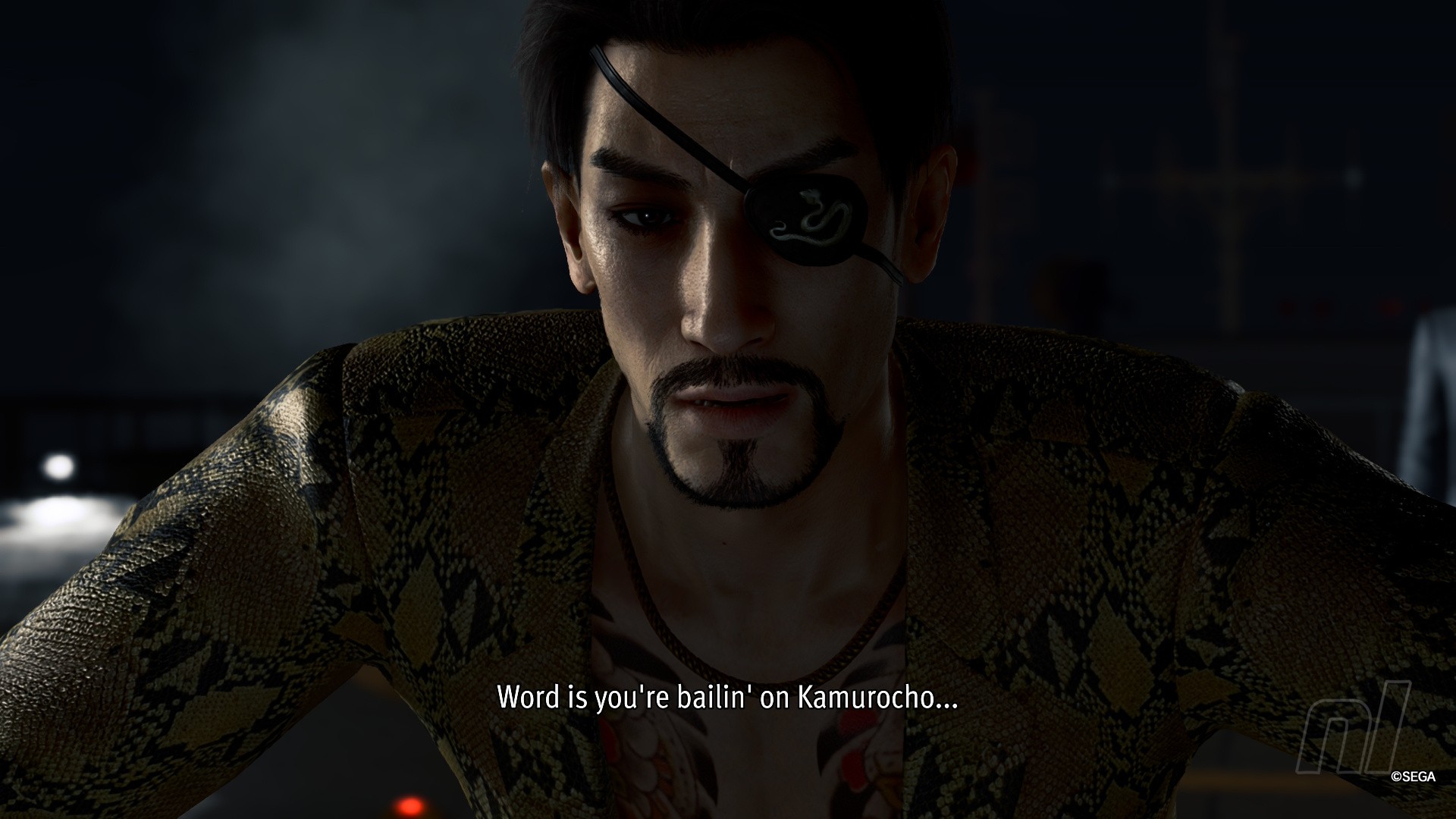
You’ve also got the completely new side campaign called ‘Dark Ties’, and this stars the fan-favourite antagonist Yoshitaka Mine as he goes from ousted chairman of an upstart company to ruthless Yakuza lieutenant. In contrast to the main story, this takes place almost entirely within the iconic Kamurocho, and so feels like a more ‘traditional’ Yakuza experience compared to Kiryu’s narrative. It’s also a little more streamlined, offering a nice antidote to the bloated main story.
Mine is a compelling character, too. His calculating, no-nonsense attitude remains engaging throughout, though I have to admit that his task in raising the reputation of fellow clan member Tsuyoshi Kanda is disappointing given just how unlikeable the latter is. You’ll need to complete a bunch of missions to raise Kanda’s rank, including dealing with street bullies, accompanying him to a local brothel, or even just winning a plushie on a UFO catcher.
Captured on Nintendo Switch 2 (Docked)
During combat, Mine is noticeably more brutal than Kiryu, with slightly slower movement balanced by hard-hitting punches. Building up a gauge will also eventually let you unleash Dark Awakening, which can be boosted two or three times in one go if you’ve managed to build up enough energy. Naturally, this increases Mine’s strength further and introduces a few cinematic finishing moves which, honestly, never get old. Overall, his fighting style is a delight, and I think I might even prefer it to Kiryu’s Dragon Style.
You’ll need to make good use of Mine’s abilities, too, since a key feature within Dark Ties sees you navigate a series of labyrinths in the Hell’s Arena underground fight club – yes, it’s as ridiculous as it sounds. These are stuffed with treasure to find and bad guys to vanquish, all leading to a thrilling one-on-one fight with the labyrinth’s leader. It’s good stuff, and it makes for a nice break from the persistent jobs you need to complete on the surface to help out Kanda.
I mentioned Kanda is unlikeable, and this is largely because his introduction sees him forcing himself upon a woman in an alley. As Mine, you have to intervene, which makes their subsequent alliance somewhat repulsive. I bring this up because RGG Studio made the decision to recast a key character in the main game, enlisting actor Teruyuki Kagawa to provide the voice and likeness for antagonist Goh Hamazaki.
Captured on Nintendo Switch 2 (Handheld/Undocked)
The reasoning for replacing the original actor, George Takahashi, is unclear. However, in 2022, replacement actor Kagawa admitted to accusations of sexual misconduct from 2019, leading to massive fan backlash over his inclusion in Kiwami 3.
Now, if Kagawa’s inclusion here means you decide to skip this entirely, I wouldn’t blame you in the slightest. The series often deals with themes of horrific men being terrible to women, so his addition feels hypocritical of RGG Studio, and it did affect my enjoyment of the game every time Hamazaki shows up.
Ultimately, however, even if this wasn’t an issue, Kiwami 3 & Dark Ties is still the weakest entry for the Switch 2 so far. It feels like we’re being bombarded with new titles in the series recently, and I genuinely wonder whether RGG should just pull back slightly and focus on what made it so great to begin with.
Conclusion
Yakuza Kiwami 3 & Dark Ties is a fair series entry, but one that’s tainted by poor pacing and a recasting controversy that simply didn’t need to happen. The main story has a lot to offer, but it’s also bloated with way too much side content getting in the way of the core narrative. Dark Ties feels like a nice antidote to this, but I’m not sure whether this alone would be worth the purchase for anyone but series die-hards.
RGG Studio fixed some visual blemishes in time for launch, so that’s good news. Unfortunately, it seems Kiwami 3 will forever be associated with the recasting of one of its main antagonists, a controversy that undeniably affected my personal enjoyment of the game. If that doesn’t bother you, and if an overabundance of side content appeals, you could probably add a point to the scoreline.
What’s next for The Legend of Zelda? It seems to be the big question scratching everyone’s heads this year.
2026 is still a blank Sheikah Slate. Now that the Switch 2 console is in full swing and the Era of the Wild seems to be finally riding off into the Gerudo sunset, we’re truly in uncharted territory. We know there will be a Legend of Zelda movie coming in 2027, but other than that, we’re just about as blind as a wayward Keese in a snowstorm on Snowhead. Who knows what’s going to happen in the first main, non-Partner Nintendo Direct for 2026, or if there will even be a Zelda game revealed in the coming months.
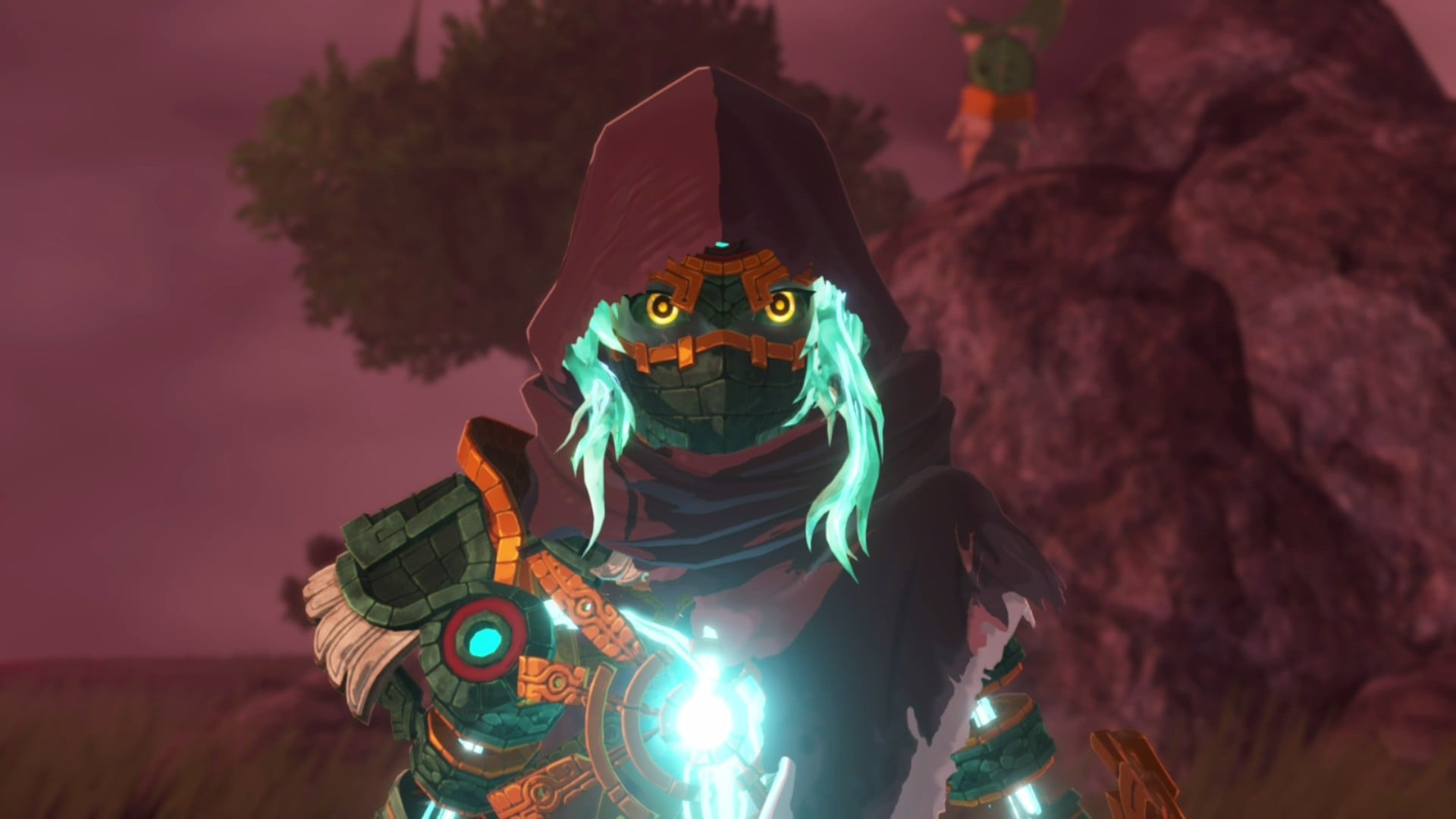
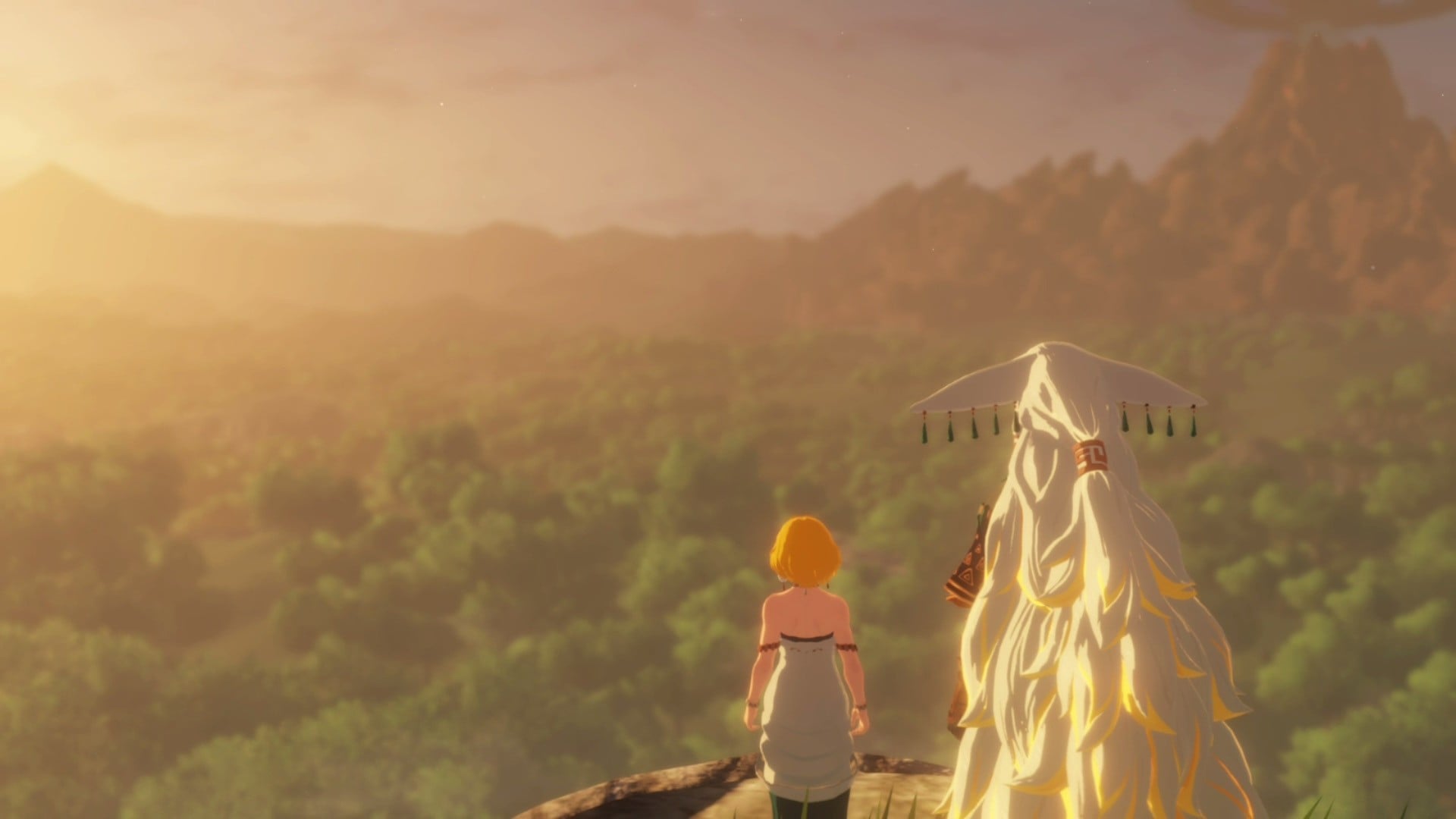
Fortunately, the legendary staff behind the series isn’t lost by any means. They know what they’re doing, and they’ve left us a mysterious but important clue behind. In an interview with 4Gamer and the Koei Tecmo development team, Zelda producer Eiji Aonuma shared that an enormous amount of inspiration took place when they co-developed Age of Imprisonment with Koei Tecmo and their new AAA Studio staff.
“Hyrule Warriors: Age of Imprisonment is the first Zelda title for the Nintendo Switch 2. To be honest, we wanted to be the first to do so,” Aonuma laughed, according to TheGamer’s translation. “However, the inspiration we received from this collaboration with Koei Tecmo may be reflected in the [next] Zelda we create. Please imagine this while playing Age of Imprisonment, and look forward to our Zelda.”
But it’s not Imprisonment for you
Hold on, before you groan and head for the back button in disgust, I know what you’re thinking. Many of you (not all) are a little weary of living in the Era of the Wild for almost a decade. And the last thing you want in a Zelda game is more repetitive hack and slash to boot, right?
That’s understandable. I’m 99.99% confident that’s not what the next Zelda will be about. I leave behind the 0.01% because, well, it’s The Legend of Zelda we’re talking about. What the Zelda team has in mind will always be mysterious to a point.
That said, I believe their inspiration with Age of Imprisonment in creating the next Zelda game has to do with a new narrative style. In fact, Age of Imprisonment could hold the key to solving the “Great Divide” between the old school and new school Zelda fan camps. Imagine a game in a brand new Hyrule era that finally joins the open-world and traditional Zelda formulas together into a unique cinematic interactive experience.
How is that possible? Allow me to explain.
Think Legend of Zelda: The Video Game Movie
Image: Nintendo / Sony Pictures
It’s true, Breath of the Wild changed history. Not only did it revolutionise the open-world genre for the entire industry (looking at you, Elden Ring), it introduced full spoken voice acting into the series for the first time. This format encouraged stunning art direction and breathed life into characters like never before in a Zelda game. But there was a problem. The sheer freedom of open world movement limited the narrative potential to flashback cutscenes that the player finds scattered throughout the map, geographic lore hunting, and a creative, though somewhat disconnected final boss.
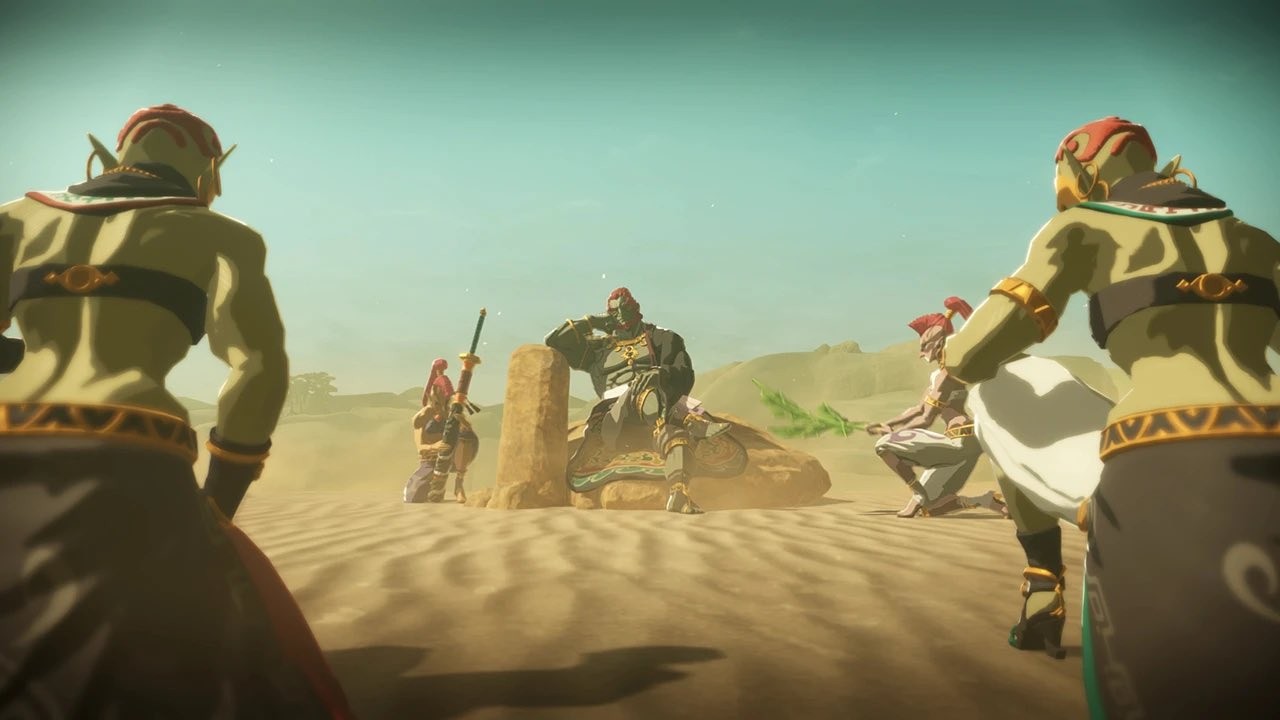
Its sequel, Tears of the Kingdom, introduced a much stronger final boss experience with the return of Ganondorf and has plenty of geographic lore hunting, but it too was limited to cinematic flashbacks that can either elate or ruin a player’s experience depending on who you ask, what the found order was, and what the context consisted of in the player’s personal situation. Or perhaps, the scenes we do get are produced so extravagantly that we are only left wanting more.
One thing is for certain: they’re powerful enough to spark gigantic internet fights. That’s open world for you. Do with that what you will.
Putting it all together
Now I arrive at Age of Imprisonment’s strongest point – the narrative.
Its purpose is to allow players to experience the ancient Imprisoning War firsthand and fill in the gaps left behind in Tears of the Kingdom with a staggering three hours’ worth of seamless voice-acted cutscenes that surpass the limitations of Breath of the Wild, thanks to its more linear Purah Pad map format.
What’s fascinating is that the game isn’t completely linear. Unlike the previous Hyrule Warriors instalment, Age of Calamity, the battle challenges in Age of Imprisonment are incorporated into the main story with the map. There’s a lot of freedom to select battles without breaking the narrative. When you clear a certain amount of them, a story-locked milestone battle with cutscenes appears. Even the map itself interacts with you to pull you into the high-stakes tension of the Imprisoning War. You truly feel like you’re in the trenches with the characters and sharing in their blood, sweat, and tears as they push back against the Demon King’s overwhelming forces. This was intended by design.
Tears of the Kingdom director Hidemaro Fujubasashi explained that Age of Imprisonment’s “functionality and player experience came first, but even though the order may change, we put it together so that the scenario and terrain are well-rounded.”
Koei Tecmo director Aoyagi Kimiki further explained that Age of Imprisonment has “the appeal of a historical drama” with the Imprisoning War, an important event for Zelda fans. “We aimed to give the historical flow that was shared with us at the beginning its true form, and to create a structure that would allow players to feel that they were part of that history as they fought, as part of the Warriors experience.”
Image: Chelsea Reed / Nintendo
Could this mean that the narrative limitations of the open-world system will finally be conquered in the next Zelda game? That we’ll not only experience full-length cinematic cutscenes that flow naturally like a traditional mainline Zelda again, but we’ll get to live and interact in a living, breathing Hyrule Castle Town and experience the thrills of massive dungeon crawling and camping under the stars in Hyrule Field, too? Perhaps an entirely interactive, cinematic universe?
I dare you to imagine such a feat. That seems like an impossible fantasy right now. But if the Zelda team can achieve a feat like that, it would not only revolutionise Zelda games again, it would set an entire industry trend ablaze.
Then again, that’s routine for the Zelda team. They have a stubborn habit of making groundbreaking history.
Ahoy! Welcome, one and all, to another edition of Box Art Brawl!
Last time, we checked out Red Alarm for the Virtual Boy, which of course will be joining the launch lineup for Virtual Boy – Nintendo Classics on NSO later this month. It was a surprisingly close contest, with North America just about claiming victory with 54% of the vote.
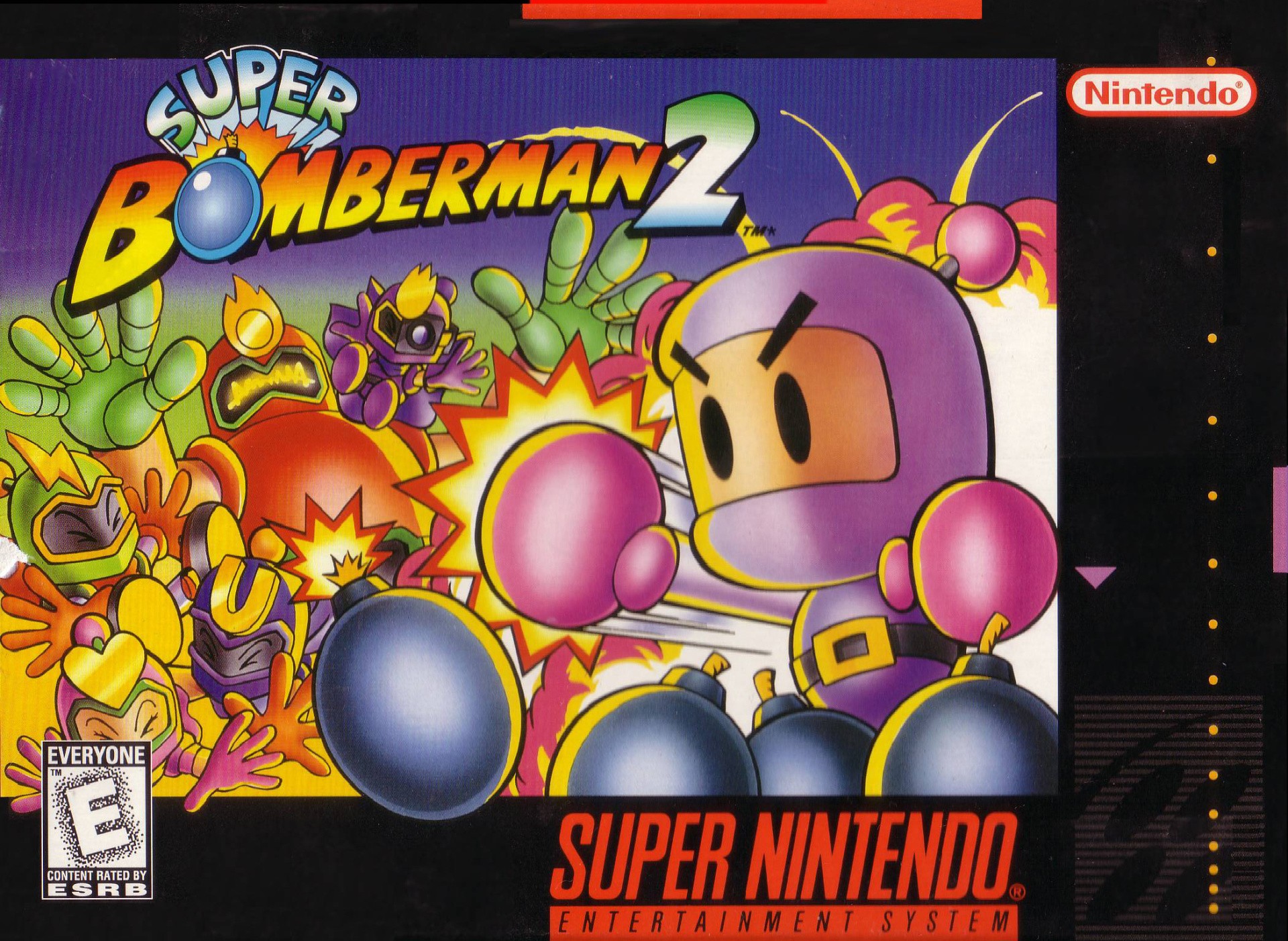
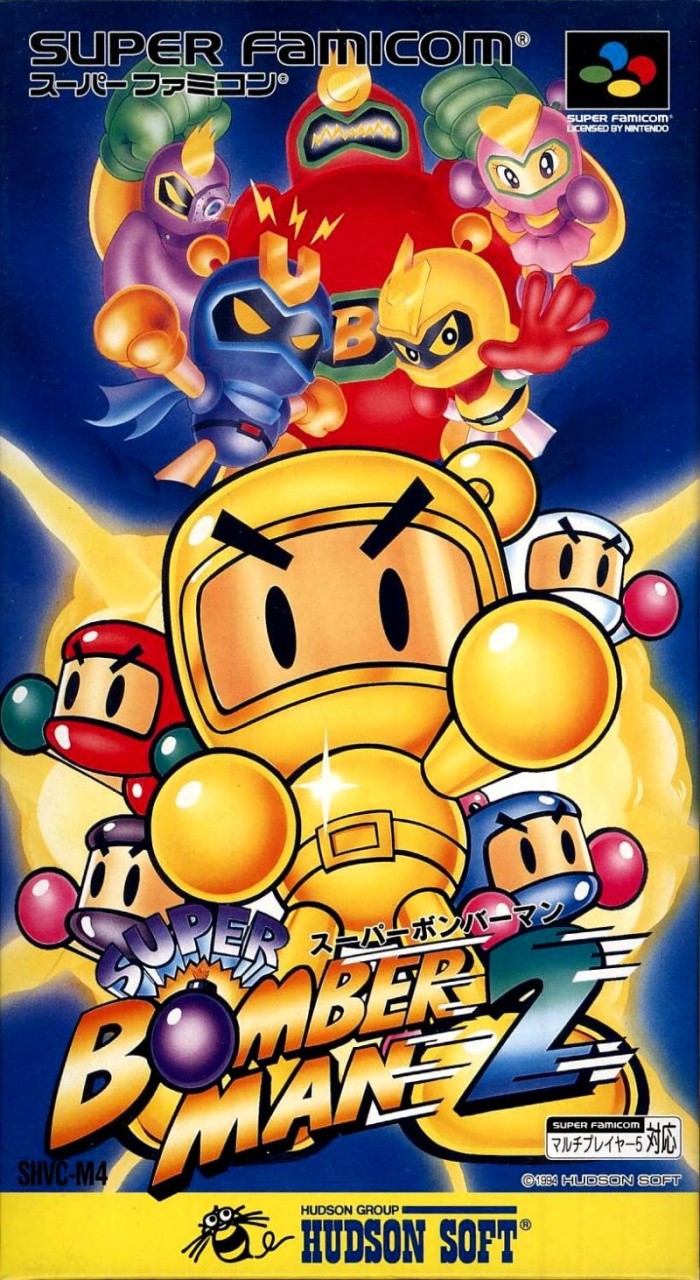
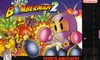
So, we skip ahead to today, where we’ll be looking at Super Bomberman 2 for the SNES. This game is now, of course, fully playable on the Switch and Switch 2 as part of the newly-released Super Bomberman Collection, so we thought it wise to go back and see how the box art stacks up in each region.
US and EU designs are largely the same for this one (EU has a gold border, and that’s about it), so we’re going for a good ol’ duel against Japan. Let battle commence!
Okay, so the Western design seems pretty standard at first glance, but it’s a lovely composition nevertheless. We’ve got Bomberman in the extreme foreground with a load of enemies filling up the remainder of the space. There’s some lovely use of colour, and you certainly can’t say it isn’t eye-catching.
Japan’s design is a bit more, shall we say, symmetrical. Which is good! It seems a bit busier in its composition, and again, the use of colour is simply superb.
Which region got the best Super Bomberman 2 box art? (1,580 votes)
North America / Europe45%
Japan55%
Thanks for voting! We’ll see you next time for another Box Art Brawl.
Ahead of this, it has announced it will be making some changes to the game based on previous demo feedback from players. Here are the adjustments on the way:
“Based on the feedback from the post-play survey of the debut demo released on Nintendo Switch 2, we will be making the following adjustments.”
Increase in Elliot’s Movement Speed
New Difficulty Levels
Expanded Convenience Features for Magicite
Adjustment to Weapon Shortcut Menu Behaviour
If you haven’t already played the ‘Debut Demo’, you can access it from the Switch 2 eShop. Here’s some additional information about what it offers:
This ‘Debut Demo’ is designed to give you a sense of the exploration and action you’ll experience in the game, so expect plenty of crunchy combat, spooky caves and all kinds of secrets hidden around.
See a crackable wall? Blow it to smithereens with a bomb and you might discover a Secret Treasure Route- a small dungeon you can explore for valuable rewards.
Perhaps you’ll find a Shrine of Life – these optional challenges put your combat and traversal skills to the test. Perhaps you’ll find valuable loot like magicite or money. Always remember – this is a game that rewards the curious.
Or, you could follow the quest markers and delve into a deadly swamp, and the Unexplored Ruins beneath. This multi-level dungeon is full of dangers – so be sure to use everything you’ve learned to find your way through.
We went hands on with The Adventures of Elliot last August. You can can read and see what we had to say about it in our previous coverage:
Have you tried out the demo for this title yet? What other adjustments or changes would you like to see before the game’s launch this June? Let us know in the comments.
The game’s official Japanese website has now shared some details about the performance and resolution. Players can expect a resolution of 1080p across both docked and handheld modes, with cutscenes running at 60fps and the field exploration, battles and other aspects of gameplay targeting 30fps.
It’s noted how the frame rates may temporarily change depending on the playing situation and environment. According to the same page, the game requires around 54GB of space. We’ll provide an update about this when local listings pop up.
In case you missed it, it’s also been confirmed this title will be another Game-Key Card physical release on the Switch 2.
Will you be getting this game on the Switch 2? Let us know in the comments.
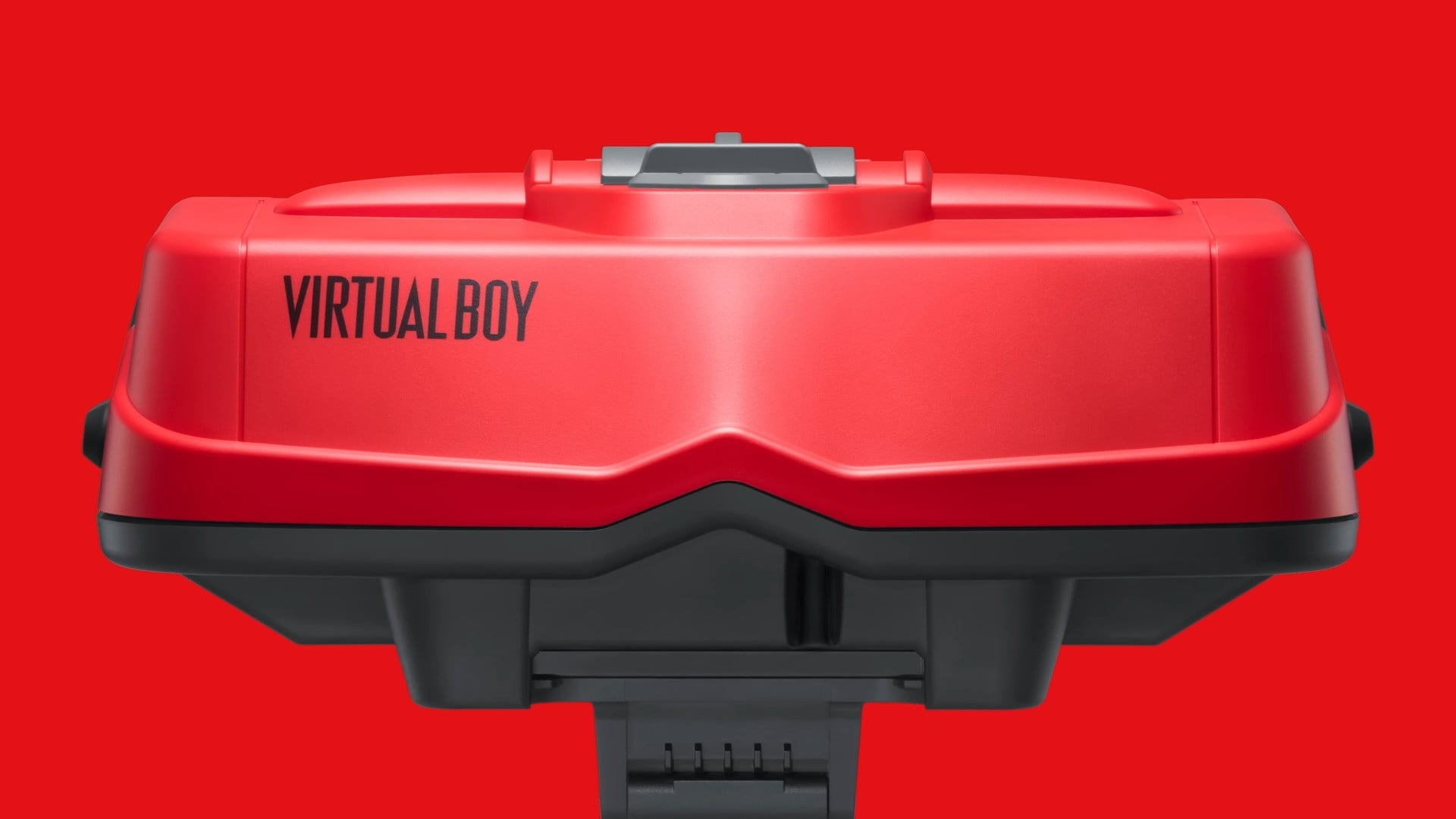
Nintendo is launching its Virtual Boy- Nintendo Classics digital library for the Switch Online + Expansion Pack service later this month, and the previews are now in.
First up are our own impressions from Nintendo Life staff writer Ollie Reynolds:
“It’s no secret that the Virtual Boy failed spectacularly when it originally launched back in 1995. As such, you might be under the impression that its games just aren’t very good. Well, not so! Virtual Boy Wario Land is an incredible 2D platformer that makes spectacular use of perspective, while Red Alarm is a solid wireframe shoot-em-up with clear Star Fox inspirations.
“I wasn’t able to try Zero Racers or D-Hopper, since neither of them will be available at launch. But the sheer fact that both will be fully playable for the first time ever is reason enough to celebrate. What a time to be alive.”
So, what did other critics have to say about it? Here’s the rundown:
Vooks: “The Cardboard VB requires you to hold the unit to your face, offering the more comfortable option of playing the games… The plastic VB recreation is more impressive. It’s as close as you’re going to get to play a VB unit without forking out the even bigger bucks for a real VB. Playing this way means you can have a more comfortable control set up. This is the only comfortable part of the VB though. It was difficult to get to a good or realistic height on the unit where I wasn’t hunched over and having to push my face against the VB. It will be good to get some longer time with the VB once it is released, even just to have a quick dip into some Nintendo history.”
Mashable: “The most vital aspect of all of this: after just a few minutes, my eyes and neck began to hurt and I had to back away. I got the same feeling of being disconnected from the physical world around me and needing to re-integrate with it as soon as I was done that I normally get from using modern VR headsets. We’ve come so far in terms of VR tech, but for me that sense of dislocation hasn’t changed at all.”
DualShockers: “I… walked away a believer in these games, even with the understanding that 30 years ago, they didn’t move the needle enough for mass adoption. Maybe I’m just a sucker for retro, arcade-y titles as I continue to age into my thirties, but I also know I won’t at all be alone in this sentiment. If retro titles are your jam, there’s a lot to have a good time with here.”
CGMagazine: “Wario Land… showed the most promise of the launch titles—just as it was arguably the most in-depth game on the Virtual Boy in its own time. Hopping between the 3D planes became more than a gimmick, as swinging hazards immediately illustrate; this is a legitimate platformer and a decent successor to the Game Boy games, and you’ll need to learn to pay attention to multiple planes to survive and thrive.”
IGN: “I only played for about 20 minutes, but I thankfully didn’t get a headache like the original hardware’s reputation would suggest. I’m honestly not sure how long I’ll play in one sitting when my own Virtual Boy preorder shows up in a couple weeks, because even though Wario Land was fun, it’s still kind of a pain to play. The edges of the screen were tough to see when looking in the unit, and it’s not the most comfortable feeling to crane your neck to look inside. At least it’s that authentic neck pain I’ve always wanted, though.”
Game Informer: “People speak so poorly of the 1995 model that I fully expected to immediately reject the Switch 2 version, but I came away mildly impressed. When the baseline expectation is “headache, neck pain, and nausea” but the actual experience is “huh, pretty neat,” I think it’s fair to say this exceeded my expectations. It’s far from a perfect device, but it very well may be the best way to revisit Nintendo’s worst console.”
Will you be checking out Virtual Boy on the Switch Online service when it launches on 17th February 2026? Let us know in the comments.
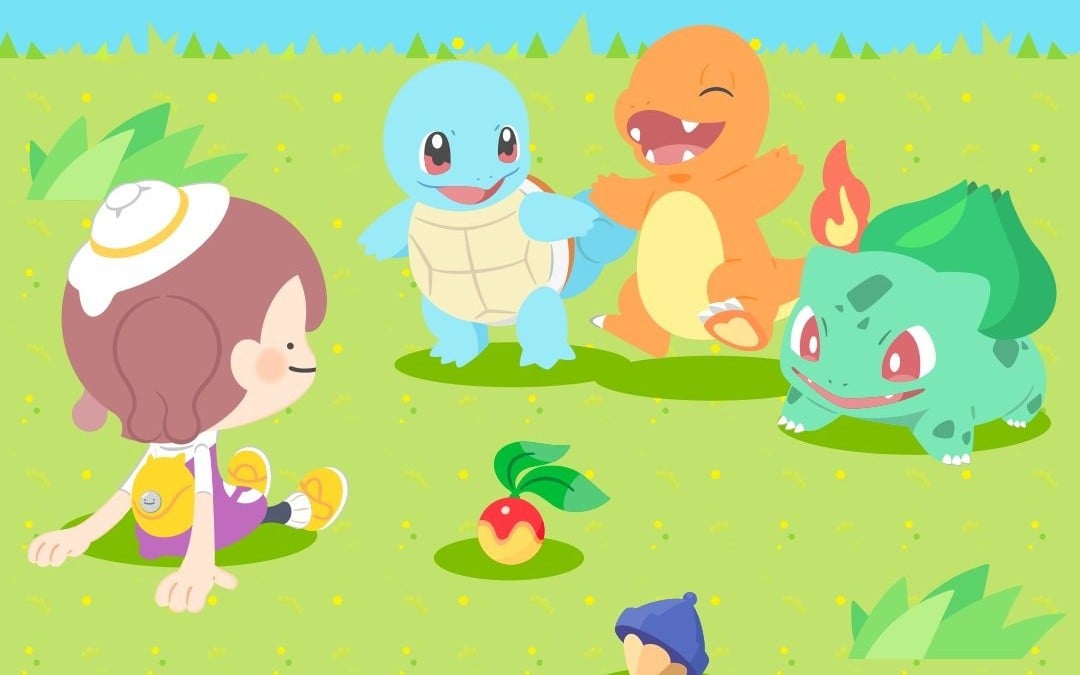
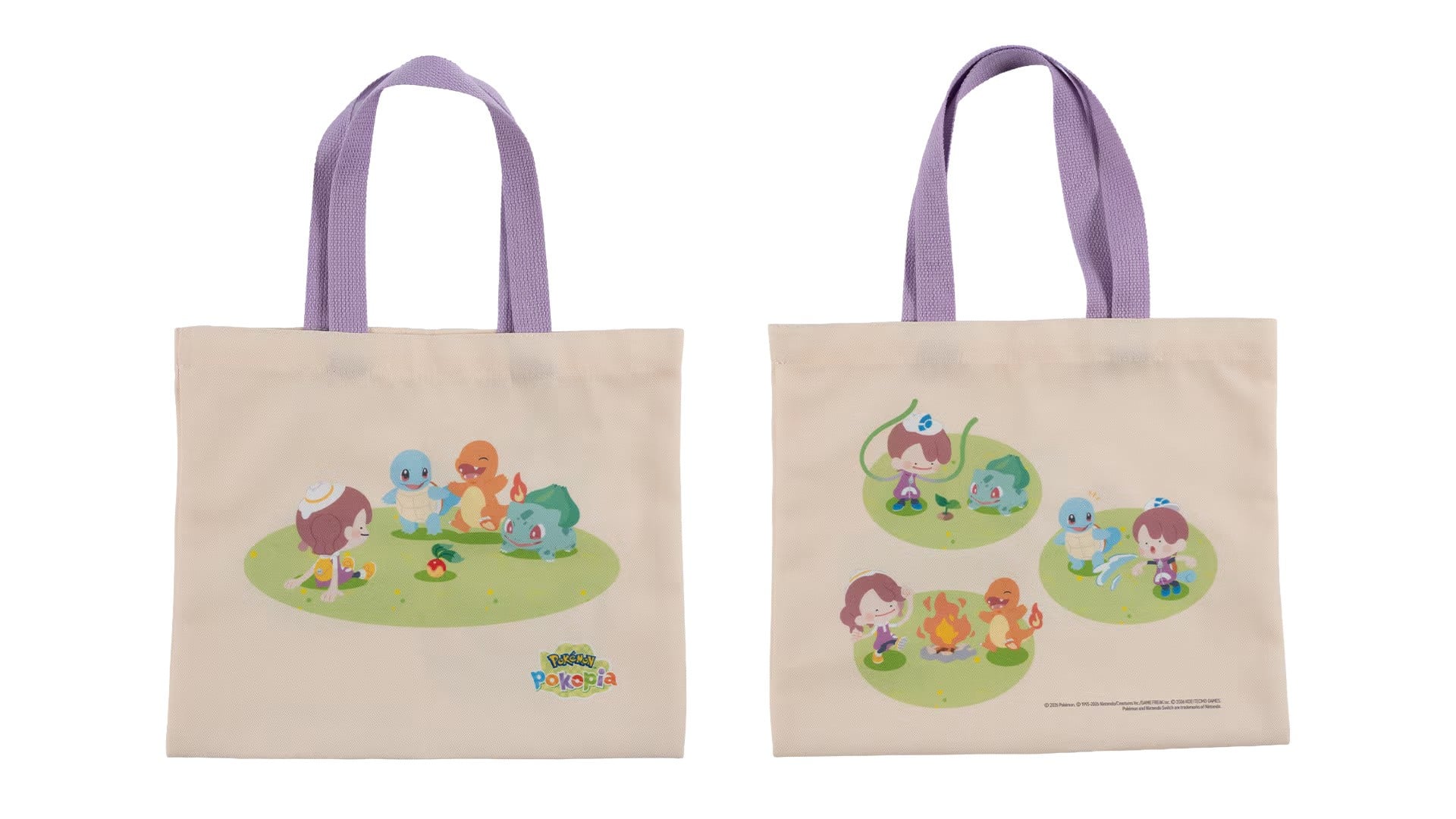
Pokémon Pokopia is out on the Switch 2 next month, and another pre-order bonus has now been announced for the US.
Trainers who pick up the Game Key-Card version or digital release from Best Buy will also receive a themed tote bag. This item, valued at $9.99, appears to be different from the one offered on the My Nintendo Store in the UK. If you’ve already pre-ordered the game from Best Buy for $69.99, it should be added to your existing order. Here’s a look:
Image: Best Buy / The Pokémon Company
This follows the reveal of an in-game pre-order bonus last week (a plant) for users who pre-order the game from Amazon in the US, or Best Buy in Canada. This special offer also extends to users who pick up the title from EB Games and JB Hi-Fi in Australia.
To see more pre-order deals for Pokémon Pokopia, be sure to check out our full guide here on Nintendo Life. We’ve also got a preview of the title on the way ahead of the big release this March, so be on the lookout for that in the near future.
Will you be pre-ordering Pokémon Pokopia for Switch 2? Let us know in the comments.
Please note that some external links on this page are affiliate links, which means if you click them and make a purchase we may receive a small percentage of the sale. Please read our FTC Disclosure for more information.
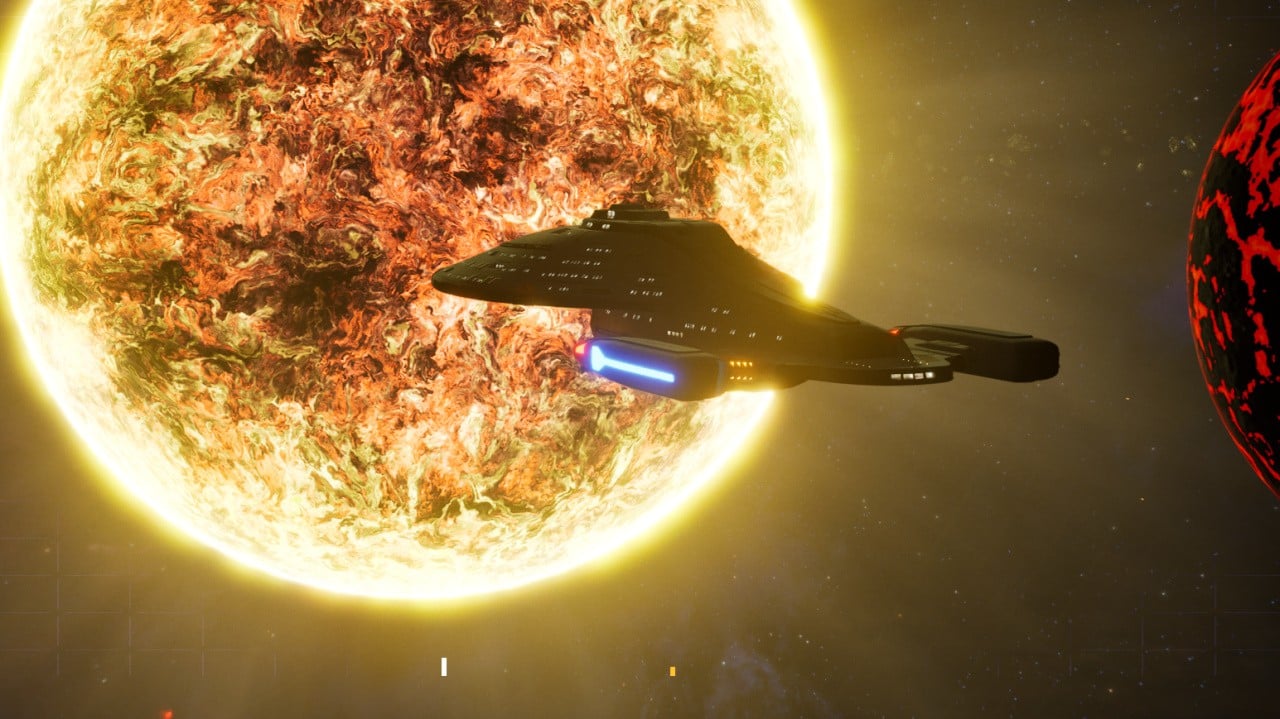
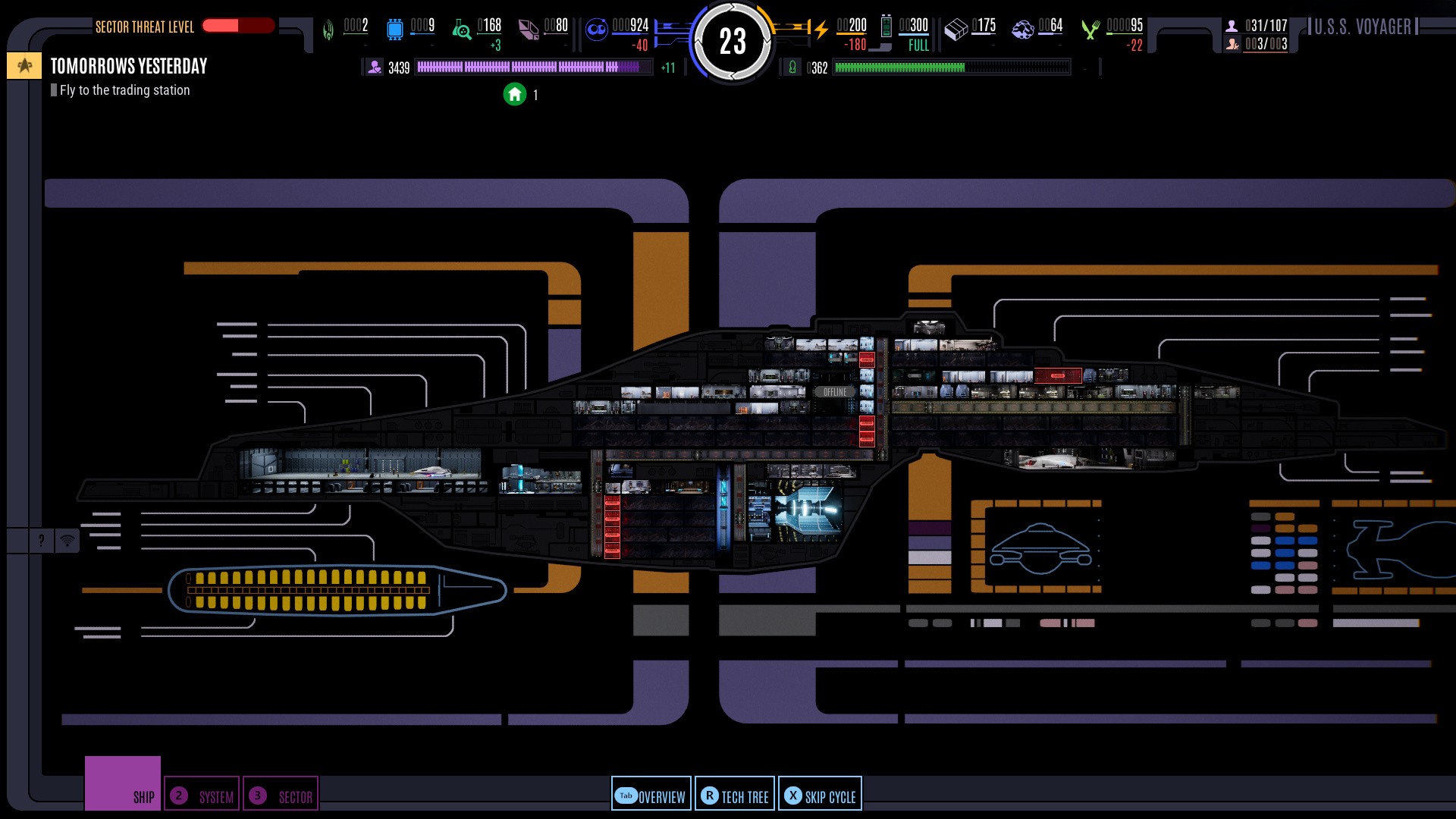
We’re fans of the final frontier around these parts, so when our combadges chirruped with news of a Star Trek game for Nintendo’s newest console, our anticipation grew like a clutch of tribbles in a grain silo.
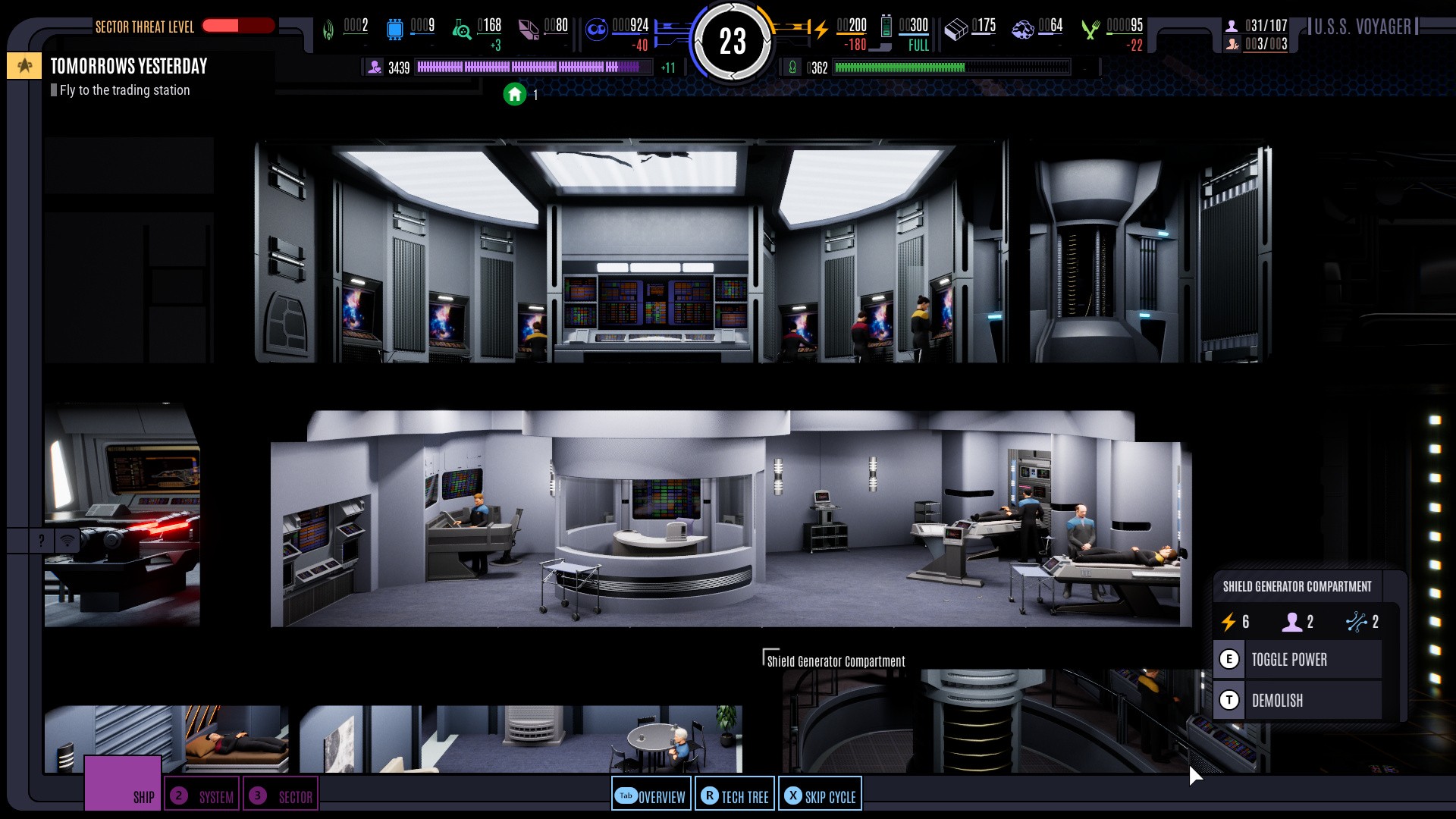
As you’ll have gathered from the title, Star Trek: Voyager – Across the Universe is set in the TNG-DS9-VOY era and sees you charged with Captain Janeway’s mission of getting her crew home safely after being thrown across the other side of the galaxy by an alien force.
If you’ve caught the show in the 30+ years since it debuted, you’ll know that the Delta quadrant is fraught with hazards of all shapes and sizes — cube-shaped and otherwise — but German dev gameXcite is letting you make different decisions on your journey, exploring what-if scenarios that diverge from canon and really put you in the Captain’s chair.
We caught up with Game Director Daniel Bernard via email to get confirmation on a couple of points and find out a little more ahead of the demo hitting the eShop on Monday and the game’s launch in a couple of weeks…
You said in your combat-focused dev video that you took inspiration from Starfleet Command, Bridge Commander, and Legacy. Beyond Star Trek, what other games did you have in mind when designing Across the Unknown? (Aside: I love FTL and still hold out hope of a Switch port!)
While we benchmarked all kinds of space games — from FTL to Everspace 2 — we wanted the combat to be as close as possible to what is seen in the show; how it would feel like to be the captain of a Starfleet cruiser, not a fighter jet.
Gene Roddenberry envisioned Captain Kirk as a “space-age Captain Horatio Hornblower,” a decisive leader on long voyages, drawing from C.S. Forester’s novels about a British naval captain during the Napoleonic Wars. As the Voyager captain, Captain Janeway carries on this tradition.
Naval warfare tactics influence space battles and make them more authentic. Even cloaked vessels are analogues to submerged vessels like German U-boats from WWII and submarines from naval battles that are difficult to detect. We wanted our game to be in this tradition.
Image: Daedalic Entertainment
How long have you been working on the game, and when did the Switch 2 version enter the conversation?
We started with the first concepts in summer of 2022, but it took us quite some time to secure the Star Trek license and a publisher. We also first produced a prototype to test some ideas and align everyone on the vision. Full production finally began in September of 2023.
Because the handheld format is ideal for our gameplay style, we wanted to do a Switch 2 version as soon as the console was announced, but of course it took some time to get dev kits. Porting finally started in the fall of 2025.
Voyager seems well-suited to a roguelike structure, with a clear goal/journey and lots of decisions Janeway was forced to make along the way. I imagine several fan-favourite topics jumped out (Tuvix, Kim’s non-promotion, warp 10 lizard babies!), but could you talk about some perhaps less obvious elements of the show that you’ve integrated?
First of all, we should clarify that the game is not a true roguelike. While we started out with this concept, we quickly learned that due to the strong narrative and simple length of the show (and the journey within), that structure was not a great fit. Instead of quick “runs” where you constantly fail and restart, you are playing a 15-hour campaign to bring Voyager home.
To keep subsequent playthroughs interesting, not only can you make very different ship builds — leaning into research and resource production or offensive and defensive capabilities — but also narrative choices that lead to interesting ‘What if’ scenarios and new ways to solve questlines.
For example, you may offer amnesty to Seska, adding a capable hero, but potentially lose Chakotay out of protest. Or you may find a way to reprogram the Dreadnought that B’Elanna originally used against the Cardassians to become an ally. Lastly, what would happen if you found a cloaking device for Voyager?
From the outside, Across the Unknown seems a PC-first experience. What’s been the biggest design challenge adapting it for consoles, and specifically for Switch 2? Mouse mode feels like a natural fit, but the other consoles don’t have that.
Indeed, the biggest challenge are the controls – that the game works well with a gamepad. But there are also many people who play PC games with a gamepad from their couch or on handheld devices such as the Steam Deck or ROG Ally. For this reason we have designed the UI/UX from the beginning to work well with both mouse and gamepad.
On average, how long might a successful trip home to the Alpha Quadrant take? Are multiple ‘runs’ part of the gameplay loop, or are we looking at a longer journey?
Depending on the amount of side missions and exploration a player does, the first trip takes between 15 and 20 hours. As explained above, multiple runs are not part of the game loop, but with branching narrative and different options to build out Voyager, there is plenty of incentive to replay the game.
Was there anything you considered including that was ‘off-limits’ for whatever reason (beyond the scope of the project/direction from the licence holder/etc.)?
Our campaign follows the events of the series and tells the story of established characters, so while we are giving the player meaningful choices, we took great care that nothing would feel out of place. As a Starfleet ship, you are not outright raiding other species, for example.
Related, are there any characters or elements from the wider franchise in the game, or is this strictly Voyager-only? With so many shows and timelines/universes, the possibilities feel endless (and daunting?).
While we have the rights for all ‘Next Generation’-era shows, we are so far concentrating on characters and events from the Voyager TV show – this is also the most logical choice since Voyager is so far away from other Federation ships.
Image: Daedalic Entertainment
On your Steam page you say that “partial voice over as well as updated music and sound effects” will come in the final version – can you elaborate on that? Will lines and music from the show be in the game?
Star Trek: Voyager – Across the Unknown will feature fully voiced logs by Tuvok and Tom Paris at the start of each sector. It was important to us to bring back the original actors in a way that felt meaningful. These logs recap recent events and set the stage for the mission ahead. The characters are voiced by their original actors, Tim Russ and Robert Duncan McNeill.
Finally, we are also including the main theme from the show for the full release of the game!
In terms of art, do you get access to materials and archival docs from CBS for art assets, or does that all come from personal research?
Both. While our licensor provides us with certain assets from their archives, remember that Voyager is a fairly old show, so most things — such as ship models — are not available in the formats we would need and thus are re-created based on our research.
Trekkies are a notoriously detail-oriented bunch and quick to offer, erm, ‘feedback’. How does the team cope with the weight of expectation from players who can be very hard to please?
We were quite nervous before releasing the first trailers and then the demo, but luckily the majority of feedback has been very positive. [Note. The demo was released earlier on other platforms.] Most players realise that we are an indie team but absolutely love the IP – because we are fans ourselves!
For that reason we were very thankful for the feedback and able to correct many small mistakes or lore inconsistencies – which was exactly the reason why we have put out the demo during development!
Lastly, we’ve got to ask: If you’re in Janeway’s shoes, do you separate Tuvix or not?
I absolutely would. But as a player, we are allowing you to ask, “What if not…?”
Many thanks to Daniel for his responses, and to Michal at 32-33 for setting things up.
Star Trek: Voyager – Across the Unknown launches on Switch 2 and other platforms on 18th February for $39.99 / £32.49, although there’s a 10% discount in the eShop live until launch day. The demo goes live on the Switch 2 eShop on Monday 9th February.
Let us know below if you’re looking forward to the journey. And we’re happy to take your thoughts on the collective noun for tribbles while you’re at it.