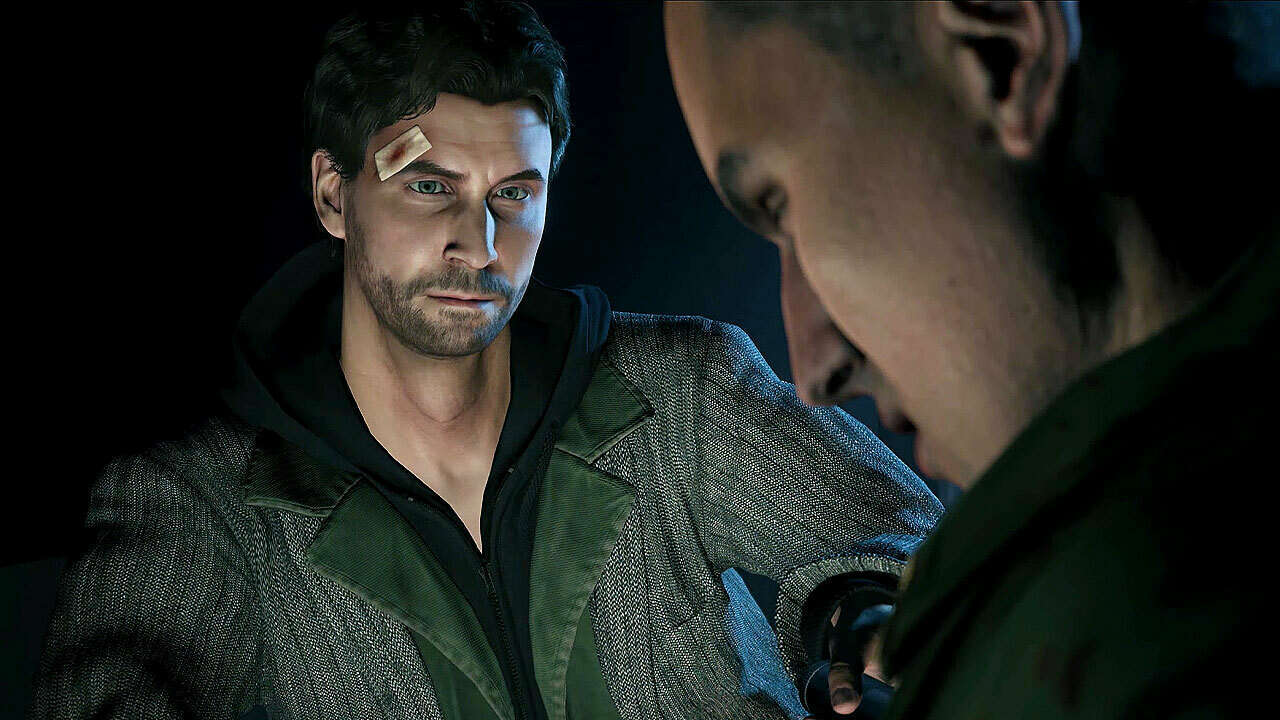
The Tokyo Game Show kicks off next month and as part of this, Sega and Atlus have announced they’ll be hosting a “special” broadcast on 21st September.
No specific games have been mentioned, but according to a small description on the TGS website, fans will be able to learn about all the newest titles from Sega as well as the Persona developer Atlus. This event also lines up with “Sega New” – a monthly broadcast held on the official Sega channel.
“Tune in to the special TGS broadcast on September 21, 19:00 (UTC+8) to learn all about the newest titles from SEGA and ATLUS!”
Sega and Atlus will be in Hall 5 of TGS, with the show running from 21st September until 24th September. Earlier this week at Gamescom, Sega locked in release dates for Sonic Superstars and the final Sonic Frontiers DLC. As for Atlus, Persona 5 Tactica will arrive on Switch this November.
Some of the other exhibitors who will be attending the Tokyo Game Show this year include Bandai Namco, Capcom, Konami, Level-5 and Square Enix. Nintendo will also be present, but will only be in the Business Meeting Area.
What games would you like to see from Sega and Atlus? Leave a comment below.
The Meross Outdoor Dimmer Plug gives you more control over your lights than a regular smart plug can. However, while you can use it indoors or outdoors, it’s tailored more for outside use.
Smart plugs are great accessories to own because they can control nearly anything in your house from your device. From lamps to bug zappers, you can turn any “dumb” appliance into a smart one.
The problem is all they can do is turn your appliances on and off. While this may be enough for most objects, others may have additional features you want to control — like dimmable lights.
The Meross Outdoor Dimmer Plug offers deep control of your appliances at a budget-friendly price. It’s a great way to manage your outdoor scenery with an automation from your phone.
Meross Outdoor Dimmer Plug — An ordinary design
The Meross Outdoor Dimmer Plug is designed like other outdoor plugs. It’s made from polycarbonate fire retardant material and is FCC (Federal Communications Commission) certified.
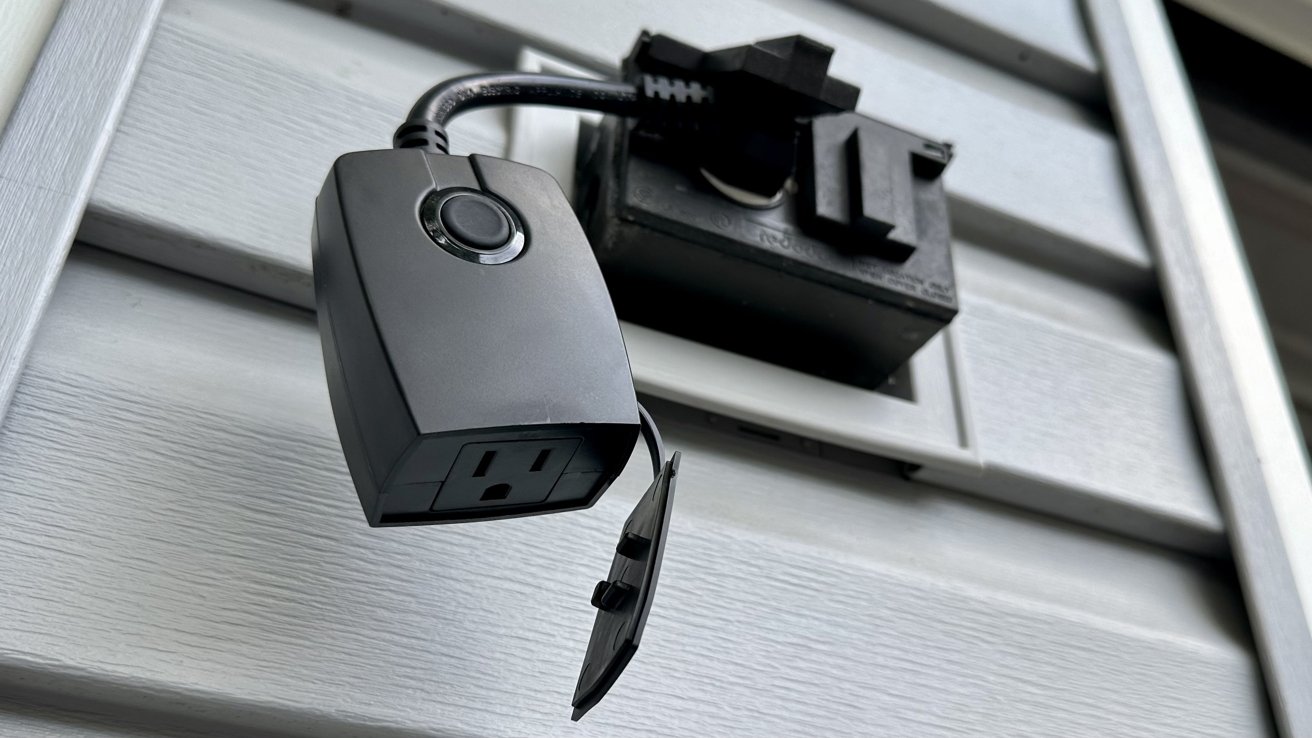
Measuring 2.36 x 3.15 x 1.58 inches, it’s small enough to be tucked into corners or hidden under a table. There’s also a tiny hook on the back to mount the plug if you don’t want it on the ground.
Hook to mount the plug on the wall
The plug is rated IP44 dust-resistant and splash-resistant. However, you should keep the Outdoor Dimmer Plug out of water and in a dry location.
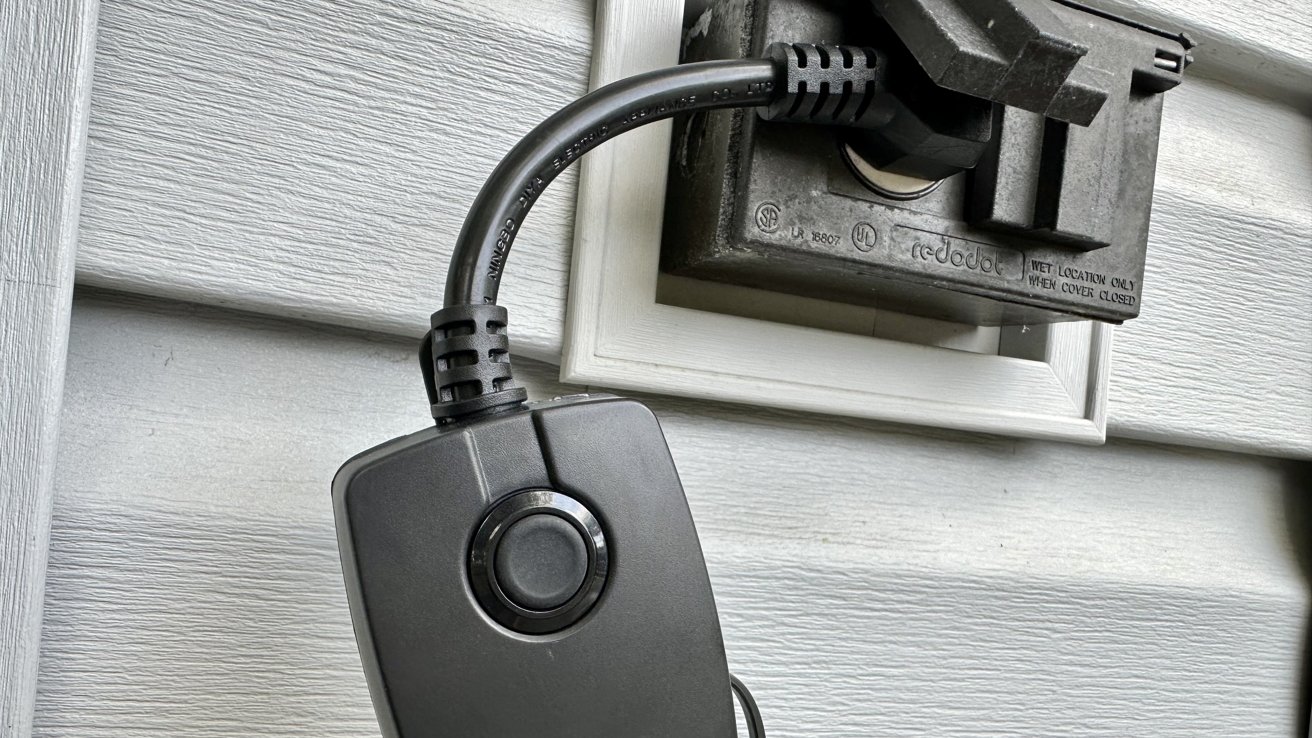
The Outdoor Dimmer Plug has a singular outlet, so you can only plug in one appliance at a time. Connected to it is a severely short cable, which requires you to already have your appliance stationed near an existing outlet.
Meross Outdoor Dimmer Plug control/power button and cable
On top of the Outdoor Dimmer Plug is a button that can control the power and brightness of your lights when it’s disconnected from your iPhone. A light surrounding the button will indicate if the plug has power and is in setup mode.
When the plug is not in use, a cover can be placed over the outlet for maximum protection. On the flip side, when the plug is in use, the cover hangs off the side of the plug until it’s needed again.
Meross Outdoor Dimmer Plug — Connection and compatibility
The Meross Outdoor Dimmer Plug lets you control your lights and appliances from any device. But you must properly set up the plug before you can do that.
To start the setup process, the ring around the button must be blinking to indicate it’s ready to pair.
To connect the plug to WiFi, you need to have a 2.4GHz network available. A 5GHz network is incompatible.
While the Outdoor Dimming Plug can control the power of any connected device, it can also change the brightness levels of plugged-in dimmable lightbulbs. Even if the bulb’s screwed into an ordinary lamp, the dimness can still be altered.
LED and CFL bulbs are compatible with the plug by outputting a maximum of 150W. INC bulbs are also compatible and can have a maximum output of 400W.
If you aren’t using the plug for lighting, then note it’s not compatible with pumps, pool filters, and motors.
When controlling the dimness of your lights, you can set them to a level between 1% to 100%. If you are using the button, it can be set to 10%, 20%, 30%, 50%, or 100% brightnesses.
While you can control the Outdoor Dimming Plug from anywhere you have an internet connection, you will receive faster response times if you are in the same location.
Meross Outdoor Dimmer Plug — Controlling from your phone
The Meross Outdoor Dimmer Plug can be controlled from the Home or Meross app. However, the Meross app offers more functionality than the Home app does.
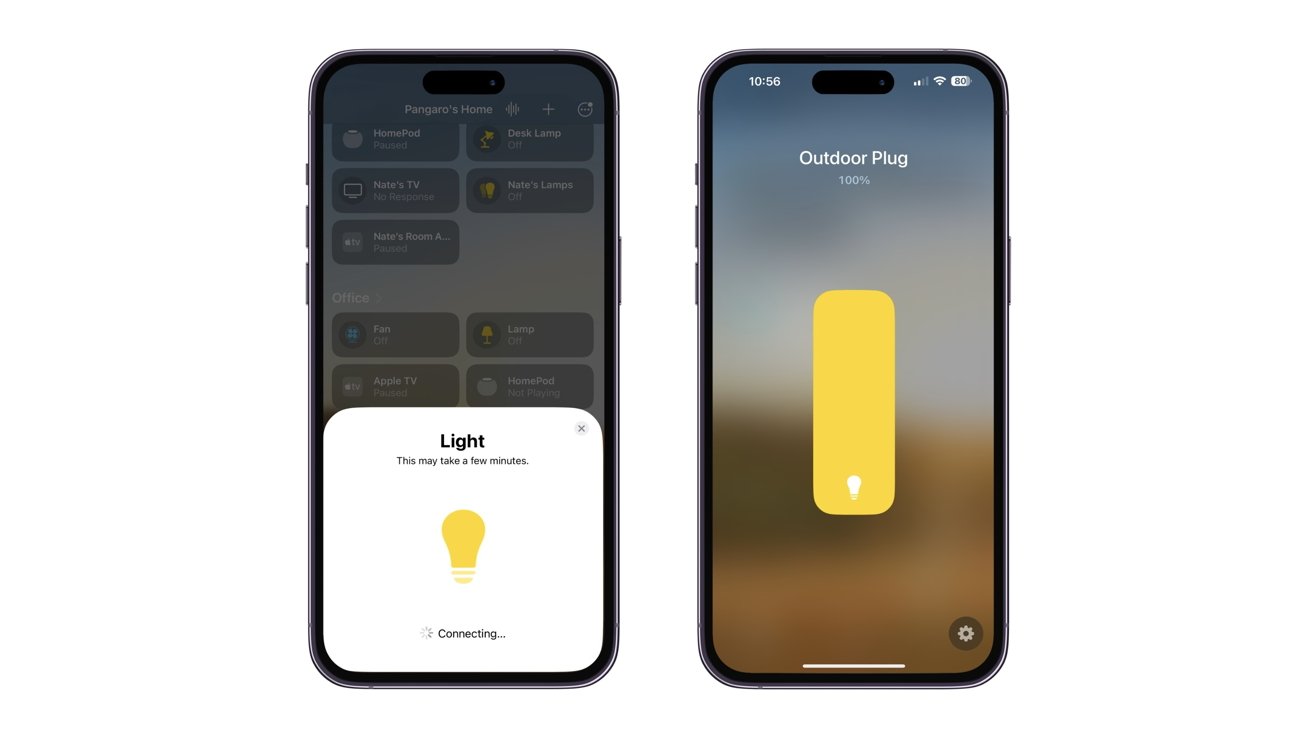
When first connecting the Outdoor Dimmer Plug to the Home app, it will recognize it as a light, not a plug. Yet, you can change the device’s icon after you complete the setup process.
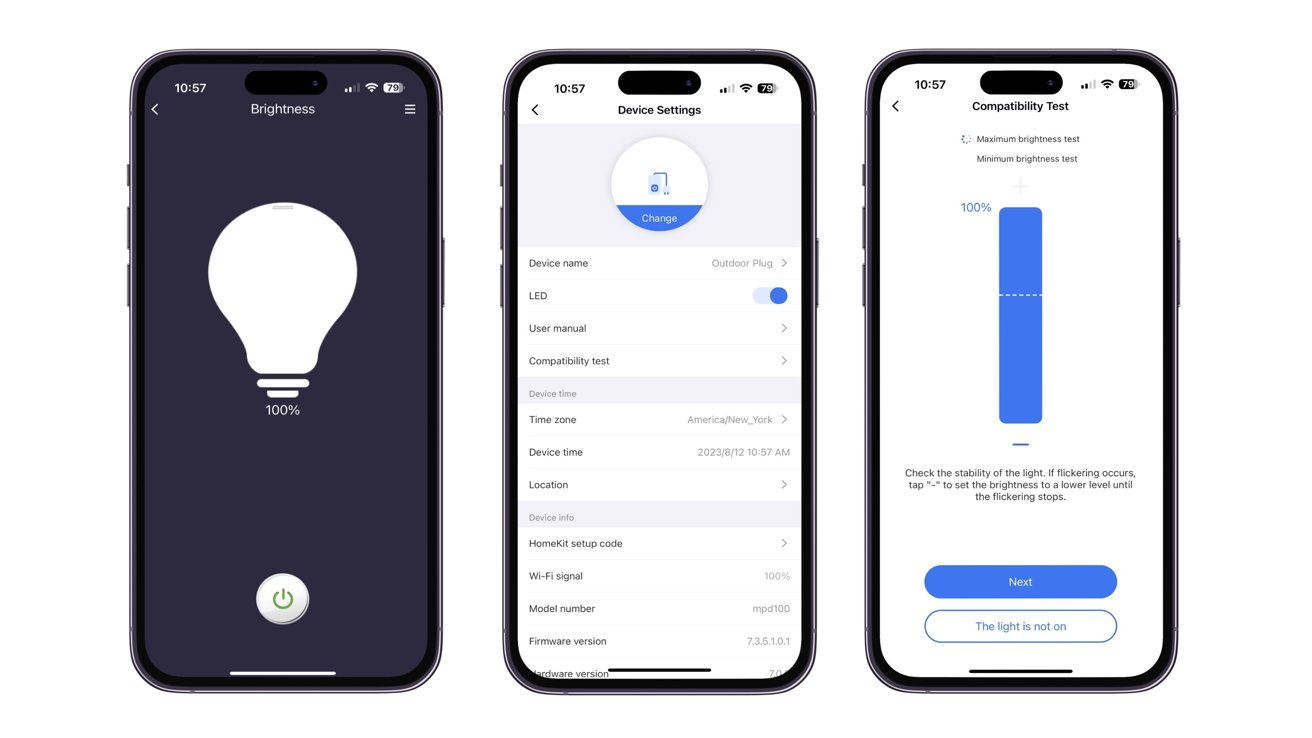
Changing the brightness levels is easy — all you do is tap on the plug in the Home app and raise or lower the toggle. However, if the plugged-in lights change colors, you cannot change them from the plug itself.
HomeKit controls for Meross Outdoor Dimmer Plug
Just like with other HomeKit accessories, you can group the Outdoor Dimming Plug with other plugs and lights within the app. Since you can only plug in one appliance, this becomes a useful feature if you purchase multiple plugs and want to control them simultaneously.
By grouping the plug with dimmable lights, you can adjust their dimness level simultaneously. But, if you link it to a non-dimmable device, you’ll need to access the group settings and modify the plug’s level separately.
If you have existing automations, you can include the Outdoor Dimmer Plug or create a new one based on it. You can choose when the plug will turn on or off and set the brightness level.
While the Home app can control the main functions of the Outdoor Dimmer Plug, the Meross app provides additional features the Home app does not.
Meross native app controls
One useful feature of the app is checking the compatibility between the plug and the light you plugged in. It allows you to check the stability of the light and what level to set the brightness at if it starts flickering.
The Meross app will also supply updates to the plug when available.
Ultimately, no matter which app you use, you can easily control the Outdoor Dimming Plug’s core functionality at your fingertips.
Meross Outdoor Dimmer Plug — Outdoor control at your fingertips
The Meross Outdoor Dimmer Plug is a wonderful addition to your outdoor lights, allowing you to control their power and dimness from your phone.
Meross Outdoor Dimmer Plug
Setting up the Outdoor Dimmer Plug was straightforward, and the response time to commands was quick. Although the bulb’s brightness level didn’t change instantly when invoked, it still only took two seconds to complete.
The Outdoor Dimming Plug is great for people who hang up seasonal holiday lights and want to put them on multiple schedules. It also benefits people who want to set the mood on their patio by changing their light’s brightness level.
The price is another highlight for the Outdoor Dimming Plug because it retails under $30. Most HomeKit accessories can be expensive, but Meross has a reputation for selling budget-friendly HomeKit devices, and this plug is no different.
Although we had a positive experience with the plug, we believe it would be beneficial if it had a longer cable and more outlets in the future. While it is possible to use an extension cable to solve this issue, it would be more convenient if the plug had these features built-in.
If you want easier control over your outside lights, then the Meross Outdoor Dimmer Plug is a great option to choose. However, if you live in an apartment or don’t use outdoor lights, we recommend looking at a pack of smart plugs instead.
Meross Outdoor Dimmer Plug — Pros
IP44 rating
Dimmable accessibility with compatible lightbulbs
Budget-friendly price
Meross Outdoor Dimmer Plug — Cons
Only one outlet
Only available in black
Short wire length
Rating: 4 out of 5
Where to purchase the Meross Outdoor Dimmer Plug
You can purchase the Meross Outdoor Dimmer Plug from their website for $28.99. It’s available in black.
You can also purchase it from Amazon for $30.99. It’s also available in black.
Build-A-Bear’s popular Pokémon plush line has this week announced the Ghost/Fairy-Type Mimikyu as its latest addition.
It’s available online now to order in a bundle, and will be arriving in stores “soon”. If you do go with an online purchase, you’ll get a 5-in-1 sounds device, a hat and bow tie set, and a cape and hat set. Here’s a look:
“It’s not a disguise—Mimikyu is really the newest Pokémon plush at Build-A-Bear Workshop! Will you give this lonely little Pokémon some love? This Ghost- and Fairy-type Pokémon plush hides under a cloth that resembles Pikachu.”
In the US, this bundle will set trainers back $69.99 USD, and in the UK it’s priced at £55.50. Again, the bundle is an “online exclusive”, but you can also pick up a standalone version of Mimikyu for just $34.99 / £26.00. The themed items will also be available as standalone purchases.
Using heapq.nlargest() and heapq.nsmallest() is more efficient than sorting the entire list and then slicing it. Sorting takes O(n log n) time and slicing takes O(N) time, making the overall time complexity O(n log n) + O(N).
However, heapq.nlargest() and heapq.nsmallest() have a time complexity of O(n log N), which is more efficient, especially when N is much smaller than n. This is because these functions use a heap data structure to efficiently extract the N largest or smallest elements without sorting the entire list.
If you keep reading, I’ll show you the performance difference of these methods. Spoiler:
Okay, let’s get started with the best and most efficient approach next:
Importing Heapq Module
The heapq module is a powerful tool in Python for handling heaps, more specifically min-heaps. It provides functions to perform operations on heap data structures efficiently. To begin working with this module, start by importing it in your Python script:
import heapq
Once you have successfully imported the heapq module, you can start leveraging its built-in functions, such as heapq.nlargest() and heapq.nsmallest(). These functions are particularly useful for extracting the n-largest or n-smallest items from a list.
Here’s a simple example that demonstrates how to use these functions:
Keep in mind that when working with lists, you should always make sure that the object you’re working with is indeed a list. You can do this by utilizing the method described in this guide on checking if an object is of type list in Python.
When iterating through elements in a list, a common pattern to use is the range and len functions in combination. This can be achieved using the range(len()) construct. Here’s an article that explains how to use range(len()) in Python.
By incorporating the heapq module and following best practices for working with lists, you’ll be well-equipped to extract the n-largest or n-smallest elements from any list in your Python projects.
Interesting Factoid:
A heap is a special tree-based structure that always keeps the smallest or largest element at the root, making it super efficient for operations like insertions, deletions, and finding the minimum or maximum element.
Imagine you’re at a concert, and the VIP section (the root of the heap) always needs to have the most important celebrity.
As new celebrities arrive or leave, the security efficiently rearranges the VIP section to always have the most important celebrity. This is similar to how a heap operates, always rearranging efficiently to keep the smallest or largest element at the root.
This efficiency (O(log n) for insertions and deletions, O(1) for finding min or max) makes heaps much faster than other structures like arrays or linked lists for certain applications, such as priority queues and scheduling tasks.
N-Largest Elements
Using Heapq.Nlargest Function
One of the most efficient ways to obtain the N largest elements from a list in Python is by using the heapq.nlargest() function from the heapq module. This method ensures optimal performance and consumes less time when compared to sorting the list and selecting specific items.
In this example, the heapq.nlargest() function returns the 3 largest elements from the given list.
Applying Key Parameter
The heapq.nlargest() function also provides an optional key parameter. This parameter allows you to define a custom function to determine the order in which elements are ranked. For instance, when working with a list of dictionaries, you might require to find the N largest elements based on a specific attribute.
In this example, we define a lambda function to extract the “age” attribute from each dictionary. The heapq.nlargest() function then returns the 2 oldest people from the given list based on this attribute.
When dealing with lists in Python, it is essential to find elements efficiently and create lists of a specific size. Using heapq.nlargest() with the key parameter helps achieve these tasks.
N-Smallest Elements
Using Heapq.nsmallest Function
The heapq.nsmallest() function is an efficient way to extract the n smallest elements from a list in Python. This function is part of the heapq module and returns a list containing the n smallest elements from the given iterable.
With just a few lines of code, the heapq.nsmallest() function gives you the desired output. It doesn’t modify the original list and provides fast performance, even for large data sets.
Applying Key Parameter
Heapq’s nsmallest function also supports the key parameter, which allows you to customize the sorting criteria. This is useful when dealing with more complex data structures, like dictionaries or objects. The key parameter accepts a function, and the elements in the iterable will be ranked based on the returned value of that function.
import heapq data = [ {"name": "Alice", "age": 30}, {"name": "Bob", "age": 25}, {"name": "Charlie", "age": 35},
]
n = 2 # Get the n smallest by age
smallest_age = heapq.nsmallest(n, data, key=lambda x: x["age"]) print(smallest_age)
# Output: [{'name': 'Bob', 'age': 25}, {'name': 'Alice', 'age': 30}]
This example demonstrates retrieving the n smallest elements based on the age property in a list of dictionaries. The key parameter takes a lambda function that returns the value to be used for comparison. The result will be a list of dictionaries with the n smallest ages.
By using the heapq.nsmallest() function and the optional key parameter, you can quickly and efficiently obtain the n smallest elements from a list in Python.
Alternative Techniques
Sort and Slice Method
One way to find the n-largest/smallest elements from a list in Python is by using the sort and slice method. First, sort the list in ascending or descending order, depending on whether you want to find the smallest or largest elements. Then, use slicing to extract the desired elements.
For example:
my_list = [4, 5, 1, 2, 9]
n = 3
my_list.sort() # Smallest elements
n_smallest = my_list[:n] # Largest elements
n_largest = my_list[-n:]
This method might not be as efficient as using the heapq module, but it is simple and easy to understand.
For Loop and Remove Method
Another approach is to use a for loop and the remove method. Iterate through the input list n times, and in each iteration, find the minimum or maximum element (depending on whether you need the smallest or largest elements), and then remove it from the list. Append the extracted element to a new list.
A sample implementation can be the following:
my_list = [4, 5, 1, 2, 9]
n = 2
n_smallest = [] for i in range(n): min_element = min(my_list) my_list.remove(min_element) n_smallest.append(min_element) n_largest = []
for i in range(n): max_element = max(my_list) my_list.remove(max_element) n_largest.append(max_element)
While this method may not be as efficient as other techniques, like using built-in functions or the heapq module, it provides more flexibility and control over the process. Additionally, it can be useful when working with unsorted lists or when you need to extract elements with specific characteristics.
When working with large datasets, performance and efficiency are crucial. Extracting the n-largest or n-smallest elements from a list can impact the performance of your project. Python offers several ways to achieve this, each with different efficiencies and trade-offs.
One method is to use the heapq module, which provides an efficient implementation of the heap queue algorithm. This module offers the heapq.nlargest() and heapq.nsmallest() functions, which efficiently retrieve n-largest or n-smallest elements from an iterable.
These functions have a better performance compared to sorting the entire list and slicing, as they only maintain a heap of the desired size, making them ideal for large datasets.
It’s important to note that the performance benefits of the heapq module come at the cost of reduced readability. Working with heap queues can be slightly more complex compared to using the built-in sorted() or sort() functions, but in many cases, the increase in efficiency outweighs the readability trade-off.
Another approach to improve performance when working with large lists is to leverage the power of NumPy arrays. NumPy arrays offer optimized operations and can be more efficient than working with standard Python lists. However, keep in mind that NumPy arrays have additional dependencies and may not always be suitable for every situation.
Lastly, managing performance and efficiency might also involve working with dictionaries. Knowing how to efficiently get the first key-value pair in a dictionary, for instance, can positively impact the overall efficiency of your code.
In conclusion, choosing the appropriate method for extracting n-largest or n-smallest elements from a list depends on your specific requirements and dataset size. While the heapq module provides an efficient solution, readability and ease of use should also be considered when deciding which implementation to use.
To illustrate the performance difference between sorting and using heapq.nlargest and heapq.nsmallest, let’s consider an example where we have a large list of random numbers and we want to extract the N largest and smallest numbers from the list.
We will compare the time taken by the following three methods:
Sorting the entire list and then slicing it to get the N largest and smallest numbers.
Using heapq.nlargest and heapq.nsmallest to get the N largest and smallest numbers.
Using sorted function with key parameter.
import random
import time
import heapq
import matplotlib.pyplot as plt # Generate a list of 10^6 random numbers
numbers = random.sample(range(1, 10**7), 10**6)
N = 100 # Method 1: Sort and slice
start_time = time.time()
sorted_numbers = sorted(numbers)
largest_numbers = sorted_numbers[-N:]
smallest_numbers = sorted_numbers[:N]
time_sort_slice = time.time() - start_time # Method 2: heapq.nlargest and heapq.nsmallest
start_time = time.time()
largest_numbers = heapq.nlargest(N, numbers)
smallest_numbers = heapq.nsmallest(N, numbers)
time_heapq = time.time() - start_time # Method 3: sorted with key parameter
start_time = time.time()
largest_numbers = sorted(numbers, reverse=True, key=lambda x: x)[:N]
smallest_numbers = sorted(numbers, key=lambda x: x)[:N]
time_sorted_key = time.time() - start_time # Plot the results
methods = ['Sort and Slice', 'heapq.nlargest/nsmallest', 'sorted with key']
times = [time_sort_slice, time_heapq, time_sorted_key] plt.bar(methods, times)
plt.ylabel('Time (seconds)')
plt.title('Performance Comparison')
plt.show() print('Time taken by Sort and Slice:', time_sort_slice)
print('Time taken by heapq.nlargest/nsmallest:', time_heapq)
print('Time taken by sorted with key:', time_sorted_key)
In this code, we first generate a list of 10^6 random numbers and then compare the time taken by the three methods to extract the 100 largest and smallest numbers from the list. We then plot the results using matplotlib.
Frequently Asked Questions
How to get smallest and largest numbers in a list using Python?
To get the smallest and largest numbers in a list, you can use the built-in min() and max() functions:
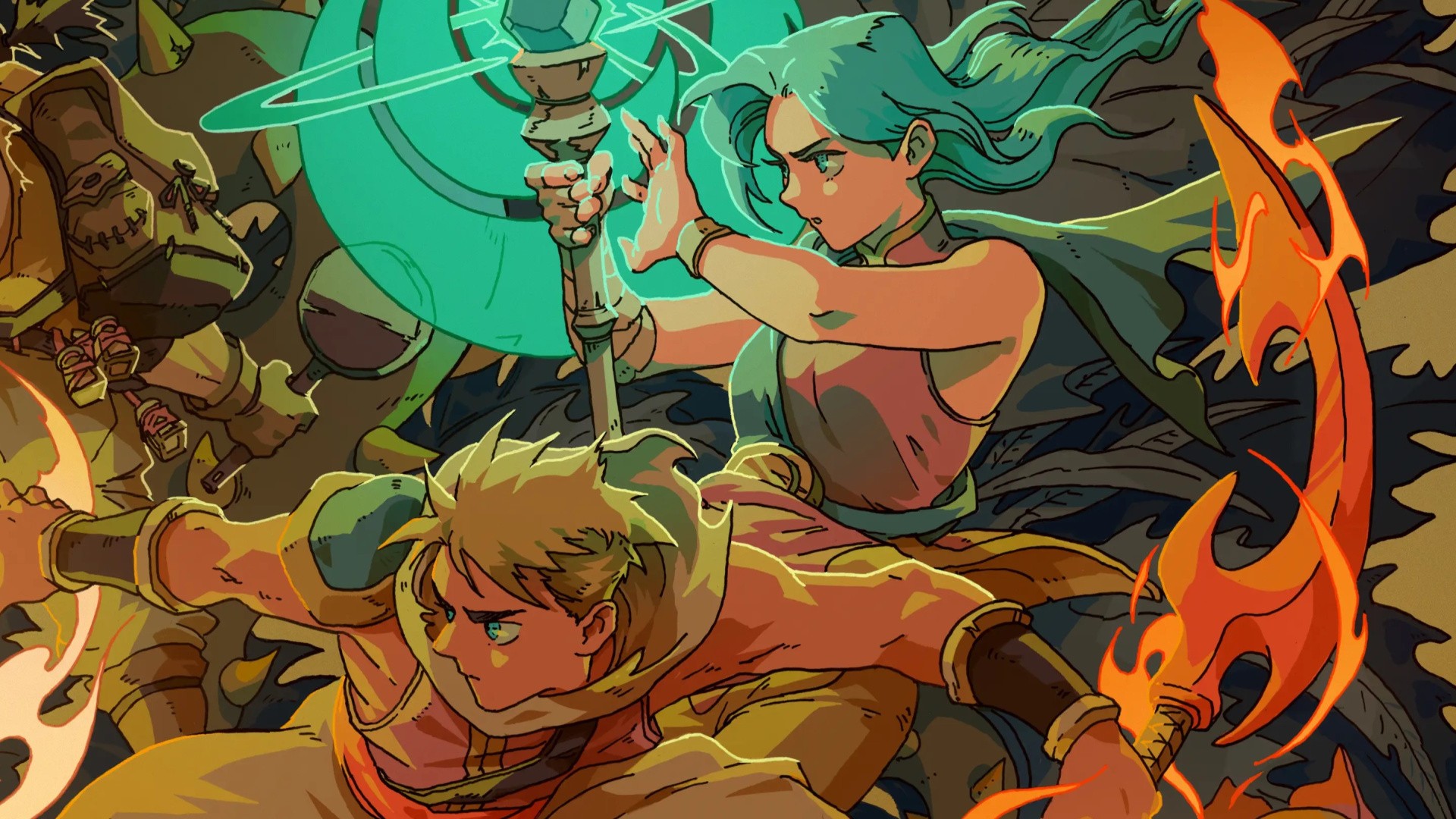
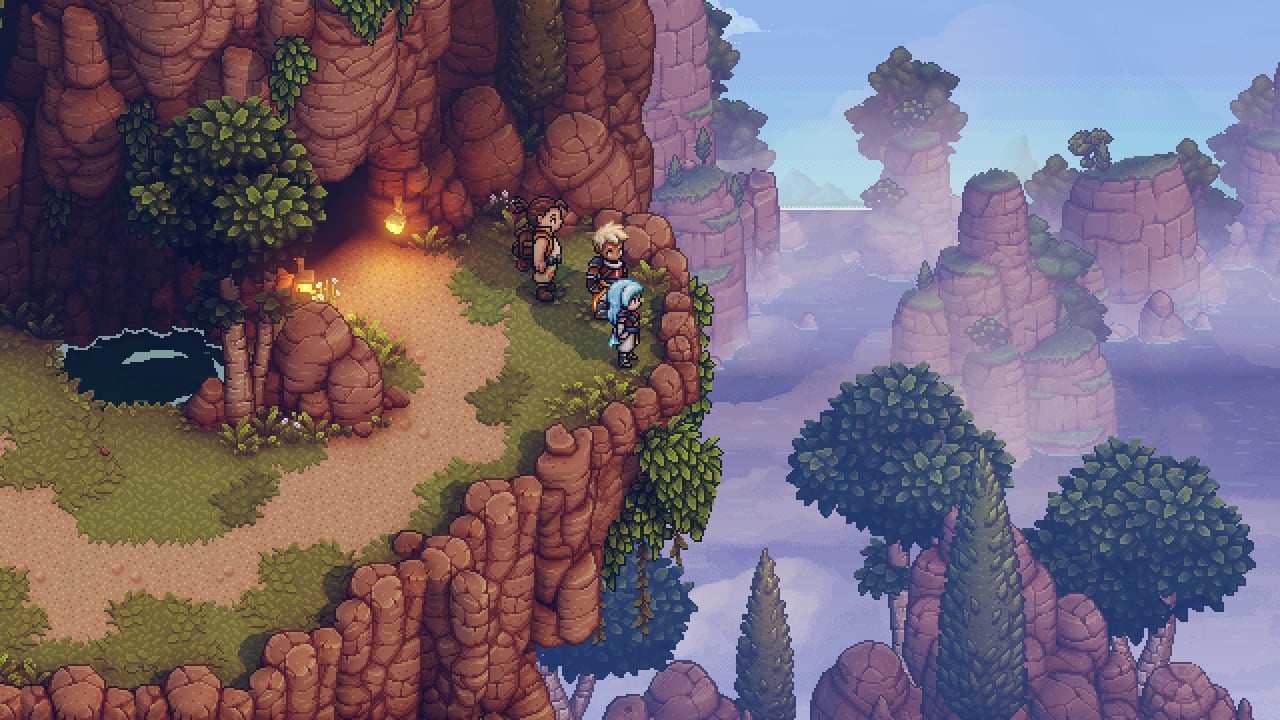
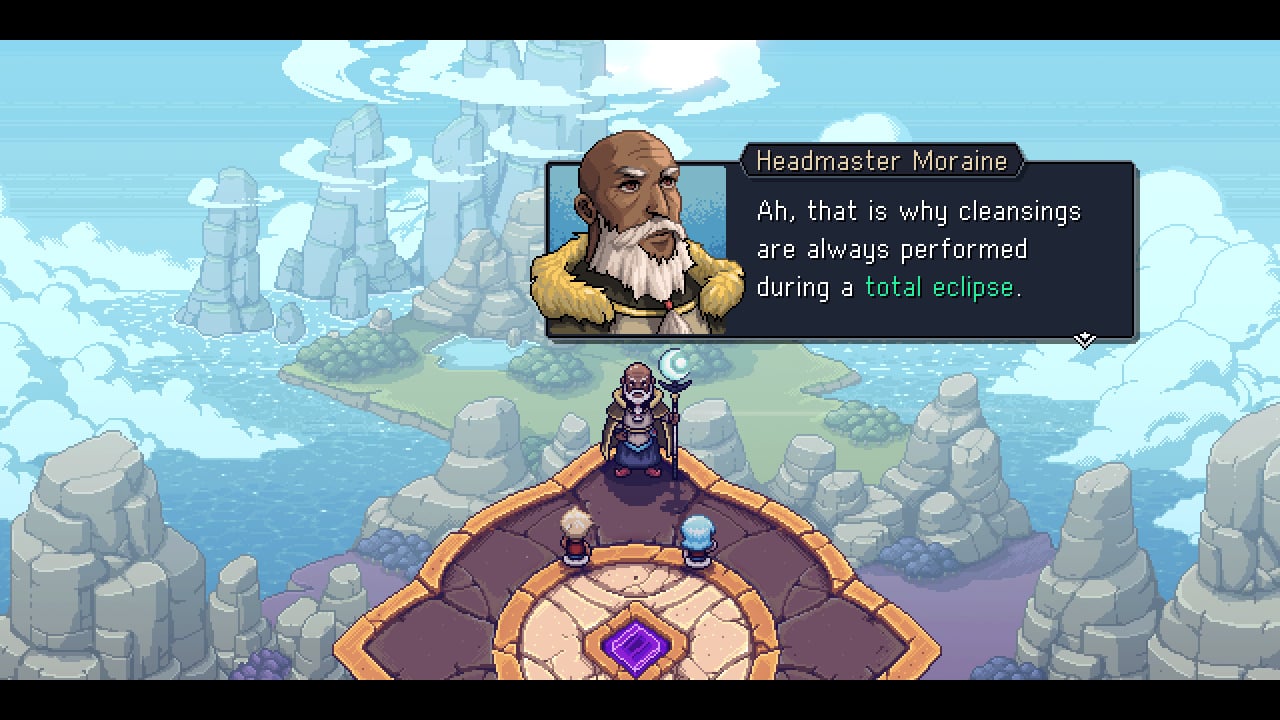
Back when Sea of Stars — Sabotage’s follow-up to its hit genre-bending platformer The Messenger — was unveiled to the world in 2020, there was a sparkle in many an RPG fans’ eyes. The game’s stunning SNES-style aesthetic, the combo-centric turn-based combat, and the beautiful music, brought forth cries of Chrono Trigger, Super Mario RPG, and many other classics from the mid-’90s.
Over three years later, and after a handful of delays, Sabotage’s highly anticipated RPG is almost ready to launch. The journey of the Solstice Warriors lies ahead for many Switch owners, but the question of whether this will transport 16-bit RPG enthusiasts back to a time when they truly fell in love with the genre remains.
With the game’s release just days away, we were delighted to sit down and talk to Sabotage Studio founder and Director Thierry Boulanger over a Zoom call. We’ve talked previously to the developer and the team about the production and though process behind the game’s combat system, and watched the game evolve over the years. Now, as we prepare to dive into this pixel art world, Thierry took the time to reflect with us the journey of childhood dreams to creating a video game, what legacy he sees for Sea of Stars, and just what that magic “essence” is that makes the classics of the genre so beloved, 30 years later.
Nintendo Life: Congratulations! Sea of Stars is done and it’s nearly out!
Thierry Boulanger, Creative Director of Sea of Stars: Yes! We can’t touch it anymore. It’s actually really weird. We’ve been obsessing forever, and now it’s out of our hands. The behind-the-scenes of that is that you send your bill to certification and then Nintendo puts it live at midnight or whatever on the day of release but you’re so used to waking up and thinking “What do we tweak, what do we polish, what do we do today?” and you wake up and it’s like “Well there’s nothing I could do even if I did find something that I might want to do.”
So there’s a weird feeling of… I don’t want to say emptiness but like something’s missing because you just have that phantom memory of working on it and caring about it and all its little details. But that will be filled with everyone playing it and telling us what they found and everything. So we’re just in this vacuum right now and looking forward to the release.
Image: Sabotage
Yeah, I bet. It’s been, gosh, what, three years since you announced Sea of Stars? Development started pretty much a few months after The Messenger came out, right?
So, the initial pitch to the team was in October 2018, so it was about six weeks after The Messenger launched. It was pitched as “Hey, this is what we’re doing next, along with the DLC for Messenger.” We kicked off these two things because we don’t want to lay people off. Those dev cycles are real. You can’t have your entire studio working the first couple of weeks of a new idea, that doesn’t work; you need a smaller team. So we had the bulk of the team working on a DLC because that’s already established.
You can’t have your entire studio working the first couple of weeks of a new idea, that doesn’t work; you need a smaller team.
Meanwhile, we do the groundwork for the next big thing, and then DLC comes out, and then we can bring everyone onto the next project. But yes, by the time the game releases, it will have been five years almost. So, yeah, it’s been a journey for sure.
So when did you first come up with the idea for Sea of Stars? When did you know, “Oh, I want to make an RPG for our next game?”
I was playing ‘Solstice Warriors’ in elementary school (laughs). So for me, it’s a fantasy world that I’ve been building. Because all of our games are connected, right? They’re all in the same universe. For The Messenger, there’s been a flood, there’s only one island left, and then you play the ninja on that one island.
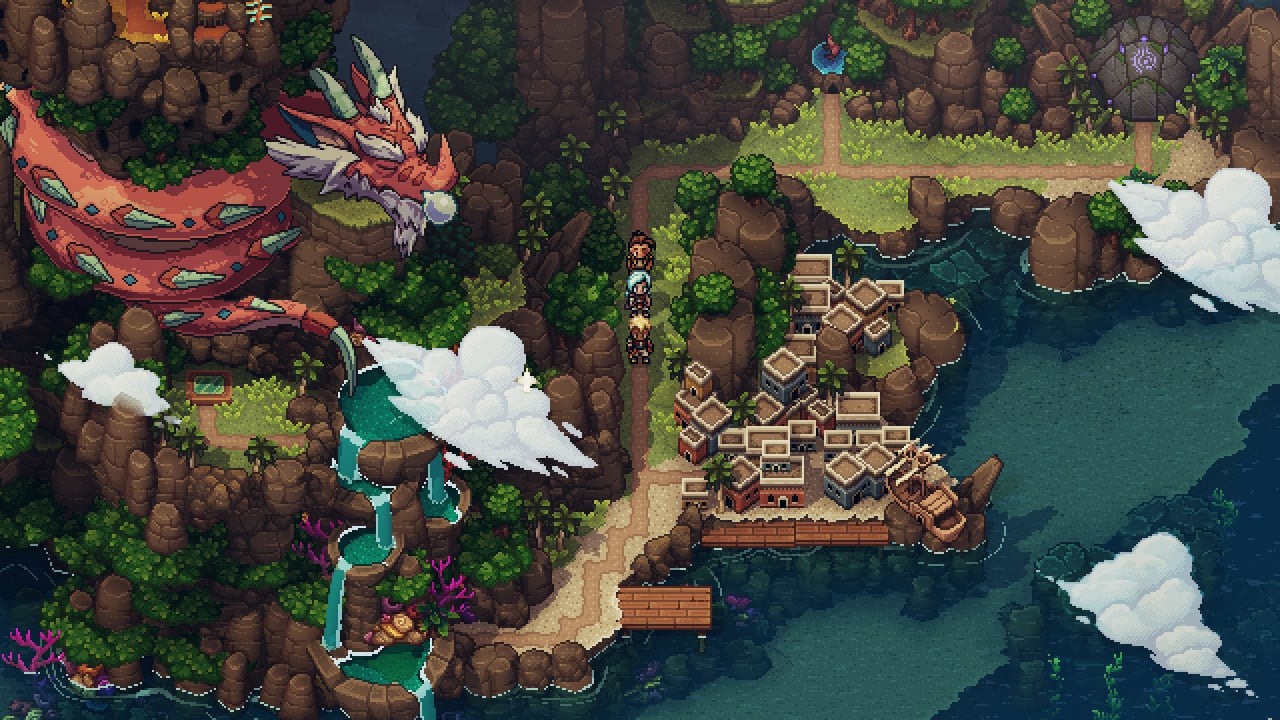
Sea of Stars is set way in the past — it’s prior to that flood, and so it’s in an archipelago. It really ties in well with when you get your boat to sail around, and seeing these smaller islands, it means we get these pockets. You get a village, you get a couple of dungeons — you never have this big continent that you’re just walking over with grass then mountains then forests. It allowed for a more distilled and shorter experience in the sense that you always get to vary the biomes and the things that you visit faster.
Regarding Sea of Stars’ development, you’ve talked multiple times about inspiration from Chrono Trigger, Super Mario RPG, and Illusion of Gaia. But with those classics, is there anything you’re conscious about not doing?
Absolutely. The main thing I try to avoid is I don’t want to copy something. In my mind, it’s okay to pay homage, it’s okay to borrow, but the ticket is you want to make sure that you elevate. And what that means is you don’t pick directly what something did, but you honor the essence of what was done there.
You mentioned Illusion of Gaia, which I still feel is underrated! But those who know, they really get it, right? And so you start in class and the first thing that I did was go on the roof, I met the big face that was talking, and you get to jump down off the roof — and in just that moment, it felt like, “I’ve never done that.” I’ve played platformers, and I’ve played games that are more action, but for some reason, there was something that felt as though that game wasn’t supposed to be able to do that. The way that it presented the jump with the type of story and the gameplay that it promised, it always felt as if it was doing something more That was a really big click moment for me. So, for example, playing Chrono Trigger, — which is my number one of all time and why I do this for a living — I wished there could have been something else to that world, a sense where I’m touching the world just a little bit more.
All of that under the big umbrella of what we call traversal in production for Sea of Stars –hoisting up, jumping off of ledges, the climbing, the tightrope walking, how it’s seamless in and out of water — all of that came from the spark, the click moment from jumping off that roof in Illusion of Gaia. I was looking for more similar interactions and how they could be fleshed out even more. For me, there was a big — I don’t wanna say opportunity in terms of business, but creatively in terms of providing an experience that feels fresh for people who fondly remember that flavor of games.
Going back to Chrono Trigger specifically, how terrifying is it to be compared to that game?
(laughs) Yeah, I mean… where it’s not so intimidating is that we didn’t lead with that in terms of marketing. Often when we talk to other indies, one of the first pieces of advice that we try to give is don’t lead with “Oh it’s Zelda meets Pokémon“ because everyone understands that you don’t have any of these brands and that you are very unlikely to get any of them right to that degree.
…so what we should do is create something that is as good as our memories of those games.
If you show up with the essence of something, then people notice it, and then they mention it, then great because that means that the game speaks for itself. You’re trying to propose something else and then people are starting to appropriate because they can find a reference, then you’re in a really strong position. As a writer, I’ll never come up to someone and say “You should play this. It’s really funny. There’s a lot of great jokes, and they’re all from a great writer!” You just do your best. You let people judge it. And then if any positive comments come from someone else then it has sort of credibility because it’s not you trying to sell something.
So to your question, is it intimidating? Absolutely. We understand the mandate that people decided was on us now, which is, “Give me, make me feel that way again.” And part of that challenge is what I can’t do is make you be nine years old again. (laughs) We don’t have those ingredients so what we should do is create something that is as good as our memories of those games.
Looking at Chrono Trigger, outside of combat, your character (Crono) has sprites and animations for up, down, left, right, walking, running, and then climbing a ladder at a single angle. So that’s, if we’re generous, we get eight walking and running animations and one climbing one, so that’s nine total. So [Sea of Stars] has eight angles instead of four: we can climb in multiple directions; there’s all the jumping at different heights; jumping down; all the swinging and everything else. We probably have about 60 navigation animations per character. When you cross-reference all the use cases, when people play [Sea of Stars], they don’t go, “Oh wow, this is way richer than what the other one did.” They just go, “Yeah, that feels right.” That’s the amount of effort that it takes for it to compensate and be as good as what you remember.
With the main cast, how do you give them personality and differentiate them from the two main characters?
Where I’m really lucky is that I’ve genuinely been building this world and these characters in my head for 30 years. I have a very deep understanding of every single character — anyone who has a portrait when they talk. They’re characters that I’ve personally been very close to for a very long time, and I understand their backstory, their motivations, and why they’re doing what they’re doing. You’re exposed to a tiny bit of their motivations in-game, and in the little subtleties and the way that they talk, they are consistent to an actual core that you won’t necessarily see but it still makes them consistent. If we ever get to tell someone’s backstory, it’s not going to be, “Oh wait, how do I make something up because we want more, because people overwhelmingly wanted to gather around a certain character and now we want to provide the backstory.” I actually have it. I’m not telling you more than 30% of what I know about any of the characters that you meet in the game, except for Valere and Zale, your two main characters.
Image: Sabotage
I try to avoid being too descriptive. You can just have a free-flowing conversation where you yourself pick up on some cues. I think that also has more replay value because if you have a character that gives you a “…” as a response, then maybe you learn something in the later parts of the game that if you replay it, you get what they were worried about all along, which was a thing that was revealed for you later.
Speaking of Valere and Zale, they don’t necessarily evoke the silent protagonist trope, but they definitely feel like easy characters to impress yourself and your feelings onto. They bounce off of each other really well, too. Zale’s a little bit more excitable but Valere is the thinker, the doer.
In terms of their personalities, I don’t want it to be too on the nose but they’re a continuity of the sun and the moon. So one may be burning bright (Zale) with the other one being more balanced and reflective (Valere). They balance each other out and need each other’s power to reach their full might. You mentioned the silent protagonist, and I did sort of have a challenge with that, because the character that you control, [the player] should be able to, to a degree, self-insert. That’s a big thing for this kind of game. But then if we have two, then the one that’s your follower… you’re not going to have two silent protagonists.
I’ve genuinely been building this world and these characters in my head for 30 years.
I don’t want to say it was a thin line, but it was a balancing act for sure; they do have personalities and I wanted them to have personalities. Their personalities needed to be just enough that you can get invested, and it’s not something that you can reject either. Everyone is going to have their favorite side character or playable character.
It’s been an incredible year for RPGs so far. What do you think it is about RPGs at the moment that have really captured people’s interest and how do you feel that Sea of Stars is going to fit into that?
Launching between Baldur’s Gate 3 and Starfield is… Let’s just say that we’re glad we built a follower base (laughs) But I think there’s something evergreen about a retro-inspired game. It’s not something that you look at in two years and it feels dated. If it’s going to look dated, that’s already the case. So because it calls to that specific thing, I think it lives in a timeless place. In terms of marketing, I think most of the exposure we’re going to get is from players telling each other in smaller online spaces that, “You need to play this,” “It’s one of the…,” “If you like this one, maybe you’ll like this one”.
Before starting Sabotage eight years ago, while prototyping The Messenger, Sea of Stars was already planned and it was already something we wanted to do. We don’t do market research; we just make the games that we want to make. We find our crowd and then that’s it. Honestly, I don’t have a read on why… Because there does seem to be a resurgence. I’m seeing all the conversation around Baldur’s Gate 3. I don’t think what people have been missing is that there are 200 hours of things to do in the game, it’s just that you boot the game and everything is there; grab your sword and go hit something and just be in the game. So yeah, maybe there is a return to a different model.
There is a fear of getting buried, which I think is a healthy fear to have if you want to survive as a studio. But also there’s something to be said about if we just make it just enough, maybe when people look back on 2023 as that epic year where there were so many big games and big titles, it was such a bountiful year, maybe we’re in the list. I don’t know, we’ll see.
What do you think is the most important part, the essence, of an RPG from the Super Nintendo or 16-bit era? And what goes into Sea of Stars most, do you think?
Well, I mean, music is a very big one, for sure! But looking back… what you played and what you remembered is the distilled end result of a process, right? And so that’s the thing is, we’re looking at the process. If someone were to say, “I want to make a Chrono Trigger homage game” or whatever, but the key is not to have a frog with a sword. (laughs) Even though the frog with a sword is where they ended up
We tried to keep it more on a vibes and feels level rather than being precise about anything.
In my mind, the idea is not to redo the end result; it’s to undertake the journey for yourself and adapt any decisions that you make for it to be to your time what that one was to its time. And not like, “Oh yeah, look, we have portals and the eight-time periods” and that, because it did it really well you’re not gonna do it better. We all remember it and we don’t want just something that takes it takes us back for a little bit but then in five years we still only talk about the first one. You want to offer something more and you want to say “Look at that thing that you made.” I don’t know if that was [Square’s] idea but in my mind when that team got together, what they pulled off was a miracle. (laughs) But that should inspire.
We didn’t replay it to compare, “Oh, this is how we should do this or that.”; It was really just, does it feel right? Does it feel like it’s in continuity? We tried to keep it more on a vibes and feels level rather than being precise about anything.
I think one thing that stood out to me most, especially comparing it to The Messenger, is that there are a lot more serious moments. Most of that is done through Garl; he’s such a fun character. How difficult did you find it to balance the serious and the light-hearted tone?
Heroism and friendship have to be two big themes for it to work. In terms of Garl, this character is so special to me. Whenever he was in a scene, it was so easy to write and he cheered me up as I was making up what he needed to say. I’m a really emotional guy and I always to try to really connect. So when I write a scene, I try to visualize the emotion and whenever he comes in, I think, “Oh, what do I need relief from? What do you want to feel like for just a few moments?” And I would just insert that. It was so easy, by far the easiest to write of anything I’ve ever written.
Sometimes Sea of Stars gets really silly. If I’m taking myself too seriously, I get annoyed at myself. I knew I didn’t I didn’t want two big continents and the Empire versus whatever. It’s been done well a lot of times, but I personally prefer to have a more intimate story within a big world. I didn’t want something where the game starts and it’s like, “Okay, I need to learn all these factions” and then the game just drops something, and then “Oh, they went to the Mol’Vir.” Is it a river? Is it a religion? Is it a continent? Is it an event of the moon every third phase? Tolkien gets to do that, great, but I think our brains are full enough of name-drops and lore dumps.
That’s why for every single town I tried to reduce it down to just one word that I felt carried the spirit of the place. For example, you go to the Cursed Woods — you don’t go to the Minar Forest. I’m close to my inner child — if it’s the volcano, you can call it Fire Mountain, why not? Have fun! I want Sea of Stars to feel like a summer vacation. That would be more of a Chrono Cross inspiration; you’re in a beautiful world, but you are the Ghostbusters, so sometimes you have to go below and take care of something hideous so that the rest of the people can keep just having this beautiful world. And the idea was to be able to feel this difference. Taking out the evil or the bad guys is more about feeling empowered, even if there are moments where it can be a bit darker while you have a struggle there.
You mentioned music earlier, and Eric W. Brown is back for Sea of Stars. How different was it for him working on an RPG compared to The Messenger and how did you guide him along?
Eric’s a very close friend. We’ve been working together full-time for over eight years at this point, so we’re kindred spirits. He’s ridiculously talented and so creative — I’m still starstruck on some level even though he calls me a friend! (laughs) So the vision was always really clear when it came to that. He got the pitch a month before the team because I wanted some music samples to help give a mood or a vibe for the pitch.
…you’re in a beautiful world, but you are the Ghostbusters, so sometimes you have to go below and take care of something hideous so that the rest of the people can keep just having this beautiful world.
For Sea of Stars, we wanted heavy Super Nintendo samples, but we wanted to layer just a tiny bit of real-life instruments. But the writing style had to stay retro. That’s something that [Yasunori] Mitsuda did as well; we wanted shorter loops, and we wanted to make sure there’s a hook in everything. So usually a song will start with an intro that’s catchy right away, and then you get two or three sections, and then it loops. Counting the jingles and counting day and night tracks as two separate tracks, Mitsuda did 12 tracks. We’re at 203 tracks total for the soundtrack, so it is a lot!
Eric is paid to work with us full-time, so it’s not like, “Hey, make 30 because here are 30 ideas for areas in the game.” You’re on all the time, so just do whatever makes sense, and let’s just get this to feel right. Eric’s free to publish and sell his own music, too. What that ensures is that we get his best ideas. All of that creates a sense that audio is not something that we just outsource or that we knock out an asset list: you’re a part of the team. He gets all the briefs, he’s in the meetings, he flies, and he spends time at the studio often. And so he’s a core part of everything that we do. That probably means we get five times as many tracks as we would otherwise because he would say, “Hey, I was playing last night and for this moment, I think I’d really like to make something bespoke to support this one-off conversation.”
Image: Sabotage
With Mitsuda, that’s been a big draw for a lot of people, how did you approach him on the project? What was the conversation like?
What ended up happening is actually pretty anticlimactic — we wrote an email to his website and it went “Hey, we’re just a small team. Here’s a pitch deck.” And we got a reply from him. We have a point of contact — an English-speaking representative — and he has been such a treat to work with. One thing I was really wary of was not asking Mitsuda to do Chrono Trigger again because I wanted to be respectful. We’re just happy to have him on board.
And Tom (the representative) says, “I was talking with Mitsuda, and he was wondering, do you think he should channel his Super Famicom writing style for this? Because he feels it would make sense.” That’s the easiest yes I have ever given in this life. (laughs)
I want to wrap up this chat by looking ahead. With Sea of Stars so close to release, what do you want people to take away from it when they play it?
That would be the ultimate paycheck — for people to be like “Yeah, it belongs there.”
It’s been five years. You pour all your hopes and dreams and you just want to present something that people will say, “I connected with this.” You just hope that people will gather around it and they will agree that it was a worthwhile pursuit. Even though there’s no more pressure from production or from partners, now I’m in this moment where there’s nothing more I can do. I’m just waiting anxiously — I want to know is it a thumbs up or down. (laughs)
I want there to be a sense that the game belongs. If you played Lufia 2 and you enjoyed it, if you played Breath of Fire, if the essence of these games means something to you, I hope that when you play Sea of Stars, you will say, “Yes, I’m adding the commas and I’m happy to have this one in there”. That would be the ultimate paycheck — for people to be like “Yeah, it belongs there.”
A huge thank you to Thierry Boulanger for speaking to us, and to Sabotage and Tinsley PR for arranging this interview.
Sea of Stars launches on the Switch eShop on 29th August 2023 for $34.99 / £29.50. A physical version will be launched in 2024. Are you excited to join the Solstice Warriors on 29th? Rise and shine in the comments.
Are you wondering how to get Coin Master free spins? You’ve come to the right place. This mobile game combines the thrill of playing slots with the social battling of Clash of Clans to create something that you just can’t put down; in a good way. The problem is, you so often have to put it down if you’re not willing to fork out the cash for regular spins.
In this Coin Master blog, we’re going to provide you with all of the ways you can get your hands on a few free spins and a Coin Master bonus here and there. We also recommend you check out our Coin Master free cards and Coin Master free coins guides to get even more rewards, and our Pet Master free spins guide if you fancy checking out Moon Active’s latest game.
Make sure you click the notification button above to be alerted whenever we add new Coin Master free spin and coin links!
Here are a bunch of tips to help you get even more free spins in Coin Master.
Follow Coin Master on social media
Each day, Moon Active, Coin Master’s developer, provides a bunch of links that you can follow to get your hands on Coin Master free spins. If you keep on top of this, you can get a steady stream of free stuff for very little effort. You can follow Coin Master on Facebook or Twitter.
Want more? Check out CodesDb for a powerful, searchable database of the latest game codes.
Sign up for email gifts
If you sign up for email gifts, you can get yourself a handful of Coin Master free spins every single day just by following a link on your phone. We haven’t encountered any spam from signing up so far either, so it’s a quick and easy method of getting yourself some tasty free spins.
Invite friends
Each time you invite a friend who successfully joins Coin Master through Facebook, you’ll get 40 Coin Master free spins, which is considerable. They don’t even have to actually play the game; they simply have to download it and log in via their Facebook account to get you the free spins. Of course, it’s in both your interests to actually play it, which brings us nicely to our next point.
Request spins as gifts
You can get up to 100 Coin Master free spins per day from friends, though to get to those heights you’ll need 100 active friends who are kind enough to send you a gift each day. Each gift consists of a single free spin.
Unless you’re incredibly popular, it’s highly unlikely that you’ll have 100 friends; let alone 100 that will actually deign to play a game with you. We recommend heading on over to the official Reddit community or Facebook communities to try and find people willing to play with you.
Watch video ads
You can get a limited number of Coin Master free spins per day by watching a video ad. Simply scroll to the slot machine and tap on the spin energy button on the bottom right. If it’s not there, you’ve run out of free spins you can get through this method for the day, but if it is, simply tap on it and you’ll watch an ad.
Spin
Ironically, you can actually get a ton of Coin Master free spins by, well, spinning. If you get three spin energy symbols in a row, you’ll get a bunch of free spins. Pick up a chain of them and you can spin for ages before you run out.
Level up your village
Each time you level up your village, you’ll get a bunch of Coin Master free spins. It’s not easy though, as it costs a considerable amount of gold to purchase new buildings and improve them, and you have to purchase every single one of them, including improvements, to level up. That’s going to cost a lot of spins, as it is.
There’s almost always at least one event happening in Coin Master, and it can absolutely shower you with free spins. While viewing the slot machine, look at the top right of the screen. Any virtual buttons that you can see beneath the menu (which is displayed as three lines) are an event. Tap on one and you’ll see what each event involves.
Take advantage of these events and you can get yourself a lot more Coin Master free spins than usual.
Wait
This is an obvious suggestion, but it’s actually worth taking into consideration. You get five free spins every single hour, and you can only hold a maximum of 50 spins at any one time. That means every ten hours you’ll hit the maximum number of spins, and any Coin Master free spins you would have earned after that will cease to exist.
So, we recommend setting a reminder to visit Coin Master every ten hours at least to spend your spins so you are always earning more. You’ll actually end up earning a huge number of extra spins if you’re dedicated, so it’s totally worth doing.
Coin Master free spin FAQ
Now, we’ll answer a bunch of questions you may have regarding getting Coin Master free spins.
Do Coin Master free spins links expire?
Yes, the daily links that we include at the top of this page expire after three days, which is why we only include those from today and the two days prior.
Can I get 50 Coin Master free spins?
Coin Master 50 spin rewards most commonly appear during in-game events, like those that reward you for raiding or battling other players. There’s also a small chance to get this number from daily links, so bookmark this page and check back often.
Can I get 60 Coin Master free spins?
Yes, though it doesn’t appear to happen often from daily links. We’d recommend playing often and participating in events, and following the social media channels to find out what’s happening soon.
Can I get 70 Coin Master free spins?
We’ve never seen a Coin Master 70 spin reward appear as part of the daily links, but it has been known to appear as part of special events.
To get your hands on this rare reward, we would recommend playing on a daily basis and following social media channels to get an indication of when the next big event will take place.
Can I get 100 Coin Master free spins?
Yes, though not from the daily links. We’ve seen this number of free spins appear often during in-game events, most notably for those that reward you for raiding and participating in PvP battles.
Play often and follow the social media channels for events to keep an eye out for this.
Can I get 50,000 Coin Master free spins?
Again, 50,000 Coin Master spin rewards don’t seem to appear as part of the daily rewards cycle, but have been known to crop up during events. Follow the socials and play regularly to get the best chance at this reward.
And that will just about do it for our Coin Master free spins guide. For something a little different, why not take a look at our guide to answers for Wordle today? And if you’re looking for something new to play, check out our best mobile games list, or head over to our Honkai Star Rail tier list and Genshin Impact tier list.
Soapbox features enable our individual writers and contributors to voice their opinions on hot topics and random stuff they’ve been chewing over. Today, Mahin laments the loss of a treasured deck, and recounts his quest to build it anew. For real, this time…
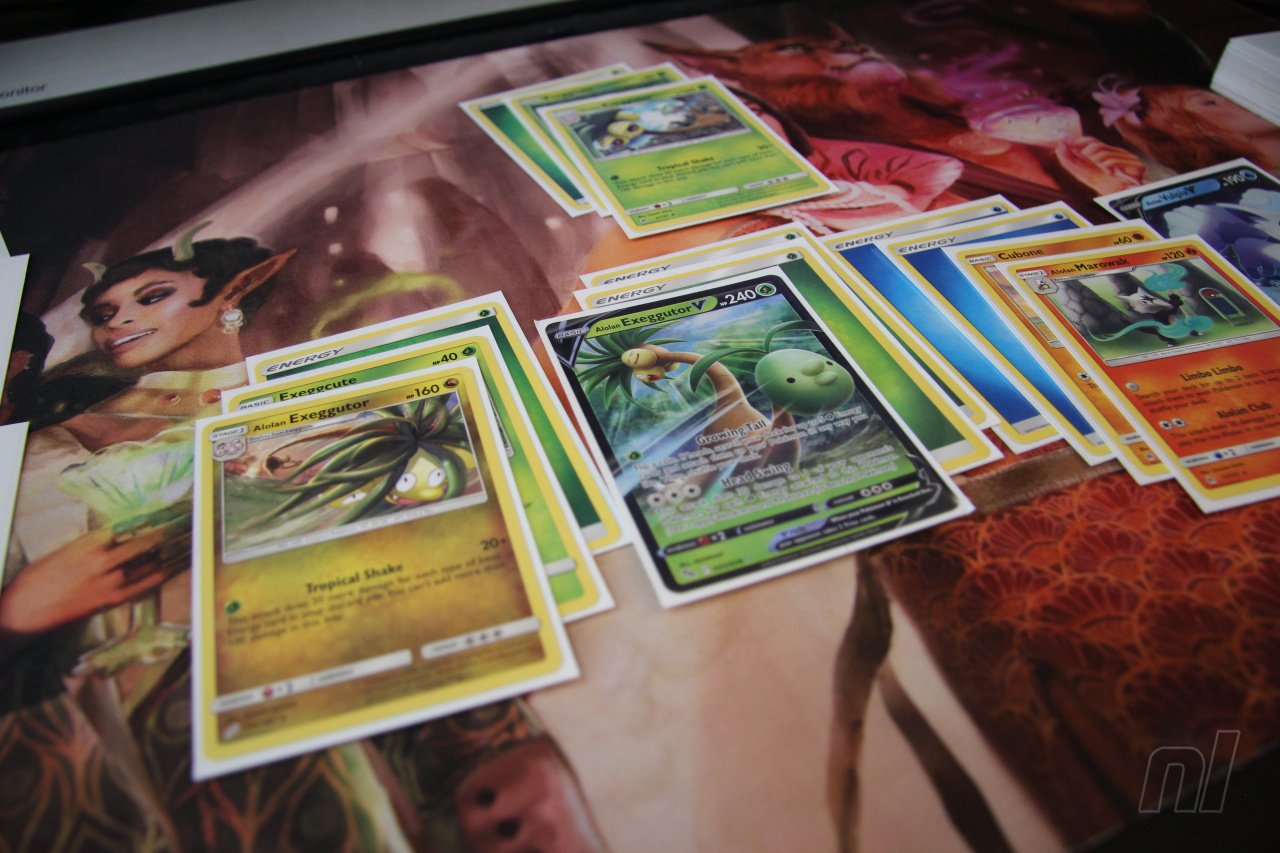
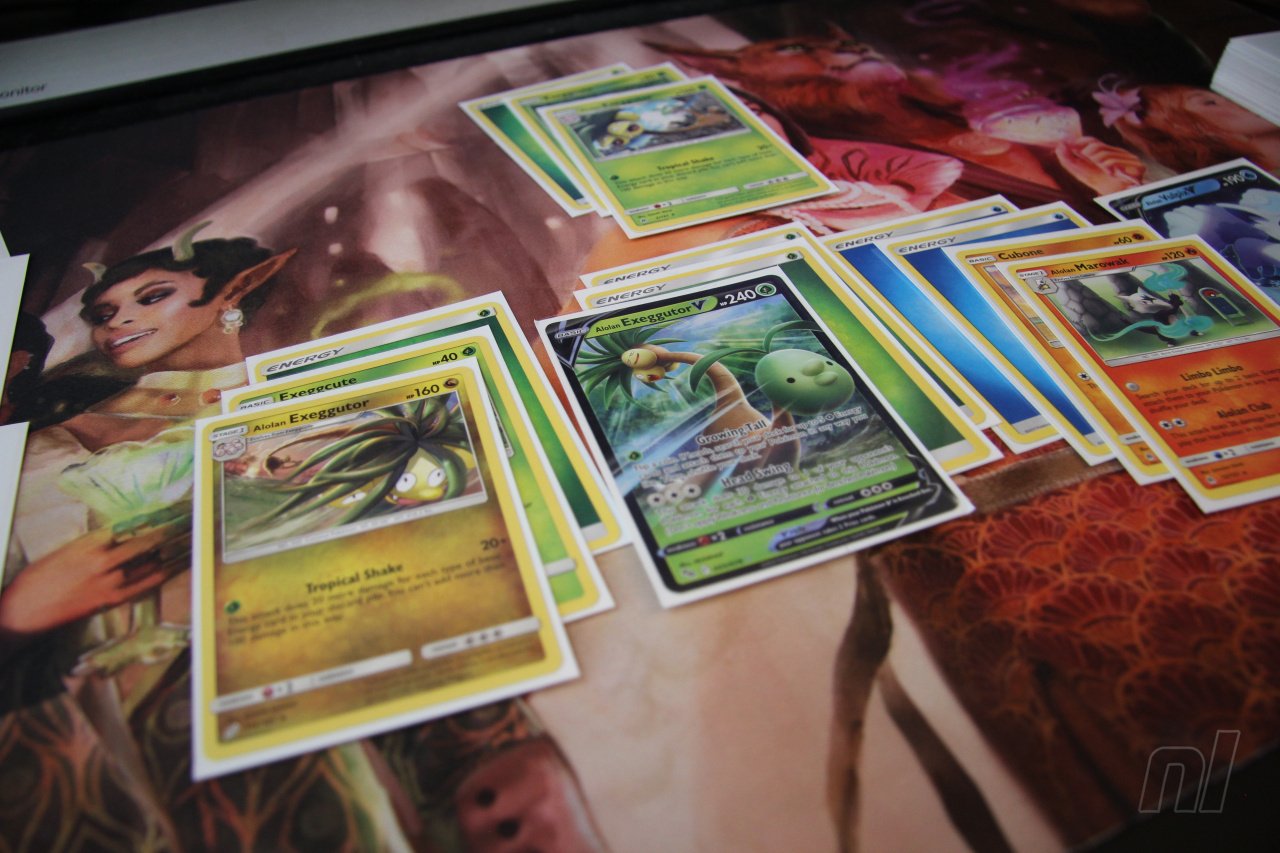
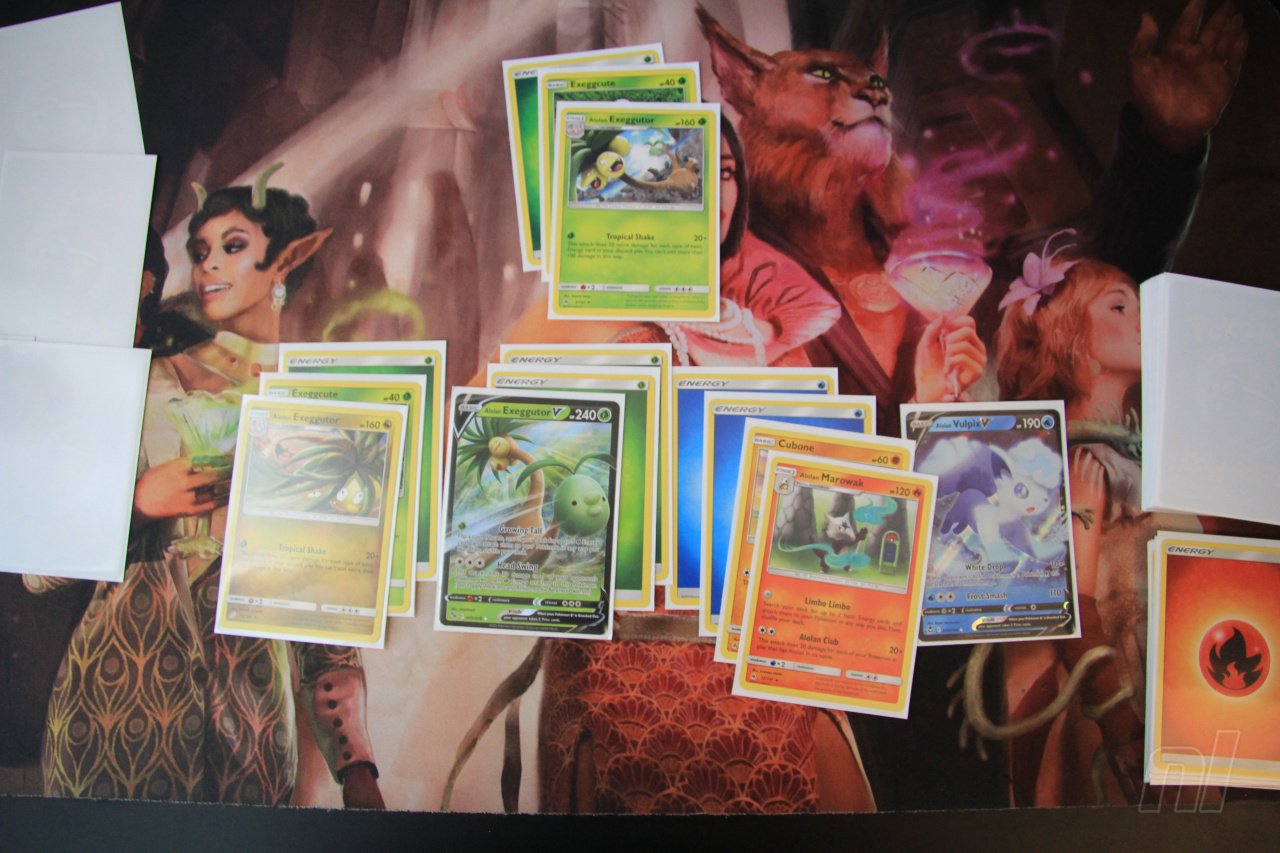
There was once a time I was doing moderately alright at the Pokémon TCG Online game, taking down EX and GX cards with a tactic that nullified those types, which were mainstays in many decks. Now, all that’s left is a broken deck. A family of Pokémon torn apart for the sake of capitalism where the motto isn’t ‘gotta catch ’em all’ but ‘gotta keep buying the new ones’. This is an ode to my long lost Pokémon Deck from Pokémon TCG Online, caught in the crossfire of the new migration system to Pokémon TCG Live.
I had titled this deck ‘Tropical Storm’ as it utilised a lot of cards from the Alola region, like Alolan Exegutor, Alolan Ninetails and Alolan Sandlash. It also had a sprinkle of cards from the Black and White series. Pokémon from my deck like Accelgor and Escavalier were deemed too old and not brought over to the new game. A lot of these cards I used in the older online game came from a QR code found in the real-life theme deck I had. My only hope now is to use my physical cards and go face-to-face with real-life Pokémon trainers in the hopes that I have what it takes to stand tall against players who’ve had years of experience and money to burn on the latest cards.
Image: The Pokémon Company
However, I’m still determined to fight against the odds and resurrect my deck, which has the disadvantage of using cards from a set that came out in 2011.
A Week Later
So, yeah … about sticking to my guns and making my old deck again. I’ve very quickly realised that isn’t a very viable way to get anywhere with the beast that is the Pokémon Trading Card Game. I’ve since made a load of new friends from my nearest Pokémon card shop, Bath TCG and here are my findings.
One of my favourite cards in my deck, Alolan Ninetales, has an ability that meant GX and EX Pokémon couldn’t harm it, which is incredible now that EX cards are making a return … or so I thought. After creating a deck quite close to my older online one and heading to my first event, I’m told my Ninetales’ ability is now null and void. It’s in fact ‘ex’ cards that are all the rage now and not the ancient and forgotten ‘EX’ cards.
How silly I looked as the cogs immediately started turning in my head to decide how to fix my now broken deck built around a mechanic that seemingly doesn’t exist anymore.
To make matters worse, another beloved card of mine, Accelgor, was now way too weak to be considered a good option. You’ll be glad to know that Alolan Exeggutor is one of the staples of my original deck that has stayed in and I’m trying my best to stay afloat with an Alolan-themed deck. Yes, a deck based on the Sun and Moon sets, which in my mind only appeared last year. In reality, these cards came out roughly six years ago in 2017-ish. With Gen-Z Pokémon trainers in my sights, I’m determined to show these kids up and teach them that old school is the only school!
And by that, I mean Generation VII from 2017.
Another Week Later
So, yeah … about showing these kids how it’s done… I’m now realising the pool of different Pokémon decks is much smaller than I once thought.
I’ve dabbled in Magic The Gathering in the past and one of my favourite things about that series was how different everyone’s decks are and what it says about the person. A cyberpunk Japanese mech-inspired deck, a deck about a bunch of vampires having a wedding where the bride and groom are also on the dinner plate, a Cabaret-style 1950s crime family full of monsters that love to party deck. All such creative themes and strong decks when paired with the right cards.
Unlike Pokémon where the two sets I saw repeated were the ‘Lost Zone’ decks, which centred around Giratina, Sableye, Comfey and Cramorant, and a Chein-Pao / Baxcalibur deck. The Giratina one revolved around getting cards into your Lost Zone, which then made your Pokémon’s abilities stronger and the Chein-Pao one made getting energy cards onto your Pokémon a cinch. Both are incredibly strong decks that my tropical Pokémon who are used to sunbathing on the sunny islands of Alola are not accustomed to.
However, after taking on foe after foe — who quickly turned into friends — before I knew it, I was actually having a lot of fun. I may not have been winning too many matches but holding my own and doing decently with a deck incorporating strategy as well as sticking to a theme was well worth all the effort.
Decked Out
Image: Mahin Kesore / Nintendo Life
To me, the Pokémon series is about what the Pocket Monsters on your team say about you as a person, but I understand that the competitive scene is just about that — being competitive. New cards are constantly being printed that put last season’s cards to shame, so it’s always a constant race to see who can splurge on the newest cards first. Naturally, my Alolan deck never stood a chance, but to be able to see my Pokemon in play, doing semi-decently in such a tough TCG game, and managing to stay afloat gave me a sense of pride. And who knows how close we are to seeing some of my favourite Alolan Pokemon in the spotlight again in a future set.
I still had a lot of fun getting into the real-life Pokémon TCG in my own way and it wouldn’t have been as much fun if the trainers behind the Pokémon weren’t so lovely and welcoming. So whether you’re looking to blow some cash to climb the ranks of competitive play or just want to use your favourite ‘mons and collect shinies, there’s no wrong way to get into the Pokemon TCG.
Have you ever played Pokémon TCG? Have you tried to rebuild your deck? Share your memories of your collection in the comments.
Nintendo Life’s resident horror fanatic, when he’s not knee-deep in Resident Evil and Silent Hill lore, Ollie likes to dive into a good horror book while nursing a lovely cup of tea. He also enjoys long walks and listens to everything from Motorhead to BB King.
To top it off, The Pokémon Company is now also celebrating the Game Boy Advance title Pokémon Pinball: Ruby & Sapphire. Believe it or not, the Jupiter-developed title is now 20 years old. This game was originally released in Japan and North America in August 2003 and was a sequel to the original Pokémon Pinball Game Boy Color title dating back to 1999.
As you can see in the anniversary social media post, it’s already got a lot of fans begging TPC for a possible revival – with many hoping to see this sequel added to Nintendo’s Switch Online service, which now includes the Game Boy Advance library. There are even some requests for a full-blown revival of the series.
Unfortunately, for now, if you want to officially play this particular pinball game, you’ll either need to own an original copy and a Game Boy Advance, or you can resort to the Wii U eShop version, which was made available in 2015.
Of course, you can also get your retro Pokémon fix via the Switch Online service. Two games added earlier this month include the Game Boy Color title Pokémon Trading Card Game and the N64 hit Pokémon Stadium 2.
Would you like to see a game like Pokémon Pinball: Ruby & Sapphire added to the Switch Online service or a completely new entry in the series? Do you have any fond memories of the original GBA release? Tell us in the comments below.
As you might recall, it’s a crossover of the popular manga and anime series Fist of the North Star, where you have characters like Kenshiro as your instructor, and once you’ve warmed up, you’re tasked with beating up enemies and rivals in boss battles.
If you didn’t jump on the digital release when it arrived earlier this year in March, a physical Switch release for the West has now also been confirmed. Imagineer is teaming up with 2 Solutions Go to release this hard copy across America, Europe and Australia on 5th December 2023.
Here’s a bit more about this game from our Nintendo Life review. And if you’ve not tried this game out yet, there’s a demo you can download from the Switch eShop right now.
“What we have here, though, is instead a spin-off of Imagineer’s Fitness Boxing series, which has already had two more straightforward entries released on the Switch. The twist, naturally, is that instead of having inoffensively pleasant trainers teaching you how to jab, hook, and uppercut your way to better physical health, this time you’re led through your exercises by a big anime sod with arms like cartoon hams.”
Will you be adding this one to your Switch library? Comment below.








 Interesting Factoid: