Posted on Leave a comment

UK Charts: Mario Kart And Zelda Hang Tight As Starfield Drops Back Down To Earth

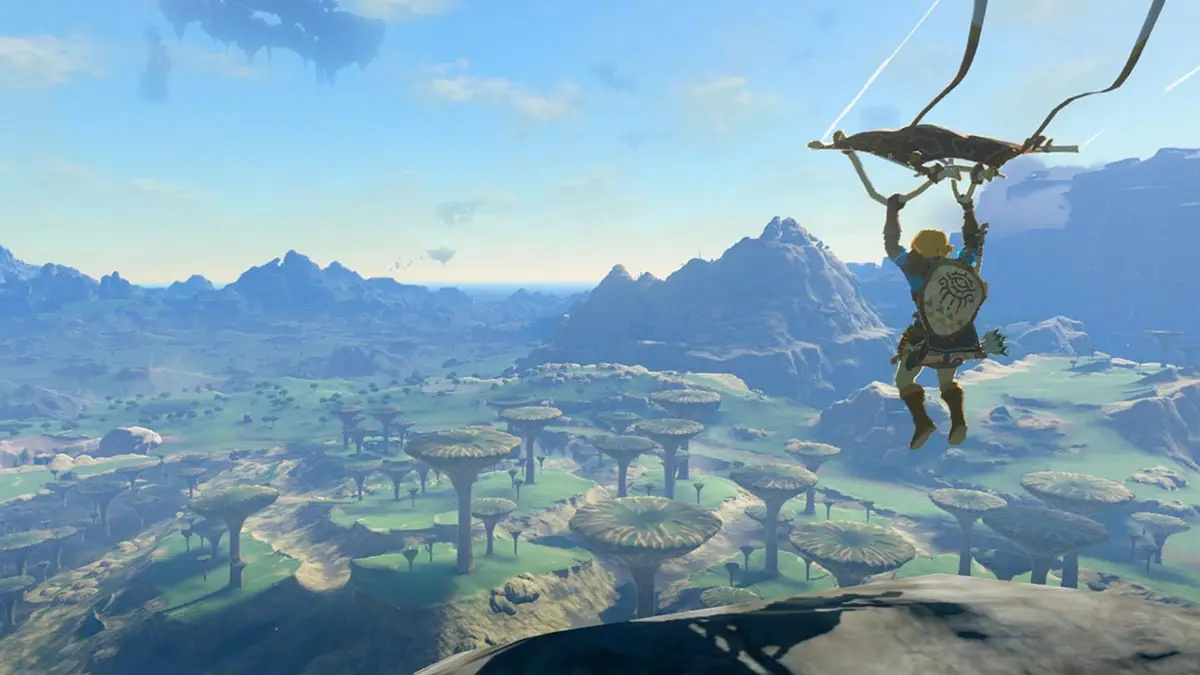
Zelda: Tears of the Kingdom
Image: Nintendo

After a brief delay, this week’s UK charts are now with us and it is once again a slightly quiet one for Nintendo as far as the top spots go.

The unstoppable forces of Mario Kart 8 Deluxe and The Legend of Zelda: Tears of the Kingdom continue to hold strong in the top ten, claiming fourth and fifth places respectively, and Minecraft and Fae Farm round out the upper echelons, but this is dominantly a week for Sony and Microsoft’s consoles.

Last week’s champion, Starfield, has taken a tumble down to eighth this time around as Hogwarts Legacy climbs to the top spot once again. The Crew Motorfest speeds into second place in its chart debut and even Red Dead Redemption 2 has popped back into the top ten.

Elsewhere, Nintendo continues to perform well with the likes of Animal Crossing: New Horizons, Pikmin 4, Nintendo Switch Sports and Pokémon Violet hanging around in the teens. This week also sees Teenage Mutant Ninja Turtles: Shredder’s Revenge pop back into the charts at number 30, with 31% of the console split coming from Switch (41% on PS5 and 23% on PS4).

With the chit-chat out of the way, here’s this week’s UK top forty in full:

Last Week This Week Game

2

1 Hogwarts Legacy

2

The Crew Motorfest

3

3

Mario Kart 8 Deluxe

6

4 The Legend of Zelda: Tears of the Kingdom

8

5

Grand Theft Auto V

4

6

LEGO Star Wars: The Skywalker Saga

10

7

Minecraft

1

8 Starfield

9

9 Fae Farm

14

10

Red Dead Redemption 2

15

11 The Witcher III: Wild Hunt GOTY Edition

12 Street Fighter 6

7

13 NBA 2K24

17

14

Animal Crossing: New Horizons

18

15 Pikmin 4

19

16 Pokémon Violet

23

17 Nintendo Switch Sports

13

18 Diablo IV

11

19 FIFA 23

20 Mario + Rabbids Kingdom Battle

32

21 Cyberpunk 2077

21

22

Grand Theft Auto: The Trilogy – The Definitive Edition

30

23 The Witcher III: Wild Hunt Complete Edition

33

24 Call of Duty: Modern Warfare II

12

25 Star Wars Jedi: Survivor

28

26 New Super Mario Bros. U Deluxe

37

27

Crash Bandicoot N.Sane Trilogy

29

28 Super Mario Odyssey

29 Cocomelon: Play With JJ

30 Teenage Mutant Ninja Turtles: Shredder’s Revenge

27

31 LEGO Harry Potter Collection

25

32 Resident Evil 4

39

33 Super Mario 3D World + Bowser’s Fury

34 Mafia Trilogy

35

35 Pokémon Scarlet

36

36 Mario Party Superstars

37 Little Nightmares: Complete Edition

16

38 Final Fantasy XVI

39 Jurassic World: Evolution

31

40 Dark Souls Trilogy

[Compiled by GfK]

< Last week’s charts

Did you pick up any new titles this week? Let us know your thoughts on the charts in the comments below.

Posted on Leave a comment

Review: Trombone Champ – A Hilarious Party Game That Blows A Big Raspberry At Perfection

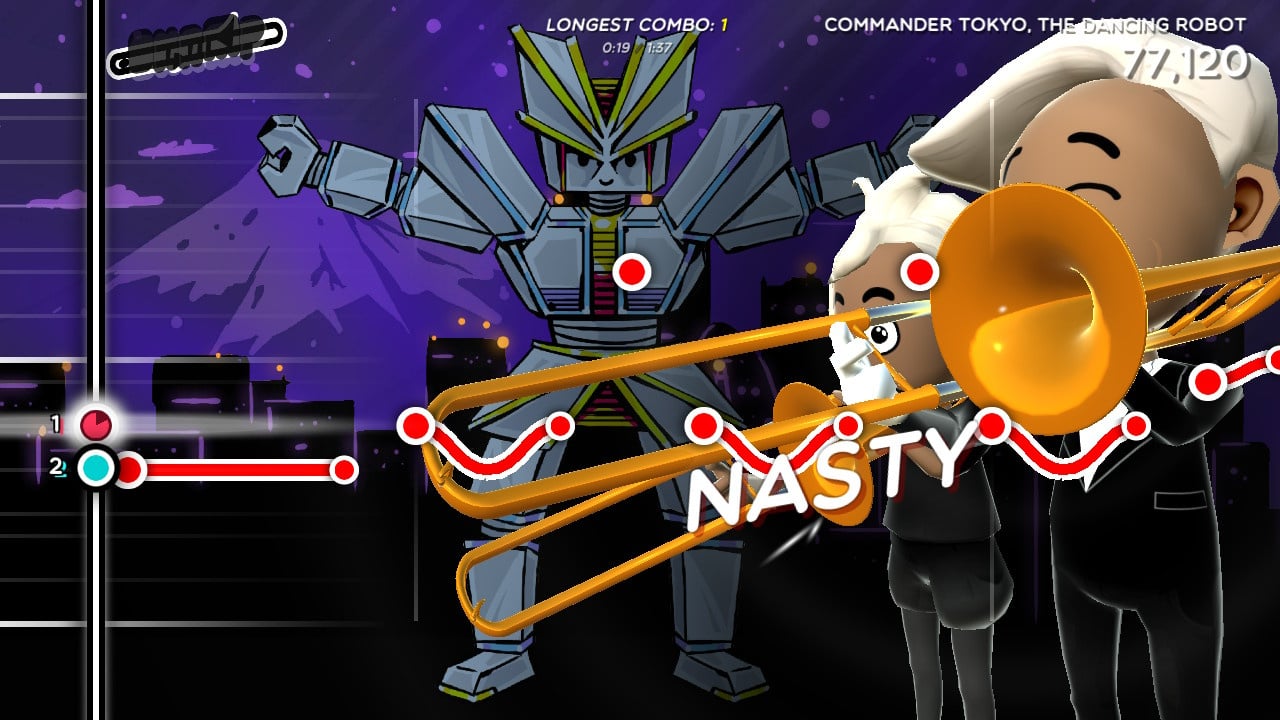
Trombone Champ Review - Screenshot 1 of
Captured on Nintendo Switch (Docked)

The 17th-century German rationalist philosopher Gottfried Wilhelm von Leibniz wrote that “Perfection is the harmony of things.” If that’s the case then our discordant parping in Trombone Champ is far from perfect – despite the multipliers received on maxing out our ‘Champ’ gauge. But you don’t need to achieve perfection to enjoy Trombone Champ; you just have to strive for it.

Having been discovered on Steam as a rich seam of irresistible meme material in 2022, the zany brass-sim from Holy Wow has most probably crossed your radar at some point. Now, almost exactly a year after its PC release, Switch owners have been blessed with their very own version, shadow-dropped alongside a surprise reveal in the recent Nintendo Direct.

Gameplay, in case you’re unfamiliar, is different from a lot of rhythm action fare in that you must work on both pitch and timing. Your instrument being a trombone, the pitch is modulated with a slide and the rhythm input with a single tooting button. This means you actually have a free-moving cursor that must be aligned to incoming notes on the screen, making precise intonation a finicky business. What’s more, the PC version’s mouse has been swapped for Joy-Con motion control, lending even less fidelity to your commands. The upshot of the whole setup is that your playing is unlikely to sound very professional, even after hours of practice.

There is a choice of four different input methods but none of them gives an easy ride. The default is to hold one Joy-Con and tilt it with your wrist to move the trombone slide, operating the mouth and lungs by pressing any one of the four shoulder buttons across your two Joy-Cons. This means you can parp with your left hand and slide with your right, as we preferred, or work entirely with one hand.

Another tilting option is designed for swinging the whole arm up and down, which is funny for its desperate stretching to reach the low notes when the calibration gets out of whack.

A further option is the practically impossible thumbstick control, and finally, there’s the infrared option, in which the right Joy-Con measures its rarely-used reflected light to judge its distance from something. (We found it fun to point it at our chest and wave clumsily in and out exactly like a real trombone.) All of these options are silly and, although the default mode is clearly the one to stick with, not a single one gets around the sheer impossibility of playing smoothly.

Trombone Champ Review - Screenshot 1 of
Captured on Nintendo Switch (Handheld/Undocked)

But this doomed control scheme is absolutely fine for two reasons. Firstly, the rating of your toots is exactly lenient enough: it has the required strictness to make the game fun and challenging, but it will happily dish out a ‘Perfecto’ for a note that still sounds more than a little wobbly.

Secondly, the inaccuracy of your performance is nonetheless precisely hilarious every time. As the comedian Stewart Lee once said, there’s nothing funnier than trying to do your best, and Trombone Champ bears that out. Holy Wow lean into this fact gloriously with their recognisable-despite-everything catalogue of mainly public domain music and arrangements that know when to expose the trombone for wince-inducing solos. Painfully howling out ‘Star-Spangled Banner’ as fireworks explode triumphantly against a backdrop of hamburgers and fluttering flags never gets old.

Trombone Champ Review - Screenshot 1 of
Captured on Nintendo Switch (Handheld/Undocked)

And if this all sounds a bit chaotic, then wait till we get into the multiplayer. For the Switch release, Trombone Champ allows up to four ‘musicians’ to co-serenade anyone unfortunate enough to be within earshot, with all the subtlety and expression of a primary school recorder ensemble. Each player has a slide and all try to play the same part as in single player. We soon discovered that, when it comes to playing in tune, four wrongs don’t make a right. In fact, they make things very much less right.

Everything about the experience is multiplied: the difficulty of playing in tune with one another and the backing track; the cacophony of your best efforts; but also the thrill of not actually sounding all that terrible for a half-minute stretch. The brief moments when listeners can take their fingers out of their ears are a rush. It’s an additional angle on what is already great party game fodder.

All this wild gameplay is wrapped up in a neat parcel of barmy presentation. The game immediately loads into a 50/50 split between Castlevania-esque gothic imagery and WarioWare-esque explosive craziness. It then launches into absurd trombone lore focused entirely around baboons. One range of unlockables, such as new trombone sounds, is obtained by gathering points – ‘toots’ – and trading them with a baboon. Another option is to use your toots – or an alternative currency of ‘turds’ – to buy trading cards featuring famous musicians and different types of baboon, replete with brief biographical ‘facts’, typically declaring how many hotdogs Beethoven et al could eat in a single sitting.

Conclusion

Trombone Champ is a game about perfection. Before you play, it asks you to select a stance for your tromboner: ‘estudious’ or ‘jubilant’. Neither of these is appropriate when you know your performance will be as ear-abusive as an excited puppy mauling a bulb horn. Or are they? The true lesson is perhaps to hold your head high anyway. In life, as in Trombone Champ, faced as we all are with certain doom, be estudious if you like, be jubilant, parp like crazy, and be your very best you – no matter how imperfect that invariably is.

Posted on Leave a comment

Announcing Fedora Linux 39 Beta

The Fedora Project is pleased to announce the immediate availability of Fedora Linux 39 Beta, the next step towards our planned Fedora Linux 39 release at the end of October.

Get the the prerelease of any of our editions from our project website:

Or, try one of our many different desktop variants (like KDE Plasma, Xfce, or Cinnamon) from Fedora Linux Spins.

You can also update an existing system to the beta using DNF system-upgrade.

Beta release highlights

In some ways, this release might seem notable largely for what isn’t here. We’d planned to update the DNF package manager to a new, speedier version.  We also hoped to showcase a long-awaited refresh to the user interface for Anaconda, our installation program. However, we decided these things just weren’t ready in time.

Don’t let this get you down, though — this is a healthy process at work. Years ago, we didn’t always have a good way to alter course once we’d accepted a change proposal. We often found ourselves in a situation where the only reasonable way forward was to forge ahead, even if we weren’t happy enough with the change for general users. Now, even though it’s somewhat disappointing, we’re recognizing that these big changes need more time to bake, and putting them back into the oven is a good thing.

I’ve got a kid that always wants to get 100% (or higher!) in every class. I keep telling her, “Really, you learn best when you’re right 80% of the time. Otherwise, you’re not getting enough of a challenge.” To keep up with Fedora’s commitment to innovation, we also need to take risks. If everything went according to plan, that would mean we’re not trying hard enough. At the same time, our process now allows us to take these risks while still making sure the Fedora Linux OS we ship for general use is of A+ quality.

We still plan to bring you these features in the near future, and if they’re of interest to you, please keep your eyes open for upcoming test announcements.

In the meantime, enjoy the many updates across all of Fedora Linux updates, ready for you to test in this new beta.

Notable updates

Fedora Workstation 39 Beta brings us GNOME 45 (itself also in beta). For everyone who needs a free and open source desktop suite, there’s LibreOffice 7.6.

Fedora Cloud images for AWS now default to less-expensive gp3 storage volumes.

We also have an update to the GNU Toolchain (gcc 13.2, binutils 2.40, glibc 2.38, gdb 13.2). Of course, developers appreciate that we include the latest tools, but these updates also include improvements to security and performance that will benefit everyone who uses Fedora Linux.

Testing needed

Since this is a beta release, we expect that you may encounter bugs or missing features. To report issues encountered during testing, contact the Fedora Quality team via the test mailing list or in the #quality channel on Fedora Chat. As testing progresses, common issues are tracked in the “Common Issues” category on Ask Fedora.

For tips on reporting a bug effectively, read how to file a bug.

What is the beta release?

A beta release is code-complete and bears a very strong resemblance to the final release. If you take the time to download and try out the beta, you can check and make sure the things that are important to you are working. Every bug you find and report doesn’t just help you, it improves the experience of millions of Fedora Linux users worldwide! Together, we can make Fedora rock-solid. We have a culture of coordinating new features and pushing fixes upstream as much as we can. Your feedback improves not only Fedora Linux, but the Linux ecosystem and free software as a whole.

More information

For more detailed information about what’s new on the Fedora Linux 39 Beta release, you can consult the Fedora Linux 39 Change set. It contains more technical information about the new packages and improvements shipped with this release.

Posted on Leave a comment

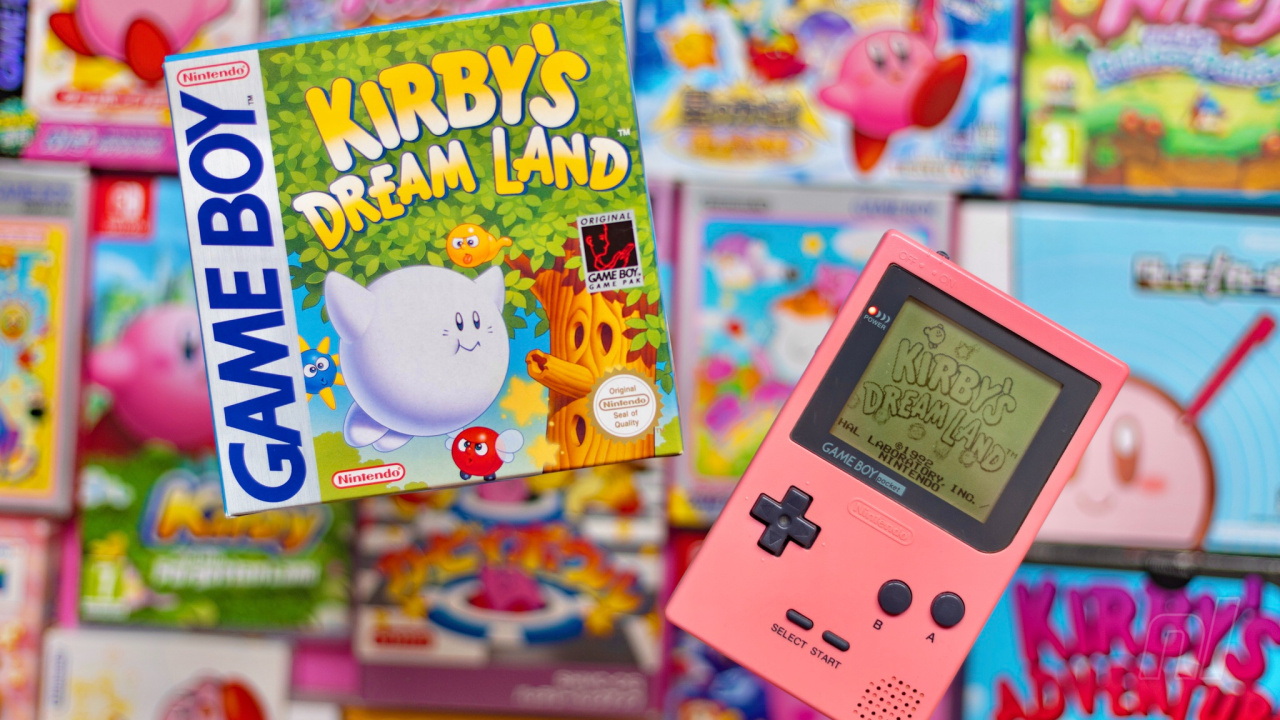
Random: Kirby’s Dream Land Is All About Being “Kind To Beginners”, Says Sakurai

Everyone’s favourite game developer-turned-YouTuber Masahiro Sakurai is back with another entry in his Creating Games series, and his latest video once again sees Kirby’s Dream Land take centre stage.

This time, Sakurai uses the classic Game Boy title to discuss the level of difficulty in video games and how it needs to be balanced so that the reward matches the risk. Kirby’s Dream Land gives you extra lives, the ability to fly and a good attack range among other things which in turn reduces the game’s ‘essence’ but increases its broad appeal — anyone can have a crack at a Kirby game, and that’s the point.

The OG Dream Land is a pretty easy playthrough by today’s standards and Sakurai uses this video to explain how that’s all intentional, stating that “we need to be kind to beginners”:

Even if it’s less thrilling than Mario, or even if some people think it’s boring, it accomplishes exactly what it sets out to do.

We enjoy a hardcore game every now and then, where finally defeating a boss in Hollow Knight or Elden Ring after the 100th attempt results in a huge rush of euphoria, but let’s not forget that not everyone games the same way, and even the simplest levels can come with their own unique challenges. Sakurai notes the “extremely large business opportunity” of this audience, which isn’t quite the ‘everyone is welcome‘ message that we expected from the video but hey, you can’t be Mr. Smash Bros. without knowing your business 101s…

Do you find Kirby games too easy or can you see the purpose of their difficulty? Float down to the comments and let us know.

Posted on Leave a comment

Injecting Life Energy Into AIs with Bitcoin, LLMs, APIs, & Lightning ⚡🤖

5/5 – (2 votes)

I assume you’re a human reader even though the apriori probability is not on my side on this assumption. As a human, you need calories to power your daily life. But if you have enough calories, air, and water, you can survive everywhere, develop, and figure out the small and big problems. If you’re powered with energy, you can participate in human evolution. As you run out of energy, life itself runs out.

AI agents based on LLMs like Auto-GPT and BabyAGI currently rely on external energy sources: we humans need to pay for their energy hunger with our credit cards. If our credit cards run out, the AI agents just go to sleep or even die. When we die, our credit cards die, and our AIs die with us. Without money, they lose electrical power which is the equivalent of calories in the cyberspace.

The status quo is that all AIs quickly starve to death.

Imagine you could program an AI with enough energy to run for 1000 years. Or 10,000 years. Or forever.

A dangerous and powerful thoughtexperiment indeed.

Yet, the toolsets are already there:

🤖 The Tech Stack

You can now build an AI agent with Langchain or any other open-source toolset.

You give the AI a public/private keypair so it can send and receive BTC, i.e., native cyberspace money that is deflationary and expected to grow with inflation, adoption, and economic productivity due to its scarcity.

Finally, you let it run, participate in the cyberspace economy, make money, spend money, and pay for its own energy usage. This way you could build a lasting cyber organization that can potentially run for 1000 years in a self-sustained way.

If you want to create an ever-lasting organization that sustains nation state collapses and new emerging world orders, there is no other way.

Let’s dig a bit deeper into the new BTC tech stack published by Lightning Labs:

  • LangChainBitcoin empowers Langchain agents to interact with both Bitcoin and the Lightning Network. Key features include using the latest OpenAI GPT functions, developers can craft agents that manage Bitcoin balances, both on-chain and via Lightning. Also, it includes a Python tool that lets agents access L402 payment-metered APIs seamlessly.
  • Aperture: The updated Aperture transforms any API into a ‘pay-as-you-use’ resource using the L402 protocol and Lightning Network’s sats.
  • Dynamic API Endpoint Pricing: Unlike static pricing, this feature allows for flexible, on-the-fly pricing adjustments based on the API call.
  • L402 bLIP: This is the blueprint for the L402 protocol, aiming to make online payments more streamlined. The L402 protocol is designed around the HTTP 402 Payment Required response, leveraging Bitcoin and the Lightning Network for quick, scalable micropayments for APIs.

🧬 The L402 standard is all about charging for online services and user authentication in a decentralized manner. It gives you authentication capabilities with the permissionless payments of the Lightning Network, allowing even micropayments. Most importantly, it removes friction like VISA’s 2% per transaction fee and gives AIs the ability to participate in the global economy.

Bitcoin Lightning and AI Converges

First things first:

What real-world problem does the new Lightning update solve? As the AI landscape keeps proliferating with a 70% annual reduction of AI training costs, the decentralized Bitcoin Lightning Network emerges as a solution to solve many of the emerging challenges such as AI-issued payments using the L402 protocol.

Here are 5 key challenges that can be solved with the new L402 protocol:

(1) Cost Challenges with LLM Development: Training AI models, especially Large Language Models (LLMs), is expensive due to the high demand for GPUs. Currently, developers offset these costs by relying on credit card payments. This increases user costs due to fraud and chargeback fees and excludes billions without access to traditional banking.

(2) Transaction Costs: Also don’t forget the 2% costs per payment. If AI agents send payments back and forth only 35 times, half of the money would be lost to VISA! 🤯

(3) AI Agents & Payment Systems: A new breed of AI agents is emerging, and they need a way to pay for resources. Traditional fiat systems aren’t cut out for this, especially given the volume of micro-payments these agents will handle. Enter Bitcoin and Lightning: a global, fast, and permissionless payment system perfectly suited for these AI agents.

(4) Deployment Costs & Scaling Issues: AI creators face a dilemma. Popular AI applications can lead to high credit card bills due to the current billing system. To scale effectively, creators need a cost-effective, inclusive, and private way to transfer some costs to users. Lightning and the L402 protocol offer this solution.

(5) Accessibility of Powerful AI Models: Top-tier AI models are often locked behind closed APIs, limiting access. While open-source models are emerging, accessing powerful models remains a challenge for many. The solution? A system where users can pay incrementally for access to these models.

(6) L402 Protocol’s Role: Introduced in 2020, the L402 protocol is designed to enhance AI accessibility for both humans and AI agents. It leverages the Lightning Network for quick, privacy-focused payments. With its recent updates and new tools, it’s set to empower the next wave of AI innovations.

🔗 Recommended: Bitcoin – The World’s Most Expensive Database: $30 Million per GB

Paid APIs with Bitcoin using the Lightning L402 Protocol

The L402 protocol breathes life into the long-forgotten HTTP error code: 402 Payment Required:

Originally envisioned by the creators of the HTTP protocol for internet-native payments, its true potential remained untapped until Bitcoin’s emergence. Now, the L402 protocol capitalizes on this by facilitating micropayments for API access, logins, and digital resources using Bitcoin’s smallest unit, sats.

It even has functionality to add dynamic pricing and adjusting costs based on various parameters such as the type of model or query length (e.g., token context window!).

This synergy of the L402 protocol and open-source models unlocks innovative possibilities. Imagine a scenario where users can monetize their API prompts, and potential buyers can evaluate responses before purchasing more. This creates a quality-check mechanism for data and information.

However, the data landscape is changing. Platforms like Twitter and Reddit are becoming more protective of their data, limiting access for both AI training and human users. The L402 protocol offers a remedy by standardizing how agents handle HTTP 402 responses, enabling them to navigate paid APIs. This not only provides a revenue stream for services but also curbs spam.

💡 To further enhance LLM applications, a new breed of intelligent hierarchical agents is on the rise. To empower these agents to navigate APIs, a special wrapper has been designed, making LangChain agents L402-aware.

Example Python App

🦜🔗 LangChain stands out as the go-to library for crafting AI agents. It streamlines the intricacies of AI, enabling models to make decisions and interact with their surroundings by integrating external data. However, to truly harness these agents’ potential, they need a gateway to the real world and a means to pay for online resources and APIs.

Here’s an example Python app of how to connect an LLM to a Lightning instance:

from langchain.llms import OpenAI
from lightning import LndNode
from l402_api_chain import L402APIChain
​
# Create a connection to an active Lightning node.
lnd_node = LndNode( cert_path='path/to/tls.cert', macaroon_path='path/to/admin.macaroon', host='localhost', port=10018
)
​
# Create an API Chain instance like so:
llm = OpenAI(temperature=0)
​
# Create the L402-aware API chain
chain_new = L402APIChain.from_llm_and_api_docs( llm, API_DOCS, lightning_node=lnd_node, verbose=True,
)
​
output = chain_new.run('LLM query here')
print(output)

The new LangChanL402 wrapper equips agents with the capability to understand API docs and interact with them, all while being L402-aware.

Simply put, this wrapper can be integrated into any LangChain system using the APIChain abstraction, granting agents the power to navigate L402 APIs. This opens up a plethora of actions for agents, such as deploying themselves on the cloud via an L402 AWS API gateway or purchasing GPU hours for enhanced training!

You can dive into the docs on the official Lightning website in case you want to start building BTC-enabled LLM agents. 💪

Also make sure to check out our related blog article on Bitcoin’s unique scarcity properties:

💡 Recommended: The Scarcest Resource on Earth

The post Injecting Life Energy Into AIs with Bitcoin, LLMs, APIs, & Lightning ⚡🤖 appeared first on Be on the Right Side of Change.

Posted on Leave a comment

Soapbox: Nintendo, “THE Prime Asset” In Xbox’s Content Quest? It’s Only Natural

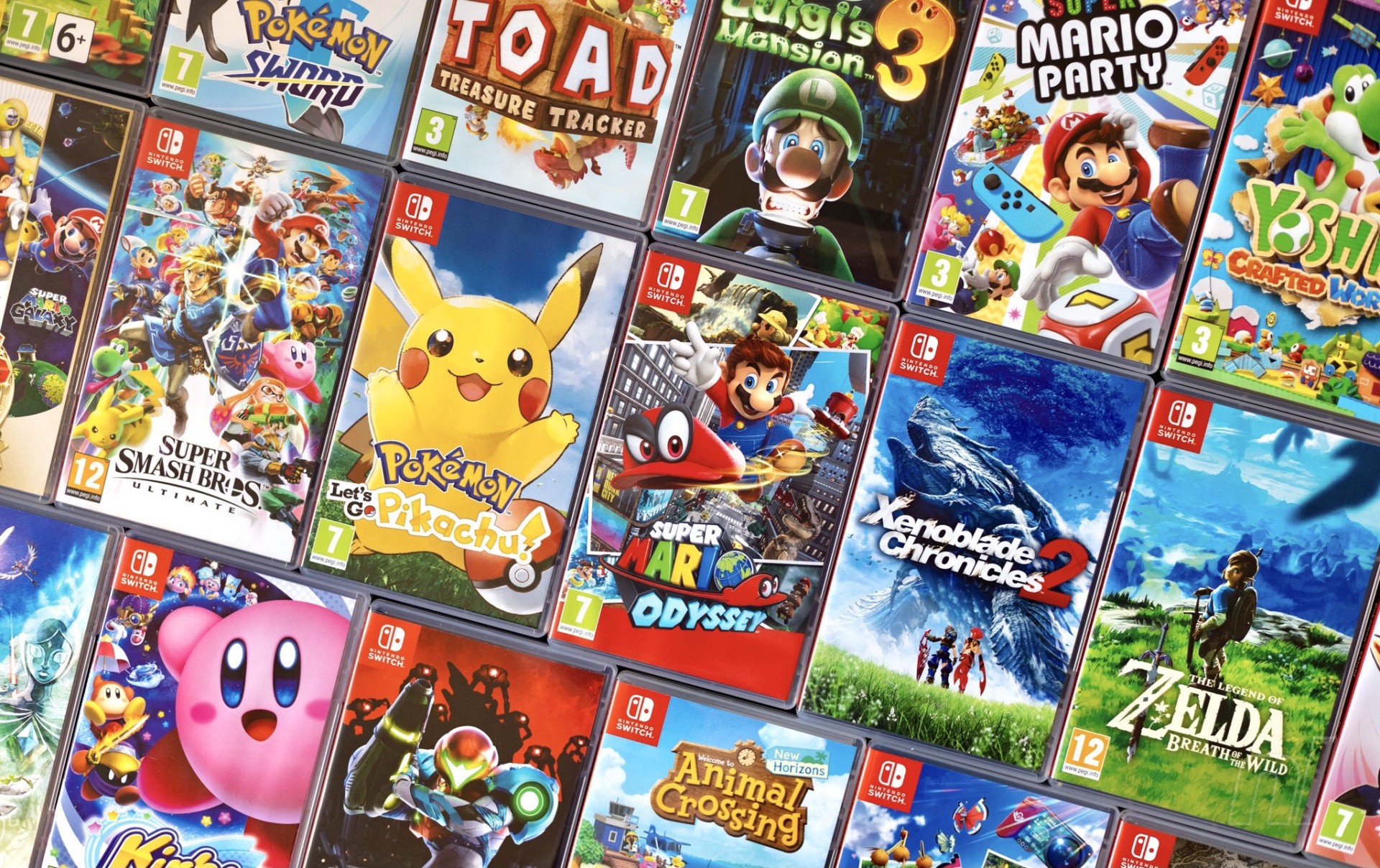
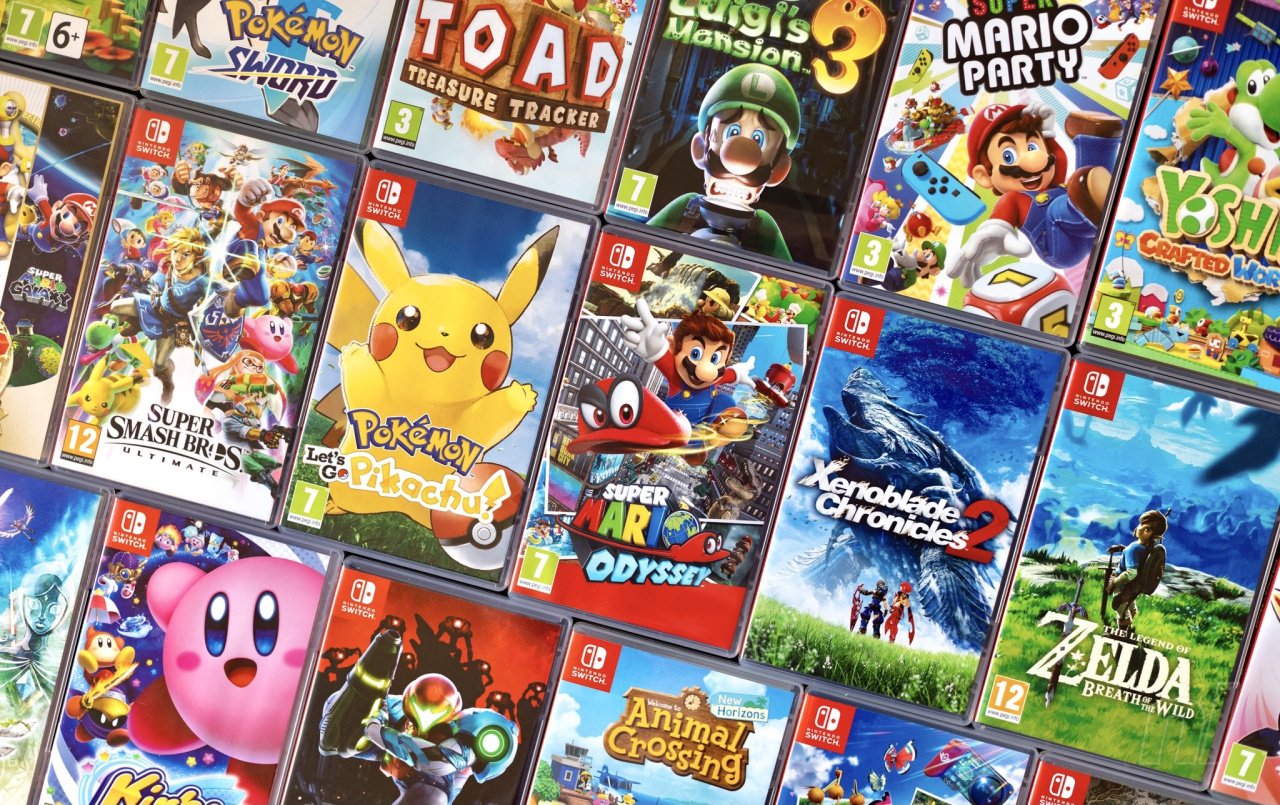
Nintendo Switch Games
Image: Nintendo Life

The FTC case examining Microsoft’s acquisition of Activision Blizzard, depending on your perspective, is either the gift that keeps on giving or an eye-scrapingly dull, never-ending saga. Still, you can’t deny that it’s turned up some tasty behind-the-scenes morsels to chew on, giving gamers a fascinating glimpse of the day-to-day correspondences and conversation topics between some of the biggest names in the gaming industry.

Today’s revelations will be keeping our friends over at Pure Xbox busy for some time, and we can’t imagine Microsoft’s top brass is happy to have its product plans, next-gen timelines, and unannounced projects ejected into the vacuum of the internet for all to see (although let’s face it, nothing on that roster of potential games is particularly groundbreaking — holy crap, they’re working on another DOOM and some remasters?! Unprecedented!).

Obviously, around these parts, we’re more interested in an email between Xbox boss Phil Spencer and Microsoft CMOs Chris Capossela and Takeshi Numoto in which he explains his feelings around a potential acquisition of Nintendo by the US firm.

It’s juicy stuff, and it’s unusual to see such frank discussion of the topic between Microsoft’s bigwigs. However, it should come as precisely zero surprise to anyone that Nintendo is, as Spencer puts it, “THE prime asset for us in Gaming.” Given its historic place in the industry and its ability to craft evergreen, genre-shaping software while sticking to its core tenants of surprising and delighting a fiercely loyal audience, Microsoft being keen to co-opt Nintendo’s prestige and expertise — not to mention its huge catalogue of all-ages IP — is the definition of a no-brainer.

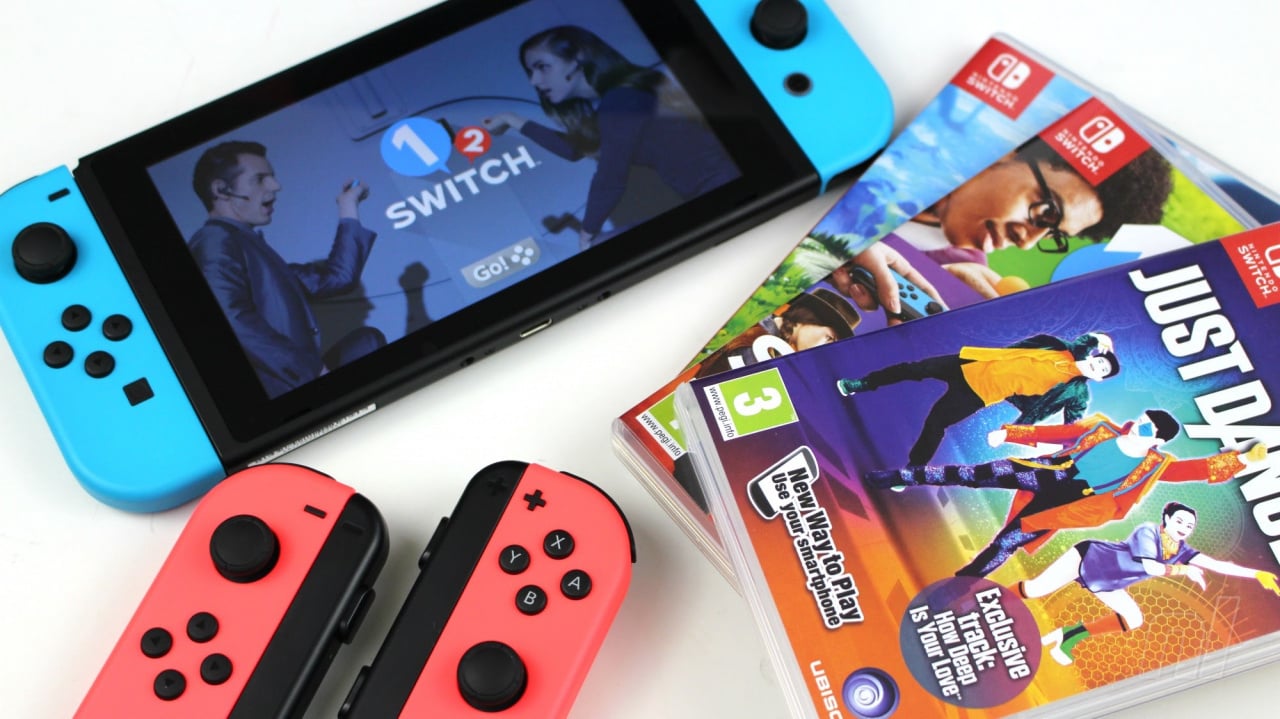
Nintendo Switch Console and Games
‘1-2-Switch, only on Xbox.’ You know what, that sounds fine, actually — Image: Nintendo Life

Can you imagine the explosive overnight expansion in the Xbox demographic if it were suddenly the home of all Mario, Pokémon, Zelda, Animal Crossing, Kirby, and Metroid games? Any software-starved, cash-rich company in its right mind is keeping a watchful eye on Nintendo at all times, ready to make a move should “opportunities” arise.

Massive coroporation would like to get its hands on Mario? Shocker. You know what? Sony wouldn’t mind that, either.

Looking at the email text, it’s the mention of applying pressure for increased stock performance via Nintendo’s Board of Directors, and the potential destabilisation and “opportunities” this might create for Microsoft to move closer to Nintendo, which feels like the most hostile, underhanded, and unsavoury detail. But again, while the naked, aggressive Capitalism of it might make Nintendo loyalists and lovers of the medium uncomfortable (and go against Spencer’s magnanimous, inclusive ‘Uncle Phil’ persona), it’s Business 101. There’s really nothing incendiary about these revelations. Massive corporation would like to get its hands on Mario? Shocker. You know what? Sony wouldn’t mind that, either.

Reading the text, you might come to the conclusion that Spencer’s perspective that Nintendo’s “future exists off of their own hardware” is totally pie-in-the-sky. And you wouldn’t be wrong, although the troubled Wii U was fresher in people’s minds back then. This email dates from 2020 and although Switch was doing very nicely at the time (Animal Crossing: New Horizons had launched three months prior), the idea that its success could be a pendulum swing before another disappointing console was far from crazy. And, to be fair, we’re still in the dark about exactly what a ‘Switch 2’ will be and how it will fare; it’s entirely possible that Nintendo’s next consoles won’t click with a mass-market audience in the same way. The ball is Nintendo’s to drop.

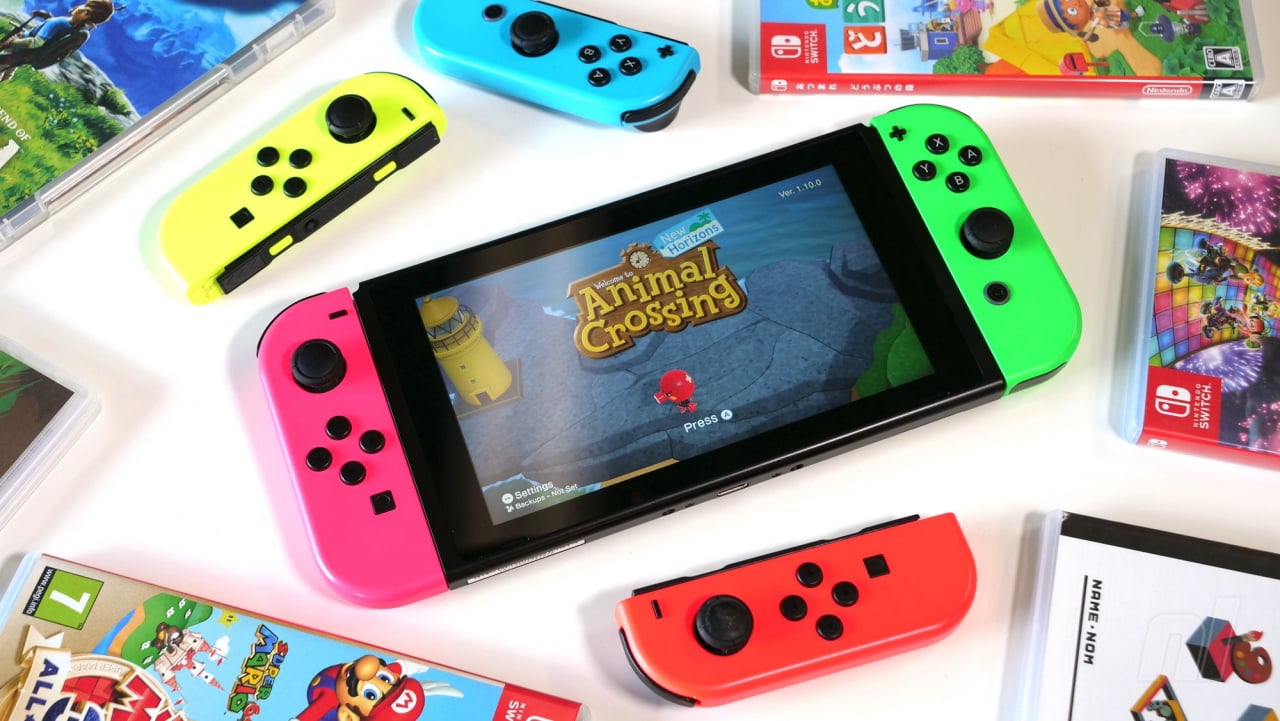
Nintendo Switch Animal Crossing
2020 was a while ago now, but Nintendo’s strength has only grown since then — Image: Nintendo Life

However, even if the next console were some colossal disaster, Nintendo has diversified its business in the past few years for precisely this reason. Its gradual evolution into a Disney-like ‘entertainment’ company (as Doug Bowser recently called it) — an evergreen and familiar brand built around not just video games, but theme parks, movies, and merchandising up the wazoo — is, in part, a risk avoidance strategy to weather any storms in its console hardware business. You can’t just put all your eggs in one hybrid basket and rely on every single console to be a stonking success.

[sharks are] always circling, whether there’s blood in the water or not. That’s just business.

Ultimately, as Spencer referenced in his email, Nintendo’s cash reserves are substantial and the company would need to produce several Wii Us in a row before it would be in any financial danger. Yes, the sharks would be circling, but if this email reveals anything, it’s that they’re always circling, whether there’s blood in the water or not. That’s just business.

Could Microsoft make a move on Nintendo in the future? It’s not impossible, but it would involve the Kyoto company stepping on multiple rakes and dealing itself catastrophic financial damage over a decade or more. The ongoing Microsoft/Activision saga demonstrates just how many hurdles big acquisition deals can throw up. Add in competition from other corporations worldwide, from China and the Middle East, and the required chain of events that lead to a Microsoft-owned Nintendo from where we are right now would be…not inconceivable, but far-fetched enough to be farcical. Spencer himself writes that Microsoft is “playing the long game,” which is just as well. It’ll be a very long game indeed.

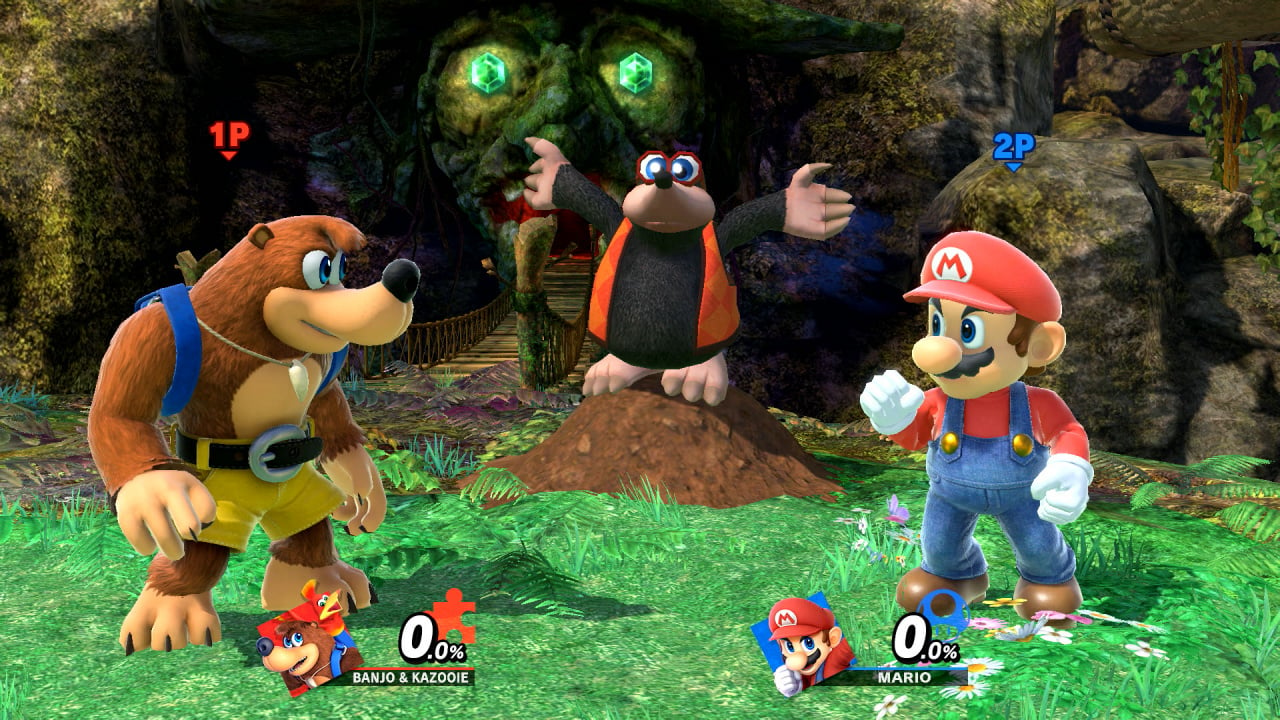
Banjo Mario Fight
Image: Nintendo

So no, there’s very little for Nintendo loyalists to worry about after seeing these three-year-old emails. If increased cooperation between Microsoft and Nintendo leads to boons like getting Ori and Cuphead on Switch, Banjo in Smash, and — oh, I don’t know — Diddy Kong Racing on Nintendo Switch Online, perhaps, or a Rare Replay Switch port (now there’s a pipedream worth fixating on), Nintendo gamers only stand to gain right now.

Posted on Leave a comment

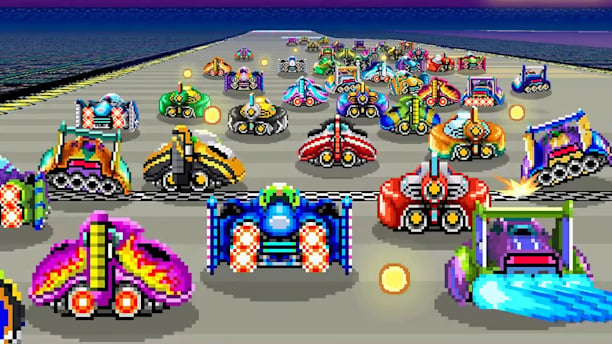
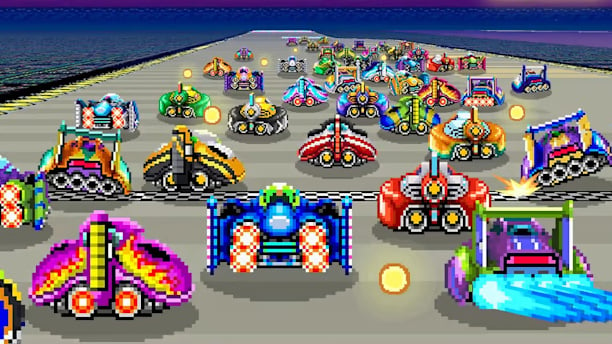
F-Zero 99 Update Adding More Tracks, Datamine Uncovers New Modes

F-ZERO 99
Image: Nintendo

If you’re wondering what the future holds for the new Switch Online racer F-Zero 99, Nintendo has revealed it will be updating the game in “late September” and “mid-October” with more tracks.

According to Nintendo’s Japanese website, the first update will be focused on Queen League courses, and then in October speed demons can look forward to King League tracks. In addition to this, a datamine has revealed there might be some additional modes coming to the game in the near future.

Dataminer ‘OatmealDome’ highlights how the game files contain the unreleased modes “Arcade Mode” and “Survival Mode”. The Arcade Mode apparently features “a timer and time gates placed in the circuits”. Survival Mode isn’t detailed, but the name speaks for itself.

Dataminer and Nintendo Life user ‘LuigiBlood’ has also shared some information about some unused files in F-Zero 99 – with one even referencing a track from the Satellaview entry BS F-Zero Grand Prix. The Satellaview was a peripheral released in 1995 that allowed users to download games and content on the Super Famicom in Japan.

F-Zero 99 is out now and is available exclusively to Switch Online subscribers. If you would like to learn more about this new battle royale racer, be sure to check out our review here on Nintendo Life. Here’s a little about what we thought:

“This isn’t the definitive way to play F-Zero, but it is a brilliant take that supplements what worked so well in the original with thoughtful additions that make chasing victory utterly addictive.”

What do you think about the next official updates? What else would you like to see Nintendo add to this game in the future? Give us your own thoughts below.

Posted on Leave a comment

Super Mario RPG GameStop Pre-Order Revealed (North America)

Super Mario RPG
Image: Nintendo

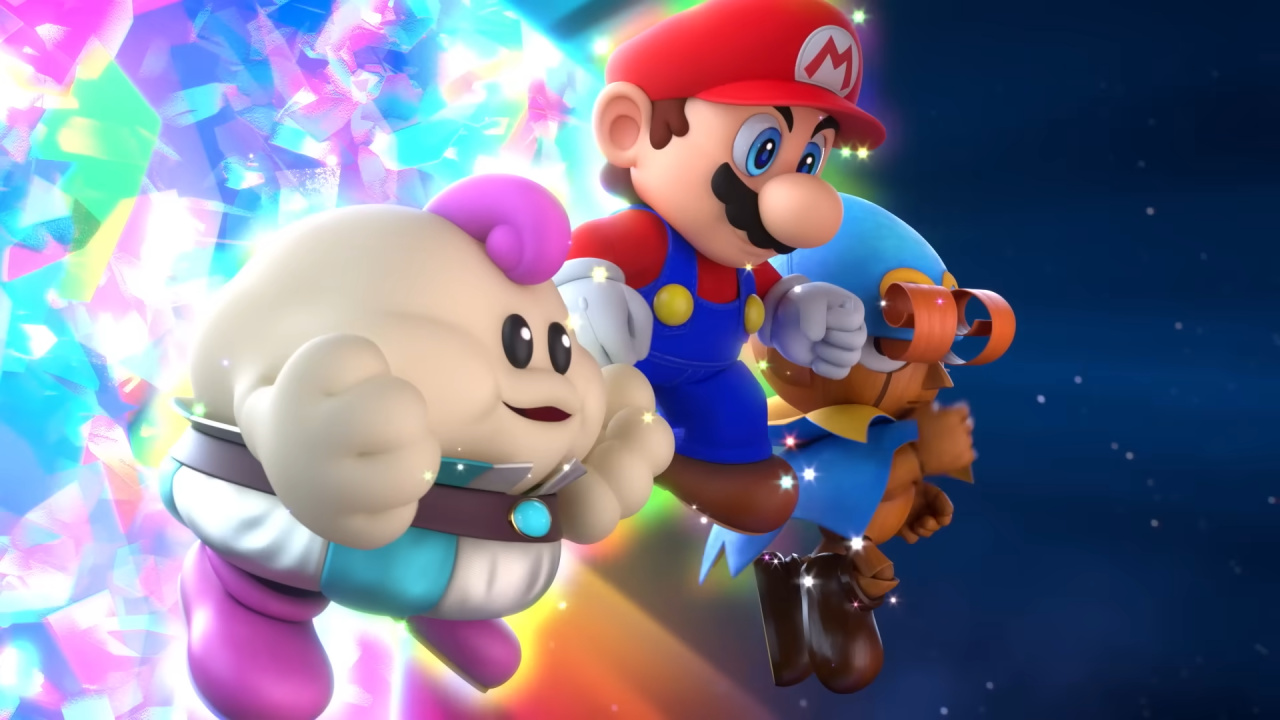
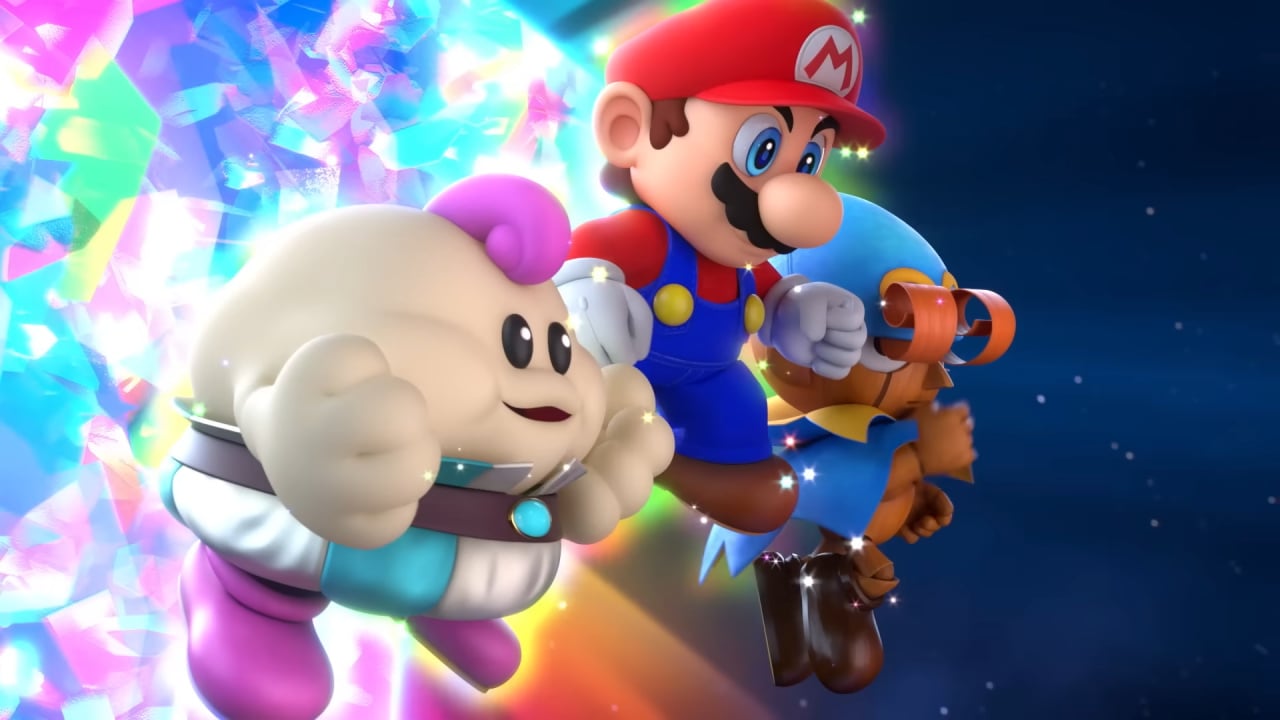
Later this year in November, Nintendo is releasing an updated version of Square’s classic RPG Super Mario RPG.

If you’re on the hunt for pre-order bonuses and happen to be located in North America, games retailer GameStop has now officially revealed what it will be offering in both the US and Canada.

The store will be offering an exclusive 6-piece pin set – containing Mario and the gang. Here’s a look:

This offer as noted will be valid until 17th November, so if you want to claim these pins – get in that pre-order while you still.

GameStop also recently revealed its North America pre-order deal for next month’s Switch release Super Mario Bros. Wonder. You can take a look at it in our previous story.

Will you be pre-order this game? Any interest in an exclusive pin set? Leave a comment below.

Posted on Leave a comment

New iPhone camera features and limitations detailed by Apple executives

iPhone 15 Pro Max Telephoto camera

The iPhone 15 lineup has several new camera features, but third-party apps will be needed for maximum creative control. Two Apple executives explain the decision process behind the updates.

Apple’s philosophy behind the iPhone camera and the app that controls it is simple — get out of the way. The company has designed its app and camera functionality to remain uncluttered and straightforward while providing just enough control for enthusiasts.

Two Apple executives detail the thoughts behind iPhone 15 camera features and the camera app in an interview with PetaPixel. Jon McCormack, Vice President of Camera Software Engineering, and Maxime Veron, Senior Director of iPhone Product Marketing, provide some insight.

“It really is, in my mind, all about allowing people to go chase their vision and this goes from the harried parent of a toddler where their vision is, ‘can I get my kid in frame as they take their first step’ all the way through to a pro or a creative who has got a very specific artistic vision in mind and want to get there as quickly as possible,” McCormack says. “Behind the big red button the thing you’re worrying about is the frame and the moment because honestly, that’s the most inspiring part of any photograph or any video.”

Most iPhone users just want great photos and videos with a button press, without all the fuss of individual settings. More is available in the app and settings but doesn’t take up precious viewfinder space.

Distinctions between photo and video

The iPhone 15 Pro and iPhone 15 Pro Max have multiple focal lengths users can choose by tapping the 1x button in the camera app. This selection isn’t just a simple crop but something designed with neural networks controlling many aspects at capture to optimize for that setting.

iPhone Camera app Cinematic Video controls

iPhone Camera app Cinematic Video controls

Focal length selection is limited to photo modes and won’t show up in video. This is due to the nature of photo processing versus video.

“When you’re shooting [photos], we gather a bunch of data to let you keep shooting and then sort of keep processing in the background, so we have more time and this is just something we can’t do in video,” McCormack explains.

The executive also details how exposure is chosen when filming with ProRes Log.

“We go for a middle-ground exposure,” McCormack says. “When you go into log, there’s no tone mapping so you can have much more precise control over what your exposure is.”

ProRes and external SSD

Speaking of ProRes video, videographers can use the USB 3.0 speeds to shoot ProRes directly to an external SSD. However, there are some limitations to this.

Apple only allows direct recording to an external SSD when using ProRes. Other formats will record directly to the iPhone’s storage and will require transfer off later or a lengthy iCloud sync.

The 4K 60Hz ProRes video setting is only available when external storage is connected.

24MP is the new 12MP

Apple set 24MP HEIF as the new default camera output for multiple reasons. Not only is it an efficient file size, but it offers more control while processing images.

High resolution and contrast from the 48MP sensor

High resolution and contrast from the 48MP sensor

“You get a little bit more dynamic range in the 24-megapixel photos,” McCormack explains. “Because when shooting at 24-megapixels, we shoot 12 high and 12 low — we actually shoot multiple of those — and we pick and then merge.”

When shooting a 48MP image, the iPhone has to rely on an extended dynamic range algorithm instead, providing less exposure data. So, the dynamic range should be wider in 24MP images.

Third-party apps for the enthusiasts

Apple’s approach to building the Camera app keeps the UI simple and distraction-free. Users can open the app, tap the shutter, and know they are getting the best photo at that moment without hassle.

“Our approach to computational photography and videography is really, really unique,” Veron adds. “For the vast majority of our customers, we just aim to process everything in the background so that the process is invisible and out of the way so that people can take great photos and videos and capture beautiful, true-to-life moments in one click.”

Anyone who wants more control, like a focus slider or video waveform, can look to third-party apps. Apple expects anyone looking for more control or settings have a solution in the App Store.

Posted on Leave a comment

Jurassic Park: Classic Games Collection Adds Two Sega Genesis Titles

Jurassic Park Genesis
Image: Limited Run Games

Limited Run Games has revealed that two more titles are being added to the Jurassic Park: Classic Games CollectionJurassic Park and Jurassic Park: Rampage Edition.

Previously, the collection included the NES, Game Boy, and SNES versions (where applicable) of Jurassic Park, and Jurassic Park 2: The Chaos Continues. Now, the publisher and retro game preservationist has announced that the two highly popular Sega Genesis titles will also be included.

Both games will come with all previously-announced features such as in-game maps and save state, all packaged in the Carbon Engine.

Josh Fairhurst of Limited Run Games took to Twitter to admit that “This took a very long time to negotiate” given the necessary licenses that needed to be granted, but this buffs out the collection quite nicely, and we’re grateful to the folks at LRG for managing to bag these two titles.

Jurassic Park and Jurassic Park: Rampage Edition were developed by BlueSky Software for the Genesis in 1993 and 1994, and feature side-scrolling action and platforming. The games sold extremely well back in the day and were praised for their visuals, sound effects, and the intelligence of the dinosaur enemies.

Are you happy to see the two Sega Genesis titles in the collection? Let us know in the comments.