Posted on Leave a comment

Mailbox: ‘Greedy’ Nintendo, New Horizons Vs. New Leaf, Boney M. – Nintendo Life Letters (Holiday Edition)

Nintendo Life Mailbox
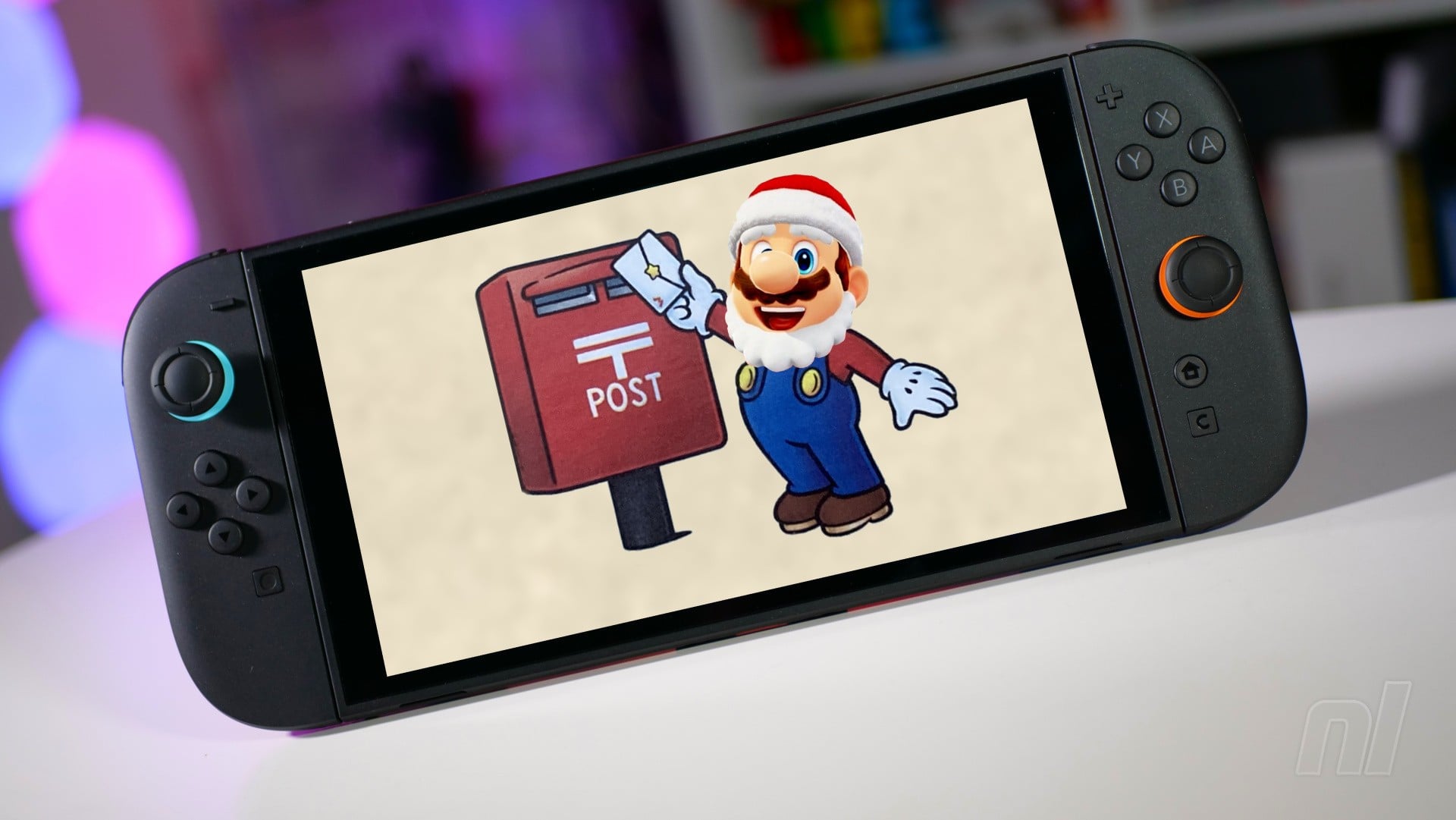
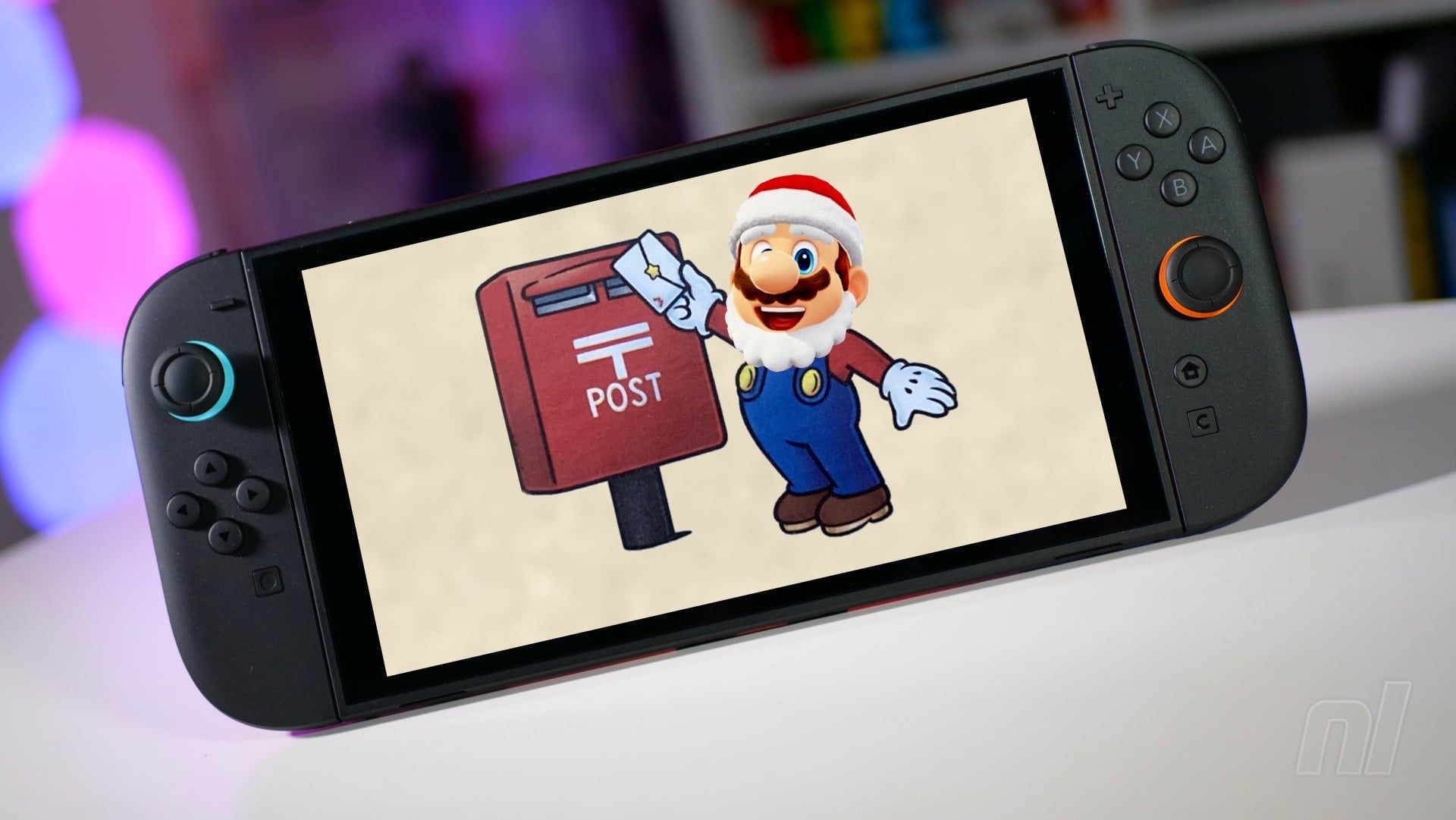
Image: Nintendo Life

Welcome, one and all. We’re back for another festive rifle through the Nintendo Life Mailbox.

Yes, it’s time for our monthly letters page feature. Got something you want to get off your chest? We’re ready and waiting to read about your game-related ponderings.

Each month we’ll highlight a Star Letter, the writer of which will receive a month’s subscription to our ad-free Supporter scheme. Check out the submission guidelines at the bottom of this page.

So, grab yourself a warm beverage and maybe a sweetmeat from under the stairs and let’s kick back with some correspondence before the king’s speech, shall we?

Nintendo Life Mailbox – December 2025

Nintendo Sign
Image: Alex Olney / Nintendo Life

“a lot of stick” (***STAR LETTER***)

Greedy Nintendo! Time and again we hear it, Nintendo are greedy! It is a line that gets repeated so often, I wonder if people actually consider what it means. Shareholders? Nintendo’s dividend payments place them just behind Microsoft, as well as many other companies in the gaming sector like Koei Tecmo, Square Enix and Capcom. Executives? In 2024 Shuntaro Furukawa was paid just over a fifth of what Phil Spencer earns at Microsoft. But Nintendo charge too much, especially for older games! Maybe that is true, but they pay their staff quite well and have really high retention rates, they also seem to reinvest what they earn from their popular titles in more niche titles, so maybe the latest release of Super Mario Galaxy will pay fro a new Famicom Detective Club, Another Code or Advance Wars. I also don’t think that Gameshare is a feature that screams greed. Nintendo are getting a lot of stick at the moment, and they do make some wrong headed decisions at times, but as far as massive corporations go, they seem ok. We’ve all gotten used to low prices in gaming, but low prices, high development costs and a fandom that is often reluctant to compromise on quality, is not a recipe for a sustainable industry.
Andrew Mcleod

I don’t disagree that Nintendo, generally, seems to focus on the right things when it comes to experimenting with new ideas, respecting employees, and doing things that other companies wouldn’t or couldn’t do. That’s why we’re all here.

It would be great if everything were cheaper, but again, generally Nintendo does a decent job of threading the needle on pricing – although a $50 Kirby amiibo feels like a real ask. Welcome Tour should absolutely have been a pack-in, too, so I get the frustration, especially in this economy.

Ultimately, though, I don’t think the company needs us defending it from a little childish name-calling. – Ed.

“sweaty”

Hey there Nintendo Life!
I wanted to shout out a franchise that I think doesn’t get enough credit: Just Dance. I feel like Just Dance is often seen as just that one yearly Ubisoft release that nobody bats an eye at. But this year reestablished for me what a powerhouse it is for social and energetic fun.

This feeling came to me at Comic Con. There was a huge Just Dance setup and it was constantly packed with people. Joining these crowds for the first time was an experience. There’s nothing quite like being in cosplay, standing in a crowd of other con-goers and cosplayers, and jumping around to Boney M.’s Rasputin or teaming up with a stranger for Lady Gaga’s Abracadabra. No other game there generated the kind of loud and mass fun that Just Dance did, and that’s an achievement.

Its appeal is nearly universal. I’ve enjoyed the game with all kinds of people and in all kinds of places, including in gamer spaces. There’s this lovely gaming space I frequent, stacked with consoles and games, so we can play just about anything we want there. Yet a bit ago I booted up Just Dance, and it was a smash hit. We had a blast waving our arms and stepping around the room, with wide grins and loud cries of energetic joy. (Also, shoutout to the accessibility filter and accessible dance routines, so people that can’t stand or jump could also join in.)

And speaking of moving around, that’s another thing I have to praise Just Dance for. I don’t exercise nearly enough: I find it very hard to push myself to do so and I feel deeply uncomfortable and unsafe at gyms. But Just Dance is fun, motivating and accessible enough for me to get up and move with it at least every couple of days. With Just Dance+ there’s more than enough songs to keep things fresh, and trying to learn the difficult expert routines to songs like Dua Lipa’s Houdini or Britney Spears’s Circus and Toxic is genuinely a really fun challenge. I’m not going to act like it’s a substitute for proper exercise, but it’s a heck of a lot better than nothing and I guarantee you that some of these routines will get you sweaty. You try doing Rasputin or Lady Gaga’s Judas without your breathing intensifying, I’d love to see it.

Just Dance is a high quality game with lovely visuals, fun and varied choreo’s, and appeal everyone including many hardcore gamers. I know it’s not for everyone, nothing is, but in so many groups it’s been a guaranteed good time for many years, and it deserves more credit for that. Love you Just Dance!
Zander

Yep, it suffers from being the known-est of quantities in 2025, but Just Dance is decent and I’ve had fun with it over the years.

Honestly,You try doing Rasputin or Lady Gaga’s Judas without your breathing intensifying” is prime bonus letter material, Zander. But we’re staunch Boney M defenders in this household, and I wouldn’t be able to embed this video in the bonus section. Wunderbar. – Ed.

[embedded content]

If you’re going to teach history with numerous factual inaccuracies, screw AI summaries – late-’70s Eurodisco is the medium.

“throw my hat”

With all this talk about animal crossing I’ve seen a lot of debates about whether new leaf or new horizons is the best. I’d figured I would throw my hat in the ring. I grew up playing new leaf so I have a very strong emotional attachment to that game. I think neither is better than the other. When I play new horizons there are things I wish it had that new leaf, and when I play new leaf there are things I wish it had that new horizons had. For those at the NL towers who have played both what do y’all think?
beltmenot

Wild World was my first, so the impact of anything afterwards is lessened – in my brain, WW is still peak. New Leaf and New Horizons are pretty much on a par. For all the improvements, NH has gotten unwieldy with items accessible in too many different places for my taste, and more to come in the January update. And I’d give anything for an icon that shows if you already own an item on sale in Nook’s Cranny!

We have discussed this before, and most of the team are off on their hols now, but let me see who I can find ransacking the office fridge for party leftovers… – Ed.

  • “NL is way better. Too much crafting in NH, it felt like a chore – NL was honed to near perfection.” – Ollie
  • “NL – love NH, but the fiddly island customisation, the more homogenous villager personalities, and the huge focus on decorating gets away from what I adored in NL. NL felt a lot more compact and impactful to me.” – Alana

Blathers amiibo
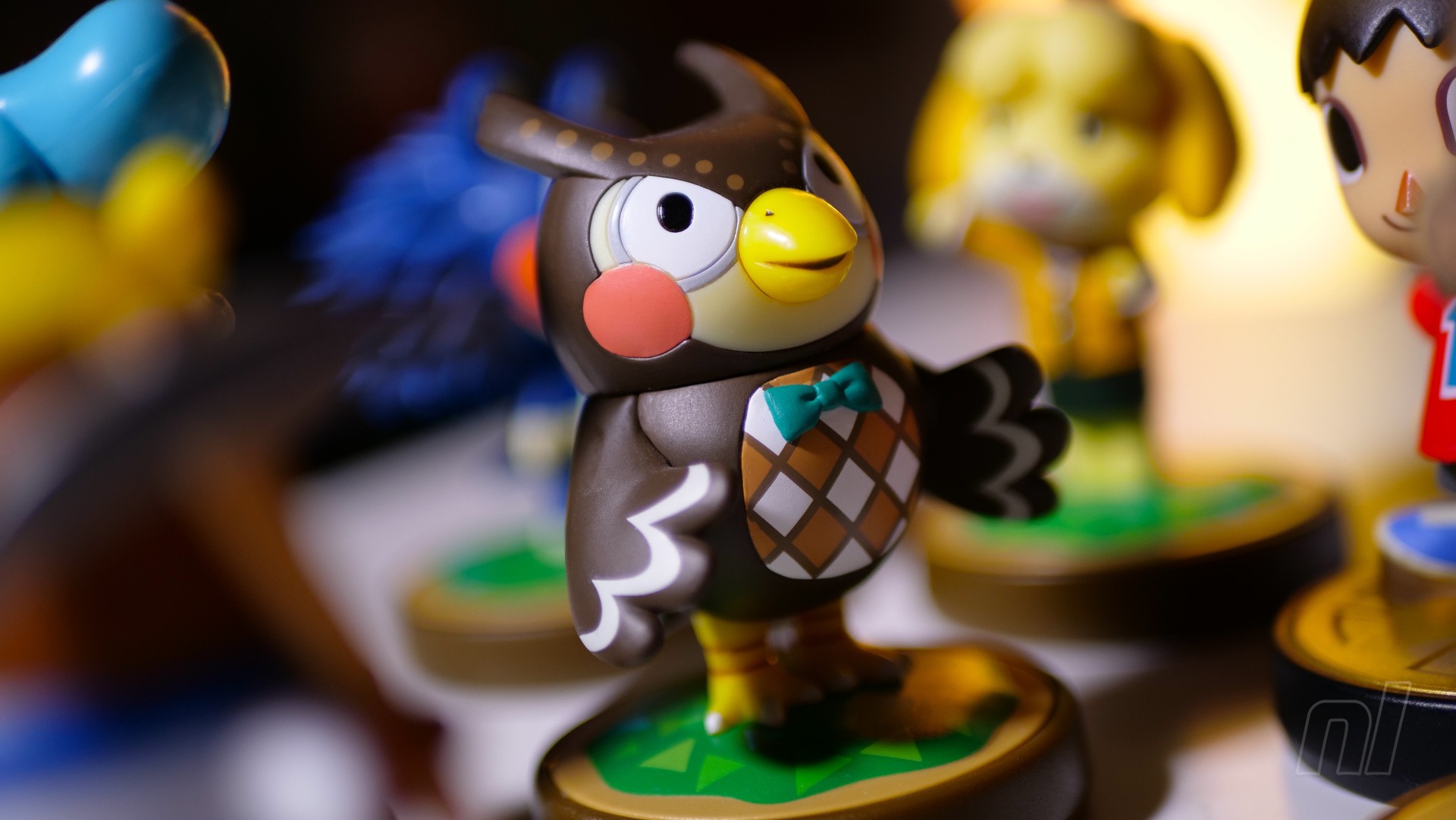
Image: Damien McFerran / Nintendo Life

“nothing substantial”

Hi Nintendo Life,
been a while since I joined Your community.
last time i wrote a fan letter i was a kid and wrote to power and games, an italian vg magazine, asking for SFII advice on how to beat m. bison at hard level.
no reply.
I’m 43 and I am writing to you now with nothing substantial to say except for congrats on your hard work.
greetings from Genova, Italy.
Skoffo

Well, thank you very much, Skoffo! Greetings to you from the good ship Nintendo Life.

I’ll get back to you with the Bison tips. – Ed.

“in lieu”

I am a Splatoon fan, and I know there are others hiding around here somewhere, so in lieu of any news whatsoever at all about Splatoon Raiders or an 11.0.0 update for Splatoon 3, I am here with a list of tiny paint-based games to suggest. Or rather, a tiny list of tiny games, because this genre is not huge, apparently.

INK – This is legit my favorite platformer! It’s got a such a fun gimmick, good difficulty, and is super satisfying to speedrun! I have nothing more to say, just go buy it!

Splatterbot – This is essentially a Mario Party minigame, yes, but it’s super fun! If you’ve got kids, or nieces, or nephews, or other little ones in your life, this is a good time! (Plus it’s being updated regularly, so if you ever have suggestions… send ’em in to Hey! Kookaburra and he’ll probably implement them.)

Mario Paint – It’s on NSO, and like… 67% of you probably have this, so give it a whirl!

OK, thank you for reading my tiny list of tiny games with ink-based aspects. Have a nice day, and stay fresh!
CaleBoi25

If you don’t have NSO, I know a man who’s got a few copies of Mario Paint. – Ed.

Bonus Letters

“There could be a Pokémon game collection with Gen 1, 2 and 3 with remakes included.” – Your fan, Scottdevine48

Can you imagine how much greedy Nintendo would charge for that? – Ed.

“Hello NintendoLife,
Could you please publish PSA articles about NSO game trials? Not everyone is always online and they are easy to miss.” – Morsel

Perhaps a rolling guide might be best. I’ll see what we can do. – Ed.

“I got an NSO N64 controller and realised that it can be used to play Mario Kart 8. Do you know what other non-Nintendo Classics games it works with?” – OswaldTheLuckyGamer

Anything that doesn’t require a second stick? – Ed.

“I just want to say, I love nearly all of you.” – Ed.

Sus. – Ed.

Mario Santa
Image: Gemma Smith / Nintendo Life

That’s all for this month! Thanks to everyone who wrote in, whether you were featured above or not.

Got something you’d like to get off your chest? A burning question you need answered? A correction you can’t contain? Follow the instructions below, then, and we look forward to rifling through your missives.

Nintendo Life Mailbox submission advice and guidelines

  • Letters, not essays, please – Bear in mind that your letter may appear on the site, and 1000 words ruminating on the Legend of Heroes series and asking Alana for her personal ranking isn’t likely to make the cut. Short and sweet is the order of the day. (If you’re after a general guide, 100-200 words would be ample for most topics.)
  • Don’t go crazy with multiple correspondences – Ideally, just the one letter a month, please!
  • Don’t be disheartened if your letter doesn’t appear in the monthly article – We anticipate a substantial inbox, and we’ll only be able to highlight a handful every month. So if your particular letter isn’t chosen for the article, please don’t get disheartened!

How to send a Letter to the Nintendo Life Mailbox

  • Head to Nintendo Life’s Contact page and select the subject “Reader Letters” from the drop-down menu (it’s already done for you in the link above). Type your name, email, and beautifully crafted letter into the appropriate box, hit send, and boom — you’re done!

Posted on Leave a comment

Feature: I Play This One Particular SNES Game Every Xmas As A Personal Tradition

It was the Christmas of 1992. Mr Blobby was the funniest thing on television (according to your parents), and Whitney Houston had been tricked into singing a love song about everyone’s favourite sentient cardigan, Kevin Costner (I feel like I’m having a war flashback now).

And me? Well, I was having a great time despite all of this, actually. Because Santa had done me a massive solid.

Now, two things. Firstly, Santa hadn’t done a toilet in my lounge. That’s not what I mean at all.

Secondly, I was 14 years old in 1992, so I shouldn’t have been asking my bewildered and frightened parents (Mr Blobby-loving fools) to send a rather bullish letter to the North Pole requesting — demanding — a Super Nintendo Entertainment System with a copy of Street Fighter 2.

With the arrival of this tour-de-force into to the sitting room of my Dickensian home on 25th December 1992, I, for the first time ever, was experiencing graphical and gameplay parity (after a lot of trying on my beloved Commodore 64) with the local arcade version of The World Warrior, where I had previously been spending all the money I could steal from my Mr Blobby-loving dad to feed my addiction to Eddie Honda’s big shiny chest. (Don’t worry, I never paid him back.)

This was my first Nintendo console! My first console of any kind that was mine, in fact, and as a result of this, and because it was the first game that really made me feel as though the home experience could indeed match the flashy side of the arcade one, Street Fighter 2 has — and always will have — a very special place in my heart. It was a bonus, really, that it was also phenomenal to play as well as to sit and stare at.

In a way that it’s hard to convey today, when we’re drowning in deep and meaningful gaming experiences, and when gamers have grown up with home consoles that give them the best of everything at their fingertips, Street Fighter 2 awakened me to the possibility that, for me, gaming might not, like a puppy for example, be just for Christmas.

And this is the serious bit, the ‘science bit’ if you will. Because I grew up in a time and place that happened entirely before the internet (and possibly before Jesus, but that’s another Christmas story for another Christmastime), it was very easy to feel cut off and left behind in matters technologic. Such was life in rural ’80s and ’90s Ireland; lots of cow s**t, not so much of the latest high street cool s**t.

Street Fighter 2 SNES
Image: Capcom

Street Fighter 2, though, with those fancy arcade-perfect graphics and noises and music, well, that was what everyone who knew anything was playing and talking about that particular year’s end (in my young mind), and I was now playing and talking about it, too. Mostly to myself, but you can’t win ’em all.

It seems like nothing, and it is! But that little glimmer of feeling as though I was involved was, for a wee guy who was yet to meet any other real-world gaming pals, and for someone who lived quite remotely, it was a big deal to be riding the latest wave of excitement. You couldn’t just hit someone up in their DMs back then, y’know. Connections hit different.

And so, because I’m a legit saddo (as you’ll now know and understand), every Christmas to this very day I still boot up the old Street Fighter 2 on my SNES (not my OG machine, unfortunately) and dig into one or two runs of its fabulous arcade mode. It’s a game that’s never aged in my mind; it looks as good as it ever did in its detailed pugilists, atmospheric environments and delightful little background animations. And complaints about the awful frame rate will get you banned from my Xmas party punch bowl, I’m afraid.

Street Fighter 2 SNES
Image: Nintendo Life

It ties a bow on my festive period, it drowns me in just right volume of intoxicating nostalgia, and it reminds me of more innocent times. All of that guff.

But it also marks a point where I remember vividly having shifted from loving games and playing games for what they were to wanting to keep them in my life as a thing that helped me connect and feel connected. And I guess that’s what I’m still doing to this day.

Now, if you’ll excuse me, I’m off to show my sons how red and trembly my face goes when I can’t reliably pull off Vega’s wall dive. Merry Christmas and that.


Do you have a game that you play out of a sense of tradition or for some other reason every Christmas? Let us know.

Posted on Leave a comment

Guide: Got Yourself A New Nintendo Switch 2? Here’s What To Do First

Switch 2
Image: Damien McFerran / Nintendo Life

If you’ve recently come into possession of a new Nintendo Switch 2, first of all, congratulations! You’re in for a treat, since the Switch 2 not only has a rapidly growing library of games, but you can also play almost every game from the original Switch, too.

But what the heck are you supposed to do first? Well, we’ve got you covered in our beginner’s guide.

We’ll go through some of the crucial steps you’ll need to take to get your Switch 2 up and running and really get the most out of your shiny new system.

Switch 2 Beginner’s Guide

Get it all plugged in correctly

This first step should be fairly straightforward, but we’ll briefly go through it anyway. Your Switch 2 will come with the console itself, two Joy-Con 2 controllers, Joy-Con 2 straps, Joy-Con 2 grip, the dock, USB-C cable, AC adapter, and HDMI cable.

Connect the dock to your TV via the HDMI cable, then insert the USB-C cable into the dock and the AC adapter. Plug the latter into a spare power socket near your TV.

Keep a note of which TV input your Switch 2 will be using; many modern TVs have as many as four or more HDMI slots, and you may even have the opportunity to rename it ‘Switch 2’ for convenience via your TV menu. Check your TV instructions for more information on this.

System Transfer

Okay, so you’ve got everything plugged in correctly and powered on your Switch 2 for the first time – good job. The system itself will guide you through the initial steps, including selecting your appropriate region and connecting to Wi-Fi.

You’ll then be given the option to transfer your data from your original Switch console, if you own one. If not, you can go ahead and skip this step entirely.

If you want to do this, make sure you have your original Switch at hand and keep both consoles connected to a power supply. We have a full guide on what to do down below if you’re struggling.

Let’s say you’re starting from scratch with the Switch 2 – you’ll want to create a new user profile.

Now, even if you don’t have an original Switch, you may already have a Nintendo Account, so you can sign into this to expedite the process. If not, you’ll be prompted to create your profile icon.

Don’t worry too much about this at this early stage. Whether you create a Mii or just go for a bog-standard image of Mario, you can always alter it later.

When setting up a Nintendo Account (which you’ll need to use the eShop), you’ll need an email address and a secure password. Make sure you have access to your email to authenticate your new Nintendo Account.

Set up Parental Controls

Parental Controls
Image: Nintendo

You’ll also be prompted to set up parental controls, so feel free to do this if you’ve purchased a Switch 2 for your child. Doing so will allow you to set a daily play limit, monitor your child’s activity, and customise who they can and can’t interact with via GameChat.

If you’re making use of this, it’s recommended that you also download the Nintendo Switch Parental Controls app on iOS or Android. Sign in here with your Nintendo Account and you can link your Switch 2 to the app. Otherwise, you can set appropriate restrictions via the console itself.

Expand your storage with a MicroSD Express Card

The Switch 2 comes with 256GB of internal storage (a certain amount of which is taken up with the operating system). This is a hefty amount, but some Switch 2 games are pretty large, so you might find yourself running out of space quite quickly.

We’ve got you sorted on where to find the best MicroSD Express Cards for your console. We can’t stress this enough – normal MicroSD cards will not work. Yes, they’re super cheap these days, but don’t give in to temptation. Express Cards are more expensive, but they’re the only ones that are compatible with Switch 2. Stick to our guide, and you’ll be fine.

As for where to insert your MicroSD Express Card, turn your Switch 2 console on its back (in handheld mode – don’t go messing with your dock, now). Lift up the kickstand; underneath, you’ll see your console’s serial number on the left, and a small MicroSD slot on the right. Insert your Express Card here, with the text side facing up.

Set up GameChat

The Switch 2 has a brand-new feature that, while not exactly revolutionary, is pretty cool. You can chat to your friends directly if you have a compatible camera plugged into the system. The obvious one to go for is the official Nintendo Switch 2 Camera, but if you’re on a budget, the Piranha Plant Camera from Hori is an option.

You can then set up GameChat by navigating to the relevant icon on your Switch 2 home screen, or by pressing the ‘C’ button on your right Joy-Con 2.

Keep in mind, you’ll need to provide a mobile number to receive a text message from Nintendo to complete the GameChat setup. For more information on this, check out our guide below.

Subscribe to Nintendo Switch Online

This isn’t essential, but it’s a great way to really get the most out of your Switch 2, particularly if you’ve also picked up a little game called Mario Kart World.

Primarily, Nintendo Switch Online will let you play… well, online. You’ll also need it for GameChat from March 2026. So if you’re itching to play some Mario Kart with your pals, you’ll need to kickstart your membership.

What might be an even more compelling feature, however, is the ability to play a huge library of classic games from previous Nintendo consoles (and the Mega Drive / Genesis). Exactly how many you have access to depends on whether you subscribe to the basic Switch Online tier or the more expensive Expansion Pack tier.

You can subscribe to Nintendo Switch Online directly via the Switch eShop, or you can check out the following guide on where to buy various subscription tiers along with some basic eShop credit.

FAQs

What games should I get?

Ah, the age-old question, huh? Well, we can’t give you a definitive answer for this, since it will very much depend on your personal taste.

What we can do, however, is showcase what our community has deemed to be the very best Switch 2 games so far. Our top 50 guide has pretty much something for everyone, so you’re almost guaranteed to find a game that will interest you.

Aside from that, we can also take you through what we believe to be the best ports for the system so far, along with a look at some underrated hidden gems from 2025.

Will my old Joy-Con controllers work on Switch 2?

Yes… and no.

Your old Joy-Con controllers will work wirelessly with the Switch 2, so they’ll do the job if you’re in need of something for additional players in the household.

They won’t, however, attach to the system itself. You might find this an obvious conclusion based on the sheer size of the Switch 2 in comparison to the original Joy-Cons, but it’s still worth clarifying because you’ll still need your old Switch 1 (or a specific accessory) to charge them.

What if I want to use a ‘proper’ controller?

Not everybody gets along with the Joy-Con controllers, and that’s fine. Although the Joy-Con 2 are a huge step up over the original Switch’s controllers, you might find yourself yearning for a more ‘traditional’ pad. Thankfully, there are plenty to choose from, including an official offering from Nintendo itself.

Prices vary greatly with controllers for the Switch 2, and you’ll likely find that anything not made by Nintendo itself will be missing a feature or two, like NFC support for amiibo, or perhaps even gyroscopic motion controls. Carefully consider which features you think you’ll need with your controller before parting with your hard-earned cash.

So, how are you getting on with your new Switch 2? Got any nifty tips you think our readers should know about? Let us know with a comment down below.

Posted on Leave a comment

Editorial: Happy Holidays From Everyone At Nintendo Life

Xmas
Image: Nintendo

And here we are once more! It’s Yule! Navidad! Xmas! Chrimbo! Rudolphtide! Grinchtingle! Erm… Richard Curtistime? Hmm. Merry Christmas, everyone.

It’s been a big year for Nintendo fans and the wider gaming industry, with new hardware, a load of new games, even more new versions of old games, plus plenty of challenges, with life’s regular ups and downs accompanied by many more on a global scale.

Hopefully you’re in the company of friends and loved ones over the holidays, and hopefully your plans involve some video games, too. You know, along with the Home Alone and Klaus rewatches and eating food that’s guaranteed to rapidly decrease the air quality in your immediate vicinity. Perhaps you’re reading this with a Switch-related treat sitting under a nearby tree, or maybe you’re all set already and are looking forward to a chilled day with a game or two. Sounds good!

Whatever your circumstances as the new year approaches, all of us here at Nintendo Life are with you in spirit and wish you the Merriest of Christmases and the Happiest of Holidays. We’ll leave you lovely people with a British Christmas classic. Enjoy!

Posted on Leave a comment

Feature: Citizen Sleeper Dev Talks Sequels, Stress & Creating “My Own Take On The Mass Effect Series”

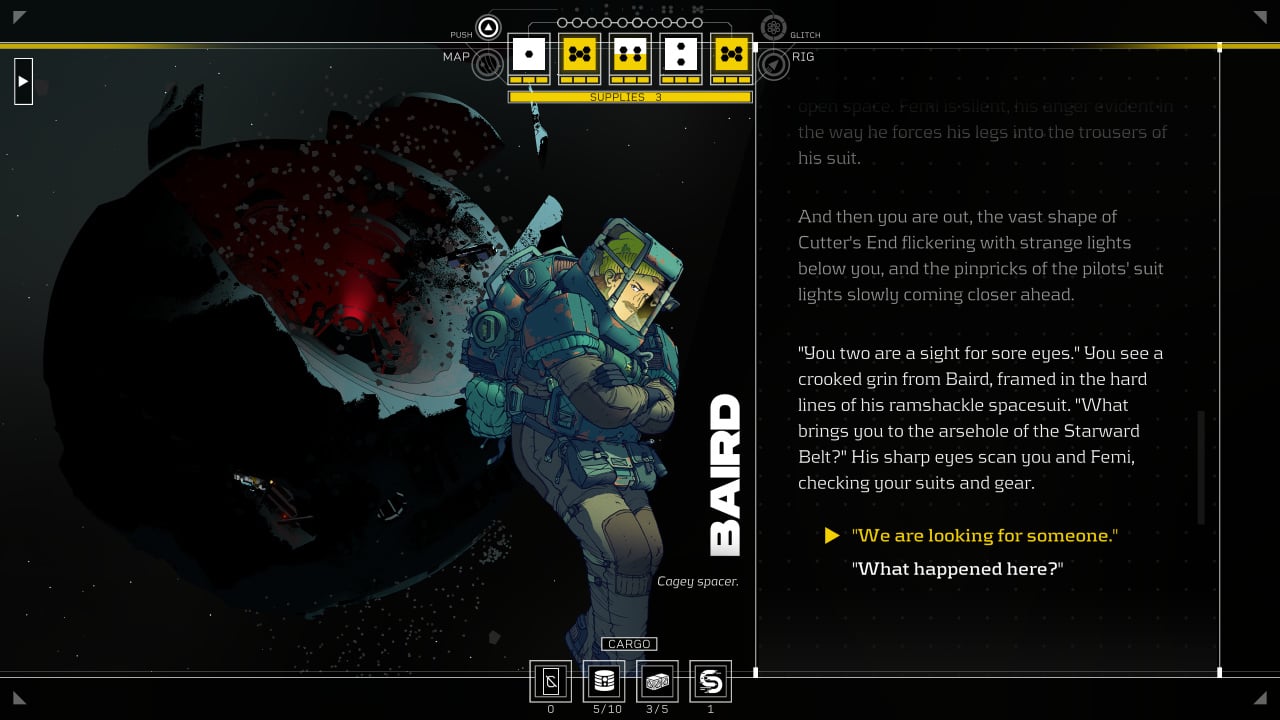
Citizen Sleeper 2: Starward Vector
Image: Fellow Traveller

Over the holiday season, we’re republishing some of the best articles from Nintendo Life writers and contributors from 2025. This article was originally published in January. Enjoy!


Citizen Sleeper was, coincidentally, one of 2022’s sleeper hits. With its combination of top-tier writing and decision-based gameplay, this table-top-inspired RPG and space adventure pulled us into its airlock and wouldn’t let us out until we had played through the emotional damage of witnessing every possible outcome (and yes, that includes the three DLC packs).

It will come as no surprise, then, that we were rather excited to see a sequel on the way. Announced in June 2023 and confirmed to be coming to Switch at the June 2024 PC Gaming Showcase, Citizen Sleeper 2: Starward Vector promises more of the same deep space dilemmas, but with an expanded dice system, clean-cut job roles and multiple environments to explore, we were keen to learn more about its new recruits before liftoff.

Sitting for a chat with Gareth Damian Martin (of the game’s one-person team, Jump Over The Age), we aimed to do just that. Our conversation covered an intergalactic range of topics, including the pressure of making a sequel, the game’s TTRPG roots and their plans for the future.

So, don your space suits and buckle up, Sleeper, it’s time to talk spaaaaace…


Nintendo Life: Citizen Sleeper was a huge success back in 2022, but you’ve said in the past that a sequel wasn’t the natural next project for you. What was it that made you want to come back to this universe for Citizen Sleeper 2?

Gareth Damian Martin, Jump Over The Age: I’m a big fan of making experimental projects, and inventing new designs within games, which means a sequel isn’t always my first instinct. But with Citizen Sleeper, I felt there was still so much more of the experiment to do! The first game was fairly modest in terms of system and scale, so it left plenty of space for new systems and ideas. In particular, I’m a big fan of “ship and crew” sci-fi series like Cowboy Bebop and Farscape, but I have always felt games never quite got the genre right. So it was exciting to try to make one of these stories within the Citizen Sleeper universe, which I felt was ideally suited to this kind of storytelling.

In the end, I felt like there was an opportunity to build on the first game while also offering something equally fresh and different so that the two games could sit alongside each other as a pair.

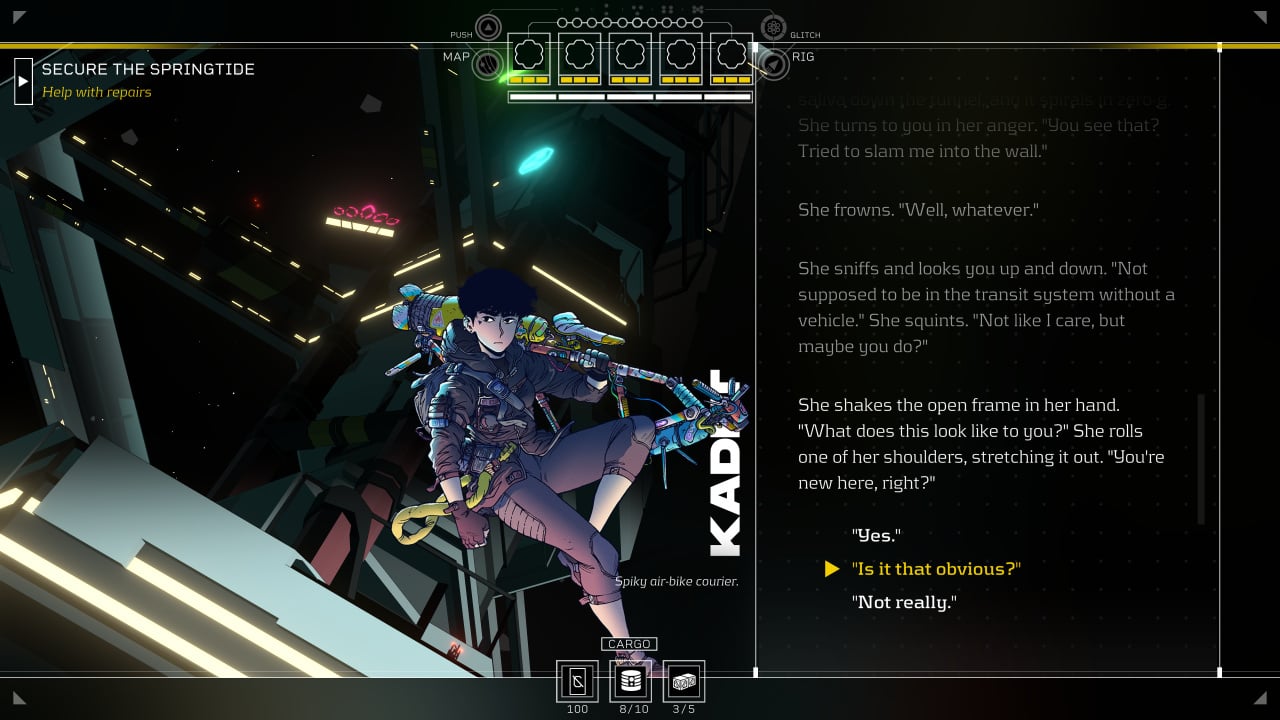
Citizen Sleeper 2: Starward Vector
Image: Fellow Traveller

Citizen Sleeper 2, like its predecessor, is about a lot of different things: capitalism, humanity, survival, loneliness, etc. What are the biggest challenges of balancing so many themes when it comes to writing a story like this?

I have to be honest, I don’t really write “thematically” when I’m telling a story. I’m not really focused on making statements. Instead, I am very interested in my characters and the different paths they can take through the game.

I really hope players enjoy connecting the dots between the two games

When I start writing, I often have a lot of situations in my mind that feel interesting or exciting. I might have an idea for a contract where you instigate a mutiny on a ship in the middle of a general strike or an idea for a group of characters who are all pursuing the same long-lost interstellar drive. I select and invent these based on my own interests, so the reason Citizen Sleeper has these themes is because that’s what interests me in the world! That’s when I really set up the subjects of the story, and from that point on, my mind is focused on who the characters are, how they speak, how the world works, and what might make for a compelling plot.

Some stories are compelling because they are tense and pacy, others because they are introspective and heartfelt. For me, the beauty of Citizen Sleeper is that the game can contain all these atmospheres and stories at once, so I don’t worry too much about balancing. If it interests me and seems like a strong story, I try to get it in!

Despite sharing some narrative DNA, this sequel feels like it can be played by those unfamiliar with the first entry. How important was it for you to create something that continues the Citizen Sleeper universe, but also works as a standalone?

I think this is always an important part of making a sequel, you have to assume that this is the first game for players. But rather than see this as a limit, I saw it as an opportunity. I have always been a big fan of time skips in stories. When done well, they mix all the existing ingredients of the story, and then the reader or player gets to feel smart and curious as they piece it all back together and tell their own story of what happened in the missing time between.

What is especially fun with a time skip is they often allow for the prequel/sequel order to be read in either way, as discovering where a character came from is as compelling as discovering where they end up. So this was a big focus when making the game, and I really hope players enjoy connecting the dots between the two games and being surprised by the often unusual journeys characters may take.

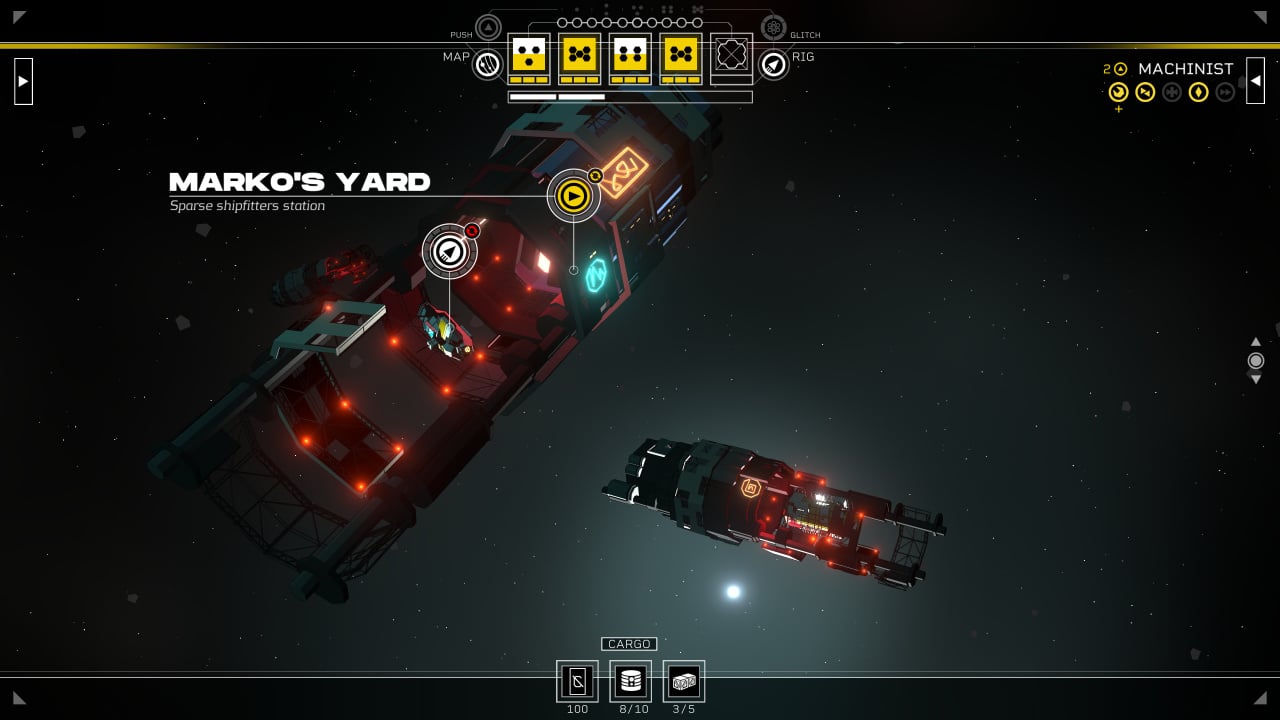
Citizen Sleeper 2: Starward Vector
Image: Fellow Traveller

The sequel appears to be much more rooted in the RPG genre, with clearly defined class skills, missions and expanded dice mechanics as just a few additions. Were there any other games (video or tabletop) that inspired these mechanics during development?

As with the first game, Citizen Sleeper 2 was massively inspired by designs and concepts from pen-and-paper TTRPGs. Blades in the Dark was the first tabletop game I ever ran, and it remains my favourite. It inspired the first game, and with the sequel, I saw the opportunity to adapt more of its systems into a video game. Citizen Sleeper 2’s “push” mechanic, where you accrue stress to gain a bonus to or reroll your dice, is a direct inspiration from that game, and its systems are designed around asking the player to “push their luck”.

stress quickly became a very useful tool to represent all kinds of systems in the game

In the stress systems I added to Citizen Sleeper 2, I took inspiration from the myriad of stress systems appearing in tabletop games over the past five years, but especially Mothership and Heart: The City Beneath. There’s so much good and exciting game design happening in the tabletop scene, and I find it a constant inspiration for my own work.

On the video game side, my main touchstone was Mass Effect 2. I wouldn’t say I was attempting to replicate anything from Mass Effect 2, however, more that I wanted to make a game that approached similar ideas in a different way. I often find this is a way I like to work in games. In Other Waters was my own take on Metroid Prime, refocusing it on scanning and xenobiology. In the same way, Citizen Sleeper is my own take on the Mass Effect series, shifting the focus from saving the galaxy as a supercop to learning to live and survive in the margins of an interstellar society.

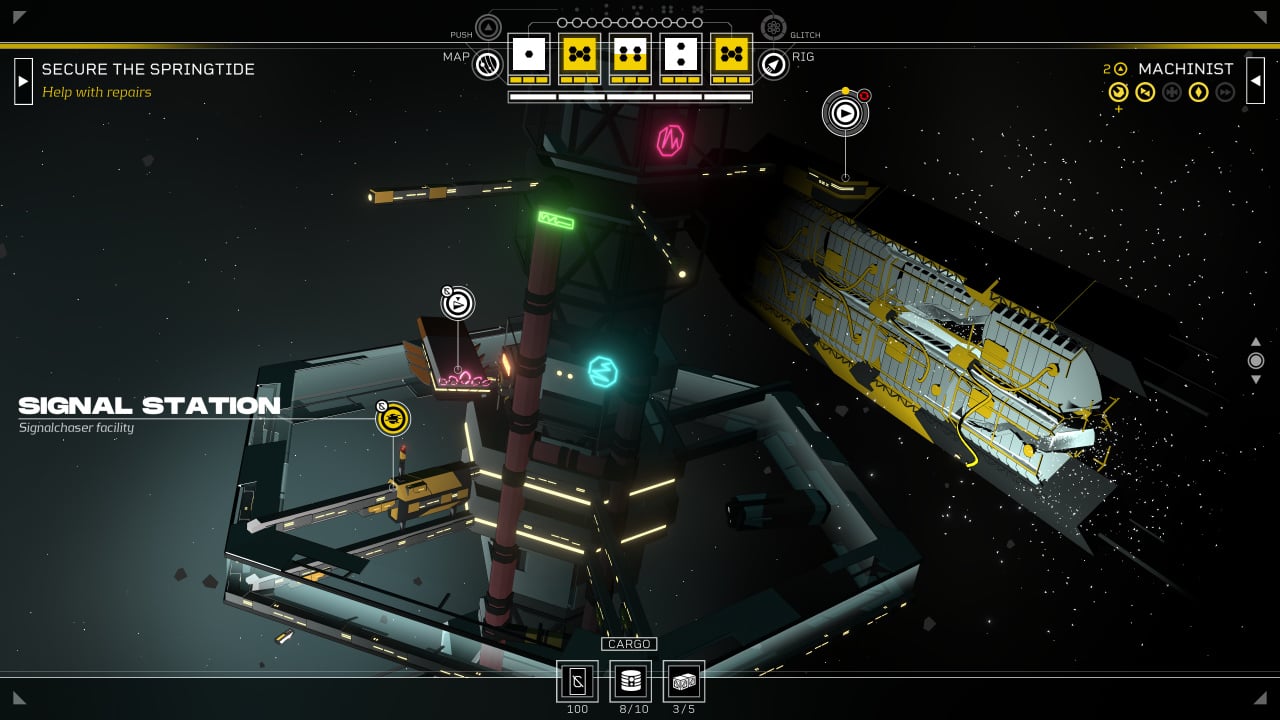
Citizen Sleeper 2: Starward Vector
Image: Fellow Traveller

With community and home being such an important part of the first game, how does this theme play into the larger setting of the Starward Belt in the sequel, and what challenges do the new hubs pose for the Sleeper?

Ideas of home play out a little differently in Citizen Sleeper 2: rather than having a massive urban megastructure as the location, the game plays out over a series of scattered habitats of varying size and style. Because of this, your home really becomes the Rig, a ship you have stolen and that expands and changes over the course of the game. I really want to capture that slow and subtle process of transformation as the ship gains crew and becomes more familiar, and often in writing the game, I found that to be in contrast with the Hubs, which ultimately, you always have to leave.

So I think at the heart of the game is a tension between moving on and settling down, which feels very important to the Citizen Sleeper series in general.

There were many stressful moments in Citizen Sleeper, and now Stress is a mechanic in the sequel. Why did you decide to implement this, and what effect will it have on your relationships in-game?

Citizen Sleeper 2 ties up some of the ideas nicely, while also opening up the possibility of more stories

Stress systems are a fairly popular and well-battle-tested element in many contemporary TTRPGs, and I think that’s because they offer an abstract form of harm vs Health Points. You might take stress from a heist, a difficult negotiation, or babysitting a child, but you hopefully wouldn’t take HP damage! This allows for a broader range of challenges for players and also consequences. I was really aware of the possibilities this opened up for telling a broader range of stories from running TTRPGs, especially ones that aren’t focused on combat. So this was one of the first things I wanted to add to the sequel.

As I developed these ideas in Citizen Sleeper 2, stress quickly became a very useful tool to represent all kinds of systems in the game. It represents the stress your body is under and the possibility that the pressure might turn into real and permanent harm. It represents your crew’s eagerness to continue working on a contract when things don’t go well. It also represents more abstract ideas, like how quickly a derelict ship is falling apart, or the opinions of a disgruntled crew turning against their captain. So stress bars of various kinds will have a huge effect on your path through Citizen Sleeper 2, and I think managing them is one of the most compelling and tense parts of the game.

This time around, I really wanted the game to be stressful, compelling and filled with emergent stories of success and failure. Stress is the tool that allows me to achieve that.

Citizen Sleeper 2: Starward Vector
Image: Fellow Traveller

You recently told Eurogamer that Citizen Sleeper 2 would be the last video game in the Citizen Sleeper universe, but a tabletop adaptation is still on the cards for the future. How does it feel to be thinking about returning the game to its tabletop roots and is there anything you feel will be lost/gained in the process?

I’m very early in the process of making a Citizen Sleeper TTRPG (as you might imagine, I’ve been busy with the sequel!), but I have a very clear objective with it. I’m really happy with the two games and the story they tell in this universe. I think Citizen Sleeper 2 ties up some of the ideas nicely while also opening up the possibility of more stories. My aim with the TTRPG is to hand the tools to tell those stories over to the player and to let them carry whichever threads catch their interest forward with their friends (or start totally new ones).

What gets left behind by doing that is, of course, my own presence as the narrator of those stories, but I think after two games, there are a lot of references for people to go to if that’s what they want. What is gained is the radical openness of a tabletop system, the chance for players to fill in the gaps in a meaningful way and really explore their connections to the universe’s characters and ideas. Which, in a way, is what these games have been about all along.


This interview has been lightly edited for clarity.

Thank you to Gareth for taking the time to answer our questions and to Jasmine at DoubleJump Communications for setting it up. Citizen Sleeper 2: Starward Vector launches on the Switch eShop on 31st January for £20.99 / $24.99.

Posted on Leave a comment

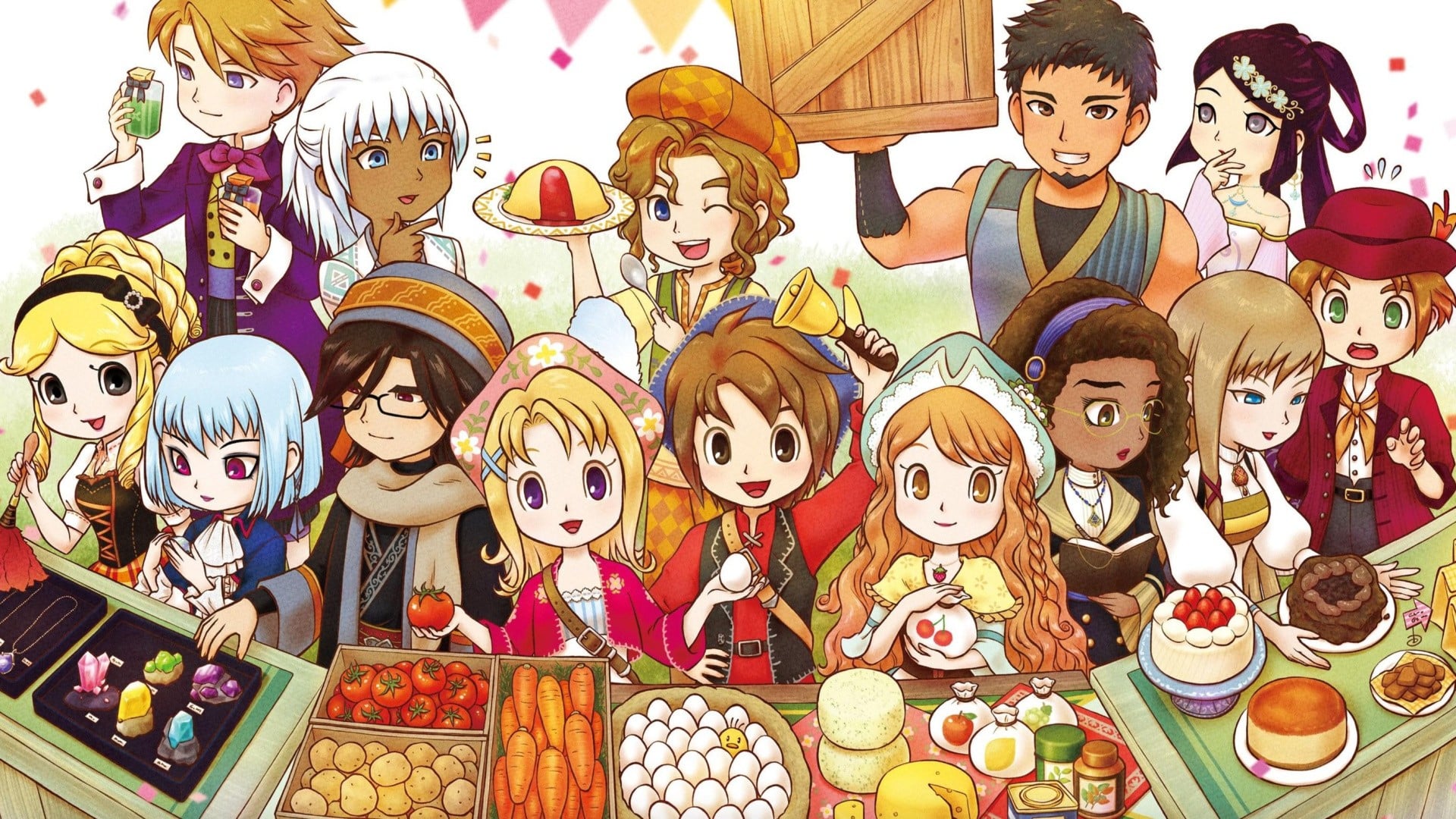
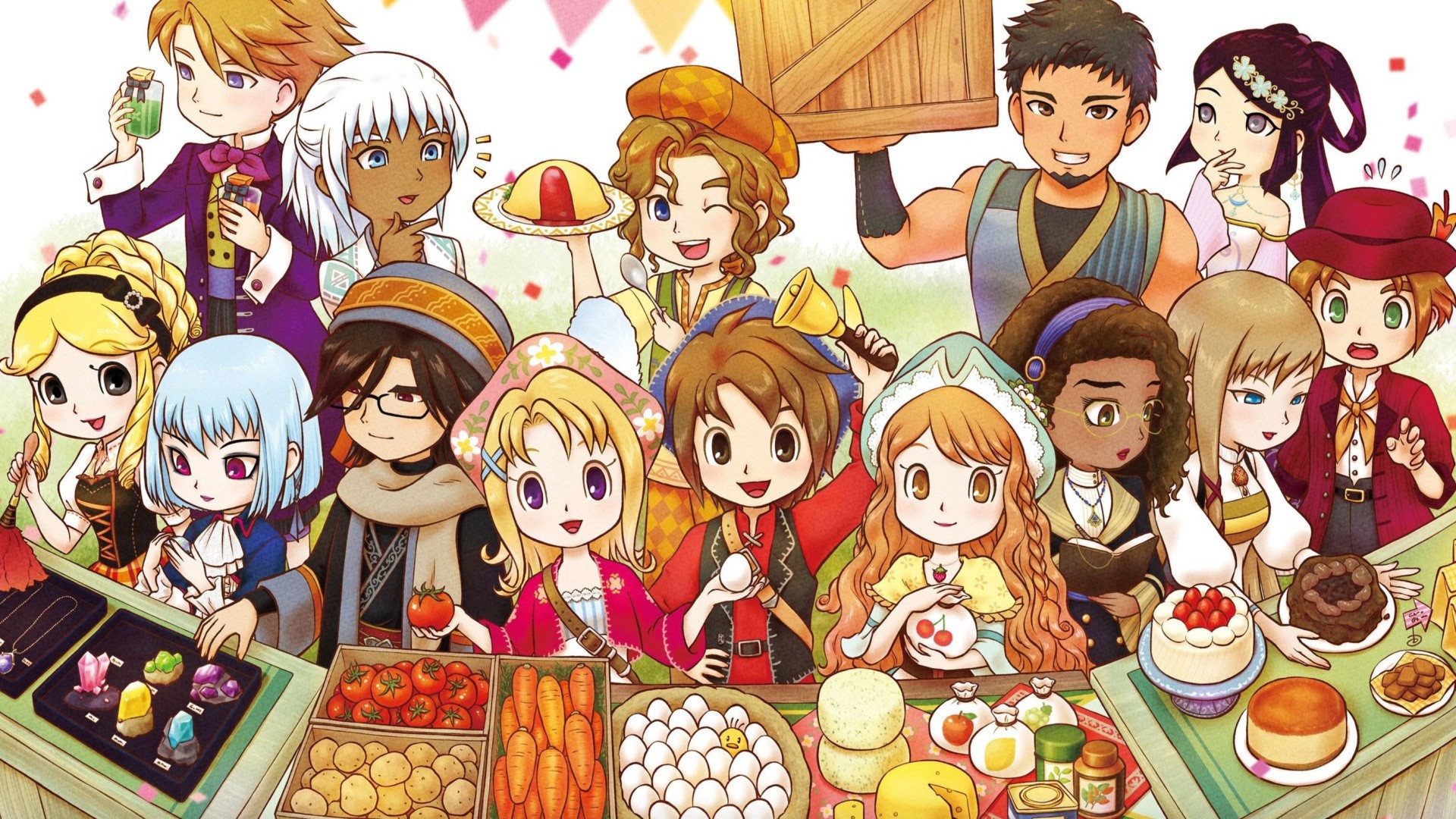
Opinion: After A Few Missteps, Story Of Seasons Finally Nailed The Formula With Grand Bazaar

Story of Seasons: Grand Bazaar
Image: Marvelous

If you don’t already know about the schism between Story of Seasons and Harvest Moon, read up on it! But TL;DR, Story of Seasons is the OG – the original farming game series that sparked thousands of copycats hoping to carve out a slice of that cosy game pie.

And who can blame them? The farming game genre is a fantastic, strange little thing, and for a long time, Story of Seasons was the absolute King. River King, if you will. That’s just a fun little Harvest Moon joke for the fans.

And then, suddenly… they weren’t. After Stardew Valley kicked down the door in 2016 and began eating original developer Marvelous’ lunch, it was suddenly open season for farming game developers, and everyone was grabbing guns. Everyone, that is, except Marvelous.

While other studios were riffing on the formula with dinosaurs, corpses, slimes, witches, and queer relationships, Marvelous faltered, releasing mid-tier Doraemon tie-ins, remakes of Friends of Mineral Town and A Wonderful Life (which were admittedly good, but a little geriatric compared to modern farming games), and the only original release, the empty grind-fest that was Pioneers of Olive Town.

Story of Seasons: Grand Bazaar
Image: Nintendo Life / Marvelous

It was starting to seem like the glory days of Story of Seasons games were long behind us. Trio of Towns, the last SoS game made in a pre-Stardew world, was one of their best. It seemed like Marvelous was spooked by their competition, and worse, like they were trying to copy it – Pioneers of Olive Town cribbed heavily and clumsily from Stardew’s homework rather than remembering what made them the genre trailblazer in the first place. Even Natsume’s Harvest Moon spinoffs started getting better than Story of Seasons, which is like watching a pug with three legs outrun a greyhound.

So by the time Grand Bazaar was announced – another remake, this time of a much less popular Story of Seasons game (albeit one with a cult following) – I had already grown jaded. It would probably be fine. It couldn’t possibly be worse than Pioneers of Olive Town’s deserted towns and dull mines.

But they did it! They actually did it! Marvelous dug deep, went back to the drawing board, found an ember of their old magic hidden at the back of a cupboard, and nurtured it into a roaring flame.

Grand Bazaar’s remake is deep, detailed, gorgeous, and as a delightful surprise, fully voiced. No longer is Marvelous looking over its shoulder at the other farming games on the market. No longer are they trying to keep up with the cool kids. Instead, Story of Seasons is finally getting back in touch with its roots, focusing on characters, a sense of community, and that signature supernatural silliness that brought us things like Vinnie the talking plant and the Harvest Sprites.

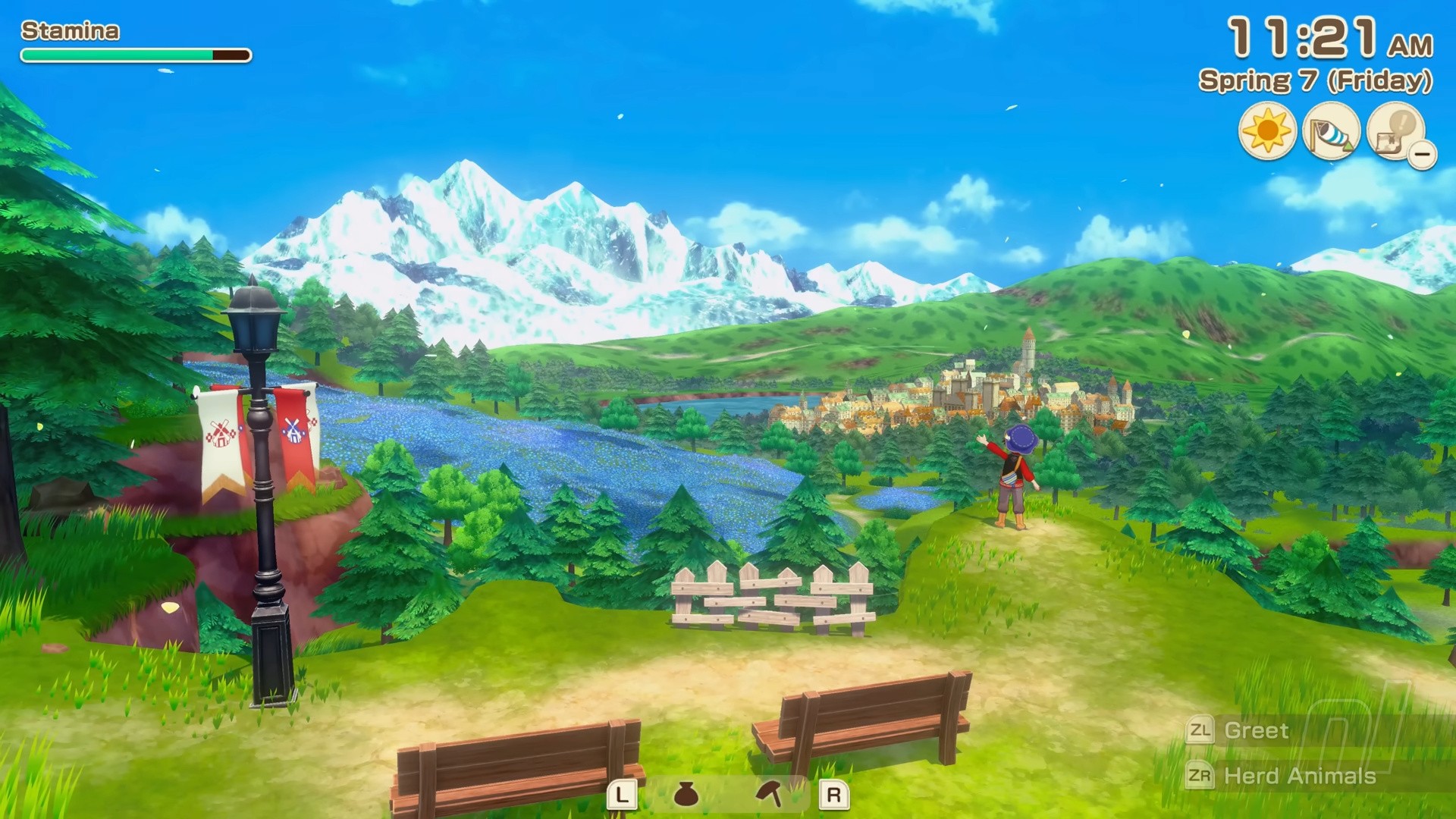
Even better, I feel like you can tell that the developers themselves are happier. Pioneers of Olive Town felt like a game that struggled to find its identity – often the result of over-iterating on the design with no clear vision, or more simply, just not having a ton of money or time – whereas Grand Bazaar practically glows with personality. There are small touches of care and detail everywhere, from the flags and window shutters flapping in the wind to the post-game addition of the Happy Bingo system, just to give players more to do.

There are tons of additions to the original game, including new characters, villager requests, a Breath of the Wild-inspired gliding system, voiced dialogue, character customisation, and the all-important same-gender romance – all of which show a great deal of knowledge about what the farming game community likes to see in these sorts of games.

Story of Seasons: Grand Bazaar
Image: Nintendo Life / Marvelous

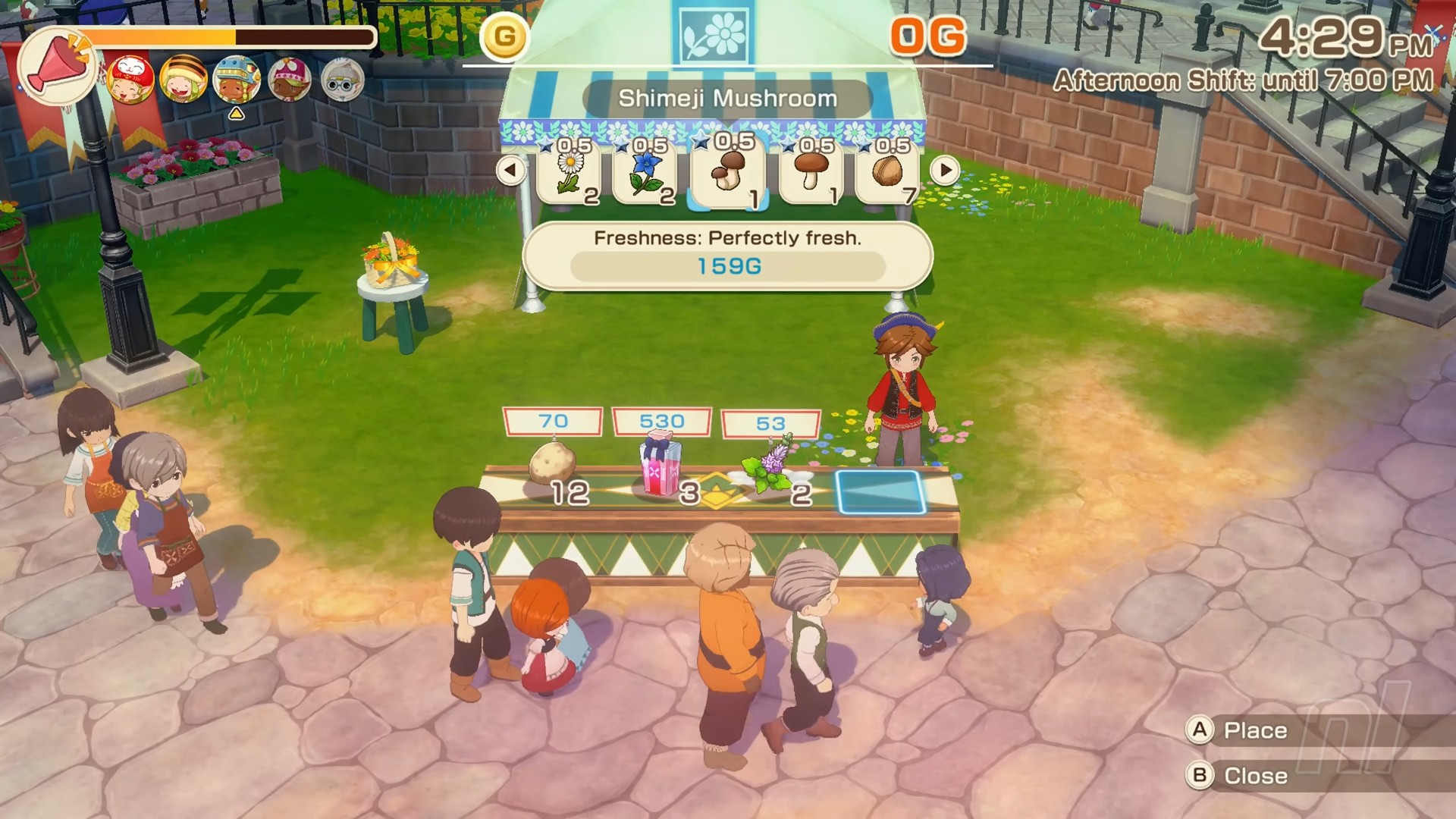
And then there’s the Bazaar itself. I never played the original, but from what I understand, it was a much simpler thing, which has been entirely reworked and expanded, with deeper systems. It also does away with some of the frustrations of its predecessor, like customer questions. It’s an insightful way to bring the game up to modern tastes without losing the flavour that made those old games successful in the first place, and I can’t wait to see them channel these learnings into a new, original game.

We probably won’t get any insight into what it was like to develop Grand Bazaar, but I wouldn’t be surprised if Marvelous did some drastic reshaping of the studio and its development processes to make Grand Bazaar as good as it is. It’s not just pretty – because Friends of Mineral Town and A Wonderful Life were pretty – it’s a game that finally stands up to others in the competitive farming game genre. I just hope that it’s not a fluke.

I really, really want to see Marvelous continue to prove why they’ve been around for so long, and Grand Bazaar is, at last, a step in the right direction.


Have you played Grand Bazaar on Switch 1 or 2 this year? Do you think this is the best SoS game yet? let us know in the comments!

Posted on Leave a comment

FNAF Versus codes December 2025

If you’re running low on remnant for new animatronics, these FNAF Versus codes are exactly what you need. Grab yourself some extra currency for free, thanks to these handy codes, and terrorize your friends in the pizzeria in all-new ways.

We check for new FNAF Versus codes regularly, so be sure to bookmark this page and visit often for the latest Fazbear freebies.

Here are all the new FNAF Versus codes:

  • DECEMBER – 100 remnant (new!)
  • FNAF2MOVIE? – 150 remnant (new!)
  • FRONTPAGE – 400 remnant (new!)

FNAF Versus isn’t the only Roblox game giving out freebies, so check out our Roblox codes list next for more.

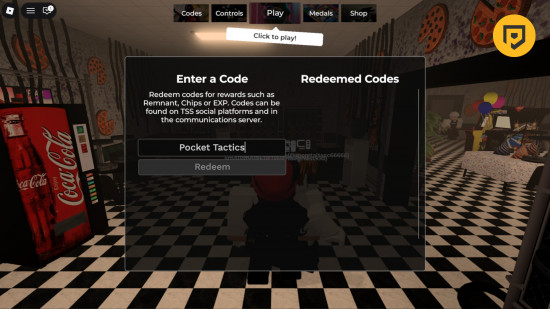
FNAF Versus codes: A screenshot of the codes box with Pocket Tactics in the box and a PT logo in the top right corner

How do I redeem FNAF Versus codes?

Redeeming FNAF Versus codes is simple. All you have to do is:

  • Open FNAF Versus in Roblox
  • Tap the Codes button
  • Copy and paste one of our codes into the box and hit Redeem
  • Enjoy your freebies

What are FNAF Versus codes?

FNAF Versus codes are special passwords that the developer, True Stories Studios, gives out to players. These codes unlock currencies like remnant and chips to spend on new animatronics.

Is there a FNAF Versus Discord server?

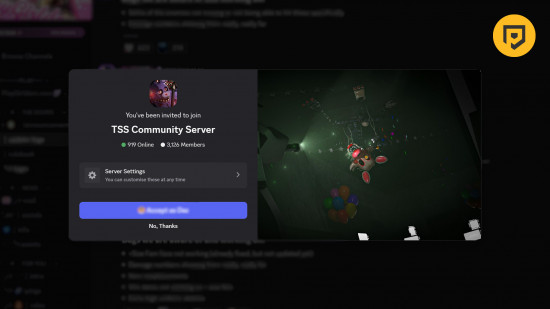
Yes, there is a FNAF Versus Discord server. You can join the server by clicking here to view the changelog, show off your creations, and report bugs.

FNAF Versus codes: A screenshot of the Discord server invite with a PT logo in the top right corner

How do I get more FNAF Versus codes?

The best way to get more FNAF Versus codes is to visit this page. We look for new codes regularly and keep this guide up to date, so bookmark this page and check back whenever you need a boost. You can also look for codes in the game’s Discord server and Roblox group.

Expired codes:

  • 200LIKES
  • 3KFAVS
  • 100KVISTS
  • GROUP300
  • WEAREBACK
  • 10KFAV
  • 500DC
  • 20KFAV
  • GROWTH
  • FNAFVERSUS
  • GAMEREVAMP
  • 1MVISITS
  • FNAF1R3L3AS3
  • ECONOMY
  • GOLDENBEAR
  • KENGOAT
  • R0LES
  • NEWJUMPSCARES
  • LATEHALLOWEEN
  • DONTMOVE

Make sure you bookmark this page and check back again soon for even more of the latest FNAF Versus codes.

Posted on Leave a comment

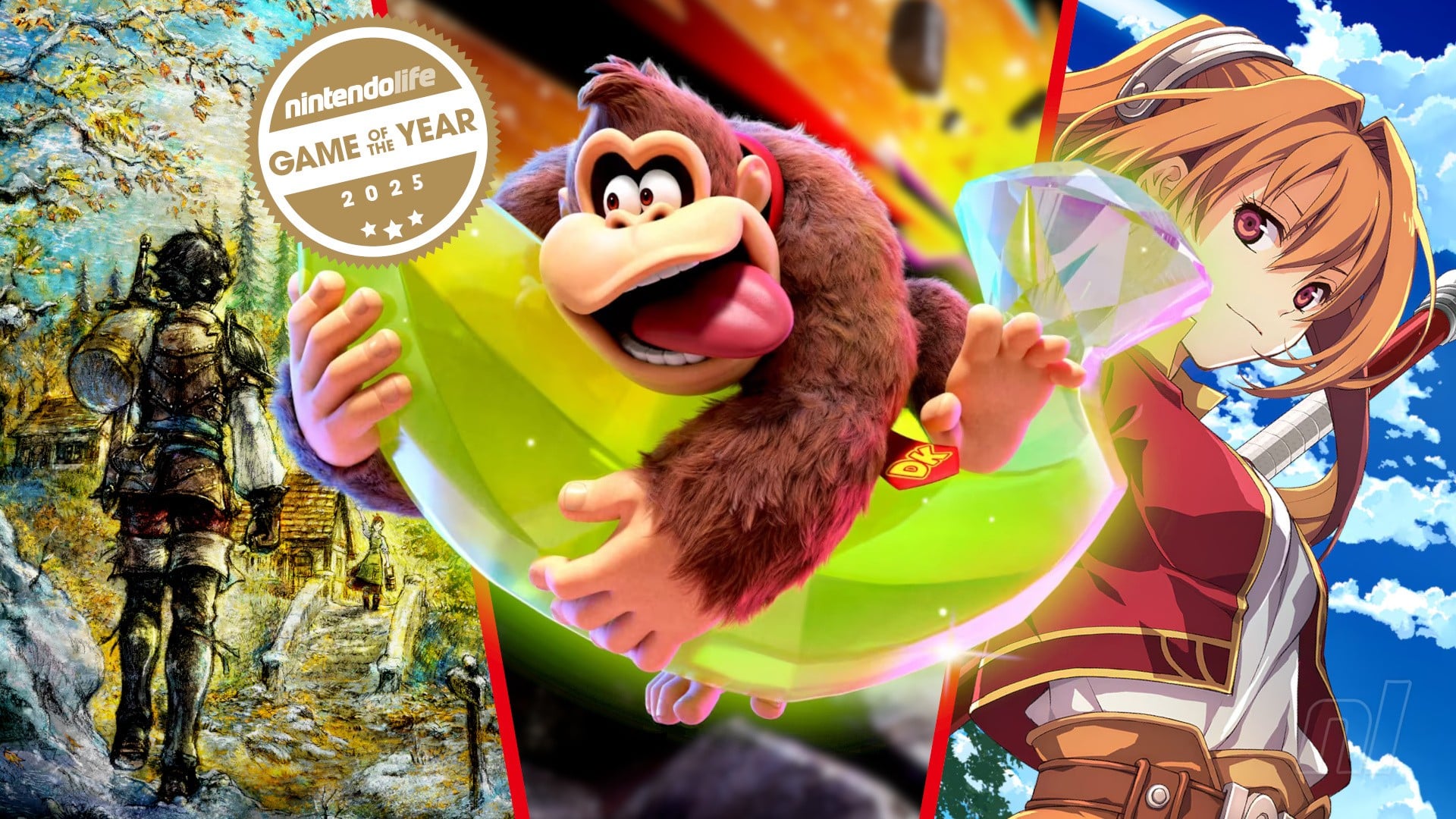
Guide: Best Nintendo Switch 1 & 2 Games Of 2025

2025 was filled with brilliant games, large and small, launching every single month. It’s the year that both Switch 2 and Silksong finally came out. Wowzers.

The quality has been exceptionally high for both the original Switch and the newer console. Below we present the top 50 best games of the year for Switch 1 and 2 combined.

While not as feature-rich as some collections, Suikoden I & II HD Remaster: Gate Rune and Dunan Unification Wars proves that these RPGs have largely stood the test of time.

While a few issues with this remaster don’t take away too much from the original games’ brilliance, we think these classics deserve the very best and we hope Konami sees just how important this series is to many and makes a handful of tweaks.

Still, boasting ambition, narrative stakes, and heart that few other RPGs of the time can muster, Suikoden burns bright in its origins and comes recommended.

Bravely Default: Flying Fairy HD Remaster is a solid update of one of Square’s finest modern turn-based RPGs. Its combination of a flexible job system, dynamic combat, and unexpectedly interesting story makes for an adventure that no fans of the JRPG genre will want to miss out on, especially any such fans that enjoyed Team Asano’s more recent work on the Octopath Traveler duology.

That in mind, there isn’t really anything new in this remaster that justifies the price of a double dip—if you already put a lot of time into this one on the 3DS back in the day, we’d caution you to first consider just how badly you want to spend your money on what ultimately amounts to little more than a nice visual bump.

All the same, Bravely Default was and still is a great RPG; if you haven’t had the chance to give this one a shot yet, this port is a great way to see what the fuss is about.

Ninja Gaiden: Ragebound is the kind of game that makes you want to improve. Chaining death with balletic grace feels so liberating that you don’t want to be interrupted in your flow. The way it implements all of its mechanics, along with increasingly interesting, beautiful, and ever-taut stage design, is a treat, and a truly linear arcade-style DLC would be a blessing should one ever transpire.

While some Talismans can be purchased to actually make the game harder, the base challenge will certainly test you. It’s a real shame about that frame-rate judder, but in terms of seductive 2D Ninja action, it lands squarely on catlike feet. SHINOBI: Art of Vengeance, you have been challenged to a duel.

Guilty Gear Strive is a bold step in a new direction for the Guilty Gear series. Its visual creativity and attention to detail without fault, Arc System Works has again gone above and beyond in its graphical evolution. True, there are some background clashes, but when all is said and done, it’s dazzling. With all DLC characters unlocked, there’s a lifetime of learning here, as well as tons of modes and bonuses to pore through.

While Strive is perhaps only the first step for Guilty Gear’s new evolutionary arc, and its sequels will no doubt improve certain aspects and find a way to better appease fans new and old, it remains undeniably solid. The most impressive aspect, though, is the strength of the port here, crafted with a kind of magic to perform near enough 1:1 with its multi-platform counterparts. And the soundtrack? Whether it’s your heaven or hell, it most certainly rocks.

Kunitsu-Gami was a real surprise. A solid blend of strategy and action that incorporates aspects of Shinto and Japanese folklore to create a visually stunning experience. It’s a great showcase for Switch 2, as well, even if mouse controls might not quite work for everyone.

Pipistrello and the Cursed Yoyo is a masterclass in retro Zelda-like game design, expertly fusing classic mechanics with creative new ideas to make for a thoroughly memorable and worthwhile experience.

Occasional difficulty spikes aside, we’d highly recommend you pick up Pipistrello at the next available opportunity, especially if you’re a Zelda fan who prefers the top-down design of games such as The Minish Cap. Much like its title character, this one has a lot of cool tricks up its sleeve.

Adding Mouse Mode controls, the expected boost to visuals with a 4K/30 option while docked (or 1080/60 if you prefer), Civ VII – Nintendo Switch 2 Edition also supports all map sizes and more players in multiplayer. As a 10-local-currency-units upgrade to the Switch 1 version, it’d be rude not to.

The Touryst: Deluxe gives us Shin’en’s excellent 2019 adventure, plus a new island, fun new minigames and missions, and a new arcade game that’s worth the price of entry alone.

With snazzy Switch 2 graphical effects and super smooth performance, it’s perfect if you’ve yet to play it. And with a reduced price point for seasoned travellers — returning players are presented with a 75% discount on the eShop — this is a return trip that’s very hard to knock.

Fast Fusion may not have the most comprehensive collection of tracks, but it’s easily the most accomplished entry in Shin’en Multimedia’s series so far. The new jump ability adds a new layer of strategy to the gameplay, while experimenting with the fusion mechanic to find the perfect vehicle is a joy.

The occasional grinding to save up money can be a momentary drag, but if you’re after something a bit more ‘hardcore’ than Mario Kart World, Fast Fusion is a no-brainer, and an absolute must-buy.

ENDER MAGNOLIA: Bloom in the Mist is an excellent Metroidvania that exemplifies the best of what the genre has to offer. Its combination of tense combat, interesting worldbuilding, and memorable art style makes for a compelling experience that we’d highly suggest to anybody drawn to games such as Hollow Knight or Blasphemous.

It’s downbeat, but anyone who isn’t yet exhausted by Metroidvanias will find a lot to love here.

Dragon Ball Sparking! Zero delivers a commendable 3D brawler experience even if some visual and performance issues persist. The immense roster is sure to please any Dragon Ball fan, no matter what age or era they entered the franchise. The branching narratives in Episode Battles and the online play are fun staples to the game, and it feels right at home on Switch 2, despite the 30fps cap.

Hyrule Warriors: Age of Imprisonment is a stunning slice of action, and perhaps our favourite musou game so far. Lessons have been learned from both Hyrule Warriors and Age of Calamity, resulting in a game that balances big-time story with top-notch combat that’s got proper depth to it.

With Zonai devices to play with, a cracking roster, tons of sexy Sync Strikes to pull off, and a ludicrously slick recreation of early Hyrule to set about kicking ass in, this is dream time for hack-and-slash fans and Zelda enthusiasts alike.

Yes, map layouts are still a bit bland, and co-op mode is 30fps, but everything else here combines to make for the best entry in this spin-off franchise to date.

RAIDOU Remastered: The Mystery of the Soulless Army is a wonderful retread of a forgotten classic, smartly polishing up its best parts and modifying its worst parts to make for an overall more enjoyable experience. Though the visuals are just ‘okay’ and the detective gameplay can be a bit plain, the action-packed combat, reworked demon fusion, and interesting story all come together to make for a gripping adventure.

We’d recommend you pick this one up if you’re curious and you think it may be up your alley. We’ve never played anything quite like Raidou, and it offers a very unique take not just on the standard SMT formula, but action RPGs on the whole.

30fps in portable mode is a disappointment, and with no mouse mode or touchscreen support, this is a fairly bare-bones upgrade.

However, the handheld 30fps here is the smooth-feeling sort, and it’s also not the type of game that critically needs to be at 60fps. In docked mode, it does now hit 60, and thanks to a resolution bump to 1080p, it looks way clearer on-screen whilst benefitting from some lighting and shadow touch-ups. With far shorter load times, as well, these are meaningful quality-of-life upgrades for players who’ve grown accustomed to long waits and blurry visuals on Switch 1.

Minor gripes aside, then, this is a prettier, crisper, and better way to play an all-timer.

What stands out about UFO 50, Mossmouth’s delightful collection of retro-styled games, is not that so many of them are absolute bangers – although they are – rather, it’s the fact that it genuinely all comes together as a single experience.

In this game, you are a visitor in some wonderful exhibition, and UFO 50 is your 8-bit time machine. It’s magnificent, and a perfect fit for Switch.

Star Wars Outlaws on Switch 2 is a very fine port of a solid Star Wars game. Kay Vess’s story may over-utilise tried and tested gameplay mechanics, it may not bring anything new or hugely exciting to the table, but what it does do is give you a well-crafted world stuffed full of lore through which to explore, sneak, and forge your own path.

With solid performance and good looks in both docked and handheld, and motion controls and cross-saves thrown in for good measure, Ubisoft Redlynx’s impressive port is an easy recommendation for Switch 2 fans of Star Wars.

Kirby Air Riders is a cracking sequel that gives solo players much more to dig into with its story campaign, whilst also bringing all-new levels of shiny graphics, bells and whistles to its returning City Trial, Air Ride, and Top Down Racing modes.

This is a chaotic and frenzied racer, there’s no doubt, but it’s got depth for those who wish to learn and plenty of competition to be had both online and at harder difficulties for diehards.

With lots of excellent tracks, riders and machines to unlock, sat alongside some surprisingly deep machine customisation, Kirby’s latest air riding adventure is off to a strong start. Oh, and that soundtrack!

BALL x PIT is a tremendous brew of so many ideas it ought to collapse under the confusion. However, it operates in such perfect balance that it appeals both to the one-more-go instinct and to more cerebral planning and creativity. Kenny Sun Studios set itself a heck of a challenge but, fortunately, hasn’t dropped the ball.

It’s out on Switch 2, too – and the upgrade is free.

Zelda: Tears of the Kingdom – NS2 Edition is a fantastic revamp of perhaps Nintendo’s most sublime sequel. What was once a technical marvel on aged hardware now has a chance to truly shine, with visual and performance boosts undoubtedly making it the definitive way to play.

Nothing will ever match the feeling of playing it for the first time, of course, and some bonus content would have been welcome, but armed with Zelda Notes and the promise of buttery smooth upgrades, we’d challenge anyone to dip back in without losing hours to its unrivalled wonder.

An updated version of Switch’s Hogwarts Legacy, the NS2 version bumps the resolution up to 1080p in handheld and 1440p docked, thanks to the console’s DLSS upscaling.

Co-developers Krome Studios also added Mouse Mode compatibility, improved load times, and a stabilised 30fps while polishing various other things to bump up the overall quality on the more powerful hardware.

No Man’s Sky – Nintendo Switch 2 Edition brings this excellent, constantly evolving space survival adventure to your new Nintendo console in fine style.

Feature-wise, this is an almost-perfect match for other versions of the game, and barring some very minor hiccups here and there, the 1080p/40fps option looks and feels fantastic – doubly so if you’re coming via free upgrade from the Switch 1 version.

Combat is still a bit naff, especially in space, and hardcore pirates might not get all they need from the systems in place here, but this is an almost perfect handheld-hybrid port of an almighty behemoth of a game. The sky, it seems, really has no limits.

In reinventing the retro wheel, SHINOBI: Art of Vengeance leads the way: a demonstration of how modern tools, accompanied by thought and talent, can be expanded upon to not just reboot franchises, but actually rebuild them in new and incredible ways. It’s one thing to revisit an arcade action game with new graphics, moves, and weapons, cherry picking familiar set-pieces and nostalgic visuals; it’s another entirely to create a new experience, utilising craftsmanship and a belief that the hardware can offer more.

Art of Vengeance, its cadence and flow, its violence and exhilaration — and the fact it makes you feel like an absolute badass from one slain enemy to the next — is a trendsetter. Fix that frame rate, and it’s pure ninja gold.

Rune Factory: Guardians of Azuma manages to reinvent itself while still maintaining the bones that make the Rune Factory series feel like itself. It takes bold new strides in unexpected directions that thankfully pay off.

The Switch 2 version offers the requisite boosts to frame rate and resolution, but also adds Mouse Mode compatibility. Wherever you can get it, Guardians of Azuma is a must-play for Rune Factory fans and would be well-enjoyed by newcomers to the series as well.

At first, this doesn’t quite feel like the reinvention of Mario Kart that people wanted or expected, but the more time you spend in the open world and racing with friends, you’ll uncover a mechanically rich kart racer full of secrets and joy. Mario Kart World refines and expands the formula in meaningful ways while upping the charm in many others.

Few games have brought as much laughter as this one since launch. If you need a pick-me-up, Mario Kart World is sure to bring a smile, and it feels like a perfect start to Switch 2’s life.

This beefed-up version of Yakuza Kiwami is effectively the same game, but Sega and Ryu Ga Gotoku Studio took advantage of the newer console’s specs for a much smoother, crisper experience that now hits 60fps.

Some aspects can be a little grating, for sure. Boss fights go on for a little too long at times, while the overall pacing isn’t quite as satisfying as Yakuza 0; this is fundamentally a 2016 remake of a 2005 game, and the developers have polished the series since then, ditching features and mechanics that don’t quite work here.

Still, it doesn’t feel quite so bloated as some of the later entries, and it still flexes a peerless sense of style at every opportunity. Playing Kiwami portably on Switch 2 is a joy.

Having more content does not necessarily equal a better game, but there’s no denying that Inazuma Eleven: Victory Road’s massive wealth of modes, options, and gameplay variety make it feel like the franchise’s most premium experience yet. Between a fun and heartfelt story mode, a second story mode that includes the highlights of all previous games, and a bunch of additional side content along with robust PvP systems for longevity, it really does feel like you could play Victory Road forever.

At the end of the day, though, it all comes down to that core loop of teambuilding and playing football matches, and Victory Road’s take on the series’ trademark RPG-esque customisability and intuitive action on the pitch feels just as fresh and stylish as ever. Perhaps all those delays really were worth it.

Street Fighter 6 on Switch 2 is a cracker, and in portable mode, it may be our preferred way to play this fantastic entry in Capcom’s storied franchise. The only fly in the ointment with this port is 30fps fights in World Tour. It’s a shame, and it’s 100% gonna be a dealbreaker for some.

But if you can overlook that, the rest of what’s here is crisp, clean, and as slick as we could have ever hoped. All other modes are fully featured and running at 60fps, and online works a treat, making this an early, flagship port for the console that showed on launch day that — like its predecessor — this little system can punch well above its weight.

Split Fiction feels like a gift. Its sole aim is to entertain and bring players together by testing them at every turn. Hazelight gives us two distinct worlds, each filled with a huge array of activities for co-op partners to enjoy and argue over.

It serves as a surprising visual showcase for the Switch 2 and enhances the Friend’s Pass feature, allowing our original Switch buddies to join in the fun.

Absolum is an on-par experience to Vanillaware’s Dragon’s Crown, but a superior game in terms of its key metrics. Its combat, collectible augmentations, and planning are exceptionally well-formulated, ensuring no run is ever quite the same, and its strategic options and play-styles are ever-deepening. It’s incredibly impressive in its reconstitution of arcade, role-playing, and roguelike formats, evolving them into something fresh and exciting.

To that end, it’s one of the best of its kind, whatever that kind may be. If you don’t enjoy the idea of repetition and grind, you may not fall in love with its initial five hours, but the momentum for one-more-go becomes so compelling after a while that it’s impossible to relinquish the pad.

Hitman World of Assassination – Signature Edition is a stunning collection of games that sees Agent 47 at his absolute best. With multiplayer aspects woven seamlessly and smartly into the mix, tons of ways to approach every mission, and some of the best level design in the biz, this is a bona fide belter, no questions asked.

However, at launch, this Switch 2 port needed some work to fix its stuttering issues, especially in docked mode. A promised patch eventually arrived, which included various improvements and an option to cap the frame rate at 30fps to keep things consistent, at least – a workable compromise, though it would still be nice to see 47 hit that 60fps target eventually.

Deltarune is a game that can feel odd to recommend, as it’s both difficult to convey in words what makes this game feel special and… well, with further chapters yet to join the present four, it still isn’t finished yet.

Its goofy and subversive narrative, innovative battle mechanics, and killer soundtrack all combine to make this follow-up to Undertale from Toby Fox worth the purchase in its current state, even if it is incomplete and the visuals feel a tad underwhelming.

After 18 years of waiting, Metroid Prime 4: Beyond manages to replicate that magical sense of discovery from the GameCube original while pushing the series in some incredible new directions. Separating the main biomes with a vast open world sounds ridiculous on paper, but the slick traversal provided by Vi-O-La makes exploration more satisfying than ever.

Combine this with the stunning art direction, ferocious new boss characters, and a surprisingly endearing squad of Federation troopers, and to our mind Beyond is quite possibly the boldest, most well-realised Metroid game to date. The long wait was more than worth it. Welcome back, Samus.

Dragon Quest I & II HD-2D Remake is a deeply satisfying follow-up to 2024’s DQ III remake project, closing out the Erdrick trilogy on a fittingly high note. A gorgeous art style, tons of new content and quality-of-life updates, and a wonderful soundtrack all combine to make this one an easy recommendation for any retro JRPG fans.

If you’re interested in RPGs, pick this up at your earliest opportunity. These games stand as excellent reminders of why Dragon Quest is so highly respected today.

Given how cheap the upgrade is for Switch 1 owners, the performance improvements for Fantasy Life i – Nintendo Switch 2 Edition are more than worth the price of admission if you already have the original. And if you don’t and you’re keen on trying out Level-5’s long-awaited sequel, this is absolutely the best way to play on Nintendo systems.

This Switch 2 update, on paper, gives us the basics and no more. You’ve now got mouse controls for fine-aiming, and the expected resolution and frame rate increases look and feel very nice indeed. Remember the journey into Mexico, that magical bit with the music, the showstopping part? It’s all the more magical when you can see the very dust in the air, the shimmering heat haze in the distance, now as clear as day thanks to pristine visuals. HDR helps things pop in comparison to the older port, that’s for sure.

There’s still no multiplayer, but it now feels as though the game is being presented on a Nintendo console in a manner befitting such an epic slice of gaming history. With slick controls, DLSS, HDR, volumetric effects, options to personalise mouse mode, 60fps that felt flawless, and a resolution bump that’s got it looking super sharp, this is a gem that still feels modern, immediate, and relentlessly replayable on Switch 2.

Zelda: Breath of the Wild – Nintendo Switch 2 Edition is undoubtedly the best way to play one of the greatest games of all time. The visual and performance enhancements remove any issues that you may have had to endure with the original game. It’s practically flawless from that perspective.

Sadly, the Zelda Notes app really brings the whole thing down. Useful features that should have been implemented in-game have been relegated to your smartphone, and using it completely breaks immersion in this incredible world. I’m only thankful that it’s not even remotely mandatory.

Leave Zelda Notes to one side, though, and you’ve got the definitive presentation of a modern classic.

Kirby and the Forgotten Land – Nintendo Switch 2 Edition + Star-Crossed World (say that five times, etc.) gives you the base game at a delicious 60fps with a whole big bunch of new content thrown in for good measure.

If you’ve had your fill of Forgotten Land on Switch 1, there’s nothing here to warrant replaying the entire game again, but the 12 remixed areas that make up the DLC are uniformly delightful, the new transformations are excellent, and there’s even new challenges for hardcore Kirby fans to get stuck into.

One of the best games on Switch and one of our favourite 3D platformers in years, polished to a sparkly sheen and packing some meaningful new content? That’s a very easy recommendation and a truly excellent addition to the Switch 2’s early lineup.

Yakuza Kiwami 2 is a wonderful experience on Switch 2. The improved visuals and streamlined mechanics make for a delightful gameplay experience bolstered by a compelling narrative at its core.

There are so many ridiculous minigames to keep you entertained, and exploring Kamurocho and Sotenbori remains enjoyable five or even fifty hours into the game. It stands alongside Yakuza 0: Director’s Cut as one of the finest entries in the series.

Persona 3 Reload is an extensive and thoughtful remake of the original and unquestionably the best way to experience this modern RPG classic. Switching between daytime and nighttime activities is a blast, and the streamlined gameplay and slick presentation make even the smallest actions feel satisfying.

Minor frustrations remain, chiefly the repetitious nature of Tartarus, while the lack of FES and Portable content prevents Reload from being the definitive version of Persona 3. If this doesn’t bother you, though, consider it a must-play on the Switch 2.

In many ways, Octopath Traveler 0 feels like a ‘victory lap’ for the beloved series, remixing various elements that you’re familiar with from the past games while introducing some interesting new ones to spice things up a bit. Importantly, this prequel does not feel like a proper Octopath Traveler 3, but that doesn’t mean that it isn’t still an incredibly good time and a much better JRPG than most genre peers.

Even if it’s a retread in some ways, though, an absolutely monstrous amount of content, interesting new gameplay elements, gorgeous visuals, and compelling storytelling all come together to make Octopath Traveler 0 a must-buy.

Yakuza 0 is the best of the traditional-styled Yakuza games, with the most complex story and interesting characters of the lot. It’s also the ideal place for newcomers to get started with this weird and wonderful series.

The new multiplayer mode in this remastered Director’s Cut is a little throwaway, for sure, and the fights do get repetitive (turn-based Yakuza FTW), but otherwise, this is a phenomenal 4K/60 port of an epic adventure that’s now probably our favourite way to get down on the mean streets of 1980s Tokyo and Osaka.

Final Fantasy Tactics: The Ivalice Chronicles cuts content from the War of the Lions PSP version, and it’s a shame. However, put this one issue aside, if you can, and you’ve got a fantastic — and fantastically thoughtful — revamp otherwise. Meaningful quality-of-life changes meld with delicate gameplay nips and tucks, CPU enemy tune-ups, and a smoother-flowing experience overall to deliver a game that’s pretty much impossible to knock.

Fans will be fully absorbed into the story all over again, enjoying the new flow of the narrative and experiencing the whole thing so wonderfully well-acted. Newcomers, who’re less likely to be bothered by the missing content, well, they can just get busy lapping up one of the all-time great tactical RPGs looking and playing better than ever.

There’s no question about it: Super Mario Galaxy and Galaxy 2 are two of the most sublime games ever created. With gameplay that subverts expectations and scenarios that wouldn’t be possible if not for the creative freedom of the cosmos, they represent the Mario series at its absolute best. They look better than ever, boast small yet welcome additions, and expand upon the narrative with new storybook pages.

Gyro aiming simply isn’t as effective as the Wii pointer, however, and you’ll be recentring the onscreen cursor a lot. Very minor issues with the camera are also a bit more noticeable now than they were 15 years ago, but the fact that Nintendo managed to pull off some utterly ridiculous sequences without the camera going haywire remains a remarkable feat. These games command a high price on Switch, to be sure, but you’ll be playing them for the rest of your life.

Hollow Knight: Silksong’s beauty is beguiling, hiding an interior that’s deliberately harsh but endlessly rewarding. Everything feels deliberate, pushing you to learn, improve, and perfect, or simply just explore a little more. And what a world it is to dig into.

Somehow, Team Cherry surpassed our expectations tenfold and delivered a mesmeric blend of balletic combat and movement with persistence, joy, and an incredibly invigorating map at the centre. We’ve never felt better surmounting the challenges put before us.

The Hundred Line – Last Defense Academy is an excellent tactical RPG that fully showcases the strengths of the creatives behind it. A well-written and compelling story, strong and strategic gameplay, attractive art style, and passionate VA work all come together to make for a comprehensive experience that you won’t want to miss.

It’s an instant recommendation for fans of Uchikoshi and Kodaka’s past work, but even if you’re not so much into visual novels, consider adding this one to your library. The Switch has plenty of life in it yet, and Hundred Line stands as a strong reminder of why.

Xenoblade Chronicles X: Definitive Edition is an expertly crafted revamp that gives us all the bells and whistles we could wish for in terms of graphical upgrades. However, it’s actually Monolith Soft’s attention to clever gameplay revisions that impresses most here.

This is X streamlined and modernised, carefully recast and reset in order to play better than ever. Additional characters, a new ending, and all that snazzy stuff is all well and good, and fans will be excited by the fresh revelations that occur, but it’s in how everything flows so much better now that we reckon the hardcore will find themselves most impressed.

And for newcomers a recommendation is even easier; this is up there with the all-time great sci-fi RPGs and an absolute must-play.

“Can time not be stopped?” That’s the question Hades II asks you every time you clear a run.

We’re not sure about time, but it’s clear that developer Supergiant Games is unstoppable; the studio is five-for-five with this huge, triumphant sequel that manages to diverge mechanically and offer more challenges and variety than its predecessor. It helps that it’s nearly faultless on Switch 2 in particular.

Sometimes there’s a bit too much going on, and in shooting for a bigger, more tragic story, it’s lost a bit of heart. But, quite frankly, we don’t want time to stop because if it does, we won’t be able to play Hades II anymore.

Cyberpunk 2077: Ultimate Edition was a remarkable launch-day port for Switch 2. CD Projekt Red’s deep, diverse, and tangible world is fully realised with impressive performance for such a low-powered device.

If you’ve not taken your first steps into Night City already, or you’re a long-time player with a portable-play itch that needs scratching, you’re in for a serious treat, choom.

A remake of the very first game in the series, Trails in the Sky 1st Chapter is maybe the most gorgeous game Falcom has ever created.

Modernising things while also bringing newcomers up to speed with the origins of Zemuria’s current saga, this is a comprehensive audio-visual update of a classic series opener, with great characters (Estelle and Joshua are fantastic leads, but the entire cast gets their chance to shine), a world that you’ll want to explore, and deep combat with a wealth of options.

1st Chapter is on Switch 1 (30fps) and 2 (60fps), and as you’d expect, the updated style runs best on Switch 2, with only the odd stumble in docked performance. A joyously chill turn-based adventure.

Donkey Kong Bananza is an almighty re-introduction to the world of 3D platforming for DK, and arguably the Switch 2’s first absolute must-play. The punching and crashing is a passing novelty that, once you get your fill, quickly becomes just another way of exploring the wonderfully varied and beautifully presented layers.

Whether it’s smashing through the scenery with a Bananza Transformation or carefully planning a route to a hidden Banandium Gem, you’ll have trouble finding more originality and, crucially, more enjoyment from a platformer in recent years. As the DK Rap so wisely said, “Donkey Kong is here.” Now let’s just hope he stays.

And there you have it, the best Switch game(s) of 2025. Any surprises? How many have you played?

Before we go, some housekeeping.

Here’s a round-up of all the previous Switch GOTY winners on Nintendo Life (click the year if you’d like to see the whole list):

For any game with both a Switch 1 and a Switch 2 version which garnered enough high ratings to appear, we’ve excluded the lowest-ranking version.

We also included the Mario Galaxy 1 and Galaxy 2 bundle release, rather than the separate eShop versions.

Think something is missing? All Switch 1 and 2 games released in 2025 are eligible and available to rate in our database. These real-time lists, based on the User Ratings in our database, are a living ranking of each year’s finest video games, so any Switch or Switch 2 game launched in 2025 has a chance of showing up, even now.

Use the search bar at the very top of the page (or the handy bar below) to find the game page on our database and rate away!

Please note that a game must have a minimum of 30 User Ratings (and a sufficiently high rating, natch) to appear in the list above.

If you’re curious about Nintendo Life staff’s personal GOTY picks, you can find them below:

Posted on Leave a comment

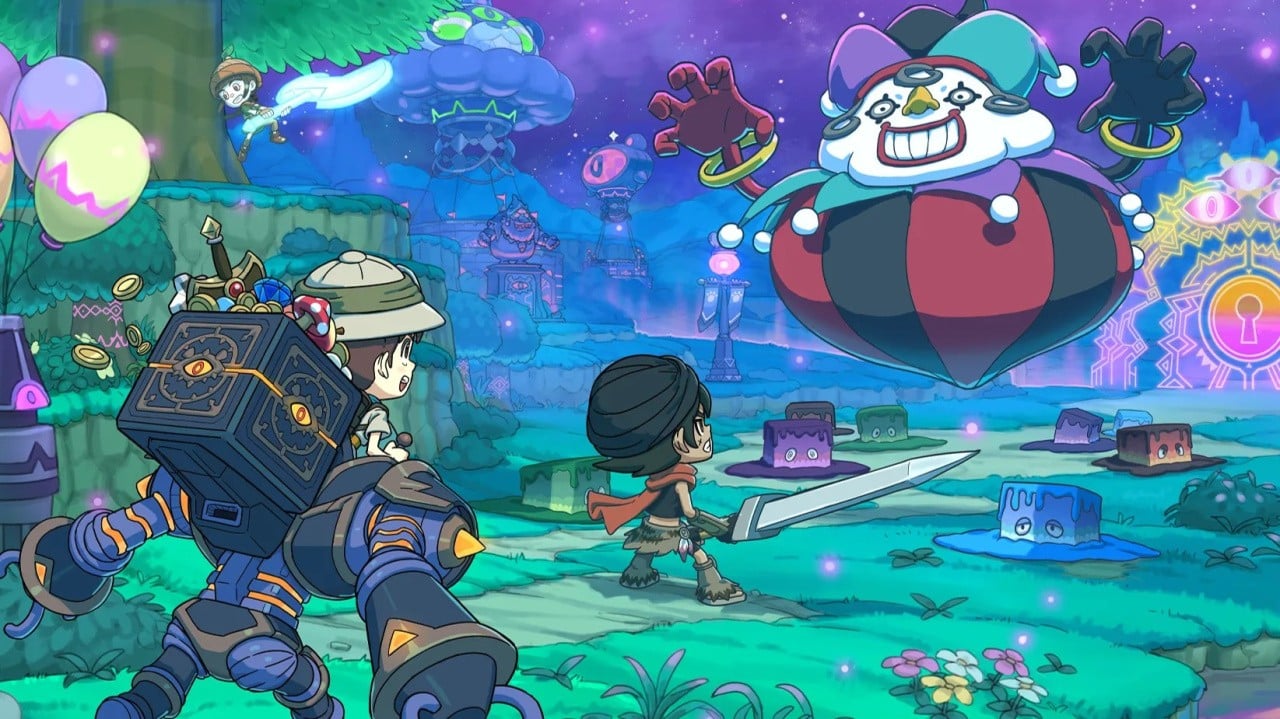
Fantasy Life i’s Big Free DLC Is Out Now, Here Are The Full Patch Notes

At last, after assuring fan’s that Fantasy Life i: The Girl Who Steals Time‘s free DLC would be out “around Christmas”, Level-5 has delivered the goods right on time.

Version 2.0.0 is available to download now on Switch 1 & 2 and it includes The Sinister Broker Bazario’s Schemes, an open-world roguelike DLC expansion that adds a new area to the game, Snoozaland. This is available from Chapter 3 onwards in-game.

The patch goes way beyond just a whole boatload of playable content, though. There are five new mounts, new items, weapons, and customisation options, a higher damage cap, an increase in the number of houses you can build at your home base, and the ability to polish tools made by a Blacksmith, Carpenter, and Alchemist.

If you want all of the granulars, then here are the full patch notes from Level-5:

Fantasy Life i: The Girl Who Steals Time ver. 2.0.0 (24th Dec 2025)

Feature Additions/Adjustments

Added Snoozaland (Roguelike Open-World Area)

  • Added new content: Snoozaland.
    It can be accessed by investigating the suspicious tent that appears in the northeast area of the Base Camp.
    *The suspicious tent appears in Main Story Chapter 3 after unlocking the Guild Quests at the Base Camp.

Added Polishing Feature

  • Added the Polishing feature, which allows weapons and Life tools to be enhanced via crafting by the Blacksmith, Carpenter, and Alchemist Lives.
    Polishing provides the following effects:
    ・Visual change (adds an aura to weapon and Life tool models)
    ・Stat increases
    ・A chance to trigger a boost effect during battle, gathering, or crafting minigames When the boost effect triggers, the special skill gauge instantly fills to MAX, greatly enhancing your next action.

*Polishing unlocks when Don’s Dreamy Deals in Snoozaland reaches Shop Rank 3 or higher.
*Polishing can be performed by a Blacksmith, Carpenter or Alchemist at Life Rank Fledgling or higher.

Expanded the Maximum Number of Islander Houses

  • Expanded the maximum number of Islander Houses that can be built in the Base Camp from 6 to 10. Bulletin Board Levels 7-10 each increase the limit by +1 as level-up rewards.
    *If your Bulletin Board is already level 10, the cap will increase to 10 immediately after updating.
    *In conjunction with this change, parts of the islander management screen UI have been adjusted.

Adjusted the Recipes Screen

  • Adjusted the Recipes screen to display undiscovered recipes, and added acquisition information to each recipe’s details window.

Adjusted the Map Screen

  • Adjusted the information displayed on the following maps:
    [Base Camp]
    ・Added indicators that show islander locations on the minimap and the map.
    [Ginormosia]
    ・Added the Area Points required for the next rank-up to the details shown when hovering over Tower icons.
    ・Added each Shrine’s clear condition and recommended level to the details shown when hovering over Shrine icons.

Adjusted the Quests Screen

  • Adjusted the Personal Requests screen to allow moving directly to the client from the Quests menu once a request is completed.

Adjusted the Crafting Menu

● Added the ability to change your avatar’s equipment from the Crafting Settings screen while crafting at the Workbench.

Adjusted the Bag Menu

● Added a display of the currently selected item’s name when opening the Bag.

Adjusted the Cross-Save Confirmation Dialog

● Adjusted the Cross-Save dialog display to make it clearer which save data will be overwritten.

Adjusted the Button Guide During Crafting Minigames

● Added a “Give Up” button guide while playing crafting minigames.

Adjusted the Button Guide While a Weapon is Drawn

● Added an enhanced indicator to button guide icons when Charge Attacks, Unique Actions, and other actions are enhanced.
● Adjusted the icon design for the Hunter’s Unique Action, Hunter Step, to better match the move.
Added a Destination Change Shortcut in the Multiplayer Lobby
● Added a one-button shortcut for the host to change the destination while preparing for Multiplayer.

Added New Items

  • Added the following items:

[Materials]

  • Gleamstone Dark Metal
  • Dark Lumber Dark Silk
  • Dark Orb Dark Horn
  • Small Exp. Sphere Exp. Sphere
  • and more…

[Armor]

  • Shadow Girl Series High Priest Series
  • Gold Mask Shiba Inu Brown Series
  • Student Series Ladies Series
  • Poker Series Wonder Series
  • Gold Star Hood Super Star Hood
  • Ride-Along Plushling Ride-Along Hagram
  • Chaotic Passion Wings
  • and more…

[Craftable Objects]

  • Turboglider Replica Gothic Series
  • Angelwing Desk Lamp Kitty Wall Decoration
  • Ranoah Doll Rem Doll
  • Weedling Phonograph Pirate Series
  • Great Spirit Danuta’s Bed Star Flower
  • Speckled Flower Sunflower
  • Mushroom Series
  • and more…

[Facility Appearance Options]

  • Pirate’s Bridge Pirate’s Stairs
  • Pirate’s Road Pirate’s Square
  • Brick House Color 4 (Your House / Islanders’ House Design)
  • Big Brick House Color 4 (Your House Design)
  • Forest House Color 4 (Your House / Islanders’ House Design)
  • Big Forest House Color 4 (Your House Design)

[Mounts]

  • Cow
  • Mohawkasaurus
  • and more (5 total)

Added New Recipes

  • Added new recipes to Don’s Dreamy Deals.
    *Don’s Dreamy Deals is accessible through Snoozaland gameplay.

Added New Avatar Parts, Stickers, and Emotes

  • Added the following items:

[Avatar Parts]

  • Hairstyle: Wavy Long
  • Hairstyle: Royal Twintails
  • Hairstyle: Regal Ponytail
  • and more (6 total)

[Stickers]

  • ♪ Tra-la-la! ♪
  • DEATH!
  • Here is a gift
  • and more (10 total)

[Emotes]

  • Headbang Sing
  • Flex Hero Pose
  • and more (9 total)

Balance Adjustments

Adjusted the Damage Cap

  • Increased the damage cap to 99,999.

Bug Fixes

  • Fixed an issue where Edward’s Fob Watch could not be remade.
  • Fixed an issue that could cause some Buddies to appear enlarged when opening the conversation log while reverting a Strangeling at the Goddess Statue.
  • Fixed an issue where a communication error could occur when selecting another room or refreshing the room list after being notified that the selected room was full in Multiplayer.
  • Fixed an issue where some text could appear garbled when using Traditional Chinese or Simplified Chinese.
  • Fixed an issue in the Treasure Grove that could prevent normal gameplay due to routes not being generated correctly.
  • Fixed other minor bugs.

Known Issues

On Nintendo Switch 2 / Nintendo Switch, we have confirmed the following issues and plan to address them in a future update.

  • An issue where items may sometimes not appear in multiplayer on Snoozaland when flying with Skelegon to an Alchemy Robot after alchemy was completed.
  • An issue in multiplayer on Snoozaland where guest players may be unable to move to the boss area during the mission “Trimming the Divine Beard” when the party attempted to enter it together, if the host had acquired the Woodcutter Life.

Now that‘s a chunky update. Well, good timing for some of us at NL, who plan to bury themselves in the DLC over the holidays.

And hey, if you haven’t got Fantasy Life i on your Switch yet, the game is 25% off until 8th January 2026 on the eShop in both Europe and North America.


Will you be diving back into Fantasy Life i for the DLC? Grab your life and let us know in the comments.

Posted on Leave a comment

Review: The Rogue Prince Of Persia (Switch 2) – A Worthy, Approachable Follow-Up To Dead Cells

The Rogue Prince of Persia Review - Screenshot 1 of 7
Captured on Nintendo Switch 2 (Docked)

It’s hard to believe that it’s already been the better part of a decade since the launch of Dead Cells, though its absurdly long stretch of post-launch DLC expansions and updates certainly helped to keep it in the average player’s consciousness. The original Dead Cells developer, Motion Twin, actually passed the buck in 2019 to a sort-of assist studio (Evil Empire) formed of former Motion Twin devs and new hires, which made the lion’s share of DLC updates, including the excellent Return to Castlevania. After Dead Cells was officially sunsetted, Evil Empire wasn’t quite done with some of its gameplay ideas, and built this roguelite entry in Ubisoft’s franchise.

Billed as The Rogue Prince of Persia, this acts as a sort of spiritual successor to Dead Cells, carrying on many gameplay concepts while integrating some new ideas that help to build its own identity. I’m happy to report that Evil Empire clearly hasn’t lost a step in the transition to a new project – The Rogue Prince of Persia is an approachable and addictive take on the studio’s signature action gameplay and is absolutely something I’d suggest you check out soon.

The Rogue Prince of Persia Review - Screenshot 2 of 7
Captured on Nintendo Switch 2 (Docked)

In a bit of a deviation from the typical roguelite format, the story here actually features as more than just mere window dressing to get you into the action. You play as the titular Prince, a smooth and competent fighter whose confidence is inflated by a magic bola he’s had since childhood which instantly sends him back in time whenever he falls in battle.

The Prince is tasked with leading the defence effort to save his beloved city of Tisfun from an invasion by dark magic-powered Huns, yet after a brave but ultimately doomed initial effort, the Prince is revived by a mysterious shaman in a camp outside the city, from which he launches his endless attempts to defeat the Hun generals and save his people.

A key part of how the narrative unfolds is linked to the Mindmap, a sort of constellation that tracks major events, characters, and key items to help facilitate the locations you pick for runs. As you move through an area, you’ll often come across a character or environmental object with information that moves the story forward a bit, whether by unlocking a new area to explore in a subsequent run or giving you a hint to solve a puzzle.

The Rogue Prince of Persia Review - Screenshot 3 of 7
Captured on Nintendo Switch 2 (Docked)

There are many instances where progressing the story in one area first requires you to come back in a later run after exploring another area to get a key item or solution, incentivising replays while also keeping the Prince’s story moving. I thought this was a very interesting way of mixing storytelling with gameplay, as it makes each death and subsequent restart feel like a continuation rather than a setback.

Evil Empire’s past experience with Dead Cells is immediately apparent in the gameplay, which is equal parts snappy, thrilling, and difficult. You begin each run with a weapon and a limited-use secondary tool, giving you enough options in combat to feel like you have a fighting chance, but not enough to get complacent. The Prince is a slippery and lithe combatant, effortlessly gliding across walls, jumping between beams, and vaulting over enemies as he cuts them to ribbons with his blades and tools. His agility is all the more important given that he’s quite ‘squishy’ if a foe happens to land a blow — the Prince may be able to dish out the pain, but it doesn’t take too many hits from even trash mob enemies to put him in the danger zone, if not sending him all the way back to camp.

The Rogue Prince of Persia Review - Screenshot 4 of 7
Captured on Nintendo Switch 2 (Handheld/Undocked)

A big part of what makes the combat so engaging is the sheer variety of weapons and enemy types, making encounters feel dynamic and fresh. Every weapon has a different feel and caters to a different playstyle, with each featuring unique special attacks and different conditions to trigger critical hits. Pair this with enemies that have clearly telegraphed (but tightly timed) tells and combat quickly becomes a deadly dance of weaving between danger zones, prioritising targets, and carefully managing your own movements to maximise the pain you can deliver. Skirmishes rarely last more than a couple of seconds, but each one feels invigorating, especially once you’ve gotten yourself into a nice rhythm and have mastered the attack animations of that area’s enemies.

This sense of free-flowing progression extends to the platforming, which manages to be challenging without being too punishing. As long as there’s a wall in the background, the Prince can get a couple of steps in on a wall run to help bridge the gaps between poles and ledges, which adds an interesting dimension where you constantly have to pay just as much attention to the background as you do the ground beneath his feet.

There’s a bit of a learning curve to the controls, but it doesn’t take too long before you’re able to effectively read the upcoming terrain and parkour through it with ease, calling to mind some Sonic games in how it rewards dexterity with speed. There’s even an in-game mechanic for this called Vayu’s Breath, which increases speed and grants other passive benefits if you can time various jumps perfectly.

The Rogue Prince of Persia Review - Screenshot 5 of 7
Captured on Nintendo Switch 2 (Handheld/Undocked)

All this comes together to make for a game that moves in a way that few other entries in the genre manage to capture. Defeating enemies, scaling obstructions, swiping rewards, and lunging between ledges leads to a wonderfully cohesive experience where it feels almost like you’re being pulled forward by an invisible force to the next objective. That polished moment-to-moment gameplay then helps to take the bite out of the inevitable deaths that you face — even if you have to reset, the game feels so good to play that you can’t help but rush right into your next run.

Despite the difficulty, there are a variety of metaprogression elements that offer both vertical and horizontal progress to take the edge off. In terms of vertical progression, every enemy and boss you kill earns you some experience, which grants you a skill point each time you level up to be invested in a collection of skill trees you slowly unlock. These can grant you flat stat increases like more max health or a higher health potion carrying capacity, or more passive buffs like the ability to break shields with a kick. As for horizontal progression, the soul cinders you slowly accrue throughout a run can be spent on new weapons, medallions, and tools that are all added to the loot pool for enhanced build variety in subsequent runs.

The Rogue Prince of Persia Review - Screenshot 6 of 7
Captured on Nintendo Switch 2 (Handheld/Undocked)

Between these things, it always feels like you’re making some sort of progress with each run, regardless of how far you actually got, which goes a long way towards making the gameplay loop so addictive. Not only do you feel a little more powerful, but there are very often rewards back at camp that are just out of reach and require you to do another run for resources needed to unlock another weapon or skill.

So great are these rewards that they can sometimes go a bit too far, making the game a little too easy in places. It should only take you about 10 hours to reach the initial ending, less if you’re experienced with games like this and pick up on the mechanics quickly. And while there’s a nicely rewarding take on the Heat System from Hades here to turn up the pain on subsequent attempts as you go for the true ending, I still couldn’t help but feel like some of my victories came a little too easily. Suffice to say, those of you hoping for something as tough as Dead Cells may be left a bit disappointed, as you’ll likely chew through all the content in this release faster than you’d initially think.

The Rogue Prince of Persia Review - Screenshot 7 of 7
Captured on Nintendo Switch 2 (Handheld/Undocked)

Visually, the Rogue Prince of Persia looks fantastic, with a somewhat comic book art style that focuses on various distinguishing colour palettes and set pieces for each biome. Whether you’re slipping down the cool waterways of the Ruined Aqueduct or dodging between sawblades and flames in the warm halls of the Grand Academy, each area is memorable and distinct from the next. The action also unfolds at what appears to be a smooth 60fps in both docked and handheld, with the resolution looking crisp in both modes, as well.

Conclusion

The Rogue Prince of Persia stands as both an excellent and innovative entry in the long-running series and a worthy follow-up to the developer’s previous work. The smooth action, gorgeous visuals, and addictive loop all come together to make for the kind of game that’s tough to put down.

Though skilled players may be a bit put off by the easier difficulty relative to roguelite genre standards, this is still a very easy recommendation for anyone interested in a more approachable roguelite that doesn’t have a massive learning curve. Evil Empire has done a great job in crafting an impressive, approachable action game here.