Welcome, Guest
You have to register before you can post on our site.

Username
  

Password


Search Forums

(Advanced Search)

Forum Statistics
» Members: 20,950
» Latest member: playboifartin
» Forum threads: 22,265
» Forum posts: 23,236

Full Statistics

Online Users
There are currently 1808 online users.
» 0 Member(s) | 1803 Guest(s)
Applebot, Baidu, Bing, Facebook, Google

Latest Threads
[WoW Retail News] Officia...
Forum: World of Warcraft
Last Post: xSicKxBot

» Replies: 0
» Views: 14
All Marvel Rivals Seasona...
Forum: PC Discussion
Last Post: xSicKxBot

» Replies: 0
» Views: 14
[WoW Retail News] Warcraf...
Forum: World of Warcraft
Last Post: xSicKxBot

» Replies: 0
» Views: 26
[DevBlog MS] UWP and WinU...
Forum: C#, Visual Basic & .NET
Last Post: xSicKxBot

» Replies: 0
» Views: 21
[PS.Blog] Everything you ...
Forum: Sony Discussion
Last Post: xSicKxBot

» Replies: 0
» Views: 17
[Xbox-News] Hello from Se...
Forum: Xbox Discussion
Last Post: xSicKxBot

» Replies: 0
» Views: 17
[Dev News] Flutter Scene ...
Forum: Game Development
Last Post: xSicKxBot

» Replies: 0
» Views: 22
[PS.Blog] Players’ Choice...
Forum: Sony Discussion
Last Post: xSicKxBot

» Replies: 0
» Views: 24
[WoW Retail News] Class C...
Forum: World of Warcraft
Last Post: xSicKxBot

» Replies: 0
» Views: 27
Best AMR Mod 4 loadout in...
Forum: PC Discussion
Last Post: xSicKxBot

» Replies: 0
» Views: 24

 
  News - Minecraft and RTX
Posted by: xSicKxBot - 10-28-2019, 12:49 PM - Forum: Minecraft - No Replies

Minecraft and RTX

Yesterday, Mojang announced the future of the rendering engine for Minecraft (Java Edition is not included in this list).

You can find their full announcement here, which also includes screenshots:

https://www.minecraft.net/en-us/article/render-dragon-and-nvidia-ray-tracing

Minecraft is on so many platforms, and the great thing about that is that it opens up so many fun possibilities about how we can change the experience for each one. We added touch controls when we developed the mobile version, put you ​inside ​Minecraft on Gear VR, and enabled multiplayer across consoles and devices with our Better Together update!

Today we’re announcing two new ways we’re taking advantage of existing and updating hardware. One, we’re expanding the scope of Minecraft on bedrock platforms with our new engine, ​Render Dragon. ​Second, we’re pushing the graphical possibilities of the game by ​partnering with NVIDIA to bring real-time ray tracing to Minecraft. ​Prepare your eyes!

NVIDIA RAY TRACING


We couldn’t be more excited to take advantage of the new ray tracing technology from NVIDIA. It’ll be playable on Windows 10 with devices that are capable of DirectX R, such as with an NVIDIA GeForce RTX GPU (and we plan to expand it to future platforms that support DirectX R raytracing).

With the capabilities of this tech, you’ll be able to experience your Minecraft worlds with realistic lighting, vibrant colors, , realistic water that reflects and refracts naturally, and emissive textures that light up. What does ‘emissive’ mean? It means you’re about to see Minecraft like you’ve never seen it before! 

Well, actually, ‘emissive’ is a technical adjective that means ‘having the power to radiate something, especially light, heat, or radiation’ but shhh don’t ruin the moment — watch the below video of ray tracing in action instead:

We’ll have more news to share later this year, as well as the technical requirements. Naturally, we want your feedback through every step of this process. That’s why we plan to enable you to preview the new ray tracing features by turning on “Optional graphics with RTX” in the settings screen of Minecraft in a future beta. You can expect that feature in the new year. We also plan to enable some of these new features, such as improved emissivity and directional lighting, on other Bedrock platforms! Speaking of which…

RENDER DRAGON  


You’ll see individual Minecraft Bedrock platforms update in the months ahead as we learn the capabilities of our lovely new game engine, Render Dragon. You may have already seen a preview of Render Dragon in action if you watched ​Apple’s Worldwide Developer Conference on-stage when we demoed Minecraft Earth.

It featured edge highlighting and new lighting techniques, which is just the start of the visual and performance upgrades we’re planning to make with Render Dragon. Render Dragon supports a range of graphics features, depending on what your device is capable of. Not all devices will support ray tracing, but we will have some graphics enhancements on most devices.  Again, it’s all about taking advantage of different hardware to offer the smoothest Minecraft experience possible, no matter what device you’re playing on!

We’ll have more news to share soon, so you can start trying out new ways to play!


https://www.sickgaming.net/blog/2019/08/...t-and-rtx/

Print this item

  News - Epic Sues User Experience Tester For Leaking Fortnite Chapter 2
Posted by: xSicKxBot - 10-28-2019, 12:48 PM - Forum: Nintendo Discussion - No Replies

Epic Sues User Experience Tester For Leaking Fortnite Chapter 2


The second chapter of Fortnite wasn’t exactly a well-kept secret – with leaks all over the internet, but that hasn’t stopped Epic Games from taking legal action against one particular individual who allegedly broke a non-disclosure agreement after he revealed information he learned as a user experience tester.

Epic filed the lawsuit at a North Carolina court on Friday, accusing Ronald Sykes (@invisiblellama9) of spoiling “surprises” the developer had planned for the community:

He did so at the expense of Epic and those in the Fortnite community who were anxiously awaiting the new season of Fortnite only to have some of Epic’s planned surprises spoiled by Sykes’ leaks

Sykes first played this new content in late September. Three days later he told another user on Twitter that he had “played S11” (season eleven). He then tweeted from a separate account – revealing players would be able to swim in the second chapter and went as far as sharing an image of the new map.

Epic Games is now asking for injunctive relief and maximum damages for Skye’s alleged breach of contract and “misappropriation” of trade secrets.

Sykes cashed in on what he learned as a user experience tester for Epic.

You can read the full lawsuit over at Scribd.com, courtesy of Polygon.


https://www.sickgaming.net/blog/2019/10/...chapter-2/

Print this item

  Xbox Wire - This Week on Xbox: October 18, 2019
Posted by: xSicKxBot - 10-28-2019, 12:48 PM - Forum: Xbox Discussion - No Replies

This Week on Xbox: October 18, 2019

We know you’re busy and might miss out on all the exciting things we’re talking about on Xbox Wire every week. If you’ve got a few minutes, we can help remedy that. We’ve pared down the past week’s news into one easy-to-digest article for all things Xbox! Or, if you’d rather watch than read, you can feast your eyes on our weekly video show above. Be sure to come back every Friday to find out what’s happening This Week on Xbox!

The Division 2 Gets New Updates and Releases Episode 2 – Pentagon: The Last Castle
The latest free update to hit The Division 2 is out now on Xbox One. Episode 2 – Pentagon: The Last Castle adds new missions that bring the fight for Washington, D.C. to the Pentagon, along with a raft of gameplay updates (including a new loot-targeting system)… Read more

A Peek into the Creation of the Cinematic Platformer Stela, Releasing Today on Xbox One
I’ve been working on games for over 15 years and playing them non-stop since I was a little kid. My dad brought home my very first adventure game (Space Quest I if you’re wondering) and I’ve been absolutely hooked ever since. I’ve always loved exploring game worlds… Read more

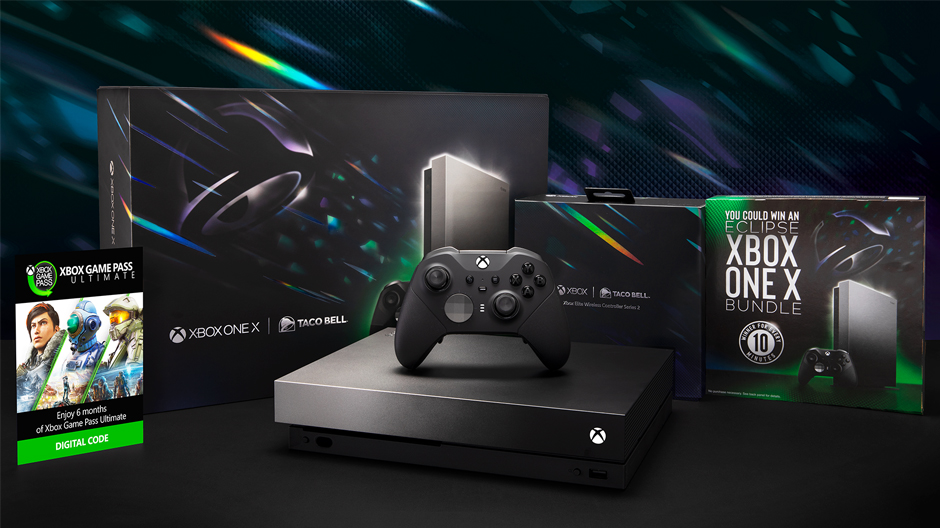
Xbox and Taco Bell Partner for the Biggest Console Giveaway of the Year
Xbox and Taco Bell are teaming up for the third year in a row to give fans the chance to win the most craveable kit yet: an Xbox One X Eclipse Limited Edition Bundle. And with a winner every 10 minutes on average, this is also the largest Xbox console giveaway of the year… Read more

Celebrate Rock Band 4’s Birthday on Xbox One with Free Songs
Of all the birthdays, the 4th birthday may be the best. You’re old enough to know what you want but young enough to get away with being bratty. It’s awesome. When we reflect on Rock Band 4’s first four years, RB4 feels like a 4-year-old. Rock Band has grown… Read more

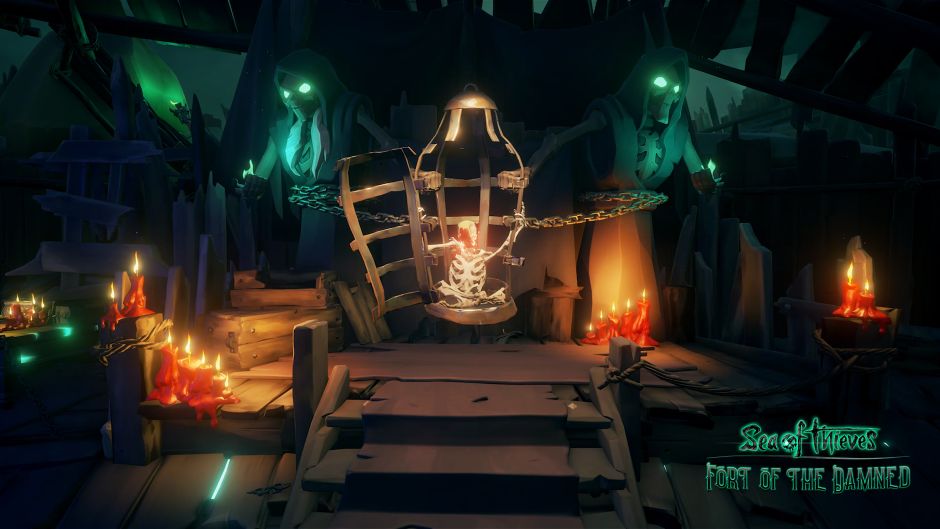
Raid the Fort of the Damned in October’s Free Sea of Thieves Content Update
Get ready for Halloween with the free October content update for Sea of Thieves! Now live for all Sea of Thieves players with Xbox Game Pass, on Xbox One and on Windows 10 PC, Fort of the Damned encourages you to seek out a fearsome fortress and take on our… Read more

The Inspiration Behind The Jackbox Party Pack 6
Athena sprung from the head of Zeus fully-formed. That’s rad. We wish we could say games emerged from our skulls in the same way, but it’s a much more complex, lengthy process. We thought it would be cool to share the inspiration behind our games, to shed some light… Read more

Free Play Days

Free Play Days

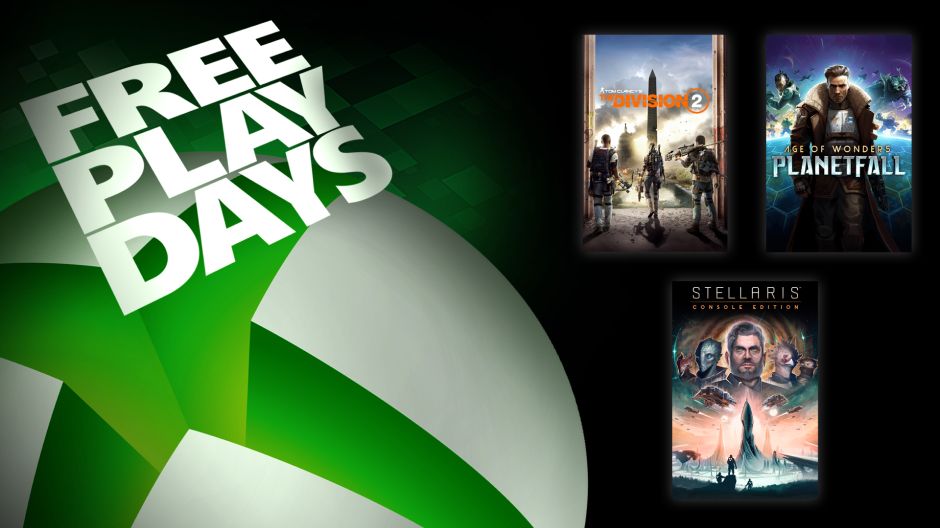
Free Play Days – Tom Clancy’s The Division 2, Age of Wonders: Planetfall, and Stellaris: Console Edition
This weekend, Xbox Live Gold and Xbox Game Pass Ultimate members can play Tom Clancy’s The Division 2, Age of Wonders: Planetfall, and Stellaris: Console Edition for free on Xbox One during this weekend’s Free Play Days! The Free Play Days event begins… Read more

Dungeons & Dragons Classic RPGs Baldur’s Gate I & II, Planescape: Torment, and Icewind Dale Now Available on Xbox One
I wanted to start this post by saying thank you to everyone for your amazing support as we bring these venerable games to new platforms. The release of these titles represents the culmination of, in some cases, over 20 years of work building and improving these games… Read more

SMITE

SMITE

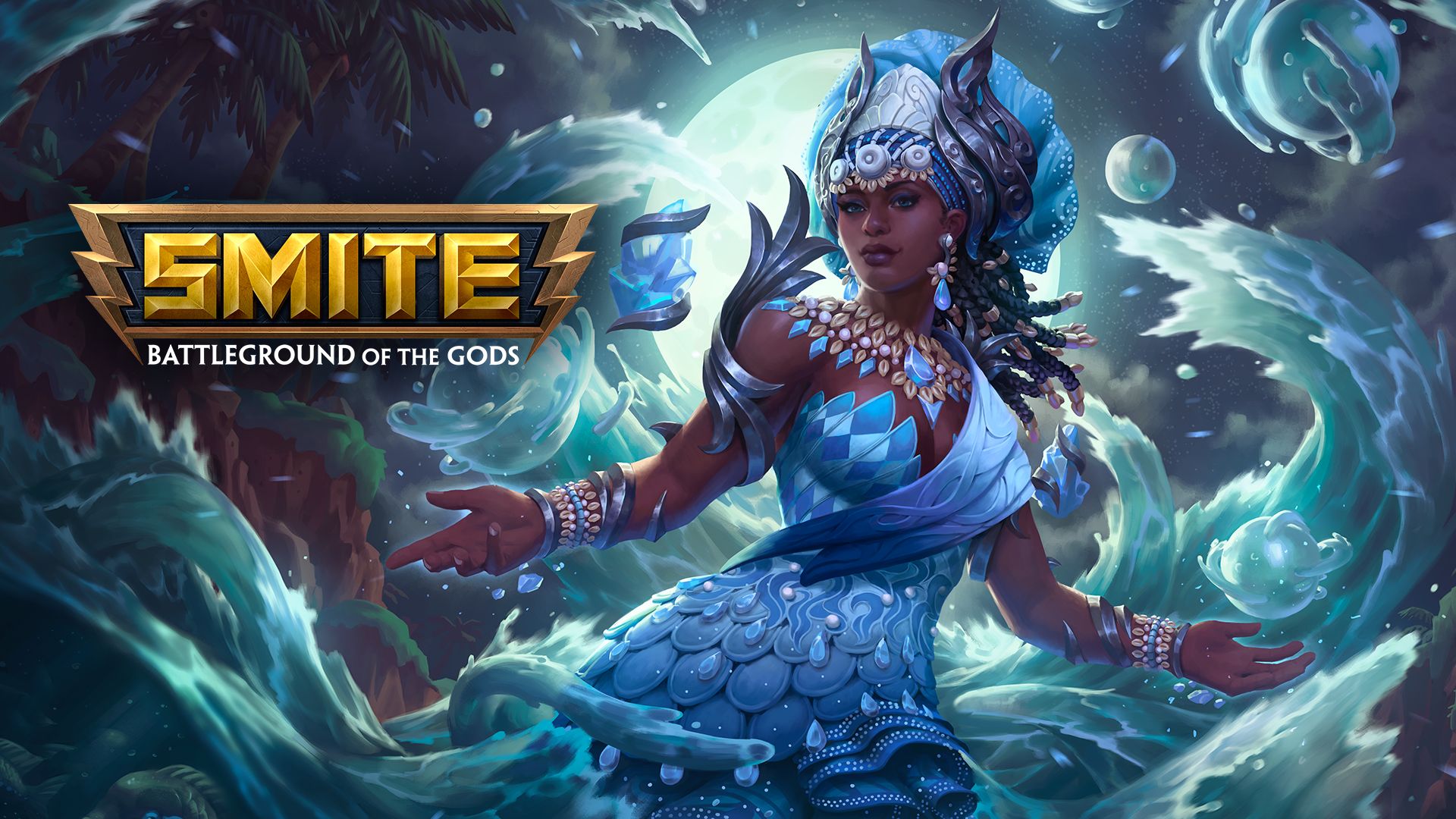
New Smite Update Brings Yemoja, Goddess of Rivers, to the Battleground
Control the might of water and trap your foes between waves as Yemoja, Goddess of Rivers, in the newest Smite update, now available on Xbox One. Every river must have its beginning, and that beginning is Yemoja. The Goddess of the Ogun River… Read more

Get Ready to Pig Out in Pig Eat Ball, Available Now on Xbox One
Hey all, I’m Nathan Fouts, lead developer at Mommy’s Best Games, creators of Shoot 1UP and Serious Sam DD XXL for Xbox 360. Pig Eat Ball was my crazy idea—how to create an “arcade adventure”? I wanted to make something that felt like a series of arcade games… Read more

The Dark Crystal: Age of Resistance Tactics

The Dark Crystal: Age of Resistance Tactics

Designing and Adapting Characters in The Dark Crystal: Age of Resistance Tactics, Coming Soon to Xbox One
Bringing characters into a game from an existing IP is always challenging, but when you’re dealing with a big and beloved world like “The Dark Crystal: Age of Resistance,” it’s important not only to make them playable, but not to lose any of what makes them fan favorites… Read more

Halloween Update Adds Spooks and Scares to Black Desert on Xbox One
This Halloween, the massive world of Black Desert on Xbox One is being invaded by magical forces that might give you a trick or a treat. New ghost and witch bosses offer the chance to win special items and craft new costumes – read on for more details about new Halloween content… Read more

Prepare for a Galaxy-Spanning Adventure in Star Wars Jedi: Fallen Order, Coming to Xbox One November 15
Never has it felt more satisfying to strike down a stormtrooper with a lightsaber. I mean, in a game of course. At a recent hands-on event to preview Star Wars Jedi: Fallen Order, we experienced just how well developer Respawn has captured not only the power of the saber and the Force… Read more

Celebrate Halloween in Defiance 2050
Double, double toil and trouble, the Hulkers have returned to paradise! They bring with them a plague that has come to wipe out all Arkhunters. Get ready to put down these diseased plaguers and hulkers with extreme prejudice, or else you may become one of them…. Read more

Putting You in Control of Your Gaming Experience
At Xbox, we are investing in building a positive gaming community. We believe that gaming should be inclusive and welcoming for everyone, which means creating experiences and communities that invite everyone to play safely and responsibly. Since we launched Xbox Live… Read more

5 Survival Tips for Open World Adventure Stranded Sails – Explorers of the Cursed Islands, Available Now on Xbox One
Ahoy there adventurers! Now that Stranded Sails – Explorers of the Cursed Islands has arrived on Xbox One, get ready to set sail with five key survival tips for life in the open-world pirate adventure now that’s available now on Xbox One. Build and manage your crews… Read more

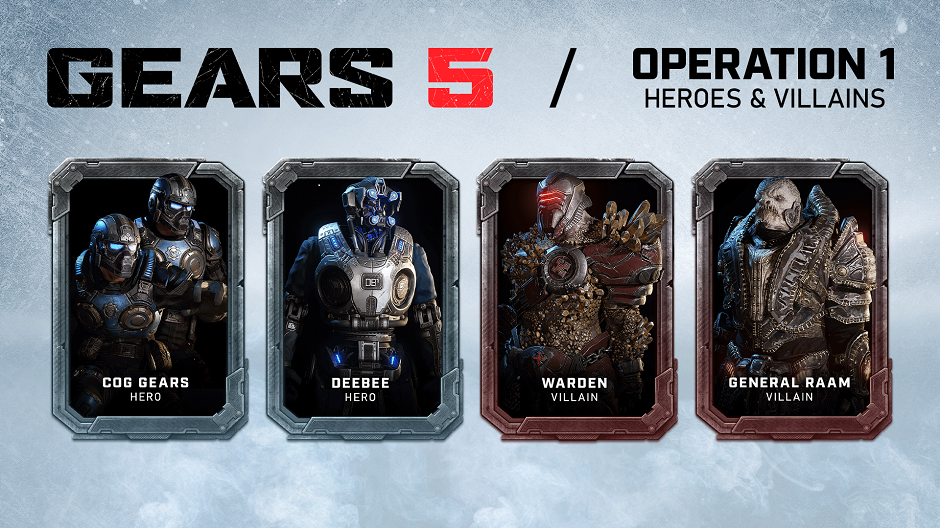
All-New Heroes and Villains are Available Today in Gears 5
It’s been just over a month since Gears 5 celebrated its worldwide launch with Xbox Game Pass, and today we’re evolving your Gears 5 multiplayer experience with four new characters: the COG Gear, the DeeBee, the Warden and General RAAM, the ruthless Locust military leader… Read more

Next Week on Xbox: New Games for October 21 to 25
Welcome to Next Week on Xbox, where we cover all the new games coming soon to Xbox One! Every week the team at Xbox aims to deliver quality gaming content for you to enjoy on your favorite gaming console. To find out what’s coming soon to Xbox One, read on below and click on each of the game profiles for pre-order details (dates are subject to… Read more


https://www.sickgaming.net/blog/2019/10/...r-18-2019/

Print this item

  News - New budget ends IDM tax credit for video game studios in Alberta, Canada
Posted by: xSicKxBot - 10-28-2019, 12:48 PM - Forum: Lounge - No Replies

New budget ends IDM tax credit for video game studios in Alberta, Canada

The 2019-23 budget revealed by Alberta’s United Conservative Party government this week eliminates the Interactive Digital Media Tax Credit, a program that aimed to encourage the growth of Alberta’s game industry through a refundable tax credit.

According to the Calgary Herald, the Interactive Digital Media Tax Credit is one of five business tax credits completely eliminated in the budget.

In that plan, the UCP suggests choosing to instead lower the corporate tax rate by 4 percent over the next several years will yield better results in job creation and economic growth than focused, industry-specific tax credits.

Set up in 2018, the Interactive Digital Media Tax Credit offered game studios operating out of Alberta a 25 percent refundable tax credit for labor costs, along with an additional tax credit of up to 5 percent for teams that participated in an optional diversity and inclusion program. The goal of the short-lived program was to attract tech talent to Alberta and support growth in the province’s interactive digital media industry.


https://www.sickgaming.net/blog/2019/10/...ta-canada/

Print this item

  News - Starbreeze resumes Payday 2 development, new paid DLC on the horizon
Posted by: xSicKxBot - 10-28-2019, 12:48 PM - Forum: Lounge - No Replies

Starbreeze resumes Payday 2 development, new paid DLC on the horizon

Overkill parent company Starbreeze is restarting active development on Payday 2, walking back its plans to stop creating DLC and updates for the long-running game as the company works to emerge from turbulent financial difficulties.

Starbreeze CEO Mikael Nermark explained as much in a post to Payday 2’s Steam page, offering a candid look at the state of the company and how it plans to handle the game and its trove of DLC moving forward.

“On December 3rd, we only had projected cash reserves to run the company until mid-January 2019. This was how serious the situation had become,” he writes.

“Since then we’ve been able, through extremely hard work and commitment by all of our employees, been able to stay afloat, clean up our business and start thinking about our future and the future of Payday. We’re not entirely there yet, but we are starting to look ahead at what’s next.”

It’s not terribly surprising that Starbreeze is bringing Payday 2 out of semi-retirement and announcing plans for both paid and free updates. Despite ending active development in late 2018, Payday 2 has continued to bring in millions for the struggling company.

Shortly before it was announced the game would cease development, Payday 2 was responsible for $2.3 million in quarterly sales. Even in the report released this August, Payday 2 alone brought in around $1.5 million in sales.

However the new content plans for Payday 2, explains Nermark, involve going against some of the earlier statements the company made about how the game’s future DLC would be handled. While updated plans for Payday 2 include both free and paid updates, the company had previously released the Ultimate Edition with the promise that it would include access to all DLC launched for the lifetime of the game.

“To get it out of the door immediately; yes, I know we’re breaking a promise. We do not do so with ease or take this lightly,” writes Nermark. “At one point in time, our company believed that the interest and engagement in Payday 2 would decline over time, as new internal games were released. Resources were needed on new projects and production of Payday 2 was scheduled to stop and no more updates to come.”

With new content again on the table, the company is replacing the Ultimate Edition promise with a Payday 2: Legacy Collection that includes all DLC released during or before 2018. The ability to purchase individual DLC has also been reinstated.


https://www.sickgaming.net/blog/2019/10/...e-horizon/

Print this item

  News - Destiny 2 Festival Of The Lost PSA: Be Careful With That Halloween Candy
Posted by: xSicKxBot - 10-28-2019, 12:48 PM - Forum: Lounge - No Replies

Destiny 2 Festival Of The Lost PSA: Be Careful With That Halloween Candy

The annual Destiny 2 Halloween event Festival of the Lost begins next week, but ahead of the event Bungie has issued a few warnings about how to claim your tricks and treats safely. The two event rewards, Candy and Chocolate Strange Coins, should be handled with care.

"While we await the festival's return, we’d like to forewarn players about earning and deleting Candy and Chocolate Strange Coins," reads a note in Bungie's weekly update. "In order to earn these currencies, players must wear the Masquerader's Helmet, purchasable from Eva Levante for 100 Glimmer. If players defeat enemies and complete activities without this helmet equipped, they will not earn Candy or Chocolate Strange Coins.

"Furthermore, players should be cautious when dismantling any items in their Consumables inventory. Any instance of dismantling Candy or Chocolate Strange Coins, intentional or otherwise, will delete the entire stack."

The event will start on October 29 and includes special activities and rewards. You can take on the returning Haunted Forest--a spooky version of Mercury's Infinite Forest--to get as far as you can in 15 minutes, face off against super-tough Terror enemies, and complete special bounties. Those activities will earn you Chocolate Strange Coins that you can trade for masks, which this year manifest as helmet ornaments. The event will also offer special Eververse rewards, like spooky glow-skeletons, and clearing out the Haunted Forest will earn you a Braytech Werewolf auto rifle.

Festival of the Lost will be open to all players, including those jumping in to the new free-to-play First Light edition of the game. The same day will also see the introduction of a new Exotic quest.


https://www.gamespot.com/articles/destin...0-6470887/

Print this item

  Talos Particle Engine
Posted by: xSicKxBot - 10-27-2019, 11:17 PM - Forum: Game Development - No Replies

Talos Particle Engine

Talos is an open source Java based particle system creation tool powered by the LibGDX graphics framework.  The source code is available on GitHub under the Apache 2.0 open source license, while the executable is available here in JAR format.  Currently there is a LibGDX runtime with hopefully more game engines to follow in the future.

Version 1.05 was just released with the following features:

  • legacy libgdx particle file importer full functionality
  • Modules can now be renamed with double click on the title
  • Full Copy/Paste functionality for modules from emitter to the emitter. Works between different talos windows.
  • Additive blend mode support in renderer and config properties for emitter
  • Global dynamic user set vars (global scope input)
  • Dynamic Drag point support for visualizing vector2 values in the preview window
  • Filtered search drop-down for module creation
  • Dropping curve in empty location auto-open’s module popup.
  • Preview supports background and foreground images.
  • Viewport width can be changed with exact numbers in input box instead of just scroll for zoom
  • Particle in the preview window can be moved with right-click
  • Module multi-select with rectangle hit, with SHIFT, and with Ctrl+A
  • Categorized module list
  • Some modules now have their default values exposed as input fields
  • Performance numbers such as triangles, particle count, render times and more shown in preview
  • Runtime: attached mode
  • Runtime: loopable effects and support for API methods such as pause/start/stop allow completion
  • Batch legacy import functionality
  • Export for runtime format
  • Settings dialog for default asset location
  • Module Grouping with Ctrl+G, color and custom text for module groups
  • Up & Down positioning for emitters.
  • Fixed samples list to work, now you can see 3 example .tls in File->Samples menu
  • Offset dynamic shape module
  • Module to script in java code and manipulate inputs/outputs
  • Beam Renderer module
  • Random Input slot module
  • Perlin Noise module
  • From To to Position/Size/Rotation converter module

Given the new ability to import existing LibGDX particle effects, you can download plenty of examples to play around with in this project.  If you are interested in learning LibGDX be sure to check out our complete tutorial series available here.  To learn more about Talos and see it in action, check out the video below.

GameDev News Art


https://www.sickgaming.net/blog/2019/10/...le-engine/

Print this item

  AppleInsider - Editorial: How Apple beat Samsung in the 2010 global ARM race
Posted by: xSicKxBot - 10-27-2019, 11:17 PM - Forum: Apple Mac & macOS - No Replies

Editorial: How Apple beat Samsung in the 2010 global ARM race

Apple hasn’t been outpacing Samsung in mobile Application Processor design over the past decade simply due to a first-mover advantage or by just having smarter people designing its silicon. Here’s a look at how Apple first snuck past a larger and more entrenched silicon rival to gain its lead in advanced mobile chips, and why it matters to the future of tech.

Apple started a silicon revolution with A4

Apple’s lost and found ARM


Long ago, Apple worked with British PC maker Acorn to deliver the original mobile ARM architecture in the early 1990s. But after sales of its ARM-powered Newton Message Pads failed to materialize, it liquidated its internal custom silicon design team as it limped through the end of the decade. By 2001, Apple was entirely reliant upon others to deliver the ARM chips powering its iPods.

By 2010, the iPod had solidly turned around Apple’s fortunes. Sales of new mobile devices also helped the company identify silicon mobile processors as a key technology it needed to develop and maintain on its own to be competitive. It acquired chip design teams and partnered with Samsung to deliver a new, much more powerful “Hummingbird” core it used its A4 chip, which it paired with the best mobile GPU available, Imagination Technologies’ PowerVR.

Samsung also used the Hummingbird core and PowerVR GPU in its chip, which was later branded as “Exynos 3.” But rather than seeking to relentlessly advance its custom chip design technology in the pattern of Apple, Samsung initially took the more comfortable and affordable route of relying on ARM to deliver its Cortex-A CPU and Mali GPU designs. That didn’t work out well.

Even within 2010—when both companies had equal access to the fast new Hummingbird silicon that Apple had envisioned, developed, and funded in its partnership with Samsung—Apple managed to stage a coup that dramatically repositioned everyone in the consumer technology space.

Apple iPad mocked at launch as Android phones draw attention


The tech media had largely doubted that Apple’s newly-unveiled iPad would find an audience when it first arrived early 2010. Instead, there was more attention being devoted to all of the smartphone competitors that had arrived to take on iPhone after its first three years of radically changing the mobile market.

Most journalsits failed to grasp the potential of iPad at its launch

That included Google’s new late-2009 partnership with Motorola to deliver the Droid phone, powered by a Texas Instruments OMAP chip. Droid wasn’t just another phone, it was seen as a strategic weapon wielded by Verizon, the largest U.S. carrier, as a replacement to battle Apple’s iPhone exclusive to AT&T after RIM’s Blackberry had proven to be unfit for the task.

A few months later, Google introduced the HTC-built Nexus One using a Qualcomm Snapdragon chip. Nvidia had also just demonstrated Android running on its Tegra 2 chipset. With so many chip architectures and hardware manufacturers on board with Google’s Android in phones, it seemed impossible for many journalists to think that Apple—still a minority player in smartphones behind Nokia’s Symbian and RIM’s Blackberry—could stay alive in phones, let alone in the Microsoft-dominated tablet market it was now entering.

It didn’t seem important to many tech journalists that Apple was generating far more profits from its sales of iPhones than the phone industry’s unit sales leaders were from all of their shipments of handsets.

Apple was not leading smartphone unit sales when it launched iPad

It was also well known that tablets had gone nowhere over the previous decade of Bill Gates’ attempts to deliver Tablet PC starting in 2000, or in the decade before that when Apple was trying to sell John Sculley’s vision of the Newton tablet across the 1990s. But by 2010, smartphones were recognized to be an important, high growth market with vast potential.

Apple’s A4 work powers the competition: 2010


Further complicating Apple’s prospects for iPhone and iPad was the fact that Samsung—its close partner in chips and other components—had started copying the surface of Apple’s user interface and the outline of its product designs. A few months after the iPad appeared, Samsung delivered its first Galaxy S, which was styled to look like Apple’s latest iPhone 3GS. It introduced its Galaxy Tab later in the fall, following the design of the iPad. Both products also used the same A4 chip design that Apple had co-developed with Samsung.

Samsung rapidly dropped its own designs to copy Apple’s

In addition to using the “Hummingbird” Exynos 3 in its own new Galaxy Android devices, Samsung was also keeping its options open by using the same chip to also power its Wave smartphones running its internal Linux-based Bada OS in competition with Android. By the end of 2010, Samsung was also using the Hummingbird chip to power its Nexus S sold by Google as its official “how to do Android right” flagship. Samsung also began selling the chip to Chinese Windows CE maker Meizu for use in the M9, its first Android phone, in early 2011.

So the “A4” silicon technology Apple had assembled and funded to power a new generation of more powerful iOS mobile devices in 2010 was now also being made available to Samsung’s own internal platform, to Samsung’s own “Galaxy” branded copies of Apple’s iPhone and iPad, to Google’s Nexus brand seeking to compete with iPhone, and to Chinese cloners making modified versions of Android phones without Google’s official blessing.

This wasn’t widely reported at the time. Most contemporary accounts refer to all of these devices using “Hummingbird” chips from Samsung without any explanation of where for the powerful new class of ARM chips originated or what had financed it. The importance of this new technology that Apple had developed and financed from its massive, profitable sales of iPhone only started to become apparent as Apple continued to pursue independent silicon development more ambitiously than Samsung in the following year.

Leveraging A4 to deliver strategic apps for iPad


Across 2010, Apple didn’t merely rely on A4 silicon to sell its new iPad and iPhone 4. It also immediately pursued establishing a software market for apps customized for iPad’s larger display, leveraging the existing interest in the iPhone App Store. Neither Google nor any of its hardware makers saw any point in doing this, imagining that developers could account for scaling up and down apps on their own, without any centralized regulation guiding the development of app sales. This ended up being a tremendous mistake.

Apple had originally launched the iPhone without an App Store; it didn’t even announce one until the spring of 2009, after Apple had sold over 3.7 million iPhones. Members of the media roughly criticized Apple for being so dumb as to think that “web apps” would be sufficient on iPhone, but nobody seemed to consider the fact that Apple was both ambitiously racing to get iPhone to market, and that it had already laid the groundwork in selling content in iTunes—including paid iPod games.

iPod Games quietly paved a foundation for the App Store

Apple had prioritized its iPhone hardware sales in part because there would be far greater return from iPhone sales than from any cut taken from App Store software sales. A functional App Store would also need a certain critical mass of sales to be able to capture and retain the interest of third-party developers. By the start of 2009, Apple had created an installed base of 3.7 million iPhone buyers who were excited to buy new apps for their phones.

A year later, Apple didn’t have to wait a year for iPad buyers to reach a similar critical mass. In part, that’s because iPhone had already established iOS as a platform and had created an audience of third party developers who were familiar with iOS. But on top of that, Apple also immediately sold iPad 3.3 million iPads in its first quarter of sales, establishing a second critical mass capable of supporting real tablet-optimized apps, not just stretched-out phone apps that could run on a tablet.

Across the September quarter of 2010, Apple sold 4.2 million more iPads, and that holiday quarter it sold another 7.3 million, resulting in first-year (nine months) of sales of 14.8 million iPads—a far faster start than even iPhone sales had experienced, and greater tablet volumes than all of Microsoft’s Tablet PC partners had collectively shipped over the previous decade of trying.

The tech media incrementally began to grasp that their nearly unanimous dismissal of iPad earlier that year had been tremendously mistaken. But they steadfastly refused to consider that Apple might know what it was doing with its new App Stores built on a decade of leadership in content sales in iTunes.

Almost unanimously, bloggers kept disparaging everything about the App Store, from Apple’s cut of revenues, to its curation “censorship” of porn and other content it didn’t want to carry, to its “Walled Garden” refusal to support the side-loading of apps from other sources.

PC media pretends iPad isn’t a thing


Almost as unanimously, tech bloggers also seemed to think that despite achieving unprecedented results in phones and then tablets, Apple’s accomplishments up into 2010 would be easy for the losers in phones and tablets to catch up with and beat. Much of this thinking appeared to be rooted in the idea that consortiums of hardware and software vendors could deliver innovation faster than the vertically integrated Apple. That would also prove to be tremendously mistaken.

Apple’s competitors also took notice of what the company was achieving and similarly seemed to think that, despite Apple’s incredible launch of iPhone and iPad, competing with Apple would be rather easy.

For example, despite having witnessed the Windows Mobile smartphone platform being crushed by iPhone sales within just a couple years, Microsoft and its largest PC partner HP had attempted to derail interest in Apple’s iPad by rushing out a prototype of Slate PC at CES just before Apple’s iPad announcement. Their joint product looked terrible after iPod was announced, and even worse after it eventually shipped, achieving sales of just 9,000 units.

In fact, the appearance of iPad—and its radical departure from what Microsoft had been pursuing with its x86-based Tablet PC partners including Samsung and HP—pretty clearly motivated HP to immediately rush out and acquire the struggling Palm for its webOS—a new platform that appeared capable of powering phones and tablets using similar hardware to what Apple was delivering.

Samsung similarly set out to build an Android tablet that same year, abandoning its Windows Tablet history with Microsoft that had produced the thick Samsung Q1 “Origami” UMPC pictured above.

Yet despite Microsoft’s largest tablet partners scrambling for the exits, the PC tech media couldn’t quite admit reality. The clearly awful HP Slate didn’t stop Tony Bradley of PC World from making excuses for the terrible product, insisting that the still undelivered Slate PC “is everything the iPad isn’t–USB ports, expandable memory with SD card slots, support for Adobe Flash, able to run all of the software normally run on a Windows desktop PC. It’s a ‘real’ computer.”

The idea that iPad wasn’t a “real computer” became a talking point that media research groups used to silo iPad sales away from Tablet PC sales, to help avoid any ugly comparisons of unit sales and market share, now that these figures were no longer flattering Microsoft or its Windows licensees.

As excited as Windows bloggers pretended to be about Slate, they were even more excited about a purely “non-real” tablet computer: Microsoft’s entirely vaporware Courier, which never even existed outside of renderings that portrayed it to be two iPads hinged together.

Microsoft’s phony mockup of two iPads drew more applause from the tech media than the real iPad

Microsoft officially announced that Courier was being canceled just as iPad began selling in the spring of 2010, which should have been understood to be an admission that Courier was not anywhere near to being a real product. Instead, it was portrayed as being incredible magic that Microsoft simply lacked the courage to ship. Even a decade later, a variety of journalists keep holding up Courier as if it were a genius concept that is ready to take off as soon as Microsoft gets around to shipping it next year, running a completely different operating system.

Headless chicken strategies for iPad competitors


Since the early 2000s, Microsoft had pioneered early smartphone ideas with Windows Mobile in parallel to its decade of development on Windows Tablet PC. Apple had managed to rapidly crush any interest in either with the launch of the iPhone and then iPad. Unable to take on both at once, Microsoft effectively backed away from tablets in 2010 as its new Slate PC partnership with HP quickly fizzled and shifted into an adversarial one, with HP now pushing the idea of selling webOS phones, and soon, webOS tablets.

Microsoft decided to focus on the larger opportunity in smartphones, announcing a radical overhaul of its increasingly irrelevant Windows Mobile under the new name Windows Phone at the spring Mobile World Conference. Microsoft appeared so confident that its new Windows Phone 7 platform could finally stop Apple’s advancement of iPhone that it staged a mock funeral for iPhone in the fall of 2010, before WP7 phones even arrived for sale.

Certainly, if Microsoft was arrogant enough to think people would dump iPhones to buy its new WP7 phones, it didn’t lack any courage in deciding that Courier was unshippable vaporware that was completely unable to challenge iPad sales that were just getting started.

Incredibly, one of Microsoft’s largest WP7 partners was Samsung, which had suffered along as a Windows Mobile partner alongside HTC. Even more astonishingly, Microsoft’s reference platform forced Samsung to use Qualcomm’s Snapdragon chips to power its new WP7 phones.

So despite having access to the new Apple-funded A4 “Hummingbird” chip, Samsung was paying its primary chip competitor Qualcomm, just to play both sides of the Android and WP7 platform war, even while trying to introduce its own Bada phone platform. And for good measure, it would also literally begin arming its competition in China with Hummingbird chips a few months later. Samsung’s strategy appeared to be operating without any strategy.

Apple’s iPad, and its jaw-dropping success at launch that just kept building throughout 2010, also prompted Google to radically rethink its own mobile strategy. Just three years earlier, the arrival of the iPhone had embarrassed the work Google had been internally doing to deliver a Java-based button phone. The company rapidly switched from copying Blackberry to turning Android into a copy of the iPhone, and by 2010 had achieved significant progress in establishing phone partnerships.

Google dropped everything to copy iPhone, then dropped that to copy iPad

But rather than focusing its efforts on phones as Microsoft had, Google slammed the brakes on Android phone development to radically pivot its attention exclusively to the development of new Android tablets it thought could stop the growth of iPad starting as soon as 2011.

Samsung, by far the largest Android licensee, independently rushed even faster to deliver its first Galaxy Tab, a smaller “tweenter” sized-tablet that not only borrowed Apple’s iPad design but could also use the same co-developed A4 chip Apple had developed for iPad and iPhone 4.

Samsung was using Android 2.2 “Froyo” to power it, but that went against Google’s wishes, as Google wanted to take on iPad in 2011 with an industry-wide blitz harmoniously using its new Android 3.0 Honeycomb designed specifically for tablets.

Themes that would continue throughout the 2010s


The media narrative that insisted that Windows or Android consortium partners would all march in lockstep to defeat Apple turned out to be entirely false. Within just 2010, Microsoft’s stumble with Slate PC sent its two largest partners out on their own to work in direct competition with Windows, while Google’s largest partner flipped it the bird on tablets simply because Samsung thought it could beat Honeycomb partners to market.

In reality, Apple wasn’t competing with Android and Windows, it was competing against a series of the same companies that had failed to rival iPods, were failing to sell real iPhone competitors and were unable to deliver something competitive with iPad. Yet rather than admitting this, the tech media has consistently just parroted off wild claims by executives at Microsoft, Google, and their licensees that insisted that there was no possible way Apple could compete against their tightly cohesive, global partnerships.

From 2004 to 2007, Apple’s annual gross profits increased 350% from $2.4 billion to $8.5 billion, then ballooned more than another 300% to reach $26.7 billion in 2010. Yet Apple was still being characterized as a minor player trying to compete in a world supposedly dominated by Microsoft or Google.

Within just 2010—the first year of Apple’s ambitiously new A4 silicon—the company managed to flatten the playing field in tablets and establish iPad as a viable tablet-optimized app platform with the largest installed base of tablet users. It also demonstrated that it could radically innovate in hardware with the new iPhone 4, which was so successful as a product that it killed Verizon’s hopes of exclusively using Android and convinced it to become an iPhone carrier subject to Apple’s rules by the spring of 2011.

But more importantly, Apple’s profits from 2010 were aggressively invested it making better products, crucially including new A-series silicon. Microsoft hoped to ride Qualcomm Snapdragon to success in phones using WP7, and later added support for Nvidia’s Tegra. Google similarly delegated silicon to its hardware partners, hoping that between TI, Nvidia, Samsung, and Qualcomm, somebody would figure out how to deliver faster and more powerful chips than Apple. That turned out to be disastrously wrong, as the next segment will detail.



https://www.sickgaming.net/blog/2019/10/...-arm-race/

Print this item

  News - The Elder Scrolls: Blades For Switch Requires An Online Connection
Posted by: xSicKxBot - 10-27-2019, 11:17 PM - Forum: Nintendo Discussion - No Replies

The Elder Scrolls: Blades For Switch Requires An Online Connection


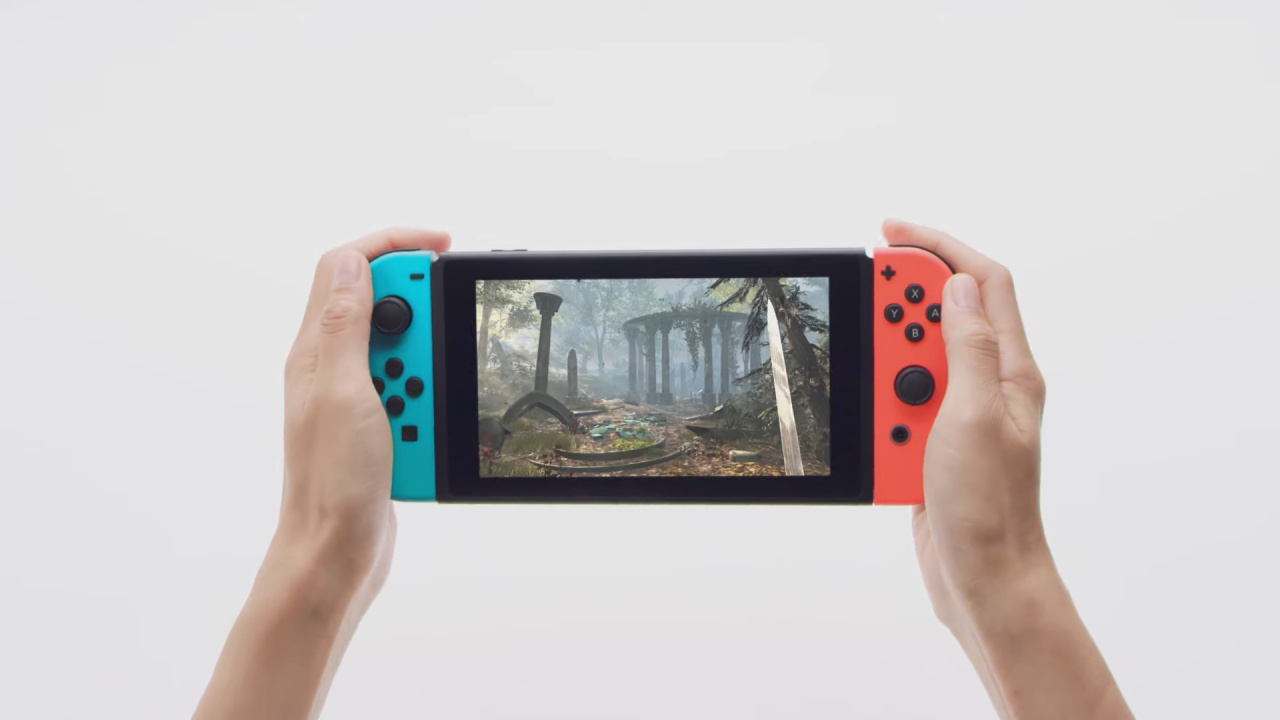
One Switch game revealed earlier this year at E3 that you might have forgotten about was The Elder Scrolls: Blades. It’s a free-to-play mobile title being ported across to Nintendo’s hybrid device this Fall and will support both cross-play and cross-progression.

During an interview with Nintendo Everything, the Bethesda team revealed some additional information about the Switch release. Due to its mobile links, it’ll require the player to be online at all times:

having an offline mode is something we definitely hear from a lot of people for the game in general, so that’s something we always constantly look at – like how would we do it. We want to make sure – the online game, we’re adding PvP in the fall, we want to make sure cheating isn’t an issue. So it’s like, how do we do an online mode that makes sense? Right now we’re requiring an internet connection, but in the future it’s something we may add if we can have a good solution for it.

In the same interview, Bethesda confirmed the Switch release would not include touch controls. The team “found that playing with the Joy-Con feels great, and having to take your finger off the Joy-Con to touch the screen was not”.

As for amiibo support – it’s “something that’s on the table” but will depend on the timing and what else is planned for the Nintendo version of the game.

Are you looking forward to the release of this free-to-play Elder Scrolls when it arrives on the Switch later this year? Have you already played the mobile release? Let us know in the comments.


https://www.sickgaming.net/blog/2019/10/...onnection/

Print this item

  News - Here’s Your First Look At Rivals Of Aether Running On Switch
Posted by: xSicKxBot - 10-27-2019, 11:17 PM - Forum: Nintendo Discussion - No Replies

Here’s Your First Look At Rivals Of Aether Running On Switch


Last January, Rivals of Aether was confirmed for the Nintendo Switch by its creator, Dan Fornace. He then reconfirmed the game for this same platform earlier this year, in a video message at Super Smash Con.

Now, after a long wait, we’ve finally got our first glimpse of the game up and running on the hybrid hardware. In the short Twitter clip below, you can see the online play in action:


Dan added to this tweet, saying how the team had been “working hard” to get the game up and “running at 60” fps on Switch and said the above video was just beginning. Unfortunately, there are no plans for cross-play support.

As for a release date, there’s nothing to announce just yet. In fact, Dan says there’s not even an estimated release window. If we get any updates, we’ll be sure to let you know.

Have you been waiting for this Smash-style fighting game to be released on the Switch? Comment below.


https://www.sickgaming.net/blog/2019/10/...on-switch/

Print this item