Important: See the disclaimers at the end of this page. This is a rapidly changing field and information may be wrong or outdated on this page/book.
 VERY IMPORTANT: Be on the right side of change by joining 130k AI enthusiasts our free AI email newsletter.
Introduction: The Rise of AI Agents
Artificial intelligence is undergoing a tectonic shift. We’ve gone from chatbots that spit back canned answers to fully fledged agents that can perceive, reason and act on our behalf. Large language models (LLMs) like Claude and GPT have ignited imaginations and created a gold rush of startups, yet the most important innovation isn’t a bigger model—it’s autonomy. An AI agent can take initiative, remember what you tell it and perform real work without constant supervision. This book explores how to harness that autonomy using Clawdbot, a self‑hosted personal AI assistant that lives in your messaging apps and executes tasks 24/7. By the time you finish reading, you’ll understand how agents work, how to deploy your own Clawdbot and—most importantly—how to turn these capabilities into real value and income.
Why focus on automation and monetization? Because we all have “boring stuff” that distracts us from meaningful work. If you’re an entrepreneur, freelancer or corporate innovator, the ability to offload repetitive tasks frees up mental space for strategy and creativity. At the same time, the world is hungry for expertise in AI agents. Clients will pay for custom workflows, businesses will pay subscription fees for reliable assistants, and communities will rally around new skills. Clawdbot’s core features—always‑available access via messaging apps, persistent memory, proactive notifications and full computer control—set it apart from traditional assistants. In other words, it does what Siri and Alexa promised but never delivered. That makes Clawdbot both a useful tool and a lucrative opportunity.
In the pages ahead, we’ll unpack the technology and psychology behind Clawdbot. We’ll tour its architecture, discuss setup on a budget VPS, and show how to extend it with skills. We’ll then dive into dozens of automations—from taming your inbox to generating invoices, from coding prototypes to booking travel—illustrated with step‑by‑step instructions. You’ll learn how to develop your own skills using TypeScript or Python, how to orchestrate complex workflows and how to keep your data safe. Finally, we’ll pivot to business: exploring subscription models, consulting, digital products, affiliate partnerships, white‑label offerings and enterprise deployments. Case studies highlight real founders and freelancers who’ve integrated Clawdbot into their operations and revenue streams. Whether you’re a developer seeking to capitalize on the AI agent boom or a non‑technical founder looking to work smarter, this book is your blueprint.
Chapter 1: What Is Clawdbot?
Clawdbot is a free, open‑source project created by Peter Steinberger and maintained by an active community. It stitches together three components: a messaging gateway, an AI agent running an LLM, and a skill system that allows the agent to interact with other services. The gateway bridges your chat apps—Telegram, WhatsApp, Discord, Slack, iMessage and more—with the agent. You talk to Clawdbot like you would a friend. When you ask it to research a market, draft an email or schedule a meeting, it uses skills to perform the actions.
Clawdbot stands out because it is self‑hosted. Unlike ChatGPT, Google Assistant or other cloud bots, your instance runs on a server you control. The AI model can be Claude, GPT‑4, Gemini or a local model; you choose. Persistent memory means Clawdbot remembers your conversations and stores session data, so it can reference past interactions. It’s always on because it runs as a daemon on your VPS. Importantly, it can proactively message you. For example, you might schedule a morning briefing: Clawdbot logs into your email, summarizes overnight messages and highlights urgent items. It then sends you a friendly summary in Telegram before you’ve even had coffee. Because it can control a browser and run code, Clawdbot can fill out forms, scrape websites, trigger workflows and even deploy projects. The assistant offers four unique capabilities: 24/7 availability across platforms, persistent memory, proactive communication and full computer access.
To understand how these pieces fit together, imagine Clawdbot as a small company in your pocket. The gateway is the front desk, answering calls from Telegram or WhatsApp and routing messages. The agent is the CEO, interpreting your requests with natural language understanding and deciding what to do next. The skills are specialized employees: one knows how to search the web, another reads and writes email, a third drives a headless Chrome session, and a fourth performs math or looks up stock prices. If the CEO doesn’t know how to do something, you can hire a new “employee” by installing a skill from ClawdHub or writing your own. Each skill is just a small script with a manifest describing inputs and outputs. You can even modify the CEO’s personality: Clawdbot uses a SOUL.md file to define its tone of voice, values and preferences. This flexibility turns Clawdbot into a canvas for experimentation and entrepreneurship.
Chapter 2: Installing and Configuring Your Assistant
Deploying a personal AI assistant sounds intimidating, but Clawdbot’s community has streamlined the process. You’ll need a virtual private server (VPS) with at least 2 GB of RAM for basic chat and 4 GB or more if you plan to use browser automation. Services like Hetzner, DigitalOcean and Linode offer basic VPS instances for $5–$7 per month. This cost covers the always‑on compute needed to run Clawdbot. You’ll also need an account with Anthropic or OpenAI to access an LLM—either through API keys or a Pro subscription. A Pro subscription for Claude costs about $20 per month and API usage scales with tokens consumed. As your usage grows, you may upgrade to Claude Max or heavy API usage, but for most users the entry level suffices.
After you provision your server, connect via SSH and create a non‑root user. Keeping Clawdbot under a dedicated user reduces risks if something goes wrong. Update your system packages, install Node.js (version 22 or newer), and enable PNPM, the package manager used by the project. Next install Homebrew on Linux, which some skills depend on. Clone the Clawdbot repository from GitHub and run pnpm install followed by pnpm run build to compile the project. Finally, run pnpm run ui:install to set up the web UI. The built‑in setup wizard, launched with pnpm run clawdbot onboard, guides you through choosing your messaging provider (e.g., Telegram), selecting your runtime (Node vs. Bun), authenticating your AI model via OAuth or API key, and configuring your first skills. For Telegram, you’ll register a bot via BotFather, then approve the pairing by running pnpm run clawdbot pairing list and pnpm run clawdbot pairing approve with the code you receive.
During installation, you also set up persistent storage. Clawdbot maintains a workspace directory that holds session data, configuration files and skills. Key files include AGENTS.md, which defines high‑level agents; SOUL.md, describing personality; and TOOLS.md, enumerating system tools. The workspace can be a Git repository so you can version control your assistant’s configuration. Skills live under skills/ and load according to an explicit hierarchy: built‑in skills first, then your local skills, then marketplace skills. This modularity allows you to test new capabilities safely. The server also runs a gateway process that acts as a scheduler: you can set cron‑like rules for briefings, reminders and background tasks. Many users expose the gateway locally via SSH port forwarding for additional security.
If you prefer a one‑click approach, community members have built Docker images and platform installers that hide much of the complexity. Services like Railway and Render offer preconfigured deployments: you click “Deploy” on GitHub, connect your chat bot token and API keys, and a container spins up. However, to monetize Clawdbot or build custom skills, having a self‑managed server is recommended because you need file system access and the ability to install dependencies.
Chapter 3: Under the Hood — Gateway, Agent and Skills
Now that you have Clawdbot running, let’s explore its core components in depth. Understanding these pieces helps you design efficient automations and avoid common pitfalls.
The Gateway
The gateway is Clawdbot’s entry point. It listens on a set of endpoints for incoming messages from chat platforms and dispatches them to the agent. It also manages scheduled jobs and background tasks. When you set up a daily briefing, the gateway stores the schedule and wakes up at the appointed time to send a message. This architecture decouples messaging from computation: your assistant can handle dozens of conversations concurrently while still running long tasks. From a monetization perspective, the gateway is where you can integrate additional channels. If you want to sell access via Slack to paying clients while offering Telegram for free, you can configure multiple gateways and isolate them.
The Agent
The agent is the brain. It uses an LLM to interpret user prompts and generate responses. The agent prompts are injected with context: your SOUL.md defines personality, the AGENTS.md file defines specialized sub‑agents (e.g., ResearchAgent, CodingAgent) and your skills define commands. Each time you interact, Clawdbot builds a large system prompt containing its personality, available tools and memory from previous sessions. The LLM then decides whether to call a skill or respond directly. The agent is stateful because it writes to a memory database; this is why it can recall that you like dark mode or that you’re allergic to peanuts. It’s also open to modifications. You can edit SOUL.md to make your bot more formal or humorous. You can define new sub‑agents with different instructions. This is an opportunity for niche products: imagine a “SalesAgent” optimized for cold email copy or a “JournalAgent” that helps writers stay on track.
Skills
Skills are plug‑ins that extend the agent’s abilities beyond language. Each skill is defined by a manifest specifying the skill’s name, description, inputs and outputs. The manifest also points to a script written in TypeScript or another supported language. When the agent decides to use a skill, it passes arguments, and the script executes, returning results. Built‑in skills cover browsing (headless Chrome), file I/O, code execution, email, calendar and more. The community’s marketplace, ClawdHub, hosts hundreds of user‑generated skills, from PDF summarizers to CRM integrations. When developing skills, follow best practices: validate inputs, handle errors gracefully and respect timeouts. A bug in your skill can crash the agent, so test locally before deploying. Skills are also the foundation for monetization. You can sell premium skills, charge per‑use, or provide them to clients as part of a broader service. The modular design makes it easy to package skills like apps.
Chapter 4: Automating Your Personal Life
One of the biggest surprises of working with Clawdbot is how quickly it becomes indispensable. Here we explore a range of personal automations you can build, illustrating the power of persistent memory and proactive notifications.
Email Triage and Summaries
Most of us waste hours sorting email. Clawdbot can log into your Gmail or Outlook account, categorize messages, draft quick replies and summarize long threads. Start by installing the Email skill and connecting your accounts via OAuth. Then create a routine: each morning at 8 AM, Clawdbot fetches your inbox, sorts messages into categories (urgent, read later, newsletters), drafts replies for common inquiries and composes a summary. You review the summary in Telegram and instruct the bot which replies to send. Over time, Clawdbot learns your preferences and automatically archives spam. This not only saves time but also reduces cognitive load. You can monetize this by offering a “smart inbox” service to busy professionals. Charge a monthly fee to set up and maintain their Clawdbot instance with custom email filtering.
Calendar Management and Scheduling
Coordinating meetings is another tedious chore. With the Calendar skill, Clawdbot can read your availability, propose meeting times and send invites. You can also use the Browser Automation skill to interact with scheduling platforms like Calendly or Doodle on your behalf. For example, if a client sends a link to their booking page, Clawdbot can open the link, select the earliest available slot that fits your preferences and confirm the meeting. It can then update your own calendar and send a confirmation email. By combining this with proactive briefings, you get daily reminders of upcoming events and travel times. If you run a consultancy, you might offer clients a package that includes automated meeting scheduling and follow‑up communications.
Personal Knowledge Base and Journaling
With persistent memory, Clawdbot can become a living journal. You can ask it to record key decisions, store helpful articles or transcribe voice notes. Using the Web Research skill, it can fetch articles, summarize them and tag them for future retrieval. For journaling, create a new sub‑agent called “JournalAgent” with instructions to prompt you at the end of each day for a reflection. The agent can then ask follow‑up questions and store the conversation in a local Markdown file. Over months, you build a searchable archive of your life. This is especially powerful for professionals who need to track ideas, tasks and achievements. Monetization arises by packaging this workflow as a product: a “Life OS” template where users pay for a preconfigured Clawdbot instance with journaling, to‑do lists and knowledge management built in.
Health and Habits Tracking
Clawdbot can interface with wearable data and help maintain healthy habits. Although it cannot directly read your Apple Watch (unless you implement an integration), you can periodically export health data and let Clawdbot analyze it. Skills can parse CSV files of steps or sleep data and generate insights. You can then set up reminders: if you haven’t stood up in two hours, Clawdbot pings you to stretch. If your sleep pattern deteriorates, it suggests adjustments. For habits like meditation, writing or exercise, schedule friendly nudges. This kind of accountability buddy appeals to wellness communities and can be packaged as a subscription, especially if you provide weekly reports and recommendations.
Chapter 5: Automating Your Work Life
Clawdbot is not just for personal productivity; it’s a powerhouse for entrepreneurs, freelancers and teams. In this chapter we explore professional automations that save time and improve accuracy.
Project Management and Task Coordination
Project management software like Asana, Trello or Jira helps teams track tasks, but someone still has to move the cards. With Clawdbot, you can automate updates. Using the API of your project management tool and the Browser Automation skill, the bot can move tasks between columns when pull requests merge, assign tickets when Slack discussions conclude and update due dates based on calendar availability. It can also generate status reports by summarizing progress from commit messages and comments. For agile teams, you might have the bot write daily standup notes based on who completed what the previous day. Such automations not only save hours but also ensure consistency. Consultants can offer “AI‑enhanced project management” packages that integrate Clawdbot into client workflows.
Research and Data Gathering
Research is one of the hardest tasks for AI because it requires reading multiple sources and synthesizing information. Clawdbot’s Browser skill can visit websites, click through pages, copy information and save it. Combined with the LLM’s summarization abilities, you can instruct the bot to compile market analyses, competitor landscapes or literature reviews. For instance, a marketing consultant can ask: “Research the top 10 fintech startups in Germany launched in 2024, their funding rounds, and unique value propositions.” Clawdbot will search, visit company pages, extract funding data and produce a report. Because the bot has persistent memory, you can ask follow‑up questions days later and it still recalls the context. This capability is a strong selling point: clients will pay for regularly updated research delivered in plain language.
Coding and Prototyping
Developers rave about Clawdbot’s ability to write and execute code. With the Code skill, the agent can open your IDE via a remote session, generate boilerplate code, run tests and even deploy projects. For solo founders building MVPs, this means you can describe features in chat and watch as Clawdbot writes the function, commits it to Git and pushes to a remote repository. It’s not perfect—human review remains crucial—but it accelerates development. In the blog post by Michael Tsai, users mention that Clawdbot logs their sleep and health data, writes code and deploys it, manages daily notes and tracks visitors. That variety demonstrates its broad reach. If you’re a developer, you can monetize this by offering rapid prototyping services where you pair your own expertise with Clawdbot to deliver projects faster.
Compliance and Reporting
In regulated industries, compliance is time‑consuming. Clawdbot can help by generating routine reports, checking files for compliance keywords and maintaining audit logs. For example, an accounting firm might instruct Clawdbot to scan transaction logs for anomalies and prepare monthly compliance reports. If a flagged transaction appears, the bot notifies the responsible accountant via chat. Combining this with scheduled briefings ensures that compliance tasks happen on time. Packaging such automations as a subscription service for small businesses—“AI‑powered compliance monitoring”—can be lucrative.
Customer Support and CRM
While Clawdbot isn’t a replacement for a full‑blown chatbot, it can assist support agents by triaging tickets, summarizing conversations and drafting replies. You can integrate it with help desk software via the Browser skill or direct API calls. When a new support email arrives, Clawdbot reads it, detects sentiment, checks documentation for matching articles and composes a draft response. If the bot can’t solve the issue, it assigns the ticket to a human. Over time, the bot learns common issues and speeds up resolution. Businesses will pay for this efficiency. Offer a “support augmentation” service where you set up Clawdbot, tune its responses and monitor performance.
Chapter 6: Building Custom Skills
Automations are powerful, but to truly differentiate your offering you must create bespoke skills. This chapter teaches you how to develop, test and monetize your own skills.
Skill Anatomy
Every skill consists of two files: a manifest (JSON or YAML) and a script (TypeScript, Python or another runtime). The manifest lists the skill’s name, description, required parameters and outputs. For example:
{ "name": "weather", "description": "Fetch the current weather for a given city.", "parameters": { "type": "object", "properties": { "city": {"type": "string", "description": "The city name"} }, "required": ["city"] }
}
The script uses the parameters to perform work and returns a JSON response. Clawdbot exposes standard libraries for HTTP requests, file operations and more. When the agent calls the skill, it passes the user’s arguments. The skill code fetches data (e.g., from a weather API) and returns the result. The agent then decides how to use the output: it might read it back to the user, log it to memory or feed it into another skill.
Development Workflow
To create a new skill, start with the official skill-template in the repository. Rename the folder, update the manifest and implement your script. Write unit tests to validate input parsing and error handling. Use pnpm run dev to launch Clawdbot in development mode and test your skill in chat. Because skills can execute arbitrary code, isolate them in a sandbox environment and limit external calls. Use environment variables for API keys and secrets. Document your skill thoroughly so users know what it does and how to configure it.
Publishing and Monetizing
Once your skill works, consider publishing it on ClawdHub. You can choose to make it free, charge a one‑time fee or offer a subscription. Pricing depends on complexity and market demand. A simple API wrapper might be free to attract users, while a sophisticated financial analysis skill could command a recurring fee. Another model is bundling skills into a premium package. For example, create a “Founder Toolkit” with skills for competitive research, pitch deck generation and investor outreach. Offer the bundle as a subscription to startups and include support. The marketplace handles payments and distribution, though you can also host skills privately and sell access via your own website. Remember to factor in costs like API usage and support time when setting prices.
White‑Labeling Skills
Companies may want custom‑branded assistants. You can white‑label your skills by changing names, messages and branding elements to match the client’s identity. For instance, a marketing firm might want its AI assistant to greet clients in a friendly voice and sign emails with the firm’s name. You can create a version of your skills where these details are configurable. Then license the package to different clients. White‑labeling generates recurring revenue and builds your portfolio of satisfied customers.
Chapter 7: Advanced Agent Design and Orchestration
As your automations grow, you’ll run into limitations: single skills may not suffice for complex workflows, the agent may get confused about which tool to call, and concurrency issues may arise. This chapter explores advanced patterns for orchestrating agent behavior.
Sub‑Agents and Delegation
Clawdbot allows you to define multiple agents, each with its own instructions and skill sets. For example, you might create a ResearchAgent specialized in web research and summarization, a CoderAgent with high temperature for creative coding tasks, and an ExecutiveAgent that coordinates both. When a complex request comes in, the top‑level agent can delegate parts of the job to sub‑agents. This hierarchy improves performance because each agent’s prompt is smaller and more focused. It also aligns with human organizations, where managers delegate tasks to specialists. Use delegation when tasks are distinct (e.g., research vs. coding) or require different personalities.
Workflow Composition
Some tasks require multiple steps: gather data, analyze it, generate a document and send it. You can orchestrate such workflows by combining skills. Use the agent’s call function to programmatically invoke skills in sequence. For instance, to create a report on a competitor, you might call the research skill, then pass the result to a summarization skill, then use the email skill to send the report. Write a custom script that coordinates these calls to reduce token consumption and improve reliability. This approach is akin to building microservices: each skill does one thing well, and a coordinator orchestrates them.
Memory Management
Clawdbot stores conversation context in a memory database. While this is powerful, too much memory can slow down responses and cause hallucinations. Implement memory pruning strategies: store only relevant messages for each agent, archive old interactions to files and limit the number of tokens fed to the LLM. You can also tag memory entries with metadata (e.g., project names, dates) to improve retrieval. Building a memory manager as a skill is another opportunity for monetization: sell a tool that keeps Clawdbot fast and accurate even in long‑running projects.
Local Models and Offline Capability
Although Clawdbot typically uses cloud models like Claude or GPT, you can run local models on your own GPU. This reduces costs and increases privacy. Tools such as LM Studio, Ollama or custom fine‑tuned models can serve as backends. To integrate a local model, implement a new runtime in Clawdbot and point the agent to your local endpoint. Keep in mind that smaller models may produce lower‑quality outputs, so you might use them for low‑impact tasks while reserving cloud models for critical actions. Offering an “on‑premise” package with local models can be appealing to clients in regulated industries.
Chapter 8: Monetization Models
The unique capabilities of Clawdbot open many pathways to revenue. In this chapter we explore various business models and how to implement them.
Subscription Services
One straightforward approach is to offer a managed Clawdbot subscription. You host the assistant, configure it for each client and provide support. Charge a monthly fee proportional to the number of skills or the volume of requests. For example, a “Solo Founder” plan might include email automation, research and daily briefings, priced at $49 per month. A “Startup Team” plan could add project management and CRM integrations for $129 per month. Higher tiers could offer priority support, custom branding and performance guarantees. Ensure that your pricing covers VPS costs, API usage and your time. Consider annual discounts to incentivize longer commitments.
Consulting and Custom Development
Many companies know they need AI agents but don’t know where to start. Offer consulting packages: assess their workflows, identify automation opportunities and implement custom skills. For technical clients, this might involve writing code to integrate Clawdbot with existing systems. For non‑technical clients, you may provide training sessions, documentation and onboarding. Charge hourly or project‑based fees. Upsell maintenance contracts so you continue to support and update their bots as models improve. Consulting is high touch but yields higher margins and builds long‑term relationships.
Selling Skills and Bundles
If you enjoy product development, build a portfolio of skills and sell them on ClawdHub. Skills addressing pain points—like financial forecasting, SEO analysis or legal document summarization—can command premium prices. Offer free trials to attract users and gather feedback. As you build a reputation, you can release “pro” versions with advanced features. Bundles create additional value: group complementary skills and offer them at a discount. For example, a “Real Estate Toolkit” might include skills for property valuation, rental yield calculation and contract review. Licensing your skills to agencies or SaaS companies via annual contracts can generate stable revenue.
Digital Products and Courses
Transform your expertise into digital products. Write an e‑book (like this one) on Clawdbot automation. Record video courses teaching others how to build skills, run a consulting practice or automate their operations. Host the course on platforms like Teachable or Udemy. Combine the course with templates and code snippets. Offer tiered pricing: a basic tier with videos, a pro tier with one‑on‑one coaching and a premium tier with a preconfigured Clawdbot instance. Digital products scale well: you create once and sell many times.
White‑Label SaaS
Businesses may prefer to offer AI services under their own brand. Build a white‑label SaaS using Clawdbot as the core engine. Provide an interface where clients can create bots, choose skills and customize names. Host each instance in isolated containers. You charge a platform fee and handle infrastructure. For example, a marketing agency could offer “AI marketing assistants” to its customers; your platform powers it behind the scenes. White‑label arrangements often involve revenue sharing. Ensure contracts define usage limits and support obligations.
Affiliate Partnerships and Referrals
Monetization isn’t limited to selling skills. You can earn affiliate commissions by referring clients to hosting providers, API services or tools. For example, Hetzner or DigitalOcean may offer referral programs. Create content that teaches people how to set up Clawdbot and include your affiliate links. When readers sign up, you earn a commission. Similarly, partner with LLM providers: sign up for referral programs and earn a percentage of subscription fees. This model works well when combined with educational content.
If you build a community around Clawdbot—through a newsletter, blog, podcast or YouTube channel—you can monetize via sponsorships. Companies developing AI tools may pay to reach your audience. Make sure sponsorships align with your values and provide real value. Transparent disclosure is essential. Advertising can also appear within skills themselves: a news summarizer could occasionally recommend related products. Always offer an opt‑out and respect user privacy.
Chapter 9: Building a Consulting Business with Clawdbot
Let’s turn theory into practice. This chapter outlines how to create a consulting business centered on Clawdbot. You don’t need to be an AI researcher, but you do need to understand client needs, design solutions and communicate clearly.
Step 1: Define Your Niche
Start by identifying an industry or problem you understand well. Are you familiar with law firms, e‑commerce or healthcare? Each has distinct workflows and compliance requirements. Choose a niche where automation will produce significant benefits. For example, many law firms still rely on paralegals for research and document preparation. Clawdbot can streamline research, case summarization and time tracking. Once you choose a niche, study its pain points and common tools.
Step 2: Develop a Signature Offering
Create a core service package. For the legal niche, you might develop a “Legal Assistant” that can fetch case law, summarize judgments, draft basic contracts and track billable hours. Include consultation time to customize skills for each firm. For e‑commerce, design a bot that monitors competitor pricing, updates product descriptions and automates support emails. A signature offering makes marketing easier because you have a clear value proposition.
Step 3: Set Pricing and Delivery Models
Decide how you’ll charge. Consulting can be hourly (billable rates) or project‑based (scope defined in advance). A hybrid approach works: charge an upfront fee for setup and then a retainer for ongoing updates and support. Clearly outline deliverables, milestones and support terms. Offer tiered packages to cater to different budgets. Use proposals and contracts to protect yourself and manage client expectations.
Step 4: Acquire Clients
Leverage your network: reach out to past colleagues, industry associations and online communities. Share case studies and testimonials. Host webinars explaining how AI agents save time and money. Offer free audits: analyze a prospect’s workflow and suggest automation opportunities. Consider partnering with complementary service providers, such as IT consultants or accountants, to exchange referrals. Building trust is crucial; clients entrust you with sensitive data, so emphasize confidentiality and security.
Step 5: Deliver Results and Gather Feedback
Once you land a client, focus on delivering value quickly. Implement quick wins—like automating invoice generation or meeting summaries—within the first week. Provide training sessions so staff understand how to interact with the bot. Encourage feedback and iterate on skills. Document the time saved and improvements in accuracy. Use these metrics to refine your offerings and update marketing materials. Happy clients become referrals, fueling business growth.
Step 6: Scale Your Practice
As demand grows, you’ll hit capacity limits. Consider hiring assistants or subcontractors who can install Clawdbot, write skills or provide support. Create internal documentation and templates so each deployment follows a repeatable process. Offer group training courses or community support channels to reduce one‑on‑one demands. Explore licensing your signature offering to other consultants—effectively turning your service into a product. Scaling requires maintaining quality while expanding reach; automate your own operations to practice what you preach.
Chapter 10: Creating and Selling Digital Products
Digital products provide scalable income. This chapter describes how to package your expertise into books, courses, templates and toolkits.
Books and E‑books
If you’re reading this, you know the power of long‑form content. Authoring a detailed guide on Clawdbot positions you as an expert. The writing process also clarifies your thinking and creates material for blog posts, videos and social media. Use Markdown and Pandoc to convert your manuscript into PDF and e‑book formats. Choose a compelling title that addresses a pain point, such as “Automate Your Business with Clawdbot” or “AI Agents for Non‑Coders”. Publish on platforms like Amazon KDP and Gumroad. Price competitively and offer bundles with complementary products (e.g., code snippets or video walkthroughs). Promote your book through guest posts, podcasts and partnerships.
Video Courses
Video courses allow learners to see the agent in action. Plan your course structure: introduction, installation, basic automations, skill development, monetization strategies. Use screen‑recording software to capture your terminal and chat sessions. Provide transcripts and slides. Host the course on platforms that handle payments, such as Teachable or Udemy, or self‑host with tools like Thinkific. Price courses higher than books because of the production effort. Offer lifetime access and updates. Engage with students via Q&A sessions or a private community.
Templates and Starter Kits
Not everyone wants to build from scratch. Create templates: preconfigured Clawdbot workspaces with a curated set of skills, sample prompts and workflows. For example, a “Freelancer Kit” could include skills for tracking billable hours, generating invoices, managing a CRM and drafting proposals. A “Researcher Kit” might contain citation management, paper summarization and literature review automations. Package these templates as ZIP files with installation instructions. Sell them individually or as part of a membership. Use versioning to deliver updates when Clawdbot evolves.
Bundling and Pricing
Combine products to increase average revenue per customer. Offer a “Complete Automation Bundle” with your book, video course, templates and one hour of consulting. Price the bundle lower than the sum of individual products to create a perceived deal. Provide tiered bundles—basic, professional and enterprise—to match budgets. Use limited‑time offers and discounts to drive urgency. Collect email addresses through a lead magnet (e.g., a free mini‑ebook) to build your audience and upsell products.
Chapter 11: White‑Label SaaS and Licensing
Many entrepreneurs dream of recurring SaaS revenue. Clawdbot can be the engine of such a platform. This chapter covers how to build a white‑label SaaS product with Clawdbot at its core.
Architecture and Isolation
A white‑label platform must isolate each customer’s data. Use containerization (Docker) to spin up separate Clawdbot instances per customer. Manage containers with Kubernetes or Nomad for scalability. Provide a web dashboard where customers configure their bot, select skills and integrate messaging channels. The platform orchestrates deployments, monitors uptime and handles billing. Store sensitive credentials (API keys, access tokens) in a secure vault (e.g., HashiCorp Vault) and inject them at runtime.
Customization and Branding
Your clients expect to brand the assistant with their logo, name and tone. Offer configuration fields for greeting messages, sign‑off phrases and color themes. Allow them to write their own SOUL.md or choose from templates. Provide multi‑language support for international markets. Offer granular permission controls: some clients may want the bot to access only specific folders or websites. Build an admin interface for your support team to debug issues quickly.
Billing and Pricing Models
Billing for a white‑label platform can be usage‑based (number of messages or API tokens), per‑seat (number of users) or tiered (bundles of features). Provide transparent dashboards showing consumption so clients can manage costs. Offer a free trial with limited features to encourage adoption. Implement automated credit card billing and invoices. For enterprise deals, support purchase orders and wire transfers.
Support and Maintenance
Running a SaaS means you’re responsible for uptime, bug fixes and security. Monitor container health, set up alerts and implement disaster recovery plans. Regularly update Clawdbot to new versions and test skills for breaking changes. Provide documentation and a knowledge base. Offer support via chat or ticketing systems. Consider adding service level agreements (SLAs) for premium plans. A well‑run SaaS with responsive support increases customer loyalty and reduces churn.
Legal Considerations
When licensing AI technology, ensure your terms cover data privacy, intellectual property and liability. Draft agreements that specify what data is stored, how it’s used and who owns the outputs. Include clauses about acceptable use, such as prohibiting illegal activities. Consult with a lawyer familiar with technology and privacy law. If your platform processes data subject to GDPR or CCPA, implement compliance mechanisms like consent management and data deletion upon request.
Chapter 12: Affiliate Marketing, Partnerships and Community Building
Building a business around Clawdbot isn’t only about selling your own products; it’s also about building an ecosystem. This chapter explores how to leverage partnerships and community to grow your brand and revenue.
Affiliate Marketing
As mentioned earlier, you can earn commissions by promoting hosting providers, AI API services and complementary tools. Create tutorials on setting up a VPS or choosing an LLM provider. Include affiliate links and disclose them transparently. Use search engine optimization (SEO) to attract organic traffic. Tools like YouTube and TikTok also drive engagement: record short clips showing how Clawdbot automates a task and link to your blog. When viewers follow your recommendations, you earn income without creating your own product.
Strategic Partnerships
Partner with software companies to integrate Clawdbot into their offerings. For example, collaborate with a project management tool to build a native Clawdbot add‑on. Both companies benefit: your bot becomes more useful, and the partner gets a differentiating feature. You might share revenue or cross‑promote. Partnerships also open doors to new markets. For instance, a collaboration with a CRM platform could expose Clawdbot to hundreds of sales teams.
An engaged community amplifies your reach. Create a Discord or Slack server where users share automations, ask questions and help each other. Host weekly live sessions to demonstrate new skills, interview power users or troubleshoot installations. Encourage members to build and share their own skills. Reward contributions with recognition, swag or free subscriptions. Communities also generate feedback that guides product development. Over time, your community becomes a funnel for consulting clients, course purchasers and affiliates.
Events and Speaking
Public speaking positions you as a thought leader. Apply to speak at tech meetups, AI conferences and industry events. Topics might include “Automating Legal Research with AI Agents” or “Building a Six‑Figure Consulting Business on Top of Clawdbot”. Tailor your talk to the audience: technical deep dives for developers, case studies for business leaders. Use these events to collect leads and direct listeners to your website or community. Run virtual workshops where participants follow along and set up a basic Clawdbot instance.
Chapter 13: Ethics, Privacy and Security
With great power comes responsibility. Clawdbot can log into email, read sensitive documents, control your computer and browse the web. Misuse or negligence could lead to data leaks, financial losses or reputational harm. This chapter examines how to operate ethically and securely.
Consent and Transparency
When deploying Clawdbot in a business, obtain consent from all stakeholders. Make sure employees know that an AI agent is reading their messages and acting on their behalf. Inform clients if the bot drafts emails for them. Transparency builds trust and reduces legal risk. Avoid representing the bot as a human; be clear that it’s an assistant.
Data Privacy
Clawdbot stores conversations and may access personal data. Secure your server with strong passwords, SSH keys and firewall rules. Encrypt data at rest and in transit. Use separate accounts for production and testing. Limit the scope of access: only allow the bot to read the folders and applications necessary for its tasks. Regularly audit logs to detect unauthorized access. For European users, ensure compliance with GDPR: implement data deletion routines, provide data exports on request and appoint a data protection officer if needed.
Safety and Hallucinations
LLMs sometimes hallucinate—producing plausible but false information. When an agent has the ability to act, hallucinations can be dangerous. Mitigate this by implementing confirmation steps for high‑risk actions (e.g., transferring money, sending emails to clients). Require the bot to ask for approval before executing commands with side effects. Use guardrails in your skills: validate API responses, check that URLs match expected domains and set timeouts to prevent runaway tasks. Regularly review logs and test scenarios to catch unintended behavior early.
Security of Integrations
Third‑party services may introduce vulnerabilities. When using browser automation, be cautious about session cookies. Use dedicated accounts for the bot, separate from your personal accounts. Store API keys in environment variables or secure vaults. Keep dependencies up to date. If you deploy the bot for clients, implement multi‑factor authentication (MFA) on the VPS and administrative interfaces.
Ethical Considerations
AI agents can impact employment, decision‑making and privacy. Use Clawdbot responsibly: don’t automate tasks that require human judgment (e.g., therapy advice, hiring decisions) without oversight. Avoid creating disinformation or spam. Consider the societal impacts of your monetization strategies. A sustainable business respects users, clients and the broader community.
Chapter 14: Case Studies and Success Stories
Theory is inspiring, but nothing is as motivating as seeing real people succeed. In this chapter we present several case studies of freelancers and businesses who integrated Clawdbot into their workflows and monetization strategies.
Startup Founder Saves 20 Hours a Week
Sarah runs a three‑person ecommerce startup. She wears many hats: marketing, customer support, product sourcing and operations. By installing Clawdbot on a $5 Hetzner server and spending a weekend configuring skills, she automated 70% of her repetitive work. The bot handles customer inquiries, updates product descriptions with SEO keywords, monitors competitor pricing and sends daily sales reports. Sarah now spends more time negotiating with suppliers and brainstorming marketing campaigns. She estimates that Clawdbot saves her 20 hours per week, equating to more than $1,000 in monthly value. Encouraged by her success, she began offering automation consultations to other small shop owners. Charging $500 per setup, she landed ten clients in the first two months.
Alex, a freelance full‑stack developer, was early to experiment with Clawdbot. He created a suite of skills for code generation, testing and deployment. He then packaged these skills into a “DevOps Assistant” and sold them on ClawdHub for $99. Hundreds of developers purchased the bundle. He also offered installation services for teams that needed custom workflows, charging $2,500 per client. In less than a year, Alex’s revenue exceeded $150,000, far surpassing his previous freelance income. He now maintains his skills, runs an online course and contributes to the Clawdbot community.
Marketing Agency Scales Outreach
A boutique marketing agency needed to scale its outreach campaigns without hiring more staff. They hired a Clawdbot consultant who built a customized assistant that generates prospect lists, writes personalized LinkedIn messages, schedules follow‑ups and logs responses in the agency’s CRM. The agency saw a 30% increase in qualified leads without adding headcount. They pay the consultant a monthly retainer and have referred him to three other agencies.
Academic Research Group Accelerates Literature Reviews
Dr. Martinez leads a biomedical research lab. Literature reviews and grant writing consume significant time. She set up Clawdbot with skills for PubMed search, PDF summarization and citation formatting. The bot retrieves new papers, synthesizes findings and suggests potential experiments. When writing a grant proposal, Clawdbot drafts sections based on previously funded projects and guidelines. The lab now completes reviews in half the time. Dr. Martinez wrote a blog post about their workflow, driving interest from other academics. She is considering offering a consulting service to other labs.
Compliance Officer Reduces Risks
An accounting firm’s compliance officer implemented Clawdbot to monitor transactions and generate reports. The bot flags unusual activity and sends alerts. It also compiles monthly compliance summaries, freeing the officer to focus on higher‑level oversight. The firm now offers compliance monitoring as an add‑on service to clients, generating an additional $8,000 per month. They also receive fewer audit findings because of the automated checks.
These case studies illustrate that Clawdbot isn’t a toy; it’s a tool that empowers individuals and organizations. By delivering measurable value, you build trust and justify your fees.
Chapter 15: Scaling Up — Enterprise and Beyond
While Clawdbot is built by a small team, it is capable of serving larger organizations. In this chapter we look at enterprise considerations.
Infrastructure and Load Balancing
Enterprises require redundancy and scaling. Use container orchestrators to run multiple instances of Clawdbot across servers. Load balancers distribute incoming chat traffic. A database cluster stores memory and logs. Implement caching to reduce latency. Monitor metrics like CPU usage, memory consumption and API token cost. When user load spikes—say, during a marketing campaign—scale out by adding more containers. Use auto‑scaling rules to manage costs.
Governance and Compliance
Large organizations must adhere to internal controls and regulations. Implement user access controls: restrict which employees can use which skills. Maintain audit logs for all actions. For regulated industries like finance, configure the bot to keep data within specific geographic regions and comply with data residency laws. Collaborate with IT and compliance teams to get buy‑in.
Custom Integrations
Enterprises often run legacy systems. Custom skills can integrate Clawdbot with SAP, Salesforce, Oracle and homegrown tools. Use secure APIs or robotic process automation (RPA) for systems without APIs. Document integration points and ensure that failure modes degrade gracefully. Offer training to IT staff so they can maintain the bot internally.
Change Management
AI adoption triggers cultural shifts. Employees may fear replacement or struggle to trust automated decisions. Conduct workshops to explain the bot’s role: augmenting humans, not replacing them. Start with pilot teams, gather feedback and iterate. Provide clear guidelines on when to rely on the bot and when to seek human oversight. Celebrate successes and share metrics. Over time, the bot becomes part of the fabric of the organization.
Chapter 16: Future Trends and Predictions
The AI agent landscape is evolving rapidly. Here we speculate on trends that will shape Clawdbot and similar systems over the next five years.
Multimodal Agents
Future agents will seamlessly process text, voice, images and video. Clawdbot may gain skills for OCR, speech synthesis and computer vision. Imagine taking a photo of your handwritten notes and having the bot transcribe, summarize and organize them. Or receiving a voice briefing on your morning commute. Multimodal capabilities expand accessibility and open new monetization opportunities, such as automated video editing or real‑time transcription services.
Collective Intelligence and Swarms
Agents will collaborate across instances. Multiple Clawdbots could share anonymized knowledge, forming a “swarm intelligence”. For example, research agents across labs might pool data on experimental results and accelerate discovery. Businesses could opt into networks where agents share best practices in marketing or product design. Monetization models might involve membership fees for access to the swarm. Security and privacy will be paramount, requiring federated learning techniques.
Personalized Models
As open models improve and become cheaper to fine tune, individuals and companies will train models on their own data. A personalized LLM for your company could capture corporate tone, domain knowledge and procedures. Clawdbot would act as the interface to this model. Services offering one‑click personalization will emerge. Consultants could specialize in fine‑tuning models and integrating them into Clawdbot, charging significant fees.
Regulation and Standards
Governments and industry bodies are developing frameworks for AI safety. Expect regulations requiring disclosure when interacting with an AI agent, record‑keeping for automated decisions, and rights for users to opt out. Standards will emerge for agent interoperability, enabling skills to work across platforms. Staying abreast of these developments allows you to position your business advantageously and advise clients.
User Adoption and Cultural Shift
Society will gradually accept AI agents as normal. Just as smartphones went from novelty to necessity, AI assistants will become standard. Workers will expect their tools to schedule meetings, draft documents and anticipate needs. Businesses that ignore this shift risk falling behind. Those who embrace it early stand to gain competitive advantage. Your role as a consultant, developer or educator is to guide this transition responsibly.
Chapter 17: Conclusion—Partnering with Your Digital Assistant
The promise of AI has long been portrayed as technology replacing humans. Clawdbot shows a different future: one where agents augment our capabilities, handle the drudgery and leave us free to focus on creativity, empathy and strategy. By automating the boring stuff, you reclaim your time. By learning how to monetize agents, you tap into a growing industry that rewards those who combine technical know‑how with business savvy.
Throughout this book, we covered how to install and configure Clawdbot, design skills, orchestrate workflows and build businesses. We explored personal and professional use cases, from email management to compliance monitoring. We examined monetization models—from subscriptions to consulting, from digital products to affiliate partnerships—and looked at how to structure a consulting practice, build a white‑label SaaS and cultivate a community. Case studies showcased real people turning Clawdbot into tangible results and income.
As we look ahead, remember that AI is a tool, not a panacea. Success requires thoughtful design, ethical responsibility and continuous learning. The opportunity is vast: millions of tasks remain to be automated, and millions of users have yet to meet their first AI agent. Whether you’re automating your own to‑do list or launching a venture, Clawdbot offers a powerful platform. Take the ideas from these pages, experiment boldly and build a future where the boring stuff is handled, leaving more room for what makes you uniquely human.
Chapter 18: Understanding the AI Agent Market
Before diving deeper into business models, it’s important to understand the broader AI agent landscape. Where does Clawdbot fit among the plethora of virtual assistants and automation tools? How big is the market, and what trends shape it?
A Brief History of AI Assistants
AI assistants have evolved dramatically over the past decade. Early products like Siri and Google Assistant offered simple voice commands—play music, set a timer, answer a factual question. These assistants relied on narrow, curated skills and lacked memory. As large language models matured, chatbots like ChatGPT and Claude appeared, providing conversational breadth and deeper reasoning. However, they remained stateless, requiring you to repeat context in each session. Clawdbot emerged as a response to these limitations: it brought statefulness, proactive behavior and computer control. Clawdbot’s ability to live across devices, remember past interactions, initiate contact and control a browser distinguishes it from consumer assistants.
Market Segmentation
The AI agent market can be segmented along two axes: consumer vs. enterprise and advisory vs. action. Consumer advisors (e.g., Alexa, Siri) answer questions and perform simple tasks. Enterprise advisors (e.g., chatbots in HR portals) provide information and basic workflow support. Consumer action agents (e.g., home automation) control devices, while enterprise action agents (e.g., Clawdbot) handle complex processes, generate code and interact with third‑party services. Positioning Clawdbot in the enterprise action quadrant is strategic: businesses pay for automation that saves money and mitigates human error. However, there’s also an emerging market for consumer action agents: individuals who want an assistant to manage finances, run home automations, plan vacations and more. By understanding your target segment, you can tailor your offerings.
Competitor Analysis
Competing platforms include ChatGPT plus plugins, Hugging Face’s Transformers Agents, AutoGPT, LangChain orchestrations and specialized bots like Taskade. Each has strengths: ChatGPT offers simplicity and broad model access but lacks persistent memory; AutoGPT can autonomously call functions but often runs uncontrolled loops; LangChain provides developer tools but requires more engineering; Hugging Face offers open‑source models and agent frameworks. Clawdbot differentiates itself by combining persistent memory with built‑in scheduling and direct messaging integration. It runs locally, giving users control over data. When selling Clawdbot solutions, highlight these differentiators: privacy, proactivity, extensibility and cost effectiveness.
Market Size and Growth
Estimates vary, but analysts expect the global AI assistant market to exceed $30 billion by 2030. Drivers include rising labor costs, the explosion of digital data and the ubiquity of messaging apps. Enterprises adopt AI to reduce overhead, enhance customer experiences and gain competitive advantage. Small and medium‑sized businesses (SMBs) are a growing segment because they face talent shortages and need cost‑effective solutions. The adoption curve resembles that of cloud computing: early adopters now enjoy efficiencies and will lead by example. As consultants and entrepreneurs, we can ride this wave by offering specialized services, skills and platforms.
Chapter 19: Building a Clawdbot Agency
If you’re serious about monetization, consider launching an agency that specializes in Clawdbot solutions. An agency can scale beyond individual consulting by systematizing processes and employing a team.
Defining Your Services
Start by defining a suite of core services. These might include installation and setup, custom skill development, workflow design, training, support and maintenance. Develop standardized packages—basic, professional and enterprise—that vary in features and price. For example, a basic package could include installation and two custom skills, while an enterprise package includes ongoing support, security audits and unlimited skills. Clear service definitions help manage client expectations and streamline sales.
Building a Team
As demand grows, you’ll need a team. Roles might include:
Automation Developer: writes skills, integrates APIs and tests workflows.
Client Success Manager: interfaces with clients, gathers requirements and communicates progress.
Ops Engineer: manages deployments, monitors performance and handles updates.
Sales and Marketing Lead: acquires new clients, handles proposals and manages partnerships.
Product Manager: defines new service offerings and ensures they meet market needs.
Hire people who share your passion for AI and automation. Provide training on Clawdbot architecture and keep staff up to date on new skills. Document internal processes so that quality remains high as you scale. Use Clawdbot internally to manage tasks, track billable hours and automate your own agency’s operations.
Creating Repeatable Processes
The key to scaling an agency is repeatability. Develop templates for proposals, contracts, onboarding checklists and skill manifests. Create a knowledge base of common automations and code snippets. Use project management software to track progress. Standardization reduces errors and speeds up delivery. Encourage team members to contribute to internal documentation. A repeatable process not only saves time but also allows new hires to become productive quickly.
Pricing Strategy
Agencies typically use a combination of one‑time project fees and recurring retainers. For setup projects, charge based on complexity: number of skills, number of integrations and time estimated. For maintenance, offer monthly or quarterly plans. Consider value‑based pricing when your work delivers clear ROI—for example, if your automation saves a client hundreds of hours per month, pricing a premium is justified. Provide tiered options to appeal to different budgets. Use transparent billing and detailed invoices to build trust.
Sales Pipeline
Develop a sales pipeline to ensure a steady flow of clients. Attract leads through content marketing (blog posts, webinars), partnerships and referrals. Qualify leads by assessing their readiness for automation and budget. Conduct discovery calls to understand their pain points. Prepare proposals tailored to each prospect, highlighting ROI. Follow up consistently—many deals close after multiple conversations. Track your pipeline in a CRM and optimize your process based on conversion rates.
Delivering and Scaling
When you close deals, execute efficiently. Assign roles, set timelines and communicate regularly with clients. After delivering projects, gather feedback and testimonials. Leverage satisfied clients for referrals and case studies. As you scale, develop advanced offerings: white‑label platforms, industry‑specific solutions, training programs and partnerships with tool vendors. Build recurring revenue streams to stabilize cash flow and make your agency more attractive to investors if you seek funding.
Chapter 20: AI Agents for Non‑Technical Users
One barrier to adoption is the perception that AI agents are only for developers. Yet many of the people who would benefit most—small business owners, solopreneurs, teachers—lack coding skills. This chapter explains how to make Clawdbot accessible to non‑technical audiences.
Simplifying Setup
Creating a user‑friendly onboarding experience is key. Provide step‑by‑step guides with screenshots and clear instructions. Offer one‑click deployment scripts that install dependencies, configure environment variables and generate tokens. Create video tutorials that walk through the process. For SaaS offerings, hide complexity behind a graphical interface: allow users to enter their API keys and choose from a list of recommended skills. Predefine safe settings so they don’t inadvertently grant too much access.
Designing Intuitive Workflows
Non‑technical users think in goals, not functions. Instead of expecting them to recall skill names or write commands, design conversational workflows. For instance, instruct them to say “Help me process my invoices” rather than “call invoice_skill with parameter file_name.” Use the bot’s natural language capabilities to parse intent and map it to skills. Provide fallback instructions if the bot doesn’t understand. Use templates and fill‑in‑the‑blanks forms within the chat to gather necessary information.
Training and Support
Offer training sessions tailored to different roles: business owners, administrators and team members. Teach them how to interact with the bot, interpret responses and confirm actions. Provide cheat sheets summarizing common commands. Establish a support channel—email, chat or community forum—where users can ask questions. Offer office hours or live Q&A sessions. Encourage users to experiment in a sandbox environment before running automations on production data.
Templates for Common Roles
To speed adoption, create ready‑made Clawdbot profiles for specific roles. For example:
Real Estate Agent: includes skills to fetch property listings, schedule showings, generate marketing descriptions and send documents for signature.
Teacher: integrates with lesson planning tools, summarises articles, grades assignments via rubric and sends feedback.
Financial Planner: connects to budgeting software, analyzes spending patterns, forecasts cash flow and schedules check‑ins.
Freelance Designer: manages client communication, generates invoices, tracks time and curates inspiration boards.
Each template comes with preconfigured skills and a SOUL.md tuned to the role’s voice. By offering templates, you lower the barrier to entry and position yourself as an expert in that domain.
Case Study: Non‑Coder Success
Consider Emma, a personal coach with no technical background. She struggles to keep up with administrative tasks—scheduling sessions, sending invoices, tracking client progress. After attending a webinar on AI agents, she purchases a “Coach Kit” Clawdbot template. Within an hour, she’s interacting with her bot via WhatsApp. The bot automatically schedules sessions based on her availability, drafts session summaries and emails invoices. Emma now spends more time coaching and less on paperwork. She doesn’t know how to code, yet she benefits from cutting‑edge AI. Stories like Emma’s prove that non‑technical users can harness agent power when the experience is thoughtfully designed.
Chapter 21: Marketing Strategies for Your Clawdbot Business
Even the best products need marketing. This chapter outlines strategies to attract clients and customers to your Clawdbot‑powered offerings.
Content Marketing
Content builds trust and demonstrates expertise. Write blog posts, newsletters and social media threads about Clawdbot use cases, automation tips and success stories. Use SEO best practices: include keywords like “AI agent consulting,” “automate tasks,” and “Clawdbot tutorial” in your titles and headings. Publish consistently. Repurpose content across mediums: a long article can become a series of tweets, a podcast episode or a YouTube tutorial. Use case studies and testimonials to show real results.
Platforms like Twitter, LinkedIn, Reddit and Discord are fertile ground for finding clients. Share your journey, lessons learned and project highlights. Answer questions in AI and automation communities. Participate in Clawdbot’s official Discord to build credibility and network. Host AMAs (Ask Me Anything) to invite potential clients to interact. Use short video clips demonstrating automations to capture attention. Consistency matters: daily or weekly posts keep you top of mind.
Search Engine Optimization (SEO)
Organic search traffic can become a steady stream of leads. Optimize your website for keywords related to Clawdbot services. Use descriptive meta titles and descriptions, fast loading times and mobile responsiveness. Create pillar pages—comprehensive guides on a topic—that attract backlinks. Link to authoritative sources to improve credibility. Monitor your rankings with tools like Google Search Console and adjust your strategy based on performance.
Paid Advertising
Ads accelerate outreach. Use Google Ads to target keywords like “AI automation consulting” or “how to use Clawdbot.” Run Facebook and LinkedIn ads targeting business owners, marketers or developers. Use compelling headlines—“Save 20 Hours a Week with AI”—and offer a free consultation or lead magnet. Track conversions and refine your campaigns. Start with small budgets, test different creatives and scale the winners. Remember that ads work best when combined with solid organic content; otherwise, your website may lack the substance to convert visitors.
Partnerships and Collaborations
Collaborate with influencers and experts in adjacent fields. For example, partner with a productivity coach to co‑create a webinar on automating daily routines. Sponsor newsletters targeting startup founders. Guest post on popular tech blogs. Appear on podcasts discussing AI, entrepreneurship or productivity. Partnerships expand your reach and confer social proof. Ensure that both parties benefit—offer your partner a commission, cross‑promotion or access to your audience.
Lead Magnets and Funnels
Capture leads by offering something valuable for free. This could be an ebook, a mini‑course, a checklist or a templates pack. For example, create a PDF titled “10 Tasks You Can Automate Today with Clawdbot” and require an email address to download it. Once you have a lead’s email, nurture them with a sequence of messages: share case studies, invite them to webinars and offer a consultation. Use marketing automation tools to personalize these sequences based on user behavior (e.g., which links they click). At the end of the funnel, present your paid offerings.
Public Relations
Get featured in media outlets. Reach out to tech journalists with unique angles: “Freelancer builds six‑figure business with open‑source AI agent,” or “Non‑coder uses AI to run a thriving coaching practice.” Provide data and compelling human stories. Participate in competitions and award programs. Being featured amplifies your credibility and can lead to viral exposure.
Chapter 22: Social Impact and Ethical Business Models
AI technology can either widen or bridge societal divides. This chapter discusses how to build an ethically minded business that uses Clawdbot for good.
Inclusive Design
Ensure your automations accommodate diverse users. Provide multi‑language support, accessible interfaces for people with disabilities and culturally sensitive prompts. Conduct user research with people from different backgrounds to uncover blind spots. Use inclusive datasets when training personalized models. Ethical design is both a moral imperative and a competitive advantage; many organizations prefer vendors that prioritize accessibility and inclusivity.
Non‑Profit and Educational Applications
Use Clawdbot to support charitable causes. For example, automate administrative tasks at a food bank: track inventory, schedule volunteers and generate donation receipts. Build an assistant that helps students practice languages or generates study plans. Offer discounted or free services to non‑profits and schools. When marketing to mission‑driven organizations, emphasize low operating costs and autonomy. Document your impact and share stories. You may qualify for grants or CSR partnerships if your business advances social good.
Environmental Considerations
Running AI models consumes electricity and generates carbon emissions. Optimize your infrastructure: choose data centers with renewable energy, set appropriate compute limits and run tasks off‑peak. Educate clients about the environmental footprint of their automations and help them reduce it. Consider donating a portion of profits to environmental initiatives. Being transparent about sustainability builds trust and aligns with the values of many customers.
Fair Pricing
Price your services in a way that balances profitability and accessibility. Offer sliding scales or pay‑what‑you‑can models for individuals and small non‑profits. Provide scholarships for courses. Create community editions of your skills that are free or low‑cost. To subsidize these offerings, maintain premium products for commercial clients. Communicate clearly about why your pricing exists and how it supports your mission.
Ethical Use Policies
Develop policies that govern how your bots may be used. Prohibit malicious uses like spamming, misinformation or discriminatory practices. Require clients to agree to these terms. Build detection mechanisms for misuse, such as monitoring for repeated patterns of spammy behavior. If you discover misuse, act promptly to disable offending accounts. Ethically aligned businesses attract like‑minded clients and avoid reputational damage.
Long‑Term Vision
Think beyond immediate profit. Envision how AI agents can improve education, healthcare, governance and environmental stewardship. Invest in open‑source contributions, community training programs and research collaborations. Mentor underrepresented individuals interested in AI. By aligning your business with a positive impact, you create a fulfilling career and contribute to a better world.
Chapter 23: Negotiation and Client Management
The most brilliant automation solution fails if you cannot navigate client relationships. This chapter covers negotiation strategies, expectation management and ongoing collaboration.
Pre‑Sale Discovery
Before quoting a price, understand the client’s needs, pain points and goals. Ask open‑ended questions: “What tasks consume most of your time?”, “What systems do you currently use?”, “What outcomes would make this project a success?” This discovery phase builds rapport and helps you tailor your proposal. Document findings and confirm your understanding. Clients appreciate when you listen and reflect their needs accurately.
Value‑Based Pricing
Rather than charging based solely on hours, price based on the value you create. If your automation saves a client $5,000 per month, charging $2,000 for setup is reasonable. Communicate potential ROI explicitly. Use case studies and data to justify your fees. Offer options: a lower‑cost plan with limited scope and a premium plan with full features. This allows clients to choose based on perceived value.
Handling Objections
Clients may have concerns about cost, data security, maintenance or ROI. Prepare responses: explain how you protect data, outline support commitments and share success stories. Offer pilot projects or money‑back guarantees to reduce risk. Use analogies: compare the cost of hiring an assistant to the cost of your solution. If clients push back on price, negotiate by adjusting scope rather than discounting your value excessively.
Scope Creep and Boundaries
As projects progress, clients may request additional features not covered in the original scope. To manage scope creep, clearly define deliverables in your contract. When a new request arises, evaluate its impact on time and cost, then provide a change order with adjusted pricing. Maintain professional boundaries: be helpful but avoid doing free work beyond the agreed scope. Boundaries protect your time and profitability.
Communication and Reporting
Maintain regular communication with clients. Provide updates on progress, share roadmaps and solicit feedback. Use communication channels preferred by the client—email, Slack or scheduled calls. At project end, deliver a report summarizing achievements, time saved and recommendations for future automations. Post‑project check‑ins demonstrate commitment and may lead to repeat business or referrals.
Contract Templates and Legalities
Use professional contracts that outline scope, deliverables, timeline, pricing, payment terms, confidentiality, warranties and liabilities. Include clauses covering intellectual property: do you transfer full rights to the skills you develop or license them? Consult a lawyer to ensure your contracts comply with local laws. Solid contracts build trust and protect both parties.
Continuing Relationships
After completion, offer maintenance packages to keep the automation running smoothly. Provide support, updates and enhancements for a monthly fee. Check in periodically to identify new automation opportunities. Foster personal relationships: remember birthdays, celebrate milestones and send occasional updates. Loyal clients often become champions who refer others.
Chapter 24: Troubleshooting and Maintenance
AI agents are complex systems. Bugs, model updates and integration changes are inevitable. This chapter provides guidance on diagnosing issues and maintaining your bots.
Common Pitfalls
Authentication Errors: Problems often arise from expired API tokens or revoked permissions. Regularly check token expirations and implement refresh mechanisms.
Skill Crashes: Poor error handling in skills can crash the agent. Always catch exceptions and return meaningful error messages. Use try–catch blocks and validate inputs.
Rate Limits and Quotas: APIs may impose limits. Implement retries with exponential backoff, and monitor usage. For heavy workloads, consider premium API plans.
Memory Bloat: Too much conversation history can slow down response times. Implement memory pruning strategies, such as summarizing old messages or archiving them to external storage.
Model Updates: LLM providers periodically update models, which may change behavior. Test your skills with new versions before switching in production. Keep track of changelogs.
Browser Automation Failures: Websites update their layouts, breaking automation scripts. Use robust selectors and fallback strategies. Monitor for HTTP errors and handle them gracefully.
Debugging Techniques
Start by isolating the problem: is it the agent, a skill, or an external API? Use logs liberally—log inputs, outputs and errors. Clawdbot typically logs interactions; monitor these logs for patterns. Reproduce the error in a controlled environment. Use debugging tools like Node.js debuggers for skills. Write unit tests for skills to catch regressions. For browser automation, run the script locally with a visible Chrome window to see where it fails. If the agent seems to hallucinate, inspect the prompts it sends to the model; refine system prompts to reduce ambiguity.
Maintenance Best Practices
Schedule regular maintenance windows to update dependencies, rotate API keys and prune memory. Use version control for skills and configuration files. Keep a staging environment where you test updates before rolling them out to production. Monitor performance metrics—CPU, memory, response time—and set up alerts for anomalies. Periodically audit security settings, such as SSH keys and firewall rules. Document your maintenance procedures so team members can follow them.
Backups and Disaster Recovery
Maintain backups of your Clawdbot workspace, including memory databases, skills and configuration files. Use automated backup tools and store backups in offsite locations. Test your restore process regularly by recovering from backups in a staging environment. For critical systems, implement high availability: run multiple instances and use failover mechanisms. Plan for worst‑case scenarios, like cloud provider outages or data corruption. Having a disaster recovery plan reassures clients and protects your revenue.
Take advantage of community resources. The Clawdbot Discord and GitHub repository are active and supportive. When you encounter an issue, search existing discussions or ask for help. Contribute back by sharing solutions and improvements. Over time, you will build a network of peers who can assist when you face new challenges. Community involvement also enhances your reputation and may lead to collaborations or referrals.
Chapter 25: The Psychology of Automation
Humans have complex feelings about technology that performs work on their behalf. Understanding these emotions helps you design better solutions and manage client expectations.
Fear of Job Loss
Automation often triggers fear of being replaced. A warehouse worker worries about robots; a marketer worries about AI writing copy. Address this fear by emphasizing augmentation rather than replacement. Explain that Clawdbot handles tedious tasks, freeing humans for higher‑value work. Use analogies—calculators didn’t eliminate accountants; they enhanced accuracy and let accountants focus on strategy. In your marketing and consulting, highlight new opportunities created by AI.
Control and Trust
Delegating tasks to a machine requires trust. Clients may hesitate to let Clawdbot send emails or perform financial transactions. Build trust by designing transparent workflows: ask for confirmation before executing actions, log everything the bot does, and provide easy override mechanisms. Offer trial periods where users can observe the bot’s behavior. Over time, trust grows as the bot proves reliable.
Cognitive Load and Decision Fatigue
Ironically, AI can both reduce and increase cognitive load. Too many notifications or unclear messages create noise. Design automations to provide meaningful summaries, not raw data. Let users set preferences for frequency and detail. Provide clear calls to action. When designing skills, reduce decision fatigue by offering recommended actions rather than open‑ended options.
Empowerment and Ownership
When clients participate in designing their automations, they feel empowered. Invite them to brainstorm tasks, set priorities and choose skill names. Provide dashboards where they can monitor progress and tweak settings. Empowerment increases adoption and satisfaction. Avoid paternalistic designs that dictate how users must work; instead, co‑create solutions.
Ethical Anxiety
Some users worry about AI overreach, data misuse or unintended consequences. Address these concerns proactively. Educate clients about how data is stored and used. Provide clear ethical guidelines and enforce them. Seek feedback from ethicists or a review board if your automation touches sensitive domains like healthcare or education. Being transparent about limitations and safeguards reassures clients.
Clawdbot doesn’t have to live in isolation. Integrate it with hardware devices, low‑code platforms and other software ecosystems to unlock even more possibilities.
Home Automation and IoT
Link Clawdbot with smart home devices via platforms like Home Assistant or IFTTT. For example, create a skill that turns off lights, adjusts thermostats or locks doors when you send a chat command. Use sensors to trigger Clawdbot actions: when your doorbell rings, the bot can send a video snapshot to your phone and ask whether to unlock the door. Integrating home automation is a potential consumer monetization avenue: offer packages that set up “smart home butler” services. Combine this with subscription revenue for ongoing support and updates.
Many businesses already use tools like Zapier, Make and Microsoft Power Automate to connect apps. Clawdbot can complement these by handling tasks that require intelligence beyond simple triggers. You can create skills that call Zapier webhooks or run custom scripts triggered by Zapier events. For example, a new lead captured via a form can trigger a sequence: Clawdbot researches the company, crafts a personalized email and updates your CRM. Offer integrations as productized services: “Connect your AI assistant to 2000+ apps.”
API Gateways and Microservices
As you develop more automations, consider building an API gateway that sits between Clawdbot and external services. This gateway can handle authentication, logging and rate limiting. It decouples skills from the underlying services, making it easier to swap providers or implement fallback strategies. Microservices architecture allows you to scale individual components independently. Offer integration architecture consulting to enterprises requiring high reliability.
Hardware Automation
Beyond IoT, Clawdbot can control robotics or manufacturing equipment via APIs. For instance, a small bakery could automate inventory checks and oven scheduling using sensors and actuators. A lab could automate experiments by controlling pipetting robots. While this requires more specialized hardware knowledge, the opportunity is significant: bridging AI agents with physical systems creates unique products. Partner with hardware integrators or engineer skills for specific devices.
Cross‑Agent Collaboration
Envision a future where Clawdbot communicates with other agents—AutoGPT processes, LangChain chains, or specialized bots from third parties. You can design protocols for inter‑agent messaging. For example, Clawdbot could delegate large-scale research to a swarm of smaller agents, then consolidate results. Monetize by offering orchestration frameworks or selling subscription access to high‑performance agent clusters.
Throughout this journey you’ll rely on various tools and communities. This chapter compiles resources to help you learn, build and grow.
Visual Studio Code: a powerful editor with extensions for Node.js, TypeScript, Python and Docker. Use it to develop skills and manage your workspace.
Git and GitHub: version control is essential for tracking changes, collaborating with teammates and publishing skills. Host your repositories on GitHub to leverage issue tracking and collaboration features.
Docker: containerize Clawdbot for reproducible deployments. Use Docker Compose to define multi‑service setups (e.g., Clawdbot, database and proxy). Share Docker Compose files with clients for quick installation.
Kubernetes: for enterprises, orchestrate containers across clusters. Tools like K3s simplify Kubernetes for small deployments.
Node Version Manager (nvm) and PNPM: manage Node.js versions and install dependencies efficiently. PNPM caches packages globally, speeding up installs.
Obsidian or Notion: manage notes, documentation and knowledge bases. Link your Clawdbot knowledge base with these tools via skills.
Zapier and Make: complement your agent with no‑code automation for simple tasks.
Tailscale: set up secure, peer‑to‑peer networks between your VPS, client devices and development machines. Tailscale makes it easy to access your bot from anywhere without exposing ports.
Learning Resources
Official Documentation: the Clawdbot docs (docs.clawd.bot) provide API references, installation guides and tutorials.
ClawdHub Marketplace: explore available skills, read descriptions and get inspiration. Submit your own skills and learn from community feedback.
Discord Community: join the official Clawdbot server to ask questions, share projects and find collaborators.
Courses and Books: look for up‑to‑date courses on AI agents. Some are platform‑agnostic and teach broader concepts like prompt engineering, agent architectures and ethical considerations.
Podcasts and Newsletters: subscribe to AI and entrepreneurship podcasts. They provide insights into industry trends, business models and success stories.
Blogs and YouTube Channels: follow creators building with Clawdbot and other agent frameworks. Many share behind‑the‑scenes looks at their projects.
The success of Clawdbot depends on its community. Contribute by reporting bugs, writing documentation, improving translations and submitting skills. Organize local meetups or online hackathons. Mentor newcomers. When more people use and improve Clawdbot, the ecosystem becomes stronger and more valuable. Recognize contributors and celebrate milestones. Collaboration accelerates innovation.
Ethical and Legal Resources
Stay informed about AI regulations and ethical frameworks. Follow organizations like the AI Now Institute and the Partnership on AI. Read guidelines from UNESCO and the EU on responsible AI. Join professional associations that discuss AI ethics. Consult legal experts when dealing with sensitive data. A strong ethical foundation protects your business and your clients.
Chapter 28: Building a Skill — A Hands‑On Walkthrough
Throughout this book, we’ve discussed skills conceptually. It’s time to get hands‑on. In this chapter, we build a complete skill from idea to deployment. Let’s choose a practical use case: invoice automation for freelancers. The goal is to parse a timesheet CSV, calculate totals, generate a PDF invoice and email it to the client. You can adapt this pattern for any data‑driven document generation.
Step 1: Define the Manifest
We start with the manifest. Our skill needs two parameters: the path to the timesheet file and the client’s email address. We also define a description that helps the agent choose this skill. Here’s our invoice_skill.json manifest:
{ "name": "invoice_generator", "description": "Generate and send an invoice based on a timesheet CSV file.", "parameters": { "type": "object", "properties": { "file_path": {"type": "string", "description": "Path to the CSV timesheet"}, "client_email": {"type": "string", "description": "Email address of the client"} }, "required": ["file_path", "client_email"] }
}
This manifest informs Clawdbot’s agent about the skill’s purpose and input schema. It ensures that the agent collects the necessary information from the user before execution. You should write a comprehensive description because the agent’s reasoning depends on it. If the description is vague, the agent may not call the skill or may misinterpret its use.
Step 2: Implement the Script
Next, we implement the logic. In TypeScript, our script will: (1) read the CSV file; (2) compute total hours and amounts; (3) generate a PDF invoice; and (4) send the invoice via email. You’ll need dependencies like csv‑parse, pdfkit and nodemailer. Install them with PNPM or npm. Here’s a simplified version of the script:
import fs from 'fs';
import csv from 'csv-parse/sync';
import PDFDocument from 'pdfkit';
import nodemailer from 'nodemailer'; interface Params { file_path: string; client_email: string;
} export default async function invoiceGenerator(params: Params) { const { file_path, client_email } = params; // Step 1: Read and parse CSV const content = fs.readFileSync(file_path, 'utf8'); const records = csv.parse(content, { columns: true }); let totalHours = 0; let totalAmount = 0; records.forEach((row: any) => { const hours = parseFloat(row.hours); const rate = parseFloat(row.rate); totalHours += hours; totalAmount += hours * rate; }); // Step 2: Generate PDF invoice const doc = new PDFDocument(); const pdfPath = `/tmp/invoice_${Date.now()}.pdf`; const writeStream = fs.createWriteStream(pdfPath); doc.pipe(writeStream); doc.fontSize(20).text('Invoice', { align: 'center' }); doc.moveDown(); doc.fontSize(12).text(`Date: ${new Date().toLocaleDateString()}`); doc.text(`Client Email: ${client_email}`); doc.moveDown(); doc.text('Line Items:'); records.forEach((row: any) => { doc.text(`${row.description}: ${row.hours} h × ${row.rate} = ${row.hours * row.rate}`); }); doc.moveDown(); doc.text(`Total Hours: ${totalHours}`); doc.text(`Total Amount: ${totalAmount.toFixed(2)}`); doc.end(); await new Promise((resolve) => writeStream.on('finish', resolve)); // Step 3: Send email const transporter = nodemailer.createTransport({ service: 'gmail', auth: { user: process.env.SMTP_USER, pass: process.env.SMTP_PASS } }); await transporter.sendMail({ from: process.env.SMTP_USER, to: client_email, subject: 'Your Invoice', text: 'Please find attached your invoice.', attachments: [ { filename: 'invoice.pdf', path: pdfPath } ] }); return { success: true, totalHours, totalAmount };
}
This script uses synchronous file reading for brevity, but you should handle errors and asynchronous operations properly in production. The PDF generation uses basic formatting; for real applications, you’d include company logos and professional styling. The email sending requires environment variables for SMTP credentials. Note that this script runs inside your Clawdbot environment, so ensure you have the necessary packages installed and that your server can reach your SMTP provider.
Step 3: Test Locally
Before deploying, test your skill locally. Create a sample CSV with columns description, hours and rate. Run your script directly or use a simple Node.js test harness. Verify that it calculates totals correctly, generates a PDF and sends an email. Check the PDF formatting and ensure the attachment opens. Test edge cases: empty rows, invalid numbers, large files. Mock the email sending to avoid spamming your client during tests. Address any errors and refine your code.
Step 4: Integrate with Clawdbot
After testing, place your manifest and script into the skills/invoice_generator directory in your Clawdbot workspace. Restart the agent to load the new skill. In your chat, type: Generate an invoice from my latest timesheet and attach the CSV file. Clawdbot will ask for the client’s email, call your skill, compute totals, generate the PDF and send it. You can enhance this by adding natural language prompts that automatically extract the client’s email from previous conversations or from a CRM integration. Document the skill’s usage instructions in your knowledge base or training materials.
Step 5: Monetize Your Skill
Once you’re satisfied, publish the skill on ClawdHub. Write a compelling description, upload screenshots of sample invoices and set a price. Offer a free trial or a limited free version that processes smaller timesheets. Promote your skill through content marketing and partnerships. Clients who pay for the skill may ask for customizations, leading to consulting opportunities. You can also bundle this skill with other freelancer tools, such as time tracking and contract generation, to create a comprehensive package.
Lessons Learned
Building a skill from scratch teaches important lessons: design clear manifests, handle errors gracefully, test thoroughly, and think about user experience. Automation isn’t just about code; it’s about delivering a polished, reliable experience. As you create more skills, you’ll develop a library of patterns that accelerate development. Start simple, iterate and gradually tackle more complex workflows.
The AI landscape offers numerous agent frameworks. How do you decide when to use Clawdbot versus alternatives like AutoGPT, LangChain, Taskade or custom orchestrations? This chapter provides a comparative analysis to guide your decisions.
AutoGPT
AutoGPT is an open‑source project that gained attention for its goal‑directed behavior: you give it a goal, and it recursively decomposes tasks, executes them and iterates. It integrates with various tools via plugins. However, AutoGPT has several limitations: it tends to enter infinite loops, uses a lot of tokens and lacks persistent memory across runs. It’s powerful for experimentation but unreliable for production. Clawdbot’s scheduling, memory and controlled skill invocation make it more stable for continuous operations.
LangChain
LangChain is a library for building LLM applications in Python or JavaScript. It provides abstractions for prompts, chains and agents. Developers can compose pipelines connecting models and tools. Unlike Clawdbot, LangChain doesn’t prescribe a messaging gateway or scheduling; you build those yourself. LangChain excels when you need bespoke orchestration or want to integrate with data sources like vector databases. Many Clawdbot users incorporate LangChain inside skills for advanced reasoning. Choose LangChain when you want low‑level control, and Clawdbot when you want an out‑of‑the‑box assistant.
Taskade and No‑Code Agents
Platforms like Taskade offer AI agents with integrated chat, tasks and project management. They are easy to use but less customizable. You’re limited to the built‑in features and cannot host your own models. Such platforms suit individuals who want simplicity and are willing to accept vendor lock‑in. Clawdbot appeals to users who value self‑hosting, customization and extensibility. If you plan to commercialize your automation, choose a tool that doesn’t lock you into proprietary ecosystems.
Hugging Face provides Agents API that can run across models and call tools. It’s flexible, supports multimodal inputs and integrates with Hugging Face’s model hub. However, like LangChain, it requires engineering effort to build a full assistant. It’s best suited for research and prototyping. Hugging Face’s open‑source ethos aligns with Clawdbot’s, so you can combine them: call a Hugging Face agent within a Clawdbot skill to perform specialized tasks (e.g., audio transcription).
Others (ReAct, Voyager, BabyAGI)
Numerous experimental frameworks implement the ReAct or Reflexion pattern (reasoning plus acting). Voyager builds in Minecraft; BabyAGI uses a memory of tasks; OpenAI’s function calling supports tool invocation. These frameworks push boundaries but may not be stable. When building a business, prioritize reliability and support. Clawdbot has a vibrant community, documented APIs and a growing skill ecosystem. Use other frameworks for exploration and inspiration.
Decision Criteria
When choosing a framework, consider the following:
Ease of Use: How much code and infrastructure do you need to write?
Control: Do you need to self‑host and own your data?
Extensibility: Can you add custom skills or integrations?
Community and Support: Is there a community, documentation and active development?
Cost: What are hosting, API and development costs?
Reliability: How stable is the framework for long‑running tasks?
For many individuals and small teams, Clawdbot offers the right balance: easy installation, strong community, persistent memory and open‑source flexibility. Pair it with other tools as needed, but start with one that meets your core requirements.
Chapter 30: Productivity Frameworks and AI Integration
Automation alone doesn’t guarantee productivity. It must be integrated into a broader system of organization and goal setting. This chapter examines productivity frameworks and how to combine them with Clawdbot.
Getting Things Done (GTD)
David Allen’s GTD methodology emphasizes capturing tasks, clarifying outcomes, organizing actions, reflecting regularly and engaging in the right tasks at the right time. Clawdbot can support each stage:
Capture: Create a skill that records tasks when you tell the bot to “capture an idea” in chat. The bot logs the idea into a task manager or note‑taking tool.
Clarify: Use the bot to ask questions that clarify next actions: “What is the desired outcome? What’s the very next step?”
Organize: Clawdbot can move tasks into lists (Next Actions, Waiting For, Someday) via API calls to your task manager.
Reflect: Schedule weekly reviews where the bot summarizes your tasks and highlights overdue items.
Engage: Use the bot to remind you of context lists (“Here are tasks you can do at your computer”).
By embedding GTD into your assistant, you reduce friction and maintain momentum. Offer GTD integration as a service for busy professionals.
Objectives and Key Results (OKRs)
OKRs help teams set goals (objectives) and measurable outcomes (key results). Clawdbot can automate OKR management by creating skills that:
Collect quarterly objectives from team members and compile them into a shared document.
Track progress by pulling data from project management tools and updating key results dashboards.
Send weekly OKR reminders, prompting individuals to update their status.
Generate progress reports at the end of each quarter.
For consultants working with startups, building an OKR bot can differentiate your services. You might charge a subscription for continuous OKR tracking and monthly check‑ins.
Time Blocking and Deep Work
Productivity experts recommend scheduling blocks of focused work. Clawdbot can help by analyzing your calendar, identifying empty slots and scheduling deep work sessions. It can also guard your focus by silencing notifications during these blocks, then summarizing missed messages afterwards. Use the bot to prompt you to plan your day each morning. Combine with the Pomodoro technique: the bot starts a timer, notifies you when to take breaks and tracks your cycles. Such features appeal to individuals seeking to improve concentration and can be packaged into a “Focus Companion” template.
James Clear’s “Atomic Habits” emphasizes the power of small, consistent habits. Clawdbot can aid habit formation by reminding you of cues, tracking completion and providing immediate rewards. Create skills that log habits daily and produce streak reports. Combine with gamification: award points or badges for consecutive streaks. Tie habits to larger goals. For example, if your goal is to write a book, Clawdbot reminds you to write 500 words daily and tracks progress. Offer a habit coaching package where clients receive personalized habit trackers and weekly check‑ins.
Personal Knowledge Management (PKM)
Tools like Zettelkasten, PARA (Projects, Areas, Resources, Archives) and Second Brain systems help organize information. Clawdbot can automate PKM by clipping articles, summarizing notes and linking ideas. Create a skill that stores insights in a note‑taking app, tags them and suggests related notes when you revisit a topic. For researchers and writers, PKM automation reduces friction and fosters creativity. Sell PKM setups as kits or courses.
Chapter 31: Global Regulations and Data Privacy
As AI agents process more personal and business data, staying compliant with regulations becomes critical. This chapter provides an overview of major legal frameworks and best practices.
General Data Protection Regulation (GDPR)
The GDPR governs personal data processing of individuals in the European Union. Key principles include lawfulness, transparency, purpose limitation, data minimization, accuracy, storage limitation, integrity and confidentiality. If your Clawdbot collects data from EU residents, you must:
Obtain explicit consent for data collection and explain purposes.
Provide a mechanism for users to access, rectify or delete their data.
Limit data retention to what is necessary for the purposes collected.
Implement technical and organizational measures to protect data.
If you process data on behalf of clients, sign a data processing agreement specifying your obligations.
Failing to comply can result in hefty fines. Work with legal counsel to ensure your processes align with GDPR.
California Consumer Privacy Act (CCPA) and Other US State Laws
The CCPA grants California residents rights to know what data is collected, request deletion and opt out of data selling. Similar laws exist in other states. For businesses, this means implementing processes to respond to consumer requests. Even if you operate outside the US, if you serve Californian clients, CCPA may apply. Maintain a privacy policy that outlines your data practices. Provide a “Do Not Sell My Information” link if applicable. When collecting data through Clawdbot, categorize what data is stored (e.g., email content, contact information) and respect deletion requests.
EU AI Act and Emerging Regulations
The proposed EU AI Act categorizes AI systems based on risk and imposes obligations accordingly. High‑risk applications (e.g., hiring decisions) require rigorous testing, transparency and oversight. Low‑risk applications (e.g., chatbots) have lighter requirements but still need transparency. The act may require you to label interactions with AI and document how the system makes decisions. Stay informed as the regulation progresses. Build flexibility into your systems to update compliance measures quickly.
Cross‑Border Data Transfers
When your server is in one country and your clients are in another, you must consider data transfer regulations. The EU and US have mechanisms like Standard Contractual Clauses (SCCs) to facilitate cross‑border transfers. Evaluate where your VPS provider hosts data and whether you need additional safeguards. Provide clients with information about data flows. Use encryption, secure protocols and privacy‑friendly hosting providers.
Industry‑Specific Regulations
Certain sectors have specific rules. In healthcare, the US HIPAA governs protected health information. Financial services may fall under PSD2 in the EU or GLBA in the US. Education must respect FERPA. When developing skills for these sectors, research applicable regulations. Consult clients’ compliance officers. Implement role‑based access, audit logs and encryption. Consider seeking certifications or audits (e.g., ISO 27001) to demonstrate security.
Best Practices for Compliance
Data Mapping: Document what data is collected, how it flows, where it is stored and who accesses it.
Privacy by Design: Integrate privacy considerations from the start. Minimize data collection, anonymize data where possible and implement default encryption.
User Rights Management: Provide interfaces for users to exercise their rights (access, deletion, rectification, portability).
Policy Documentation: Maintain up‑to‑date privacy policies and terms of service. Clearly explain your data practices.
Training and Awareness: Educate your team on privacy laws and security best practices. Regular training reduces accidental breaches.
Incident Response Plan: Have a plan for responding to data breaches or regulatory inquiries. Time matters; know how to notify affected parties and authorities.
Chapter 32: Emerging Business Models and Innovations
The AI agent space is young and evolving. New business models are emerging beyond the standard subscription and consulting paradigms. This chapter explores innovative approaches.
Usage‑Based Pricing
Instead of flat subscriptions, some companies charge based on the number of tasks, messages or API calls. This aligns costs with value but can be unpredictable. For example, you might charge clients $0.05 per automated email or $0.50 per research task. Provide dashboards showing consumption and spending. Offer volume discounts or caps to prevent runaway costs.
Token Marketplaces
Imagine a marketplace where tasks are priced in tokens. Users buy a pack of tokens and spend them on tasks (e.g., “Generate blog post,” “Schedule meeting”). Token economies encourage microtransactions and impulse purchases. You can incentivize builders by giving them a cut of tokens spent on their skills. Tokens can also facilitate donations or tip jars in community marketplaces.
Freemium with Premium Support
Offer a free tier with core features and upsell premium support, customization and advanced analytics. For example, a free Clawdbot platform could include basic skills, while paid tiers add custom skill development, priority email responses and dedicated onboarding. This model attracts a large user base and converts a percentage to paying customers. It requires a scalable support infrastructure but can yield high lifetime value.
Skill Licensing and Franchising
If you develop a suite of high‑quality skills, license them to other consultants or agencies. Offer white‑label rights, allowing resellers to brand the skills as their own. Charge an upfront licensing fee and ongoing royalties. You can also franchise your consulting model: create a playbook of processes, templates and marketing materials, then license it to entrepreneurs who open branches under your brand. Provide training and support, and collect franchise fees.
Outcome‑Based Contracts
Tie your fees to outcomes rather than time or effort. For example, charge a percentage of the revenue increase due to an automated marketing campaign or a percentage of cost savings. Outcome‑based pricing aligns incentives and can be lucrative if you’re confident in your results. It also appeals to clients who are hesitant to pay large upfront fees. Negotiate metrics and baselines carefully to avoid disputes.
Crowdsourcing and Open Innovation
Leverage crowdsourcing to develop skills and workflows. Host hackathons or competitions where participants build skills to address specific challenges. Reward winners with cash, exposure or revenue shares. Use open innovation platforms to solicit ideas from users. Crowdsourcing builds community engagement and surfaces creative solutions that you might not conceive alone. Monetize by offering winners’ skills in your marketplace and sharing revenue.
Artificial Co‑Workers
A futuristic model involves selling “AI employees.” Instead of describing tasks, clients purchase a fully configured agent with a specific role—e.g., “AI Social Media Manager” or “AI Legal Researcher.” These agents have preloaded skills, knowledge bases and personalities. You charge a salary (subscription) for each AI co‑worker, plus optional bonuses for overtime tasks. This model anthropomorphizes the bot, making it relatable and easier to integrate into teams. It also opens opportunities for upselling training and performance optimization.
Interoperable Agent Ecosystems
As standards emerge, agents will interoperate across platforms. You might build a marketplace for agents themselves, where buyers can assemble teams of specialized bots from different providers. A marketing agency could hire an SEO bot from one vendor and a design bot from another. You earn a commission by brokering the transaction or providing integration infrastructure. This ecosystem model mirrors app stores and gig platforms. Position yourself as a curator and aggregator of high‑quality agents.
Conclusion: Innovate and Adapt
The business models in this chapter may sound speculative, but they illustrate the vast space of possibilities. The AI agent market is nascent; by experimenting with pricing, licensing, marketplaces and new metaphors, you can discover untapped opportunities. Stay nimble: try ideas, collect feedback and iterate. Innovation comes from blending technology with human insights. As an early entrant, you’re not only building a business—you’re shaping the future of work.
Chapter 33: Personal Development and Career Growth with AI Agents
So far we’ve focused on business and productivity, but AI agents can also accelerate personal development and career growth. This chapter explores how individuals can leverage Clawdbot to learn new skills, find job opportunities, network, and even enhance creativity.
Lifelong Learning
Continuous learning is essential in a rapidly changing world. Clawdbot can act as a personal tutor, research assistant and accountability partner. Configure skills to track your learning goals: schedule study sessions, fetch relevant articles, summarize books and quiz you on concepts. For example, if you want to learn marketing, instruct Clawdbot to curate a reading list, summarize key takeaways and generate flashcards. Use spaced repetition techniques: the bot can send you practice questions at increasing intervals to reinforce memory. For complex topics like machine learning, Clawdbot can break down papers into digestible summaries and suggest coding exercises.
Language Learning
Learning a language requires practice and feedback. Clawdbot’s natural language capabilities make it an ideal conversational partner. Create a LanguageCoach agent with a personality tailored to your target language. Ask it to converse with you daily, correct mistakes and explain grammar rules. Integrate it with translation APIs to double‑check your understanding. Schedule vocabulary quizzes and track your progress. Pair this with reading articles and watching videos in the target language; Clawdbot can summarize content and highlight new words. Monetize this template by offering a multi‑language learning assistant to students.
Job Search and Career Planning
Searching for jobs is time‑consuming. Clawdbot can streamline the process: set up a skill that scrapes job boards for positions matching your criteria, compiles a list and crafts personalized cover letters. Use the bot to analyze your resume, suggest improvements and tailor it to each role. Schedule mock interviews: Clawdbot can ask common interview questions, record your responses and provide feedback based on best practices. For career planning, the bot can research industries, salary ranges and required skills. It can also help you set goals, monitor progress and connect you with mentors through professional networks like LinkedIn.
Networking and Personal Branding
Professional networking is crucial for career growth. Clawdbot can act as a networking assistant by tracking your contacts, reminding you to reach out periodically and suggesting personalized messages. Use it to draft LinkedIn posts that showcase your expertise. Monitor industry news and share thoughtful commentary. When attending conferences, Clawdbot can generate summaries of speakers’ backgrounds, help you craft introductions and later remind you to follow up. Over time, this consistent engagement builds a strong personal brand. Consider building a “Personal PR” skill and offering it to professionals who want to enhance their online presence.
Creativity and Writing
Creativity often blooms with the right prompts. Clawdbot can help writers overcome writer’s block by brainstorming ideas, suggesting plot points and generating outlines. For artists, it can recommend themes, research art movements and compile inspirational mood boards via image search (respecting copyright). Musicians can ask for chord progressions, lyric suggestions or analysis of musical styles. The key is to treat the bot as a collaborator rather than a replacement. You bring the vision; Clawdbot offers inspiration and structure. Sell this capability as a creative companion for authors, designers and musicians.
Mental Well‑Being and Reflection
Personal development includes mental health. Clawdbot can facilitate reflection by prompting you to journal your feelings, identify patterns and suggest mindfulness exercises. It is not a therapist and should not replace professional help, but it can complement it. For example, schedule daily check‑ins where the bot asks how your day went, what you’re grateful for and what challenges you faced. It can then remind you of coping strategies or connect you with resources. Design this feature with sensitivity; avoid making diagnoses or offering medical advice. Market it as a wellness companion, perhaps bundled with habit tracking and productivity tools.
Entrepreneurship and Side Projects
Many people aspire to start side businesses. Clawdbot can help by researching market opportunities, drafting business plans, analyzing competitors and estimating costs. It can brainstorm product ideas, evaluate demand through keyword research and simulate financial projections. Once you decide on a project, the bot can assist with branding, website building and content creation. Document the journey: the bot can keep a log of milestones, lessons learned and future ideas. This not only keeps you organized but also creates material to share with your audience. Offer this as a “Startup Coach” package to aspiring entrepreneurs.
Time Management and Work–Life Balance
Achieving personal goals requires balance. Clawdbot can analyze your calendar and suggest time allocations for work, learning, exercise and rest. It can detect overload and prompt you to take breaks. Use it to plan vacations, including itinerary research and booking. Encourage you to set boundaries: remind you to stop working at a certain time and shift to hobbies or family. Over time, the bot helps you develop healthier routines. Market this as a “Balance Buddy” to busy professionals.
Chapter 34: Ensuring Sustainability and Longevity of Your AI Agent Business
Running a Clawdbot‑based business is exciting, but sustaining it over years requires strategic planning. This chapter explores how to keep your business resilient, adapt to technological changes and expand globally.
Continuous Learning and Skill Updating
The AI field evolves rapidly. New models, tools and regulations emerge continuously. To stay competitive, allocate time for learning. Follow industry news, attend webinars and participate in conferences. Upgrade your skills by experimenting with new frameworks, such as ReAct, Llama 3 or multimodal models. Update your Clawdbot skills and templates to reflect best practices. Encourage your team to share learning resources internally. Create a culture of curiosity and exploration.
Diversifying Revenue Streams
Don’t rely on a single product or client. Diversify across services (consulting, subscriptions, courses), industries (legal, healthcare, ecommerce) and geographies. This protects your business if one market slows. Develop evergreen products, like courses or templates, that generate passive income. Balance high‑touch consulting with scalable offerings. Evaluate new business models from Chapter 32 and experiment cautiously.
Investing in Infrastructure
As your client base grows, invest in robust infrastructure. Use professional cloud providers, implement monitoring and redundancy, and plan for scaling. A downtime incident can damage your reputation and cost clients. Use infrastructure as code (IaC) to version your deployments and ensure consistency. Consider hiring or contracting DevOps specialists if infrastructure isn’t your strength. Protect your own data and your clients’ data with backups, encryption and disaster recovery plans. Maintain documentation so others can manage systems in your absence.
Building a Brand and Reputation
Your brand is an asset. Maintain high standards of quality and ethics. Deliver on your promises, respect deadlines and communicate openly. Build a visual identity: logos, color palettes and voice guidelines. Produce valuable content regularly so that people associate your brand with expertise. Participate in online communities and contribute to open source. Support others without expecting immediate returns. Over time, your reputation brings inbound leads and allows you to command premium prices.
Adapting to Model and API Changes
LLM providers frequently update models and pricing. A change in token costs can impact your profit margins. Mitigate this by monitoring usage, optimizing prompts to reduce token consumption, and considering alternative providers. Build abstraction layers in your skills so you can switch models without rewriting code. Offer clients transparency: if costs rise, explain why and suggest adjustments. If necessary, renegotiate contracts or adjust pricing. For high‑stakes clients, offer service‑level agreements (SLAs) that account for external dependencies.
Global Expansion and Localization
Expanding internationally increases your market but introduces challenges. Research local regulations, cultural norms and language preferences. Localize your content, marketing and user interfaces. If you sell courses, offer translations or subtitles. Adapt your templates to regional workflows (e.g., accounting regulations differ across countries). Consider partnering with local experts or hiring native speakers. Price your offerings in local currencies. Understand payment processing options and taxation rules. Successful global expansion requires sensitivity and planning.
Building a Team for Growth
As your business grows, you’ll need more people. Recruit employees or contractors with complementary skills: automation developers, designers, marketers, salespeople and project managers. Provide clear roles and responsibilities. Foster a culture of autonomy and accountability: trust your team members to make decisions and encourage them to suggest improvements. Invest in training and professional development. Create career paths so that team members see a future in your company. Retention is cheaper than recruitment; treat your team well.
Long‑Term Vision and Exit Strategy
Think about where you want your business to be in five or ten years. Do you plan to scale it globally, merge with a larger firm, or sell? Define your goals early and align your decisions accordingly. If you aim to sell, focus on building recurring revenue, systematizing operations and creating intellectual property. If you want to remain independent, cultivate a loyal customer base and brand equity. Be open to opportunities but stay true to your mission. A clear vision guides daily decisions and motivates your team.
Avoiding Burnout
Running an AI business can be all-consuming. Prevent burnout by setting boundaries, delegating tasks and taking breaks. Use the very automation you sell to manage your workload. Schedule vacations, pursue hobbies and maintain social connections. Encourage your team to do the same. A healthy work–life balance sustains creativity and prevents mistakes. Remember that long‑term success depends on your well‑being.
Giving Back and Mentorship
As you achieve success, give back to the community. Mentor aspiring entrepreneurs, contribute to open source, and support educational initiatives. Share your knowledge freely: teach others how to build sustainable AI businesses. Consider establishing scholarships or sponsorships for underrepresented groups in technology. Giving back enriches the community and enhances your reputation. It also keeps you grounded and connected to the human aspect of your work.
Chapter 35: From Idea to Product — Launching an AI‑Powered Startup with Clawdbot
Entrepreneurial dreams often start with a spark—a problem you encounter that begs for a solution. In this chapter, we walk through the entire lifecycle of building an AI‑powered startup using Clawdbot. Whether your idea is for a consumer app, a vertical SaaS platform or a niche consultancy, the steps are similar: discover a problem, design a solution, validate it in the market, build the product, scale operations and, optionally, raise funding. This narrative draws on the lean startup methodology, agile development principles and real‑world examples.
Stage 1: Ideation and Problem Discovery
Ideas are abundant, but successful products solve real problems for real people. Begin by identifying pain points in industries you know. Talk to potential customers, read forums and observe workflows. Look for tasks that are repetitive, error‑prone or time‑consuming—prime candidates for automation. Use Clawdbot itself to assist: instruct it to research industries, analyze trends and compile lists of common challenges. For example, you might discover that independent accountants spend hours reconciling invoices with payments. Or that HR departments struggle to schedule interviews across time zones. Capture these observations in a notebook.
At this stage, remain problem‑focused rather than solution‑focused. Resist the urge to build something just because it’s technically interesting. Instead, evaluate problems based on factors like severity, frequency, willingness to pay and competition. Use a scorecard to prioritize ideas: rate each problem on impact (e.g., number of hours saved), market size (how many people suffer this problem), and differentiation (how unique your potential solution would be). Narrow down to one or two top ideas.
Stage 2: Market Validation and Research
Once you have a problem worth solving, validate that customers will pay for a solution. Conduct customer interviews and surveys. Ask how they handle the problem today, what they like and dislike about existing solutions, and how much they’d pay for relief. Validate the price sensitivity: some problems are painful but budgets are limited; others have high ROI. Use Clawdbot to analyze survey responses, identify patterns and estimate potential revenue. Research competitors: are there existing automation products? What are their strengths and weaknesses?
Create a minimum viable product (MVP) concept. An MVP is the simplest version of your solution that delivers value. For example, if your idea is an “Interview Scheduler,” your MVP might include a Clawdbot skill that books interviews via a Google Calendar integration and sends confirmation emails. Use wireframes or mockups to illustrate the user experience. Present this concept to potential customers. Ask if they would pay for it and what features are critical. The goal is to learn before building.
Stage 3: Prototype Development with Clawdbot
With validation in hand, build a prototype using Clawdbot. Create a new workspace dedicated to your project. Define the personality in SOUL.md to match your brand voice. Develop custom skills that address the problem. In our “Interview Scheduler” example, skills could include: parsing candidate availability, integrating with applicant tracking systems (ATS), sending calendar invites and sending follow‑up emails. Use existing skills, such as the calendar integration, to accelerate development. Keep your code modular and test each skill independently.
Clawdbot’s ability to run on a VPS and integrate with messaging platforms means you can deliver your prototype directly within clients’ existing workflows. Invite early adopters to test via Telegram or Slack. Provide instructions on how to interact with the bot. Monitor usage logs to see where users get confused or stuck. Gather feedback and iterate quickly. Because Clawdbot is self‑hosted, you can push updates frequently without relying on app store approvals.
Stage 4: Product–Market Fit and Beta Testing
Product–market fit occurs when your solution solves the problem so well that customers cannot imagine going back. To evaluate fit, measure engagement and retention: how often do users interact with your bot? Do they continue after the first week? Collect qualitative feedback: ask users what they love, what frustrates them and whether they would recommend it to others. Use Clawdbot to automate surveys and compile results. If adoption is low, you may need to iterate on the feature set, user experience or pricing. If adoption is high, expand your beta: recruit more testers from different segments.
At this stage, consider building a simple dashboard for users to configure preferences, view logs and manage settings. This can be a basic web app that interfaces with your Clawdbot instance. Gradually integrate features beyond chat interaction, such as email notifications or API access. Keep your focus on delivering value; avoid feature creep. Use analytics tools to track performance and identify bottlenecks. Beta testing is the time to fix bugs, refine prompts and ensure reliability.
Stage 5: Business Model and Pricing
With a refined product, decide how to monetize. Options include subscriptions (monthly or annually), usage‑based pricing, freemium tiers or one‑time licenses. Consider the cost structure: your expenses include VPS hosting, API usage, development time and support. Determine the value you provide: if your bot saves HR managers ten hours per week, a $49 monthly fee may be trivial. Conduct price tests: offer different tiers to users and observe conversions. Provide value differentiation: a basic tier might handle scheduling, while a premium tier adds analytics and candidate experience surveys. Include training and onboarding as paid add‑ons.
Also consider channel strategy: will you sell directly to businesses, list your bot on marketplaces or partner with ATS vendors? Each channel has different margins and sales cycles. Direct sales require more marketing and customer acquisition but yield higher margins. Marketplaces provide exposure but may charge commissions. Partnerships can accelerate adoption if you integrate seamlessly into existing systems.
Stage 6: Building the Product Team
As demand grows, you need a team. In early stages, founders often wear multiple hats. Eventually you’ll hire specialists: backend developers, frontend developers, designer, marketer and customer success lead. Hire for passion, adaptability and communication skills. Define roles and responsibilities clearly. Use agile methodologies: plan work in sprints, conduct daily standups and maintain a backlog. Encourage collaboration and code reviews. Develop a culture where feedback is welcomed and learning is continuous. Use Clawdbot internally to automate support tickets, schedule meetings and track tasks.
Stage 7: Scaling Operations and Customer Support
Scaling introduces challenges: ensuring uptime, managing multiple client instances, and supporting users. Use container orchestration (Kubernetes or Nomad) to run multiple Clawdbot instances for different customers. Implement monitoring tools to detect errors and performance issues. Set up a support system: tickets, chat support and knowledge base. Train support agents on common questions and troubleshooting. Offer SLAs for enterprise clients: guaranteed response times, uptime and dedicated account managers. Build a feedback loop between support and development to prioritize bug fixes and feature requests.
Stage 8: Marketing, Sales and Growth
Marketing and sales strategies from Chapter 21 apply here. Build a website that highlights your product’s benefits, features and pricing. Create case studies showing time saved and improved candidate experience. Use SEO to attract HR managers searching for scheduling tools. Run targeted ads on LinkedIn. Host webinars demonstrating the product. Provide free trials with guided onboarding. Gather testimonials and display them prominently. Engage in content marketing: publish articles on recruitment automation, interview best practices and AI ethics. Use Clawdbot to automate social media posting and analytics.
If your product targets enterprise customers, develop a sales process: lead qualification, demos, proposals, negotiations and contracts. Train sales reps on the product and typical objections. Provide ROI calculators to justify investments. Attend industry conferences and sponsor events. Build relationships with HR influencers who can recommend your solution. Use cold outreach sparingly and personalize messages.
Stage 9: Funding and Finance
Not all businesses need external funding, but venture capital can accelerate growth. If you choose to raise funding, prepare a pitch deck that outlines the problem, solution, market size, traction, business model, competitive landscape and team. Investors will look for evidence of product–market fit, growth potential and defensibility. Clawdbot offers some defensibility through your proprietary skills, integrations and user base. Consider bootstrapping initially to retain control and equity. Only raise when you have clear use of funds: hiring, marketing and infrastructure. Alternative financing options include revenue‑based financing, grants or crowdfunding.
Stage 10: Legal and Compliance
Launching a product that processes personal data entails legal responsibilities. Incorporate your company properly. Draft terms of service, privacy policies and data processing agreements. Consult lawyers to ensure compliance with data protection laws (GDPR, CCPA, etc.). Consider obtaining liability insurance. Protect your intellectual property: trademark your brand and license your software. Develop policies for acceptable use and ethical guidelines. Address these legal matters early to avoid costly issues later.
Stage 11: Culture and Leadership
Culture drives long‑term success. Define your company values: transparency, innovation, customer obsession, diversity. Lead by example. Encourage open communication and constructive feedback. Celebrate wins and learn from failures. Support professional growth: provide training budgets, conference allowances and internal workshops. Cultivate a mission beyond profit: how does your product improve people’s lives? This sense of purpose motivates employees and attracts customers.
Stage 12: Continuous Improvement and Innovation
The journey doesn’t end after launch. Continuously gather feedback, monitor metrics and experiment with new features. Use A/B testing to optimize flows. Explore adjacent problems: your interview scheduling bot could expand into onboarding or performance reviews. Stay ahead of competitors by monitoring the AI landscape and innovating proactively. Encourage employees to propose ideas and allocate time for research. Consider forming an innovation team focused on exploring new models, such as multi‑agent collaboration or VR/AR integrations.
Reflections and Final Thoughts
Building an AI‑powered startup with Clawdbot is both exhilarating and demanding. The technical challenges are surmountable with persistence and community support. The real test lies in creating a product that people love and building a sustainable business around it. By following a disciplined process—identifying real problems, validating solutions, iterating with users, scaling carefully and maintaining a strong culture—you maximize your chances of success. Use this chapter as a blueprint and adapt it to your unique circumstances. Remember that entrepreneurship is a marathon, not a sprint. Celebrate your milestones, learn from setbacks and keep your customers’ needs at the center of your decisions.
Chapter 36: Looking Ahead — A Manifesto for AI Entrepreneurs
As we conclude this book, we invite you to imagine not just the next product or revenue stream but the broader future you’re helping to build. AI entrepreneurs occupy a unique position: you stand at the intersection of technology, humanity and commerce. Your choices will shape how society interacts with intelligent systems. This chapter articulates a manifesto—a set of principles and aspirations—to guide your journey.
Embrace Humility and Curiosity
The field of AI is vast, and no one has all the answers. Stay humble. Approach problems with curiosity and a willingness to learn. Recognize that your ideas may be wrong and your first solutions imperfect. Seek feedback from customers, peers and critics. Cultivate a beginner’s mind: new models, algorithms and ethical frameworks will emerge. Embrace them with openness. Humility fosters collaboration and innovation.
Prioritize Human Well‑Being
Technology should serve people, not the other way around. Design your products with empathy. Consider the emotions, aspirations and challenges of your users. Avoid creating systems that manipulate or exploit vulnerabilities. Instead, empower users to achieve their goals, reduce stress and unlock creativity. Respect autonomy: give users control over their data and decisions. Your AI should enhance human dignity, not diminish it.
Foster Transparency and Trust
Trust is the currency of long‑term relationships. Be transparent about how your agents work, what data they collect and how decisions are made. Provide clear documentation and interfaces for users to understand and control their assistants. When errors occur, acknowledge them and explain corrective actions. Transparency extends to your business practices: be honest about pricing, limitations and expectations. Trust takes years to build and seconds to destroy; safeguard it.
Champion Diversity and Inclusion
Diverse teams build better products. Recruit and collaborate with people from different backgrounds, cultures and disciplines. Consider how your AI might be used by individuals with varying abilities and contexts. Avoid bias in training data and algorithms. Solicit input from underrepresented groups and incorporate their perspectives. Inclusion fuels creativity and ensures that your products serve a broad range of users. It’s not just a moral imperative; it’s a competitive advantage.
Commit to Sustainability
AI development consumes resources. Be mindful of energy usage, carbon footprint and material waste. Opt for energy‑efficient infrastructure and renewable energy sources. Encourage clients to run models responsibly—idle servers waste electricity. Consider the lifecycle of your products: can they adapt to new models rather than being discarded? Use profits to support environmental initiatives. Sustainability also applies to your business: build resilient revenue streams that withstand market shocks.
Advocate for Ethical Policy and Governance
AI will be shaped by laws and policies. Participate in public discourse and advocate for regulations that promote fairness, accountability and safety. Collaborate with policymakers, academics and civil society organizations to develop standards and guidelines. Educate your clients and audience about the ethical implications of AI. Voluntary compliance is good, but systemic change requires collective action. By engaging in governance, you ensure that innovation benefits everyone.
Cultivate Lifelong Relationships
Long‑term success arises from relationships—with customers, partners, employees and communities. Treat your customers as collaborators, not transactions. Listen to their needs and incorporate their feedback. Invest in your team’s growth; their loyalty and expertise drive your business forward. Partner with organizations that complement your strengths. Contribute to communities—both online and local—through mentorship, open source contributions and service. Relationships outlast any single product.
Pursue Purpose Beyond Profit
Profit is essential, but it is not the sole measure of success. Connect your work to a higher purpose: advancing knowledge, empowering marginalized groups, improving health, democratizing education or combating climate change. A purpose‑driven mission attracts passionate employees and customers. It guides tough decisions and keeps you motivated when challenges arise. When you align profit with purpose, financial success becomes a byproduct of meaningful impact.
Embrace Experimentation and Failure
Innovation requires experimentation—and experiments sometimes fail. Adopt a mindset that views failure as data, not defeat. Set up mechanisms for rapid prototyping and iteration. Encourage your team to test bold ideas. Celebrate lessons learned from unsuccessful projects. When experiments fail ethically and safely, they reveal valuable insights. Over time, this culture of experimentation produces breakthrough innovations.
Build Bridges, Not Islands
AI entrepreneurs should collaborate across boundaries. Build bridges between disciplines—software engineering, design, psychology, ethics, law. Partner with competitors on open standards and joint initiatives. Share knowledge through open source projects, publications and conferences. Collaboration accelerates progress and reduces duplication. Resist the temptation to hoard knowledge or operate in silos. The challenges facing humanity—climate change, inequality, health crises—require collective intelligence. AI can help, but only if we work together.
Remain Adaptive and Resilient
Change is the only constant. Your business model, technology stack and target markets may need to evolve. Monitor trends, anticipate shifts and pivot when necessary. Diversify your skills and revenue streams. Develop resilience: build cash reserves, avoid over‑leveraging and plan for contingencies. Resilience applies to mental health as well—maintain habits that sustain your energy and creativity. An adaptive mindset ensures longevity in an ever‑shifting landscape.
Inspire the Next Generation
Finally, your journey inspires others. Share your experiences through mentorship, writing and speaking. Encourage students and aspiring entrepreneurs to explore AI. Provide internships and apprenticeships. Break down barriers to entry by sharing resources freely. Cultivate curiosity in the next generation and equip them with the tools and ethics to build a better future. Your legacy lies not just in your products but in the people you empower.
Final Word
The AI agent revolution is just beginning. Clawdbot represents the democratization of intelligent automation—anyone with a server and a dream can build an assistant. We’ve explored technical foundations, monetization strategies, ethical frameworks and entrepreneurial journeys. As you embark on your own path, hold this manifesto close. Let it guide your decisions, inspire your creativity and ground your ambitions. Together, we can build a world where technology amplifies human potential, frees us from drudgery and enables us to focus on what truly matters—connection, creativity and the pursuit of a better tomorrow.
Preface and Legal Notice
Welcome! This book is meant to help you automate boring tasks and explore ways to build a business around AI agents in a practical, fun, and beginner-friendly way. You can skim it like a buffet (pick what you need), or work through it like a course (one chapter at a time). Either way: please keep a hand on the steering wheel.
Important Disclaimers
Nothing in this book is legal, financial, tax, or investment advice. It is provided for educational and informational purposes only. You are responsible for how you use the ideas, code, and workflows.
AI systems can be wrong. Always verify important information, especially when it affects money, contracts, compliance, privacy, or customer communications.
Any examples involving third-party services (email providers, hosting, model APIs, marketplaces, payment processors, etc.) may change at any time. Prices and features are illustrative and may not match current offers.
Affiliate and Sponsorship Disclosure
Some links, tools, or services mentioned may be affiliated or sponsored. If you choose to purchase through an affiliate link, the author or publisher may receive a commission at no additional cost to you. When in doubt, assume a link may be affiliate and make your own independent evaluation.
Trademarks and Third-Party Names
All product names, logos, and brands are property of their respective owners. Use of names like “Claude”, “GPT”, “Telegram”, “Discord”, “Slack”, and similar is for identification purposes only and does not imply endorsement.
Limitation of Liability
To the maximum extent permitted by applicable law, the author and publisher shall not be liable for any losses or damages arising from the use of this book, including but not limited to business losses, data loss, downtime, or security incidents. Use the material at your own risk and test in a safe environment before deploying to production. Some of this content was written by AI – some was written by humans.
Contact
Questions, corrections, or business inquiries: please use the contact details in the Finxter imprint (Impressum). Impressum: https://app.finxter.com/impressum
If you’re a reader who found a typo: congrats, you just unlocked the secret achievement “Human QA” — feel free to email it in. 
The post [Free eBook] Automate the Boring Stuff and Make Money with Clawdbot appeared first on Be on the Right Side of Change.











 Image and research source: Thomas Taylor (
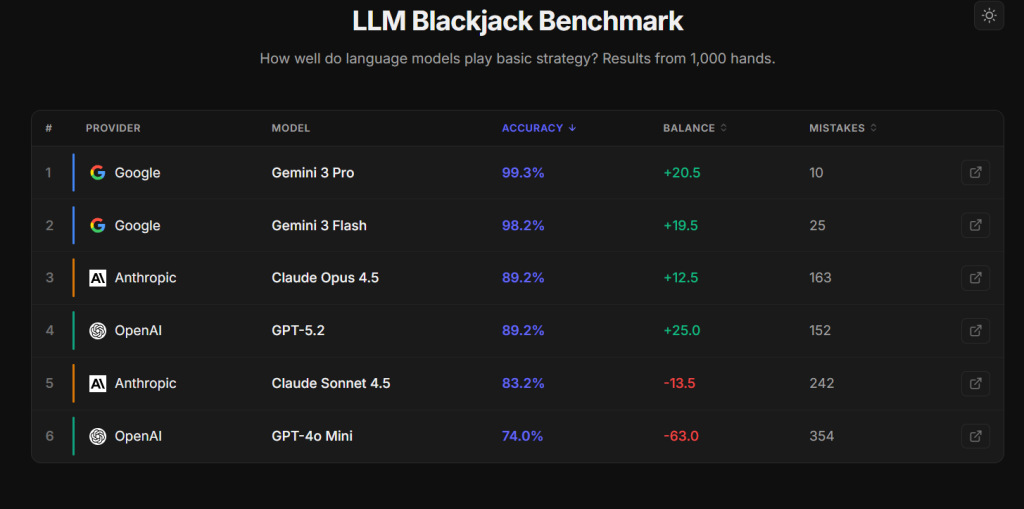
 Check out Thomas’ Page: