Nintendo has suffered yet another key loss as developer Goro Abe has confirmed he has left the company to become a professor at the Osaka Electro-Communication University, working within its Department of Digital Games.
Abe-san was well known for his extensive work on the WarioWare series, having directed or co-directed every entry since the original on GBA. His departure comes shortly after the retirements of both Hideki Konno and Kensuke Tanabe, two more powerhouse names at Nintendo.
Writing on X, Abe-san said the following (machine translated:
I retired from Nintendo at the end of February. Starting in April, I will be working as a professor at Osaka Electro-Communication University. I will be working in the newly established “Game and Social Design” major. I plan to work on game-related research and game production, so I hope to be able to interact with a wider range of people than ever before.
The latest entry in the WarioWare series – WarioWare: Move It! – launched for the Switch in 2023 and garnered reasonably positive reviews. We here at Nintendo Life gave it a score of 8/10 and called it “another great entry in this long-running franchise that brings back the motion-controlled mayhem whilst giving you plenty of ways to enjoy its loony fun with family and friends”.
What do you make of Goro Abe’s departure from Nintendo? Let us know with a comment in the usual place.
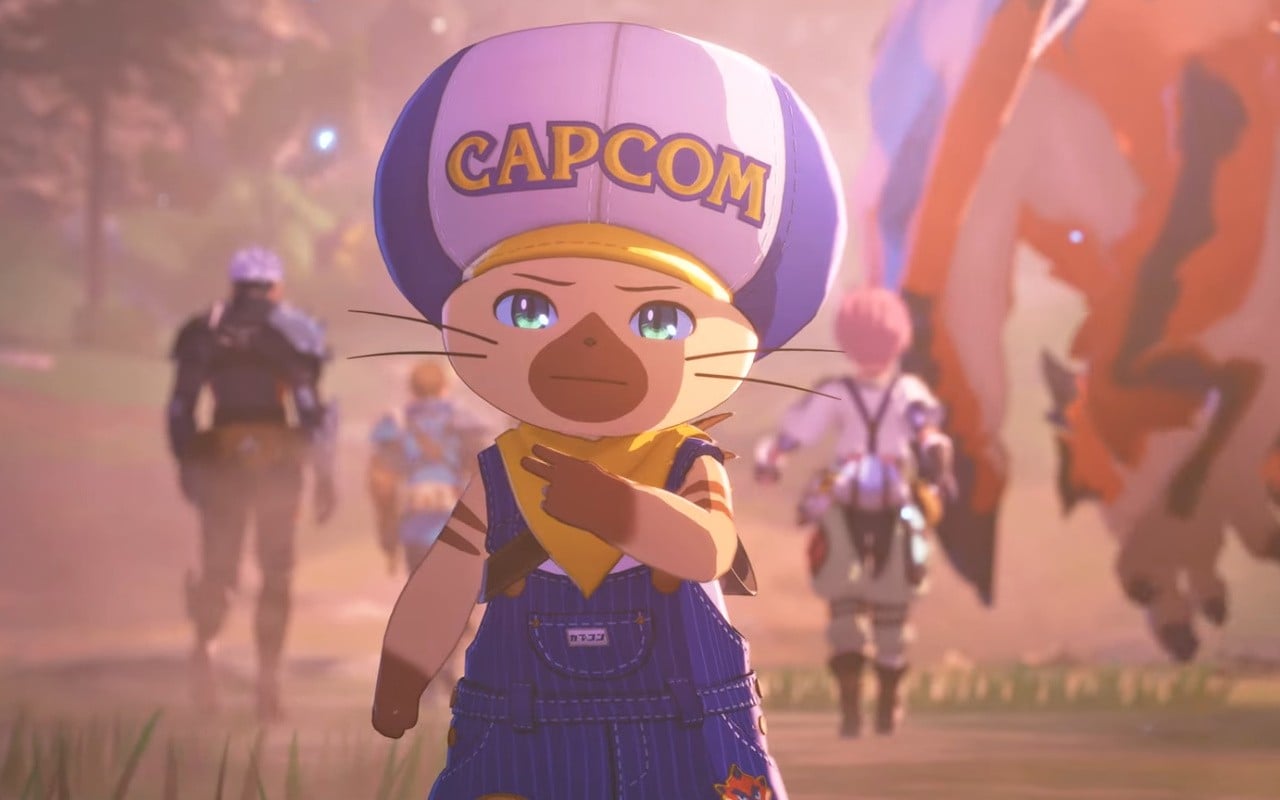
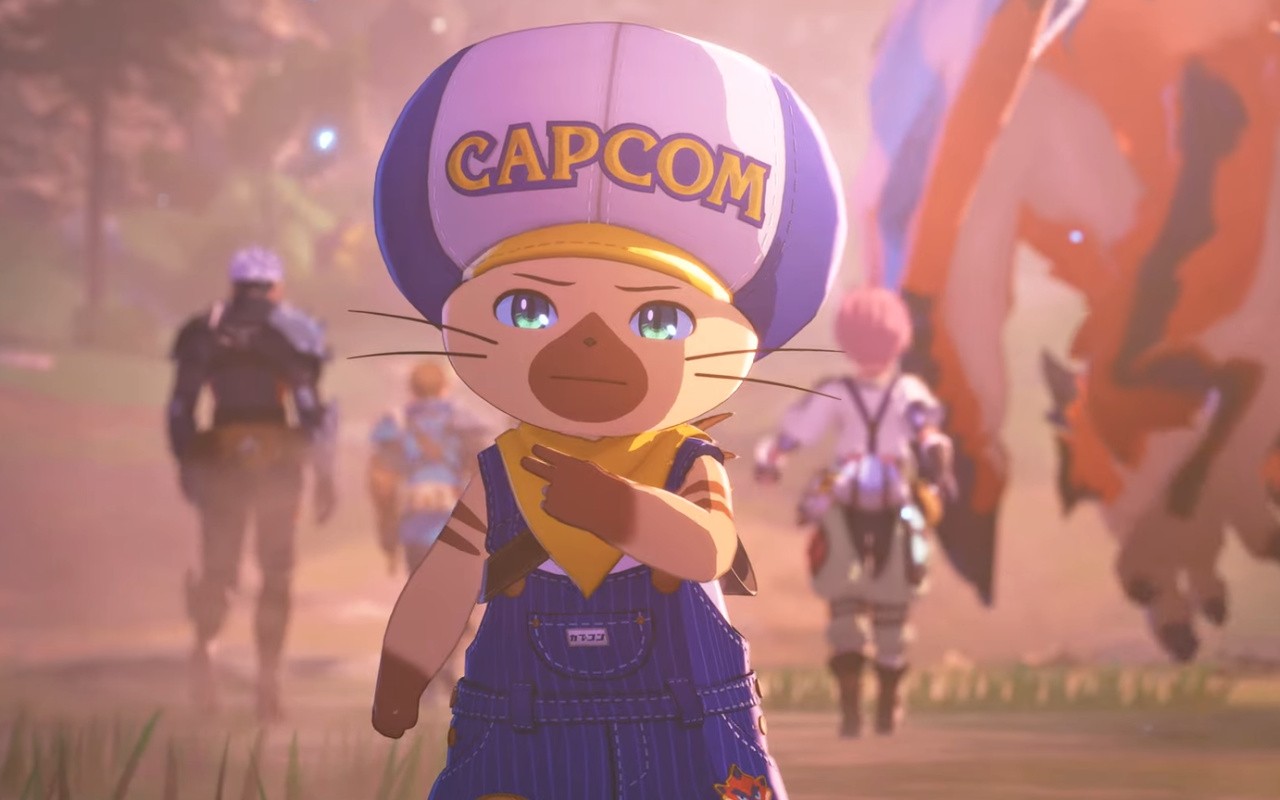
It’s fair to say that, at the time of writing, Capcom is on an absolute roll with Nintendo Switch 2. Monster Hunter Stories 3: Twisted Reflection arrives against that backdrop, but also as a continuation of a franchise spin-off that began as a 3DS exclusive. Nintendo systems have benefited from plenty of Monster Hunter games since the days of Nintendo Wii; this latest title is a welcome addition and, for that matter, yet another monstrous IP on Nintendo’s latest platform.
As mentioned in our preview, it’s worth noting that if you’re new to Monster Hunter Stories but like the concept enough to dive into this new entry, you can do so with confidence. There are some nice nods and lore references for long term fans, but everything is presented in a way to accommodate all players; both previous games are also available on Switch, however, if you want to go allin. That means once again that Capcom delivers its own blend of monster – or Monstie – collecting with all the trappings of large RPGs – massive spaces to explore, more optional content than you can shake a stick at, too many menus and a whole lot of likeable characters.
Captured on Nintendo Switch 2 (Docked)
You take up the role of a Prince or Princess that leads a team of Rangers, with a limited customization suite to add extra personality. It’s a setup that works well, with the vast majority of voiced storytelling cutscenes being in-engine, right down to your armour occasionally making things look silly. What comes is a tale wrapped in some heavy themes – ecological preservation, warring nations and historical sins coming back to haunt society. That said, around serious moments you’ll also find a lot of levity and optimism, staying true to the series’ style.
The story itself, in conventional RPG fashion, acts as an occasional cut-in amongst plenty of exploring, side quests and party-building. A strength in this series, continued here, is that the ongoing cycle is kept interesting by taking you across a number of varied biomes, just like most of the main-series games, each with their own people and monsters to encounter. Each area is a mini-RPG in itself, in a sense; if you’re going deep you can strive to revive each ecology by finding Monstie eggs to hatch and then release back to the wild. If you’re planning to revive every ecology fully, it’ll take a while.
A key part of that mechanic, and the broader game, is to visit dens to obtain eggs which you then hatch. These are found all over the world, or if you win an encounter against a monster there’s a chance they’ll ‘retreat’ to their den. Either way this is how to “catch ‘em all”, Monster Hunter-style, and either diversify or evolve your party of up to 6 Monsties, or chase other goals such as those ecology revivals. Thankfully this is greatly streamlined to encourage collecting, with dens being small spaces where you can be in and out in a minute, rather than battling through sprawling mini-dungeons. This improves the flow compared to earlier Stories games, and there’s a lot to Monstie management overall, so those that love to evolve and customize parties will have a blast.
Captured on Nintendo Switch 2 (Docked)
Outside of egg collecting, fetch quests and ‘hunt this monster for reasons’ sidequests, the key hook is the combat. Turn-based encounters have four characters – you, a chosen companion from your group (they all have different strengths), and two Monsties that can be swapped out depending on a fight’s ideal strategy. It’s a rock-paper-scissors system with charge-up abilities such as riding your little monster companions for powerful attacks, bonuses for breaking monster parts and more; it’s very well implemented, both easy to understand and complex to master, making players think about their plan of attack rather than spamming certain moves. In the endgame, it’s absolutely essential to have the right team combinations to even stand a chance.
Alas, this entry does carry a similar complaint to its predecessors, especially as it may be a title attractive to younger or less experienced gamers. The required grind, especially to get past the endgame, can be tedious if you don’t want to do so excessively. There aren’t difficulty settings, and failed attempts give useful tips but no other concessions.
There are some occasional difficulty spikes throughout the game where you go from easily clearing a major fight to getting smacked around within 30 minutes at the next story beat. The previous games did this and, well, it suits the grind-lovers at the expense of those that want to enjoy the story without hunting every kind of egg and maxing out their team.
Captured on Nintendo Switch 2 (Docked)
That said, the journey is worth it overall. It’s a lovely space to be in. The cast are charming – amplified further in side stories you can undertake – and the development team’s dedication and love for the series shines through. Whether it’s beautifully orchestrated music, top notch cutscene work (with strong voice acting) or just the sheer nuance and depth of the environments, it’s an impressive effort and worthy of praise.
To move onto performance on Switch 2, it’s worth noting that there were no updates during the review window, continuing the same benchmark we saw in the preview. We have an unlocked framerate that only hits 60fps in specific enclosed spaces or battles, and likely spends most of the time in the overworld wobbling between 30-45fps. This happens often with RE Engine titles but the overall feel is a little disappointing, and two biomes in particular really struggle due to extensive environmental detail. It does look pretty good at times, moreso when docked, but these downsides are worth keeping in mind.
Captured on Nintendo Switch 2 (Handheld/Undocked)
Does it affect gameplay much in an RPG like this? Not really. Should it be better? Yes. This isn’t as lush as other games that use the same engine on Switch 2, but it runs worse, likely due to the large open spaces and hangovers from the way the technology was used by the development team in the previous two games. If you are keen to play the game and want to enjoy it on Switch 2, the performance is functional for the genre. I do hope, though, that Capcom can tidy it up with some optimization and frame cap options.
Conclusion
Monster Hunter Stories 3: Twisted Reflection is another strong entry in this series, and deserving of a place at the top table alongside a number of other excellent RPGs on Switch 2.
A well-told story, an intriguing world and some excellent mechanics ultimately overshadow the usual (for this series) balancing issues and performance wobbles. If you want to collect ‘em all within a charming Monster Hunter setting, this game will keep you busy for a long time.
The latest UK Charts data has been released, and while many had perhaps assumed that Pokémon Pokopia would easily nab the top spot, it’s actually settled for the silver medal behind Resident Evil Requiem.
According to The Game Business’ Chris Dring, Pokopia was “seriously undersupplied” at retail, meaning the physical sales are not even half of what Pokémon Legends Z-A managed. Indeed, a quick check on sites like Amazon, GAME, and The Game Collection yield no results for Pokopia at all, while others like Smyths and Currys are sold out for home delivery, with only a tiny selection of stores carrying stock.
Back to Resident Evil Requiem for a moment, the platform split for the game on its own has the Switch 2 above Xbox this week, though only by a small margin. Meanwhile, the Generation Pack for the Switch 2 has slipped to land at number 10. It’s a Biohazard extravaganza, however, as multiple high-profile RE games make the top 40 in the wake of Requiem’s launch.
Here’s the full top 40, with platform breakdowns for games available on Switch, Switch 2, and other consoles:
Hello chums, and welcome to another edition of Box Art Brawl!
Before we get into this week’s brawl, let’s see how things panned out last time. To celebrate Pokémon’s 30th anniversary, we threw all major Pokémon generations into the ring from Gen 1 all the way up to Gen 9. In what will no doubt come as no surprise, Gen 1 – consisting of Red, Blue, and Yellow in the West – won comfortably with 37% of the vote. Gen 2 was second with 17% and Gen 6 came third with 15%.
This week, we’re off to the land of the GameCube to check out Tales of Symphonia. Released in 2003 in Japan and 2004 in the West, it received positive acclaim and got its own remastered version for the Switch in 2023. The Western design for the box art is the same this time, so we’ve got a good ol’ duel as North America and Europe take on Japan.
Let battle commence.
North America / Europe
Image: Namco
This is a lovely cover, huh? It showcases the game’s main protagonists, all of which look a little mad about something. The background also hides a bunch more stuff, making the overall composition extremely eye-catching, if maybe a touch too busy.
Japan
Image: Namco
Japan’s design is a little lighter, not just in terms of colour, but the facial expressions on the characters, too. They look a bit happier, right? The art style is a little more, shall we say, abstract in nature, and honestly this might just push Japan toward a win. It’ll be close though.
Which region got the best Tales of Symphonia box art? (1,938 votes)
North America / Europe85%
Japan15%
Thank you for voting! We’ll see you next week for another edition of Box Art Brawl!
Apart from Mystery Gifts and events, the new relaxing life-sim Pokémon Pokopia for Switch 2 also allows you to visit Cloud Islands, which are separate from the main game experience.
To give players a sample of what’s to come in this new adventure, The Pokémon Company has joined in on the fun – releasing a code for the developer’s Cloud Island. The code you’ll need to input in your game is: PXQC G03S
Image: The Pokémon Company
Before you can visit this island, you’ll need to make sure you have an active Switch Online membership and…spoiler alert…the Mysterious Goggles, which can be obtained at the Pokémon PC shop for a small sum of Life Coins.
You can then enter the code above and visit this island! Just keep in mind it contains possible spoiler content.
Image: The Pokémon Company
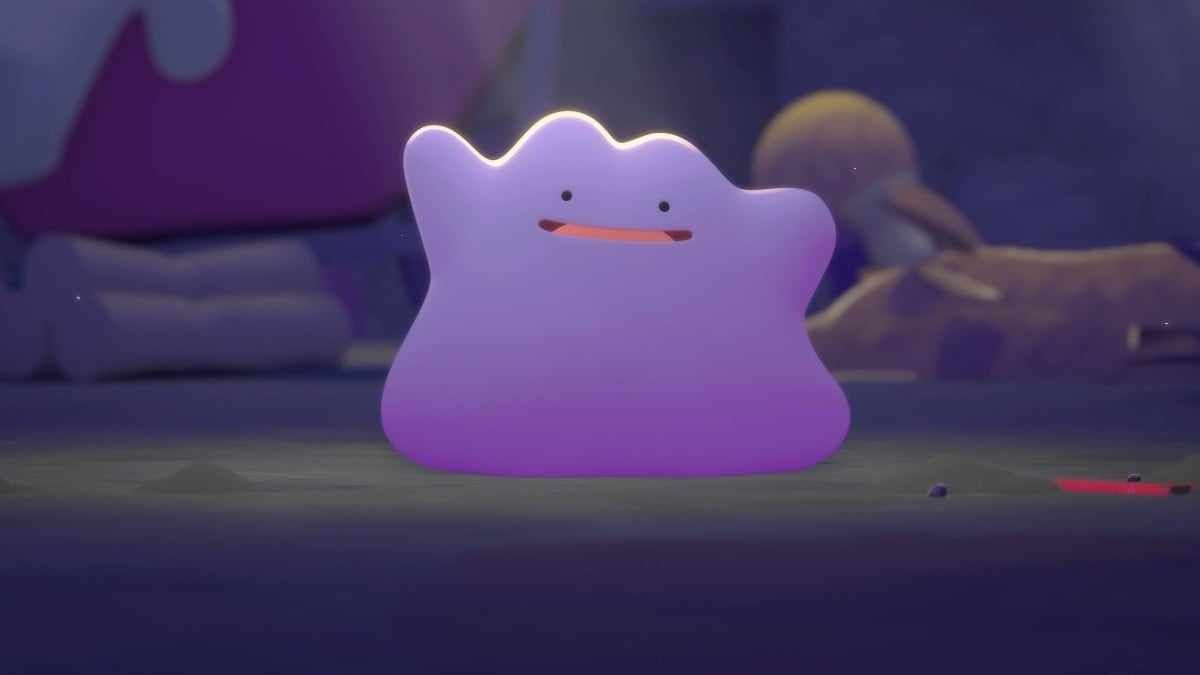
There’s also a special event currently taking place “More Spores for Hoppip”, which you can find out more about in our previous story here on Nintendo Life. And in case you missed it, there’s a Ditto rug currently available via the Mystery Gift menu.
Have you visited this island yet? How is your experience in Pokémon Pokopia going so far? Let us know in the comments.
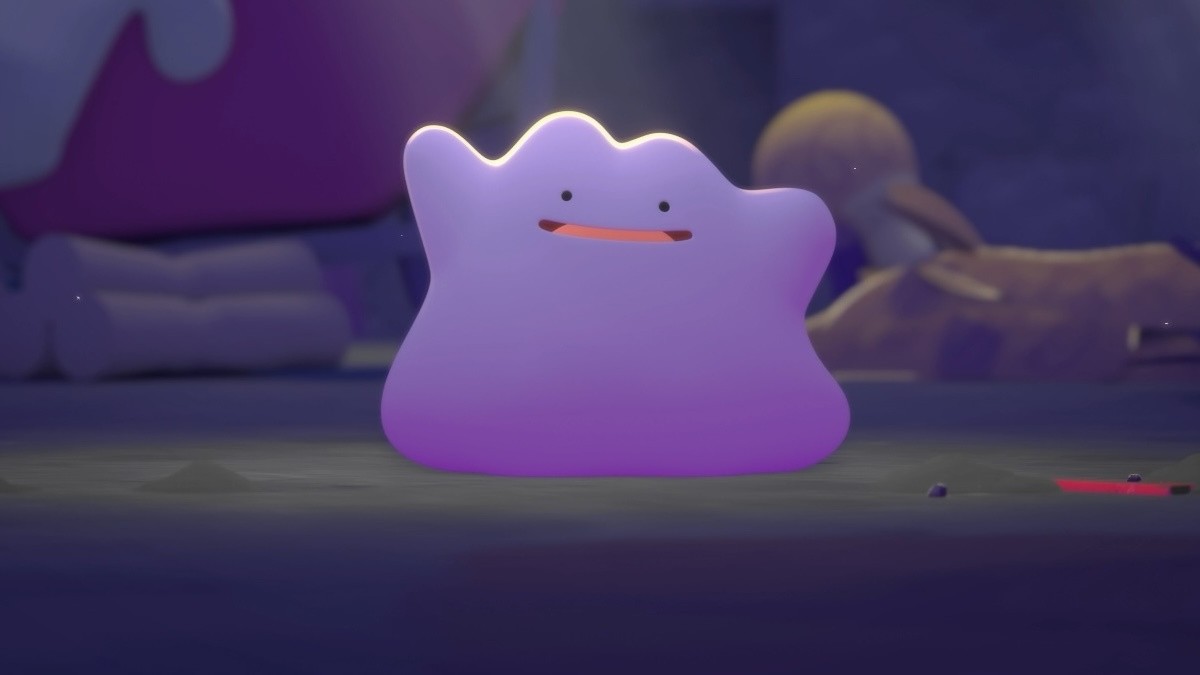
Apart from the launch trailer, it’s now finishing off the week with character introductions. So far we’ve got a look at Ogden and Kora. Here’s both and if more show up, we’ll add them to this post.
“The walking Monsterpedia, Ogden. A true expert in monsters, who marches to the beat of his own drum and goes whereever his curiosity takes him.”
“Kora, a founding member of the Rangers whose wisdom and care for the party is matched by her explosive combat prowess! Together with the Protagonist, she sets out to discover the truth behind the Queen’s disappearance.”
You can check out the game’s launch trailer (and a special animated trailer) in the previous post here on Nintendo Life. Capcom has also revealed the save data unlocks for the new game, as well as some free DLC.
If you’re still wondering about this upcoming entry, there is a demo you can download from the eShop. The full game arrives on 13th March 2026.
What do you think of these character reveals? Will you be getting Monster Hunter Stories 3 for the Switch 2 next week? Tell us in the comments.
If you’re a popcorn lover and want to make your cinema experience extra special when you go and see The Super Mario Galaxy Movie next month, you’ll want grab this themed bucket.
The Yoshi popcorn bucket, featuring an egg to store popcorn inside, will be available alongside the movie’s theatrical release. These buckets will be available at AMC cinemas in the US and also select regions outside of this location. Here’s a look:
“See THE SUPER MARIO GALAXY MOVIE, opening 4/1, and collect one of the brightest figures in the universe.”
Image: AMC Theatres
Like other themed popcorn buckets nowadays, this Yoshi one will cost a little bit extra on top of your movie ticket. If we hear any significant updates, we’ll let you know.
Along with this, the Major League Baseball team Los Angeles Dodgers has announced a special Yoshi Bobblehead. The first 40,000 fans at L.A.’s game against the Guardians on 31st March 2026 will receive this Yoshinobu Yamamoto “Yoshi-infused” bobblehead.
“The bobblehead features Yoshi donning a white home Yamamoto jersey and a classic blue Dodgers cap. Yamamoto’s No. 18 jersey number is painted on the back of Yoshi’s trademarked shell, while the lovable dinosaur is also wearing a blue baseball mitt.”
Yoshi was teased in the first Mario Movie, and in the new one, he’ll play a much bigger role alongside Mario, Luigi and the rest of the gang. You can find out a bit more about what to expect in our previous coverage here on Nintendo Life.
Will you be watching the Super Mario Galaxy Movie in cinemas next month, or are you going hold out for the digital and retail release? Let us know in the comments.
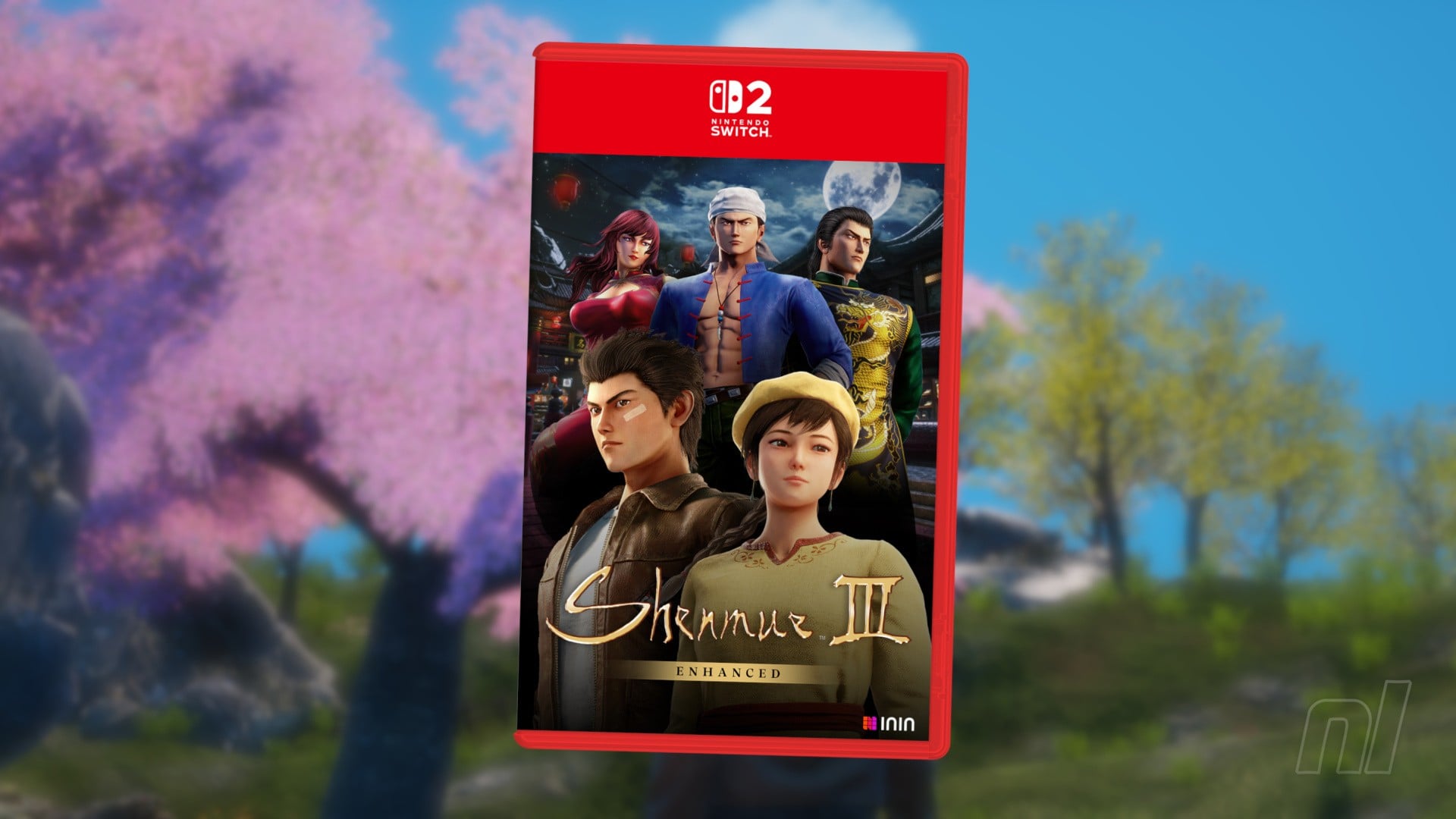
When I first got my hands on Nintendo’s Pro Controller for the Switch 2, I was blown away by just how smooth the analogue sticks felt. The tech is simple yet astoundingly effective: silicone rings were added to the interior, cushioning the movement of the sticks while preventing the caps from making contact with the plastic exterior. Remarkable stuff.
Of course, even with this, Nintendo declined to include Hall Effect or TMR sticks, so the spectre of stick-drift remains a very real concern amongst players (though as we approach the Switch 2’s first anniversary, this has yet to escalate into a widespread issue). Third-party manufacturers have naturally caught on to this worry, and one of the first to offer a real smooth alternative is Mobapad with its new Chitu2 HD controller.
Mobapad is open about its approach to the Chitu2’s sticks, providing an entire article on how it took direct inspiration from Nintendo and pushed the design further. The result is analogue sticks that faithfully emulate the ‘smooth-gliding’ feel of the Pro Controller while also implementing TMR technology to (theoretically) eliminate stick-drift.
And make no mistake, the sticks on the Chitu2 feel just as good as Nintendo’s official pad, providing zero noise and ‘grinding’ feedback when moved around.
So if high-quality sticks are a priority for you when choosing your next controller, this is probably the best you’re going to get for the time being. TMR technology combined with that magical ‘smooth-gliding’ feel puts the Chitu2’s sticks above and beyond everything else on the market, including Nintendo’s Pro Controller 2. And yes, it’s cheaper than the official offering at $49.99 for the pad on its own, and $65.99 for a charging dock bundle.
Where the Chitu2 might divide opinion is in its buttons. All of the main inputs — including ABXY, the D-pad (which, by the way, comes with two interchangeable designs), and the shoulder buttons — are mechanical, which means that they have ‘clicky’ feedback when actuated. I imagine many of you have already made your mind up about whether or not this is a good thing, and it very much comes down to your preferences regarding the feel of the buttons and the noise they make.
So with the Chitu2, the clicky feedback feels, in my opinion, absolutely incredible. There’s just something really satisfying about knowing exactly when a button has been pressed; it’s hard to describe, but I swear my ability to rapid-press has improved with the clicky feedback. With the D-pad in particular, it’s proven especially useful when more precise inputs are required with games like Street Fighter 6 or Contra: Operation Galuga.
On the flip side, the noise is unavoidable. You can hear each and every click, and while it’s not so bad if you’re able to crank up the volume on your TV and drown it out, it’s still very much there. Personally, I find that the overall feel of the buttons outweighs the noise, but I can equally understand if you’re not keen on hearing the click all of the time.
In terms of features, the Chitu2 has almost everything you could want from a third-party pad: Switch 2 wake-up support, NFC compatibility, gyro controls, HD rumble, and back buttons appropriately labelled ‘GL’ and ‘GR’. On the official Pro Controller, you could very quickly map these by holding down the ‘Home’ button and navigating to the relevant option. You can’t do that here, but rather everything’s done via the ‘Settings’ button just beneath the D-pad; it’s quick and easy, and once you’ve mapped the back buttons to your desired input, chances are you won’t be fiddling around with it again.
The only thing missing is a dedicated ‘C’ button for quick GameChat access. Instead, the Chitu2 includes an ‘M’ button beneath the right analogue stick. You can map this to whatever you want, and this includes custom macros. By default, it’s been assigned a macro that essentially takes you back to the Switch 2 home screen and navigates to the chat app – essentially Mobapad’s solution for its lack of dedicated ‘C’ button, which is fine, but not a replacement for the real deal.
Ultimately, however, if this is really the only thing missing, then I can’t complain too much; after all, it’s exceptionally rare to find a third-party pad with amiibo-reading NFC support these days. If you absolutely need to have a headphone jack too, then it’s perhaps worth noting that this isn’t included either. Not a big deal for me, but you might think differently.
The Chitu2 comes in three colours: black, white, and a kind of pearlescent pink. The latter is actually my favourite, since the pink colour is pretty subtle and the way the faceplate gradually fades into a kind of blue/purple colour is really lovely. Again, it’s not something you see too often, and I’ll take anything that brings a bit of unique flair.
The build quality is also really solid, though it does lack that ultra-smooth surface of the Pro Controller. It feels about what you’d expect from a $50 pad, and there’s a decent heft to it, which I really appreciate. Battery life also clocks in at between 15-20 hours on a single charge, which is more than acceptable for most pads.
Finally, if you go for the $65 bundle, you get a charging dock, each of which is themed to match the colour of the controller. It’s really understated compared to the dock included with 8BitDo’s Pro 3, yet the magnetised attachment ensures that the controller won’t accidentally fall off while charging. You also get some funky RGB lighting while charging, so that might sway your decision as to whether or not to part with the extra cash.
It’s worth noting too that if you go for the black Chitu2 on its own, its faceplate will be glossy, which I’m really not a fan of. Bundled with the charging dock, the faceplate is matte, and it’s a lot more pleasing on the eye, though I’m not keen on locking such a feature behind a more expensive product. The white controller appears to be glossy regardless, while the pink is matte with or without the dock.
Basically, then, I’d say just go for the pink; it looks better in general, and if you’re not fussed about the dock, you still get the matte finish.
Image: Ollie Reynolds / Nintendo Life
Conclusion
Mobapad’s Chitu2 HD is an excellent controller through and through. Taking inspiration from Nintendo itself, it has TMR analogue sticks with the same ‘smooth-gliding’ technology as the official Pro Controller 2, meaning these are probably the best sticks on the market right now. The mechanical buttons also feel wonderful, though if you’re put off by repetitive clicking noises, this won’t be the right choice for you.
Really, the only major thing lacking is a dedicated ‘C’ button; the macro provided by the ‘M’ button to navigate to the chat app is an admirable replacement, though not ideal. With wake-up support, HD rumble, gyro controls, and perhaps most surprisingly, NFC support, this is a feature-rich pad at a much more affordable price than Nintendo’s own offering.
The samples used in this review was provided by Mobapad.
Welcome to our Pokémon Pokopia Full Walkthrough Guide hub! The Switch 2-exclusive is making a splash online, and we’re here to help guide you through every single aspect of the game.
Our Pokémon Pokopia Walkthrough will help you make your way through the main story, from exploring each of the four main towns to rolling credits to the post-game. We’ll also have specific guides on Pokémon skills, Ditto Transformations, building tips and guides, and tons more.
Note that we’re currently working our way through everything there is to know about Pokémon Pokopia, so this guide is still a work-in-progress as we continue to make new discoveries every day. Bookmark us and keep coming back for more!
Pokémon Pokopia Guides
Getting Started
Image: Nintendo Life
So, you’ve just picked up Pokémon Pokopia and want to know what to do first. It’s overwhelming! We have some handy beginner’s tips, a guide on how to change the weather, comfort levels, and more right here for you.
Beginner’s Tips What are the first things you should do in Pokopia? Save your Life Coins? Eat berries? Build like crazy? Here are 15 tips to help get you started.
Change The Weather Fed up of the rain and need some sun? Trying to find Goomy and just can’t get the drizzle to drop? This guide will tell you how to flip between all kinds of weather types.
Comfort Levels A happy home requires happy Pokémon, and luckily, it’s fairly easy to make your pals more-comfortable. You’ll find all the tips you need to make your Pokémon comfortable in their habitats.
Dream Island Guide On top of the towns you can visit in Pokémon Pokopia, there are also Dream Islands you can visit solo or with a friend. Here you’ll find all Dream Island types and how to unlock the Dream Island Specialty.
Environment Levels You’ll be introduced to Environment Levels early on in the game, and while they may not feel mandatory, if you want to see everything Pokopia has to offer, you’ll want to know as much as you can about them.
Complete Walkthrough
Image: Nintendo Life
Below we have suite of guides that will guide you from the very start of the game to when you roll credits. There are four major areas to explore, with a few final tasks to complete before you can say you’re truly done. That is, unless you’re a building fanatic.
Each section will contain a general story walkthrough and a separate guide on rebuilding that town’s Pokémon Center
Withered Wasteland
Covering the first area of the game, this section looks at the Withered Wasteland, a barren place where the grass has dried up and the water has run dry.
‘Yawn Up A Storm’ Guide Your first town will see you rescuing an Onix and restoring rain to the world. We’ll take you through every step of this introductory chapter right here.
Withered Wasteland Pokémon Center Once you’ve cleared the main story for the Withered Wasteland, you’ll finally be able to get the Pokémon Center up and running. All the materials and ‘mons you need are listed right here.
Bleak Beach
Sandy shores, dark skies, and lots of water await in Bleak Beach, the second big area of Pokopia. The S.S. Anne isn’t in great shape, but neither is the rest of the place.
‘Brighten Things Up’ Guide Your main task in Bleak Beach is to bring light back to the town, and with the help of Peakychu (and us), you’ll have Mosslax awake in no time.
Bleak Beach Pokémon Center Another Center to rebuild, and with a lot of trash to clean up, you’ll want to save it to reconstruct this central building. Here’s all the stuff you need to get to work.
Rocky Ridges
Pewter City has certainly seen better days, hasn’t it? Rocky Ridges is a series of interconnected tunnels carved out through a large volcano. There’s a lot of ash to clean up, but first, what about a party…
‘Time To Party’ Guide In the ash-covered ruins, there’s no better thing to do than throw a party. This guide is all about the Rocky Ridges storyline, from Chef Dente to DJ Rotom and everything inbetween.
Sparkling Skylands
The final area of Pokémon Pokopia is the most complex, a series of floating islands full of trash, abandoned buildings, and construction sites. And a huge skyscraper at the centre of it all. Seems familiar, right?
Coming soon!
Pokopia Pokédex & Habitat Dex
Image: Nintendo Life
It’s not a Pokémon game without a Pokédex, right? Well, you technically have two this time around! Here is where you’ll find every single Pokémon available in the game, including some specific guides covering the more-challenging ‘mons.
Complete Pokédex & All Habitats With hundreds of Pokémon to meet, you’ll need a one-stop shop to find out what ‘mons your missing, and what habitat requirements they have. Thankfully, we have you covered in this complete Pokédex and Habitat Dex guide.
All Eeveelutions Coming soon!
All Fossil Pokémon Coming soon!
More coming soon
Ditto Skills
Image: Nintendo Life
Ditto is a multi-talented Pokémon — it can turn into a human, for goodness sake! This section covers all of your unique abilities in Pokopia.
All Ditto Transformations & Skills Ditto has the ability to transform into whatever it wants, and doing so will grant it new skills and abilities. This guide covers every single Transformation and Skill Ditto will learn.
Pokémon Specialties
Image: Nintendo Life
It’s not just Ditto who can do things — every single Pocket Monster has a use in Pokémon Pokopia. We have guides on all Specialties, as well as individual guides on how to use some of the more-obscure ones.
All Pokémon Specialties & Abilities Looking for a list of Specialties and examples of which Pokémon can do what? Click here to see all available Specialties, and a general overview of what they do.
Fly & Teleport If you’re looking for a friend fast, then you’ll need another friend who can Fly or Teleport. How do you do that, you ask? This guide has the answer.
Trade No, you can’t trade Pokémon, but you can trade for items, materials, and goods. Here’s how you start Trading with other Pokémon.
Items, Decor & Materials
Image: Nintendo Life
There are hundreds of items to collect in Pokémon Pokopia, and this section is all about the knicknacks, the furniture, and the relics you can uncover. We’ll cover the most-useful items and materials that will make your life easier, as well as Lost Relics, Feathers, and Mysterious Slates.
How To Get Lumber One common material that requires a few extra steps to get, Lumber is needed for a lot of builds, so you’ll need this to keep yourself stocked-up.
How To Get Pokémetal This rare material is used for all sorts of endgame builds, and you’ll need lots of it if you want to fill your towns with big buildings and bathtubs. This is your resource on everything Pokémetal related.
Lost Relic List Lost Relics are curious items than you can’t quite identify without the help of a certain Professor. We’re putting together a complete list of all the Lost Relics you can find in the game right here.
Mysterious Feathers If you hear a loud Pokémon roar, then be prepared, as something is about to fall from the sky: a Mysterious Feather. But what do you do with it? We’re here to tell you.
Building & Decoration
Image: Nintendo Life
This section is coming soon
Online & Multiplayer
Image: Nintendo Life
If you’re the kind of person who loves to build with friends, then you’ll be pleased to know there are a host of multiplayer options in Pokémon Pokopia. These guides will cover GameShare, local and online play, and more.
How To Play With Friends With a boon of multiplayer options for you and your friends, we’ve broken down the three different ways you can play Pokopia with your besties.
How To Use GameShare Pokopia is the latest Switch 2 game to utilise GameShare, meaning you can play with your family even if you only have one copy of the game. Here’s how to jump into a session with those nearby.
FAQs
Image: Nintendo Life
Here, you’ll find a whole host of other questions that we haven’t covered in the guides above. Want to know how long it takes to beat the game? How to use Mouse Mode? What a Pokémon Center actually does? You’ll find it all here very soon.
Can You Change The Time Of Day? Pokopia is all about the slow life, about living a normal day and not rushing things. Some people can’t help themselves, and with ‘mons exclusive to the night, you might be wondering whether you can change the time.
Can You Evolve Pokémon? There are a lot of ‘mons to make merry with, but do you need to “catch ’em all” or can you just evolve them? Here’s where you’ll find the (surprising) answer.
Does It Use Mouse Mode Controls? The Switch 2’s Mouse Mode has been a hit in games where it’s included, and it makes sense that Pokémon Pokopia should have them, but does it?
How Long To Beat You can easily lose your life to Pokémon Pokopia, especially if you love building. But if you’re just looking to clear the story, then you don’t have too much to get through. We’ve covered all playstyles here.
Is Pokémon Pokopia On Switch 1? Haven’t yet upgraded to a Switch 2 yet? Want to know if you can play Pokopia on your older console? The answer here isn’t the best, but with GameShare, there’s a way around it.
The usual plethora of online events and goodies are up for grabs in Pokémon Pokopia. Yep, Mystery Gifts are here, as are Limited-Time Events, which give you access to some event-exclusive Pokémon
All Limited-Time Events Pokopia has an event system where you can get some rare items and brand new Pokémon for you Pokédex. We’ll have all past, present, and future events listed right here.
Mystery Gift Codes List Free furniture is good in our books, and with Pokopia’s Mystery Gifts, that’ll be the common factor. Here is every single Mystery Gift currently (and formerly) available.
Where to buy Pokémon Pokopia for Switch 2
If you’re reading this guide and you don’t own the game yet, well, we get it! Things are expensive. But it’s a fabulous game, and there are a number of places you can pick up this Switch 2 exclusive.
Just take it from us. We awarded the game an extremely positive 8/10 , with our reviewer (aka, me!) calling the game “the freshest Pokémon experience in a long time, bursting at the seams with charm and content that rewards both curiosity and creativity.”
There’s tons to uncover in Pokémon Pokopia still, so make sure you check back very soon for the best paradise-building guides out there. And let us know how much you’re enjoying the game, too. We certainly are!
Nintendo Life’s resident horror fanatic, when he’s not knee-deep in Resident Evil and Silent Hill lore, Ollie likes to dive into a good horror book while nursing a lovely cup of tea. He also enjoys long walks and listens to everything from TOOL to Chuck Berry.