Posted on Leave a comment

Review: Fae Farm – A Thoughtful, Utterly Gorgeous Farm Sim, But Avoid The NPCs

Fae Farm Review - Screenshot 1 of 5
Captured on Nintendo Switch (Handheld/Undocked)

Let’s cut to the chase. You’re here because you’ve most likely got a hankering for another farming-type game in your life. In fact, you’ve probably played most of them already, from Stardew to Harvestella, and you’ve most likely been burned a few times by games that didn’t quite scratch the itch. Now, you’re wanting to know if Fae Farm, one of the most promising-looking farming-type games of the past few years, matches up to the hype.

The short answer: Mostly. The long answer: This review.

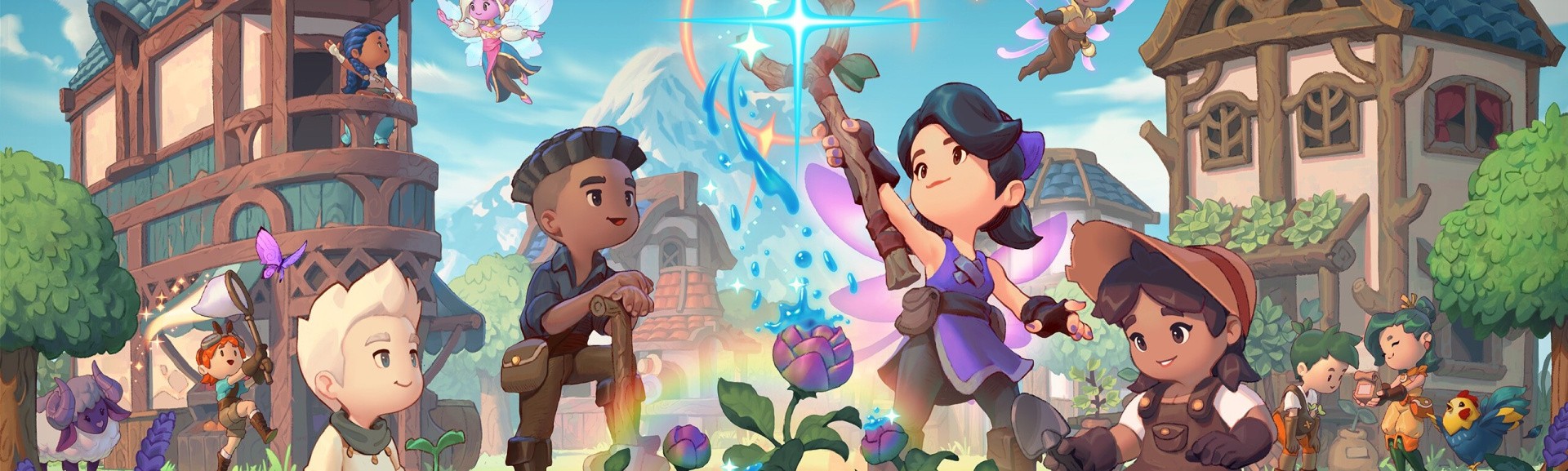
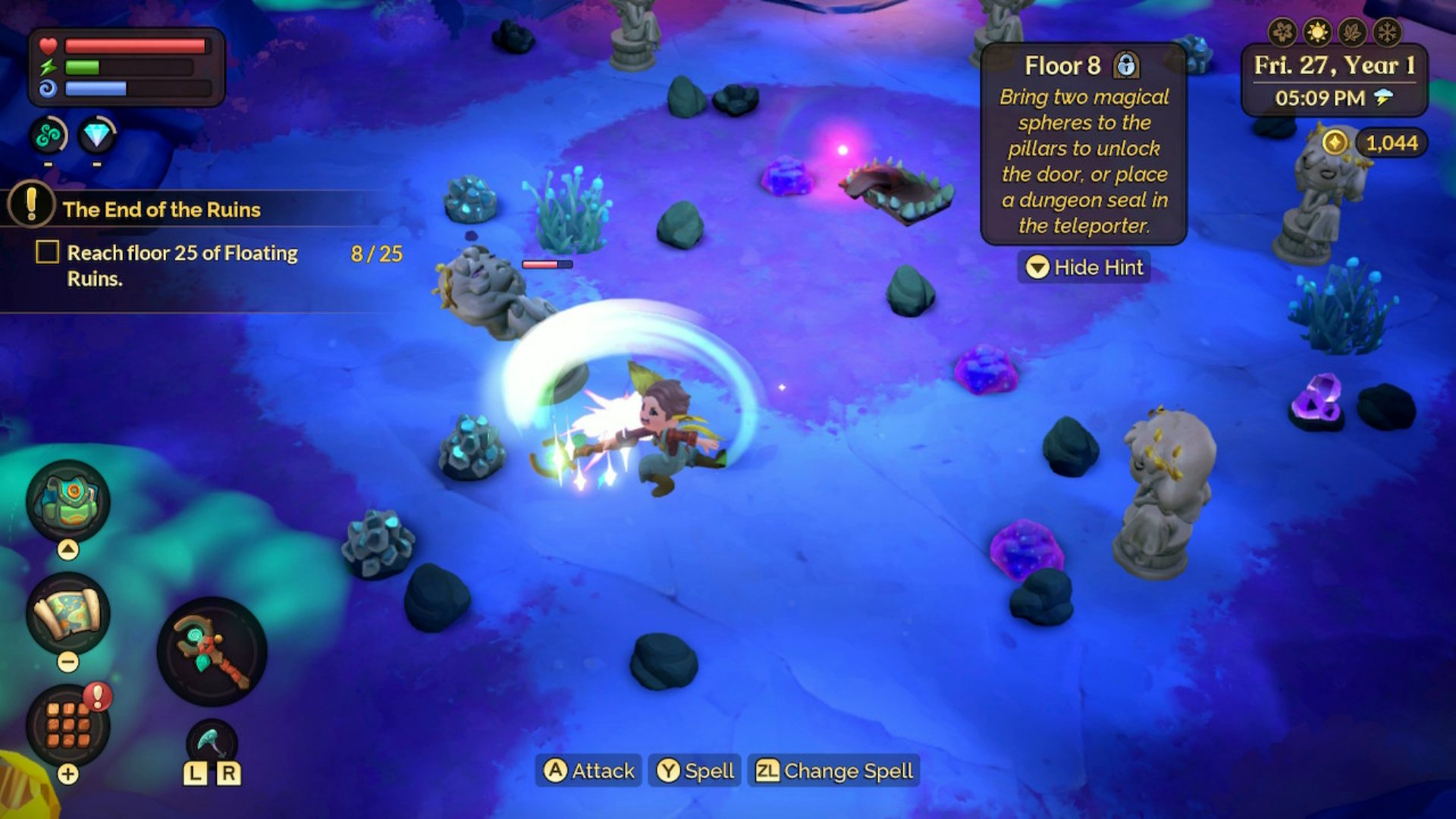
To start off with the praise – of which there is a lot – Fae Farm is utterly gorgeous. You may think the trailers look a bit like My Sims or one of those mobile game adverts where the grandma murders everyone, and we agree, but in motion, Fae Farm is beautiful. Colours bloom from every inch of its meticulously hand-painted landscapes, and although the character art leans on the side of simplicity, it works well, especially when the game is played in handheld mode. The designs of the food, the decor, and the monsters are all so adorable and clever that it seems almost timeless and illustrative, like a Beatrix Potter book. It’s a genuine pleasure to look at.
Fae Farm Review - Screenshot 2 of 5
Captured on Nintendo Switch (Handheld/Undocked)

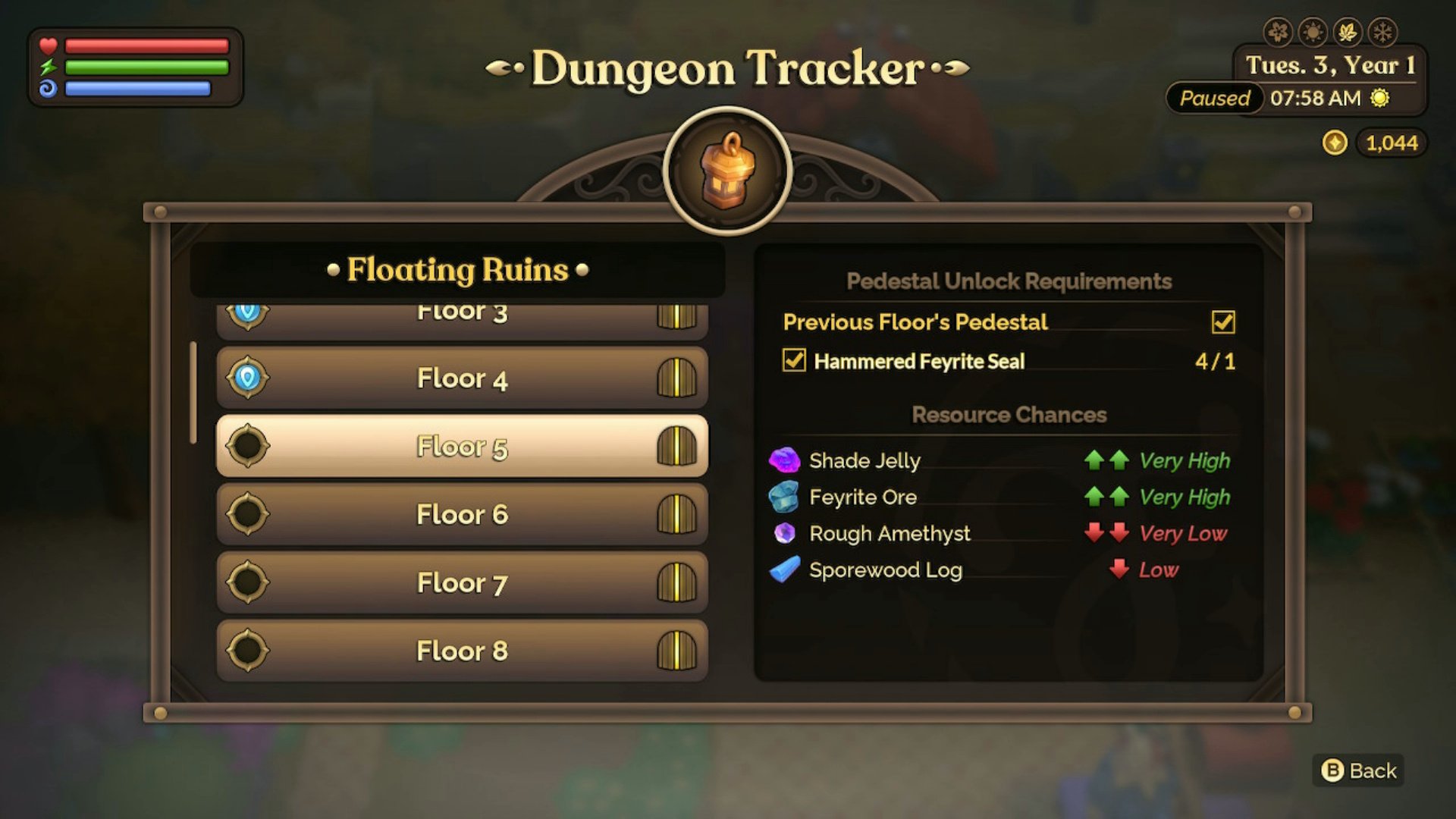
If you’ve played any Rune Factory, you’ll know more or less how the game itself shakes out. Some dreadful environmental issue (whirlpools, thorns, poison gas, etc.) blocks progress, so you must delve into dungeon-like areas to find the source of said issue. You’ll need to collect resources, money, homegrown crops, and materials to craft potions, tool upgrades, and food to survive the dungeons; then, when the clock strikes 11, it’s time to head home and sleep. Rinse and repeat.

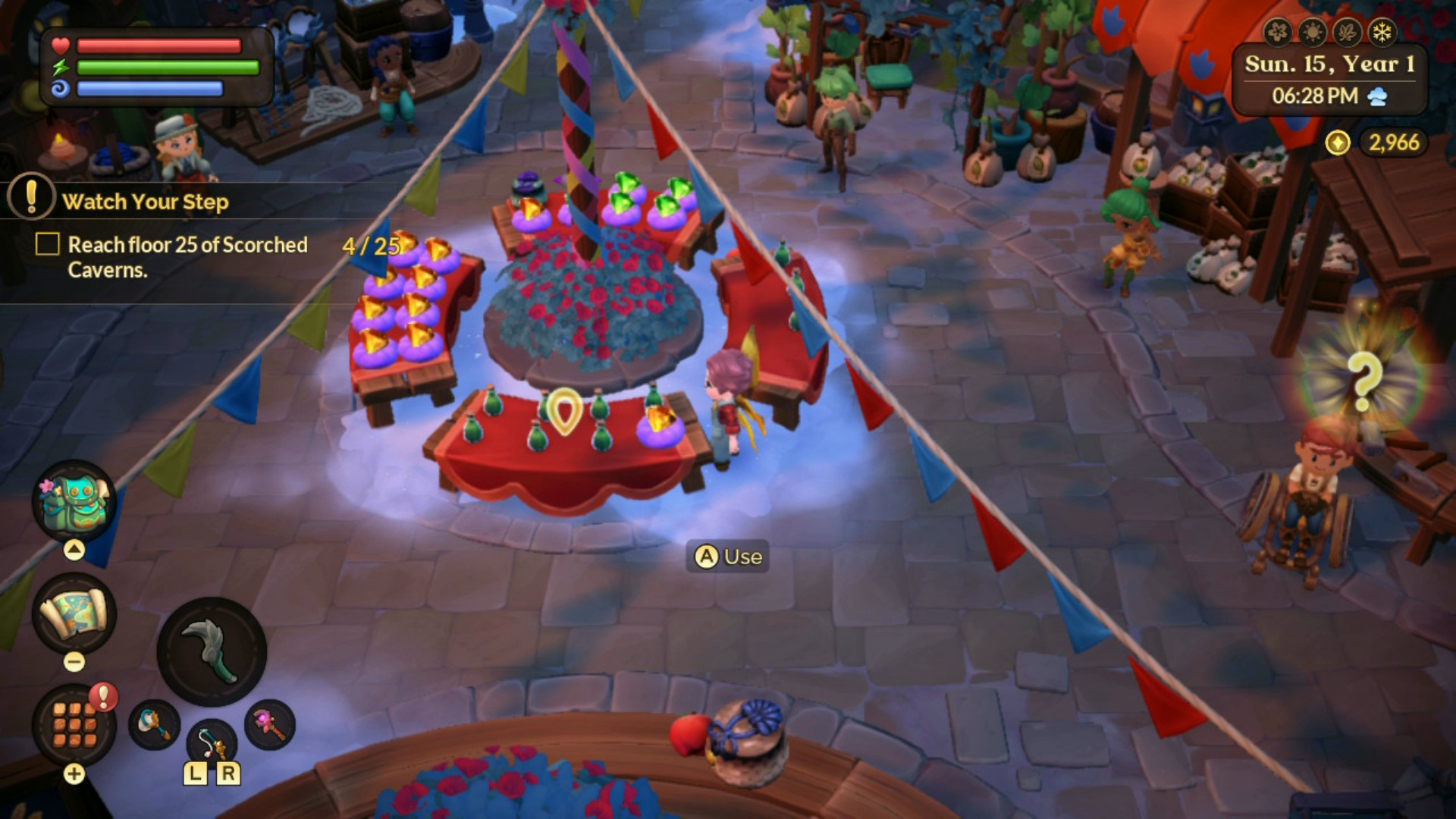
It’s that ‘collecting resources, money, crops, and materials’ part that constitutes most of the game. Between growing crops, discovering new crops, animal husbandry, and managing an ever-increasing number of farm buildings and workbenches, you’ll absolutely have your work cut out for you. Whatever you don’t need can go onto market tables in the middle of town, where it’ll be sold overnight; whatever money you make can be spent in the very same market, mostly on home decor.

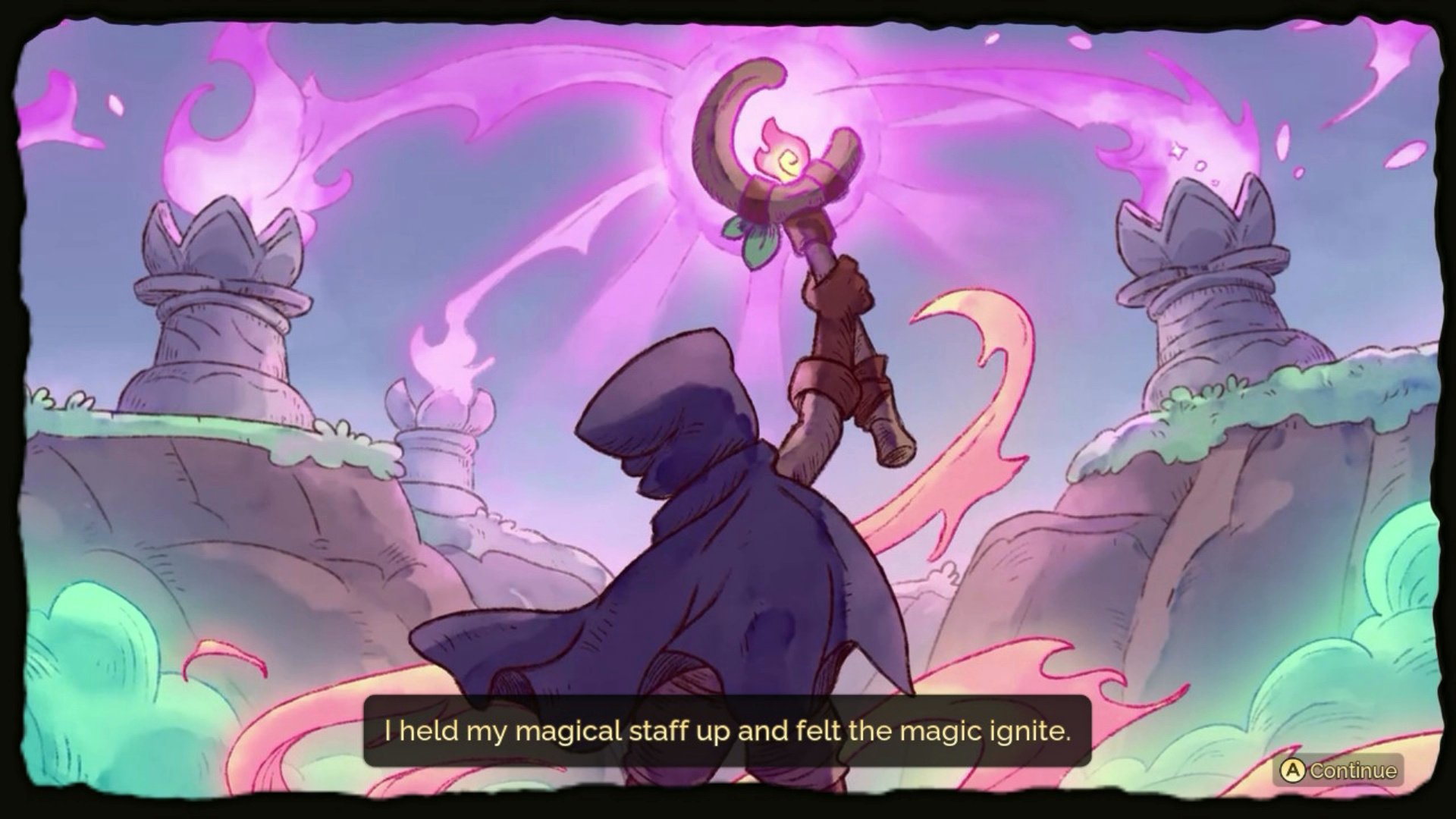
But home decor is actually, secretly, a vital part of the game. Certain pieces of furniture increase your health, stamina, and mana bars, letting you venture further into the mine-dungeons and cast more spells. As the game’s name suggests, there is a great deal of fae business that you’ll need to interact with – although it only appears after the first couple of long chapters – and magic is everywhere. Mana is the currency you spend to use powerful tool abilities, like increasing your watering can’s range, and it’s also how you do attacks when fighting Jumbles, the beautifully-designed inanimate-objects-brought-to-life that plague your journeys into the mine-dungeons.
Fae Farm Review - Screenshot 3 of 5
Captured on Nintendo Switch (Handheld/Undocked)

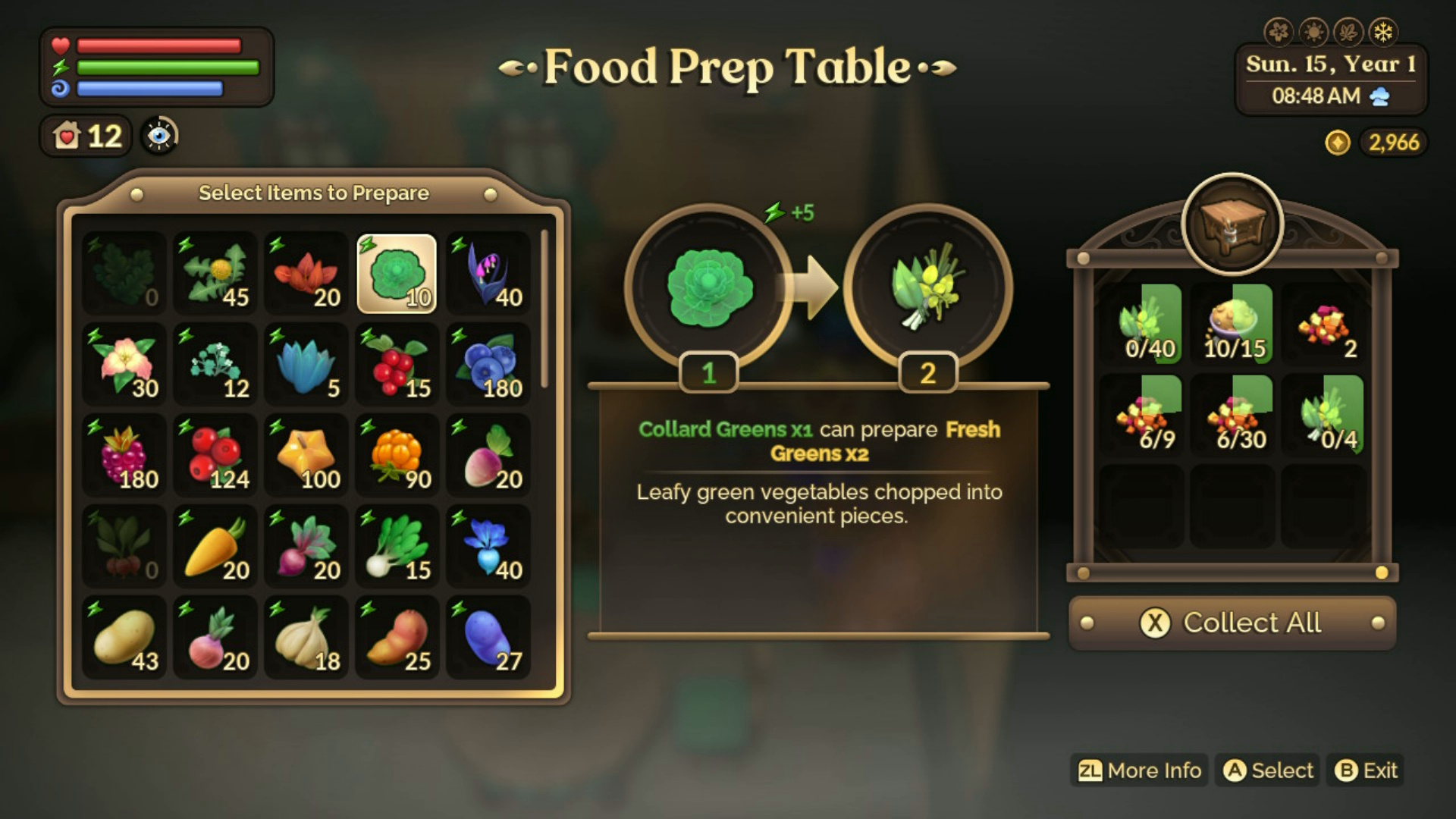
If this sounds like a lot to handle, it is. Our save file is at over 40 hours, and we still haven’t reached the end of the game’s story, because there’s so much to do. There’s a workbench for everything: smelting ore, chopping wood, cooking, chopping food, making preserved food, making drinks, polishing gems, making seeds, making fabric, making potion ingredients, making potions, making honey, and making seals that allow you to skip to a specific dungeon floor. There’s also critter catching, fish catching, shell collecting, ingredient harvesting, and… the list just keeps going.

It is in this plethora of systems that Fae Farm’s first downfall appears. There’s just a LOT of stuff to keep track of. On top of the many, many crafting stations, there are also job quests for pretty much every one of those, plus different biomes with different types of wood, ore, critters, and grass. And there are different seasonal crops that you have to make yourself, AND there are at least four different farms to unlock, which doesn’t sound bad until you realise that EACH ONE has its own farm buildings that you can’t move, so you need to visit them all every day. No wonder our farmer is always exhausted despite eating five baked potatoes an hour.

Granted, some of you may be reading about the tremendous pile of Things To Do and grinning. And we don’t blame you! It can be fun to manage a billion little systems. But it did always leave us feeling a little run off our feet at times, and we were never quite in control of it all.
Fae Farm Review - Screenshot 4 of 5
Captured on Nintendo Switch (Handheld/Undocked)

But oh, the developers make it so hard to complain! A ton of little tweaks here and there make Fae Farm a relatively smooth experience, not least of which is the auto-tool selector. Hover over a plant and it’ll change to watering can automatically; stand next to a rock and it’ll switch to your pickaxe. Your character can also jump and swim around the map, making shortcuts a breeze, or select the NPC they’re looking for to get flawless directions. Your calendar keeps track of events and birthdays, the quest tracker tells you what you’re supposed to be doing, and the almanac reminds you of everything you’ve learned so far. And that whole thing about home decor being the source of your personal upgrades? It’s so novel! You can tell the developers have paid attention, and that they actually care.

But we’ve been putting off the biggest sour note of this review: The game’s social aspect. It’s… not bad, it’s just… not good. All of the NPCs are about as interesting as a tea towel, with recycled lines that they repeat every time you see them. You can become friends with someone just by listening to them thank you, for the thousandth time, for something you did three seasons ago. And friendships don’t even do anything. They won’t give you discounts, come to your house for tea, or even change their dialogue much.

Even worse, the pre-decided romantic characters, with all the emotional complexity of wet cardboard, will fall in love with you whether you want them to or not. You’ll go on dates with them – which are short and sweet – but your character is voiceless, and will simply listen to them talk, normally about their insecurities, before they thank you for listening as if you had a choice. If you choose to marry one, you’ll get a cute ceremony out of it, but for the cost of 10,000 coins, you’ll just occasionally see them loafing around your farm. That’s it.
Fae Farm Review - Screenshot 5 of 5
Captured on Nintendo Switch (Handheld/Undocked)

The disappointing puddle-deep socialisation of this game feels like such a drop in quality compared to the loveliness of everything else. The game itself is not massively deep, either, but it makes up for it with wonderful breadth. Coming back from a busy day on the farm to a husband who talks to me like we’ve only just met seems like a massively wasted opportunity.

Also, as you might perhaps expect with a game that has this many systems, there are a few bugs at launch, although the developer, Phoenix Labs, seems to be really on top of it with patches. One NPC has a permanent quest marker above his head, because he wanted to go on a date with us but then we – the utter bastards that we are – got married instead. We also can’t complete Shipping Contracts, one of the main ways to get Big Money, and we experienced a couple of hard crashes, too, although the autosave meant we never lost too much progress.

However, as a whole, Fae Farm is a stunning, thoughtful addition to the farming game oeuvre, with so much to do that it’ll keep you entertained for a long time. Just… don’t go in expecting the people to be much more interesting than the turnips.
Posted on Leave a comment

Pokémon: Paldean Winds Episode One Is Available Now On YouTube

Pokémon Paldean Winds
Image: The Pokémon Company

The first episode of the Pokémon web series Paldean Winds is available to watch now on The Official Pokémon YouTube channel.

The new miniseries was announced during the August 2023 Pokémon Presents and has been produced by Studio WIT, the same talent behind last year’s Pokémon: Hisuian Snow. Set in the Paldea region — the home region for Pokémon Scarlet & Violet — the Paldean Winds will follow three students from the academy as they make a video showcasing their school.

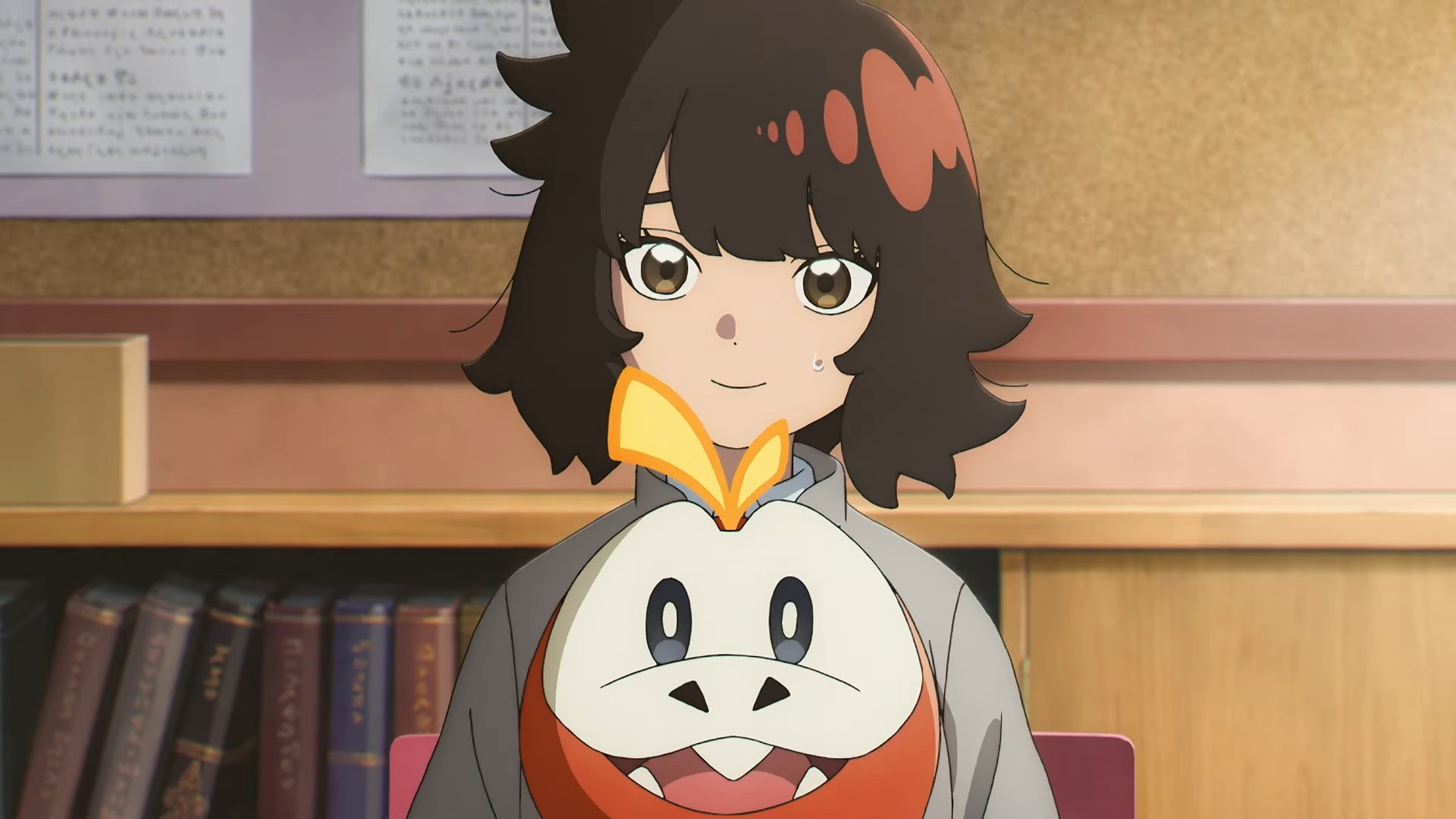
Episode one, titled ‘Breathe Out’, focuses on Ohara, a flautist who is struggling with the video work, so she heads to Glaseado Mountain to carry out the school’s Treasure Hunt. Ohara and her partner Pokémon Fuecoco explore the mountain and get involved in some danger, but they also meet a familiar face from the main game. The series is due to be four episodes long, so we’re sure the other episodes will focus on Ohara’s friends, Aliquis and Hohma.

To commemorate the episode’s release, The Pokémon Company has shared a brand new Mystery Gift Code to redeem in Scarlet & Violet, which will get you a Cetitan.

The first episode comes just seven days before Pokémon Scarlet & Violet – The Hidden Treasure of Area Zero: The Teal Mask is due to launch. This first piece of DLC — which makes up one-half of the Expansion Pass — is set in a new location: Kitakami. So it’s going to be a big month for Pokémon!

Check out episode one below, and let us know what you think of it in the comments.

Posted on Leave a comment

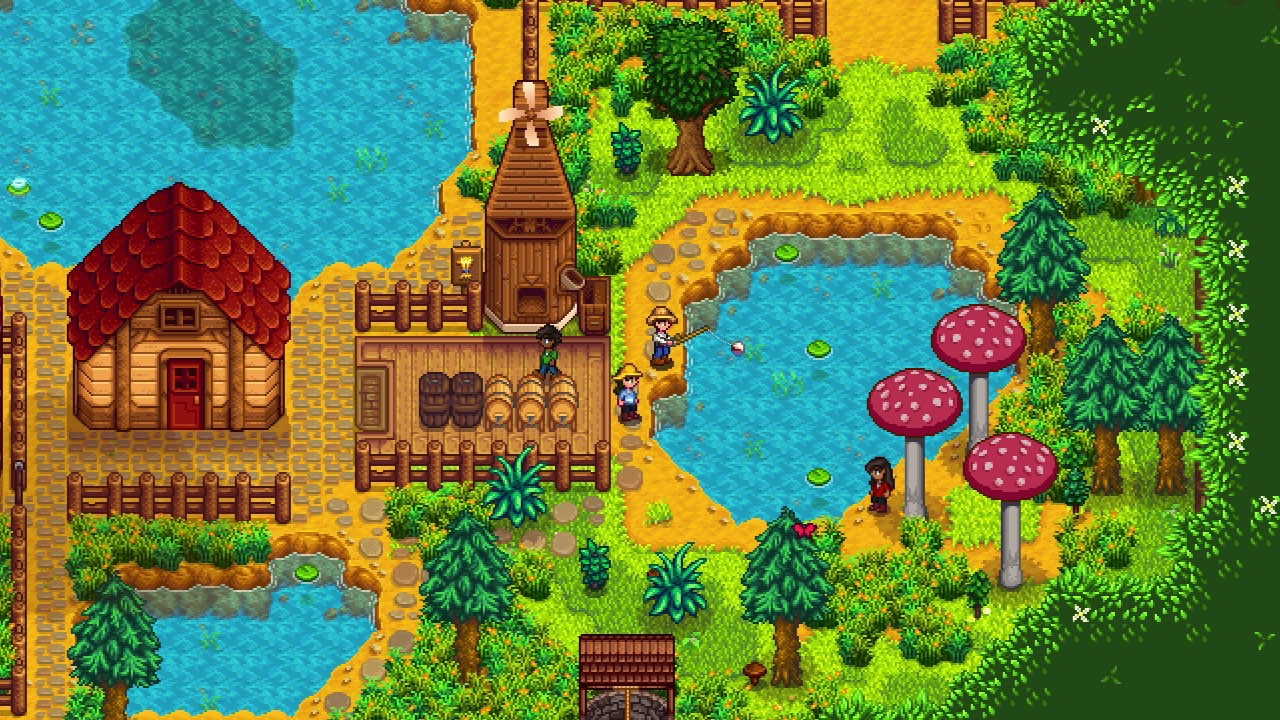
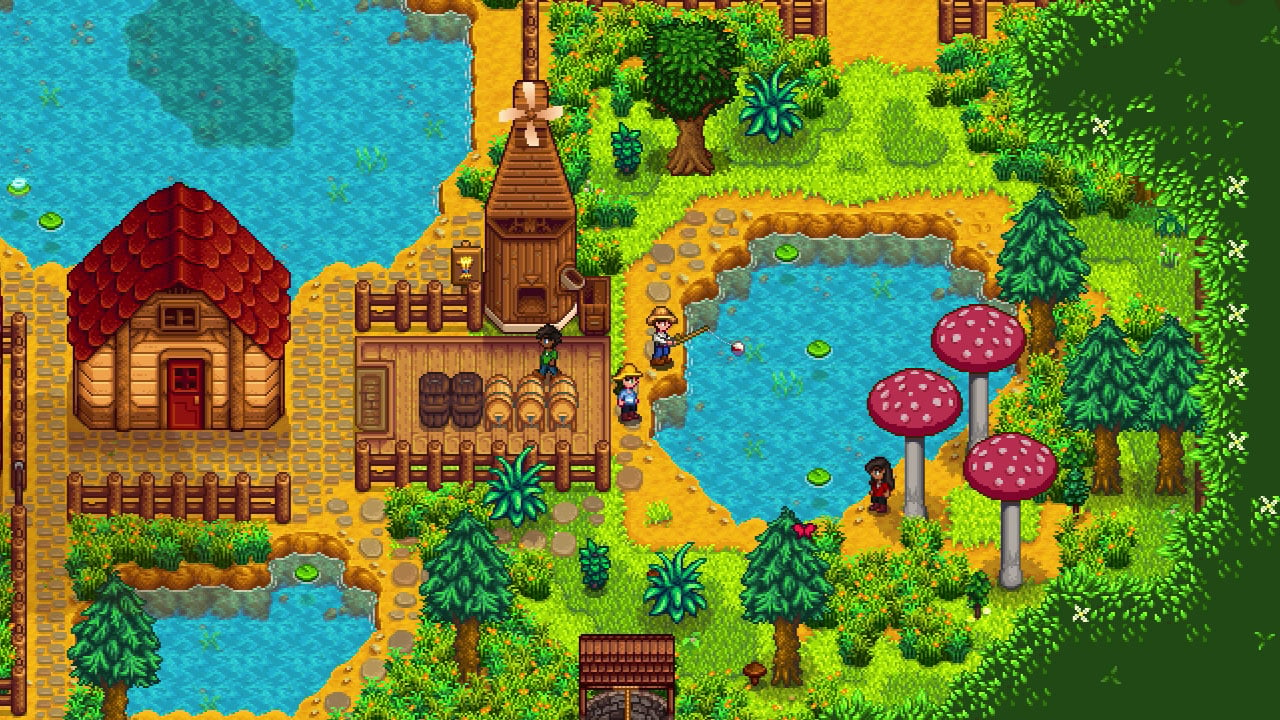
Stardew Valley Creator Shares A Minor Update About Version 1.6

Stardew Valley
Image: ConcernedApe

It’s been a few months since the last Stardew Valley news, so what’s the latest? According to the developer Eric ‘ConcernedApe’ Barone, Version 1.6 is still a work in progress.

In an update via social media, ConcernedApe actually shared a screenshot of his new project the Haunted Chocolatier, noting how he was sitting on “a lot of screenshots”. Of course, this resulted in many fans questioning the status of Stardew’s 1.6 update. Here’s what he had to say:

“I am working on the 1.6 update right now, but just wanted to share a HC screenshot, I’m sitting on a lot of screenshots that I could share, just felt like it

… all I ask for is patience, I don’t want any pressure”

In a Stardew development update dating back to July 2023, ConcernedApe mentioned how this next update for the lifestyle-farming simulation would feature a “new festival, new items, more dialogues and secrets” and even an “iridium scythe”, it will be “mostly changes for modders” though.

Stardew Valley’s previous major update Version 1.5 was released back in February 2021 – adding a Beach Farm, advanced customisation, split-screen local co-op, and more. As for the Haunted Chocolatier, no platforms other than PC have been confirmed, and there’s still no release date.

Are you excited for the next Stardew update? How about the Haunted Chocolatier? Comment below.

Posted on Leave a comment

Pokémon GO’s Pokédex Is Now Bigger Than Any Mainline Entry

Pokemon GO

Niantic’s mobile title Pokémon GO now officially has the most Pokémon to collect, placing it ahead of the mainline entries.

With the new Pokémon Scarlet and Violet Paldea region update going live this week, the total number of pocket monsters you can catch in the mobile hit has now been bumped up to 814. As highlighted by Eurogamer, this puts it ahead of the Pokémon Ultra Sun and Ultra Moon Pokédex.

Ultra Sun and Ultra Moon featured data for every Pokémon species but when Pokémon Sword and Shield was released, Game Freak made the decision to cut back and instead offer a select roster, rather than the complete National Dex. Scarlet and Violet also got a hand-picked Pokédex – featuring a mix of new and old Pokémon.

Game Freak has previously mentioned it simply can no longer include every Pokémon in new mainline games, while also citing the possibility of balance issues if it did include every pocket monster. The total Pokédex count to date has now also surpassed the 1,000 mark.

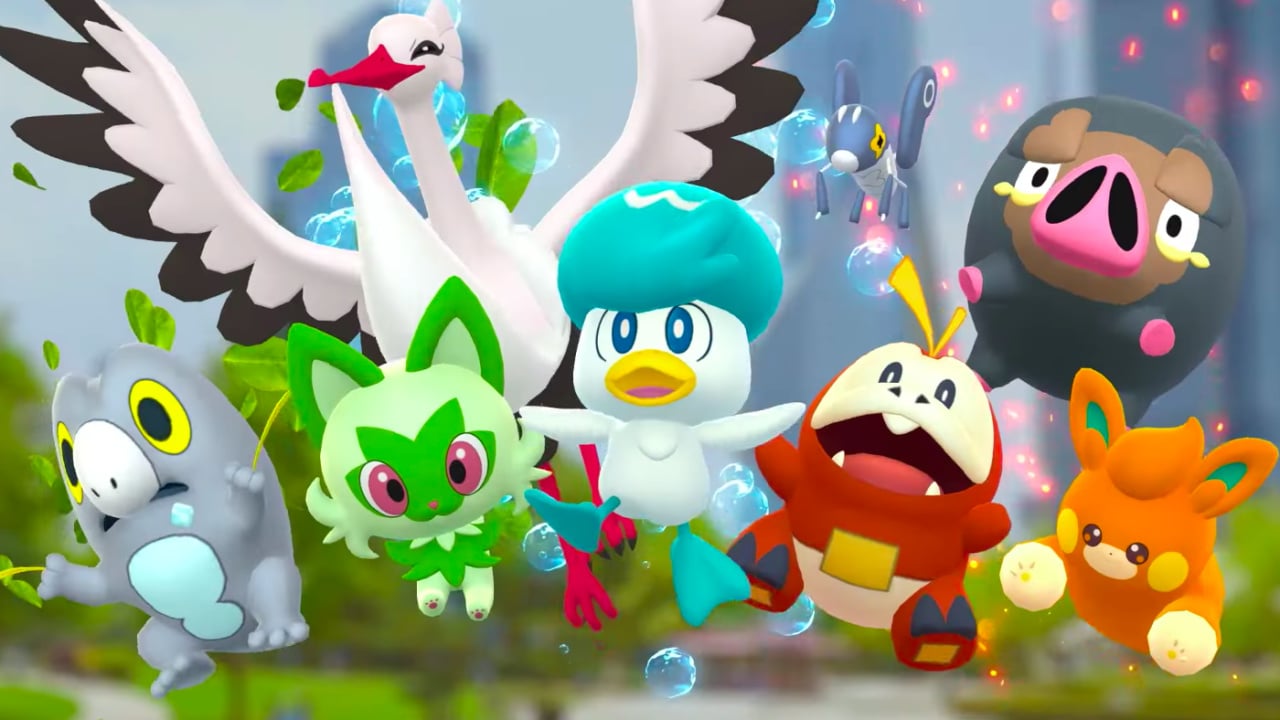
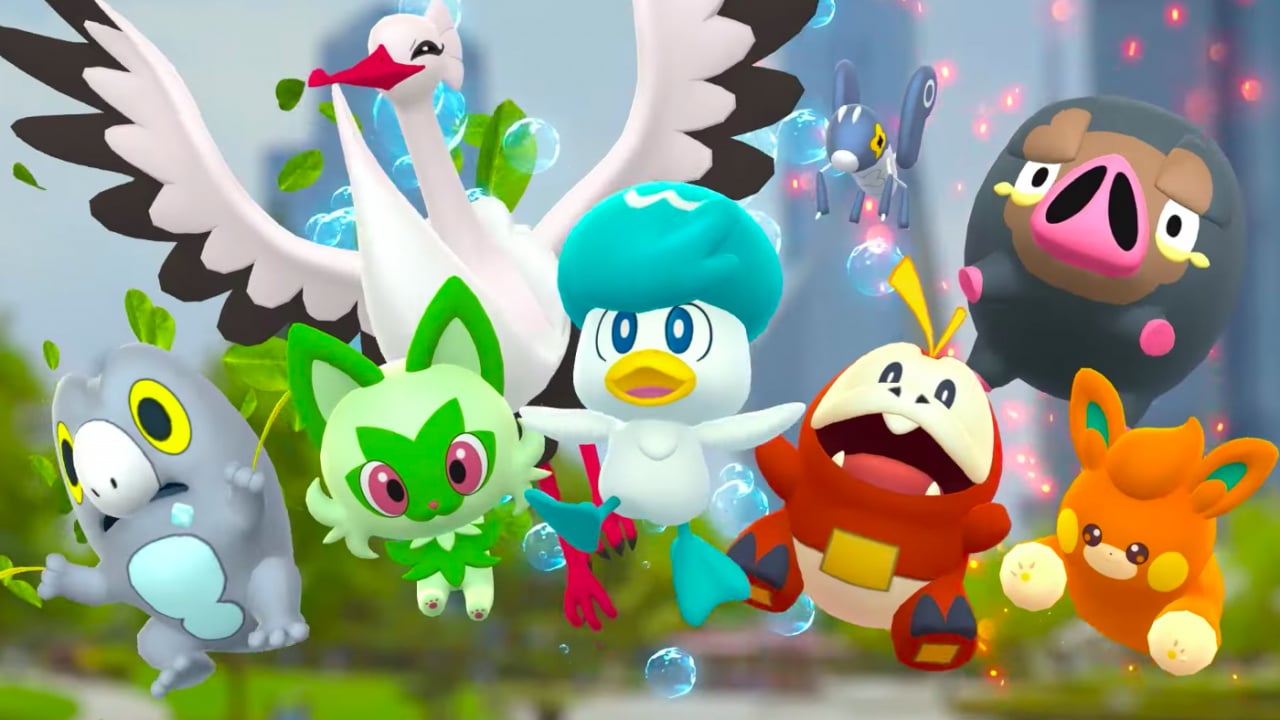
If you do plan to participate in GO’s latest event, you’ll be able to catch Pokémon like Sprigatito and Fuecoco between now and 10th September, and then there’ll be even more familiar faces added to the game next week.

Can you believe Pokémon GO’s Pokédex is now bigger than any of the mainline games? Would you like to see the full roster return to the major entries in the future? Leave your thoughts below.

Posted on Leave a comment

Review: Teenage Mutant Ninja Turtles: Shredder’s Revenge – Dimension Shellshock – Totally Tubular DLC

Teenage Mutant Ninja Turtles: Shredder's Revenge - Dimension Shellshock Review - Screenshot 1 of 3
Captured on Nintendo Switch (Handheld/Undocked)

When we first got our hands on Teenage Mutant Ninja Turtles: Shredder’s Revenge last year, we were by no means of the impression that the game was lacking in the content department — this is, after all, what we deemed to be “the best Turtles scrolling beat ’em up ever“. A little over a year later, the game’s first DLC, ‘Dimension Shellshock‘, is here to show that sometimes bigger is in fact better, and even more Turtle action is always a good thing.

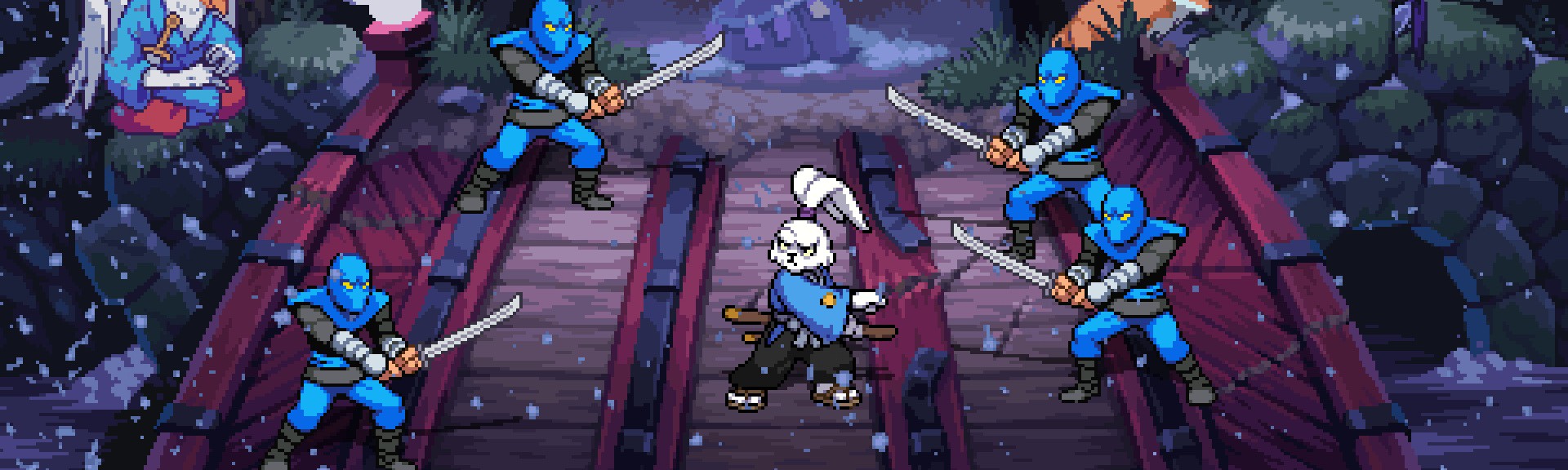
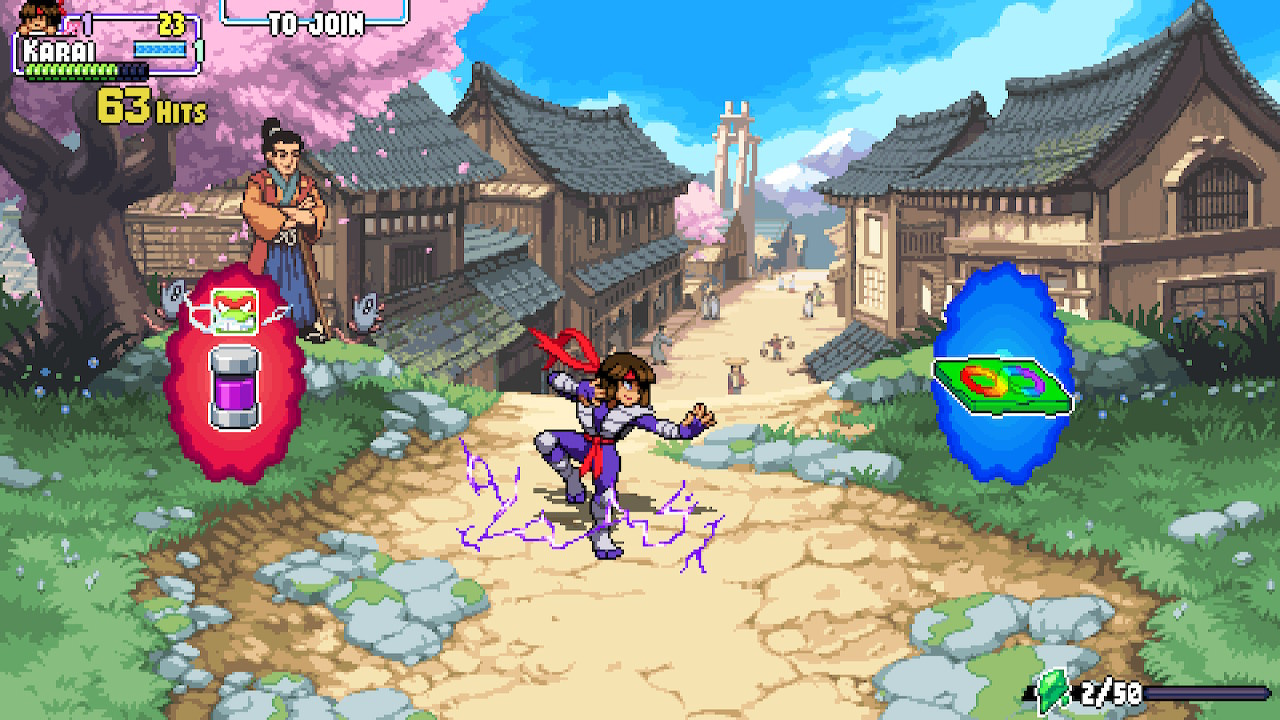
This DLC comes as a rather solid package. Alongside several new character colour palettes (many of which come from a free update that launched alongside the DLC), there’s also the addition of a brand new game mode, two fresh-faced fighters — Usagi Yojimbo (aka ‘Miyamoto Yojimbo’ in his original comics) and Karai (a mainstay of the 2003 animated TMNT series) — and a number of shredding original music tracks from composer Tee Lopes.

We’ll kick things off with the star of the show: Survival mode. If a roguelike-style take on the beat ’em up wasn’t the first thought to pop into your mind after completing the Shredder’s Revenge Story mode, then know that you are not alone, but after getting to grips with waves of tough foes, power-up propositions and the never-ending desire for ‘just one more run’, we were pleased to see that the latest loop continues to kick shell.

Teenage Mutant Ninja Turtles: Shredder's Revenge - Dimension Shellshock Review - Screenshot 2 of 3
Captured on Nintendo Switch (Handheld/Undocked)

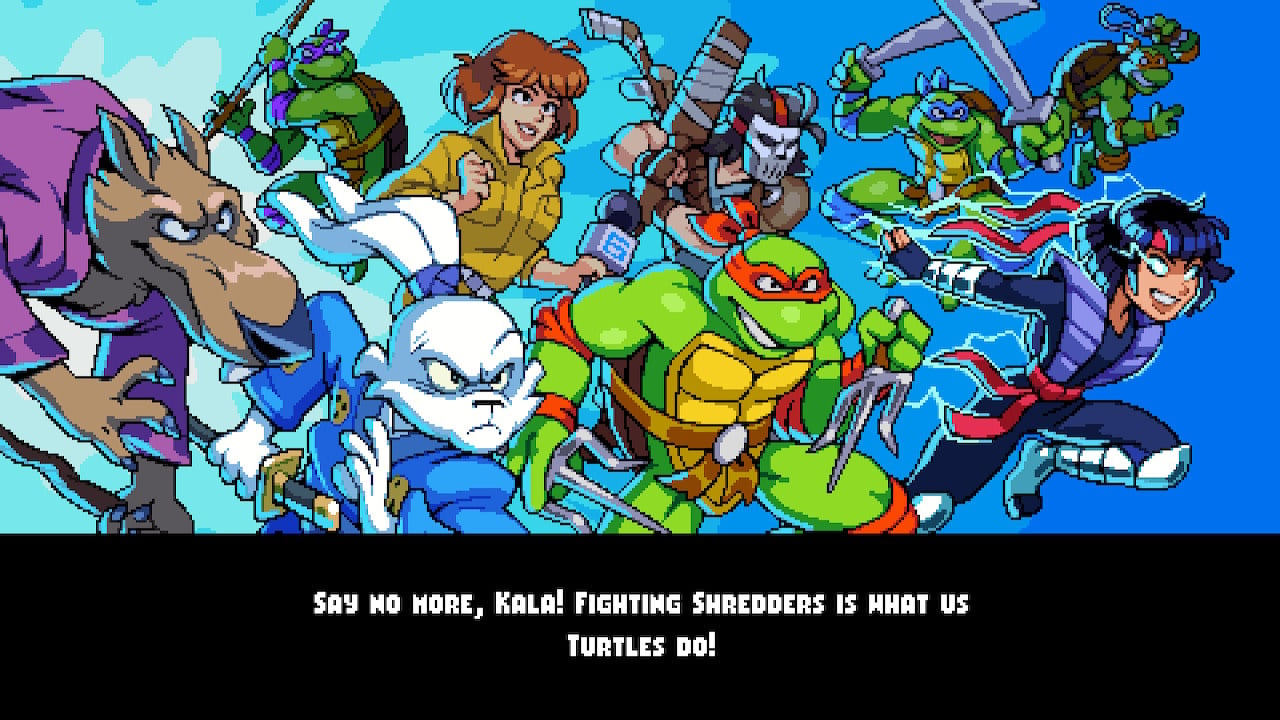
Survival mode begins with a short cutscene. The Neutrinos (a race of humanoid teenagers from Dimension X that you might remember from the original animated series) appear through a wormhole and warn the Turtles that Shredder is attempting to conquer the multiverse — because you can never have too many of them, right? The old gang, now joined by a ninja rabbit and a former-Foot Clan member, leap into action to take down the big bad once again.

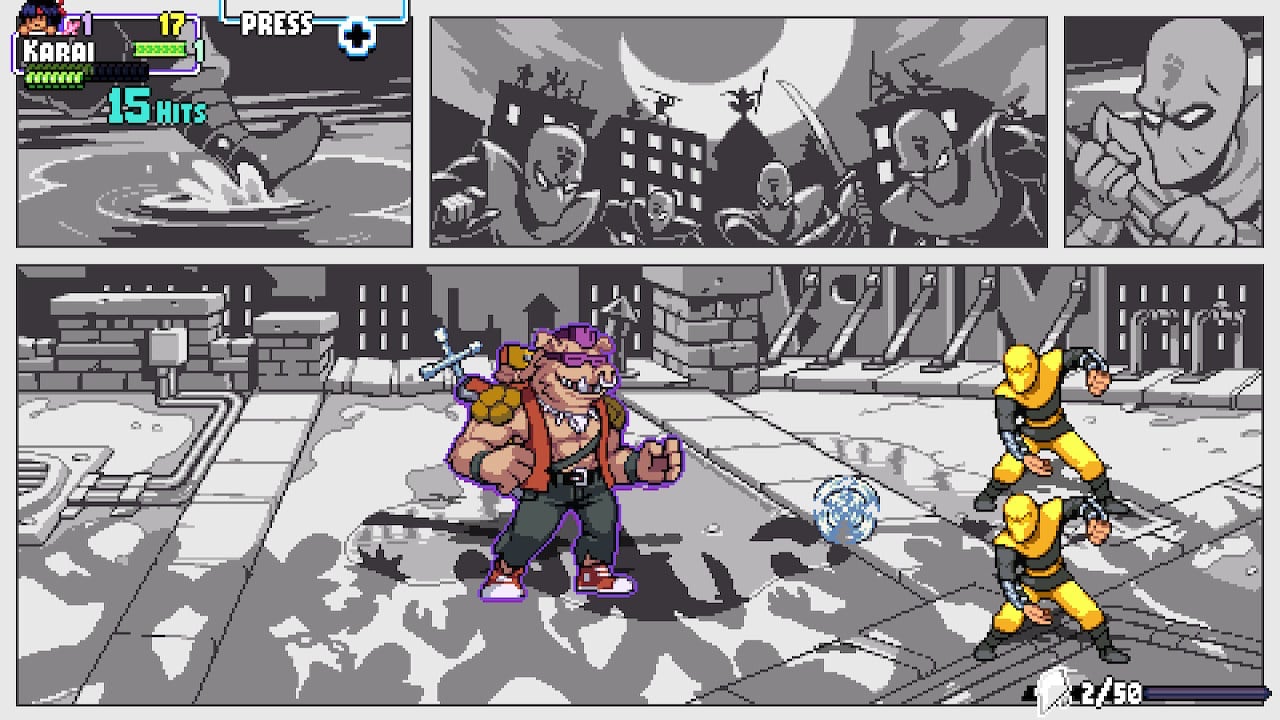
So begins the central loop. You hop into one of the five new Dimension settings — the retro ‘8-Bit Battleground’ and comic book-inspired ‘Mirage’ environments are standouts — take out a wave of foes, and aim to collect enough shards to complete a Dimension Crystal and progress onto the next area. When you die, your collected Crystals are tallied up and produce upgrades for your next run. So far, so roguelike, though the similarities to Dotemu’s previous ‘Survival Mode’ DLC for Streets of Rage 4 are also clear.

The structure is repetitive by its very nature, but a bonus mechanic at the end of each wave keeps things interesting. Before diving into the next battle, you are given a choice between two upgrades including more shards, health, strange power-ups, or the chance to mutate into some classic villains for a short time. These range in their usefulness — playing as Shredder, Bebop, and Rocksteady provides some respite from your fighter’s decreasing health, though the villains’ limited movesets feel a little slow compared to the fluidity of the Turtles’ — but the ever-changing rewards add an interesting risk/reward system to what would otherwise be punch, collect, repeat. Do you play it safe and collect a Pizza Box health boost at every opportunity, or is it worth grabbing a bundle of shards to ensure quick progression? With boss battles randomly thrown into the lineup of enemy waves, your choice of bonuses can either make or break a run.

Teenage Mutant Ninja Turtles: Shredder's Revenge - Dimension Shellshock Review - Screenshot 3 of 3
Captured on Nintendo Switch (Handheld/Undocked)

And boy, do you need that boost in the early stages. Each fighter’s first run sees them with only one life and limited hit points, making those initial waves feel all the more challenging while you attempt to rebuild your beat ’em up muscle memory. That being said, once the upgrades start rolling in and the final goal of completing five Dimension Crystals and defeating the Master of the Void seems all the more attainable, Survival mode quickly becomes difficult to put down.

But what about the new fighters? Many of us will have tried out a few different Turtles in the game’s main story, but the addition of Survival mode encourages fighter experimentation, making it the perfect time to throw two newbies into the mix. Usagi Yojimbo has quickly fallen into our rotation, with high speed and balanced range and power making him a strong choice for navigating some of the busier waves, though Karai’s improved strength is a blessing when taking on tougher foes. Both are available to use in Survival, Arcade, or Story mode, so you can get to grips with the new animations and combat styles however you please.

Seeing two new characters included with the strong new game mode makes the DLC’s £6.69 / $7.99 / €7.99 pricetag ooze value. It is rare that a DLC provides just as much entertainment value as the main game, but we can see the new mode becoming a replayable staple for many a game night to come — no quarters required.

Conclusion

This has all the charm of the base game, but with a challenging new stand-alone mode that adds quality and value. The opening challenge won’t be for everyone and those early runs can be pretty unforgiving, but once you see those unlocks rolling in and with an upgrade or two under your belt, you’ll soon wonder why a Turtles roguelike hasn’t been on your wishlist from the very beginning. With these added bells and whistles, Teenage Mutant Ninja Turtles: Shredder’s Revenge is still totally tubular, dude.

Posted on Leave a comment

Surprise! Heart Machine’s ‘Solar Ash’ Slides Onto Switch Next Week

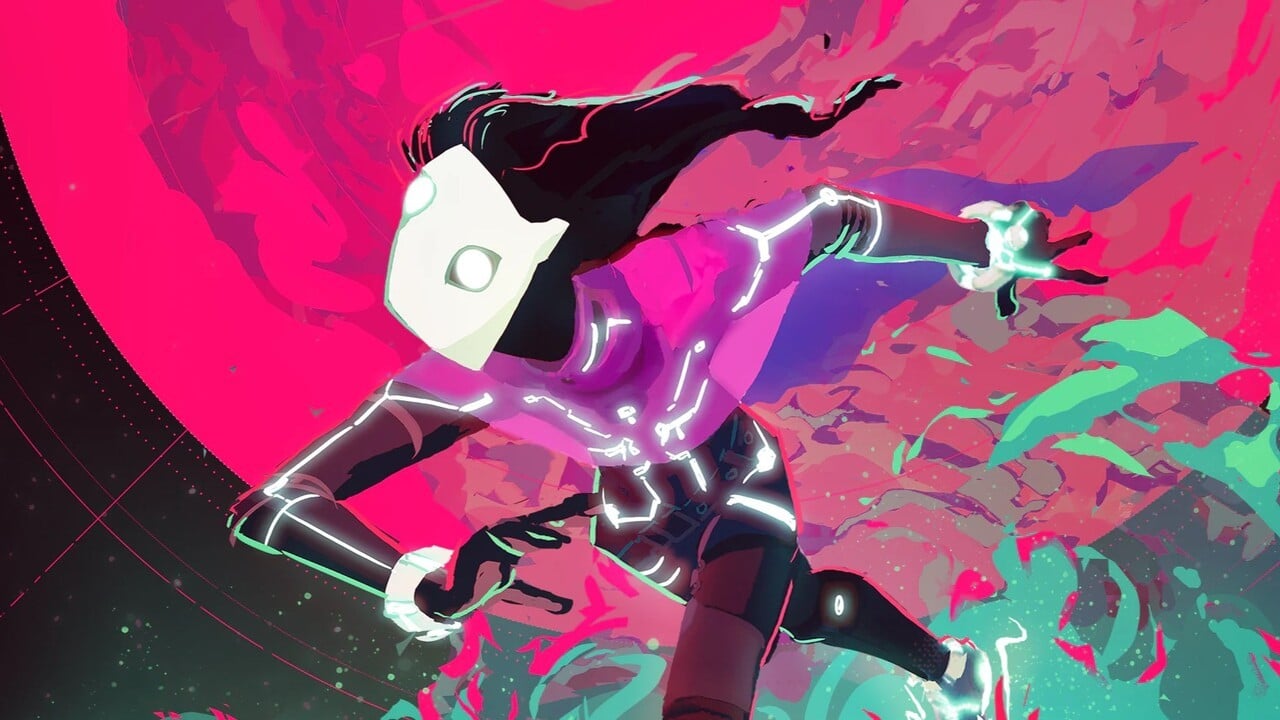
Annapurna Interactive has announced that it’s bringing Heart Machine’s stunningly surreal 3D platformer Solar Ash to Switch on 14th September.

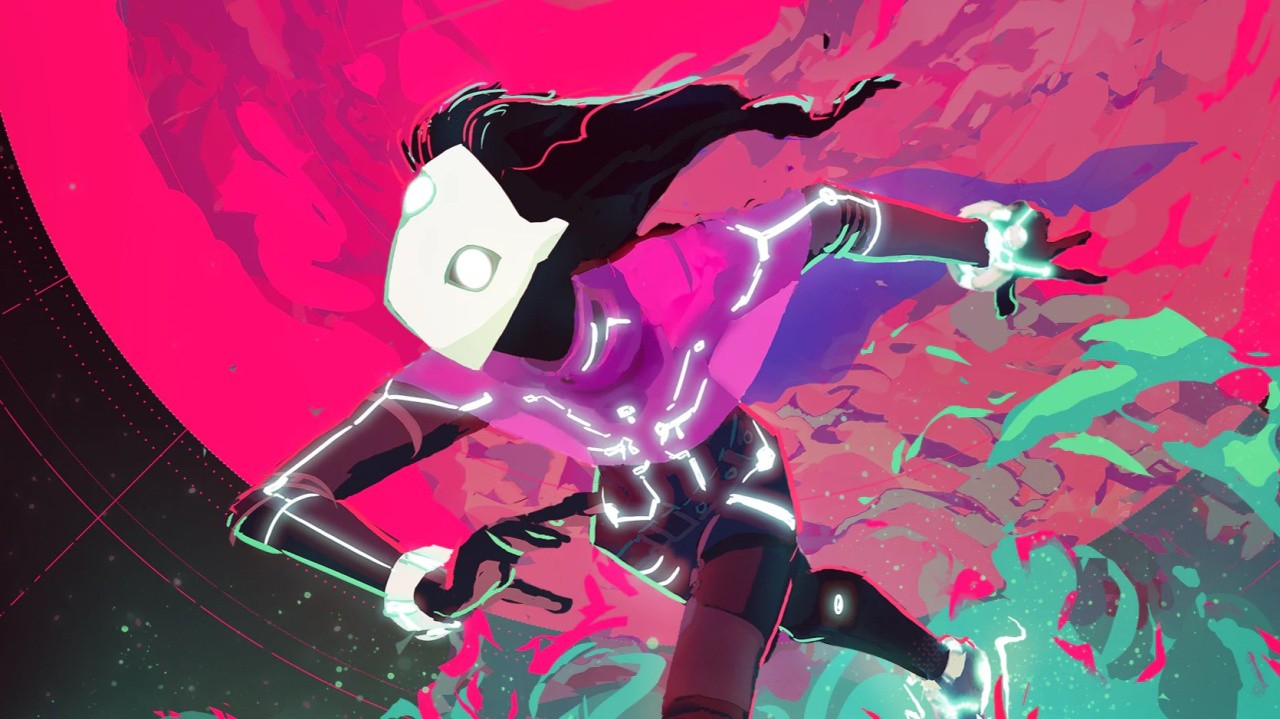
Originally launching on PS4, PS5, and PC in 2021, Solar Ash is the second game from Hyper Light Drifter developer Heart Machine. Swapping beautiful 2D pixel art for stunning 3D landscapes, Solar Ash is set in the same universe as the studio’s popular indie hack-and-slash, but instead of focusing on action, Solar Ash focuses on movement.

The Switch port has long been rumoured, as back in March this year, a rating for the game appeared on PEGI’s website.

While not as well-received as its predecessor, Solar Ash was still highly praised for its visuals, atmosphere, and traversal. Our sister site Push Square scored the game 7/10, saying that “the traversal at the heart of everything does about enough to carry you through to a satisfying conclusion”.

Heart Machine is currently working on a new game in the Hyper Light Drifter universe — Hyper Light Breaker, a 3D co-operative roguelite. The game is due to launch in Early Access on Steam in 2024, and other release platforms have yet to be confirmed.

Have you played Solar Ash? Will you be picking this up on Switch next week? Let us know in the comments.

Posted on Leave a comment

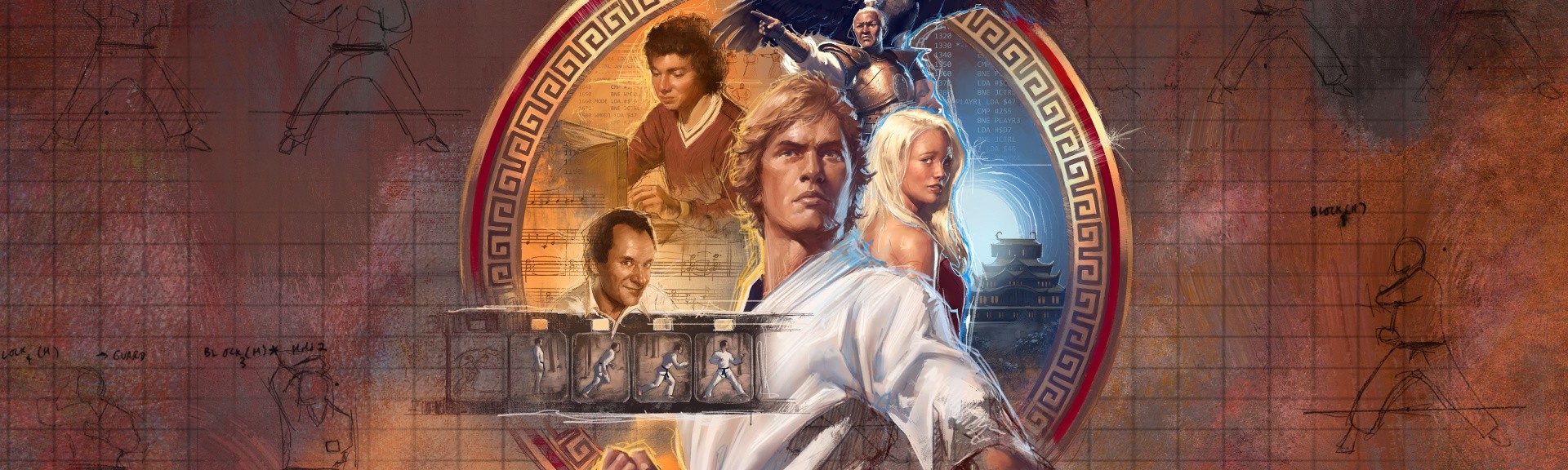
Review: The Making Of Karateka – A Great Start For Digital Eclipse’s Gold Master Series

The Making of Karateka Review - Screenshot 1 of 5
Captured on Nintendo Switch (Docked)

Digital Eclipse, following on from Atari 50: The Anniversary Celebration and Teenage Mutant Ninja Turtles: The Cowabunga Collection, is continuing its trend of going back to the past to rekindle the games that kicked ass. While the Cowabunga Collection was wrapped in comic book paraphernalia and finished with a lick of old-fashioned Konami, The Making of Karateka follows the clean and tranquil stylings of Atari 50: The Anniversary Collection, a package we commended for being so thoughtfully arranged.

Digital Eclipse’s “interactive documentary” angle, thus far, has been somewhat pioneering, built with robust research, stuffed with original interviews, and showcasing unearthed and playable prototype materials. And, priced at a reasonable $19.99, there’s a good chance that anyone who sits down and actually sifts through everything in The Making of Karateka, from video interviews to superb audio commentaries, will probably spend more time with it than they do with most games, such is the attention span of today’s impulse buyers and the wealth of content on-board. Without even playing the games in the package, you can kick back and enjoy the story of how Karateka came to be, in alluring, personal detail.

The Making of Karateka Review - Screenshot 2 of 5
Captured on Nintendo Switch (Docked)

Mechner, probably best known for Prince of Persia (1989), was infatuated with movie-making back in 1984. While studying at Yale, he brainstormed a concept for a martial arts game set in old Japan; something that would capture the spirit of the movies, while being revolutionary for the medium. Learning to program for the Apple II computer, he drew upon the works of film legend Akira Kurosawa for tone and used traditional Japanese woodblock art as a visual touchstone.

Karateka, on release, was a massive success. It introduced the world to one-on-one fighting like they had never seen before. While at first glance it may seem similar to 1984’s Karate Champ, Data East’s two-player versus arcade game that saw combatants face off with various martial arts strikes, Karateka happens to be quite different, offering a broader game with a cinematic feel, a sense of adventure and progression, and more fluid and exciting combat. And, while the game is a series of one-on-one engagements, some may consider the format of scrolling through stages and taking out guards to have more in common with the belt-scrolling beat ’em ups spearheaded by Irem’s Kung-Fu Master (1984). Mechner used rotoscoping to draw out realistic, fluid animation, which was graphically remarkable at the time, and something he would later become noted for with Prince of Persia. Digital Eclipse’s thorough interactive documentary goes into great detail on the subject, recounting in an audio commentary the people who allowed him to record their motions on an old Super-8 camera; his father Franice Mechner contributed the running animation, his mother’s Karate teacher Dennis Holliday the martial arts moves.

The Making of Karateka Review - Screenshot 3 of 5
Captured on Nintendo Switch (Handheld/Undocked)

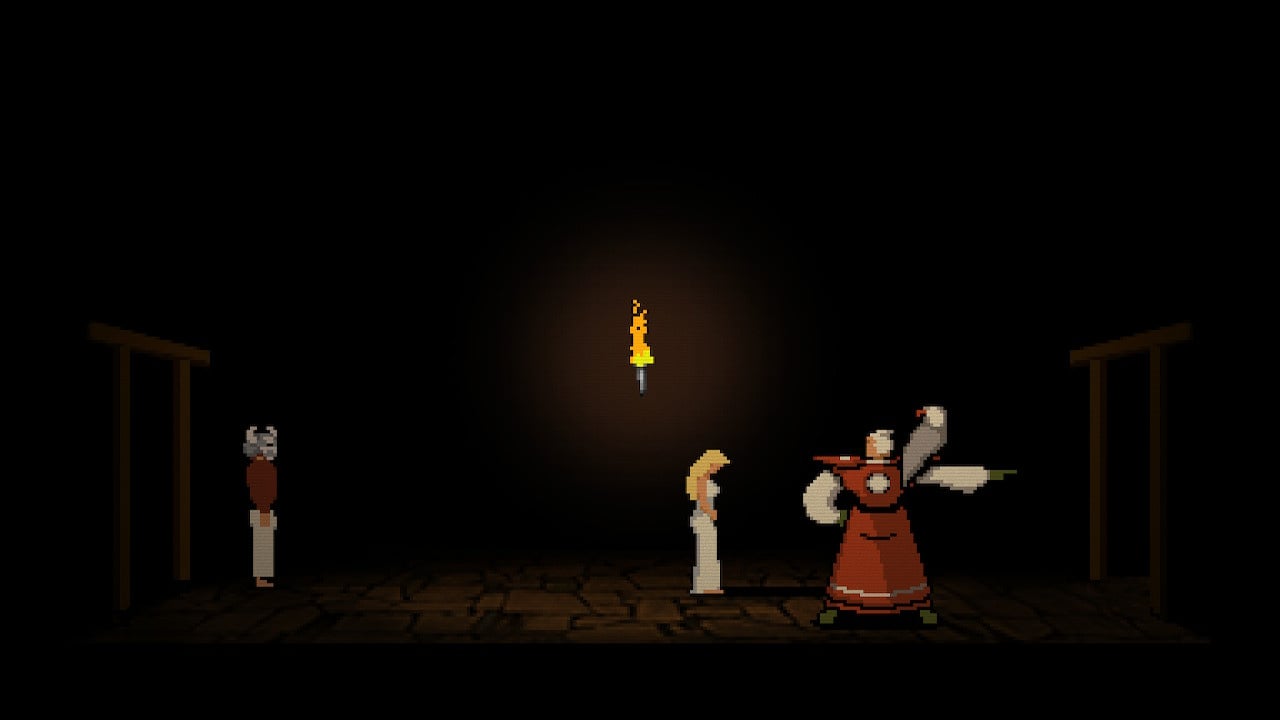
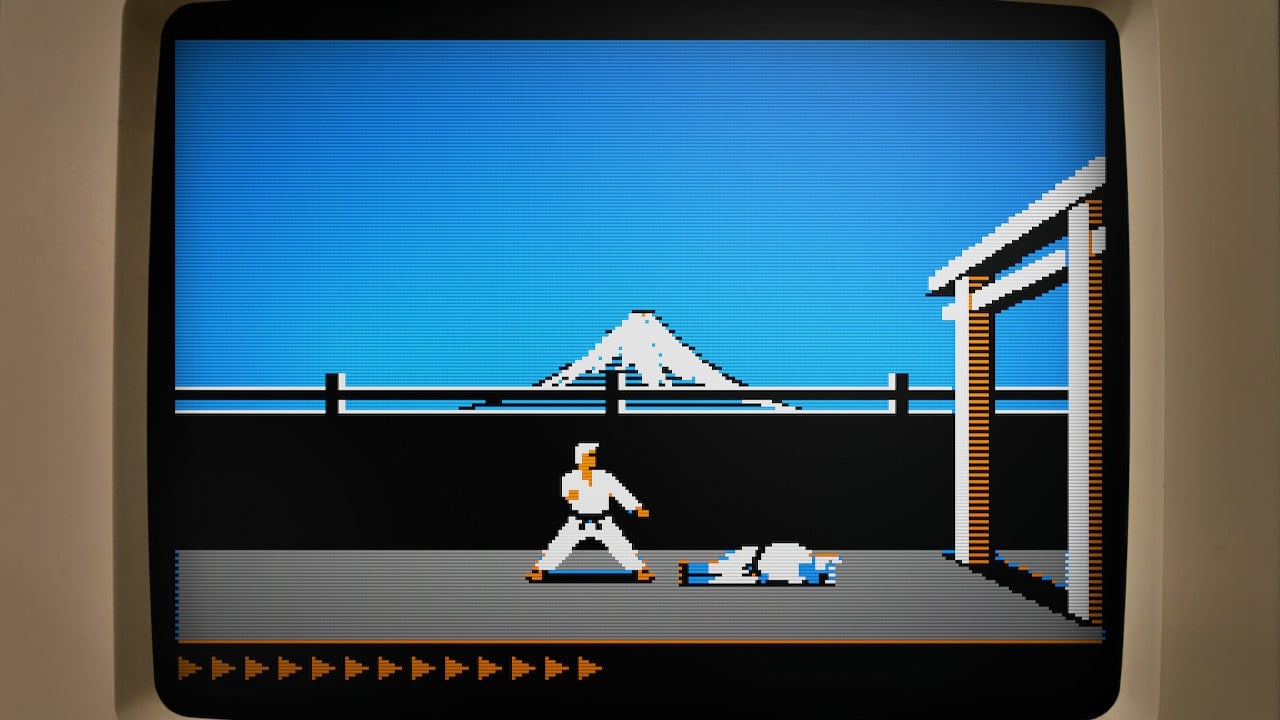
In Karateka, you play a Karate hero on a mission to save Princess Mariko from the clutches of evil Japanese warlord Akuma. Set in feudal Japan, the graphical motifs of Mt. Fuji, Tori gates, and wood-structured castle enclaves, remain impressively atmospheric. The protagonist marches forward until the screen cuts, in real-time, to a guard running in approach. When you meet, it’s time to fight, at which point you need to enter a Karate stance and trade blows. The original game had only two buttons and used the directional keys to plant low, medium, and high punches and kicks. Here, you can use six buttons if you wish, relinquishing the need for directional inputs. You can also rewind gameplay at will if you’re a sore loser, and adjust the screen with borders and filters.

Even by today’s standards, Karateka plays very well. Yes, you can get away with spamming the low kick to get you through quite a few enemies, but there’s still a tactical element to it. It features regenerating health bars for you and your enemies, meaning you can back off to regain energy during a fight, but your opponent receives the same recuperative bonus. You also need to press on quickly between fights to limit the number of approaching guards and reach the end of the stage.

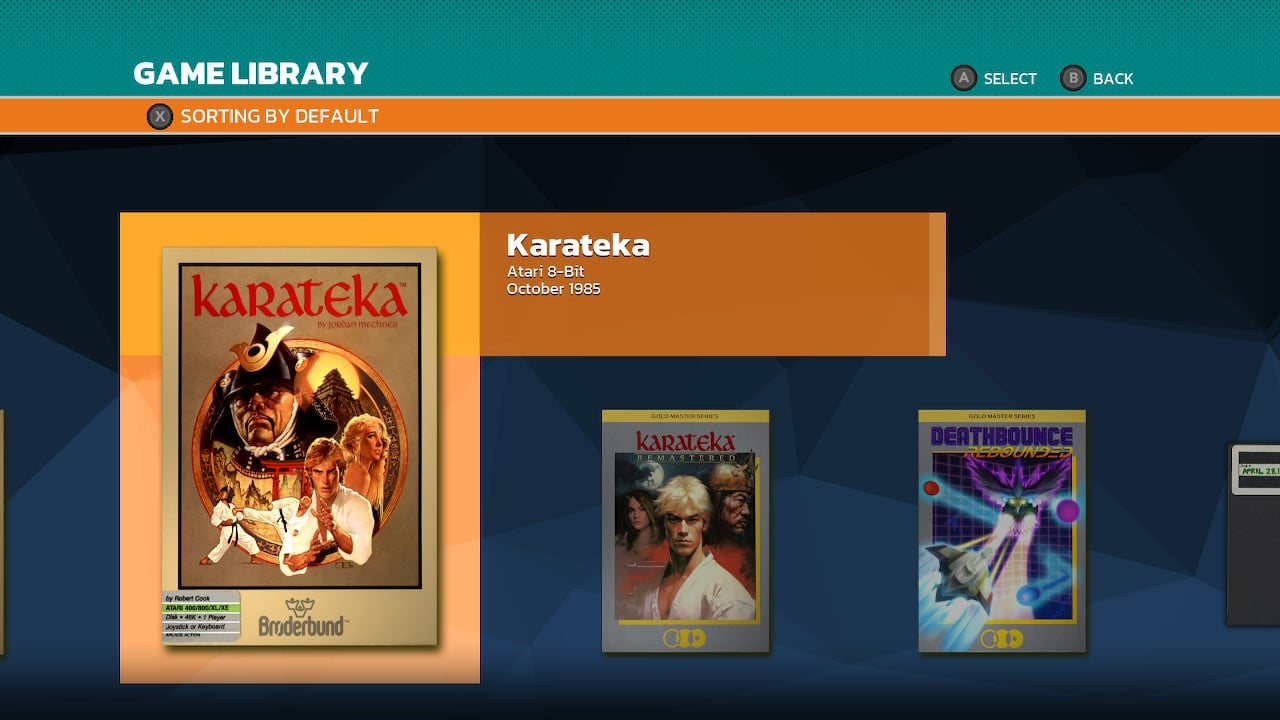
In addition to a ton of historical tidbits on board, and a genuinely interactive element that allows you to jump in and start playing the game during commentaries, the package features every available prototype of Karateka, allowing you to play its work in progress and all the finished releases and ports, including Apple II, Commodore 64 and Atari 8-bit versions. Deathbounce, a game Mechner originally coded at 17 entitled Asteroids Blaster, has several prototype versions that changed based on feedback from Broderbund Software, who ultimately never put it out for sale. Broderbund’s input, however, did influence its transformation from an Asteroids clone to an altogether novel arena shooter set on the cars of a space train. There is a remaster of Deathbounce included, too, and it’s lots of fun to play for score, hurtling from car to car and littering the screen with destructible firework explosions.

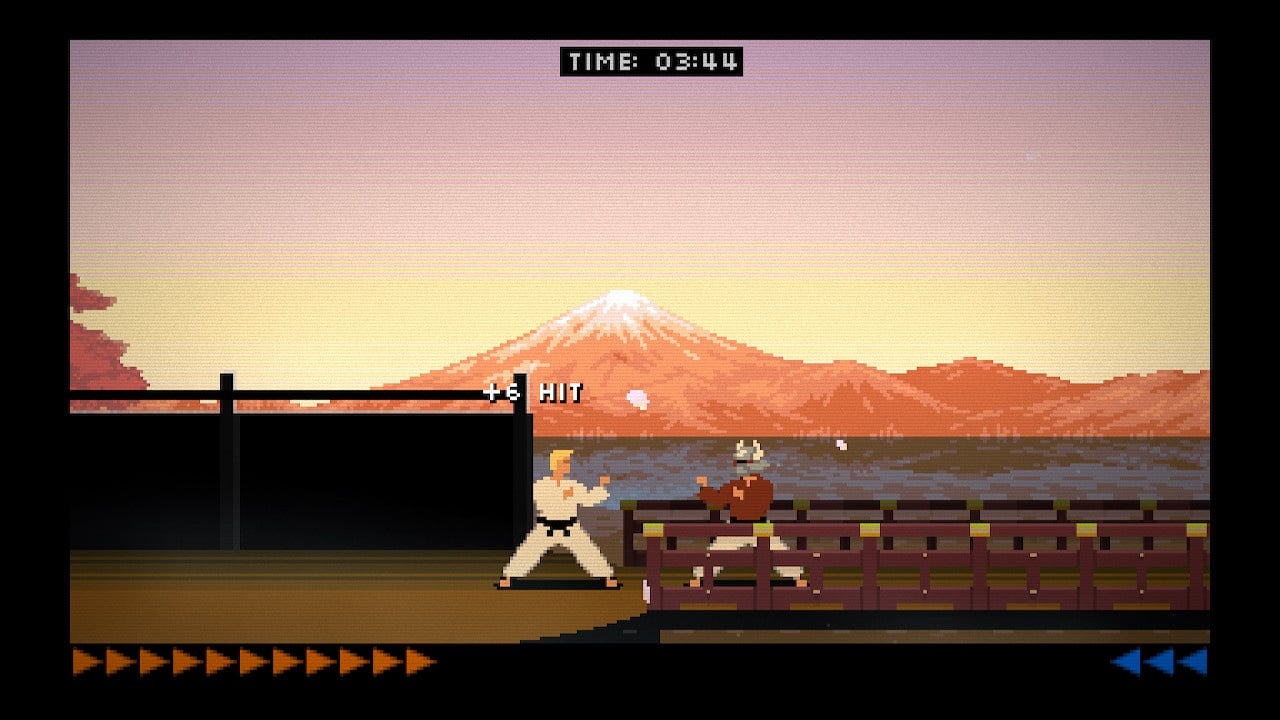
Of greater interest to fans will be the Karateka remaster, which sensibly does nothing to lose the charm of the original. That is to say, it’s nothing like the 3D 2012 Karateka remake and is more about keeping the format exactly as it was. Heavily tuned up, it has a lot more pixels and colours, as well as a rousing score by Francis Mechner, and visually sits somewhere between the 8 and 16-bit era. And it’s wonderfully done. Cherry blossom, bridges, and other new background elements breathe new life into the adventure, and there is an optional audio commentary track from the programmer that interrupts your playthrough at certain stages to tell you about the project’s development.

On the whole, The Making of Karateka is superbly handled. But — and there is a but — one must be aware that it’s a very niche field of interest. If you suffer from a ‘2D looks old’ disposition then it’s simply not for you. Despite its animated fluidity, Karateka was built around the limitations of ancient home PCs — an aspect that’s discussed often in the documentary snippets — and as such, is a simple game with a relatively slow input system. People looking to dive in on this should know what they’re getting: an excellently laid out documentary with interactive timelines, soothing menu music, and plenty to watch and play, even if the number of unique games is fairly thin.

The Making of Karateka Review - Screenshot 4 of 5
Captured on Nintendo Switch (Docked)

Perhaps broadening the package to include Mechner’s other works, like Prince of Persia, would have made this truly unmissable, although that would no doubt require the involvement of Ubisoft (the owners of that IP) and a price point to match, not to mention a huge amount of additional work. Still, considering the quality of the execution and the wealth of researched content, the price stands fair and will be a no-brainer for fans of the game or historical compendiums generally.

Conclusion

The Making of Karateka is not for everyone, and most of its appeal will lie with older gaming generations. If you’re a student of historical gaming flash points, however, it’s a package that delivers the goods, and in fine form. It doesn’t have anywhere near as much unique gaming content as Atari 50: The Anniversary Celebration, a fact that will limit its appeal. Despite this, the two remasters are solid, the prototypes intriguing, and the content comprehensive. If you were a fan of Atari 50, The Making of Karateka will find you well.

Posted on Leave a comment

Company Of Heroes Collection Marches The Classic RTS Game Onto Switch This Autumn

Feral Interactive, the team behind such ports as GRID Autosport, Alien: Isolation and The Lara Croft Collection has today announced that it will be bringing a legendary RTS title over to Switch in the upcoming Company of Heroes Collection.

The collection is currently set to land on the Nintendo console this Autumn, and will combine the base game and its two expansions (Opposing Fronts and Tales of Valor) in one neat little package.

If you have never come across the title before, Company of Heroes is a real-time strategy game that sees you taking on the role of either the Allied or the Axis forces in a series of campaigns throughout World War II. There will be 41 different missions for you to take on in total, with every tactical decision directly shaping how the battle plays out — no pressure there, then…

Originally released for the PC in 2006 before being ported to mobile in 2020, this collection will feature an all-new control scheme designed specifically for the Switch so you can keep the campaign alive on the go.

For a little more information about the upcoming collection, check out the following from Feral:

With a bespoke user interface and controls designed for play on Nintendo Switch, the full battlefield will be under the player’s command. Intense tactical combat takes place across 41 squad-based missions, with moment-to-moment encounters shaping the course of each battle. A customisable Skirmish mode is also included, with unique factions, multiple game modes and a wealth of maps, offering enormous replayability and rewarding bold experimentation.

The Skirmish mode looks to provide a less story-driven style of gameplay, though Feral has noted that the game will only be single-player at launch with a multi-player update planned for after the release.

We will be sure to keep an eye on this one for more details of a secure release date.

Will you be picking the Company of Heroes Collection up this Autumn? Leave a comment to let us know.

Posted on Leave a comment

Retro Game Challenge 1 & 2 Are Getting Switch Ports In Japan

Bandai Namco has announced Retro Game Challenge 1 + 2 Replay, a remastered collection of two DS cult classics for Switch (thanks, Famitsu). At the moment, the collection has only been announced for Japan, and a release date hasn’t been confirmed.

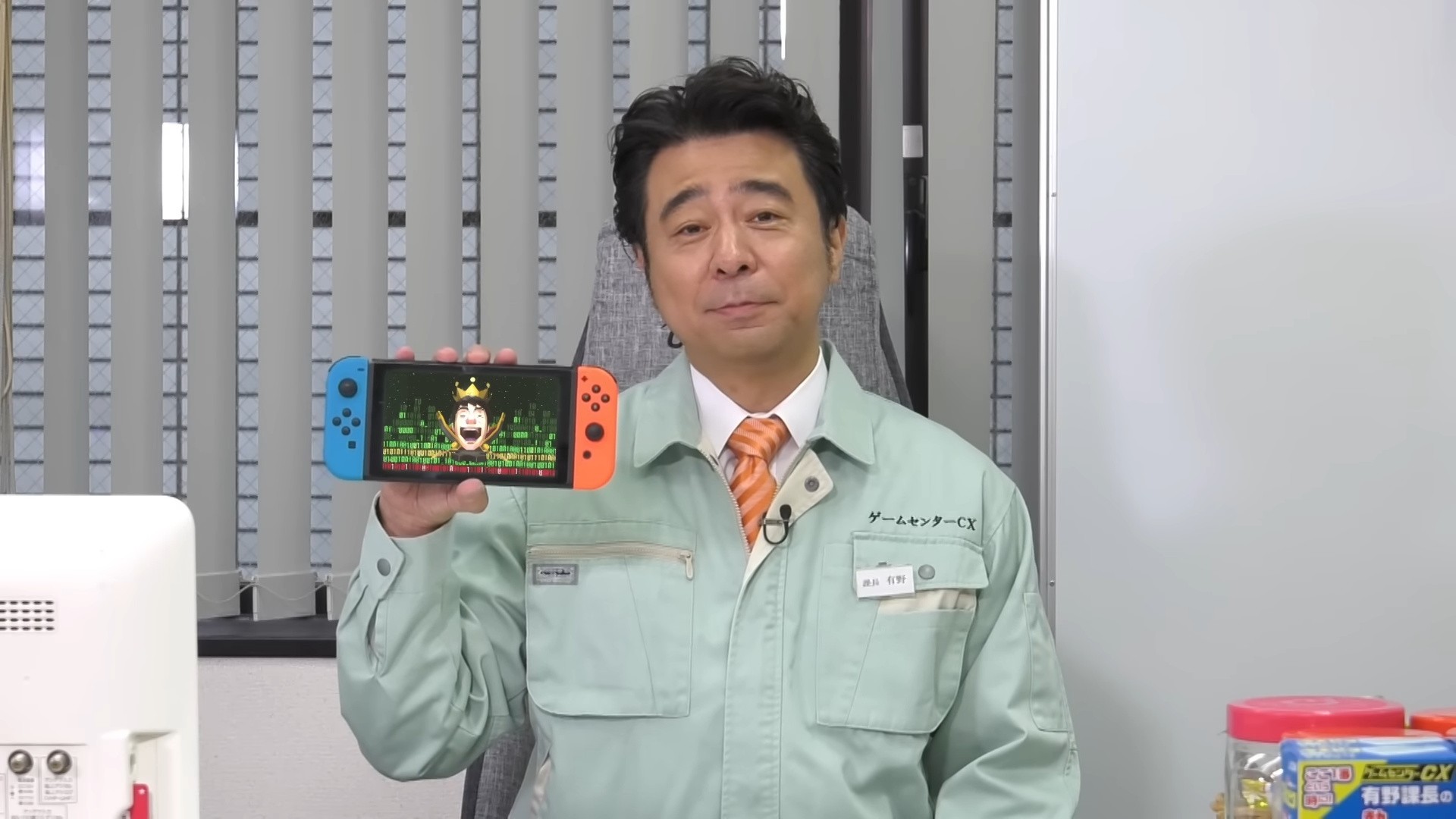
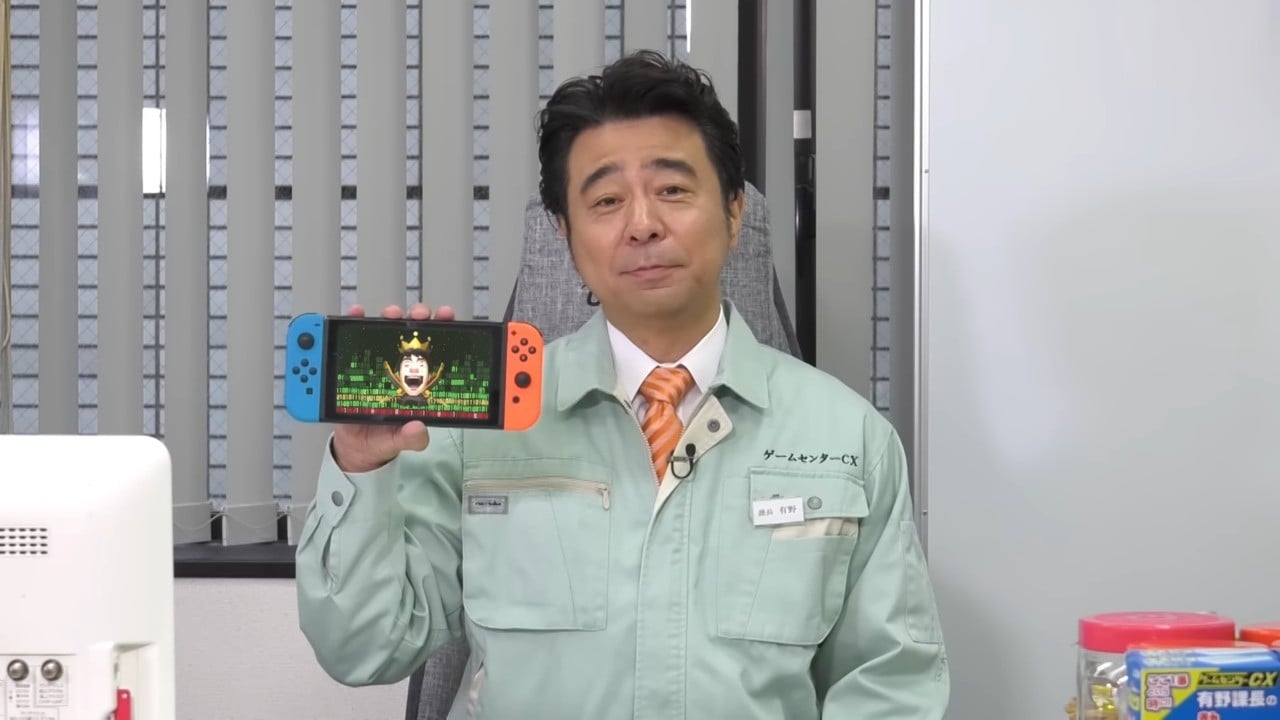
Retro Game Challenge is a series of video games based on the Game Center CX TV show in Japan, which stars Japanese comedian and actor Shinya Arino. The first game came out in 2007, with a North American release following in 2009. Retro Game Challenge 2 never received an official localisation due to disappointing sales in the West for the first game.

The show sees Arino take on difficult game challenges in every episode, and the video games follow the same premise. You get transported back in time by Game Master Arino to play through a variety of retro-style games in short bursts, ranging from platformers to RPGs. The games embrace the ’80s in full force, giving you magazines with cheat codes to help you get through the challenges.

This new remaster will add a brand new game to the mix, inspired by side-scrolling action games, and a limited edition will also be available which contains a newly filmed ‘Arino’s Challenge’ (via Gematsu).

Have you played Retro Game Challenge on DS? Do you want to see this collection come West? Let us know in the comments.