Poncle has rolled out an impressive number of Vampire Survivors updates since launch, and it’s showing no sign of slowing down.
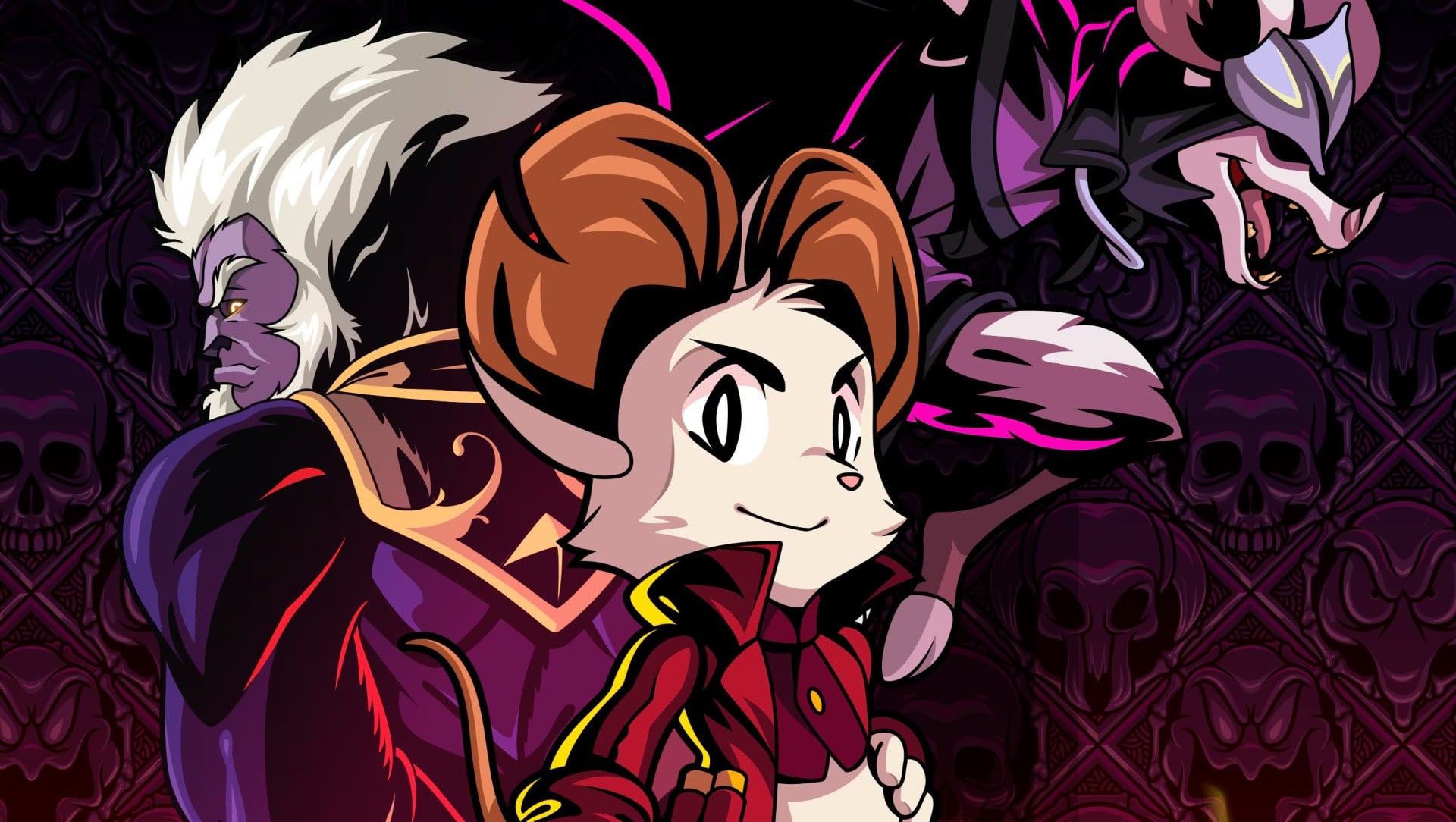
The ver. 1.15 ‘Lycaeum’ update (or the “Wet Update”, as the reveal thumbnail calls it) is “coming soon” to consoles, and as you might expect with a nickname like that, it’s a rather water-based one.
The update will add a brand new underwater stage called ‘The Lycaeum’, packed with new enemies and a boatload (heh) of fish weapons. There are also new playable characters, buffs, faster loading times, over 80 bug fixes, and “stability improvements”.
But wait, there’s more! The update will also include a new Darkana for some mid-run weapon pick-ups, new bosses, an unlocks list, multiple save slots, character set-up menus and filters, the option to unbanish stage items, and ‘power creep’ options for all characters. Phew.
The dev hasn’t shared the official patch notes at the time of writing, but it sounds like the “Wet Update” is shaping up to be a rather big one. We’ll be keeping an eye out for the Switch (and Switch 2) release date in the coming weeks, because we’re dying for a good excuse to dive back into this one.
Will you be clocking in for another Vampire Survivors time sink when this update drops? Let us know in the comments.
We’ve gone a whole year with hardly a peep from Bandai Namco and FromSoftware about Switch 2’s Elden Ring: Tarnished Edition, and then just like that, on a random Thursday, we get a release date and some new footage. What a treat!
We now know Elden Ring will be dodge rolling onto the Nintendo hybrid on 28th August, and to mark the occasion, the game’s Japanese website has been updated with some fresh Switch 2 footage — at least, it looks like Switch 2 footage. The best part is that it looks good.
The roughly 40-second clip showcases a few different scenes from the game, including riding through the open world on Torrent (complete with its fresh ‘Tarnished Edition’ skin), facing off against a dragon, and even the first boss battle. Neither Bandai Namco nor FromSoftware has shared the footage anywhere else at the time of writing, so you’ll need to head over to the site to see it for yourself. Alternatively, the good folk over at Nintendo Everything have shared the clip on YouTube, which you’ll find below.
Much to our joy, it appears to be pretty stable. Sure, some foliage isn’t as densely packed as you’d find it on PS5, and there’s still the odd dropped frame here and there, but overall, this looks far better than we had initially expected.
Although the video shows up under the ‘Nintendo Switch 2 ver.’ heading on the site and has been placed inside a Switch 2 png., nowhere does it confirm that this is definitely Switch 2 footage. It might be any old video, placed in there to give an idea of the S2 experience. We have reached out to Bandai Namco for confirmation and will update this post when we get an answer back.
The port sounded pretty rough when it was showcased at Gamescom last year, though footage from events in the months since has gradually looked more and more promising. If this is Switch 2 footage that we’re looking at, then our fingers are crossed that last year’s delay was a smart choice.
What do you make of this new footage? Do you think it’s legitimately from the Switch 2 version? Let us know in the comments.
With all the Star Fox preview and Summer Game Fest excitement over the last week or so, you may have missed that Nintendo is running an “Indie Sale” on North American eShops.
It runs until 11:59pm PT on Sunday, 7th June, which means you’ve still got the weekend to peruse the discounted indie gems and perhaps tick off some of that wishlist.
There’s a pretty great lineup, too, so to help you thin out the pack, we’ve assembled this list of every discounted Switch 1 and/or 2 game that scored a minimum of 9/10 in our review and the sale price in USD. There are 38 by our count, and there are a couple of 10/10-ers in there, too. You’ll also find a personal pick of the 8/10s at the very bottom.
As ever, if you’re looking to grab some eShop credit before diving in, we’ve got you covered with the following links from our store.
$4.99 / 19.99
Aegis Defenders is a fantastic game, brilliantly blending the tower defence and platforming genres in a unique way to produce a memorable and enjoyable experience.
Lovable characters, interesting lore, plenty of secrets, engaging gameplay, and gorgeous presentation combine to make this a must-have for your Switch, a real gem on the eShop.
$12.59 / 17.99
Alisa Developer’s Cut is an excellent homage to classic survival horror that can easily stand toe-to-toe with the likes of Resident Evil and Alone in the Dark. From the tank controls to the cheesy voiceover work, it nails almost every aspect, providing an experience that feels like it was ripped straight from the ’90s.
Its overall appeal will likely be limited to those who are intimately familiar with survival horror, but if that’s you, then strap yourself in for one of the best examples of the genre.
$1.99 / 14.99
The Nintendo eShop would be a considerably more exciting and interesting place if it were packed full of games like Ape Out. It’s a refreshingly original experience that more than deserves a place in any Switch owner’s library.
Difficult, frenetic gameplay, strong art direction, and an even stronger jazz drum soundtrack make this the sort of memorable game that you’ll likely keep coming back to over and over for another few runs in arcade mode. Ape Out gets a strong recommendation to anyone looking for a distinct and unforgettable game for their Switch collection; it’s a bit of an acquired taste, but well worth your time.
$7.49 / 14.99
Archvale is a triumphant bullet-hell/RPG genre mashup. Although you could argue its similarity to one or two recent releases, it trumps the competition with incredibly slick combat, simple and satisfying progression, and varied environments and enemies.
The difficulty ramps up heavily as you progress to the later levels, so the inability to change difficulty on the fly may prove a bit of an issue for some players. Push through, however, and you’ll find Archvale to be one of the most satisfying twin-stick games available right now.
$12.74 / 14.99
Also on sale on Switch 2, Balatro is a roguelike for gamers who don’t like roguelikes… and then everybody else on top of that. It utterly nails what it sets out to do, providing an instantly accessible, satisfying, and addictive gameplay loop that anybody can grasp.
It’s an immensely enjoyable experience from the start, but as you get deeper in, there’s really nothing else quite like it. Sublime.
Please note that some external links on this page are affiliate links, which means if you click them and make a purchase we may receive a small percentage of the sale. Please read our FTC Disclosure for more information.
$3.99 / 19.99
Card Shark is the kind of game that at first blush seems like it just won’t work. Lots of dialogue bookended by brief, simplistic minigame sequences seems like it would make for an experience that would lose its lustre quickly, yet we couldn’t put it down.
Witty writing, high-stakes gameplay, and a gorgeous art style all come together here to make for a game that’s well-executed and unique in its appeal. If you’re looking to try something awesome that notably bucks most modern gaming trends, Card Shark is absolutely something we’d recommend, well worth your time and money.
$4.99 / 19.99
An extremely impressive first game from The Wild Gentlemen, Chicken Police – Paint it RED! is one of the best visual novel/adventure games we’ve played in a long, long time and one hell of an absorbing tale. It looks and runs great on the Switch, with only a couple of really minuscule interface issues which are easily ignored.
At roughly eight or nine hours, the story is surprisingly lengthy, but we were never bored and wanted to investigate every little thing just to wring out more precious droplets of banter and fascination. Chicken Police is a polished, captivating experience and we’re very excited for whatever’s coming next from this team.
$9.99 / 19.99
As an adventure game, Chicory: A Colorful Tale is quite sincerely up there with the very best of the genre.
There’s plenty to see and do and a full completion run will probably take you 25-30 hours. The characters and their travails are rich and likeable, the game’s sense of humour is generally inspired, and it’s all very sweet without being sugary-twee and talking down to the player. It’s also an affecting little tearjerker that will definitely strike a chord if you make art, and almost certainly will even if you don’t – so long as you’re capable of pretty basic empathy.
Chicory is simple to play but impressively long and complex, with perfect controls, performance and visuals. Throw yourself into painting the world and you’ll be left with a game that’s very much your own and speaks to you directly – a beautiful marriage of mechanics, themes and visuals.
$13.99 / 19.99
Cuphead was an absolute masterpiece when it originally launched on Xbox One and nothing was sacrificed in its move to the Switch.
A run-and-gun boss battler dressed up like a 1930s Fleischer or Disney animated short, it’s the same visually jaw-dropping, aurally delightful, knuckle-whiteningly difficult game it was on Microsoft’s console and the Switch’s library is all the better for its presence. Its focus on intense boss battles won’t be to everyone’s tastes, but as long as you know what you’re getting yourself into, we can’t recommend it enough. Just look at it!
If you consider yourself a fan of retro action platformers, you owe it to yourself to pick up Cyber Shadow. It’s clear in virtually every facet of Cyber Shadow’s design that this project was a labour of love and that its designer is intimately familiar with what makes the stalwarts of this beloved genre so great.
Well-built levels, authentic presentation, tight controls, and high difficulty all combine to make this a supreme and focused experience, and one that we can easily say is well worth your time. Mechanical Head Studios set a high bar with its inaugural release.
$1.99 / 2.99
This is an excellent port of a game that feels like it’s found a natural home on Switch thanks to a plethora of control options and the console’s natural facility with vertical orientation. Short of popping your 4K TV on its side, Switch offers the very best way to play Downwell.
Its roguelike structure and twitch platforming might not be for everyone, but you should really give it a chance. For our money, Downwell is a modern classic that should be in everyone’s collection; for the pocket change asking price, it’s a steal.
$6.99 / 19.99
Every now and then, a game comes along that captures our hearts and reminds us why we love the medium in the first place. Forager features wonderfully designed crafting mechanics, addictive progression systems and more charm than you can possibly handle. Although it has very minor drawbacks, there’s enough good stuff present here for us to confidently recommend adding Forager to your collection.
$7.49 / 14.99
Golf Story is a Switch exclusive RPG that borrows liberally from Mario Golf on the Game Boy Color. It’s absolutely bonkers and you should be prepared to put your golf skills to use in a variety of contexts, including feeding hungry alligators and knocking things off high surfaces, plus winning the occasional round of pitch ‘n’ putt.
With a hilarious script and a wide variety of activities, it remains fresh throughout and will have you coming back for many hours in the Story mode alone; the multiplayer offers decent replayability, too. Golf Story is for anyone looking for something a little different; there’s a whole lot to love here, and if you’re a fan of RPGs or golf games, this is a must-buy.
$7.50 / 15.00
Hollow Knight feels like it found its natural home on Switch. The game’s beautiful 2D world, tactile combat, and impressive bevvy of secrets constantly drag you in for more, and it proves to be as strong an experience on the move as it is on your TV.
On an eShop that’s filled with top-quality indie games, Hollow Knight is one of the very best; a big, beautiful, foreboding Metroidvania that’s absolutely thick with detail – and danger. From its punchy combat system to its charming art and sound design, this is one of the finest adventures you can have on Switch (or Switch 2 with the free upgrade).
$15.99 / 19.99
Hollow Knight: Silksong’s beauty is beguiling, hiding an interior that’s deliberately harsh but endlessly rewarding. Everything feels deliberate, pushing you to learn, improve, and perfect, or simply just explore a little more. And what a world it is to dig into.
Somehow, Team Cherry surpassed our expectations tenfold and delivered a mesmeric blend of balletic combat and movement with persistence, joy, and an incredibly invigorating map at the centre. We’ve never felt better surmounting the challenges put before us.
$9.74 / 14.99
Into the Restless Ruins took us totally by surprise. This is a belting addition to the Switch’s lineup of roguelikes that manages to make itself fresh and unique in a category full of bland copycats.
The melding of deckbuilding, combat, memory challenges, and construction of dungeons makes for a game that draws you right in every time, robbing you of hours as you work your way through its delightful catacombs.
A little more narrative oomph may have taken it even further, but you’re still looking at a bit of a must-play here.
$12.99 / 19.99
Made for RPG lovers by an RPG lover, Jimmy and the Pulsating Mass uses every tool in the RPG Maker toolbox to put together a purposeful, devastating, and beautiful game that never puts the kid gloves on.
Yes, it’s a little simple-looking, and the difficulty can be a little frustrating early on, but this is just the surface of a rich adventure with tons of secrets and challenges to uncover. The reward may be tears, it may be laughter, or it may be a new weapon, but it’s always worth it.
$9.99 / 19.99
Less of a game, and more of an interactive story with some light platforming and exploring to tie it all together, Night In The Woods is one of the most rewarding experiences you can play on Switch.
An indie curio better played for yourself than described by us, it will no doubt leave an impression with its enchanting soundtrack, disarming story, and instantly identifiable character arcs. Strange and wonderful in equal measure.
It should be noted that the controversy surrounding its troubled co-designer, including historical allegations of abuse prior to his passing, may affect your opinion and influence a purchase decision. As always, it’s up to individuals to determine if they still wish to support a game, developer, publisher, or platform holder given the available information and wider context.
$4.99 / 24.99
Owlboy is a three-pronged attack of success: the gameplay is tight, satisfying, and remains fresh throughout; the game’s world is visually stunning thanks to some truly masterful pixel art and you’ll find yourself really caring about the cast of characters and the world surrounding them thanks to a compelling storyline and background lore.
$4.99 / 14.99
Pepper Grinder is a wonderfully inventive and fun platformer. Channelling the spirits of several retro dig-based games, it may have a runtime that feels a little too short, but this is ultimately a deeply enjoyable, challenging, and highly replayable game with lots of personality.
If any of that sounds interesting, we’d suggest you pick up Pepper Grinder at the next opportunity – and there’s even a downloadable demo if you’re on the fence.
5th June 2026 marks the first anniversary of Switch 2, the console we had known was coming for many months — years, even — before Nintendo officially unveiled it in January 2025.
With US tariffs, global economic uncertainty, RAM-ageddon, and rising prices affecting all the platform holders, it’s been a challenging period for the games industry, not least for a company launching hardware. And not just any hardware – the follow-up to Nintendo’s best-selling console of all time.
With all the games and everything that’s happened in the last 365 days, today we’re looking back, recapping the big games from the last 12 months, and asking you lovely people how you’d rate Switch 2 after a full calendar year. You’ll also find Team NL’s Year One impressions dotted throughout, and polls at the very bottom of the article.
But first, let’s start on 5th June 2025, the day Nintendo dropped a console and 25 launch games on a very, er, suspecting public…
Switch 2 Launch Year Overview
Go for launch (June 2025)
Image: Damien McFerran / Nintendo Life
With 25 games off the bat, Switch 2 got off to a very healthy start. If Mario Kart World didn’t grab you and you’d played the other games elsewhere, though, you’d be forgiven for feeling underwhelmed.
Still, the breadth and quality were undeniable, and Nintendo-only gamers were spoiled for choice: Street Fighter 6, Cyberpunk 2077, Yakuza 0, Split Fiction – all excellent video games that perform well on S2, day one.
Fast Fusion brought some system-exclusive racing, and BOTW and TOTK at 60fps led the charge on the Switch 2 Edition front. A decent spread of upgrades from the likes of Deltarune, No Man’s Sky, Fantasy Life i, and others showcased an impressively diverse, if familiar, lineup. And while Welcome Tour riled players up by not being a pack-in, there was a charming bit of software beneath all the indignation.
Following all the Switch 2 Experience previews, the system came out of the gates strong.
Hot topics: $80 Mario Kart, Game-Key Cards, pack-in software, tariffs, performance boosts with Switch 1 games on Switch 2, Mario Kart World’s open world NL’s Highest-Rated Game(s) of the Month: Mario Kart World (9) / Cyberpunk 2077 (9) / Fast Fusion (9) / Yakuza 0 (9) / Zelda: TOTK NS2E (9) / No Man’s Sky NS2E (9) / Split Fiction (9) / Fantasy Life i NS2E (9) / Rune Factory Guardians of Azuma NS2E (9)
Despite indie dev talk that S2 devkits were like hen’s teeth for most, we started seeing some tiny games hitting the Switch 2 eShop – specifically, games which pushed system features Nintendo was keen to highlight, such as Handy Hockey (Mouse Mode) and Chillin’ by the Fire (GameChat).
Hot topics: Nintendo restricting dev-kit access, Odyssey vs. Bananza, Zelda movie casting NL’s Highest-Rated Game(s) of the Month: Donkey Kong Bananza (9) / Super Mario Party Jamboree NS2E (9)
Drag, Drive, and cosy vibes (August 2025)
Image: Zion Grassl / Nintendo Life
August brought the next Switch 2 exclusive, Drag x Drive, an intriguing multiplayer Mouse Mode experiment that lacked personality. Elsewhere, a titan of ball sports returned to a Nintendo platform in Madden 26, Story of Seasons Grand Bazaar brought cosy farm-sim vibes, and Bokura: Planet continued the trend of indie releases that showcased the system’s features getting waved through.
On the indie front, Playtonic’s Yooka-Replaylee remaster was generally well received (though the 30fps cap on Switch 2 caused a stir with players expecting a solid 60), and BALL x PIT massively reduced global productivity for a spell there.
Hot topics: Yooka-Replaylee 30fps on S2, Pokémon discourse NL’s Highest-Rated Game(s) of the Month: The Touryst Deluxe (9) / Dragon Quest I & II HD-2D Remake (9)
Elsewhere, Sega launched ports of Yakuza Kiwamis 1 and 2 ahead of the cross-platform debut of Kiwami 3 in three months’ time, and the first of Tomb Raider‘s Survivor trilogy finally arrived on a Nintendo system in Definitive Edition form.
Hot topics:Myles MacKenzie NL’s Highest-Rated Game(s) of the Month: Hyrule Warriors: Age of Imprisonment (9) / Yakuza Kiwami 2 (9)
Beyond Redemption (December 2025)
Image: Jim Norman / Nintendo Life
2025 finished up with a very busy month, filled with games new and old, large and small.
Looking at indies, Simogo Legacy Collection, Cast n Chill, and the excellent Skate Story stood out as we headed into the holidays, and Stardew Valley snuck out on Christmas Day in the States (although a troubled launch delayed its European release until March).
Koei Tecmo continued its solid S2 support with Dynasty Warriors: Origins, Dispatch came to both Switch 1 and 2 (although in a censored form, which caused consternation), and Square put out a well-received Switch 2 version of Final Fantasy VII Remake.
A solid start to 2026, although in terms of games nobody had played before elsewhere, January bowed to February’s superiority…
Hot topics:Dispatch censorship, a Year In Review that actually includes the entire year NL’s Highest-Rated Game(s) of the Month: Stardew Valley NS2E (9) / Dynasty Warriors: Origins (9) / FFVII Remake Intergrade (9) / Dispatch NS2E (9)
Resident Knight Fever (February 2026)
Image: Capcom
The cross-platform release of Resident Evil Requiem dominated our thoughts for most of the month, although Nintendo did put out Switch 2 exclusive Mario Tennis Fever. Sega’s Yakuza Kiwami 3 & Dark Ties was another S2 game that launched day and date across all consoles – a welcome novelty for those of us used to waiting months for a port, if one comes at all.
Coming hot on the heels of RE9, Monster Hunter Stories 3 didn’t make massive waves, but was the second in a trio of cross-platform Capcom titles to launch in less than two months.
The month belonged to one game, though: Pokémon Pokopia. Becoming Metacritic’s highest-rated Pokémon game of all time, Nintendo is bundling this system-exclusive with the console this summer. It’s a winner.
NL’s Highest-Rated Game(s) of the Month: Scott Pilgrim EX (9) / Planet of Lana 2: NS2E (9) / Blue Prince (9) / Shadow Tactics: Blades of the Shogun (9) / Virtua Fighter 5 R.E.V.O. World Stage (9) / The Midnight Walk (9)
Cap-dom (April 2026)
Image: Jim Norman / Nintendo Life
Capping off Capcom’s trio, the excellent Pragmata held its own on Switch 2, cementing Capcom as one of the system’s most impressive and reliable devs, and surely putting them in the running for Publisher of the Year gongs come December.
Nintendo let up on the Switch 2 gas a little following Pokopia and Wonder in March, although Switch 1’s Tomodachi Life proved to be a huge hit. Elsewhere, quality games like OPUS: Prism Peak and Mouse: P.I. For Hire kept things ticking over in a quieter month.
Hot topics: 007 First Light delayed on Switch 2 NL’s Highest-Rated Game(s) of the Month: Pragmata (9) / Mouse P.I. For Hire (9)
It was a bumper month for smaller dev teams, too, with Mixtape, Sektori, and Mina The Hollower bringing yet more depth and quality to the S2 eShop.
Hot topics:Switch 2 price hikes, Bubsy in good-game shocker! NL’s Highest-Rated Game(s) of the Month: Mixtape (9) / Sektori (9) / Mina the Hollower NS2E (9)
Just missing the deadline are some much-anticipated games from Nintendo and Square, too, but let’s look at those below…
Switch 2, Year Two – What’s In Store?
Image: Zion Grassl / Nintendo Life
The Adventures of Elliot and Star Fox are both June games we’re looking forward to, with Nintendo folllowing that up in July with Splatoon Raiders and Rhythm Heaven Groove (although that’s Switch 1 – the last announced first-party Switch 1 game at the time of writing, in fact).
And then there’s whatever Nintendo has up its sleeve for the holidays. Fire Emblem is excellent, but it’s also a little niche. Even if the Ocarina remake rumours for Zelda’s 40th anniversary year turn out to be hot air, we’re still expecting something sizeable from Nintendo’s in-house teams for the second half of 2026. – all the more if the firm wants to attract new players to Switch 2 while putting the price up.
Polls – How would you rate Switch 2’s first year?
So, that’s your whistlestop round-up of Switch 2 game highlights from its first 365 days. Did you jump aboard in this first year, and if so, are you happy you did?
Let us know in the polls below, and take to the comments to highlight the gems not mentioned above, and the games that have defined the console (so far) for you.
Overall, how would you rate Switch 2’s launch year? (1,960 votes)
10 – Outstanding!10%
9 – Excellent22%
8 – Great25%
7 – Good20%
6 – Not Bad8%
5 – Average6%
4 – Poor6%
3 – Bad2%
2 – Terrible0.5%
1 – Abysmal0.5%
Are you happy you bought a Switch 2 in the launch year? (1,816 votes)
Yacht Club’s new title Mina The Hollower is filled with all sorts of surprises and secrets, but according to the lead programmer David D’Angelo, the average amount of items discovered in each playthrough right now is only “around 50 to 70 percent”.
Speaking to Eurogamer, D’Angelo explained how this means some players are effectively “missing 50 percent” of what the game has to offer.
Yacht Club Studio founder Sean Velasco added how there have been a lot of “surface level discoveries” by players so far, but “people haven’t really, really gotten down to the meat of it” – teasing some super secrets:
“There are a few very secret things in the game.”
In the same interview, the developer went on to explain how Mina can offer a “community oriented” experience, and so if you miss things, you can always consult a friend.
According to a sales update earlier this week, Mina the Hollower sold 300,000 copies in its first three days across multiple platforms including the Switch and Switch 2. The game is also currently one of the highest-rated titles of 2026. You can find out more about it in the Nintendo Life review.
Have you uncovered any wild secrets in Mina the Hollower yet? Are you planning on a completionist run? Let us know in the comments.
If you’re a Persona fan, there appears to be some updates regarding the next major entry in the Atlus role-playing series.
Ahead of the Summer Game Fest livestream, leaked images of supposed “Persona 6” character designs have reportedly surfaced online, followed by takedowns. While this is still under the rumour tag for now, IGN notes how Sega is “believed to be behind the takedowns”.
As highlighted on Persona Central, the images have allegedly come from an outsourced art team (it’s further claimed they’re verified by “several noted Persona leakers” with proven track records) and show “a blond male character, and a female character with black and red hair”. There’s also artwork of a railway station featuring the character believed to be the protagonist.
More recently, a ‘P6’ logo and concept art supposedly leaked and also led to copyright takedowns on social media.
The last major Persona title released was Persona 5 in 2016 and Persona 5 Royal eventually made its way across to the Switch in 2022. The Switch 2 got Persona 3 Reload last October as well. The Persona 4 Revival is also on the way, and could be back in the spotlight very soon.
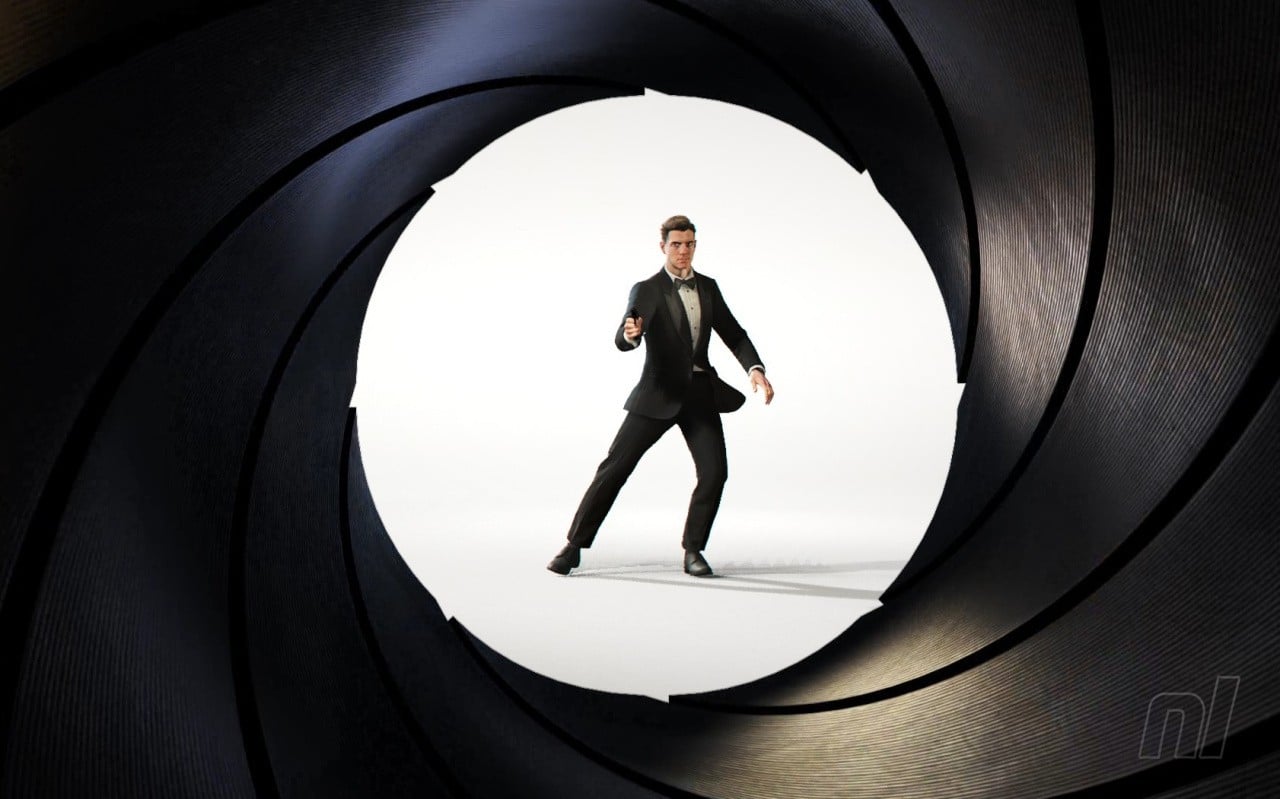
A story from earlier this week about Amazon publishing future James Bond games has reportedly led to some confusion and concern about IO Interactive’s involvement going forward.
Amazon Game Studios has now issued an official response and although it’s apparently “still too early to discuss future projects”, the studio says it has a “great relationship” with the developer of 007 First Light, who already has more content planned for the new title.
Here’s the full statement (via VGC):
“Amazon MGM holds the rights to any future James Bond video games but it’s still too early to discuss future projects. We have a great relationship with IO Interactive and are proud of what we’ve accomplished together on 007 First Light. Our partners at IO will reveal more about 007 First Light in the near future and we’re looking forward to sharing what’s next.”
Right, spoiler time…
If you haven’t already played First Light (and there’s a good chance if you’re waiting for the Switch 2 version now that it’s been delayed until Summer 2026), the ending of it reveals James Bond’s mission is just getting started, finishing up with the classic line “James Bond will return”.
IOI, who self-published First Light, previously teased there could potentially be more to come in the lead up to the anticipated release. With all of this in consideration, along with the statement from Amazon, it seems IO Interactive is still on board, and (hopefully) all that’s apparently changing is Amazon taking control of the publishing rights.
Once again, 007 First Light is targeting a Summer 2026 release for the Switch 2. You can find out more about Bond’s new mission in the review on Push Square.
Have you played First Light yet, or are you holding for the Switch 2 release? Let us know in the comments.
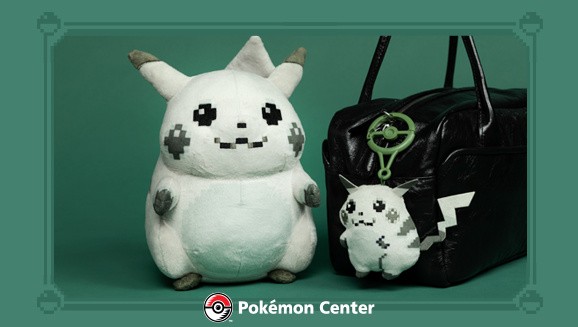
Earlier this year, The Pokémon Company released a special retro-style Pikachu plush in Japan to celebrate the 30th anniversary of the Pokémon series. This was followed by confirmation the plush (and a key chain based on the same design) would be getting a local release in the future.
This plush has now been made available on the Pokémon Center, and while it seems stock has already sold out in the US and other locations like Australia, it’s worth checking back for a restock in the coming days and weeks. The Pikachu 1996 Style Plush is priced at $29.99 /£24.99 (or your regional equivalent) and the key chain is $12.99 / £9.99.
“The Pikachu 1996 Style Plush is bursting with retro charm. With its monochrome palette and pixelated features, this charming little chonkster faithfully recreates Pikachu’s original appearance in the Pokémon Red and Pokémon Green video games for Game Boy. In addition to the infinitely huggable plush, there’s also the Pikachu 1996 Style Plush Key Chain that brings big-time nostalgic vibes to your bag, backpack, or lanyard.”
Apart from this retro plush and key chain, the Pokémon Center is celebrating Pokémon’s 30th anniversary with various other merch including themed trading card game items, clothing and some other exclusive items.
Did you have any luck securing one of these plush? How about the key chain? Let us know in the comments.
Famitsu has given us an updated look at the Japanese charts as the first week of Switch price increases comes into play in the region.
Those with a Switch console already in hand obviously weren’t deterred by the price change and continued picking up Tomodachi Life: Living the Dream in droves. The game nabbed an extra ~52,000 sales this week, even keeping 007 First Light‘s PS5 release from the top spot.
Elsewhere, AQUAPLUS’ JRPG Utawarerumono: Past and Present Rediscovered debuted in fifth and ninth, and DemonKill Demon: Yomi 1985 made its first appearance at seventh.
Here’s a look at the top ten in full:
Position
Game
Platform
Unit Sales(25th – 31st May)
Total Unit Sales
1
Tomodachi Life: Living the Dream
Switch
52,483
1,259,031
2
007 First Light
PS5
20,690
NEW
3
Pokémon Pokopia
Switch 2
14,122
1,038,407
4
Yoshi and the Mysterious Book
Switch 2
12,701
52,362
5
Utawarerumono: Past and Present Rediscovered
PS5
6,225
NEW
6
Mario Kart World
Switch 2
5,865
2,958,073
7
Demon Kill Demon: Yomi 1984
Switch
3,719
NEW
8
Minecraft
Switch
3,480
4,214,562
9
Utawarerumono: Past and Present Rediscovered
Switch 2
2,863
NEW
10
Super Mario Party Jamboree – Nintendo Switch 2 Edition + Jamboree TV
Switch 2
2,858
202,741
It’s the hardware charts that have seen the biggest shake-up this week, as we see the first numbers following Japan’s Switch price hike (which came into effect on 25th May).
With both Switch 1 and 2 affected by the rise, the sales boom of the last few weeks has dropped off a cliff. Switch 2 only shifted 31,751 copies this time (compared to the peak of 247,880 last week), and while that was enough to retain its crown, the standard Switch 1 model has dropped all the way down out of the thousands, bringing in a mere 229 units and falling behind the Xbox Series X.
Sales are down across the board, and the Switch systems certainly benefited from some pre-price-rise panic sales, but it’s crazy to see just how big a drop it is.
This has skewed our usual SKU comparison a little, with the PS5 coming out on top this week, with a combined total of 8,373, while the three Switch 1 models made up 6,271.
Next up is the ‘Kong Bananza Returns’ event, which gets underway next week, on 9th June, and will be sticking around until 16th.
As the name suggests, there are some Donkey Kong Country Returns-themed prizes up for grabs this time around. Those who meet the special Emerald Rush quotas can net Tiki Kong and Tiki Goon statues, adding to the already impressive DK Island collection.
This one will take place on the Canyon Layer and, as ever, you’ll have to complete Void Kong’s challenges with a special set of limitations on your perks and abilities.
Here’s the exact time that the event will begin in your region:
Of course, you’ll need to have picked up the Donkey Kong Bananza: DK Island & Emerald Rush DLC to take part in the event. If you want a reminder of all the events and rewards that have come before this one, you’ll find the full list in our guide below.
Will you be taking part in this event? Swing down to the comments and let us know.