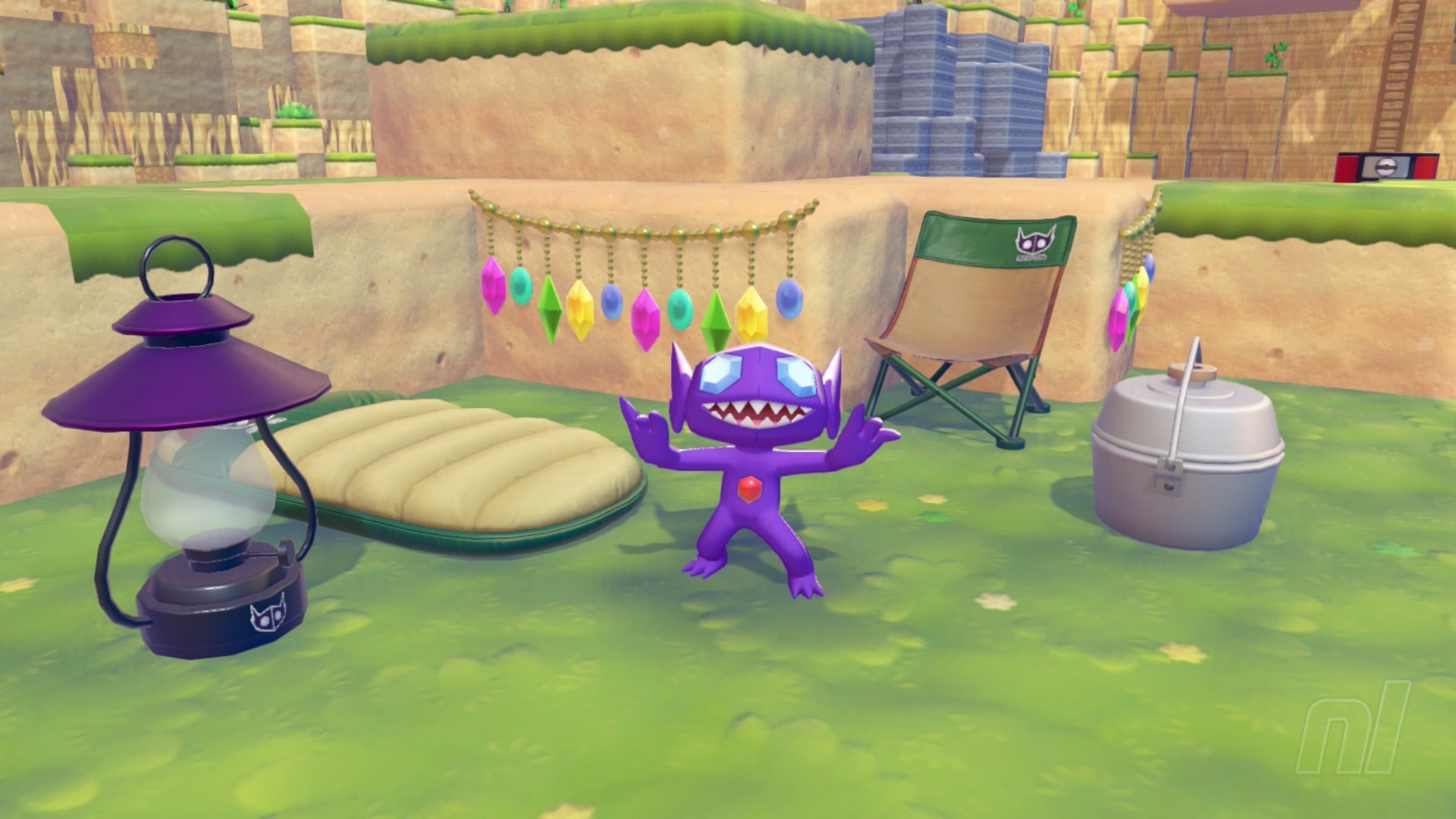
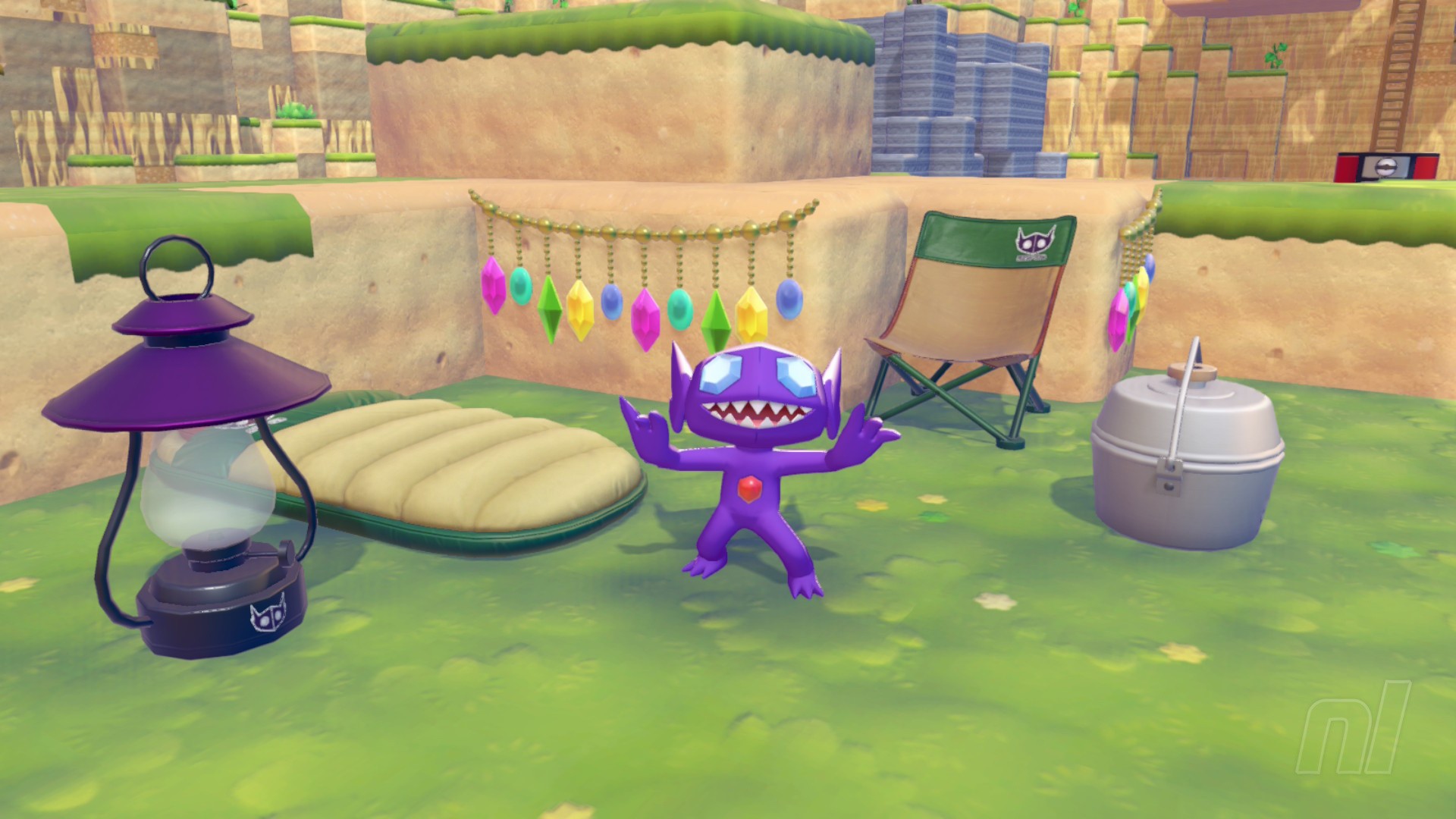
We’re almost at the end of the first in-game event in Pokémon Pokopia. Hoppip is getting ready to close up shop and, hopefully, make a home in your town — wherever that may be.
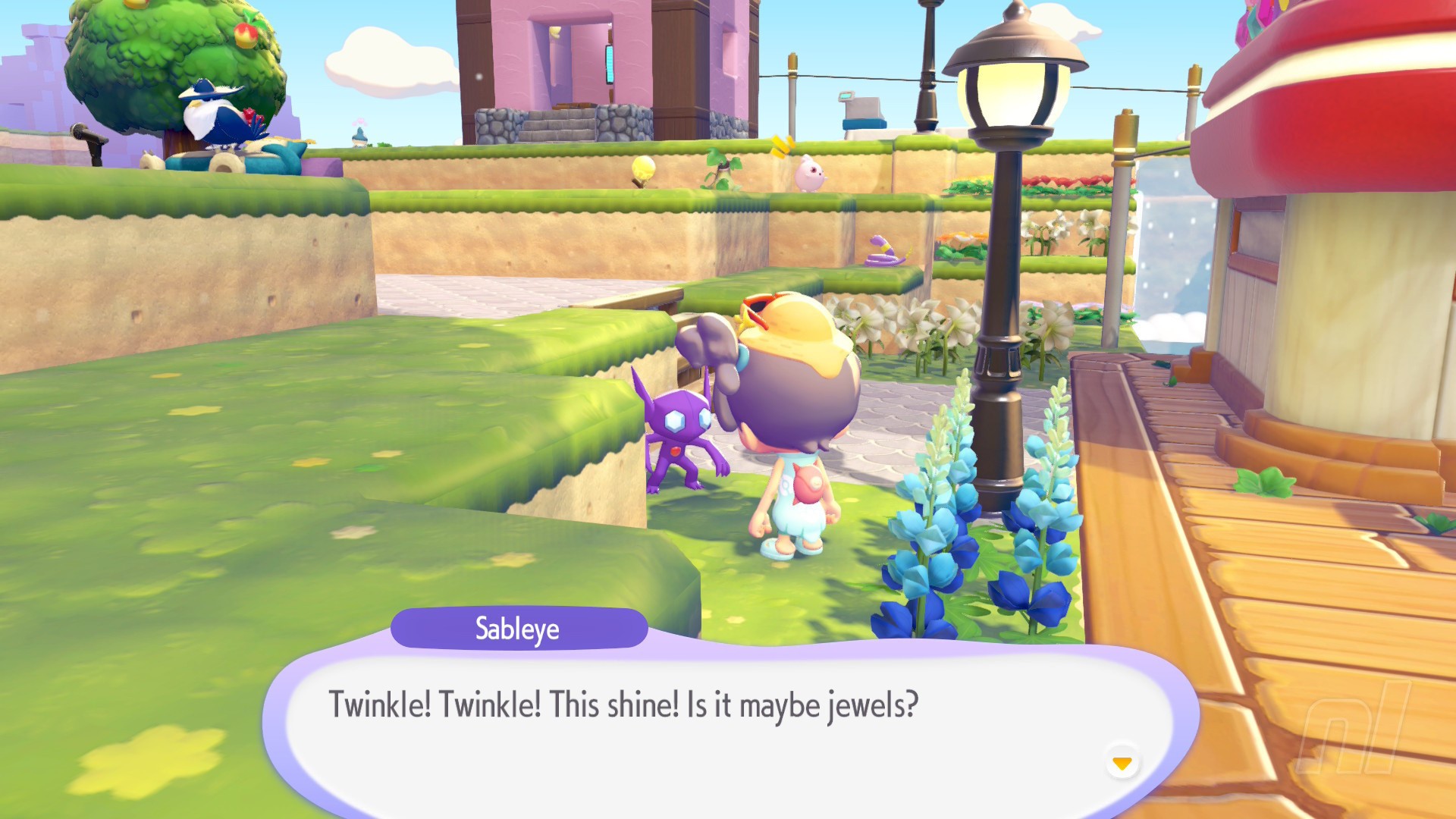
But don’t worry, more events are on the way, and if you’re feeling a bit cheeky, you can actually access the next one… now! And in this event, you’ll get to befriend Sableye.
Just as people figured out that you could access the Hoppip event early by changing the time on your internal Switch 2 clock, many have also realised — including Nintendo YouTuber PhillyBeatzU— that there’s another event coming on 29th April that you can get the jump on right away.
For some, this is old news given that we knew about “time travelling” on day one, but given that More Spores for Hoppip ends tomorrow, we thought it was a good chance to remind people that more events are on the horizon.
Sableye will be around from 29th April all the way through to 13th May 2026 and, so far, this is the only future event that has been discovered. Maybe more will be added in later patches? Or perhaps people haven’t been brave enough to travel to every single day or month yet.
Image: Nintendo Life
Obviously, we know time travelling is a sticky topic for some players — and if you don’t want to skip ahead to 29th April to access the event, we understand.
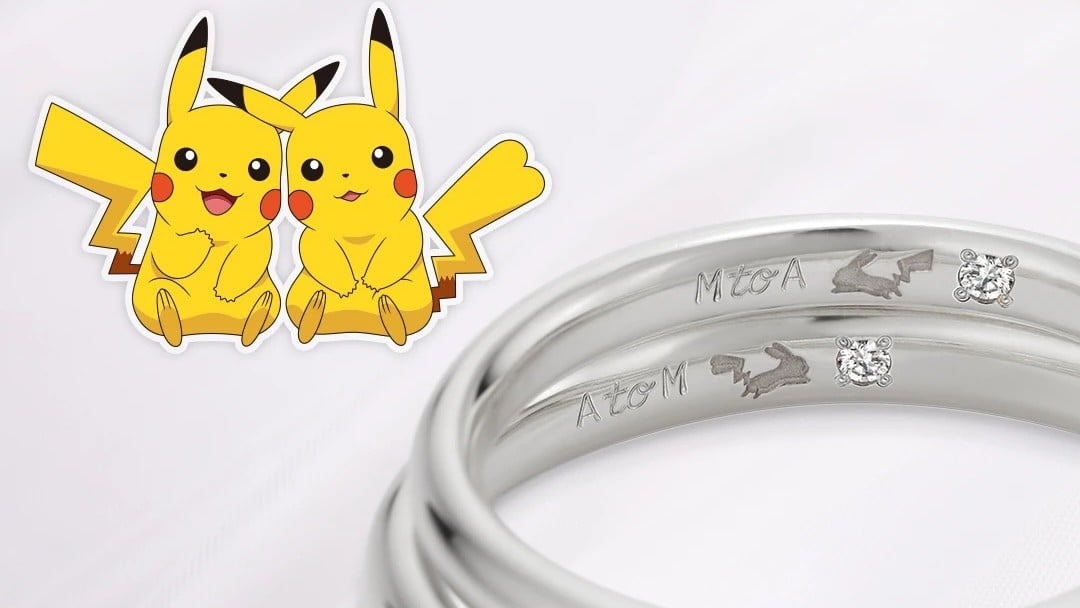
Pokémon is in all corners of our lives. You can wake up to Pokémon Sleep, brush your teeth to Pokémon Smile, throw on your Pokémon apparel and head out on a walk with Pokémon GO. Now, you can make those days extra romantic by saying “I Choose You” to your significant other, accompanied by one of these Pokémon engagement rings (thanks for the heads up, Dexerto).
This is the latest endeavour from Japanese jewellery brand U-Treasure, which has teamed up with The Pokémon Company on a range of romantic rings adorned with your favourite ‘mon and coloured stones.
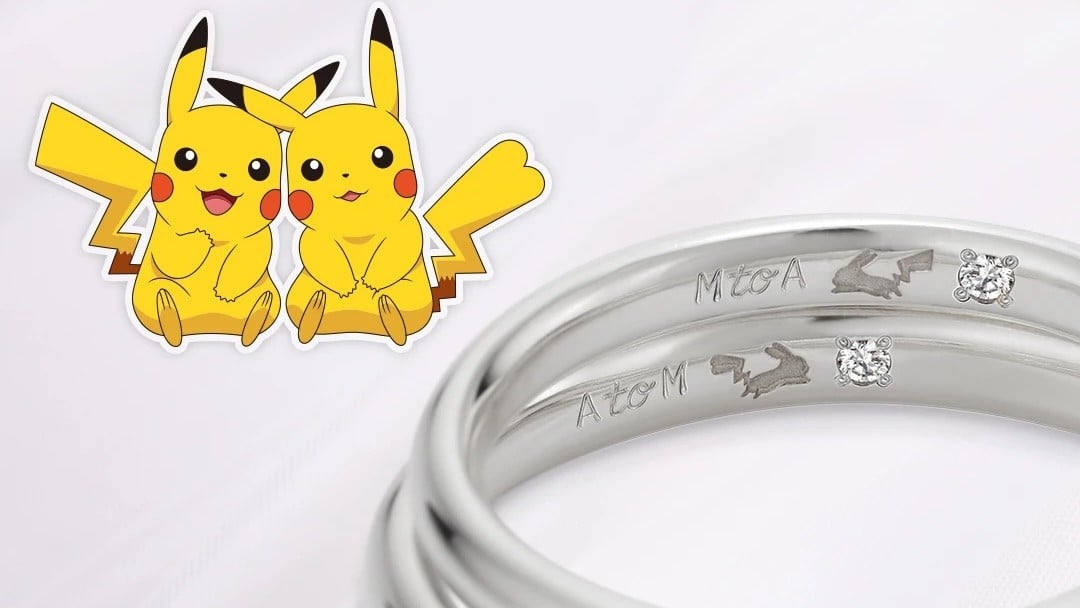
The collection is a made-to-order jobby, letting you choose the ring, gemstone, engraved Pokémon icon and any other finer details you see fit. There are 30 ring types in total, which can be paired with a Pokémon silhouette from over 80 options, covering everything from the OG starters to Legendaries (by way of a bunch of Eeveelutions, Poké Balls and more).
And the pièce de résistance? You can even order a special Poké Ball-shaped wooden case to make the occasion even more romantic.
Here’s a handful of pics, so you can get a better idea of what’s on display:
Being so customisable, the rings themselves vary in price, with wedding bands sitting around the ¥137,500 to ¥170,500 mark (roughly £645 / $865 to £800 / $1,070), and engagement rings coming in slightly more expensive from ¥335,500 (around £1,580 / $2,100).
Still, if you’re planning to pop the question to a Pokémon fan, it’s an undeniably sweet way to do it.
Which ring design would make you say “I do”? Let us know in the comments.
Pokémon is in all corners of our lives. You can wake up to Pokémon Sleep, brush your teeth to Pokémon Smile, throw on your Pokémon apparel and head out on a walk with Pokémon GO. Now, you can make those days extra romantic by saying “I Choose You” to your significant other, accompanied by one of these Pokémon engagement rings (thanks for the heads up, Dexerto).
This is the latest endeavour from Japanese jewellery brand U-Treasure, which has teamed up with The Pokémon Company on a range of romantic rings adorned with your favourite ‘mon and coloured stones.
The collection is a made-to-order jobby, letting you choose the ring, gemstone, engraved Pokémon icon and any other finer details you see fit. There are 30 ring types in total, which can be paired with a Pokémon silhouette from over 80 options, covering everything from the OG starters to Legendaries (by way of a bunch of Eeveelutions, Poké Balls and more).
And the pièce de résistance? You can even order a special Poké Ball-shaped wooden case to make the occasion even more romantic.
Here’s a handful of pics, so you can get a better idea of what’s on display:
Being so customisable, the rings themselves vary in price, with wedding bands sitting around the ¥137,500 to ¥170,500 mark (roughly £645 / $865 to £800 / $1,070), and engagement rings coming in slightly more expensive from ¥335,500 (around £1,580 / $2,100).
Still, if you’re planning to pop the question to a Pokémon fan, it’s an undeniably sweet way to do it.
Which ring design would make you say “I do”? Let us know in the comments.
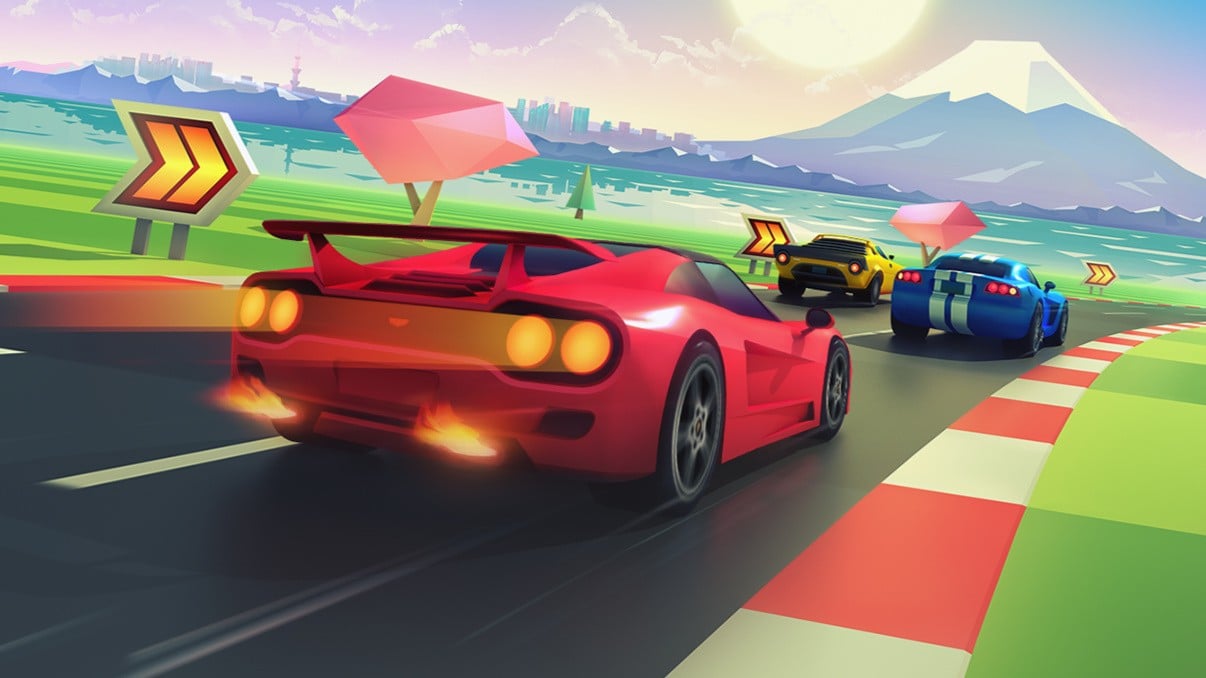
Aquiris Games’ fabulous racing game, Horizon Chase Turbo will be delisted from the Nintendo Switch eShop later this year, the developer has announced.
From the 1st June 2026, both the original game’s release and the enhanced Turbo version — which is the one you can snap up on Switch — will no longer be available to purchase from the eShop and other digital storefront, the developer on social media (thanks, Wario64!).
And yes, while the brief statement does say “download”, Aquiris has confirmed that as long as you’ve bought the game, you will be able to redownload it beyond this date.
This is such a shame, as Horizon Chase Turbo is one of our favourite racing games on the Switch. We gave it a 9/10 back in 2018, with extremely favourable comparisons to Out Run.
This will likely mean the DLC will also be unavailable after 1st June. So if you want some arcade racing from the experts, you’ll have to turn to Horizon Chase 2, which we didn’t love as much.
Are you disappointed about the Horizon Chase Turbo news? Will you be picking up the game before it’s delisting in June? Let us know in the comments.
Aquiris Games’ fabulous racing game, Horizon Chase Turbo will be delisted from the Nintendo Switch eShop later this year, the developer has announced.
From the 1st June 2026, both the original game’s release and the enhanced Turbo version — which is the one you can snap up on Switch — will no longer be available to purchase from the eShop and other digital storefront, the developer on social media (thanks, Wario64!).
And yes, while the brief statement does say “download”, Aquiris has confirmed that as long as you’ve bought the game, you will be able to redownload it beyond this date.
This is such a shame, as Horizon Chase Turbo is one of our favourite racing games on the Switch. We gave it a 9/10 back in 2018, with extremely favourable comparisons to Out Run.
This will likely mean the DLC will also be unavailable after 1st June. So if you want some arcade racing from the experts, you’ll have to turn to Horizon Chase 2, which we didn’t love as much.
Are you disappointed about the Horizon Chase Turbo news? Will you be picking up the game before it’s delisting in June? Let us know in the comments.
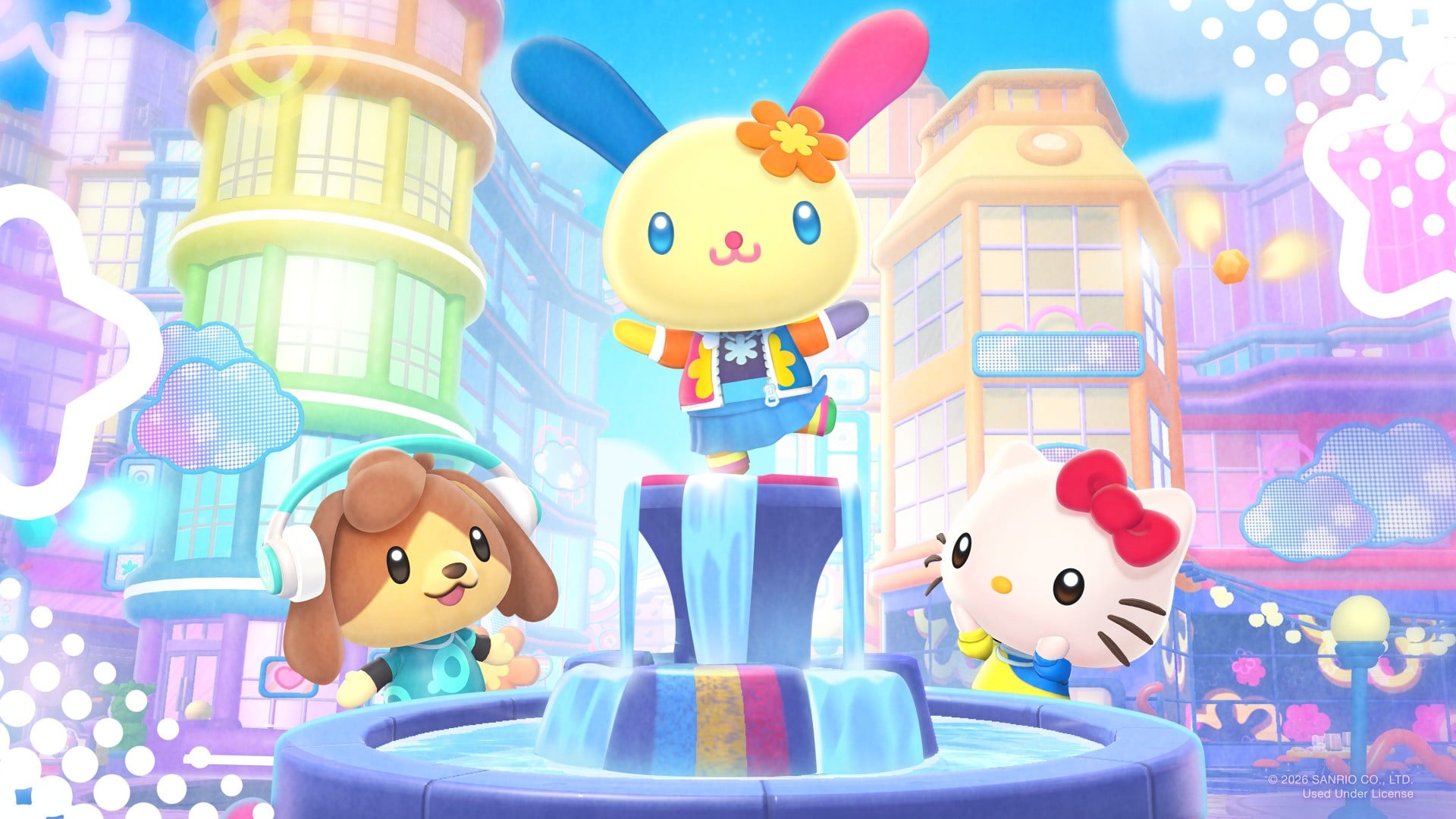
The new content update will launch in just a few weeks on 16th April, promising over 30 hours of additional adventures with over 90 quests — damn, that’s a lot. All this is thanks to the new City Town region, a fresh in-game area where you’ll find cafés, shops, new Sanrio friends to meet and more.
Sanrio’s U*SA*HA*NA takes centre stage in this one, though Sunblink has also teased another “mysterious cameo guest” to keep an eye out for in the expansion, too.
Here’s a rundown of the DLC’s key features and a handful of screenshots from Sunblink:
– New Bestie Alert – Cheerful and full of energy, U*SA*HA*NA can’t wait to show everyone around City Town, make new friends, and lend a hand renovating your very own cafe. Unlock 35 friendship levels with U*SA*HA*NA for a wealth of rewards and benefits. – Vibrant New City – Step into City Town, a vibrant new region bursting with towering skylines, adorable critters, and delicious foods to discover. With 30+ hours of adventure and over 90 plus quests, there’s plenty to uncover both above (and beneath) the city! – Imagination Cafe – Design and customize your very own Imagination Cafe! Whip up endless combinations of adorable treats like mochi, dango, and boba tea to delight your Sanrio friends. – Seven New Shops – Help your Sanrio pals grow City Town with new establishments like a plushie boutique, blooming orchards and a fun-filled arcade. – New Visitors – Keep an eye out for U*SA*HA*NA’s adorable friends Pannya-chan, Buppyu-kun, Wanwa-chan, Sora-kun and Nyako-chan. Prepare cozy apartments inside the Rainbow Tower to welcome them in style! – And… keep an eye out for a mysterious cameo guest!
We had a great time with Hello Kitty Island Adventure last year, calling it “a fresh experience that is likely to subvert the expectations of any Animal Crossing expats looking for their next cosy fix” in our review. Here’s hoping that this DLC has even more fun times on the horizon.
Will you be picking up this DLC next month? Let us know in the comments.
The new content update will launch in just a few weeks on 16th April, promising over 30 hours of additional adventures with over 90 quests — damn, that’s a lot. All this is thanks to the new City Town region, a fresh in-game area where you’ll find cafés, shops, new Sanrio friends to meet and more.
Sanrio’s U*SA*HA*NA takes centre stage in this one, though Sunblink has also teased another “mysterious cameo guest” to keep an eye out for in the expansion, too.
Here’s a rundown of the DLC’s key features and a handful of screenshots from Sunblink:
– New Bestie Alert – Cheerful and full of energy, U*SA*HA*NA can’t wait to show everyone around City Town, make new friends, and lend a hand renovating your very own cafe. Unlock 35 friendship levels with U*SA*HA*NA for a wealth of rewards and benefits. – Vibrant New City – Step into City Town, a vibrant new region bursting with towering skylines, adorable critters, and delicious foods to discover. With 30+ hours of adventure and over 90 plus quests, there’s plenty to uncover both above (and beneath) the city! – Imagination Cafe – Design and customize your very own Imagination Cafe! Whip up endless combinations of adorable treats like mochi, dango, and boba tea to delight your Sanrio friends. – Seven New Shops – Help your Sanrio pals grow City Town with new establishments like a plushie boutique, blooming orchards and a fun-filled arcade. – New Visitors – Keep an eye out for U*SA*HA*NA’s adorable friends Pannya-chan, Buppyu-kun, Wanwa-chan, Sora-kun and Nyako-chan. Prepare cozy apartments inside the Rainbow Tower to welcome them in style! – And… keep an eye out for a mysterious cameo guest!
We had a great time with Hello Kitty Island Adventure last year, calling it “a fresh experience that is likely to subvert the expectations of any Animal Crossing expats looking for their next cosy fix” in our review. Here’s hoping that this DLC has even more fun times on the horizon.
Will you be picking up this DLC next month? Let us know in the comments.
Rewind the clock back to early April 2025. Gamers in the United States are eager to get their hands on a Switch 2 and are waiting on tenterhooks to lodge their pre-orders. But, as he tends to do, Donald Trump threw a spanner in the works. On 2nd April, he declared a national emergency over the US trade deficit to authorise sweeping tariffs on foreign imports.
Pre-orders for the new console were set to go live in the US on 9th April, but in the midst of the tariff tumult, Nintendo announced it would be delayed due to “evolving market conditions”. While affected gamers were eventually able to pre-order their consoles on 24th April, the delay was emblematic of the massive curveball businesses were dealing with.
Fast-forward to 20 February 2026. The US Supreme Court struck down those tariffs, ruling they were unlawfully imposed. Unsurprisingly, more than 1,000 companies subjected to those import duties have come out swinging by suing the federal government. In Nintendo’s case, it is seeking refunds for the tariffs it paid, plus interest and attorney fees.
While Nintendo is well-positioned to reclaim those funds, it shouldn’t break out the champagne just yet. Trade experts told Nintendo Life that the Trump administration is already reconstructing its tariff regime under a different legal authority, meaning Nintendo could still be on the hook to pay fresh import duties. Gamers, in that scenario, can expect no let-up in higher prices.
Counting the cost
Image: Damien McFerran / Nintendo Life
Tariffs are basically a tax applied to certain imported goods. Trump’s 2nd April tariffs were primarily country-specific. Vietnam negotiated its rate down from 46% to 20%, whilst China’s rates spiralled to a peak of 145% before partial relief. Nintendo manufactures its consoles and accessories primarily in Vietnam and China, which put it squarely in the crossfire.
Nintendo argues in its lawsuit that the tariffs amount to a legal injury that won’t heal unless the government pays up.
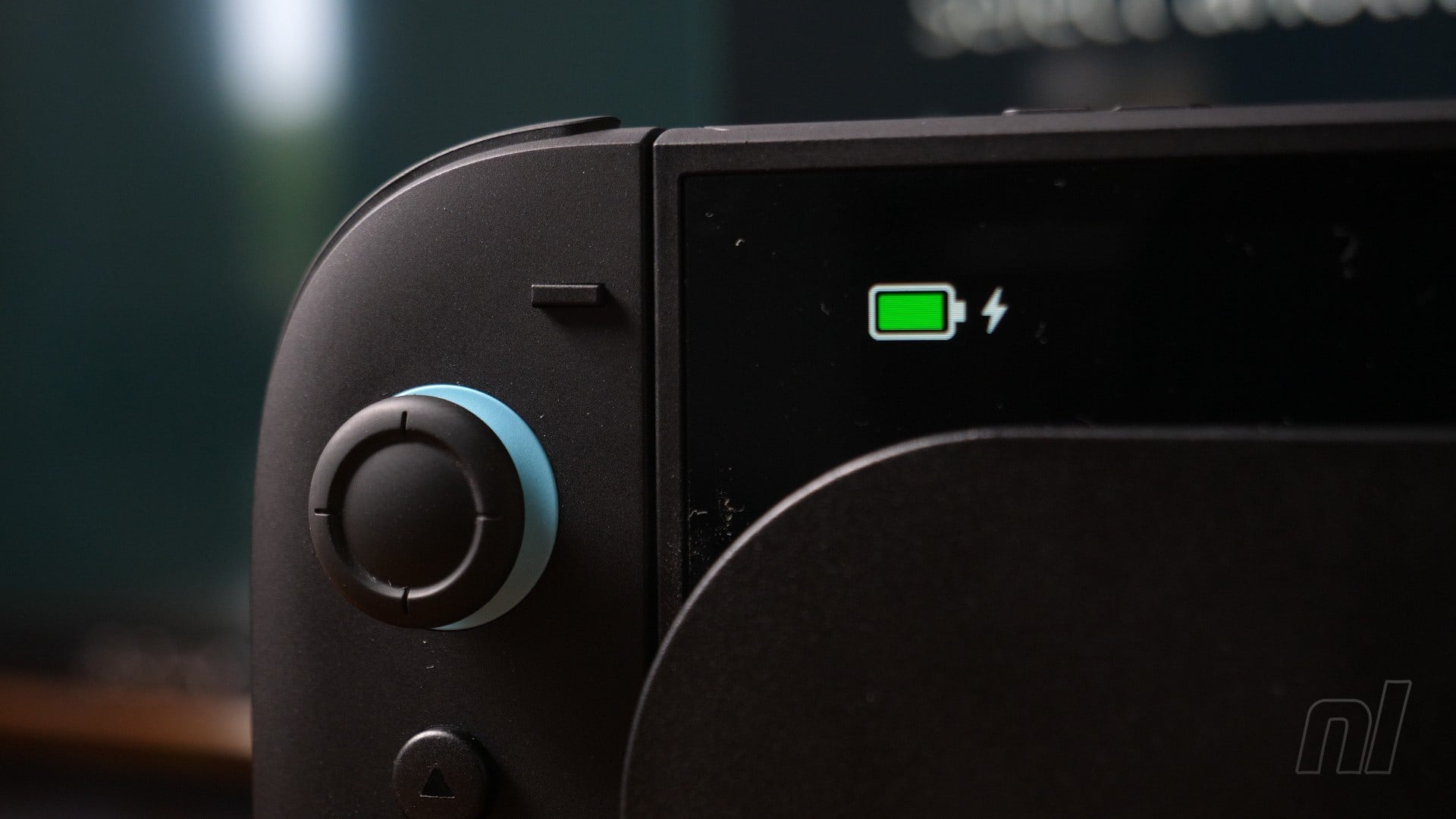
When companies face tariffs, the conventional wisdom is that higher costs are passed on to consumers. In Nintendo’s case, it had managed to keep the Switch 2’s $449.99 launch price intact by strategically routing US-bound consoles through Vietnam, leveraging its lower tariff rate. But prices were ultimately raised on accessories and older Switch models.
Joy-Con 2 controllers were priced up from $90 to $95 per pair ahead of the Switch 2’s 5 June launch, and the Pro Controller rose from $79.99 to $84.99. By August, Nintendo also raised prices across the original Switch family in the US, with the OLED model climbing from $349.99 to $399.99 and the standard Switch from $299.99 to $339.99.
Nintendo argues in its lawsuit that the tariffs amount to a legal injury that won’t heal unless the government pays up. The exact sum it’s chasing hasn’t been made public, but Nintendo is far from alone in the queue. On 4th March, a US Court of International Trade (CIT) judge ruled that all 330,000-plus importers who paid the unlawful import duties are entitled to refunds.
That sets the stage for what could be one of the largest government repayment exercises in US history. US Customs and Border Protection (CBP) must now return at least $166 billion to importers, a figure swelling by an estimated $650 million in interest every month. But the agency has conceded that its IT systems are not equipped to process repayments at that scale.
Where Nintendo stands
Image: Damien McFerran / Nintendo Life
CBP is in the process of building out a new electronic process through which it can process repayments and could start providing refunds by late April. Given the Supreme Court ruling and CIT’s subsequent refund order, the picture is encouraging for Nintendo, but not without caveats. Procedural or administrative obstacles could stand between importers and their money.
“It remains to be seen whether the White House will challenge payment of refunds through litigation or by highly scrutinising refund claims,” said Jonathan Todd, a partner at Benesch Law and an expert on international trade and supply chain law. Nintendo’s lawsuit against the federal government serves to hedge against precisely this scenario.
The specific risk Nintendo is guarding against is called ‘liquidation’, the process by which CBP formally finalises the duty owed on each imported shipment and stamps it as settled. Once an entry is liquidated, importers have 180 days to file a protest and dispute the amount. Miss that window, and the government can argue the entry is closed for good.
That would imply no refund is owed, regardless of whether the tariff that generated it was later ruled unlawful. For the record, the tariffs struck down by the Supreme Court were invoked under the International Emergency Economic Powers Act (IEEPA), which gives the US president sweeping economic authority during a declared national emergency.
Todd of Benesch Law added that CBP, according to updates it has provided CIT, is on track to meet a 45-day deadline to begin issuing tariff refunds. “If the timeline were to slip, then this does not in and of itself strengthen or weaken the position of importers in the eyes of the Court. Also, the timeline has no impact on the lawfulness of IEEPA tariffs,” he told us.
The Tariff-man cometh
Image: Jim Norman / Nintendo Life
So, given the court rulings on both tariffs and refunds, Nintendo has a solid case for getting its money back. The trouble is that the Trump administration has been busy ensuring there’s a fresh bill waiting on the other side. It is aiming to push through a new wave of tariffs by late July that will have a firmer footing in court and be harder for companies to challenge.
After the Supreme Court ruling in February, Trump invoked Section 122 of US trade law — designed to address ‘balance-of-payment emergencies’ — to keep a 10% global tariff in place. The catch is that those tariffs expire after 150 days, or by 24th July, and are slated to be replaced by Section 301 tariffs targeting ‘unfair’ overproduction and labour practices.
any refund Nintendo secures through litigation risks being cancelled out almost immediately by incoming Section 301 duties
“The 301 tariffs just announced are the next step in his plan to be able to levy tariffs on as many countries as possible in the quickest way,” said Steven Okun, founder and CEO of Singapore-based business consultancy APAC Advisors, pointing to sprawling probes against dozens of countries opened by the US Trade Representative (USTR) on 11th and 12th March.
The administration is essentially pivoting away from using ‘national emergency’ justifications like IEEPA and is instead investigating the industrial and labour policies of its trading partners, the results of which have a much stronger historical and legal track record of holding up in US courts. Unlike the IEEPA, Section 301 specifically mentions ‘duties’ and ‘tariffs’ as a remedy.
“The use of 301 is primarily a means to reconstruct the reciprocal tariff regime under a different authority that is far less likely to face a successful legal challenge,” said Stephen Olson, a visiting senior fellow with the ISEAS-Yusof Ishak Institute in Singapore.
“Nintendo, or any other US importer for that matter, should anticipate only a temporary reprieve from the reciprocal tariffs enacted under IEEPA.”
Keeping the legal team busy
Image: Damien McFerran / Nintendo Life
Companies facing the prospect of fresh tariffs do have one formal avenue to make their case before duties are imposed. The USTR’s Section 301 process includes a public comment period and a hearing at which businesses, industry groups, and other interested parties can argue that proposed tariffs would harm American consumers and the broader economy.
Nintendo, whose aforementioned manufacturing operations in Vietnam and China would put it squarely in the crossfire of any new Section 301 duties, is well-placed to make that case. We reached out to Nintendo to ask whether it intends to participate in the process but did not receive a response by the time of publication.
The question on most gamers’ minds will be whether the Switch 2’s $449.99 price tag can survive a fresh round of tariffs. During Nintendo’s latest earnings briefing in February, president Shuntaro Furukawa notably stopped short of ruling out a future price hike, and Bloomberg has reported that Nintendo is “contemplating” raising the price of the console in 2026.
The Section 301 process will play out over the coming months, and the rate ultimately applied to Vietnamese and Chinese goods will determine Nintendo’s next move. In a nutshell, any refund Nintendo secures through litigation risks being cancelled out almost immediately by incoming Section 301 duties, turning its legal victory into a financial non-event.
“I am confident that if USTR wants the Section 301 tariffs in place by July, they will be,” Okun told us. “Companies should prepare to pay for tariffs for the rest of the Trump administration, and potentially beyond.”
Suffice to say, market conditions are set to remain challenging for the video games industry as a whole.
Rewind the clock back to early April 2025. Gamers in the United States are eager to get their hands on a Switch 2 and are waiting on tenterhooks to lodge their pre-orders. But, as he tends to do, Donald Trump threw a spanner in the works. On 2nd April, he declared a national emergency over the US trade deficit to authorise sweeping tariffs on foreign imports.
Pre-orders for the new console were set to go live in the US on 9th April, but in the midst of the tariff tumult, Nintendo announced it would be delayed due to “evolving market conditions”. While affected gamers were eventually able to pre-order their consoles on 24th April, the delay was emblematic of the massive curveball businesses were dealing with.
Fast-forward to 20 February 2026. The US Supreme Court struck down those tariffs, ruling they were unlawfully imposed. Unsurprisingly, more than 1,000 companies subjected to those import duties have come out swinging by suing the federal government. In Nintendo’s case, it is seeking refunds for the tariffs it paid, plus interest and attorney fees.
While Nintendo is well-positioned to reclaim those funds, it shouldn’t break out the champagne just yet. Trade experts told Nintendo Life that the Trump administration is already reconstructing its tariff regime under a different legal authority, meaning Nintendo could still be on the hook to pay fresh import duties. Gamers, in that scenario, can expect no let-up in higher prices.
Counting the cost
Image: Damien McFerran / Nintendo Life
Tariffs are basically a tax applied to certain imported goods. Trump’s 2nd April tariffs were primarily country-specific. Vietnam negotiated its rate down from 46% to 20%, whilst China’s rates spiralled to a peak of 145% before partial relief. Nintendo manufactures its consoles and accessories primarily in Vietnam and China, which put it squarely in the crossfire.
Nintendo argues in its lawsuit that the tariffs amount to a legal injury that won’t heal unless the government pays up.
When companies face tariffs, the conventional wisdom is that higher costs are passed on to consumers. In Nintendo’s case, it had managed to keep the Switch 2’s $449.99 launch price intact by strategically routing US-bound consoles through Vietnam, leveraging its lower tariff rate. But prices were ultimately raised on accessories and older Switch models.
Joy-Con 2 controllers were priced up from $90 to $95 per pair ahead of the Switch 2’s 5 June launch, and the Pro Controller rose from $79.99 to $84.99. By August, Nintendo also raised prices across the original Switch family in the US, with the OLED model climbing from $349.99 to $399.99 and the standard Switch from $299.99 to $339.99.
Nintendo argues in its lawsuit that the tariffs amount to a legal injury that won’t heal unless the government pays up. The exact sum it’s chasing hasn’t been made public, but Nintendo is far from alone in the queue. On 4th March, a US Court of International Trade (CIT) judge ruled that all 330,000-plus importers who paid the unlawful import duties are entitled to refunds.
That sets the stage for what could be one of the largest government repayment exercises in US history. US Customs and Border Protection (CBP) must now return at least $166 billion to importers, a figure swelling by an estimated $650 million in interest every month. But the agency has conceded that its IT systems are not equipped to process repayments at that scale.
Where Nintendo stands
Image: Damien McFerran / Nintendo Life
CBP is in the process of building out a new electronic process through which it can process repayments and could start providing refunds by late April. Given the Supreme Court ruling and CIT’s subsequent refund order, the picture is encouraging for Nintendo, but not without caveats. Procedural or administrative obstacles could stand between importers and their money.
“It remains to be seen whether the White House will challenge payment of refunds through litigation or by highly scrutinising refund claims,” said Jonathan Todd, a partner at Benesch Law and an expert on international trade and supply chain law. Nintendo’s lawsuit against the federal government serves to hedge against precisely this scenario.
The specific risk Nintendo is guarding against is called ‘liquidation’, the process by which CBP formally finalises the duty owed on each imported shipment and stamps it as settled. Once an entry is liquidated, importers have 180 days to file a protest and dispute the amount. Miss that window, and the government can argue the entry is closed for good.
That would imply no refund is owed, regardless of whether the tariff that generated it was later ruled unlawful. For the record, the tariffs struck down by the Supreme Court were invoked under the International Emergency Economic Powers Act (IEEPA), which gives the US president sweeping economic authority during a declared national emergency.
Todd of Benesch Law added that CBP, according to updates it has provided CIT, is on track to meet a 45-day deadline to begin issuing tariff refunds. “If the timeline were to slip, then this does not in and of itself strengthen or weaken the position of importers in the eyes of the Court. Also, the timeline has no impact on the lawfulness of IEEPA tariffs,” he told us.
The Tariff-man cometh
Image: Jim Norman / Nintendo Life
So, given the court rulings on both tariffs and refunds, Nintendo has a solid case for getting its money back. The trouble is that the Trump administration has been busy ensuring there’s a fresh bill waiting on the other side. It is aiming to push through a new wave of tariffs by late July that will have a firmer footing in court and be harder for companies to challenge.
After the Supreme Court ruling in February, Trump invoked Section 122 of US trade law — designed to address ‘balance-of-payment emergencies’ — to keep a 10% global tariff in place. The catch is that those tariffs expire after 150 days, or by 24th July, and are slated to be replaced by Section 301 tariffs targeting ‘unfair’ overproduction and labour practices.
any refund Nintendo secures through litigation risks being cancelled out almost immediately by incoming Section 301 duties
“The 301 tariffs just announced are the next step in his plan to be able to levy tariffs on as many countries as possible in the quickest way,” said Steven Okun, founder and CEO of Singapore-based business consultancy APAC Advisors, pointing to sprawling probes against dozens of countries opened by the US Trade Representative (USTR) on 11th and 12th March.
The administration is essentially pivoting away from using ‘national emergency’ justifications like IEEPA and is instead investigating the industrial and labour policies of its trading partners, the results of which have a much stronger historical and legal track record of holding up in US courts. Unlike the IEEPA, Section 301 specifically mentions ‘duties’ and ‘tariffs’ as a remedy.
“The use of 301 is primarily a means to reconstruct the reciprocal tariff regime under a different authority that is far less likely to face a successful legal challenge,” said Stephen Olson, a visiting senior fellow with the ISEAS-Yusof Ishak Institute in Singapore.
“Nintendo, or any other US importer for that matter, should anticipate only a temporary reprieve from the reciprocal tariffs enacted under IEEPA.”
Keeping the legal team busy
Image: Damien McFerran / Nintendo Life
Companies facing the prospect of fresh tariffs do have one formal avenue to make their case before duties are imposed. The USTR’s Section 301 process includes a public comment period and a hearing at which businesses, industry groups, and other interested parties can argue that proposed tariffs would harm American consumers and the broader economy.
Nintendo, whose aforementioned manufacturing operations in Vietnam and China would put it squarely in the crossfire of any new Section 301 duties, is well-placed to make that case. We reached out to Nintendo to ask whether it intends to participate in the process but did not receive a response by the time of publication.
The question on most gamers’ minds will be whether the Switch 2’s $449.99 price tag can survive a fresh round of tariffs. During Nintendo’s latest earnings briefing in February, president Shuntaro Furukawa notably stopped short of ruling out a future price hike, and Bloomberg has reported that Nintendo is “contemplating” raising the price of the console in 2026.
The Section 301 process will play out over the coming months, and the rate ultimately applied to Vietnamese and Chinese goods will determine Nintendo’s next move. In a nutshell, any refund Nintendo secures through litigation risks being cancelled out almost immediately by incoming Section 301 duties, turning its legal victory into a financial non-event.
“I am confident that if USTR wants the Section 301 tariffs in place by July, they will be,” Okun told us. “Companies should prepare to pay for tariffs for the rest of the Trump administration, and potentially beyond.”
Suffice to say, market conditions are set to remain challenging for the video games industry as a whole.
Fortnite is one of the most successful games in the world, but that hasn’t stopped Epic Games being affected by the tumultuous nature of the games industry. Today, the company has announced that it’s laying off over 1000 employees due to a downturn in engagement.
Bloomberg’s Jason Schreier initially broke the news (paywalled), Epic CEO Tim Sweeney shared a statement over on the company’s official website. On top of 1,000 employees losing their jobs, the company will also be making over $500 million cost cutting savings.across marketing, contracting, and closing open roles.
But it seems that Fortnite and Epic have been hit by a “downturn in Fortnite engagement that started in 2025”. This comes just two weeks after it announced it would be raising the price of V-Bucks to “help pay the bills”.
“Some of the challenges we’re facing are industry-wide challenges: slower growth, weaker spending, and tougher cost economics; current consoles selling less than last generation’s; and games competing for time against other increasingly-engaging forms of entertainment. And some of our challenges are unique to Epic. Despite Fortnite remaining one of the most successful games in the world, we’ve had challenges delivering consistent Fortnite magic with every season.”
Rocket Racing, Ballistic, and Festival Battle Stage modes within Fortnite are all going offline — Rocket Racking from October 2026, and the latter two from 16th April (via Wario64).
Employees affected by the layoffs will be will be offered at least four months of severance, “with more based on tenure”. Epic is also extending its healthcare coverage and accelerating stock options vesting.
Sweeney has assured employees in his note that “he layoffs aren’t related to AI”, and that “To the extent it improves productivity, we want to have as many awesome developers developing great content and tech as we can.”
Of course, many of you will remember that Epic was involved in an extremely long lawsuit with Apple and Google over mobile store fees (that’s grossly oversimplifying it) — the game was removed from mobile storefronts back in 2020 and has only just recently returned, which Sweeney acknowledges in his statement.
But back in 2025, the CEO told IGN that they had spent “the greater part” of $1 billion a year trying to expand into the mobile market, which of course includes that lawsuit.
Additionally, Circana’s Mat Piscatella shared on Bluesky that Fortnite led in monthly active users across both PlayStation and Xbox In February 2026, but that numbers were down year-on-year — 35% of active players on PlayStation spent 16 hours with the game (compared to 21 in 2025), while Xbox players averaged around 15 hours this year (versus 19 hours in 2025).
Back in 2023, the Fortnite creator laid off around 830 employees for similar reasons. But Sweeney says that the market conditions of today “are the most extreme we’ve seen since [1990’s and 2000’s].”
Our thoughts go out to those affected, and we hope you land on your feet.