Posted on Leave a comment

Johnny Turbo Does The Dinosaur With Caveman Ninja

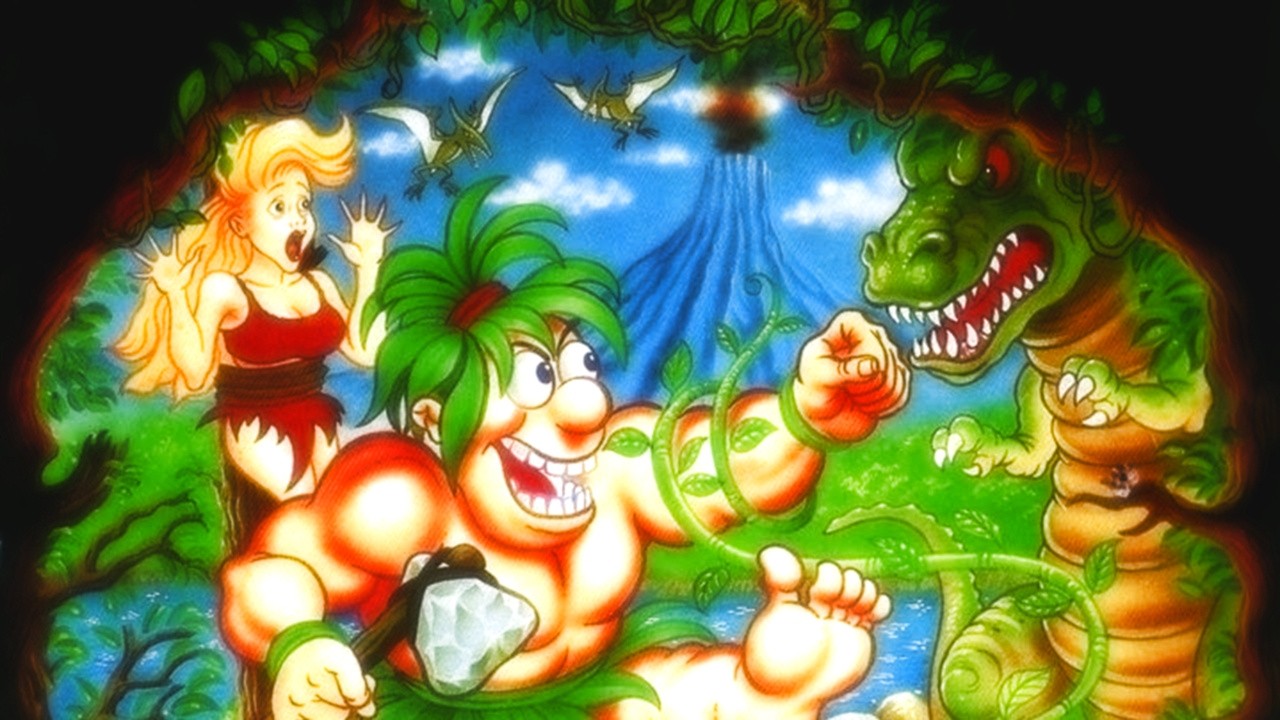
The fifth serving of Johnny Turbo’s arcade ports is already on the horizon and this one will bring back a couple of very familiar faces to Nintendo owners. The 1991 Data East Caveman Ninja classic marks the debut of the whole Joe & Mac series with this well-received title making its way to pretty much every home format at the time (including NES, Game Boy and Super Nintendo).

In this colourful platformer, you will need to fight enemy cavemen, dinosaurs and starvation while you make your way to rescue all the cave-babes kidnapped by the rival tribe. Several different weapons and memorable boss fights ensured its cult classic status.

While there is still no official release date for Europe, judging from previous Flying Tiger Entertainment releases one should follow the 13th May American release shortly. Are you a bad enough Caveman Ninja to rescue the cave-babes?

Posted on Leave a comment

Two-Wheel Insanity Simulator Road Redemption Is Switch Bound

If you happen to be missing a certain rash on the road and happen to be a Switch owner, this news will certainly make you grin. The once Wii U bound Road Redemption is making the natural jump the Nintendo Switch, according to a recent Twitter reply by developer Pixel Dash Studios.

The game has been under active development since its original 2017 release on Steam and has been gathering steady positive feedback from fans ever since. We hope Shovel Knight and the four-player local split-screen mode survive the transition.

Were you a fan of the original Road Rash series? Are we alone in the NL office with fond memories of the criminally underrated Road Rash 64? Burn rubber in the comments section below…

Posted on Leave a comment

Feature: Diving Down The Rabbit Hole With Japan’s Arcade-Based Trading Card Games

Tourists dropping in on Japan’s arcades are often surprised. Western arcades have stuck to a familiar trajectory, running last-decade machines form last-century franchises: OutRun 2, After Burner Climax, Time Crisis 4…. The games we’re used to are easygoing, fun and friendly, with a warm welcome and a wave goodbye. It’s not like that in Japan. Arcade games out there are the fruits of a different branch of the family tree – odd characters by any account.

Japan’s arcade games are awkward little so-and-sos who seem to go out of their way to confound you. Gunslinger Stratos is a team-based, nationally-networked, third-person shooter; very complex, requiring twin sticks and dual lightguns. Gundam: Bonds of the Battlefield presents levers, buttons and pedals in a sit-in private-booth with spherical-projection screen for mecha deathmatches using headset communicators. Unlike our good old friends – pals since the ’90s – Japanese games have become demanding and obtuse, and expect serious commitment from the player, not a casual “Well, I have some time and change to spare” approach.

But of all these stubbornly inscrutable individuals, nobody is harder to get to know than the Trading Card Games – the ‘TCGs’. Despite their standoffishness, though, when we actually sit down with some TCGs, they told us about a secret link connecting most of the arcade games in Tokyo. Allow us to explain.

The Collectibles Spectrum

In order to inspire repeat play, many Japanese arcade games have a collectibles mechanic of some kind. For instance, Sega’s Border Break – an online team battle mecha game which has been running since 2009 – has a massive catalogue (a literal, fat paper catalogue) of character accessories to choose from.

Now, Border Break isn’t a TCG, but we can imagine it being at the most video gamey end of something we’ll call the ‘collectibles spectrum’. At the other end of that spectrum would be something that is 100% pure collectibles – like the famous gashapon capsule machines where you drop coins and collect toys. What makes TCGs so fascinating, then, is that they explore the whole range of the collectibles spectrum, showing how many video games ultimately – surprisingly – have roots in trinket dispensers.

Let’s start at the video game end of the collectibles spectrum and take a little tour…

KanColle

At the gamey end of the spectrum, there’s trading card game Kantai Collection. ‘KanColle’ began as a web game where you collected virtual ‘cards’. You expanded your deck as you played, but you didn’t actually get any physical collectibles – it was definitely a video game. The characters on the cards, by the way, are simultaneously both teenage girls and battleships – it’s hard to believe no one thought of it before!

Sangokushi Taisen

Now we take one step nearer the gashapon via the pseudo-historical wargame TCG Sangokushi Taisen. Here, you do have physical trading cards, but the gameplay is sophisticated real-time strategy, sliding your cards around a table and seeing your armies move on screen. Buttons and gestures add further detail to the controls. The card art began with Chinese ‘Wuxia’ heroes wielding tremendous weapons with rippling muscles in lithe, swooping forms. The later decks went a bit pervy.

WCCF

World Club Champion Football resembles a Sangokushi Taisen cabinet – you manage a team by moving player cards on a magic table – but the gameplay is a bit less involved, and the sticker-collecting roots of its tie-up with Panini (of playground sticker album fame) tickle your ‘complete-the-set’ itch.

Gundam Try Age

Now we come to a format called ;Carddass;, which literally means ;dispense cards;, so you can see we’re about to ride the collectibles spectrum all the way down on this one. But first, we have the more modern ‘Data Carddass’ machines, which spit out smart trading cards which can be read by a sensor and added to a real video game. Titles cover a bunch of genres.

First up, Gundam Try Age. Despite the childish look of the diminutive cabinet, Try Age is a mecha war game with a lot going on. It’s Mobile Suit Gundam trading-card-based realtime strategy, in which you have two card decks: suits and pilots. Three of each go onto the control panel, then you move them around and time button-hits to shoot stuff. Rad.

Data Carddass Dori Fes

The next Data Carddass, as we slip down a little further towards toy territory, is Dori Fes. Data Carddass Dori Fes is the arcade incarnation of Dream Festival, an idol-based, purpose-built, mixed-media money machine. It does dispense cards, but that’s not all it has to offer: it’s also a rhythm game. Or whatever. Just gimme the cards.

Puri Para

Puri Para is a compelling and thoughtful opus in Takara Tomy’s (no doubt culturally important) Pretty Series. There is a game in here, but you must be willing to accept that ‘music-slash-fashion’ is an actual game genre. It’s aimed at young girls – cute, smiley young girls, judging by the typical clientele you see playing it. Cute, smiley young girls, who happen to be giggling, mischievous, round-shouldered, male, about 40, with their trousers pulled up really high. Ahem.

Gundam War

The original Carddass machines (no ‘Data’ here) began as simple card dispensers. Bandai Namco actually positioned them as vending machines and so managed to get them into department stores and supermarkets, not just arcades. Even here, though, the collectibles spectrum keeps going, because some cards are just pretty pictures, but others are used for complex tabletop games. Gundam War, for instance, ran for many years, adding more and more decks and tangling into madder and madder complications. 

Gashapon

Aaaaand… SMASH! We’ve hit rock bottom. The most game-like thing about gashapon prizes is that most of them come in sets, and you get one at random, so you may need to buy (or trade) a lot of capsules to get them all. The lowliest of the low are just one-off toys – kiddy-silencing impulse buys that eke out their charm until it wears so thin it breaks. Then into the bin with them.

Back to the Arcade

To bring all of that back to the arcades, we now have a bit of cultural context for the collectibles fetish, even in non-card games like Border Break.

TCGs, when you take the time to get to know them, are a fascinating offshoot of the arcade game family tree, with branches stretching into every genre. And they’re actually the clearest expression of the thinking behind the collectibles mechanics in most modern games. If riding the collectibles spectrum was the ‘gasha’ of the turning handle, this little nugget of insight is the ‘pon’ of the capsule hitting the hatch.

So if you’re in a Japanese arcade and you meet a TCG who seems socially awkward or rude, please remember they don’t mean to be difficult. They just have a load of complicated stuff going on. Give them a break and you’ll be surprised how nice they are.

Posted on Leave a comment

You Can Now Register Your Email For News On Pokémon For Nintendo Switch

Well, here’s an exciting little turn of events. A brand new page for Pokémon on Nintendo Switch has popped up on the official US Nintendo Store page. There’s very little detail to glean from it, but it does include the following tease for things to come:

Enter your email below to register your interest in our pending title Pokémon on Nintendo Switch and be the first to hear from us about how to pre-order and about other exciting new Nintendo products, services, promotions and events that might be of interest.

You can visit the page right here to register your email address, so you’ll know exactly when the Big N and The Pokemon Company finally make the big reveal for the Switch release we’ve always wanted.

So what do you make of this little tease? Do you think we’ll be hearing about this latest entry sooner, or later? Let us know in the comments below…

Posted on Leave a comment

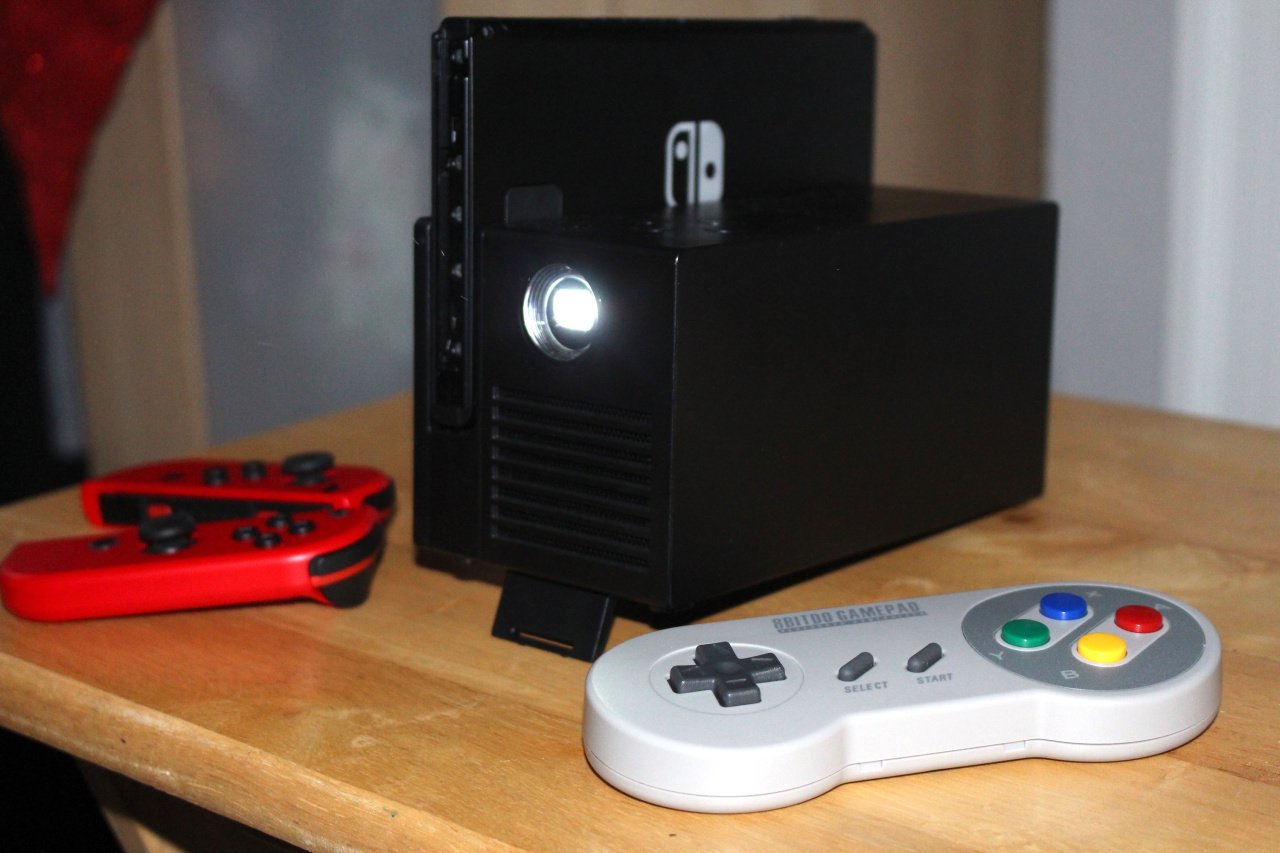
Hardware Review: OJO Projector For Nintendo Switch – The Ultimate Accessory?

The amazing success of the Switch has led to some equally amazing crowdfunding campaigns for must-have accessories, the most notable of which are the Switch Charge case and the OJO Projector. Both of these products massively over-performed in their initial funding drives, and both have endured a rather sluggish route to market. SwitchCharge is only now making its way into the hands of backers (and, if reports are to be believed, in a painfully slow fashion) while the OJO – which raised $270,966 (687% of its goal amount) last year – has also arrived on the scene slightly later than originally planned.

Pitched as the world’s first portable projector for the Nintendo Switch, it’s easy to see why so many people backed the OJO. Compact and versatile, this is – on paper – the ideal accessory for Nintendo’s hybrid console. Not only does it project gameplay footage onto any flat surface up to a size of around 120 inches corner to corner, it also acts as a dock, is totally portable, can charge other devices via USB and act like a normal projector, thanks to its HDMI input. All of this functionality is packaged within a device that measures just 172 x 80 x 70mm – small enough to fit inside most average-sized satchels or rucksacks.

The OJO uses a Texas Instruments Digital Light Processing system which delivers a crisp, colourful image at 854 x 480 resolution, with a brightness of 200 Lumens. While the resolution might sound disappointing and the brightness a tad low when compared to other projectors on the market, in reality things are a lot more positive. Sure, visuals look slightly pixelated in places and text can occasionally be harder to read, it’s not the deal breaker many had anticipated – especially when you consider how large the overall size of the projected image is. We played a wide range of Switch games and while there’s definitely a trade-off when it comes to visual fidelity, it’s one we can just about live with – especially when you take into account the contrast ratio of >1000:1, good colour balance and a ‘punchy’ picture. Even in a moderately light room, it’s possible to see the image perfectly clearly.

Audio is supplied either by the built-in speaker or via the 3.5mm output, which means you can connect the OJO to your stereo or portable speaker system. To be honest, there’s no real need to, as the speaker is incredibly loud with good bass reproduction. In a modest-sized room it will positively drown out any other noise, which is a good thing, because the OJO has not one but two fans inside to keep things cool, and these get very noisy indeed. One 7,600 RPM turbo fan (working in conjunction with a copper radiator) ensures that the projector itself doesn’t get too toasty, while the other 11,000 RPM fan keeps the Switch itself at a reasonable temperature. Even with this dual fan setup, you can expect both the projector and your console to be pretty warm after an hour of use; for this reason, the team behind OJO don’t recommend using the device in a hot environment.

The OJO comes with its own PSU which tops up the internal LG-made 20,400mAh battery. Once fully charged this can be used to run the projector anywhere you wish, and offers around four hours of use. Alternatively, you can toggle the OJO to charging mode and it will fully replenish your Switch console’s battery three times over. There are also two USB sockets on the back of the OJO which allow you to charge compatible devices, such as smartphones or tablets. Next to these is a HDMI-in port, which allows you to turn the OJO into a multi-purpose projector capable of displaying any image via a HDMI connection.

The OJO takes a few seconds to properly boot up from a cold start, and once it’s running you can adjust the focus and volume using the buttons on the top of the unit. There’s a little kick-stand underneath which allows you to angle the projector to get the best picture, and in a really neat touch, the unit actually senses the angle at which it is pitched and adjusts the image accordingly to ensure it’s nice and flat against whichever surface you’re using. Because of this, you can actually position the OJO at quite a sharp angle (ideal when you’re in a small room and close to the wall) and the image is automatically manipulated to ensure a decent picture.

When you’re running the OJO off its battery, the brightness level drops after a few minutes to conserve stamina – to get maximum brightness, you need to be running it from the mains. As far as we can see, there doesn’t seem to be any way of overriding this setting, but as long as you’re in a sufficiently darkened environment, you shouldn’t really have many complaints. 

One thing that might raise a few eyebrows is the price. At $400 / £300 the OJO is very expensive for what it is; stand-alone projectors are available for significantly less cash, and while they lack the portability and elegance of the OJO setup, they’re often comparable in terms of picture quality and offer superior clarity thanks to their higher resolutions. It’s important to remember that 1080p isn’t automatically better than the OJO’s 480p because the Texas Instruments DLP system is fantastic, but when you look at the massive gulf in cost, it becomes harder to justify the OJO over its many rivals in the projector space – even when you take into account the unit’s many other features, such as dock functionality and an internal battery.

Another thing that may give you pause for thought is the fact that the company behind this product has been incredibly candid when it comes to talking about its next project, the OJO 2. Even though the original is only just hitting the market, YesOJO is already hyping up the sequel, which makes you wonder if it’s all that wise dropping such a large sum of cash on something which could potentially be old news in a few months. You may also be wary of buying a third-party projector with docking capabilities, given the recent issues Nyko has had with its own docks following the Switch 5.0 firmware update. YesOJO has assured us that the device is constructed to the, “highest standards,” but we were also told that, “The OJO team will promise that we will take full responsibility if anything [goes] wrong with the system,” – make of that statement what you will, but it sounds to us like the company isn’t totally certain that the OJO won’t brick your Switch.

We also have some slight doubts regarding the reliability of the unit, too. During our review the light flickered repeatedly at one point, and on another occasion there was no audio output. Undocking and redocking the Switch was enough to solve both of these issues – and they only happened once, we should add – but it would appear that YesOJO has a few gremlins to eradicate when it comes to the device’s performance. These may well be addressed in future units.

Please note that some of the links on this page are affiliate links. If you click them and make a purchase we may receive a small percentage of the sale which helps support the site. Please read our FTC Disclosure for more information.

Ultimately, we’ve really enjoyed our time with the OJO; it really does take the Switch experience to the next level, and being able to take the projector anywhere – outside, on camping trips, to a friend’s house – is a real boon, and turns the Nintendo’s ‘any time, any place’ ethos to the next level. However, the 480p resolution is behind the curve even when compared to cheap-and-cheerful projectors, and the fact that the OJO 2 is very much on the horizon means you’ll have to seriously consider your purchasing decision before dropping such a large sum on this.

Posted on Leave a comment

Deals: Nintendo UK Store Offer Another Chance To Pick Up a NES Mini

The NES Classic Mini: Nintendo Entertainment System (or NES Mini to it’s closest friends) was quite the treat when it launched in November 2016. We loved it in our hardware review, with 30 classic games on board rendered in pixel perfect HD, what’s not to like? Well, maybe the controller cord length if we are nitpicking!

One annoyance at the time was the lack of stock, so picking one up for the RRP price of £49.99 was quite tricky if you didn’t make an early pre-order. Prices on certain unnamed auction sites went crazy, so you could easily have ended up paying a lot more for one of these.

Thankfully NES Mini stock is being reissued again in the UK, you can now order one again (and a spare controller) for less insane prices. These will ship on 29th June.

You can buy the NES Mini on it’s own, or in a bundle with USB power adaptor and a controller. You can also buy a spare controller separately if you wish too.

Please note that some of the links on this page are affiliate links. If you click them and make a purchase we may receive a small percentage of the sale which helps support the site. Please read our FTC Disclosure for more information.

These will sell out fast, so don’t mess about. Let us know if you managed to grab a pre-order with a comment below.

Posted on Leave a comment

Pokémon GO’s Adventure Week Event Brings Extra XP, Rewards And More Rock Types

Pokémon GO has a new event, one that’s already kicked off on a smartphone near you, and it’s brought all manner of special rewards and extra buffs to make your AR Pokémon hunting that bit more enticing. Oh, and if you like your rock types, you should definitely read on.

There’s some unique Field Research to be had, bringing with appearances by rare Pokémon such as Aerodactyl in Raid Battles. Rock-type Pokémon such as Geodude, Lileep, and Nosepass will appear more frequently in the wild, so be sure to keep an eye out on your travels, while Buddy Pokémon will earn candy at four times the speed for the duration of the event. You’ll earn more XP from Gyms and PokéStops, and ten times as much for spinning one for the first time.

Have you already logged in and taken part in the Adventure Week event? What do you make of it? Share your thoughts with the rest of the community below…

Posted on Leave a comment

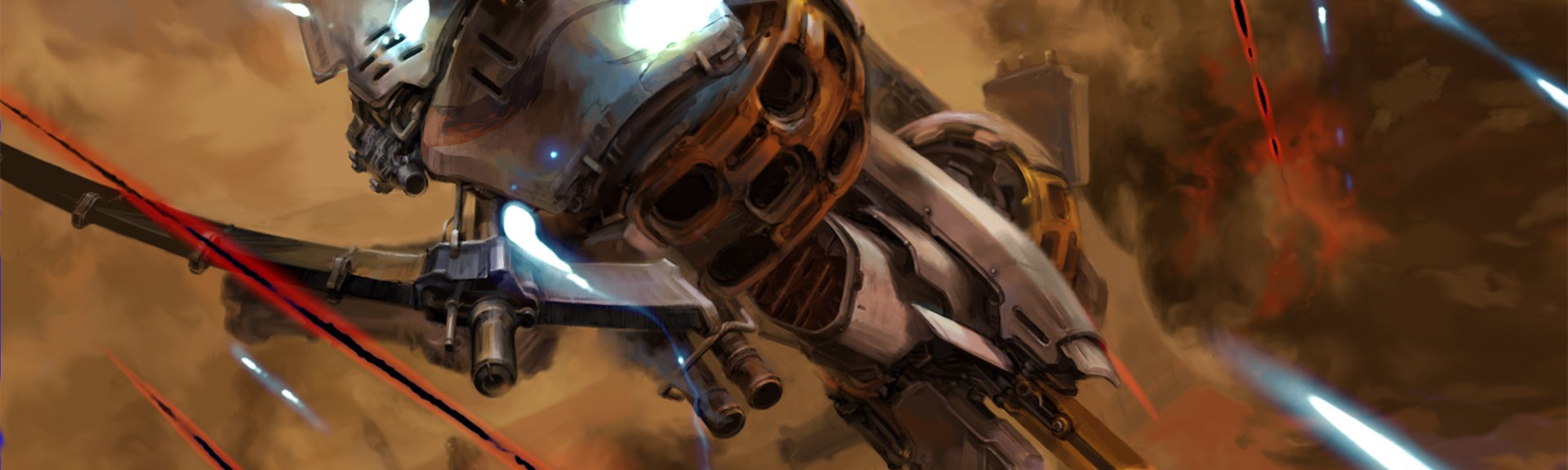
Review: Ikaruga (Switch eShop)

Upon first release on Sega NAOMI-powered arcades back in 2001, Ikaruga polarised audiences. While it most certainly was a vertical scrolling shmup like one would expect from the spiritual sequel to Radiant Silvergun, it played nothing like it. In fact, it played like no shmup before it and even today few manage to come close to its simple yet brilliant design. With the passing of the years came the cult status, making for many shmup fans the crown jewel of their Dreamcast and/or GameCube collections. 17 long years later it now graces the de facto current generation shmup playground, but does it still shine among the rest of its peers on the Nintendo Switch?

If you missed out on the original release (not surprising considering Treasure’s niche audience, limited retail availability and the fact that shmups were declining in popularity by the early 2000s) know that Ikaruga was produced almost by pure chance. While the team at Treasure was hard at work completing another cult classic, director Hiroshi Iuchi was prototyping a second entry of the Radiant Silvergun series in his spare time. However, instead of simply taking queues from the original game, the most striking design choice was instead lifted from Treasure’s platformer Silhouette Mirage: the ‘double polarity’ system.

At first glance the game presents itself like any other bullet-hell TATE shmup. There are five ‘Chapters’ to challenge (‘Ideal’,’Trial’,’Faith’,’Reality’ and ‘Metempsychosis’) and each is guarded by a big end-of-level boss that loves nothing more than to riddle the screen with bullet patterns. You will immediately realise that both your titular ship and the enemies are either white with a blue glow or black with a dark orange aura. Far beyond outstanding visual aesthetics, this is exactly where the game distinguishes itself from the pack.

Both the Ikaruga and the Ginkei (the second player’s ship) can flip between white or black polarity on command. If your ship is white, your bullets will deal double damage to black polarity enemies and you can absorb and store white polarity bullets to fill up your special attack gauge. You are immune to the aforementioned type but a single hit from any black polarity armament will instantly destroy your ship and cost you a precious life. Hit the polarity switch button and the exact opposite becomes your reality. You will need to master judgement of flipping between white and black according to the action on screen, often having to choose between the safety of a polarity or the risk of its counter-polarity for the sake of double enemy damage. A simple but incredibly hard to master mechanic that truly shines when facing the massive end-of-level bosses.

With your brain being taxed nearly every single second of on-screen action by the polarity system, the controls are thankfully simple. Relying on a three button configuration for ‘fire’, ‘polarity switch’ and ‘unleash energy charge’, with the later unleashing the accumulated energy into stream of homing lasers that will often clear most of baddies on screen and offer a brief respite. You can actually die from both crashing into enemies or pieces of the scenario, so keep that in mind when you’re flicking the right analog stick or the digital D-pad around.

This Nintendo Switch remaster comes with all the ‘quality of life’ updates present on the previous releases. Despite being an incredibly difficult game you can customise your experience to you liking, even play with infinite continues if you wish to see all the game has to offer. However, changing any of the default settings (even enabling the ‘Continue’ option) and the game will not submit your scores on the online leaderboards, so high score chasers will need to stick to the brutal default settings. Advanced players looking for even bigger challenges can attempt to score the largest chains per level (by taking down three enemies of the same polarity in a row to increase the counter) or even configure a single controller to play as both the Ikaruga and Ginkei at the same time. Included in this release is the nearly cruel ‘Prototype’ mode, featuring a gameplay mechanic that was scrapped from the original release: limited regular ammo.

When played in portable mode, the Switch version benefits further from the option to flip the screen orientation and despite still not displaying at full screen (to keep the original game aspect correct), the small area in the bottom does provide a tidy spot to keep score and other counters from the play area. Do not worry if you can’t read the tiny text in portable mode – this too is easily changed in the options menu. Nothing was left to chance by Treasure here.

The game performs exceptionally in both docked and portable modes, going as far as to include the original release’s slowdown when the end-of-level bosses explode. The graphics showcase the same detailed polygonal models and backgrounds from the original game, a lovely showcase of the NAOMI board prowess to throw polygons and lighting effects around. The sound effects are spot on and the epic soundtrack shifts from quiet moments and hectic orchestral beats just as easy as your ship shifts polarity. The passing of time has left both the visual and audio splendor from 17 years ago unscathed.

Despite all of the above praise, what was true in 2001 remains true in 2018: Ikaruga is not a shmup for everyone. If you play this one with the regular carefree approach of other games in the genre you will fair poorly, possibly frustratingly so. The very high difficulty curve means that it remains hard to recommend for the casual player looking for a quick shmup fix. The game still demands a sort of ‘brain training’ to properly enjoy since it not only requires reflexes but puzzle solving quick decisions to survive the dual polarity mechanics.

Conclusion

Ikaruga is not so highly revered by chance, despite its near accidental creation. It is the result of a combination between an incredibly talented team making the most of excellent hardware, bringing in the unique double polarity gimmick that stealthy introduces puzzle solving mechanics into a bullet hell shmup. So it’s no great surprise it not only remains an incredibly compelling experience but it lands smoothly on top of the currently available shmup list on Nintendo’s hybrid console library. Beyond portability what truly drives this version above all others is the possibility of throwing a Joy-Con to a friend for a spot of co-op play anytime, anywhere as easy as your ship switches polarity. The perfect shmup on the perfect system. The old king sits once again in its rightful throne atop the shmup mountain.

Posted on Leave a comment

New Castle Of Heart Update Includes Revamped Tutorial And Improved Animations

Castle of Heart, that hard as nails platformer that slashed and hacked its way onto the Switch eShop earlier this year, has just received a substantial new update – one that addresses a number of issues players – including our very own Damien McFerran in his review – have raised with its developer.

As you can see from the patch notes below, 7Levels has made a lot of changes post launch, including adjusting combat, general character animations, balancing issues and more. The game certainly won’t be any easier, but there’s a chance it won’t be punishing for all the wrong reasons:

  • In-game tutorial – several things were designed from scratch, while others were remodeled. It will help you understand better the core gameplay mechanics, like leveling up and the use of power-ups
  • Character’s animations – better control over the main character was our main goal. In order to achieve it, we have polished some animations. The result is that our knight reacts immediately to you want him to do (like jumping, punching, shooting, picking up weapons and so on)
  • Combat – we received a lot of feedback on that, so we have focused on improving it, especially on polishing the blocking mechanics
  • Second weapon – by popular demand, we have added indicators informing you about the second weapon’s power. A small, yet an important change
  • Easy Mode – we have heard your comments loud and clear and we reckon that the game might be a bit too challenging at times. This mode was added for the gamers that simply enjoy exploring the game’s world
  • Balance – we have improved this feature and we hope you will notice it
  • Bugs – we fixed the ones that we could find, so they shouldn’t distract you any more

Have you been playing Castle of Heart? Have you already played the game post-update? We’d love to hear your thoughts right here on NintendoLife.com…

Posted on Leave a comment

Legendary Shiny Pokémon Zygarde Is Coming To Sun/Moon And Ultra For Free This June

We’re right in the thick of The Year of Legendary Pokémon, and The Pokémon Company has revealed details on the next powerful creature getting the free treatment in Sun/Moon and Ultra Sun/Moon. So this summer you can get your hands on a Shiny Zygarde in both versions of the game, each with calibrated stats to suit either iteration. Considering how difficult it is to bag a Shiny variant of this Pokémon, this is a big deal for dedicated trainers. Here are its stats for Sun/Moon:

Level: 100
Ability: Aura Break
Held Item: Gold Bottle Cap
Moves: Thousand Arrows, Outrage, Extreme Speed, Dragon Dance

In Pokémon Sun and Pokémon Moon, Shiny Zygarde will be distributed with the following characteristics:

Level: 60
Ability: Aura Break
Moves: Land’s Wrath, Glare, Safeguard, Dragon Breath

To claim your Shiny Zygarde, load up your copy of the game (these instructions apply to either version). Now select ‘Mystery Gift’ on the main menu, then hit ‘Receive Gift’. Next, select ‘Get via Internet’, then tap ‘Yes’. Finally, speak to the delivery person in any Pokémon Center to receive your Shiny Zygarde (just be sure to save your game before you finish up).

Will you be adding a Shiny Zygarde to your Pokédex? Let us know in the comments section below…