Posted on Leave a comment

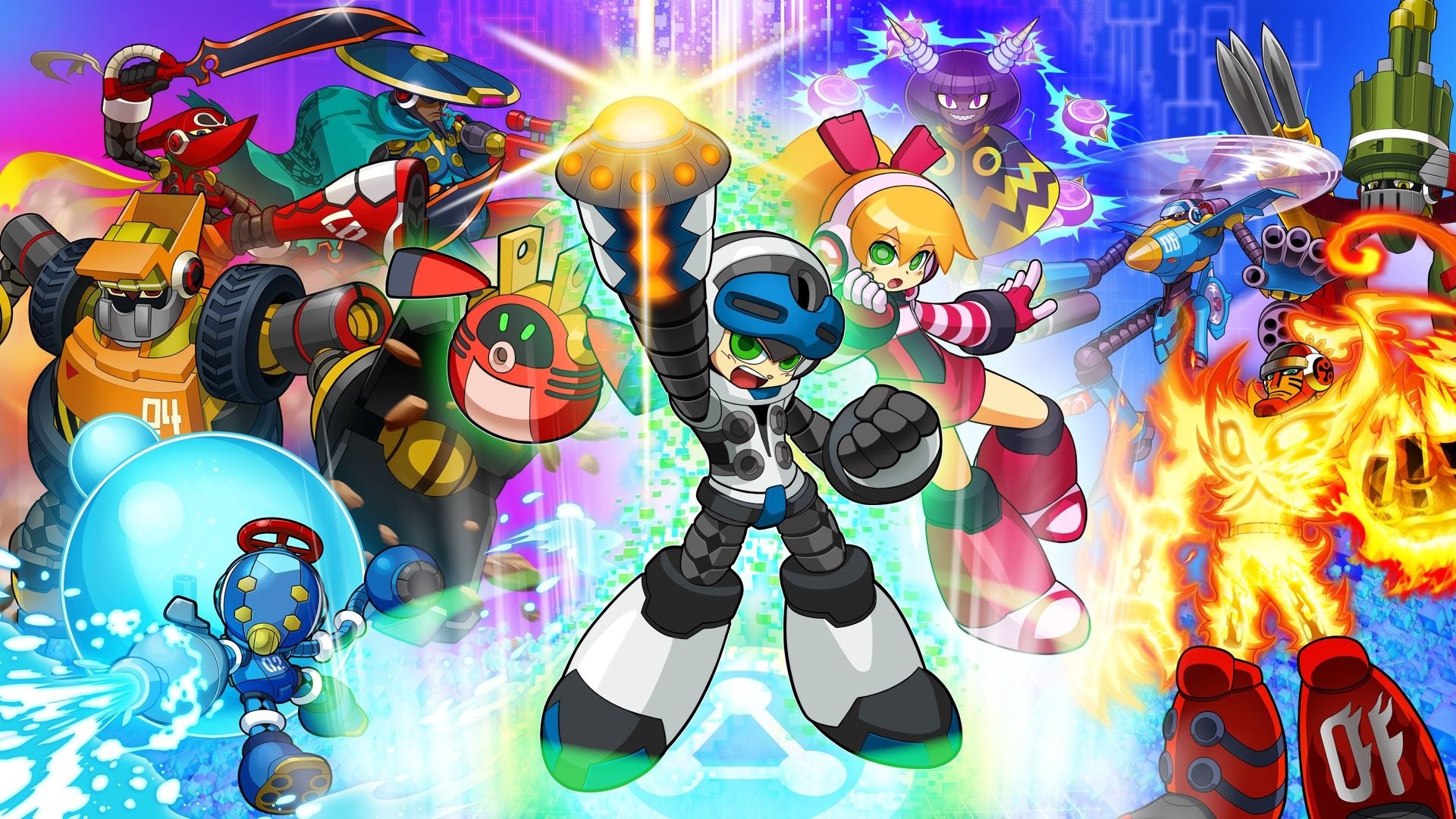
Original Developer Working On Handheld Versions Of Mighty No. 9 Reveals “Zero Progress” Was Made

It’s fairly evident the handheld versions of Mighty No. 9 are stuck in video game development hell. Comcept has not provided an update on these iterations of the game since 2017 – essentially leaving backers in the dark.

Following up from its investigation earlier this week, Destructoid has since explained how port specialist Abstraction Games was originally tasked to develop the handheld versions of the title – including the 3DS release – before being passed onto Engine Software.

The CEO of Abstraction Games, Ralph Egas, was able to provide the following statement, elaborating on the exchanges with Comcept:

We had a deal in place that partially involved royalties. A deal we’ve had to agree to in a very short amount of time due to the Kickstarter campaign requirements and the handheld platform version being a stretch goal, etc. At that time I thought this was a great opportunity, but risky. We weren’t involved with Engine Software ourselves, although we have been engaging with them in the past on other projects, just not on this particular project directly.

Egas said how Comcept failed to properly communicate and there was:

no intermediate builds and no source code until three or four months before they [Comcept] suddenly wanted to launch

This left Abstraction Games with no choice but to abandon the project due to the short time frame, with the developer admitting there was “zero progress” made because there was no build available:

business-wise, this was the only logical outcome lest we risk going under

Engine Software took over at this point, with the last mention of its involvement with the project in March 2017. The game is reportedly no longer listed on the development part of the Engine Software website.  

This insight – courtesy of the Abstraction Games CEO – at least illustrates how dysfunctional the development cycle was, with Comcept seemingly unable to live up to its Kickstarter requirements. 

Do you think Mighty No. 9 will ever be released on handhelds? Would you still be interested in a 3DS version? Tell us below.

Posted on Leave a comment

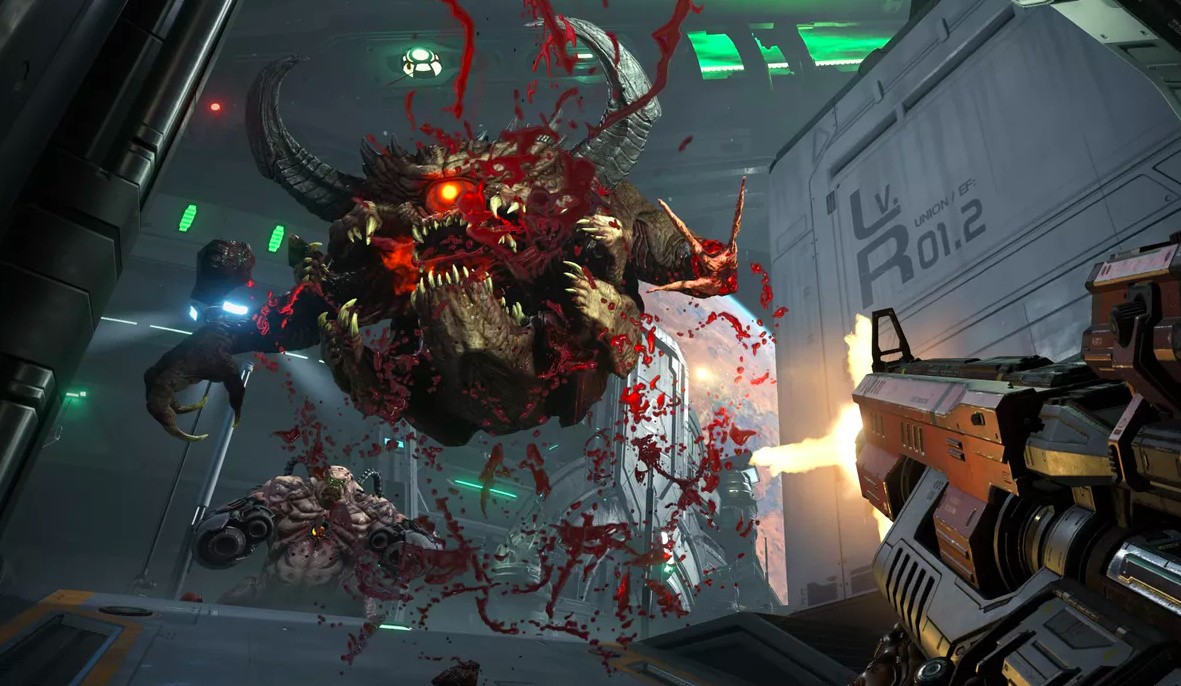
DOOM Eternal Will Raise Hell On Nintendo Switch

Bethesda has announced that DOOM Eternal is coming to the Nintendo Switch, with Panic Button – the studio that ported DOOM and Wolfenstein II – handling conversion duties.

The news came at this year’s QuakeCon, with the publisher confirming a Nintendo version alongside the PS4, Xbox One and PC editions of the game.

There’s no release date as yet, but Bethesda did confirm that players will be able to take control of demons and enter another player’s campaign – a bit like Dark Souls, then. There will also be new weapons, such as a massive flamethrower and deadly blade. You’ll also get a new dash skill to help navigate the underworld.

No footage of the Switch version has been shown as yet, but some gameplay snippets (presumably PC) have been shown:

Let us know if you’re excited by this announcement by posting a comment.

Posted on Leave a comment

The Super Smash Bros. Ultimate Limited Edition Is Now Up For Pre-Order In Europe

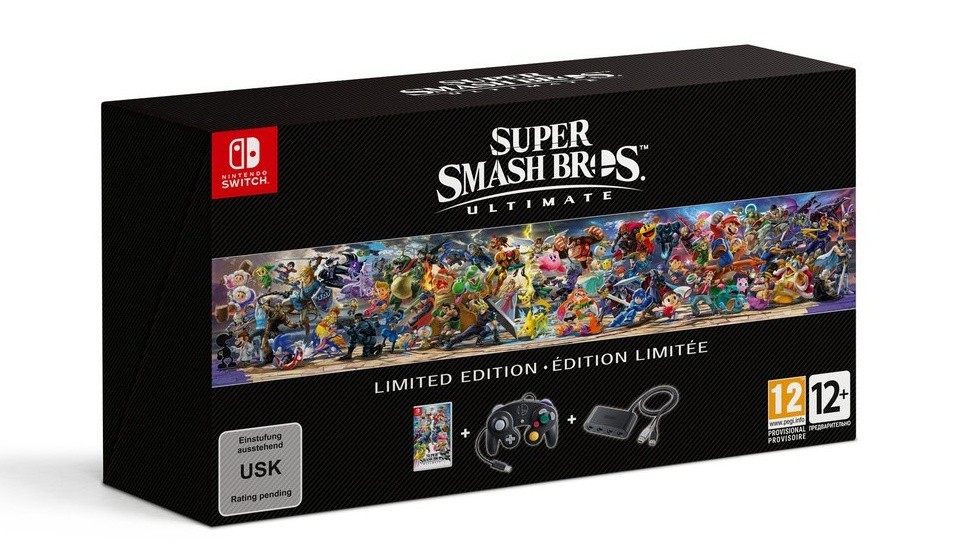
Remember the super-fancy looking Super Smash Bros. Ultimate limited edition that was revealed shortly after this week’s Nintendo Direct? Well, you can now pre-order it directly from the Nintendo UK store.

Containing a copy of the game, a Nintendo GameCube Controller – Super Smash Bros. edition, and a Nintendo GameCube Controller adapter – as well as a gorgeous looking box, we might add – this bundle will no doubt excite the biggest Smash Bros. fans out there, desperately calling to them and their wallets from its distant online store listing. If you’re wanting to grab a copy, head to the link below:

The bundle will set you back £89.99, and a new steelbook case has also been revealed. You can choose to purchase the game and its steelbook separately, without all the extra bits, via think link instead. This option costs £59.99. Also, for anyone wondering, the large roster image on the box has now been updated to reflect the new reveals, too. Lovely!

Will you be ordering any of these? Let us know with a comment down below.

Posted on Leave a comment

Graceful Explosion Machine Dev Announces Super Crush K.O. For Switch

Graceful Explosion Machine developer, Vertex Pop, has announced a brand new game headed to Switch next year: Super Crush K.O.

The game is a fast-paced brawler/shoot-em-up hybrid set in a vibrant, near-future city. Players will be able to take control of a neon-wearing, robot-stomping hero, aiming to save humanity from an AI apocalypse. You’ll be punching your way through waves of bots, launching them into the air and blasting them out of the sky, all chained together in huge combos.

Features:
– Lightning-fast gameplay that seamlessly blends shoot-em-up action and intense beat-em-up combat
– Take on wave after wave of varied enemies with a deep combat system, designed with easy-to-execute combos and enemy juggling in mind
– Explore a beautiful, colourful world inspired by futuristic urban cityscapes and pastel skylines
– Online leaderboards and ranking systems will keep you coming back to S-Rank dozens of levels

We have no specific confirmed release date for this one just yet, as the game is currently scheduled for a 2019 launch. We loved Graceful Explosion Machine, however, awarding it an ‘excellent’ 9/10 in our review last year, so we’re very hopeful for this next game from the team.

What do you think? Will you be keeping an eye out for this?

Posted on Leave a comment

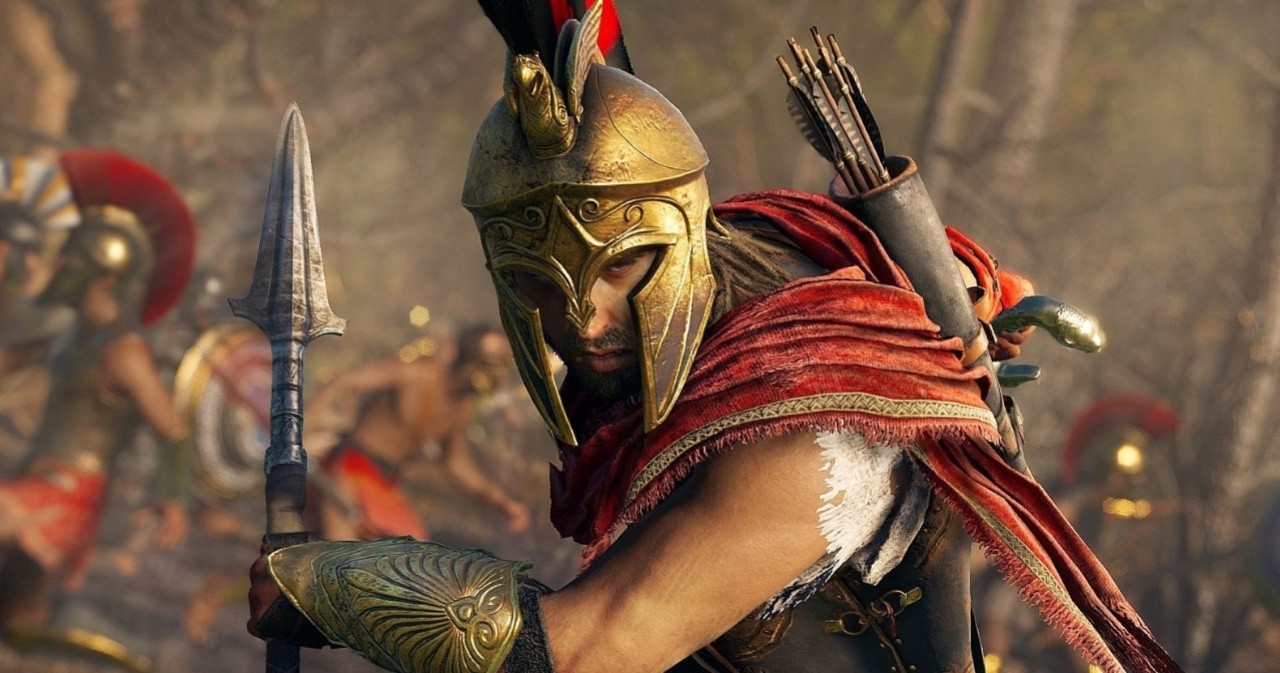
Assassin’s Creed Odyssey Director Says He’d Port Game To Switch If He Could Do It Himself

Aside from Assassin’s Creed III and IV: Black Flag, which came to Wii U in 2012 and 2013 respectively, and a couple of Nintendo DS spin-offs before the turn of the decade, Ubisoft’s action-adventure mega-franchise has been entirely absent on Nintendo platforms. The latest entry, Assassin’s Creed Odyssey, is due on other platforms this October, and will unsurprisingly be skipping Switch, but that doesn’t necessarily mean Ubisoft wouldn’t want it on the console.

In an interview with Game Informer, the game’s director Scott Phillips sat down for a series of fast-paced questions about the upcoming title. While much of the interview talks about what fans of the series can expect from the new game, and therefore won’t be of great use to any Switch-exclusive players, one question asks Phillips directly about the chances of a Switch version. You can check out his response at around the 6:07 mark.

If you’re unable to watch the video, or prefer your content in written form, here’s how the short but sweet question went down:

Game Informer: “Could this come to Switch?”

Phillips: “I don’t know how to program, so, otherwise I would do it myself.”

The chances of a game like Assassin’s Creed Odyssey appearing on Switch are relatively thin, as any game with such high-end visuals would need some heavy tinkering to arrive on the portable console. Having said that, we would never have expected the likes of DOOM or Wolfenstein II to make their way over, yet Panic Button has made that possible. Maybe, then – just very unlikely.

Would you like to see Assassin’s Creed Odyssey come to Switch? Or any other games from the series for that matter? As ever, let us know all of your thoughts on the matter below.

Posted on Leave a comment

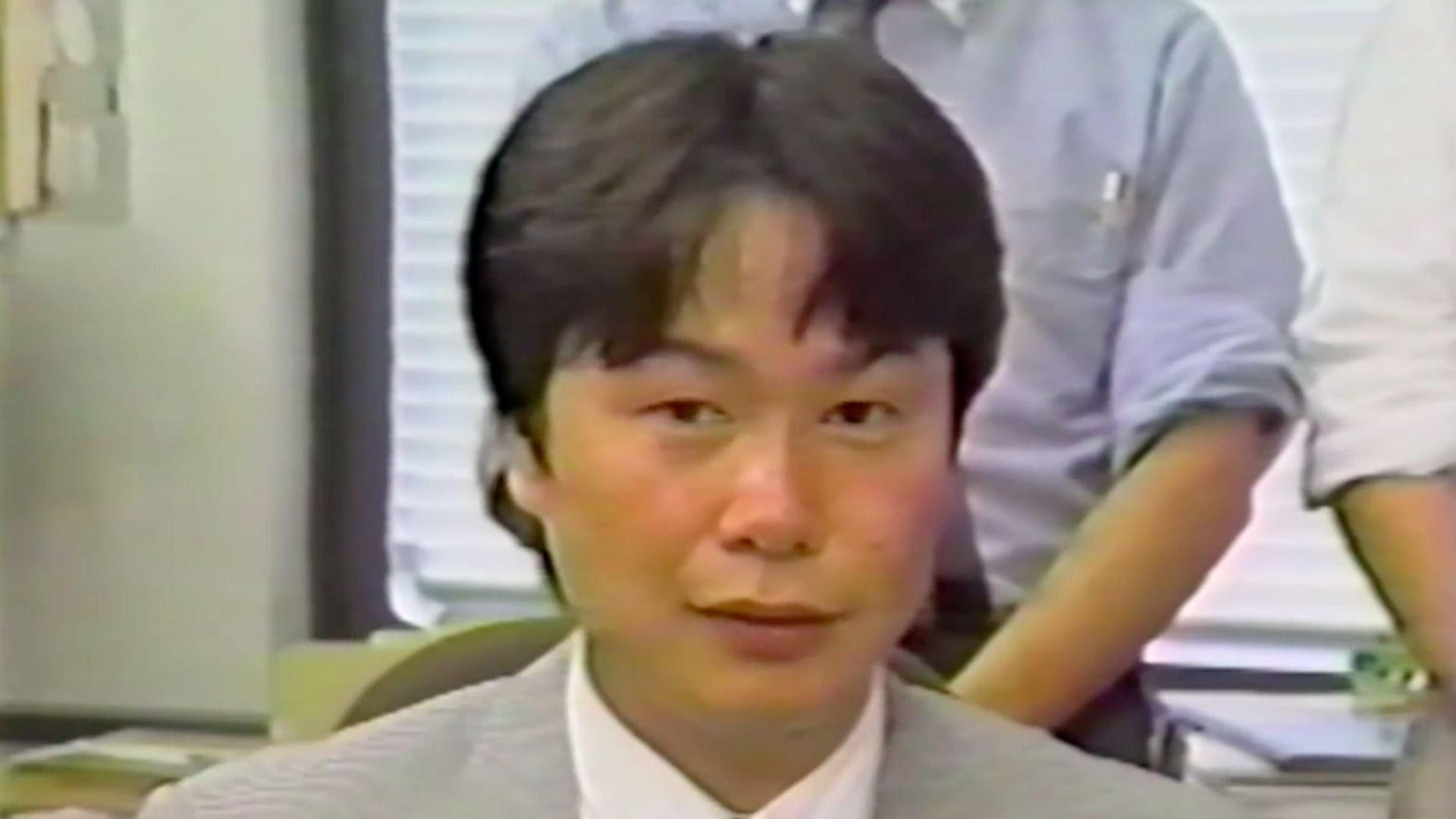
Random: A 1990 TV Interview With Shigeru Miyamoto Talks About Nintendo’s Work Culture

We’ve seen Shigeru Miyamoto’s ever-beaming self quite a lot over recent years, often during big events such as E3 where he’s essentially presented as the face of Nintendo and an all-round gaming icon, but we don’t often get the chance to see him in his younger days. Thanks to this rediscovered interview with the BBC, however, now we can.

The British television broadcaster gets an exclusive look into Nintendo’s famous walls – a treat reserved for very few even today – and sits down for a chat with Miyamoto-san to talk about life at Nintendo back in 1990. Despite only being around 38 years old at the time, he was still considered the “god of games” back then by youngsters – of course, he had already designed and released the likes of Super Mario Bros. and The Legend of Zelda by this time, so we guess that’s fair enough.

In the video, it is explained that all of the Nintendo colleagues wore a uniform to work, and were paid an “ordinary” salary despite their games being able to earn the company several hundred million dollars a piece. Miyamoto explains why the developers were happy to work in these usual, non-flamboyant conditions:

“That’s a difficult one… Well, we’re not paid glamorously for developing games which sell well, but the company’s a sponsor; it encourages and pays for us to visit museums, to go to movies, or even short trips so that we can get inspired. So everyone’s happy to work for the company, especially as we get the prestige of being associated with it.”

That’s a nice sentiment, and one that shows a high level of loyalty to Nintendo’s name. The passion for developing the games and working under Nintendo’s roof were clearly larger inspirations than earning huge amounts of money, which no doubt, in turn, helped the quality of the final products. 

Now then, when are we being invited to take a visit to Nintendo HQ?

Posted on Leave a comment

The Euro Nintendo Summer Sale Continues With Up To 80% Off Lots Of Switch And 3DS Games

A Nintendo Switch Summer Sale began in Europe last week, discounting a whole selection of games with up to 60% off in some cases. Now, the second portion of the celebration has started, and there are plenty more (and several bigger) cracking discounts for you to get stuck into.

There are lots of highlights once again this time around across both Switch and 3DS, with the likes of Super Bomberman R, Death Squared, Owlboy, Xenoblade Chronicles 3D, Ever Oasis, Metroid: Samus Returns, and many more. You can see a full list of the discounts across all Nintendo platforms this week in our Nintendo Download (Europe) article, and browse through the Nintendo store itself via the handy link below:

As before, you can access more discounts directly on the Nintendo eShop than via that official link above, so make sure to boot up your console to take advantage of your favourite deals. These offers are all valid until 23rd August.

Let us know if any of the offers take your fancy in the comments below.

Posted on Leave a comment

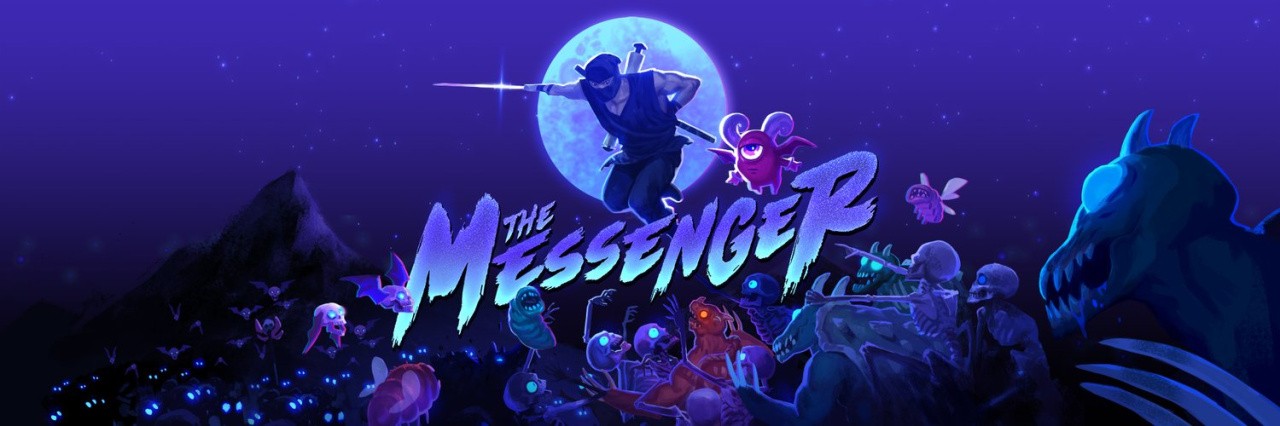
Feature: How The Messenger Aims To Fuse Ninja Gaiden, Metroid And Castlevania On Switch

Announced during Nintendo’s Nindies Direct in March, side-scrolling action platformer The Messenger has caught our eye by keeping a retro feel but subverting player expectations, using classic graphical styles to compliment a time-travelling narrative. 

When a small, isolated village is attacked by an army of demons, the task of carrying a sacred scroll across a cursed world falls to you – a young ninja student. Armed with both an array of powerful weapons and acrobatic abilities, The Messenger aims to put a fresh spin on a beloved genre.

We took the chance to talk to Thierry Boulanger, Martin Brouard and composer Eric W. Brown from developer Sabotage about the game.

Nintendo Life: So, are there many ninjas in Quebec?!

Thierry Boulanger: Ha! I wish there were! I guess it depends on your definition. I’ve never seen anyone in Quebec doing front flips and chopping off demon heads, but then it may simply be because I’ve never seen any demons either. But if you look at it from the conceptual angle, Ninjas setting their ego aside to give their all to a cause they deem meaningful and being impossibly good and at what they do with full dedication, I’d say my grandmother was a ninja.

There are callbacks to classics like Shinobi and Ninja Gaiden in your game, but are there any other influences?

TB: The short answer is “all the games!”. Indeed, Ninja Gaiden is the biggest influence as far as moment-to-moment gameplay is concerned. But more precisely, and without giving too much away, when it comes to the story, cast of characters, dialogue and late game mechanics, players should also feel the love for MetroidCastlevania: Symphony of the Night, and even Monkey Island. Also, while The Messenger doesn’t have directly identifiable game mechanics relating to Chrono Trigger, it is by far my favourite game and biggest influence. It’s kind of subtle I guess, but careful attention has been paid to its key takeaways, like keeping things lean in general and having a script with a high density of surprises and meaningful events.

The Messenger has been a passion project of yours since childhood. How has the journey been from inception to imminent release?

TB: Emotional. I mean it’s been almost 25 years for me, since I was drawing ninjas back in elementary school. I never really gave up on that little world, just thinking up nuggets of story or moments that I thought would be cool to see in a ninja adventure. About ten years ago I did the obligatory awful prototype as I was studying game programming, then it took me eight years to finally have the courage to quit everything and give my humble game idea a real shot, shifting from code to design overnight. I still can’t believe it all ended up happening. All these incredibly talented people who decided to join Sabotage and make this all a thing, I don’t think I’m ever getting over that.

I guess I understand better now how it’s the journey and not the destination that matters. No matter what happens past this point we made it up to here, and nothing is taking that away, ever. The game is now done and we are just about to announce the release date. Obviously, I can only speak for myself, but I play it a lot these days, and I am in the very fortunate position of being happy with it. I don’t wish we had had an extra two months, or a better animator, or anything. This is truly the best I can do, so I am ready to let the public decide whether or not I deserve to work on my next idea. Fingers crossed!

How has the game changed during that time?

TB: The ninja, the scroll, the shopkeeper and the time travel (rendered through the 8/16-bit worlds) were always part of the concept, but aside from a few other core pillars, it has changed a lot. Or rather, as a team we let it emerge. It was quite something to feel that moment about a year back, when the game started to speak for itself. It just hit us during a build review that we had reached a point where we felt we had something unique and clearly defined, so from that point on adding content became a process of paying attention to what felt right and listening to the game to let it become more of what it was trying to be. Does that make sense!?

Your team is made up of industry veterans and must compliment each other well. How important was the whole team’s contribution to the overall experience during development and the end product?

TB: I can’t overstate how important every single team member has been! While I’m certainly the one to blame if the proposed scenario and overall gameplay experience isn’t interesting to players, careful and proper execution is the real make-or-break no matter what the initial idea is worth. We work with a small team that requires no management, where every team member is very good at their respective craft while all being fans of each other. So Mik, our level artist will be like “Eric’s new track is so good, I have to rework that background illustration so it lives up to it”, or I’ll be playing the latest boss and think I should rewrite that intro dialogue. We constantly inspire each other and the team has as much leeway as they care to play with, so the end result is very much the get together of all these minds.

You mentioned to us during our hands-on time at Bitsummit that you ‘altered’ the look one of the bosses. What was the design process of the game’s characters and environments?

TB: The initial concepts always come from a very personal and vulnerable place for me. Everything in The Messenger is a theme or archetype I needed to address, show the world, defeat or redeem in order to move on. It’s my final step to, quite like our hero literally does, leave the past behind. Now while I could talk about the “ramifications of past trauma” and the importance of “reconnecting with your inner child” all day, it’s really all about how it becomes an actual game, and that’s where the team comes in.

Things are brought to life thanks to that feedback loop with the team. I mean sure, I’m the “creative head”, but obviously everyone else on the team is also creative. The way I see my role is I have to spark their creativity first and let them go with the minimum amount of limitations (i.e. this boss is an ogre, let’s not make it a car), and from there propositions come in and we go with a design that serves the story and general vision I’m trying to bring into focus, while also making sure the team will be happy to write code and make animations for it all. Maybe that would be a question for the team, but I tried to really make a point to never have anyone roll with something they didn’t agree was an interesting concept to explore.

What I’ll provide for a given environment looks like would be along the lines of, “Ok so this area is called the Cloud Ruins, it’s the remnants of a civilization of giants who used to live in the skies. Everything is huge, and structures are floating in the air because of magical runes etched into their bases. It should be a mix of clouds and stone structures, with the player mostly navigating in the upper portion of the screen while the endless pitfall is constantly present below and taking a lot of space, to really work that feeling of being high up and in a precarious situation.” From there we get art, music, and general level design ideas and just iterate all together to hone in on the final version of the base concept.

‘Cloudstepping’ is just one of the cool mechanics our protagonist has at his disposal. How is the game balanced between combat, platforming, and exploration?

TB: Cloudstepping is very much core to the gameplay. The idea in level design was to constantly have something to look for, use, and optimize through so that getting to an objective doesn’t feel like task, as you have a neat little mechanic you’re happy to get to use along the way. It’s all about this concept of “resonance”, where a mechanic feeds back into another. Resonance between navigation and combat was the main objective. Through cloudstepping, the loop is created where skilful navigation leads to better combat opportunities like getting behind an enemy, and skilful combat leads to better navigation opportunities like skipping parts of the level. And since we’re very much looking at speedrunnners with The Messenger, it was important to attempt to make a game that has elements to master, where anyone watching can instantly get that a certain move demanded skill. If you’re going to play a Ninja, you should look the part, right?

Without giving too much away, there’s also an element of time travel. Does this affect the game narratively as well as aesthetically?

TB: Yes! A few hours in you are sent into the future, and that is when the game turns to 16bit. So the past and future worlds a represented by the 8 and 16-bit renditions of the audio and visuals. Eventually, you go back and forth in real time between the two, but yeah, let’s not give too much away!

The soundtrack also exists in both 8 and 16-bit. How was this approached?

Eric W. Brown: The Messenger’s soundtrack needed to be approached with the same level of authenticity and attention to detail that went into the visual and design elements, so the only way in my mind that this could be done is by using special programs that are built around the limitations of the sound chips of yore. I don’t mess around when it comes to authentic chiptune, and I can spot a fake from a mile away… but I’m not here to discuss the morality of “fake” chiptune so I’ll just tell you about what works for me.

It was not as simple as writing a song in an “8-bit style” and then slapping a new skin on it for a 16-bit facelift; each track was programmed from the ground up twice, using two different programs, which are able to output files suitable for playback on the original consoles themselves.

The 8-bit music was written in a program called 0cc-Famitracker, which is a modified version of the original Famitracker program with a few subtle differences. I utilized the VRC6 expansion chip (found in some Japanese games like Akumajou Densetsu, the JP version of Castlevania 3) which gave me three additional channels of polyphony to play around with.

For the 16-bit side, I used a program called Deflemask, a multi-chip tracker with Genesis sound support. Defle also has the NES chip as an option but does not have VRC6 support, hence the need to use two different programs. I should mention these programs are all in active development and free to download and use, with a community of users around the world.

After exporting finished songs from each program, there are inconsistencies in the overall volume of the track as well as a few milliseconds of silence at the start of the NES tracks, so I had to line them up in Logic to make sure the loops were seamless, and throughout the course of the project I was working on my mastering chain to level out volumes and tame some of the harsher frequencies before exporting the final version of what ends up in the game.

I grew up as a Genesis kid so it will forever be one of my favourite sound palates, making the decision to go for a Genesis-style 16-bit soundtrack a no-brainer. With a few exceptions, I had the majority of the soundtrack written in 8 before I moved on to 16, but from there I would keep both programs open and just work on copying over one channel at a time until all the notes were in there from top to bottom, then go back around and tweak instrument settings and add effects to make it sound more like music.

I used these same programs to make all the sound effects in the game as well. Between using two different trackers on PC, audio software on Mac, and then back to PC for uploading into the backend, no doubt it was a lot of time-consuming file juggling but it’s all worth it to get it done right!

How have you ensured that The Messenger is more than just a homage to the games of the 8-bit era?

TB: The idea behind Sabotage is to make games with retro aesthetics and modern game design. I just have a thing for harsh limitations forcing you to have a solid core, kind of like movies before visual effects where you just had to have a great script. The process was to have a lean experience based on moment-to-moment gameplay, and analyze more deeply all these retro games we still play to this day, to figure out the bits that aged well and the elements that should be re-imagined. The general guidelines were to hit the nostalgia string hard, rethink systems where it made sense, and avoid fixing what wasn’t broken.

Is there also an element of humour in the game?

TB: Definitely. The idea with dialogue, especially through the Shopkeeper, was to make the game slightly self-aware, to acknowledge its influences, and also pick on the clichés these types of adventure. A band like Spinal Tap is a good example of this, where everything is a bit tongue in cheek; making this contract with the player that since we are both aware of the cheesier tropes of these types of games, we can then indulge guiltlessly.

What does it mean to you and the team to see your debut game on a Nintendo system?

TB: It’s surreal! We all grew up on their systems, and they were the king of the 8-bit era, so it’s both an honour and a natural fit. Everyone at Sabotage feels this way, especially seeing how the soundtrack was made using Famitracker, meaning the music can be exported as a legitimate NES Rom (and I have a feeling Eric does that sometimes, just because he can).

Any update on when we will be seeing The Messenger on the eShop?

TB: I wish I could tell you more, but at this point the best I can do is say “very soon”. Probably sooner than you would think by reading this!

Any plans for a physical release?

Martin Brouard: Of course we’d love to see a physical version of The Messenger, but as an indie developer we need to prioritize the digital launch and see whether it makes sense based on sales.

What’s next for Sabotage?

TB: Probably sleep for a few weeks! Then, it will depend on how the game is received. The dream, of course, is to have the means to work on our second project. We’ll see!

We would like to thank Thierry, Martin and Eric for their time.

Posted on Leave a comment

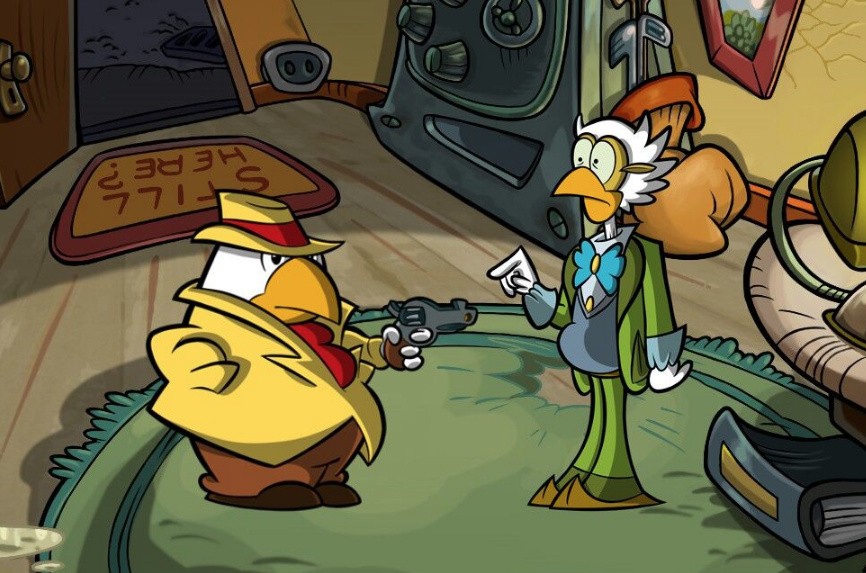
Noir Point-And-Click Adventure Detective Gallo Launches Next Week On Switch

It has been announced that Detective Gallo, the upcoming comic-noir point-and-click adventure, will be available on Switch next week.

Entirely hand-illustrated and hand-animated, Detective Gallo features a grumpy, feathered, private eye protagonist struggling with a very tricky case, bizarre characters, and puzzles that will put his insight and patience to the test. So kind of like Detective Pikachu, but with less electricity and more feathers. With lots of characters, puzzles, and quests to explore, this one looks like it could be a real winner. Here’s a full feature list to give you some more information:

Features:
– A non-violent adventure, inspired by classic cartoons and the best point&click adventure games of the past!
– Play as Gallo, a… rooster noir detective, and investigate on a multiple plant murder!
– Meet lots of incredible characters, all hand-animated, frame-by-frame.
– Dozens and dozens of logical puzzles and quests!
– Listen to over 50 minutes of original pure jazz-noir soundtrack! 
– Fully dubbed in English and Italian, with multi-language support!
– Supports the touch screen on Nintendo Switch

If you like the look of this one, you won’t have long to wait, as Detective Gallo launches on Switch on 17th August. Pre-orders for the title are going live today, giving players the chance to grab it at 15% off its usual $14.99 / €14.99 price tag.

Let us know if you’ll be cracking this case with a comment below.

Posted on Leave a comment

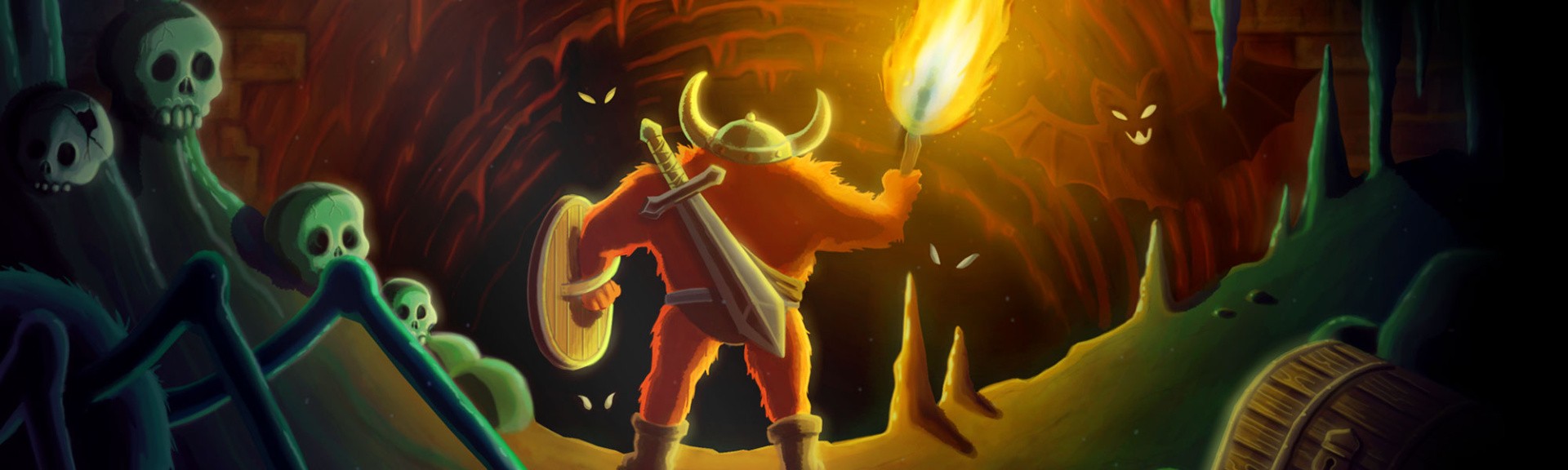
Review: Unexplored (Switch eShop)

While Unexplored finds itself in plenty of company on Nintendo Switch – the console is currently inundated with various takes on the procedurally generated roguelite – Ludomotion’s cyclic experience manages to offer something a little bit different. Yes, it’s top-down. Yes, it’s a dungeon crawler. And yes, it’s permadeathed up to the nines, but beneath those ubiquitous terms lies some treasure worth searching for.

Procedural generation, as we know, can be something of a poisoned chalice for roguelites. Randomised dungeons can yield clever combinations of curious corridors, treasure-filled chambers and enemies aplenty, but by the same token they can also serve up dull and uninspiring designs that make exploring their worlds a bore and a chore. Unexplored offers a refreshing alternative to this in the form of cyclic dungeon generation.

So rather than building a web of explorable branches, Unexplored constructs every unique map in an interconnected circle. It’s a neat approach as it ensures every locked door you encounter has another accessible exit point or switch nearby. With a map that fills itself in as you push further, you never feel like you’re lost or that you’ve traipsed halfway across a dungeon only to find yourself swearing loudly in an empty dead end. Each map has a set of steps that lead down to the next level in the Dungeon of Doom, and you can ascend and descend as you please once you’ve found each one.

Of course, just because each floor map flows naturally doesn’t mean every map is particularly engaging. It’s the curse that follows every game that relies on a form of procedural generation, and it affects Unexplored just as much as you’d expect. Some floors can be jam-packed with enemies, while others feel barren and uninhabited. It’s an issue that can affect the game’s difficulty as well, with floors throwing you into almost unwinnable scenarios while others fizzle out due to underpowered encounters.

However, when Unexplored’s myriad parts come together, it gels with a synchronicity that rewards dedicated explorers and patient warriors. Its combat model isn’t made for fast and intense battles; instead, it opts for a more balanced experience that requires you to use distance and angles to defeat your enemies. This tactical edge provides a welcome new dimension to the classic dungeon crawler, although the slower pace it demands won’t be for everyone.

You can carry up to two weapons at one time, with each one locked to ‘RZ’ and ‘LZ’ respectively. As befits the game’s simple top-down aesthetic, you carry your weapons in front of you, with each tool offering a different kind of strike. Spears offer greater distance when thrust forwards, but it can leave you open to attacks from the side. Daggers can bleed enemies quick but require close-quarters use. While originally designed for PC, mapping character movement to the left analog stick and aiming to the right makes for a balanced experience that ensures if you do die (which you will, often), it’s almost never because of a lack of dexterity and control. The menus (which you bring up with ‘L’ and ‘R’ can be a little clumsy with the Joy-Cons, but they’re far from unusable.

It does have its downsides, specifically the brief cooldown that you have to endure everytime you swipe your primary weapon. From swords that arc around your avatar to daggers that can be flung for ranged griefing, that tiny cooldown window can make the more intense battles – where you’re mobbed by a group of knife-wielding kobolds or a swarm of angry bees – a frustrating exercise. Switching to your secondary weapon (which can also be a shield, should you find or forge one) can help mitigate this but the same cooldown mechanic applies, so without any form of dash or evade move you have to rely on a careful use of the right stick to defend or attack successfully.

There’s also an impressive amount of customisation to contend with. You can play through three difficulty levels, a well as taking on the hardcore Desolate mode or the much more forgiving and action-packed Arcade mode (ideal for players that are newer to this kind of game). You can even customise your cycloptic hero, or just generate his particulars at random. This being a roguelite, permadeath will linger behind every ambush or poorly-timed strike. And while it’s frustrating to lose all the weapons you’ve forged or the potions you’ve collected, you will retain your gold so you can spend it on hints at the opening tavern or buy some extra basic supplies. There are also in-game perks you can permanently unlock should you perform a certain challenge during a run, adding more incentive beyond the danger of permadeath.

The main game is bolstered by three DLC packs – the LOTR-esque Mithril Run, the Aliens-style Ripley Run and the Cthulu-channelling Dark Ritual – so there’s extra content to crawl through should the endless nature of Unexplored ever fail to captivate. These packs were free on PC, but regardless, it’s great to have every bit of extra stuff collated into the same package on Switch.

The loading times before the start of each run take a little too long to complete on Switch, but once that bar has finally filled it doesn’t take long to traverse through each successive floor. There are occasional moments where the game will briefly pause as its engine generates more sections of the map for you to explore, and while this is annoying, it usually occurs outside of combat.

Conclusion

While its overly simplistic art style isn’t going to linger long in the memory, Unexplored’s unusual approach to balancing combat and map generation certainly will. There’s very little story here to be had, but like any great dungeon crawler, the real adventure is the one you write yourself. With plenty of scope for weaponsmithing and all plenty of permanent perks to unlock to help negate the sting of its permadeath, Unexplored: Unlocked Edition offers danger and delight in equal measure.