At the end of last week, Nintendo of America narrowed down the release window of the new online service for Switch. It was revealed it would launch around the end of September, following an Amazon leak back in July. The same announcement also noted how there would be a “growing library” of NES games made available.
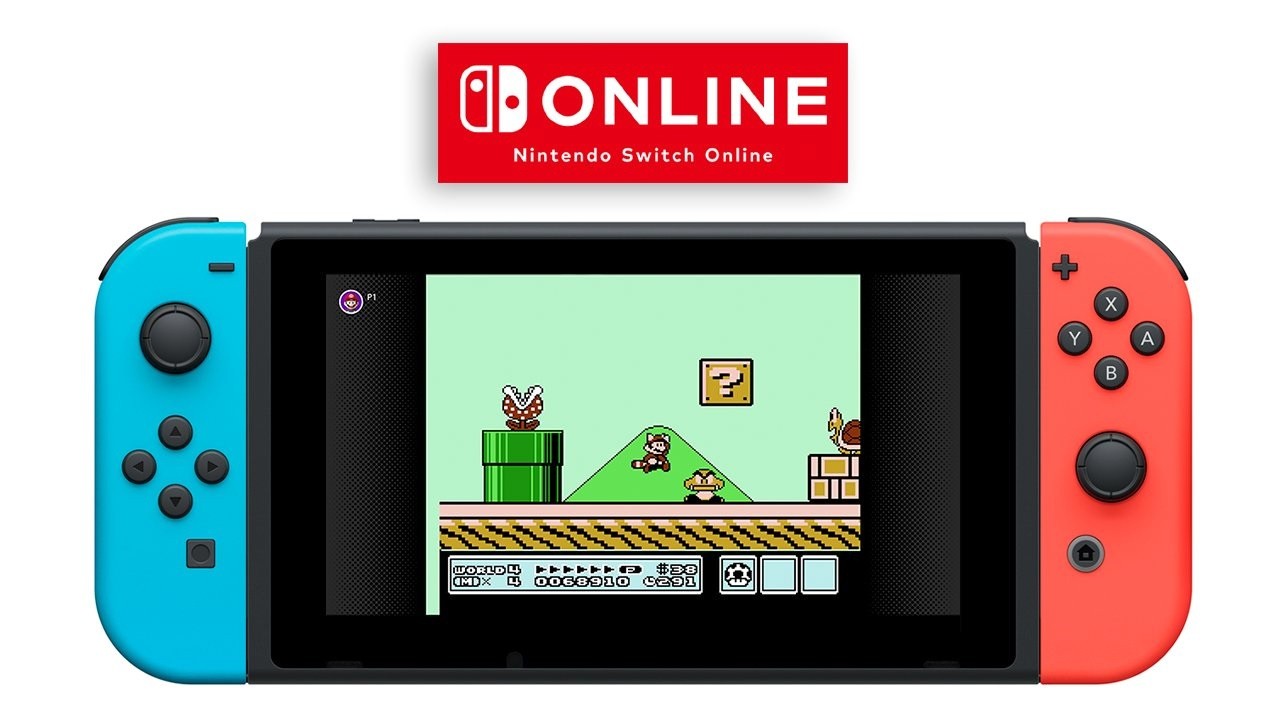
It looks like we’ll have to keep playing the waiting game, as Nintendo doesn’t appear to be very eager to share much at all about the subscription-based service right now. The latest morsel of information comes in the form of another tweet saying you’ll be able to play Super Mario Bros. 3 online and displaying a single screenshot of the classic NES game seemingly running on the Nintendo Switch. Here’s the exact tweet below:
How do you feel about paying to play Super Mario Bros. 3 online? What information would you like to see Nintendo reveal about its new online service before its big release in September? Tell us in the comments below.
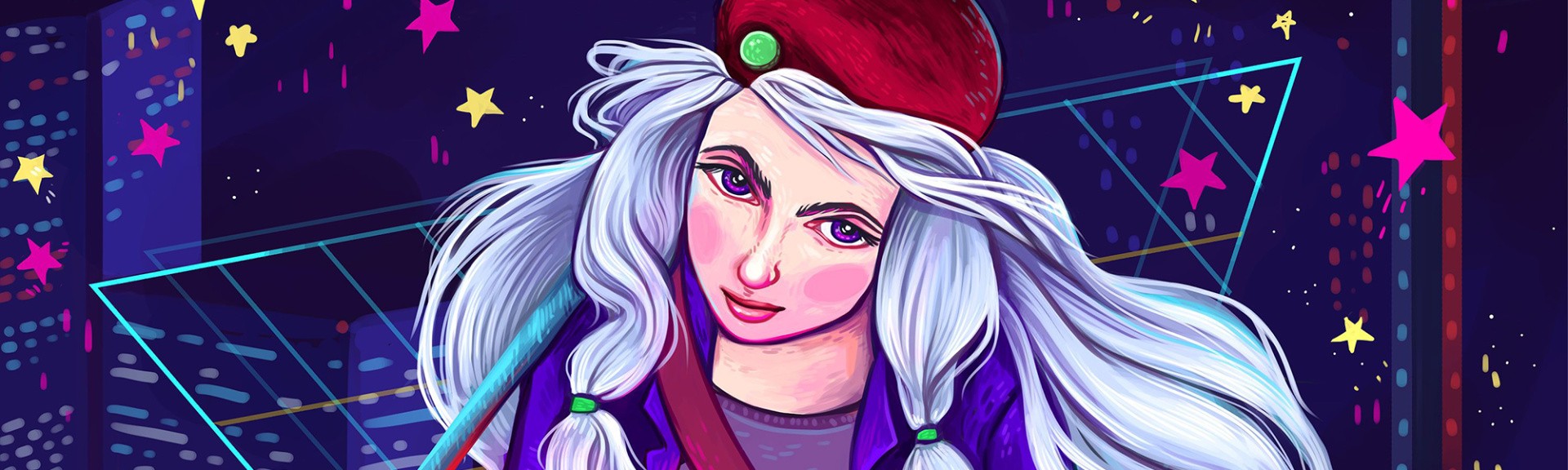
Agent Alyssa L’Salle is the kind of peppy, grown up, consummately capable protagonist we so rarely seem to get in JRPGs these days. She’s not the type to wallow in melancholy or self-doubt, or even to stick around in one place for too long. In fact, she’s the perfect front for Cosmic Star Heroine – a game that pays a sizeable tribute to JRPGs of the past without getting bogged down in the grind and repetition.
At its best, Cosmic Star Heroine plays like how you remember your favourite 16-bit JRPG to be, rather than how it actually plays. All of that boring drudgery and dull scene-setting has been excised to produce a pacy highlights package of a role-playing game. This brisk hyperactivity is also where the game may ultimately come unstuck for fans of the source material, however, as it can feel a little lightweight and shallow.
Aiding Cosmic Star Heroine’s sense of freshness no end is its futuristic setting. Developer Zeboyd Games has bypassed the usual fantasy trappings in favour of a bright sci-fi universe filled with stomping mechs, alien cats and laser blasters. There are shades of Phantasy Star and Chrono Trigger in here, which is a very good thing indeed.
L’Salle leads a crack team of special agents working for the Agency for Peace and Intelligence – an elite police force bound to secure the galaxy against a pervasive rebel threat. It’s not long until you start to question whether the API is truly the force for good that it purports to be. Fortunately, this is all just an excuse to send you on a streamlined interplanetary romp. The writing here is suitably bright and breezy given the classic period it’s trying to evoke. It’s one long breathless rush towards the next encounter, with an emphasis on grand gestures and general bonhomie over emotional nuance.
This briskness pervades the game, resulting in an experience that we suspect will hold a lot of appeal to the lapsed JRPG fans among you. It’s full of design decisions that serve to lessen the perceived annoyances of the genre. Nowhere is that more apparent than in the game’s battle system. There are no random encounters here, with the enemies you face presented clearly within the world. When you do engage by stepping into their territory, there’s no lengthy cut away to a distinct battle screen – all of the combatants simply shuffle into formation and the fight starts. And once you finish that fight, your team will be fully healed up for the next encounter.
The fights themselves, whilst fairly traditional in their turn-based nature, are relatively brief affairs. They can generally be polished off in a minute or two – at least on the low-to-medium difficulty settings (which can be adjusted at any time). It also helps that each character in your four-person party has a wide range of completely unique moves to choose from, covering elemental attacks, computer hacks, defensive and healing moves and the like.
Each of these seems to fit in with the character’s unique personality and role within the team, and you’ll soon find yourself experimenting with powerful combination attacks. Having such a plan of attack is especially important as most moves can only be used once in a fight, unless you opt to sacrifice a move to recharge. This forces you to explore each character’s full repertoire rather than spamming the same preferred attacks.
Hardened JRPG fans may find Cosmic Star Heroine’s prescribed character roles a little too restrictive and hand-holdy, but it is at least possible to customise each character’s move-set with fresh equipment. You’ll find new items by exploring the world and though spending credits in shops. The game isn’t scared to chop and change your team line-up on your behalf, which again is something that hardcore RPG fans might take issue with. Indeed, there’s a general sense of linearity to Cosmic Star Heroine. You’re essentially being funnelled from one set piece encounter to the next with little scope to control the pace, which detracts a little from the sense of exploration and of truly inhabiting a role.
The look of the game is spot-on in its evocation of the golden era of JRPGs, mind you, with distinctive sprite work and a deft willingness to play with scale. The view zooms out when you’re exploring a seedy neighbourhood, for example, or to show a titanic face-off between a mech and a monster. Cosmic Star Heroine’s sparing use of animated cutscenes is also well handled, lending flavour to the game without dragging on unnecessarily. Even better is the synth-driven soundtrack, which moves between quirky little ditties to something that approaches the airy wonder of Vangelis’s Blade Runner work.
It’s another in a long list of reference points that Cosmic Star Heroine skims through at a rate of knots. This is a game that doesn’t so much copy the classics as sample the best bits and assemble them into a joyous collage. The result is a colourful, pacy and enjoyable – if slightly abrupt and insubstantial – homage to some of the more out-there ’90s JRPGs.
Conclusion
This is a homage to the classic sci-fi RPGs of the ’90s that successfully takes out many of the annoying bits but boasts a fair amount of the depth and consistency. Cosmic Star Heroine is a JRPG for those who long ago grew bored of JRPGs, but committed fans might find it just a little too slight an offering.
The first Guns, Gore & Cannoli blasted its way onto the Nintendo Switch in December of last year, and although the run ‘n’ gun, zombie apocalyptic title was met with a mostly fair reception by fans and critics alike, there was inarguably room for improvement. Now, Crazy Monkey Studios brings the second iteration to Nintendo’s hybrid console, but has the developer done enough to get fans new and old to dive in once again?
15 years have passed since the foul-mouthed gangsta Vinnie Cannoli survived the Thugtown Massacre. For those who played through the first game, you’ll be happy to know that Guns, Gore & Cannoli 2 sheds light on what really happened during the very end of the first title. New to the ‘Cannoli franchise? Don’t fret, there are some informative splash screens to catch you up. Helped by some beautifully animated cut scenes, you’re quickly thrown into the action and are instantly dismembering the first couple of foes with a rusty chainsaw, which not only sets the gruesome scene for what’s to come in the next four-or-so hours, but also swiftly highlights that the vast improvements have indeed been implemented and every single one of them works a treat.
Not too dissimilar to the likes of 2D run ‘n’ gun platformers such as Metal Slug and Robocop – those fond memories of being at the arcade really do die hard – it’s a case of moving Vinnie with the left stick, aiming with the right, while the right trigger is mapped for firing your weapon of choice. While on the topic of firearms, there’s a beefy number of guns to choose from. Blast the enemy into smithereens and the bad guys drop their weapon for you to swipe, and with each having noticeable characteristics that can change the course of play, we found ourselves quickly becoming accustomed to switching from dual pistols to rocket launchers.
You see, on the surface, this video game can easily be passed off as a mindless, violent, blood-drenched 2D platformer. Dig a little deeper, however, and you’re greeted with a game that constantly requires a surprising amount of strategy and platforming finesse. One section has us sprinting through a D-Day-esque beach while homing missiles are honing in towards little Vinnie, coupled with a horde of Nazis that cleverly duck, jump and navigate atop and below cover to send to us to an early grave.
Carefully utilising our full inventory of weapons – that can now be selected via a nifty pop-up wheel – and quickly taking advantage of the many obstacles in our path (while admittedly exercising an element of luck) we soon turned the bad guys to dust. It’s a satisfying affair and something that rarely grows tiresome. Unlike the first game, you finally now have the ability to aim in a full 360 radius; a feature undoubtedly greeted with open arms by fans.
Navigating Vinnie around the intricately detailed, comic/cartoon style stages is now made easier all thanks to double jumps, mid-air somersaults and dodge rolls being included. Having these new moves doesn’t necessarily make the game easier, but it does help to make things feel more fluid and it’s immediately noticeable from the start; it’s a good idea to use them effectively in order to survive.
Stopping things from getting over-familiar too quickly is the combat and level design. Don’t expect complex puzzles that require ample amounts of brainpower, but do expect a well-balanced and tasteful amount of straightforward platforming – albeit not much of it. We would like to see more of the end-game platforming sections as these impressed us far more than any of the previous three hours did. This isn’t to say that we don’t appreciate the rest of the content on offer – there are some fantastic set pieces to traverse – but more of the really good stuff next time, please.
The artistic team have done a stellar job of creating a deeper, richer and more vibrant world that’s bursting with charm and noir pizzazz that becomes undeniably memorable. From the crisp forefront greenery to the dingy (and creepy) underground network of tunnels that are filled with the groaning undead, giant acid-spitting rats and all other manner of zany characters makes for some truly impressive visuals. Having the ability to blow up huge walls, theatre screens and other large scaling buildings is a real pleasure and, if triggered at the right time, gives you the upper hand when facing large groups of the opposition.
Guns, Gore & Cannoli 2 succeeds at creating an unanticipated atmospheric experience that, strangely, becomes more believable as you progress. Although dialogue between characters is short-lived, the small but witty cast leaves us wanting more screen time for each and every one of them. The mixed bag of bad guys you encounter throughout changes up at just the right times – the different factions battling it out is brilliantly executed – and with the A.I. choosing to try and end Vinnie in multiple ways, things are kept fresh and engaging until the very end.
If you’re like us and are a fan of having a trusty friend to join in on the fun, there’s a local hop-in, hop-out feature allowing for up to four players to battle through the campaign. What sounds workable in theory, doesn’t translate too well in practice, unfortunately. Sure, it’s entertaining enough to fill the screen to the brim with body parts, bullets and tasty Cannoli, but the action gets dazzlingly hectic. We find having two gangster’s trawling through the stages to be more than enough (and it works great in tabletop mode, too) with one player effectively holding back and firing at the enemies from afar – or grabbing shared health – and the other going in all guns blazing resulting in play-throughs becoming far more tactical.
A pleasant and equally surprising addition is the online co-op play; it works a treat with very little in the way of performance dips. The main, crucial point that sets it aside from the couch co-op feature, however, is that players don’t share the same screen; you’re free to wander off and gather more bullets, guns, and headshots as you see fit without getting automatically yanked back to your gangsta allies. With up to four players running and gunning through the same campaign, grabbing your mates (or random players in the same continent) and facing hordes of bloodthirsty walkers as a unit is a genuine riot and thoroughly enjoyable. Having a voice chat room running at the same time helps too – Discord came to the rescue here – and with the enemy count seeing a hike with every additional player, the level of difficulty is comfortable to get to grips with.
Conclusion
What fans of the first game ultimately hankered for has made its way into this sequel, and quite rightly so, with this new title overcoming some of those baffling design decisions. Make no mistake, though, newcomers to the franchise will find it easy to get sucked into the small but impressionable world of Guns, Gore & Cannoli 2. The option to draft in extra players online and offline adds longevity to the relatively short lifespan of the campaign mode and, for the most part, performs without a hitch. From its violent yet contrasting and beautiful appearance to the fine-tuned and comical combat – thanks to the well-balanced selection of weaponry – this title is well worth a space in your Switch’s indie game library.
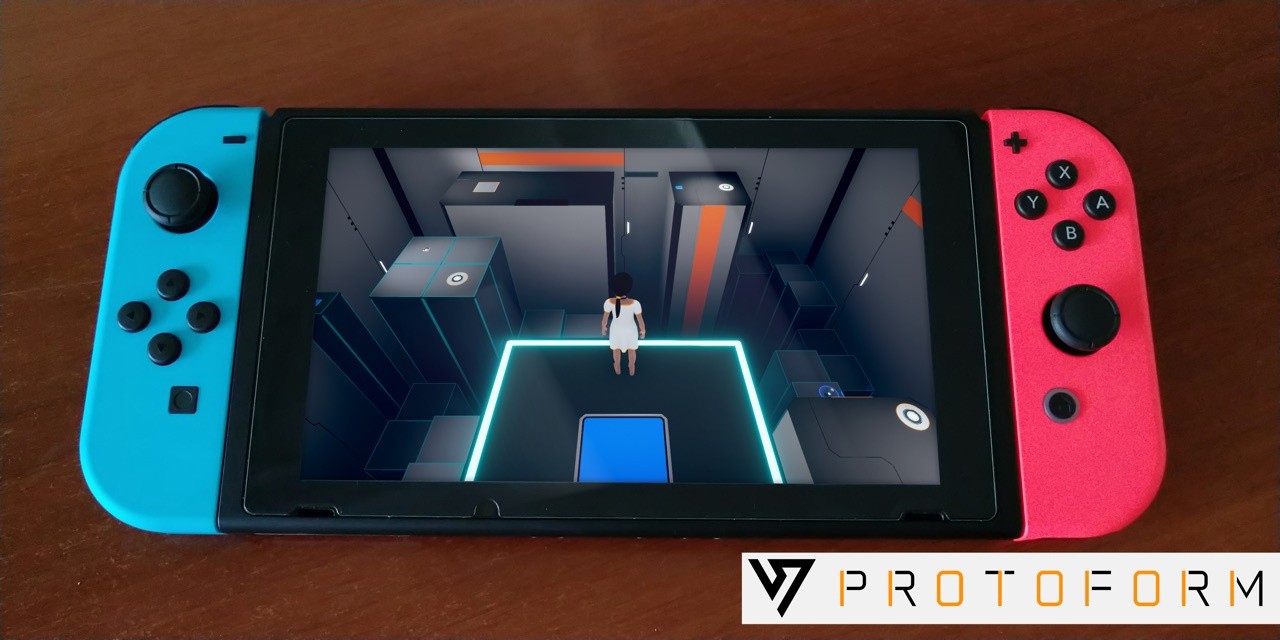
CIRCLE Entertainment has announced a partnership with developer Pathea Games to release the studio’s next game on Nintendo Switch: Protoform.
Details surrounding the title are still rather slim at the moment, with the game set to arrive at some point in 2019, but it is said to feature a sizeable world to explore with an emphasis on puzzle solving and story-telling. The game’s first press release provides a little more detail:
“Protoform is a game that’ll deliver a clean aesthetic, with gameplay that’ll focus upon exploration and puzzle-solving within a large world. In addition it will have an intriguing story to tell, with the goal of drawing the player into the world.”
Pathea Games’ previous titles include open-world sandbox adventure Planet Explorers, and – more recently – My Time at Portia, a game that was revealed to be on the way to Switch later this year. More information on Protoform is expected to follow over the coming weeks and months, so we’ll make sure to keep an eye out for any further announcements.
Are you intrigued by the idea of this one? Will you be checking back for more news in the future? Let us know below.
Route 59 Games has revealed a brand new trailer for its upcoming visual novel Necrobarista, a game headed to switch in “early 2019”.
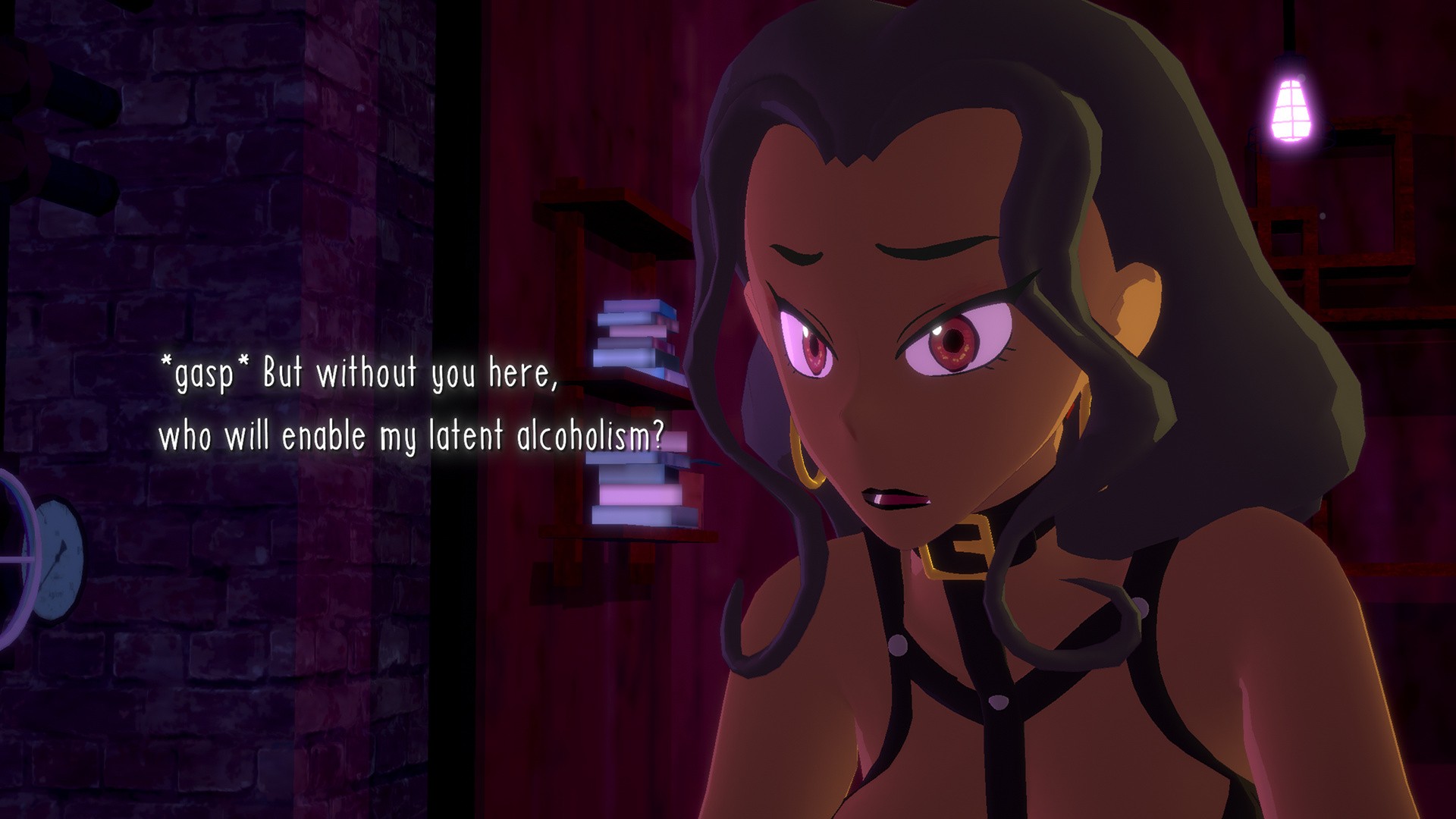
In a magical Melbourne cafe, the dead have returned for one last night and one last cup of coffee. In this cel-shaded visual novel and adventure game hybrid, players are asked to take a break and enjoy a hot drink with a host of colourful characters – both living and dead. Dynamically-shot story vignettes set the scene, before allowing you to explore a supernatural setting in greater detail with 3D point-and-click adventure sessions.
The trailer certainly sets up what could be an interesting adventure to explore, but gameplay details are still rather few and far between this far away from the game’s launch. If the anime-inspired visuals have you intrigued, however, you might want to check out this feature list below.
Features: – Stylised cinematic presentation inspired by anime aesthetics. – Discover the world of fantasy Melbourne through dozens of intersecting stories. – Explore the Terminal through free-roaming first-person scenes. – Featuring Goon-sack robots, Alchemical coffee, and Ned Kelly. – Soundtrack by Kevin Penkin, composer for Under the Dog, Norn9, and Made in Abyss. – Multi-lingual support: English, Chinese, and Japanese.
Do you have any early impressions on this one that you’d like to share? Let us know your thoughts below.
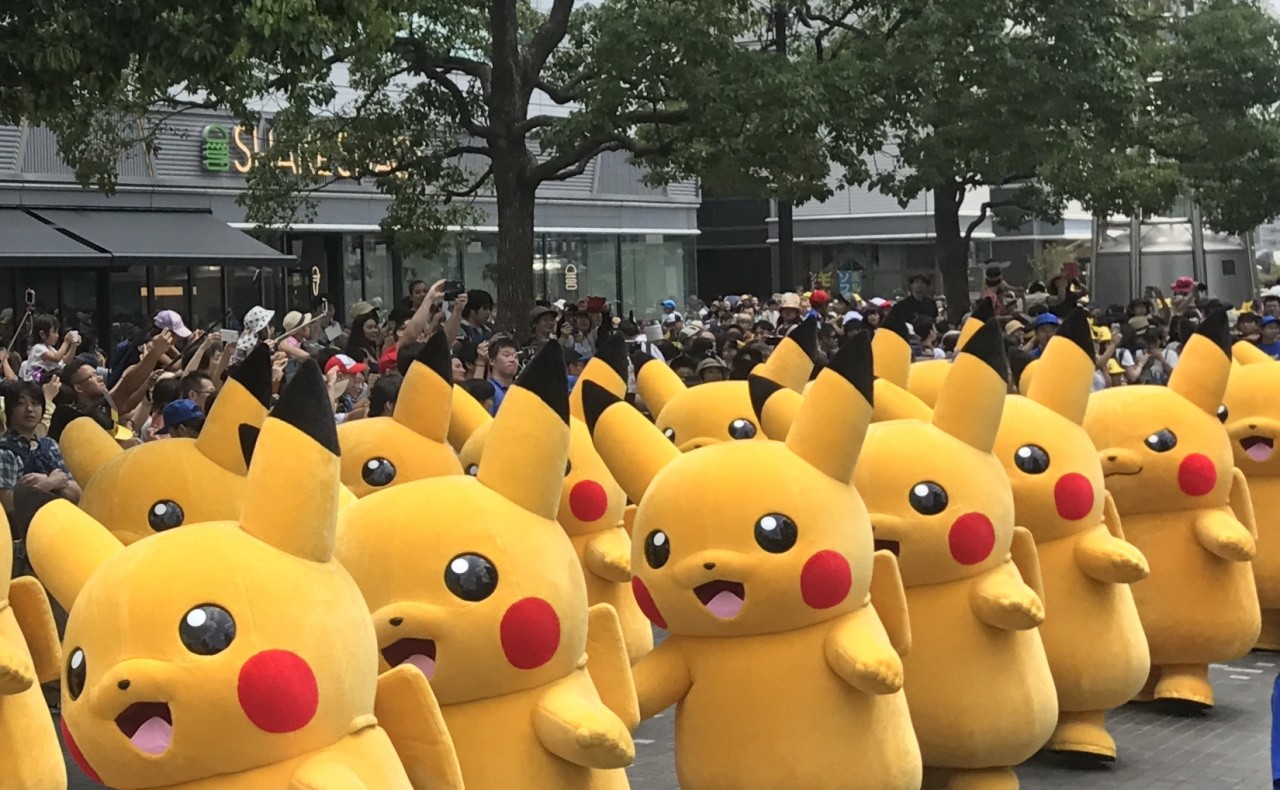
The annual Pikachu Outbreak event held in Yokohama, a Japanese city south of Tokyo, had extra significance this year with the release of Pokémon: Let’s Go, Pikachu! and Let’s Go, Eevee! coming up on Nintendo Switch in November. It should come as no surprise then, that the games’ mascots Pikachu and Eevee were front and centre, involved in a number of themed public parades, musical skits and plastered onto event-exclusive merchandise.
This year’s centrepiece of the week-long festival was ‘Synchronicity’ – a multimedia presentation utilising the city’s harbour and displaying cutting-edge digital technology. Things kicked off on Friday (10th August), and we were there to document festivities for your viewing pleasure.
First port of call was the Pikachu parade, as they marched in line going in and around one of the city’s main shopping malls.
Next, it was a water and electronic music-themed ‘Super Soaking Splash Show’, featuring an augmented reality video wall, energetic dance routines and a few light showers to cool off.
It was then the turn of the Pikachu bus boats to do their rounds and greet the thousands of visitors around the harbour.
The Eevee parade came in the afternoon, and there was a wide open space for them to strut their stuff.
As dusk fell, a new gang of Pikachu donned their funky shades and neon-lit outfits for a dance show to old school electronica.
Finally, it was time for the night time show, featuring digital displays (including Yokohama’s iconic carousel showing various Pokémon themed designs), fireworks, some impressive water jet based acrobatics and cool futuristic light effects.
Despite the heat and the crowds, it’s difficult to not get taken in by the cuteness and grand spectacle of all things Pokémon, especially with the amazing atmosphere at an event like this.
How much Pikachu is too much?! Would you go to an event like this? Which other Pokémon deserve their chance in the spotlight? Let us know below!
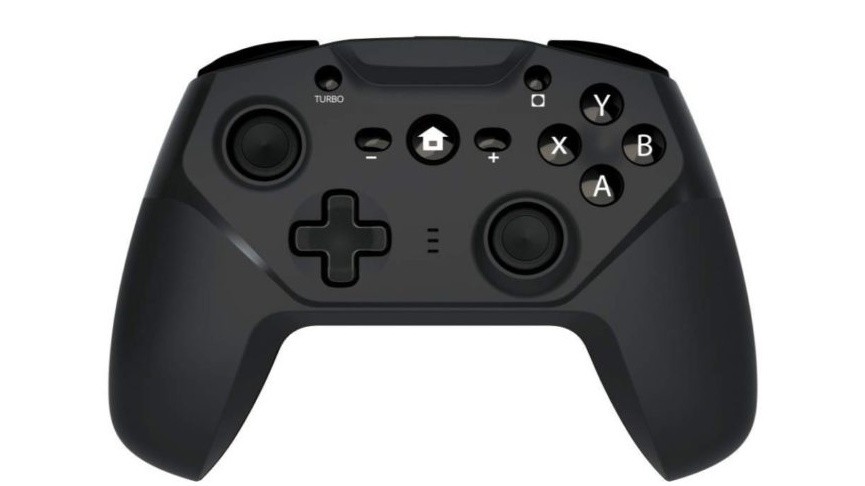
Japanese accessory maker Cyber Gadget has revealed a new wave of controllers for the Nintendo Switch. Launching in Japan later this year, these controllers will support gyro controls and some very tasty customisation options.
Available in both wired and wireless variants, these controllers can be purchased in either black, blue, green, pink, or red. The wireless versions come with an optional cable included – which is a standard USB cable used to charge the controller, and there are several customisation and mapping options available to the player, too.
The back of the controller features four ‘macro’ buttons which can be used to reassign various face buttons. Working in a similar way to the Xbox One Elite controller’s paddles, this means that you can use these miniature trigger-like buttons as a replacement for your A B X or Y controls, or even as your L3 option, to create your optimum setup in either casual or competitive gaming.
The products have just started to appear on Amazon Japan, where they will be available to purchase with international shipping. The wired controllers have been priced at ¥4,298 before shipping (approx. $38 / £30) and will be released on 31st October, while the wireless counterparts are yet to receive further information. We’d expect them to be slightly more expensive, but it might be worth keeping an eye out if you’re interested.
A solid alternative to the Pro Controller? Or not worth the bother of importing? Let us know your thoughts on these new controllers in the comments down below.
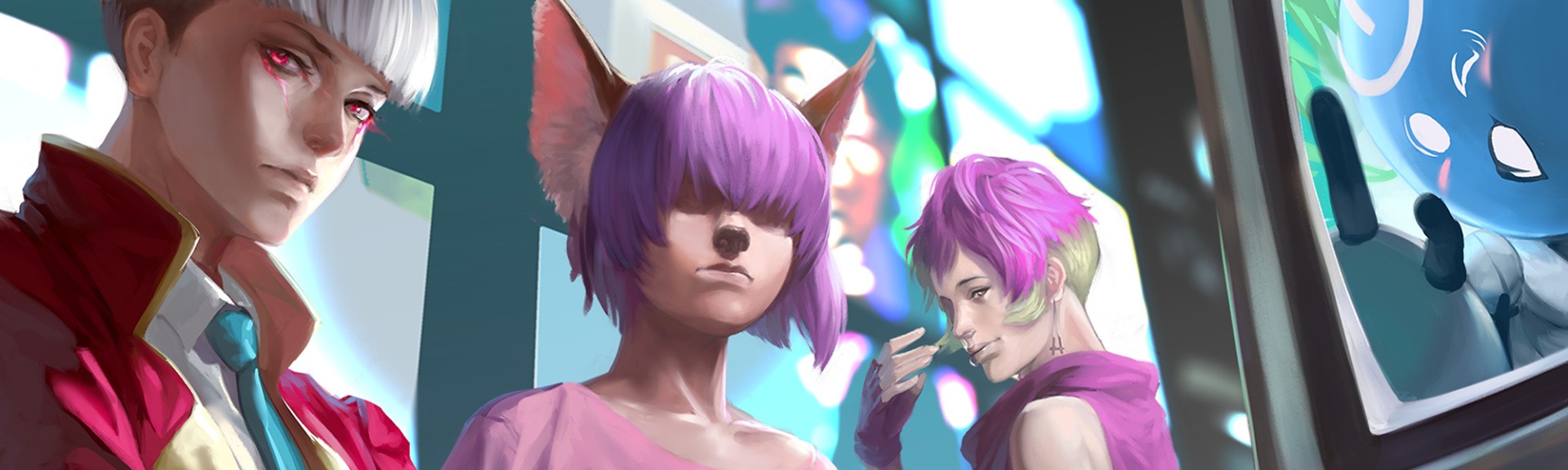
Author Bruce Stirling one defined cyberpunk as being a combination of “low-life and high-tech”. 2064: Read Only Memories INTEGRAL certainly earns that description, but it also shoots for something a little loftier and more idealistic. This retrofuturistic point-and-click adventure game tackles weighty (and familiar) themes like what it means to be human and social inequality, but it does so with a great deal of warmth, humour, and positive progressive energy.
The Neo-San Francisco of MidBoss’s cyberpunk adventure is one marked by the usual disparity between rich and poor, with mega-corporations commandeering law enforcement and health care. This is a future where humans have begun to augment themselves, leading to emerging social rifts between those who choose to modify their appearance, those who don’t, and those who actively oppose the practice as being impure.
Alongside all of this civil upheaval, technology has reached a point where advanced robot assistants – or ROMs – are filling the role of low wage labourers. Humanity justifies this exploitation due to the fact that these robots aren’t truly sentient – yet.
Into this powder keg situation, and into your freelance hack’s care, drops Turing, a cute prototype ROM that claims to be the world’s first sapient machine. Turing’s genius creator has been kidnapped, and it falls to you and your digital sidekick to ascertain why. This is the cue for a classic adventure experience that draws from the point-and-click games of old. The developers openly reference the likes of Gabriel Knight: Sins of the Fathers and Snatcher, but it will be familiar to any digital adventurers old enough to remember the late ’80s and early ’90s.
It’s essentially a series of static scenes (viewed through a retro-tastic letterbox), many of which you’ll revisit several times over, sifting for clues and engaging in branching conversations. Indeed, we should get the warning out right now that there’s an awful lot of dialogue in 2064: Read Only Memories INTEGRAL. For the most part, it streamlines and minimises the famously arcane point-and-click puzzles associated with the genre in favour of a focus on narrative.
You won’t find yourself stumped on elaborate fetch quests or tortuous item combination sequences here, nor will you be required to click on everything in a bid to progress the plot. Generally speaking, your progress through the game is logical and fairly seamless. This might be seen as a weakness by grizzled adventure fans, but is perfectly in keeping with the game’s inclusive tone.
There are various mini-game sections throughout the adventure, but these are highly simplistic and relatively brief. They certainly wouldn’t stand up to playing an extended part of proceedings, but in this form, they act as effective palate cleansers.
The meat of the experience here is undoubtedly the story, though. Fortunately, the writing and characterisations in 2064: Read Only Memories INTEGRAL are more than up to the task. Your companion, Turing, is a constant delight to spend time with – at once perilously vulnerable and plausibly capable. Their naivety and little idiosyncrasies (such as a fondness for botany) make them believably human – something that’s emphasised by an expressive emoji of a face.
The rest of the cast understandably gets less attention, but is still admirably fleshed out and atypically diverse in terms of race, gender identity and sexual orientation. The game’s world is rife with tension and discrimination, but the fact that the sources of this friction appear to have moved on from these basic areas feels oddly uplifting.
The entire cast is completely voice acted, and the performances are generally of a pretty high standard. This is accompanied by an evocative synth soundtrack, which nails that ‘retrofuturistic’ vibe nicely. Your interaction with the world arguably takes this approach a little too literally, though. Having to use the left Joy-Con stick to physically flick across all of the onscreen elements seems a little clunky, and it’s a shame there’s no direct touchscreen option available for handheld mode. In similar fashion, the four-strong interaction system of ‘Look’, ‘Touch’, ‘Speak’ and ‘Use item with’ seems a little crude and clunkily implemented; some kind of hold-and-release selection wheel, or maybe a direct mapping to the fascia buttons, would have been preferable.
Aside from these interaction issues, though, and a necessary warning over the game’s heavy focus on story over gameplay, 2064: Read Only Memories INTEGRAL is an easy recommendation to make for anyone after a new cyberpunk adventure. Or even a fairly old one.
Conclusion
2064: Read Only Memories INTEGRAL takes the classic point-and-click genre of old, strips out many of the annoyingly exacting puzzle systems, and injects a refreshingly positive and progressive outlook. A cast of memorable characters and some spot-on retro presentation should seal the deal for fans of a good story and snappy dialogue.
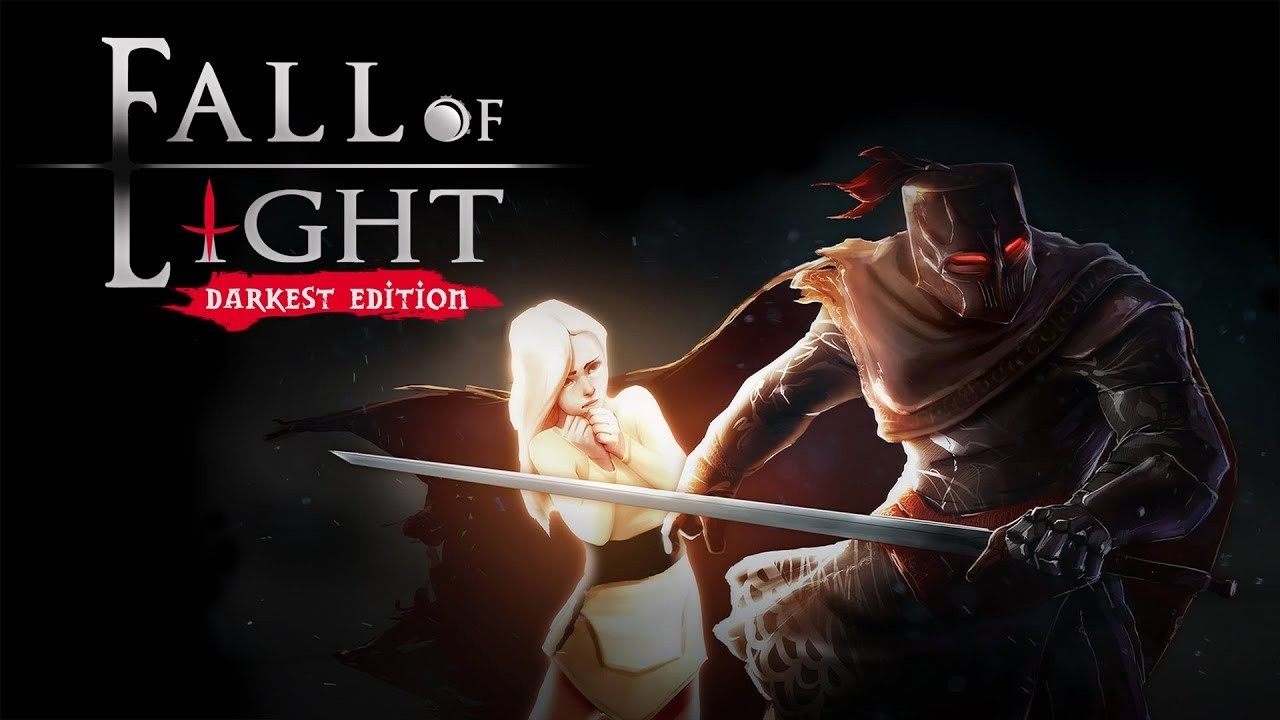
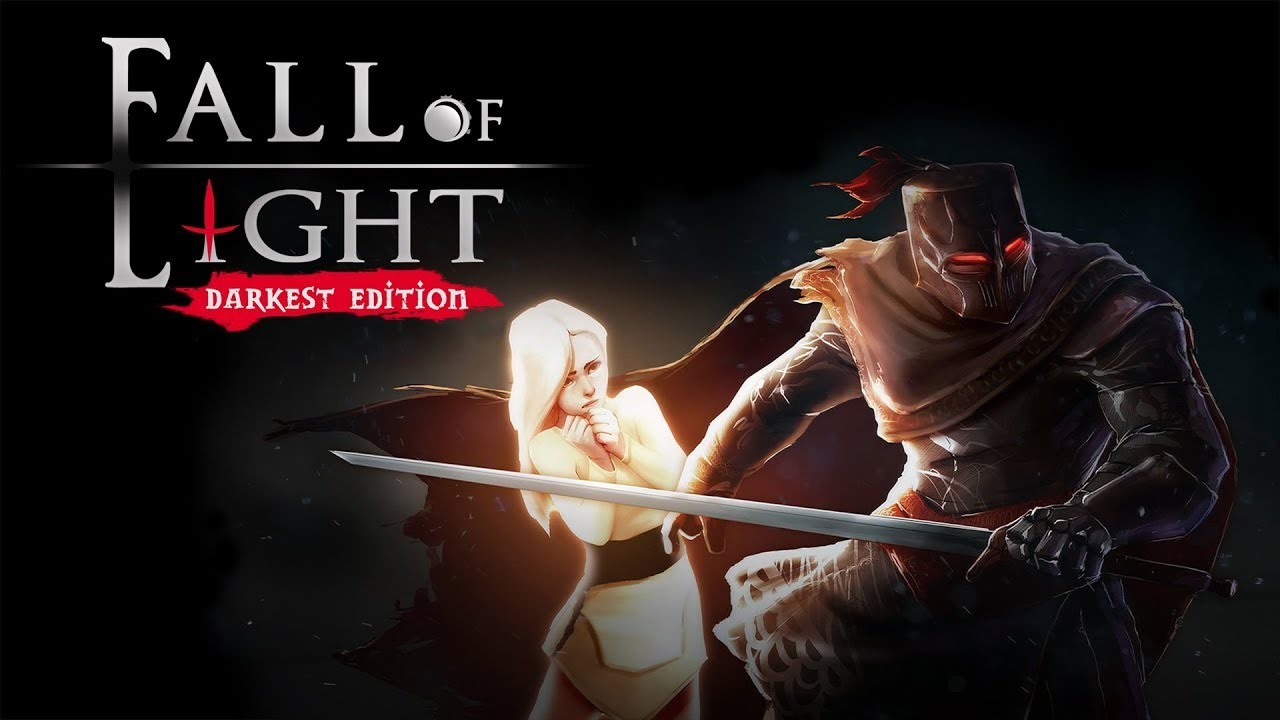
Indie publisher Digerati has confirmed Fall of Light: Darkest Edition‘s release date on Switch – and we don’t have very long to wait. The game will be available directly from the Nintendo eShop on 23rd August.
The game is a story-driven action RPG set within a world consumed by darkness. You play as Nyx, an old warrior who has embarked on a dangerous journey with his daughter, Aether, an ‘indigo child’ who radiates luminescence. Your quest is to reach the last place on Earth still touched by sunlight, but you’ll need each other’s help; both characters are stronger together, so you’ll want to protect Aether along the way.
The original release launched on Steam back in 2017, but this console exclusive Darkest Edition features all of the original content as well as an all-new dungeon to explore, complete with new enemies, traps, and weapons. Here’s a feature list of things you can expect to find:
Features: – 20 different battle stances: get ready to face hordes of shadowy enemies! – 10 weapon classes: pick your favorite combo of close-range weapons, crossbows, and shields – All-new dungeon: complete with new enemies and dangers, exclusive to the Darkest Edition – Protect Aether: her light pierces the darkness and you are stronger together, so keep her safe! – Unlock hidden secrets: learn more about the history and lore of Nyx’s world – Supports the following languages: French, Italian, German, Spanish, Russian, Portuguese-Brazil, Simplified Chinese, Hungarian
What do you think? Will you be picking this one up when it lands on Switch next week? Let us know with a comment.
Nomada Studio and Devolver Digital have announced Gris, a gorgeous looking puzzle-platformer that is headed to Switch and PC later this year.
The game is described as a “serene and evocative narrative experience”, with puzzles, platforming sequences, and optional skill-based challenges revealing themselves to the player as more and more of Gris’s world becomes accessible. The world is brought to life with delicate art, detailed animation (the bird in the trailer was a particular highlight), and an elegant original score.
Check out the game’s official synopsis:
Gris is a hopeful young girl lost in her own world, dealing with a painful experience in her life. Her journey through sorrow is manifested in her dress, which grants new abilities to better navigate her faded reality. As the story unfolds, Gris will grow emotionally and see her world in a different way, revealing new paths to explore using her new abilities.
Currently, Gris is scheduled to launch on Switch in December, although no further information has been provided just yet. We’ll watch out for any more specific release date information and pricing as the wintery months draw ever nearer.
Until then, though, why not share your thoughts with us in the comments below. Do you like what you’ve seen from the trailer?