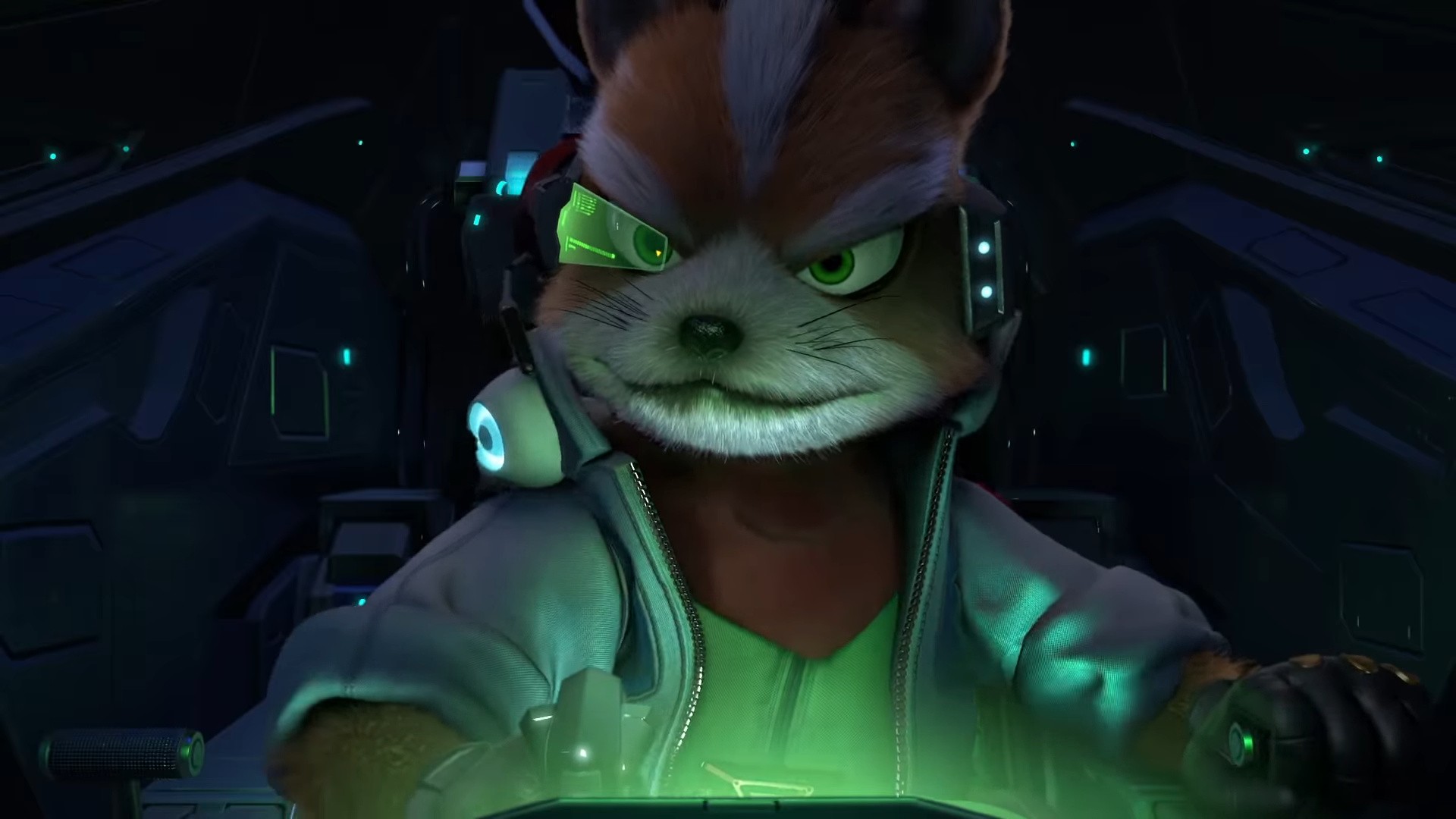
One of the main reasons to buy a physical game on the Nintendo Switch is to avoid using up extra space on the system and microSD card. In the case of Ubisoft’s upcoming release Starlink: Battle for Atlas – out next Tuesday – it appears you’re just going to have to accept defeat.
In case you missed the game’s updated box art, a post on ResetEra has reaffirmed that owners of the physical copy of the game will be required to perform a 6GB update on release. To put this in perspective, that’s roughly half the size of the digital version, which as we found out yesterday, comes in at 12.7GB. Either way, if you’re planning to play this game featuring the Star Fox crew, you might want to start considering a bigger microSD card if you haven’t already futureproofed your system’s internal storage.
A 6GB download in 2018 might not seem like a big deal, but the size is magnified on the Switch due to the limited internal storage included with the system. The new memory requirements for Starlink are at least better than initial reports of a 15GB day one update.
What do you think about a 6GB day one update? Are you happy to use this amount of storage space? Have you been anticipating this release? Tell us below.
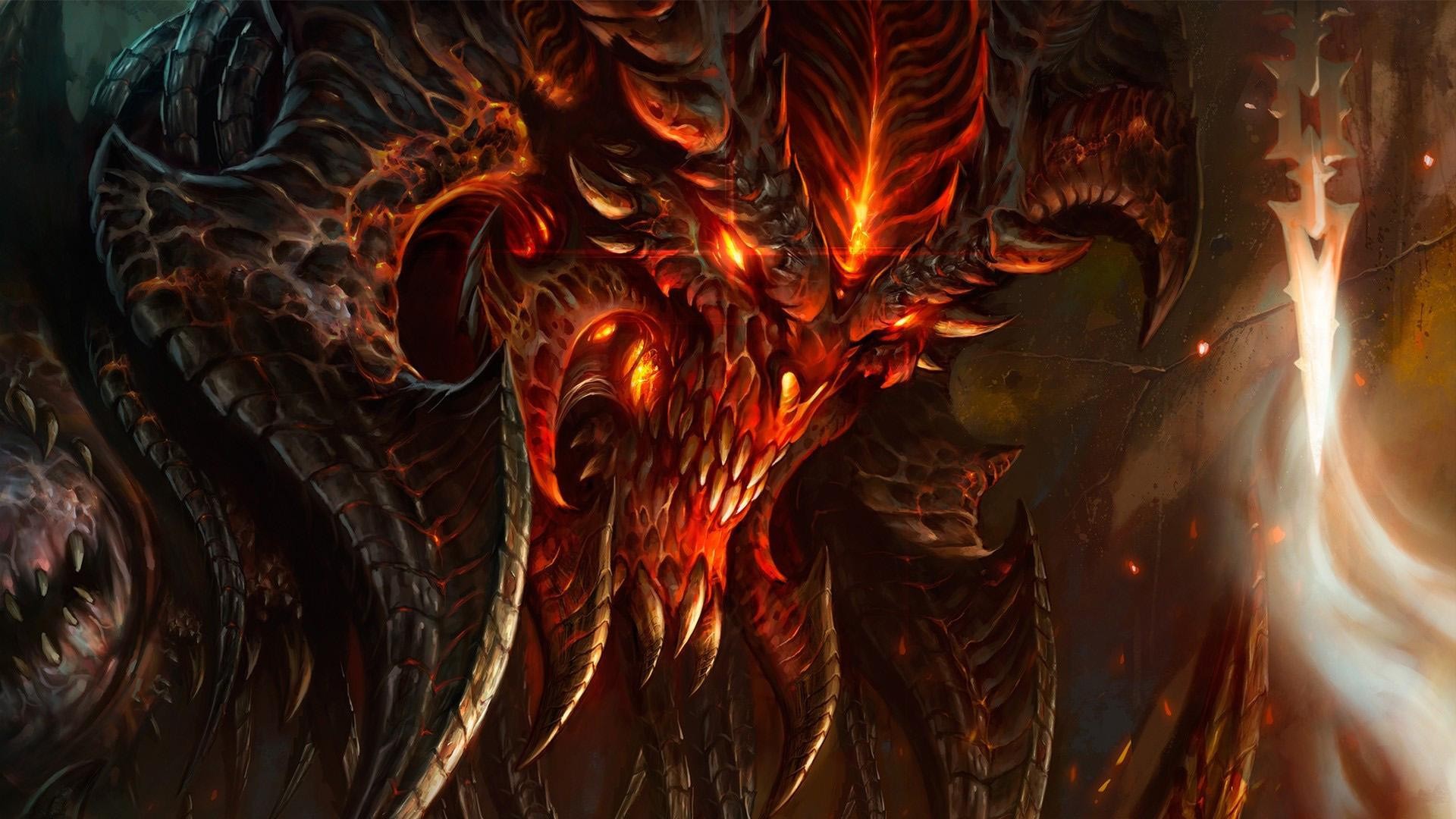
Yesterday, a Blizzard Entertainment representative told Business Insider cross-platform play for the Diablo III Eternal Collection was in the works – and talks were currently underway with both Sony and Microsoft about making their versions of the game compatible with the upcoming Nintendo Switch release.
Now, in the latest developments, Blizzard has reportedly ruled out the idea of cross-platform gameplay coming to the Diablo III Eternal Collection any time soon. In a seperate statement provided to DualShockers, a Blizzard representative on behalf of the company made the following statement:
While we love the idea of bringing our players together across platforms, we do not have any plans to implement cross-platform gameplay for Diablo at this time.
As more versions of Diablo 3 have been released over time, cross-play has become a highly requested feature by the game’s community. Blizzard previously said cross-play wouldn’t be coming to the game and it seemingly hasn’t looked into this any further, despite the recent claims.
Cross-play is becoming an increasingly popular feature for multi-platform releases. Other games on the Switch to include this feature include Rocket League, Fortnite and Minecraft.
Are you disappointed to hear Blizzard isn’t actually planning to implement cross-play in Diablo 3? Are you still excited for the game’s launch on the Nintendo Switch early next month? Tell us below.
Virtual reality is one of those things that seems supremely popular, but technology isn’t always willing to keep up with people’s expectations. PSVR among others are noble efforts for certain, but Nintendo has kept itself firmly within the old-fashioned 2D TV world with the Switch, at least for the time being.
That hasn’t stopped third parties trying to muscle in on the craze though, and exklim is one such company with their NS Glasses. These promise a 3D experience compatible with all existing games using ‘passive 3D’ technology. The truth of the matter is different however.
Traditional VR headsets use two separate lenses, one for each eye, and require a screen or screens to show two separate images, one for each eye. The brain then does what brains do, and makes a 3D image in your noggin with depth and everything. The NS Glasses use two lenticular lenses that stretch the entire width of the device, one in front of the other. In theory this gives the wearer a 3D effect, but in reality it does little more than give you a headache.
The headset holds the Switch in place by using a large, red clip. This has been specifically designed for the console and it certainly shows, holding it firmly but safely in place with ridges and notches that allow it to sit neatly and without wobbling. Sadly once you put it on the weight of the console becomes apparent, and given the almost absurd length of the headset, it’s not a comfortable time.
Given the nature of the device, it’s extremely difficult for us to provide photographs that accurately represent how the image looks to the naked eye, as camera lenses and eyes don’t work in exactly the same manner. As such we’ve provided both an actual photo (left) and a mocked-up recreation (right) to gives as true a representation as possible.
The screen becomes slightly distorted and blurred, hiding jagged edges, and a notable amount of chromatic aberration is present. This is when certain colours of light are offset slightly, giving an unusual colourful ‘glow’ around certain edges. It’s distracting and unpleasant.
The image does not even remotely appear ‘3D’, either. The only explanation we can think of for someone believing it to give such an illusion is the way the lenses cause the edges of the screen to appear blurrier than the centre, giving a similar look to tilt-shift photography. It’s a stretch at best that this effect could be sold as 3D.
The manufacturer were also kind enough to send a second unit intended for developers. This behaves in much the same way, only considerably more intense, and is presumably designed for game-makers to create a version of their game which takes the distortion into account, but the blurring and chromatic aberration is also intensified, so it’s really hard to see how this could work in practice.
The appeal of 3D gaming is still alive and kicking, and the ability to immerse yourself in an entire world without borders is indeed one that many have dreamed of for decades. Unfortunately, the NS Glasses not only fail to deliver such an experiences, but they actually make playing games more uncomfortable and the various distortions it provides are irritating and distracting.
It’s a noble idea to bring the Switch into the VR space in any form whilst Nintendo refuses to do so, but this is a product that disappoints in nearly every facet.
Thanks to exklim for providing the headsets for review. If you want to learn more you can do so by clicking here.
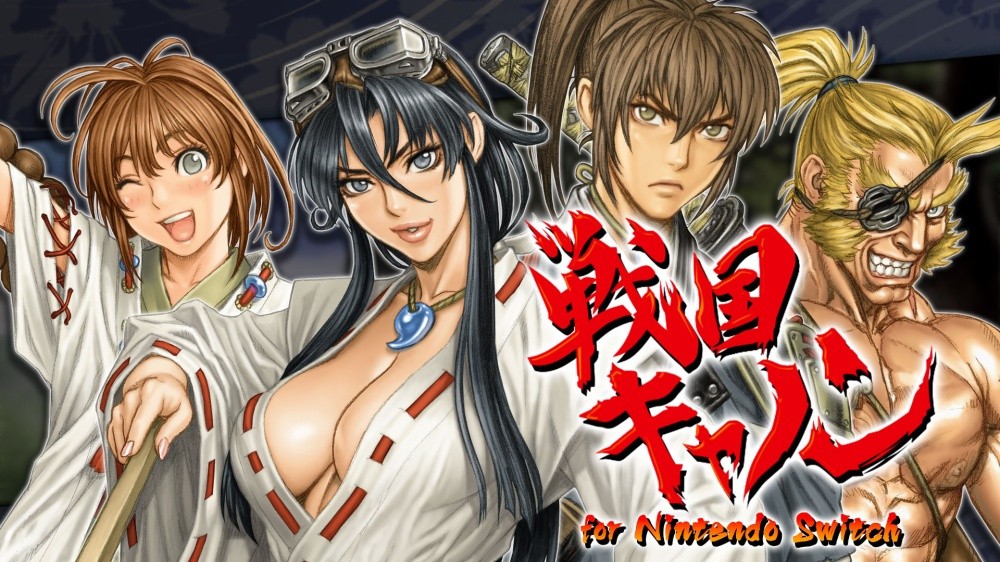
Zerodiv is back at it again, continuing its stellar effort to bring every single Psikyo game ever released onto the Switch. After the complete English localisation of Taisen Hot Gimmick last week, the Japanese publisher is releasing the third and last iteration of the beloved Sengoku Ace trilogy on 18th October.
Released back in 2005 and developed by X-Nauts (a company mostly made up of the old Psikyo staff after the developer closed operations in 2001), Sengoku Cannon: Sengoku Ace Episode III remains the black sheep of the trilogy. This is because it gave up on the trademark 2D sprite and background work of the previous games to make a 2.5D shmup with a polygonal background.
What made us raise an eyebrow or two with this one, was the fact that this game was not developed for arcades like most Zerodiv re-releases, but rather for something far smaller: The Sony Playstation Portable. You can take a look at the game in action on the PSP below.
This has only previously released in Japan and Korea, making it quite an attractive import for long-time Psikyo fans. There are four familiar faces (and a couple of secret ones) from the previous game to choose from and five levels to conquer, all for the reasonable sum of ¥864. Although not yet officially confirmed, we at NL towers are confident that the game will be available worldwide. If it doesn’t make it, you can always create a Japanese eShop account.
Are you a part of the infamous Psikyo-on-Switch zealots? Will you be picking up this latest Zerodiv offer next week? Do, or did, you own this one on PSP back in the day? Tell us all!
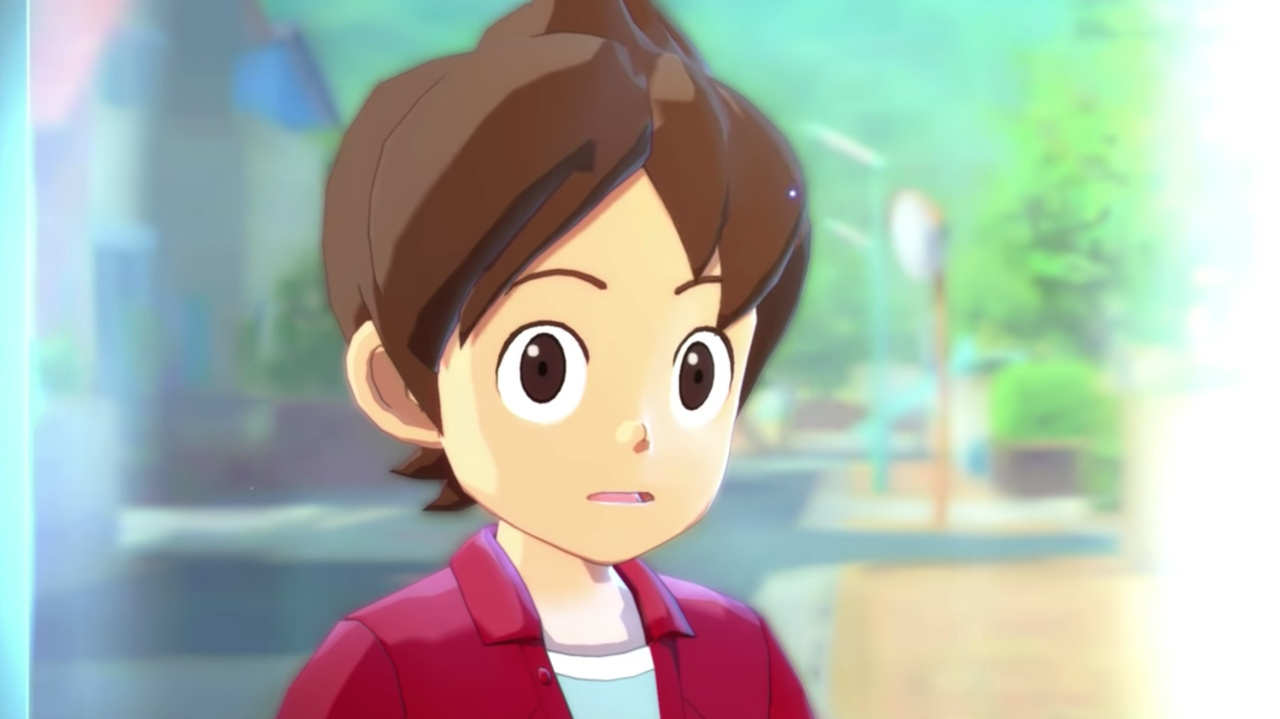
Level 5 has today shared two videos for Yo-Kai Watch 4 on Nintendo Switch, giving us plenty of gameplay footage to sink our teeth into ahead of its upcoming release.
The video above is the Tokyo Game Show 2018 trailer for the game. This gives us a quick look at some of the gameplay elements you can expect to enjoy when the title releases, although much of it is expanded upon in the additional video down below. There, you’ll find an extended look at the game’s combat system and free-roam exploration.
It’s interesting to see the franchise make the leap to the Switch, with the game naturally embracing the graphical upgrades made possible thanks to the more powerful hardware. The video shows off the odd bit of exploring, with the player speaking to characters on the streets and such, a decent chunk of battling gameplay, and even the odd cutscene or two. Check it out here:
The game is set to arrive in Japan next spring – after receiving a delay from its originally scheduled winter release – and we still have no word on any western localisation plans. Of course, we’d still expect the game to make its way over at some point – just as the others have done in the past.
What do you think of the game so far? Are you excited to play Yo-Kai Watch 4 on Switch if it does eventually makes its way over to the west?
Agreed Fortnite doesn’t belong on the list as it’s a free game, even if you could buy in it, it’s totally choice. I wonder what was #31 or really #30 on then that slipped the list.
It is nice to see a FF game doing pretty well up on there on the list. I grabbed it, but I will admit life has been bad the last couple weeks with little time to game so I have not touched it which sucks. I wasn’t sure if I could at the time, but knowing how tight arsed cheap S-E can be with discounts, I took advantage of the big cut.
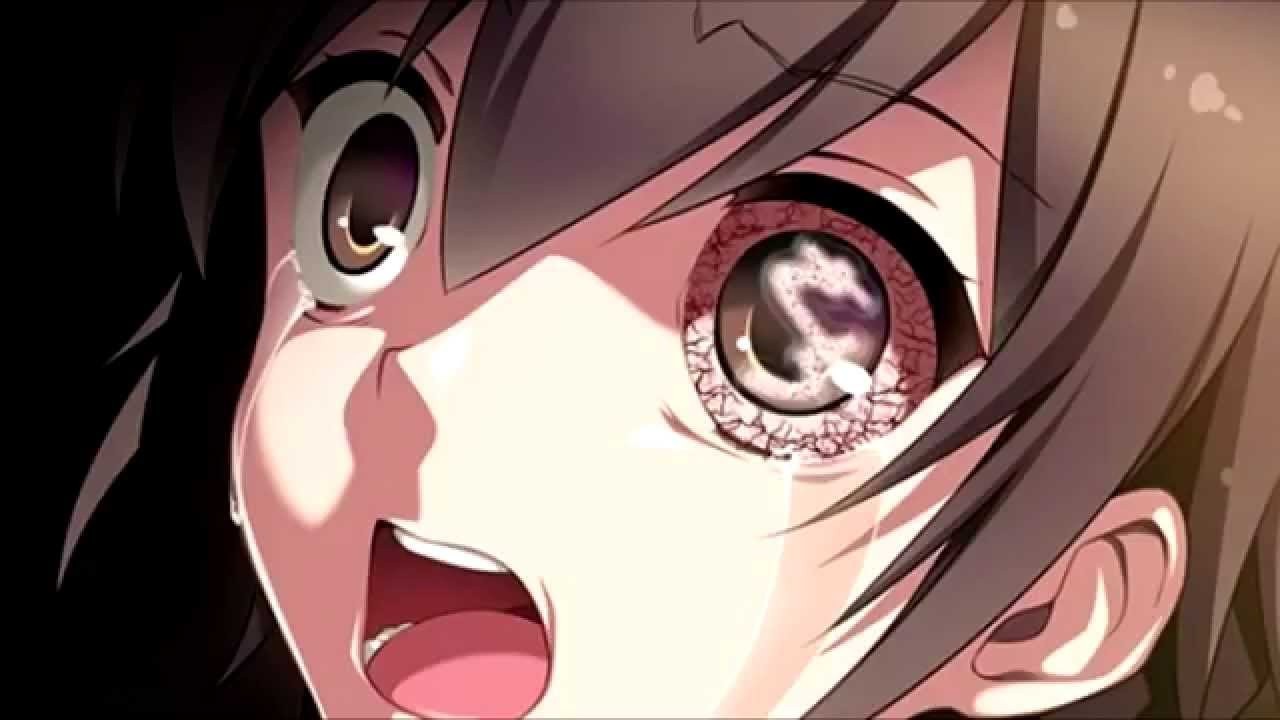
The Entertainment Software Rating Board has given a new classification to Corpse Party: Blood Drive, suggesting that the game will make its way to Switch.
Initially released on PlayStation Vita back in 2014, this game is a survival horror which sees the player help students escape from a haunted school. The game evolved from its visual novel predecessor, Corpse Party: Book of Shadows, adding RPG elements into its gameplay, and also saw releases on iOS and Android in 2017.
The new ESRB rating has classified the game as ‘Mature’, mentioning that “cutscenes sometimes depict various acts of violence” (and that this is also described in text), “blood is frequently depicted near corpses and when characters are injured”, and that “a handful of sequences depict characters whose nude bodies are partially obscured by lights, steam, and/or other body parts”. Usually, when a game receives a classification from a ratings board like the ESRB, an official reveal isn’t too far away.
You can check out the original gory PS Vita launch trailer below (rated ’18’).
Would you like to play this on Switch? Let us know if you’re hoping to see this one on Nintendo’s platform with a comment below.
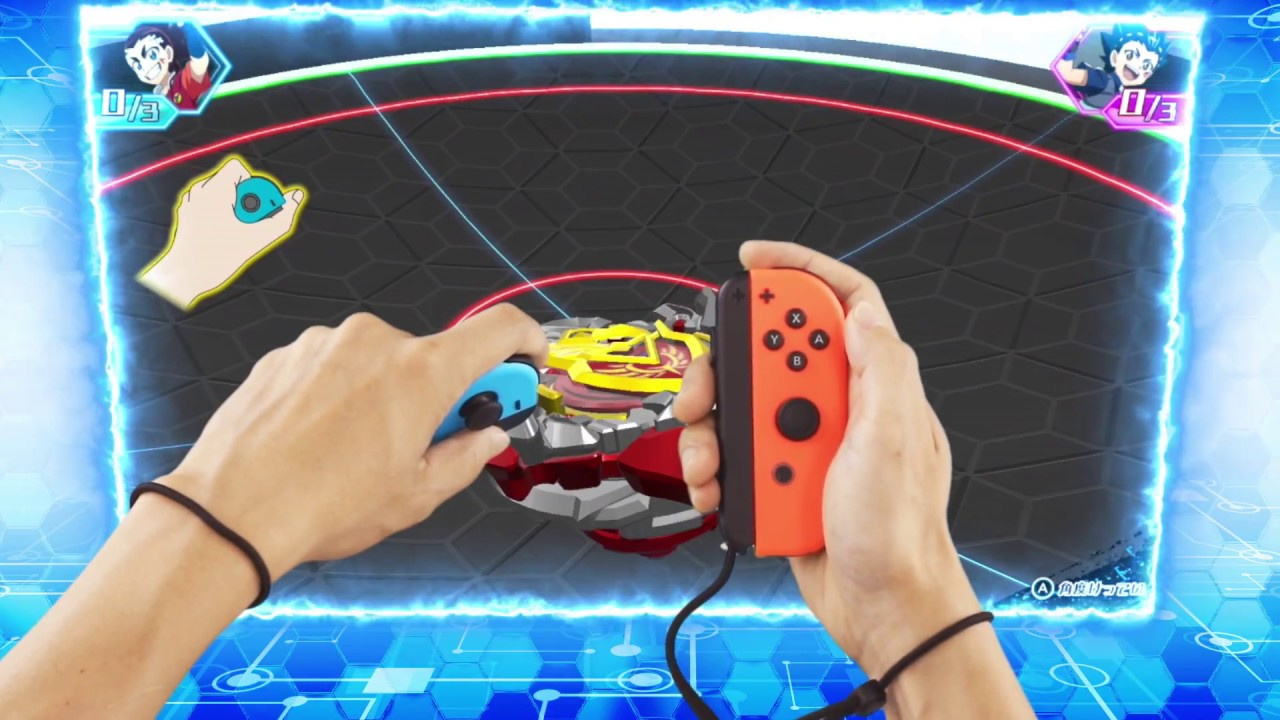
The first official trailer for Beyblade Burst: Battle Zero on Nintendo Switch has just landed, giving us another look at the Joy-Con being used as ripcords in the game.
As you can see above – if you make it through all the hectic excitement – the game has you using your left Joy-Con to set up the Beyblade’s position and angle, before using an imaginary ripcord by holding the Y button on the right Joy-Con and pulling back. Once you and your opponent have flung your Beyblades into the arena, you can move your Joy-Con up and down to increase power during the battle.
With over 40 characters available to choose from, and with more content than any previous Beyblade title, this one looks like it could be a great entry into the Beyblade franchise of games. Unfortunately, there’s still no word on a western release date; the Japanese release of 25th October is coming up fast with no hints at a release elsewhere.
Still, if you’re thinking of downloading this one from the Japanese eShop and playing the game anyway, or if you’d just like to learn a little more about it, make sure to check out these videos showing matches taking place between two players. Again, all speech is in Japanese, but you should hopefully get the general gist of what’s going on.
Would you like to see this one come over to the west? Let us know with a comment.
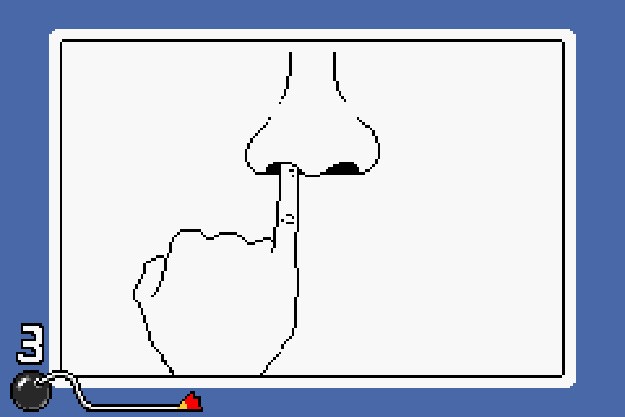
If you’re a fan of the WarioWare series, you’ll no doubt be aware that the games feature a strange and often rather comical collection of minigames that you wouldn’t usually see in a ‘normal’ release. Among the countless oddities that players will have experienced is Gold Digger – a nose-picking minigame that has appeared in several WarioWare games including WarioWare Touched!, WarioWare: D.I.Y. and the latest release on 3DS, WarioWare Gold.
On the surface, a three-second game like this might seem almost pointless, as if hardly any thought process would have gone into its creation, but even the silliest of minigames need careful planning and consideration. Speaking to Kotaku about the game in question, longtime Nintendo developer Goro Abe explained how it came into being during the development of 2003’s WarioWare, Inc.: Mega Microgame$!.
“The basis for Gold Digger was a note that was written by our director at the time. All that was on the note was a picture of a finger and a nose, and the word ‘Pick!’. I was a programmer at the time, and when I saw that note, a design came to mind for a game where you pressed the A Button at the right time to stick a horizontally-moving finger into a nose.”
These notes formed the basis of WarioWare’s entire creation; the development team would come up with hundreds of ideas for tiny games and stick them up on a board to share inspiration. Abe goes on to explain how the concept had to be immediately understood by the player, and the process behind creating different difficulty levels.
“I figured the player’s eyes would focus on the moving finger, and the act of pressing the A Button to make the finger thrust forward would read naturally as syntax for a game. I took the note to my desk and proceeded to draw some 2D sprites. I made the thickness of the finger the same size as the nostril, thinking how satisfying it would be to have the finger go into the nostril when you succeed, and I made the nose deform a little bit when you fail. Using these, I programmed and completed the basic game.”
“I had only created the index finger at that point, but a thinner finger would probably be easier stick into the nose, so I decided to set the index finger to level 2, and added a pinky for level 1.”
With a final addition of a double-pick for even more difficulty, a back and forth of feedback and adjustments, and the creation of some sound effects to go with it, the game was finally complete, ready to join the countless others already created – and those still yet to be thought up.
The WarioWare minigames might only last for a couple of seconds, but they still have a lot of love and care going into their creation. Also, coming up with nose-picking minigames for a job sounds great to us.
Nintendo certainly transformed the gaming landscape when it launched the Nintendo DS line of systems, offering up a distinct two-screen experience that had seldom been attempted before in hardware. Though there were plenty of first-party releases through the years that did a great job of showing off the dual-screen concept, Square Enix arguably produced one of the best examples of the concept done right when it put out The World Ends With You in 2007.
Featuring a chaotic and unique combat system that spanned both screens and employed touch controls, TWEWY quickly became a cult hit among RPG fans, later receiving a single screen re-release on mobile devices. Now, an ultimate version is available on Switch as The World Ends With You: Final Remix, and while this port notably stumbles in how it implements its control scheme, it does a great job of recapturing all the magic and fun of the original release.
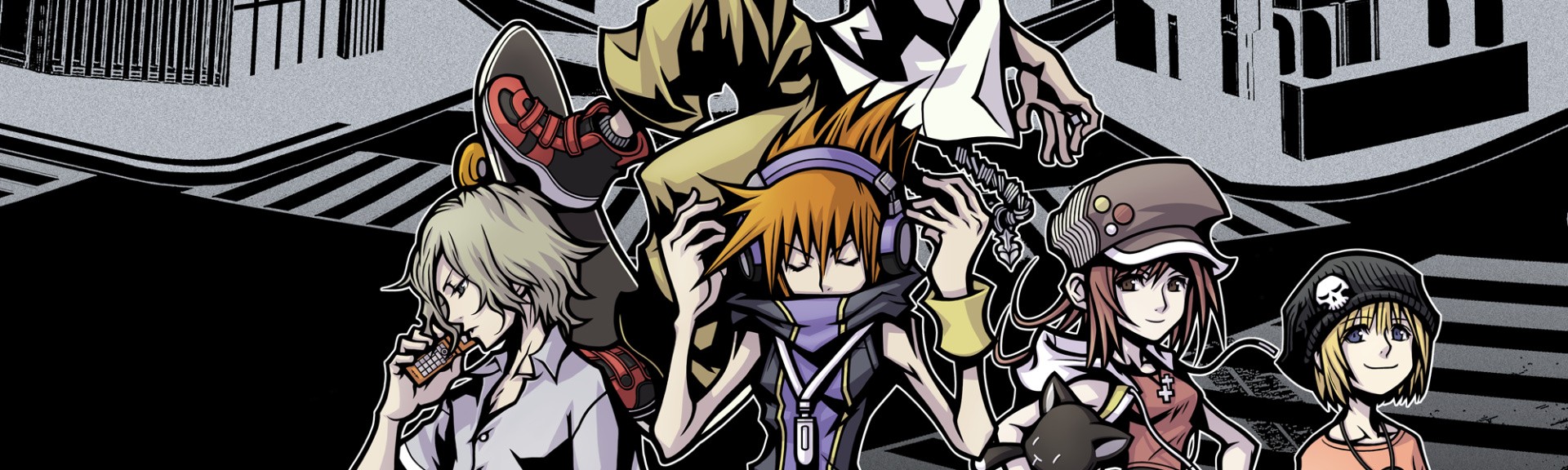
The story centers around Neku Sakuraba, an angsty, headphone-clad teen with a serious aversion to any form of social interaction. One day, Neku wakes up in the middle of a crowded Shibuya street with no memory of how he got there, and the dozens of people milling about are seemingly incapable of perceiving him. After forging a ‘Pact’ with a mysterious teen girl and fighting off an attack by a strange group of monsters called Noise, Neku learns that he’s been entered into some sort of paranormal competition called the Reapers’ Game. From this point on, each day becomes a desperate struggle for survival, as alliances are made and broken in a dynamically shifting environment that constantly pushes the Players to their limits.
Characters are well-developed over the plot’s three main acts, each one dealing with a personal vice or struggle that’s suitably challenged repeatedly as they battle for survival. In Neku’s case, this takes the form of him being forced to learn how to work with others and be more trusting, as cooperation is tantamount to reaching the end of the Reapers’ Game. There are some real stakes to the narrative, too, with supporting characters sometimes dying (or close to it) without any warning, reinforcing the notion that not everybody is going to make it out scot-free. By the end of the fifteen-hour campaign, you’ll have developed a deep emotional connection to this memorable cast and world; we were quite pleased with the writing and direction of this story.
Combat has been radically changed since the DS original, with the unique battle system having to be tweaked and retooled in the transition to one screen. You command Neku with a combination of taps and swipes, with his movements and attacks all being instigated by different inputs, a bit like the system used in Okami HD. Each attack and ability is represented as one of six equipable ‘Pins’, which give him a variety of PSI abilities like energy blasts and fire trails, and each of these has a certain number of uses before entering a cooldown state.
Your partner—rather than being an independently controlled character—now functions as another Pin, called into battle by an input of their own. As a way of replacing the energy puck that passed between characters in the original, combat is now centered around alternating attacks between your partner and Neku, building up a ‘Fusion’ percentage that lets you unleash a powerful special attack. These are some of the most riveting portions of a typical battle, as each fusion attack can be bolstered through playing a rapid-fire card memorization game, with each successful match adding to the damage multiplier.
All told, the combat system is mechanically solid and quite fast-paced in motion, but it stumbles with the awkward controls. Handheld mode is the most ideal way to go here, as touch inputs are easier to register and more intuitive, although this comes at the cost of having to play on the Switch’s small screen and of smudging it up with the oils from your skin. Playing in docked mode is manageable, but far from intuitive, as the player uses one Joy-Con in a Wii remote-like fashion to replicate touch inputs on the big screen. After a few hours, one figures out the rhythm to this motion-oriented gameplay, but it never quite comes together as smoothly as the touch controls; you have to frequently tap a button to recenter the cursor, and pulling off swipe manoeuvres can be tricky because you need excellent timing for when to hold down and release the ‘A’ button. Regardless of which control type you pick, neither feels like a completely satisfying option, which certainly comes as a disappointment given how the original release partially made its name on the unique controls.
The kind of equipment you choose prior to battles obviously has a huge effect on one’s battle prowess, but TWEWY finds an interesting way of integrating this even further into the experience through the fashion system. Shibuya is obviously a very fast-moving, fashionable place, and the effectiveness of the clothes and pins that you wear are directly impacted by these fashion trends. Each area of the map has a chart showing which clothing lines are hot and which are not. If you’re using pins and wearing equipment that’s in fashion, you’ll benefit from a variety of stat bonuses, while the opposite is true if you wear something that’s not cool. Even so, if there’s a particular line that you’re adamant on wearing, repeatedly battling in that outfit will set a new trend that boosts the brand’s effectiveness in the area. It’s a very compelling system and a fun way to reference the culture of Shibuya, and this is only further driven home by the shop system. There’re plenty of places to shop in Shibuya, and repeated visits and purchases at favorite spots will see Neku build his relationship level with the store’s proprietor, resulting in discounts and tips on hidden abilities in each item.
With there being hundreds of Pins to use, and many of them having ways to ‘evolve’ into more powerful ones, players will no doubt want a way to quickly grind out experience for their pins, and this can be found in part through the Tin Pin mini-game. Here, you pick out a team of pins and control one at a time directly in small, top-down arena battles against AI opponents, with the goal being to blast the other pins off and be the last pin standing. There are all sorts of techniques for both offense and defense, like a hammer that stuns opponents or a temporary casing that prevents you getting bumped, and while this mode ultimately never amounts to more than a side distraction, it’s surprisingly more fleshed out than it seems at first glance. Those of you that don’t want to be bothered with Tin Pin can almost completely ignore it, but it certainly helps add some diversity to TWEWY’s gameplay, and many will no doubt find it to be a surprising distraction.
TWEWY also focuses on quality of life features that help to make the game feel much more manageable to those of all skill types. For example, there are no random enemy encounters; you simply tap a button to show you all available enemies in the area and then pick and choose which ones to fight. You can even chain together multiple fights back to back, creating a tough gauntlet of foes to get through, but with the advantage that drop rewards are much more profitable. If this still isn’t enough, you can directly adjust difficulty on the pause screen and you can ‘level down’ if you want, with higher drop rates and better rewards being given out for each notch you move down on your level gauge. Also, if you happen to have a friend on hand, they can pick up a Joy-Con and take control of your partner directly, with their own unique set of Pins. All of this combines to make for an extremely modular experience that can be enjoyed in a variety of ways; something which many RPGs could benefit from. If you’re just here for the story and want to get through the game at a brisk pace, it’s easy enough to lay off the level gauge and leave the difficulty on easy, but if you want to go deeper, TWEWY has plenty of options for pushing your limits and handsomely rewarding you for the effort.
As for its presentation, TWEWY manages to utterly impress, exuding a kind of offbeat angst that’s as memorable as it is hypnotizing; this is a game that’s about as stylish as they come. The HD art looks gorgeous regardless of which screen you choose to primarily play on, going for a sharp, bold anime art style that feels like a cross between Kingdom Hearts and street art. The characters, environments, and enemies all have an exaggerated, dreamlike quality to them, and bright, vibrant colors abound.
All of this is matched by an equally energetic and electric soundtrack consisting of J-pop, rock, and R&B beats, with several voiced tracks being dropped in for good measure. It’s especially notable, too, how TWEWY slowly rolls out this soundtrack as you progress through the campaign, with new tracks being played in old locales. Suffice to say, TWEWY is an audiovisual treat, even if it doesn’t push the Switch’s limits too hard; you’d be hard-pressed to find a more stylish game on the platform.
The question remains, of course, whether this is truly the definitive version of TWEWY or not, seeing as how Tetsuya Nomura has stated this is the last time he’s working on the game. The New Day scenario included in this version feels like a suitable extension of the original game, but not a monumental one; it’s rather like a three to five-hour piece of DLC. Otherwise, the Switch version is differentiated by the incredible HD art, some new Pins, and motion controls, although that last element is a little iffy. Indeed, this hardly feels like the definitive version, then, although the content on offer does manage to justify the price.
Conclusion
Over ten years later, TWEWY has lost none of the fun or style that made the original such a cult classic. Although the controls leave something to be desired, the chaotic battle system, catchy soundtrack, and engaging storyline all combine to make this an unforgettable RPG that hits all the right points. We’d give this one a high recommendation to anyone that hasn’t yet experienced this gem in some form; there’s plenty here to make this a game that’s worth your time. If you’ve experienced the game before, however, we’d advise that you think hard about how badly you want it for your Switch. If this is the last we see of this property, then The World Ends With You: Final Remix feels like a fitting sendoff, even if it isn’t perfect.