With Super Smash Bros. Ultimate now only two days away from release, advertisements and billboards have started to appear all over the world to push the game’s gorgeous rendering into our impressionable eyeballs.
While we can’t be in all places at once, and therefore couldn’t possibly hope to find every last piece of advertising, we have managed to gather a small collection of just some of the billboards currently adorning walls around the planet. Let’s take a look!
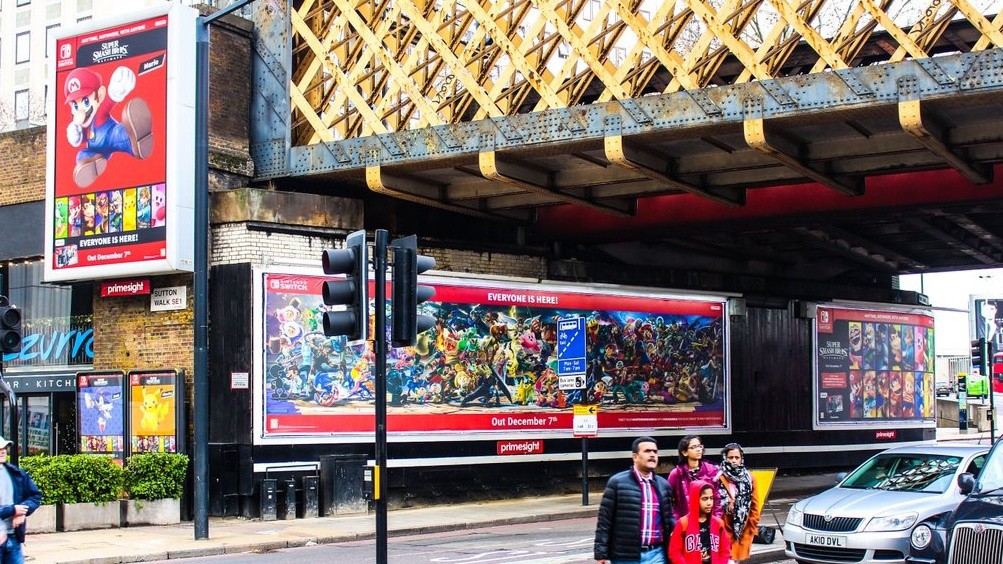
Kicking things off in London, UK, is this collection of billboards that have taken over the city’s famous Waterloo Station. Approaching the tunnel, you’ll find a board with Mario as the star and the “Everyone is here” slogan – with smaller boards underneath it too – but carrying on through reveals a super-sized version of that banner and even more character renders.
As you might expect, Japan appears to be full of similar billboards at present, with lots of different ones being spotted at train stations and the like. Nintendo’s home nation has opted for a multi-ad approach, with different boards celebrating specific collections of characters.
Possibly our favourite of all, however, has to be this one spotted by @jonaquach on Twitter. This time located at Châtelet in Paris, France, a billboard that appears to run the entire length of a travelator has appeared with all of our beloved characters lined up in order. The thing looks utterly gorgeous, and we’re currently planning a work outing just to see it in the flesh and take some selfies for Instagram.
You can see even more of this one in this Twitter thread below.
Have you seen any Smash adverts on your travels? Feel free to share them with us in the comments below.
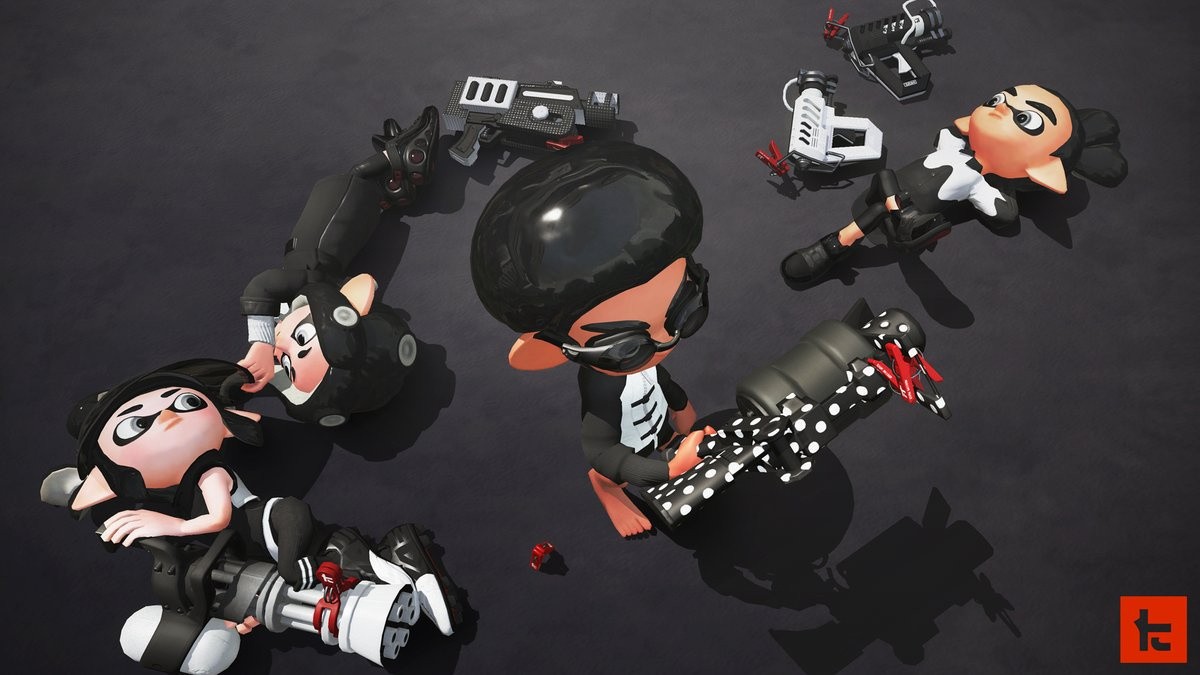
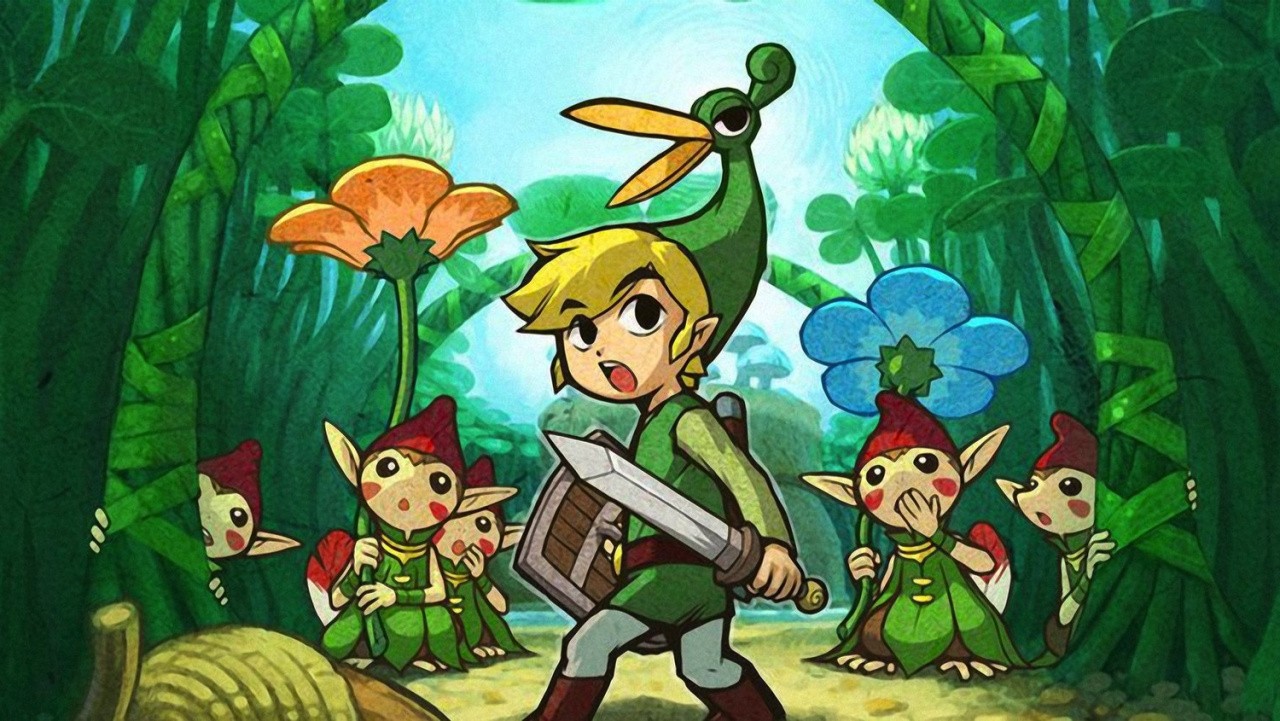
Celebrate International Ninja Day with these shadow-clad titles!
Centuries of folklore has cemented the ninjas place in history. Hidden in plain sight or aided by the shadows, common folk became masters of stealth, infiltration, and sabotage.
Celebrate the legendary warriors with these ninja-inspired games.
’Tis the season for gaming gifts, family co-op and pine-scented Nintendo nostalgia. Bill Trinen from Nintendo Treehouse and Peer Schneider from IGN join host Chris Slate to share their happiest Nintendo holiday memories, plus plenty of heart-warming holiday stories submitted by our listeners. And, of course they take the Warp Zone quiz, discuss their current gaming obsessions and look ahead to big titles coming in December and January. Get cozy by the fire, hit play and enjoy a heaping helping of holiday spirit.
Nintendo has relaunched its Japanese portal site for the Fire Emblem franchise, giving fans of the series a chance to look over its entire history, and giving us more reason to believe that some fresh new info for upcoming projects is surely on the horizon.
You can check out the site for yourself here if you’re interested; you’ll find write-ups for some of the franchise’s most famous characters, a blog section which gets updated with news, and a gorgeous timeline of Fire Emblem’s history complete with high-quality artwork and trailers for each game (similar to the recently-launched Castlevania website from Konami).
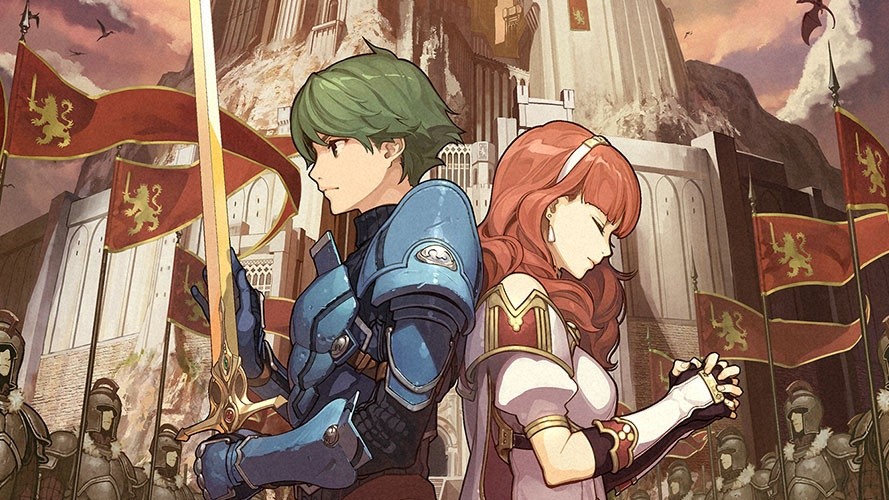
Of course, just last week, Nintendo also annouced a brand new Fire Emblem Expo event set to take place in Japan next summer. With Fire Emblem: Three Houses still scheduled to arrive on Switch in spring 2019, and Nintendo clearly driving the brand forward with these new areas, the signs are certainly pointing towards a tasty reveal or two over the coming weeks or months – perhaps we’ll soon get a solid release date?
Are you excited to experience your next Fire Emblem adventure on Switch? Do you hope that Nintendo’s recent interest in the franchise means that good things are on the way? Tell us below.
In the modern age of gaming, one must wonder if there’s still a place for the ‘okay’ games in a marketplace that becomes ever more crowded with quality content. The rise of indie game development and the production values of AAA game development have resulted in a world where players have neither the time nor the money to play all the quality game releases that arrive at an ever-increasing rate, let alone the ‘decent’ or ‘meh’ games that have some strong positives, but a significant negative or two. Toast Time: Smash Up! occupies this latter category, offering players a unique competitive experience that can be enormously enjoyable when you have some like-minded friends nearby, but not one that will hold your attention for too long.
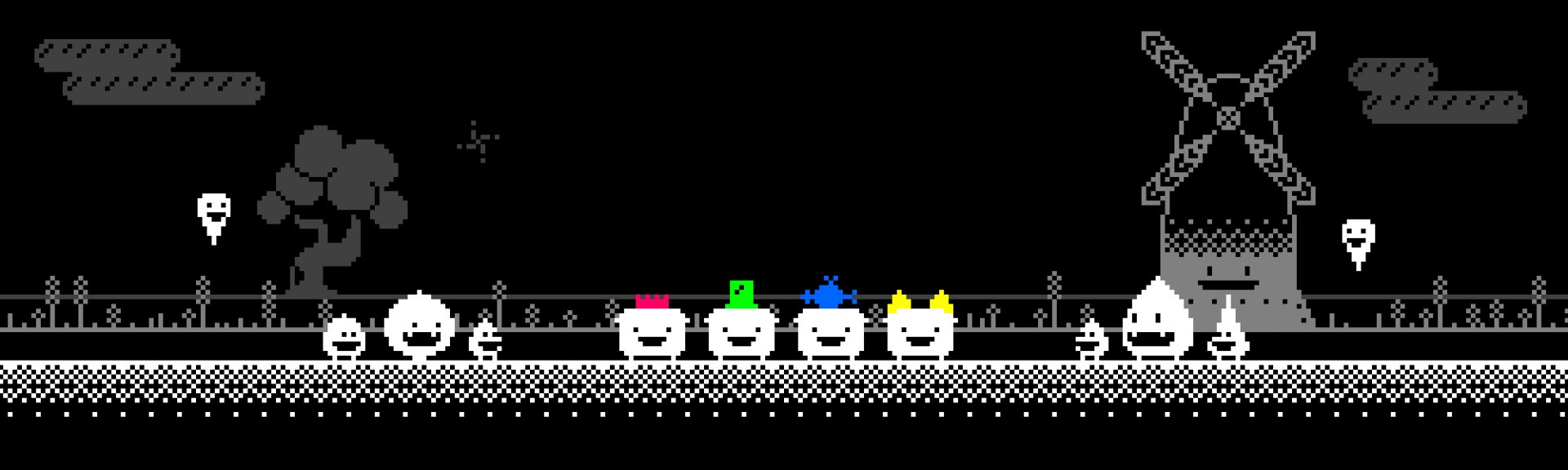
Gameplay can most closely be described as a riff on Towerfall with twin-stick shooter elements thrown in; a mixture that feels a little odd at first, but becomes considerably more enjoyable once you get the hang of it. You take control of a grinning toaster who shoots bread at their enemies, but shooting is also used as your main mobility tool, with each shot sending your toaster rocketing in the other direction. Not only do you have to account for lining up accurate shots, then, but you also have to take into consideration where each shot is going to send you. It’s a surprisingly cerebral experience, and one that necessitates some applied strategy if you want to come out on top.
Toast Time evokes pleasant feelings of Warioware in some ways due to the madness and extreme brevity; each round in multiplayer lasts about ten to thirty seconds before a winner is decided. The top player is typically the one who can best keep track of all the madness happening on screen; every piece of plain white bread (your standard ammo) travels relatively slowly through the air, so it doesn’t take too long for the screen to be full of flying pieces of bread and toasters bouncing around walls like pinballs. Knowing when to fire and when not to fire, or when to ‘anchor’ yourself to one spot momentarily through a button press, is utterly critical here; many deaths are caused by inadvertently blasting yourself into a slice that you otherwise would’ve missed.
Plain white bread is the standard ammo, but occasionally spawning crates can give you access to other carbohydrate-loaded punishments such as baguettes, farmhouse slices, and bagels, which function as grenades, shotguns, etc. Indeed, these can often feel enormously unfair, but part of the fun in each match is found in the desperate struggle for the crate that just dropped; rather like a Smash Ball, there’s a humorous reversal in everyone scrambling for the crate when it spawns, followed by a moment of terrified flight as everyone tries to escape the player that managed to snag the power up. For those of you that would prefer a more ‘pure’ experience, power-ups can be turned off in the settings prior to a match, along with a host of other rule tweaks that help to make longer sessions feel fresh.
While Toast Time can feel a little light on unique content the longer you play, a strong part of its charm is found in the simple, rapid-fire gameplay; it encourages ‘one more match’ and can be picked up in seconds by anyone. Due to the extremely chaotic nature of each match, new players are more or less on equal footing with veterans, and it’s always so satisfying when you line up that perfect shot that catches your opponent off guard and clinches the victory. Toast Time isn’t the kind of game that would be a centerpiece of a gaming night with some friends, then, but it’s certainly something that would act as a wonderful introduction to the ease and enjoyment of multiplayer gaming when on the go.
For those of you that prefer to play in single player, there’s a relatively robust solo mode that sees you tackling individual stages in a sort of horde mode where you have to defend a countdown clock from waves of enemies. Every kill grants you a higher combo multiplier that adds to how many points each enemy nets you, and these points then dictate how many stars you’re awarded at the end of the level. All told, it only takes an hour or two to master these levels and mop up the in-game achievements attached to them, but there is an ‘Iron Man’ mode that you can play at any time that has you running a gauntlet of all levels continuously until you fail.
Though Toast Time offers up a great local multiplayer experience and a decent single player one, the lack of online play drags down what could’ve been a much more engrossing experience. The focus on multiplayer makes it seem like online play would be a no-brainer, but there’s nothing of the sort here, not even leaderboards for the single player content. This limits Toast Time’s shelf life considerably, as there’s not enough single player content to justify the price tag and the multiplayer is dependent on how many participants you happen to have on hand. Make no mistake, the content that’s present in Toast Time is well worth your time, but we wish there was a little more here to keep players engaged.
From a presentation standpoint, Toast Time takes after Slime-San a bit with its minimalistic art style and square display area; it may not be to everyone’s taste, but it looks sharp in motion. Each screen is dichromatic in nature, consisting of a colored background and white lines in the foreground to mark the play area. Though this works fine in single player mode, some issues arise in multiplayer with readability; there’s simply too much happening on screen and there are not enough visual elements to distinguish characters. Differently colored hats only go so far in differentiating the otherwise identical toasters, leading to some deaths that feel unearned because one has lost track of which toaster is theirs.
Similarly, the soundtrack leaves something to be desired, offering up a forgettable mixture of perky chiptune tracks that quickly overstay their welcome; these songs just loop a little too frequently and sound rather meandering. Luckily, the issue of this repetitive music doesn’t rear its head too much due to how quickly each round takes, but extended sessions can lead to an experience that’s more grating than we would like. It’s not a terrible soundtrack by any means, but we’d only describe it as ‘okay’.
Conclusion
Toast Time is the kind of game that feels like it could’ve been something truly special if it spent a little more time in the oven; the core gameplay of toast blasting madness is fantastic fun, but the sparse offering of content makes this a game that doesn’t take too long to chew through. If you’ve exhausted all the Mario Karts and Towerfalls for your multiplayer escapades and want to take a chance on something a little different, Toast Time is a great option that’s sure to bring you hours of entertainment; just be mindful of the fact that there are much better local multiplayer games on the Switch eShop.
If there’s one name that pops up most frequently when talking about the great quality ports that have been arriving on Switch over the last few months, it’s probably Panic Button. The DOOM, Wolfenstein II and Warframe porting masters have received an awful lot of praise in recent times, but Virtuos is another studio certainly worthy of such recognition.
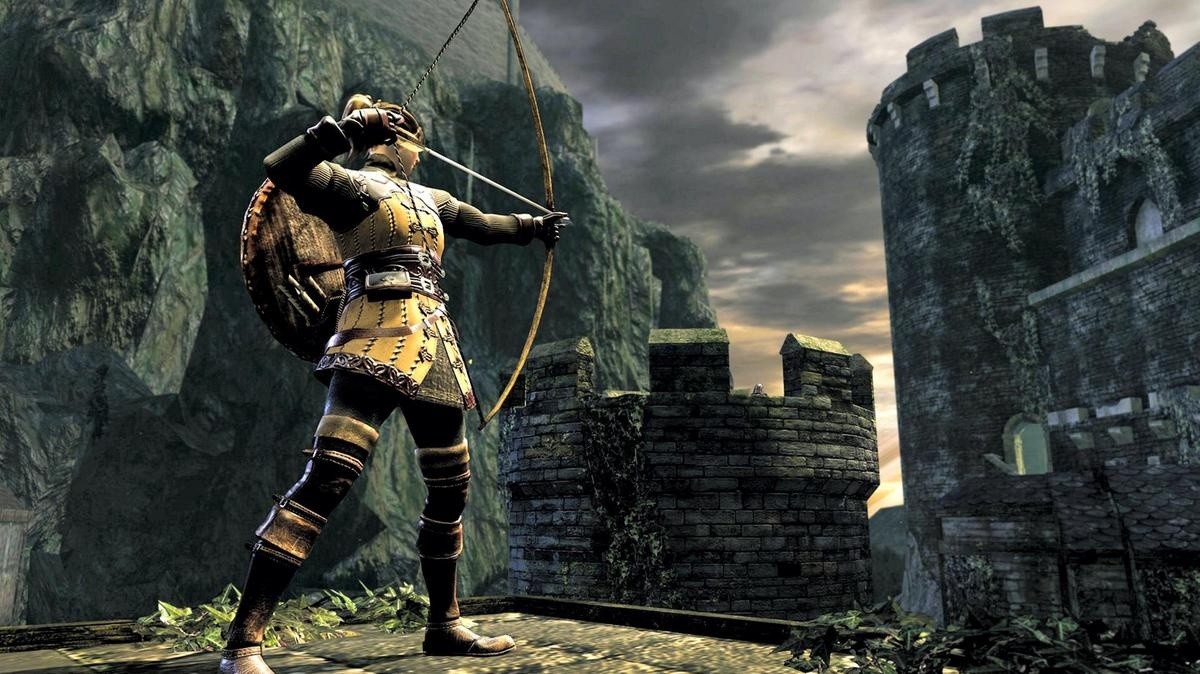
The Chinese studio has now been responsible for three major Switch ports (L.A. Noire, Dark Souls: Remastered, and Starlink: Battle for Atlas), all of which turned out to be a joy to play, and has also previously worked on franchises such as Assassin’s Creed and Final Fantasy. Keen to share their Switch-based wisdom, members of the studio have provided some interesting and insightful advice for other developers in a recent interview with Geek:
“Our best advice: Don’t try to force what worked on other platforms on the Switch. You might need to change your approach to get the most out of the hardware.
Common areas to focus should be data compression, forward vs deferred rendering, vertex processing and a scalable threading model. Teams should also start considering Lotcheck requirements from the beginning, especially for features that involve multiplayer or something non-standard, in order to avoid surprises during the final phase of bug fixing.”
Interestingly, the advice goes on to praise Nintendo’s “sophisticated online system” and talks about how to manage amiibo implementation planning.
“Nintendo has a pretty sophisticated online system for creating Lotcheck related documentation, test cases and even automated testing, so take advantage of it. Start preparing these things early, upload a build forautomatic test as soon as possible and deal with any issues even before your final crunch. Don’t forget about Amiibo – if you are considering Amiibo, make the decision early so that you have as much time as possible to design and test full support including extreme cases and failure scenarios.”
It seems the studio really enjoys working with Nintendo’s console on the whole; we recently sat down with Dark Souls: Remastered producer Tang Mengjia who described his time with the system as “really comfortable and straightforward”.
Have you enjoyed any of the games from Virtuos on Switch? Would you like to see developers talk about the technical aspect of development as openly as this more often? Let us know your thoughts below.
Tomorrow sees the launch of Version 4.3.0 in Splatoon 2, with a new set of weapons and a stage makeover set to be included when it goes live.
As promised, this update will see the fourth and final collection from the Kensa weapon range – reskins of already-existing weapons with different sub and special weapons. You can see all four of the latest additions (and a list of their new subs and specials) below.
Toni Kensa .52 Gal – Booyah Bomb / Splash Wall
Toni Kensa Splatling – Ultra Stamp / Poison Mist
Toni Kensa Glooga Dualies – Ink Armor / Fizzy Bomb
Toni Kensa Rapid Blaster – Baller / Torpedo
As well as those mentioned above, we can also expect to see additional weapon variations be introduced and a stage renovation. The famous Blackbelly Skatepark will see some changes to its terrain and obstacles, and these changes will be present across all game modes. If you can’t quite picture it, here’s how it looks in its current state.
Will you be checking out the new weapons and stage changes in the game from tomorrow? Let us know with a comment.
The latest batch of My Nintendo game discounts for Europe has now gone live, giving players the chance to grab some great 3DS and Wii U games at discounted prices.
This time around sees an interesting selection of 3DS titles, ranging from (semi) recent releases to virtual console classics, and an evergreen collection of Wii U games that could very well be worth your time if you haven’t played them before. As always, you can take advantage of these discounts by simply using the required Gold or Platinum My Nintendo Points listed below.
Here are all of the offers this week:
We also have an Animal Crossing 3DS theme available as a reward:
Will you be taking advantage of any of these offers? Remember, your Gold Points can also be spent on Switch software directly from the eShop or a Nintendo Switch Online subscription, too!
Even after more than 20 years, the Pokémon series continues to be incredibly popular. Everything associated with the IP tends to become a success. Just look at the US-based mobile developer Niantic, for example. Before it hit the big time with Pokémon GO, it was getting by with Ingress. The popularity of its Pokémon AR game has since allowed it to work with other well-known licenses and further develop its own IP.
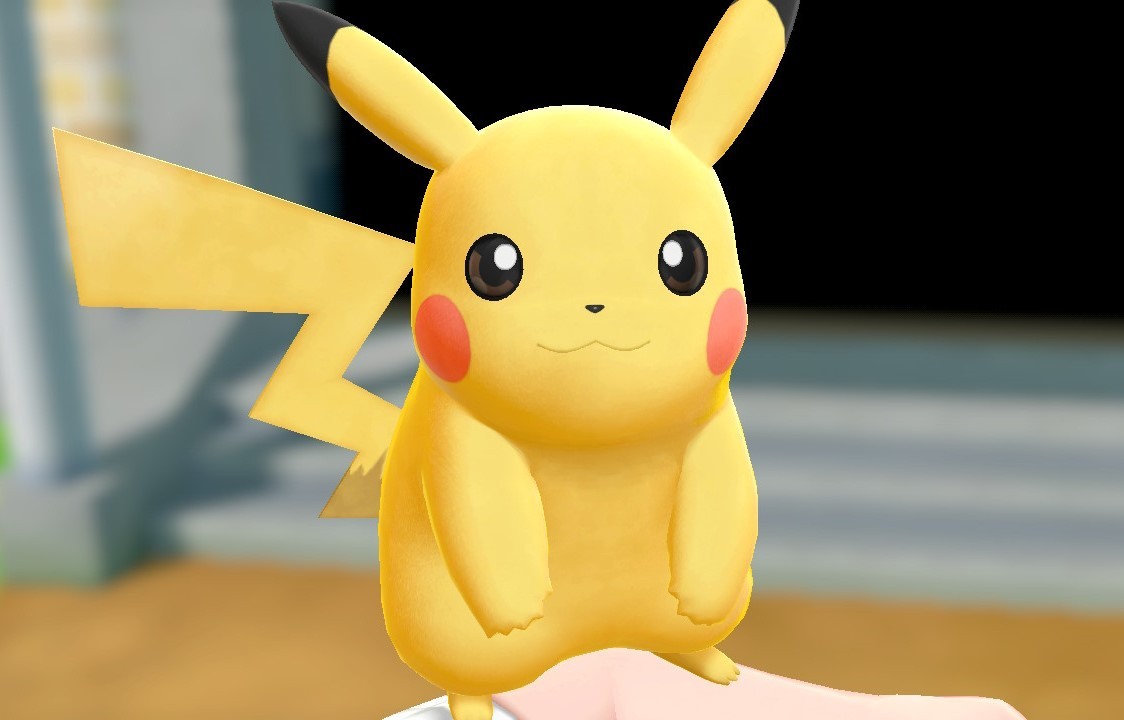
Another company now making a name for itself with the help of Pokémon is Silicon Studio. This all happened when it was revealed Pokémon: Let’s Go, Pikachu! and Let’s Go, Eevee! utilises YEBIS 3 – a post-effects middleware technology made by Silicon. Here’s the translation from the studio’s website:
YEBIS is a post [effect] that can apply glare, depth of field, motion blur, lens effect (optical simulation), film / photosensitive effect, color correction, anti-aliasing, etc. against 3D / 2D graphics.
After the Tokyo-based studio revealed its involvement with the new Pokémon games, its stock drastically increased by 17.72 percent in a single day.
If you’ve ever wanted to simulate a riot, you’ll soon be able to when publisher Merge Games releases Riot: Civil Unrest on the Nintendo Switch next February. The title will be taking to the streets with a full physical Signature Edition release for $44.99 / €44.99 / £39.99.
This will particular version will contain a region-free copy of the game, two pin badges, an original soundtrack CD, a numbered Signature Edition certificate, a collector’s art card, artbook and strong case with an outer sleeve featuring alternative artwork. You can pre-order it right now.
If it’s still not clear what this game is about, here’s some more information courtesy of the game’s Steam page:
As the world’s economical crisis deepens and inequality tears the very fabric of society the discontentment of the masses manifests itself in violent public disturbances and civil disorder.
RIOT – Civil Unrest is the highly anticipated real-time riot simulator that places the player right in the heart of some of the world’s most fractious clashes. Campaigns include: Indignados (Spain), Arab Spring (Egypt), Keratea (Greece) and NoTAV (Italy). Seventeen single level scenarios include Rome, Oakland, Paris, London and Ukraine.
The game’s creator has even experienced riots first-hand:
Leonard Menchiari, experienced rioting first-hand at the NoTAV protests in Italy. He created the game to tell the stories and express the feelings experienced during these clashes. What triggers the crowd to behave with such anger and aggression? Often outnumbered, what does a police officer feel like during the conflict? RIOT – Civil Unrest presents the player with the opportunity to experience both sides of the fight – a fight in which there really are no winners. Who is right and who is wrong? Experience RIOT – Civil Unrest and draw your own conclusions.
According to the Signature game page, you can take control of the police or the rioters across more than 30 civil disturbances that remain politically neutral to encourage players to make up their own minds about the cause and effects of each encounter. There are four campaigns and a two-to-four player verse mode as well.
Take a look at the trailer above and tell us if you would play this game whenever it does arrive at some point in February.