Japan has revised its Unfair Competition Prevention Act, introducing several changes which will significantly affect the modding scene and, potentially, several wider gaming circles, too.
Essentially, game save editors and console-modding services are now declared illegal, with offenders potentially facing fines of up to five million yen or imprisonment for up to five years, as well as the reselling of game keys which are not authorised by the software owner. As reported by GamesIndustry.biz, official information on the changes is only available in Japanese at present, but several translations all point towards the following three acts now being entirely banned:
– Distributing tools and programs for altering save data – Selling serial numbers or product keys that are unauthorised by the maker of the software in online auctions – Offering services that modify save data on the customer’s behalf
The law appears to have been revised in order to help combat illegitimate serial code sales in online auctions, an act which has seen an increase in recent times, and also thanks to electronic data now being considered as something which should be protected by law. As well as impacting the reselling of unauthorised keys, products such as the Cyber Save Editor for PS4 and Action Replay devices (which can be used to input cheat codes to alter game saves) have reportedly been forcibly discontinued.
As always, feel free to share your opinions with us on this topic in the comments below.
If you’re a keen Pokémon GO player, you’ll no doubt be aware that some of those elusive critters can only be obtained in certain parts of the world. While it hasn’t been confirmed just yet, it looks like some of those exclusive to particular regions could be about to have a bit of a swap around.
As reported by Serebii.net, a recent newsletter received by some Pokémon GO players contains a special note about a New Year Surprise. The newsletter states that something strange is happening which could affect the migration of certain Pokémon, specifically mentioning the region of Hoenn. No more information has been provided, but this certainly hints towards a location swap for several Pokémon.
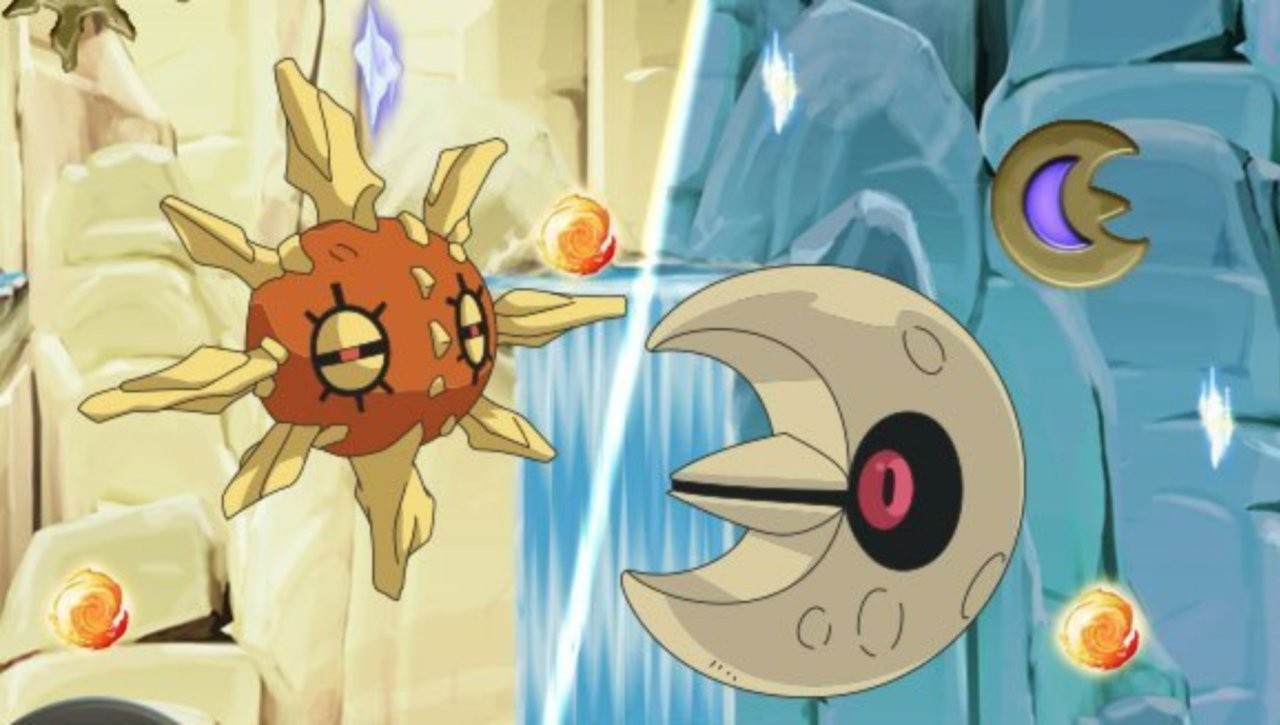
This has happened before – Seviper and Zangoose have been known to switch places, as have Solrock and Lunatone – so there’s no reason to believe that this wouldn’t be the case once again. Other Hoenn regional exclusives include Torkoal, Relicanth, Illumise, Volbeat, and Tropius; perhaps these Pokémon might benefit from a swap this time around?
We’ll keep an eye out for more information on this as it happens but, until then, let us know if you’d like to get your hands on some different regional exclusive Pokémon in your game in our comments section below.
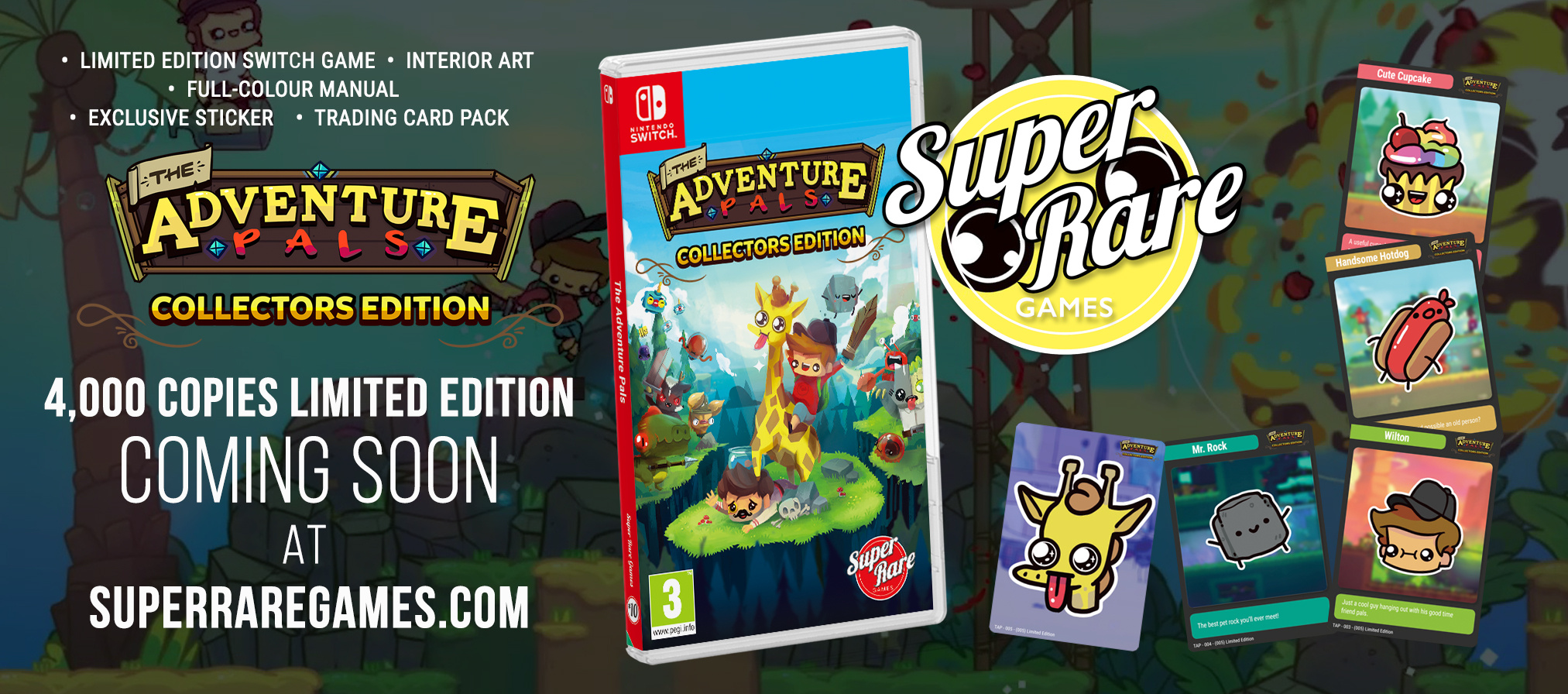
Super Rare Games has revealed that its next physical release for Nintendo Switch will be The Adventure Pals, with pre-orders going live very soon indeed.
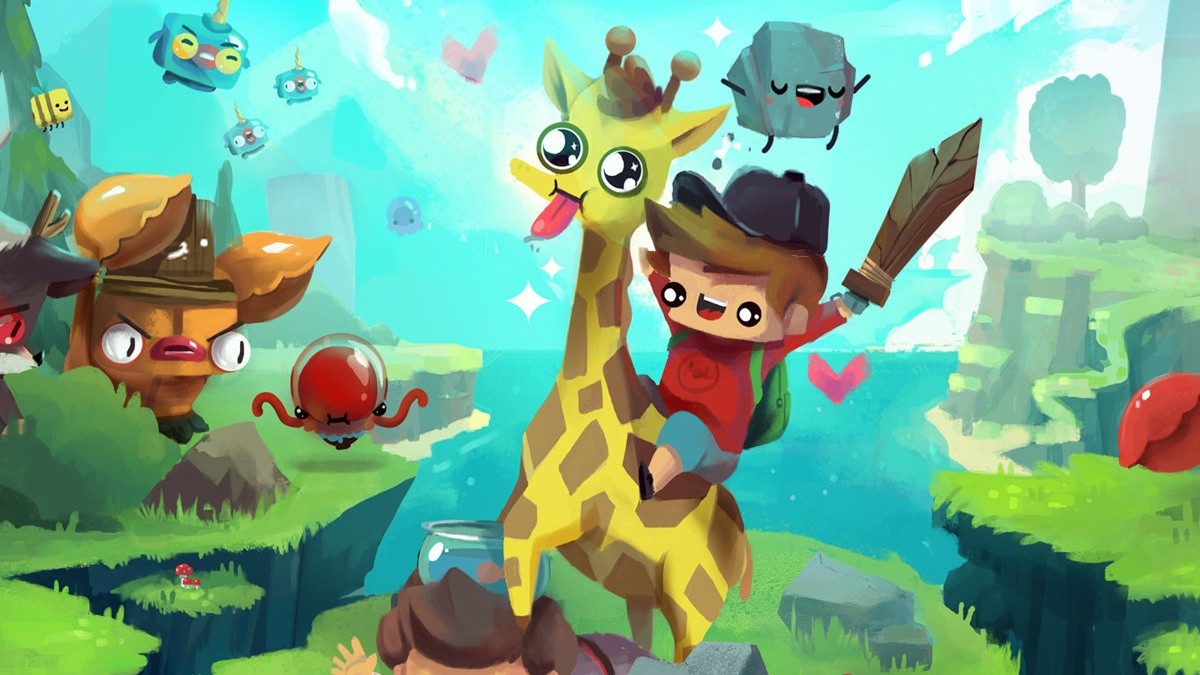
The Adventure Pals is a quirky platform-adventure game about friendship involving a small boy, his backpack helicopter-tongued giraffe, and his pet rock. On paper, it sounds about as crazy as things can get, but that only adds to its undeniable charm. We really enjoyed playing the game for review last year, praising it for “reminding us of why we fell in love with video games in the first place“.
This limited physical release will only see 4,000 copies be manufactured, coming with the game on a physical cart, interior art, a full-colour 20-page manual, an exclusive sticker, and a three-card trading card pack. The physical edition will cost you £29.98 and can be pre-ordered right here from 10th January (it’ll officially launch just a week later on the 17th).
If you missed the news, Super Rare Games has also recently launched an exclusive membership club which gives you extra benefits for a yearly subscription.
Do you collect physical Nindies? Will this one be joining your collection? Tell us below.
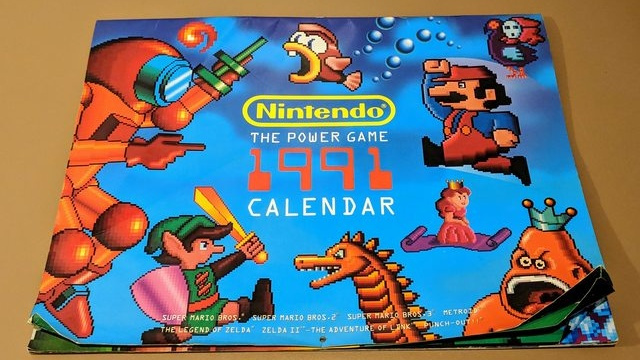
Rummaging through your basement to look back over old goodies can be a wonderful experience – you should see some of the relics we have knocking about at Nintendo Life HQ – and can sometimes reunite you with things long forgotten. One such basement search has uncovered this Nintendo calendar from 1991, and some of the designs seem a little strange.
The calendar has been shared online by Reddit user u/Otakulad, who notes that it has been buried in their parents’ basement for the last 28 years. The front cover (seen up above) depicts some of Nintendo’s best-known characters in intriguingly different styles – we’re not really sure what’s going on with Samus, for example – but the back cover reveals that this was officially licenced by Nintendo of America.
The owner has actually shared images of every single month of the calendar, revealing some pretty creative designs that are nicely themed throughout. We’ve included a couple of our favourite pages below, but you can check out the entire gallery here if you’re interested.
Just by coincidence, the days of each week from 1991 happen to line up perfectly with 2019, meaning that the calendar could actually be used this year without any issues. If you happen to have one of these lying around in your attic, or perhaps if you fancy having a search through eBay, you too can treat yourself to a retro Nintendo year.
What do you think? Are you a fan of the designs? Let us know in the comments.
We’re starting 2019 off in the right way with some stellar indie games in our second Round Up this week, accommodating for a lack of a Nindie Round Up goodness over Christmas. We have brilliant party action in Catastronauts, Wondershot and Oxyjet, some manic, shoot ’em up fun in Overdriven Reloaded: Special Edition, and even some arcade action with Julie’s Sweets. This is the weekend to get your friends round for the local multiplayer fun of the good old days via some smashing indie titles.
Let’s take a look, shall we?
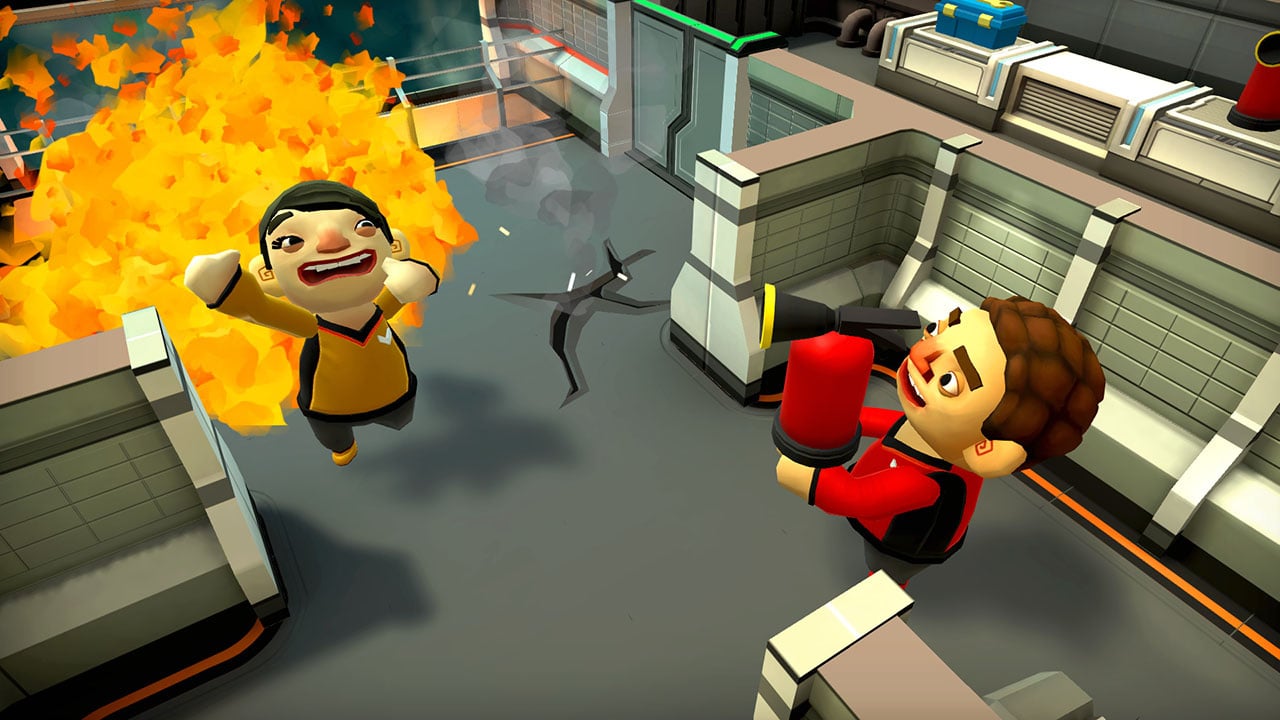
Our first of three multiplayer experiences starts off with a strong, space-themed bang with Catastronauts. Playing in a remarkably similar manner to the insanely popular Overcooked, you play with 1-4 players, fixing your ship after enemy fire and firing back to deplete their overall health before they can do the same to you. It’s a neat concept that’s delivered quite well in an easy-to-understand manner and ramps up the insanity and chaos nicely, especially as more players are introduced.
Your main goals are to put out fires, reseal cracked tiles, and fire your cannons back at opposing ships, all while managing your ships HP in addition to that of your playable character. It’s a task that’s almost impossible when playing alone; this is a multiplayer game that really relies on having at least one friend to play along with by encouraging and rewarding cooperation and quick decision making. The single player option is weaker, giving you command of a second player that you can switch between easily enough, but is maddeningly confusing and frustrating to keep track of in a coherent way. With two or more players, however, it makes for a smashingly fun party game that really gets the blood pumping as the number of hazards spread and gameplay become increasingly frantic. There’s also a fairly charming but basic story mode, but if you’re thinking of tackling that alone, think again. This is a multiplayer game through and through.
Presentation wise, its style isn’t groundbreaking but is sufficiently cute and likeable. Again, it bears a resemblance to the visual style of Overcooked but with a Star Trek-inspired skin, giving you control of red shirts and alien creatures alike. With a great concept, a responsive, sensible control layout and the option to play with up to four players, Catastronauts is highly recommended for some intensely enjoyable cooperative action.
Thumbs Up
A port of a shmup that originally started life on the Xbox 360, Overdriven Reloaded: Special Edition is such a mad time that it can give even the most intense moments of Catastronauts a run for their money. It’s a shoot ’em up that cuts right to the chase, throwing you straight into hordes of enemies after a very brief tutorial segment. It’s a standard indie shmup at first glance, but it offers some interesting features that let it stand out from the crowd a little.
The weapons are interesting, as the game arms you not only with a basic machine gun, but also a screen-spanning bomb for sticky situations and a huge laser that can be operated at the cost of bringing you down to 20% health. These can lead to some fun experimenting and can be a real lifesaver when used correctly. You also have the ability to change the colour of your ship, allowing you to shoot blocks in a row that match the colour of your blast for some unexpected puzzling elements and further benefits. Other than that, it’s standard fare, but the sheer quantity of ‘stuff’ in general on the screen is as impressive as it is head-hurting.
Overdriven Reloaded looks similar to many colleagues in its genre and is sadly lacking in any really interesting level design. Both the player ship and the enemies are pretty generic, though the weapon animations often look impressive when sweeping across the screen. It’s great fun, but suffers from some minor sloppy issues such as a lack of clarity as to when you’ve taken a hit. There’s definitely more good than bad on display here, though, and has sufficient fun to be found.
Thumbs Up
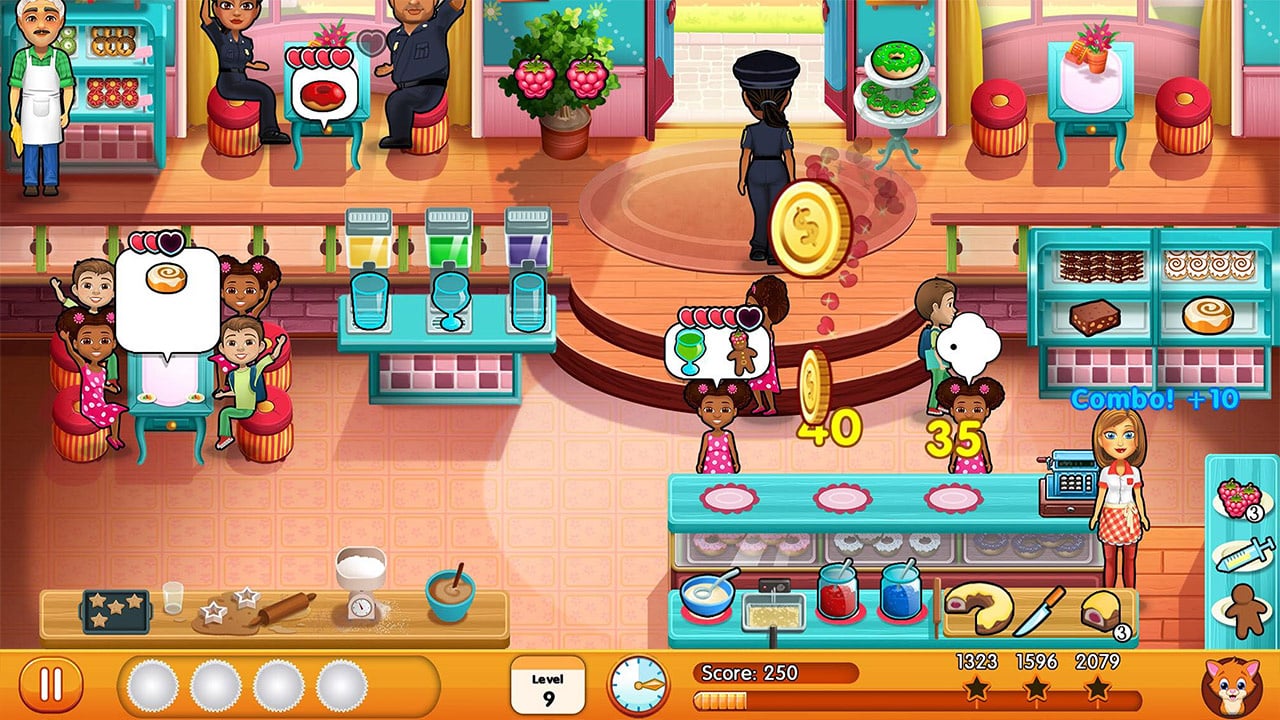
A typical arcade-style time management game, Julie’s Sweets has you running a small café and -eventually – different, larger levels inside a thinly plot-driven, cooking-themed sim. The plot involves you guiding Julie through key decisions in her young life, helping the family business and enrolling her into cooking school to make the best dishes possible. It’s about as stock as one can get and bears more than a casual resemblance to Waku Waku Sweets, which we covered a few weeks back. The gaming community just goes mad for stories about young girls who love to cook, it seems.
Gameplay wise, it’s a little basic, with the main goal of satisfying customers by creating various dishes being pretty easy to manage. That said, as multiple orders flood in, with different meals each time, it can get pretty frantic and challenging, especially in later levels. You’re timed on how long your patrons have had to wait based on a decreasing heart gauge, which can lead to some intense juggling and combos when things really start to heat up. Admittedly, once on a roll, the act of preparing and serving food, and earning hearts and new tools, actually becomes rather addictive, if monotonous. Unfortunately, though, its repetition is akin to unimaginative free-to-play games, along with its shallow end goal, strikingly ugly visuals, and dull, simplistic gameplay.
The visuals are indeed a bit unnerving, with Julie’s wide eyes staring directly into your soul every time you boot up for that overly long loading screen. The other characters share this accidentally horrifiying design and look unappealing as a result. The music is also quite stock, sounding reminiscent of old-school social media games like Farmville with its chill acoustic guitar and repeating medley. Overall, Julie’s Sweets isn’t a bad game; it plays well for what it is and can be addictive once invested, but the shallow story, scary visuals, and lack of replay value let it down.
Maybe
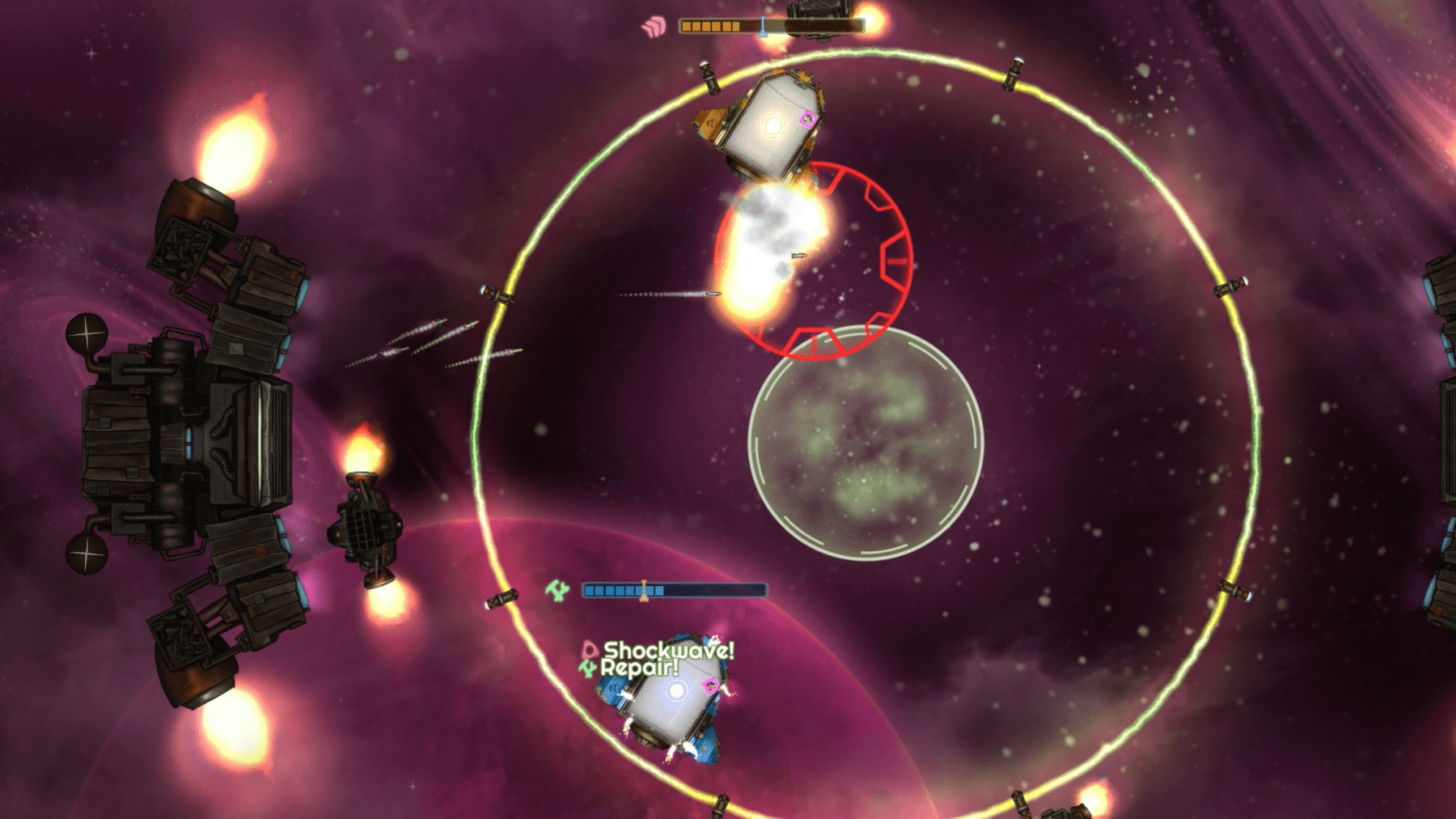
A multiplayer experience in the truest sense of the word, Oxyjet is a unique beast that has you engaging in competitive space action, but not in the way you might expect. Gone are such trivialities as lasers and bullets; now it’s all about creating oxygen leaks to ram into each other, depleting health and trying to stay in the centre circle for as long as possible. This bizarre concept is the most appealing part of Oxyjet, with it essentially playing as a high-tech, space-themed sumo wrestle.
Two players control each ship, one to create leaks with a buzz saw and the other to patch them up. With four players engaged, this makes for more than a good bit of a fun, but without the maximum number of players, it’s a slog; taking control of both characters with different Joy-Con is a hassle. With the benefit of having played Catastronauts this week, Oxyjet really could’ve done with the former’s intuitive swap button, rather than manually swapping between controllers. As for single player; it’s non-existent. You’ll always need at least two players to get a match going, which can be frustrating for players who’d prefer to hone their skills against the A.I. Other than that, there’s little to complain about with Oxyjet, as it offers an array of different stages that introduce further hazards and obstacles, adding to the chaos.
However, it doesn’t excel in its presentation, with fairly basic graphics and a run of the mill ambient soundtrack. Concurrently though, its gameplay is brilliant for a party pick, with cooperation between players becoming essential for victory. Games can become very tense very quickly and with more skilled players, have the potential to last a long time. The lack of single player is frustrating, but not enough to rob it of a well-deserved thumbs up.
Thumbs up
For our final party game this week, we round things off with the competitive top-down fun of Wondershot. Simplicity is key here, as the game operates similarly to the equally brilliant Towerfall, albeit from a top-down perspective. You have a variety of weapons to choose from and play as one of four characters in an all-out brawl, with each weapon providing a one-hit kill. This means that accuracy becomes your most important skill.
A focus on accurate skill leaves a fresh taste as the game proudly proclaims that there’s no element of luck to be found here. Combining this simple but effective gameplay with a huge array of powerups like super speed and additional weapons, you’ll soon find yourself loving the fast-paced matches and ensuing pandemonium. There is also a single player offering in the form of individual challenges, which is welcome not only for skill honing but also as an alternative to the enjoyable but mindless multiplayer matches. The biggest flaw, however, is the lack of A.I controlled opponent battles as the game defiantly tells you ‘we need a second player.’ This is frustrating and would be an essential addition to a patch, expanded edition, or sequel.
The presentation of Wondershot is also really tight. The characters are colourful and well designed, and speak with amusing, high-pitched tones similar to the iconic, weird and wonderful chants of the worms from, err, Worms. All in all, Wondershot, similarly to Oxyjet, is brilliant if you have four friends around. Where it’s superior to Oxyjet, however, is that it’s equally brilliant with just two players and even alone, if you enjoy the challenge maps. The lack of A.I matches is irritating, but certainly not a deal breaker for the charming, competitive, multiplayer experience.
Thumbs Up
Will you be getting some friends round for local multiplayer action with any of these games? Will you be going it alone with Julie’s Sweets or Overdriven Reloaded? Let us know in the comments below.
You may remember that in June last year, Bethesda filed a lawsuit against Behaviour Interactive and Warner Bros. over the new Westworld mobile game. Over half a year later, Bethesda and Behaviour Interactive have now stated that the lawsuit has been “amicably resolved”.
Originally, Bethesda argued that Behaviour Interactive (which was involved in the creation of Fallout Shelter) had stolen designs, artwork, and code from the game, going on to use them again to create Westworld for Warner Bros. In response to this, Warner Bros. soon fought back, describing Bethesda’s claims as “baseless”.
The following statement has been released today:
“Bethesda Softworks and Behaviour Interactive jointly announced today that the parties have amicably resolved the lawsuit Bethesda brought against Behaviour and others related to theFallout Shelter and Westworld mobile games.”
As you can see, no information has been provided surrounding any terms accepted by either party, so it’s impossible to know whether or not Behaviour was seen to be guilty of stealing the assets as Bethesda claimed.
As ever, feel free to share your thoughts on this one with us in the comments below.
Just yesterday, it was revealed that smartphone and Nintendo Switch free-to-play title Pokémon Quest would be hitting iOS and Android in China. Unfortunately, though, it appears that things aren’t off to the best of starts.
The game is just over three days away from launching in the region – a countdown clock is ticking away as we speak – and anyone interested in downloading it for themselves has been encouraged to sign up for notifications from NetEase (the tech company responsible for running the game there). One such notification has now been reportedly sent through to players, but the message included is actually a scam.
According to @chinesenintendo, the message directs potential players to a knock-off Pokémon title, with the text message translating as follows:
“[Pokémon] The Pokémon game you signed up for is open for an elite trial period! Enter now to get the time-limited Mewtwo! <URL> Reply T to unsubscribe”
Fans of Pokémon Quest have been discussing the scam online after one user, 副本君FlameBeam, shared the message on microblogging site Weibo. Alongside the understandable confusion, some are questioning NetEase’s ability to protect its users.
Here’s hoping that no more scams find their way to players as the game nears its launch!
We may well have just entered 2019, a whole two years since Nintendo’s Wii U was officially discontinued, but the console’s value has slowly been creeping up in price ever since, now reaching near unfathomable numbers.
The story of the Wii U will be well known among the regular readers of Nintendo Life; what once looked like a promising new generation of hardware for the Japanese gaming giant soon turned a little sour, with a general lack of third-party support, less than ideal marketing, and then the arrival of the Nintendo Switch, all burying the poor machine before it really had the chance to shine.
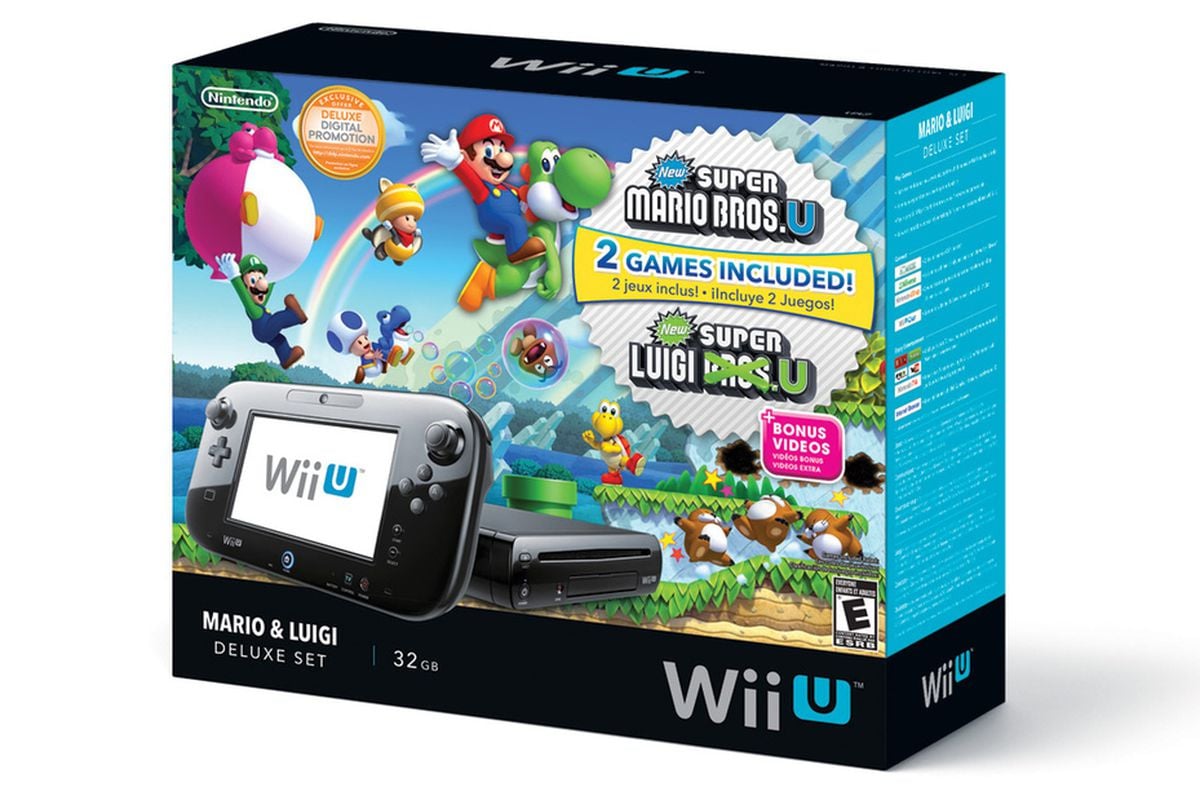
With the console no longer being available at stores, getting your hands on a brand new, unopened Wii U is becoming increasingly tricky. As such, prices are starting to reflect its rarity, not too dissimilar from what you might expect for something like a pristine condition Nintendo 64 that’s still sealed in its box. A quick search on Amazon reveals that sellers are flogging their last remaining stock for around $800 ($450 higher than the console’s introductory price back in 2012).
At present, a Wii U Deluxe with Mario Kart 8 pre-installed costs $799.99, the standard deluxe set with Nintendo Land included costs $789.99, and the bundle which came with New Super Mario Bros. U + New Super Luigi U now costs a whopping $879. It’s a similar story in the UK, too, although prices haven’t reached quite the same heights; Amazon UK has the Mario Kart 8 pack listed for £424.99.
Whether or not your very own Wii U sitting at home will one day be worth a considerable amount remains to be seen, but it certainly seems worth holding on to. Maybe Wii Us will eventually be highly sought after by collectors, sort of like that frustratingly elusive shiny you could never snag for your trading card collection?
Month after month in 2018, we heard how Pokémon GO continued raking in piles of cash and often outperforming its earnings in the previous year. Sensor Tower Store Intelligence data has now confirmed the game’s revenue has grown by 35 percent over the past year, bringing in an estimated total of $795 million worldwide.
Niantic’s mobile hit went out with a bang in 2018, which saw global player spending across the App Store and Google Play surpass $75 million. In total, this is an increase of 32 percent when compared to the $57.2 million spent in the same month in 2017. According to Sensor Tower, the “consistent rollout” of new features kept trainers engaged, with GO revenue reaching an average of nearly $2.2 million per day in 2018. In 2017, the money made per day averaged around $1.6 million.
The United States was the biggest spender on GO in 2018, equating to around 33 percent of all gross revenue ($262 million, to be exact). This is the same percentage as the previous year. In Japan, players spent around $239 million, adding up to about 30 percent of the game’s revenue in 2018. This was a five percent increase from the spending in 2017. Since launching in July 2016, players have now dropped $2.2 billion on the free-to-play augmented reality title. If Niantic manages to hold player interest throughout 2019, the game is expected to surpass the $3 billion mark by the end of the year.
Are you one of the trainers spending money on GO? Do you still play this game on a regular basis? Tell us below.
A total of 13 Japanese companies are joining forces to establish a joint enterprise known as the “VRM Consortium” in February 2019. The aim is to develop an international virtual reality business that has a special focus on 3D avatars.
Another objective of the enterprise is to advocate the file format “VRM” (based on gITF2.0) in the hope it can become the standard file format for 3D human models featured in Virtual Reality. This format is reportedly platform-independent, free to use and open-source. The companies involved, hope it will make the creation process easier for video game designers, virtual YouTubers and other projects that utilise this type of technology. The enterprise also intends to expand this initiative beyond Japan.
Why we’re even talking about this, is because Nintendo is participating as an observer. So, basically at this stage, it’s curious to see how it all unfolds. According to Anime News Network, these are the main companies directly involved:
“They include game development platform creator Unity Technologies Japan, virtual reality development companies IVR and XVI Inc., GREE‘s virtual YouTuber company Wright Flyer Live, artist website pixiv, livestreaming platforms Showroom and Mirrativ, telecommunications company Dwango, online game sales platform S-Court, virtual YouTuber and amusement development company DUO, VR distribution platform Virtual Cast, virtual event platform developer Cluster, and Vocaloid’s music technology company Crypton Future Media.”
Virtual Cast also uploaded a video about the new enterprise, highlighting the participating companies and the existing VR model creation and distribution platforms. Take a look below:
As recently as last October, when Nintendo of America President and COO Reggie Fils-Aimé spoke to Ars Technica about virtual reality, he said the company was “looking” at the technology, but said how it had to be fun before considering it more seriously:
“For virtual reality, we’ve said: it’s tech that we’re looking at, but in the end it has to be fun. That’s our mission, and that is what we do arguably better than anyone else. We have nothing to announce here on this stage. These are going to be technologies that we’ll continue to experiment with. There are new experiences we want to bring to life.”
Would you like to see Nintendo embrace VR technology in the near future? Tell us below.