If you’re a huge fan of Yoshi – and we mean a huge fan of Yoshi, then this Yoshi’s Crafted World bundle will most likely, probably, absolutely be for you.
Releasing on the same day as the standalone game, and melting our hearts with pure joy, this bundle includes the game and no less than ten Yoshi plushies for your cuddles and enjoyment. It’s available to pre-order right now from Amazon Japan – it is sadly a Japan exclusive, but Amazon Japan does ship worldwide – for ¥22,658 (that’s approx. £163 / $209).
If you like the look of the Yoshi toys, but simply don’t have room for ten new family members at home, you can also purchase a copy of the game with just one of the ten. You get to choose the colour, and each option costs ¥8,078 (approx. £58 / $75).
Yoshi’s Crafted World launches on 29th March, exclusively on Nintendo Switch, and we’ve never wanted it more.
Will you be adopting a small Yoshi family in your home? Or will you be sticking with the standard release? Let us know in the comments.
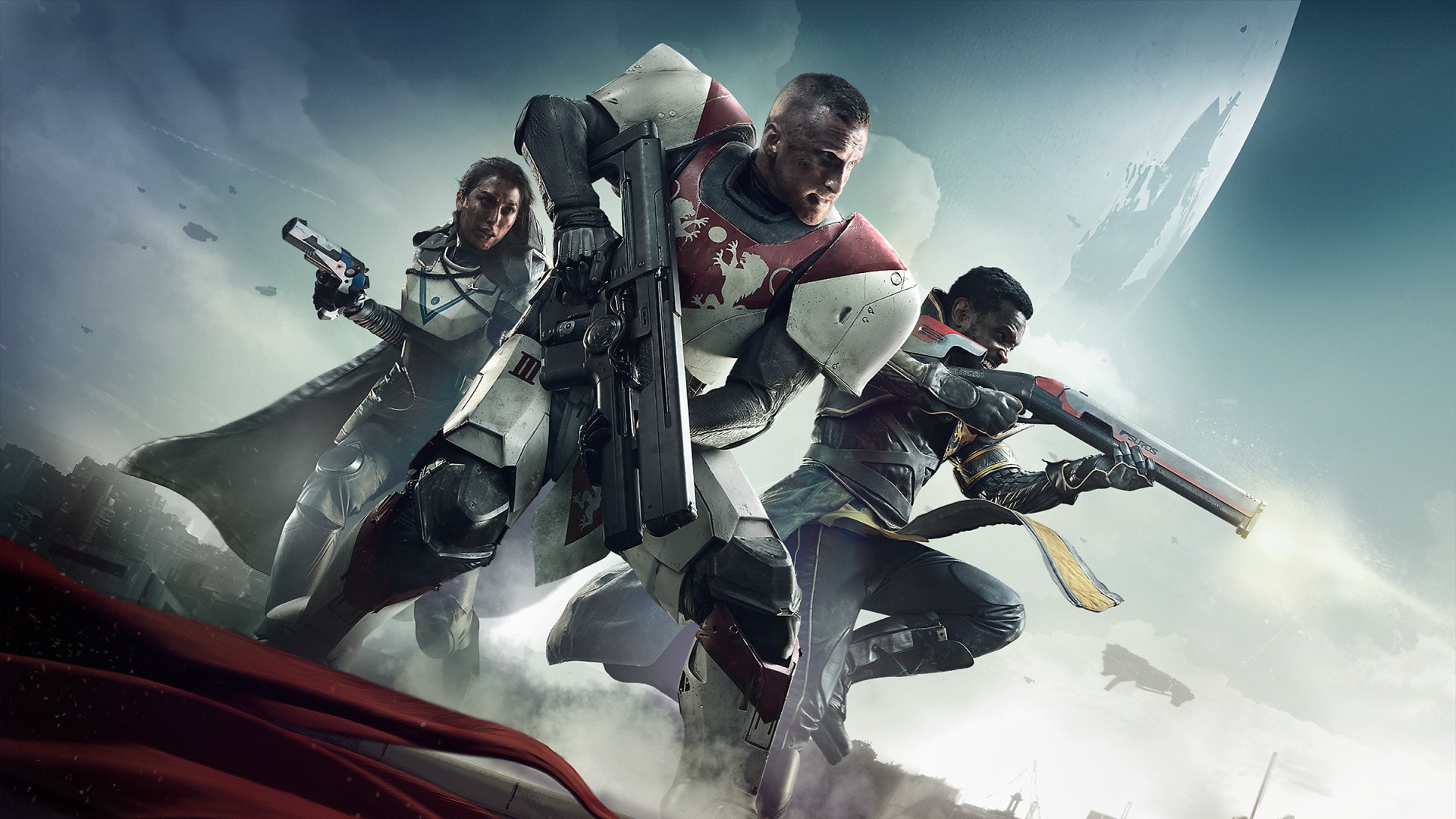
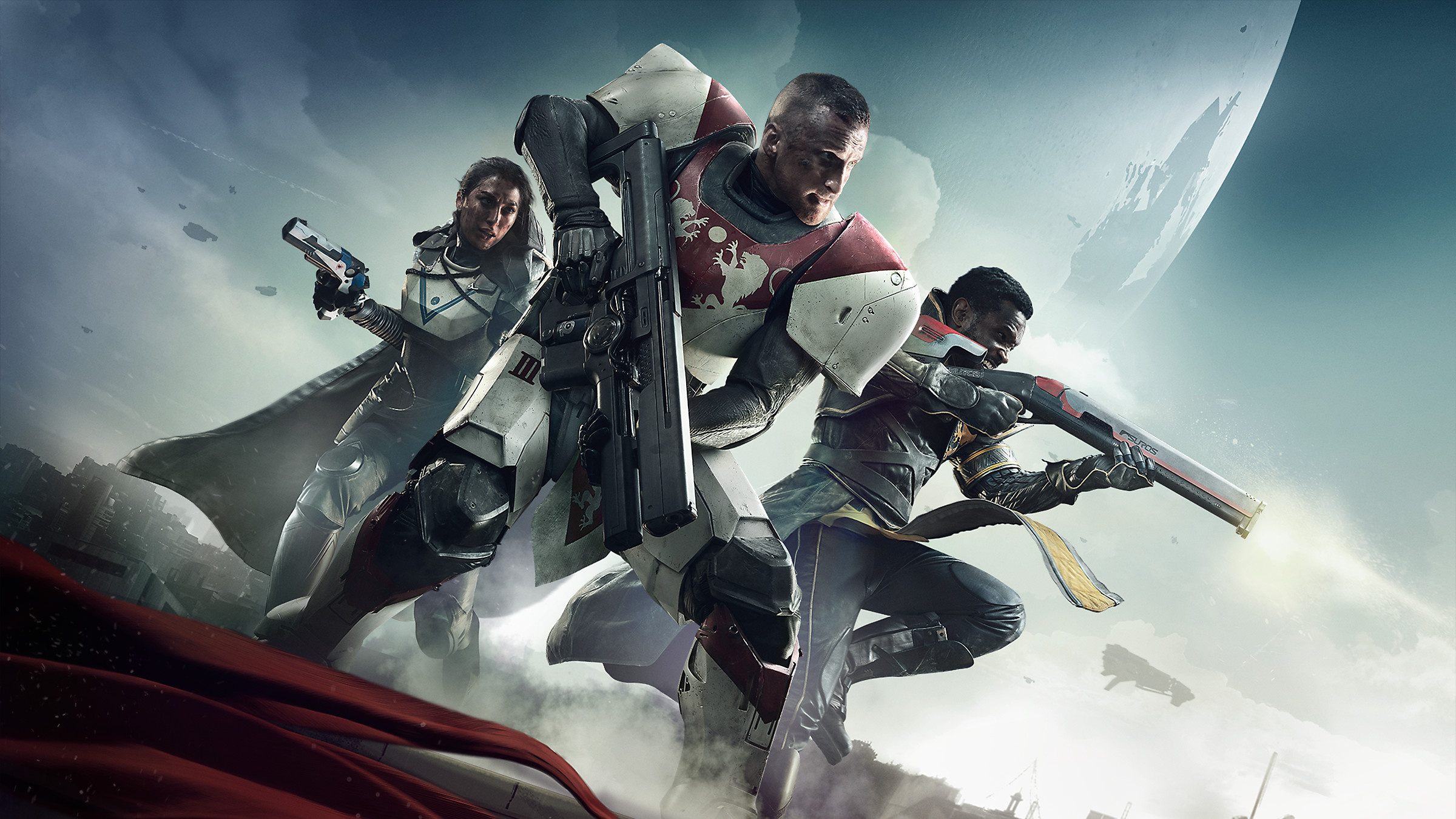
Breaking news everyone: sci-fi shooter titans Bungie, creator of the Halo and Destiny franchises, has officially divorced from its eight-year partnership with Activision-Blizzard. In a public statement released Thursday, Bungie stated:
Looking ahead, we’re excited to announce plans for Activision to transfer publishing rights for Destiny to Bungie. With our remarkable Destiny community, we are ready to publish on our own, while Activision will increase their focus on owned IP projects.
In the gaming community at large, this is a pretty big deal. Activision Blizzard is often measured as the biggest third-party developer in the United States, ahead of EA, and yes, monetarily valued larger than even the entirety of Nintendo. And it’s no surprise why, with Activision Blizzard claiming the best-selling game year after year with the Call of Duty franchise, its acquisition of Candy Crush developer King, and the entire stable of Blizzard franchises such as World of Warcraft, Starcraft, and Diablo – plus their heavily invested-in esports arm, all raking in money hand over fist.
But over ten years removed from their headline merger, things aren’t going so cheery at Activision Blizzard these days. Over on the Activision side, having already greatly reduced the scope of the Skylanders brand, losing/firing CFO Spencer Neumann to Netflix, and with Forbes reporting stocks literally halving in value in just a couple months, the loss of Bungie (and Destiny) leaves Call of Duty as Activision’s sole heavy-hitting franchise in 2019.
So with this opening, are we suggesting that Destiny is now freed up to somehow travel onto Nintendo’s hotcake portable console? Um, no.
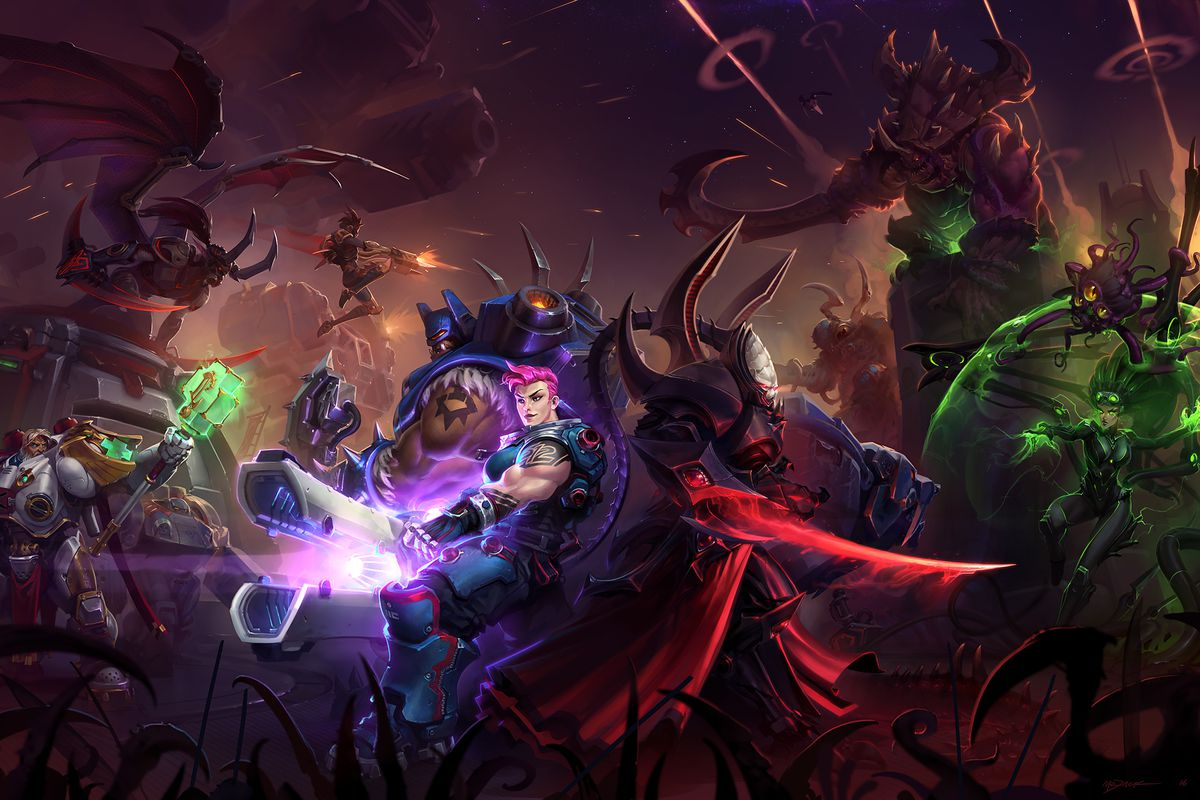
Heroes of the Storm is one Blizzard title that is struggling to make its mark
The loss of Bungie changes things for Activision Blizzard long term in a way that is difficult to couch-quarterback. Corporations are big, lumbering creatures, and it’ll take time before that Destiny sized-hole starts to make sense again to both fans and investors (although hardcore fans of Destiny will probably rejoice).
Instead, we think it’s possible that Nintendo, of all companies, may actually symbolize one short-term, lucrative answer for this new version of Activision Blizzard. Specifically, from the developers over on the Blizzard side – and even more specifically, in the form of what they might refer to as “low hanging fruit” in the marketing world.
Recent reporting by Jason Schreier over at Kotaku paints a grim picture of corporate cost-cutting on the Blizzard side of things. Most of that culture shift is reportedly internal, with the major exception being the multiplayer online battle arena title Heroes of the Stormannouncing unfortunate development cuts. This possibly may have been due to the title never quite catching fire, or possibly to help alleviate the books after the now-announced Bungie departure. It’s impossible to say for sure. Activision and Blizzard do not exactly operate 1:1, but like all big companies, huge splashes in one area make waves that are felt everywhere.
If those aforementioned cost-cutting measures and the loss of Bungie mean an overall smaller output from Blizzard than in years previous, theoretically that is one way Nintendo may be impacted; smaller projects could have been quietly capsized by the ripples stemming from the departure of Bungie. This is, of course, pure speculation on our part.
But that’s not the story recent events might suggest. Specifically, by the implied success of Diablo III: Eternal Collection, Blizzard’s very first Nintendo release since 2000. In August of last year, Nintendo surprised announced Diablo III via a weird-as-hell (pardon the pun) video on its YouTube channel.
As is the over-used trope for third-party developers dippingtheirtoes into the Nintendo ecosystem after a long departure, older ports like Diablo III are a great litmus test to see how things might scale demographic-wise. It’s low-risk, high-reward.
This approach has had varying degrees of success. In the case of Rockstar, it’s none too certain we’re about to see a wave of content from any of their studios after meagre support which consists solely of the re-release of L.A. Noire. But, say, Bethesda? DOOM, Wolfenstein 2 and (maybe) even Fallout Shelter have performed well enough that DOOM’s sequel is already on its way to Nintendo Switch, simultaneously with the other versions, no less.
What does that imply for the Blizzard and Nintendo relationship? Well, here we have Blizzard, which just lost its CFO Amrita Ahuja to Square, as well as its longtime head of Hearthstone and cool guy Ben Brode (alongside various developers) to their own ventures. It also just cut down Heroes of the Storm development, and its parent company just announced a gaping hole in the form of Destiny. That’s a lot of holes which need plugging.
Meanwhile, Diablo III has mostly remained on Nintendo’s top 25 selling eShop titles since it launched in November. It’s perpetually featured and got its own limited edition console. It also got pretty dang good reviews. Not to mention, Nintendo made a show of it all by sending its social media team to their very first ever Blizzcon. To top it all off, Overwatch director Jeff Kaplan has weirdly reiterated against all odds that his team is “very open-minded” to Overwatch on Switch.
It is very likely that with minimum resources, Hearthstone, Diablo, Warcraft, Starcraft, and Overwatch could see small to mid-scale projects coming to the Switch sooner rather than later – probably in that order of likelihood. It’s also very possible potential projects have been in planning with or without the departure of Bungie (that’s the power of having the fastest selling hardware on the market); in that respect, you could argue that the divorce means absolutely nothing as Blizzard may already have bold plans in place for Switch. However, you could equally argue that the people within the walls of the company that are pushing for such Nintendo-related projects to happen will find their position modestly enhanced by the recent news.
In our opinion, it’s not a stretch at all that these headline events, downturns and the hanging uncertainty have actually heightened the probability that Diablo amiibo aren’t the only thing Blizzard and Nintendo are going to be collaborating on in order to manufacture some win-win projects – and fast. This combination of a hot console and a down-but-definitely-not-out company is the strange way this shift over at Activision Blizzard may actually have some impact on, yes, Nintendo, of all companies. If you need a boost, it makes sense to hop on board with the hottest console on the block, right? Given that the break-up with Bungie is unlikely to have been a last-minute thing, could the wheels have been set in motion already? Time will tell.
Do you think Blizzard is ramping up production on Switch projects? Do you think it’s just wishful thinking? Tell us below!
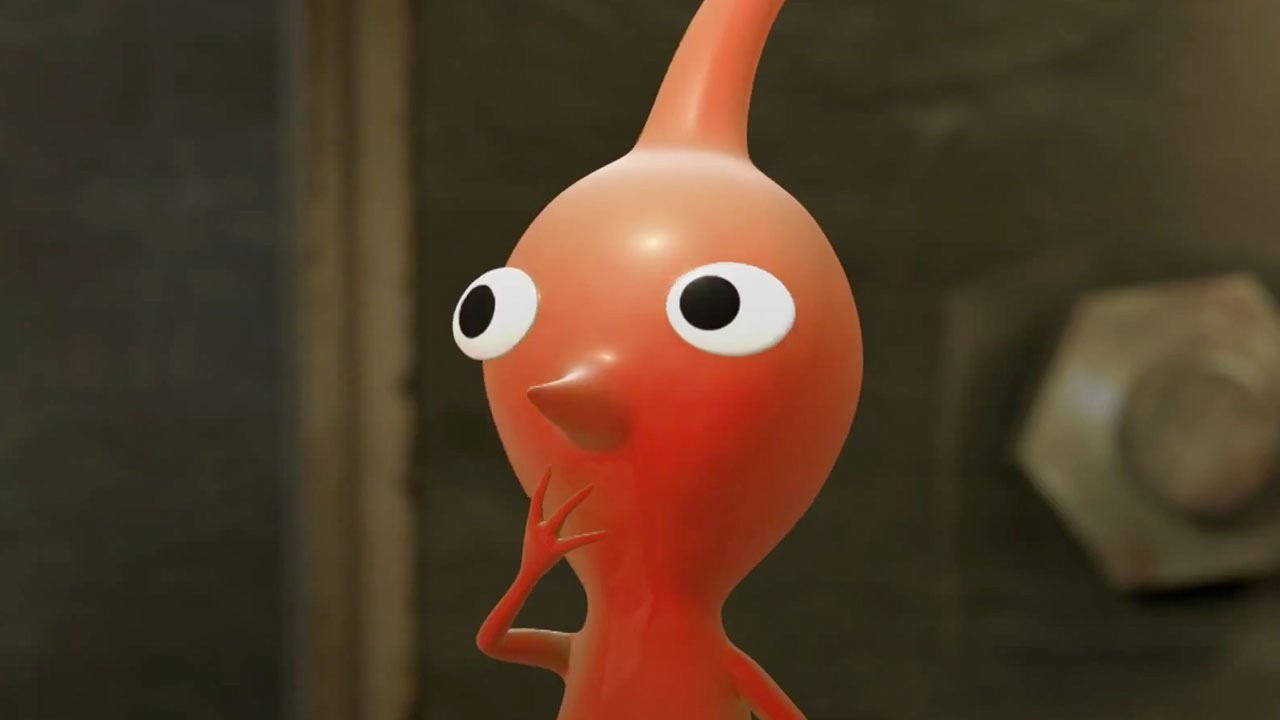
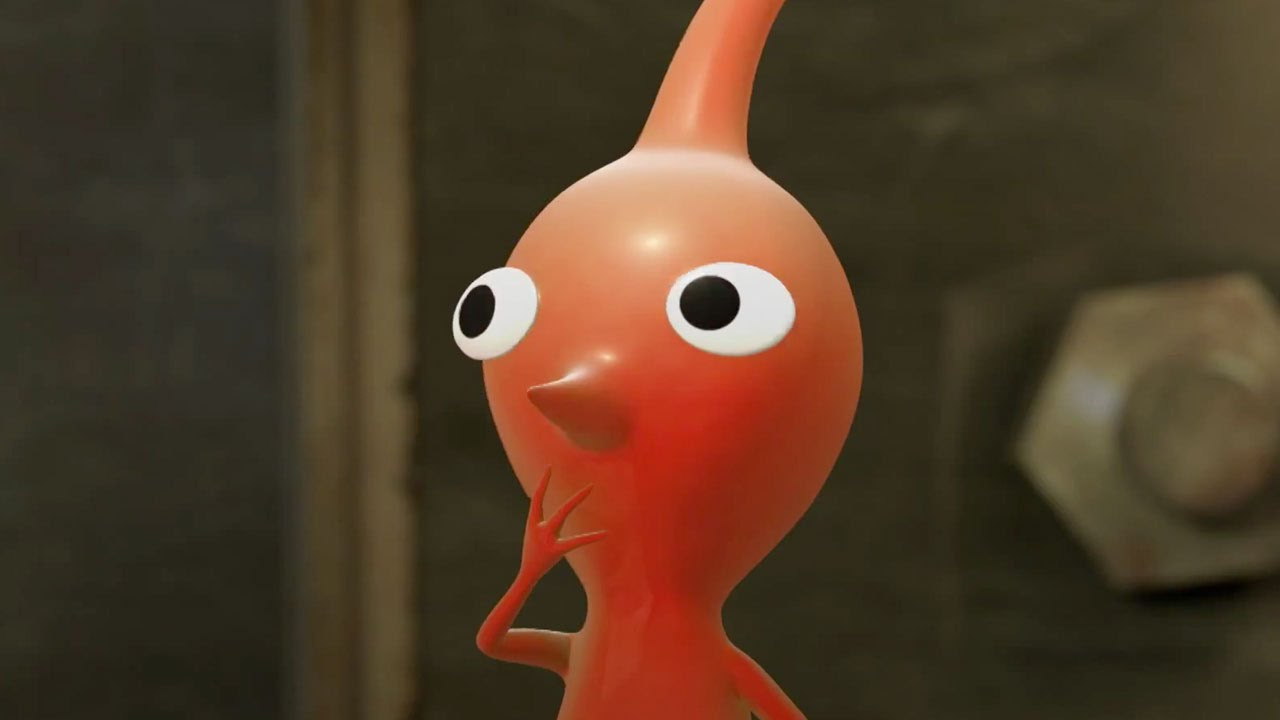
Yet another Super Smash Bros. Ultimate glitch has been doing the rounds online in which players can transform the size of their Pikmin, making them the devilish monsters we always suspected they might be.
Shared recently on Twitter by @kangroo221, and seemingly originally found a few weeks ago by @DBlank20xx, the glitch can only be performed under very particular circumstances. The Pikmin only grow to their new-found full potential when in the presence of the Mother Brain assist trophy, as seen below; the Smash Bros. series already makes them much larger than their usual 1cm size, so this extra growth is pretty crazy.
You can try this out for yourself at home if you’re interested; simply set up a scenario where one player uses a Mother Brain assist trophy (the Training options will be best for this) and have a second player control Captain Olimar. As the Mother Brain grows, fling your Pikmin directly on to her and watch them grow accordingly. You can see it in action in this video from the folks over at GameXplain.
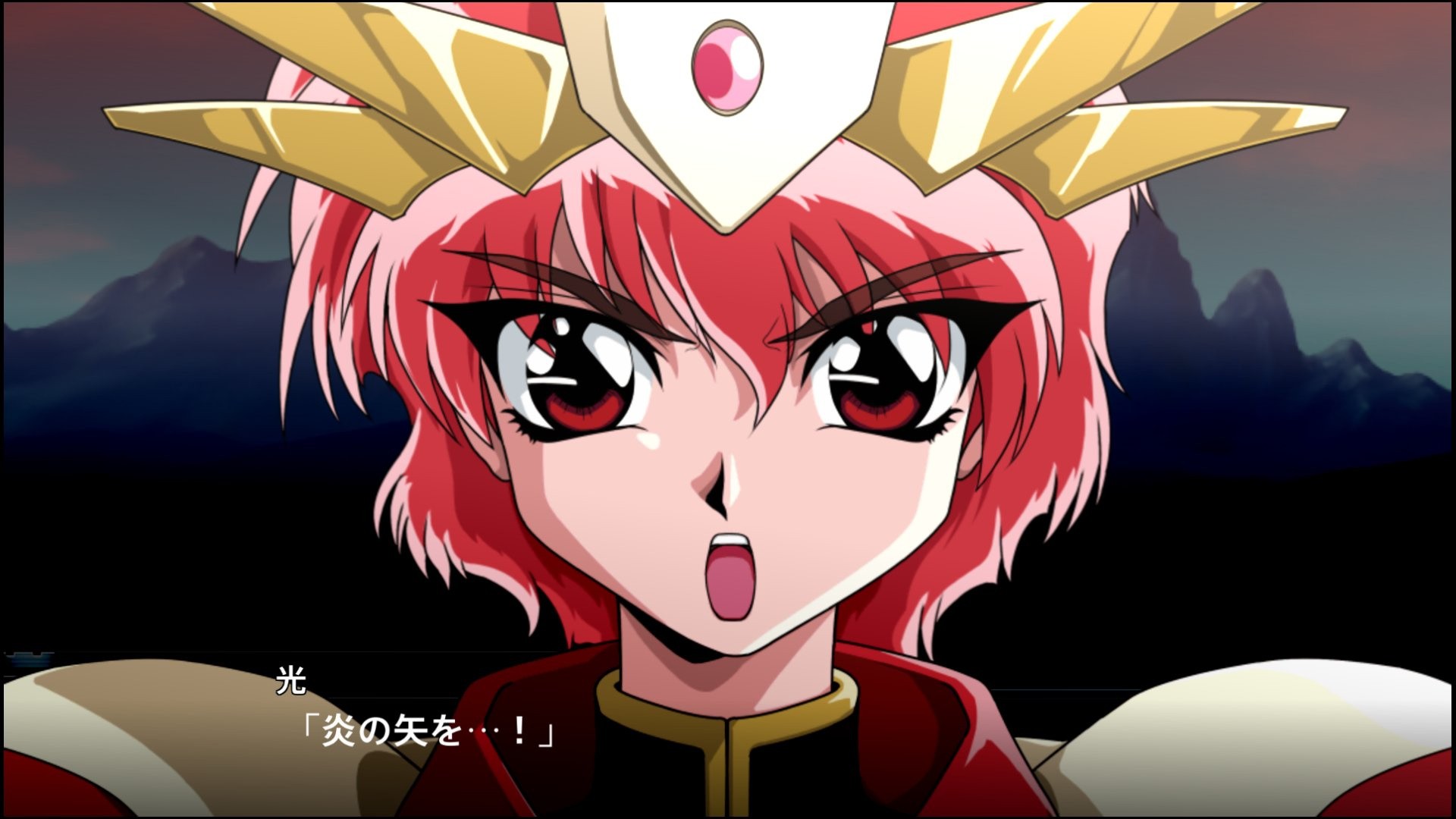
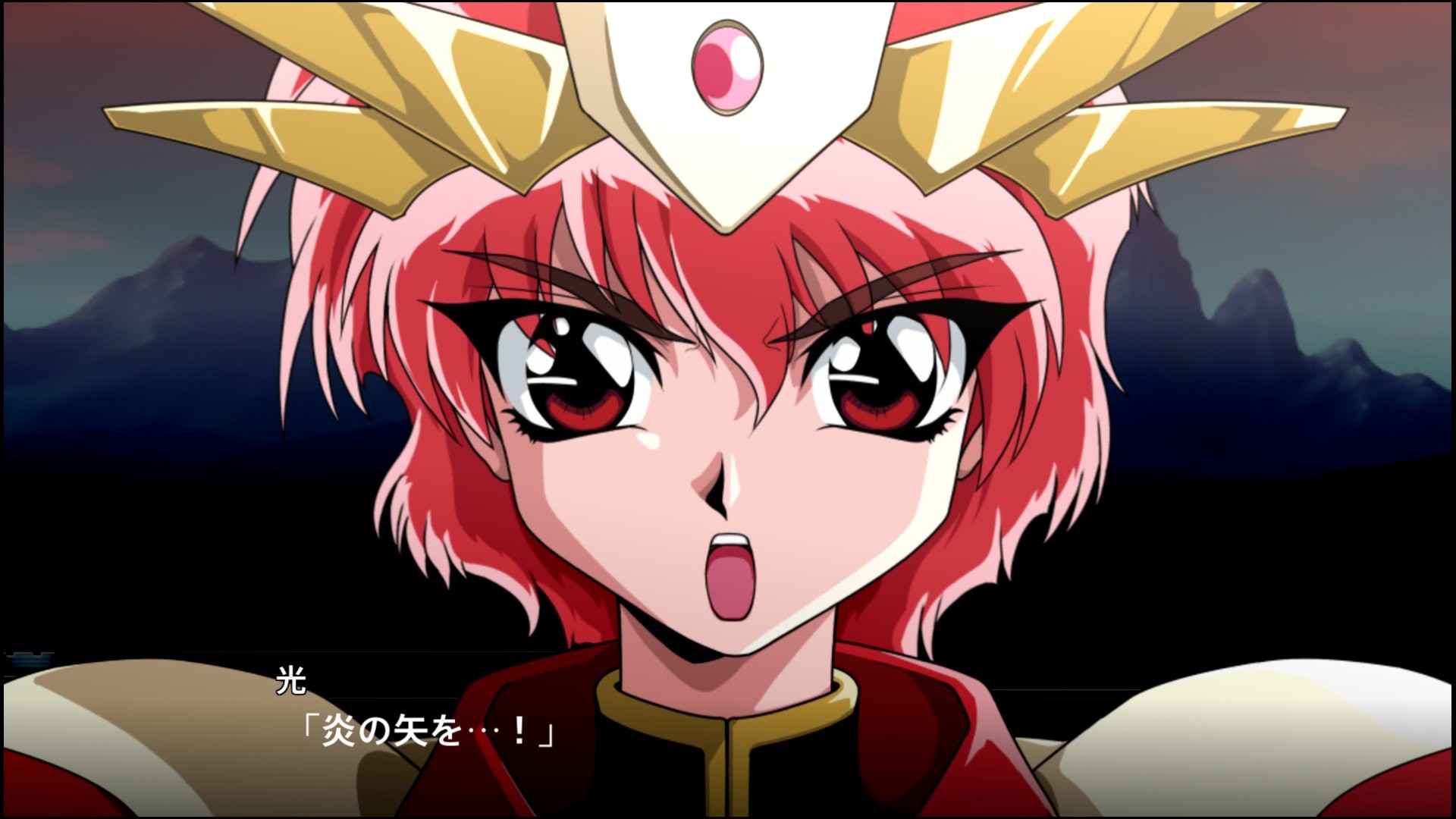
Bandai Namco has shared a brand new trailer for the upcoming Super Robot Wars T on Nintendo Switch, giving us an extended look at its gameplay and characters.
Perhaps the most notable thing about the trailer is that it fully introduces the game’s original mecha and characters. A Japanese website for the characters has also appeared providing a little more info, revealing that Tiranade – a mecha – was designed by Japanese anime artist Hidetaka Tenjin, along with the names and descriptions for human characters Tokitou Saizou, Sakurai Sagiri, Amasaki Rami, all of which were designed by Nisieda.
In November last year, we were treated to a collection of utterly gorgeous screenshots for the game which had us watering at the mouth; we’re happy to report that the footage above looks just as lovely. The trailer is entirely in Japanese, but you can still get a decent sense of the action even without understanding the dialogue.
The game is scheduled to launch in Japan on Switch on 20th March; a Southeast Asian release (Singapore, Malaysia, Thailand, the Philippines, and Indonesia) is also planned for the same day with English language support. You can see more about this in the similarly lengthy trailer below.
Are you excited for this one? Are you hoping to snap up a copy of the English version when available? Let us know in the comments.
Headup Games has brought a lovely little collection of games to Switch over the past year and a half, publishing the likes of Runbow, Slime-san, The Inner World, Bridge Constructor Portal, and Earth Atlantis to name a few. Now, the studio has got in touch to share some of its best and biggest games launching this year, and four of them are coming to Switch.
Some of these have already previously been confirmed, but we now have updated release windows and information for each title. So, shall we?
Trüberbrook
Release: Mid-March
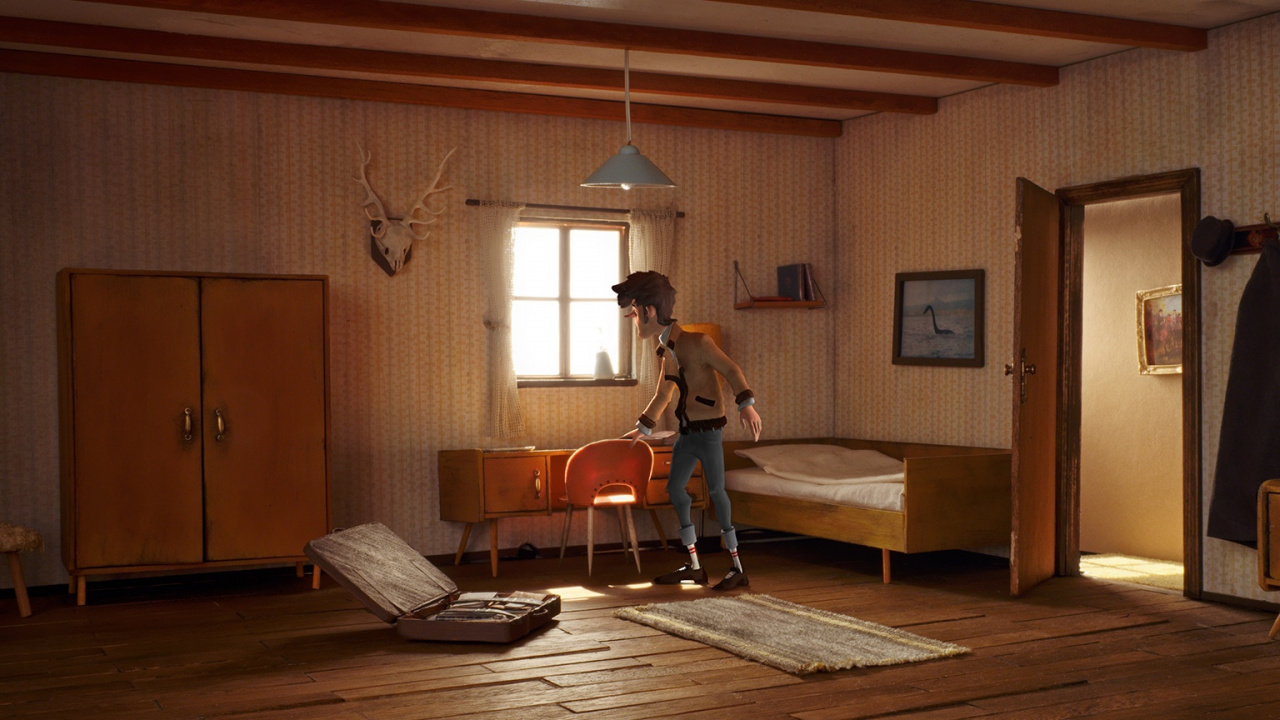
A highly-stylised graphic adventure arriving on all platforms, Trüberbrook comes complete with its very own ‘Interrogation’ trailer (which we’ve included below). The blurb sets the scene for this one:
“The past few weeks a lot has happened in our little Trüberbrook: Most of the villagers have been given their voices, all the houses, squares and secret science labs have been built and the team is about to go on a great journey…”
Windscape
Release: End of March
Described as being a Zelda-like game, Windscape has you playing as a young girl living on your parents’ farm, set in a “lovely world made up of floating islands in the sky”. As you discover the world you learn that something has gone terribly wrong, however, with islands breaking apart and falling from the sky.
Dead End Job
Release: Q2 2019
Dead End Job is a twin-stick shooter that sees you take on the role of Hector Plasm, (an employee of a paranormal pest control company called ‘Ghoul-B-Gone’). Your aim is to become the employee of the month, at which point you will be deemed ready to avenge the murder of an ex-coworker.
Silver Chains
Release: Q3 2019
The debut title from developer Cracked Heads Games, Silver Chains is a first-person horror coming to Switch a little later in the year, slightly after its Q2 release for PC. The game uses Unreal Engine 4 to bring to life the “hauntingly beautiful” interiors of an early 20th century English manor. This Victorian architecture is said to play its part in creating an eerie atmosphere throughout.
Do any of these games take your fancy? Will you be keeping an eye out for them as they arrive over the next few months? Let us know your thoughts in the comments.
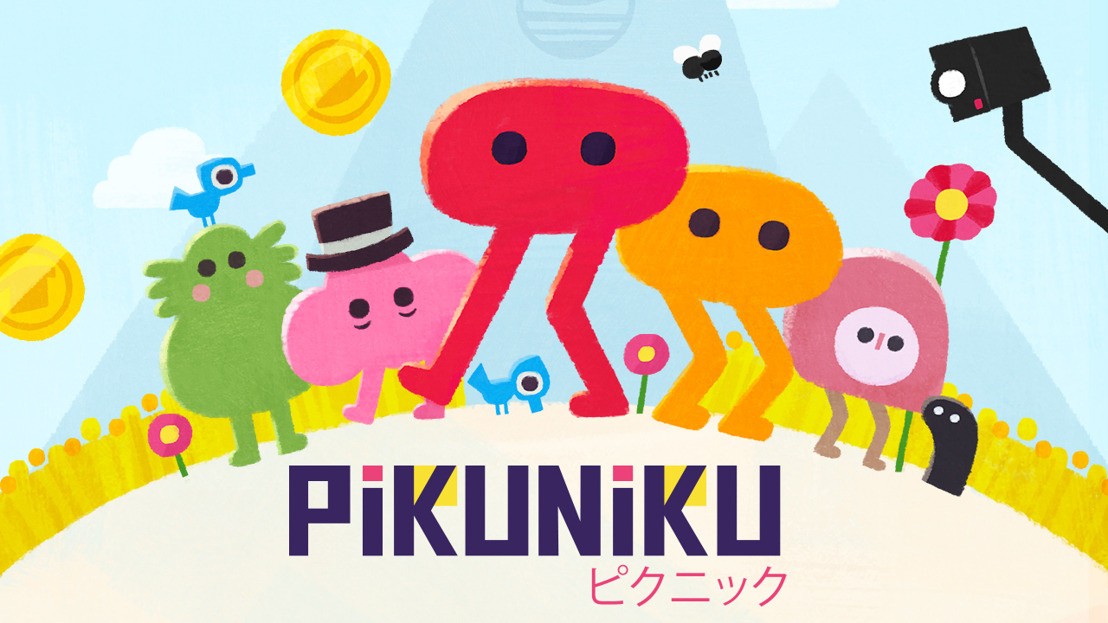
Devolver Digital has revealed that the upcoming puzzle-exploration game Pikuniku will be bringing its quirky antics to Switch later this month.
The game takes place in a strange but playful world where not everything is as happy as it seems. You’ll need to help peculiar characters (who can apparently high-five with their feet-leg-things) overcome struggles, uncover a deep state conspiracy, and start “a fun little revolution in this delightful dystopian adventure”. It looks and sounds pretty fun to us, that’s for sure.
Players can either explore the weird and whacky world alone, helping the inhabitants with their bizarre requests, or you can pair up with a friend in cooperative levels custom designed for two players. We’ve got some screens for you below.
As is often the case, Devolver Digital’s press release for the game includes a quote from its hilarious, but fake, CFO Fork Parker:
“While watching my mistress’s stepchildren play through Pikuniku, I realise this was a video game product that even an ultra-wealthy elitist like myself could enjoy.”
We know that isn’t really relevant to anything, but it was sent to us and we wanted to share it. So there.
Pikuniku launches on Switch on 24th January and will be available from the eShop for $12.99 / £10.29 / €10.79. You can also get 10% off by pre-ordering (pre-orders are live now in North and South America, and will go live on the 17th for everyone else).
Will you be giving this one a whirl? Let us know in the comments.
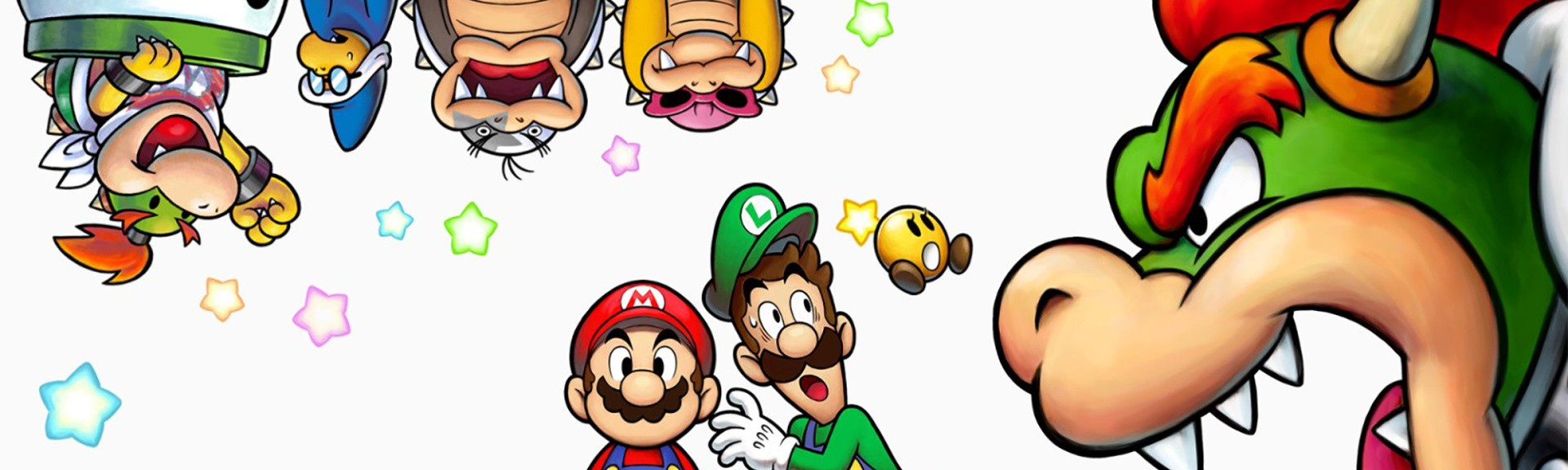
When the Switch came out nearly two years ago, few would’ve expected that Nintendo would still be supporting the ageing 3DS with new first-party software as far as 2019, yet here we are. Picking up the ball that the Paper Mario series has long since dropped, the Mario & Luigi series of RPGs has been a celebrated mainstay of Nintendo handhelds since the GBA, and this latest release only continues that legacy of quality. Mario & Luigi: Bowser’s Inside Story + Bowser Jr.’s Journey is an enhanced remake of the third entry in the series, and while it may not be an enormous overhaul, it definitely deserves the title of being the definitive edition of an RPG classic.
The story opens with the Mushroom Kingdom falling to a terrible epidemic where toads are stricken by the bizarre Blorbs disease that causes their bodies to bloat to incredible size. Princess Peach calls an emergency meeting of the kingdom’s leaders, and things quickly go awry when Bowser is tricked into coming onto the scene by Fawful and inadvertently sucks up everyone in the room Kirby-style – including Mario, Luigi, and Princess Peach. From this point on, the game oscillates between the perspectives of Mario & Luigi – as they explore Bowser’s innards from inside and battle all kinds of cellular life – and Bowser himself, as he endeavours to reclaim his stolen castle.
As one would expect for this series, the plot is sufficiently goofy and the writing is stuffed full of jokes and gags, seldom slowing the pace down enough for an emotional or sentimental moment. Though it may be that some of the humour can come off as a bit campy and flat, there’s something to be said about a script that nails this sort of charming and lighthearted tone; part of the incentive to progress further is just to see what other madness will unfold next. The narrative isn’t deep by any stretch, but there are plenty of hilarious twists and turns along the way that make it well worth seeing through to the end.
Bowser’s Inside Story may be an RPG at its heart, but the actual gameplay unfolds into a brilliantly well-paced buffet that melds gameplay concepts from a variety of genres. Battles are primarily turn-based, but rhythm game-esque timed inputs are the key to overcoming your foes, not grinding or putting on the best equipment. For example, when a foe attacks you the incoming strike is always telegraphed, and if you’re dexterous enough, you can completely avoid damage or even land a counterattack by a well-timed button press. The same principle applies to when you’re on the offensive; your attacks can be bolstered to do considerably more damage if you have a keen eye for precisely when to strike.
Part of the charm of this battle system is how well it balances both player skill and decision-making; each new enemy and boss encounter is like a unique puzzle that, if mastered, can make the battle a walk in the park. The more complicated Bros. Attacks – special attacks that require both brothers to participate – often introduce new input styles of their own, such as utilizing the touch screen to power up a move. It’s this constantly dynamic gameplay, the kind that demands coordination and close attention, that can make the hours melt away so quickly; you aren’t just selecting attacks from a menu and watching the characters act them out – you’re actively participating in just about every element of the fight.
As one may have inferred from the title, Bowser is very much the star of the show in this adventure; we’d wager you spend more time playing as the ne’er-do-well than you do the bros. themselves. In combat, Bowser’s actions feel slow but suitably powerful and heavy-hitting; he punches like a truck and it’s clear from the get-go that he’s not just a stand-in for Mario and Luigi. When not embroiled in the thrill of combat, the lumbering oaf explores the countryside surrounding his castle in a top-down overworld that features some subtle Metroidvania elements. Often, you’ll come across an obstacle or barrier that Bowser isn’t equipped to deal with yet, encouraging you to explore further and see what you can come across. The world isn’t exactly dense with secrets – there’s a fairly clear path forward at all times – but stepping off the path to see where a trail leads often rewards you with new equipment or some extra coins to spend on items in the shop.
Similar to Bowser’s quest through the Mushroom Kingdom, Mario & Luigi explore Bowser’s insides from a 2D side-scrolling perspective, injecting some light platforming elements into their world. The bros will swim through water in the monster’s stomach, bounce on mucus membranes like trampolines, and smack nerve endings with their hammers to open new ‘doors’ as they work to help their foe from within. Swapping between the bros. and Bowser is seamlessly done with a tap of the button, and many puzzles and battles often require everybody to put in some work. For example, Bowser can vacuum up smaller enemies in a battle and send them into his stomach, where Mario & Luigi then take the stage to finish them off. Or in other cases, Bowser needs additional strength to lift an enormous object, so Mario & Luigi go to the necessary muscle to power it up. The synergistic nature of this uneasy alliance is thoroughly explored over the course of the narrative, constantly finding new and interesting ways of iterating on the dynamic.
One especially cool way that this plays out is during a few special boss fights when the bros. cause Bowser to grow to roughly the size of Godzilla, requiring you to battle with the 3DS held sideways as he tussles with foes of titanic proportions. Here, the graphics take on a 3D (though sadly not stereoscopic) visual style, and controls are entirely handled via touch screen inputs. Although these battles are few and far between and feel somewhat gimmicky, they just go to show the kind of creativity on display throughout the whole of Bowser’s Inside Story; Alpha Dream really swung for the fences with this one.
This being a remake, Bowser’s Inside Story drops the detailed pixel art of the first few games in the series in favour of a more vibrant visual style that somewhat calls to mind the original Super Mario RPG. Though maybe a bit uninspired in their theming, environments are nonetheless diverse and detailed in how they’re presented to the player; little things like schools of fish swimming beneath the ocean’s surface or blood cells rushing past in the background of Bowser’s innards show that careful attention was paid to making the world feel lively. The lack of stereoscopic 3D is certainly a shame, especially considering that Mario & Luigi: Dream Team featured it, but this is nonetheless a gorgeous looking game that exemplifies how far a strong art style can carry a game.
Those of you who played the original game back on the DS are probably wondering what got added for this remake, and as far as the base game is concerned, not much. Aside from the expected remastered visuals and controls, various quality-of-life improvements have been brought on to keep things streamlined. Features such as the option to practice a bros. attack before spending the BP or the option to hold down the ‘R’ button at any point to speed up gameplay and cutscenes help to make the game more approachable overall; no enormous changes, just some smart nips and tucks here and there. The original game is largely untouched, then, but Alpha Dream wasn’t content to simply push out a more-or-less straight remake and call it a day.
Upon first booting the game, you’re given the option to play Bowser’s Inside Story or Bowser Jr.’s Journey, the latter being a brand-new side-campaign featuring Bowser’s bratty son. Bowser Jr.’s Journey tells a tale that runs parallel to the events of the main game, occasionally dovetailing with major plot beats, and centers around Bowser Jr.’s self-imposed quest to earn his father’s approval, dragging the Koopalings (who are basically his babysitters) along for the ride. The writing here is just as strong as in the main campaign, even featuring a few new characters and cameos, and while Bowser Jr.’s Journey is considerably shorter, it acts as an excellent companion piece that fills in backstory around certain events.
Gameplay here trades in the turn-based battling of the main game in favour of a real-time strategy simulator which is much simpler than the main game’s combat, but surprisingly deep in places. Progression is handled on a level by level basis and sees Bowser Jr. leading eight other recruits in one to three-act battles that play out live. Though all the characters are controlled by AI, player input is frequently needed when a recruit performs a special move, requiring a well-timed button input much like in the main game’s combat system. Bowser Jr. is also given a set amount of ‘CP’ every battle which let him put out orders that buff his team or debuff the other team; knowing how to read the battle and when to drop a rallying cry is critical to victory.
After each battle, all involved recruits will gain experience and a few new ones will be recruited, gradually deepening your options for team compositions. Every recruit is classed under one of three combat styles that interact with each other in a rock-paper-scissors-like fashion; melee characters beat ranged units, which beat flying units, which beat melee units. Before entering each level, you can preview the types of units that your foe will be using and tweak yours accordingly, switching out Goombas for Paratroopas as you see fit.
Though you can only take eight other units at a time, each unit must be placed in a 3×5 grid which dictates their formation when the battle starts; it’s important to factor in which units are put on the front lines and back lines. Laying out units in certain ways can also trigger special formation bonuses that boost certain stats or attack types by a certain percentage, encouraging players to constantly be experimenting with the types and positions of units.
There is clearly plenty of depth to this RTS setup, but it loses a bit of its lustre as time passes; there are issues with repetitiveness in these battles that never quite go away. Despite new enemies and allies being introduced at a brisk pace, gameplay ultimately boils down to watching them all fight and occasionally intervening when the game prompts you to. Battles can, of course, be expedited by holding the R button down, but this is merely a band-aid for a deeper problem; it’s fun to drop in and knock out levels every now and then, but continuous play grows boring rather quickly.
Even so, those of you that are taken by this alternate side-game have a decent amount of replayability to look forward to; Bowser Jr.’s Story features an in-game achievement system for hitting certain milestones, along with a bestiary of enemies, allies, and formation types that take quite a few hours to fill out. You definitely won’t spend as long on Bowser Jr.’s Journey as you will on the main game, but considering that this is a side mode that was thrown in to sweeten the deal of the remake, there’s more than enough to keep you busy for a while.
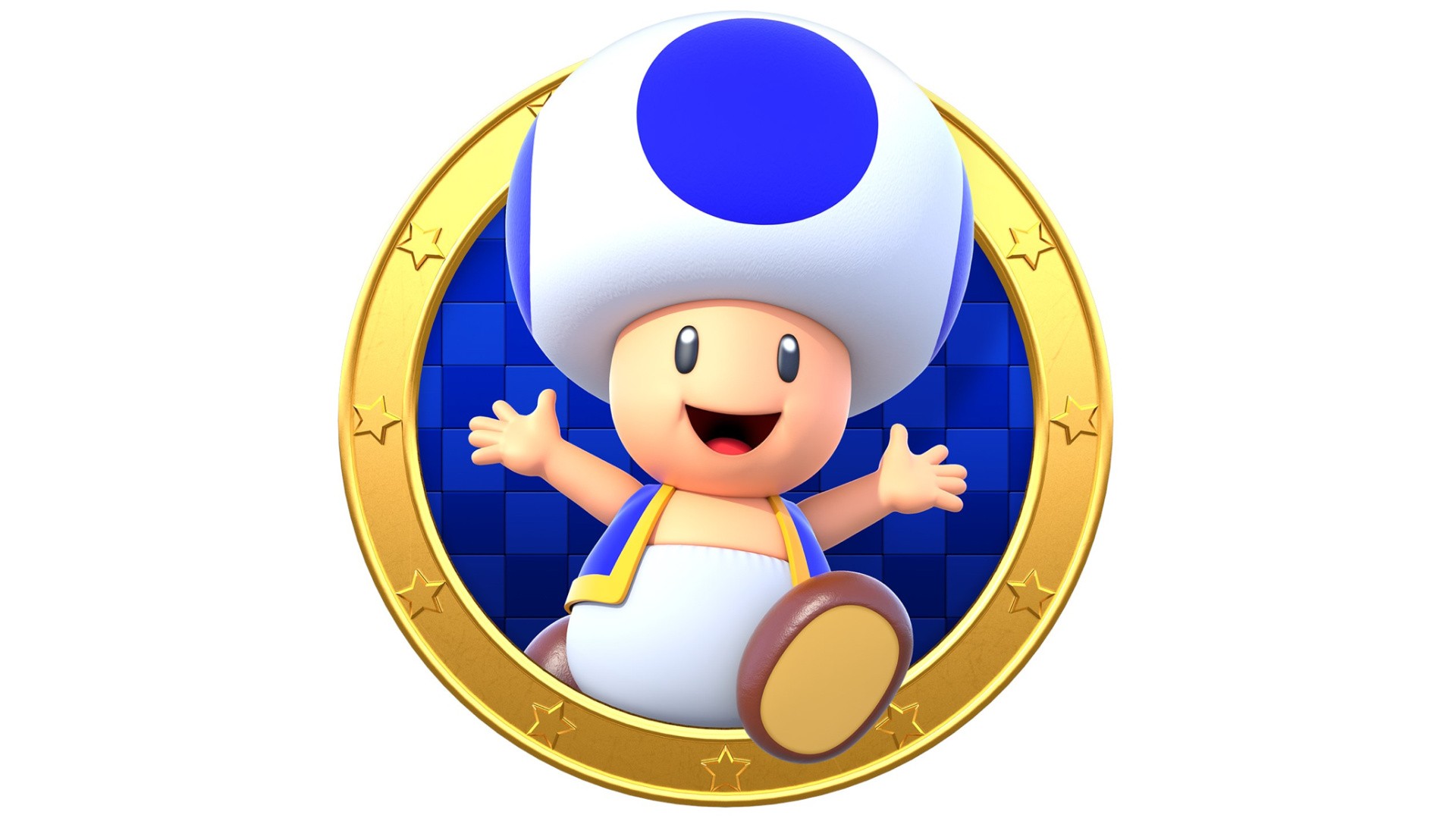
When Nintendo (pretty much) changed the world with the reveal of Toadette/Peachette and the Super Crown in New Super Mario Bros. U Deluxe – spawning the Bowsette phase– one Mario star was seemingly left out in the cold. Replaced, forgotten, and all but ready to join the Toy Story cast in that Toy Story 3 incinerator scene, Blue Toad was no more. Gasp.
Hold back your tears, though, as it turns out that the plucky little guy is in the game after all (even if he is completely hidden away). While Toadette and Peachette do take his place almost everywhere – the box art, the menus, and probably the hearts of the next generation of Mario fans – he can be used to play each level and traverse the game’s overall map if you know this little trick.
If you want to join us in rescuing Blue Toad from the murky depths of loneliness, all you have to do is hold either the ‘L’ or ‘ZL’ button while highlighting Yellow Toad from the character selection menu. Doing so will swap the Toads over; you can see it for yourself in this video from BeardBear.
So there you have it. Blue Toad is available after all and you can finally get that much-needed rest at night.
Make sure to let us know if you’re picking up the game today in the comments below.
We have a bumper edition of the Japanese charts to share with you this week, as Media Create sales for the last week of 2018 and first week of 2019 are now in.
1) [NSW] Super Smash Bros. Ultimate (Nintendo, 12/07/18) – 258,974 (2,614,160) 2) [NSW] Super Mario Party (Nintendo, 10/05/18) – 95,102 (936,140) 3) [NSW] Pokemon: Let’s Go, Pikachu! / Let’s Go, Eevee! (Bundle Editions Included) (Nintendo, 11/16/18) –68,308 (1,399,595) 4) [NSW] Mario Kart 8 Deluxe (Nintendo, 04/28/17) – 55,758 (2,055,899) 5) [NSW] Dragon Quest Builders 2 (Square Enix, 12/20/18) – 47,176 (179,438) 6) [NSW] Splatoon 2 (Bundle Version Included) (Nintendo, 07/21/17) – 43,033 (2,882,819) 7) [NSW] Minecraft: Nintendo Switch Edition (Bundle Version Included) (Microsoft, 06/21/18) – 42,845 (549,754) 8) [PS4] Dragon Quest Builders 2 (Square Enix, 12/20/18) – 38,969 (179,130) 9) [NSW] Go Vacation (Bandai Namco, 12/27/18) – 21,826 (35,136) 10) [PS4] Judgment (Sega, 12/13/18) – 20,018 (233,456) 11) [NSW] The Legend of Zelda: Breath of the Wild (Limited Edition Included) (Nintendo, 03/03/17) – 19,363 (1,246,656) 12) [NSW] Super Mario Odyssey (Bundle Version Included) (Nintendo, 10/27/17) – 16,896 (1,931,675) 13) [NSW] Taiko no Tatsujin: Drum ‘n’ Fun (Bandai Namco, 07/19/18) – 16,600 (286,278) 14) [NSW] Kirby Star Allies (Nintendo, 03/16/18) – 14,769 (717,643) 15) [PS4] God Eater 3 (Limited Edition Included) (Bandai Namco, 12/13/18) – 10,610 (200,510) 16) [NSW] Mario Tennis Aces (Nintendo, 06/22/18) – 10,469 (411,002) 17) [PS4] Call of Duty: Black Ops IIII (SIE, 10/12/18) – 8,726 (514,181) 18) [PS4] Battlefield V (Electronic Arts, 11/20/18) – 8,155 (167,514) 19) [NSW] Captain Toad: Treasure Tracker (Nintendo, 07/13/18) – 7,718 (177,872) 20) [NSW] Dragon Ball FighterZ (Bandai Namco, 09/27/18) – 7,554 (73,861)
Hardware Sales (last week’s sales in brackets):
1) Switch – 199,982 (174,770) 2) PlayStation 4 – 87,669 (58,203) 3) PlayStation 4 Pro – 29,513 (14,227) 4) New 2DS LL – 22,645 (9,649) 5) PlayStation Vita – 4,138 (3,566) 6) New 3DS LL – 3,281 (3,576) 7) 2DS – 557 (374) 8) Xbox One X – 102 (189) 9) Xbox One – 53 (169)
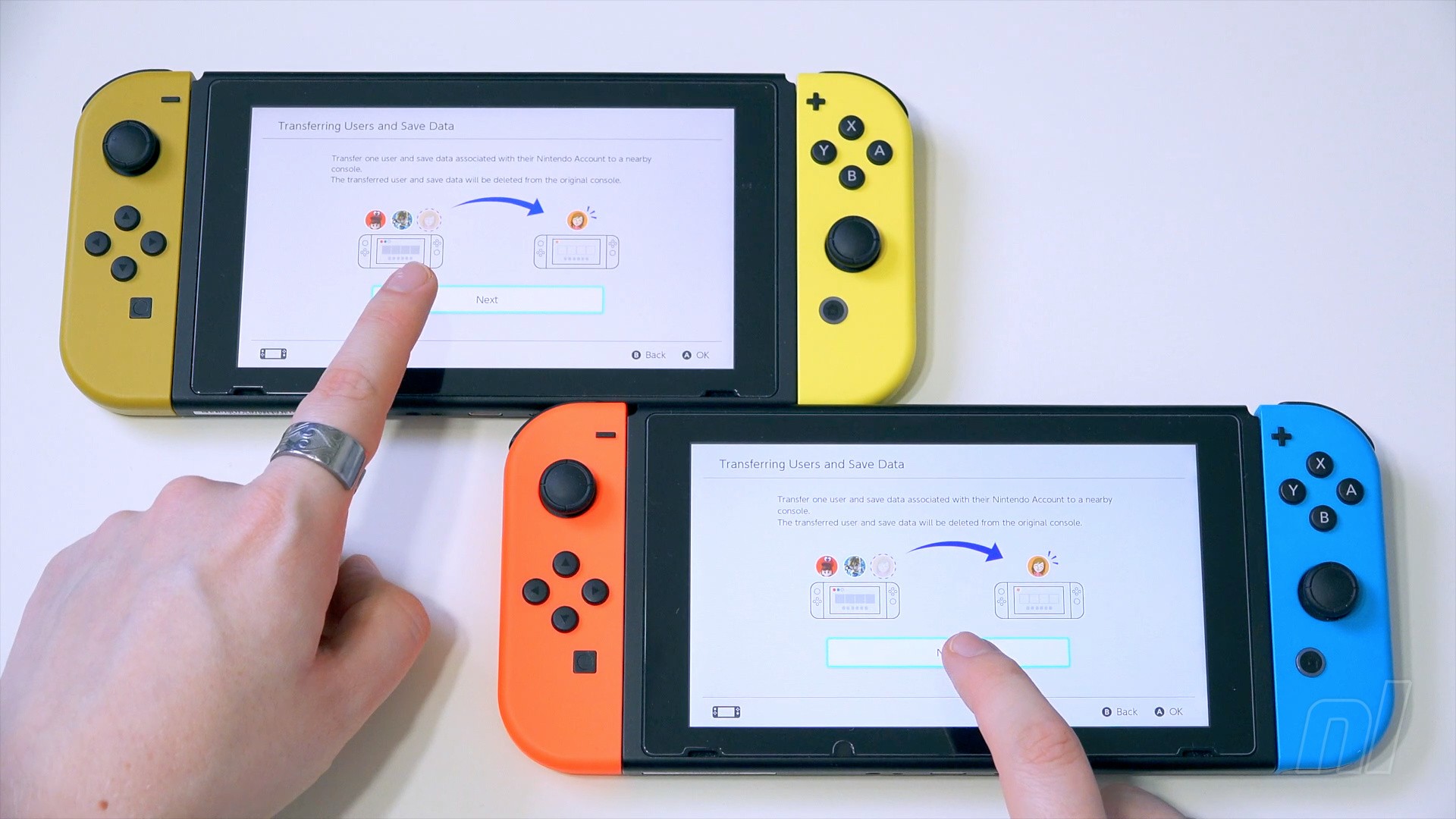
System transfers have been a thing for a goodly amount of time now for Nintendo consoles. Gone are the days when all your lovely gubbins was held on a game cartridge or (gasp) memory card. Now when you get a new version of a console, be it for new features, a different form factor, or just some charming Pikachu and Eevee designs on the back, you’ve got to ferry all that data over from your old system to your new one. As luck would have it, it’s right chuffing easy on Switch, and to prove that fact we’re going to tell you how in the article you lucky, lucky beggars.
Getting Started
The first thing you’ll want to do is make sure both your new and old console are fully set up. You can perform a system transfer when setting up a new console, but it’s a bit more straightforward to do it after you’ve put in your WiFi information and all that good stuff. As long as you can see the Home Screen and you’ve got an active internet connection, you’re ready to get things raring.
Unlike the 3DS the Switch does not require any tools to complete the transfer, it’s all handled in software and is a much more straightforward process, so let’s dive right into things.
The Actual System Transfer Bit
Connect an official Nintendo Switch AC Adapter into each of the two systems.
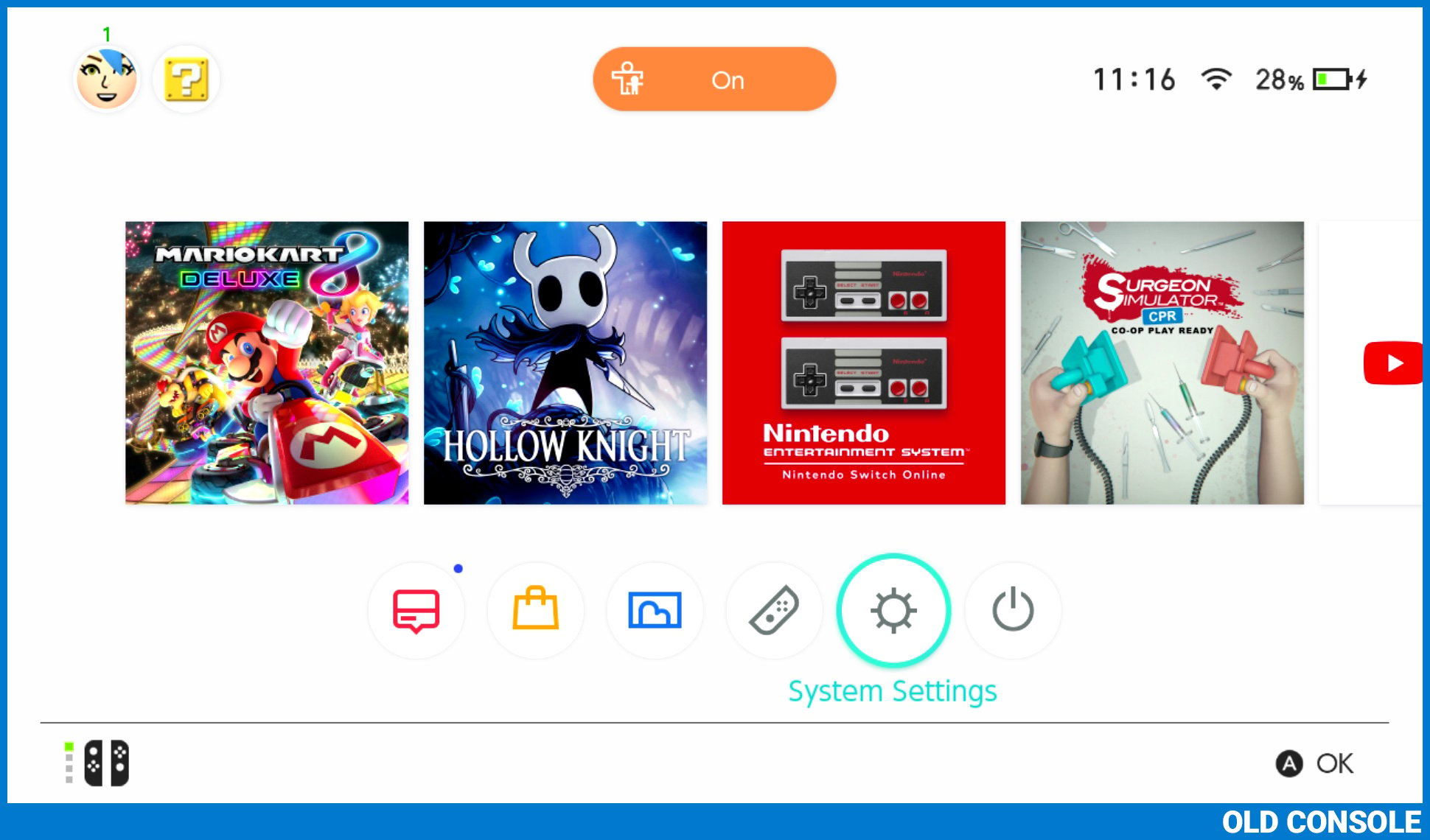
Select System Settings from the Home Menu on both consoles, indicated by a gear on the lower row of circular icons.
Scroll down on both consoles and select User from the menu on the left hand side of the screen.
Select Transfer Your User and Save Data on both consoles from the right hand side of the screen.
Read the information on screen and select Next on both systems.
Once again, read the information on this screen as well and select Next on both systems.
If you have Parental Controls activated on either system, enter the PIN required. If you do not know the PIN, consult the individual who set up Parental Controls.
If you are prompted to insert a power supply into one or both of your consoles, ensure the AC adapters are properly plugged in.
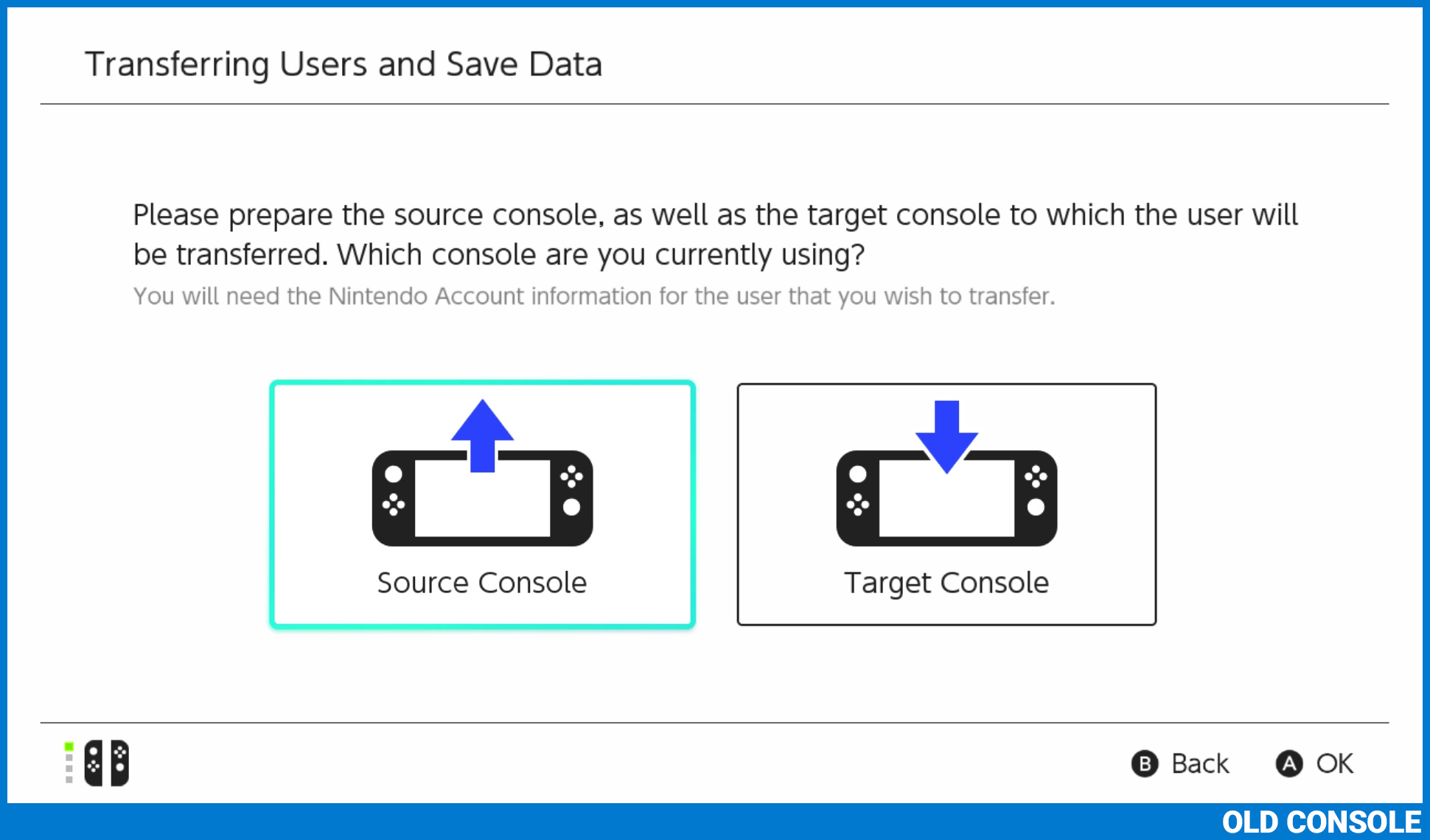
You will now see a screen asking you to select which unit will be the Source Console and which will be the Target Console.
On your old system with the User Profile(s) you wish to transfer, select Source Console.
On your new system, select Target Console.
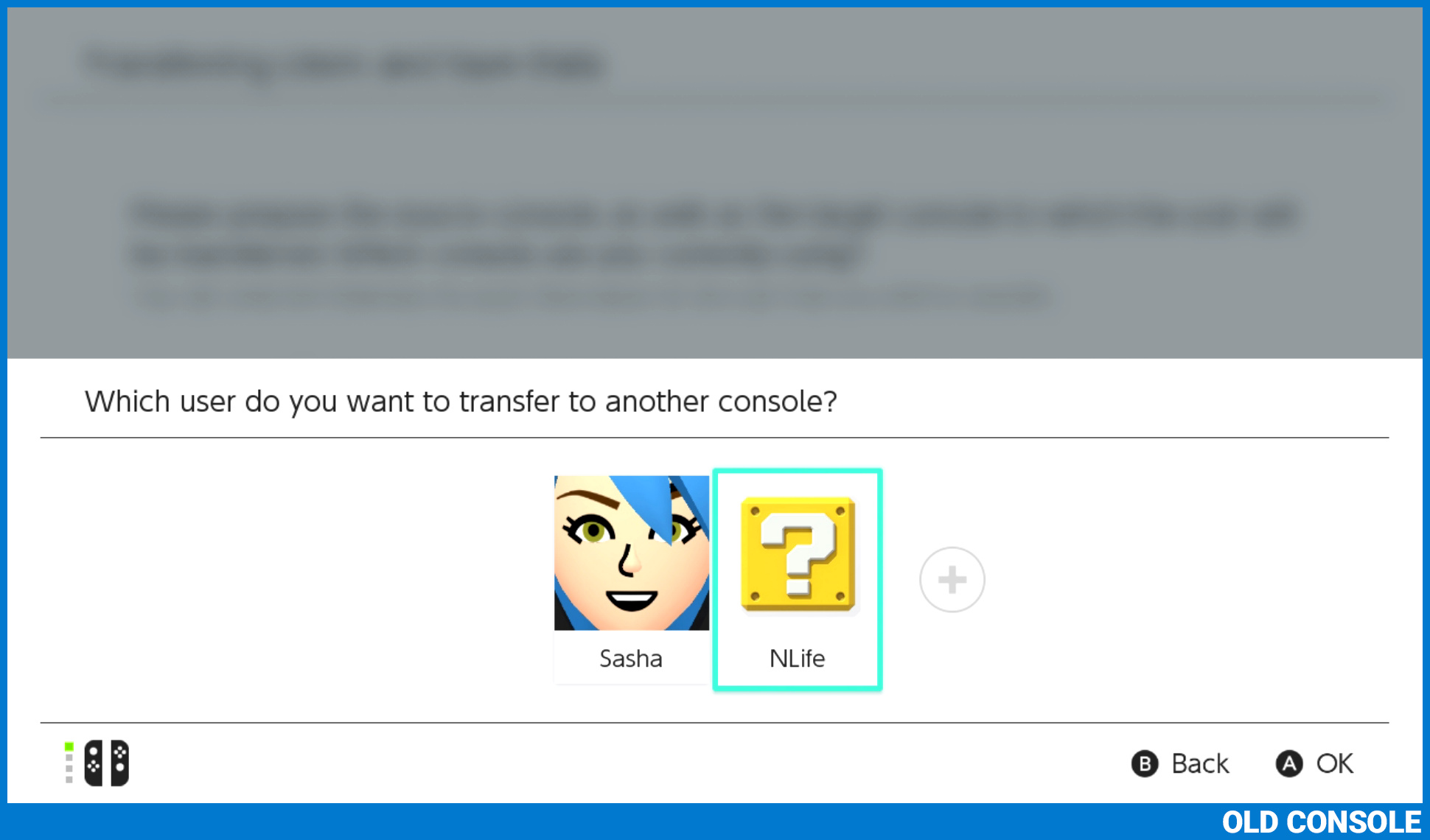
Your old system will ask you which User Profile you wish to transfer. Select the icon of the User Profile you wish to send to your new system.
Your new system will ask you to sign into the Nintendo Account that is associated with the User Profile you wish to transfer. Select Sign In and then choose the method you used to initially create your account, which is usually Sign in using an email address or Sign-In ID. enter the email address and password that you chose when you set up the User Profile you selected on your old console, then select Sign In.
Provided you signed in successfully, you will now see the icon of the User Profile you wish to transfer on both consoles, along with some text that will differentiations between them.
Select Continue on your old console.
Select Next on your new console.
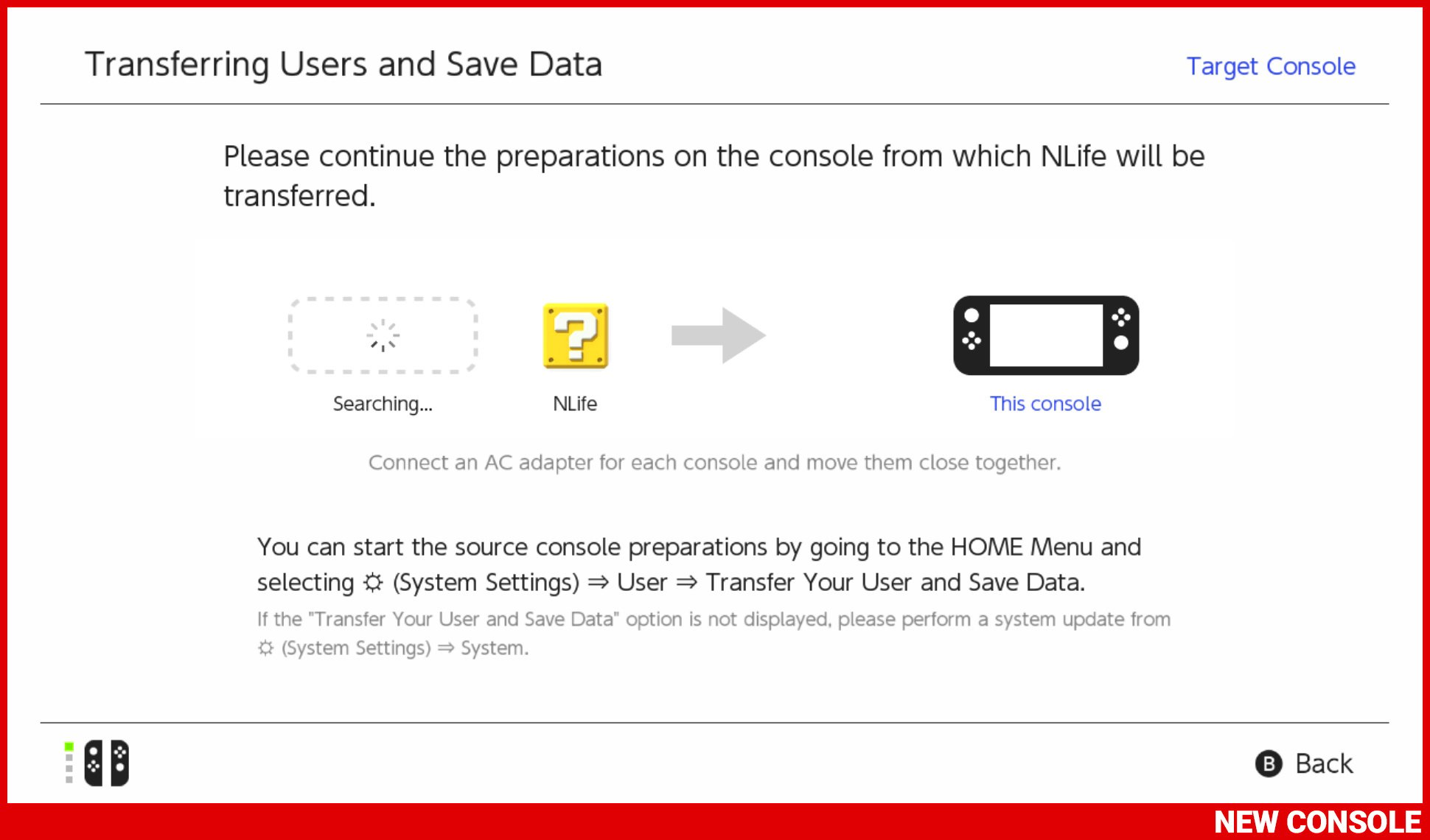
Both consoles will now attempt to discover one another, which shouldn’t take longer than 10 seconds. Make sure the consoles are close together to ensure a rapid discovery.
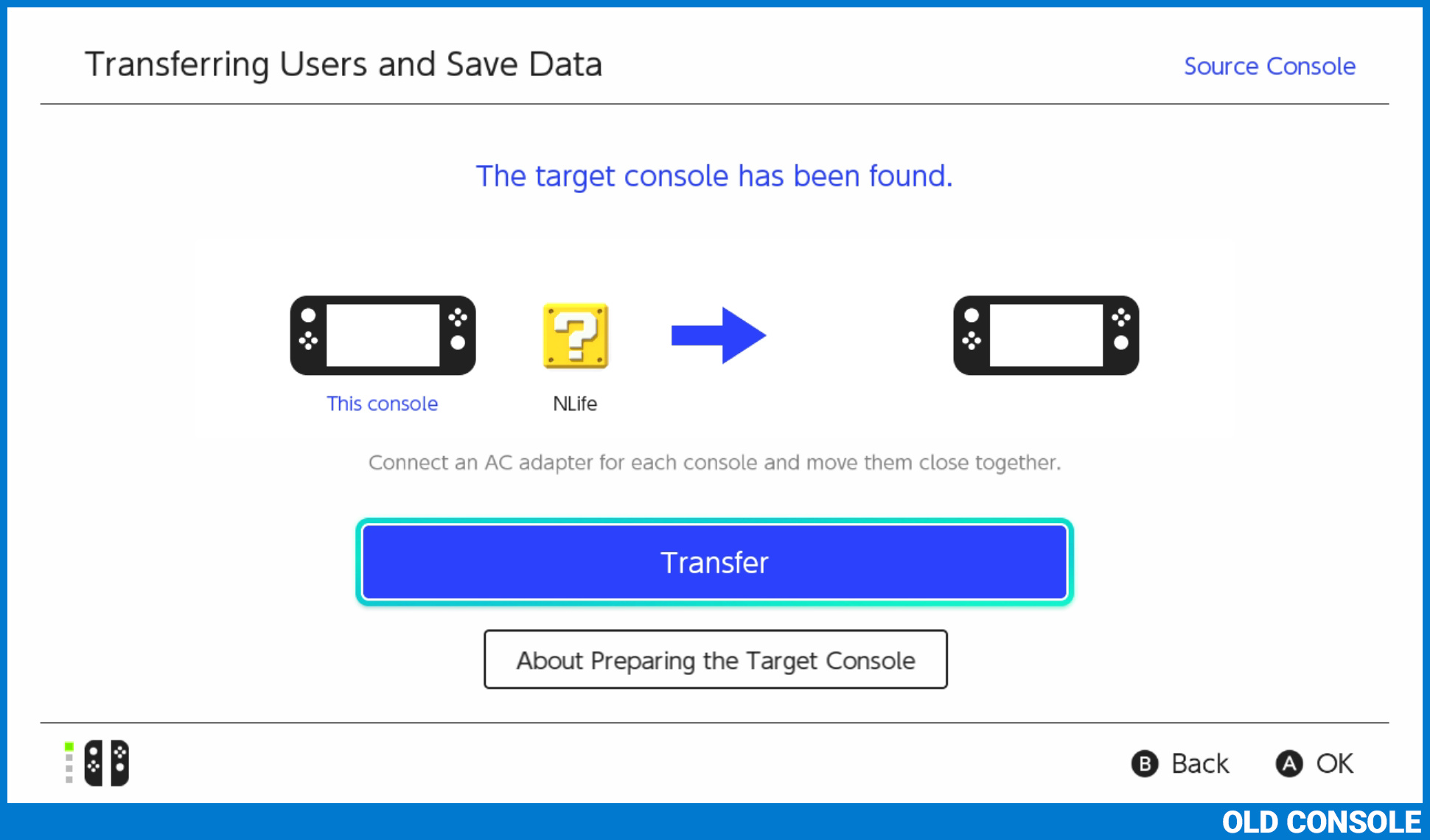
Once both systems have discovered each other, select Transfer on your old console.
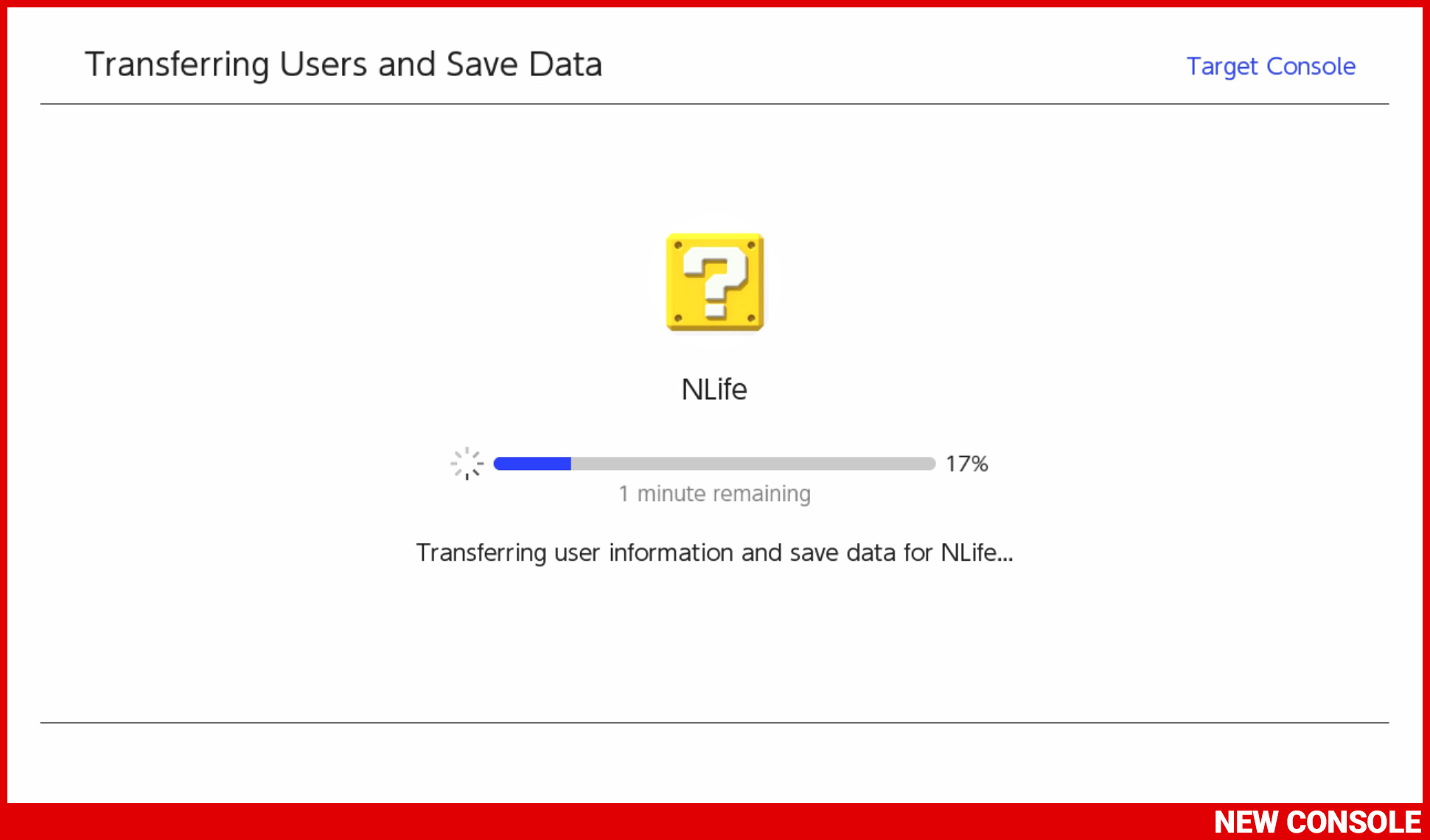
The systems will now begin exchanging data, which may take up to or over 30 minutes depending on the amount of save data you have. Make sure both consoles are plugged into an official power supply for the duration of this transfer.
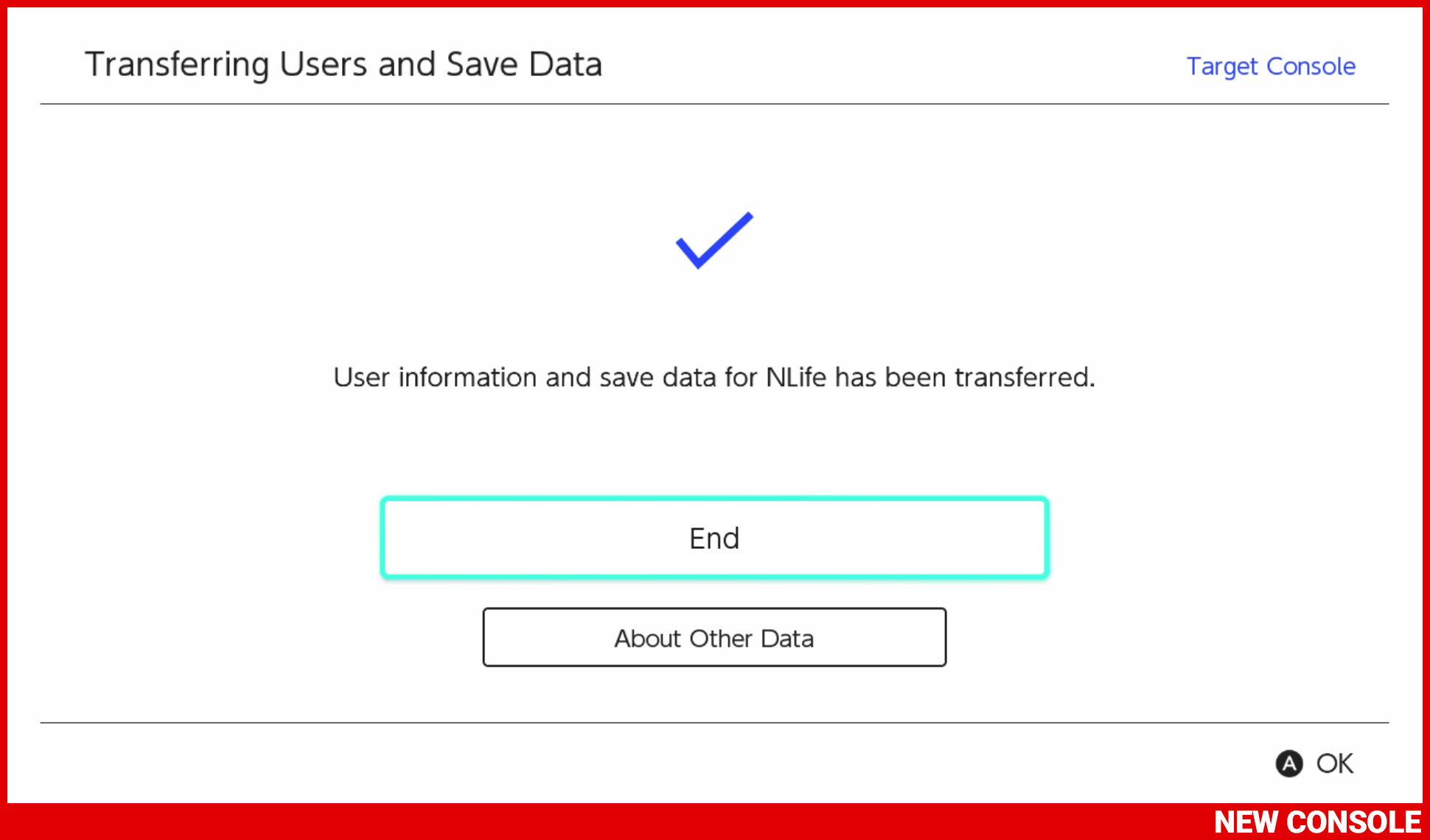
Once the transfer is complete, your old system will tell you that your User Profile has been successfully transferred. Your new system may take a few moments longer to also declare that the process is complete
Once both systems have finished the transfer and display a blue tick icon, select End on both consoles.
The system transfer is complete. Your profile, all your save data, and eShop purchases have been transferred to your new console. Woohoo!
Where Are All My Games?
Whilst your save data has been sent over, your games haven’t, because Switch games are mighty massive and if you’ve ever done a system transfer for the 3DS or Wii U you can understand why Nintendo thought “nuts to that” with the Switch. Instead you’re going to have to re-download them from the eShop, but thankfully it’s not as painful a process as you might think.
Getting Those Games Back
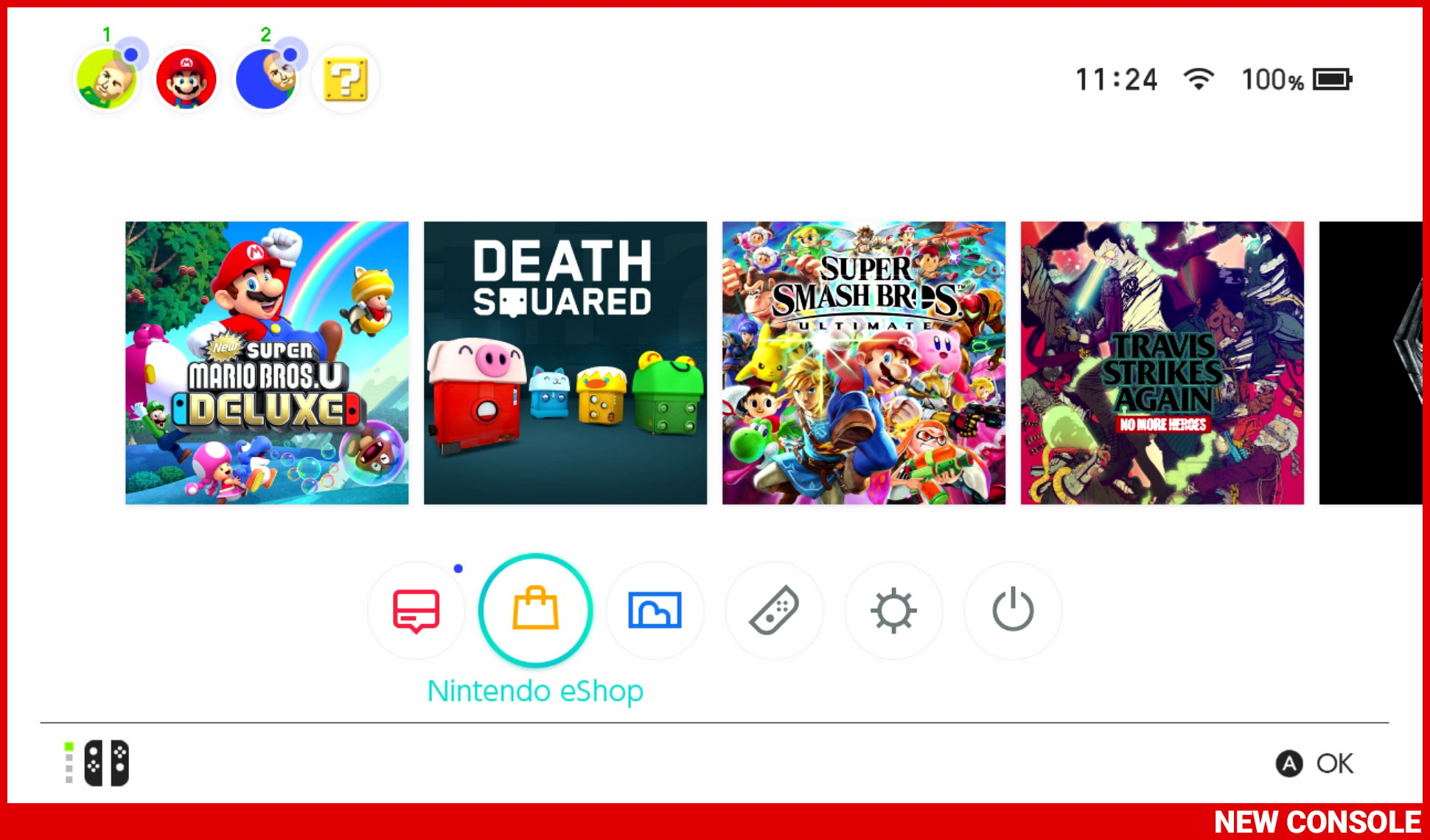
From the Home Menu on your new console, select Nintendo eShop, indicated by an orange shopping bag on the lower row of circular icons.
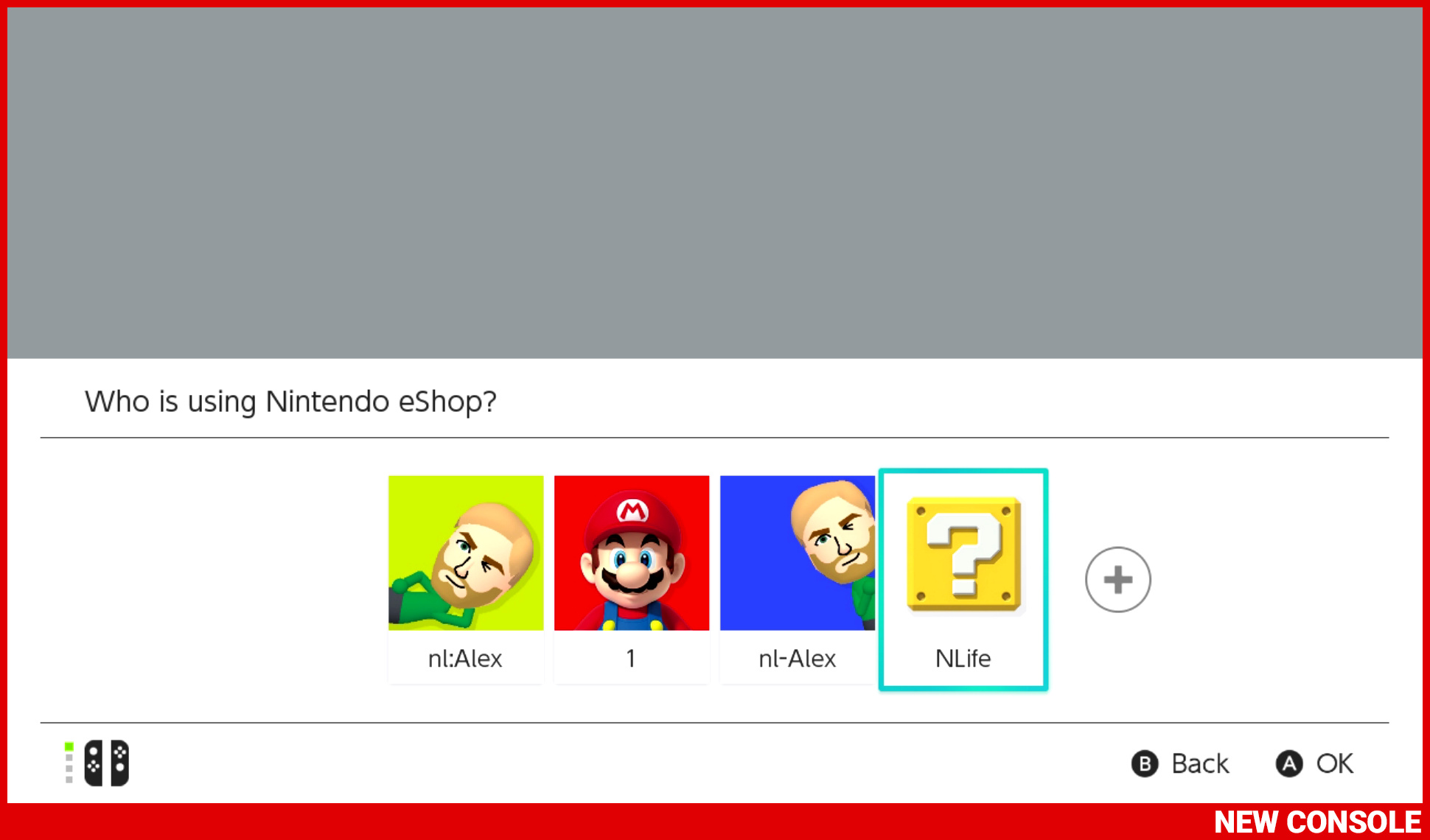
If prompted to select a User Account, select the User Account that made the purchases you wish to re-download.
If prompted to sign in with your email and password for your User Profile, enter your email and password associated with your User Profile and select Sign In.
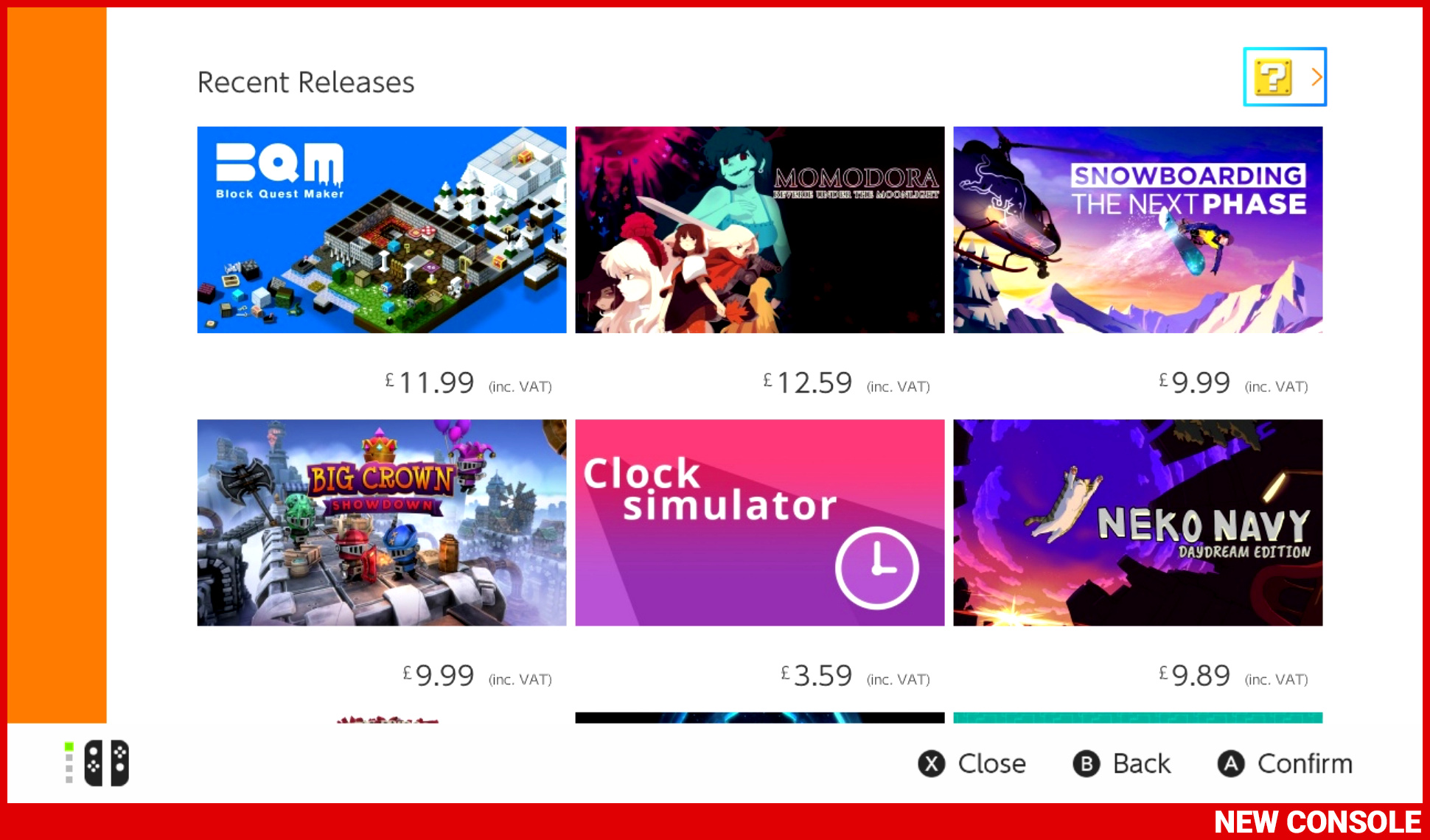
When the eShop has loaded, select the small version of your User Icon in the top right hand corner of the screen.
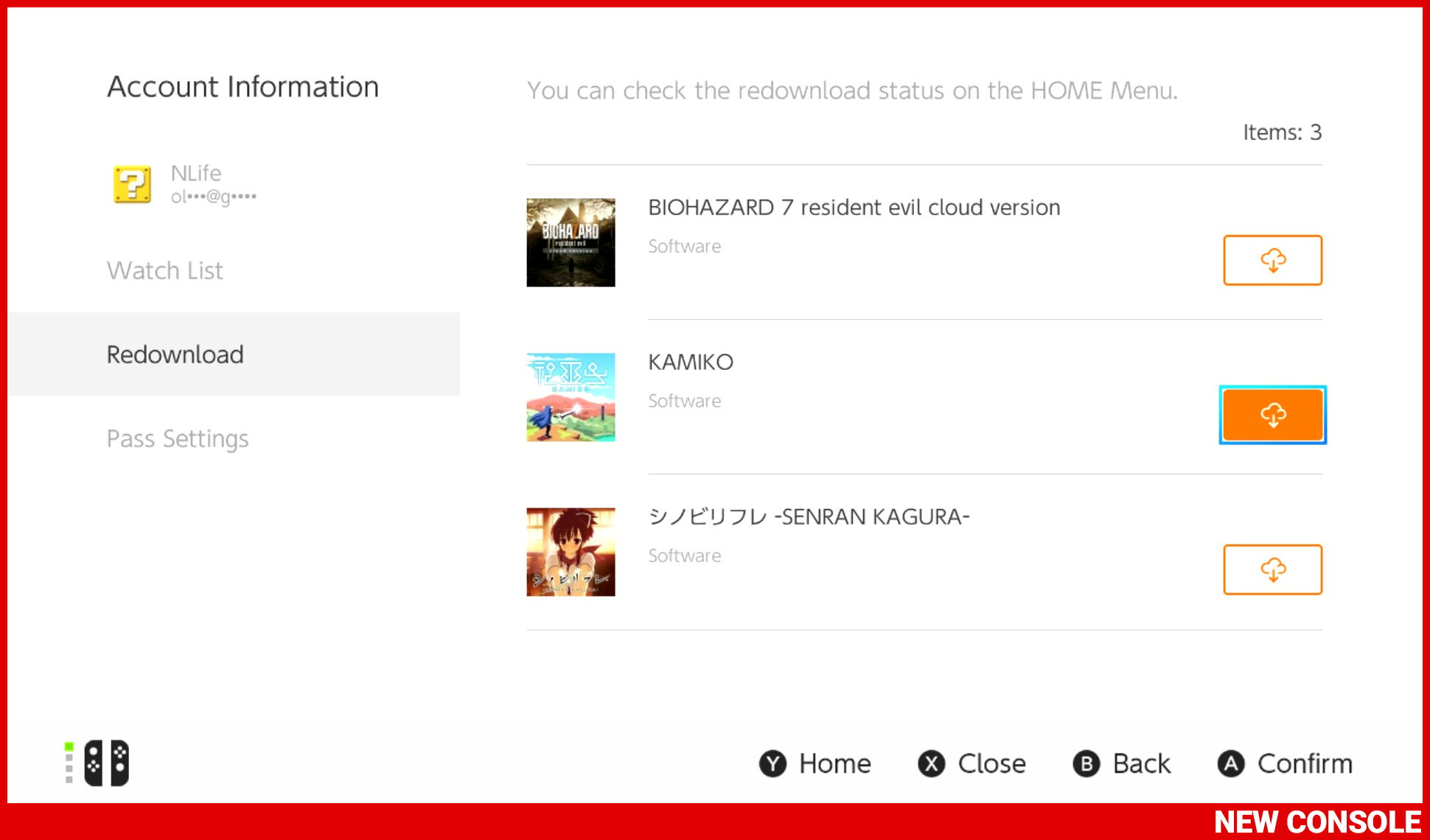
Scroll down and select Redownload from the menu on the left side of the screen.
From here on the right side of the screen you will be presented with a list of the games you have purchased on this account.
Select the orange cloud icon to the right of each previously purchased game you wish to download onto your new console. You will not be charged again for any downloads from this menu.
Once you have selected the orange cloud icon next to all the games you wish to redownload, press the Home Button to return to the Home Menu.
Your games are now downloading onto your new system, which may take several hours, but will continue even when the Switch is in Sleep Mode (providing you have the appropriate option enabled in the System Settings menu).
That’s it! Once they’re finished you can dive right back in as though you never left, thanks to all your save data being transferred over earlier.
Frequently Asked Questions
Can I just move my Micro SD Card with all my games on it to my new console rather than downloading them all again?
Sadly not, due to the particular jiggery pokery Nintendo has opted for, this just doesn’t work.
Can I perform a System Transfer for more than one User Profile?
Absolutely! Simply repeat the steps listed above for every user you wish to transfer.
Do I need a Nintendo Switch Online subscription to do all this?
Mercifully, no. You do not need any kind of subscription to transfer any of this info, even your precious Breath of the Wild save data.
What about all the screenshots and videos that I’ve captured?
As long as you take the Micro SD Card out of your old console and slip it into your new one, you should be able to keep all your old screenshots and videos. Just follow the onscreen prompts and you’ll be golden.
Can I not just transfer my profile by rubbing both consoles together and chanting?