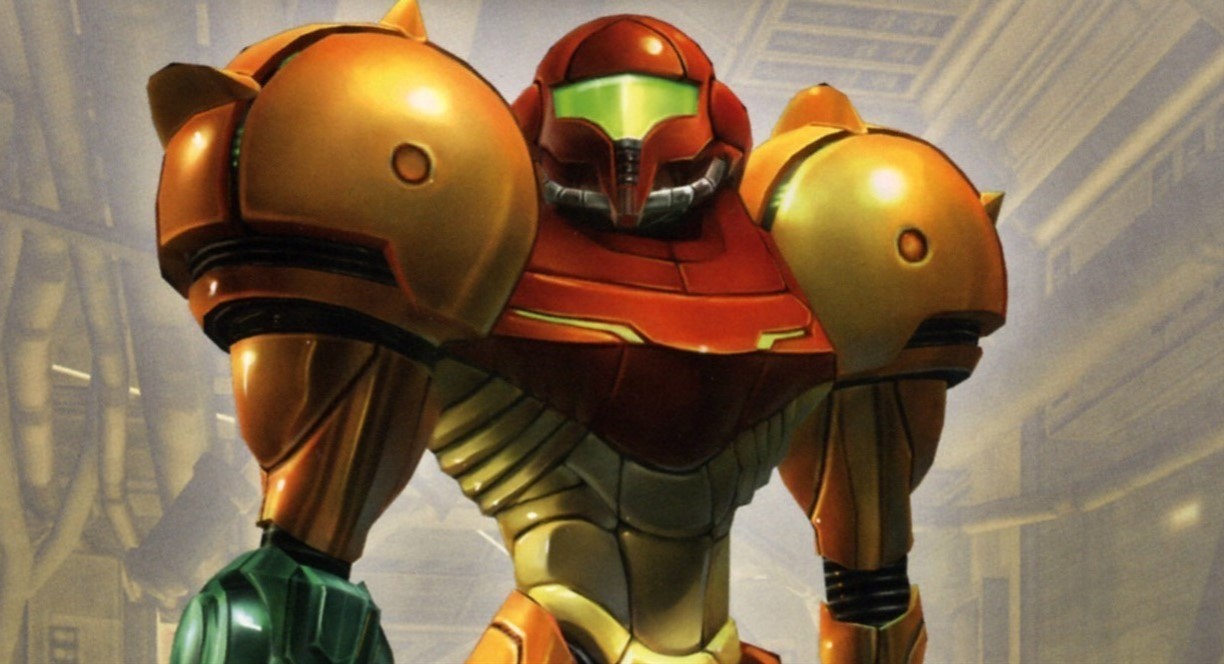
Unless you’ve been fast asleep since last week, you’ve probably already heard the news that the development of Metroid Prime 4 is being entirely restarted. Nintendo issued an official statement on the game’s progress last Friday, telling us that Retro Studios would now be working on the title and apologising for what will be a pretty lengthy delay.
With the game now being started over from the very beginning, we’d imagine it won’t see a release until atleast 2021/22, and possibly a couple of years later still, but it would seem that not everyone has received this particular message. Despite being among the first to open up pre-orders for the game when it was first announced a couple of years ago, major worldwide retailer Amazon seems to be offering very mixed messages concerning the product’s release.
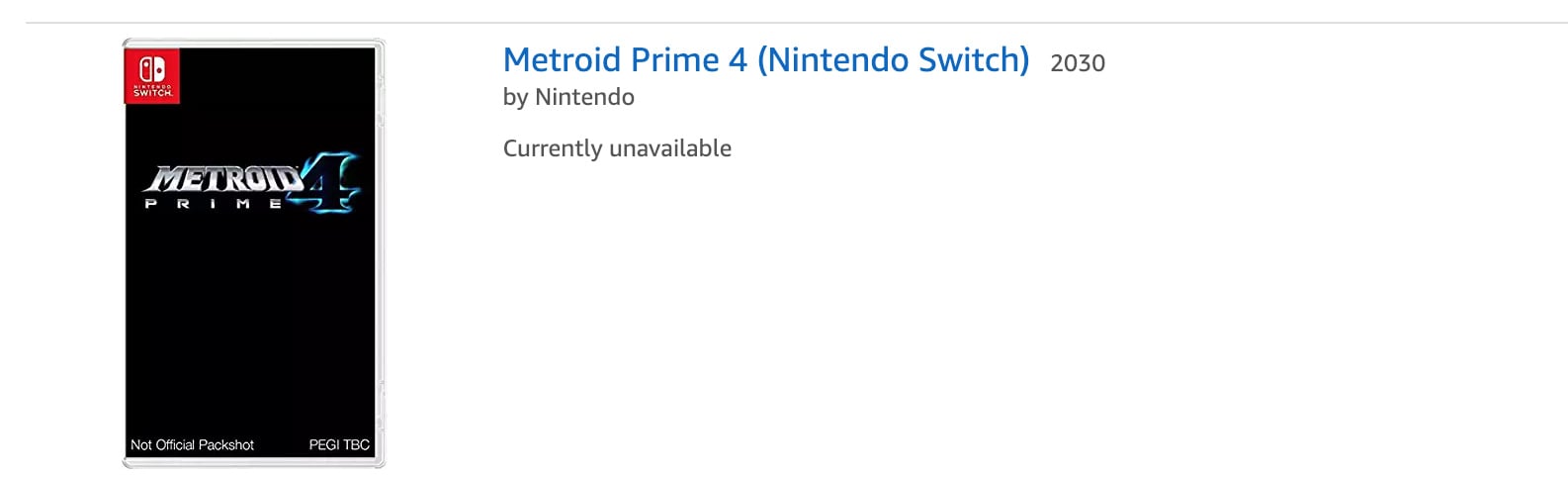
On the US version of the site, Amazon still has the game listed under a generic 31st December 2019 release date, put in place in response to Nintendo’s original “2019” estimate with pre-orders still fully intact despite the product essentially being put on hold. Things get weirder still on the UK site, where the game has two separate listings – one saying that it will be released on 28th December 2018 (which has already been and gone, obviously) and another saying the year 2030.
Hopefully it goes without saying that any pre-orders made for Metroid Prime 4 will absolutely not be fulfilled by those dates (well, apart from the 2030 option we hope). It could be well over a year before Nintendo even talks about it again, so it might be best to ignore any purchasing options for now.
If you haven’t already, make sure to let us know how you feel about the Metroid Prime 4 delay on our Talking Point feature. You can always leave us a quick comment below, too!
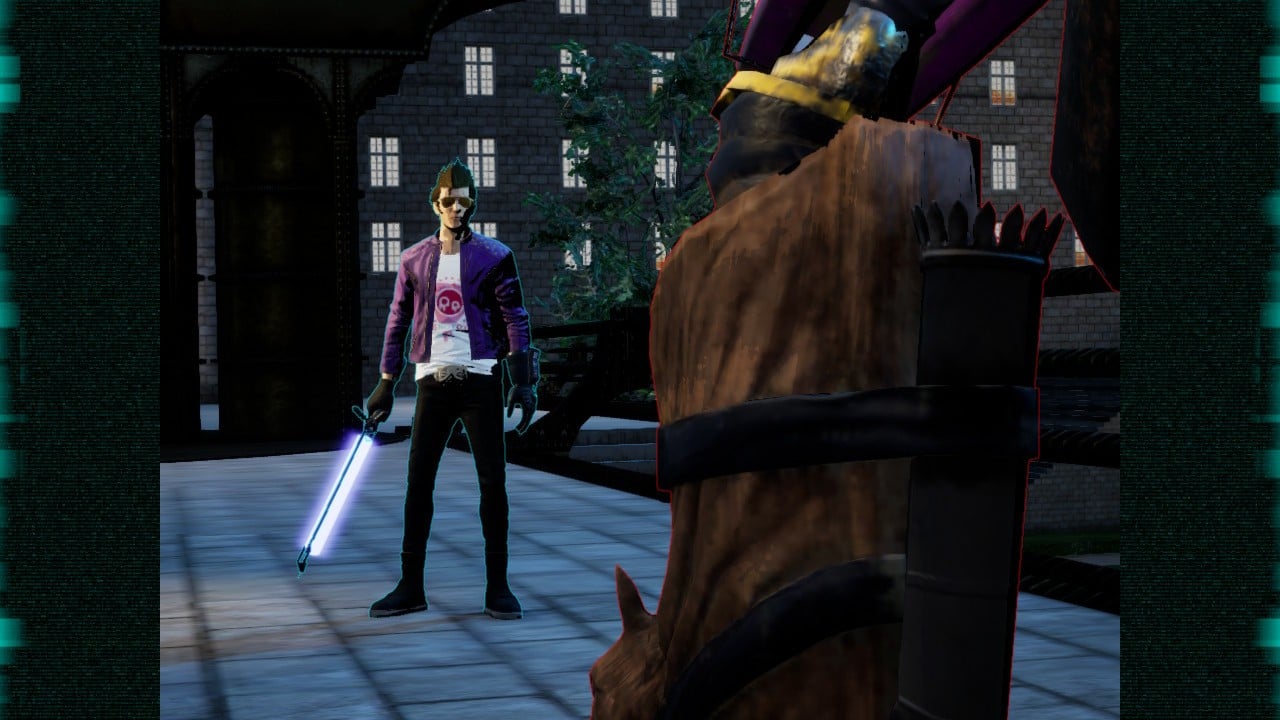
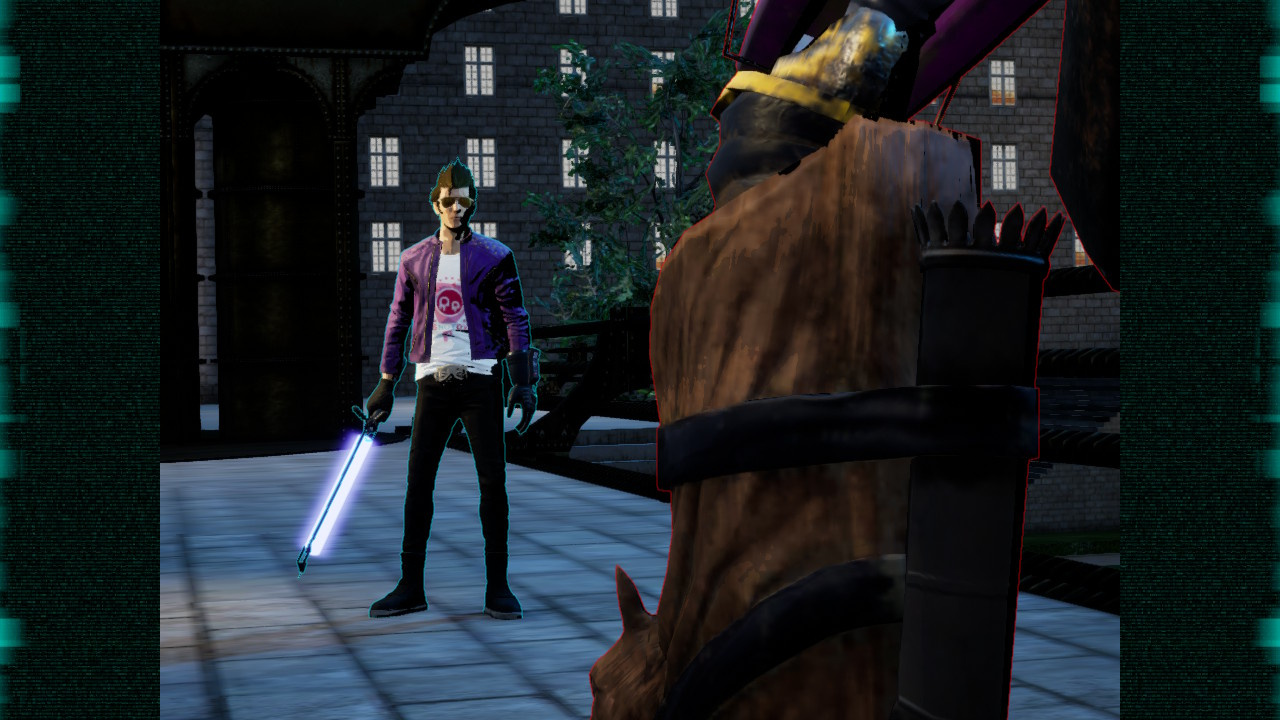
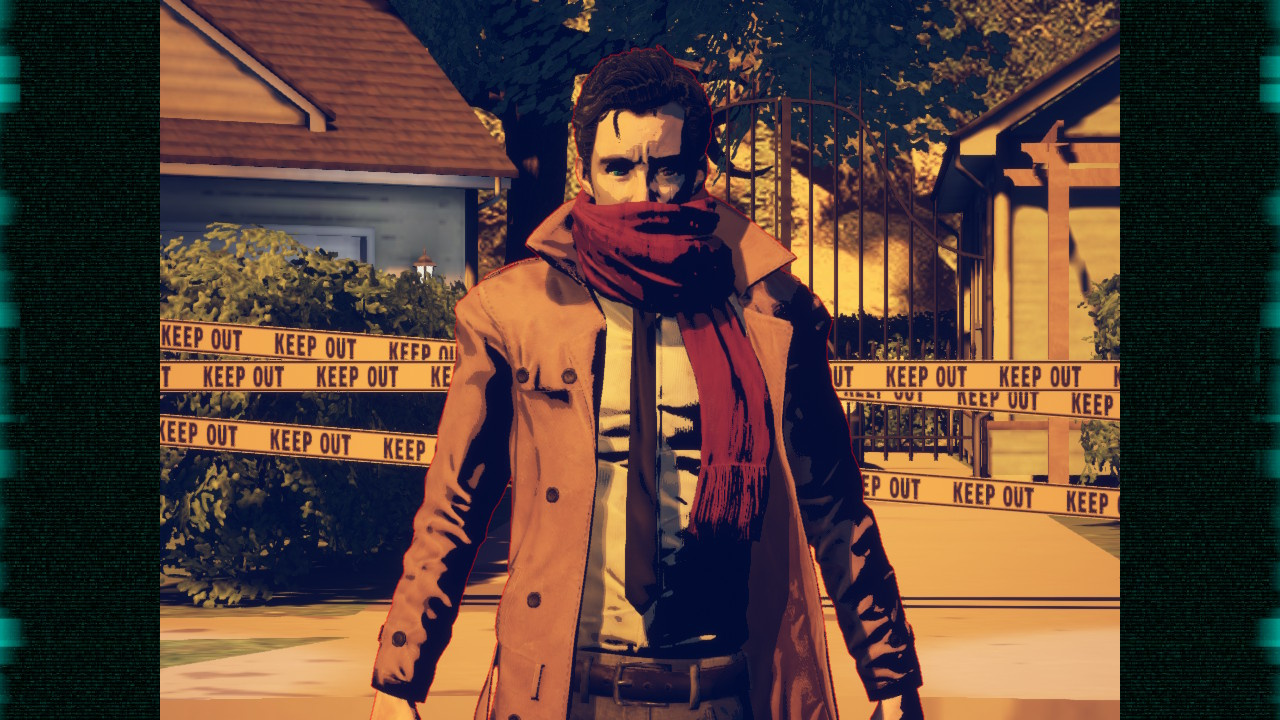
If you picked up Travis Strikes Again: No More Heroes and are looking to give those bugs a sound thrashing, we’ve got some tips to get you on the right track. It’s not the most complex game, but it’s easy to get stuck in a rut and forget the variety of options at your disposal to approach each encounter. As well as general pointers (hint: dodge a lot), we’ve included an overview of every boss you’ll face. Beware though – the real strength of Travis Strikes Again come from the little surprises it throws up, and naturally there are spoilers below. You’ve been warned!
General tips
Keep an eye on that beam sword charge. It becomes more powerful the longer you go without taking a hit, but every swing depletes the energy bar. Recharging is simple; click in the left stick and waggle the right Joy-Con.
Remember that using the toilets not only saves your game but also magically replenishes your health (magic indeed, judging from Travis’ wiping regimen).
Remember to level up from the pause menu to increase your attack damage – you earn XP with every enemy you defeat. Experiment with different skills, too. We found the Wing Chip’s electric shock and quick dash of the 00 Chip invaluable, but there are loads to choose from. Find something that suits your playstyle.
Think carefully about the enemies attacking you. Prioritise anything that fires projectiles, then concentrate on melee. It’s usually best to clear the crowd before taking on the tanks.
Try to line up charge attacks (hitting ‘R’ when charged and waggling the right Joy-Con) to take down as many enemies as possible. They’re powerful and it’s a shame to waste them on one lowly grub while the opposite side of the screen is teeming with baddies.
Ramen Shops are hard to miss, so be sure to visit Bugjirou the ramen guy for a health and energy top-up.
Boss Guide
1. Electric Thunder Tiger II
Mid Boss – Sheepman Red
Immediately after the third toilet you’ll run into an open space and meet the first midboss. Sheepman Red charges at you and charges himself with electricity, but isn’t hugely challenging (none of the Sheepmen are). If you’ve ignored the dodge button until now, this is an opportunity to get acquainted with it. Keep swinging and dodging and remember to use the skills you’ve picked up (the Shining Chip and the Psycho Chip).
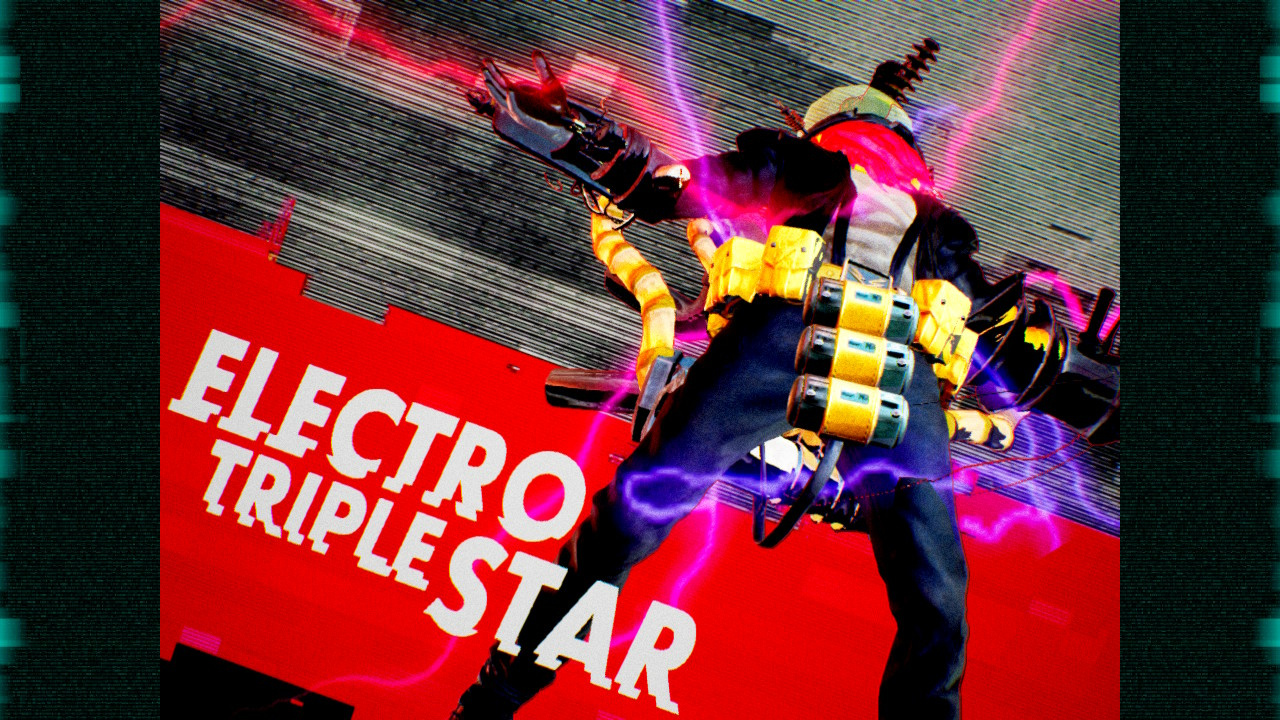
Boss – Electro Triple Star
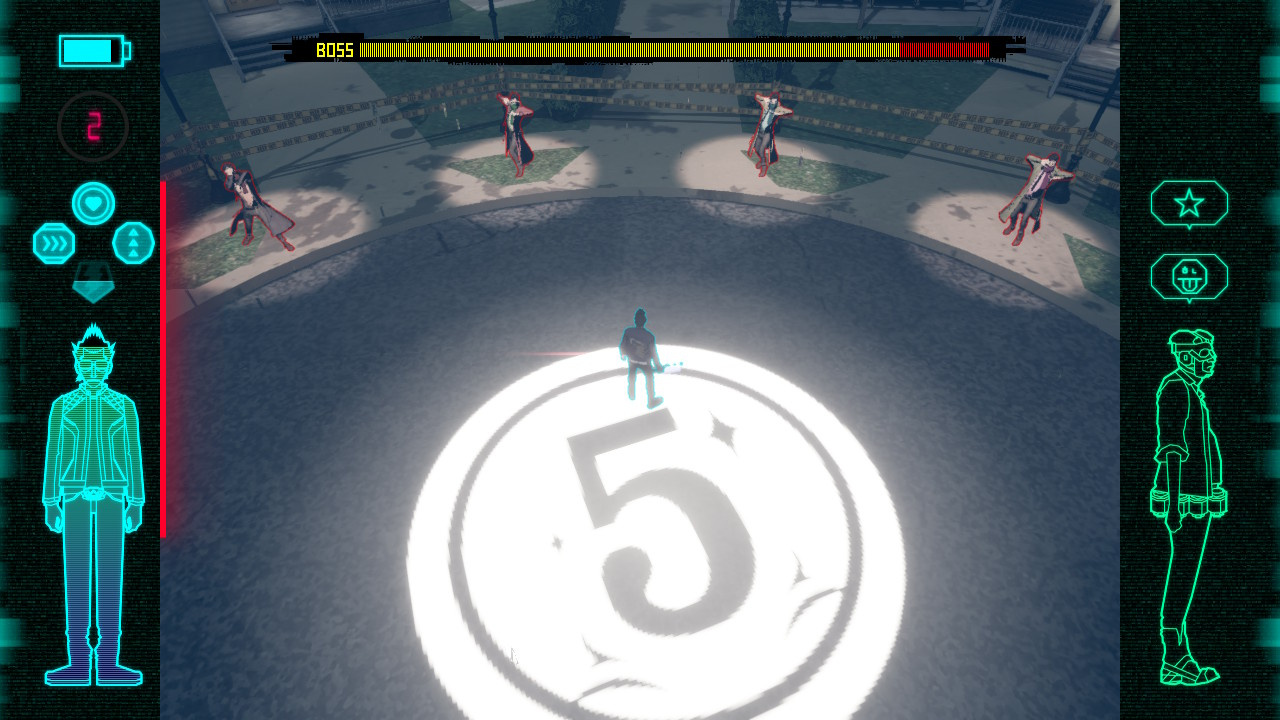
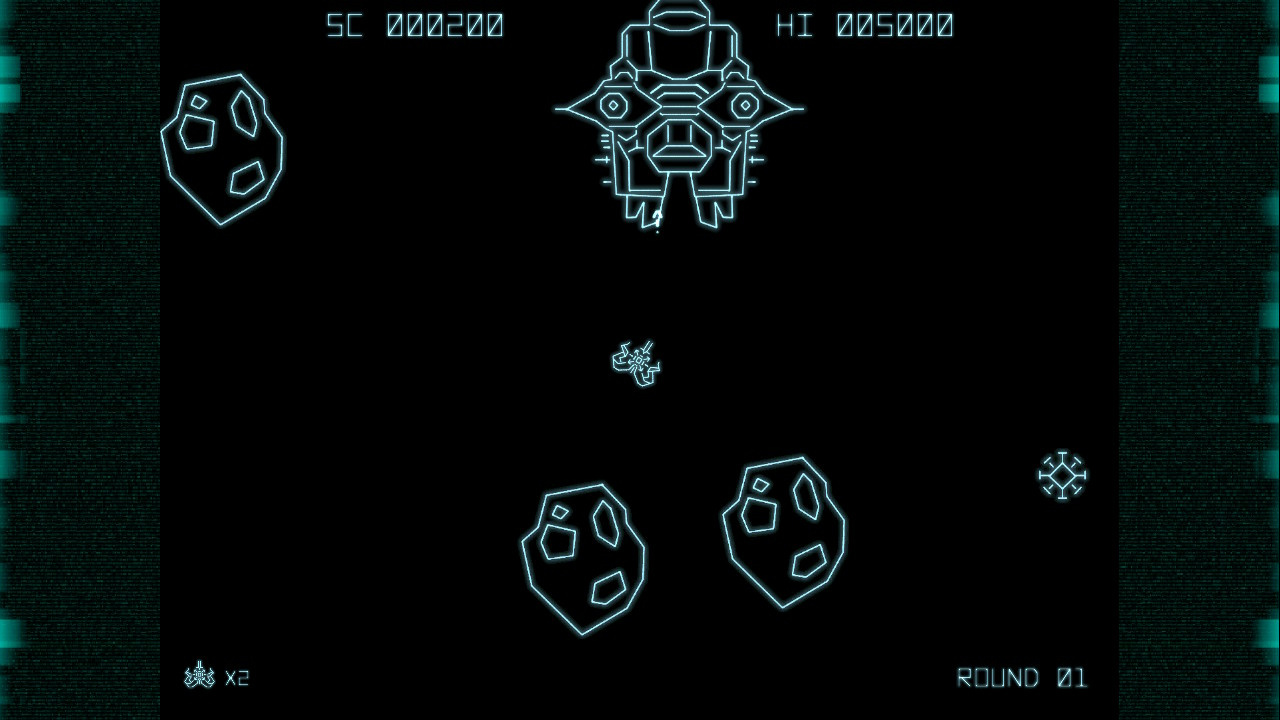
Travis’ video game hero, Electro Triple Star charges an easily avoidable laser beam, summons bolts of electricity that glow as circles on the ground before striking and fires balls of electricity that radiate out from his position. In phase two he activates four lights around the arena which must be destroyed as enemies spawn. A glowing strip on the floor signals an incoming attack – jump away to avoid a shock. Once the four lights are gone, just pummel him as much as possible, avoiding the occasional pulse wave he emits. Defeating Electro Triple Star will net you the Wing Chip. Equip it immediately – it’s powerful lightning attack will come in handy.
2. Life Is Destroy
Mid Boss – Sheepman Green
Sheepman Green throws three green projectiles that are relatively easy to avoid and engages in some teleportation shenanigans. Simply watch his patterns and learn to dodge – you’ll soon have him licked.
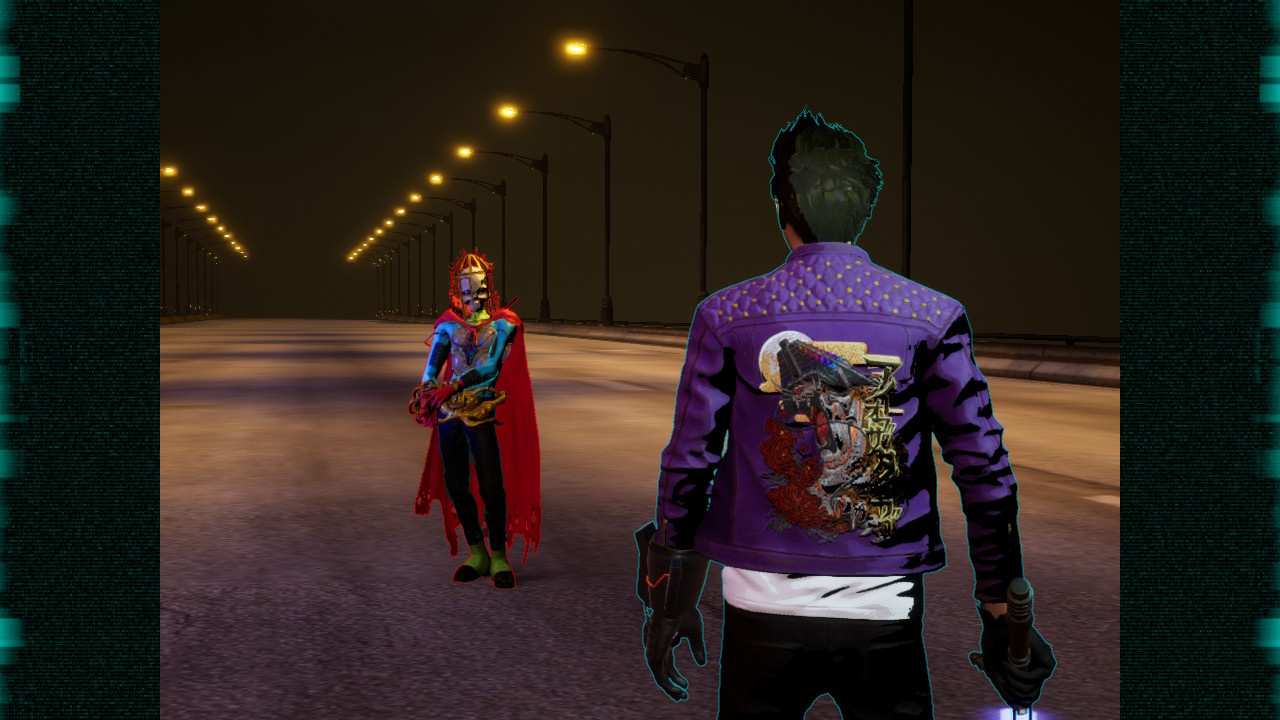
Boss – Doppelganger Patrick Granada Jr
Murderous tendencies aside, Doppelganger is a bit of a pushover. As long as you’ve mastered the dodge, you shouldn’t have too much trouble.
Phase 1. Simply dodge the occasional projectile and watch out for his teleport.
Phase 2. He then duplicates himself around the street – hit the fakes to reveal the true Doppelganger(!) before the timer reaches zero. He’ll spawn giant spinning playing cards and floating purple guns that fire at you.
Phase 3. Similar to phase 2, though with more projectiles.
That’s it. Finish him and you’ll pick be gifted a new skill chip.
3. Coffee & Doughnuts
Mid Boss – Sheepman Purple
In room 305. Similar to his fellow Sheepmen, he’s not fantastically challenging. This one launches homing missiles and spinning blades which hang mid-air for a while, but again, as long as you’ve got your dodging skills down, he shouldn’t prove too much trouble.
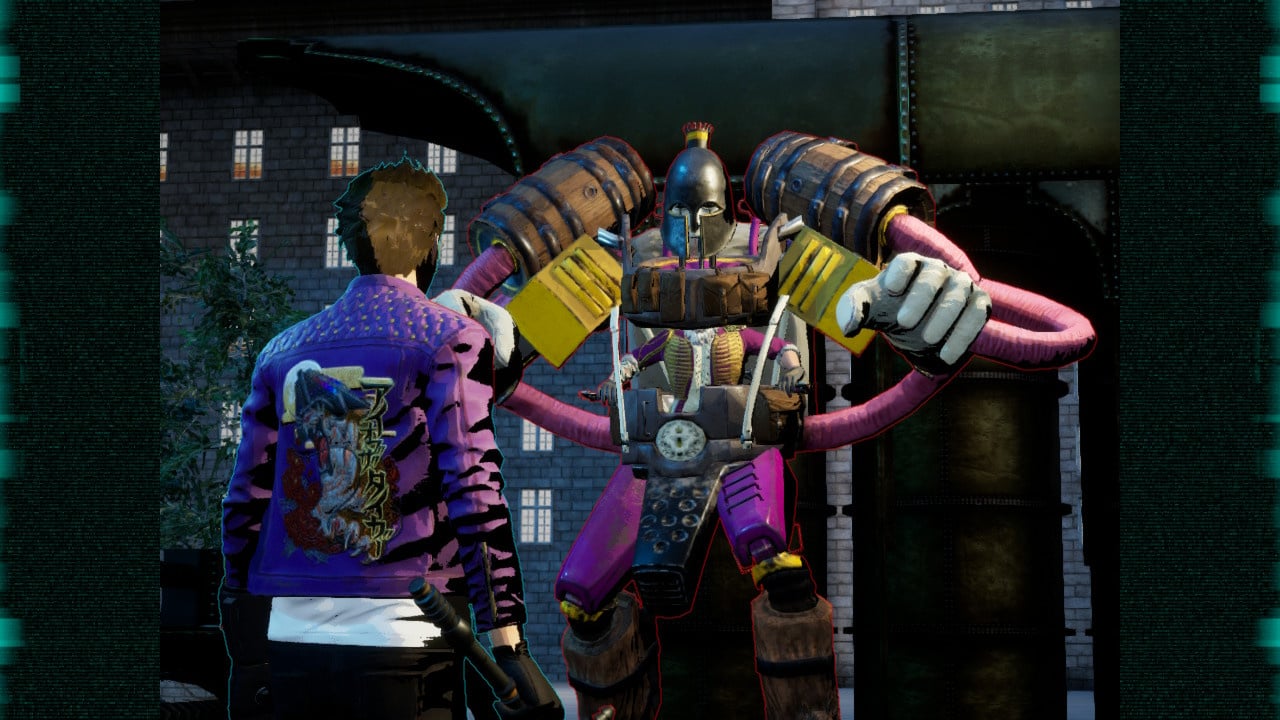
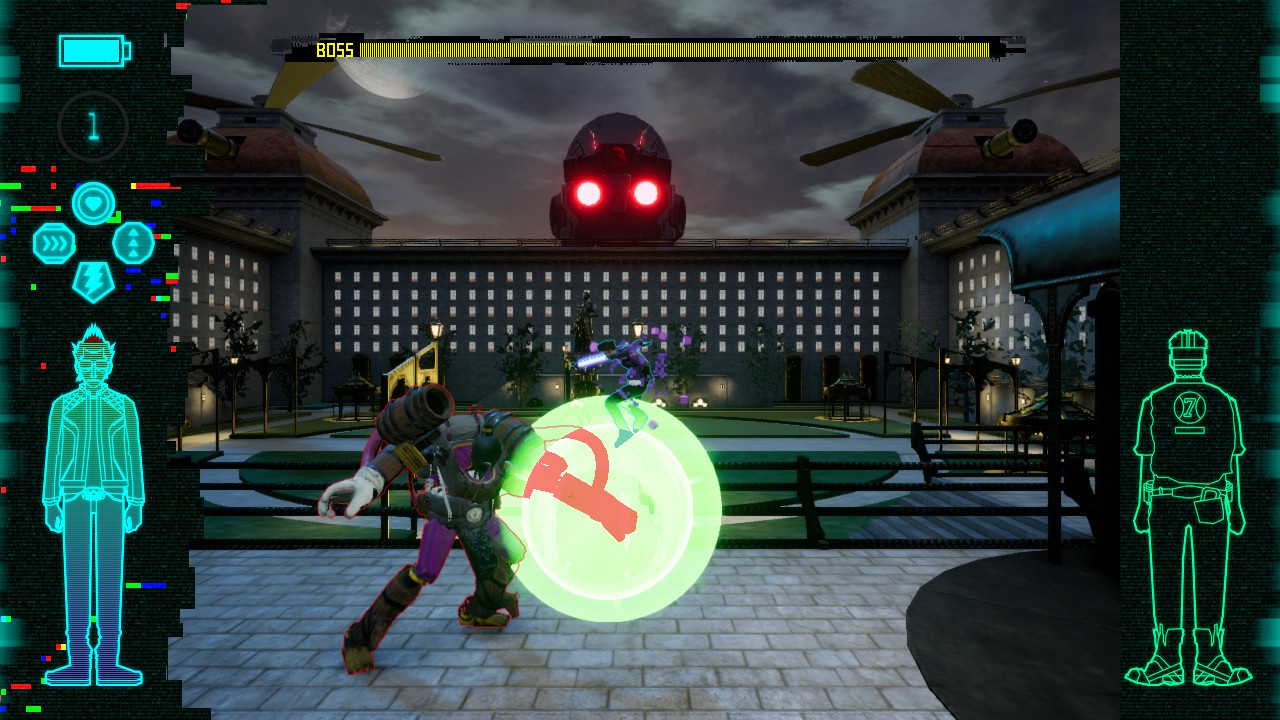
Boss – Brian Buster Jr.
Brian’s got some decent punches and fires green energy balls at you, but liberal dodging should keep you clear of the worst of it (we found the 00 Chip very useful for getting out of the way). Once he’s down to his last quarter of health some laser eyes activate on the statue behind him and rain down explosive pain on half of the stage, so be sure to scarper when the red circles appear on the ground. Once Brian is out of his wooden mechsuit, a few generous strikes from the beamsword should sort him out and bag you the Strike Freedom Chip.
4. Golden Dragon GP
Mid Boss – Sheepman Yellow
This one throws fire and releases a shockwave you must jump to avoid. Otherwise he’s the same fodder as normal.
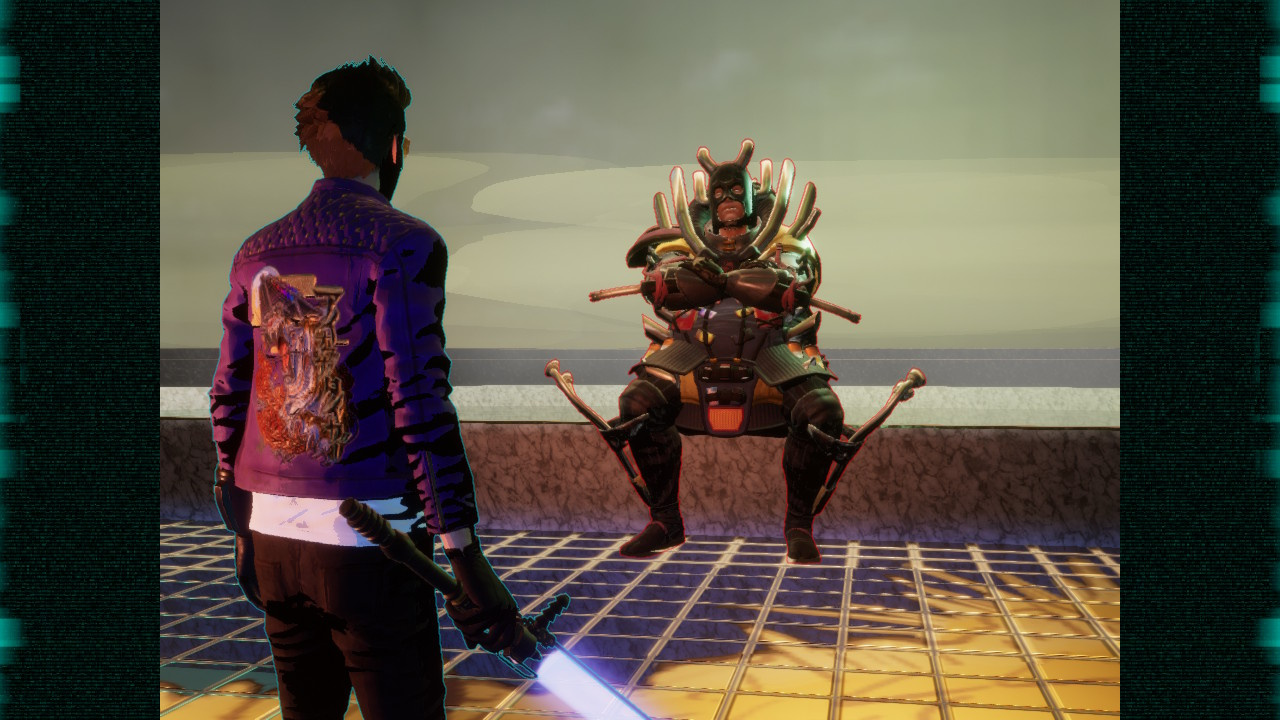
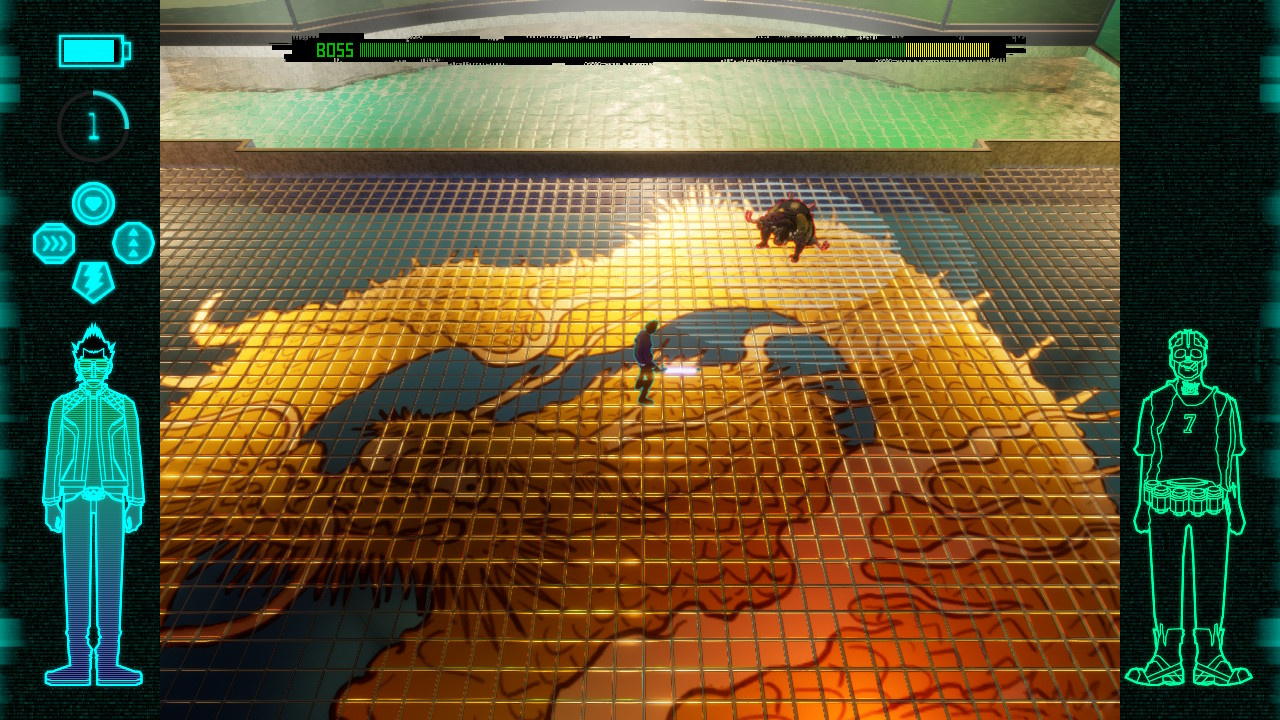
Boss – Smoking King
After beating him in the drag race, you’ll face Smoking King in an arena. He’s got an earthquake-like move that radiates out in bursts, so make sure you jump clear beforehand. He also shoots out powerful fireballs. Get his health bar down to the red and he’ll start releasing projectiles that fan out and doing flaming butt-slams that quake the entire arena – time your jumps to avoid them. Keep at him and you’ll get the Physalis Chip for your troubles.
5. Killer Marathon
Boss – Mothership
Well, if you count the Mothership as a boss then, yes, there’s a boss. Simply get below the mothership and fire at the core. Hitting ‘Y’ releases a 360° explosion of bullets, so use that if you’re surrounded by missiles.
6. Serious Moonlight/Damned Dark Knight
Mid Boss – Sheepman Pink
This one summons hexes that shoot energy balls at you – pink ones. Simple enough to dodge, this sheep is as simple as all the others and should cause you few problems at this late stage.
Boss – Eight Hearts
Eight Hearts spins into a tornado that tracks after you pretty sharpish, so you’ll have to be nimble. Just keep moving and deal with the skulls he summons quickly. Banishing him gets you the Crossbone Chip.
7. CIA
Mid Boss
There’s no traditional midboss, although you’ll encounter Sheepmen on your travels. In general, thin the horde before engaging them one-on-one.
Boss – White Sheepman
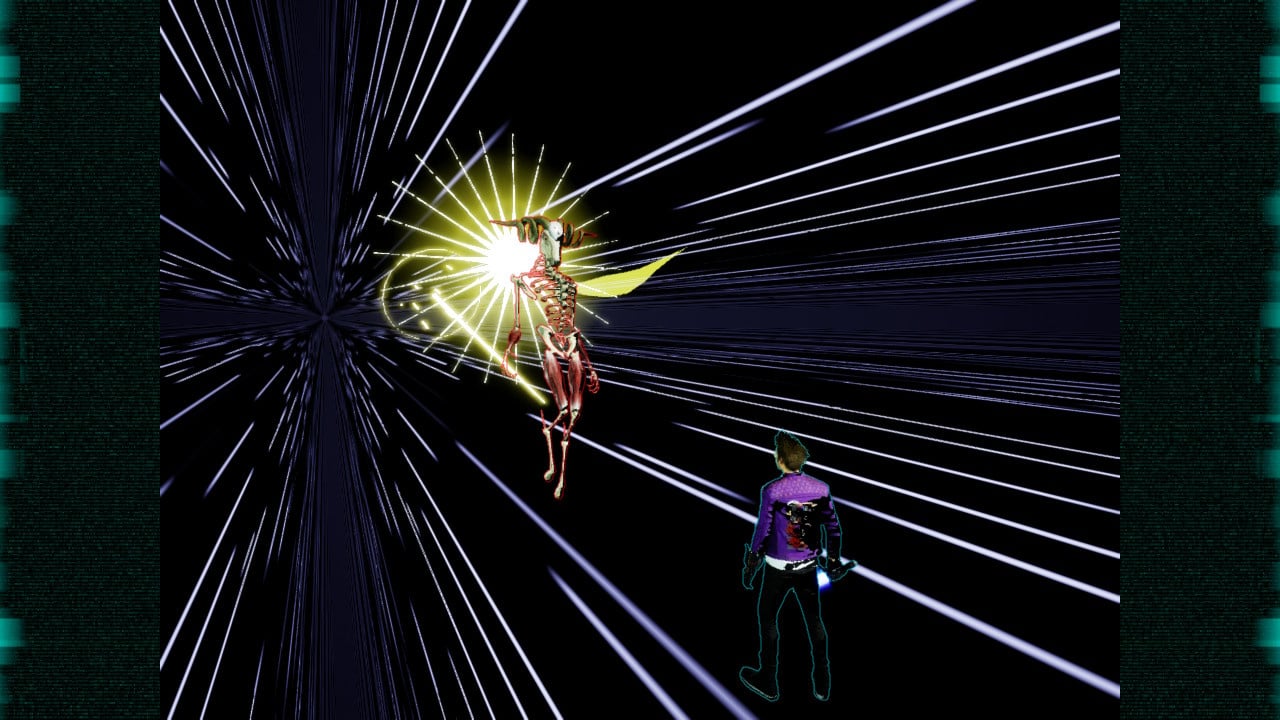
White Sheepman has a range of attacks to avoid, including a blackhole-style move that sucks you in, various homing projectiles, shockwaves to jump over and the ability to cause damage by igniting squares on the floor. The strategy is the same as always – keep moving and use that quick dash to get out of the way sharpish. If you’re low on health, equip the V Chip and wait until she moves to the centre and starts her shockwave attack – you’ll be able to stay in one spot absorbing health while jumping to avoid the waves. She’s got one seemingly unavoidable attack – a summoned ball of light that emanates across the entire arena – so you’ll want at least one life in the bank. Once finished, you’ll get the Dendrobium Chip.
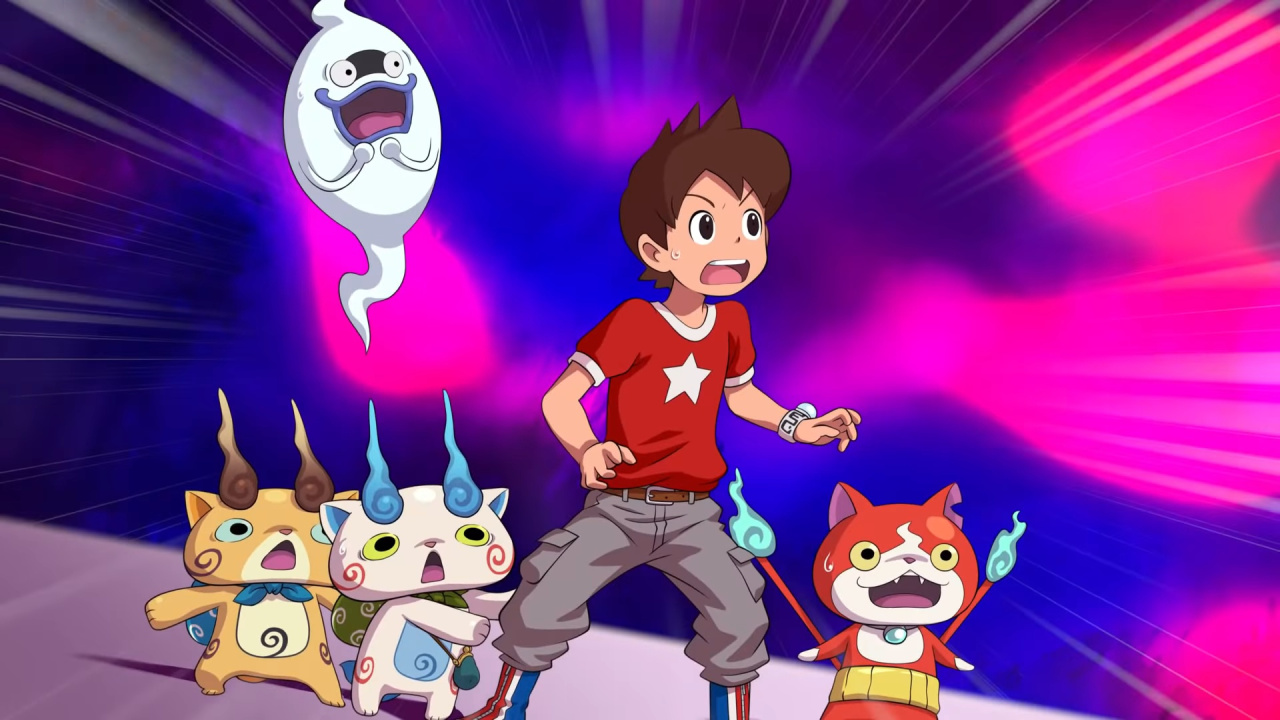
Exactly a week ago, Level-5 released a new trailer for its upcoming Switch game Yo-Kai Watch 4 at World Hobby Fair Winter 2019. This clip provided a glimpse of the world you’ll be able to explore and the Yo-Kai you can expect to encounter in battle.
If this wasn’t enough to satisfy you, Level-5 has now uploaded a direct-feed gameplay video of the playable demo at this same event. Once again Keita – the original protagonist of the series and one of the many playable human characters in the latest game – is in the spotlight. World Hobby Fair Winter 2019 began in Nagoya on 19th January and is currently in Tokyo. It will run from 26th to 27th February in Osaka. View the latest footage below:
As a bonus, CoroCoro has also uploaded a six-minute off-screen gameplay video:
Yo-Kai Watch 4 arrives this spring in Japan. At the moment, there’s no word about when this game will arrive in the west. For now, you’ll just have to make do with the third entry – Yo-kai Watch 3 – which was first released in Japan in 2016 and recently made available in Europe at the end of 2018. The US release of this 3DS title is due out next month on 8th February. Here’s a new promotional trailer for the third entry:
Are you pumped for more Yo-Kai Watch action? Have you played the third game? Let us know in the comments.
Following its success with Paladins: Champions of the Realm – which brought the team-based shooter genre to Switch with platform parity and solid performance – developer Hi-Rez Studios has now given its other big online hit the same handheld-friendly treatment. While Paladins has proved itself to be Overwatch’s only real competition, Smite’s MOBA-style has been giving the likes of League of Legends and Dota 2 a good run for their money. But can this god-battling multiplayer brawler bring its full experience to Nintendo’s hardware without too much concession?
Thankfully, we’re not getting another Fight of Gods. While its roster of armoured deities is very much a recognisable bunch, you won’t have to worry about battling a steroid-addled Jesus (well, technically you can play as the Hindu god Ganesha, but at least they’re treated with a little more creative respect). Of course, if you do happen to find using Norse gods or Arthurian legends offensive on a spiritual level, then perhaps this isn’t the game for you. For everyone else, you’ll have access to over 90 gods and goddesses from across history – with more no doubt due to arrive in future updates.
While still in something of a beta phase on Nintendo Switch at the moment, Smite is nevertheless another prime example – at least from a technical standpoint – of how to port an online-focused experience to a handheld-friendly console. With support for cross-play (a feature that was also patched into Paladins at the end of last year), new adopters on Switch can start playing right away with Smite’s mix of team and objective based modes. Of course, this being a MOBA (multiplayer online battle arena), gameplay boils down to the same simple set of rules.
Two teams of gods need to reach a certain score, and can rack up tickets by either killing other player-controlled deities, slaying various minions (controlled by the CPU) or guiding their own team’s minions to a portal on the other side of the map. Much like Paladins, Smite’s roster is divided into classes that each offer a different set of core skills and loadouts. Hunters are good for griefing others from range; Mages are ideal for taking out lots of foes at once with AOE attacks; Assassins are all about speed and quick kills; Guardians are slow but dole out lots of damage and Warriors are your classic all-rounder.
Much like Paladins and other MOBAs, the key is finding the right balance of classes. Too many Assassins and Warriors and there’s very little room for manoeuvre when things go wrong. Too many Hunters and you’ll be too weak to hold back enemies that try and blitz you with sheer might. Each character has their own set of core skills that can be upgraded with gold earned during a match, and you can also buy items to help restore health or buff your stats. Every arena has a safe zone where you can return to refill your health, but doing so will take you out of the action, potentially allowing the enemy side to push forwards. It’s a far more tactical experience than Hi-Rez’s other franchise and one that takes a little longer to master as a result.
The need to rush down lanes (every map is divided into a series of open-ended corridors) is still there, but by pulling the camera away from the top-down view that’s become so synonymous with the genre (even on Switch with the likes of Arena of Valor) and placing it behind your chosen holy avatar, every battle is that bit more intense as a result. It places a greater onus on communication between players as you no longer have the advantage of seeing further into the area. Even ranged players need to be within a certain distance to make their hits land. Ambushes and sneak attacks can be the act that often turns the tide of a match, if pulled off right.
As we mentioned earlier, Smite is a fine example of how to port an existing title with serious graphical and processing demands to Switch. Character models and arenas all look remarkably close to their iterations on other platforms, and we experienced very little lag when playing online (less than we experienced when reviewing Paladins during its launch week). There’s a noticeable wait for characters to load in the pre-game lobby and the roster screens, but it’s a small price to pay considering there’s full support for all the themed skins and items found elsewhere. We did experience some issues connecting to matches – with more failed connections that we’d prefer – but we’ll chalk that up to early release server jitters for now.
Smite is a free-to-play game, but it isn’t free-to-play right now on Nintendo Switch. It’s currently in a closed beta, so the only way you can play right now is to pay for a bundle that includes the free game and the paid-for Founder’s Pack. This is DLC that’s bundled with Smite, and will set you back just under £25. If you’re a current Smite player, such a paywall will be a real roadblock, but if you’re new to the game and you’re sold on the idea of a meatier MOBA on Switch, then you do get quite a lot in the Founder’s Pack.
Every god is available from the off, and you’ll have access to every new one that’s released in the future. You get some gems to spend on skins or items, as well as some skins unlocked from the start (one of which is exclusive to Switch). It’s frustrating because Smite is a great game, and Switch players are getting access to a version that’s been refined and carefully calibrated through years of support, but its Switch install base will likely expand at a much slower rate until Hi-Rez makes it fully free-to-play at a later date.
Conclusion
Smite was a great and fresh take on the MOBA formula back in 2014, and it’s only gotten better thanks to a consistent amount of new gods, themed events and eSports support. So Switch players are getting this game in its most evolved form, with a roster that’s pushing three figures and a vast number of modes to unlock and enjoy. It does have a higher difficulty curve than the likes of Arena of Valor, and there’s a slow grind to earn skins via the Season Pass, but the game itself is one of the best entries in the genre and it’s right here on Switch – a cause for celebration and no mistake. However, until the game goes to free-to-play for all users, that paywall is going to hamper its chances of online success.
Right now, the only way to play Assassin’s Creed on the Nintendo Switch is via cloud technology, currently limited to Japan. It leaves anyone else wanting to take Ubisoft’s popular franchise with them on the go, with no way to play at all.
Fortunately, there’s still some hope left, with multiple rumours over the past few months suggesting the Switch would eventually receive an Assassin’s Creed compilation of sorts. The original rumour stems from a listing by German retailer MediaMarkt and since then there have been a few other listings signalling Ubisoft’s long-running series is making the Switch.
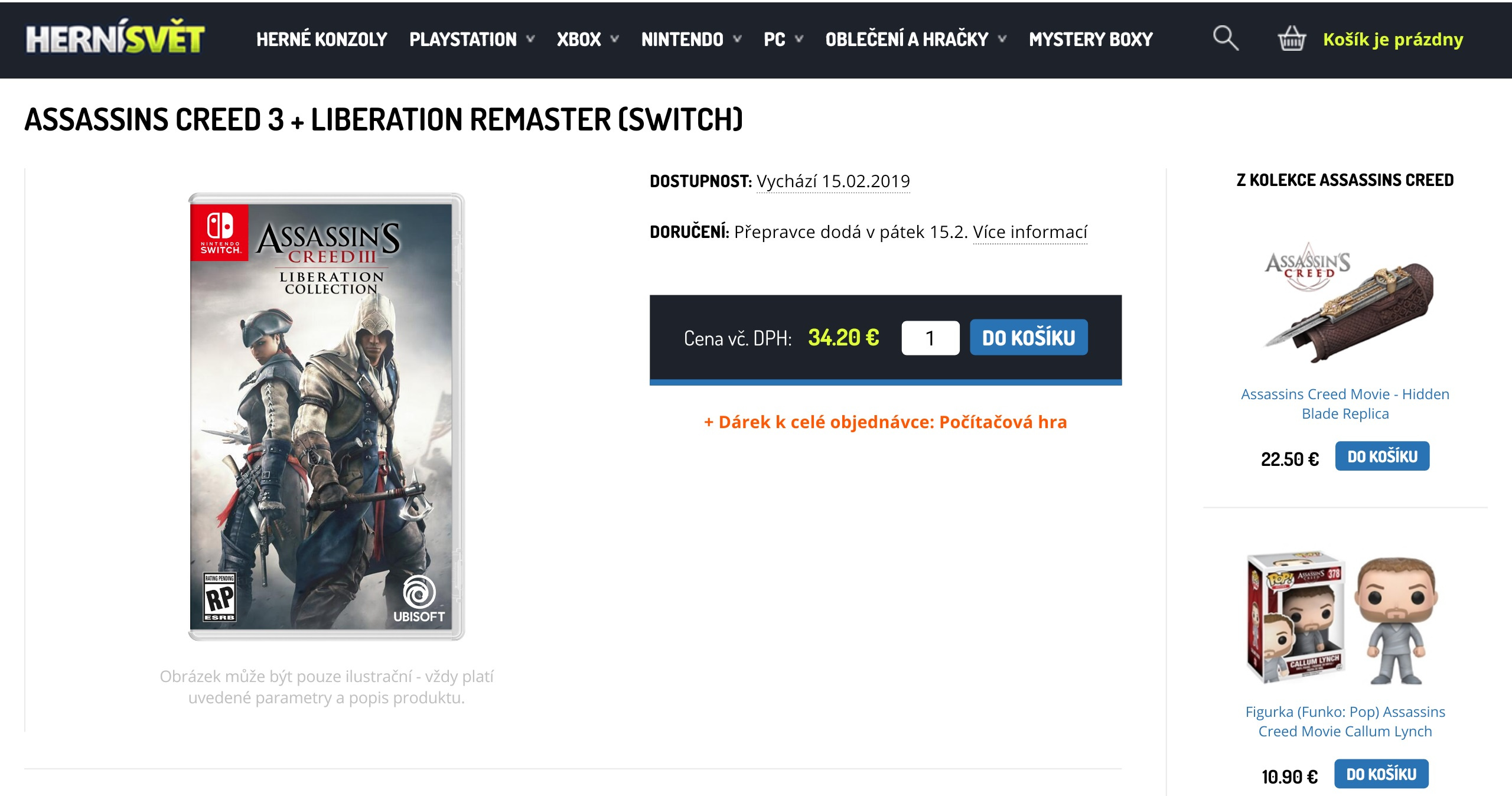
In the latest update, multiple Czech retailers have now listed Assassin’s Creed 3 + Liberation Remaster for the Nintendo Switch. The thirdAssassin’s Creed was previously released on the Wii U in 2012. What’s a little more convincing in this case is the inclusion of the game’s cover art. Take a look below:
According to these online retailers, the game is due out on 15th February and is priced at $35/€35. If this is genuine, the release date is likely to be a placeholder, as Ubisoft hasn’t made an official announcement confirming the game’s existence on Switch yet. In saying this, the remaster has already been unveiled for the Assassin’s Creed: Odyssey season pass available on Xbox One and PlayStation 4. To view the content in the remaster, visit the Ubisoft support page.
What do you make of this listing? Would you be interested in playing Assassin’s Creed on the Nintendo Switch? Tell us below.
Super Smash Bros. Ultimate fans have apparently lost their minds after Microsoft’s Xbox Game Pass Twitter account reached out to Nintendo of America’s Twitter account on National Compliment Day.
Microsoft’s social account sent a single tweet in Nintendo’s direction, revealing its love for the ultimate Smash Bros. entry on Switch. It was the wording of the tweet that encouraged fans to wildly speculate:
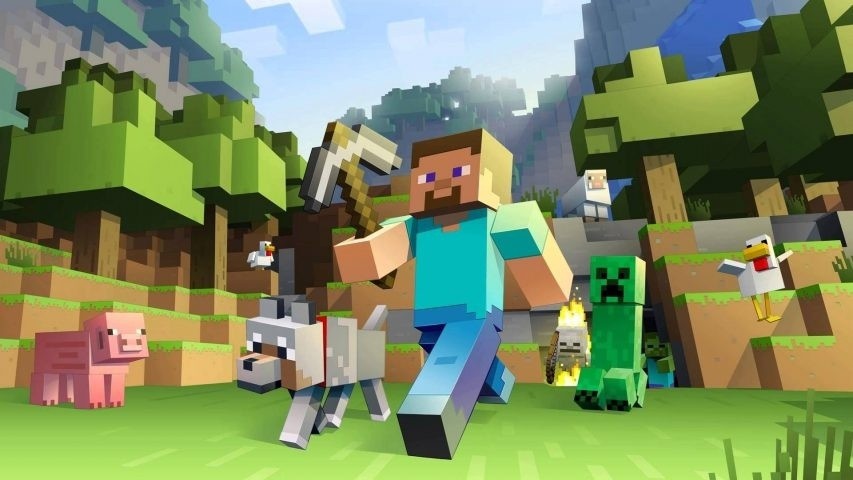
For a number of fans, this is apparently enough evidence Steve – the default avatar in Minecraft – is coming to Super Smash Bros. Ultimate as a DLC character. Alternatively, this could be nothing more than a play on words because Microsoft now owns the Minecraft IP and the game happens to be available on multiple Nintendo platforms.
Joker from Persona 5 is currently the only DLC character we know about right now (excluding Piranha Plant). There are still another four characters to be revealed.
Do you think Minecraft deserves some kind of representation in Smash Bros. Ultimate? Is this just Microsoft being its usual self on social media? Tell us below.
Cross-play is becoming increasingly popular within video games by the day. Not only does it unite players across multiple platforms, it also has the ability to sustain smaller video game communities for prolonged periods.
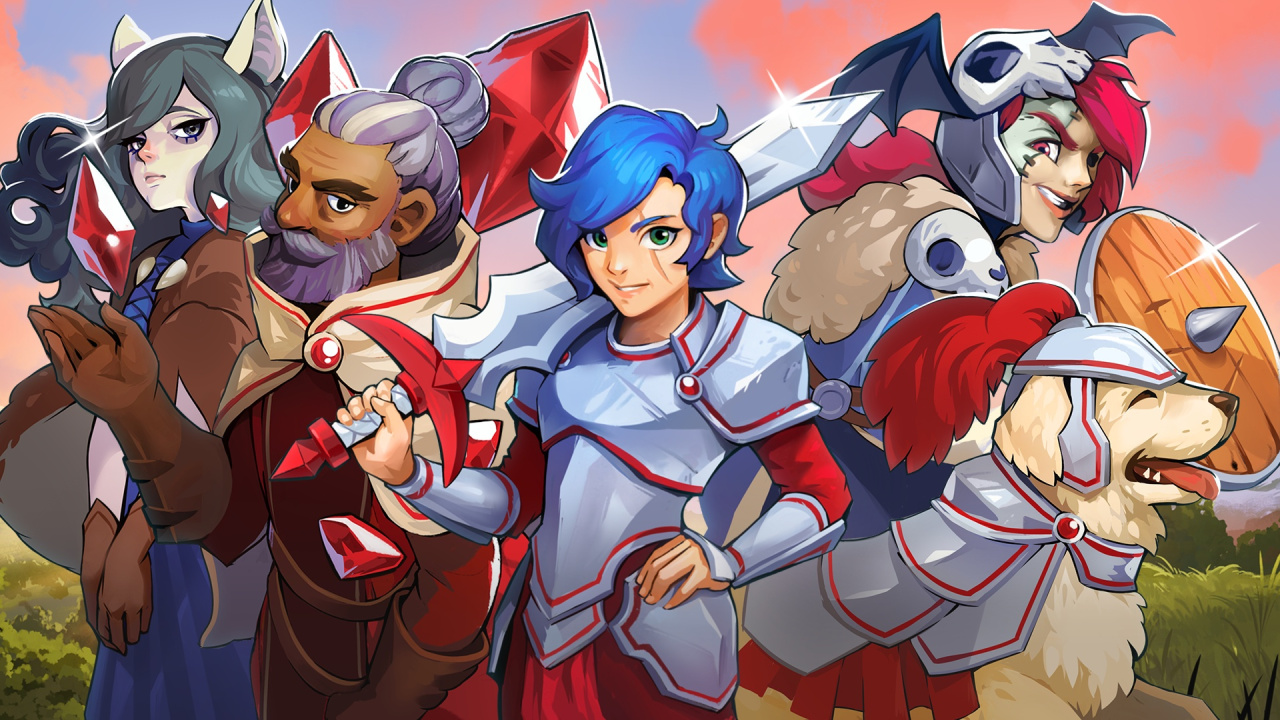
When Chucklefish’s highly-anticipated turn-based tactical game WarGroove arrives on the Switch eShop on 1st February, Nintendo players will be able to band together with users on Xbox One and PC. Right now, there’s no mention of PlayStation 4 users joining in on the fun, when the game does eventually arrive on this platform.
WarGroove’s cross-platform play function means you won’t need friends or family nearby to engage in a medieval multiplayer battles. In total, four players will be able to engage in strategic battles online. If local play is more of your thing, the game supports up to four players in this mode as well.
Are you excited for this game inspired by Advance Wars and Fire Emblem? Tell us below.
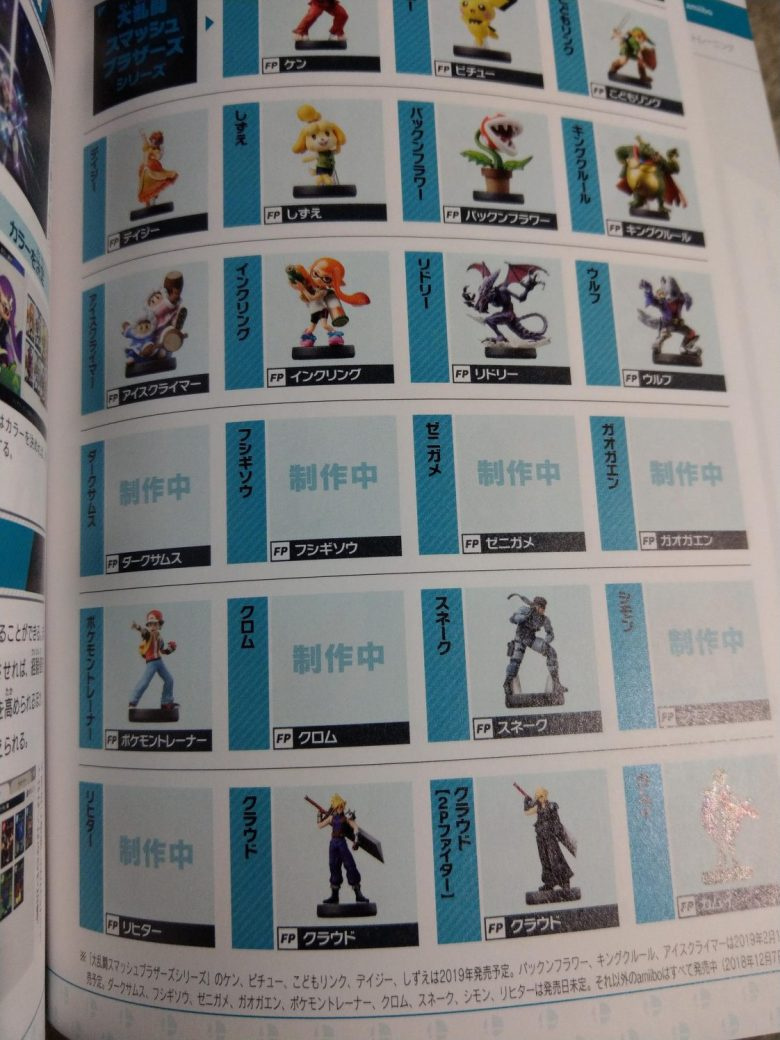
Super Smash Bros. Ultimate amiibo collectors will be pleased to hear the next wave is seemingly on the horizon, with an anonymous user sharing a photo of a Japanese booklet showcasing unannounced amiibo on a Discord Channel.
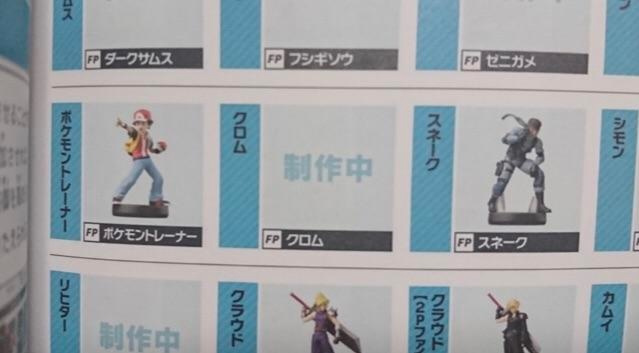
amiibo Alerts uploaded the photo on its Twitter account. As can be seen below, the page shows pictures of the Pokémon Trainer and Snake amiibo. There are also placeholder spots for Simon, Richter and Dark Samus and Chrom. It appears Ivysaur and Squirtle will receive the amiibo treatment as well.
Once again, the source of this photo is unknown, but according to My Nintendo News the page is reportedly from The Super Smash Bros. Ultimate guide which has just been released in Japan. We’re guessing an official announcement regarding the release of the next batch of amiibo shouldn’t be too far off.
Are you still collecting amiibo? Are you looking forward to any of these ones? Tell us in the comments.
Singapore-based Virtuos is a studio that has already made quite a name for itself on Switch thanks to its superb ports of L.A. Noire, Dark Souls and Starlink – a trio of third-party efforts which have done much to enhance the library of Nintendo’s hybrid system.
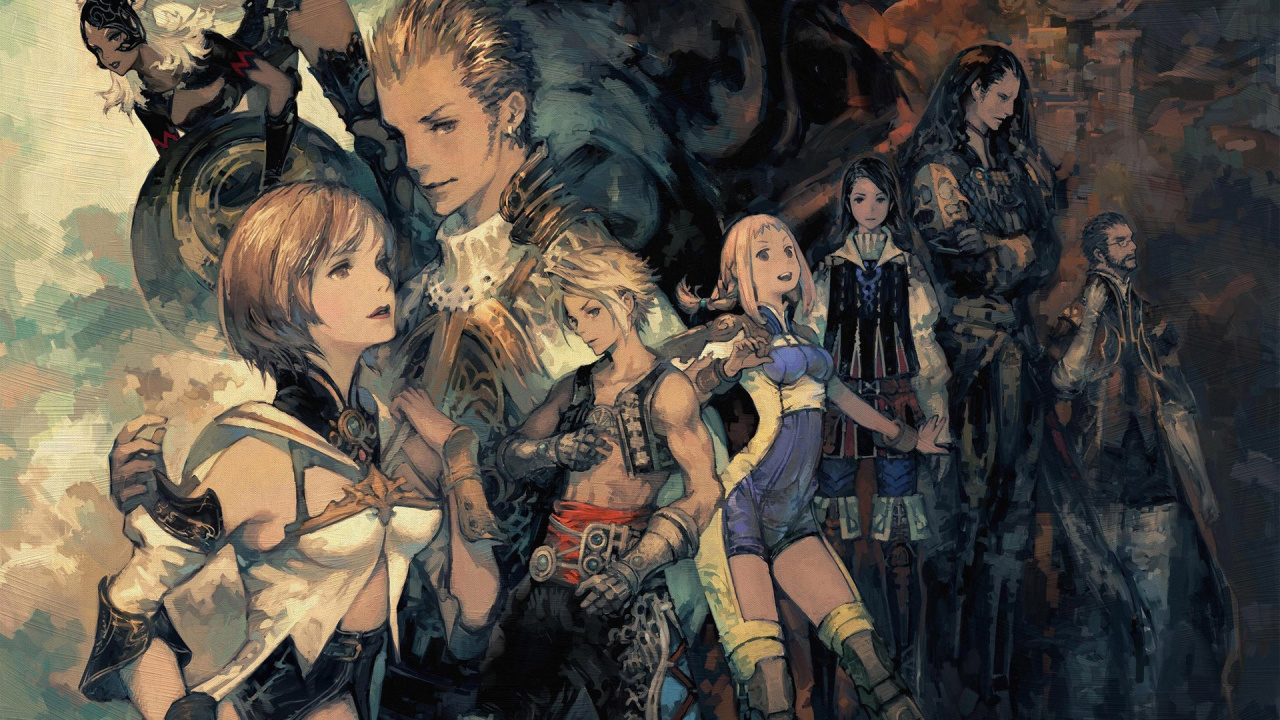
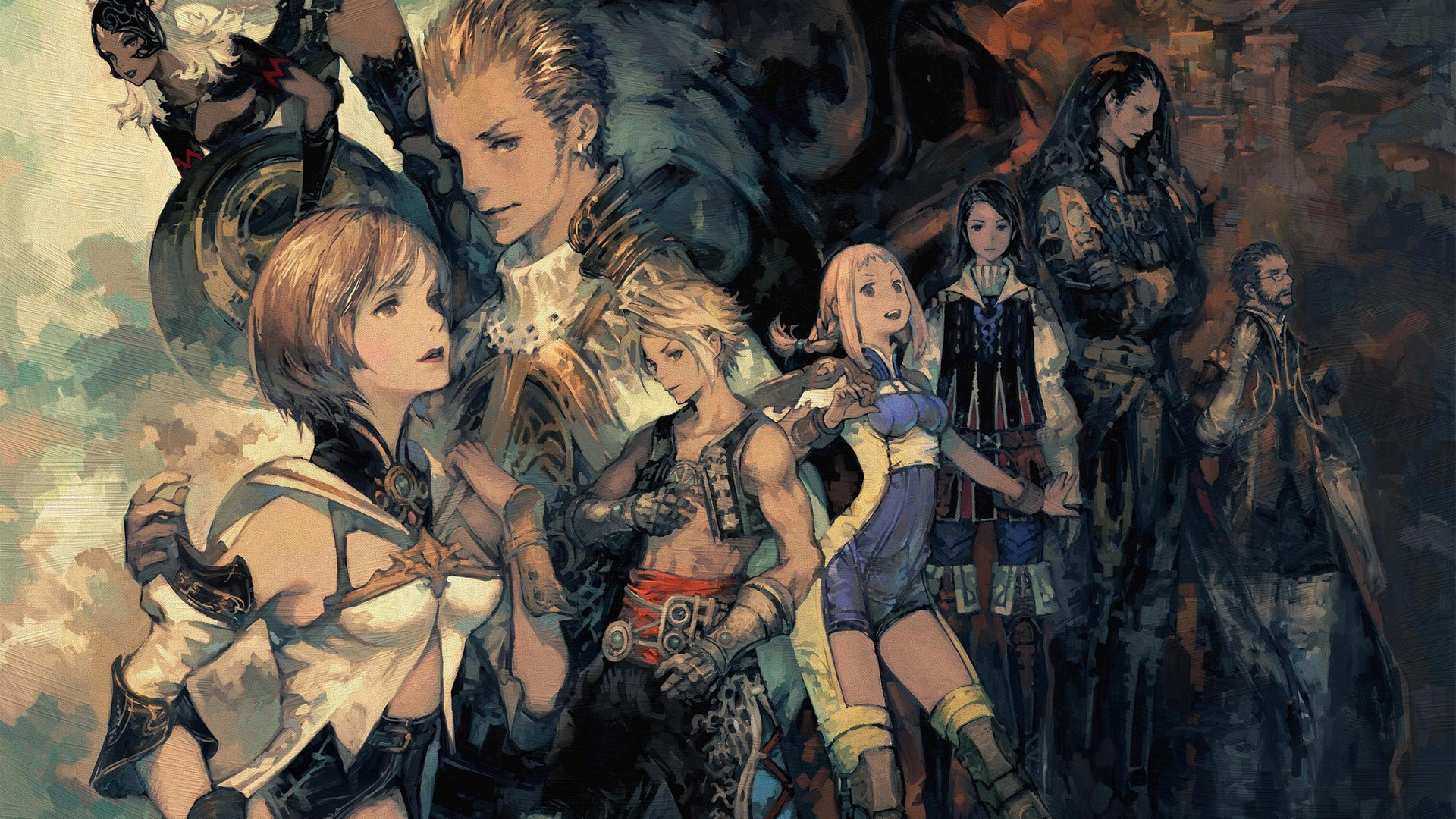
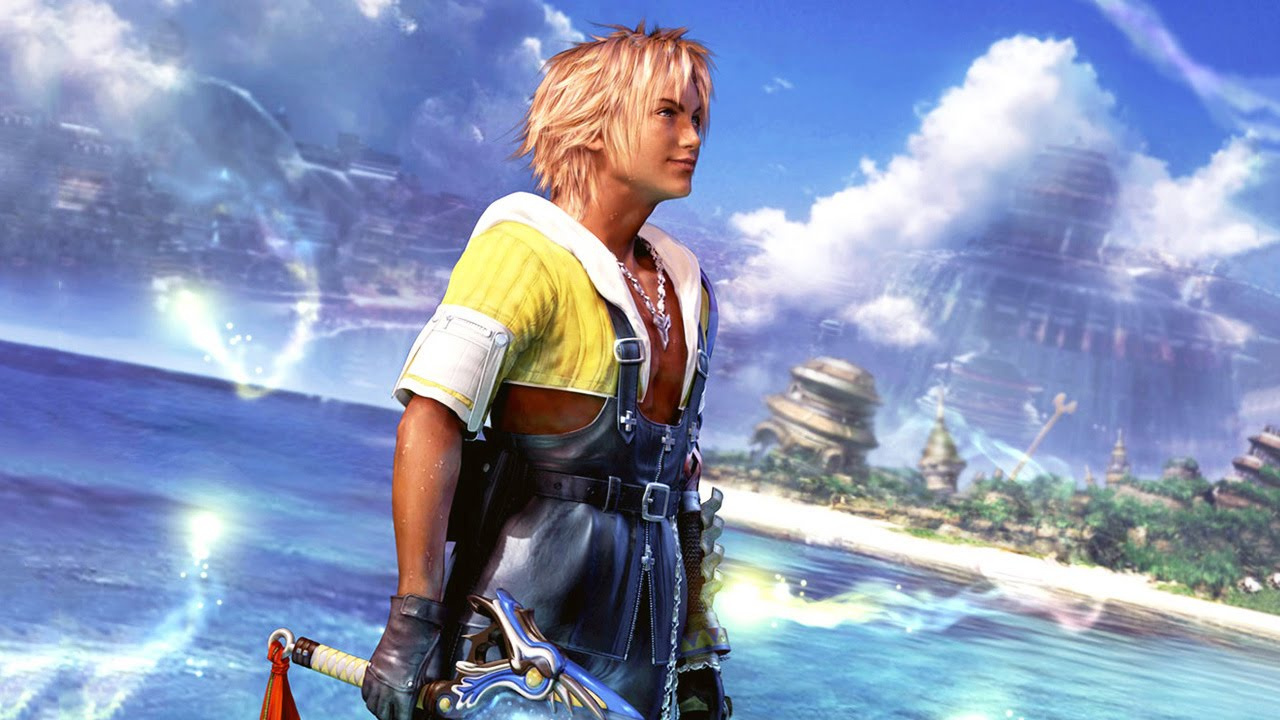
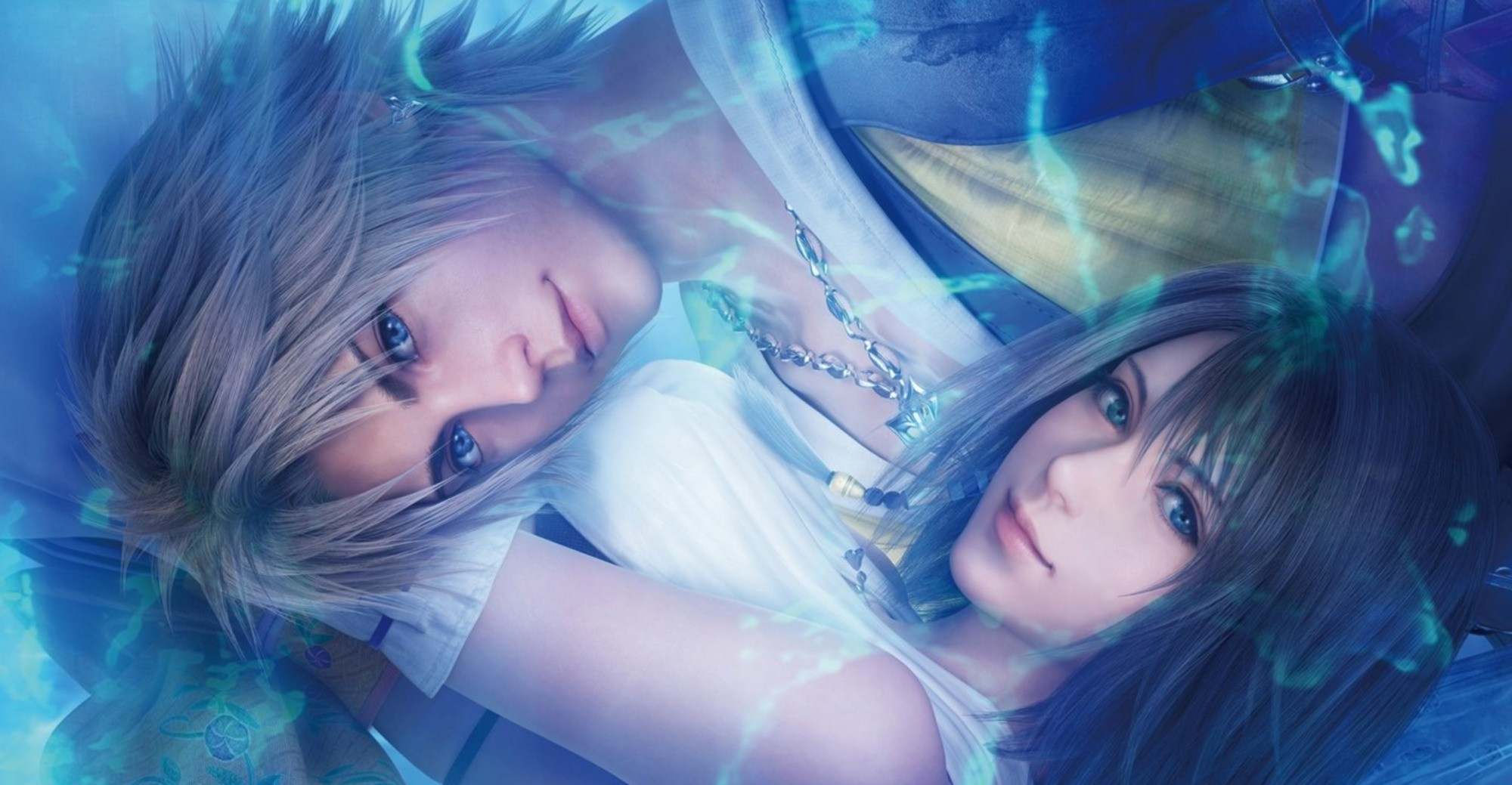
However, the company’s next project could be seen a rather more daunting, given the stature of the franchise; Virtuos is currently hard at work bringing over Final Fantasy X | X-2 HD Remaster and Final Fantasy XII: The Zodiac Age to Switch. Keen to learn more about the process, we spoke to executive producer Lukas Codr and senior producer Fang Xiaoshu about the remasters, working on Switch and much more besides.
Nintendo Life: Can you tell us what led to you working on the Final Fantasy Remasters? Were you approached by Square Enix?
We have a great relationship with Square Enix, having previously worked with the company on Final Fantasy Remasters for PS4 and PC. These games were big hits so it was only natural for us to be brought in to work on the Xbox One and Switch remasters, too.
What has the response been like to existing PlayStation and PC remasters?
The response has been great; we’ve had a lot of positive feedback from players and the media, so I think it’s why Square Enix approached us for the Xbox One and Switch remasters.
When did discussions start regarding the Switch and Xbox One versions?
This project got on our radar in the second half of 2017, so the team was up and running in December. For big franchises like Final Fantasy, it usually takes some time to get release dates aligned with the rest of the SKUs and other projects, so we usually put some flexibility into the schedule.
We’re talking about two very different consoles here; how hard has it been to scale the games for release on the Switch, given its unique portable nature?
I would say it was quite technically challenging because to make Final Fantasy work on Switch, we needed to convert it to 64GB. So, the Switch version needed to be shrunk without impacting the performance. As this requires a fair amount of skill, we have a small team specifically to target these parts of the remaster.
Did you have to tweak any element of the games in the process of porting them to new systems? Likewise, were there any ways in which you feel you improved the experience?
For such a great franchise, the main goal is to bring the exact same experience as the original version to the player. So, we haven’t touched the core content of these games in order to keep the same flavour as before.
However, some obvious legacy issues have been fixed during porting, including some UI logic and translation glitches. We’ve taken the “quick recovery” feature from PS Vita to Switch in order to take advantage of its touch screen. Finally, we’ve also integrated the “key mapping” system into both Xbox One and Switch versions in order to give more control flexibility to players around the globe. This is the first time we brought it to consoles (PS4/PSV don’t have it, only PC has such functionality).
We believe these features and fixes can actually give a better experience to players than the previous remaster versions.
Were there any lessons taken from Dark Souls and Starlink that came in handy with these games?
Communication is always super important in this type of project. The key is to be fully transparent to the client and never hide any issues the team encounters, so that we have time to find good solutions together.
We also had a well-experienced Japanese producer in charge of talking to the client, which was essential to bridge any cultural differences between Japanese and Western game development practices. Having such a person on site has proven extremely useful in those potentially tricky moments when we faced technical or production constraints. That was the last piece of the puzzle, next to things like technical feasibility reports, feature demos and so on.
What lessons did you learn from having to port these games to two such different systems?
Xbox has a unique “player profile” system, which requires title response to the changes of player profile status at any time when the game is running. Unfortunately, the original game could not be paused at any given moment, so we had to change some lower level code to make sure the engine can satisfy these platform requirements.
For Nintendo Switch, the main challenge was the package size, as the previous raw data size could reach up to 50GB. This much data simply cannot fit on a single Switch game card, so we had to analyse and modify the data cooking pipeline and managed to fit the game on a 32GB card without any impact on visual quality or loading performance.
Another tricky part is middleware. Some specific middlewares are no longer supported, so we had to remove them or replace them with our in-house libraries, which we have available for such situations.
Would you say this was an easier task than Dark Souls and Starlink?
Compared to Dark Souls, we can say the development was smoother in general. It was still a lot of work due to the sheer size of the games we were porting and all the different SKUs we had to prepare, but we had a very good understanding of the code. Moreover, many of the necessary performance optimisations were already present in the code.
Just like with every project, we also had our share of issues and difficulties. However, the team at Square Enix was very responsive, so we were able to solve them without too much hassle.
Final Fantasy, Dark Souls and L.A. Noire are three massive properties – what’s it like to be trusted with them?
We always treat every client’s IP as if it was our own. It’s our bread and butter working with other companies’ IPs so we’re very comfortable with doing so. The key thing is good communication with the client, both in knowing exactly what they want and keeping them updated along the way.
Not so long ago, the concept of a remaster was pretty unusual, but we’ve seen a sharp rise in this kind of project in recent years.Do you think this will continue, and if so, does that make a studio like Virtuos even more valuable to publishers?
We’re big fans of remasters and older games so it’s very exciting to see that IP owners want to bring them back, bigger and better, onto more powerful consoles. We think remasters will continue to be very popular in part from older generations playing the very same games when they were kids, with their own kids.
We’ve found though that it’s not just remasters where studios are looking for support from companies like us. We’re working more in co-development of titles, and are increasingly designing entire levels for new games as we help studios to expand the scope of their games.
Classic Nintendo memorabilia is increasingly hard to come by nowadays. On the digital front, it’s much the same, with classic wallpapers and screensavers somewhat a thing of the past.
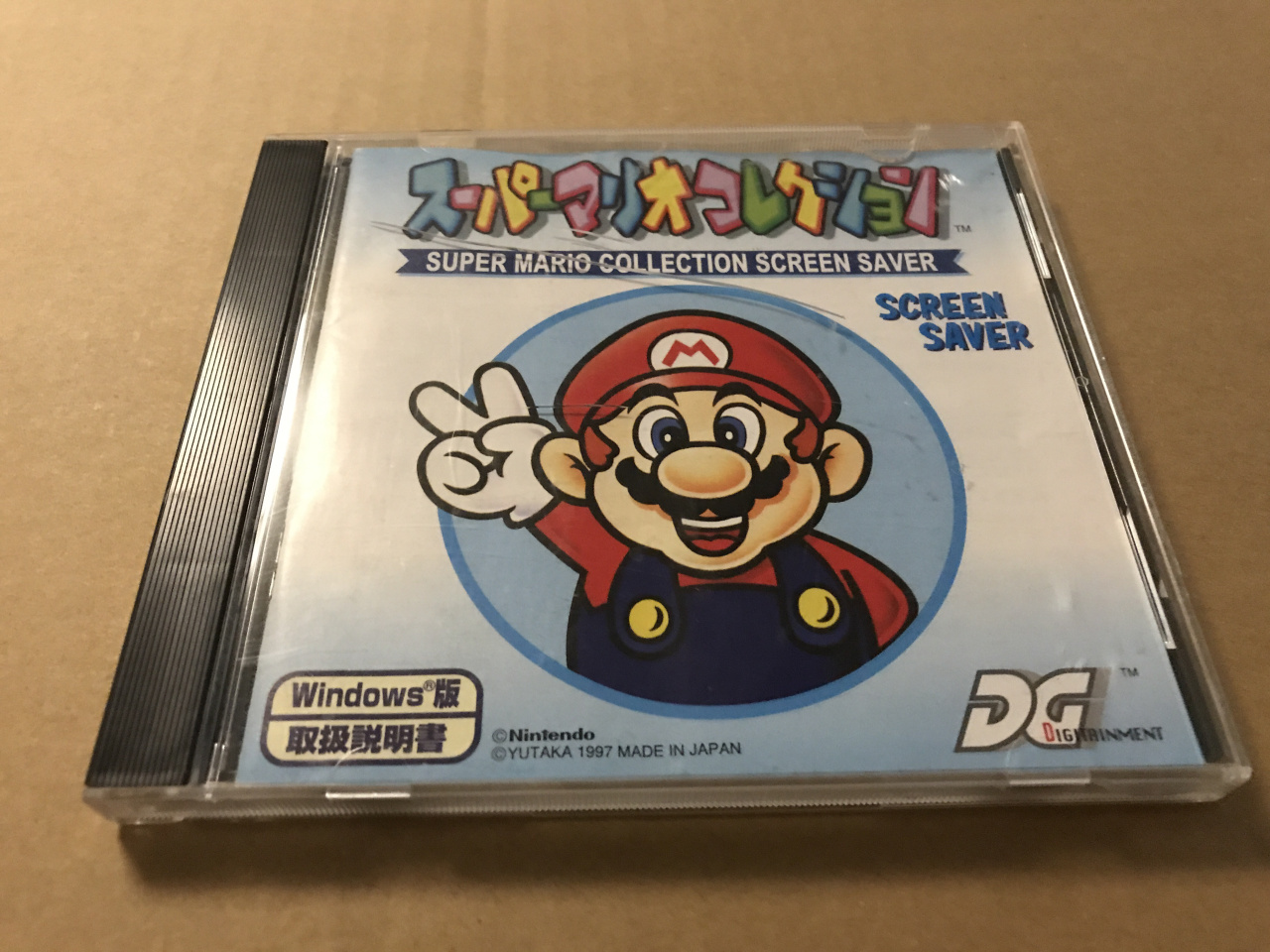
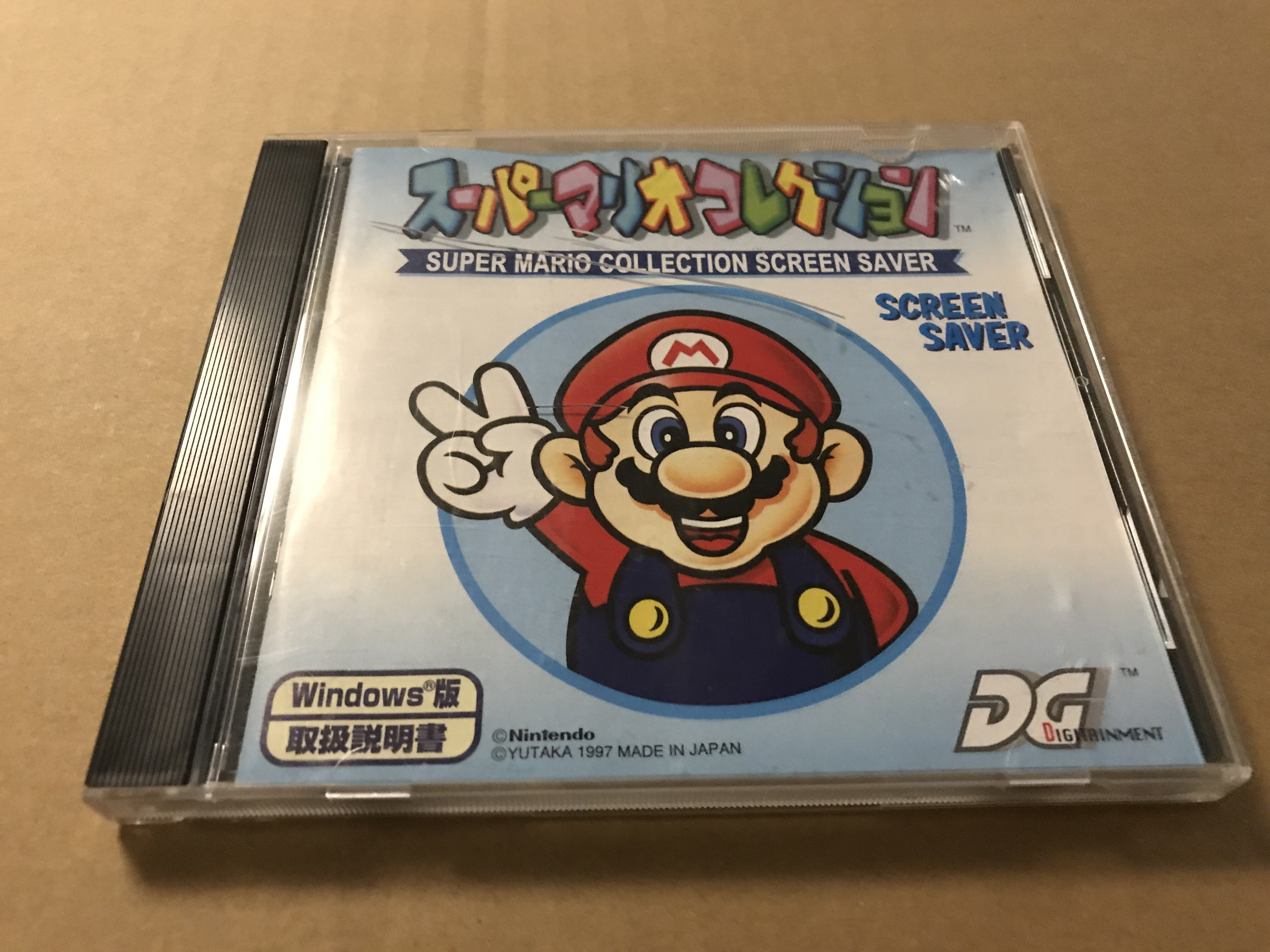
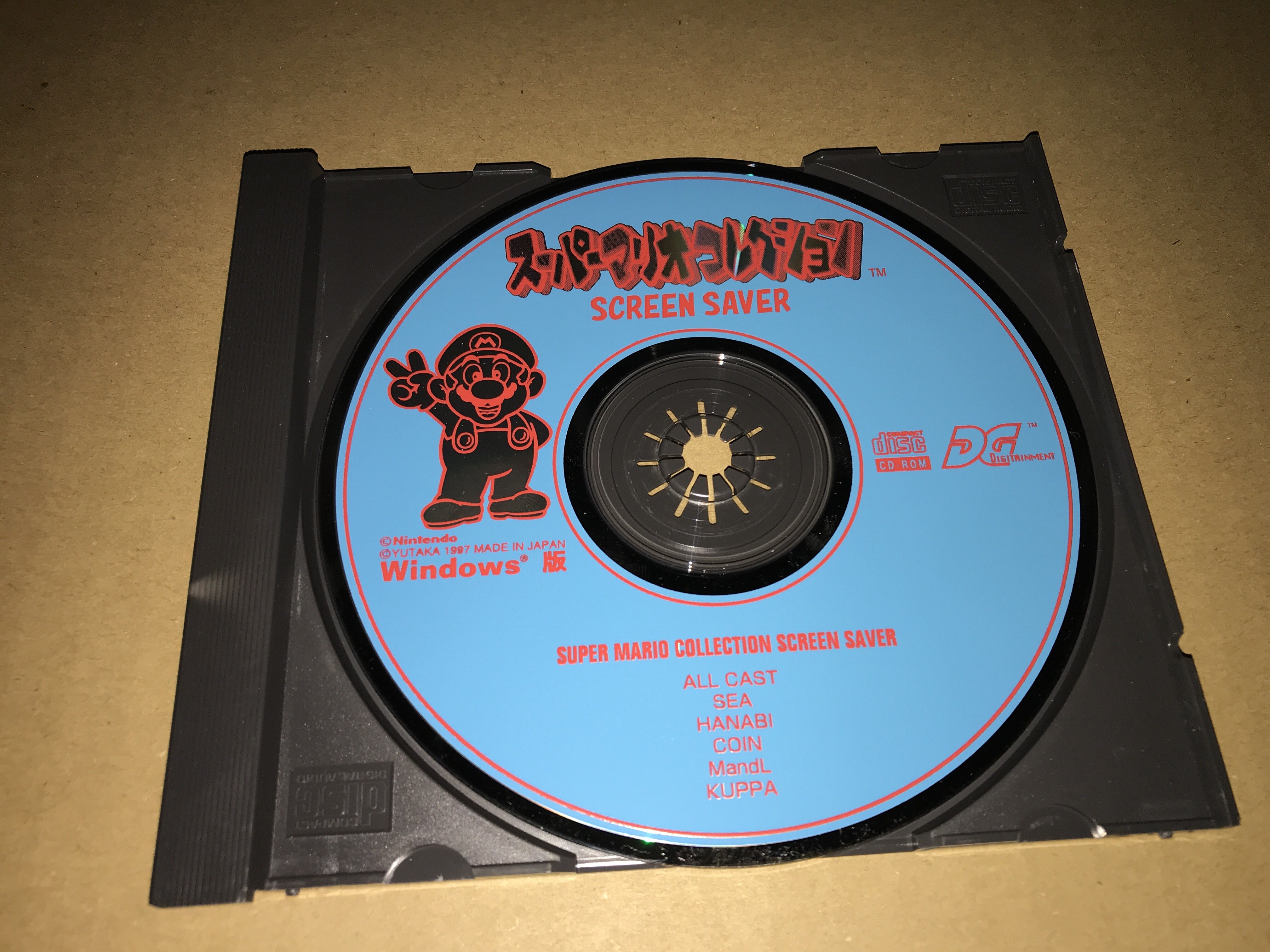
If you are in need of a digital retro fix, Nintendo preservation specialist “The Forest of Illusion” has uploaded a lovely Japanese Super Mario Collection screensaver set to the internet archive, with the help of a few others. This set was originally released by Nintendo as a CD-ROM for Microsoft Windows in 1997 and contains a total of six screensavers. Take a look at the original CD case and disc in the above and below photos.
In addition to screensavers, which you can see for yourself over on the internet archive, wallpapers and programs have also been uploaded. These include Mario themed calculators and clocks. The downside is these particular programs only work properly with a Japanese version of Windows 3.1, 95 or Windows 98. For the majority of readers that likely don’t have one of these older computers, check out the photos below:
Do you like old school digital content? Tell us below.