As part of Nintendo’s newly-released financial report, an up-to-date launch schedule of “primary” Nintendo products has been shared. The schedule shows the expected release windows for all major Nintendo-published games that have already been announced.
Aside from Metroid Prime 4, which Nintendo recently confirmed has been rather majorly delayed, the schedule shows that most games are still headed for their initial release window targets. While the list doesn’t provide us with the exact dates that we so desperately want to hear for our favourite titles, and is largely made up of info we already knew, it’s nice to have an updated confirmation that – as of right now – these windows are still very much intact.
Naturally, those launch dates and titles are still technically subject to change, but we’d expect to see or hear more about them as the months pass by, hopefully alongiside some more specific timings.
Which of these games are you most looking forward to? Tell us below.
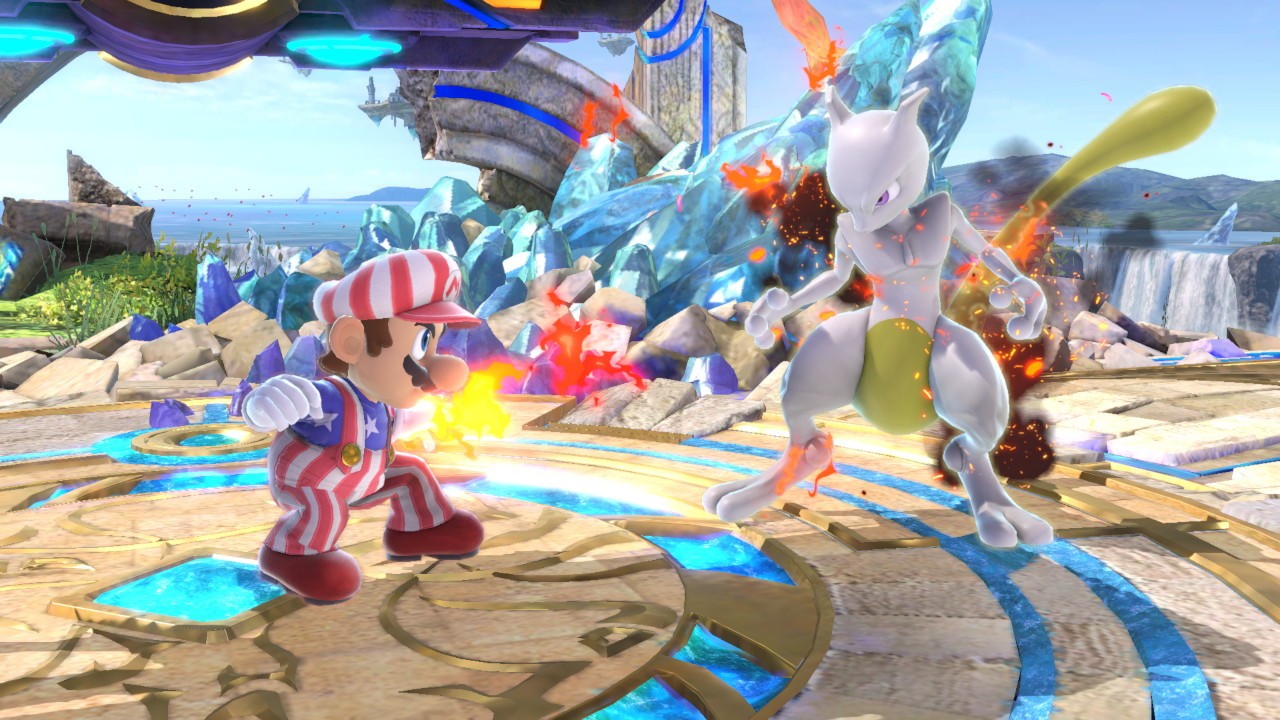
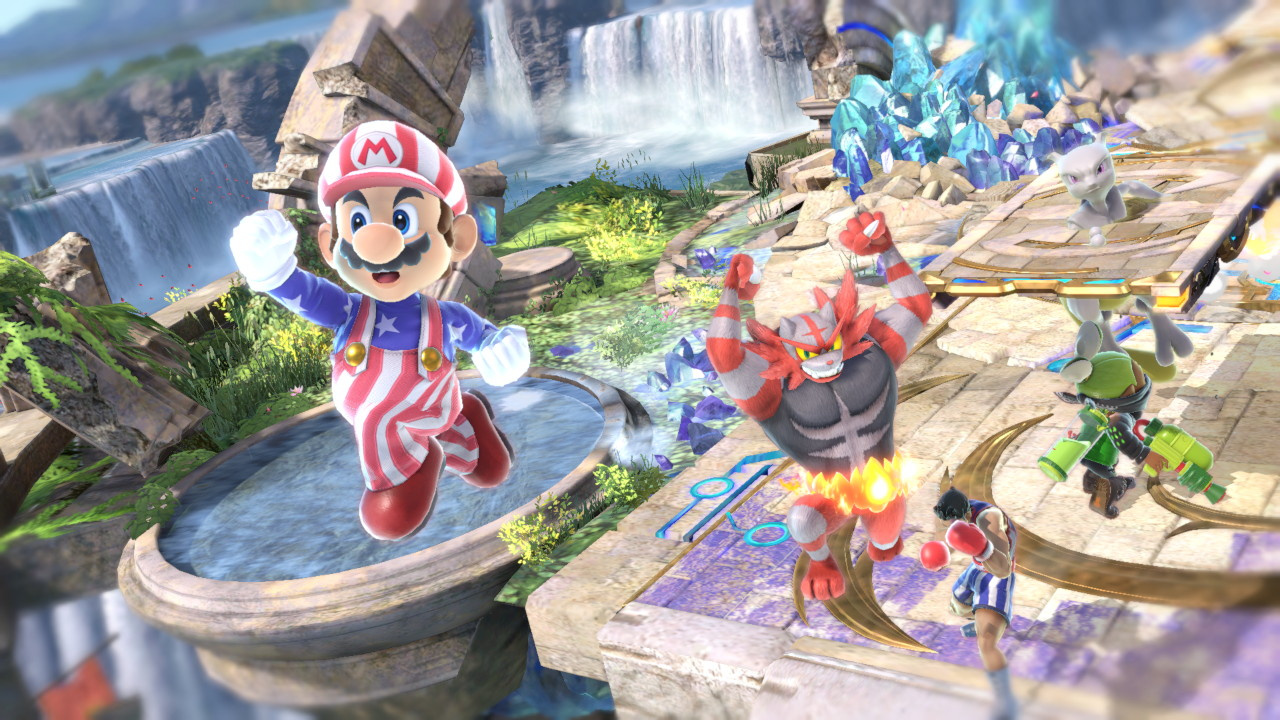
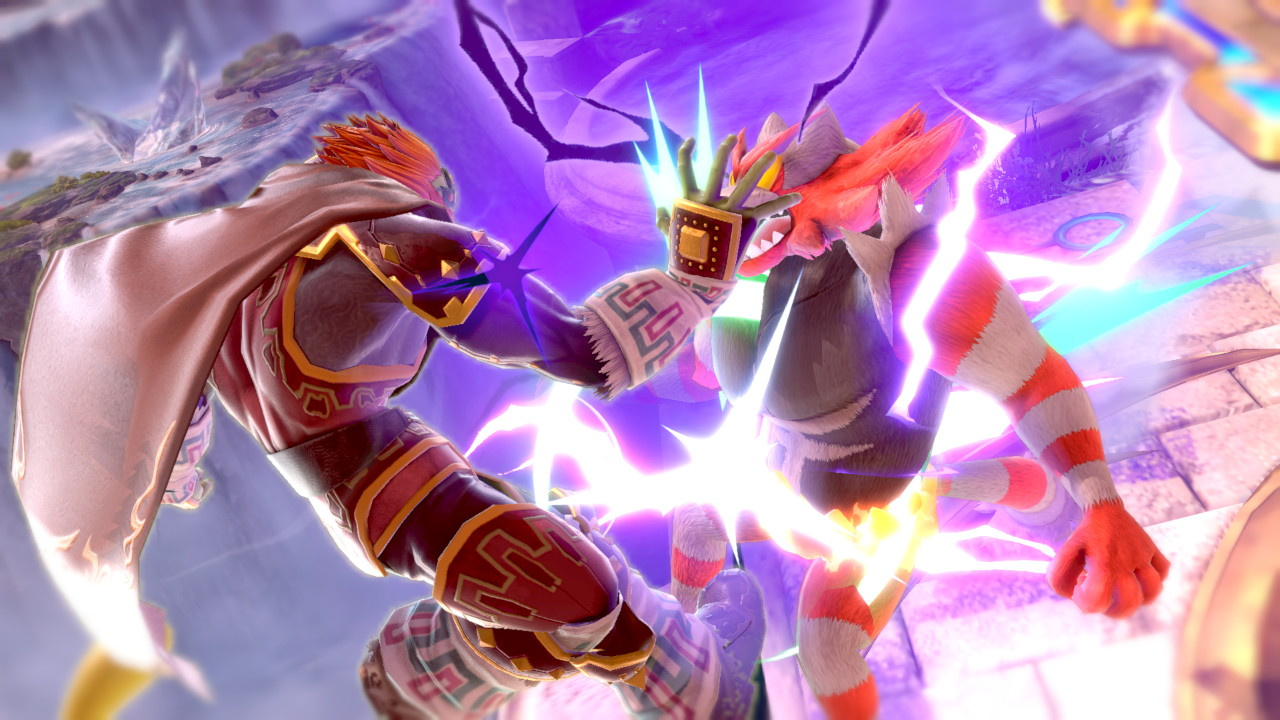
No love lost between all-time great Tom Brady (Mario) and freak-of-science Aaron Donald (Mewtwo)
Super Bowl LIII is upon us all! This Sunday, the New England Patriots square off against the LA Rams for NFL supremacy. (As a Seahawks fan, barf.) It’s anyone’s guess who will take it all, but in the meantime, we can read the digital tea leaves with video game simulations. Ain’t the future grand?
While, yes, EA Sports’s Madden NFL franchise may be the conventional choice for calling the Super Bowl – predicting a 30-27 Rams win this year – it’s certainly not the only game in town capable of doing so. Plus, Madden has skipped Nintendo platforms for several years now, leaving everyone leading the Nintendo life out from all of the predictive football fun.
With its plethora of characters, modes, and assorted whizbangs, we think we can get an equally accurate prediction using Nintendo’s latest competitive powerhouse, Super Smash Bros. Ultimate. To prove it, we hit the lab to develop a predictive framework for the single biggest sporting event of February 2019 – adapting the rules, rosters, and match-ups one can expect to see this Sunday in Atlanta.
Read on to find out how we built it, the big trends and plays to watch for this Sunday, and a prediction of the real game’s final score.
Welcome to Super Smash Bros. Bowl I!
The Rosters
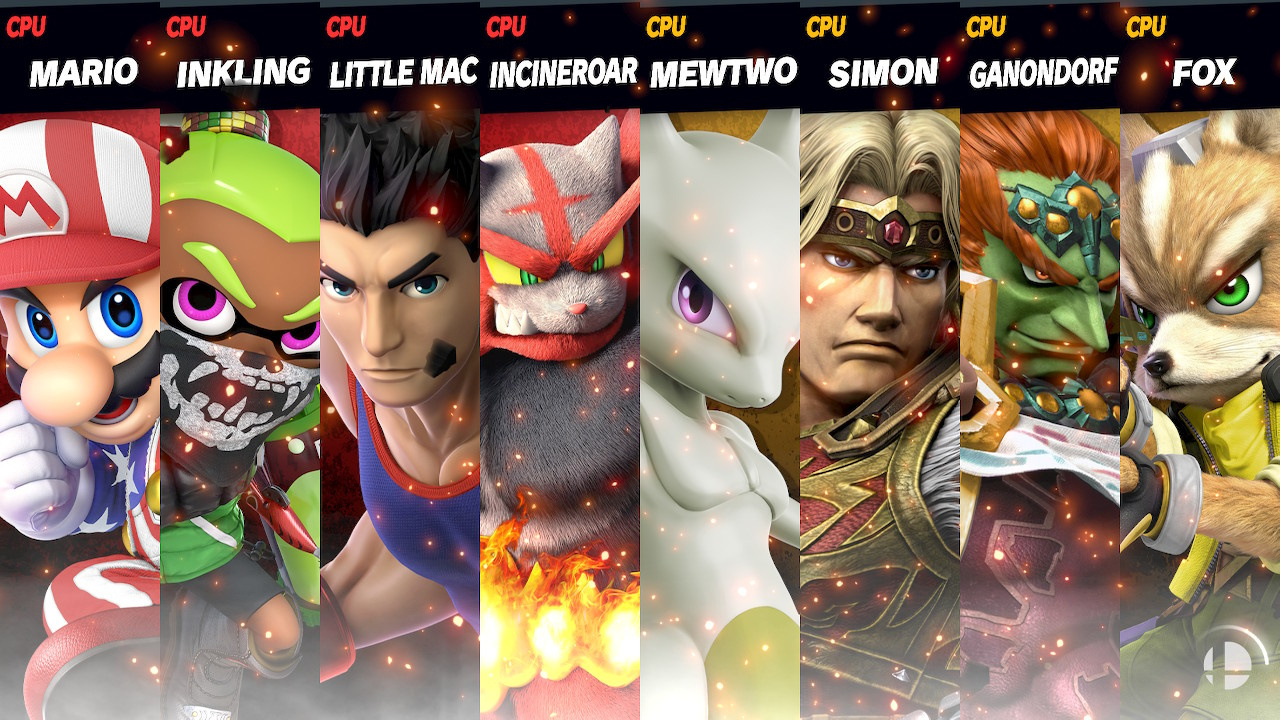
Since no NFL players are in Smash (yet), we matched eight of the top players from both teams with the most appropriate Smash character to correspond with their skill set, characteristics, and physique. Here are your gladiators for the day.
Goff, you sly noodle
LA Rams
Offense
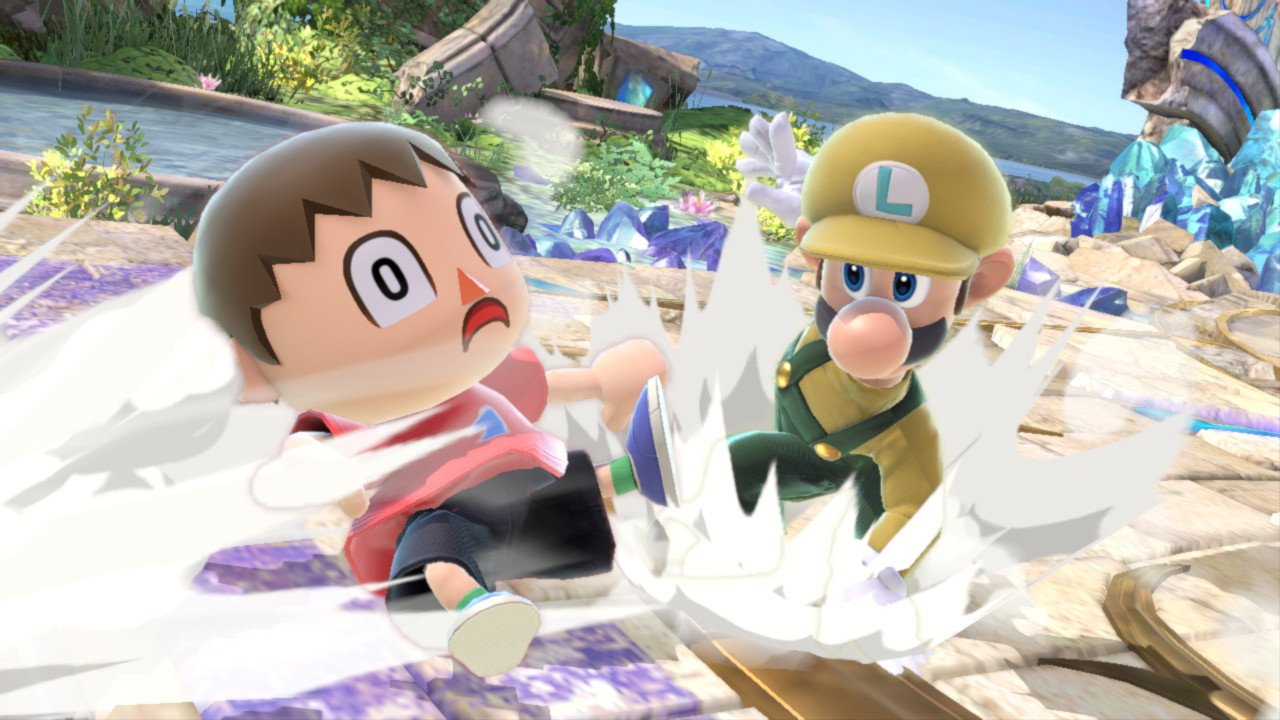
Jared Goff as Luigi – These noodly men may not get the same recognition as their peers but can deliver the goods when it counts. The physical resemblance is uncanny, too: throw a black moustache and green hat on Goff and nobody would be the wiser.
Todd Gurley as Captain Falcon – Two powerhouses able to blast through any opposition with a fiery fury. You don’t want to be on the other side when they’re heating up.
Brandin Cooks as Sonic – Gotta go fast! Cooks ran the 40-yard dash in 4.33 seconds at the 2014 NFL Combine, proving himself as one of the speediest dudes on the field. Like Sonic, Cooks keeps chasing rings: he was on the 2017 Patriots squad that fell to the Philadelphia Eagles.
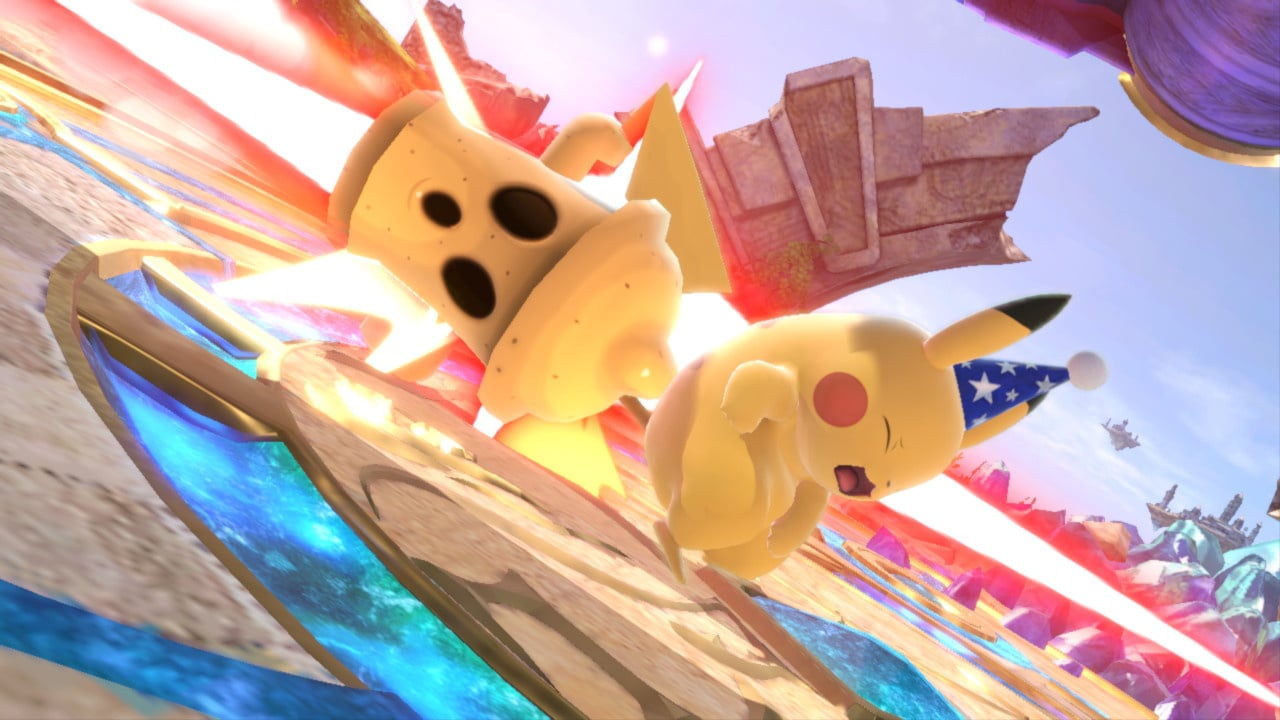
Robert Woods as Pikachu – Electric playmakers that have shown remarkable consistency and versatility over their careers. Cover carefully or they’ll shock ya.
Defense
Aaron Donald as Mewtwo – Aaron Donald is a freak of nature that was born in a lab by people playing with a power they do not understand. Mewtwo is that but Pokemon.
Ndamukong Suh as Ganondorf – Dominant forces with a history of sportsmanship issues. Suh is set to be a free agent at the end of the season, which is sort of like Ganondorf getting sealed into the Sacred Realm. Someone will eventually team up with them again.
Aqib Talib as Simon Belmont – These two share a love of zone defense and metal accessories. Yank their chains and hoo-boy are you in for trouble.
Marcus Peters as Fox – As a complementary duo, Peters and Talib create massive headaches in the backfield for their opponents. Peters-as-Fox’s speedy strikes and projectile defensive abilities let him go on the attack while Talib-as-Belmont corrals the offense.
“It’s-a me, Brady-o!”
New England Patriots
Offense
Tom Brady as Mario – One GOAT deserves another, and nobody has had as much success in their respective fields as these two.
Julian Edelman as Little Mac – Scrappy gym rats capable of delivering knock-out punches on unsuspecting opponents. If they don’t get you with speed, they’ll get you with cunning.
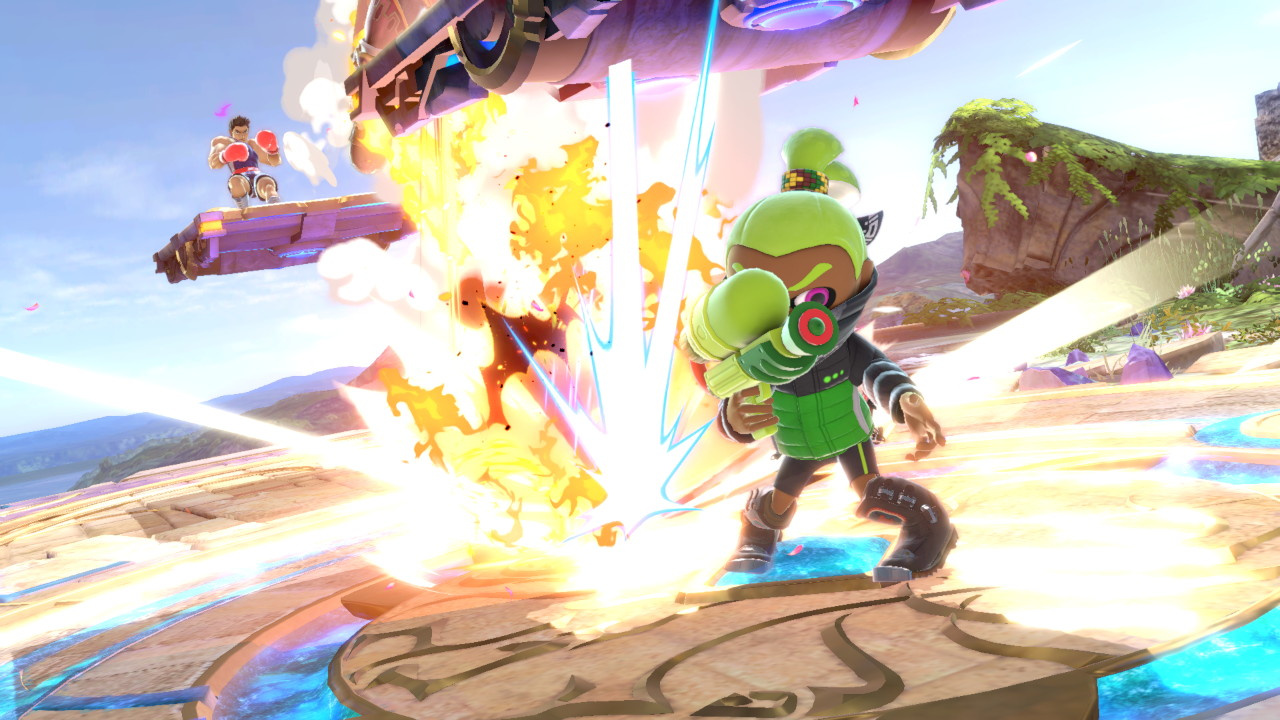
James White as Inkling – White and Inkling both have and are versatile weapons up close or at a distance, keeping their opponents wary and weary.
Rob Gronkowski as Incineroar – Two literal cartoon wrestlers.
Defense
Stephen Gilmore as Marth – Gilmore earned two distinctions this year: one being named the best cornerback of the season by stat gurus Pro Football Focus, and the other being named a first-team All-Pro cornerback. He’s practically defensive royalty, just like Marth.
Kyle Van Noy as King Dedede – Two big dudes who share a fondness for robes (educated guess) and that keep finding themselves in the thick of the fight, coming up with big plays when it counts.
Dont’a Hightower as K. Rool – One is a pirate king, and the other is a former captain out to crush his opposition. Which is which? You decide.
Devin McCourty as Villager – Villager is a huge pain in the butt for opponents to strategize around. Throw something their way and it’ll get yoinked it out of the air. Charge at them and they’ll fire a freakin’ rocket at you. Get in their face and that’s a bowling ball crushing every bone in your foot. McCourty’s arsenal isn’t filled with quite these same weapons, but is equally pain-butt to scheme around.
Nobody expects a WR to kick a field goal, but Edelman has a trick up his short sleeve.
The Rules
The full four quarters are simulated across two four-vs-four timed games of Smash (patch version 1.2.1). Each timed game is three minutes long and represents one “half” of the real thing. The Patriots offense will face the Rams defense in one game, and vice versa for the other.
Each team is represented by four of the top players from their offensive and defensive units. Each player is a level 9 CPU, with Spirits switched off.
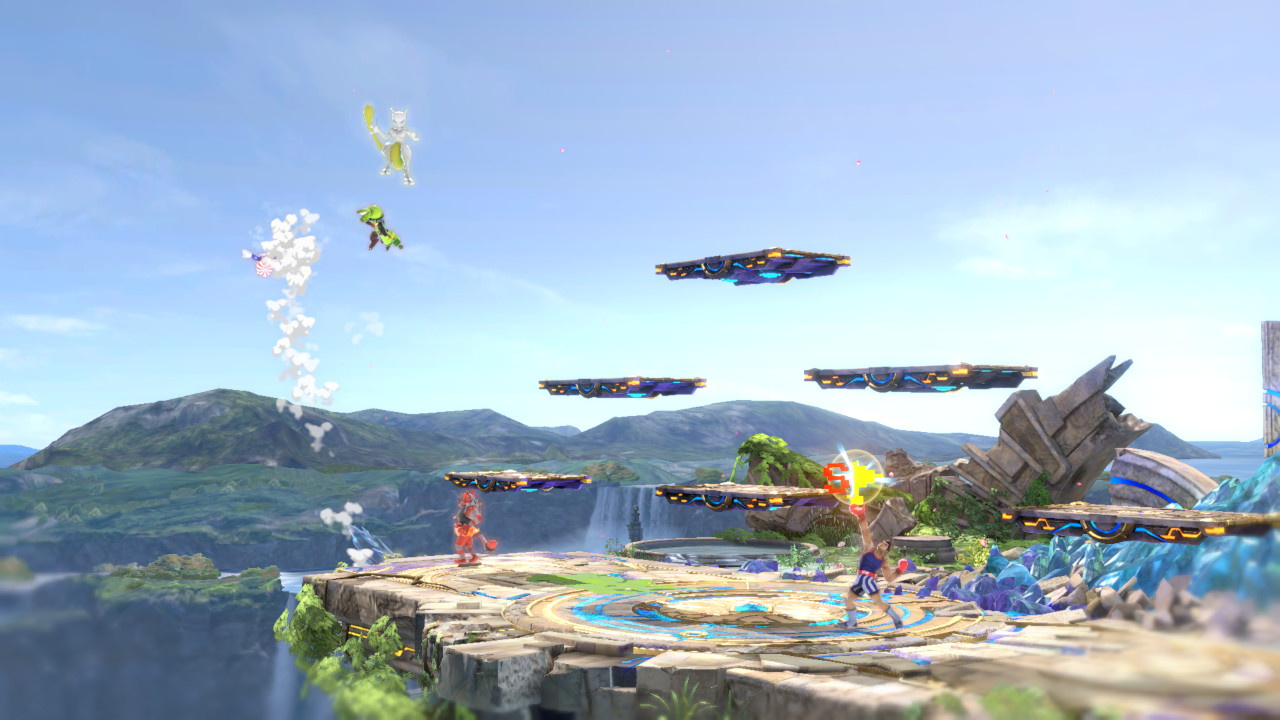
Big Battlefield is the arena of choice for being a clean, neutral landscape for eight-player competitive play.
A KO counts as a touchdown plus successful PAT, so good for seven points.
A Fall takes a KO off the board.
Teams must have a net-positive KO score for those teeders to count. There is no penalty for a net-negative KO score other than deep, deep shame.
Special Flags will appear periodically and represent successful field-goal kicks, awarding the team three points. Any side of the ball can bop one through the uprights.
The opposing team is awarded two points in the event of a self-destruct — that’s called a safety, baby!
Aside from Special Flags, the only other item eligible to appear is the soccer ball. It’s a football! What’s football without footballs?
Don’t mess with James White
The Prediction
The New England Patriots triumph 33-9 over the LA Rams.
(barf)
Keep an eye out for these trends to emerge and big plays to unfold on Super Bowl Sunday:
Trick plays! Burned by the “Philly Special” last year, look for Patriots coach Bill Belichick and his football galaxy brain to draw up a miracle play that exploits a little-known or archaic NFL rule. In our simulation, one play design sent wide-receiver Edelman off to his own side of the field to boot a field goal through his own team’s uprights, stunning onlookers but good for three points. Don’t be surprised if it turns out to be a legal move — you heard it here first.
Defensive dominance! Both teams are arriving with stout defensive units sure to give the opposing quarterback heartburn all night, be it through trouble up front or strong coverage of receivers. Expect Brady and Goff to feel the pressure, in many cases *checks notes* throwing fireballs at nobody in particular.
Hilarious QB sacks! Watch for Suh jumping in with the Up-B out of nowhere to dominate a frazzled Brady limping along at 169% damage, sending the New England great off to the big lobster roll in the sky.
Heartbreaking turnovers! We’ve got good money on Suh nearly running away with a field goal toward the end of the half that’s then blocked by Gronkowski, who recovers and kicks it through the uprights for three. Again, you heard it here first.
Halftime show shenanigans! The planned performance by Maroon 5 and Travis Scott will make way for a special performance by the Squid Sisters that is both electric and brave.
Intense focus! Nobody will be interested in the soccer ball.
Match-up breakdowns
New England’s offense (red team) takes on the LA Rams defense (yellow team)
Patriots offense vs. Rams defense
The Rams jump into an early lead as Gronkowski and White fall to Earth in a beautiful double-doink from Aaron Donald. Ultimately, the lead doesn’t hold for long, as the Rams struggle to contain New England’s passing game throughout and fail to capitalize on their own advances.
On the Patriots side, Julian Edelman torches everyone but Suh, racking up four KOs and a field goal against two falls. Gronkowski dishes the most damage of anyone on the field — laying the groundwork for Brady and Edelman to do their work but ultimately finishes with a muted score sheet of one KO and a field goal himself against two falls. Brady doesn’t have his most impressive game with low damage dished throughout, but does his job by pulling in two KOs against one fall. James White’s run game is stuffed, with no KOs and one fall to his name, but provides a bump to New England’s score sheet with a field goal.
In your face, Gronk
The Rams D manages to take White largely out of the equation but are frustrated elsewhere throughout. Their early lead is squandered by failing to consistently cash in on the massive amounts of damage they inflict on their opponents. Suh’s field goal fumble is recovered by Gronkowski towards the end of the half to erase any hope of the Rams putting themselves on the board, finding themselves with a net-negative KO score and no field goals at the close.
PATRIOTS: Net +1 KO (7 points); 3 field goals (3 x 3 points) = 16 points
RAMS: Net -1 KO (0 points); 0 field goals (0 x 3 points) = 0 points
LA’s offense, led by Jared Goff (Luigi), takes on a stout New England defense
Rams offense vs. Patriots defense
Finding themselves in a rather large hole after failing to do much of anything to stop Brady and his boys, the Rams turn to Goff, Gurley, Cooks, and Woods to do what they’ve done all season: get them points. Unfortunately for the Rams, things don’t quite go as planned — their red zone troubles continue to be a bugaboo for them on the biggest stage of them all.
New England puts in a beastly performance on defense, completely dominating up front and ripping Goff’s heart out (figuratively) as they put up net-two KOs and boot in a field goal. Meanwhile, McCourty and Van Noy feast on LA, putting up three KOs each against a combined three Falls between them. Hightower breaks even and scores no touchdowns but does thwack in a field goal to add three.
Pokemon Yee-owch
Gurley fixes whatever woes he’s had in the postseason this year for a monster four KOs and a field goal against two Falls. What should be a breezy 17 points pulled in by Gurley is undone by the Patriots suffocating the rest of the offense. Goff spends most of his time running for his life, suffering one Fall each at the hands of McCourty, Van Noy, and Gilmore. He puts up one KO and a field goal to lessen the damage, but those three Falls wipe a lot of points off the board. Woods is made a complete non-factor — in fact, a drag on the team — as the electric receiver is kept off the board with two Falls against zero KOs. Cooks fares little better, with his one KO neutralized by McCourty knocking him off for a Fall. His field goal stands, though, adding three to the floundering Rams’s total.
RAMS OFFENSE: Net 0 KO + 3 field goals (3 x 3 points) = 9 points
PATRIOTS DEFENSE: Net 2 KOs (2 x 7 points) + 1 field goal (3 points) = 17 points
FINAL: Patriots 33 – Rams 9
Football. Football?
Science! What a beautiful thing. How close do you think Smash Ultimate will get to predicting the real deal? Sound off in the comments below!
Note: This video contains flashing lights and rapidly changing colours.
Publisher ARTE and German indie developer Ludopium have announced that their upcoming rhythm-based puzzler Vectronom is headed to Nintendo Switch.
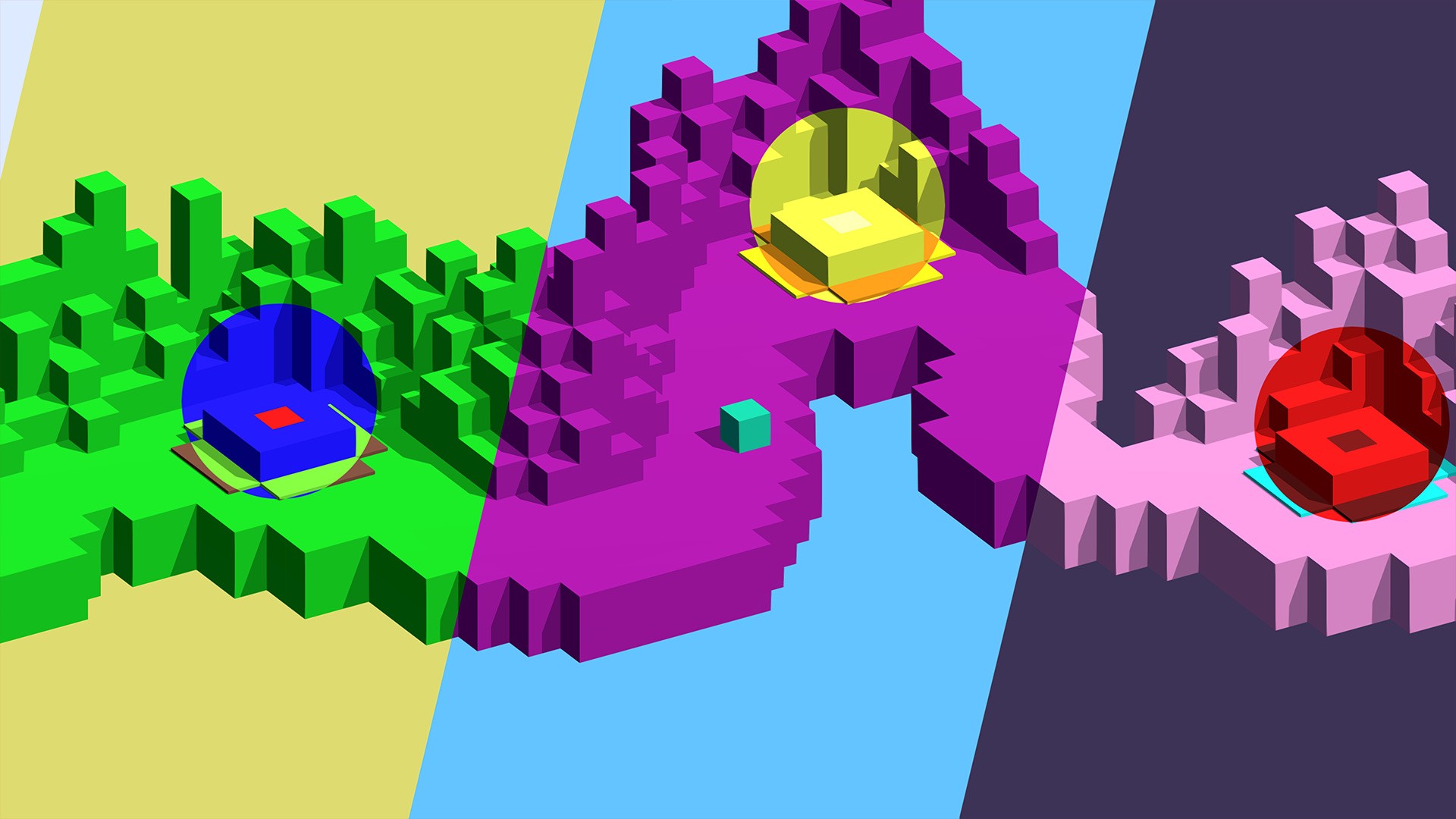
In Vectronom, players must memorise patterns and solve environment-specific puzzles while moving their hopping cube to the beat. You can see a tease of the action in the trailer above, where obstacles change in sync with the music and bright, vibrant colours seem to attack the senses. The game is said to get “harder from level to level, challenging the player’s three-dimensional thinking”.
Features – Challenging single player campaign – Each level features original electronic beats and a colorful, dynamic art style – Play with friends via local, drop-in/drop-out multiplayer – Level Editor – Create your own wacky levels using curated beats and challenge the world with never before seen rhythmic puzzles. – Use alternate controllers like dance pads or MIDI instruments -Create your own soundtrack – hook up to an analogue synthesizer via the headphone output and compose live music as you play alon
No specific release date or pricing has been confirmed just yet, but we do know that the game is set to launch on both Switch and Steam this spring.
Do you like rhythm-based games? Does this look like a hit to you, or a little off-beat? Sound off below.
This week we have a game heavily influenced by WWII, one paying homage to the writings of H.P Lovecraft and one with a visual style based on 15th-century wood carvings. If that doesn’t cement the level of variety and creativity in the indie scene, then we don’t know what does. Let’s dive in…
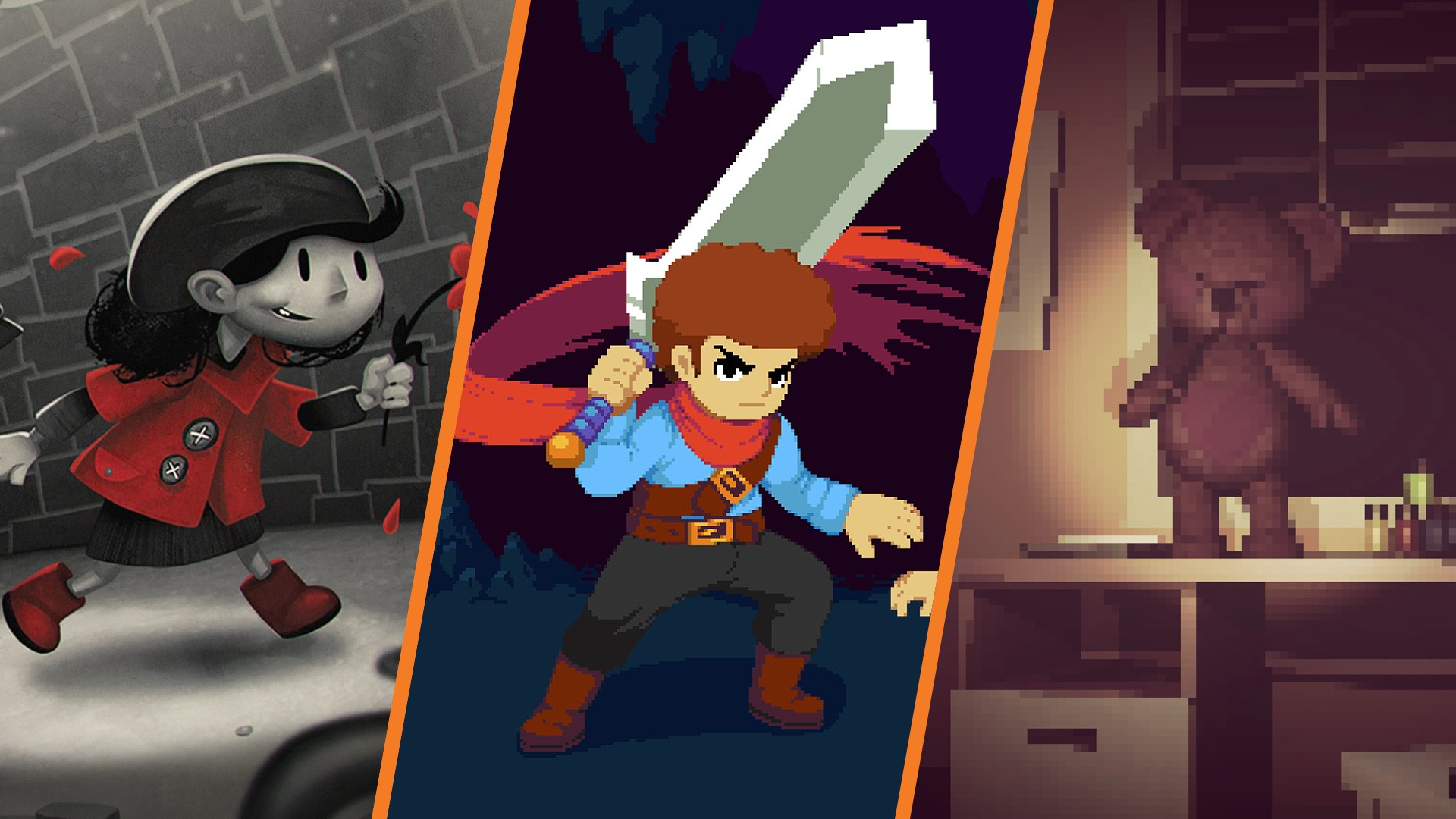
A static horror adventure that takes the premise of Toy Story and gives it a horrifying twist, Bedtime Blues crafts tension competently for the most part and will likely leave more than a few players with sweaty palms. You play as a small child, armed only with a torch to ward away your sentient teddy bear (it’s never clear if it’s the same bear, or many) in various different ways. There is also a story running between each level, urging you to find clues to discover what’s going on and the history of the toys in your family. Each level is classed as an hour, with your character attempting to survive until dawn. Sound familiar?
Though the creepy atmosphere and diegetic sound are effective, once you’ve seen the jump scare animations a few times you’ll likely breeze through repeat playthroughs, fear free. It’s also impossible to discuss Bedtime Blues without at least giving a passing mention to a certain other static horror franchise that uses cuddly creatures for jump scares. Unlike Five Nights at Freddy’s, however, which juggled a genuinely unnerving atmosphere with an intriguing plot, Bedtime Blues doesn’t try anything particularly new, despite being released five years later. Even the jump scares feel weaker and only shock because of their immediacy and loudness, rather than any scary visuals; after all, it’s just a bear.
That said, the aforementioned sound design is strong. The recording of ‘Mama, please kiss me goodnight’ is particularly disturbing and the bumps in the night do help to create a sense of dread. However, the pixilated visual style, while novel at first, quickly becomes tiresome. It’s clear that the retro aesthetic was an intentional choice to enhance the distorted atmosphere, but it really doesn’t add a huge amount and makes the whole thing look ugly. Overall, Bedtime Blues isn’t awful, but it lacks a lot of the depth and production value of the franchise it clearly tries to emulate. It’s serviceable and might be nice for fans of survival horror looking for something to take on the go, but certainly isn’t ground-breaking.
Maybe
From in-your-face nightmares to a subtler kind of melancholy, we have the point-and-click adventure title, Apocalipsis: Harry at the End of the World. The atmosphere, aesthetic and visual storytelling form the most compelling elements of this charmingly grim adventure. You play as Harry, on a journey to retrieve your love after she’s taken from you, driving you into despair. You have to trek through an assortment of creatures and demons, both internal and external, in order to try and get her back.
The black heart of Apocalipsis comes from its style, though its core gameplay is serviceable for a point-and-click adventure. You can control Harry by swapping between traditional movement, or a point-and-click approach, the latter of which is much more viable. Solving puzzles comes down to having the correct item found and equipped, and the game won’t allow you to proceed until you’ve done everything in the correct order. This can lead to a bit of guesswork, with Harry’s shrugging of his shoulders acting like a sarcastic jibe to spur you on. Earlier puzzling can be solved by simply hovering around the map to see what is interactable and working it out from there. It lacks some of the ‘aha’ moments of other genre gems, but it is still competent as a vehicle for progressing the plot forward. However, later portions do increase the difficulty and require more logical thought for advancement.
Visually, Apocalipsis is really unique, taking an interesting artistic influence of 15th-century wood carvings as its main inspiration. These bleak, grim designs paired with the dark, ambient soundtrack work to give it a droning, otherworldly, and often unnerving atmosphere, as if you’ve dived headfirst into a nightmare. This works well with the game’s story elements surrounding death and the occult and leads to a surprisingly engaging (if a little depressing) experience. Overall, Apocalipsis: Harry at the End of the World is an oddly engaging game that succeeds in its creation of a sombre atmosphere through a well-told plot. It won’t please everyone, but if you’re looking for a story-driven adventure to suck you into its world, this might be worth a look.
Thumbs Up
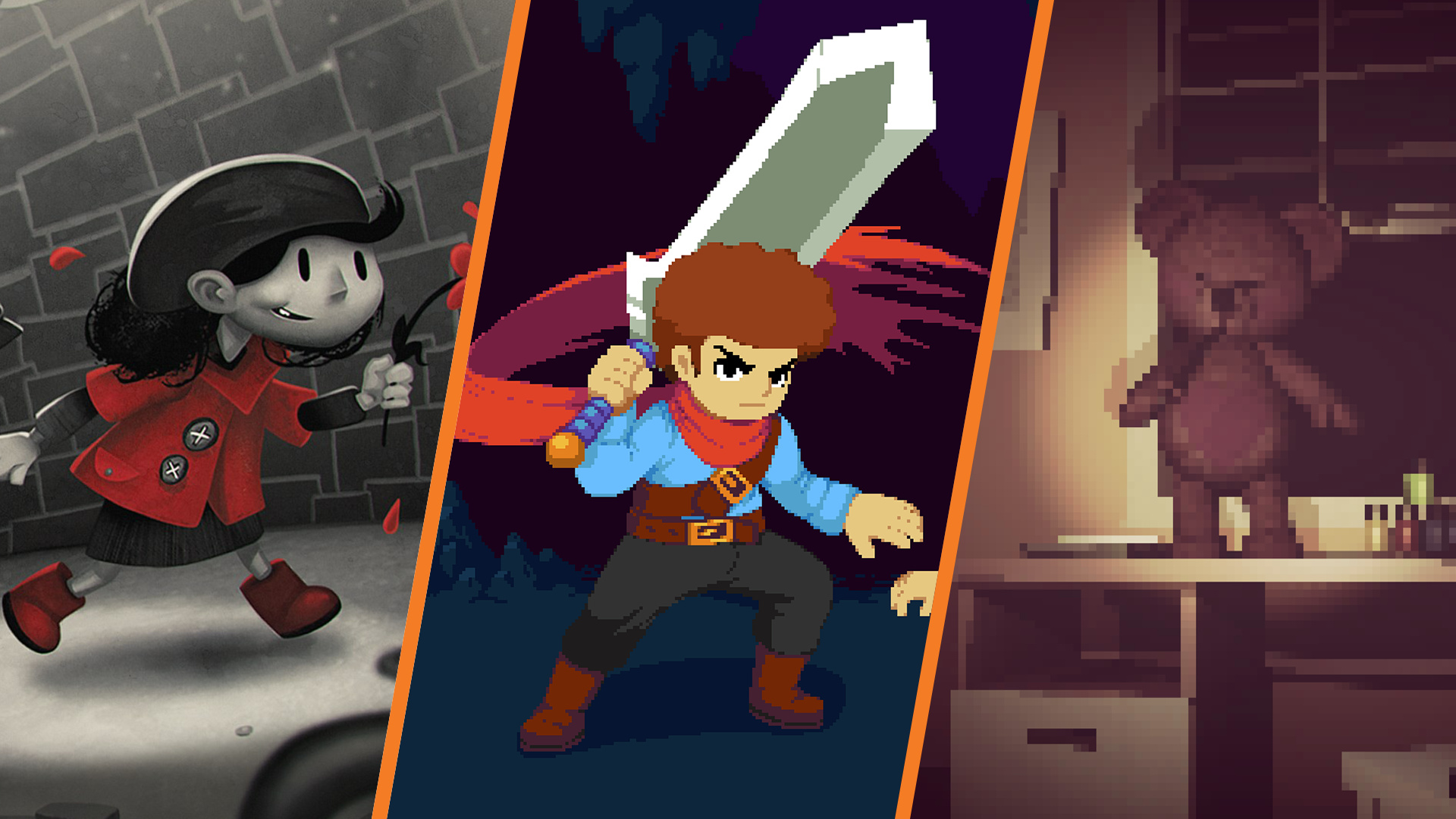
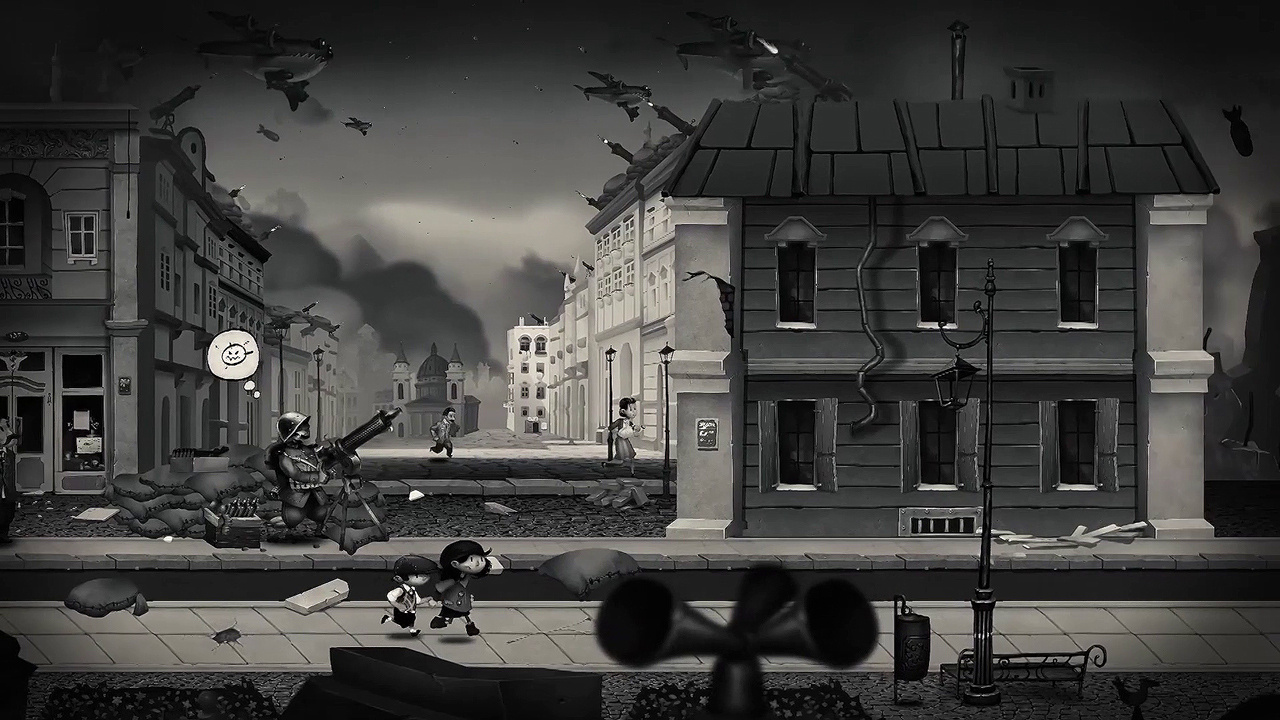
The unconventional cocktail of a World War 2 allegory, robots, and Sir Patrick Stewart might seem like a strange choice for a platformer on paper, but My Memory of Us delivers generally strong storytelling mixed in with some solid – if conventional – gameplay. You take on the role of a pair of children, a boy and a girl, attempting to make your way through a monochrome land ravaged by tyrannically robot overlords. The story unfolds largely through dialogue-free scenes spliced with voiceover work by Sir Patrick himself, whose stately tones undeniably add kudos and weight to the story. The allegory for Nazi Germany is good at first but veers into slightly questionable territory later on as the more sci-fi elements start to clash tonally with the severity of the real-life events.
The gameplay dynamics work well between the two children, allowing for environmental puzzle solving challenges that, while not hugely challenging at first, are weaved well into the story, particularly in the tenser moments. You progress by holding hands and moving together, with different abilities awarded to each child. For example, their movement specialisms allow the girl to run and the boy to sneak past enemies, so choosing your lead allows you to solve puzzles and navigate hazards appropriately. Additionally, enemies can be warded off by the boy’s use of a blinding mirror, or the girl’s slingshot.
Visually, My Memory of Us is really appealing. The choice of a black and white world parallels the dirty, grim, depressing events on which the game is loosely based, but a splash of red every now and then not only allows objects to stand out pleasingly, but has allegorical story implications that become much more apparent throughout. Overall, My Memory of Us is a solid platformer with decent puzzles, most of which are tied to the plot. It has great sound design (including exceptional celebrity voiceover work), but its main criticism is the sometimes-jarring tonal inconsistencies between creating a tangible threat from the mind of a child and the true horrors of which it is based. That said, the good absolutely outweighs the bad and the majority of the game is a delight to play through.
Thumbs Up
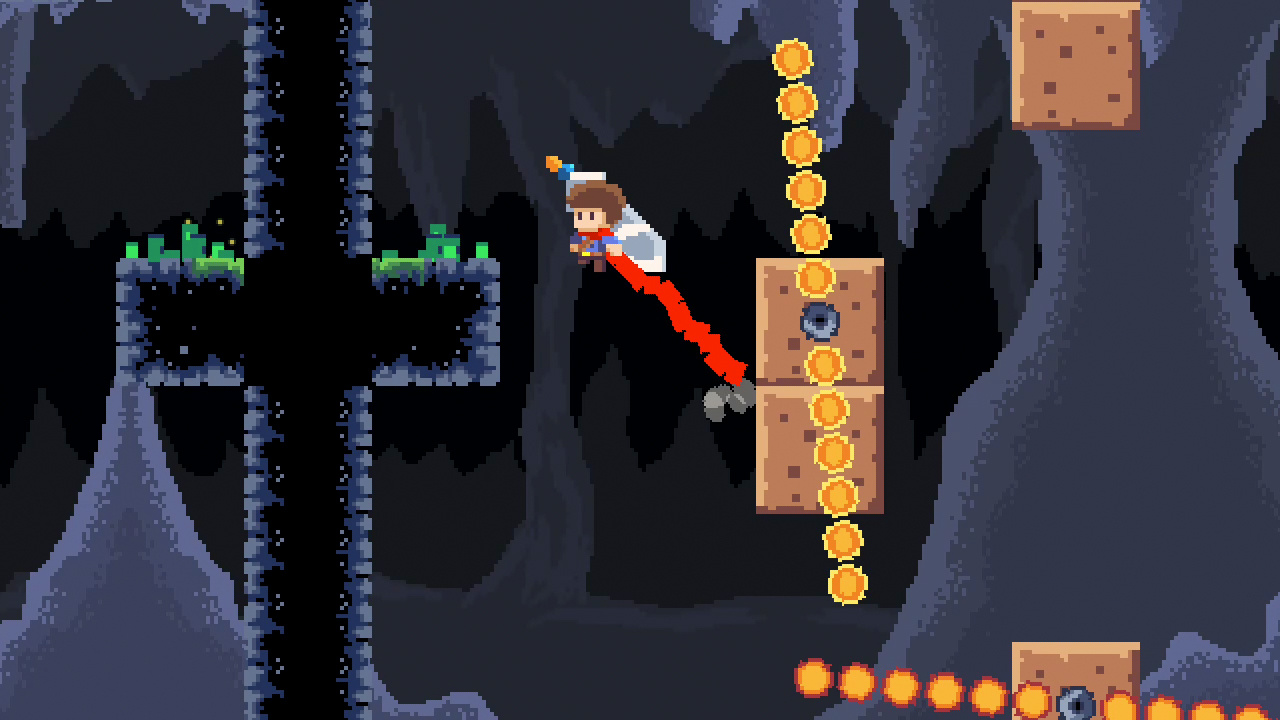
A platformer with a focus on speed in both gameplay and story exposition, JackQuest has you take the role of Jack, a pixilated chap wielding a sentient sword so large, it’d make Final Fantasy VII’s Cloud blush. It’s a fantasy-themed platformer with a rather basic ‘girl is captured, go save her’ story, but proves its mettle in combat and exploration, both of which are pretty great. The dialogue is a little clunky and not amazingly well thought out, with quite run-of-the-mill chat that could’ve done with an infusion of wit.
Where JackQuest succeeds, however, is within its gameplay, which is thankfully its prime focus. The control is very well matched, with each jump and attack feeling organic and perfectly timed. The wall jumping, in particular, is an example of something that could easily become tedious, but is instead fun to mess about with because of how excellent the control is. There are numerous power-ups and additional weapons, but we often found ourselves defaulting to the sword, as it feels so satisfying to hit things with. The special moves are also particularly pleasing to use in a tight spot. There’s an element of the Metroidvania genre when it comes to exploration too, which is welcome, as you’ll find yourself navigating one big maze and often backtracking to progress.
Enemies are well designed and sport a retro aesthetic, matched by the rest of the world. The pixilated choice works far better in a 2D platformer like this than it does in the 3D world of Bedtime Blues. Here its use is charming, matching the humble plot and simplistic, yet well-designed controls. The boss battles are impressive, but again, tend to be quite simple once you’ve established the pattern. Musically, it has a cool, old school vibe that matches the graphics, though the grunts and groans from Jack every time he swings do wear thin after a while. Overall though, JackQuest: The Tale of the Sword is a charming platformer that revels in its own simplicity. The control is excellent, the graphics nostalgic, and the exploration elements engaging. As the official description describes its collectables and secrets; ‘they’re sure to keep completionists engaged for hours on end.’ We couldn’t have said it better ourselves.
Thumbs Up
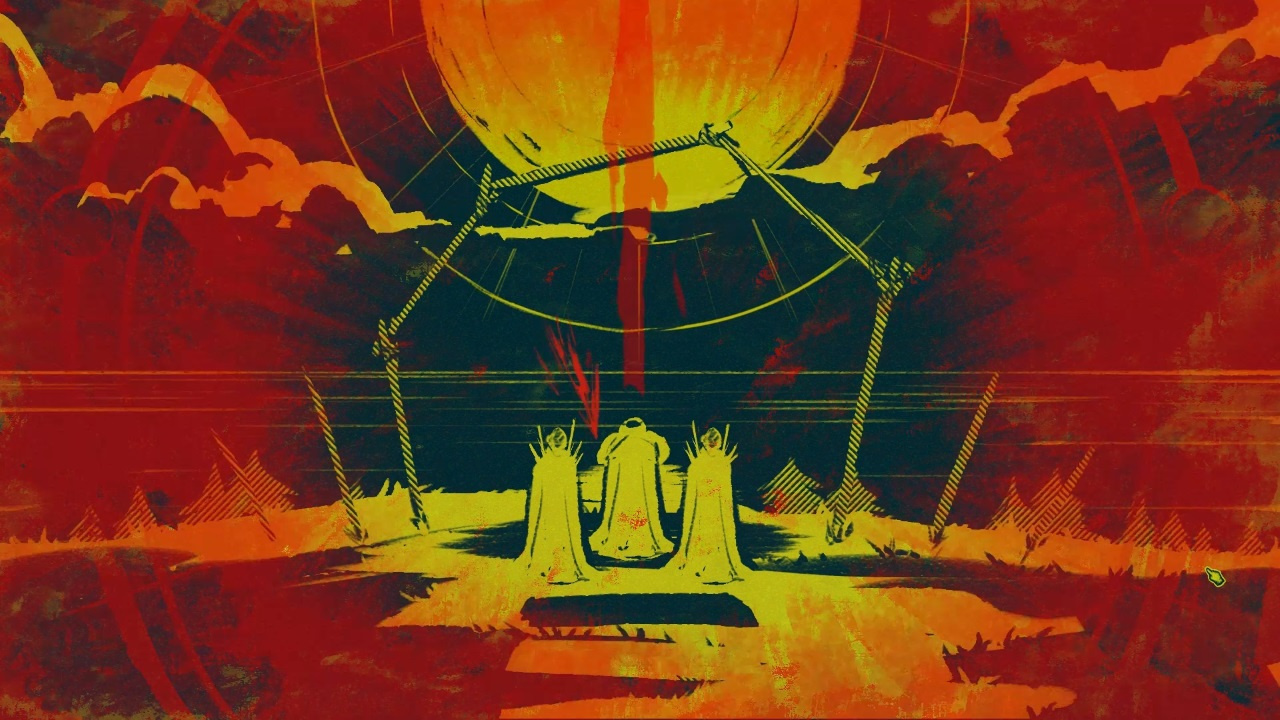
We finish up this week with a unique premise; a management sim game where you must weigh up the vices and sins of villagers to work out which should be sacrificed to your God, Chernobog. The Lovecraftian theme works brilliantly in this dark, yet engaging sim. You take on the role of a High Priest, trying to appease the sleeping monster God with a sacrifice every season. The concept is really unique and the end product clearly has had a lot of passion and effort put into it, which shines through.
The main goal is to interrogate villagers, assigning one member of each of the five houses to do the good Lord’s work, whilst you secretly work out their true intentions and inevitably silence one of them per season. You’ll have to manage this with the opinions of both the houses and the wider villagers however, ensuring that tasks are being carried out appropriately, so it’s a juggling act of choosing someone who is hated enough that their sacrifice won’t cause outrage, while also picking people who’ll get the jobs done. For example, choosing the same house twice in a row for the deadly deed will likely earn the anger of that particular family in the long term, so choose wisely. The different personalities are randomly generated and a small amount of background is given, which adds a nice amount of depth. You’re also given the opportunity to nickname any of your chosen team for further attachment value. The sinners are fairly easy to root out with the use of your limited number of enquiries, while managing the other aspects of the town is generally more challenging. There are also several different endings, leading to some great replay value.
The Shrouded Isle opts for a green and black palette which, while definitely in line with its Lovecraftian influences, can be pretty grating to stare at for long periods of time, particularly on the Switch’s screen. It’s a shame too, as the addiction value is high, so a long playthrough could be on the cards. The visuals are nicely drawn, but limited to only a few still images and cutscenes. The splash of red blood amidst the green dirge is a really cool addition, too. The use of church bells and foreboding sound effects also make for a spot-on soundtrack. In review, The Shrouded Isle is a great management sim that is let down purely by its choice of aesthetic. Somewhat akin to the ill-fated red and black visuals of the Virtual Boy, the palette is really nasty to stare at, but if you’re able to look past this, you’ll find a solid experience.
Thumbs Up
Will you be giving your own thumbs up to any of the above games? Let us know in the comments down below…
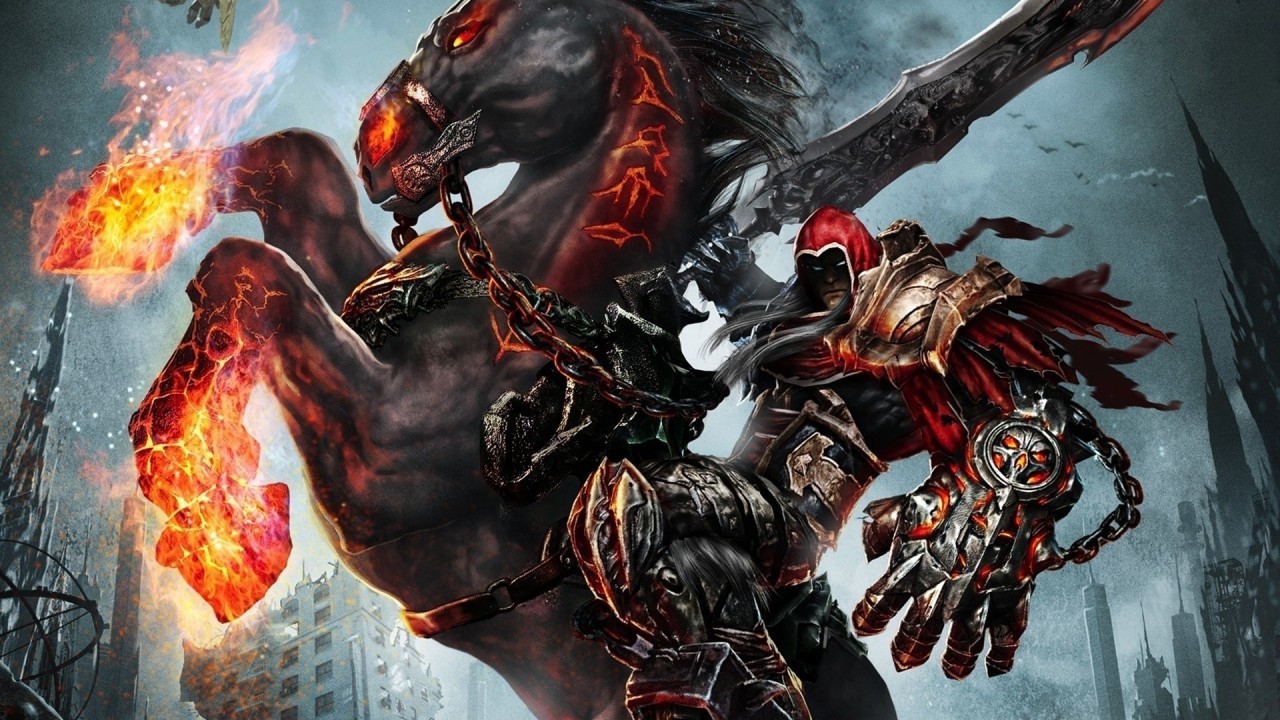
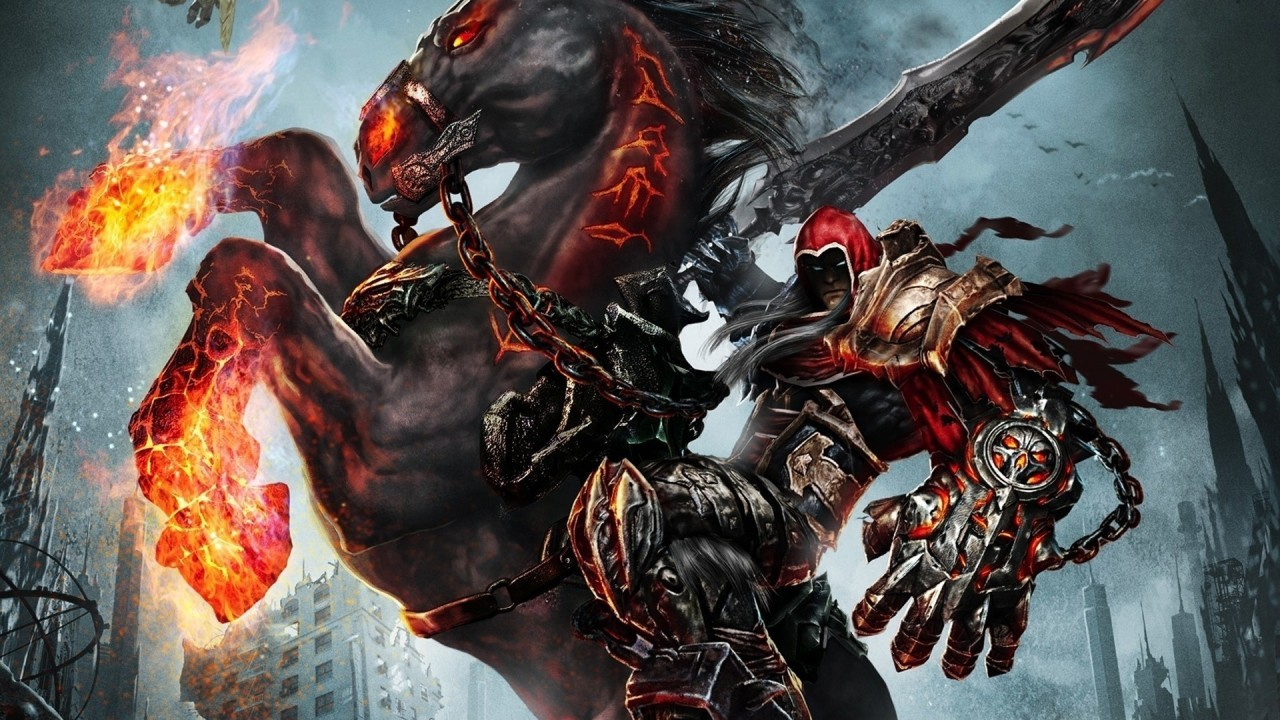
It would appear that Darksiders: Warmastered Edition is well and truly on the way to Nintendo Switch, after what appears to be something of a slip up by publisher THQ Nordic.
The Warmastered Edition, which is an enhanced version of the series’ first game that has already seen a release on Wii U in the past, has been rumoured to be coming to Nintendo’s latest console for a while. Earlier this month, a tweet from Darksiders’ Twitter account seemed to reveal an upcoming release, before THQ swiftly moved in to talk down the possibility.
Now, though, a new trailer has been spotted which clearly features the Nintendo Switch and Nintendo eShop logos on its end screen. The video was reportedly accessible directly through THQ Nordic’s website but has since been removed, although the folks over at Vooks.net managed to capture it and rehost it on YouTube.
Whether or not the video will be forcibly removed under any copyright claims is uncertain, so give it a good watch now while you can.
Would you be up for playing Darksiders: Warmastered Edition on Switch? Do you think the official reveal is close? Share your thoughts with us in the comments below.
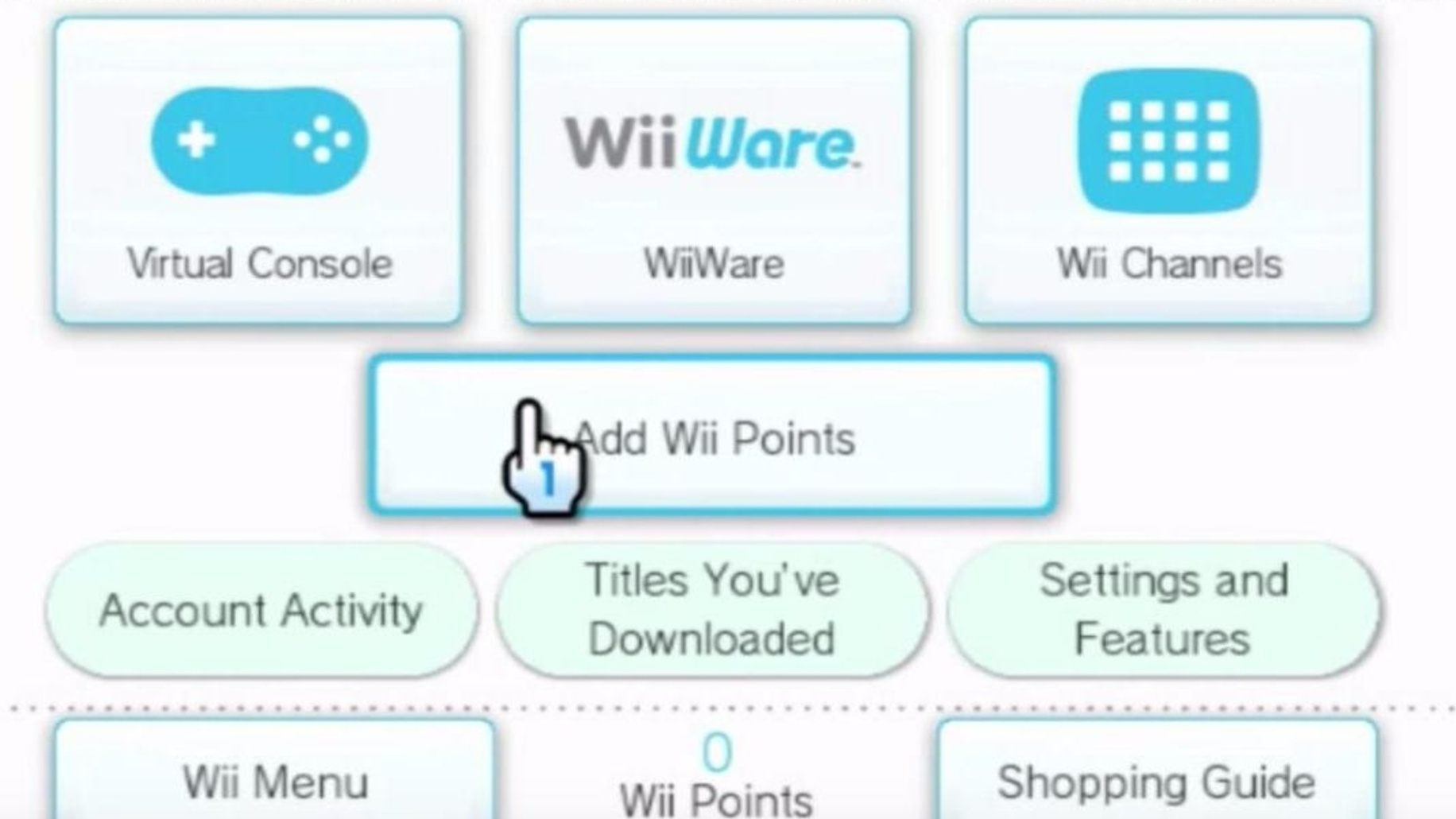
Today sees the discontinuation of the Wii Shop Channel, an online service for the Wii which has hosted a wonderful and quirky collection of digital games since December 2006.
Back in September 2017, Nintendo announced that the Wii Shop Channel would be closing in 2019. The closure would mean that players would no longer be able to purchase games via the digital service, with any Wiiware exclusives on the brink of being lost forever. On 26th March 2018, the ability to purchase or redeem points (the shop’s digital currency) was taken away, with any points still remaining on your account only being valid until 30th January 2019.
That day is finally here, signalling the end of the channel and the loss of some truly great games.
Remember this?
A quick conversation in the Nintendo Life office brings back memories of some truly great games offered through the channel – excellent releases like World of Goo and Cave Story, M2’s Rebirth series featuring Gradius ReBirth, Contra ReBirth, and Castlevania: The Adventure ReBirth, and even the virtual console service which had a much wider selection of games than the Wii U or Switch.
As a last hurrah, users of the service have been taking to social media to share their experiences and memories over the past 12 years. In a nice touch, some have decided to list some of their favourite games made possible through the Wii Shop Channel, encouraging others to follow suit.
Nintendo’s support page for the Channel states that all services related to it will also be removed in the future, although no exact date has been given.
“In the future, we will be closing all services related to the Wii Shop Channel, including redownloading purchased WiiWare, Virtual Console titles, and Wii Channel, as well as Wii System Transfer Tool, which transfers data from Wii to the Wii U system.”
We’ll leave you with one of the Wii Shop Channel’s greatest features – the absolutely wonderful theme music.
Make sure to leave your fondest memories of the Wii Shop Channel below in the comments, preferably to that sweet, sweet soundtrack.
Team17 has revealed that yet another free update will arrive in Ghost Town Games’ Overcooked 2 with a tease very reminiscent of December’s Kevin’s Christmas Cracker update.
Last month, the UK-based publisher shared the teeniest, tiniest of teases hinting at something festive; four days later the content arrived, boasting five new kitchens, three new recipes, and two new seasonal chefs all for free.
We’re expecting something similar here, too, adding to that Winter update, as well as the New Game+ Mode, Surf ‘n’ Turf DLC and complete base game which were available before that. Wow.
Team17 mentions that anyone eager to follow this new update should keep an eye on its official Twitter account for clues, linked below.
Are you a fan of Overcooked 2? Are you hungry for more content? Let us know in the comments.
Japanese chart figures are now in for 21st – 27th January, revealing that New Super Mario Bros. U Deluxe has now sold more than 300,000 units in the country alone.
The game shifted another 57,725 copies this week, taking its total up to 312,869 and keeping it safely within the top three positions at retail. Kingdom Hearts III takes number one this week with a total of 610,077 retail copies being sold on PS4; the game only released digitally on Xbox One meaning sales were not tracked.
Here are the top 20 (first numbers are this week’s sales, followed by total sales in brackets):
1) [PS4] Kingdom Hearts III (Limited Edition Included) (Square Enix, 01/25/19) – 610,077 (New) 2) [PS4] Resident Evil 2 (Z Version and Limited Edition Included) (Capcom, 01/25/19) – 252,848 (New) 3) [NSW] New Super Mario Bros. U Deluxe (Nintendo, 01/11/19) – 57,725 (312,869) 4) [NSW] Super Smash Bros. Ultimate (Nintendo, 12/07/18) – 38,478 (2,764,751) 5) [PS4] Ace Combat 7: Skies Unknown (Limited Edition Included) (Bandai Namco, 01/17/19) – 25,499 (227,878) 6) [NSW] Super Mario Party (Bundle Version Included) (Nintendo, 10/05/18) – 11,958 (983,903) 7) [NSW] Mario Kart 8 Deluxe (Nintendo, 04/28/17) – 10,860 (2,096,812) 8) [NSW] Pokémon: Let’s Go, Pikachu! and Let’s Go, Eevee! (Bundle Editions Included) (Nintendo, 11/16/18) – 9,334 (1,436,633) 9) [NSW] Minecraft: Nintendo Switch Edition (Bundle Version Included) (Microsoft, 06/21/18) – 8,588 (582,039) 10) [NSW] Splatoon 2 (Bundle Version Included) (Nintendo, 07/21/17) – 7,329 (2,910,678) 11) [NSW] Dragon Quest Builders 2 (Square Enix, 12/20/18) – 7,117 (217,610) 12) [NSW] The Legend of Zelda: Breath of the Wild (Limited Edition Included) (Nintendo, 03/03/17) – 6,578 (1,279,601) 13) [PS4] Kingdom Hearts HD 1.5 + 2.5 Remix (Square Enix, 03/09/17) – 6,097 (229,283) 14) [PS4] Dragon Quest Builders 2 (Square Enix, 12/20/18) – 5,275 (211,667) 15) [PS4] Tales of Vesperia: Definitive Edition (Limited Edition Included) (Bandai Namco, 01/11/19) – 5,039 (53,994) 16) [PS4] Yakuza 4 (Sega, 01/17/19) – 4,393 (22,833) 17) [NSW] Fitness Boxing (Imagineer, 12/20/18) – 4,130 (19,719) 18) [PS4] PlayerUnknown’s Battlegrounds (PUBG Corporation, 01/17/19) – 3,408 (10,855) 19) [PS4] Call of Duty: Black Ops IIII (SIE, 10/12/18) – 3,261 (527,400) 20) [PS4] Higurashi no Naku Koro ni Hou (Limited Edition Included) (Entergram, 01/24/19) – 2,868 (New)
On the hardware front, Switch sales continue to fall back down to more usual levels, with another slight dip from last week. Here are this week’s figures, with last week’s in brackets:
Switch – 52,429 (71,139) PlayStation 4 Pro – 33,032 (6,958) PlayStation 4 – 19,612 (9,505) New 2DS LL – 3,781 (3,767) PlayStation Vita – 1,701 (1,755) New 3DS LL – 972 (1,514) 2DS – 179 (158) Xbox One X – 82 (94) Xbox One – 11 (24)
Intelligent Systems has always been known for its strategy game IP, with Fire Emblem naturally being the most popular, but that esteemed series might never have made it West were it not for the more colourful and militaristic antics of the Advance Wars franchise. Unfortunately – despite its similarities to Fire Emblem and its high critical acclaim – Advance Wars never quite hit the same levels of popularity as its sibling and hasn’t received a new release since Days of Ruin on the DS, way back in 2008. In the void left behind, the responsibility of carrying on the series’ legacy has been left up to the fans, which is what brings us to the current eShop launch of Wargroove. As a spiritual successor to Nintendo’s popular series, Wargroove manages to satisfy in nearly every conceivable way, offering a diverse helping of high-quality single and multiplayer content that’s sure to keep fans entertained for dozens of hours.
Wargroove begins in the land of Aurania, where the peaceful Cherrystone Kingdom must always be on guard against the frozen, undead hordes of the Felheim Legion in the west. The story mostly follows Mercia, a princess-turned-queen who has the responsibility of the throne suddenly thrust upon her when an agent of Felheim assassinates her father King Mercival and instigates a fully-fledged invasion. Although it isn’t exactly a groundbreaking story, it’s absolutely packed with a diverse and colourful cast of memorable characters from a handful of different factions that manage to keep each mission engaging, even beyond the stellar gameplay.
These characters all have surprisingly deep backstories (accessible through a handy Codex, which is fleshed out as you play) which strike a nice balance between humour and more serious themes. Our favourite character is a Felheim commander introduced early on named Ragna; an extremely angry (and equally incompetent) zombie woman stitched together from pieces of great military leaders who is prone to temper tantrums when the Cherrystone army easily beats her. Characters like Ragna keep things interesting and stop the story from going stale, but we appreciate the effort the developers have placed in creating a world with such a rich and fleshed-out history; it’s tantalisingly easy to see how many future games could be set in this world.
Naturally, you’ll be spending the bulk of your time examining grid-like maps from a top-down perspective, painstakingly moving units around in a delicate dance for victory. Battles unfold in a turn-based manner, with the goal usually being to either seize the enemy stronghold or defeat the enemy commander, and play a bit like a much more in-depth version of Chess. There are dozens of different unit types that both teams can use, and they all have specific functions that make them extra effective against certain units and terribly weak against others. For example, a Knight can travel six spaces and hits harder than a typical swordsman, but is incapable of crossing mountain ranges and can’t capture villages or barracks. Organising a well-balanced team and distributing those units wisely across the field is utterly integral to your success; mistakes are usually not crippling, but they are costly, and too many ill-placed units or poorly thought out offensive runs can lead to a defeat all too quickly.
Another neat touch is that every unit has its own unique strength which allows it – under the right conditions – to inflict additional ‘critical’ damage on the enemy. For example, standard foot soldiers gain a boost when they’re fighting next to their commander, while archers perform critical hits if they attack without moving in the same turn. Knights, on the other hand, only enable their ‘critical’ when they’ve moved a certain number of squares before attacking, while spearmen are more powerful when fighting in pairs. Because each unit’s ‘crit’ is accessed in a different way, it makes things even more tactical. Add in commanders – your most adept units which have access to the titular ‘Groove’ powers that offer both offensive and defensive benefits – and things become even more interesting; these units are capable of taking down several ‘standard’ units on their own, but should they fall in battle, the game is over.
Though the goal is usually to defeat a certain enemy unit or location, a secondary goal that’s just as important lies in how many villages your team can capture along the way. Every map is scattered with a collection of neutral villages; once aligned with a team, these villages then generate a set amount of gold for the war effort which is spent on recruiting new units at an allied barracks. The more villages you take over, the more options you have to bring units onto the field in higher quality or quantity, and a good strategy for taking down an opponent can be found in crippling their income sources to effectively ‘starve them out’.
A big part of what makes Wargroove so enjoyable is how there are different ‘levels’ to every battle that ensure you make every decision with the whole fight in mind. When a battle starts, do you recruit a bunch of cheap units that can fan out and take villages faster, or do you instead invest in just a few powerful units and try to rush the enemy before they get too entrenched? Once a few rounds have passed and each team has amassed its own collection of units and villages, it’s wise to shift focus to where you want to apply pressure and focus your resources. More diverse units start appearing on the field, so team composition becomes increasingly more important, along with thinking about the kind of tasks you want each unit to carry out. Through all this, there are no right or wrong answers – multiple strategies could all feasibly carry you to victory – and watching your gambles play out turn by turn, adapting as you go, ensures that you remain constantly engrossed. Battles can take anywhere from twenty minutes to over an hour (don’t worry, you can save and quit at any time), but it’s remarkable how easily the time seems to slide away when you get in the zone.
For those of you that manage to beat the campaign, there’s no shortage of other content on offer to keep you coming back, all of it offering up some variation on the core strategy gameplay. For example, as you progress the main story and encounter new commanders, new levels are unlocked in an Arcade Mode in which you run a gauntlet of five battles on random maps to see how far you can get. Not only does this allow you to better familiarise yourself with each commander’s unique skillset, but successfully completing the run unlocks extra goodies like new music tracks, concept art, and lore entries. Similarly, Puzzle mode tasks you with ‘solving’ levels by laying out specific scenarios and asking the player to achieve victory in one turn. This tests your knowledge of unit strengths and weaknesses, as well as how good you are at manoeuvring different terrain types and weather effects.
For the more creative ones out there, Wargroove also contains an amazingly extensive level editor that allows players to create their own maps and even their own campaigns, complete with cutscenes. The level building tools are a little bit hokey to begin with (and sadly don’t feature touch screen support), but are simple enough to master, allowing players a surprisingly high amount of creative control; it wouldn’t be a shock to learn that the developers used a version of these tools themselves when building the game. You can control placement of virtually any character or tile type in the game, arrange a soundtrack from unlocked music, set special rules for when victory is triggered, and so much more; the developers are functionally handing over the keys and challenging you to make a better game than they could.
Once you’ve finished a map or campaign, it can then be uploaded to the global server for distribution, and you can then download other player’s creations and try them out. As you’d expect, this adds a nearly infinite level of replayability to Wargroove long after the credits have rolled on the main campaign and other side content. Plus, the endless creativity of the internet never fails to impress, and already we’ve seen some surprisingly in-depth efforts that play with the core game mechanics in interesting ways.
Multiplayer naturally doesn’t just stop there, however, you can also play locally or online with up to four players, on either official maps or anything player-generated. As you’d expect, there’s full support for all control types, even for those who just want to use one controller and pass it back and forth between turns. Once more, this creates endless opportunity for replayability, and while there’s no ranking system to speak of, it’s still generally more fun to battle against human opponents than against the AI.
In terms of presentation, Wargroove goes for a rich, pixel-heavy art style that wouldn’t look out of place on the Game Boy Advance, characterized by chunky, colourful character sprites on the battle screen and more realistic and detailed ones during cutscenes. It’s not a particularly innovative look, but it absolutely nails the same level of charm and detail as the writing; a strategy game such as this is at its best when it goes with a simple art style, and Wargroove utilises one that helps to give it some memorable identity. In much the same thinking, the soundtrack is similarly charming, consisting of a series of soaring, fantasy-themed tracks that fit well with the setting. We wouldn’t say that Wargroove is a showstopper in its presentation, but it still does a great job nonetheless and comes close to exhibiting the same level of craft seen in GBA instalments of Fire Emblem and Advance Wars – which, we imagine, was the developer’s intention from the start.
Conclusion
As far as strategy games are concerned on the Switch, Wargroove is one of the best titles you can find on the eShop. Extremely deep and diverse strategy gameplay, ridiculous amounts of replayability, and charming presentation all combine to make this one an easy recommendation to anybody looking for a deep and cerebral experience for their Switch. Advance Wars may only exist nowadays in our memories, but Wargroove stands as a worthy successor to the franchise; if Intelligent Systems does ever decide to revive its cult classic series, it’s going to have some stiff competition to contend with thanks to Chucklefish’s efforts.
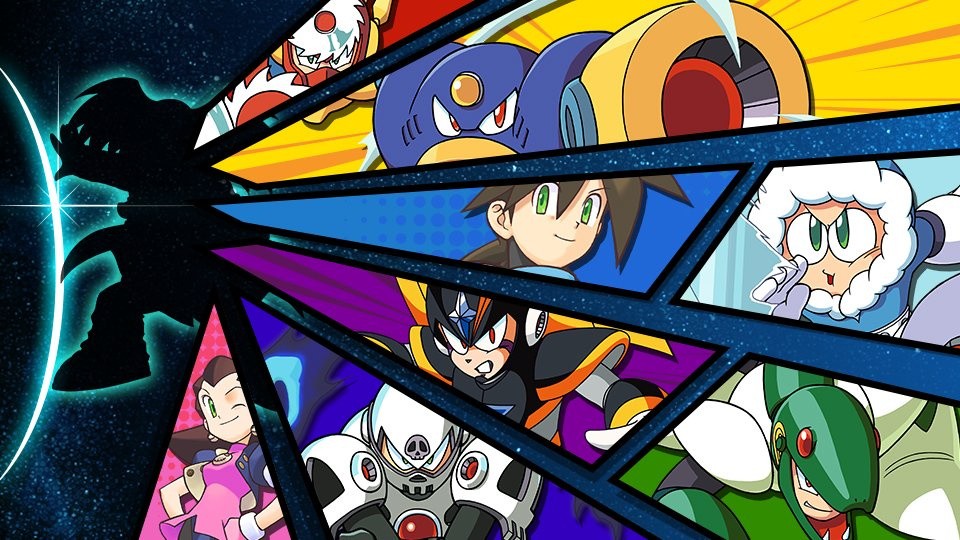
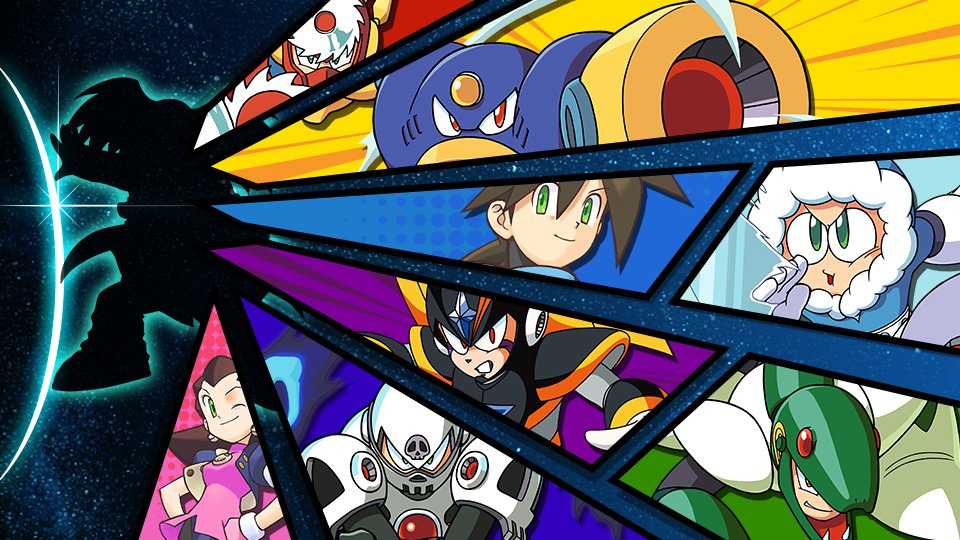
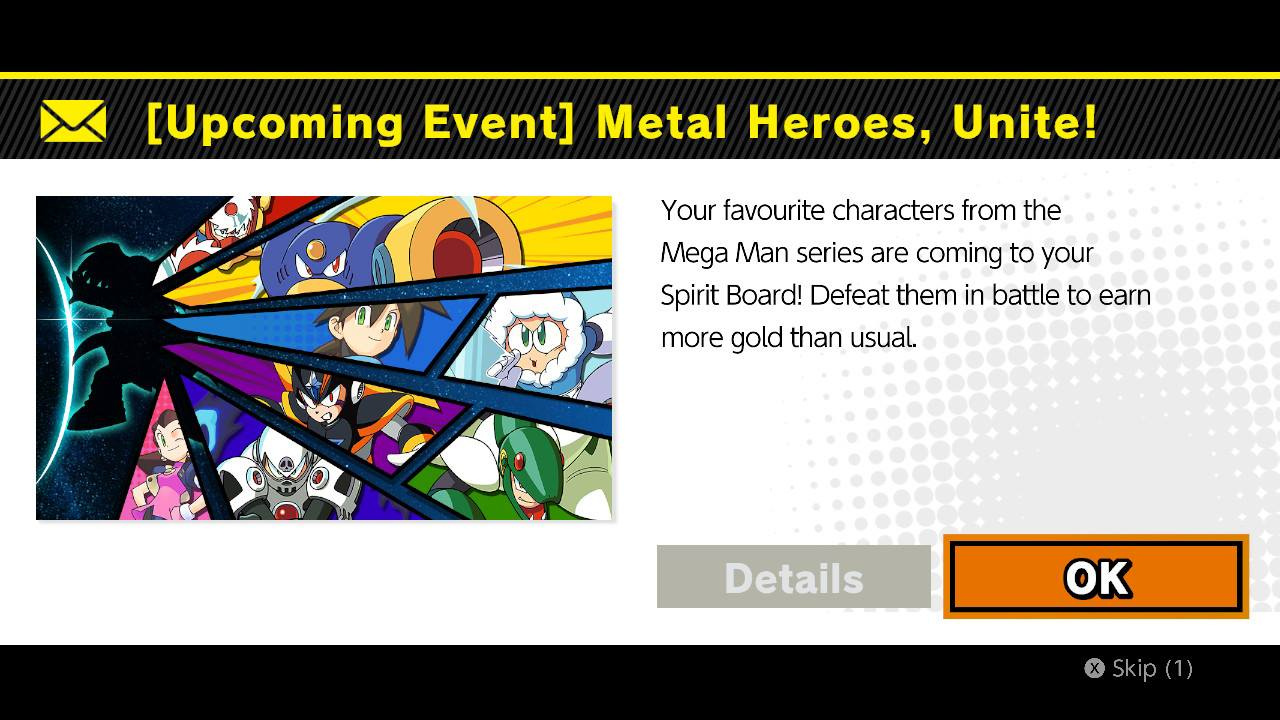
The next Super Smash Bros. Ultimate Spirit Board event has been revealed, this time smothering the board with fan-favourite characters from the Mega Man universe.
The news comes from an in-game message (we’ve grabbed a screenshot for you below), where it is explained that defeating these Spirits in battle will net you more gold than usual.
Here are all the details you could possibly need:
Event time:
1st February 06:00 GMT (01:00 EST / 07:00 CET) – 4th February 06:00 GMT (01:00 EST / 07:00 CET)
Timed Spirits (times in GMT):
– MegaMan Volnutt – 6am / 6pm every day – Dr. Wily – 10am / 10pm every day – Bass – 2am / 2pm every day
Randomly-Appearing Spirits:
– Dr. Wily – MegaMan Volnutt – Bass – Roll – Tron Bonne – Axl – Auto – Skull Man – Spark Man – Wood Man – Crash Man – Air Man – Elec Man – Ice Man – Model X – Sword Man – Wind Man – Dark Man 4 – Dive Man – Top Man – Mega Man Zero – Sigma – Wily Capsule – Dr. Light – Roll Caskett – Duo – Beat – Shadow Man – Hard Man – Flash Man – Quick Man – Metal Man – Fire Man – Cut Man – Galaxy Man – Slash Man – Knight Man – Napalm Man – Snake Man – Mettaur
Phew! Are you still enjoying the Spirit mode in Smash Bros. Ultimate? Will you be participating in this event? Tell us below.