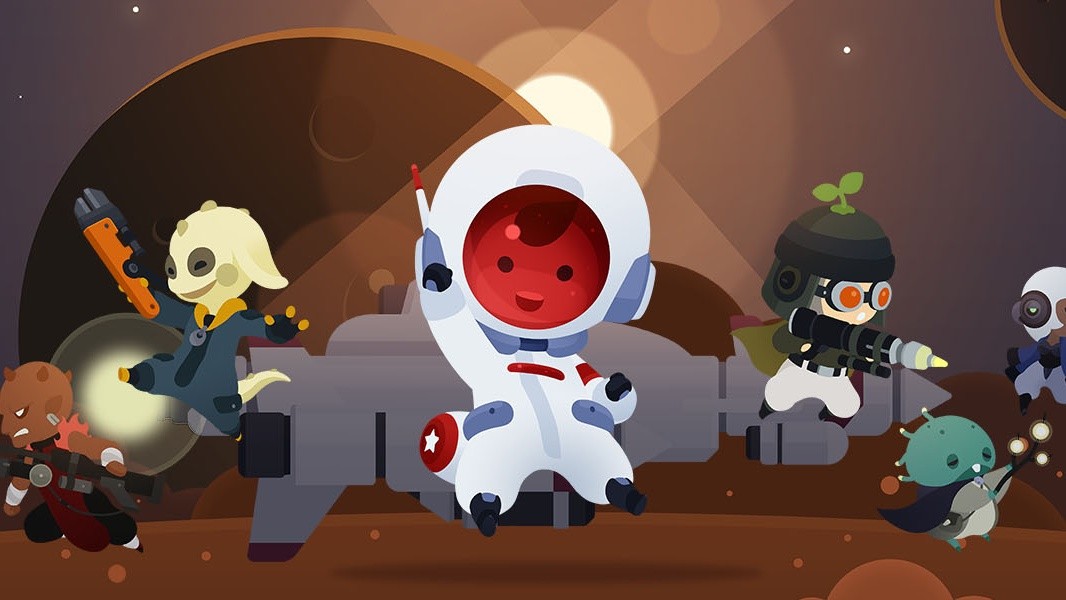
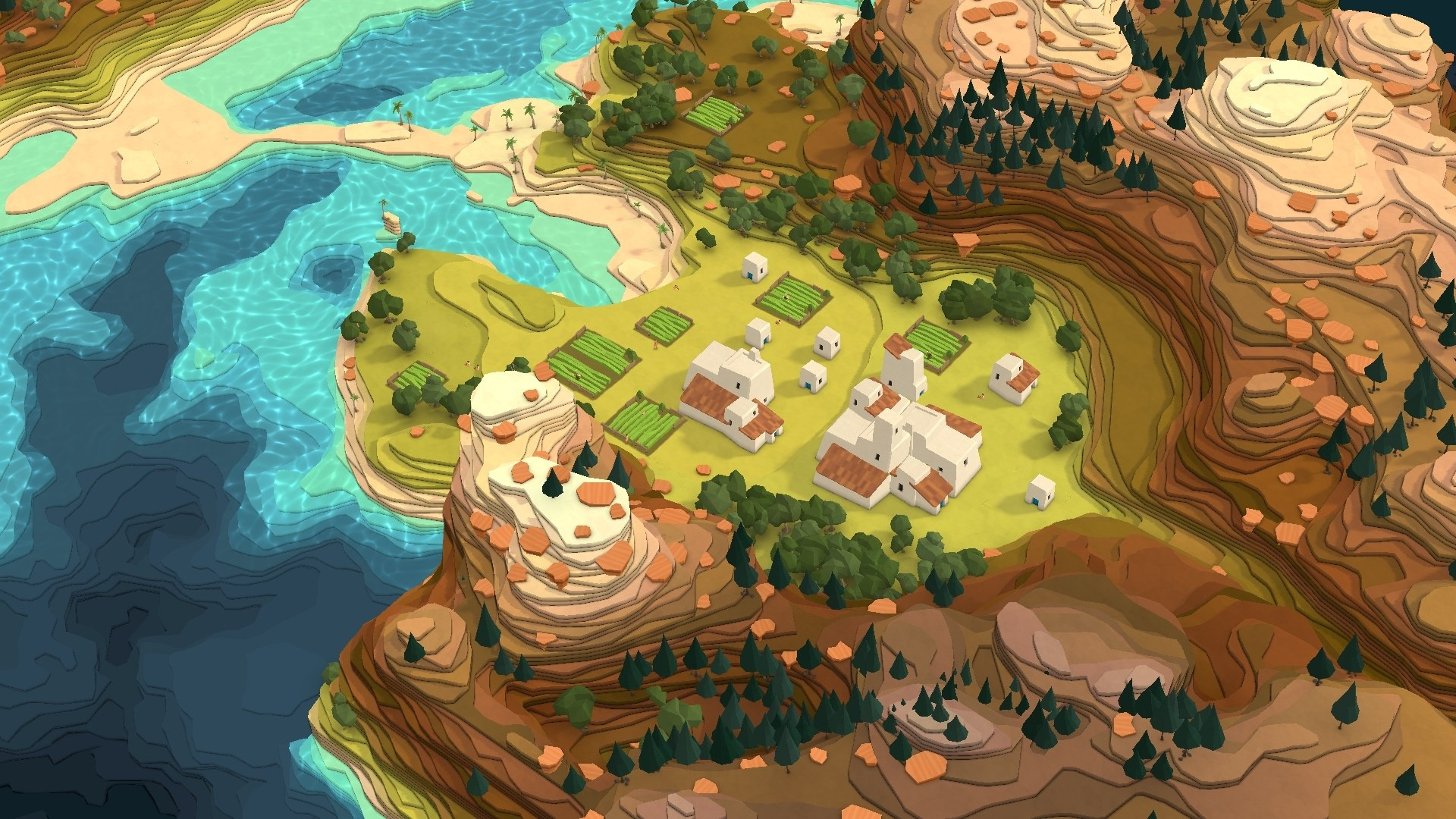
Flyhigh Works has revealed that its next game on Switch, Captain StarONE, will be bringing its strategy-based gameplay to the console very soon indeed. So soon, in fact, you’ll be able to pick it up later this week.
Described as “a unique game blending action and ‘inaction’”, Captain StarONE has you setting your strategies and combos before multitasking as the game carries out your commands. Once you’re all set, simply sit back, watch the battles unfold, and be ready to jump straight back in to provide a helping hand.
As you progress through the game, your enemies become stronger and your strategies and actions change. You’ll soon be assisting the Captain for stronger moves, making timely interventions to manipulate and generate combos, aiming for major damage, strengthening your equipment, organising teams and more.
The game launches on 7th February in North America, with a European release coming soon after on the 12th. You’ll be able to get your hands on it for $9.99 / €9,99 / £9.19.
What do you think? Do you like the look of this one? Let us know if you plan on picking it up with a comment below.
Peter Molyneux’s name may stir conflicting emotions for some players, but you can’t deny the fact that he’s been involved with some groundbreaking video games, including Populous, Black & White and Fable. He’s currently plying his trade at 22cans, the studio he formed after leaving Microsoft, and has already released Godus and The Trail, the latter of which made it to Switch last year.
Molyneux is currently working on a game known only as Legacy, and has remained tight-lipped about it over the past few years. We were lucky enough to sit down with him recently to discuss his career and his future projects; the former feature was published at the weekend and we’ll be running the second piece later this week.
However, in the meantime, we thought it was worth highlighting that Molyneux seems keen to bring his new game to Switch:
Legacy is certainly a big departure from what I’ve done before. And more so than ever before, you need to think a little bit more agnostically about platforms. I would absolutely say that there is a really strong chance of it going onto Switch, but there are two gates that can stop that happening. The first is you have to get permission from Nintendo, that’s one gate. And the other gate is, are we, as a company, passionate about putting it on Switch? I would absolutely say yes to that, because Nintendo – of all three consoles – it appeals to the audience that I find most fascinating. Those are the people that perhaps haven’t been gaming for decades – although I love those people as well – they’re people who would love to play computer games but find them inaccessible, and I find that absolutely fascinating. So yes, absolutely.
It’s hard to get too excited about a project which, so far, hasn’t been properly revealed, but Molyneux’s assurance that this is going to be a ‘big departure’ is interesting, as is the fact that he really seems to be a fan of Switch.
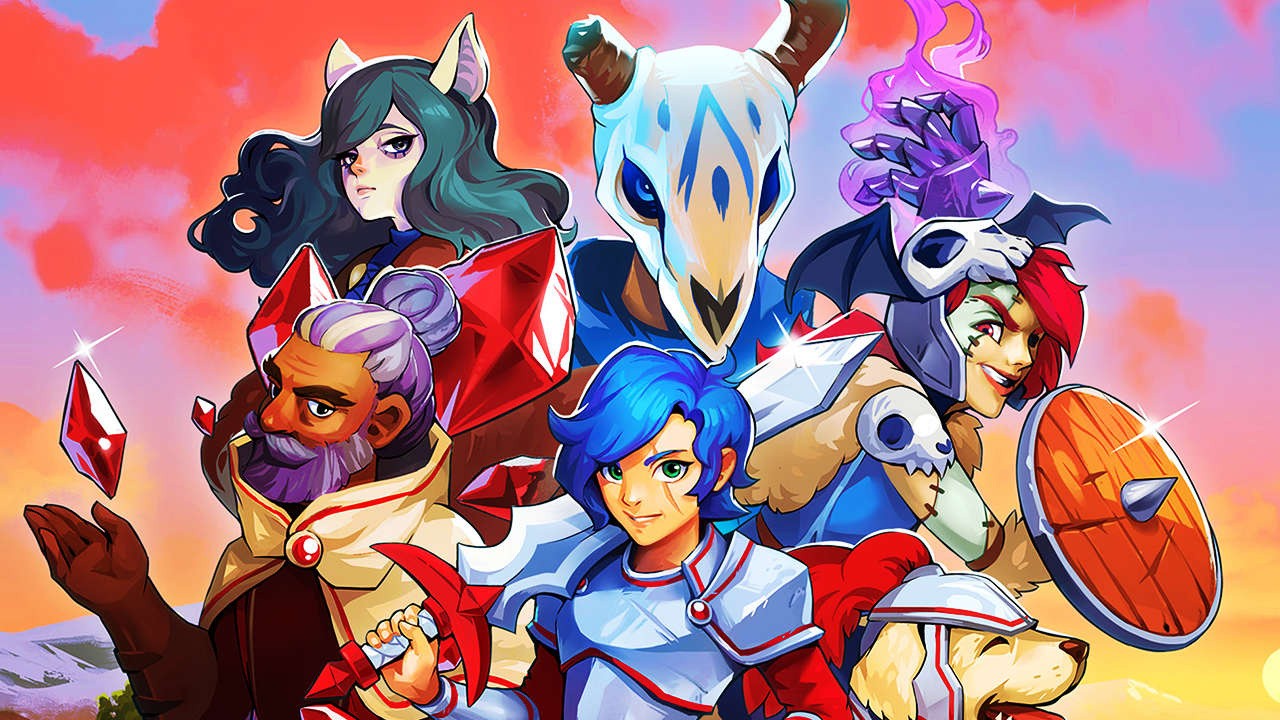
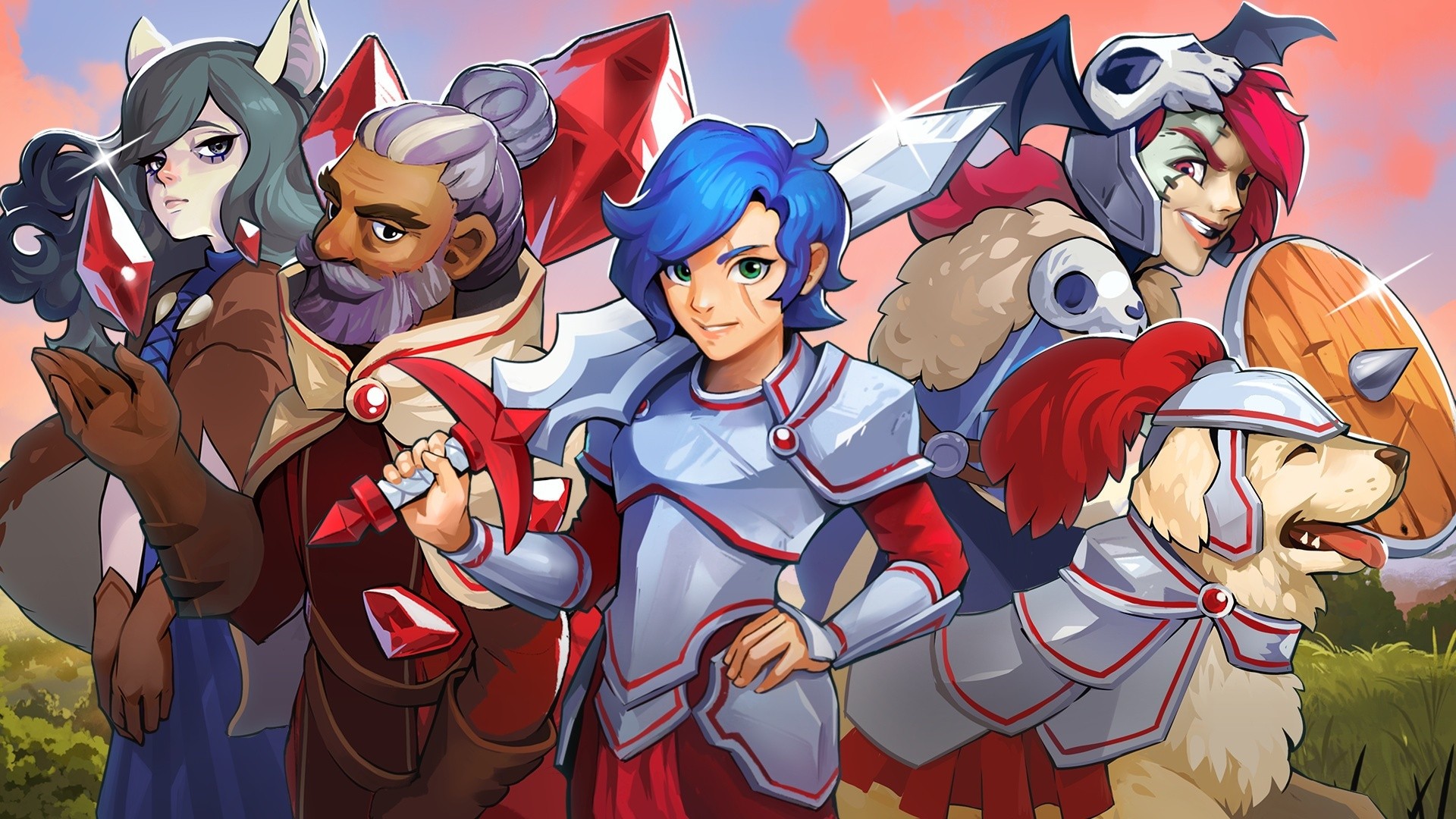
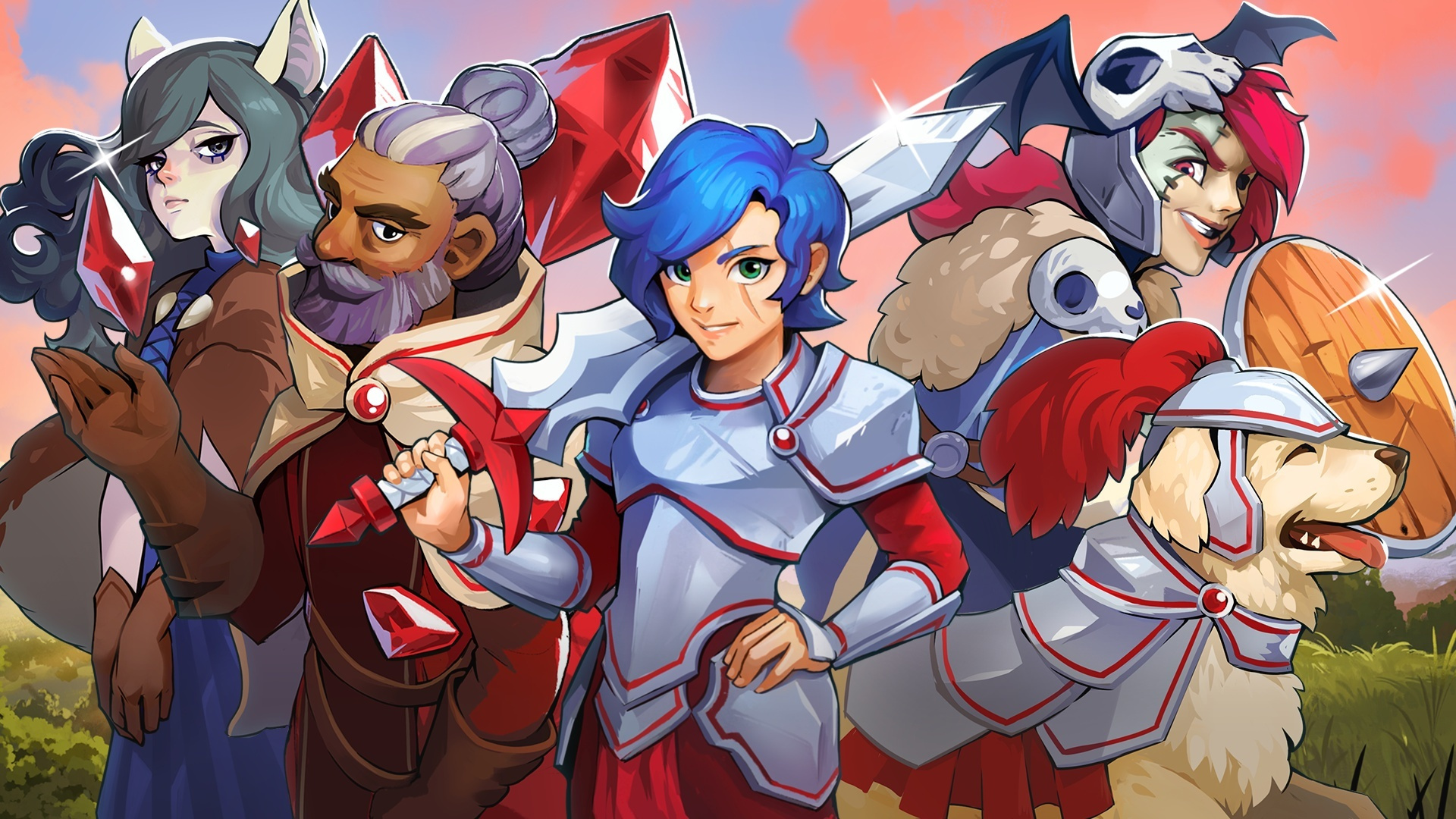
Wargroove developer Chucklefish has shared a blog post to give fans a quick update about the game’s future, revealing that its first patch has already been submitted for approval and outlining several other possibilities.
This first patch brings with it “a number of bug fixes and other small improvements” that weren’t able to be fixed before release. These fixes include issues relating to multiplayer maps, Fog of War maps, and resigning on matches, but things get a little more interesting as we take a sneak peek at what’s coming next.
First up, some quality of life improvements are in the works which will be pushed to consoles “as quickly as possible”. Some of these improvements are as follows:
The ability to skip battle scenes more quickly. With various options on how this will work.
The ability to force fast map movement to ‘always on’.
Tooltips and more info for the effective/vulnerable charts.
In multiplayer, the host will be able to fill open spots with CPU players.
Display S rank requirements. (Tip for now, it’s always based on number of turns.)
Make it more difficult to accidentally end a turn.
Multiplayer Lobby improvements
Various bug fixes
Next, the developer briefly mentions the previously-considered DLC, noting that more info will be shared on this at a later date. Not wanting to leave us without something to get excited about, however, the post says that fans will be “pleasantly surprised“ by what’s to come.
And finally, the team asks for player feedback, mentioning that it’s always watching out for your comments on social media and the like. In particular, Chucklefish wants to know your opinions on the game’s difficulty.
“We’d like to know how you feel about the difficulty of the game, and should you be able to earn 3 stars at lower difficulty settings?”
Have you been enjoying Wargroove? How do you feel about its difficulty? Feel free to let us (and Chucklefish) know in the comments below.
The Pokémon Company International has released a brand new smartphone and tablet app that will no doubt be a dream come true for all budding Pokémon Trading Card Game players.
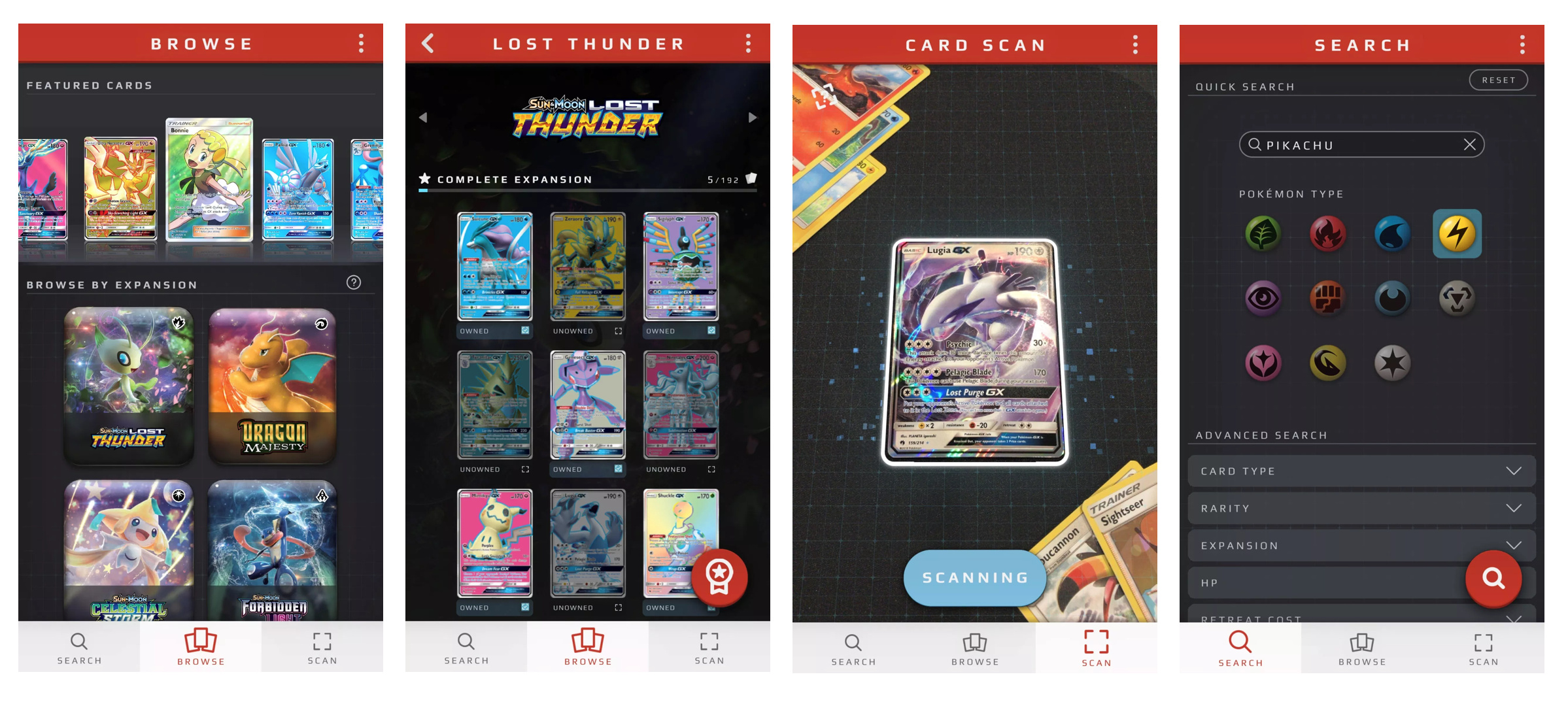
Called Pokémon TCG Card Dex, the app allows you to scan in all of your Pokémon Sun & Moon series cards using your phone’s camera to build up your very own checklists, while simultaneously letting you view each card when you’re out and about. You can scan cards even if they’re damaged, too, and any foreign language cards will convert to your chosen language within the app.
On top of all this, the app features a complete database of all Sun & Moon series cards split into their individual expansions. Users can filter the database by the standard expansion lists, card type and rarity, Pokémon type, Energy type, HP, and more.
At present, the app cannot track cards released before the Sun & Moon series – so you can’t save your 1st Edition Base Set Shiny Charizard, we’re afraid – but it is completely free to download and supports English, Spanish, French, Italian, German, and Brazilian Portuguese languages.
Pokémon TCG Card Dex is now available to download in Sweden and “will be coming soon to additional markets worldwide”.
Does this sound like a handy little app to you? Are you a Pokémon card collector? Let us know your thoughts on this one in the comments below.
It’s fair to say most licensed tie-in games these days – with the exception of TT Games’ LEGO output -– tend to fall somewhere between ‘awful’ and ‘meh’. Usually developed and shipped out in double-quick time to save money and hit a theatrical release deadline, these sorry bits of software are more often than not destined for bargain bins the world over. So, with the third How To Train Your Dragon film preparing to swoop onto the big screen, we’ve predictably found ourselves entertaining another gaming cash-in. Or have we?
Because while Dragons: Dawn of New Riders does nothing particularly new or outlandish – in fact, it doesn’t really have any unique mechanic or element to claim as its own – it still manages to prove itself worthy of a spot on Nintendo Switch. By taking the simple premise of a top-down dungeon crawler and dialling back its systems and difficulty, you’re left with a fun and enjoyable adventure that’s ideal for young gamers who want to get into the genre, but a) don’t want to over-encumbered with menus and subsystems, and b) are a little too young the more adult, hellish landscapes of Diablo III: Eternal Collection.
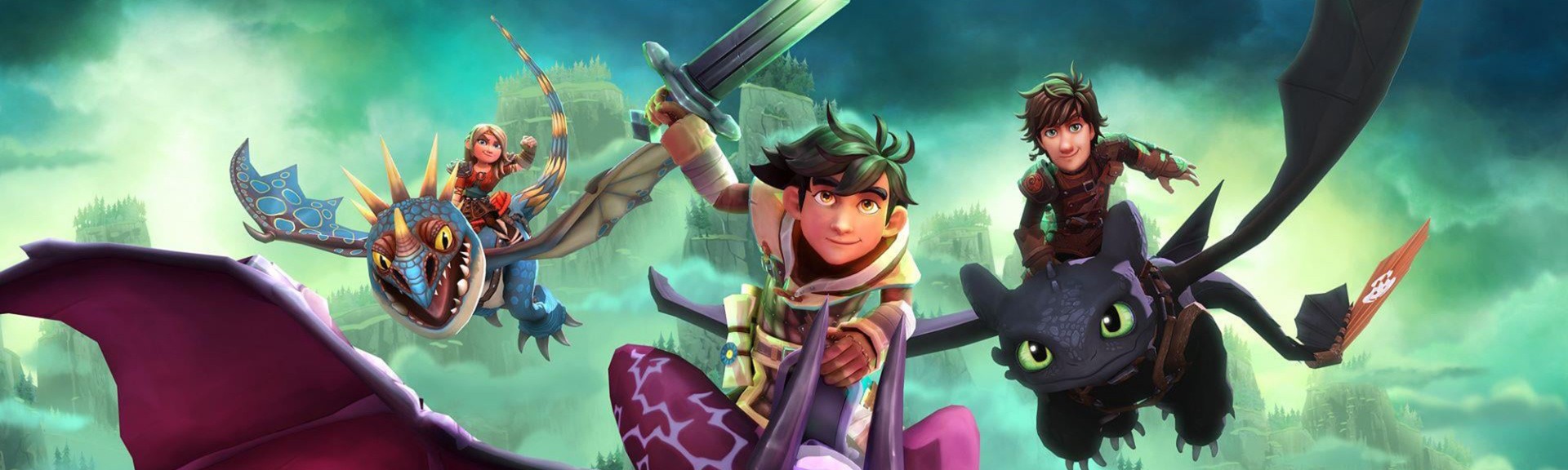
Instead of repurposing the plot of the third film into an interactive experience, British developer Climax Studios (an outfit that has Silent Hill games and plenty of VR titles to its resume) has set Dragons somewhere in-between the second and third films. Instead of playing as main heroes Hiccup and Toothless, you play as Scribbles, a young man struck with a cliched bout of amnesia and a dragon hybrid called Patches. Together, the two set out to foil a plot to enslave dragons and solve the mystery of your new winged friend’s hyperactive ageing.
There’s a simple plot to sink your teeth into, but it’s never shoved down your throat. Instead, Dragons: Dawn of New Riders simply lets you get on with the action for the most part. It’s a welcome decision as young players are unlikely to want to sit through reams of text and unvoiced cutscenes; some scrolls that reveal more about the story are entirely optional and can be completely bypassed without losing much narrative clarity. It’s a focus on simplicity that carries through into every part of Dragons: Dawn of New Riders’ six-hour journey.
You can flit between Scribbles and Patches at any time by pressing ‘L’, and each has their own set of abilities. Scribbles is your basic melee character, gradually unlocking a sword, shield axe and hammer for use in battle. With one button for blocking, another for dodging and a final one for attacks, it’s a control scheme that really couldn’t be simpler. Ranged attacks come courtesy of Patches, who hurls balls of energy at his foes. As the game progresses and your dragon pal grows older, you’ll gain access to ice, fire and electric powers as well.
Much like Scribbles’ hammer – which can be used to knock square blocks onto switches – Patches’ elemental attacks also serve a practical and puzzle-based purpose. By flicking between them with ‘ZR’, you can use ice to freeze lakes and reach new locations, utilise fire to warm up icy floors to stop blocks sliding too far and unleash bursts of electricity to power switches from afar. Those puzzles start off easy enough, but they gradually increase in complexity as you visit new islands. They’re never too difficult, so young players won’t be scratching their heads for long, but they’re tough enough to at least require a little head scratching.
There are no XP bars to fill or skill tree menus to unlock. Instead, Climax Studios wisely boils everything down to a need to collect resources while exploring dungeons. Gathered from smashing boxes and opening chests, these ingredients can then be traded with Ingrid for health potions or with Gobber to purchase upgrades for your weapons or better armour. You’ll need to do a little exploring to unlock three special artefacts to really soup-up your weapons, but by limiting the need to explore and the requirement to collect loot to a degree, it keeps Dragons: Dawn of New Riders entertaining without drowning it in needless extra ‘stuff’.
It’s all top-down dungeon crawling, though. You’ll also get to explore the Viking-inspired realm of the films on the back of Patches, swooping through the clouds and across the sea to visit all manner of locales. It’s sad there aren’t any other things to do bar fly from one location to another (there’s no real-time landing, instead you’ll hold ‘X’ then land before entering said dungeon). Some races, flying challenges or aerial enemies would have really helped bulk out Dragons: Dawn of New Riders shunted run-time, and seems a waste of a series all about riding dragons.
There are some other problems, and while they’re far from game-breaking, they do start to grate after a while. The lack of a proper aiming system for Patches makes launching your elemental attacks more difficult than it should be, especially when you’re boxed in with a lot of enemies or you need to aim at a statue-shaped switch during a boss fight. The fact your AI-controlled partner can take damage while you’re not in control of them is also a poor design choice. Whether you’re currently controlling Scribbles or Patches, the AI simply isn’t clever enough to serve as anything other than a distraction and an attack sponge, forcing you to waste needless health potions to revive them while you’re doing all the hard work.
That being said, Dragons does an admirable job of offering up a safe, friendly and enjoyable dungeon crawler without being too violent or needlessly scary. Fans of Skylanders who miss that mix of exploring, puzzle-solving and combat will definitely lap this up. The Switch port runs really well too, in both docked and handheld modes, so if you want to grab the portable version, you won’t be missing out on the full experience.
Conclusion
Despite being a licensed tie-in, Dragons: Dawn of New Riders is anything but a broken, half-baked money-grab. It’s not particularly remarkable in its features – and it really misses a trick by not adding more things to do while riding your dragon between dungeons – but for recovering Skylanders fans and those a little too young to go loot crazy in Diablo, this is still a family-friendly adventure that’s well worth your time on Nintendo Switch.
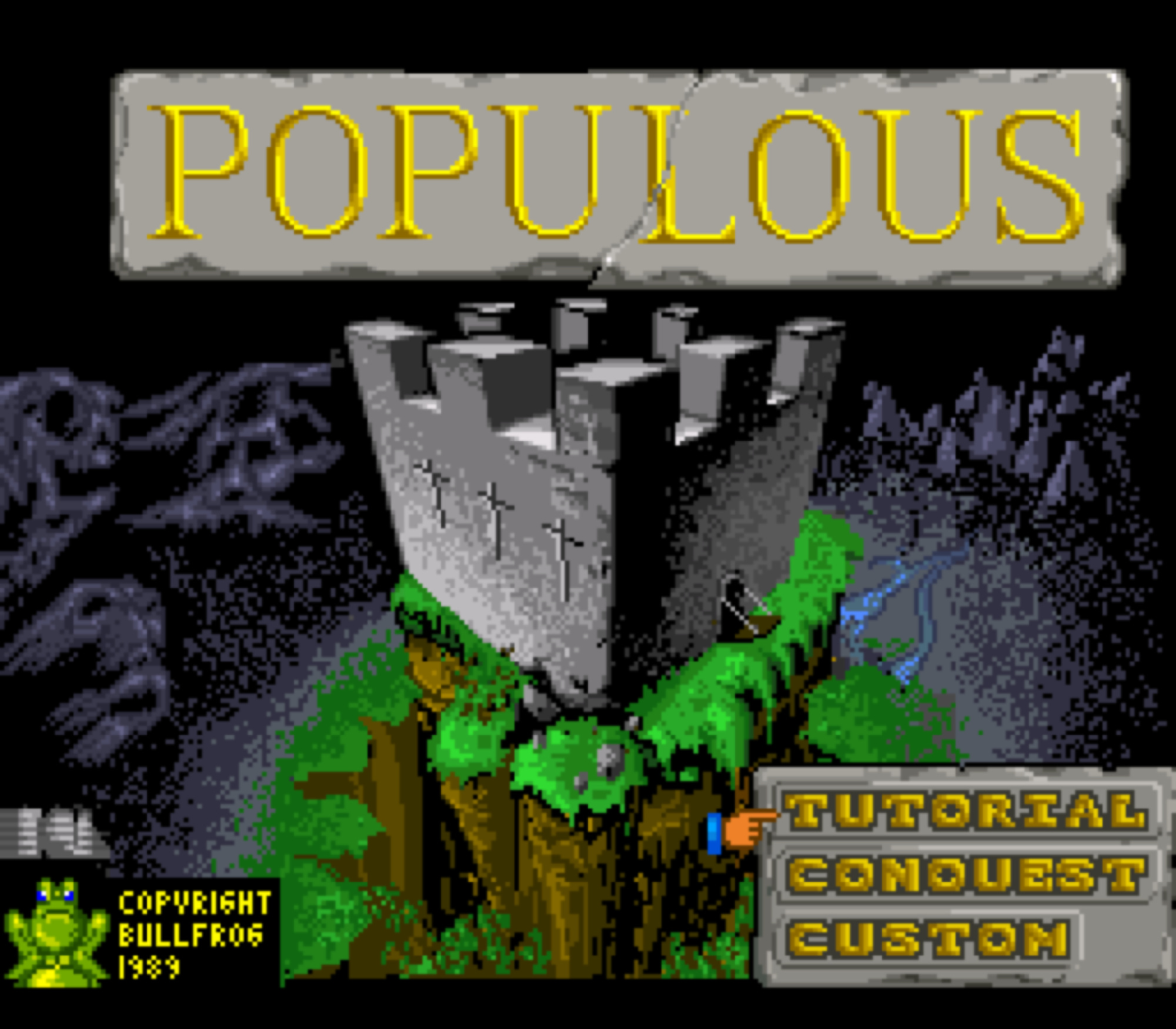
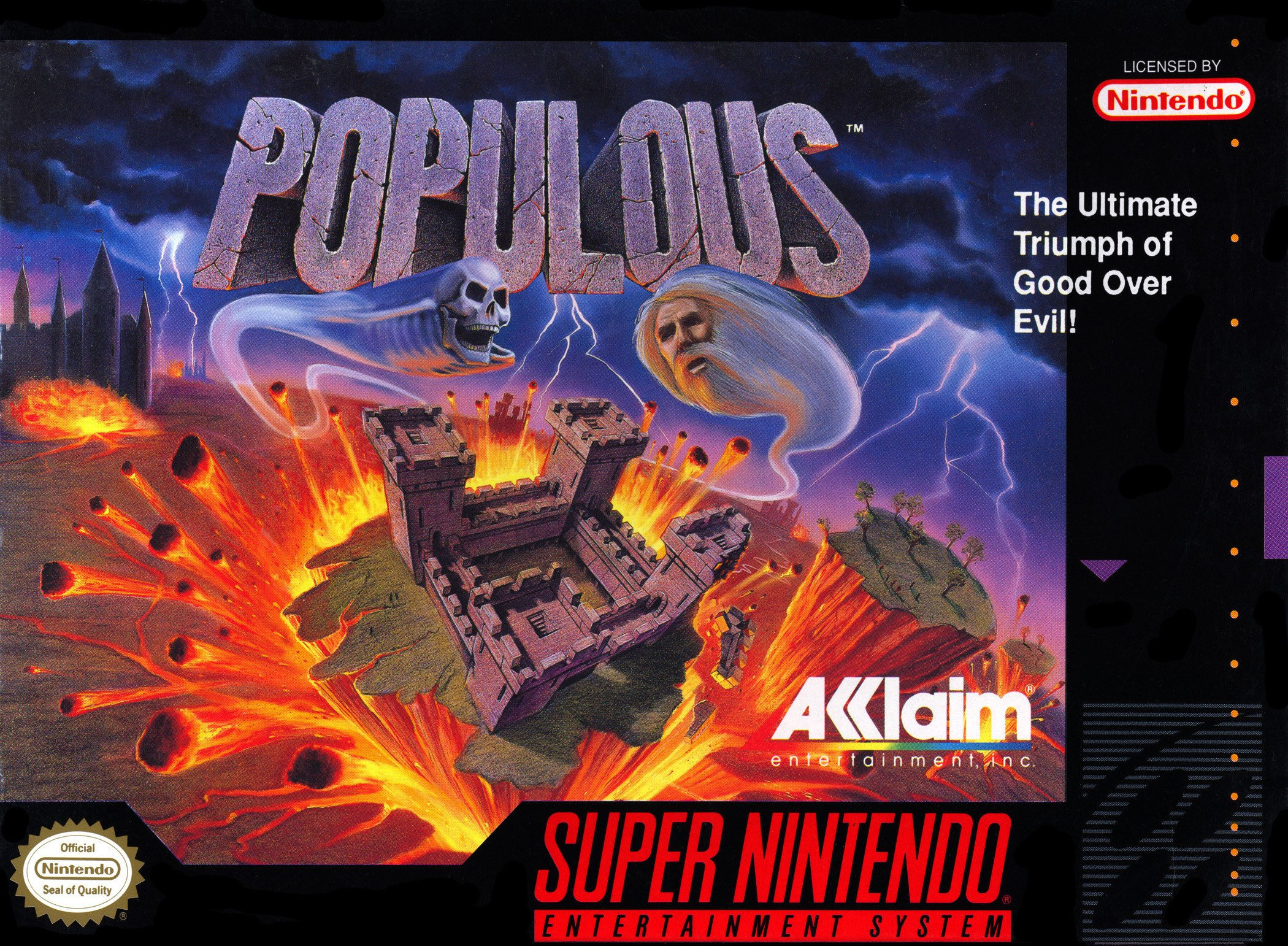
When the Super Famicom hit Japanese store shelves at the end of 1990, it was accompanied by a host of particularly strong titles that did a superb job of communicating the power and versatility of Nintendo’s new platform: Super Mario World, F-Zero, Pilotwings, Final Fight; these were arguably system-sellers that could walk effortlessly into any console launch lineup, but there was another title which, to some, may have seemed like the odd one out. Granted, Bullfrog’s Populous had already become a critical and commercial smash hit in Europe and North America on the Amiga a year earlier, but how had a strategy game which was apparently so focused on western sensibilities managed to sneak its way into the Super Famicom’s fledgling software library, a library which comprised almost entirely of Japanese-made action or adventure titles?
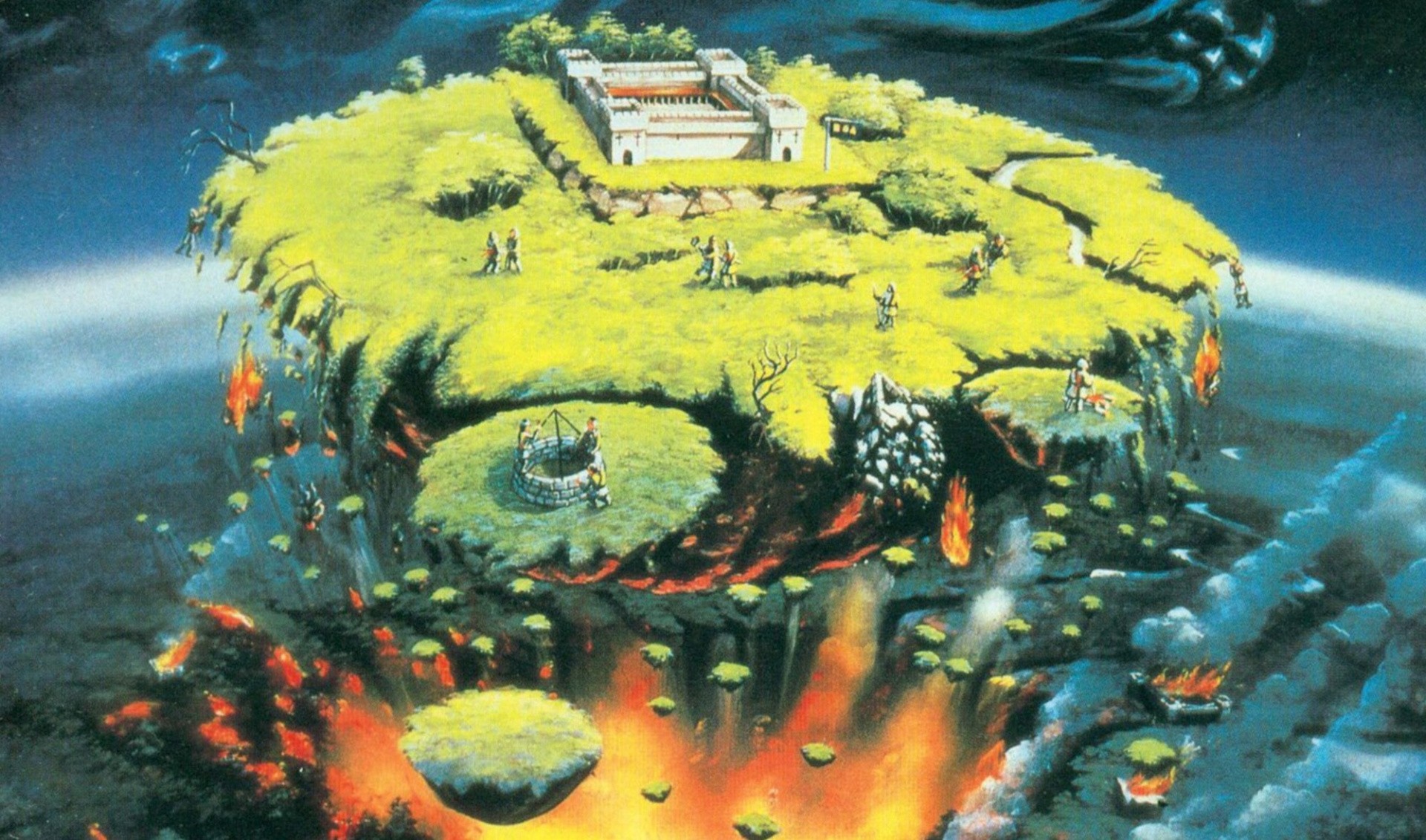
To get the full story of how this remarkable and groundbreaking game gripped Japan, it helps to get right back to the beginning and investigate its genesis. “It really all started with a person who I worked with at Bullfrog called Glenn Corpes, who had drawn some isometric blocks on screen,” recalls the one and only Peter Molyneux OBE, the game’s designer. Instantly gripped by the tantalising potential of the premise, Molyneux asked if he could play around with it. “I mocked-up this prototype where there was a landscape of isometric blocks and then I thought, what should I put on that landscape? I thought it would be fun to have little people.” And thus, a legend was born.
“Glenn and I connected together our two machines using an RS-232 cable, and we used to play the game,” continues Molyneux. “Basically, if Glenn ever won at all, I used to think that that was proof that the game wasn’t ready to ship, so I would change things so I would continue to win,” he chuckles. Molyneux and Corpes had found the hook of Populous – competitive play, not just against the AI, but a human player as well – and eventually introduced elements such as terrain deformation, combat, buildings and natural disasters, the latter of which a player could use to thwart the progress of their opponent. The team knew they had something special on their hands, but convincing a publisher of the title’s merit was significantly harder; several companies were approached (including the Danish toy firm Lego, primarily because the team had conceptualized levels using real-life Lego blocks), all of which rejected the concept until industry giant Electronic Arts agreed to take Populous on.
“Then this ‘plaything’ started to become real,” recalls Molyneux. “We finished the game – I think in total it took around nine months with the two of us, Glenn doing the graphics, and me doing the game – and then it was launched. It was so different in those days because I think it only had two days’ worth of testing before it was shipped. The game had 500 randomly-generated levels, and the testing guy asked, ‘How do we get to the end of the game, so we don’t have to play all the levels?’ And that’s when I realised that we hadn’t actually done an ‘end’, so we had to quickly mock one up, which was incredibly underwhelming.”
Populous sold millions of copies on home computers and is credited with siring the ‘God Sim’ genre – although Molyneux says creating new game categories was never an objective. “We had no idea what we were making at the time. There was an evil God and a good God and that was it; we didn’t make the connection. It was more the journalists who made the genre rather than us.” Nonetheless, the game’s impact on Molyneux’s circumstances was transformative. “My life at that time was one of incredible debt and complete and utter obscurity,” he admits. “I had never really spoken to anyone in the press before, the company was not really making enough money even to pay Glenn let alone me, so when Electronic Arts came along after shipping the game and said, ‘Congratulations, you’re now rich!’, it was unbelievable; over the course of six weeks it changed the whole course of my life, and without Populous I’m sure my life would have been 100 percent different. It was a real rags to riches story.”
At the time, the home computer gaming market – dominated by the Atari ST and Amiga, but also including the PC and Apple Mac – was under increasing threat from a new wave of specialised and powerful Japanese games consoles, and the best computer games were being earmarked for conversion by publishers keen to meet the demands of this rapidly-expanding potential audience. Populous was, on paper, an obvious candidate. “There were a bewildering number of versions,” recounts Molyneux. “I think at that time some of them were handled by Electronic Arts, some were handled by us internally and some were handled by other publishers. Because the money from Populous allowed us to expand a little bit, we decided not to do the conversions in-house, because we didn’t know much about things like the Mega Drive and the Super Famicom and we didn’t have a licence, so what tended to happen is you’d get approached by a publisher and they would handle the conversion.”
Back in the early ’90s, the whole process of meeting with potential publishers and business partners was rather more haphazard than it is today, what with things like GDC and the internet existing – as Molyneux’s next anecdote attests. “Populous had been released and it had been on the market for about two or three weeks, but had shot to the top of the charts in Europe, the UK and in the US,” he says. “We got a phone call one day from this Personal Assistant and she said the President of this massive billion-dollar Japanese corporation – the parent company of Japanese publisher Imagineer – would like to come and see us this afternoon.”
It was the dream ticket, a gateway to further riches; the deal with Electronic Arts was life-changing, but didn’t give the US publisher rights to everything. Bullfrog was free to negotiate with other parties when it came to territories in which EA didn’t operate, and the Japanese market represented a significant opportunity. However, there was one slight issue: Bullfrog’s office was only an office in the loosest sense of the word.
“It was in a tiny room above an old age pensioner – you had to actually walk up through her flat to get to us on the top floor,” recounts Molyneux. “She had, poor soul, so many ailments; she hadn’t left her flat for ages and she was a little bit confused. So this President of this billion-dollar corporation turned up in this limousine, pressed on the doorbell, started walking upstairs and Cath – the old age pensioner – took one look at him, grabbed her broom and started hitting him and chasing him out! So, they came outside again, phoned us up, and said, ‘We can’t get up your stairs because there’s a strange woman’, so we had to escort them up. It was incredibly embarrassing, and when they got up there, it wasn’t an office – it was just a few desks and sofas and loads of pizza boxes, cans of Coke and enormous ashtrays full of cigarettes; and it must have absolutely stunk because we never cleaned up.”
Sitting amongst the smelly fast-food packaging and overflowing ashtrays, the President explained why he had made the considerable journey to the United Kingdom – and unwittingly faced the wrath of a senile old lady – to meet with Bullfrog. “He said, ‘We’d love to talk to you about the publishing rights in Japan’, and I said, as I normally did, ‘Well, that sounds really interesting’, knowing in the back of my mind that maybe now they’ve seen what we’re really like, they’ll probably go away and that will be the end of it,” says Molyneux with a self-deprecating smirk.
That was not, as you might have already figured out, the end of it – not by a long chalk. With the deal signed and Imagineer handling the conversion (the company even added a special ‘Nintendo World’ complete with Game Boy and Famicom consoles, as well as unique Mice and Pig races), Molyneux was asked if he would be willing to fly out to Japan to on a promotional junket to support the launch. “It was astounding,” he recalls today. “Me and Les Edgar – who was my business partner at Bullfrog – spent the whole of the flight just drinking pretty much everything that we could and eating everything we could, so I felt violently ill when I got off the flight; a combination of jetlag, multiple hangovers and an enormous amount of food. This was a 12-hour flight, and it was the first time I’d ever travelled in anything other than economy.”
If the pair thought they’d have time to unwind the moment they touched down in Japan, they were sorely mistaken. While the Super Famicom version was set to launch alongside the new console, Populous was by no means an unknown quantity in Japan; the home computer edition had already made waves with a gaming public which had also eagerly lapped up the likes of SimCity and was keen to meet the western genius behind the next big world-building strategy import. The airport was packed with crowds and TV cameras; they were being treated like rock stars. “I think this was the first time I ever signed an autograph,” says Molyneux. “It was an insane time. Then they dropped us off at the hotel, and said, ‘Right, we’re going to pick you up tomorrow at 9 o’clock’, because it was quite late in the evening then, and said ‘Could you do a number of press interviews?’ I said yes, but I didn’t really have any experience in the press stuff. They had organised for press interviews to go from 9 AM until 8 PM, half an hour each session, over two days, and it was just absolutely insane.” Molyneux had underestimated just how seriously the Japanese took their video gaming.
Molyneux documented one of his many Japanese visits in the December 1992 issue of UK magazine Super Play
It was the first of many culture shocks for the legendary designer. “Bizarrely, after all that, to say thank you they organised for us to fly out to this resort which the parent company owned on this island resort,” adds Molyneux. “This resort was basically for teenage and early 20s women, and we were the only men there! We spent some time there and then they took us on a tour of Tokyo, and that’s when I went to Akihabara for the first time – which was absolutely mind-blowing. It was full of things that you never saw over here. Akihabara has changed now, but back then it had everything from weird spy cameras to electronic toilets to the most bizarre things you could possibly imagine, and that was pretty incredible.”
Later on in life, Molyneux would come to appreciate Japan’s eccentricities and become deeply affectionate towards the nation, its traditions and – of course – its amazing gadgets. “That’s where I got my first laptop from, the screen was about the size of a credit card,” he says. “As time moved on, I had paid back all my debts and I had some spare money, and one of the things I really wanted was a Japanese toilet. I got them to ship back this toilet, and it won DHL’s ‘most original shipment of the year’, because it had been wrapped it up exactly like a toilet, so you could still see that it was a toilet – it wasn’t in a box, it was just this toilet-looking thing.”
But back to 1990. Soaking up Japanese culture was one thing, but Molyneux and Edgar were in the Land of the Rising Sun that year for a very specific reason, and that reason was Populous. With Imagineer handling all of the porting and marketing duties, Molyneux was more of a promotional figurehead; the famous star who had created this must-have video game. He remains shocked at the sheer resource that was thrown at pushing his humble little game to millions of Japanese players. “I may be getting confused here because it was such a long time ago, but I seem to recall they paid for some CG to be done for the Japanese television advert, and it was one of the first times ever that CG had been used in that way,” he remembers. “At the time, I looked at it and thought, ‘Oh my God, that’s the most incredible thing I’ve ever seen’; it was like a little landscape which you flew over and this volcano exploded. If you look at it now, it probably looks like the most primitive thing ever, but at the time it was gobsmackingly amazing.”
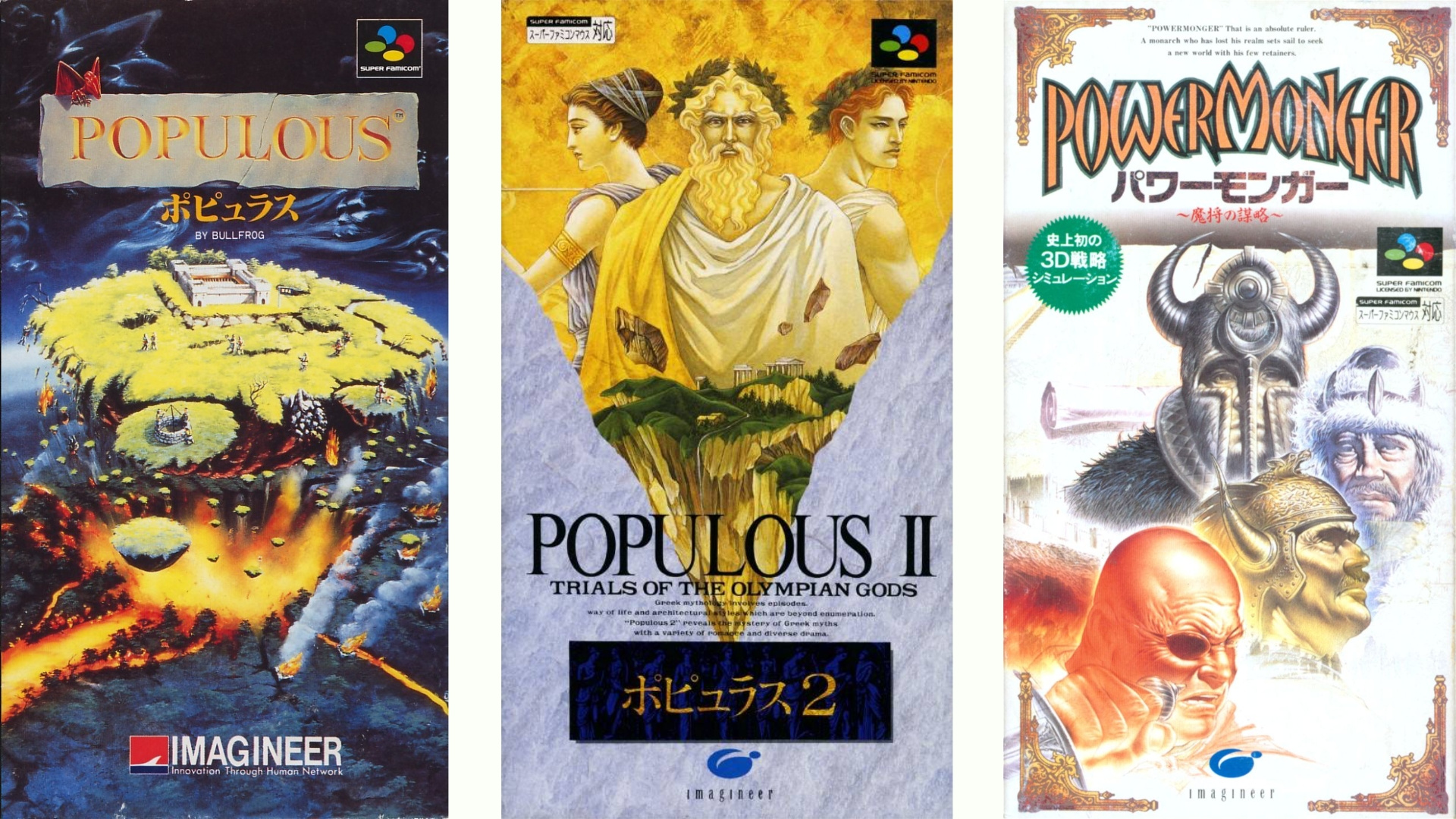
Imagineer would also publish Populous II and PowerMonger in Japan
As one of the few titles available for the Super Famicom at the close of 1990, Populous was assured plenty of media interest, irrespective of the fact that the game already had a strong following in Japan. However, Molyneux sheepishly admits he didn’t take note of its commercial fortunes in that part of the world. “This is another thing you’ve got to remember, back in the day you had to wait for the charts to come out in the magazines. And the problem with the Japanese magazines is they were all in Japanese! Also, the other thing to remember – and this does sound awful, and it is awful – but this thing just had a life of its own. At the time we were so busy doing either PowerMonger or Populous II, or thinking of expanding the company, and we didn’t have time to track how Populous on the Super Famicom was doing in Japan. We didn’t even know how many were being sold in the world. What we were really passionate about was what we would do next, and there wasn’t really time to do any other business stuff. However, we did know that Imagineer was incredibly happy.”
Even as he makes this revelation, Molyneux admits that the terms he agreed with Imagineer – like those he agreed with Electronic Arts – were probably not fantastic, so the Japanese company had reason to be cheerful in that respect. “We didn’t have any expertise in doing negotiation at all, so the deals that we signed back then were pretty s**t,” he explains. “They were around ten or eleven percent royalties, which was pretty tragic, but even so, that was a lot of money coming in for us. I knew it was successful in Japan because all these events started happening. They had this huge concert with thousands of people and the only thing that was played at this concert was the music and sound effects from Populous, and music inspired by Populous. There were cartoon strips and books and stories; there was a constant stream of signatures needed, so I absolutely knew it was successful.”
So successful, in fact, that Molyneux was asked by Imagineer to come to Japan for a second time to take part in another promotional exercise. “They said they’d love to invite me over again to talk to the press about our latest game, which was PowerMonger,” he remembers. “They’d also held a national competition to try and find the best Populous player, and as part of that competition, the winner could play the creator of the game – that would be a brilliant finale. I glibly agreed, thinking that it would be in a meeting room somewhere. Instead, when I actually got there, it was in this huge theatre which must have easily sat 2,000 people. It was completely full, and this Japanese bloke came out with an incredibly serious look on his face and wearing one of those Japanese bandanas, and he bowed – he took it all amazingly seriously.”
Surely the man who helped craft this amazing game could deal with such pressure? “I hadn’t played Populous for probably about nine months,” Molyneux replies, chuckling to himself. “I was developing a new game, so I just hadn’t had the time. I wouldn’t have said I was particularly good at it even with practice, but I felt OK because I knew that there was secret cheat mode available. If I could press this certain key combination and put the mouse into the top-left hand corner of the screen, it would give my game a boost; I thought to myself, ‘I could always do that’. But unfortunately, as part of the presentation, the screen showed my face in full, my screen in full, and it had a camera pointing down at my hands to show what they were doing. So I couldn’t activate the cheat!” It’s unlikely that Molyneux would have had time to successfully exploit the hack anyway, due to the potency of his Japanese rival. “They’d scheduled this to go on for an hour and it took the bloke three minutes to totally defeat me,” he says with a laugh. “It was the most humiliating moment in my life. I felt somewhat scarred after that!”
Still, onwards and upwards. Despite his mauling in Japan, Molyneux was in good standing with Imagineer and the publisher was keen to continue the relationship. Given that the console versions of Populous – and indeed, most other notable ports from this period – were at least a year behind the home computer originals, Imagineer had a good idea of what it could ask Bullfrog for next. Both PowerMonger and Populous II would be published in the region by the company, but Molyneux struggles to recall these events due to the understandably hectic nature of this period of his life.
“I’ll be absolutely honest with you, the whole period is kind of blurred into one kind of crazy, crazy, crazy time,” he sighs. “I can remember feeling an enormous amount of pressure to get PowerMonger out, an enormous amount of pressure to get Populous II out – and while that was all going on, I was doing my first real press interviews, and then people realised that I didn’t mind talking to the press and quite enjoyed it, so there was a huge number of those. Then having to do the coding on PowerMonger and Populous II… it was just adrenaline-fuelled craziness. It was 24/7, full-on, all the time.”
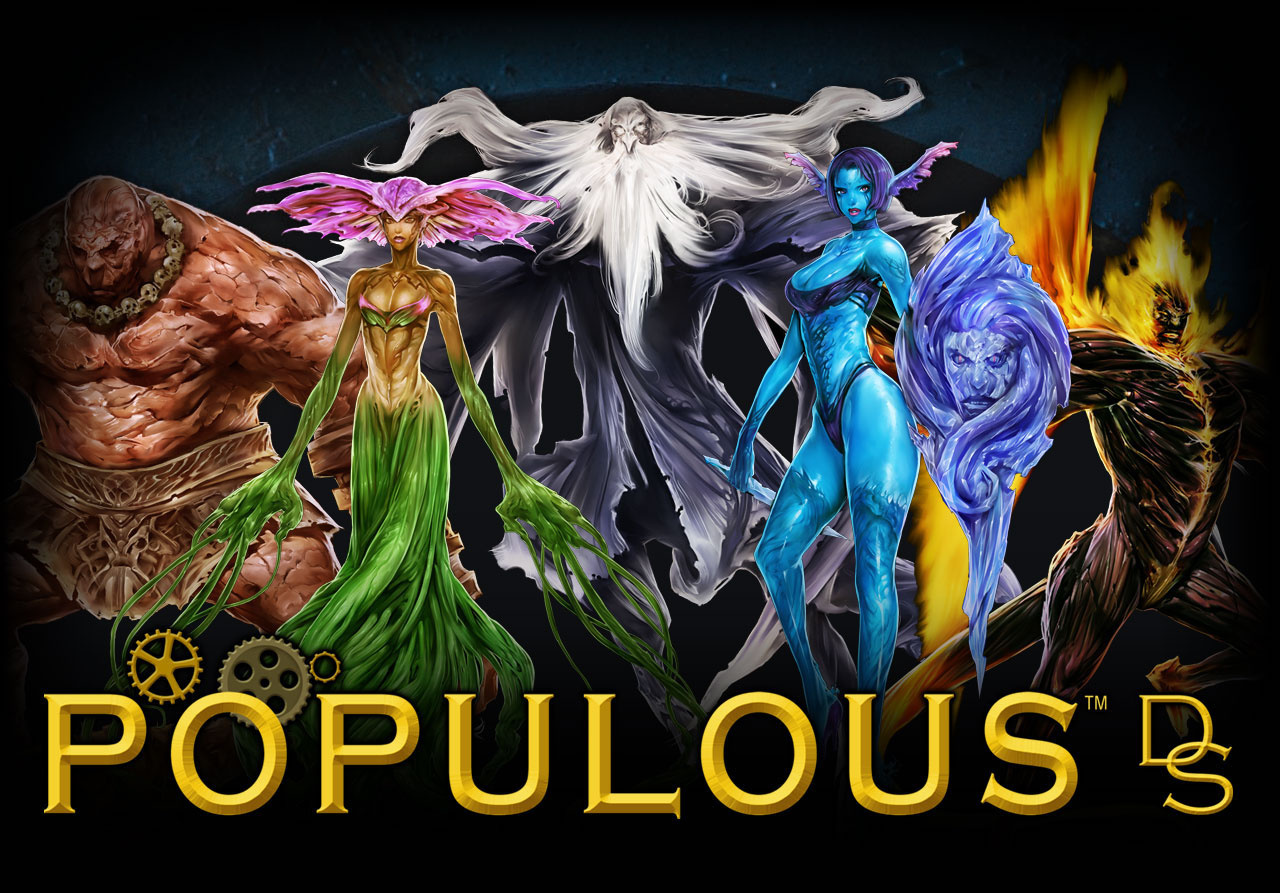
The last Populous game arrived on the Nintendo DS way back in 2007; development was handled by Japanese studio Genki and Molyneux was not involved
PowerMonger was initially pitched as being an evolution of Populous; while it lacked the ‘God Sim’ aspect and was more tactical in nature, it promised a living, breathing world in which each character would have allegiances and even memories, so your actions could potentially come back to haunt you. The game was fantastic, but much of the truly groundbreaking stuff that the infectiously affable Molyneux spoke about in early interviews ended up hitting the cutting room floor, and the designer has struggled to shake off this reputation of over-promising ever since. It’s at this point in our discussion that he dips into his seemingly bottomless collection of wonderful anecdotes to pull out a tale that you could argue goes some way to explaining why, as a developer, he has always bravely aimed for the stars – even when the goal is clearly unobtainable.
“There were two big things about PowerMonger – the first is that it was started literally after Populous was launched. The next day, we started on PowerMonger. The second thing was an unfortunate event which happened about halfway through development. I went to this drinks thing which was organised by Gary Whitta, who is now a successful Hollywood scriptwriter with movies like Rogue One: A Star Wars Story and Book of Eli to his name. He was this cheeky kid of a journalist at the time, and he managed to bully me into this meeting between David Braben (Elite), Jez San (Starglider, Star Fox) and Archer Maclean (Dropzone) down the pub.” You’d assume that Molyneux felt he was amongst equals, but that wasn’t the case.
“These guys were the top of the games industry and hyper-intelligent human beings, and then there was me!” he laughs. “During that meeting down the pub, they were all talking about developing games – 6502 Assembly and x86 and all that advanced stuff – and I was just sitting in the corner, and said ‘Well, actually my game was developed in C’, and there was this stunned silence. I could just see them all just giggling and saying, ‘That’s not a proper game developer!’ So I went back to the office that afternoon, tanked up on several pints of bitter, and I threw all of the floppy discs which held the code in the bin and I taught myself Assembly. There was this incredible pressure to do that, and I did that only because I wanted to be one of the smart boys rather than a stupid kid in the class.”
Molyneux has revisited the God Sim genre at his new studio 22cans, via PC and smartphone title Godus
It might seem like hyperbole, but that fateful night in a Guildford pub had a transformative effect on the previously shy and retiring Molyneux, and came at a time when his company – and his life – were swept away in what must have felt like an uncontrollable tide of relentless progress. “I’d gone from being someone who rarely ventured away from my computer and barely socialised at all into doing all of this press and all of that stuff,” he explains. “I’ll be honest, I don’t really remember the distinction between Populous, PowerMonger, or Populous II. We’re only talking about a span of two or so years. In that time, Bullfrog had to be expanded, we had to launch games in a variety of countries, we had to service Electronic Arts, and we had to author two new games. It was insane, and I don’t know how that worked.”
But it did work, and since then, Molyneux’s career has spanned several million-selling video games (including Theme Park, Dungeon Keeper, Syndicate, Black & White and Magic Carpet), the formation of a new company in the guise of now-defunct Lionhead, a lead role at Microsoft and – more recently – a return to humbler roots via 22cans, his current studio. Despite the whirlwind nature of his working life, Molyneux has an understandable soft spot for the game that made it all possible in the first place; 22cans’ Godus is arguably a riff on Populous, but Molyneux feels there’s ample room for a proper revival to take place (the series has been dormant since the release of the Genki-developed Populous DS in 2007).
“I think there’s something innately interesting about allowing people to create a world and compete in creating a world, and I’d love to see someone explore that more,” he says, and draws comparisons between his 1989 opus and Minecraft, a title which arguably offers some of the same appeal, albeit on a much grander scale. “I’m not even beginning to suggest that Populous stands anywhere near Minecraft, but what I would say is that Minecraft proves that there is this overwhelming interest in creating living worlds,” he continues. “Rather than Populous being one tribe versus another tribe, think more about how sculpting a living world – which is the heart of Populous – could actually evolve. There were bits of Populous that I have, over my career, pulled out. Good versus Evil, for example. So I think there are some interesting things still to analyse about it; there are some fascinating things there.”
Ultimately, while Molyneux no longer owns the Populous name, it remains a pivotal game in his career and it’s obvious that even after all the subsequent games, fame and fortune, he still has a tremendous degree of affection for the title that made it all possible in the first place. “I had so much joy making that stuff, I can’t begin to tell you,” he concludes. “For someone like me, who was kind of a nobody who had nothing, I was created by the games industry, and it’s just a joy to be involved in it – and it still is to this day.”
Earlier this week, we got a look at the updated European box art for the physical copy of the Final Fantasy X | X-2 HD Remaster coming to Switch this April. The overly large download warning completely ruined the artistic beauty of this cover art.
If you’ve now decided to import a physical copy of the game to avoid this ugly box art, we’ve got some good news to share. According to a recent tweet made by the Play-Asia Twitter account, this upcoming Switch release will come packaged with two game cards. It means there’s a game on each card!
When it was first discovered the Japanese and Southeast Asian copies would include English support and both games on card, the common assumption was X and X-2 would be packaged together on a single card. This latest update comes as a pleasant surprise. Still, it’s a pity Square Enix didn’t extend this to Europe and North America.
Are you planning to import Final Fantasy X | X-2 HD Remaster? Tell us below.
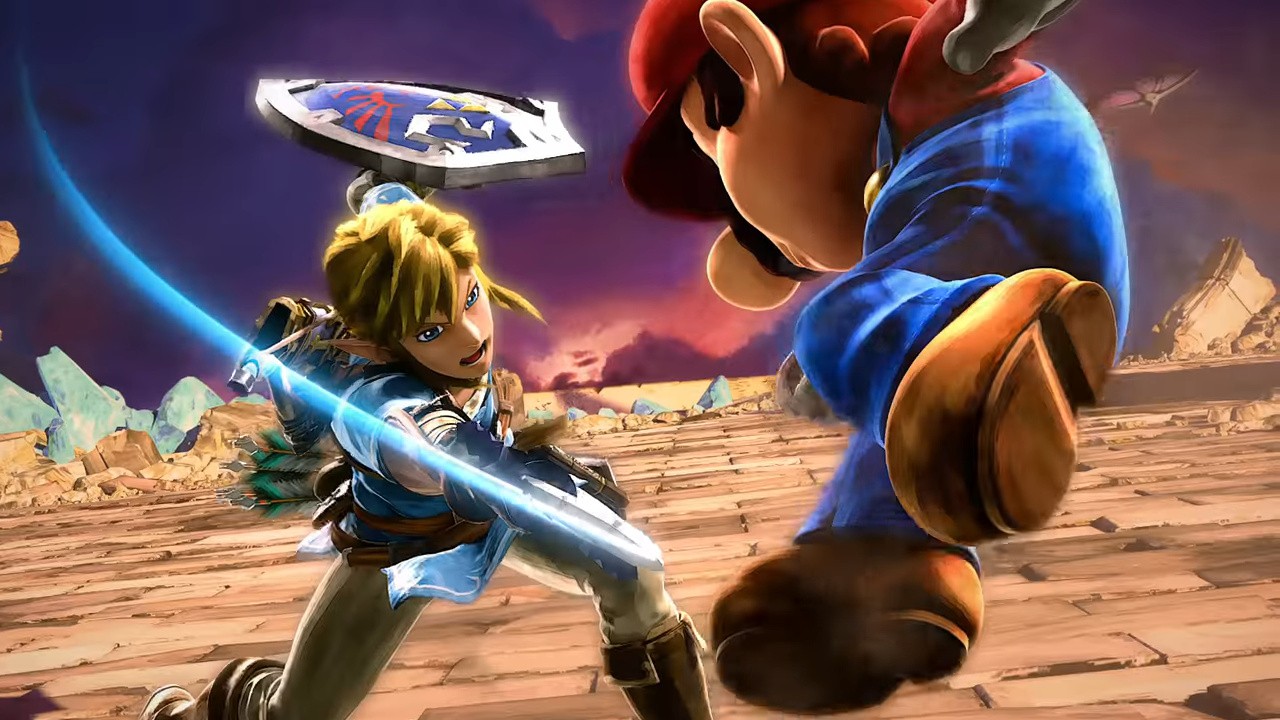
Competitive games can be an absolute nightmare to balance due to a number of different factors in play. In the case of Super Smash Bros. Ultimate, you would think it would be near impossible to keep each fight fair when there are now 75 playable characters.
Apparently, though, each of the fighters in the game are pretty evenly matched. In his latest column in Japanese gaming magazine Famitsu, Ultimate’s Director Masahiro Sakurai shared some interesting data about the game’s win and loss rates to help prove this.
According to the translation, courtesy of Kotaku, Sakurai used King K. Rool as an example – stating how the main antagonist from the Donkey Kong series wasn’t actually the “noob smasher” many players made him out to be:
“His win rate is over all 51.9%… In VIP matches it’s 48.9%.”
VIP matches are a reference in North America to Elite Smash – a ranked mode for top tier players with a high enough Global Smash Power.
The remainder of the column reinforced how Super Smash Bros. Ultimate was a very balanced game overall. Sakurai further elaborated on this by explaining how one on one victory rates for every fighter within the game are no higher than 60 percent and no lower than 40 percent:
“No fighter is below 40%, and no fighter is above 60%… As for one on one matches among VIP players, the lowest win rate for any character is 43.7%. The highest win ratio is 56.8%.”
When combining all of the above data, all of the fighters fall “within 40% and 54% win rates” and fighters with “a win rate of 45% or higher” account for 90 percent of the total.
In terms of popular characters, Cloud and Ganondorf are the community favourites at the moment. Cloud is most commonly used in standard play and Ganondorf is the most used in VIP matches. Despite this, “Ganondorf’s win rate is only 47.9%” which keeps him at the lower end of the battle rankings.
Going off battle data alone, Sakurai believes there’s seemingly no reason to tune the balance of the game. In saying this, he realises if it isn’t adjusted, some players are likely to feel “stressed out” by the lack of change.
How have you found the fighter balance in Super Smash Bros. Ultimate so far? Tell us below.
To celebrate the release of Wargroove this week, the team at Chucklefish held a Reddit AMA. One of the most commonly asked questions was if the game would receive post-release support.
The good news is the team are “definitely interested” in supporting Wargroove with ongoing updates in the future, but wanted to first take in all the feedback provided by the game’s community after the big launch. The CEO of Chucklefish reiterated this, mentioning how free content and quality of life improvements were definitely on the way. One idea in mind is to possibly add a ranked mode in the future, to satisfy the game’s competitive community:
“We’re waiting to see how the online play evolves and whether or not a ranked mode would fit. We don’t want to divide the playerbase right away, but it’s on our maybe list.”
The Chucklefish CEO was happy to reveal there would eventually be downloadable content for the game as well but said the team couldn’t reveal anything about it just yet. A physical release is also in consideration, but once again, there’s nothing to officially announce right now.
Have you tried out Wargroove yet? What do you think of it so far? Tell us below.
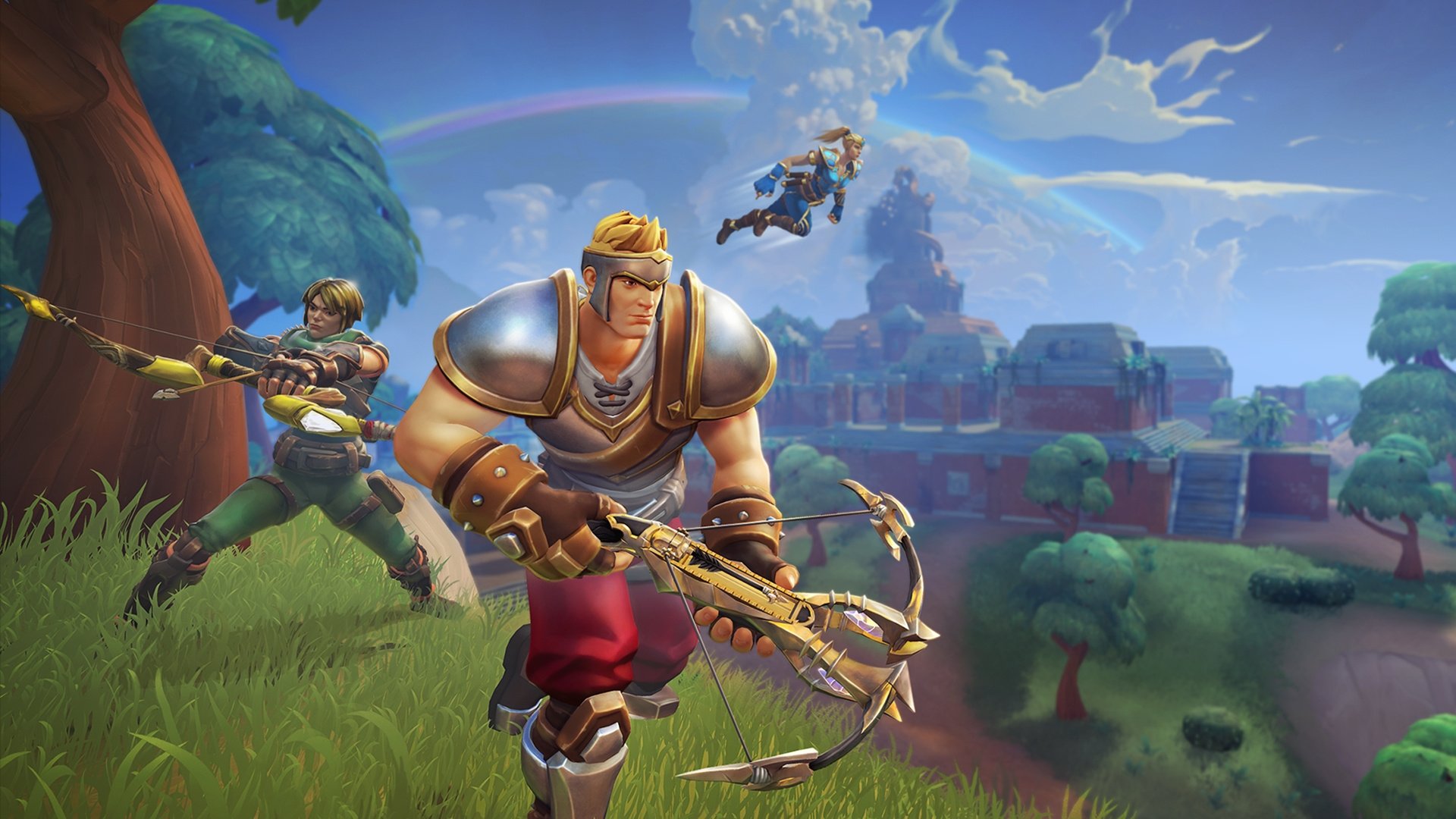
For the third time now, it looks dataminers have uncovered Hi-Rez’s next project for the Nintendo Switch. These latest findings suggest the free-to-play multiplayer fantasy title Realm Royale is Switch-bound.
The following line “Merge Nintendo crown” was found within the latest datamine, alongside references to Xbox, PSN, Steam and Discord. The mere mention of Nintendo is enough evidence the game is likely coming to the Switch after Paladins and SMITE were essentially leaked the same way.
Realm Royale started out life as a spin-off to Paladins and was released in June last year on PC. It was made available a few months later on the PlayStation 4 and Xbox One. It draws inspiration from battle royale games such as Fortnite, where multiple players drop into a large arena and fight to be the last person standing. Take a look at the original game trailer below:
Is Realm Royale a game you would be interested in playing on the Nintendo Switch? Tell us below.