Japanese chart figures are now in for 28th January – 3rd February, revealing that Kingdom Hearts III has managed to stay at number one for a second consecutive week.
The game shifted another 91,019 units this week, keeping second place Resident Evil 2 safely behind it in the charts. Nintendo-published software titles take up the next three positions, with the Switch’s biggest games of the last few months still performing nicely at the top.
Three new Switch games also entered the charts this week; Koei Tecmo’s Nelke & the Legendary Alchemists: Ateliers of the New World performed best with 8,046 sales taking it into 11th place, although the PS4 version managed to sell more than double that number.
Here are the top 20 (first numbers are this week’s sales, followed by total sales in brackets):
1) [PS4] Kingdom Hearts III (Limited Edition Included) (Square Enix, 01/25/19) – 91,019 (701,096) 2) [PS4] Resident Evil 2 (Z Version and Limited Edition Included) (Capcom, 01/25/19) – 51,339 (304,186) 3) [NSW] New Super Mario Bros. U Deluxe (Nintendo, 01/11/19) – 45,879 (358,748) 4) [NSW] Super Smash Bros. Ultimate (Nintendo, 12/07/18) – 35,217 (2,799,969) 5) [NSW] Pokémon: Let’s Go, Pikachu! and Let’s Go, Eevee! (Bundle Editions Included) (Nintendo, 11/16/18) 21,274 (1,457,907) 6) [PS4] Nelke & the Legendary Alchemists: Ateliers of the New World (Limited Editions Included) (Koei Tecmo, 01/31/19) – 18,679 (New) 7) [NSW] Super Mario Party (Bundle Version Included) (Nintendo, 10/05/18) – 12,181 (996,084) 8) [NSW] Mario Kart 8 Deluxe (Nintendo, 04/28/17) – 11,710 (2,108,522) 9) [PS4] Ace Combat 7: Skies Unknown (Limited Edition Included) (Bandai Namco, 01/17/19) – 11,444 (239,322) 10) [NSW] Minecraft: Nintendo Switch Edition (Bundle Version Included) (Microsoft, 06/21/18) – 8,250 (590,289) 11) [NSW] Nelke & the Legendary Alchemists: Ateliers of the New World (Koei Tecmo, 01/31/19) – 8,046 (New) 12) [NSW] Splatoon 2 (Bundle Version Included) (Nintendo, 07/21/17) – 7,689 (2,918,368) 13) [NSW] The Legend of Zelda: Breath of the Wild (Limited Edition Included) (Nintendo, 03/03/17) – 6,957 (1,276,558) 14) [PS4] Kingdom Hearts HD 1.5 + 2.5 Remix (Square Enix, 03/09/17) – 6,023 (235,306) 15) [NSW] Dragon Quest Builders 2 (Square Enix, 12/20/18) – 5,814 (223,424) 16) [PSV] Nelke & the Legendary Alchemists: Ateliers of the New World (Koei Tecmo, 01/31/19) – 4,589 (New) 17) [NSW] Dragon: Marked for Death (Inti Creates, 01/31/19) – 4,492 (New) 18) [NSW] Fate/Extella Link (Marvelous, 01/31/19) – 4,131 (New) 19) [PS4] Robotics;Notes DaSH (5pb., 01/31/19) – 3,943 (New) 20) [NSW] Fitness Boxing (Imagineer, 12/20/18) – 3,613 (23,332)
Switch is still dominating on the hardware side of things, generating just under 70,000 sales this week to stay firmly on top. Here are this week’s figures, with last week’s in brackets:
1) Switch – 69,472 (52,429) 2) PlayStation 4 – 15,074 (19,612) 3) PlayStation 4 Pro – 10,540 (33,032) 4) New 2DS LL – 3,622 (3,781) 5) PlayStation Vita – 1,521 (1,701) 6) New 3DS LL – 1,188 (972) 7) 2DS – 104 (179) 8) Xbox One X – 86 (82) 9) Xbox One – 17 (11)
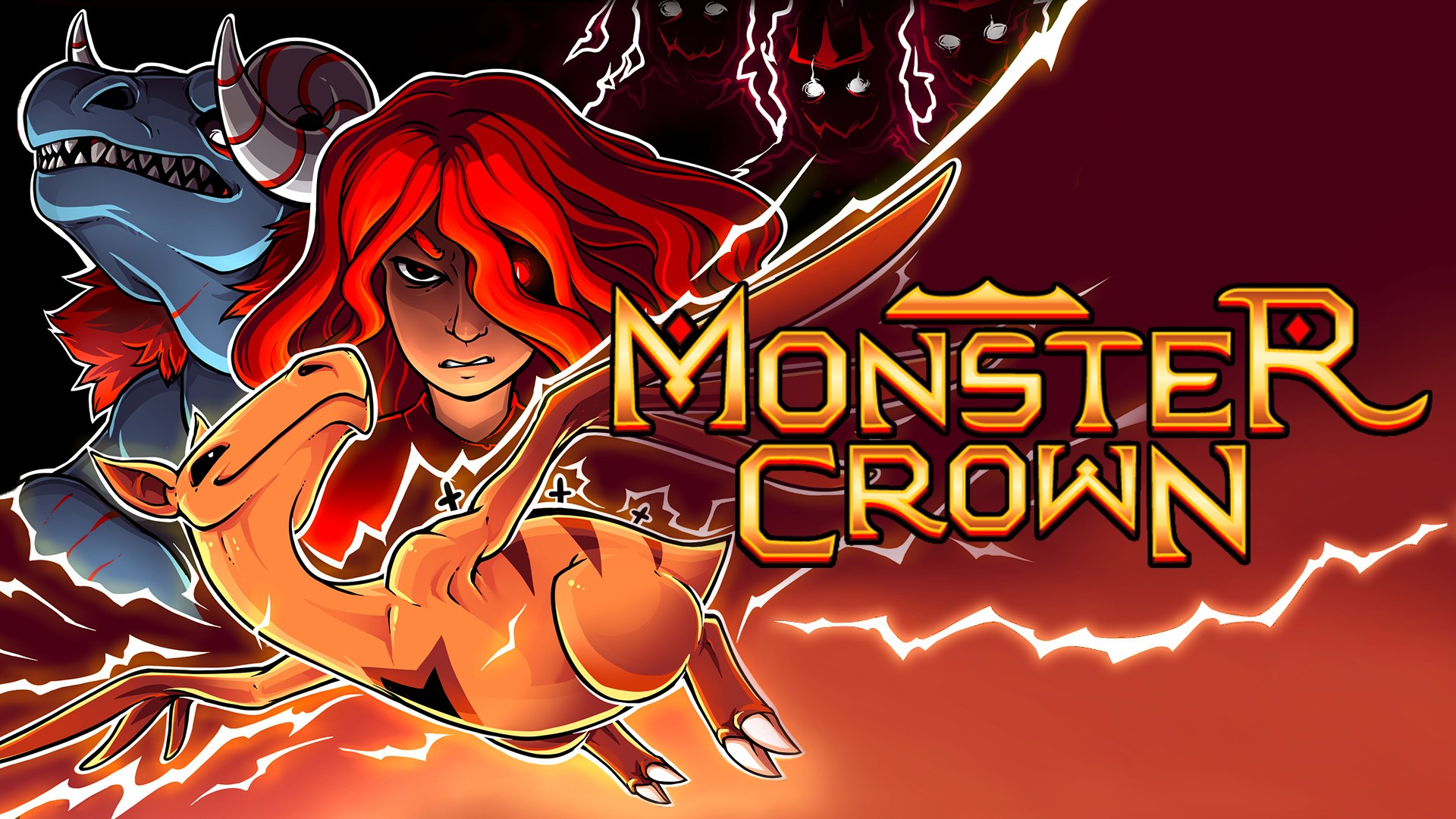
Indie publisher Soedesco has revealed that it will be taking control of publishing duties for Monster Crown, a Pokémon-inspired monster taming game we reported on last year.
If you didn’t hear about this one, Monster Crown boasts many of the features you would expect to find in a Pokémon game – monster collecting, online battling and trading, and even choosing a starter monster – but focuses on a slightly different perspective. Instead of being centred around collecting and battling, the main emphasis is placed on breeding, allowing you to create brand new species with their very own movesets.
Soedesco has shared the following information about the game in a press release today:
Breeding new monsters In Monster Crown, players can catch and tame all sorts of monsters and even breed new species with them. Breeding or fusing monsters in Monster Crowncreates brand new species that can be named by the player. These crossbreeds are truly a mix of both parents in every way.
Features: – Unravel a deep and dark story about a choice with grave consequences – Venture online to battle against others, trade and show off your monsters – Collect 200+ kinds of unique monsters and use them to breed new species – Discover a sprawling, wild world in which monsters roam around freely
A recent update on developer, Studio Aurum’s, Kickstarter page mentions that the console versions – which will include a port to Switch – are now in the works. This, and the acquisition of a publisher which already has experience of releasing games on Switch, seems like a very positive forward step; a release date hasn’t been set just yet, but fans and backers are being regularly updated on the game’s progress.
You can learn a little more (and see it running on Switch) in this video update below, which was shared before Soedesco was announced as the game’s publisher.
Did you back this game last year? Are you looking forward to seeing it release on Switch? Tell us below.
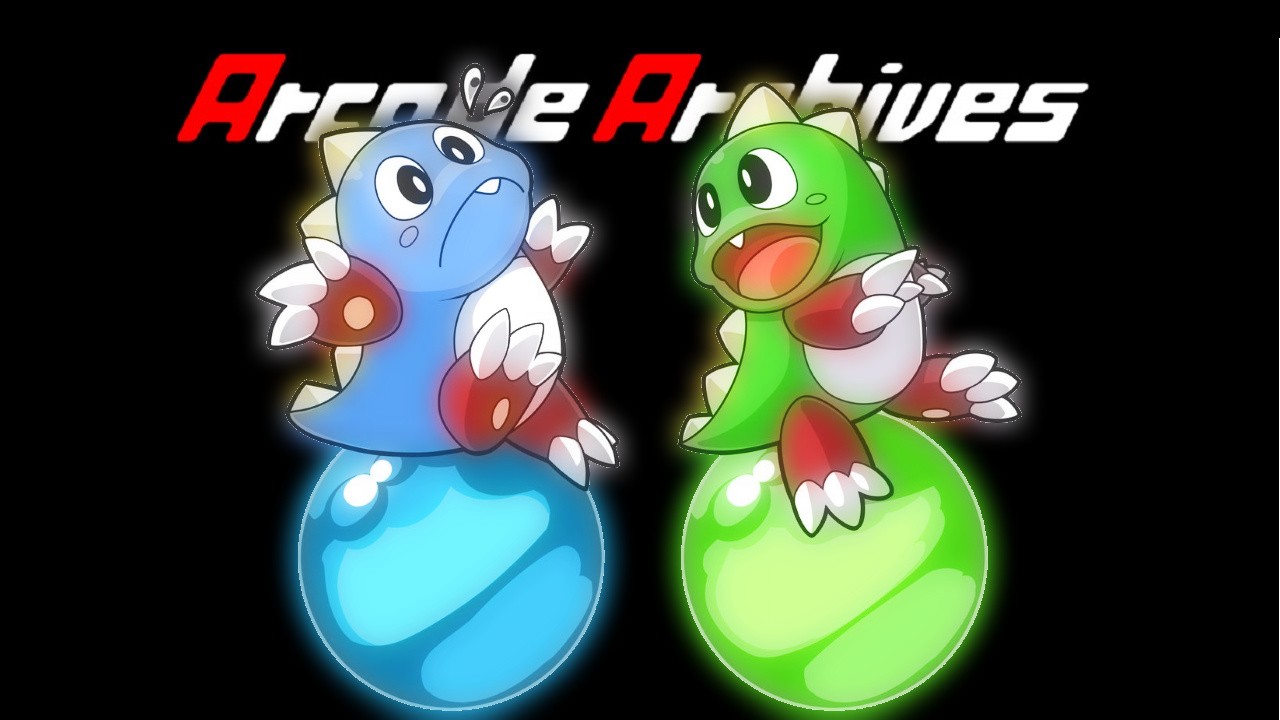
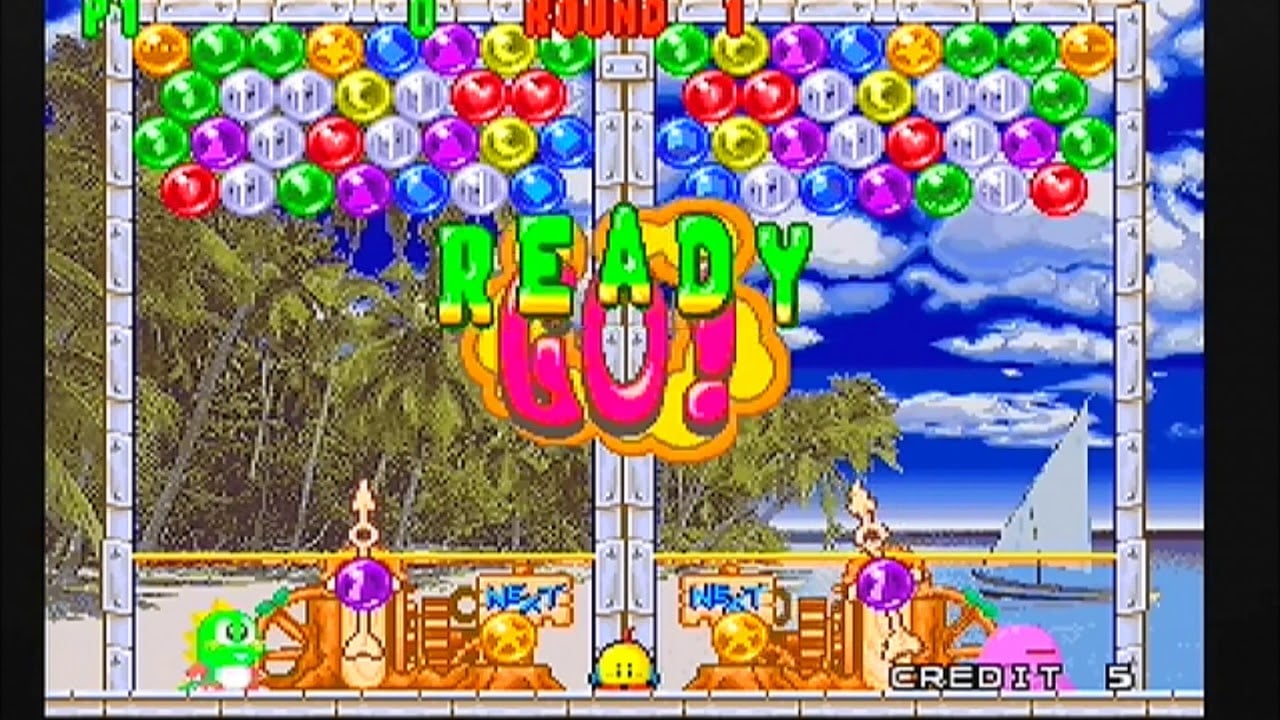
Hamster has confirmed that the already-promised Puzzle Bobble 2 is heading to Nintendo Switch very, very soon. So soon, in fact, that you’ll be able to get your hands on it tomorrow. We already gave that away in the title, didn’t we?Ah well.
Puzzle Bobble 2 is a tile-matching game first released by Taito in 1995. Originally appearing in arcades, the game eventually made it to home consoles under the new name of Bust-A-Move 2 Arcade Edition in Europe and North America, appearing on the likes of N64, PlayStation and Sega Saturn. Here’s a quick description from the game’s PR:
“Puzzle Bobble 2 is an action puzzle game released by Taito in 1995 as the second sequel of PUZZLE BOBBLE. Bub and Bob, the bubble spitting dragons from the action game are back again to take on new challenges! Skillfully bounce bubbles off the walls, make chains, and erase them! Aim for even greater chains with the new Star Bubbles and Metal Bubbles!”
As mentioned above, you’ll be able to pick this one up on Switch tomorrow for $7.99 / €6.99 / £6.29.
Do you have any fond memories of playing this one back in the ’90s? Will you be snapping it up on Switch tomorrow? Tell us below.
Three years ago, as we approached the reveal of Pokémon’s seventh generation and its 20th anniversary, we looked back on all previous six generations of Pokémon. Now, three years later, as we approach the end of the seventh generation and the inevitable reveal of the next generation, it’s time to look back over the last three years of Pokémon – and what a time it has been!
Before we begin, you might want to check out our previous retrospectives here:
The Build-Up
It all started with the reveal of Magearna, the first known Generation VII Pokémon, in February 2016 to tie in with the movie, Volcanion & The Mechanical Marvel. When that came, the ball started rolling and later that month, on the 20th anniversary of Pokémon itself, a Pokémon Direct revealed Pokémon Sun & Moon in title only. Then, just two and a half months later, we got our first look at Alola and the new Pokémon that inhabited it. From there, information was released routinely every couple of weeks and, when Pokémon GO was released in June of 2016, the hype began again as Pokémon hit the mainstream.
9 months after the reveal, Pokémon Sun & Moon were released worldwide and the seventh generation began in earnest!
The Main Series
Generation 7 was unique in that it didn’t have a single year gap on the main series; every single year has presented us with a main series title.
The first – released on November 18th 2016 in Japan, Australia and North America and November 23rd 2016 in Europe – was Pokémon Sun & Moon. Pokémon Sun & Moon acted as a soft reboot of the franchise by throwing out a lot of what we thought were general conventions in a Pokémon game. Like Generation 6, it was a full-3D outing with the battles being generally similar in appearance, but the overworld was massively changed with the look being far more conventional and anime-styled. Set in the tropical Alola region, players travelled across the four islands completing Island ‘Trials’, small tasks on each island that culminate in a battle with a Totem Pokémon – essentially a boss Pokémon which gets a stat boost. This added a new dimension to how the stories went with Pokémon games, making it less about the gyms and helped make the region feel like a character in its own right.
Story-wise, Sun & Moon presented the most in-depth plot to hit a Pokémon game, to its merit or detriment depending, on who you speak to. In this game, while exploring the region, you help a girl called Lillie and a mysterious Pokémon she has nicknamed as Nebby. You learn of Team Skull, a group of thugs who failed the Island Trial Challenge, and the Aether Foundation, a group who set out to protect Pokémon, but things go awry when the head of the Aether Foundation discovers mysterious Pokémon from other universes known as Ultra Beasts, and Lilly and Nebby are dragged further into this devious plot.
Mechanically, the biggest news was that Pokémon Sun & Moon introduced the concept of Z-Moves. While Mega Evolutions in Generation 6 only boosted 46 different Pokémon, any Pokémon can use Z-Moves. Each move can turn into a massive much more powerful move. You can use one per battle, so the timing of unleashing your special Z-Move really altered the strategy.
There’s a lot to talk about with Pokémon Sun & Moon, from the much-maligned Festival Plaza, Global Missions that resulted in a lot of items for players, Battle Royals, Poké Pelago and even the Zygarde Cells being dotted around; needless to say, it certainly changed a lot of things up.
Soon after, in a Pokémon Direct in June 2017, Pokémon Ultra Sun & Ultra Moon were revealed for Nintendo 3DS, and released later in 2017. These games were enhanced versions of an existing outing (Pokémon Sun & Moon, of course), the first time this had happened since Pokémon Platinum in 2008, and took the foundations of the original game and took them in a different direction. These games altered the story to be focused more on Ultra Beasts, introducing the Ultra Recon Squad, another group of characters from another world who wish to hunt down a way to protect their reality from The Blinding One, the Legendary Pokémon Necrozma, which has some new forms in the game.
Ultra Sun & Ultra Moon improved on many elements. They altered the trials and made the Totem Pokémon and final boss Pokémon, Ultra Necrozma, a lot harder. It was generally a harder game all-round, which is something that had long been requested by the fanbase. It even introduced five brand new Pokémon, and was the first Pokémon game to ever introduce brand new monsters part-way through a generation.
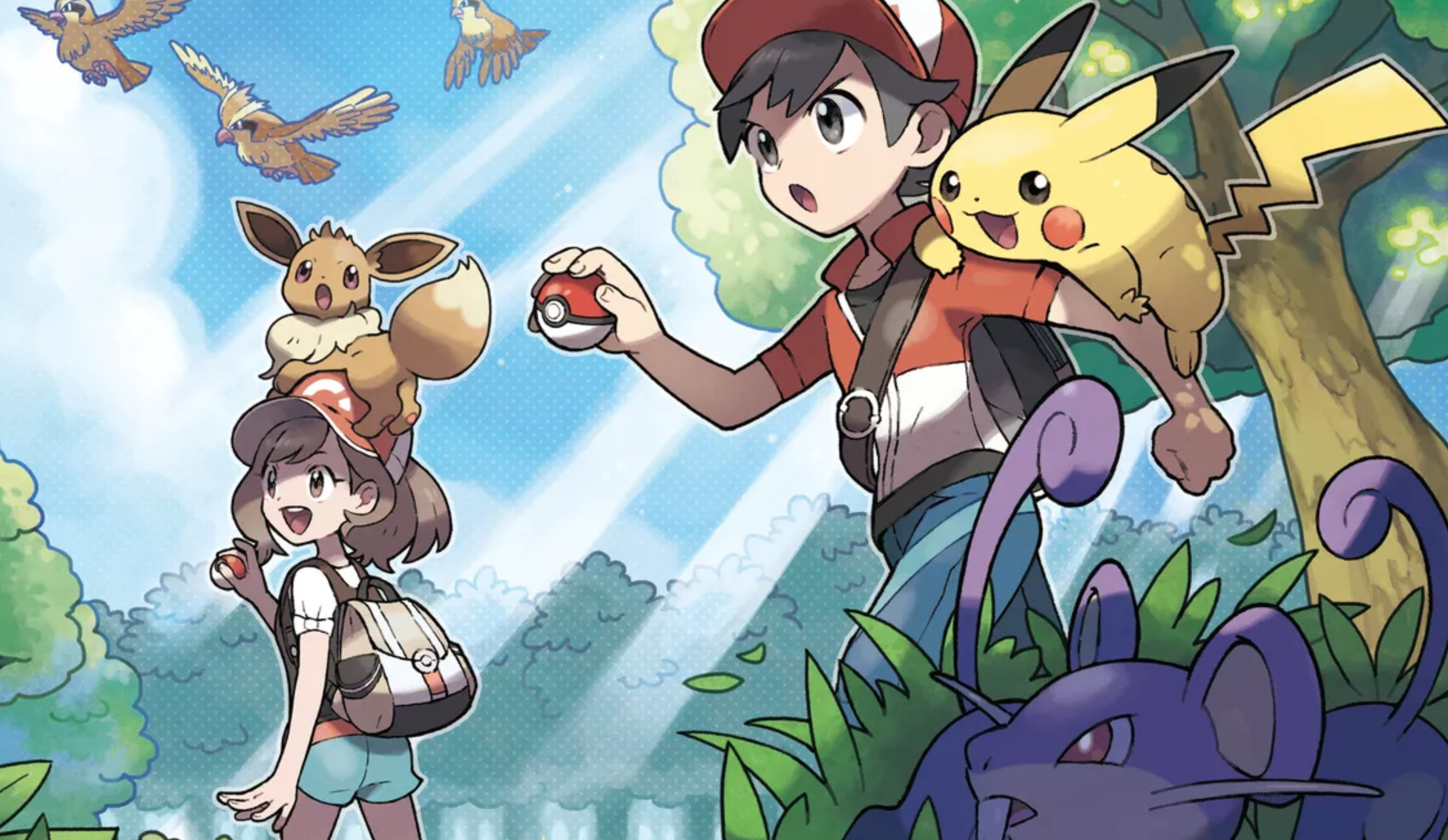
The final main series titles of the seventh generation are in fact on the Nintendo Switch and, at present, lack any connectivity with prior main series Pokémon games. In a reveal in a special press conference in May 2018, the games Pokémon: Let’s Go, Pikachu! & Pokémon: Let’s Go, Eevee! were revealed. These games are remakes of Pokémon Yellow and combine some of the concepts of Pokémon GO – such as battle-less capture – with the rest of the mechanics from the main series games. These titles are the most divisive of Pokémon games, getting ire from some hardcore Pokémon fans due to the removal of core features, but have largely been received fairly well by the general gaming community.
The games run a modified version of the Sun & Moon battle and overworld engine, but do remove ‘Hold’ items and abilities from battles. Featuring only the first 151 Pokémon and two brand-new Pokémon, these games were designed to lure back old fans and GO-exclusive players into the main series fold.
While they are somewhat simple in scope, these games have a difficulty curve and, in the post-game, feature Master Trainers. These trainers are ridiculously strong and have trained their Pokémon using the new stat system which allows you to max out each stat to stronger levels than ever seen before.
With these games, it’s hard to say which direction we’ll be going in with Generation 8, but with the promise of a more traditional outing, who knows what we’ll see when the Switch gets its first ‘new’ Pokémon later this year.
The Pokémon
Generation 7 brought in a total of 88 new Pokémon into the fold. 81 with Sun & Moon, 5 with Ultra Sun & Ultra Moon, and a further 2 with Pokémon: Let’s Go! While it’s still the second lowest number of Pokémon to grace any generation, there is once again a reason for this, which we will get to shortly.
The Starter Pokémon are the Grass/Flying-type owl Rowlet, Fire-type cat Litten and Water-type seal Popplio, once again following the Grass/Fire/Water template laid down by past games – but these Pokémon make a radical change in their final evolutions. You have the Grass/Ghost-type archer owl Decidueye, the Fire/Dark-type wrestler Incineroar and the Water/Fairy-type soprano Primarina. These are definitely amongst the more unique concepts for starter Pokémon, and they each come with their own unique Z-Move.
Away from Legendary Pokémon, the seventh generation introduced a multitude of uniquely designed monsters. From the wolf Pokémon Lycanroc – which has different forms depending on what time of day you evolved it – to the dragon Drampa and even the unique small fish Wishiwashi which changes form into a massive school of fish, there’s certainly a lot of variance and unique concepts from the Pokémon of Alola.
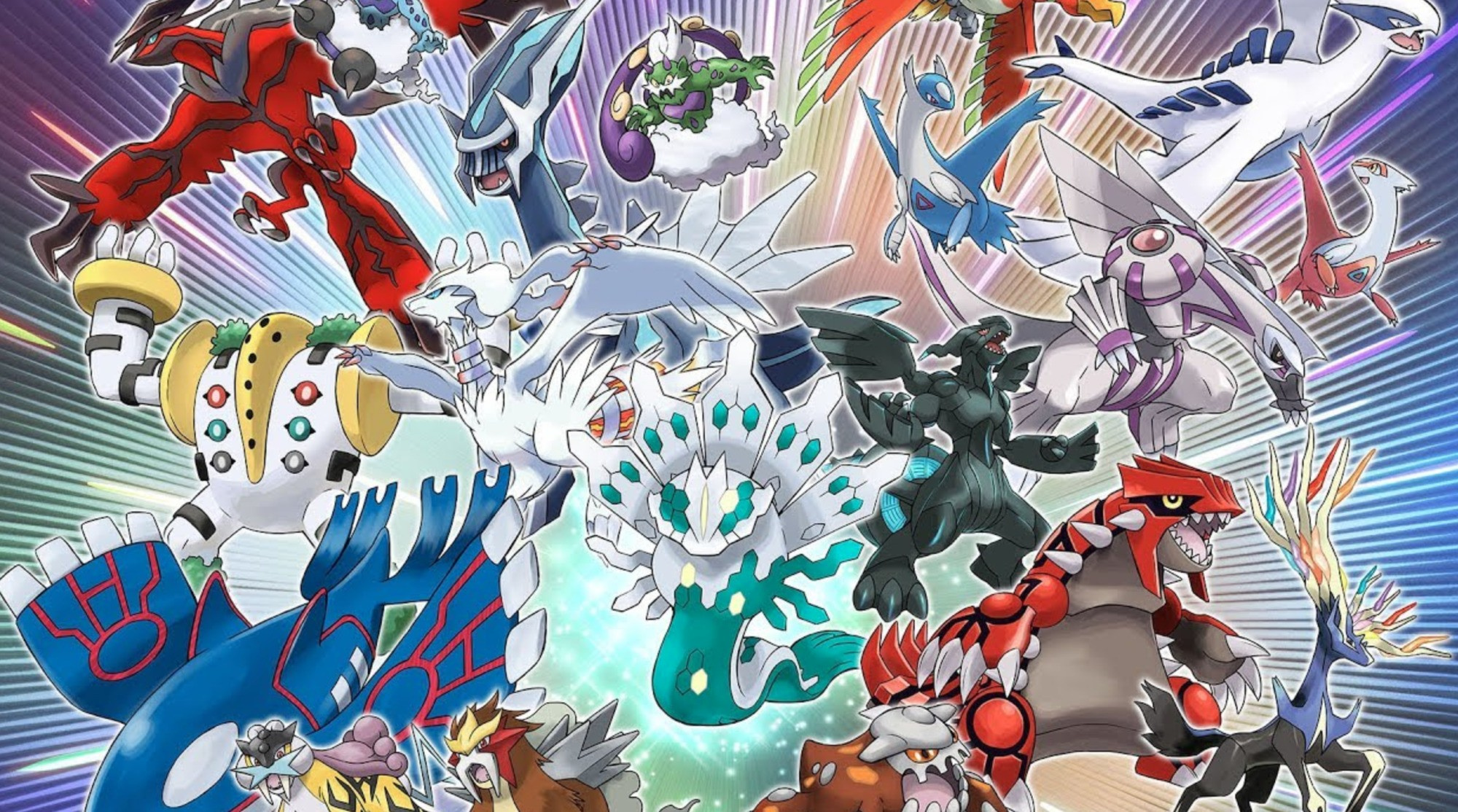
Legendary Pokémon-wise, following the minimalist approach of Generation 6, Generation 7 flips that on its head and includes a massive 22 Legendary Pokémon, including the Ultra Beasts. Not including Ultra Beasts, that’s still 11 Legendary Pokémon, but this comes with a cravat. For the very first time, you can evolve Legendary Pokémon. The man-made Pokémon Type: Null evolves into the Pokémon Silvally, which like Arceus can be of any type depending on its Hold item. In addition to this, the Legendary Pokémon Cosmog will evolve into Cosmoem and then, depending on your game, into the cover Legendary Pokémon Solgaleo or Lunala.
There are also four Island Guardians, Legendary Pokémon who protect each of the islands of Alola from natural disaster: Tapu Koko, Tapu Lele, Tapu Bulu and Tapu Fini, each of which is really good in competitive matches. Finally is Necrozma, a Psychic-type Pokémon that can fuse with Solgaleo and Lunala to become more powerful and then reach its Ultra Burst form of Ultra Necrozma when a Ultranecrozium Z item is attached. Without a doubt, the Legendary Pokémon of this region are amongst the most complex and lore-driven Legendary Pokémon of any generation.
Then we’ve got Ultra Beasts, a category of Pokémon that fit within Legendary Pokémon in the game’s code but many consider to be part of their own separate group. There are 11 Ultra Beasts in the generation and these come from a different universe. In their own environment, they are the ‘top dog’ and feature exaggerated designs and incredibly wild stats, often min/maxing so they have one or two ridiculously high stats and the rest being ridiculously low, in order to get balance.
First we have Nihilego, the Rock/Poison-type Ultra Beast that features heavily in the game’s story. Its concept is that it is a parasite. Next are the version-exclusive Buzzwole and Pheromosa, both Bug/Fighting-types. Xurkitree is a unique Pokémon that looks like a pile of cables turned into a Christmas tree. Kartana is one of the smallest Pokémon and features the highest Attack stat away from Mega-Evolved Pokémon and is based on origami. Celesteela is probably the most balanced of the Ultra Beasts; a Steel/Flying-type and one of the largest Pokémon to exist. Guzzlord is a unique Dark/Dragon that comes from a reality much like the world you play through, where it’s found in an alternate version of Alola that it has destroyed by consuming everything. Poipole is a unique Poison-type Pokémon that evolves into Naganadel with the concept of poison needles. Finally, Stakataka is a defensive beast designed on the concept of being a conglomeration of multiple sentient bricks combined into a fortress, and Blacephalon is a Fire/Ghost-type based on clowns and fireworks. Phew!
Generation 7 doesn’t stop there and continues with a myriad of Mythical Pokémon. It started with two in Sun & Moon, added a third in Ultra Sun & Ultra Moon and finally two more in Let’s Go, Pikachu! & Let’s Go, Eevee! The first was Magearna, the first Pokémon revealed for the generation. It’s a Steel/Fairy-type artificial Pokémon that was said to be created thousands of years ago and is available perpetually through QR Code. Marshadow is a Fighting/Ghost-type Pokémon based on the idea of a creature living in your shadow and capable of copying your abilities. Ultra Sun & Ultra Moon introduced the Mythical Pokémon Zeraora, an Electric-type Pokémon that is said to be fast and strong. Finally, Pokémon Let’s Go introduced two Mythical Pokémon via its connectivity with the mobile title Pokémon GO. When you connect the two games, you can catch various Meltan in Pokémon GO and send them to Let’s Go. To top it off, you also have the capability of evolving a Mythical Pokémon for the very first time into the Mythical Pokémon Melmetal.
The number of newly-introduced Pokémon can be explained away by a new concept introduced in the generation: Regional Forms. Regional Forms are adaptations of existing Pokémon from when they were introduced to the new environment for the region. From this, their designs, movesets and stats change, essentially making them brand new Pokémon. From the Ice/Fairy-type Ninetales to the Fire/Ghost-type Marowak, these new forms gave new life and usability to 18 old favourites.
Generation 7 certainly introduced a massive amount of unique concepts for Pokémon. For a full list of Generation 7 Pokémon, check out this list.
The Anime
The Pokémon Sun & Moon anime deviated strongly from previous ones and changed its structure. No longer solely adventure based, it became a ‘slice-of-life’ anime as Ash stays at Professor Kukui’s house in Alola and attends the Pokémon School there. This came with the first change in the style of the anime since Black & White, where the characters are drawn to be more emotive – a change that, like some other elements of this generation, was wildly divisive. You could easily be forgiven if you thought this was a reboot, but with many references to past series, it is indeed a continuation.
Even though it’s a more casual style of anime, it still features Ash going through the region and completing trials and beating the Grand Trials of each island. His companions in Alola are more plentiful than before, with Lillie, Lana, Mallow, Sophocles and Kiawe being his classmates and travel companions throughout the region.
From time to time, there have been various long arcs through the series as well, culminating in the more epic storylines that people have come to expect, especially following the XY&Z series in Generation VI. These include an arc where Ash and company were looking after Cosmog, concluding with Cosmog evolving into Solgaleo and going into Ultra Space to save Lusamine from Ultra Beasts. This arc featured the Ultra Guardians, a group of trainers who protect the region from Ultra Beasts; the current arc looks to culminate in Professor Kukui setting up a Pokémon League. While this anime can be silly, it has many serious moments, too.
The Movies
In Generation 7, movies took a bit of a divergence from the main anime. Instead of tying in with the anime’s current position, the movies were set separately, but still featuring Pokémon from all Generations.
It started off with Pokémon I Choose You, a retelling of Ash’s original journey, deviating shortly after meeting Ho-Oh. In this movie, he doesn’t meet Misty and Brock but instead, on his journey, meets Verity and Sorrel, trainers from Sinnoh, and joins them as they explore more about Legendary Pokémon so that Ash can meet Ho-oh.
The second movie, released last year, is The Power of Us. This movie features a group of characters from Fura City, a city built around wind gifted to them by Lugia after a large fire. After catastrophe strikes, the group have to work together to save the city and protect the Mythical Pokémon Zeraora from hunters.
The third anime movie of the generation is the upcoming Mewtwo Strikes Back EVOLUTION. This movie appears to be a 3D CGI remake of the original Mewtwo Strikes Back movie. At present, it’s not clear if this movie is a straight shot-for-shot remake or if it will deviate from the original, much like Pokémon I Choose You deviated from the first series’ plot.
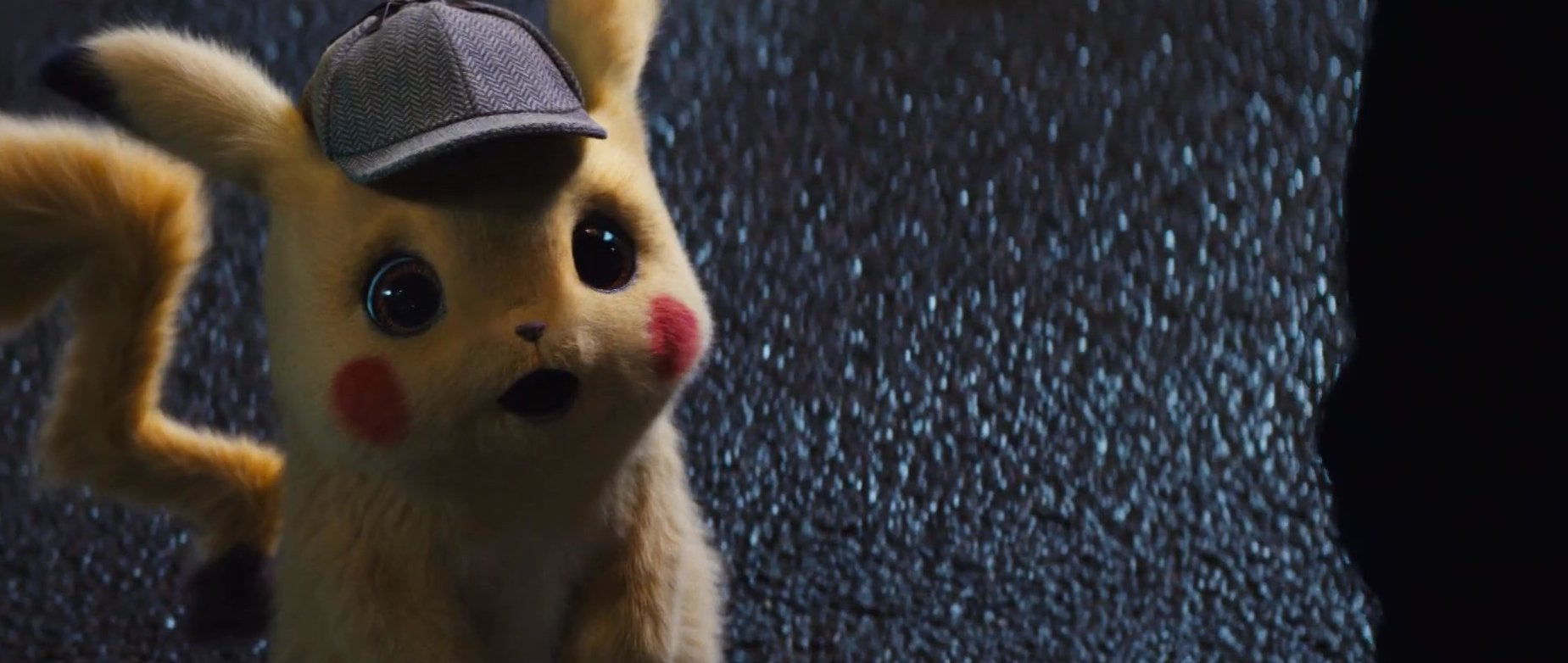
Finally, for the first time ever, a live-action Pokémon movie is to be released on May 10th 2019. Pokémon: Detective Pikachu is an adaptation of the Nintendo 3DS Spin-off title of the same name and features Ryan Reynolds as the talking Pikachu who teams up with Tim Goodman, played by Justice Smith, to help Tim search for the truth about what happened with his father. This is the first official time that Pokémon has been adapted to a live-action environment and features lots of tie-ins with merchandise and Trading Cards.
Spin-Off Games
The spin-off games were rather unusual with Generation 7, with many games as being more of a ‘service’. There were actually very few ‘traditional’ spin-off titles in this particular generation.
Nintendo 3DS
For unique non-free to play titles, Pokémon only had one spin-off game on the Nintendo 3DS: Detective Pikachu. This game was finally released globally after a small, teaser version of it was released in Japan in 2016. The story involves Detective Pikachu and the boy Tim Goodman, who are able to understand one another. Their journey ultimately leads to them finding out what happened to Tim’s missing father.
In addition to that, Pokémon Shuffle continued through Generation 7 and added all the Generation 7 Pokémon up to Marshadow, various forms and continued on until the service finally ended in the middle of 2018. It can still be played and all the Pokémon event stages cycle weekly, and will do until the end of time.
Nintendo Switch
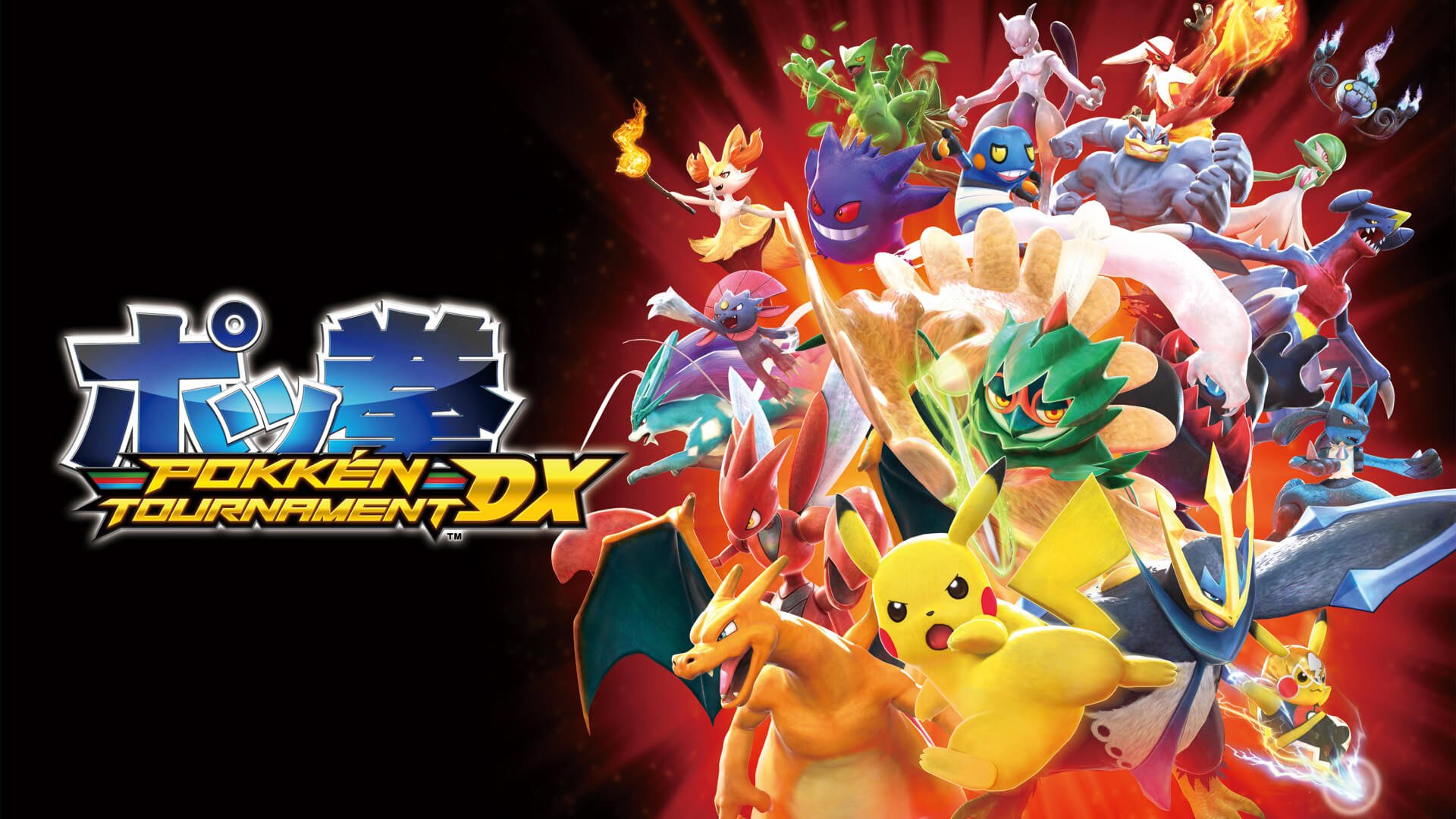
In 2017, an enhanced version of the 2016 fighting game, Pokkén Tournament, was released on Switch. Pokkén Tournament DX included all the content of the original as well as more characters, including Darkrai, Croagunk and Decidueye; there were also more Support Pokémon and more stages. It even included DLC to add even more goodness in. It has an annual championship series as well, for players around the globe to play in.
In 2018, a new free-to-play title was released for Nintendo Switch and mobile devices. This game, Pokémon Quest, was created by Game Freak and has you controlling various blocky versions of Pokémon through Tumblecube Island, collecting ingredients to get more Pokémon and hunting down the mysterious force. This game was completely free to play, but could be augmented with a few micro-transactions.
Mobile
Pokémon GO was released in the last few months of Generation 6 and has continued strong throughout Generation 7. It has added many features over the years, including Trades, Player Battles, Generation 2, 3 and 4 Pokémon and even the Alolan Forms from Pokémon Sun & Moon. With connectivity to Pokémon Let’s Go, it has become one of the major cornerstones of Pokémon as a franchise.
Pokémon Duel is another mobile game that was introduced right at the end of Generation 6 which has been going forwards and adding content throughout Generation 7, including Generation 7 Pokémon and even the Z-Move mechanics. This game is based on the Pokémon Trading Figure Game of the early 2000s and has you use a deck of 6 figures to try and reach your opponent’s home goal; it’s a bit like chess in some ways.
In 2017, another mobile title was released. This game is Pokémon: Magikarp Jump and is a fairly simple game. In it, you raise a Magikarp, feeding it until it’s as strong as it can be, and you then use it to participate in leagues that compare how high your Magikarp can jump. If you win, you move on to the next battle, but if you lose, you release your Magikarp, gain experience, and start again. This game featured three updates adding new styles of Magikarp and more Support Pokémon.
Pokémon Trading Card Game
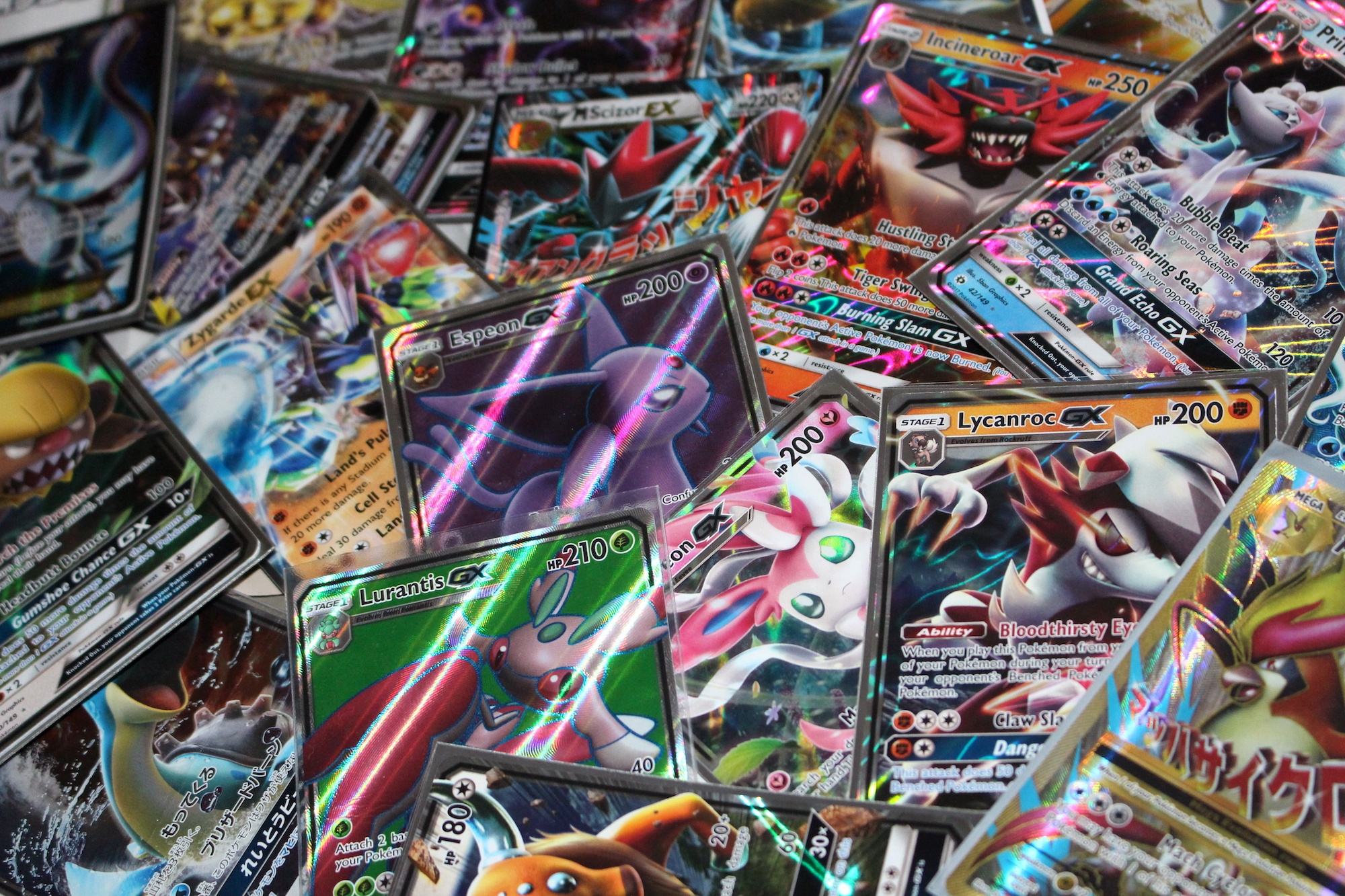
Generation 7 brought the end of the Pokémon EX cards and introduced a new mechanic, Pokémon GX. Pokémon GX work in a similar manner to Pokémon EX but with a unique twist; they have one move that can only be used once per game between all GX moves on all Pokémon in your deck.
This moved on even further when the Ultra Beasts were introduced, adding effects to their moves that are based upon how many Prize cards you and your opponents have.
Finally, the most recent addition in the TCG is the Tag Team GX. These cards pit two Pokémon together such as Celebi & Venusaur, Lucario & Melmetal, Snorlax & Eevee and have an even stronger Pokémon GX with GX moves that have added effects if you have additional energy in, but with a catch… if your Tag Team GX is knocked out, your opponent takes three Prize Cards.
Conclusion & Look to the Future
Overall, Generation 7 was quite a divisive one. While it lacked the variety of spin-off titles, the main titles were filled with unique concepts from Sun & Moon to a new way to play for newcomers with Pokémon: Let’s Go. It was probably the most experimental of the generations, with The Pokémon Company trying a lot of new things with the franchise.
As we approach the next generation of Pokémon, we have to start thinking. Will they continue these unique ideas and concepts? How will Pokémon GO adapt to it? What surprises will there be? Will live-action movies continue? Only time will tell, but give us your predictions below, and also let us know what you think of Generation 7.
When is a platformer not a platformer? When it’s a shoot-’em-up, of course. That’s the dual nature Gelly Break presents you with. A puzzle-platformer that requires you to flip between two different colours while jumping and shooting copious numbers of enemies all at once. To say it’s challenging would be an understatement, but add in the option to play co-operatively, and things start to get really interesting.
As a solo experience, Gelly Break takes that familiar Ikaruga-style mechanic that uses two separate colours to define which platforms you can land on and which jump pads you can use. Things start off easy enough, with large coloured slabs laid out in alternating fashion. Later on, things start to get a little tastier as those platforms fall away or move at varying degrees of speed. It’s a game that’s always keeping you on your toes, one way or another.
You can switch by hitting ‘L’, ‘Y’ or ‘X’, while jumping is tied to ‘R’, ‘B’ and ‘A’. Having multiple button positions present at once might seem like an odd choice, but it makes sense when you consider this is a co-op friendly title and some additional hazards will require you to juggle shooting, jumping and moving at the same time – bridges that only appear as you move across them being one such precarious method of traversal.
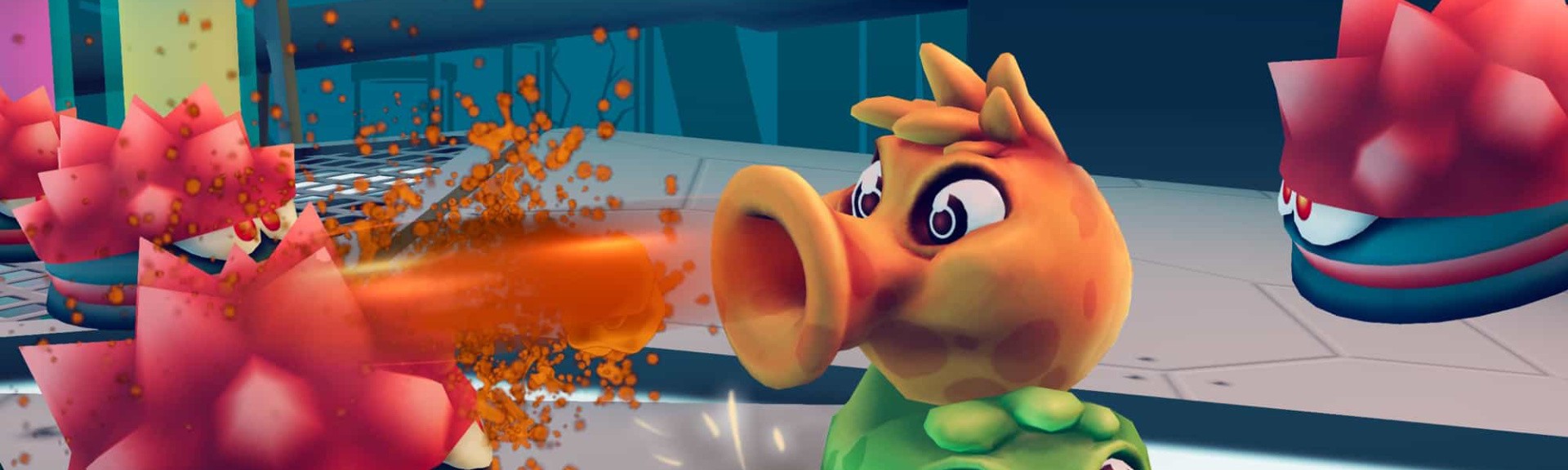
Enemies come in various shapes and forms from simple spiked red fellows that only need a few shots from your coloured snout (you use the right analog stick to fire, twin-stick shooter-style) to glowing pink orbs that shoot you while flitting about in set patterns. There’s a cute twist where these enemies also have altered variants, such as black and white versions that, when hit, turn to glass and can only be destroyed by changing colour next to them and smashing them to bits. When added to the need to leap between moving platforms that fall, rise and disintegrate on contact (and that’s even if you’re the right colour) and you soon realise there’s plenty to keep you occupied.
Rather than selecting a difficulty, you can progress to a tougher level by collecting three blob-like creatures sealed in glass containers. Reach the end of the level with all three and you’ll get to try a level (and a boss) that’s going to test your skills to the limit. For instance, one harder level requires you to juggle all the above and progress through areas where every few seconds a bolt of lightning will strike you. There are pylons dotted throughout to protect you, but reaching them in time adds in another factor to consider while tackling all of the above.
You can complete the entire game solo, including every boss that appears at the end of each respective level, but you can also see how you stack up (quite literally) in Gelly Break with local co-op. While playing solo simply requires you to swap the colours of your blobby duo to solve puzzles and reach new areas, co-operative play is a far more challenging (and ultimately far more rewarding) experience. Now, each player permanently controls one of the two alien jellies and will need to leap atop one another in order to solve puzzles together. So in order to cross a gap with an orange platform in the middle, you’ll need to make sure the orange blob is swapped to the bottom, for example.
Oh, and you can only swap when both of you press your respective buttons, so teamwork is the be-all and end-all in this mode. So when you need to leap to multiple platforms with alternating colours, both of you will need to hit swap at the same time in order to ensure the right colour hits the platform – or it’s a quick drop to your doom. Thankfully, that doom only comes at a small reduction in health, and floating pieces of life-replenishing food are relatively common, even on the harder difficulty levels.
Overall, Gelly Break is an enjoyable couch-play affair, but it comes with a few niggling problems. The camera can be very unpredictable at times, often getting stuck behind assets in the foreground – which is a real problem considering the game regularly throws swarms of enemies at you while you circle and shoot in every direction. The odd camera angle can also make judging jumping distances something of a guessing game, although you’ll eventually learn to gauge the right amount of jump needed to leap a gap with Gelly Break’s slippery physics. The game also doesn’t support the use of a Pro Controller. We get why – this is a drop-in/drop-out co-op game all about splitting the Joy-Con – but for those who prefer their Pro to any other controller setup on Switch, it’s a frustrating omission.
Conclusion
Gelly Break isn’t a perfect platformer/isometric shooter hybrid, but it showcases such creative aplomb it manages to make itself stand out among a vast number of couch-play titles already available on Nintendo Switch. While enjoyable in single-player, this really is a game best experienced locally with a friend – where something as simple as traversing a platform becomes an exercise in mutual harmony or a tragedy of teamwork.
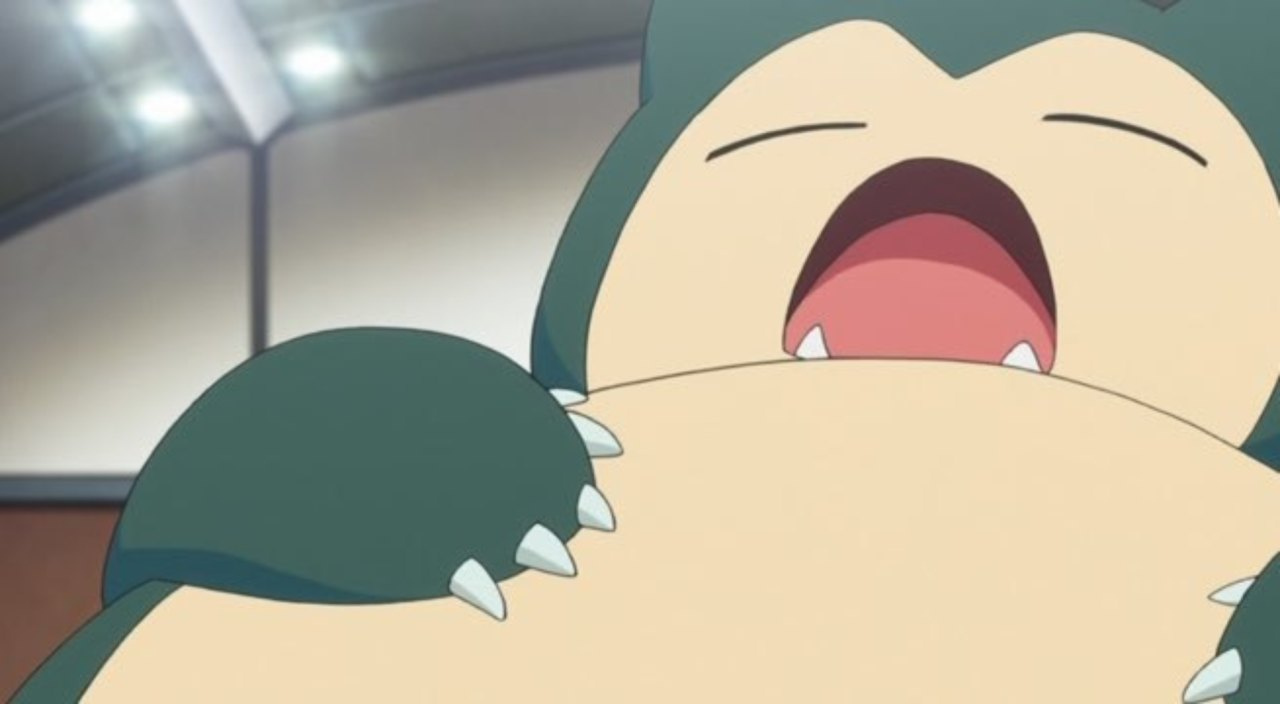
Three thieves have been caught on CCTV stealing a giant Snorlax Pokémon plush from a store in Malaysia. The store has shared the footage online in hopes of tracking the culprits down.
The video, which you can see for yourself below, shows the thieves entering and leaving Black Borx, a Malaysian store which sells vending machines which can store all sorts of goods inside. One example of an item which can be stored in one these machines is a 1.5m Snorlax toy, which was reportedly left sitting outside “to let everyone have a fun encounter with this gigantic creature”. Sadly, the thieves had a little too much fun, and decided to run off with the poor thing.
In a bid to bring the Snorlax home, Black Borx posted the following message to Facebook. At the time of writing, it has been shared over 1,500 times.
🚨 Theft Alert @ Wangsa Maju / Desa Setapak 🚨 Sadly, one of our super cute gigantic Snorlax plush was stolen last night 😢
A plush toy of this huge size is not common, please notify us if you have seen it, and most likely from the 3 persons caught in action
We have ways to identify our Snorlax and rewards will be given when it is returned to the rightful owner!
While the situation doesn’t seem to have been fully resolved just yet, there is a glimmer of hope. Black Borx posted an update just a couple of days ago saying that progress has been made and that they hope “Team Rocket will be blasting off again soon”. Here’s hoping it gets returned safely.
For more giant Snorlax plush related content (nope, we can’t believe we’re saying that either), feel free to check out this heartwarming story of a Snorlax toy which had an exciting, yet sometimes traumatic, journey around the globe.
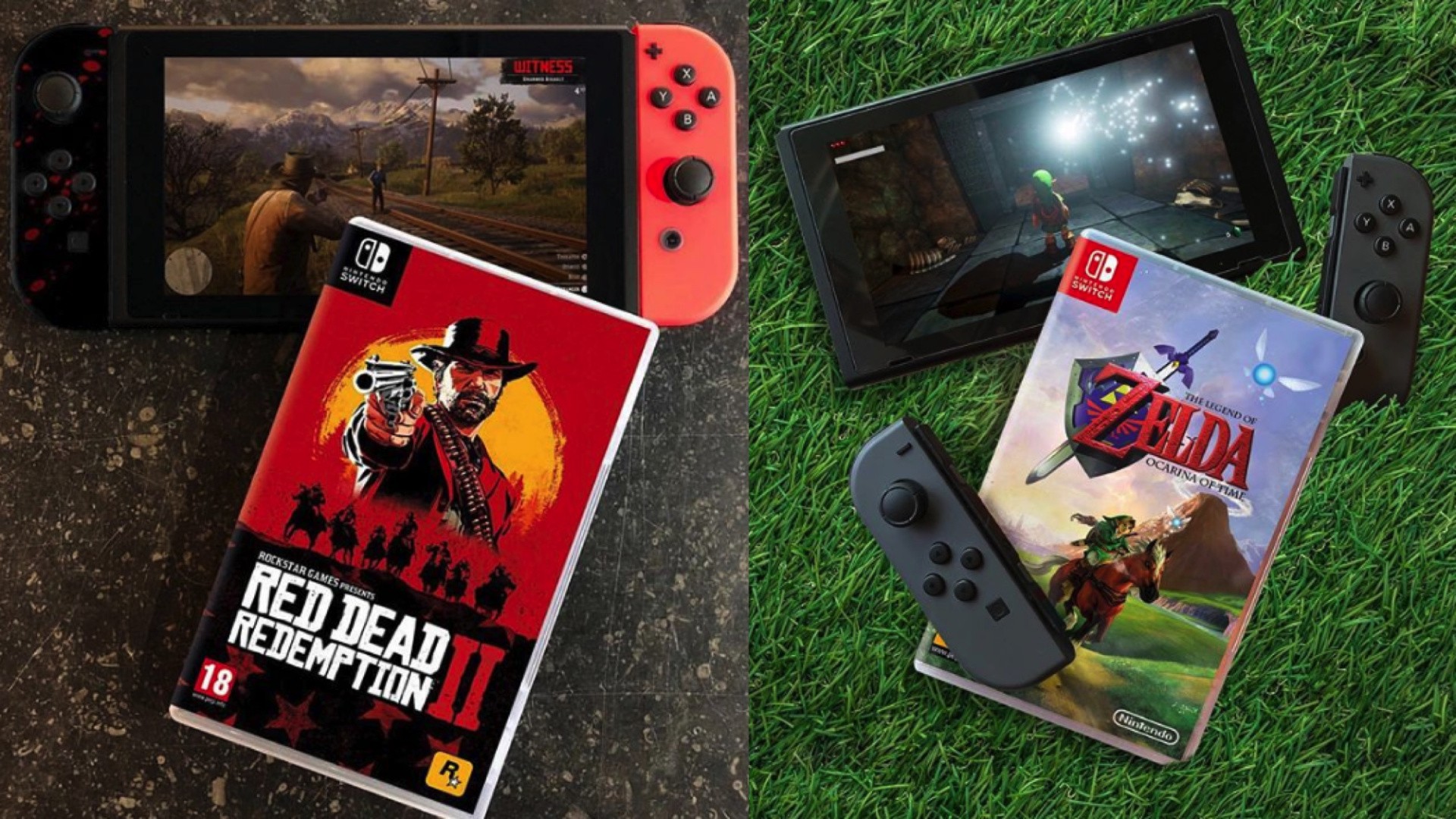
Spending anything more than ten seconds looking through a Nintendo-based online community will tell you that Switch fans want pretty much every game that has ever existed on the console. Super Mario 64? Yep. Red Dead Redemption 2? Absolutely. The 2005 PS2 and Xbox title, Big Mutha Truckers 2: Truck Me Harder? Probably.
If you fall into this category, you’ll likely enjoy the work of Super Mario Faker, an awesomely-named Instagram account posting daily pictures of video game mock-ups. From old Nintendo classics to modern greats from rival systems, these mock-ups are both convincing and teasingly exciting – you can almost imagine adding them to your collection, can’t you?
Nintendo, if you’re reading, this humble writer would snap up a copy of this one before you could say “Pianta”.
If you want to see more and be treated to future creations, make sure to give Super Mario Faker a follow on Instagram. We also share some rather lovely stuff on our very own page, so you’re very welcome to follow us, too!
Now then, the age-old question. Which one game, above all others, would you like to see on Switch? Comment section, GO!
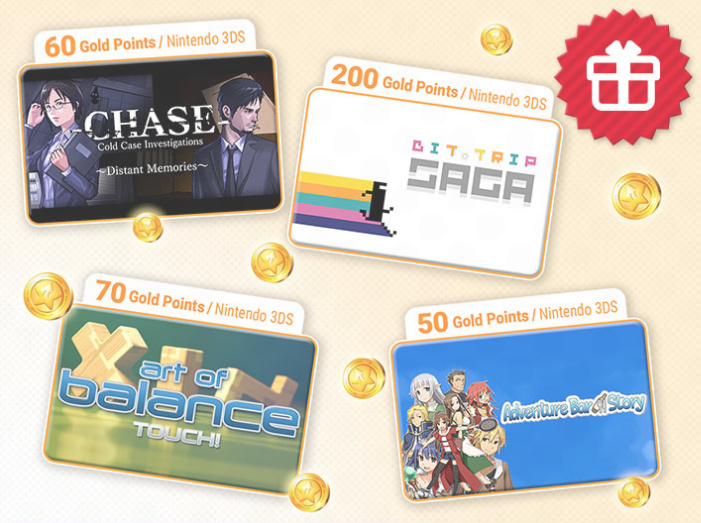
Nintendo of Europe is hosting a rather special version of its usual My Nintendo Rewards update at present, allowing players to exchange their gold coins for full games rather than just discounts.
Four titles in total are up for grabs, all for the Nintendo 3DS. On the more expensive side of the spectrum is BIT.TRIP SAGA, a collection of titles from the hugely popular BIT.TRIP series, and RPG Adventure Bar Story sits at the other available in full for just 50 Gold Points. You can grab these games for yourself by simply using the required Gold My Nintendo Points here.
Will you be taking advantage of any of these offers? Remember, your Gold Points can also be spent on Switch software directly from the eShop or a Nintendo Switch Online subscription, too.
Hercules is well and truly on his way to Nintendo Switch, as a remaster of the classic ’90s platformer Gods is on its way to the console.
Fittingly called Gods Remastered, this new release has been developed by Robot Riot Games and actually released on Steam towards the end of last year. The remaster presents the original title – developed by the Bitmap Brothers and released on systems like the SNES, Sega Mega Drive and more around 1991/92 – in a whole new look; you can actually play either with the original pixel graphics or in a “modern 3D mode with an extensive new soundtrack”. You can see the visual differences in the images below.
Here are some features to give you a little more info, taken from the Steam version of the game:
Features: – Explore 12 levels based on the original level design full of monsters, puzzles and secrets – Defeat the four Great Guardians to join the Gods as an equal – Collect or buy different weapons and extras to master the challenge – Switch between classic pixel and modern 3D graphics at the push of a button – Unlock the speedrun mode and compete against other players around the world – Experience this true-to-original reworked classic for the first time with improved controls and frame rate, with save points and an extensive soundtrack.
The Switch version news actually comes from a Facebook post, in which the developer states that the game has now passed certification. The post says that the game “only needs the store page set up now, which will happen soon”. No release date has been provided, but that certainly sounds promising to us.
Do you like the look of this one? Any memories of playing the original back in the day? Let us know in the comments.
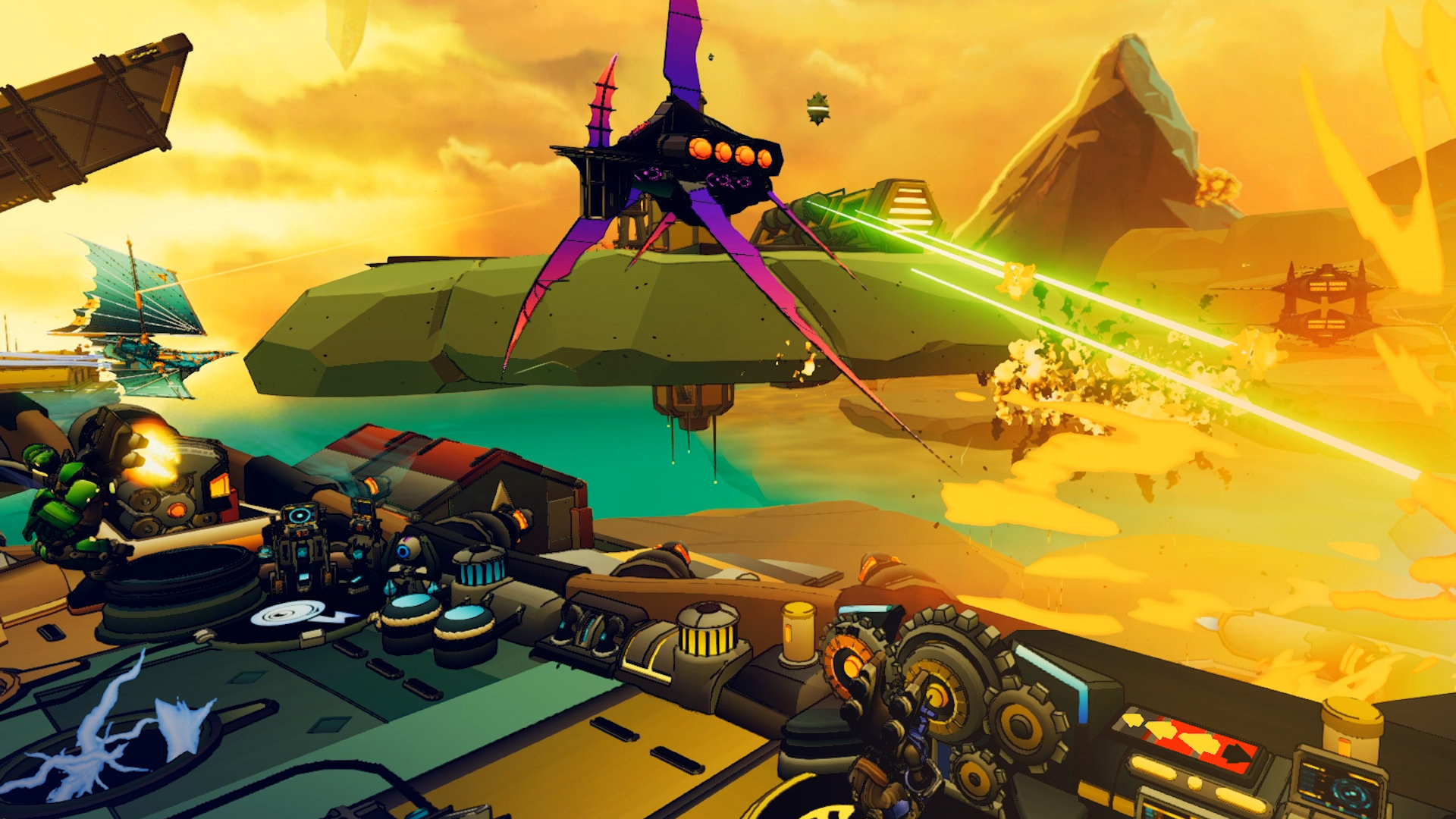
Tribetoy has revealed that its action-strategy airship adventure Bow to Blood: Last Captain Standing is heading to Nintendo Switch this April.
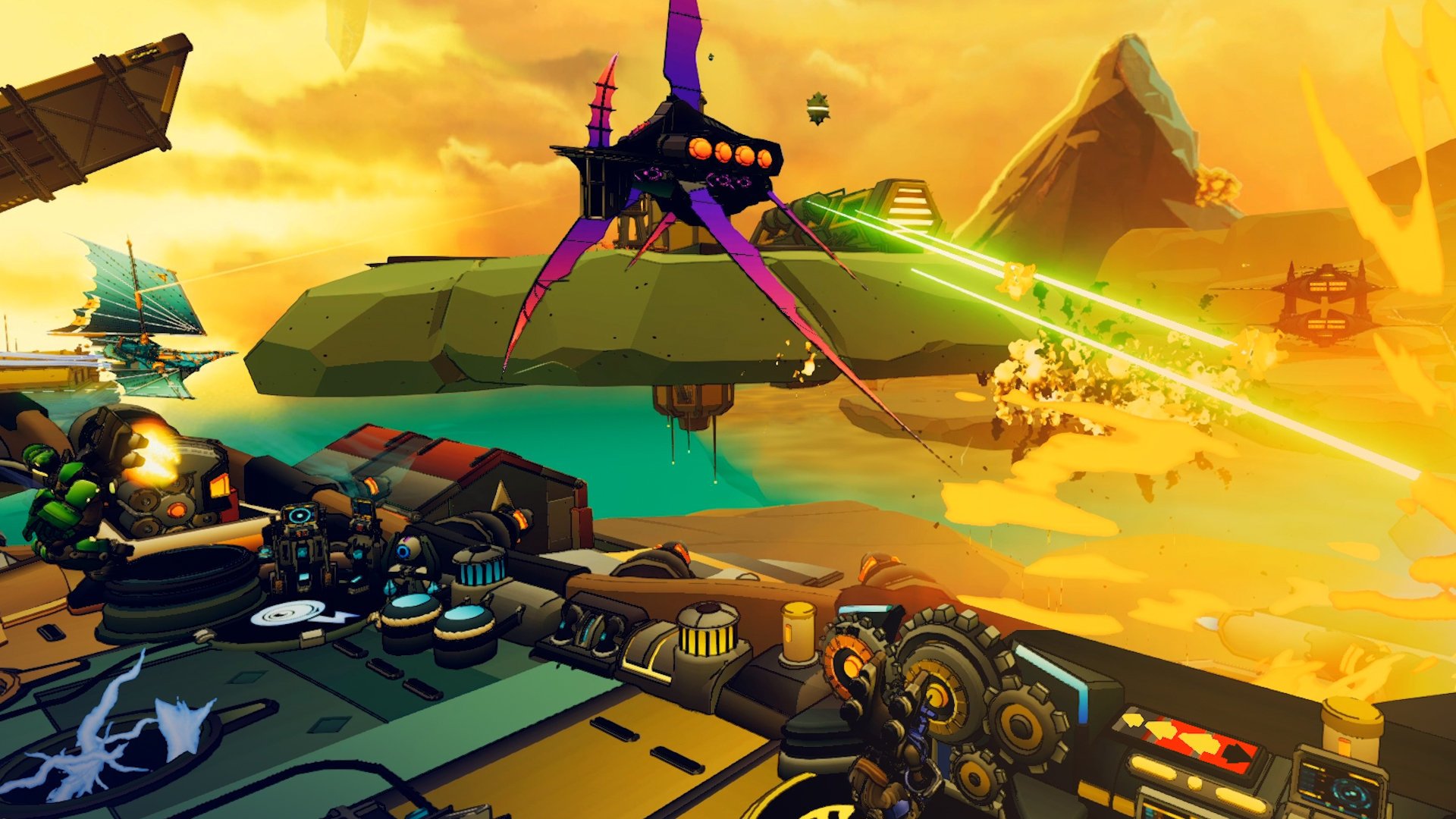
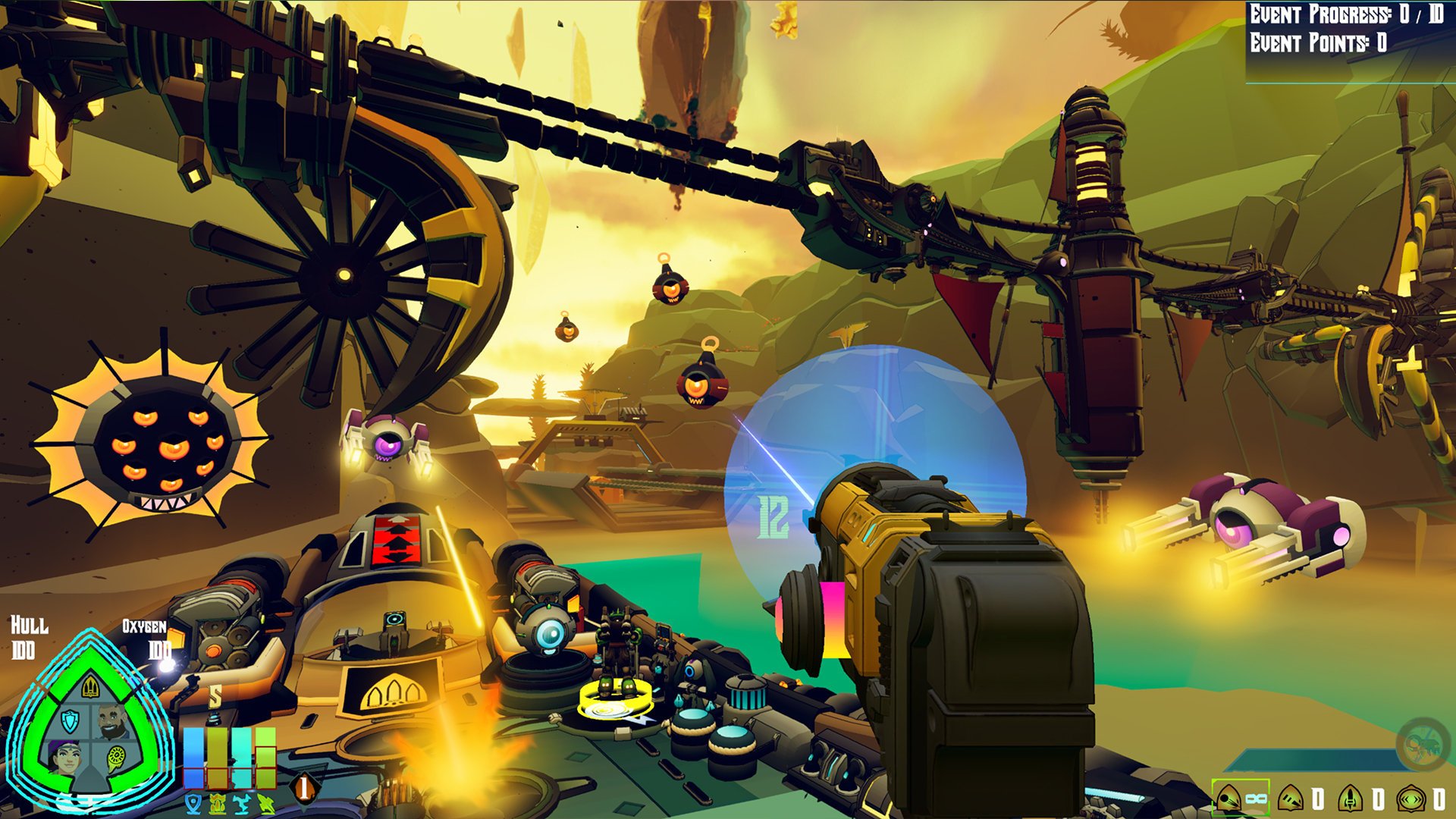
The game is a single-player action-strategy roguelike in which players must oversee a flying airship in a multi-stage competition being broadcast as a deadly reality TV show. You’ll have to manage your ragtag crew to keep your vessel afloat, fend off incoming attackers, gather resources, and search for treasure, and – in a TheHunger Games-style twist, you’ll even need to forge temporary alliances to work against the biggest threats in the game. Of course, only one captain can be victorious, so these friendships won’t last for long.
The original Bow to Blood launched as a PlayStation VR exclusive last August; our friends over at Push Square described it as “a solid experience that builds upon the foundations” of other VR titles. This newly-made multiplatform release is said to build upon that release with “a slew of new content”, enhancing the game with an all-new Hard Difficulty setting, more enemy ships, and improved art.
Tribetoy Co-Founder and Director of Design, Matthew Hoesterey, has said the following in a press release today:
“Bow to Blood is truly unlike anything out there, with its mix of naval combat, airship management, and diplomacy. We’re thrilled that a whole new audience will get to discover it in this multiplatform release this April.”
Have you played this one on PlayStation? Do you like the look of what you see? Let us know if you’ll be keeping an eye on this game in the comments below.